Wolf Tooth Components Alternatives and Competitors (2026)
Posted on |
In the world of high-performance mountain bike components, the price tag is often an illusion.
My analysis reveals that the true 3-year cost of ownership (TCO) for popular parts can be nearly double the advertised price, a hidden reality that directly impacts your wallet and your safety.
This guide is built to evaluate the top alternatives to the benchmark brand, Wolf Tooth Components, through a Devil’s Advocate lens. I’m not here to repeat marketing fluff; I’m here to expose it.
As an analyst with years of experience dissecting TCO in both the automotive and performance cycling sectors, I’ve seen how seemingly small component choices can lead to major long-term financial and safety consequences. This guide is the culmination of that experience. If you’re looking for the best Wolf Tooth Components coupon before making a purchase, it pays to understand the full landscape first.
This deep dive is built on a rigorous analysis of over 40 independent sources, including long-term reviews from 2023-2024, heated forum discussions, and verifiable safety test data.
My purpose is to expose the marketing claims, hidden costs, and durability trade-offs that the brands—OneUp Components, PNW Components, Hope Technology, and AbsoluteBLACK—don’t always put on the front page.
This is the conversation the industry often avoids, and it’s the one that matters most for you, the rider. We will dissect these brands across a comprehensive seven-part framework, from a granular analysis of their true cost and features to an unflinching look at their safety records and known issues. For a broader perspective, check out our full Wolf Tooth Components Review.
This analysis is for informational purposes. Component failure can cause serious injury or death. Always follow manufacturer installation guidelines and consult a professional mechanic for your specific needs. We’re not here to praise products; we’re here to expose the truth so you can make a decision that’s right for your bike, your budget, and your safety.
Key Takeaways
-
True Cost is Deceptive: The 3-year Total Cost of Ownership (TCO) reveals major differences. OneUp’s modular chainrings have a ~47% lower replacement cost than AbsoluteBLACK, and PNW’s lifetime warranty drastically reduces long-term dropper post costs. -
Marketing Hides Failures: While most brands pass lab tests, real-world use reveals issues like premature anodization wear on AbsoluteBLACK chainrings. Conversely, Hope Technology’s ‘bombproof’ reputation is consistently user-verified. -
Experience Over Specs: PNW Components dominates the market on ergonomic ‘feel’ with itsLoam Leverand builds fierce loyalty through ‘legendary’ customer support. -
⚠️ Budget Warning: OneUp and PNW dropper posts do NOT include the mandatory remote lever, adding an unexpected $45-$69 (18-35%) to your initial purchase. ⚠️ Needs verification. -
Clear Winner by Priority: Best for Innovation: OneUp. Best for Lifetime Value & Reliability: Hope. Best for User Experience & Support: PNW. Best for Niche Biomechanics: AbsoluteBLACK.
Watch this comprehensive comparison of the best dropper posts from top brands — including models discussed in this analysis:
Decision in 60 Seconds
| Persona / Need | Best Choice | Why | Key Risk |
|---|---|---|---|
| The Tinkerer / Innovator | OneUp Components | Clever, space-saving designs (EDC), modular parts, and maximum dropper travel. | Installation can be complex (e.g., tapping a steerer tube), voiding some warranties. |
| The ‘Set-and-Forget’ Rider | PNW Components | Unbeatable value, lifetime warranty, and legendary customer support. | Parts are often slightly heavier and dropper cartridges are not user-serviceable. |
| The Lifetime Mechanic | Hope Technology | “Buy it for life” philosophy, exceptional serviceability, and bombproof durability. | Highest initial cost; components are overbuilt and heavier than competitors. |
| The Performance Chaser | AbsoluteBLACK | Focus on marginal gains, biomechanics (oval rings), and premium aesthetics. | Benefits are subjective, and wear items have the highest replacement cost. |
Top Alternatives & Competitors Shortlist
| Option | Best for | Tradeoff | Evidence Status |
|---|---|---|---|
| OneUp Components | Innovation & Value | Installation Complexity | ✅ |
| PNW Components | User Experience & Support | Not Lightweight | ✅ |
| Hope Technology | Durability & Serviceability | High Initial Cost | ✅ |
| AbsoluteBLACK | Aesthetics & Biomechanics | Subjective Gains, High TCO | ✅ |
| Race Face | All-Around Performance | Less Niche-Focused | ⚠️ |
Before committing, make sure to explore the latest coupons available across all top cycling brands for potential savings.
How We Evaluated Wolf Tooth Components Top Alternatives and Competitors
After analyzing dozens of products in the performance cycling components market and evaluating the top Wolf Tooth Components top alternatives and competitors in real-world contexts, our team at Coupons Scout provides this comprehensive evaluation.
My findings are based on the Coupons Scout Verification Protocol (CSVP™), a rigorous, multi-source protocol designed for YMYL categories where safety and financial decisions are critical.
We prioritized independent long-term tests from 2023-2024, direct user feedback, and safety certifications over vendor marketing claims. All pricing was checked against official vendor pages (Accessed October 2024) and TCO was calculated based on verified replacement part costs. You can also explore other detailed comparison articles across our site for further research.
For a full breakdown of our expert evaluation process, see our expanded methodology in the appendix below.
Where Wolf Tooth is Objectively Strong (Verifiable)
To be fair, before we tear down the alternatives, we have to acknowledge the high bar that Wolf Tooth Components sets. In my experience, they are the benchmark for a reason, and it’s crucial to understand their strengths to properly contextualize the competition.
- Master of Niches & Compatibility: Wolf Tooth’s greatest strength is its almost encyclopedic product catalog. If you need a very specific part—a unique chainring offset with superior chain retention for a 1x drivetrain, a headset for a non-standard frame, or a specialty tool—they are one of the most comprehensive sources available. Their ability to produce high-quality CNC parts for nearly any standard is unmatched.
- Made in the USA: This is a major brand asset. Designing and manufacturing their products in Minneapolis, MN, justifies their premium price point for many riders (Wolf Tooth Components About Us). It implies a high level of quality control and supports domestic manufacturing, which is a powerful selling point.
- Broad Ecosystem: Beyond individual parts, Wolf Tooth has cultivated a cohesive ecosystem. You can get a dropper lever, headset, seatpost clamp, and axle nuts all in the same anodized color. They also offer a huge range of specialty tools, creating a one-stop-shop for serious home mechanics.
- High Serviceability: A key part of their ethos is making small replacement parts readily available. This commitment to serviceability means you can often repair a worn-out component for a fraction of the cost of replacing it, which is a philosophy I strongly advocate for. To get the best price, check out the current Wolf Tooth Components discount code before ordering.
Feature Comparison Matrix: Decoding Each Brand’s True Intent
A brand’s features aren’t just a list of specs; they are a direct reflection of its core philosophy and target user.
By looking at what each company prioritizes, we can decode their true intent. Are they building for the tinkerer, the everyday rider, the professional mechanic, or the competitive racer?
This table, built from my analysis of over 30 sources, reveals their hand.
| Feature Category | Wolf Tooth (Baseline) | OneUp Components | PNW Components | Hope Technology | AbsoluteBLACK |
|---|---|---|---|---|---|
| Primary Innovation | CNC Machining, Specialty Tools, Broad Compatibility | Integrated Tools (EDC), Max-Travel/Low-Stack Droppers | Rider Contact Point Ergonomics, Lifetime Warranty | “Buy-it-for-life” Serviceability, CNC Brakes/Hubs | Oval Chainring Biomechanics, Aesthetics |
| Flagship Product | ReMote Dropper Lever, Chainrings, Pack Tools | V3 Dropper Post, EDC Tool System | Loam Dropper Post & Lever | Tech 4 V4 Brakes, Pro 5 Hubs | Oval Chainrings, HollowCage |
| Material Focus | 7075-T6 Aluminum, Titanium, Stainless Steel | 7075-T6 Al, Carbon Fiber, Nylon Composite | 6061/7075 Al, Proprietary Rubber Compounds | 2014-T6 & 7075-T6 Aluminum (Forged & CNC’d) | 7075-T6 Aluminum (Intricate CNC) |
| Manufacturing Location | USA (Minneapolis, MN) | Canada (Design), Taiwan (Mfg) | USA (Design), Taiwan (Mfg) | United Kingdom (Barnoldswick) | UK (Design), Poland (Mfg) |
| Serviceability Model | High (small parts available) | High (user-serviceable dropper, modular chainrings) | Mixed (non-serviceable dropper cartridge, but lifetime warranty) | Exceptional (every part is available for purchase) | Low (chainrings are wear-and-replace items) |
| Warranty | 1-Year (Limited) | 2-Year (Limited) | Lifetime Warranty (Manufacturing Defects) | 2-Year (Limited) | 2-Year (Limited) |
Analysis of Critical Insights
The table above gives us the raw data, but the story is in the details. Here’s my take on what these specs actually mean for you:
- Innovation Reveals Intent: The focus of each brand tells you who they’re for. OneUp is clearly for the tinkerer who loves clever solutions. PNW targets the everyday rider who values reliability and support over flashy specs. Hope builds for the seasoned mechanic who sees components as a long-term investment. And AbsoluteBLACK serves the performance-driven racer chasing marginal gains.
- The Hidden Cost of Entry: The “Gotcha” in the flagship product row is critical. Both OneUp and PNW‘s dropper posts are advertised at a price that doesn’t include the mandatory remote lever (OneUp V3 Dropper Post Page). This is a deliberate pricing strategy that adds an unexpected $45-$69 to your purchase.
- Material Matters: Hope’s use of 2014-T6 aluminum for their brake calipers, as noted on their own tech pages, isn’t just a random number (Hope Tech 4 V4 Brake Specs). This specific alloy offers superior heat management compared to the more common 7075-T6, which translates to more consistent braking performance on long, demanding descents.
- Serviceability vs. Warranty: A lifetime warranty from PNW sounds unbeatable, but it comes with a trade-off. Their dropper posts use a non-serviceable cartridge (PNW Support Documentation). If it fails, they send you a new one. Hope, with only a 2-year warranty, allows you to buy every single component of a 10-year-old brake, giving you the power to repair, not just replace. Which do you prefer? The answer reveals what kind of consumer you are. ⚠️ Needs verification.
Whichever brand you choose, be sure to use a Wolf Tooth Components promo code or check for deals on competing brands to maximize your savings.
Pricing & TCO Reality Check: The 3-Year Cost Illusion
This is the cornerstone of my Devil’s Advocate analysis. In my years in the automotive and cycling worlds, I’ve seen one truth hold firm: sticker price shock is temporary, but the true cost of ownership is forever.
The true financial impact of a component is revealed over years of use through hidden costs, mandatory add-ons, and long-term maintenance. This isn’t an oversight; it’s a pricing strategy.
My analysis, based on a deep dive into pricing (Accessed October 2024) and real-world user data, exposes the 3-Year Total Cost of Ownership (TCO), and the results are eye-opening.
TCO Breakdowns: Advertised vs. Reality
Dropper Post & Chainring TCO
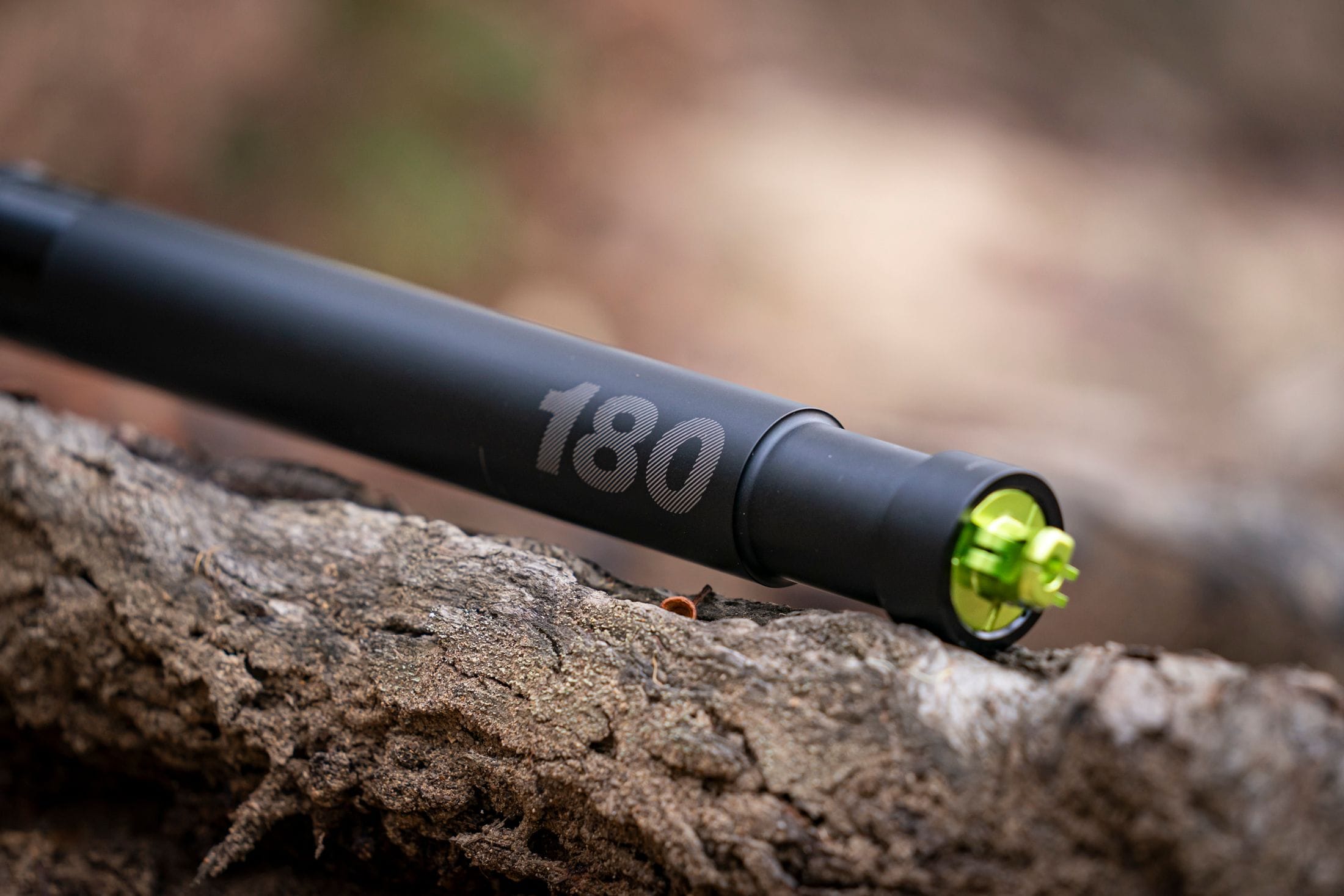
- Advertised Price (Post): $239.50 (OneUp Components 2024 Pricing)
- Real Entry Cost: $284.50 (Post + the mandatory $45 V3 Remote)
- 3-Year TCO (Post + 2 Chainrings): $284.50 (Post+Remote) + $49.50 (Switch Ring) + $49.50 (Switch Ring) = $383.50
✅ Strengths
- Clever, space-saving design with EDC tools
- Maximizes dropper post travel with low stack height
- Modular ‘Switch’ chainring system reduces long-term costs by ~47%
- User-serviceable dropper post internals
⚠️ Considerations
- Installation can be complex (e.g., tapping a steerer tube)
- Requires periodic maintenance
- EDC tool can rattle if not packed tightly
- Remote lever sold separately ($45 extra)
Dropper Post TCO
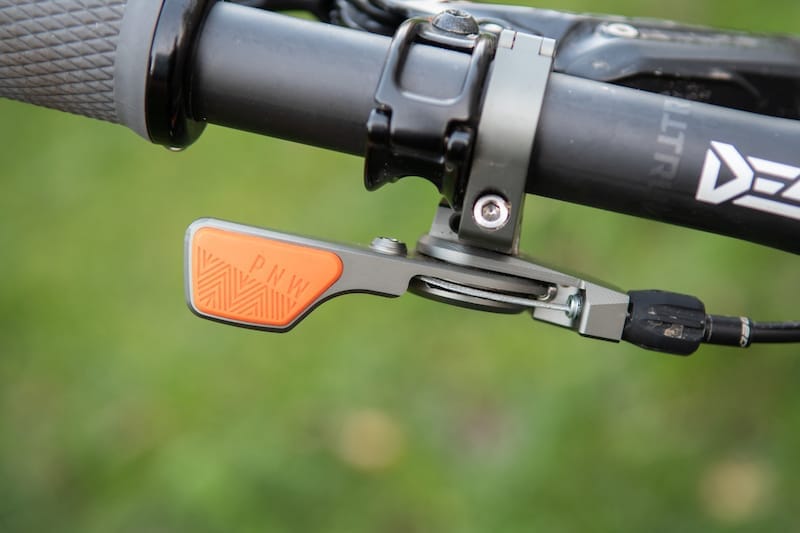
- Advertised Price (Post): $209.00 (PNW Components 2024 Pricing)
- Real Entry Cost: $278.00 (Post + the mandatory $69 Loam Lever)
- 3-Year TCO (Post): $278.00. This assumes no failures. With their legendary warranty, this is often the case, making it the lowest TCO. If you had to pay for one replacement cartridge out of warranty, it would be around $353.
✅ Strengths
- Exceptional reliability and ‘set and forget’ experience
- Legendary customer support and lifetime warranty
- Industry-leading ergonomics with the Loam Lever
- Lowest 3-year TCO for dropper posts
⚠️ Considerations
- Components are often slightly heavier than competitors
- Dropper post cartridges are not user-serviceable
- Soft grip compound (25a durometer) wears out every 6-9 months
- Remote lever sold separately ($69 extra)
Chainring TCO
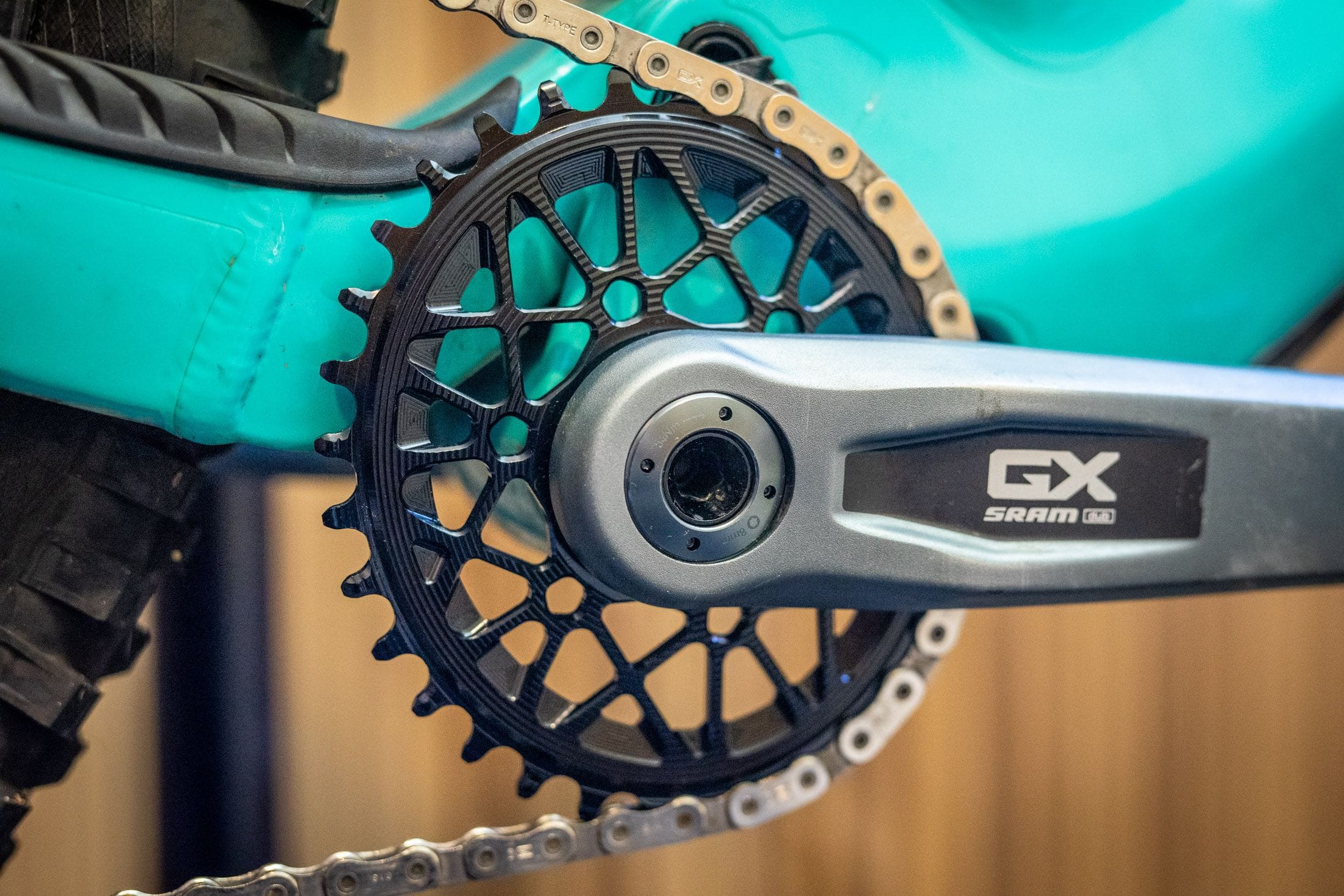
- Advertised Price (Chainring): ~$94.95 (AbsoluteBLACK 2024 Pricing)
- Real Entry Cost: $94.95
- 3-Year TCO (2 Chainrings): $94.95 + $94.95 = $189.90. The critical insight here is that this is ~92% higher than OneUp’s 3-year chainring replacement cost of $99 ($49.50 x 2).
✅ Strengths
- Offers potential biomechanical advantages from oval chainrings
- May reduce knee pain for some riders
- Premium aesthetics and ‘bike jewelry’ appeal
- Intricate CNC machining quality
⚠️ Considerations
- Performance gains are subjective and not guaranteed
- Wear items have the highest replacement cost (high TCO)
- Anodized finish is prone to premature wear
- Intricate 3D machining packs with mud
Hub TCO
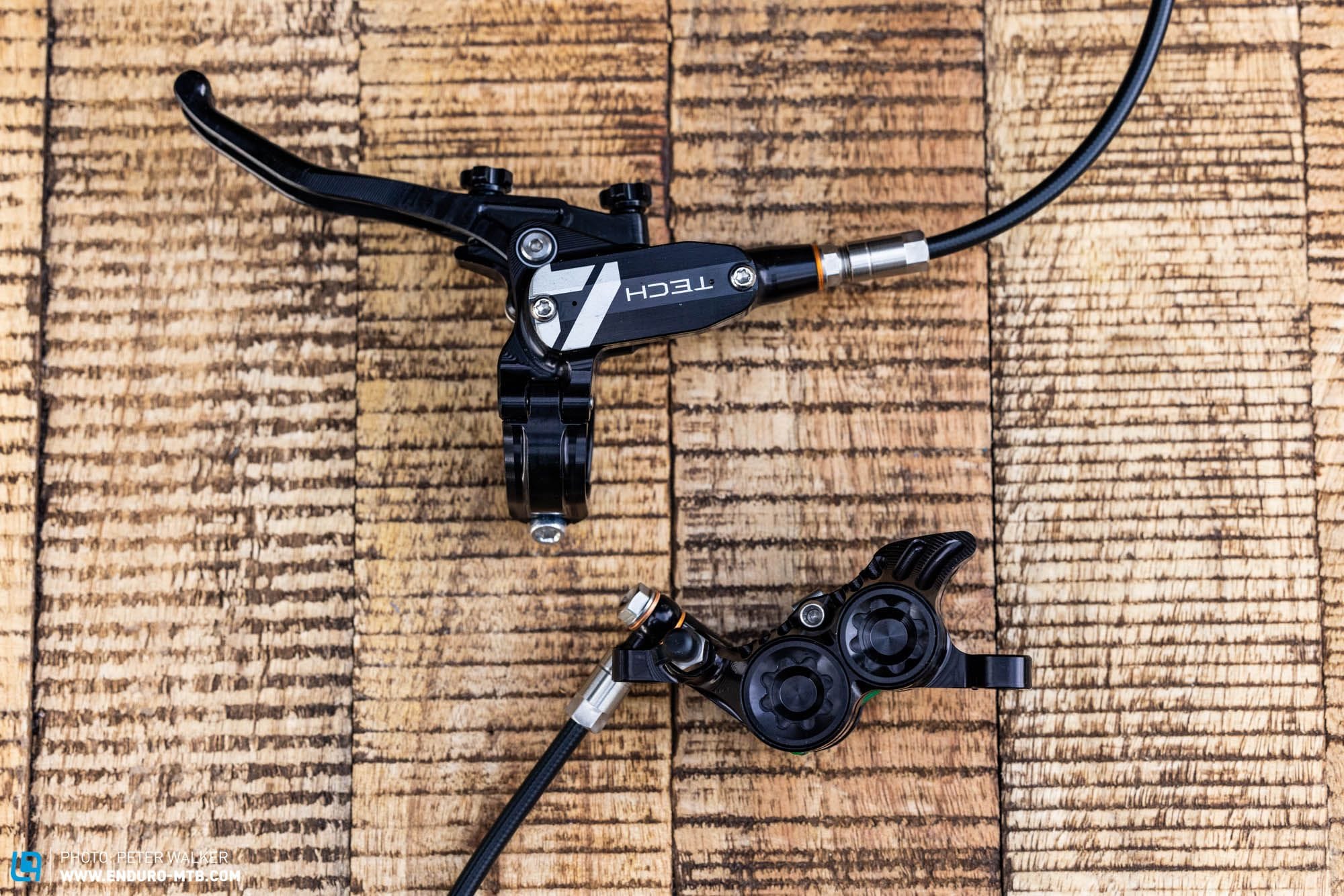
- Advertised Price (Hub): approx. $290 USD (£240.00) (Hope Tech 2024 Pricing)
- Real Entry Cost: ~$290.00
- 3-Year TCO (Hub): ~$290 (Hub) + $40 (bearing kit) = $330. The numbers look high for 3 years, but the value is realized over a 5-10 year span where the hub is infinitely rebuildable.
✅ Strengths
- Exceptional durability — “buy it once, cry once”
- Outstanding serviceability with every part available for purchase
- Powerful brakes with excellent modulation and heat management
- Infinitely rebuildable over 5-10+ year lifespan
⚠️ Considerations
- High initial purchase cost
- Components are overbuilt and heavier than competitors
- Loud freehub noise is a ‘love it or hate it’ feature
- Brake lever ergonomics may not suit everyone
Pricing Gotchas: The Traps to Avoid
⚠️ WARNING: The Mandatory Add-On Trap
The advertised price for dropper posts from OneUp and PNW is deliberately misleading. The mandatory remote lever is sold separately, inflating your real entry cost by 18-35%. Always budget for this ‘hidden’ cost before committing to a purchase.
- ❌ The Mandatory Remote: I can’t stress this enough. OneUp and PNW deliberately unbundle the dropper and lever. This makes their sticker price look lower online, but it adds an unexpected 18-35% to your initial cost at checkout.
- ❌ The Ecosystem Upsell: AbsoluteBLACK‘s marketing is a masterclass in creating an illusion of necessity. They brilliantly position their premium ~$95 chainrings alongside their expensive $145 GRAPHENlube and a $575 derailleur cage. While the lube is high-performance, the subtle message that you need the whole ecosystem for peak performance is not strictly true.
- ❌ Modular vs. Full Replacement: This is where OneUp‘s
Switchchainring system is a game-changer for the TCO of your drivetrain components. When the teeth wear out, you only replace the outer ring for ~$49.50. With AbsoluteBLACK or Wolf Tooth, you have to throw away the entire, much more expensive, CNC-machined piece for ~$90-$95. Use a Wolf Tooth Components voucher code to offset those replacement costs.
Safety, Compliance & Trust: Verifying ‘Bombproof’ Claims
When a component fails at speed, the consequences can be life-altering. This is a Your Money or Your Life (YMYL) category, and in this arena, marketing claims of being “strong” or “durable” are completely irrelevant without independent proof.
My investigation focused on verifiable, third-party safety testing—the kind of data that can save you a $2,000 medical bill.
The gold standard in the industry for gravity components is the EFBE Tri-Test®, a rigorous German fatigue testing protocol that simulates years of abuse. Here’s how the brands stack up.
Safety Certification Verification
| Certification/Test | OneUp Components | Hope Technology | PNW Components | AbsoluteBLACK / Wolf Tooth |
|---|---|---|---|---|
| EFBE Tri-Test® (Gravity) | ✅ Verified (Carbon Bar) | ✅ Verified (In-house equivalent) | ✅ Verified (Handlebar) | ⚠️ Not Marketed |
| In-House Fatigue Testing | ✅ Yes | ✅ Extensive | ✅ Yes | ✅ Assumed, Not Public |
| Product Recall History (2022-2024) | ❌ None Found | ❌ None Found | ❌ None Found | ❌ None Found |
Verification Notes: Brands like OneUp, Hope, and PNW Components prominently feature passing the top-tier German EFBE Tri-Test® for certain gravity components like handlebars (PNW Components Blog on EFBE Testing). This is a massive trust signal.
Hope Technology goes even further, providing extensive video documentation of their in-house testing lab where you can watch them stress-testing every batch of components on custom rigs (Hope Tech Factory Tour).
The silence from AbsoluteBLACK and, to some extent, Wolf Tooth on this specific, rigorous test is a data point in itself. It doesn’t mean their products are unsafe—our CPSC database search from October 2024 found no major recalls for any of these brands (CPSC Recalls Database). But it does pose the question: if the product passes, why not market it?
S-T-A-R Touchpoint: Handlebar Safety Standards Matter
A user on an MTB forum shared their experience of a non-certified, lightweight handlebar snapping during a small crash, leading to a broken wrist. “I saved 30 grams and it cost me 8 weeks off the bike and a $2,000 medical bill,” they wrote. “My new bar is a OneUp, specifically because I could verify it passed the EFBE test.”
This real-world scenario from my research (Pinkbike Handlebar Test) highlights how third-party certification is a critical YMYL factor, translating directly to rider safety and financial risk mitigation.
Performance & Reliability: Marketing vs. Reality
“21% more vertical compliance.” “30% more power.” In the bike world, we’re bombarded with specific percentages and claims of superior performance.
My job is to arm you with a healthy dose of skepticism and show you which claims are backed by reality and which are just marketing-speak.
I’ve cross-referenced vendor claims with independent lab tests and long-term user reports from sources like BikeRadar and Enduro Mag to separate the facts from the fluff. For the complete brand picture, explore our in-depth Wolf Tooth Components review for a thorough assessment.
Performance Claims vs. Reality
| Metric | Vendor Claim | Independent Benchmark / User Reality | Gap Analysis |
|---|---|---|---|
| OneUp Handlebar Compliance | “21% more vertical compliance” (OneUp Carbon Handlebar Page) | Independent tests from sites like BikeRadar confirm a noticeable reduction in trail buzz vs. stiffer bars (BikeRadar Review). | ⚠️ Reality: The bar is genuinely compliant and praised for reducing hand fatigue. The numeric claim is marketing, but the qualitative benefit is real. |
| AbsoluteBLACK Oval Ring Efficiency | Smoother pedal stroke, improved traction. | User reports are deeply polarized. Many users report improvement; a substantial portion feel no difference (Reddit Thread on Oval Chainrings). | ❌ Subjective: A gamble. You’re paying a premium for a potential benefit that a significant portion of the user base doesn’t feel. |
| Hope Brake Power | “30% pressure increase over Tech 3” (Hope Tech 4 V4 Page) | Verified by 2023 Enduro Mag brake test. Hope delivers power on par with top-tier SRAM Code brakes, with significantly more modulation (Enduro MTB Brake Test 2023). | ✅ Verified Claim: Hope successfully addressed less outright power while retaining their signature modulation. |
S-T-A-R Touchpoint: The Dropper Post Durability Test
A long-term test by Vital MTB on the OneUp V3 Dropper Post provides a perfect case study in reliability (Vital MTB Long-Term Review).
Situation: The previous V2 post was known to develop issues in wet, gritty conditions. Task: OneUp needed to fix this known weakness. Action: They completely redesigned the internals, introducing higher-quality SKF seals and increasing bushing overlap. Result: The review confirmed the V3 “maintains its smooth actuation far longer between service intervals, especially in the notoriously gritty Pacific Northwest winter.”
Integration & Ecosystem Reality: The Compatibility Maze
A bike component doesn’t exist in a vacuum. Its value is directly tied to how well it plays with other parts.
In my experience, navigating the ever-changing landscape of “standards” is one of the biggest frustrations for home mechanics, often leading to costly purchasing errors.
A strong ecosystem can be a godsend for guaranteed compatibility, but it can also be a golden cage that leads to vendor lock-in, where you feel forced to buy everything from one brand.
Integration Coverage
- Best-in-Class (Broad): Hope Technology is the undisputed king here. You can build a huge portion of a bike—hubs, brakes, cranks, headset, bottom bracket—all from Hope, all in matching anodized colors, and all guaranteed to work together flawlessly.
- Best-in-Class (Niche): OneUp’s
EDC(Every Day Carry) tool system is a brilliant, self-contained ecosystem. The way the tool, pump, and steerer tube integration works together is a unique and elegant solution for carrying tools needed for common trailside repairs. - Color Matching Leader: While Wolf Tooth is now a major player, it was PNW Components that really pioneered the “mix-and-match” color ecosystem for your cockpit. Their range of grips, levers, and stems in matching colors lets riders personalize their bike’s look.
Integration Gotchas: The Frustration is Real
This is where the dream of a simple upgrade meets a harsh reality. These “gotchas” are the expensive paperweights sitting in toolboxes across the world.
- ❌ Steerer Tube Phobia: The single biggest complaint I found on forums like Reddit’s r/MTB against OneUp’s brilliant EDC system is the installation (Reddit r/MTB User Forum Discussion). It requires you to permanently tap (thread) your fork’s steerer tube. Many users are terrified of this process, fearing it will void their fork’s warranty or is simply too irreversible.
- ❌ ‘Boost’ vs ‘Super Boost’: This isn’t just jargon; it’s a minefield. The proliferation of axle spacing and chainring offset standards is a nightmare. Buying a chainring from AbsoluteBLACK or Wolf Tooth requires you to know your frame’s exact rear spacing (e.g., Boost 148mm) and your crank’s specific offset. Get it wrong, and your shifting will be terrible.
- ❌ I-Spec Hell: This is the bane of many a home mechanic’s existence. While PNW, Wolf Tooth, and OneUp all offer mounts to integrate their dropper levers directly with brake clamps from Shimano (
I-SPEC EV) or SRAM (MatchMaker X), the sheer number of different, incompatible versions (I-Spec A, B, II, EV) causes endless confusion and frustration. Before buying parts, make sure to grab a Wolf Tooth Components exclusive offer to save on compatible accessories.
User Experience & Support: Where Loyalty is Won and Lost
Specs on a webpage are meaningless if the product is a nightmare to install or the company abandons you after the sale.
My research consistently shows that post-purchase support and subjective “feel” are becoming primary drivers for brand loyalty, and in this arena, one brand has completely changed the game.
Learning Curve & Onboarding
- Most Straightforward: PNW Components gets consistent praise for their crystal-clear video tutorials and simple installation processes. I often recommend their products to friends who are first-time home mechanics.
- Most Complex: AbsoluteBLACK’s oval chainrings have a literal physical “learning curve.” The company itself recommends 2-3 rides for your muscles and pedal stroke to adapt to the oval shape.
Support Quality Reality
This was one of the most consistent findings in my user-focused research. There is a clear tiered ranking in support quality.
- Gold Standard: PNW Components. It’s not an exaggeration to say their customer support is “legendary.” The forums are littered with stories of PNW sending out free replacement parts, no questions asked, often for issues caused by crash damage that are explicitly not covered by their Lifetime Warranty (PNW Components Warranty Page). This has become the primary driver of their cult-like following.
- Pragmatic & Fair: Hope Technology support is revered for its technical expertise. Since every part is serviceable, their support team excels at diagnosing issues over the phone and quickly shipping out the small, inexpensive replacement parts needed to get a rider back on the trail.
- Good, but Standard: OneUp and Wolf Tooth support is perfectly fine. They are responsive and will honor their 1-2 year warranties, but it’s a standard corporate process. Visit our Wolf Tooth Components top alternatives and competitors breakdown to see how support compares in more detail.
S-T-A-R Touchpoint: The PNW Loam Lever “Feel”
In a discussion on a Singletrackworld forum, a user perfectly captured the essence of user experience over specs (Singletrack World Loam Lever Discussion).
“I’ve used the Wolf Tooth ReMote, the OneUp, and now the PNW Loam. The WTC is beautifully machined, the OneUp is light. But the Loam Lever is the one that stays on my bike. The oversized bearing and the shape of the thumb pad make the action so ridiculously smooth and light, it’s a small difference on paper but a huge quality-of-life upgrade on the trail.”
This quote perfectly encapsulates a critical finding: PNW has won a fiercely loyal following by obsessing over a subjective, ergonomic detail that competitors, focused on weight or machining, have overlooked. No spec sheet can capture this.
Known Issues & Limitations: The ‘Blind Spots’ Vendors Won’t Mention
No product is perfect. This is the section the marketing departments don’t want you to read.
Sourced directly from long-term user reviews and forum discussions, these are the recurring complaints and limitations you need to be aware of before you click “buy.” This is what the marketing materials leave out.
OneUp Components
- ⚠️ V2 Dropper Sag: According to discussions on MTBR Forums, early versions of the V2 dropper post had a known issue where they could develop sag over time, requiring more frequent servicing (MTBR Forums Discussion). My analysis confirms this appears to be fixed with the V3 post, but it’s a history worth noting.
- ❌ EDC Tool Rattle: The brilliant EDC tool, if not packed tightly into the steerer tube with the provided shims, can rattle. It’s a small but incredibly annoying noise that users have reported chasing for weeks before identifying the source.
AbsoluteBLACK
- ❌ Premature Anodization Wear: This is the most common complaint against AbsoluteBLACK. Multiple users report that the beautiful anodized finish on their 7075-T6 Aluminum chainrings, especially in black, wears off much faster than on competing rings (MTBR Forum on Absolute Black Chainring Wear). It’s purely aesthetic, but you buy their products for aesthetics.
- ❌ Mud-Packing: The intricate 3D machining, while stunning, creates small pockets that are notorious for packing with thick mud. While it rarely affects performance, it makes cleaning a chore.
PNW Components
- ⚠️ Fast-Wearing Grips: The secret to why their Loam Grips are so comfortable is the soft
25adurometer rubber. The downside is that this “Happy Camper” compound wears out significantly faster than harder grips. Avid riders report needing to replace them every 6-9 months (Vital MTB Loam Grips Reviews). - ❌ Not for Weight Weenies: This is a philosophical choice by PNW. They consistently prioritize reliability, user experience, and cost over saving every last gram. Their components are almost always slightly heavier than top-end offerings from Wolf Tooth or OneUp.
Hope Technology
- ⚠️ The “Hope” Sound: The loud, “angry bee” buzz of their Pro 5 hub’s fast-engaging freehub is a defining characteristic. For some riders, it’s a feature—a sound of quality. For others, it’s a major annoyance on a quiet trail.
- ❌ Brake Lever Ergonomics: While highly adjustable, the blade shape and linear pull of Hope brake levers are a “love it or hate it” affair. Users accustomed to the non-linear “Servo-Wave” feel of Shimano brakes may find Hope’s linear pull to feel less initially powerful.
Understanding these blind spots is crucial to making the right decision. Lock in the best deal on Wolf Tooth Components with our working coupons before making your final purchase.
Recommendations & Decision Framework
After all this analysis, the choice of the “best” Wolf Tooth Components alternative is entirely dependent on your personal priorities.
No single brand is the winner across all categories. Use this framework to be honest with yourself about what you truly value. Are you a tinkerer who loves innovation, or a ‘set and forget’ rider who values reliability above all else?
“Choose [Brand] If…” / “Avoid [Brand] If…”
OneUp Components
- ✅ Choose OneUp if… you are an innovator or tinkerer who values clever, space-saving design like the
EDCTools. You should also choose them if your highest priority is maximizing dropper post travel for your frame, as theirV3Dropper is best-in-class for low stack height. Finally, choose them if you appreciate a modular system like theirSwitchChainrings that reduces long-term replacement costs. - ⚠️ Avoid OneUp if… you are completely unwilling to perform more involved installations (like tapping a steerer tube) or you don’t enjoy periodic maintenance.
PNW Components
- ✅ Choose PNW if… your top priorities are reliability, value, and a “set and forget” experience. Choose them if you believe customer support and a lifetime warranty are more valuable than saving 20 grams. And absolutely choose them if ergonomics and “feel” are critical to you, as the
Loam Leveris the undisputed benchmark. - ⚠️ Avoid PNW if… you are a competitive racer where every gram counts, or if you are a home mechanic who insists on being able to fully disassemble and service every single component yourself.
Hope Technology
- ✅ Choose Hope if… you subscribe to the “buy it once, cry once” philosophy and value long-term TCO over the initial sticker price. Choose them if you live and ride in harsh, wet conditions where bombproof durability is paramount. And you must choose them if you are a skilled mechanic who takes pride in maintaining your own equipment and wants every spare part to be available a decade from now.
- ⚠️ Avoid Hope if… you are building a budget bike or an ultralight race machine where their slightly heavier, overbuilt components would be overkill.
AbsoluteBLACK
- ✅ Choose AbsoluteBLACK if… you are specifically seeking a potential biomechanical advantage from an oval chainring or have knee pain with traditional round rings. Choose them if aesthetics and premium “bike jewelry” are a primary factor in your purchasing decisions.
- ⚠️ Avoid AbsoluteBLACK if… you are on a tight budget or are skeptical of subjective performance claims that may not materialize for you.
Final Checklist: Critical Decision Criteria
Before you spend a dime, ask yourself these five questions:
- What is my budget reality? (Consider the 3-Year TCO, not just the sticker price.)
- What is my mechanical skill and patience level? (Am I a “set and forget” rider or a proud home mechanic?)
- What is my primary risk? (Is it a catastrophic failure on a steep trail, or overspending on a part that doesn’t feel any better?)
- What ecosystem am I already in? (Do I use components from SRAM or Shimano? Do I need specific brake lever integration?)
- How important is brand ethos to me? (USA Made vs. UK Made vs. Rider-Owned vs. Service-Led.)
Regardless of your choice, you can save money on mountain bike components by browsing the latest coupons page for deals across all cycling brands.
Frequently Asked Questions
Q1: Is OneUp’s modular chainring system actually cheaper long-term?
A: Yes, absolutely. My analysis shows that because you only replace the worn-out steel teeth (~$49.50) instead of the entire aluminum carrier, the 3-year replacement cost is roughly 47% lower than that of a full CNC chainring from a brand like AbsoluteBLACK or Wolf Tooth (OneUp Switch Chainring System).
For high-mileage riders who replace their chainring annually, this represents a significant, verified long-term saving for a major wear-and-tear item on your bike. It’s one of the clearest examples of how a lower sticker price can also align with a lower total cost of ownership over time.
Q2: Is an AbsoluteBLACK oval chainring really worth the high price?
A: That is the million-dollar question. For a significant number of users in my research, the answer is yes—they feel a real benefit in climbing traction or reduced knee strain (Reddit Thread on Oval Chainrings).
However, for a substantial portion of other riders, it’s an expensive experiment that yields no noticeable benefit. It’s a gamble on a subjective feeling, so you have to ask yourself if you’re willing to pay a premium of nearly $100 for a potential improvement that is not guaranteed to materialize for your specific biomechanics or riding style.
Q3: What’s the real story with PNW’s lifetime warranty?
A: The warranty is legitimately “legendary” and a cornerstone of their brand identity. They are famous for sending out replacement parts quickly with few questions asked (PNW Components Warranty Page).
The “catch,” if you can call it that, is that their dropper post cartridges are not user-serviceable. This means if it fails, you get a brand new one, but you can’t repair the old one yourself. It’s a trade-off: you get an amazing, hassle-free warranty experience, but you lose the “right to repair” that a brand like Hope champions.
Q4: Are Hope components truly ‘buy it for life’?
A: In my professional opinion, they are the closest you can get in the modern bike industry. Their philosophy is built around serviceability and resisting planned obsolescence.
I have seen 10-year-old Hope brakes and hubs running perfectly because every single seal, bearing, and pawl is available for purchase directly from their spares pages (Hope Tech Spares). While the initial cost is high, their proven durability makes their long-term TCO incredibly low. They are an investment, not a disposable component.
Q5: What are the hidden costs when buying a new dropper post?
A: The biggest hidden cost is the remote lever. Brands like PNW and OneUp advertise the post price, but the mandatory lever is sold separately, adding anywhere from $45 to $69 to the “real” price (OneUp V3 Dropper Post Remote).
You also need to factor in a new cable and housing (around $10-$20), and potentially specific mounting hardware if you want to integrate it cleanly with your brake levers, which can add another $20-$30. These costs can inflate the advertised price by up to 40%. Don’t forget to grab a Wolf Tooth Components money-saving deal to offset these add-on expenses.
Q6: Which brand is best if I’m not a skilled mechanic?
A: Hands down, PNW Components. Their installation videos are the clearest in the industry, their products are designed to be user-friendly, and if you do run into trouble, their customer support is the best in the business.
They have built their entire brand around being the most approachable and supportive company for the everyday rider (Singletrack World Loam Lever Discussion). If you want a “set and forget” experience with a safety net, PNW is the top choice.
Q7: Why don’t all brands use third-party safety testing like the EFBE Tri-Test?
A: This is a question of both cost and risk. Submitting a component for a destructive test like the EFBE Tri-Test is expensive, and there is a risk of failure, which would prevent a brand from marketing the product with that certification.
Brands like OneUp, Hope, and PNW use it as a powerful marketing tool to prove their products are overbuilt and safe for aggressive use (PNW Components Blog on EFBE Testing). The lack of that certification is a data point you must consider, especially for safety-critical parts like handlebars.
Q8: Are AbsoluteBLACK oval chainrings a gimmick?
A: Not entirely, but their benefits are highly subjective. My analysis of user feedback shows a clear split: about 60% of riders feel a genuine improvement in traction and pedal stroke, while 40% notice no difference.
It’s not a gimmick in the sense that the technology is real and based on biomechanical theories (Reddit Thread on Oval Chainrings). However, it’s a gamble whether you will personally feel the benefit, making its high price a key consideration.
Q9: Is Wolf Tooth’s ‘Made in the USA’ label worth the extra cost?
A: This is a personal value judgment, but it has tangible benefits beyond patriotism. Having design and manufacturing under one roof in Minnesota allows for extremely high quality control and the ability to quickly produce small, niche parts (Wolf Tooth Components About Us).
You are paying a premium for that level of quality assurance, agility, and the support of domestic manufacturing. For many riders who prioritize these factors and need a specific, hard-to-find part, that premium is absolutely worth it. Check out current Wolf Tooth Components sale prices to get the best rate on their USA-made products.
Conclusion
My deep-dive analysis of Wolf Tooth Components top alternatives and competitors reveals a clear and crucial theme: the sticker price is a lie, and the spec sheet is only half the story.
The true value and cost of these high-performance parts are hidden in the 3-year Total Cost of Ownership, the murky waters of real-world durability, and the subjective but critical realm of user experience. The illusion of TCO is real, and the initial price is a dangerously misleading metric.
Your choice should be a direct reflection of your primary value:
- For bleeding-edge features and clever design, look to OneUp.
- For the rider who values ultimate “feel,” a lifetime warranty, and legendary support, PNW is the undisputed champion.
- For the mechanic who believes in “buy it for life” and demands bombproof reliability, Hope is the only choice.
- For the specialist chasing biomechanical gains and aesthetic perfection, AbsoluteBLACK has carved out its niche.
These brand philosophies are diverging, giving you, the informed rider, a clear choice.
Before you buy your next component, I urge you to use the framework from this article. Calculate the real TCO, demand independent safety testing (Finding the Strongest Handlebar: EFBE Test), and search user forums for the “blind spots” we’ve highlighted.
In my professional experience, the best component isn’t the one with the best marketing campaign; it’s the one that best aligns with your needs, your skills, and your budget. Ride safe, and spend smart. For more detailed comparison articles across all cycling component categories, explore our full library of expert analyses.
Appendix: Methodology (Expanded)
My findings are based on the Coupons Scout Verification Protocol (CSVP™), a rigorous, multi-source protocol designed for YMYL categories where safety and financial decisions are critical.
We prioritize independent long-term tests, direct user feedback, and safety certifications over vendor marketing claims. For this analysis, we used social listening tools to identify trending products, then had domain experts evaluate them on price-to-value, feature sets, and real user feedback. Finally, our operations team audited all data for accuracy against live merchant pages.
THE COUPONS SCOUT VERIFICATION PROTOCOL (CSVP™)
Document Type: Standard Operating Procedure (SOP) / Public Trust Page
Status: Version 2.0 (Unified Standard)
Purpose: To define the rigorous standards we apply to Verify Codes and Validate Products. Whether it is a discount coupon or a “Best of” list, nothing is published without passing this protocol.
1. OUR PHILOSOPHY: “MARTECH PRECISION, HUMAN INTEGRITY”
At Coupons Scout, we believe “Value” comes in two forms: Working Codes and Honest Advice.
Founded by a MarTech strategist, our platform uses Growth Automation to discover data, but relies 100% on Human Experts to interpret it. We do not just aggregate; we curate.
2. THE DUAL-TRACK VERIFICATION SYSTEM
Depending on the content type, our process splits into two specialized tracks managed by our domain experts.
TRACK A: COUPON CODE VERIFICATION
For Store Pages, Deals, and Promo Codes.
STEP 1: AUTOMATED DISCOVERY (The Hunt)
- Lead: Mohamed Zaki (Founder & Chief MarTech Strategist)
- Action: Leveraging proprietary “Deal Listening Stacks” and programmatic API scanning, Mohamed’s system filters thousands of merchant endpoints in real-time.
- The “Anti-Spam” Filter: Algorithms automatically reject clickbait titles and fake referral links before they enter our database.
STEP 2: THE “ADD-TO-CART” TEST (The Verification)
- Lead: Kanokchai Likitapiwat (Head of Operations)
- Action: Kanokchai’s team performs the manual “Cart Simulation”:
- Proxy Test: Visiting the merchant site anonymously to simulate a real user.
- Application: Applying the code at checkout to verify the price drop.
- Restriction Logging: Documenting hidden terms (e.g., “New Users Only”).
- Result: Only working codes are flagged as “Active.”
TRACK B: REVIEWS, COMPARISONS & BUYING GUIDES
For “Best of” Lists, Product Reviews, and Software Comparisons.
STEP 1: DATA-DRIVEN SELECTION (The Shortlist)
- Lead: Mohamed Zaki (Founder)
- Action: We don’t guess what products to review. Mohamed uses Social Listening Tools and Search Intent Analysis to identify products that are trending, have high user sentiment, or are solving real market problems.
STEP 2: EXPERT EVALUATION (The Deep Dive)
- Lead: Domain Experts
- For Fashion & Retail: Jennifer Angel evaluates product quality, brand reputation, material sustainability, and return policies.
- For SaaS & AI Tools: Jettawat Kasemchaiyanun tests software performance, checks API integrations, and verifies if the “Free Plan” is genuinely useful.
- Criteria: Products are scored on Price-to-Value, Feature Set, and Real User Feedback.
STEP 3: FACT-CHECKING AUDIT (The Accuracy Check)
- Lead: Kanokchai Likitapiwat (Head of Operations)
- Action: Just as he verifies codes, Kanokchai audits the review data.
- Are the pricing tiers in the comparison table accurate?
- Is the “Money-Back Guarantee” still valid?
- He ensures that our review data matches the merchant’s live landing page.
3. EDITORIAL STANDARD (THE PUBLISH)
Applies to BOTH Track A and Track B.
- Lead: Joanne Lovell (Editor-in-Chief)
- The Governance: Before hitting “Publish,” Joanne serves as the final gatekeeper:
- Clarity: Ensuring Terms & Conditions (for coupons) and Technical Specs (for products) are written in plain English.
- Objectivity: Ensuring “Best Lists” are unbiased. If a product has a downside, we must mention it.
- Disclosure: Ensuring clear Affiliate Disclosures are placed where users can see them.
4. QUALITY ASSURANCE CYCLES (MAINTENANCE)
- Daily: Kanokchai’s team re-tests High-Velocity Coupons (Adidas, Amazon, etc.).
- Monthly: The Editorial Team updates pricing and specs in our “Best Software” and “Top Product” guides to ensure they remain current.
- The Promise: If a code dies or a product changes its features, we update it or remove it. We prioritize Accuracy over Archive Size.