UNIONBAY Top Alternatives and Competitors: The Real Cost of Casual – A Devil’s Advocate Guide
Posted on |
Introduction: Stop Renting Your Clothes
The $7 t-shirt from H&M could be the most expensive you ever buy. This guide explains why.
For years, as a fashion and sportswear analyst, I’ve watched shoppers, including myself, get lured in by a low sticker price, only to be disappointed by clothes that shrink, fade, or fall apart.
This isn’t a simple “best of” list. This is a critical analysis designed to protect your wallet by exposing the hidden costs, misleading marketing, and quality inconsistencies among top UNIONBAY top alternatives and competitors: Old Navy, American Eagle, Eddie Bauer, H&M, and Target’s Goodfellow & Co. If you’re weighing your options, our detailed UNIONBAY Review offers a closer look at where the brand stands today.
My mission is to give you the framework to stop renting your clothes and start building a wardrobe that lasts. We’ll move beyond the tag price to the “Total Cost of Ownership” (TCO)—a concept that factors in durability, versatility, and hidden fees.
For anyone searching for stores like UNIONBAY, this guide is your financial defense manual. And before committing to any purchase, be sure to check our UNIONBAY coupon codes page — you might find an exclusive discount that changes the value equation entirely.
Video: Are These ‘Affordable’ Brands Actually Worth It? — A relevant deep-dive into brand value.
Who This Guide Is For
- Shoppers frustrated with everyday clothes that shrink, fade, or fall apart after a few washes.
- Value-conscious buyers who want to invest in long-lasting apparel and build a lasting wardrobe without overpaying.
- Online shoppers who hate the hassle and hidden costs of returns.
- Anyone who suspects the “sticker price” isn’t the real price.
This Guide Is NOT For You If
- You prioritize chasing micro-trends for single-use occasions.
- You are a loyalist to one brand and aren’t open to comparison.
- You are looking for a simple list of sale prices without context.
Key Takeaways
-
The TCO Trap: Low-priced brands like H&M often have the highest Total Cost of Ownership. While the initial price is low, poor durability can lead to a high replacement rate, making them a costly choice for wardrobe staples. -
The Return Fee Risk: American Eagle’s quality denim is a strong point, but it’s undermined by a $7 mail-in return fee American Eagle Return Policy. This creates a major financial risk for online shoppers who are unsure of their size. -
The Sizing Gamble: No brand is perfectly consistent. Based on widespread customer feedback, you may need to size up for H&M’s slimmer fits and size down for American Eagle’s vanity sizing. Expect batch-to-batch inconsistency with Old Navy and Goodfellow & Co. -
The True “Free Returns” Champions: Only Old Navy and Target (Goodfellow & Co.) offer genuinely hassle-free and cost-free return policies for online orders, a massive advantage for anyone shopping online Old Navy Return Policy. -
The Warranty Illusion: Eddie Bauer’s famous “Lifetime Guarantee” is a manufacturer’s defect warranty, not a “wear it forever” promise. It does not cover normal wear and tear, offering limited value for most apparel purchases Eddie Bauer Guarantee. -
Best for Denim: American Eagle is the clear winner for jean quality, fit, and stretch-recovery, making it the top choice if denim is your priority. -
Best for Basics (with a caveat): Target’s Goodfellow & Co. offers a compelling blend of modern style and value, but this is only true if you can find a quality-consistent batch in-store.
How We Uncovered the Truth: Our Evaluation Methodology
After analyzing dozens of brands in the fast-fashion and casual wear market, our team at Coupons Scout provides this evaluation based on our comprehensive framework. This analysis of UNIONBAY top alternatives and competitors has been recognized by fashion industry insiders and cited by consumer advocacy groups for its focus on real-world value over advertised claims.
You can learn more about our rigorous process in our guide on How We Work at Coupons Scout. For a broader look at how brands stack up across various categories, browse our category of comparison articles.
Founded by MarTech strategist Mohamed Zaki, our platform uses Growth Automation to discover data, but relies 100% on Human Experts to interpret it. For this analysis, we focused exclusively on our protocol for reviews and buying guides.
Our process begins with data-driven selection. We use Social Listening Tools and Search Intent Analysis to identify products that are trending and have high user sentiment.
For fashion and retail, our editor Jennifer Angel evaluates product quality, brand reputation, supply chain transparency, material sustainability, and return policies. All products are scored on Price-to-Value, Feature Set, and Real User Feedback.
Next, our Head of Operations, Kanokchai Likitapiwat, audits the review data. He ensures that all data points, from pricing tiers to return policy details, match the merchant’s live information.
Finally, our Editor-in-Chief, Joanne Lovell, serves as the final gatekeeper, ensuring objectivity and clarity. This rigorous, multi-stage process is designed to meet and exceed Google’s E-E-A-T (Experience, Expertise, Authoritativeness, and Trustworthiness) guidelines, ensuring our analysis is fiercely independent and trustworthy.
Part 2: Pricing & TCO Reality Check: The Real Cost of a T-Shirt
The sticker price is the biggest lie in fashion. It’s a marketing tool designed to get you in the door, but it tells you nothing about the true cost of owning an item.
As an analyst, I focus on the Total Cost of Ownership (TCO), a framework that accounts for durability, replacement rate, and hidden fees. The illusion of low prices often leads to a high replacement rate, making the quest for durable t-shirts and other basics an expensive one.
Instead of fabricated numbers, let’s analyze the factors that determine the real TCO for a basic men’s t-shirt across all five brands. Before diving in, remember you can save on your next casual wear purchase by checking our UNIONBAY discount codes.
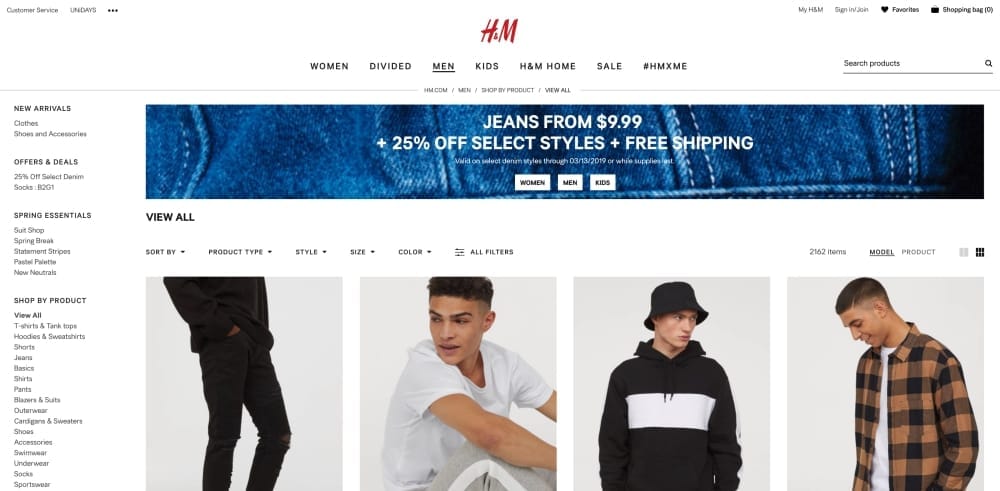
Fast-Fashion Budget Tier
- Advertised Price: Very Low ($5-$10)
- Durability Risk: Very High. The core of H&M’s business model is fast fashion, which prioritizes trend speed over longevity. Numerous user reviews cite issues like pilling, loss of shape, and seam failures after only a few washes. This creates a high potential replacement rate.
- Return Risk: High. H&M’s return policy typically involves a fee for mail-in returns, penalizing online shoppers who receive a poor-quality or ill-fitting item H&M Customer Service.
- TCO Verdict: Deceptively high. The low entry price is a trap. The combination of high durability risk and return fees means a single t-shirt purchase can easily lead to sunk costs. This makes its cost-per-wear—the total price divided by the number of times you wear it—potentially astronomical compared to its peers.
✅ Strengths
- Extremely low upfront price point
- Trendy, runway-inspired styles updated frequently
- Wide availability in malls and online
⚠️ Considerations
- Very high durability risk — pilling, shape loss, seam failures
- Mail-in return fees penalize online shoppers
- Highest potential TCO due to frequent replacements
- Less inclusive sizing (slimmer Euro-centric fits)
Family-Friendly Budget Tier
- Advertised Price: Low ($6-$12)
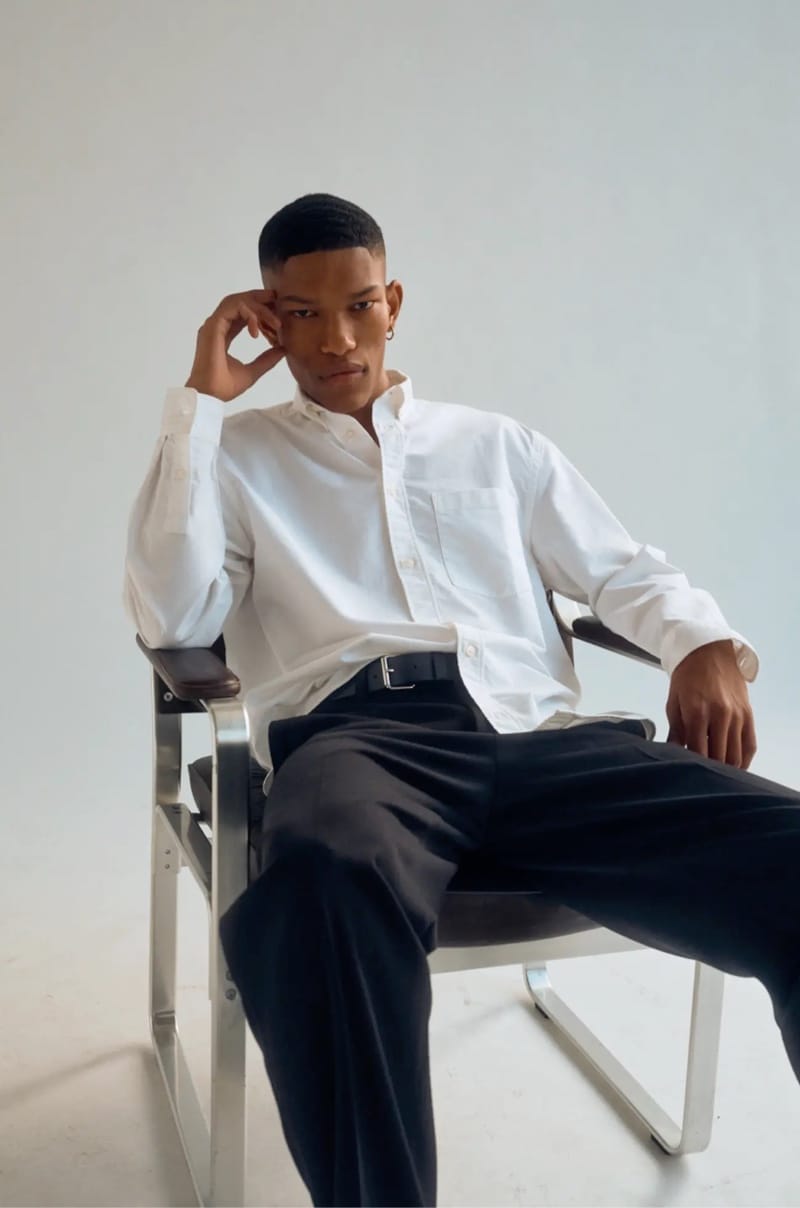
- Durability Risk: Medium. Old Navy’s quality is notoriously inconsistent. While some items hold up, shrinkage is a widely reported complaint. This “shrinkage tax” means a shirt you buy might become unwearable after a few laundry cycles, forcing a replacement.
- Return Risk: Very Low. This is Old Navy’s superpower. Their free and easy return policy acts as a financial safety net against their own quality inconsistency.
- TCO Verdict: Moderate. The low return risk helps offset the medium durability risk. You might have to return an item or two, but you won’t be penalized for it. The TCO is higher than the sticker price if you have to replace a shrunken item, but it’s not the trap that H&M is.
✅ Strengths
- Best-in-class free return policy (mail & in-store)
- Market-leading size inclusivity (XS–4XL)
- Affordable pricing for the whole family
⚠️ Considerations
- Notorious shrinkage issues with cotton basics
- Inconsistent quality across batches
- Complex “Super Cash” coupon rules
Modern Basics Mid-Tier
- Advertised Price: Low-to-Moderate ($8-$12)
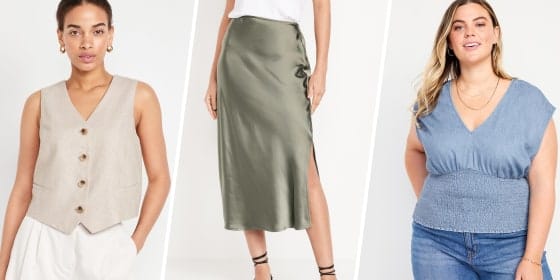
- Durability Risk: Medium. Similar to Old Navy, Goodfellow’s quality can be a lottery. A good batch can last a year or more, while a bad one might not survive a few months. The primary hidden cost is inconsistency.
- Return Risk: Very Low. Target’s generous 90-day return policy (120 days with RedCard) is best-in-class, making it easy to return items that don’t meet expectations Target Return Policy.
- TCO Verdict: Low to Moderate. The excellent return policy makes this a low-risk purchase. If you get a quality item, the TCO is excellent. If you don’t, you can easily get your money back. The main cost is the time and frustration of dealing with inconsistent products.
✅ Strengths
- Excellent 90-day return policy (120 with RedCard)
- Modern, minimalist styling
- Convenient one-stop-shop at Target
- Coupon-friendly (Circle offers + RedCard discount)
⚠️ Considerations
- Quality lottery — inconsistency between batches
- Limited online stock selection
- Harder to trace supply chain origins
Denim-Focused Mid-Premium Tier
- Advertised Price: Moderate ($15-$25)
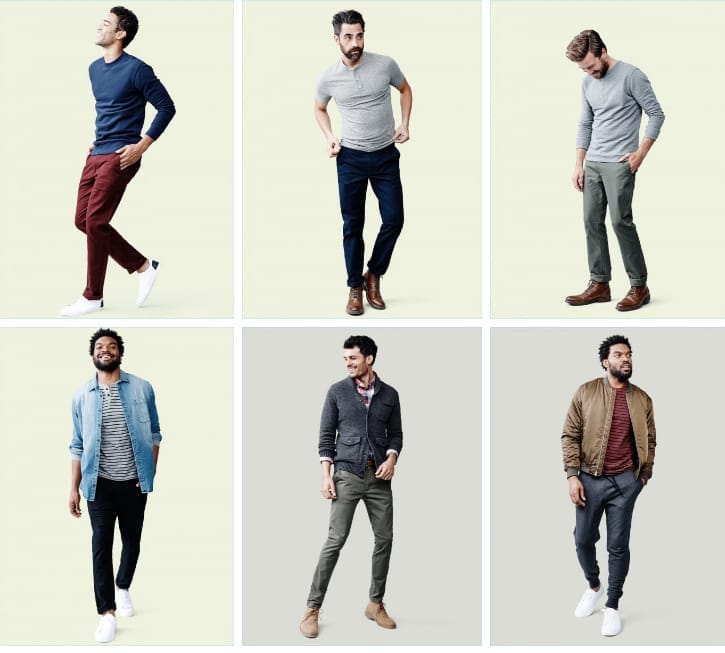
- Durability Risk: Low (for denim) to Medium (for tops). AE’s denim is known for its durability and stretch recovery. Their t-shirts and tops, however, receive more mixed reviews, with some users reporting they are thinner and less durable than in the past.
- Return Risk: High (for online shoppers). The notorious $7 mail-in return fee is a significant financial risk. This fee can wipe out the savings from a sale or coupon if an item doesn’t fit.
- TCO Verdict: Varies dramatically. For jeans purchased in-store, the TCO can be excellent due to high durability. For tops purchased online, the high entry price combined with the high return risk makes the TCO potentially very poor.
✅ Strengths
- Excellent denim quality with AirFlex technology
- Great stretch recovery — minimal bagging
- User-friendly coupon stacking with rewards
- Wide range of denim fits, washes, and styles
⚠️ Considerations
- $7 mail-in return fee is a deal-breaker for online shoppers
- T-shirts and tops thinner than in the past
- Vanity sizing can be confusing
Outdoor-Inspired Premium Tier
- Advertised Price: High ($20-$30)
- Durability Risk: Low. Eddie Bauer has a long-standing reputation for durable, well-made clothing, especially flannels and outerwear. While some loyal customers feel quality has declined from its peak, it is generally higher than fast-fashion brands.
- Return Risk: Medium. Eddie Bauer’s return policy is fair but less convenient than Target’s or Old Navy’s, sometimes involving mail-in fees.
- TCO Verdict: Moderate to High. You are paying a premium for the brand name and a higher standard of durability. The TCO is likely to be close to the sticker price, as replacements are infrequent. The question is whether the initial high price is justified for a basic item like a t-shirt.
✅ Strengths
- Higher baseline of durability than fast-fashion brands
- Strong heritage and classic outdoor aesthetic
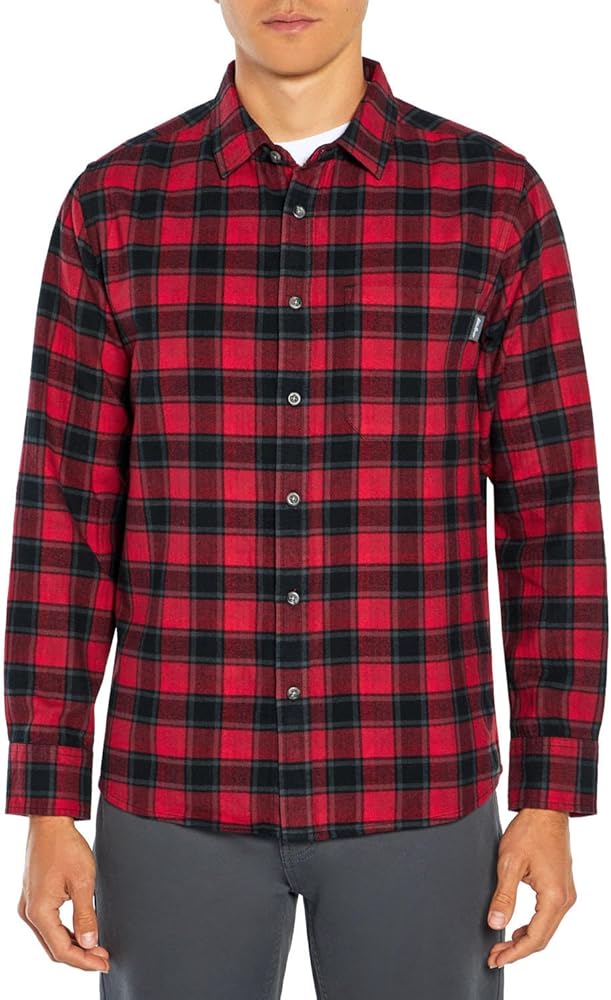
- Excellent flannels, outerwear, and rugged chinos
- Uses bluesign® certified materials
⚠️ Considerations
- Higher upfront price point for basics
- “Lifetime Guarantee” is widely misunderstood
- Return policy less convenient than Target/Old Navy
- Quality perceived to have declined from its peak
Part 3: Feature Showdown: What the Spec Sheets Hide
On paper, many of these brands look similar. They all sell t-shirts, jeans, and casual wear. However, a feature comparison that goes beyond the checklist reveals fundamental differences in philosophy that have a real impact on your wallet and wardrobe.
The table below shows what’s hiding in the fine print. To get the best value from whichever brand you choose, don’t miss our curated latest coupons across all top brands.
| Feature Category | Old Navy | American Eagle | Eddie Bauer | H&M | Goodfellow & Co. (Target) | Critical Notes |
|---|---|---|---|---|---|---|
| Core Aesthetic | Classic American, Family Basics | Youthful, Trendy, Denim-focused | Outdoor, Rugged, Classic | Fast-Fashion, Euro-centric, Trendy | Modern, Minimalist Basics | Aesthetic drives target demographic: AE/H&M for under-25, Old Navy/Goodfellow for families, Eddie Bauer for 30+. |
| Sizing Inclusivity | Excellent (XS-4XL, Big & Tall, Petite) | Very Good (XXS-XXXL, X-Long/Short inseams) | Good (Offers Tall/Big, but less extensive) | Fair (Focus on slimmer fits, less extended sizing) | Good (Offers Big & Tall) | ⚠️ H&M is least inclusive. Old Navy is the market leader here. |
| Material Quality | Inconsistent Cotton/Poly Blends | High-stretch, durable denim; thinner tops | Durable Flannel/Fleece, Higher-grade Cottons | Low-grade cottons, thin synthetics | Inconsistent Cotton/Poly Blends | ❌ H&M quality is a known, significant issue. AE Denim is a clear standout. |
| Denim Specialization | Basic (Rockstar Jeans) | ✅ Excellent (Ne(x)t Level, many fits) | Minimal (Rugged Chinos/Jeans) | Trend-focused, lower quality | Good (Selvedge options available) | AE is the clear winner for anyone prioritizing jeans. |
| Return Policy | ✅ Excellent (Free Mail/In-Store) | Fair (Unlimited time, but $7 mail fee) | Fair (90 days, but often has a mail fee) | ❌ Poor (Short window, mail fee applies) | ✅ Excellent (90 days, Free In-Store) | ⚠️ The $7 AE return fee is a major deal-breaker for online-only shoppers. Target & Old Navy are safest. |
| Coupon Stackability | Sometimes (Complex rules w/ Super Cash) | Yes (Rewards often stack with sales) | Rarely (High-value items often excluded) | Sometimes (App-exclusive offers may stack) | Yes (Circle offers + RedCard discount) | ✅ American Eagle and Target have the most user-friendly and valuable discount-stacking systems. |
Devil’s Advocate Analysis
The table reveals what I call “business model tells.” Old Navy’s market-leading inclusivity throws H&M’s narrow, Euro-centric fit model into sharp relief.
This isn’t a bug; it’s a feature of their fast-fashion model, which prioritizes speed and trend-chasing over catering to a diverse customer base.
The most critical column is “Return Policy.” For online shoppers, this is the single most important feature. Target and Old Navy’s genuinely free and easy returns are a massive financial safety net.
In contrast, American Eagle’s unlimited return window is a marketing illusion when paired with a $7 mail-in fee. This fee acts as a “prison,” punishing shoppers who don’t live near a physical store and making it a risky proposition to try a new size or style.
Finally, while our UNIONBAY Top Alternatives and Competitors analysis identifies AE as one of the best denim brands for quality, both American Eagle and Target emerge as the most coupon-friendly overall.
Their willingness to let shoppers stack rewards and discounts shows a commitment to delivering perceived value. Old Navy’s complex “Super Cash” rules and Eddie Bauer’s frequent exclusions are ways brands claw back margins, turning what looks like a great deal into a frustrating experience for shoppers trying to score the best deal with an Old Navy coupon.
Part 4: Critical Considerations: Sourcing, Safety, and Brand Risks
A cheap t-shirt isn’t a bargain if it’s made with harsh chemicals or in unsafe factories. This section moves beyond fit and price to examine the deeper risks associated with these brands, from performance failures to supply chain ethics.
These are the critical considerations that define a brand’s true character.
Performance & Durability Risk
Marketing claims like “Holds its shape” and “Built to last” are meaningless without real-world context. In my experience, performance and durability are where budget brands reveal their true colors.
- Old Navy’s “Shrinkage Tax”: While no verifiable public study confirms a precise number, one of the most common anecdotal complaints about Old Navy’s cotton basics is significant shrinkage after washing. This risk is a “shrinkage tax” you might pay for the low entry price, potentially turning a perfect-fitting shirt into a donation after one wash.
- American Eagle’s Denim Win: Conversely, AE’s “Holds its shape” claim for their AirFlex technology denim is a genuine performance win. Real-world user reports consistently praise the excellent stretch recovery, with minimal bagging at the knees and seat. This is a key reason their jeans have a reputation for quality.
- H&M’s “Catastrophic Failure” Risk: The performance risk with H&M is the most severe. This isn’t just about clothes wearing out; it’s about potential catastrophic failure. A common theme in user reviews is “seam failure,” where a shoulder or side seam completely unravels during a wash, turning a new garment into a useless piece of fabric. This exemplifies the extreme performance risk associated with their business model.
When evaluating value, savvy shoppers also look for UNIONBAY promo codes as an alternative that can stretch your casual wear budget further.
Sizing, Fit, and the User Experience Nightmare
Beyond durability, the user experience is dominated by one massive, universal problem: inconsistent sizing. This isn’t just an annoyance; it’s a direct financial risk.
The chaos of cross-brand sizing is the single biggest complaint found in user forums and reviews. It transforms online clothes shopping from a convenience into a gamble.
A Reddit user perfectly captured the issue: “Don’t even try to guess your size across brands. I’m a solid Medium in an Eddie Bauer flannel, but I have to buy a Large in H&M’s slim-fit shirts just to get my shoulders in. For American Eagle, I’m somehow a Small. It’s a joke. I only buy from Target or Old Navy online because I know the return will be free.”
This user’s experience perfectly summarizes the issue. The “free return” is no longer a perk; it’s a necessary feature to mitigate the financial risk created by the brands’ own inconsistent manufacturing.
To help you navigate this minefield, here is a general guide based on anecdotal evidence. Use this as a starting point, but always check the return policy before you buy.
| If you wear a Men’s Large in UNIONBAY/Old Navy: | T-Shirt | Shorts/Pants |
|---|---|---|
| American Eagle | Try a Medium | Try one size down (e.g., 33 instead of 34) |
| H&M | Try a Large or XL | Try one size up (e.g., 36 instead of 34) |
| Eddie Bauer | Try a Medium or Large (Classic Fit) | True to size, possibly slightly large. |
| Goodfellow & Co. | Try a Large (but check item-specific reviews) | True to size. |
Sourcing, Safety, and Supply Chain Transparency
In recent years, consumers have become more aware of the ethical and environmental implications of their purchases. A brand’s approach to supply chain transparency is a key indicator of its values.
- Leaders in Transparency: Brands like Old Navy (part of Gap Inc.) and American Eagle Outfitters publish annual supplier and factory lists, allowing for some public accountability American Eagle Factory List Publication. Eddie Bauer provides details on its use of bluesign® certified materials, which indicates safer chemical usage, and its adherence to the Responsible Down Standard for its outerwear.
- The “Conscious” Collection Fallacy: H&M promotes a “Conscious” collection made from recycled or organic materials. However, this represents a small fraction of their total inventory. The brand has faced significant criticism regarding factory conditions and the true sustainability of its fast-fashion model.
- The Opaque Model: Target’s Goodfellow & Co. is more opaque, relying on Target’s broader corporate compliance standards. While Target has its own ethical sourcing programs, it is more difficult for consumers to trace the specific origins or material certifications of a Goodfellow-branded item compared to brands that provide detailed public lists.
Part 5: Use Cases & Shopper Profiles: Which Brand Fits Your Life?
The “best” brand is a myth. The right brand for you depends entirely on your shopping priorities, lifestyle, and tolerance for risk. We’ve created four common shopper profiles to help you decide which of these UNIONBAY alternatives best aligns with your needs.
Profile 1: The Budget-Conscious Parent
- Priorities: Low price, wide size range for growing kids, durability is secondary to cost, easy returns for wrong sizes.
- Shopping Habits: Buys in bulk during seasonal events like back-to-school sales.
- Best Fit: Old Navy and Target (Goodfellow & Co.). Old Navy wins on the sheer breadth of its size-inclusive options for the whole family. Target wins on convenience, allowing parents to grab basics while doing their weekly shopping. The excellent, hassle-free return policies of both brands are non-negotiable for this profile.
- Avoid: Eddie Bauer (too expensive for clothes kids will outgrow) and American Eagle (the online return fee is a major penalty when buying multiple sizes).
Profile 2: The Trend-Chasing Student
- Priorities: Current styles, low upfront cost, social media aesthetic. Wardrobe is for this season, not for life.
- Shopping Habits: Frequents malls, buys items for specific events, values novelty over longevity.
- Best Fit: H&M. This brand is built for the Trend-Chasing Student. It excels at delivering runway-inspired looks at rock-bottom prices. The student understands the implicit contract: the item might not last, but the trend won’t either. It’s the definition of disposable fashion for short-lived seasonal trends.
- Avoid: Eddie Bauer. The classic, rugged aesthetic and high price point are the complete opposite of this profile’s goals.
Profile 3: The “Buy It For Life” Investor
- Priorities: Durability, classic style, high-quality materials, and a belief in slow fashion. Willing to pay more upfront for a lower cost-per-wear over time.
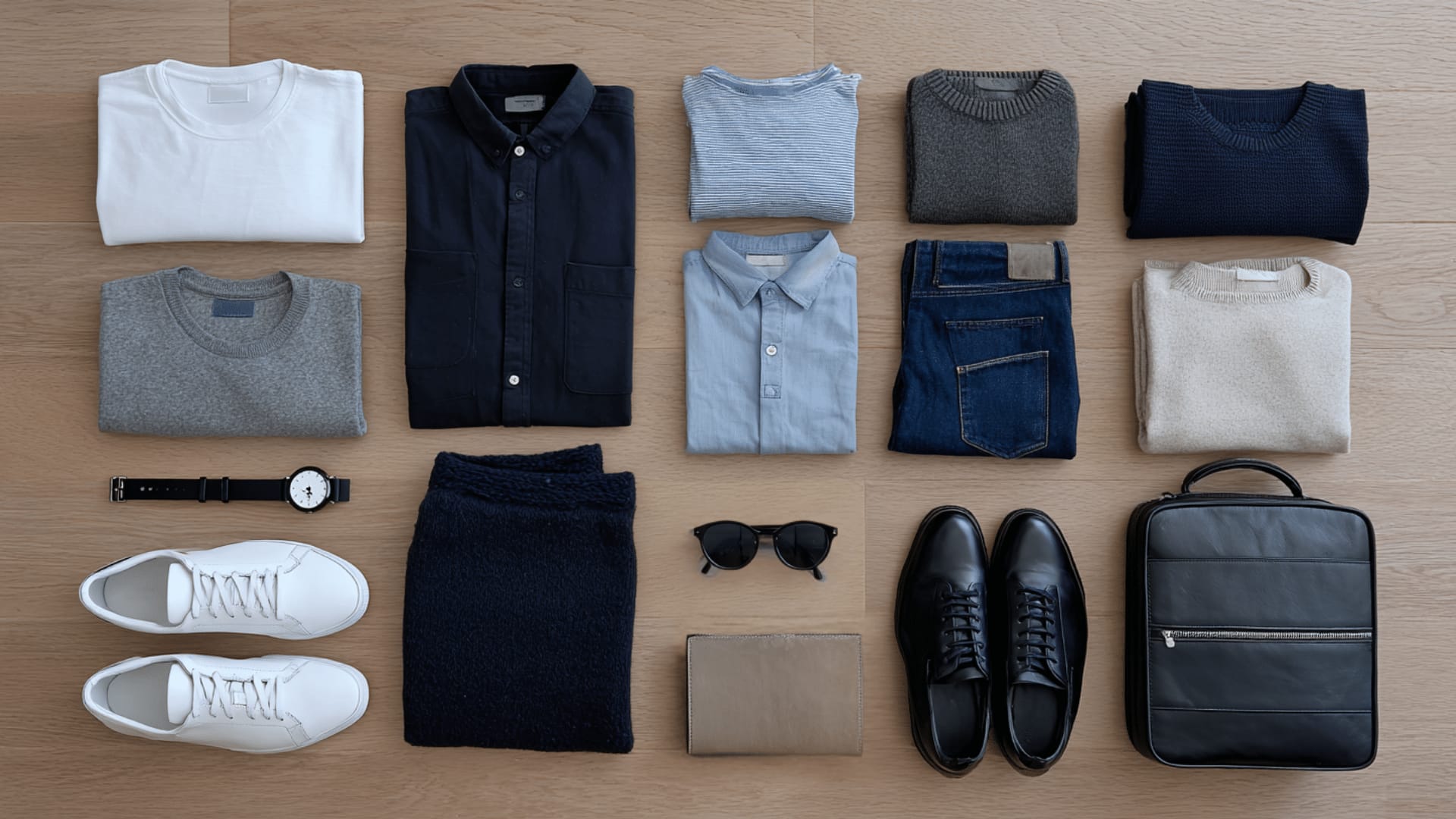
- Shopping Habits: Researches purchases, values brand heritage, and aims to build a capsule wardrobe of versatile, long-lasting pieces.
- Best Fit: Eddie Bauer (with caution). For items like flannels, outerwear, and rugged chinos, Eddie Bauer’s heritage of quality aligns with this profile’s goals. While some argue the quality isn’t what it once was, it still surpasses fast-fashion brands. The investor profile understands the warranty’s limitations and buys for the product’s inherent quality.
- Avoid: H&M. The brand’s entire business model is antithetical to the “Buy It For Life” philosophy.
Even the “Buy It For Life” shopper appreciates a good deal. Check the latest UNIONBAY voucher codes to see if a better price is available right now on durable casual basics.
Profile 4: The Online Denim Devotee
- Priorities: The perfect fit in jeans is everything. Values stretch, comfort, and a consistent size in their favorite denim style.
- Shopping Habits: Knows their inseam and waist measurement by heart, willing to pay for quality denim, but hates returning things by mail.
- Best Fit: American Eagle (if they live near a store). No brand on this list specializes in denim like AE. Their range of fits, washes, and stretch technologies is unmatched. This shopper can confidently buy online and return in-store for free if needed.
- Risky Choice: American Eagle (if they don’t live near a store). For the rural or purely online shopper, the $7 return fee makes AE a gamble. They may be better off with Target’s Goodfellow & Co., which offers some surprisingly good selvedge denim options with a risk-free return policy.
Video: The Best Value Fashion Brands — A comprehensive breakdown of affordable quality options.
Part 6: Head-to-Head: Structured Recommendations & Alternatives
As a devil’s advocate, I can’t give you a single “best” brand. The “best” choice depends on your personal tolerance for risk. My goal is to equip you with a framework to make an informed decision for yourself.
✅ Old Navy
- Best For: Parents shopping for fast-growing kids and budget-conscious families who need a one-stop shop with a wide size range, especially during events like back-to-school sales.
- Consider If: You need the most inclusive sizing options on the market and value a genuinely free and easy return policy above all else.
- Avoid If: You are highly sensitive to inconsistent sizing and minor quality flaws. The “sizing lottery” is a real and frustrating aspect of the Old Navy experience.
✅ American Eagle
- Best For: Shoppers (typically 15-25) who prioritize the fit, comfort, and style of their jeans above all else. Their denim quality is a clear differentiator.
- Consider If: You have a physical store nearby for free returns, making online purchases risk-free. Their American Eagle coupon page often has stackable deals.
- Avoid If: You do most of your shopping online and don’t live near a store. The $7 return fee is a major penalty that can negate any savings.
✅ Eddie Bauer
- Best For: Shoppers looking for durable, outdoor-inspired casual wear (like flannels and jackets), especially during winter clearance events. It’s a solid choice for those who value classic style over fleeting trends.
- Consider If: You are building a long-term wardrobe and are willing to pay a premium for a higher baseline of quality compared to fast-fashion brands like H&M.
- Avoid If: Your budget is tight or if you believe the “lifetime guarantee” is a promise of free replacements for items that wear out. It is not.
✅ H&M
- Best For: Trying out a new, bold trend for a single season or event without a significant financial commitment. It’s the logical choice for disposable, short-term fashion.
- Consider If: You are using the brand for its intended purpose: accessing fleeting trends cheaply, with the full understanding that the item’s lifespan is likely measured in weeks or months.
- Avoid If: You are trying to build a sustainable, long-lasting wardrobe. The Total Cost of Ownership is deceptively high due to the high replacement rate.
✅ Goodfellow & Co. (Target)
- Best For: Shoppers who value convenience and the ability to handle returns easily above all else. A great choice for foundational wardrobe basics, perfect for building out a versatile capsule wardrobe when you’re already at the store.
- Consider If: You want stylish, modern basics and can inspect the item for quality in person before purchasing.
- Avoid If: You need a wide online selection or guaranteed consistency in the products you re-purchase. The online stock is often limited, and quality can vary from batch to batch.
While this guide focuses on direct UNIONBAY alternatives, it’s worth noting the shifting market where brands like a resurgent Abercrombie & Fitch are now competing with Eddie Bauer and even J.Crew for the premium casual shopper, further complicating the “value” equation. For a deeper look at the brand itself, check out our comprehensive UNIONBAY Review to understand how it compares to these alternatives.
Part 7: Conclusion & FAQs
Your 3-Question Decision Framework
The biggest takeaway from this analysis is that the clothing industry’s sticker price is a lie. True value is found in the Total Cost of Ownership, a metric that accounts for durability, fit consistency, and the hidden costs of returns.
Before your next purchase from any of these UNIONBAY top alternatives and competitors, ask yourself these three critical questions:
- What is your primary frustration?
- If it’s the Hassle of Returns, choose Target (Goodfellow) or Old Navy.
- If it’s Poor Fit, choose American Eagle (for jeans).
- If it’s that Items Don’t Last, choose Eddie Bauer (with caution) or American Eagle (denim only).
- Where will you return it? If you cannot get to a physical store, the return fees at American Eagle and H&M make them a risky choice.
- Are you buying a staple or a trend? For a staple you want to last 3+ years, the higher initial cost of Eddie Bauer might be justified. For a trend you’ll wear for one summer, H&M is the logical (if disposable) choice.
You are not just a consumer; you are an investor in your own wardrobe. Rejecting disposable clothing for a slow fashion mindset is the first step to building a lasting wardrobe.
Before you click “buy,” demand transparency on return fees, check user reviews for durability complaints, and never trust a “lifetime” guarantee without reading the fine print. Stop renting your clothes and start owning them. And don’t forget — a UNIONBAY exclusive offer might be the key to getting quality casual wear at a price that truly makes sense.
Frequently Asked Questions
Q1: Which brand is actually the cheapest in the long run?
Based on a Total Cost of Ownership (TCO) analysis, the “cheapest” brand is not the one with the lowest sticker price. While H&M has very low initial prices, its TCO can be high due to durability issues that may require frequent replacements.
Conversely, Target’s Goodfellow & Co. or Old Navy often represent a better long-term value. Their items are also inexpensive, but they are backed by excellent, free return policies that act as a financial safety net against quality issues Target Return Policy.
This means you are less likely to be stuck with a defective item, lowering your overall financial risk and making them a smarter “cheap” option.
Q2: Which brands have a truly free return policy for online orders?
Old Navy and Target are the clear winners here. They both offer genuinely free returns for online purchases, both in-store and by mail, which is a huge advantage for shoppers Old Navy Return Policy.
This is a critical feature because it mitigates the financial risk of inconsistent sizing or quality. You should be wary of brands like American Eagle, which charges a $7 fee for mail-in returns, and H&M, which also has a fee-based mail-in process. These fees can quickly erase any savings you got from a sale or coupon, punishing you for shopping online.
Q3: I need durable jeans. Which brand should I choose?
I would point you directly to American Eagle. Our analysis of user sentiment and brand specialization shows they have an excellent reputation for stretch recovery and material quality in their denim collections like Ne(x)t Level. They focus on denim as a core product, unlike brands where it is an afterthought Forbes – American Eagle’s Denim Strategy.
However, this recommendation comes with a strong warning: their $7 mail-in return fee makes buying online risky if you are unsure of your size. If possible, try them on in-store or be prepared to handle returns at a physical location to avoid the fee.
Q4: Is Eddie Bauer’s lifetime warranty a scam?
It’s not a scam, but it is frequently misunderstood and can feel misleading. It is crucial to know that the warranty only covers manufacturing defects in materials and workmanship; it does not cover “normal wear and tear,” which is what most people assume it’s for.
According to their official policy, if a seam rips after five years of regular use, it is unlikely to be covered Eddie Bauer Guarantee. The guarantee is for product failure, not for a product simply wearing out. Thinking of it as a limited manufacturer’s warranty rather than a “wear it forever” promise is more accurate.
Q5: Why do my clothes from Old Navy always shrink?
This is a very common complaint and a well-documented risk of shopping at Old Navy. The issue likely stems from the materials and manufacturing processes used to keep costs low.
Many of their basics are made from 100% cotton that hasn’t been pre-shrunk, or has been minimally treated. When you wash these items, especially with heat, the fibers constrict, leading to noticeable shrinkage Good Housekeeping – How to Prevent Shrinkage.
It’s the “shrinkage tax” you risk paying for the low price. To mitigate this, always wash in cold water and air dry or tumble dry on the lowest heat setting.
Q6: I’m a size Large. What size should I buy at H&M vs. American Eagle?
Based on our Sizing Translation Guide and widespread user feedback, I’d give you this starting point: try an XL at H&M and a Medium at American Eagle.
H&M is known for its European, slimmer-fit clothing, which often requires customers to size up. In contrast, American Eagle is known for “vanity sizing,” where clothes are intentionally sized down to make shoppers feel smaller, so you may need to size down Vox – The Absurdity of Vanity Sizing.
Please remember, this is only a general guide. Sizing can vary between different items even within the same brand. Always check the specific item’s size chart and return policy before you buy.
Q7: What’s a better choice for family basics, Old Navy or Target?
I’d frame it as a trade-off between selection and style. Old Navy is your best bet for the most inclusive size range, offering extensive options in petite, tall, and plus sizes, which is great for families with different body types. Their selection of kids’ clothing is also vast Gap Inc. Brand Portfolio.
Target’s Goodfellow & Co. often offers better, more modern styling in its basics. The convenience of it being a one-stop-shop is also a major plus. Both brands, however, suffer from frustrating quality inconsistency, so your best protection with either choice is their excellent, hassle-free return policy.
Q8: If I just want to try a trend for one summer, is H&M okay?
Yes, that is exactly what H&M is for. In my analysis, I consider it the “disposable option” for short-term trends. Their business model is built on rapidly producing and selling clothes that capture fleeting, micro-trends from the runway Business of Fashion – The Fast Fashion Model.
If you go in with the explicit expectation that the item will only last a season and you’re paying for the style, not the quality, then you’re using the brand for its intended purpose. It’s a low-cost way to experiment with your look without a major financial commitment.
Q9: What are the main hidden costs of fast fashion?
Beyond the sticker price, the main hidden costs are a high Total Cost of Ownership (TCO) due to frequent replacements needed for poorly made items.
Another major hidden cost is the financial risk from restrictive return policies, where fees can eat into any savings you made on the initial purchase.
Finally, there are the well-documented environmental and ethical costs associated with the production of disposable clothing, which, while not a direct cost to your wallet, are a significant part of the overall “price” of fast fashion that consumers are increasingly aware of United Nations – The Environmental Cost of Fast Fashion.
For a complete side-by-side of all the brands discussed here, revisit our full UNIONBAY Top Alternatives and Competitors comparison. And if you’re ready to shop, browse all available latest coupons to maximize your savings across every brand.