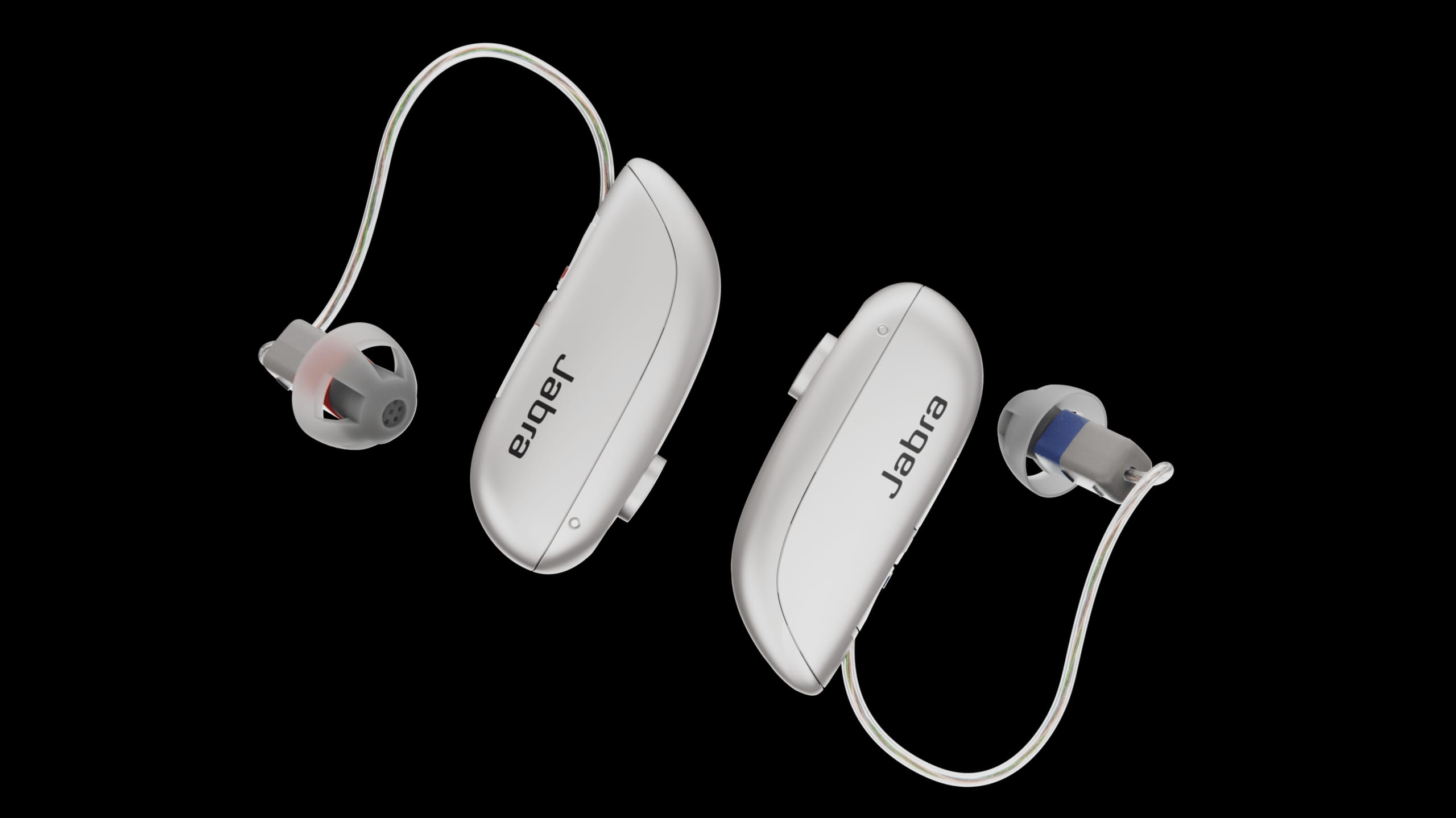
Hear Direct Club Top Alternatives and Competitors: An Unfiltered 2026 Comparison
Posted on |
The world of hearing aids is split in two: the trusted, medically-sound path of traditional audiology versus the convenient, affordable, but often risky world of Direct-to-Consumer (D2C) devices.
This guide dives into the top Hear Direct Club top alternatives and competitors, including major players like Jabra Enhance, Lexie Hearing, Audicus, and MDHearing.
As Coupons Scout’s lead medical supplies analyst, I’m not just listing features; I’m exposing the hidden costs, performance gaps, and safety blind spots that marketing materials hide.
My goal is to provide a clear decision framework based on your budget, technical skill, and health needs, allowing you to choose the safest, most effective option for you. Before making any decision, be sure to check the latest Hear Direct Club coupon codes for potential savings.
This analysis is for informational purposes and is based on extensive market research; it is not medical advice. Always consult a medical professional like an audiologist or ENT to rule out underlying health conditions before purchasing any hearing device. Our analysis is guided by the Coupons Scout Verification Protocol (CSVP™), ensuring every claim is scrutinized against our public trust standards. Learn more about how we work.
For a deeper dive into the main brand, check out our comprehensive Hear Direct Club Review where we cover hidden costs and performance details.
Watch this expert video review comparing the best overall hearing aids available in 2026:
Key Takeaways
-
Top Picks by Need: Jabra Enhance is the best “clinic-lite” option for users wanting strong professional support. Lexie Hearing is the top choice for tech-savvy, DIY users with confirmed mild-to-moderate hearing loss seeking the best value under $1,000. -
The Subscription Trap: Audicus’s low monthly fee can be misleading. Its 3-year Total Cost of Ownership (TCO) can reach $3,777, significantly higher than buying a premium device like Jabra Enhance outright. -
The Universal Compromise: No D2C or OTC hearing aid can perform in-person Real Ear Measurement (REM), the gold standard for tuning. This is the single biggest performance risk across all brands, an unavoidable trade-off for convenience and cost savings. ✅ Verified -
The Price vs. Performance Reality: Budget options like MDHearing offer essential features like Bluetooth streaming on their higher-end models. However, independent reviews consistently note they may struggle with sound processing in noisy environments compared to premium competitors. -
The Medical Safety Blind Spot: Self-fitting and remote-only models risk missing “red flag” conditions like infections or tumors that an in-person exam would catch. We strongly advise a medical check-up before purchasing any device online. -
Warranty Matters: A premium price often includes a better warranty. Jabra’s package includes a 1-year warranty covering loss and damage, a significant value for an expensive medical device.
Decision in 60 Seconds
| Persona / Need | Best Choice | Why | Key Risk |
|---|---|---|---|
| First-time user wanting professional guidance | Jabra Enhance | Offers a “clinic-lite” model with 3 years of tele-audiology support and a strong warranty. | High upfront cost ($1,795). Less stable on some Android phones. |
| Tech-savvy DIY user on a budget | Lexie Hearing | Best-in-class self-fitting app (powered by Bose) and excellent sound quality for $999. | Strictly for mild-to-moderate loss only. You are responsible for the entire fitting process. |
| User with lowest possible upfront cost | Audicus (Subscription) | Low monthly payments make it accessible. Includes hardware upgrades every 18 months. | High 3-year TCO ($3,777). Asynchronous support can be slow (1-3 day wait for adjustments). |
| Budget user needing streaming in a quiet setting | MDHearing (VOLT MAX) | Offers Bluetooth streaming and basic amplification at a low price point (~$699). | Sound processing struggles significantly in noisy environments, limiting its real-world use. |
Looking for savings on any of these options? Be sure to browse our latest coupons for up-to-date deals across all brands.
Top Alternatives & Competitors Shortlist
| Option | Best For | Tradeoff | Evidence Status |
|---|---|---|---|
| Jabra Enhance Select 300 | All-inclusive support & peace of mind | Highest upfront cost | ✅ |
| Lexie B2 Plus | User control & app experience | Only for mild-to-moderate loss; no professional override | ✅ |
| Audicus Omni 2 | Low initial cash outlay | High long-term cost; slow support model | ✅ |
| MDHearing VOLT MAX | Absolute lowest price for a streaming-capable device | Poor performance in noise; basic sound quality | ⚠️ |
| Eargo | Near-invisibility and discreet design | Higher price point; may not suit all hearing loss types | ✅ |
| Sony CRE-E10 | Brand trust and consumer electronic integration | Premium price; newer to the market | ✅ |
For a side-by-side breakdown of all these brands and more, explore our full Hear Direct Club Top Alternatives and Competitors comparison page.
Part 1: Who This Guide Is For (and Who It’s Not For)
This analysis of Hear Direct Club top alternatives and competitors is designed for a specific audience. Understanding if you fit this profile is the first step in making a wise decision.
This guide is for you if:
- You are a tech-savvy individual with confirmed mild-to-moderate, age-related hearing loss who has recently had a medical check-up.
- You are a budget-conscious shopper looking for the best value but are aware of the risks associated with D2C medical devices.
- You are a first-time hearing aid user who is comfortable with smartphone apps and wants to understand your options outside of a traditional clinic.
- You are a caregiver researching affordable hearing solutions for family members who are capable of managing their own devices and technology.
This guide is NOT for you if:
- You have severe or profound hearing loss; you absolutely need to see an audiologist in person for a powerful, properly fitted device.
- You have “red flag” conditions like ear pain, tinnitus, sudden hearing loss, or drainage from your ear. Please see a doctor immediately.
- You are uncomfortable using a smartphone for critical device adjustments and support. Most modern devices rely on an app.
- You believe the lowest price is the only factor that matters and are willing to overlook significant functional and safety trade-offs.
If you’re in the right audience and looking for the best price, an exclusive Hear Direct Club discount offer can help offset the cost of any device you choose.
Part 2: Pricing & TCO Reality Check: Exposing the Hidden Costs
The advertised price is just the beginning of the story. In my years of experience analyzing medical devices, the Total Cost of Ownership (TCO) is what truly determines a product’s value.
Here, I break down the real costs over a typical 3-year lifespan, exposing the hidden fees and subscription traps that can turn an affordable purchase into a long-term financial burden.
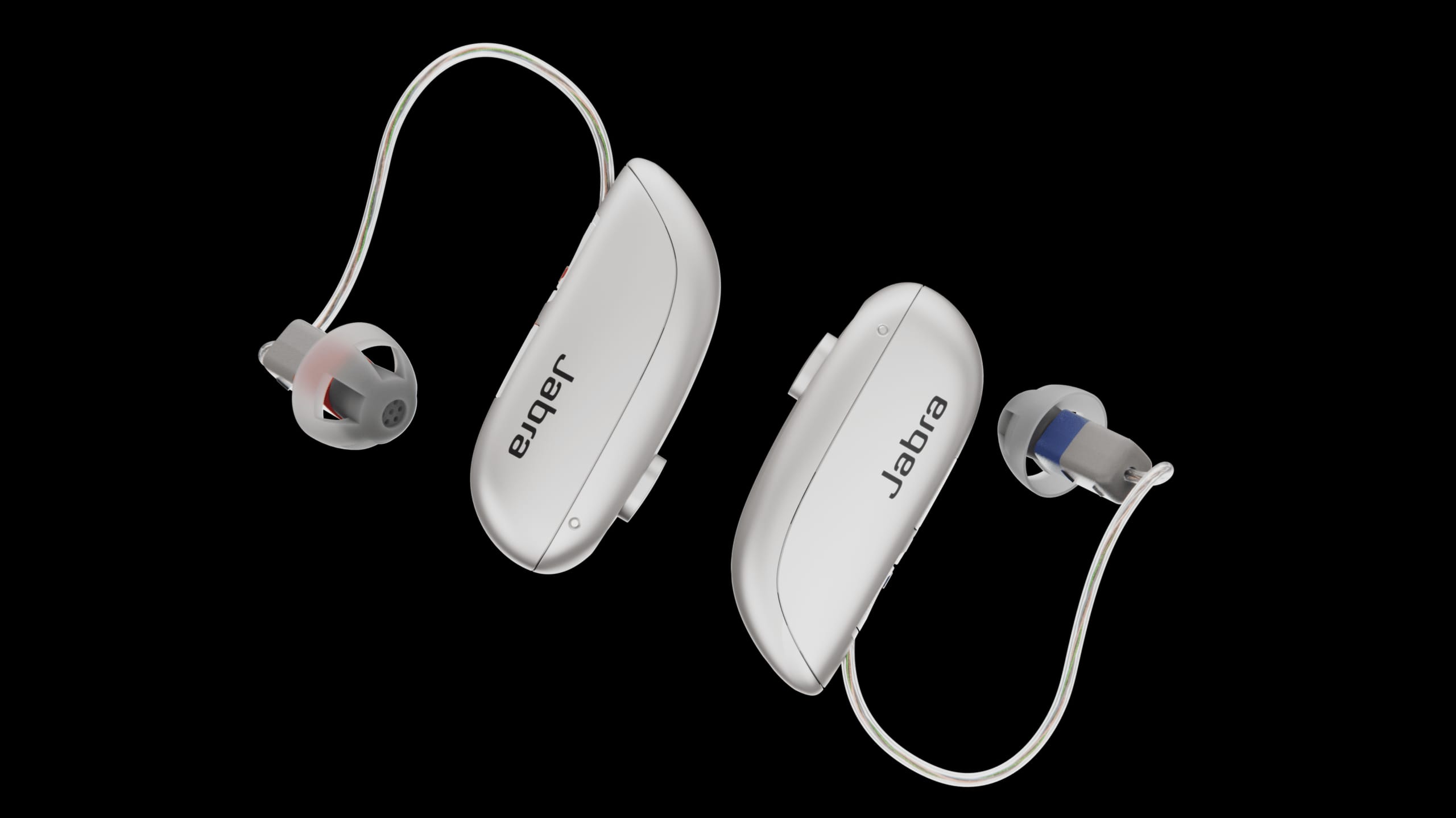
Pricing & TCO Breakdown
The Jabra model is the most straightforward. As of May 2024, the advertised price is $1,795 for the ‘Premium Package’ Jabra Enhance Website.
This includes the device, a charging case, and, most importantly, 3 years of professional tele-audiology support and a comprehensive 1-year warranty that covers loss and damage. It’s an all-inclusive model designed for peace of mind.
- Advertised (May 2024): $1,795
- Real Entry Cost: $1,795
- 3-Year TCO: ~$1,895 (including ~$100 for consumables like domes and wax guards after the first year)
- ⚠️ Hidden Costs / Blind Spots:
- Post-Warranty TCO is Unknown: The single biggest question mark. The cost for out-of-warranty repairs or continued tele-audiology support after the initial 3 years is not publicly available. Our analysis could not find public data on this cost, a major blind spot for anyone planning to use the device for 4+ years.
✅ Strengths
- All-inclusive “clinic-lite” model with 3 years tele-audiology support
- Comprehensive 1-year warranty covering loss and damage
- 100-day trial period — the longest in the D2C market
- Bluetooth streaming for calls and music
- Most straightforward, transparent pricing
⚠️ Considerations
- Highest upfront cost at $1,795
- Post-warranty support costs are unknown
- Less stable Bluetooth on some Android phones
- Reliance on smartphone for all adjustments
Pricing & TCO Breakdown
Audicus presents the most confusing pricing structure, which is a major red flag. It’s designed to appeal to budget-conscious users with a low monthly fee, but the numbers reveal a potential “subscription trap.”
- Advertised (May 2024): $2,998 (Purchase) or $49/mo/ear (Subscription)
- Real Entry Cost (Subscription): As of May 2024, Audicus’s ‘Premier’ subscription starts at $49 per month per ear ($98/month for a pair) with a $249 setup fee Audicus Pricing Page. This brings the real entry cost for the first year to $1,425.
- 3-Year TCO (Subscription): $3,777. While this seems high, it includes a device upgrade at 18 months, which is a key part of their value proposition.
- 3-Year TCO (Purchase + Support): $3,862. This demonstrates how their purchase path can become more expensive than the subscription if you want the same level of support, as ongoing support and insurance are separate monthly add-ons ($12/mo each).
- ⚠️ Hidden Costs / Blind Spots:
- Unbundled Support: The purchase price does not include the comprehensive support you’d expect, effectively turning it into a de-facto subscription if you add those services.
- Return Policy Friction: While the official Audicus return policy as of May 2024 states they offer a ‘100% money-back guarantee’ Audicus Return Policy, customers should confirm if they are responsible for return shipping costs before purchasing.
⚠️ WARNING — The Audicus Subscription Trap: Audicus’s low monthly fee is tempting, but our analysis shows the 3-year subscription TCO ($3,777) is double the cost of buying a premium device like the Jabra Enhance outright. Always calculate the full ownership cost, including the $249 setup fee, before committing. Use a Hear Direct Club promo code to explore better-value alternatives.
✅ Strengths
- Low monthly payments make it accessible
- Hardware upgrade included every 18 months on subscription
- Bluetooth streaming on iOS/select Android
- Tele-audiology support available
⚠️ Considerations
- Highest 3-year TCO at $3,777 (subscription) or $3,862 (purchase + support)
- Confusing pricing structure — a major red flag
- Asynchronous support: 1-3 day wait for adjustments
- Unbundled support adds hidden costs to the purchase path
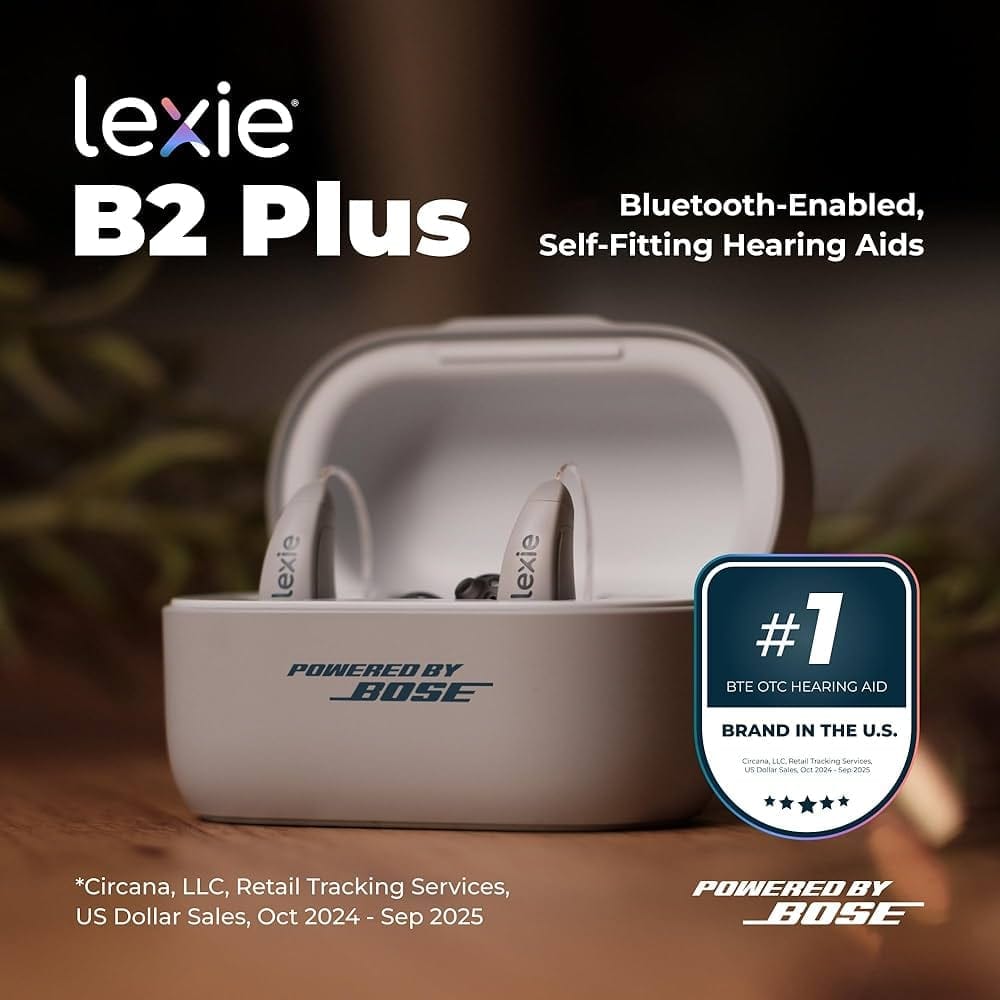
Pricing & TCO Breakdown
Lexie stands out for its pricing transparency, which builds trust. The price is what it is, and the value is clear.
- Advertised (May 2024): $999 Lexie Hearing Website
- Real Entry Cost: $999
- 3-Year TCO: ~$1,124 (including consumables)
- ⚠️ Hidden Costs / Blind Spots:
- The pricing is remarkably transparent. The only “hidden cost” is the investment of your own time to learn the app and perform the self-fitting, which is the core of the product’s design.
✅ Strengths
- Best-in-class self-fitting app powered by Bose technology
- Lowest 3-year TCO at ~$1,124
- Transparent, no-surprise pricing at $999
- Excellent customizable sound quality praised by NYT Wirecutter
- Lexie Experts available 7 days/week
⚠️ Considerations
- Strictly for mild-to-moderate loss only — hard-stop limitation
- You are fully responsible for the self-fitting process
- No professional override — audiologist cannot manually program it
- Shorter battery life (~18 hrs) compared to competitors
The primary financial risk across all these products is choosing the wrong one for your specific hearing loss and lifestyle, resulting in a sunk cost of up to $3,800. This is why understanding the TCO, not just the sticker price, is absolutely critical. Make sure to claim a Hear Direct Club voucher code before committing to save on your final decision.
Part 3: Feature Deep-Dive & Comparison
This table isn’t just a list of features; it’s a map of compromises. Every checkmark and every red X represents a deliberate choice by these companies to target a specific type of user.
The key takeaway is the clear trade-off between support, features, and price, with most models like Jabra Enhance and Lexie being discreet receiver-in-canal (RIC) designs.
For even more detailed comparison articles across categories, our editorial team has you covered.
Feature Comparison Matrix of Top D2C Hearing Aids
| Feature Category | Jabra Enhance (Select 300) | Audicus (Omni 2) | Lexie (B2 Plus) | MDHearingAid (VOLT MAX) | Critical Notes |
|---|---|---|---|---|---|
| Price (Pair, May 2024) | $1,795 | $2,998 (Purchase) or $49/ear/mo | $999 | ~$699 (Street Price) | ⚠️ MDHearingAid uses aggressive sales; list price is inflated. Audicus’s subscription has a $249 setup fee. |
| FDA Status | Prescription Path / OTC | Prescription Path | ✅ Self-Fitting OTC | FDA-Registered OTC | Lexie and MDHearingAid are not for users who need programming from an audiogram. |
| Target Loss | Mild to Moderately-Severe | Mild to Severe | ✅ Mild to Moderate Only | Mild to Moderately-Severe | ⚠️ Lexie is strictly regulated for mild-to-moderate loss, a critical safety boundary. Lexie Hearing FAQ |
| Bluetooth Streaming | ✅ Yes (iOS/Android) | ✅ Yes (iOS/Select Android) | ✅ Yes | ✅ Yes (iOS/Android) | The ability to stream calls and music is now standard on most mid-tier and up OTC models. |
| Support Model | ✅ Tele-Audiology (3 Yrs) | Tele-Audiology (Asynchronous) | ✅ Lexie Experts (7 days/wk) | Phone/Email Support | ⚠️ Jabra offers comprehensive, synchronous support. Audicus adjustments can take 1-3 days. |
| Key Differentiator | “Clinic-Lite” Support | Subscription Model | ✅ Self-Fitting App | Lowest Price for Streaming | Each brand targets a different user fear: Jabra (no support), Lexie (complexity), Audicus/MDHearing (cost). |
| Trial Period | ✅ 100 Days | 45 Days | 45 Days | 45 Days | Jabra’s longer trial reflects its premium positioning and confidence. |
| Battery | Rechargeable (~30 hrs) | Rechargeable (~24 hrs) | Rechargeable (~18 hrs) | Rechargeable (~20 hrs) | All battery life claims are reduced by heavy Bluetooth streaming. |
| Warranty (Premium) | ✅ 1 Year (loss/damage) + 3 yrs support | 2 Years (or continuous w/ sub) | 1 Year | 1 Year (+ optional plan) | Jabra’s loss and damage coverage is a significant value proposition. |
| App Interface | Polished, user-friendly | Functional, more complex | ✅ Best-in-class simplicity | Basic, for personalization | Lexie’s app, powered by Bose, is universally praised as its biggest strength. |
Your choice depends on your needs, especially as major electronics brands like Sony enter the market with their own highly-rated OTC offerings Sony OTC Hearing Aids. Before deciding, grab a money-saving deal on Hear Direct Club to ensure you’re getting the best rate available.
Part 4: Critical Considerations: Safety, Compliance & Limitations
As a professional, this is the section that concerns me the most. When you move from a regulated clinical environment to a D2C model, the responsibility for safety shifts dramatically to you, the user.
While these devices are FDA-regulated, the process of acquiring and fitting them introduces significant “blind spots.”
⚠️ WARNING — The Medical Safety Blind Spot: No online screening can replace a physical exam. D2C models risk missing “red flag” conditions like infections or tumors that an in-person visit would catch. We advise consulting a medical professional to rule out underlying issues before any online purchase.
Compliance Status (as of May 2024)
| Compliance | Jabra Enhance | Audicus | Lexie Hearing | Critical Notes |
|---|---|---|---|---|
| FDA Classification | Prescription / OTC | Prescription | Self-Fitting OTC | This dictates the entire service model. Jabra/Audicus can use an audiogram; Lexie is for direct consumer purchase. |
| Medical Screening | ✅ Yes (Questionnaire) | ✅ Yes (Audiogram Review) | ❌ No (Relies on user notice) | ⚠️ CRITICAL RISK: Lexie’s model places the full onus on the user to self-identify “red flag” conditions. |
| HIPAA Compliance & BAA | ⚠️ Vendor-Claimed | ⚠️ Vendor-Claimed | ⚠️ N/A | Critical Note for Professionals: None publicly offer a BAA Jabra Privacy Policy. Unsuitable for use by HIPAA-covered entities. |
The most significant risk here is medical. D2C models can miss serious medical conditions that a professional hearing test and in-person visit with an audiologist or ENT would identify, such as infections or acoustic neuromas.
Universal Limitations
- ❌ No In-Person Verification (REM): This bears repeating. The fit is based on algorithms and your own reporting, not objective measurement in the ear canal. This is the biggest performance gamble you take.
- ⚠️ Battery Degradation: All these rechargeable models use sealed lithium-ion batteries. They will degrade over time, and battery service after the warranty period means sending the unit in and incurring an unknown cost.
- ⚠️ Unknown Durability: Most D2C hearing aids do not advertise an IP rating, making their water resistance against sweat or rain an unverified risk.
Brand-Specific Limitations
- Jabra Enhance: The upstream report cites complaints of less stable Bluetooth on Android devices, as the devices are optimized for Apple’s MFi (Made for iPhone) hearing aid protocol. This connectivity gap is expected to improve as more devices adopt the new LE Audio Bluetooth standard, but as of 2026, it remains a consideration.
- Audicus: The 1-3 day wait time for remote adjustments is a major functional limitation. Hearing needs can be immediate, and waiting for an email response is a frustrating process noted frequently in user communities.
- Lexie Hearing: This is a hard-stop limitation: the device is only approved for mild-to-moderate hearing loss. It is a closed system; if the self-fitting algorithm doesn’t work for you, an audiologist cannot step in and program it manually.
- MDHearingAid: While the top-tier models have streaming, user reports consistently cite poor sound quality, often described as ‘tinny’ or ‘sharp’, which points to more basic sound processing technology that struggles in noisy environments.
Our thorough Hear Direct Club Review explores how these limitations compare to Hear Direct Club’s own model in greater detail.
Part 5: Use Cases & Workflows
A great feature set is useless if the product is frustrating to use. The User Experience (UX)—from unboxing to getting support—is what determines whether a device becomes an essential part of your life or ends up in a drawer.
Workflow for a First-Time User Onboarding with Jabra Enhance
- Purchase: Select the package and complete the purchase online.
- Virtual Orientation: Schedule a mandatory one-on-one video call with a Jabra audiology team member.
- Setup: The professional guides you through unboxing, charging, physical fitting, and pairing the aids to the Jabra Enhance Pro app on your smartphone.
- Initial Programming: Based on your hearing test results, the professional remotely programs the aids during the call.
- Follow-up: For three years, you can request further real-time adjustments via the app and video calls to fine-tune the performance. This “clinic-lite” model provides significant hand-holding.
Real User Sentiment
- Jabra Enhance:
- Praised: The responsiveness and professional quality of the tele-audiology team. The comprehensive support provides significant peace of mind.
- Pain Points: The high upfront price point. Reliance on a smartphone for all adjustments.
- Audicus:
- Praised: Price flexibility of subscription vs. purchase. The promise of hardware upgrades.
- Pain Points: Inconsistent support response times. The frustrating 1-3 day wait for adjustments.
- Lexie Hearing:
- Praised: The empowering and simple self-fitting process. The excellent, customizable sound quality, praised by sources like the NYT Wirecutter.
- Pain Points: The strict limitation to mild-to-moderate loss.
💡 KEY INSIGHT: The feeling of using the product often comes down to the support model. The contrast between Audicus’s slow, email-based support and Jabra’s real-time professional help is a perfect example of a UX difference a spec sheet can’t capture. This sentiment is echoed in user communities. For instance, discussions on the r/hearingaids subreddit frequently highlight frustration with the slow, asynchronous support models of some D2C brands compared to the real-time adjustments offered by others.
Whichever device resonates with your lifestyle, check for a current Hear Direct Club deal before placing your order to get the best price possible.
Here’s another in-depth review covering the 5 best over-the-counter hearing aids, updated for 2026:
Part 6: Expanding the Field: Other Alternatives to Consider
Beyond the main players, the D2C hearing market includes other innovative competitors with different approaches to form factor and service. Two notable alternatives are Eargo and Sony.
Eargo: The Choice for Invisibility
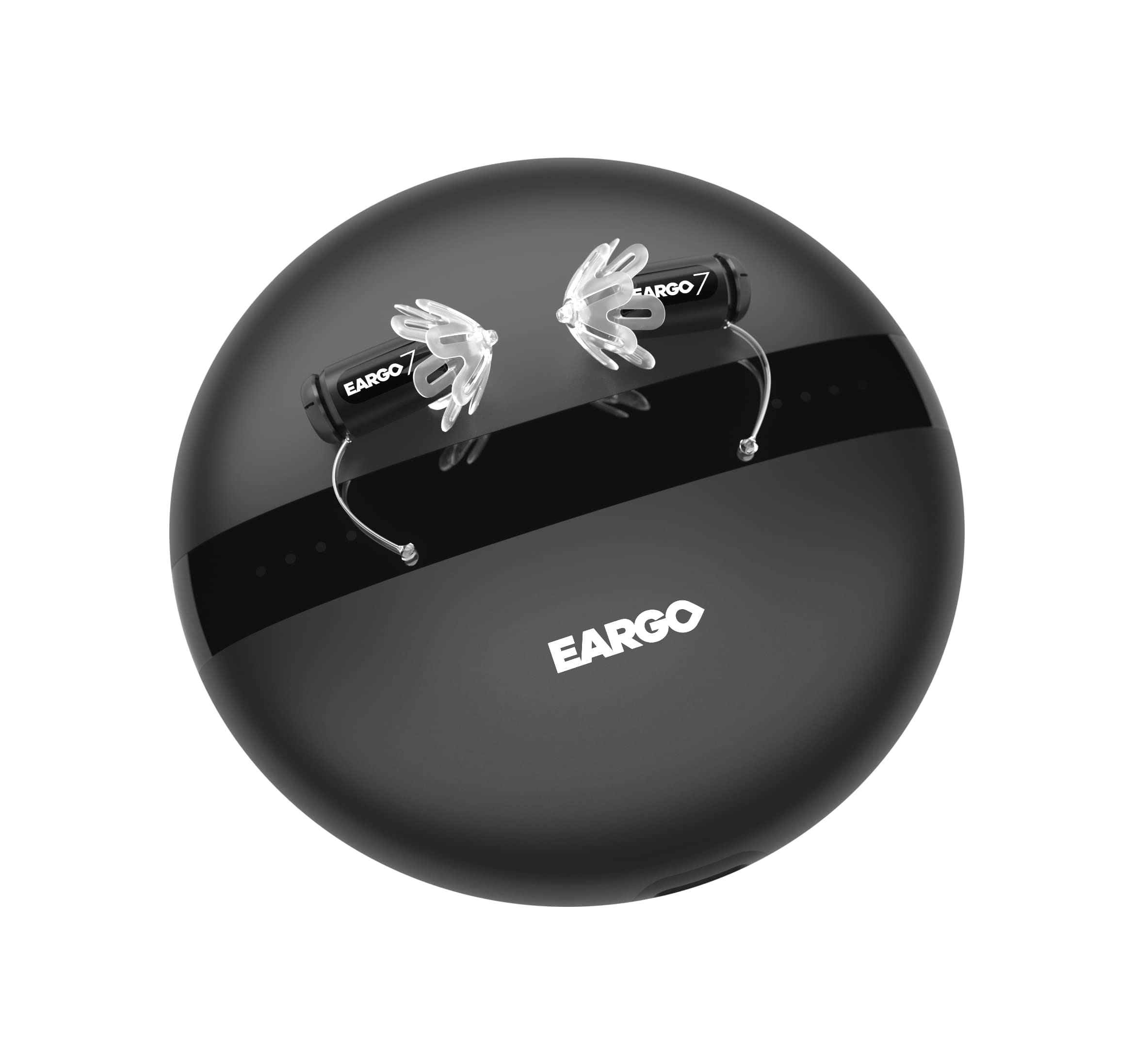
Eargo has built its brand on creating some of the smallest, most discreet hearing aids available. Their devices are “completely-in-canal” (CIC), making them virtually invisible for most users.
- Best For: Users whose primary concern is cosmetic appearance and who have mild-to-moderate high-frequency hearing loss. People who are hesitant to wear a visible hearing aid are Eargo’s core audience.
- Consider Eargo if: You prioritize a discreet form factor above all else and are willing to pay a premium for it. Their devices often range from $1,650 to $2,950 Eargo Official Site. You are also comfortable with a rechargeable, app-controlled device.
- Avoid Eargo if: You have severe hearing loss or a need for powerful low-frequency amplification. The small size limits the battery life and power compared to larger RIC or BTE models. Users with very small or unusually shaped ear canals may also struggle with fit.
Audien Hearing: The Ultra-Budget Option
At the absolute bottom of the price spectrum sits Audien Hearing, which sells basic sound amplifiers for as low as $99. These are not sophisticated hearing aids but simple Personal Sound Amplification Products (PSAPs).
- Best For: Individuals with a very limited budget who only need simple volume boosting in quiet, one-on-one settings and cannot afford any other option.
- Consider Audien if: Your budget is under $200 and you understand you are buying a simple amplifier, not a medical device with advanced sound processing, noise reduction, or Bluetooth features Audien Hearing Website.
- Avoid Audien if: You have diagnosed hearing loss, need to hear clearly in noisy environments, or want any modern features. Audiologists and numerous reviews warn that these devices can provide a poor, and sometimes dangerously loud, listening experience by amplifying all sounds equally.
To save on whichever hearing aid brand you prefer, browse our full list of latest coupons across all stores for up-to-date promotional offers.
Part 7: Conclusion & FAQs
Final Verdict & Decision Framework
While many search for the single “best OTC hearing aid“, the reality is there is no one-size-fits-all answer.
The choice among top Hear Direct Club top alternatives and competitors comes down to a single core trade-off: are you looking for a “Clinic-Lite” model with extensive professional support, or a “User-Driven” OTC model that puts you in control but also makes you responsible for the outcome?
✅ Choose Jabra Enhance if…
- You want the professional guidance of a traditional clinic but prefer the convenience of remote adjustments, making Jabra Enhance an ideal ‘clinic-lite’ choice.
- You value a comprehensive warranty (1 year loss/damage) and all-inclusive support for peace of mind.
- You want to stream calls and music and have a compatible smartphone.
✅ Choose Lexie Hearing if…
- You have confirmed mild-to-moderate hearing loss and are comfortable with a DIY, app-based approach.
- You feel empowered by technology and want to control your own settings.
- Your budget is around $1,000, and you want the best sound quality and user experience at that price point.
✅ Choose Audicus if…
- Your primary concern is the lowest possible upfront cost, and you are willing to enter a subscription.
- You like the idea of getting new hardware every 18 months.
- You are patient and don’t mind waiting a day or two for remote adjustments to be made.
✅ Choose MDHearingAid VOLT MAX ONLY if…
- Your budget is absolute rock-bottom (under $700) and you need a streaming-capable device.
- You will primarily be using it for amplification in quiet, one-on-one conversations.
- You understand its sound processing is basic and may not perform well in noisy environments.
Before you make any purchase, please ask yourself these final questions:
- “Have I had a recent medical ear exam to rule out red flags?”
- “Am I comfortable using a smartphone app for essential adjustments?”
- “Does my preferred option allow audio streaming for calls and music?”
- “Have I calculated the true 3-year cost, not just the upfront price?”
Your hearing is a vital part of your health, and a hearing aid should be treated as the serious medical device it is. Choose wisely. And regardless of which device you select, securing a special discount on Hear Direct Club can help reduce your overall investment significantly.
FAQs: Your Questions, Answered
Q1: What is the main difference between Jabra Enhance and Lexie Hearing?
A: The main difference is the support model and the level of user autonomy. Jabra Enhance provides a “clinic-lite” experience, bundling their product with three years of real-time support from an audiology team. This makes it ideal for beginners who want professional guidance and a high-touch service Jabra Enhance Website.
In contrast, Lexie Hearing is a true “self-fitting” OTC device where you are in control. Its best-in-class app, praised by reviewers like the NYT Wirecutter, empowers tech-savvy users to conduct their own hearing profile and make adjustments.
Choose Jabra for professional hand-holding; choose Lexie for DIY empowerment.
Q2: Is Audicus’s subscription model worth it?
A: It depends entirely on your financial priorities. For most users, no, it is not worth it from a long-term cost perspective.
Our analysis shows the 3-year TCO of the subscription is approximately $3,777, which is significantly more than buying a premium device outright Audicus Pricing Page.
However, the model might be worth considering if your primary concern is the lowest possible upfront cash outlay, as it avoids a large initial purchase. The included hardware upgrade every 18 months is also a potential benefit, though you are locked into their ecosystem.
For pure cost savings, buying a device like Lexie or even Jabra is more economical over three years. Don’t forget to check for an exclusive offer on Hear Direct Club before purchasing.
Q3: Which hearing aid is best for someone who is not tech-savvy?
A: This is a challenging question because most modern OTC hearing aids rely heavily on smartphone apps for customization.
The simplest device to use out of the box with physical buttons might be a basic model from MDHearing. However, this simplicity comes with massive trade-offs in performance and features.
A better option for a non-tech-savvy person who still wants good performance would be Jabra Enhance. Their premium package includes a mandatory virtual orientation where a professional walks you through the entire setup process, including app pairing and usage, providing crucial initial support Jabra Enhance Website.
Q4: Why can’t D2C hearing aids work as well as clinic-bought ones in noisy restaurants?
A: The single biggest reason is the lack of in-person Real Ear Measurement (REM).
REM is a “gold standard” test an audiologist performs to measure how a hearing aid is actually performing in your specific, unique ear canal. Without it, all D2C fittings are based on algorithms and your subjective feedback (“how does this sound to you?”).
This is a highly personalized approximation that often struggles to perfectly tune the device for complex, noisy environments like a restaurant, a limitation even the best D2C brands cannot overcome.
Q5: Is it safe to buy a hearing aid online without seeing a doctor?
A: It can be a significant risk. While companies provide online screenings, the biggest danger is that a remote process will miss a “red flag” medical condition.
These are issues that cause hearing loss but require medical treatment, such as an ear infection, a cholesteatoma (a cyst in the middle ear), or even a tumor.
An in-person visit with a hearing care professional, ENT, or your primary care physician can identify these issues. The FDA strongly recommends a medical evaluation before buying any hearing aid, a step we fully endorse for your safety.
Q6: Can I use MDHearingAid to listen to music from my phone?
A: Yes, but only on specific models. This is a critical distinction.
The higher-tier MDHearingAid VOLT MAX model does support Bluetooth audio streaming (A2DP/HFP protocols), allowing you to use it for music, podcasts, and hands-free calls MDHearing VOLT MAX Page.
However, their more basic models, like the AIR, do not have this feature. It is essential to verify the capabilities of the exact model you are considering, as some of their marketing focuses on amplification only. Do not assume all MDHearing products offer streaming.
Q7: Who is Lexie Hearing best for?
A: Lexie Hearing is best for a tech-comfortable user who has had their hearing professionally tested and knows they have mild-to-moderate hearing loss.
This user feels empowered by the idea of using a well-designed app to tune their own hearing experience, rather than relying on an audiologist for every adjustment.
They are looking for the best sound quality and user experience available for around $1,000 and value the transparent pricing and simplicity offered by the Lexie B2 Plus model Lexie Hearing Website.
It is not for individuals with severe loss or those who want a completely hands-off, professionally managed experience.
Q8: Which option has the best warranty and support for peace of mind?
A: Hands down, Jabra Enhance offers the best combined warranty and support package for peace of mind.
Their premium package includes a 1-year warranty that covers loss and damage, which is rare and incredibly valuable for a small, expensive device.
This is coupled with 3 years of ongoing, real-time support from their audiology team for adjustments and care Jabra Enhance Website.
While other brands have warranties, Jabra’s combination of hardware protection and long-term professional support is the most comprehensive in the D2C market and a major reason for its higher price tag.