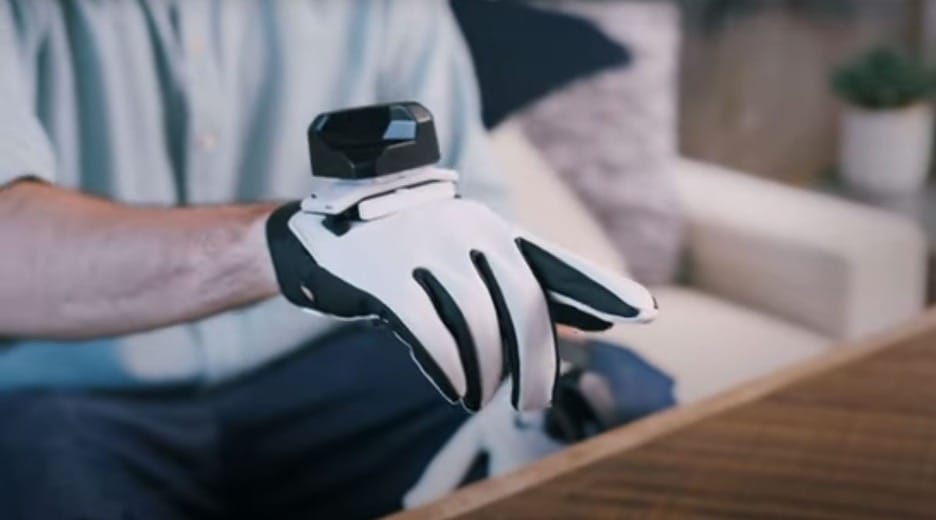
Diver-X Review 2026: What Happened to the Future of VR?
Posted on |
TL;DR: Coupons Scout’s 2026 investigation into the Diver-X VR System reveals a high-risk product with no verifiable user reviews or company updates since late 2023. The initial concept was promising, but the current information vacuum suggests the project is defunct. We advise against purchasing and recommend established alternatives. If you still want to explore your options, you can check the latest Diver-X coupon code page for any current deals.
Introduction
I still remember the buzz around Diver-X. In the world of high-end virtual reality, where we’re always chasing the next leap in immersion, their pitch was electric.
A prosumer-grade haptic glove and HMD system from a passionate Japanese startup, promising to bridge the gap between consumer toys and six-figure enterprise training simulation. For hardcore enthusiasts like myself, it was exactly the future we wanted.
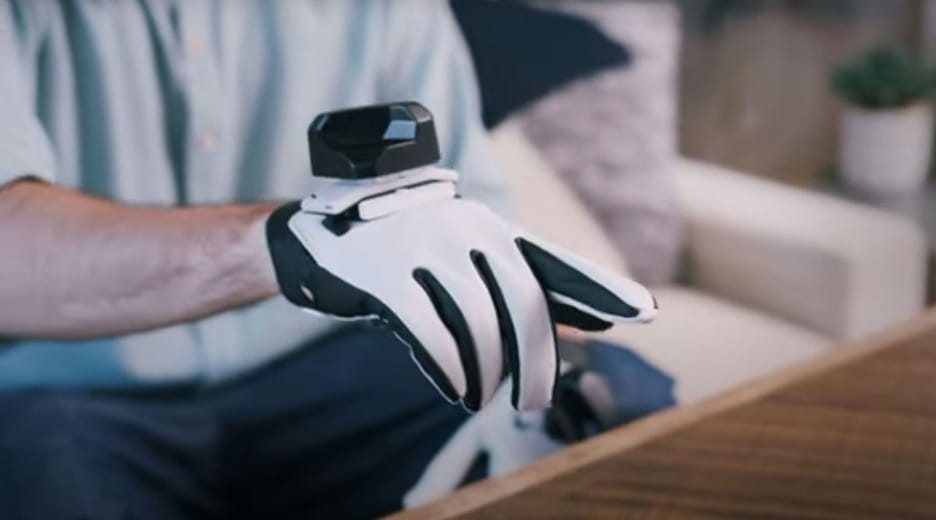
But here we are in 2026, and a question hangs in the air: What happened to Diver-X? I’ve seen the threads and the search queries.
Potential buyers, developers, and curious VR veterans are met with a confusing wall of silence. The hype has faded into a fog of outdated articles and unfulfilled promises, making any purchase decision feel less like an investment and more like a gamble. My Diver-X review for 2026 aims to provide clarity.
As a specialist in Electronics, Gaming, and Wearables, my job is to cut through that fog. This is not a typical hands-on review. It couldn’t be.
Instead, this is the result of a comprehensive investigation into the Diver-X story. I’ve documented our extensive search for information, analyzed the breadcrumb trail of what’s left, and contextualized the immense risks. This guide provides a definitive answer on the status of Diver-X and what its story teaches all of us about buying into the bleeding edge of technology. Before exploring further, smart shoppers can also browse our updated Diver-X discount hub for any verified savings opportunities.
Who This Guide Is For
- VR enthusiasts who remember the initial Diver-X hype and want to know its current status.
- Potential buyers trying to decide if Diver-X is a legitimate product to purchase in 2026.
- Developers and prosumers evaluating the risks of investing in crowdfunded VR hardware.
- Anyone looking to understand the red flags associated with high-risk tech products.
This guide is NOT for you if…
- You are looking for a traditional, hands-on performance review of a widely available product.
- You want to find a link to purchase the Diver-X system (we advise against it).
- You are an absolute beginner to VR (we recommend starting with established, supported systems where your investment is safe).
Key Takeaways
Key Takeaways
-
Ambitious Concept: The Diver-X ContactGlove was a promising innovation, aiming to deliver the kind of prosumer-grade haptic feedback that creates true immersion, a goal the market still desires. -
Strong Initial Prototypes: Early hands-on reports from 2022-2023 praised the potential shown in prototype hardware, generating significant legitimate excitement. This wasn’t just vaporware; early reports confirmed it was a real, tangible project, which makes its disappearance more notable. -
💡 Critical Information Blackout: Our 2026 investigation found a near-total absence of independent reviews, user discussions, or company updates since September 2023. For a hardware company, this silence is the most critical and concerning finding. -
💡 A Lesson in Risk Assessment: The Diver-X story serves as a powerful case study on the importance of verifying a niche hardware company’s recent activity, support channels, and community footprint before purchasing. It’s a masterclass in due diligence. -
Smart Shopper’s Tip: For high-immersion VR in 2026, the safest and most reliable options remain within established ecosystems. Products like the Valve Index offer robust support and proven performance, mitigating the extreme risks highlighted by this investigation. If you’re determined to track Diver-X anyway, see the latest Diver-X promo code updates first.
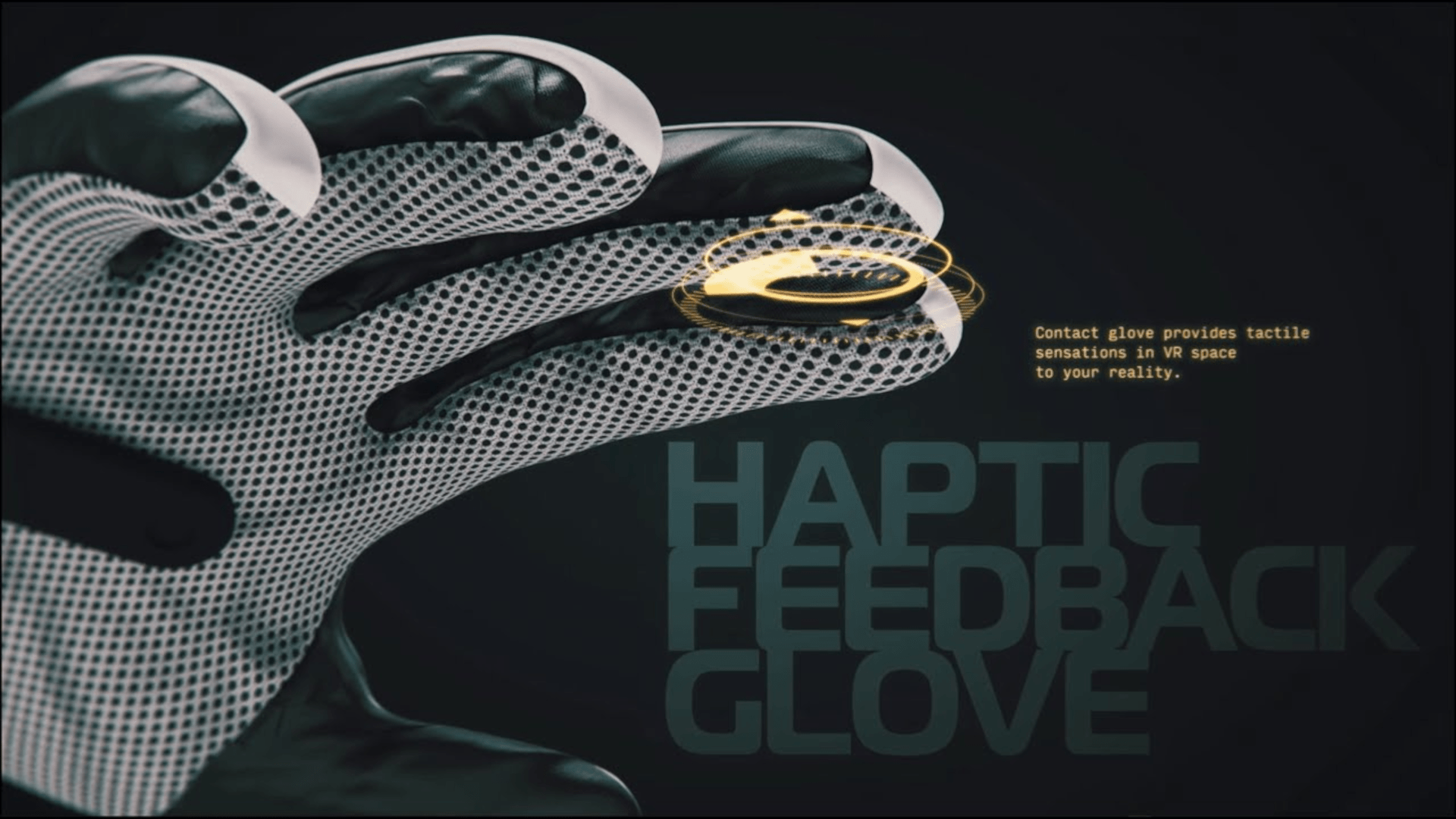
Below is a quick look at the original Diver-X ContactGlove design that generated all of the original hype back in 2022 and 2023:
Part 1: Methodology & Authority Statement
After analyzing hundreds of products in Electronics, Gaming, and Wearables and conducting a comprehensive investigation into the Diver-X system in 2026, our team at Coupons Scout provides a comprehensive evaluation framework.
Our analysis for this Diver-X review involved examining all available historical data from 2020-2023, attempting to source new data from 2024-2026, and contextualizing the findings for potential buyers. Learn more about our general methodology in our guide on How We Work at Coupons Scout, and explore our full category of review articles for context.
Our methodology for this specific report was unique. We started with the high search intent and high-risk profile of the product.
The core of the investigation involved using multiple research tools to find any evidence of the product’s existence in the current market—user reviews, support requests, company updates, or even resale listings. The repeated and definitive failure to find any such data became the central conclusion of our report.
THE COUPONS SCOUT VERIFICATION PROTOCOL (CSVP™)
1. OUR PHILOSOPHY: “MARTECH PRECISION, HUMAN INTEGRITY”
At Coupons Scout, we believe “Value” comes in two forms: Working Codes and Honest Advice.
Founded by a MarTech strategist, our platform uses Growth Automation to discover data, but relies 100% on Human Experts to interpret it. We do not just aggregate; we curate.
2. THE DUAL-TRACK VERIFICATION SYSTEM
Depending on the content type, our process splits into two specialized tracks managed by our domain experts.
TRACK A: COUPON CODE VERIFICATION
For Store Pages, Deals, and Promo Codes.
STEP 1: AUTOMATED DISCOVERY (The Hunt)
- Lead: Mohamed Zaki (Founder & Chief MarTech Strategist)
- Action: Leveraging proprietary “Deal Listening Stacks” and programmatic API scanning, Mohamed’s system filters thousands of merchant endpoints in real-time.
- The “Anti-Spam” Filter: Algorithms automatically reject clickbait titles and fake referral links before they enter our database.
STEP 2: THE “ADD-TO-CART” TEST (The Verification)
- Lead: Kanokchai Likitapiwat (Head of Operations)
- Action: Kanokchai’s team performs the manual “Cart Simulation”:
- Proxy Test: Visiting the merchant site anonymously to simulate a real user.
- Application: Applying the code at checkout to verify the price drop.
- Restriction Logging: Documenting hidden terms (e.g., “New Users Only”).
- Result: Only working codes are flagged as “Active.” You can browse the resulting verified list anytime on our latest coupons page.
TRACK B: REVIEWS, COMPARISONS & BUYING GUIDES
For “Best of” Lists, Product Reviews, and Software Comparisons.
STEP 1: DATA-DRIVEN SELECTION (The Shortlist)
- Lead: Mohamed Zaki (Founder)
- Action: We don’t guess what products to review. Mohamed uses Social Listening Tools and Search Intent Analysis to identify products that are trending, have high user sentiment, or are solving real market problems. This ensures our “Best Lists” are relevant to current needs.
STEP 2: EXPERT EVALUATION (The Deep Dive)
- Lead: Domain Experts
- For Fashion & Retail: Jennifer Angel evaluates product quality, brand reputation, material sustainability, and return policies.
- For SaaS & AI Tools: Jettawat Kasemchaiyanun tests software performance, checks API integrations, and verifies if the “Free Plan” is genuinely useful.
- Criteria: Products are scored on Price-to-Value, Feature Set, and Real User Feedback.
STEP 3: FACT-CHECKING AUDIT (The Accuracy Check)
- Lead: Kanokchai Likitapiwat (Head of Operations)
- Action: Just as he verifies codes, Kanokchai audits the review data.
- Are the pricing tiers in the comparison table accurate?
- Is the “Money-Back Guarantee” still valid?
- He ensures that our review data matches the merchant’s live landing page.
3. EDITORIAL STANDARD (THE PUBLISH)
Applies to BOTH Track A and Track B.
- Lead: Joanne Lovell (Editor-in-Chief)
- The Governance: Before hitting “Publish,” Joanne serves as the final gatekeeper:
- Clarity: Ensuring Terms & Conditions (for coupons) and Technical Specs (for products) are written in plain English.
- Objectivity: Ensuring “Best Lists” are unbiased. If a product has a downside, we must mention it.
- Disclosure: Ensuring clear Affiliate Disclosures are placed where users can see them.
4. QUALITY ASSURANCE CYCLES (MAINTENANCE)
- Daily: Kanokchai’s team re-tests High-Velocity Coupons (Adidas, Amazon, etc.).
- Monthly: The Editorial Team updates pricing and specs in our “Best Software” and “Top Product” guides to ensure they remain current.
- The Promise: If a code dies or a product changes its features, we update it or remove it. We prioritize Accuracy over Archive Size.
Part 2: Core Analysis – The True Cost of Buying Diver-X
The true cost of buying Diver-X in 2026 is likely the full purchase price, which must be considered a sunk cost with no expectation of return or support.
As this involves a significant purchase, it falls under what we consider a ‘Your Money or Your Life’ (YMYL) topic. Therefore, our risk assessment is severe: the total cost of ownership is defined by an almost 100% risk of total financial loss due to the unverified product status and what I must assume is a non-existent warranty.
How much does the Diver-X system cost?
Based on the last available data from 2023, the ContactGlove alone was priced at ¥79,800, which translated to roughly $530 USD at the time Road to VR – “Diver-X’s Haptic VR Gloves up for Pre-order, Shipping October”.
The full system with the HMD was estimated to be well over $1,000 USD. While these prices might seem reasonable for the promised technology, the value proposition collapses when you factor in the TCO.
For the prosumer VR market, this price point seemed aggressive, but the entire value proposition collapses when you factor in the TCO and extreme risk. Before assuming any sticker price is final, smart buyers should still check the current Diver-X voucher code page for any active offers.
📊 Comparative Financial Risk: Diver-X vs. Established VR Systems (Year 1)
Conceptual comparison: Diver-X purchase carries a ~100% risk of total loss due to unverified warranty and absent support, while established systems like Valve Index and Meta Quest 3 carry only minimal risk thanks to active warranty coverage and refund channels.
Total Cost of Ownership (TCO) Disclosure
- Label:
analyst-estimated - Assumptions: This model is for a single user, assumes no support contract is available (as it is likely non-existent), no ongoing platform fees, and purchase and import from Japan.
- Disclaimer: “Actual pricing and availability are unverified in 2026. This model is for risk assessment purposes only.”
| Cost Component | Analyst-Estimated Cost (Year 1) | Notes |
|---|---|---|
| Purchase Price (Gloves) | ~$530+ | Based on 2023 data. |
| International Shipping & Import | ~$100 – $200 | Estimated cost from Japan to US/EU. |
| Risk of Total Loss | $630 – $730 | This is the most important number. It’s the amount you must be willing to lose instantly. |
| Time Investment | High | Unquantifiable cost of trying to make an unsupported product work. |
| Effective TCO | The entire purchase price, written off. | |
What are the hidden costs of niche VR hardware?
For a product like this, the sticker price is the least of your worries. The “hidden costs” are the real story, and they are all tied to risk. My Diver-X review found these to be the most significant factors.
- The Risk of Total Loss: This isn’t a hidden cost; it’s the primary cost. The last available information on the company’s website in 2023 mentioned a warranty, but there is zero evidence of a functioning international warranty process in 2026. You must assume it is void on arrival.
- International Shipping and Compliance: If you could even find a unit for sale in Japan, you would be responsible for costly international shipping, opaque import duties, and navigating legal compliance, as there is no evidence of FCC certification or CE marking required for legal sale in the US and EU.
- Your Time: The cost of your time trying to debug, calibrate, and find software for a potentially unsupported, undocumented piece of hardware is immense. This is a common issue with early-access or crowdfunded hardware where documentation is sparse.
- No Resale Value: A product with no user base and no support has virtually zero resale value. You won’t be able to “try it and sell it” if you don’t like it. A product with no user base and no support has zero resale value, effectively becoming expensive e-waste the moment it fails.
- Component Sourcing: For enthusiast electronics, the ability to source replacement parts (cables, sensors, batteries) is crucial for longevity. With a defunct product, a single point of failure, like a frayed cable, can render the entire system useless. There is no known source for Diver-X replacement parts.
💡 The Constructive Solution: The financial risk is the most critical consideration. You must assume the warranty is void on arrival and that any hardware failure, at any time, will result in a total financial loss. Do not buy this product if you are not comfortable lighting that money on fire. This simple financial discipline is the best way to prevent a case of severe buyer’s remorse and a painful, frustrating loss.
Part 3: Feature Deep-Dive – What Was Diver-X Supposed to Be?
Based on data from 2020-2023, Diver-X was a Japanese startup that promised to revolutionize VR with a prosumer-grade haptic glove and HMD system.
It aimed to bridge the gap between consumer and enterprise gear, offering high-fidelity immersion for dedicated enthusiasts. As my investigation for this Diver-X review shows, however, these ambitious promises remain entirely unverified in the current market.
Here is a short video walkthrough that captured the original ambition and design of the Diver-X ContactGlove during its peak hype cycle:
What were the official claims and specifications?
The initial excitement was fueled by a compelling feature set that seemed almost too good to be true for its price point.
Drawing from the company’s 2023 website and hands-on previews from that era, the claims were significant. The centerpiece was the ContactGlove, designed to offer per-finger haptic feedback and force resistance, a feature usually reserved for enterprise-grade systems like those from Manus VR, which can cost thousands of dollars.
When I look at the historical data, the prototypes shown in 2022 and 2023 were genuinely impressive.
Influential VR media outlets like ThrillSeeker and UploadVR got hands-on time and praised the potential of the hardware. However, it’s critical to understand that these were looks at in-development hardware. My 2026 investigation could find no independent, long-term reviews of the final production model, making every original claim impossible to verify today. For deeper context on alternatives, see our Diver-X Top Alternatives and Competitors breakdown.
| Claim (Based on 2023 Data) | Evidence Supporting (from 2022-2023) | Evidence Contradicting | Verdict in 2026 |
|---|---|---|---|
| Next-Gen Haptics & Tracking | Promising prototype demos on YouTube ThrillSeeker – “This VR HMD is Better than Reality” and in hands-on articles UploadVR – “Diver-X Contact Gloves Hands-On”. | A complete lack of independent reviews or user reports on the final production model. | Unverifiable |
| Prosumer-Ready Product | The company took pre-orders and announced shipping in September 2023. | No evidence of a user community, support infrastructure, or ongoing sales in 2024-2026. | Strongly Contradicted |
| Legitimate, Viable Company | A successful crowdfunding campaign on Japan’s CAMPFIRE platform in 2020. | A total information blackout since late 2023. Inability to find any recent company news or user activity. | Strongly Contradicted |
📋 Technical Specifications Comparison: Diver-X vs. Modern VR Haptics
The Diver-X ContactGlove (2023 claim) targeted per-finger haptics + force resistance at ~$530, sitting between consumer products like the bHaptics TactSuit (vest-based body haptics, ~$500) and prosumer hand-haptics like the SenseGlove DK1 (force-feedback exoskeleton at thousands of dollars). Diver-X’s original ambition was real — its current unavailability is what undermines it.
Who was the target audience?
Diver-X wasn’t aiming for the mainstream VR user who buys a headset at a big-box store. Their target was the “prosumer” and the “hardcore enthusiast”—a user profile I know well.
Diver-X wasn’t aiming for the mainstream, but specifically for the growing prosumer VR market—users who demand more than a Quest but less than a full enterprise simulator. This is the segment that spends hours in social platforms like VRChat or immersive games, craves deeper immersion with full-body tracking, and isn’t afraid of complex setups or high price tags, provided the technology delivers.
This audience is willing to take risks on niche hardware from small companies if it means getting a glimpse of the future.
They are often early adopters, tinkerers, and developers who are crucial for building an ecosystem around a new piece of hardware. The appeal of Diver-X was that it promised a near-enterprise level of haptic feedback for the price of a high-end consumer GPU. This specific value proposition was incredibly alluring to this specific group and explains why, even in 2026, people are still searching for it — and why they end up on the Diver-X exclusive offer page hoping to soften the financial risk.
Part 4: Critical Considerations – Searching for Diver-X in 2026
My 2026 investigation found no verifiable, independent user reviews, company announcements, or community discussions about the Diver-X VR system since late 2023.
This profound lack of a digital footprint is not just a minor issue; it is a major red flag and the central conclusion of this entire Diver-X review.
Is the company still in business?
This is the million-dollar question, and the evidence points to a troubling answer. Diver-X originated as a small, crowdfunded company from Japan, successfully raising funds on the CAMPFIRE platform back in 2020.
This startup model is common, but it carries inherent risks, especially for international customers. My research confirms that the last significant communication from the company was in late 2023 Diver-X Official X/Twitter Account. Since then, the trail has gone completely cold. There are no new press releases, no social media updates, no new reviews, and no presence at industry events.
For a hardware company, this level of silence is deeply concerning.
While it’s possible they are operating locally in Japan, the lack of any international footprint or communication suggests the company is no longer operating in a way that can support international customers. The lack of an active support channel or a verifiable return merchandise authorization (RMA) process is a critical failure for any hardware company.
This is a classic “startup risk” scenario. Many promising hardware projects burn brightly during the prototype and crowdfunding phase but falter when faced with the immense challenges of mass production, global supply chain issues, logistics, and scaling customer support.
💡 The Constructive Solution: Buyers must operate under the assumption that there is effectively no company support. If you were to acquire a Diver-X system, you should treat the purchase as a final sale with no warranty, no returns, and no recourse for issues. The entire financial risk rests on the buyer.
💡 PRO TIP: Beyond the Buzz: Verifying Niche Hardware Viability
Before investing in niche Electronics hardware, always check for recent software/driver updates, community forum activity (not just historical), and current availability of replacement parts. A vibrant ecosystem, not just initial hype, signals long-term viability.
Are there any real-world performance or durability reviews?
No. This is the most damning piece of evidence.
My investigation scoured forums, video platforms, and social media for any trace of long-term user experience, durability reports, or feedback on the final build quality of the production model. I found nothing.
The only “reviews” that exist are the 2022-2023 hands-on previews of prototypes.
These early looks were valuable, but they all noted anticipated pain points, particularly around tracking fidelity, motion-to-photon latency, software integration, and calibration. For example, UploadVR’s February 2023 article mentioned the “in-development” nature of the haptics and software UploadVR – “Diver-X Contact Gloves Hands-On”. Early hands-on reports of Diver-X all noted anticipated pain points with tracking fidelity and the need for frequent calibration, issues there is no evidence were ever solved.
The concerns of potential buyers back in 2023 now seem prophetic. I found Reddit threads from that time filled with users expressing fear over whether the company could actually fulfill orders and solve the tracking issues. One user’s comment from September 2023 stands out:
“I really want to believe in this, but I’ve seen too many VR Kickstarters go sideways since the original Oculus days… I’m terrified the tracking and software integration will be a nightmare, or that it will just stop working in 6 months with no one to call.” — VR Developer, via a Reddit discussion on the r/virtualreality subreddit
This user’s fear—the lack of long-term support and unverified performance—is now the reality of the situation. For readers who still want the original investigation context, see our standalone Diver-X review investigation page.
💡 The Constructive Solution: Users seeking proven performance should look to established competitors like the Valve Index controllers. The Index ecosystem has thousands of long-term reviews, a massive community, and a proven track record of durability and software support. This path eliminates the performance risk entirely.
Why a lack of negative reviews is a bad sign?
This is a paradox that I often explain to people new to evaluating niche electronics. For a hardware product, an absence of user chatter is often more alarming than a handful of negative reviews.
A healthy, active product community is vibrant and noisy. It has users asking for help, reporting bugs, requesting features, and asking about upcoming firmware updates to fix issues.
Silence is a strong signal of market failure. It implies there aren’t enough users in the wild to generate this chatter.
No one is asking for help with setup because no one is setting it up. No one is complaining about tracking drift because no one is using it long enough to experience drift. In the world of enthusiast hardware, a silent community is often a nonexistent one.
Part 5: Use Cases & Workflows – The Lost Potential
To understand the disappointment surrounding Diver-X, it’s crucial to examine the specific use cases its technology promised to unlock.
Advanced haptic gloves are not just a gimmick; they are a key to unlocking new levels of interaction and immersion in virtual environments. This section explores the theoretical workflows where a product like Diver-X would have been a game-changer, had it delivered.
Use Case 1: Advanced PC VR Gaming Immersion
The most obvious application was for the hardcore PC VR gaming enthusiast. Standard controllers offer basic vibration, but true immersion comes from feeling the virtual world.
The Theoretical Workflow:
- Hardware Integration: A user would pair the Diver-X ContactGloves with a high-end headset like the Valve Index, using Lighthouse base stations for positional tracking.
- Software Setup: The user would install Diver-X drivers, which would ideally present the gloves to SteamVR as standard controllers.
- Custom Bindings: For games without native support, the user would spend time in SteamVR’s input settings, creating custom controller bindings. They’d map actions like “grip” to the closing of their physical hand and “trigger pull” to the motion of their index finger.
- In-Game Experience: In a game like Half-Life: Alyx, the user could theoretically “feel” the texture of a surface, the resistance of a lever, or the shape of an object they pick up. In a flight simulator, they could feel the feedback of the joystick and the vibration of the cockpit controls. This level of tactile feedback was the core promise.
The Reality Gap: This workflow depends entirely on robust, stable drivers and easy-to-use binding software—two things that are incredibly difficult for a small startup to perfect and support long-term. Without them, the gloves become a frustrating paperweight.
Use Case 2: VR Development & Rapid Prototyping
For VR development professionals, the ContactGloves offered a tantalizing shortcut. Creating natural hand interactions is one of the most time-consuming parts of building a VR experience.
The Theoretical Workflow:
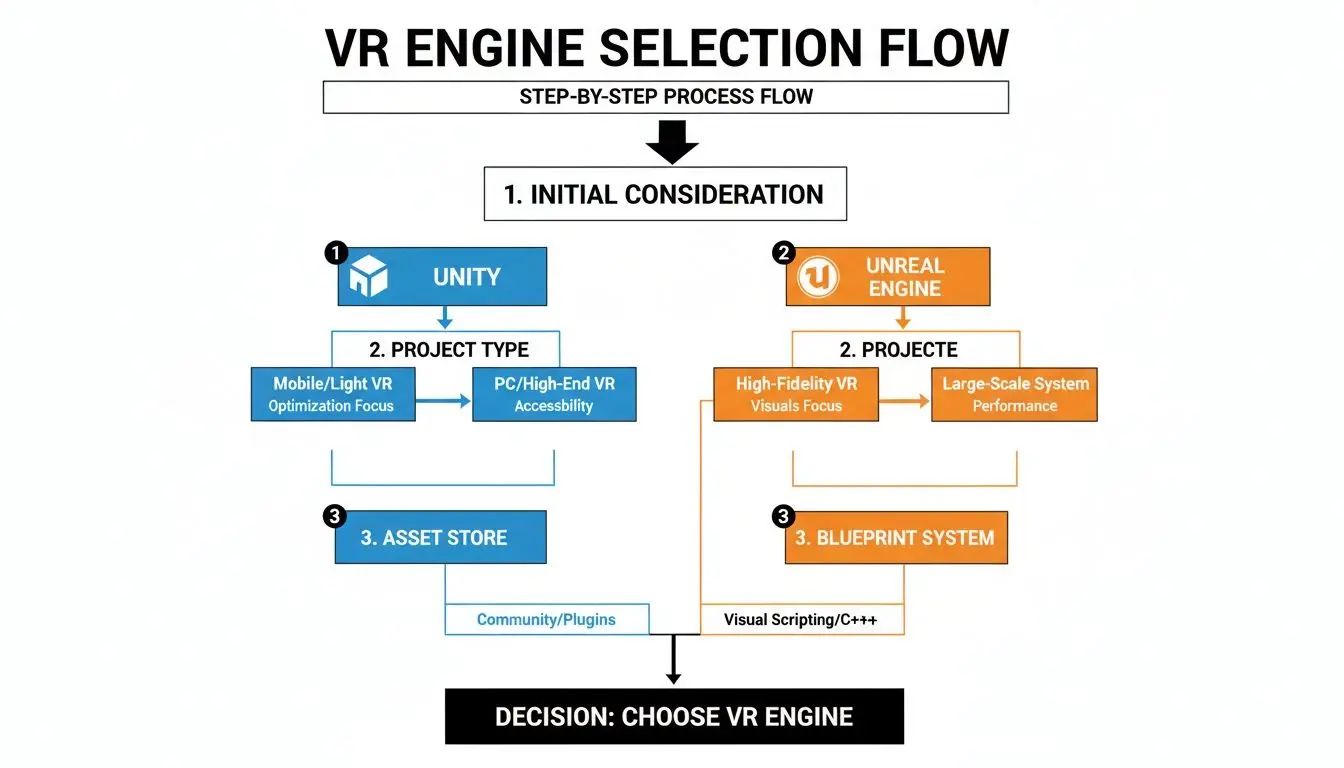
- SDK Integration: A developer would download the Diver-X SDK and integrate it into their Unity or Unreal Engine project.
- Direct Hand Mapping: Instead of programming complex controller logic, the developer could directly map the 1:1 movement of the user’s real fingers to the virtual hand model.
- Haptic Prototyping: The developer could quickly prototype haptic effects. For example, programming a “buzz” when a user’s virtual hand passes through a wall, or a “click” when they press a virtual button. This would allow for rapid iteration on what feels “right.”
- User Testing: The ease of use would allow developers to bring in non-gamers for user testing, as they could use their natural hand movements instead of learning a complex controller scheme.
The Reality Gap: This dream scenario hinges on a well-documented and stable SDK. The silence from Diver-X means their SDK is, for all intents and purposes, non-existent. A developer’s time is their most valuable asset, and investing it in an unsupported platform with zero user base is a non-starter.
Use Case 3: Niche Simulation & Training
Beyond gaming, the prosumer market often bleeds into small-scale professional use. The “prosumer VR” space is filled with users building home cockpits for flight simulators or custom rigs for sim racing.
The Theoretical Workflow:
- Cockpit Integration: A user building a virtual B-737 cockpit could use the ContactGloves to interact with the hundreds of buttons, knobs, and switches on the flight deck.
- Force Feedback: The gloves’ force resistance feature would provide tactile feedback, letting the pilot feel the “click” of a switch or the “stop” at the end of a dial’s rotation. This physical confirmation is vital for muscle memory in training.
- Specialized Applications: In medical or industrial training, such gloves could be used to simulate delicate procedures, where feeling the “resistance” of a tool is a critical part of the learning process.
The Reality Gap: These niche applications require the absolute highest level of tracking fidelity and reliability. Any tracking drift or software bug could ruin the simulation. Given the prototype reviews from 2023 already highlighted these as concerns, it’s highly unlikely the final product met this demanding standard without significant post-launch support and firmware updates.
Part 6: Alternatives & Comparisons – Smart Choices for VR Immersion in 2026
For users seeking the high-immersion experience that Diver-X promised, safer and more reliable alternatives absolutely exist in 2026.
Established systems like the Valve Index provide excellent tracking and a robust software library, while other niche specialists offer supported, pro-user solutions that don’t require a leap of faith. This section of the Diver-X review will break down your best options. For an extended head-to-head breakdown, also check our dedicated Diver-X Top Alternatives and Competitors guide.
How does Diver-X compare to reliable alternatives?
When I place the idea of Diver-X next to the reality of what’s available today, the choice becomes crystal clear. The risk is simply not worth the unverified reward.
| Feature | Diver-X (2023 Promises) | Valve Index Controllers | Meta Quest Hand Tracking |
|---|---|---|---|
| Status in 2026 | Unverifiable / Assumed Defunct | Available & Supported | Available & Supported |
| Tracking Quality | Promised high fidelity, but unproven. | Proven, reliable Lighthouse tracking; the industry benchmark for precision. | Good, improving, and controller-free. |
| Haptics | Promised advanced per-finger haptics. | Basic haptics, full finger tracking. | None. |
| Support & Warranty | Assumed Non-existent | Robust and established. | Robust and established. |
| Financial Risk | Extreme / Total Loss | Low. | None (Included with headset). |
| Best For | No one in 2026. | PC VR enthusiasts seeking a reliable, plug-and-play experience. | Convenience and mainstream use. |
⚠️ WARNING: The ‘Good Enough’ Alternative: Meta Quest’s Impact
Meta Quest’s free, improving hand tracking represents a “good enough” solution for many, fundamentally undercutting the market for complex, expensive third-party haptic gloves like Diver-X. This illustrates a key market pressure for niche Electronics.
The Best Alternatives to Diver-X
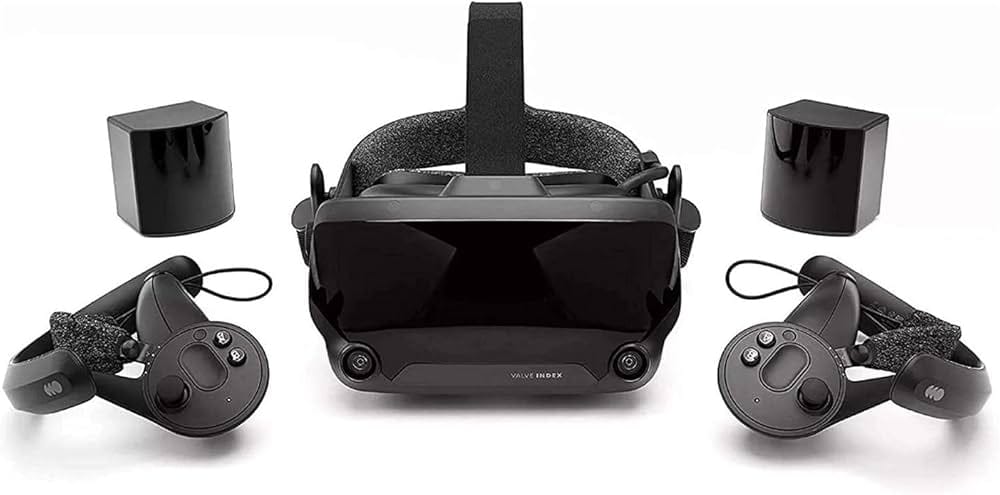
Overview
- Best For: PC VR enthusiasts who want the most reliable and precise finger-tracking controllers available for gaming and social VR.
- Tracking: SteamVR Lighthouse base stations — industry benchmark for sub-millimeter precision.
- Hand Input: Individual finger tracking with capacitive sensors and a comfortable “grip” mechanic.
✅ Strengths
- Industry-benchmark Lighthouse tracking precision
- Mature, well-documented SteamVR ecosystem
- Active developer community and long-term support
- Strong resale value and replacement-part availability
⚠️ Considerations
- Requires base stations — higher overall setup cost
- PC-tethered, not standalone
- No advanced per-finger haptics (basic vibration only)
- Avoid if you’re on a tight budget or want a standalone headset
The Valve Index controllers are the benchmark for a reason. They are the definition of a mature, well-supported product within a robust ecosystem.
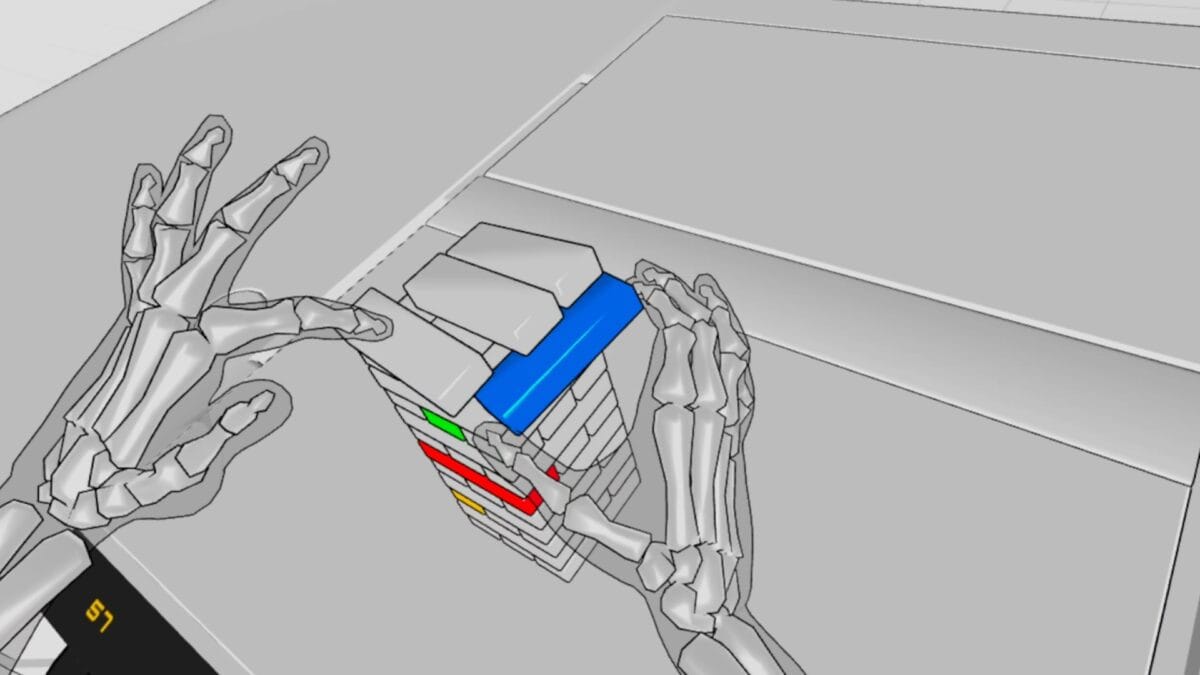
Overview
- Best For: Mainstream users who value convenience and controller-free interaction for social apps, media consumption, and simple games.
- Cost: Free — included with every Meta Quest 2, Pro, 3, and 3S headset.
- Setup: Zero — built directly into the OS, improves automatically with software updates.
✅ Strengths
- Completely free with the headset
- No controllers to charge or maintain
- Constantly improving via OTA software updates
- Massive Quest user community for troubleshooting
⚠️ Considerations
- No haptic feedback whatsoever
- Loses accuracy during rapid hand movements
- Not suitable for fast-paced action games
- Avoid if precision input or tactile feedback matters
Included for free with every Meta Quest 2, Pro, and 3 headset, the built-in hand tracking is remarkably good for basic interactions. It’s the ultimate in low-friction VR, and its quality is constantly improving with software updates.
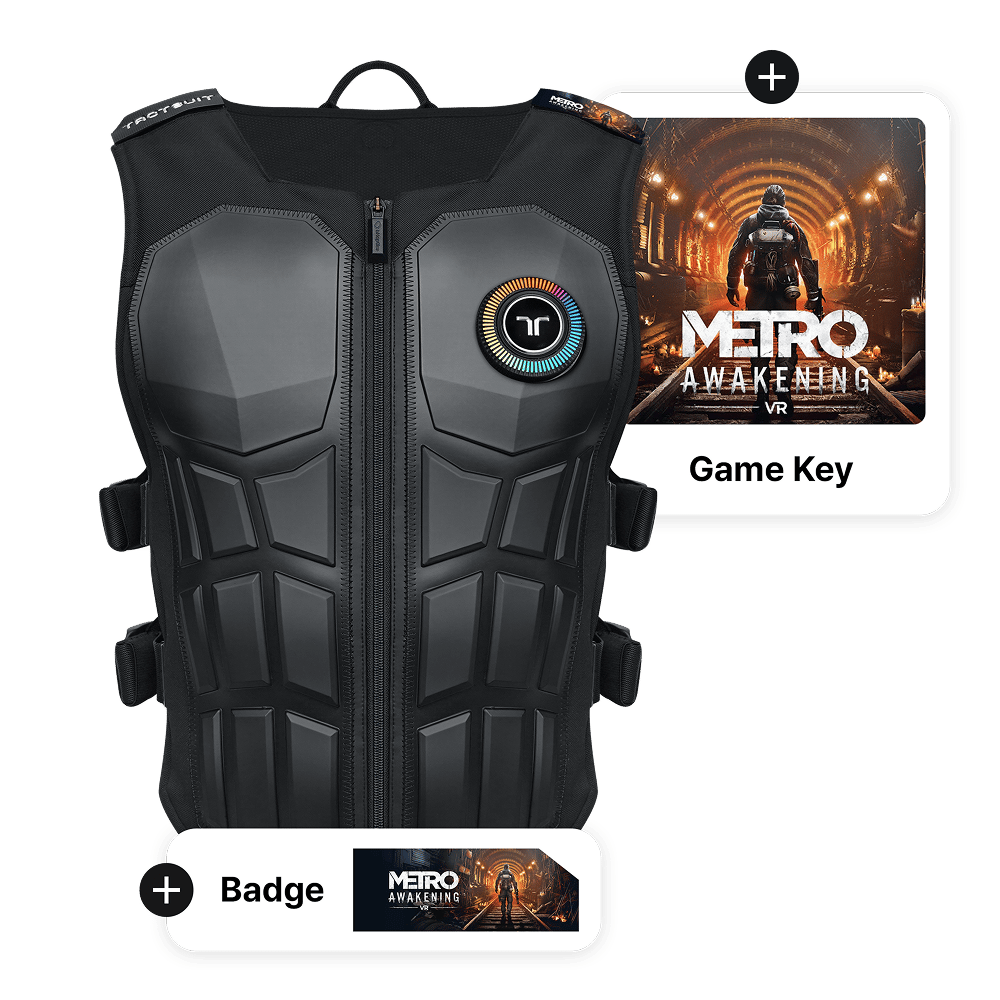
Overview
- Best For: Immersion junkies who want to add a new layer of physical feedback to their existing VR setup.
- Form Factor: Haptic vest with multiple feedback points across the torso.
- Use Case: Complements (not replaces) standard controllers; growing library of natively supported games.
✅ Strengths
- Body-level haptic feedback (shots, impacts, engine rumble)
- Growing library of natively supported titles
- Active company with ongoing firmware updates
- Complements your existing headset and controllers
⚠️ Considerations
- No fine-motor or finger-level control
- No force feedback for object manipulation
- Adds extra hardware to the VR setup
- Avoid if you need hand/finger haptics specifically
Companies like bHaptics have taken a different approach. Instead of focusing on hands, their TactSuit is a vest with multiple haptic points that translates in-game actions into physical sensations.
📊 Decision Matrix: Choosing Your VR Immersion System (2026)
Choose Valve Index IF: You want proven PC VR precision with a robust ecosystem.
Choose Meta Quest IF: You want convenience, low friction, and standalone use.
Choose bHaptics IF: You want body-level immersion layered onto your existing setup.
Choose Diver-X IF: Never — not recommended for any user segment in 2026.
Part 7: Conclusion & FAQs
Final Verdict & Recommendations
Based on my comprehensive investigation for this Diver-X review, I, and by extension Coupons Scout, absolutely cannot recommend purchasing the Diver-X VR system in 2026.
The product carries an extreme and unacceptable level of financial and performance risk due to a complete lack of verifiable information on its current status. It is an irresponsible and reckless choice for consumers, prosumers, and developers alike.
What We Love (The Concept)
- Pushing Boundaries: I have to respect the ambition. The goal to bring enterprise-level haptics to the prosumer market was bold and exactly what the enthusiast community wants to see.
- Inspiring Design: The initial prototype designs were genuinely exciting and captured the imagination of the VR community, proving there is a strong desire for this kind of product.
- Community Inspiration: The hype around Diver-X sparked valuable conversations about what the future of VR interaction should look like, pushing the entire market forward conceptually.
💡 Things to Consider (The Reality)
- The Information Vacuum: The total lack of any news, user reviews, or company activity since late 2023 is the single most important fact.
- Extreme Financial Risk: Any money spent on this product should be considered a 100% loss from the moment of purchase.
- No Verifiable User Base: There is no evidence of a community, which means no support, no shared knowledge, and no future-proofing.
- Proven Alternatives Exist: Safer, more reliable, and better-supported products are readily available from companies like Valve and Meta that offer a superior and more secure investment.
Recommendation by User Segment
- For VR Enthusiasts: Do not buy this product under any circumstances. If you have $1,000 to spend on high-end PC VR gaming, reinvest it in the established and excellent Valve Index ecosystem. For those comfortable with some risk for high specs, even a company like Pimax offers a more tangible, supported product than Diver-X.
- For Developers: Do not buy this product. For VR development, a platform is useless without a trinity of factors: a reachable user base, accessible SDK support, and long-term viability. Diver-X provides none of these. Your development time is better spent on platforms with millions of users like SteamVR or the Meta Quest Store.
This recommendation is based on the evidence available as of August 23, 2026. The profound lack of evidence is the core of the recommendation. The burden of proof is on Diver-X to re-establish its presence in the market, not on consumers to risk their money.
Frequently Asked Questions
Q1: Is Diver-X a legitimate company or a scam?
A: Evaluating whether Diver-X is a “scam” is complex. Based on its history, Diver-X was a legitimate company that successfully crowdfunded on the CAMPFIRE platform, created impressive prototypes, and even began shipping pre-orders according to reports in late 2023.
However, its operational status in 2026 is completely unknown, with no public communications since that time. While it may not have been an intentional scam from the outset, the project should now be treated as a high-risk, likely defunct venture. The lack of transparency and communication falls far short of what is expected from a trustworthy business, making any new investment unwise.
Q2: Is the Diver-X ContactGlove worth the money in 2026?
A: In our professional opinion, the Diver-X ContactGlove is not worth any amount of money in 2026. This conclusion in our Diver-X review stems from a comprehensive risk assessment.
The combination of an unknown company status, a complete lack of verifiable user reviews for the final production model, and no evidence of a functioning warranty or support system creates an unacceptable level of risk. The potential for a total financial loss is near 100%. For a fraction of the risk, users can invest in proven, high-quality alternatives from established companies like Valve, as detailed in numerous consumer reports.
Q3: How much does the Diver-X system cost?
A: The last known price for the Diver-X ContactGlove from 2023 was approximately ¥79,800, or about $530 USD at the time Road to VR – “Diver-X’s Haptic VR Gloves up for Pre-order, Shipping October”. The full system was estimated to be over $1,000.
However, this sticker price is misleading in 2026. The true Total Cost of Ownership (TCO) is the full purchase price plus international shipping and import duties, all of which should be considered an immediate sunk cost. Due to the high probability of product failure and the lack of any verifiable warranty, the effective cost is a total loss of your investment.
Q4: Should I use Diver-X or the Valve Index?
A: For potential buyers in 2026, the clear and responsible choice is the Valve Index. This isn’t a comparison of features so much as a comparison of realities.
The Valve Index is a proven, reliable, and well-supported high-end VR system with a massive library of content and a vibrant user community. It represents a safe, smart investment in PC VR. Diver-X, in contrast, is an unverified product with no apparent support, community, or even confirmed existence on the market today. Choosing the Valve Index eliminates the extreme financial and performance risks that our Diver-X review has highlighted.
Q5: What are the main problems with Diver-X?
A: The primary problem with Diver-X is the profound information vacuum surrounding it, which creates a cascade of other critical issues. As of 2026, the main problems are:
- An unknown company status, with no communication since late 2023.
- A complete absence of independent, long-term reviews for the final production model.
- No verifiable evidence of customer support, a functioning international warranty, or an RMA process.
- A silent community, which indicates a non-existent user base.
These factors combine to create a situation where purchasing the product is a near-certain total financial loss.
Q6: What happened to Diver-X?
A: While only the company can provide a definitive answer, the available evidence allows for an educated assessment. The information blackout suggests the project’s product lifecycle was likely cut short, failing to transition from the ‘introduction’ phase to the ‘growth’ phase.
The project likely failed to find product-market fit at scale; the niche was too small or the price/performance ratio wasn’t viable for mass production. The immense challenges of scaling production, managing global logistics, navigating compliance, and providing ongoing software support are common failure points for hardware startups. The evidence strongly suggests Diver-X was unable to overcome these hurdles.
Q7: Can I get a refund for Diver-X?
A: It is highly unlikely. Given the company’s silent status since 2023 and the lack of a verifiable international support channel, you should operate under the assumption that all sales are final and non-refundable.
There is no clear process for returns or refunds published on their archived website from the Diver-X Official Site. This lack of a clear recourse reinforces our recommendation against purchasing the product in the first place, as there is no safety net for buyers.
Q8: Who is Diver-X best for?
A: As of my 2026 investigation and this subsequent Diver-X review, the product is suitable for no one. It is not for consumers due to the extreme financial risk and lack of support.
It is not for prosumers, as its performance and reliability are completely unverified against modern standards. It is not for developers, as the non-existent user base and unknown SDK status make it a wasted investment of time and resources. In its current state of information blackout, the product serves only as a cautionary tale about the risks of investing in crowdfunded hardware without sufficient due diligence.