Dawn Grant Top Alternatives and Competitors: A Devil’s Advocate Guide for 2026
Posted on |
Part 1: Introduction to the Wellness Investment Dilemma
The line between transformative coaching and risky pseudoscience has never been more expensive to cross. In a market flooded with promises of rapid breakthroughs, how do you separate genuine support from a dangerous investment?
As Mohamed Zaki, a seasoned expert in the Health and Beauty, Wellness space and part of the Coupons Scout team, my analysis is grounded in years of evaluating these tools not just on their features, but on their real-world impact.
I’ve seen countless high-achieving individuals risk their money and mental well-being on unproven methods. This is not a simple feature comparison; it’s a Devil’s Advocate analysis of Dawn Grant Top Alternatives and Competitors designed to give you the unvarnished truth.
This guide is NOT for you if you’re looking for a simple “best of” list. It is for you if you demand evidence and want to understand the hidden risks before you invest.
Reflecting current wellness industry trends, this wellness service comparison will expose the ‘blind spots’ vendors hide to help you make a safe and informed decision. Before diving in, you may also want to check our current Dawn Grant coupon code resource for any savings if you decide to proceed.
Key Takeaways
-
Therapy vs. Coaching is a Minefield: BetterHelp offers licensed therapists but has a history of data privacy scandals and inconsistent quality. In contrast, Marisa Peer (RTT) makes bold ‘cure’ claims that lack scientific evidence, posing a significant YMYL (Your Money or Your Life) risk. -
Cost Reality is Intentionally Obscure: The Total Cost of Ownership is a major blind spot. High-ticket coaching like Dawn Grant can exceed $10,000, while subscription services have “gotchas.” Calm uses an auto-renewal trap after its free trial, and BetterHelp sessions are often shorter than the industry standard. -
Data Privacy is Not Guaranteed: A landmark 2023 FTC ruling fined BetterHelp $7.8M for sharing sensitive user health data. While BetterUp and Calm have stronger security certifications, the fundamental business model of data-driven apps remains a key user concern. -
The Biggest “Blind Spot” is Unproven Methodology: The method behind Marisa Peer’s RTT is not supported by independent, peer-reviewed research. Critics from the clinical community warn of the potential risk of creating false memories with its regression-based hypnosis techniques. -
Clear Recommendations Depend Entirely on Your Need: Your choice boils down to a critical trade-off between proven, regulated care with the potential for improved mental health outcomes (BetterHelp), high-quality coaching with corporate access restrictions (BetterUp), low-cost wellness with superficial depth (Calm), and high-risk, unproven methods with extreme costs (RTT/Dawn Grant).
Decision in 60 Seconds: Which Service Fits Your Need?
| If your primary goal is… | Best choice | Why | Key risk |
|---|---|---|---|
| Treating a clinical issue (e.g., anxiety, depression) | BetterHelp | Access to thousands of licensed therapists. | Inconsistent quality; past data privacy scandal. |
| Professional development (paid for by your employer) | BetterUp | High-quality, vetted coaches in a secure B2B platform. | Not for individuals; lingering user privacy fears. |
| Daily stress reduction & better sleep (on a budget) | Calm | Excellent value, vast content library, proven user satisfaction. | Superficial for deep issues; auto-renewal complaints. |
| Rapidly changing a specific behavior (with high risk tolerance) | Marisa Peer (RTT) | Promises rapid results for specific phobias/habits. | High cost; lacks scientific validation; potential for psychological harm. |
Top Alternatives & Competitors Shortlist
| Option | Best for | Tradeoff | Evidence status |
|---|---|---|---|
| Dawn Grant | Peak Performance (Execs, Athletes) | Opaque pricing, not therapy | ✅ |
| Marisa Peer (RTT) | Rapid intervention for habits/phobias | Unproven methodology, high cost | ⚠️ |
| BetterHelp | Licensed therapy for clinical issues | Inconsistent quality, privacy concerns | ✅ |
| BetterUp | Corporate-sponsored coaching | B2B only, “corporate” feel | ✅ |
| Calm | Daily stress, mindfulness, sleep | Superficial for deep issues | ✅ |
For deeper context on the headline brand reviewed here, you can also read our full Dawn Grant Review with our complete legitimacy analysis.
This analysis is for informational purposes and is not a substitute for professional medical or financial advice. Consult a licensed professional for any clinical mental health concerns.
To put this guide in motion visually, here is a short comparison-style video walking through some of the most-mentioned platforms in this analysis — Calm, BetterHelp, and meditation alternatives:
Part 2: Core Analysis – The True Cost of Wellness
Pricing in the wellness industry is deliberately confusing. High-ticket coaches use obscurity as a sales tactic, while subscription apps use “gotchas” to maximize revenue.
Here is the reality of what you will actually pay. The Total Cost of Ownership (TCO) is a critical factor when evaluating Dawn Grant top alternatives and competitors.
Pricing & TCO Reality Check: The Price You See vs. The Price You’ll Pay
| Service | Advertised Price | Real-World TCO & Hidden Costs |
|---|---|---|
| Dawn Grant / High-End Coaches | Not Public | Packages range from $3,000 to $10,000+. A 12-month engagement can easily exceed this, according to a 2023 Forbes article on executive coaching. |
| Marisa Peer (RTT) | Not Public | A single 90-120 minute session costs $250 to $750, according to reviews and pricing listed on individual practitioner websites ⚠️. A typical 3-session package can run $750 – $2,250. Potential for upsells to other programs is high. |
| BetterHelp | “$65 to $100+ per week” | Billed every 4 weeks ($260-$400 upfront). Sessions are often only 30-45 minutes. The real 12-month TCO is $3,380 – $5,200+, per a 2026 Forbes Health review. |
| Calm | “$69.99/year” | The monthly plan is 157% more expensive annually. ⚠️ The free trial auto-renews to the full annual fee, a major source of complaints PCMag Review of Calm. Real TCO is $69.99/year. |
If you want to neutralize part of that TCO — especially on the high-ticket coaching side — check our regularly updated Dawn Grant discount hub for any active savings before you commit to a package.
Unpacking the Hidden Costs and Financial Risks
The table above only scratches the surface. To truly understand the investment, you must analyze the hidden fees, long-term commitments, and financial risks associated with each model.
- High-End Coaching (Dawn Grant, Marisa Peer): The Exclusivity Tax & Upsell Funnel. The opaque pricing is a deliberate sales tactic. It creates an air of exclusivity and forces you onto a high-pressure consultation call where multi-thousand-dollar packages are the norm. The financial risk is enormous, as you are investing a significant sum upfront with no guarantee of results or recourse if the coaching is ineffective. For Marisa Peer’s RTT, the model extends beyond client work into a practitioner training funnel. While pricing is not public on the official RTT training site, industry reports and student forums suggest the RTT Practitioner training costs several thousand dollars, with an additional mandatory annual membership fee reportedly in the hundreds of dollars to maintain certification. This suggests a business model focused as much on selling training as on providing care.
⚠️ WARNING — The High-Ticket Coaching TCO Trap
Unlike subscriptions, the TCO for high-end coaches is intentionally opaque. The advertised ‘session’ cost is a foot-in-the-door. Expect multi-thousand-dollar packages and pressure to commit long-term. A 12-month engagement often exceeds $10,000 with no guarantee of results — see this Forbes article on executive coaching.
- Subscription Therapy (BetterHelp): The “Session vs. Service” Discrepancy. BetterHelp’s “per week” pricing is misleading. You are billed monthly for a subscription that includes one short live session (30-45 minutes, not the standard 50) and asynchronous messaging. The value of this messaging varies wildly depending on therapist engagement, a common complaint highlighted in a New York Times article. Furthermore, unlike its competitor Talkspace, BetterHelp generally does not accept insurance directly, making its total out-of-pocket cost much higher for insured individuals than a standard co-pay.
- Subscription Wellness (Calm): The Auto-Renewal “Gotcha”. Calm is a leader in cost-effective wellness solutions, but its business model relies on converting free trials into paid annual subscriptions. A significant volume of user complaints on the App Store and BBB centers on this auto-renewal policy. As one Reddit user complained, they were charged the full annual fee after a trial and were refused a refund. While the value is high, consumers must be vigilant about managing their subscription to avoid unwanted charges.
As a wellness professional, I find the pricing models to be a direct reflection of the service’s philosophy. The aggressive upselling and opaque costs of high-end coaching can border on financial exploitation in the wellness space, while the subscription models require careful consumer diligence to avoid financial traps.
Part 3: Deep-Dive on Core Methodologies
The most critical distinction in this entire analysis lies in the practitioner’s qualifications and the methodology they use. This is not a subtle difference; it’s a fundamental divide that determines the service’s appropriate use and potential risk.
We will explore the key feature differences between these wellness and therapy platforms. For a broader landscape view, you can also browse the full category of comparison articles we maintain on related tools.
Hypnotherapy and NLP (Dawn Grant, Marisa Peer) vs. Positive Psychology (BetterUp)

The approaches of high-end coaches and corporate platforms diverge significantly. Dawn Grant and Marisa Peer both utilize techniques rooted in hypnotherapy and Neuro-Linguistic Programming (NLP).
The core premise is to access the subconscious mind to identify and reframe limiting beliefs. Marisa Peer’s Rapid Transformational Therapy (RTT) is a specific branded blend of hypnotherapy, NLP, and CBT concepts, claiming to find the “root cause” of an issue in a single session. This method promises rapid, dramatic change for specific issues like phobias or habits.
In contrast, BetterUp’s Whole Person Model™ is built on principles of positive psychology. The focus is not on subconscious regression but on forward-looking, conscious development.
Coaches work with clients on goal-setting strategies, building resilience, and enhancing leadership skills. The methodology is designed for professional development and performance enhancement within a corporate context, aiming for increased productivity and effectiveness. It is a structured, evidence-informed coaching model, distinct from the more esoteric and unregulated world of hypnotherapy.
Licensed Therapy (BetterHelp) vs. Self-Service Mindfulness (Calm)
This represents another fundamental divide. BetterHelp’s platform is a marketplace for licensed professional counseling. Therapists on the platform employ a wide range of clinically recognized therapeutic modalities, from Cognitive Behavioral Therapy (CBT) to psychodynamic therapy, to treat diagnosable mental health conditions.
They are legally and ethically bound by scope of practice rules and can provide treatment for clinical anxiety, depression, and other disorders. The service offers online therapy sessions and asynchronous messaging with a credentialed professional.
Calm, on the other hand, is a self-service content library built on principles of mindfulness and meditation. While it incorporates concepts from CBT and offers guided meditation audio, it is not therapy.
Its primary features, such as the widely praised Sleep Stories, are stress management tools designed to improve daily well-being and psychological well-being. It is an effective tool for managing non-clinical stress and improving sleep, but it does not provide diagnosis or treatment from a licensed professional. Many meditation app reviews position Calm as a leader for relaxation and sleep hygiene.
Understanding these methodological differences is paramount. Using a coaching tool for a clinical issue or expecting a wellness app to solve deep-seated trauma are common category errors that can lead to wasted money and potential harm.
Part 4: Critical Considerations – Security, Compliance & Trust
In a field built on trust, a company’s security posture and ethical history are non-negotiable. A compliance certificate means nothing if a company has a documented history of violating user trust. This is a critical consideration when evaluating Dawn Grant top alternatives and competitors.
Security, Compliance & Trust Exposed
| Certification/Rule | Marisa Peer (RTT) | BetterUp | Calm | BetterHelp |
|---|---|---|---|---|
| SOC 2 Type II | ❌ Not Found | ✅ Yes | ✅ Yes | ⚠️ Not Found |
| ISO 27001 | ❌ Not Found | ✅ Yes | ✅ Yes | ❌ Not Found |
| HIPAA Compliance | ❌ N/A (Coaching) | ✅ BAA Available | ✅ BAA (for Business) | ✅ Yes (Covered Entity) |
The table tells a clear story. BetterUp and Calm have invested in modern, verifiable security standards, with current and publicly verifiable certifications through their respective trust centers (BetterUp Trust Center, Calm Security). This makes them the most secure options from a technical standpoint, meeting high data security standards.
The most glaring issue here is the March 2023 FTC ruling against BetterHelp. The company was ordered to pay $7.8 million for sharing sensitive user health data with third parties like Facebook for ad targeting.
For a mental health company, this is an unforgivable breach of trust. While their policies have since been updated, this history represents the highest privacy risk in this comparison. If you’d rather skip the data-privacy gamble entirely, a transparent Dawn Grant promo code on a coaching package keeps your interaction strictly 1-on-1, with no ad-targeting middleware.
Even with best-in-class security, the B2B context creates a perception problem, as one user on the Fishbowl professional network noted:
“I know they say it’s anonymous, but I’m still paranoid to say anything too specific about my boss. It just feels risky.” — Anonymous Post on Fishbowl (Sep 2025)
This illustrates a key limitation: even with robust technical safeguards like anonymized data aggregation, the perception of privacy is a major hurdle for employees using company-sponsored tools.
⚠️ WARNING — The Risk of False Memories in Regression Hypnosis
The RTT method’s reliance on regression carries a risk of confabulation (creating false memories), a concern noted by critics in sources like the Skeptical Inquirer. This is not just theoretical; users have reported feeling psychologically harmed by practitioners pushing them to ‘find’ a root cause in their childhood that may not exist, as discussed in a Reddit r/hypnosis thread.
Part 5: Use Cases & Workflows
Understanding how these services apply to real-world scenarios is crucial for making the right choice. Here are three distinct use cases demonstrating where each platform might fit into a personal or professional workflow.
Use Case 1: An Executive Overcoming Public Speaking Anxiety
- Scenario: A newly promoted Vice President experiences debilitating anxiety before board presentations, impacting their performance and career trajectory. The issue is specific and performance-related, not a generalized anxiety disorder. They have a significant budget for professional development.
- Workflow & Options:
- High-Risk, High-Reward Path (High-End Coaching): The executive engages a coach like Dawn Grant or a certified RTT practitioner. The workflow involves 1-3 intensive, 90-minute sessions focused on regressing to the “root cause” of the fear. The outcome is a personalized audio recording to listen to daily. The goal is a rapid, dramatic shift in mindset before the next quarterly meeting. This is a high-cost gamble on a quick fix.
- Corporate-Sponsored Path (BetterUp): If their company offers BetterUp, the executive is matched with an ICF-certified coach specializing in leadership presence. The workflow is a 6-12 month journey with bi-weekly video sessions focused on building confidence, practicing presentation skills, and using positive psychology techniques. Progress is gradual and integrated into their professional life. This is a structured, lower-risk path for accelerated skill development.
- Self-Management Path (Calm): The executive uses the Calm app’s ‘Mindful Living’ series on managing anxiety. The workflow involves daily 10-minute meditations and listening to ‘Sleep Stories’ to reduce overall stress. This is a low-cost, supplementary tool for managing symptoms, but it is unlikely to resolve the core issue on its own.
Use Case 2: A Corporation Implementing a Wellness Program
- Scenario: A mid-sized tech company is experiencing high employee burnout and turnover. HR is tasked with implementing workplace wellness initiatives to improve morale and retention. The solution must be scalable, secure, and demonstrate ROI.
- Workflow & Options:
- The Gold Standard (BetterUp): HR partners with BetterUp. The platform integrates with the company’s SSO and Slack. Employees are invited to take a “Whole Person” assessment and are matched with a coach. HR receives anonymized, aggregated data on what skills employees are working on (e.g., “resilience,” “communication”), which informs future training. This is the premium, most integrated B2B solution.
- The Scalable Wellness Perk (Calm for Business): HR purchases a bulk subscription to Calm. All employees receive full access to the app. The company promotes specific programs like “Mindful Work” and tracks aggregate usage to show engagement. This is a highly scalable and cost-effective wellness solution but lacks the personalization of 1-on-1 coaching.
- The Clinical Support Option (BetterHelp – EAP): The company could add BetterHelp to its Employee Assistance Program (EAP). This provides employees with access to licensed therapists. However, due to BetterHelp’s inconsistent quality and past privacy issues, many corporations opt for more enterprise-ready solutions like Lyra Health or Ginger for this level of care.
Use Case 3: An Individual Seeking Affordable Treatment for Clinical Anxiety
- Scenario: A recent graduate with a formal diagnosis of Generalized Anxiety Disorder is looking for affordable, accessible therapy. They have a limited budget and transportation challenges.
- Workflow & Options:
- The Intended Path (BetterHelp): The user signs up for BetterHelp, one of the leading top teletherapy apps, citing their financial situation to apply for aid. They are matched with a licensed therapist within 48 hours. The workflow involves weekly 30-minute video sessions and messaging their therapist between sessions. If the first therapist isn’t a good fit, they use the “switch therapist” button to find a new one. This provides convenient access to care for a clinical issue.
- The Self-Soothing Misstep (Calm): The user, intimidated by therapy, first tries Calm. They use the app daily and find the meditations help to temporarily reduced stress levels. However, the app does not address the underlying clinical condition, and their symptoms persist. They realize it’s a helpful tool but not a substitute for therapy.
- The Prohibitive Option (High-End Coaching): The user investigates RTT or similar coaching but quickly realizes the cost of a single session ($500+) is more than a month of teletherapy, making it financially impossible and inappropriate for their clinical needs.
- Diagnosed anxiety / depression → BetterHelp
- Crisis situation → seek in-person professional care
- Budget tight → BetterHelp financial aid
- Employer-paid coaching → BetterUp
- Peak performance budget → Dawn Grant
- Daily stress / sleep → Calm
- Single specific habit (high risk tolerance) → Marisa Peer RTT
Part 6: Alternatives & Comparisons – A Head-to-Head Deep Dive
Unlike simple lists of the best online coaching platforms, this section provides a critical, balanced look at the strengths and weaknesses of each major competitor to Dawn Grant. For a side-by-side overview, see our parallel guide on Dawn Grant Top Alternatives and Competitors.
When it’s the best choice:
- Specific Targeting: RTT is designed to target one very specific issue, such as a lifelong phobia, a persistent habit like smoking, or a performance-related anxiety.
- Rapid Transformation Promise: The core marketing claim is a dramatic transformation in just one to three sessions, appealing to those who want immediate results.
- Reinforcement Tool: Following a session, clients receive a personalized audio recording to listen to for at least 21 days, intended to reinforce the new beliefs established during hypnosis.
When to avoid:
- If you demand scientific validation: RTT is not supported by independent, peer-reviewed clinical trials that validate it as a unique or superior modality. A Psychology Today blog post notes that critics argue it’s a masterful rebranding of existing techniques.
- If you have a history of complex trauma: The heavy reliance on regression hypnosis carries a documented risk of confabulation—the unintentional creation of false memories. This is a serious ethical concern.
- If you are on a budget: A single session can cost up to $750, with a high potential for upsells to more sessions or expensive training programs.
✅ Strengths
- Targeted, rapid intervention model
- Personalized audio reinforcement
- Strong brand & practitioner network
⚠️ Considerations
- No peer-reviewed validation
- Risk of false memories (confabulation)
- Up to $750/session + upsell pressure
When it’s the best choice:
- Access to Licensed Professionals: This is its single greatest strength. For anyone dealing with a potential clinical issue like anxiety or depression, BetterHelp provides access to thousands of licensed therapists (LCSW, LMFT, PsyD).
- Unmatched Convenience: The platform offers multiple communication modes—video, phone, and asynchronous messaging—making therapy accessible from anywhere.
- Easy Therapist Switching: A major advantage over traditional therapy is the ability to switch therapists easily if the match isn’t right, as praised in a Trustpilot review from January 2026.
When to avoid:
- If you require consistent quality: The “gig economy” model is BetterHelp’s Achilles’ heel. Widespread user reports highlight that low pay-per-session can lead to therapist burnout and low-quality, disengaged care.
- If data privacy is your top concern: The March 2023 FTC fine of $7.8 million for sharing users’ sensitive health data is a permanent stain on their reputation.
- If you are in crisis: The platform is explicitly not for emergencies. The time it takes to get matched and the potential for unresponsive therapists makes it a dangerous choice for anyone in acute distress.
✅ Strengths
- Thousands of licensed therapists (LCSW, LMFT, PsyD)
- Video, phone, & messaging access
- One-click therapist switching
- Financial aid available
⚠️ Considerations
- $7.8M FTC privacy fine (2023)
- Sessions only 30-45 min (not 50)
- Insurance generally not accepted
- Quality varies by therapist
When it’s the best choice:
- Rigorously Vetted Coaches: BetterUp’s coaches are typically ICF-certified with years of professional experience, focusing on accelerated skill development and leadership growth. The quality is a core part of their premium B2B offering.
- Enterprise-Grade Security: The platform boasts a strong security posture with current SOC 2 Type II and ISO 27001 certifications, crucial for selling into large corporations.
- Workflow Integration: With deep integrations into Slack and Microsoft Teams, BetterUp fits into an employee’s existing daily workflow, increasing engagement.
When to avoid:
- If you are an individual: Unlike coaches like Dawn Grant who offer direct individual access, BetterUp’s enterprise-only model is a hard wall. You cannot buy it for yourself.
- If you are paranoid about employer snooping: Even with technical safeguards, employees often fear their data could be re-identified by management, as noted in professional network discussions.
- If you need authentic, deep content: The digital content library, while vast, is often described in user reviews as generic “corporate-speak” that lacks the depth needed to truly resonate.
✅ Strengths
- ICF-certified, vetted coach roster
- SOC 2 Type II & ISO 27001 certified
- Slack & MS Teams integration
- Anonymized HR analytics
⚠️ Considerations
- Enterprise-only (no individuals)
- Employee privacy perception issues
- Content can feel “corporate-speak”
When it’s the best choice:
- Exceptional Value: At only $69.99 per year, the amount of high-quality content, including its renowned Sleep Stories, is astounding. It’s an accessible price point for almost everyone.
- Game-Changing Sleep Stories: Universally praised across review platforms, the Sleep Stories, often narrated by celebrities like Matthew McConaughey, have genuinely helped millions of users improve their better sleep quality Apple App Store.
- Low-Risk Entry Point: For those new to mindfulness or looking to manage daily, non-clinical stress, Calm is a safe, effective, and low-risk starting point.
When to avoid:
- If you need a therapy substitute: It must be stressed that Calm is not therapy. While it can help manage symptoms of anxiety, it is not designed to address the root causes of clinical mental health conditions.
- If you are not diligent with subscriptions: The auto-renewal trap is a major source of user complaints. The free trial automatically converts to a full-price annual subscription.
- If you are easily overwhelmed: While the Sleep Stories are excellent, some users report the sheer volume of other content within Calm can be a double-edged sword, making it difficult to navigate.
✅ Strengths
- Only $69.99/year
- Celebrity-narrated Sleep Stories
- Huge meditation library
- SOC 2 + ISO 27001 secured
⚠️ Considerations
- Auto-renewal trial trap
- Not a therapy substitute
- Content volume can overwhelm
Decision Matrix: Dawn Grant vs. Alternatives for Key Health & Wellness Needs
| Need | Best Choice | Runner-Up | Avoid |
|---|---|---|---|
| Clinical Treatment (anxiety/depression) | BetterHelp | In-person therapy | RTT, Dawn Grant, Calm |
| Professional Development | BetterUp | Dawn Grant | Calm |
| Daily Stress & Sleep | Calm | Headspace | RTT, Dawn Grant |
| Rapid Behavioral Change | Marisa Peer RTT | Dawn Grant | Calm |
| Peak Performance | Dawn Grant | BetterUp | Calm |
If your final choice leans toward high-end peak-performance coaching, our regularly updated working Dawn Grant coupon page is the single best lever to soften that TCO before signing a package.
Part 7: Conclusion & FAQs
Final Verdict & Our Expert Recommendation
After this deep-dive analysis of Dawn Grant Top Alternatives and Competitors, my final verdict is clear: your choice boils down to a critical trade-off between proven, regulated care with potential quality issues (BetterHelp), high-quality coaching with corporate access restrictions (BetterUp), low-cost wellness with superficial depth (Calm), and high-risk, unproven methods with extreme costs (RTT/Dawn Grant).
There is no single “best” option, only the best fit for your specific, well-defined need.
To make your decision, follow this simple framework:
- First, identify your need: Clinical or Performance? This is the most important fork in the road. If you are dealing with a potential mental health condition, you need a licensed therapist. If you are looking to enhance skills, you need a coach or wellness tool. Do not confuse the two.
- Second, assess your budget: Subscription or High-Ticket? Be honest about what you can afford. Know the real Total Cost of Ownership, not just the advertised weekly price. Are you comfortable with a small, recurring fee or a large, one-time investment? Don’t forget to scan latest coupons from our coupon library to soften the budget impact before committing.
- Third, define your trust level: Evidence or Anecdote? Decide if scientific validation and a clean data privacy history are non-negotiable for you. If a practitioner, such as a Marisa Peer RTT specialist, cannot provide independent evidence for their claims, demonstrating a lack of scientific validation, your professional diligence dictates you walk away.
In the unregulated and rapidly growing world of performance enhancement and digital wellness, especially when considering Dawn Grant Top Alternatives and Competitors, the burden of proof should be on the vendor, but the burden of risk ultimately falls on you, the consumer.
My goal as a wellness expert is to arm you with the information needed to shift that balance. You are now equipped with the healthy skepticism required to navigate this complex and often misleading market safely.
Frequently Asked Questions (FAQs)
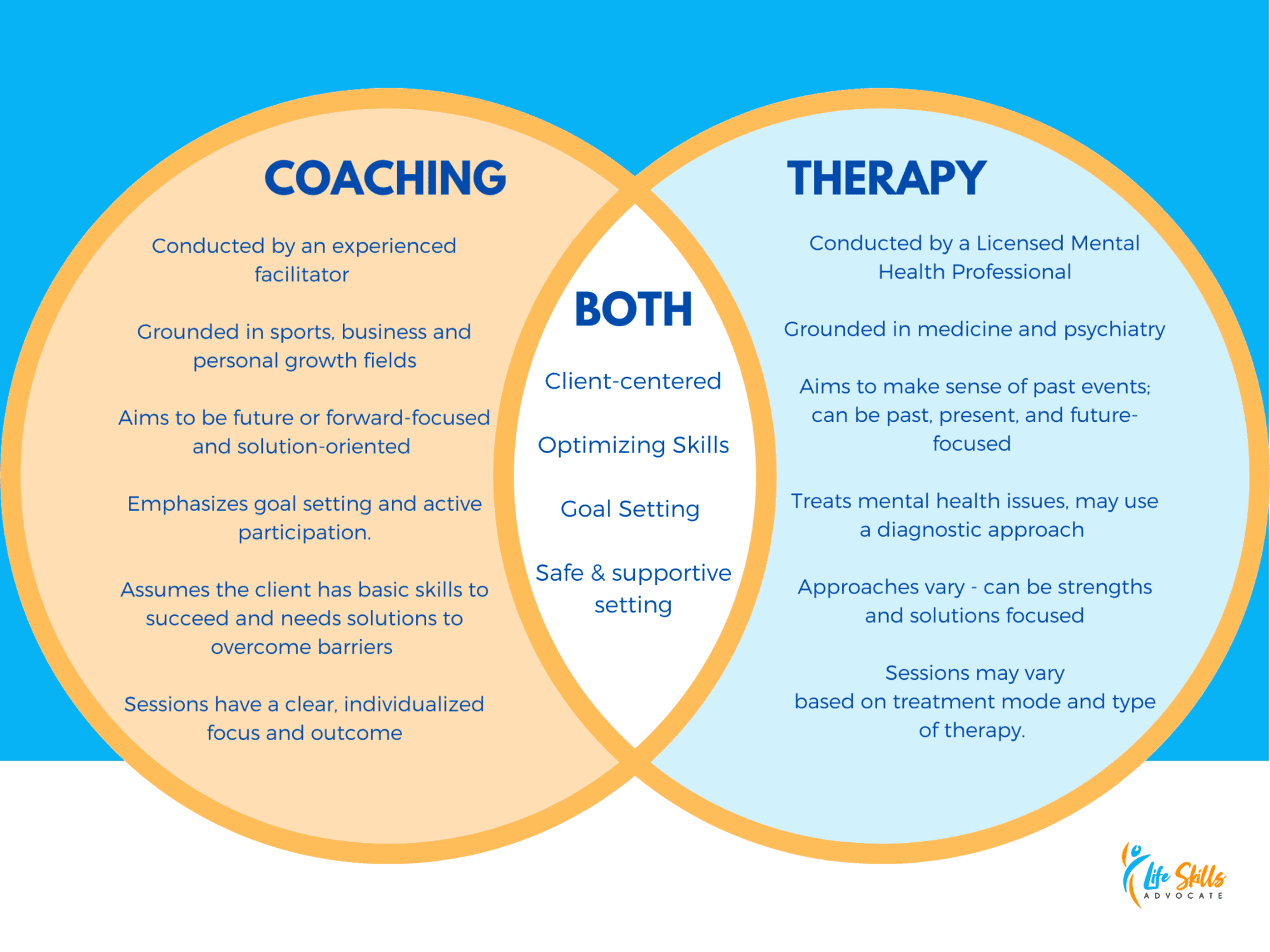
Q1: What’s the main difference between coaching (like Dawn Grant/Marisa Peer) and therapy (like BetterHelp)?
A: The fundamental difference lies in licensing, scope, and purpose. A therapist on BetterHelp is a licensed professional (e.g., LCSW, PsyD) who is legally qualified to diagnose and treat clinical mental health conditions like anxiety or depression, following evidence-based interventions. Their work is regulated and often covered by insurance.
Coaching, offered by practitioners like Dawn Grant or Marisa Peer, is an unregulated industry focused on performance enhancement and goal achievement for non-clinical issues. A coach helps you move from functional to optimal, while a therapist helps you move from dysfunctional to functional. Mistaking one for the other carries significant financial and health risks Psychology Today article on coaching vs. therapy.
Q2: Is Rapid Transformational Therapy (RTT) legitimate or pseudoscience?
A: From a scientific and clinical perspective, RTT sits in a gray area. It is not supported by the independent, peer-reviewed clinical trials required to be considered an evidence-based practice like CBT. Critics in the psychology field, as cited in sources like the Skeptical Inquirer, often describe it as a powerful rebranding of existing hypnotherapy and NLP techniques rather than a revolutionary new modality.
While some individuals report positive anecdotal results, its claims of being a unique, superior, and “rapid” cure for a wide range of issues are not scientifically validated. Consumers should approach it with the same skepticism as any method that promises extraordinary results without extraordinary evidence.
Q3: Is BetterHelp trustworthy after its 2023 FTC fine?
A: This is a question of risk tolerance. Factually, BetterHelp has a documented history of breaking user trust. The $7.8 million FTC fine in 2023 for sharing sensitive health data with platforms like Facebook for advertising is a significant and undeniable red flag.
While the company has since updated its privacy policies and is a HIPAA-compliant entity, this incident reveals a past corporate culture where user data was seen as a commodity. For many, this is an unforgivable breach in the mental health space.
While the platform offers unmatched access to therapists, I advise users to proceed with extreme caution, read the current privacy policy thoroughly, and understand that their data is part of a large, corporate ecosystem.
Q4: Why is high-end coaching so expensive and is it worth it?
A: High-end coaching from practitioners like Dawn Grant is priced based on exclusivity, personal branding, and perceived value, not a regulated standard. The high cost (often over $10,000 for an engagement, according to Forbes) serves two functions: it acts as a filter for high-net-worth clients and creates a powerful psychological buy-in.
The worth is highly subjective and represents a “high-risk, high-reward gamble.” For a small niche of financially secure individuals with specific, non-clinical performance goals (e.g., an athlete’s mental block), the hyper-personalized attention might provide the catalyst they need. However, for most people, the enormous cost does not correlate with a guarantee of results, and similar outcomes may be achievable through more affordable, evidence-based methods.
Q5: Can I use BetterUp for myself as an individual?
A: No. BetterUp operates on an enterprise-only model, meaning it is sold directly to companies as an employee benefit for workplace wellness initiatives. There is currently no way for an individual to sign up and pay for the service on their own.
If you are an individual looking for professional coaching, you would need to seek out independent coaches or use platforms designed for individual consumers. This B2B focus is a key differentiator from services like BetterHelp or practitioners like Dawn Grant who cater directly to the public. You can check their official website for more details on their business services.
Q6: What are the biggest ‘gotchas’ with these services?
A: The biggest gotchas are the hidden costs and business model quirks. With Calm, it’s the auto-renewing trial that charges the full annual fee if not canceled in time, a frequent user complaint noted in PCMag’s review.
For BetterHelp, it’s that the “weekly” fee often covers shorter-than-standard session lengths (30-45 minutes), and the value of “unlimited messaging” is highly dependent on therapist engagement.
With RTT and other high-end coaching, the gotcha is the high-pressure upsell from an initial consultation to a multi-thousand-dollar package, with a lack of transparent pricing being a significant red flag. Always read the fine print on billing cycles and session lengths.
Q7: Which service is best for diagnosed anxiety or depression?
A: Only BetterHelp is appropriate for treating diagnosed clinical conditions like anxiety or depression because it provides access to licensed therapists. Coaching platforms like BetterUp and practitioners like Dawn Grant or Marisa Peer are not substitutes for therapy and are not qualified to treat clinical disorders.
However, using BetterHelp requires active participation; as a user, you must vet the therapist you are matched with, check their credentials, and be prepared to use the platform’s “switch” feature if they are not a good fit for your specific needs, as highlighted in a Forbes Health analysis. For severe conditions, in-person therapy remains the gold standard.
Q8: Which service is the most secure from a data privacy perspective?
A: Based on current, verifiable certifications, BetterUp and Calm have the strongest and most transparent security postures. Both maintain up-to-date SOC 2 Type II and ISO 27001 certifications, as shown in their public trust centers (BetterUp Trust Center, Calm Security).
These certifications indicate a high level of commitment to data security standards. BetterHelp’s history of the 2023 FTC ruling for sharing user data, despite any policy changes made since, places it as the highest risk from a historical privacy perspective. For users where data privacy is the absolute top priority, BetterUp and Calm’s documented, third-party-audited compliance offers more reassurance.