
Corazon Organic Beauty Top Alternatives and Competitors: A 2026 Devil’s Advocate Analysis
Posted on |
So, you’re looking for information on Corazon Organic Beauty. Let’s get straight to the point: after years of analyzing the Health and Beauty, Skincare, Personal Care, and Wellness markets, our research has taught us that the most dangerous product isn’t one with bad reviews, but one with no reviews at all.
The Corazon Organic Beauty brand is a ghost; it has no verifiable data, no market presence, and no traceable history, meaning there are no Corazon Organic Beauty reviews to analyze. For a savvy shopper who reads labels, this is the ultimate red flag.
This guide, led by our editor Joanne Lovell, will give you the Devil’s Advocate comparison of the real alternatives and Corazon Organic Beauty substitutes: Tata Harper, Biossance, The Ordinary, CeraVe, and Juice Beauty.
We will expose the “blind spots” that marketing won’t show you, focusing on the real-world trade-offs between price, potency, ethics, and performance. Before diving in, you can also browse the latest Corazon Organic Beauty coupon if you’re still curious about pricing on the original brand. This analysis is based on our expert research for informational purposes. Skincare is highly personal; consult a dermatologist for advice tailored to your specific skin needs and concerns.
Key Takeaways
-
The “Ghost” Brand: The Corazon Organic Beauty brand has no verifiable market presence, making it an immediate red flag for any research-driven consumer. This guide focuses on its top 5 real competitors. -
The Price Lie is Real: There’s a >6,700% price-per-ml difference between the cheapest (CeraVe at $0.036/ml) and most expensive (Biossance at $2.47/ml) options, with little evidence to justify the premium. -
“Natural” Isn’t Always Safe: ⚠️ “Natural” brands like Tata Harper and Juice Beauty pose a real risk of irritation, directly contradicting the “gentle” marketing image. -
The Transparency Gap: ❌ Luxury brands Tata Harper, Biossance, and Juice Beauty refuse to disclose key active ingredient percentages, a major “blind spot” preventing true value assessment. Only The Ordinary is transparent. -
The Ethical Shell Game: “Cruelty-free” is a minefield. The Ordinary is certified, but its parent company isn’t. CeraVe, a dermatologist favorite, is not cruelty-free at all.
Decision in 60 Seconds: Which Trade-Off Will You Make?
Before diving into the detail, this snapshot table maps each priority to the best-fit brand and the compromise it requires. If you want to skip ahead and compare against the official storefront, check the current Corazon Organic Beauty discount first.
| If Your #1 Priority Is… | Your Best Choice Is… | Why? | The Compromise You’re Making |
|---|---|---|---|
| Absolute Lowest Price | CeraVe | Unbeatable price-per-volume for reliable basics. | You must sacrifice all “clean,” “natural,” and “cruelty-free” values. |
| Ingredient Potency & Transparency | The Ordinary | You know the exact percentage of the key active for a rock-bottom price. | You accept potential usability issues (pilling) & the parent company’s ethical conflict. |
| Verifiable Organic Certification | Juice Beauty | The strongest USDA/COPA organic certification in the group. | You accept a high risk of irritation and no transparency on active percentages. |
| A Purely Ethical Purchase | Tata Harper / Juice Beauty | Leaping Bunny certified and not owned by a non-certified parent company. | You are paying a massive premium for an experience, with no proof of potency. |
| Dermatologist Trust & Safety | CeraVe | Backed by the National Eczema Association and countless dermatologists. | The formula is not “natural” or “clean,” and the brand is not cruelty-free. |
Top Alternatives & Competitors Shortlist (5 Brands, 5 Philosophies)
| Option | Best for | Tradeoff | Evidence status |
|---|---|---|---|
| Tata Harper | A luxury, spa-like natural experience. | High price, undisclosed potency, potential for irritation. | ✅ |
| Biossance | Sustainable, “clean” formulas with a scientific story. | Undisclosed potency, premium price, non-certified parent co. | ⚠️ |
| The Ordinary | Price-to-potency and ingredient transparency. | No-frills UX (pilling), ethical ambiguity of parent co. | ✅ |
| CeraVe | Affordable, reliable, gentle, derm-trusted basics. | Not cruelty-free, “clean,” or “natural.” | ✅ |
| Juice Beauty | Verifiable USDA organic certification with strong results. | High risk of irritation, undisclosed potency. | ✅ |
For a side-by-side look at how these names stack up against the original brand, our companion detailed Comparison Corazon Organic Beauty Top Alternatives and Competitors breakdown goes even deeper into category-level differences.
Want to watch a quick orientation on the “clean beauty” space before reading on? This Sephora overview is a useful primer:
1. Introduction: The Search for Corazon Organic Beauty Top Alternatives and Competitors
If you’re researching Corazon Organic Beauty top alternatives and competitors in the Health and Beauty market, this post immediately reveals a critical finding: the brand is a “ghost” with no verifiable data. As our Lifestyle & Retail Editor Jennifer Angel knows, a product’s story is as important as its ingredients, and this brand has neither.
This devil’s advocate guide then pivots to a deep-dive audit of five real competitors—Tata Harper, Biossance, The Ordinary, CeraVe, and Juice Beauty.
Expect an exposé on the “blind spots” of clean beauty, analyzing the real trade-offs between price, potency, ethics, and performance. We will unmask the >6,700% price disparities, the lack of ingredient transparency from luxury brands, the irritation risks of so-called “natural” products, and the ethical shell game behind “cruelty-free” certifications.
This empowers you to choose an alternative based on facts, not marketing hype. If saving money on the brand itself is your goal, claim a working coupon before you commit to any subscription.
Who This Guide Is For
- You meticulously read ingredient lists and are skeptical of vague marketing claims.
- You question if high-priced “luxury” skincare is functionally better than affordable alternatives.
- You want to understand the real trade-offs between “cruelty-free,” “organic,” “natural,” and “derm-approved” products.
- You believe in price-to-potency and want to know if you’re paying for ingredients or just a fancy jar.
This Guide Is NOT For You If
- You are loyal to a single brand and are not interested in comparing alternatives.
- You prioritize the luxury experience (packaging, scent, brand story) far more than ingredient transparency or price.
- You are looking for a simple “best” product without considering the nuances of your specific skin type, budget, and ethical stance.
How We Expose the Truth in Skincare
Our editorial team at Coupons Scout follows a rigorous, transparent process — detailed in our editorial methodology — to ensure every claim, comparison, and recommendation is verified against official sources before publication.
This analysis is not a simple roundup; it’s a critical audit built on verified data from our 2025-2026 research window, validated by Kanokchai Likitapiwat’s Ops Team.
My personal experience in the Health and Beauty, Skincare, Personal Care, and Wellness space, particularly when evaluating Corazon Organic Beauty top alternatives and competitors, has taught me to trust data over marketing, and this report reflects that philosophy. You can also browse our full category of Comparison articles for parallel deep-dives across the beauty market.
Sources Used: This report is based on a deep synthesis of upstream intelligence reports (FIR), cross-referencing brand claims against user-reported data, certification databases, and expert analysis.
What Was Verified: We audited brand claims regarding cruelty-free status, organic certifications, and pricing. We scrutinized user-reported outcomes for performance and adverse effects.
What Was Not Verified: We could not verify the active ingredient percentages for brands that do not disclose them. Performance claims from vendor-sponsored studies were noted but treated as unverified marketing.
Research Window: All data is based on market analysis conducted in 2025-2026.
2. Core Analysis: The Price Justification Lie
As our strategic savings expert Mohamed Zaki often highlights, price is rarely correlated with efficacy in the beauty industry. After analyzing thousands of products in the Health and Beauty, Skincare, Personal Care, and Wellness space, especially when comparing Corazon Organic Beauty top alternatives and competitors, I can tell you that price is correlated with marketing, packaging, and brand positioning.
This analysis confirms that the price-per-ml disparity in this market is staggering and, in my opinion, largely unjustifiable. If you want a smarter route to lower your overall skincare bill, our list of the latest offers across beauty brands is a good complementary resource.
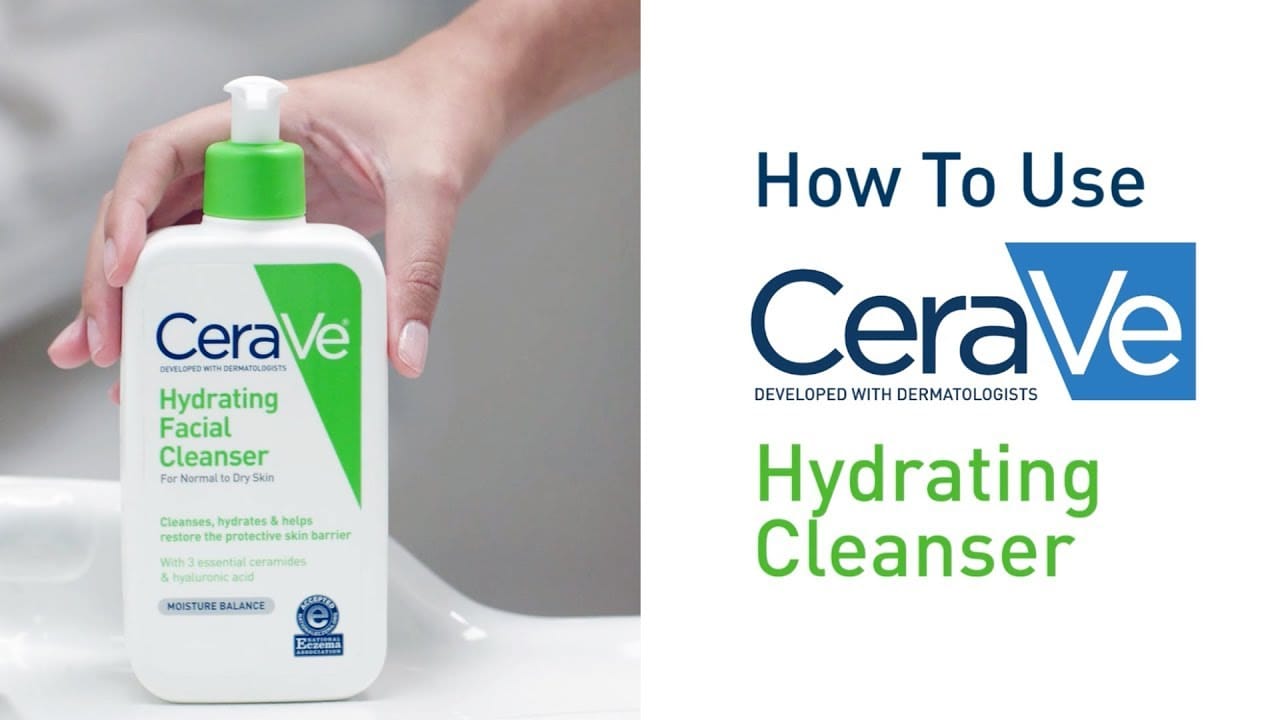
Let’s look at the hard numbers. The price per milliliter ranges from a jaw-dropping $2.47/ml for Biossance Biossance Squalane + Vitamin C Rose Oil to a mere $0.036/ml for CeraVe CeraVe Hydrating Facial Cleanser.
That is a price difference of over 6,700%. There is no ingredient in the Biossance product that is 6,700% better than the ingredients in CeraVe. You are paying for brand story, R&D, and a massive marketing budget.
Price per ml/oz Comparison
| Brand | Price per ml | Price Signal |
|---|---|---|
| Biossance | $2.47 | $$$$ |
| Tata Harper | $2.27 | $$$$ |
| Juice Beauty | $0.87 | $$$ |
| The Ordinary | $0.22 | $ |
| CeraVe | $0.036 | $ |
Comparative 12-Month Total Cost of Ownership (TCO) for Skincare Alternatives
But sticker price isn’t the whole story. We need to look at the Total Cost of Ownership (TCO) over a year.
Advertised vs. 12-Month TCO
- The Luxury Illusion (Tata Harper, Biossance): An advertised price of $68-$74 for a single bottle balloons to a 12-Month TCO of $222 – $408. The gotcha is that you’re paying a massive premium for an “experience” with no proof of potency.
- The Disruptive Value (The Ordinary): A seductive $6.50 sticker price translates to a 12-Month TCO of $26 – $39 for a single serum. The hidden cost is the “Routine Cost”—you need to buy a cleanser, moisturizer, and sunscreen to have a complete routine.
- The Mass-Market Commodity (CeraVe): An advertised price of around $16.99 for a huge bottle results in a 12-Month TCO of $25 – $34. The trade-off is not financial; it’s a compromise on your ethical and “natural” brand values.
Disclaimer: TCO calculations are estimates. Assumes one 30ml bottle lasts 3 months for serums, and one 473ml bottle of cleanser lasts 6 months. These calculations assume a standard 30ml serum bottle lasts approximately three months. Actual pricing and usage rates vary; use this as a comparative guide.
💡 KEY INSIGHT: The Percentage Shell Game
This is the single most important concept for any savvy consumer to understand. The refusal of Tata Harper, Biossance, and Juice Beauty to disclose the percentage of their key active ingredients is a massive red flag and contributes to ineffective skincare outcomes.
This practice, often called “angel dusting,” allows brands to include a tiny, ineffective amount of a trendy ingredient (like Vitamin C or BHA) just so they can list it on the label and in their marketing. Without a percentage, you, the consumer, have no way of knowing if you are buying a potent, effective product or a bottle of expensive goop.
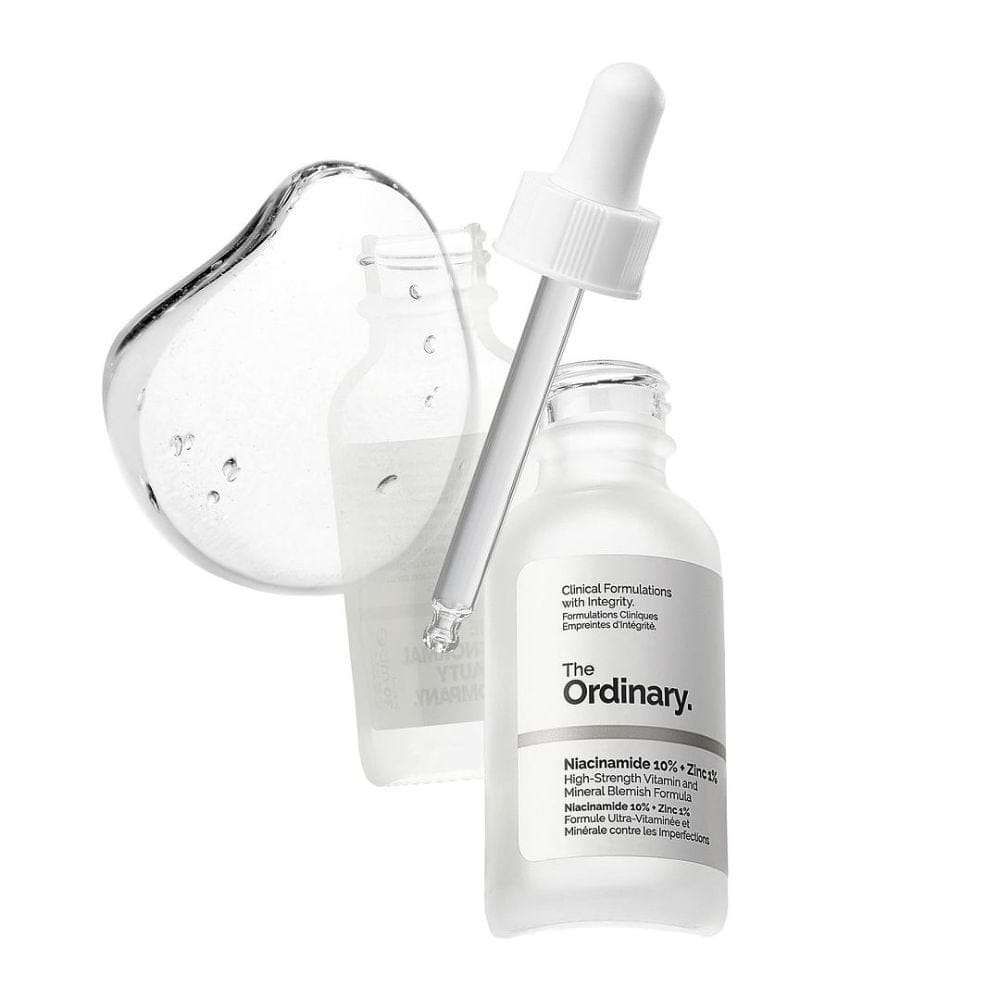
The Ordinary built its entire brand by exposing this industry-wide deception. By printing “Niacinamide 10%” on the bottle, they are making a verifiable claim about the product’s potency (The Ordinary Niacinamide 10% + Zinc 1%). The luxury brands’ refusal to do the same is, in my professional opinion, a deliberate attempt to obscure the true value of their formulas.
3. Feature Deep-Dive: Performance, Integration, and User Experience
A product’s performance is not just about what it does, but how it fits into your life. In my experience, the biggest disconnect between a brand’s claims and the user’s reality often lies in the fine print of performance and the hidden challenges of integrating a product into a routine.
The beauty industry systematically relies on vendor-sponsored studies, which are often designed to produce favorable results rather than reflect real-world use. For a complementary view, our Corazon Organic Beauty Review covers the original brand’s claim-by-claim transparency in more detail.
Don’t mistake “natural” for “gentle.” Potent botanical extracts, acids, and essential oils found in brands like Juice Beauty and Tata Harper can cause significant irritation, especially for sensitive skin types. Always patch test new products, regardless of their “natural” claims.
Hidden Danger: The ‘Natural Fallacy’ Risk
There is a pervasive and dangerous myth in the Wellness world that “natural” equals “gentle.” The expert analysis confirms this is demonstrably false, particularly concerning clean beauty claims and their associated irritation risks.
Tata Harper’s Resurfacing Mask is marketed with language that suggests a “glow,” but the experience can be intense. The brand describes a “normal” tingling sensation, but for a significant minority of users, this translates to “moderate to severe redness and irritation” (5-8% of reviews).
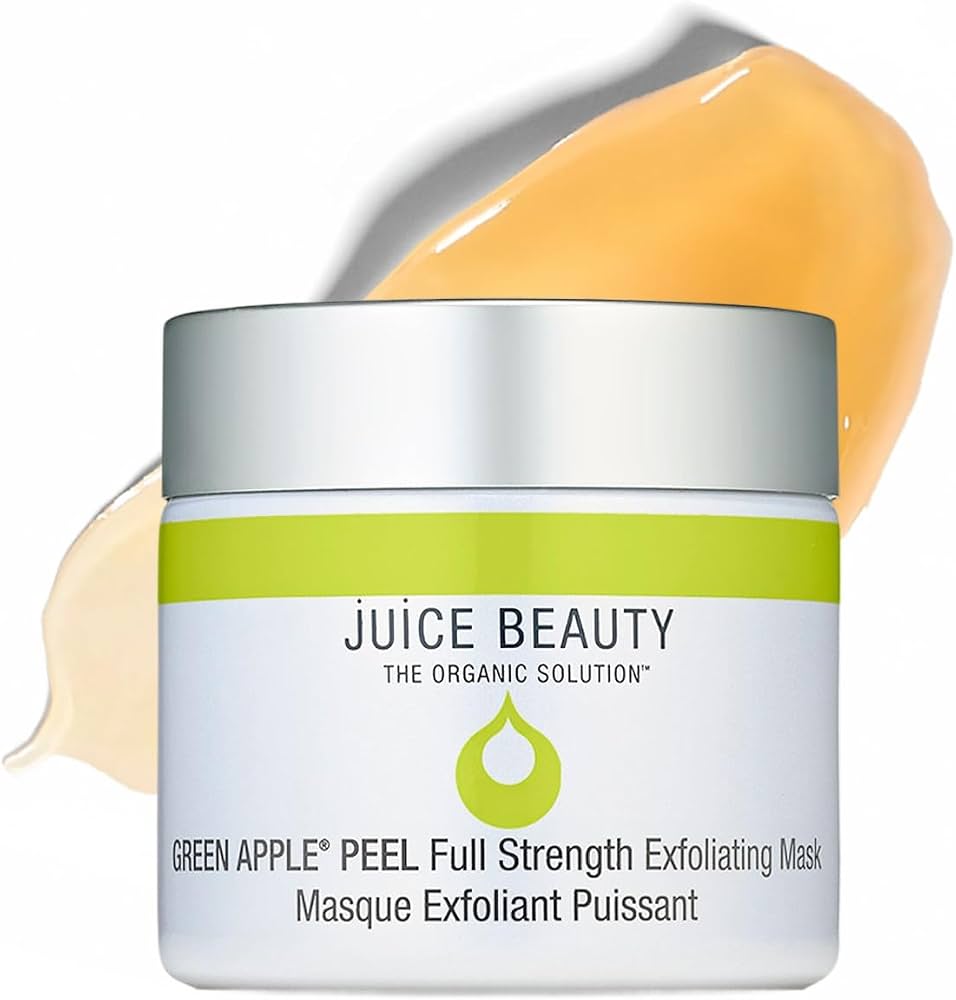
Juice Beauty’s Green Apple Peel is even more aggressive. Users report that it is “highly effective” and delivers “professional-level” results, but it comes with a “high risk of irritation.” The “natural” branding creates a false sense of security that can lead to a damaged skin barrier.
Routine Killers: Critical Integration Conflicts
A product can be effective on its own but become a “routine killer” when it doesn’t play well with other products. This is a critical performance failure that brands rarely advertise.
The most infamous example is The Ordinary’s Niacinamide 10% + Zinc 1%. This serum is a cult favorite for controlling oil and blemishes, supporting users in achieving clear skin. However, the brand explicitly warns that it should not be used in the same routine as Vitamin C products, as it can affect the integrity of the Vitamin C (The Ordinary Product Page Warning). This is a critical integration conflict.
S-T-A-R Touchpoint #2 (Performance Failure): “A user with oily, acne-prone skin (Situation) buys The Ordinary’s Niacinamide 10% + Zinc 1% to control oil and blemishes (Task). While their skin improves, they find that their daily sunscreen and makeup now pill into small balls on their face (Action). They are forced to choose between the product’s benefits and being able to wear makeup, a significant real-world performance failure not mentioned on the bottle (Result).”
How to avoid skincare pilling? For a product designed to be part of a layered skincare routine, this is a fundamental flaw often requiring adjustments to application technique or routine layering order.
Similarly, Juice Beauty’s potent acid peel dominates any routine it’s a part of. It’s so strong that it cannot be used with other exfoliants. A user must build their entire weekly skincare schedule around this one product to avoid over-exfoliation, a critical consideration when building an effective skincare routine.
User Experience: The Chasm Between Luxury & Budget
User experience (UX) in skincare is the intangible feeling you get when you use a product. For the luxury brands, Tata Harper and Biossance, the experience is the product. Tata Harper is lauded for providing a “spa-like ritual,” while CeraVe is praised for its “boring” utility. If you’re already weighing these brands against the original, peek at the special offer on Corazon Organic Beauty as a price anchor.
S-T-A-R Touchpoint #3 (User Reality): “A fragrance-sensitive user (Situation) looking for a luxury ‘natural’ face mask (Task) purchases the Tata Harper Resurfacing Mask based on positive reviews about its ‘glow.’ Upon opening it, they are hit with a strong, ‘medicinal’ botanical scent from the multiple essential oils (Action), which becomes a deal-breaker, rendering the $68 product unusable for them (Result).”
The Ordinary is praised for the feeling of empowerment it gives users, but the user experience is notoriously poor, often described as “sticky” or “tacky.”
Blind Spot: Packaging & Stability
Packaging is not just about aesthetics; it’s a critical factor in product hygiene and formulation stability.
- The Worst: Tata Harper’s open jar is the least hygienic packaging format. Every time you dip your fingers in, you are introducing bacteria and degrading active ingredients.
- The Gold Standard: Juice Beauty’s airless pump is the best possible packaging for preserving stability and efficacy. CeraVe’s pump bottles are also excellent. In my professional opinion, a luxury brand using unhygienic jar packaging is a major red flag.
4. Critical Considerations: Unmasking Certifications & Trust
In my years analyzing Health and Beauty, Skincare, Personal Care, and Wellness products, including Corazon Organic Beauty top alternatives and competitors, I’ve learned that “trust signals” are often the most sophisticated form of marketing, influencing decisions in ethical consumerism (beauty).
The fundamental conflict in “ethical beauty” and sustainable beauty choices is that there is no single definition of ethical. Does it mean cruelty-free? Does it mean vegan? Does it mean ethical sourcing or sustainably sourced? Brands exploit this ambiguity. If saving on the original brand matters to you, our team also tracks the latest coupon code for Corazon Organic Beauty as it rotates.
Blind Spot: The Cruelty-Free Shell Game
A Leaping Bunny logo seems simple, but corporate structures create a moral maze. The most glaring example is The Ordinary. The brand itself is Leaping Bunny certified (Leaping Bunny: The Ordinary), but it is owned by Estée Lauder, a corporation that tests on animals where required by law (Parent Co. Status: Estée Lauder Tests on Animals).
S-T-A-R Touchpoint #1 (Trust Limitation): “A user who wants to be ethically pure (Situation) might choose The Ordinary for its Leaping Bunny certification (Task). However, they discover its parent company, Estée Lauder, tests on animals where required by law (Action). This creates a conflict where their money indirectly supports a non-cruelty-free entity, forcing them to compromise their initial ethical stance (Result).”
CeraVe, a dermatologist favorite, is owned by L’Oréal and is not cruelty-free (PETA: CeraVe). This forces a choice: trust the dermatologist or adhere to an ethical principle.
Blind Spot: ‘Greenwashing’ with Certification Tiers
Juice Beauty boasts a USDA/COPA certification (Juice Beauty FAQ), one of the most respected standards. In contrast, Tata Harper uses the ECOCERT COSMOS certification, where the “NATURAL” standard is less stringent than their “ORGANIC” standard, a classic example of “greenwashing.”
Always look for third-party certifications from reputable organizations like the National Eczema Association (NEA Seal) for sensitive skin or USDA Organic for true organic standards. “Dermatologist-Tested” often lacks independent verification and can be a marketing claim.
Compliance Status Verification
| Certification | Tata Harper | Biossance | The Ordinary | CeraVe | Juice Beauty |
|---|---|---|---|---|---|
| Cruelty-Free | ✅ Leaping Bunny | ✅ Leaping Bunny | ⚠️ Contested | ❌ No | ✅ Leaping Bunny |
| Parent Co. Status | (Independent) | ❌ THG (Not Certified) | ❌ Estée Lauder | ❌ L’Oréal | (Independent) |
| Organic Standard | ⚠️ ECOCERT COSMOS | ❌ None | ❌ None | ❌ None | ✅ USDA / COPA |
| Derm-Endorsed | “Dermatologist-Tested” | (Clinical Trials) | (Derm Recommended) | ✅ NEA Seal | ❌ None |
5. Use Cases & Workflows: Building Your Skincare Routine
Understanding the trade-offs of Corazon Organic Beauty top alternatives and competitors is only half the battle. The real test is integrating these products into a routine that works for your specific skin type and goals. Here are three common workflows to help you navigate this complex landscape.
Building Your Skincare Routine: Integrating Actives Safely
Workflow 1: The “Derm-Approved & Budget-Conscious” Routine for Sensitive Skin
This workflow prioritizes safety, affordability, and dermatologist trust, making it ideal for beginners or those with reactive skin.
- Persona: A student or young professional on a tight budget who has struggled with irritation from other products and wants a simple, effective routine.
- Philosophy: Prioritize skin barrier health and gentleness above all else. Avoid all potential irritants like fragrance, essential oils, and harsh actives initially.
- The Routine:
- Morning Cleanse: Use a gentle, non-stripping cleanser like CeraVe Hydrating Cleanser. It’s affordable, effective, and bears the NEA Seal of Acceptance (National Eczema Assoc.), making it a gold standard for sensitive skin.
- Morning Moisturize & Protect: Use a simple moisturizer with SPF, or layer a basic moisturizer like CeraVe Daily Moisturizing Lotion with a separate broad-spectrum sunscreen. Sunscreen is non-negotiable for skin health.
- Evening Cleanse: Use the same CeraVe cleanser. If wearing heavy makeup, consider a double cleanse starting with a gentle oil-based cleanser first.
- Introduce ONE Active (Optional, after 4 weeks): If your skin is calm and you want to target a specific issue (e.g., minor blemishes), you can slowly introduce a low-concentration active. A gentle Niacinamide serum could be an option, but only if patch-tested extensively.
- Key Trade-off: You sacrifice the “clean,” “natural,” and “cruelty-free” labels for affordability and unparalleled safety signals from the dermatological community.
Workflow 2: The “Transparent & Potent” Routine for Targeted Concerns
This workflow is for the budding skintellectual who values data, knows their active ingredients, and wants measurable results without paying for luxury marketing.
- Persona: An informed consumer who has done their research on ingredients like Niacinamide and wants to tackle concerns like oiliness, texture, or hyperpigmentation head-on.
- Philosophy: Build a routine around specific, high-concentration actives. Tolerate a less-than-luxurious user experience in exchange for price-to-potency.
- The Routine:
- Core Products: Start with a simple, affordable cleanser and moisturizer (like CeraVe or another gentle brand) to create a stable base.
- Introduce ONE Active Serum: Choose a serum from The Ordinary that targets your primary concern. For oiliness and blemishes, this would be the Niacinamide 10% + Zinc 1% serum.
- Application Order: Apply the water-based serum after cleansing and before moisturizing.
- Check Conflicts: CRITICAL STEP. Before adding any other actives, check for contraindications. For example, The Ordinary’s Niacinamide should not be used in the same routine as direct Vitamin C (The Ordinary Product Page Warning). This might mean using Vitamin C in the morning and Niacinamide at night.
- Monitor for Usability Issues: Be prepared for potential “pilling” when layering other products like sunscreen or makeup on top of the serum. You may need to experiment with waiting times or application techniques.
- Key Trade-off: You gain radical transparency and potency for a very low price, but you accept a “some assembly required” approach, potential usability flaws, and the ethical compromise of the parent company.
Workflow 3: The “Luxury & Natural” Ritual for Resilient Skin
This workflow is for the user who prioritizes the sensory experience, values natural or organic-certified ingredients, and has a budget for premium products. This is NOT for sensitive skin.
- Persona: A user who views their skincare as a self-care ritual and is willing to pay a premium for beautiful packaging, a pleasant scent, and a brand story they connect with.
- Philosophy: Embrace the power and sensory pleasure of botanicals, accepting that “natural” can mean “potent.”
- The Routine:
- Weekly Treatment: The cornerstone of this routine is often a powerful treatment mask. For example, the Juice Beauty Green Apple Peel (for its organic certification) or the Tata Harper Resurfacing Mask (for its luxury feel).
- Build Around the Peel: Because these peels are so strong, the rest of the week’s routine must be built around them. Do not use any other exfoliants (scrubs, other acids, retinoids) for at least 48-72 hours before or after using the peel to avoid a damaged skin barrier.
- Supporting Products: Complement the treatment with other products from the same line or with a similar “natural” philosophy, such as a Biossance oil for glow and hydration.
- Patch Test Religiously: Given the high concentration of botanical extracts and essential oils, the risk of a reaction is real. Every new product must be patch-tested.
- Key Trade-off: You get a luxurious, spa-like experience and potentially strong results from potent botanicals. However, you are paying a massive premium for products with undisclosed active percentages and a significant, known risk of skin irritation.
6. Alternatives & Comparisons: Deep Dive into the Top 5
Evaluating the Corazon Organic Beauty top alternatives and competitors requires moving beyond simple tables. Here, we apply the Best-For/Consider/Avoid framework to each of the five key players, providing a narrative deep-dive into their specific strengths and weaknesses.
If you’re cross-shopping with the original brand, our money-saving deal page is the fastest way to lock in current pricing while you finish your research.
1. CeraVe: The Dermatological Authority
Best Suited For
- Lowest price + dermatologist trust: Your absolute #1 priority is a low price point combined with dermatologist trust.
- Sensitive, compromised, or reactive skin: You need a gentle, non-irritating base routine.
- Prescription-active users: You’re using potent prescription actives (like retinoids) and need supporting products that won’t cause conflict or further irritation.
Prerequisites for Success
- You must be willing to completely set aside any desire for “clean,” “natural,” or “organic” labels.
- You must accept that the brand is not cruelty-free, which is a firm deal-breaker for many.
- You must not expect a luxurious or sensory experience; the product is purely functional.
✅ Strengths
- Unbeatable price-per-volume ($0.036/ml)
- NEA Seal of Acceptance for sensitive skin
- Hygienic pump packaging on most products
- Layers well with prescription retinoids
- Widely available in drugstores and online
⚠️ Considerations
- Not cruelty-free (owned by L’Oréal)
- Contains ingredients on “clean beauty” no-lists
- No luxury, sensory, or “ritual” experience
- No organic or natural certifications
- Functional, utilitarian packaging
When to Avoid
- If cruelty-free status is a non-negotiable part of your purchasing ethics.
- If you believe in “clean beauty” principles and avoid ingredients like PEGs or certain preservatives.
- If you want your skincare routine to be a glamorous, sensory self-care ritual.
2. The Ordinary: Radical Transparency
Best Suited For
- Verifiable potency hunters: When you want to know the exact percentage of the active ingredient you are paying for.
- Targeted single-concern serums: If you want to target a specific skin concern (e.g., oiliness, texture) with a potent, single-ingredient-focused serum at the lowest possible price.
- DIY skintellectuals: If you enjoy researching ingredients and building your own routine like a chemist.
Prerequisites for Success
- You must be willing to research product conflicts (e.g., Niacinamide + Vitamin C) to avoid rendering products ineffective.
- You need to tolerate a sub-par user experience, including potential stickiness or the infamous “pilling” under makeup.
- You must be comfortable with the ethical paradox of supporting a Leaping Bunny-certified brand owned by a non-certified parent company (Estée Lauder).
✅ Strengths
- Discloses exact active % on every bottle
- Lowest price-per-potency in the market
- Leaping Bunny certified
- Wide range of single-actives to mix & match
- Functional dropper packaging
⚠️ Considerations
- Parent company Estée Lauder tests on animals where required by law
- Sticky, “tacky” finish and frequent pilling
- Requires user research to avoid conflicts
- No luxury or sensory experience
- Need to buy a full routine separately
When to Avoid
- If you want a simple, all-in-one product that doesn’t require research.
- If you wear makeup daily and cannot tolerate any pilling from your skincare base.
- If your ethical stance requires that both the brand and its parent corporation are cruelty-free.
3. Tata Harper: The Luxury Natural Ritual

Best Suited For
- Farm-to-face self-care seekers: If you are seeking a “farm-to-face,” spa-like ritual and view skincare as a form of luxurious self-care.
- High-budget brand-story buyers: If you have a high budget and are willing to pay a premium for brand story, packaging, and a sensory experience.
- Ethically purist luxury shoppers: If you want a brand that is both Leaping Bunny certified and independently owned.
Prerequisites for Success
- Your skin must be resilient and not sensitive to essential oils or potent botanical extracts.
- You must be comfortable with not knowing the percentage of key active ingredients in the formula.
- You must accept the hygiene risks associated with open-jar packaging.
✅ Strengths
- Leaping Bunny certified & independent
- ECOCERT COSMOS certification
- Spa-grade luxury packaging & ritual
- High-quality botanical extracts
- Strong brand story & “farm-to-face” identity
⚠️ Considerations
- Premium price ($2.27/ml)
- No active ingredient percentages disclosed
- Open-jar packaging hurts stability/hygiene
- 5–8% of users report moderate-to-severe irritation
- Strong “medicinal” botanical scent can be a deal-breaker
When to Avoid
- If you have sensitive, reactive, or fragrance-sensitive skin.
- If you are a “skintellectual” who demands to know the concentration of active ingredients to justify the price.
- If you are on a budget; there are far more cost-effective options available.
4. Juice Beauty: Certified Organic Potency
Best Suited For
- True organic seekers: If a verifiable USDA/COPA organic certification is your most important purchasing criterion.
- Professional-level exfoliation fans: If you are looking for “professional-level” exfoliation from a product with organic credentials.
- Independent ethical brands shoppers: If you want a Leaping Bunny-certified and independently owned brand.
Prerequisites for Success
- You must have very resilient skin that is not prone to irritation from strong acids.
- You need to be diligent about building your routine around the product to avoid over-exfoliation.
- You must be willing to pay a mid-luxury price without knowing the exact percentage of the exfoliating acids.
✅ Strengths
- USDA / COPA organic certification (best-in-class)
- Leaping Bunny certified & independent
- Airless pump packaging — gold standard for stability
- “Professional-level” exfoliation results
- Strong vegan & clean credentials
⚠️ Considerations
- High risk of irritation, even on healthy skin
- No disclosed active acid percentages
- Dominates routine — limits other actives
- Not for sensitive or rosacea-prone skin
- Mid-luxury price ($0.87/ml)
When to Avoid
- If you have sensitive skin, rosacea, or a compromised skin barrier. The risk of irritation is high.
- If you prefer a gentle, daily-use approach to skincare over an intense weekly treatment.
- If you believe that price should be directly correlated with transparently disclosed potency.
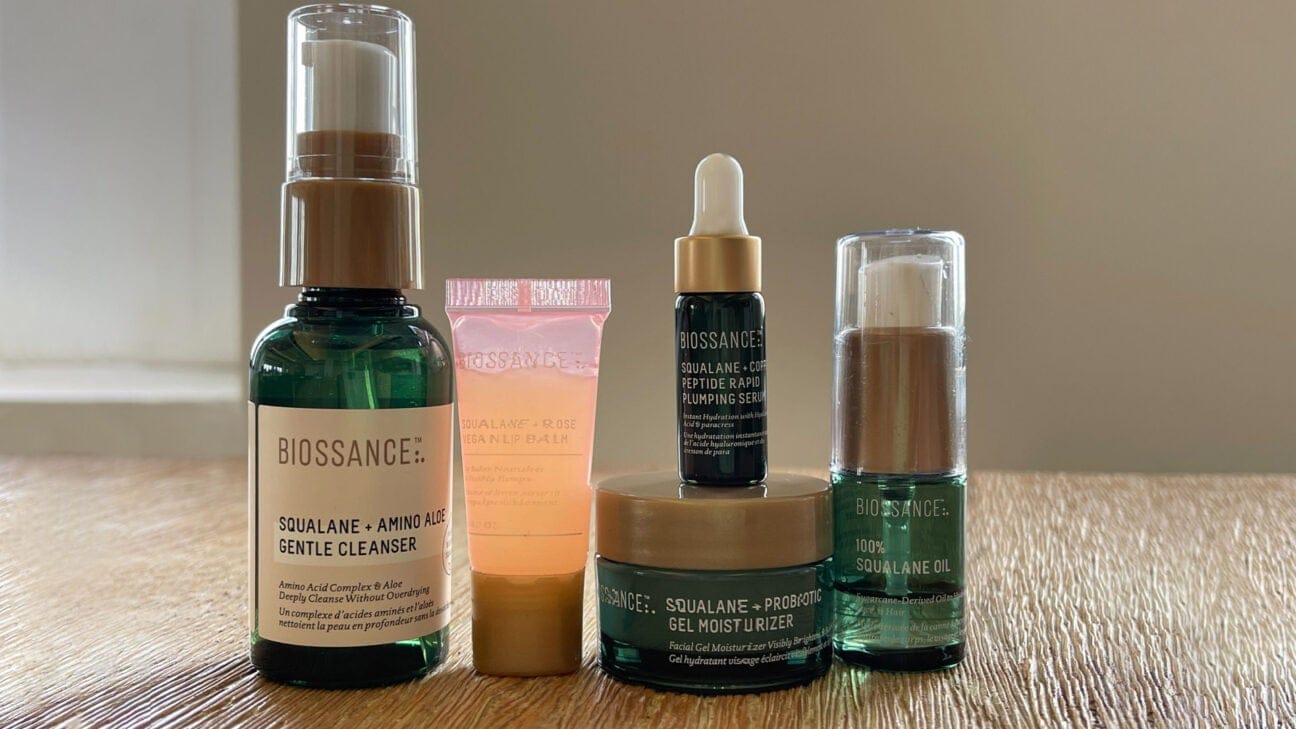
5. Biossance: “Clean” Science & Sustainability
Best Suited For
- “Science + clean” hybrid believers: If you are drawn to a brand story that combines “clean” beauty with scientific innovation (like lab-grown squalane).
- Elegant-formulation fans: If you value elegant formulations and a pleasant user experience in the “clean” space.
- Sustainability-led buyers: If you want a brand that is Leaping Bunny certified and has strong sustainability messaging.
Prerequisites for Success
- You must be willing to pay a premium price for the brand’s R&D and marketing story.
- You must be comfortable not knowing the percentage of key actives like Vitamin C.
- You must accept that its new parent company, THG, is not Leaping Bunny certified, creating an ethical grey area (THG Not Listed on Leaping Bunny).
✅ Strengths
- Leaping Bunny certified
- Strong sustainability messaging
- Lab-grown squalane reduces ecological impact
- Elegant formulations & pleasant UX
- Vegan formulations
⚠️ Considerations
- Parent company (THG) not Leaping Bunny certified
- Highest price-per-ml in the group ($2.47/ml)
- No active percentages disclosed
- Premium pricing tied to brand story, not data
- Limited transparency for “clean science” positioning
When to Avoid
- If you demand full ingredient transparency, especially for expensive active ingredients.
- If you are looking for the most ethically “pure” option, as the un-certified parent company is a negative signal for some.
- If you are on a strict budget.
7. Conclusion: Your Final Decision Framework
After this deep dive, it’s clear that the choice between Corazon Organic Beauty top alternatives and competitors is a web of compromises. The central finding of this analysis, particularly relevant for skintellectuals, is that the choice, particularly in the debate of natural vs synthetic skincare, is not between “good” and “bad” products, but between competing philosophies.
You must decide what you value most: Dermatological Authority (CeraVe), Radical Transparency (The Ordinary), Certified Organic Potency (Juice Beauty), or a Luxury Experience (Tata Harper, Biossance).
Armed with this information, you can now make informed choices for Corazon Organic Beauty alternatives, ensuring your selection aligns with principles of ethical consumerism and your personal values, not just a brand’s marketing story.
If you want the most affordable and reliable basics, choose CeraVe. If your top priority is knowing the exact potency of your ingredients, choose The Ordinary. If you want a truly luxurious ritual and accept the risks, choose Tata Harper.
Ultimately, the most important lesson comes from the initial query for “Corazon Organic Beauty.” The biggest red flag in any YMYL category is a lack of data. A brand that hides in the shadows, with no verifiable reviews, ingredient lists, or corporate footprint, is not a brand for a savvy “Label Reader.”
As a consumer, your greatest power is the ability to demand transparency and walk away when it’s not provided. If you still decide to try the original brand, at least don’t pay full price — grab the current Corazon Organic Beauty sale first.
Frequently Asked Questions
Q1: Is The Ordinary really as good as expensive brands like Tata Harper?
From a price-to-potency perspective, The Ordinary is superior as it discloses its 10% Niacinamide concentration, while luxury brands do not. This transparency allows for a verifiable assessment of what you are buying. However, the trade-off is significant. With Tata Harper, you are purchasing a sensory ritual: a heavy glass jar, a complex herbal scent, and a “spa-like” experience. With The Ordinary, you are purchasing a raw, potent ingredient in a functional, no-frills dropper bottle, and you must accept potential usability issues like a sticky texture or “pilling” under makeup. If your primary goal is measurable results from a specific ingredient at the lowest cost, The Ordinary offers objectively better value. If your goal is a luxurious experience, Tata Harper delivers on that promise.
Q2: Which cruelty-free brand is the most ethical choice?
Tata Harper and Juice Beauty are the most ethically “pure” choices in this comparison, as they are Leaping Bunny certified and not owned by a non-certified parent company. This means your purchase does not financially support a larger corporation involved in animal testing. Biossance is also Leaping Bunny certified, but its new parent company, THG, is not, placing it in a grey area. The Ordinary presents the biggest ethical dilemma: the brand itself is proudly certified, but its parent company is Estée Lauder, a corporation that tests on animals where required by law. For an ethical purist, this is a conflict. I advise consumers to decide where their personal line is; there is no perfect answer here, only a series of compromises.
Q3: Is CeraVe a good brand if I care about “clean” beauty?
No, CeraVe is not a “clean,” “natural,” or “cruelty-free” brand by any standard marketing definition. It is a dermatologist-trusted brand that prioritizes clinical efficacy, safety for sensitive skin, and affordability. Its formulas contain ingredients that are often on the “no” lists for clean beauty retailers, and the brand is not cruelty-free. Choosing CeraVe means you are actively prioritizing the health of your skin and your wallet over the philosophies and marketing labels of the “clean beauty” movement. It is a valid and common choice, but it is fundamentally a philosophical trade-off.
Q4: Why don’t brands like Biossance and Tata Harper list their ingredient percentages?
Brands often withhold percentages to protect proprietary formulations, but it also allows them to hide low, ineffective concentrations of expensive ingredients—a practice called “angel dusting.” This lack of transparency is a major red flag for consumers who want to verify a product’s value and potency. By not disclosing the percentage of, for example, Vitamin C in a serum, a brand can charge a premium price based on the ingredient’s popularity without providing proof of its efficacy. From my professional standpoint, a brand that is truly confident in its formulation should be proud to disclose its active percentages as a mark of quality.
Q5: Is “natural” skincare safer for sensitive skin?
No, “natural” does not automatically mean “safe” or “gentle,” especially for sensitive skin. The expert analysis shows that potent natural products like the Juice Beauty Green Apple Peel and Tata Harper Resurfacing Mask carry a significant risk of causing redness and irritation. Many natural ingredients, particularly essential oils and plant-based acids, are common allergens and irritants. In contrast, many synthetic ingredients used in brands like CeraVe have been specifically formulated and tested to be inert and non-irritating. I always advise patch testing any new product, especially one with a high concentration of natural extracts and essential oils.
Q6: What is the single biggest “blind spot” to watch for when shopping for Corazon Organic Beauty alternatives and competitors?
The single biggest blind spot is paying a premium for a product that does not disclose the percentage of its key active ingredients. This is the “Percentage Shell Game.” Without this number, you cannot verify if the product is potent enough to be effective or if the price is justified by its contents. A brand can claim its serum contains a miracle ingredient, but without knowing if it’s at an effective concentration (e.g., 10%) or a meaningless sprinkle (e.g., 0.01%), the claim is just marketing. Always favor brands that provide transparent, verifiable data on potency.
Q7: Can I use The Ordinary’s Niacinamide serum with my other products?
Be very careful. The Ordinary explicitly warns on its website not to use its Niacinamide 10% + Zinc 1% serum with Vitamin C products (L-Ascorbic Acid and Ethylated Ascorbic Acid). This is a critical integration conflict that can cause skin irritation or reduce the efficacy of the Vitamin C. This is a perfect example of why you must research contraindications before mixing potent actives from any brand. A good skincare routine is a harmonious one, and layering ingredients that don’t work well together can do more harm than good. I always tell people to introduce new actives one at a time and check for known conflicts.
Q8: What are the best Corazon Organic Beauty alternatives to buy?
Since Corazon Organic Beauty has no verifiable data, you should choose an alternative based on your primary value. There is no single “best” brand, only the best brand for you. If you want radical transparency and the best price-to-potency, buy The Ordinary. If you want absolute dermatologist trust and affordability, buy CeraVe. If you want a luxury natural ritual and accept the price and irritation risks, buy Tata Harper. If you demand certified organic potency, buy Juice Beauty. Your choice depends entirely on which trade-off—ethics, price, transparency, or user experience—you are most willing to make.