Isabel Marant Top Alternatives and Competitors: Your Devil’s Advocate Guide to True Value 2026
Posted on |
You’ve found the perfect Isabel Marant blouse—the embodiment of Parisian cool. But before you spend $500, what if you knew it was made with the same polyester or viscose as a fast-fashion top?
This is the central conflict in modern luxury. This guide is not a typical review; it’s a “Devil’s Advocate” investigation into Isabel Marant Top Alternatives and Competitors.
As the founder of Coupons Scout, I, Mohamed Zaki, will use my years of experience analyzing fashion brands to expose the hidden costs, durability risks, and material “gotchas” that brands don’t advertise.
We’ll compare the benchmark, Isabel Marant, against other key players in the market for contemporary designer tops, including the artisan Ulla Johnson, the accessible Sézane, and the minimalist A.P.C., evaluating them on price, material quality, Total Cost of Ownership (TCO), and longevity.
Our analysis adheres to the rigorous Coupons Scout Verification Protocol (CSVP™) The Coupons Scout Verification Protocol (CSVP™), synthesizing data from user forums, brand materials, and resale market trends. Before you shop, make sure to check for an Isabel Marant coupon code that could save you significantly on your purchase. This analysis is for informational purposes; your financial decisions are your own.

Key Takeaways
-
The Core Conflict: The biggest blind spot in luxury fashion is the ‘Material-to-Price Ratio’. Brands like Isabel Marant and Sézane often charge premium prices for tops made with significant amounts of less-premium materials like viscose and polyester. -
⚠️ The TCO Trap: The tag price is just a down payment. The combination of mandatory dry cleaning and a high likelihood of needing tailoring for brands like Isabel Marant—due to documented inconsistent sizing—could add an estimated $210-$580+ to the real cost of an $800 blouse over three years. -
❌ The Durability Myth: Price does not guarantee quality. Sézane’s knitwear is widely reported by users to be prone to ‘pilling and shedding,’ with an estimated lifespan of only 2-4 years for some items, negating its accessible price point Sezane Knits Pilling Discussion. -
Resale Value Warning: The low estimated resale value of Sézane (30-50% of RRP) makes it more of a sunk cost. In contrast, brands like A.P.C. and Isabel Marant (55-70%) tend to retain more value, impacting the true long-term cost of ownership. -
The “Greenwashing” Paradox: Sézane’s B-Corp certification is a positive signal for corporate ethics B Corp Directory, but it can distract from product-level issues like the brand’s heavy use of viscose, a material with known durability and potential sustainability concerns. -
Quick Decision Guide: Choose A.P.C. for longevity, Ulla Johnson for artistry, Isabel Marant for the specific aesthetic (if you accept the trade-offs), and Sézane for trend-conscious shoppers who are comfortable with a potentially shorter product lifespan.
Before diving deeper, this excellent video explores whether more expensive clothes are actually better quality—a question at the heart of our analysis:
Decision in 60 Seconds
| Persona / Need | Best Choice | Why | Key Risk |
|---|---|---|---|
| The Wardrobe Investor | A.P.C. | Unmatched longevity and focus on high-quality materials. Low price-per-wear over time. | The aesthetic can be too minimalist or “boring” for those who follow trends. |
| The Aesthetic Purist | Isabel Marant | Defines the “bohemian rock-chic” look. Strong brand cachet and high resale value. | Paying a “brand tax” on non-premium materials and dealing with inconsistent sizing. |
| The Trend Follower | Sézane | Delivers the aspirational “Parisian look” at an accessible price point for current styles. | Systemic knitwear quality issues (pilling) and a stressful “sell-out” shopping experience. |
| The Art Collector | Ulla Johnson | Focuses on unique, artisanal craftsmanship and statement-making designs. | High price point and impractical silhouettes for everyday wear; very high maintenance. |
If you’re leaning toward Isabel Marant, don’t forget to explore our in-depth Isabel Marant Review for an even more comprehensive look at the brand. Also check out our full Isabel Marant Top Alternatives and Competitors comparison for side-by-side analysis.
Top Alternatives & Competitors Shortlist
| Option | Best For | Tradeoff | Evidence Status |
|---|---|---|---|
| A.P.C. | Longevity & Material Purity | Minimalist, anti-trend aesthetic | ✅ |
| Sézane | Accessible Parisian Trends | Poor knitwear durability & viscose reliance | ✅ |
| Ulla Johnson | Artisanal, Statement Pieces | High price & low versatility | ✅ |
| Vince | Quiet Luxury Staples | Higher price point than A.P.C. | ⚠️ |
| Maje / Ba&sh | French Contemporary Style | Similar quality concerns as Sézane | ⚠️ |
| Zimmermann | High-Femme Event Wear | Extremely high price point | ✅ |
Part 1: Who This Guide Is For (and Who It’s Not For)
This guide serves a specific type of shopper who has evolved beyond impulse buys and is looking for genuine value in a confusing market. For those seeking savings opportunities across the luxury fashion landscape, be sure to browse our latest coupons page for current deals.
This guide is for you if:
- You love the Isabel Marant aesthetic but question if the price tag is justified.
- You are a value-conscious consumer wanting to understand the true cost and longevity of luxury clothing to avoid buyer’s remorse.
- You are looking to fill wardrobe gaps with high-quality alternatives that offer better material value and style longevity.
- You have been disappointed by a luxury purchase that didn’t last and are seeking viable luxury top substitutes.
This guide is NOT for you if:
- You prioritize brand name and logo above all other factors, including material purity.
- You are not concerned with long-term value or “price-per-wear.”
- You are looking for a simple list of cheap knock-offs or fast-fashion dupes. Our focus is on brands that offer better value, not just a lower price.
- You believe a high price tag is always a reliable indicator of high quality.
Part 2: The Real Price of Style: TCO & Logistics Analysis
The price tag is not the real price; it’s a down payment. The most common mistake consumers make is failing to calculate the Total Cost of Ownership (TCO), which includes maintenance, repairs, tailoring, and even the cost of returns.
A better metric is “Price-Per-Wear,” which reveals the true value of a garment over its lifespan. The true cost of that “effortless” Parisian style is often hidden in your laundry basket, tailor’s bill, and return shipping fees.
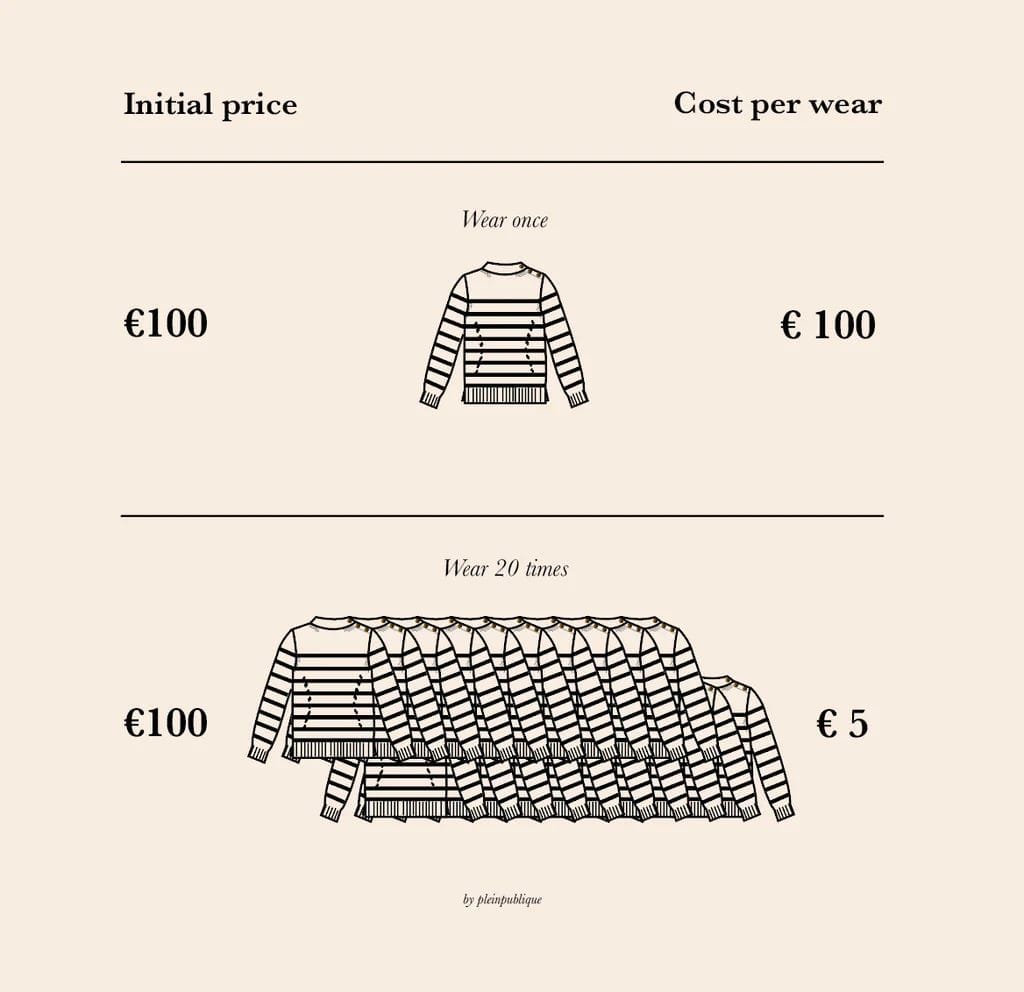
Illustrative TCO Projections: The Hidden Costs Exposed
Let’s break down the illustrative TCO for a sample blouse from our key brands. These are estimates based on an analysis of typical care costs and reported quality issues, designed to show how hidden fees inflate the initial price. Smart shoppers can significantly offset these costs by using an exclusive Isabel Marant discount code at checkout.
Isabel Marant (Example: $800 Silk Blend Blouse):
- Advertised Price: $800
- Illustrative Hidden Costs (3 Years):
- Mandatory Dry Cleaning: At an average of $25 per clean, and assuming 4 cleans per year, this adds $300.
- Potential Tailoring: Due to widely reported sizing inconsistencies, a one-time cost of $30 – $100+ is a realistic possibility.
- Projected 3-Year TCO (before resale): Approximately $1,130 – $1,200+.
- Effective Cost (after resale at an estimated 60%): If you sell it, the final cost becomes roughly $1,130 – ($800 * 60%) = $650.
Ulla Johnson (Example: $700 Cotton Top):
- Advertised Price: $700
- Illustrative Hidden Costs (3 Years):
- Mandatory Dry Cleaning: Due to delicate embroidery, this is a necessity. At $30 per clean, 4 times a year, this adds $360.
- Projected 3-Year TCO (before resale): Approximately $1,060.
Sézane (Example: $150 Viscose Blouse):
- Advertised Price: $150
- Illustrative Hidden Costs (3 Years):
- Care: Even with careful hand washing, let’s budget ~$120 for occasional professional cleaning.
- Durability Risk: User reports indicate some knitwear may need replacement after just 2-3 years, effectively resetting the cost.
- Projected 3-Year TCO (before resale): $270.
- Effective Cost (after resale at a low estimated 35%): The final cost is roughly $270 – ($150 * 35%) = $217.50. While cheaper, you’ve paid over $200 for what may be a short-term item.
A.P.C. (Example: $250 Cotton Blouse):
- Advertised Price: $250
- Illustrative Hidden Costs (3 Years):
- Care: Most cotton items are machine washable, dramatically reducing care costs. Let’s budget $20 for home care.
- Durability: Built for longevity, reducing replacement risk.
- Projected 3-Year TCO (before resale): Approximately $270.
- Effective Cost (after resale at an estimated 50%): The final cost is roughly $270 – ($250 * 50%) = $145.
The Friction of Fashion: Logistics, Shipping & Returns Compared
For physical retail, the “last mile” of getting the product and the “first mile” of sending it back are critical parts of the value equation. A difficult return process can turn a sizing mistake into a total financial loss.
- Isabel Marant: Sells through its own site and luxury retailers. Return policies vary by retailer, but returns directly to the brand are often not free, a significant issue given the brand’s sizing problems.
- Ulla Johnson: Similar to Marant, sold via its own e-commerce and third-party luxury sites. Returns are typically not free unless specified by the retailer’s policy (e.g., Net-a-Porter).
- Sézane: As a direct-to-consumer brand, it controls its own logistics. It offers free shipping over a certain threshold (e.g., $200 in the US) and provides free returns. This policy is a key business advantage that encourages “bracketing” (buying multiple sizes), despite the environmental cost of shipping items back and forth.
- A.P.C.: Offers standard shipping and a clear return policy, often with a 14-day window. The brand’s focus on standardized fits means returns are generally less frequent than with more eccentrically sized brands.
💡 KEY INSIGHT: Sézane’s free return policy is a double-edged sword. It reduces the financial risk of a poor fit for the consumer, but it also enables a high-volume, high-return business model that has significant logistical and environmental footprints. This “frictionless” experience masks the real-world costs of a system built on manufactured scarcity and impulse buying.
Part 3: Feature Deep-Dive: Material vs. Marketing
In luxury fashion, aesthetic is the primary value driver used to justify everything else. However, a critical analysis of Isabel Marant Top Alternatives and Competitors requires looking past the marketing and examining the materials to understand what you’re truly paying for.
The core conflict in this market is the growing gap between the advertised aesthetic and the tangible quality of the product. For a broader perspective on how luxury brands compare across categories, explore our comparison articles hub.
⚠️ WARNING — The Sizing Gamble is a Real Financial Risk. With sizing often reported as inconsistent, buying Isabel Marant online is a gamble. Factoring in potential tailoring ($30-$100+) or the cost of return shipping for bracketed orders is not optional—it’s a required part of calculating the true price.
Feature Comparison Matrix
| Feature Category | Isabel Marant | Ulla Johnson | Sézane | A.P.C. |
|---|---|---|---|---|
| Aesthetic Signature | Parisian bohemian, rock’n’roll edge | Romantic, artisanal, high-femme | Accessible Parisian, vintage-inspired | Minimalist, utilitarian, anti-trend |
| Primary Materials | Silk blends, viscose, cotton, leather | Cotton poplin, silk chiffon, alpaca | Viscose, organic cotton, recycled poly | Japanese denim, high-quality cotton, wool |
| Price (Tops) | $250 – $1,500+ | $350 – $900+ | $95 – $200 | $150 – $500 |
| Sizing Consistency | Often reported as inconsistent | Generally consistent | Often reported as inconsistent | Generally reported as consistent |
| Est. Resale Value | High (est. 55-70%) | Medium (est. 50-65%) | Low (est. 30-50%) | Medium (est. 40-60%) |
| Manufacturing | Portugal, Tunisia, India | India, Peru, China, USA | Europe, China | Tunisia, Portugal, Japan (Denim) |
| Sustainability Claim | REACH compliance | Artisan Partnerships | B-Corp Certified, Oeko-Tex | Product Longevity |
Aesthetic vs. Materials: The Great Disconnect
The most glaring issue is the “Primary Materials” row. Both Isabel Marant and Sézane have built empires on a specific aesthetic, yet they frequently use materials like viscose and polyester in their premium-priced garments.
A check of Isabel Marant’s products on luxury retail sites like Net-a-Porter confirms that silk-blend blouses often contain metallic polyester fibers Leciane Metallic Fil Coupé Silk-Blend Blouse.
Similarly, many of Sézane’s iconic shirts are 100% viscose Chlo Shirt. The discovery of a high percentage of synthetic fibers in a blouse costing over $500 is a consistent source of user disappointment.
You are paying for a design vision, but the raw materials often don’t align with the luxury price point. Savvy shoppers can at least mitigate the premium by securing an Isabel Marant promo code before completing their purchase.
Sizing Roulette: A Direct Financial Risk
Sizing consistency is a direct financial risk. Qualitative data from user forums suggests Isabel Marant is a notable offender in this area.
An inconsistent fit means an online purchase is a gamble, potentially forcing you into paying for expensive tailoring or dealing with cumbersome, costly returns.
In contrast, A.P.C. is generally reported to have highly consistent sizing, reflecting its focus on utilitarian, standardized fits that are central to its brand identity.
The Resale Value Reality
Resale value is a critical component of an item’s TCO, representing its potential within the growing circular economy. The money you get back from the secondhand market if you sell the piece later directly impacts its true lifetime cost.
Here, material choices have a direct financial consequence. Isabel Marant’s stronger brand cachet gives its mainline pieces a solid estimated resale value of 55-70%.
Sézane, however, sees a significant drop to an estimated 30-50%. This lower resale value is a direct reflection of its use of non-luxury materials like viscose and its reputation for knitwear that doesn’t last.
A Sézane top is less of an investment and more of a sunk cost.
Part 4: Critical Considerations: Durability, Trust & “Greenwashing”
In today’s market, sustainability claims are a powerful tool. However, these claims can sometimes serve as a smokescreen. A savvy shopper must learn to look past the shiny certification and examine the product’s actual performance and material tag.
The “Greenwashing” Blind Spot: Sézane’s B-Corp Paradox

The most fascinating case study is Sézane. The brand masterfully markets its B-Corp certification and claims that over 75% of its materials are eco-responsible, including Oeko-Tex certified fabrics Sézane Our Commitments.
Our lifestyle editor, Jennifer Angel, calls this the “sustainability decision point”—where a consumer feels good about their purchase because of the certification.
However, as our Editor-in-Chief, Joanne Lovell, insists per our editorial guidelines, we must look at the brand’s total impact. Here lies the paradox:
- The Claim: Sézane boasts B-Corp status and highlights its use of eco-friendly materials.
- The Reality: The brand’s commercial success is built on the widespread use of viscose and recycled polyester. While viscose is plant-based, its production can be a highly polluting chemical process. More importantly, from a consumer value perspective, it’s a material known for poor durability and a tendency to shrink, as numerous user complaints confirm.
This is a classic example of a “health halo” in marketing. The B-Corp certification, which assesses a company’s entire social and environmental performance, can distract consumers from the fact that they are buying a $150 blouse made from a material with a questionable lifespan.
Performance vs. Promises: Durability Exposed
The luxury dream is a promise of timeless quality. The wake-up call is when that “investment piece” pills after three wears. Price does not guarantee performance.
| Brand | Marketing Claim (The “Dream”) | User-Reported Reality (The “Wake-Up Call”) |
|---|---|---|
| Isabel Marant | Effortless, cool, investment pieces. | ⚠️ The Delicate Flower: Embellishments fall off, metallic threads snag easily, and some blends pill. Not an “effortless” piece to care for. |
| Ulla Johnson | Artisanal, heirloom-quality craftsmanship. | ⚠️ Handle with Extreme Care: Intricate embroidery can be fragile. “Heirloom” quality requires professional-level care. |
| Sézane | Sustainable, quality Parisian style. | ❌ The Disposable Chic: Knitwear is widely reported to be prone to heavy pilling and shedding, sometimes after the first wear. |
| A.P.C. | Utilitarian, built to last. | ✅ The Painful Investment: Lives up to durability claims, but only after a significant “break-in” period for its core raw denim. |
Durability & Quality Control “Gotchas”
- ❌ Sézane’s Pilling Problem: This is the most critical and consistent complaint against the brand. The knitwear, particularly items with mohair and alpaca, is notorious among users for extreme pilling. This suggests a systemic issue in material choice for items costing $120-$250.
- ❌ Isabel Marant’s Seam & Embellishment Failures: These are not garments built for the rigors of daily life. Poor garment construction is sometimes evident in user-reported “stress tests,” which reveal that seams on lightweight viscose dresses can be a failure point. The brand’s signature beadwork is beautiful but fragile.
- ⚠️ The Viscose Shrinkage Lottery: This is a fundamental risk with brands that rely on viscose, most notably Sézane. The material is notoriously unstable when washed. Even with perfect care, accidental shrinking is a common report, resulting in the total loss of the item.
Whether you decide on Isabel Marant or an alternative, you can always find ways to save. Check for the best available Isabel Marant voucher before making any purchase.
Part 5: Use Cases: Which Brand Fits Your Wardrobe Workflow?
Choosing the right brand isn’t just about the item; it’s about how it fits into your life and your goals for your wardrobe. We’ve identified three common fashion personas to help you decide which of these Isabel Marant top alternatives and competitors aligns with your personal style workflow.
Use Case 1: The Wardrobe Investor
- Profile: This shopper prioritizes longevity, material quality, and low price-per-wear. Their goal is building a capsule wardrobe of timeless pieces that will last for a decade or more. They believe in “buy less, buy better” and are aligned with the slow fashion movement.
- Best Fit: A.P.C. The brand’s entire philosophy is built around this persona. Its focus on high-quality cotton, Japanese denim, and classic, unbranded designs makes it the perfect choice for creating a foundation of durable staples.
- Why it Works: An A.P.C. cotton shirt or denim jacket has extremely high wardrobe versatility and a low TCO over its long lifespan, making it a smart financial investment.
Use Case 2: The Trend-Conscious Professional
- Profile: This shopper wants to look current and stylish but doesn’t want to spend a fortune on fleeting seasonal trends. They value aesthetics and are willing to accept some compromises on material and longevity for an accessible price.
- Best Fit: Sézane. Sézane perfectly serves this market by offering the “feeling” of luxury and the latest Parisian trends without the designer price tag.
- Why it Works: For $150, this shopper can get a blouse that is stylish for the current season. They understand it’s not a forever piece but a way to participate in trends affordably.
Use Case 3: The Aesthetic Purist
- Profile: This shopper is buying an identity. They are drawn to a very specific, powerful aesthetic and are willing to pay a premium to own it. Material purity and practicality are secondary to achieving “the look.”
- Best Fit: Isabel Marant or Ulla Johnson. Isabel Marant owns the “bohemian rock-chic” aesthetic. Ulla Johnson owns the romantic, artisanal “high-femme” look.
- Why it Works: When you buy a signature Isabel Marant top, you are buying into a very specific and influential style identity. The high price and maintenance costs are part of the “brand tax” this shopper is willing to pay. For event wear, an Ulla Johnson piece provides an unmatched artistic statement.
If the Isabel Marant aesthetic is calling your name, you can reduce the “brand tax” by taking advantage of a special Isabel Marant offer currently available.
Part 6: In-Depth Alternatives & Competitors Analysis
While Isabel Marant sets a benchmark for a certain style, a smart shopper evaluates all options. Here is a detailed breakdown of the top three alternatives, helping you decide where to invest your money for the best value.
Best For: The Minimalist, Quality Purist & Capsule Wardrobe Builder
A.P.C. is the undisputed champion of style longevity.
Consider if:
- You Value Material Over Branding: A.P.C.’s identity is its quality. You are paying for excellent cotton, durable denim, and classic wool—not a logo.
- You Want Low Price-Per-Wear: While the initial cost is moderate ($150-$500 for tops), the extreme durability means the price-per-wear can drop to mere dollars over the garment’s life.
- You Need Predictable Sizing: The brand is known for its standardized, consistent sizing, making online shopping far less of a gamble.
Avoid if:
- You Crave Trends and Embellishments: A.P.C.’s aesthetic is intentionally understated. If you want ruffles, bold prints, or statement pieces, this is not the brand for you.
- You Prioritize Immediate Comfort: The brand’s iconic raw denim requires a significant, often uncomfortable, break-in period.
- You Find Minimalism “Boring”: The brand’s strength is its weakness for some; the lack of overt styling can feel plain to shoppers seeking more expressive fashion.
✅ Strengths
- Exceptional material quality (Japanese denim, premium cotton)
- Extremely low price-per-wear over lifespan
- Consistent, predictable sizing
- Timeless designs that transcend seasonal trends
- Machine washable cotton reduces care costs
⚠️ Considerations
- Intentionally understated—can feel “boring” to trend followers
- Raw denim requires uncomfortable break-in period
- No embellishments or statement pieces
- Limited appeal for expressive fashion lovers
Best For: The Romantic, Art Lover & Event-Wear Shopper
Consider if:
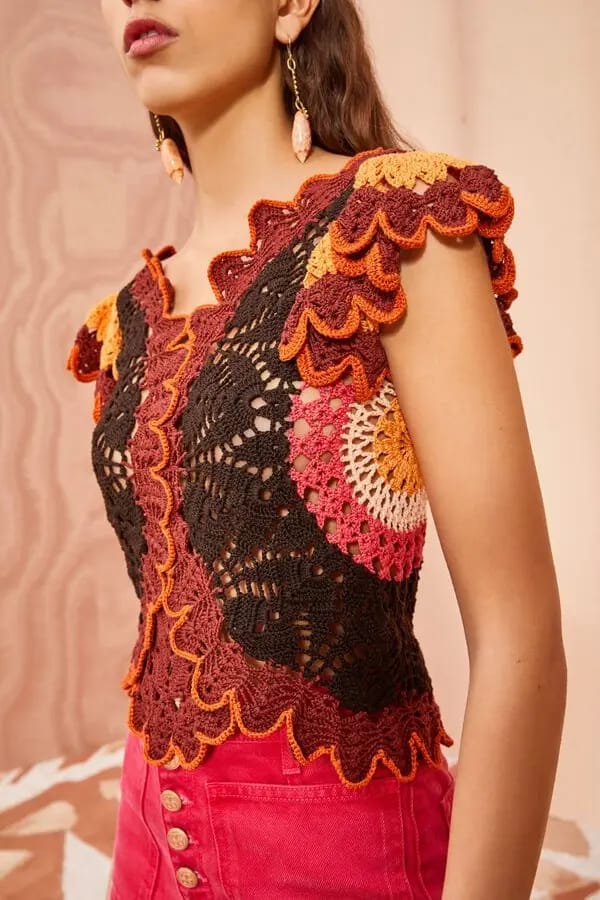
- You Want Unmistakable Artisanal Details: The brand excels at intricate embroidery, custom prints, and romantic silhouettes that stand out. You are paying for true design artistry.
- Your Budget is Significant: Ulla Johnson competes at a high-end price point, often exceeding Isabel Marant. This is a true luxury purchase.
- You’re Shopping for an “Event” Piece: The dramatic silhouettes and delicate materials are perfect for weddings, vacations, and special occasions where making an impact is the primary goal.
Avoid if:
- You Need Everyday Practicality: The voluminous sleeves and delicate tassels are beautiful but can be cumbersome for daily life, such as working at a desk or wearing under a coat.
- You Have a Petite Frame: The brand’s signature voluminous designs can easily overwhelm smaller frames and may require expensive tailoring.
- You Want High Wardrobe Versatility: Ulla Johnson pieces are the main event, not a supporting character. They can be difficult to integrate into a more minimalist or corporate wardrobe.
✅ Strengths
- Unmistakable artisanal details and intricate embroidery
- Natural fibers like cotton poplin and silk chiffon
- Generally consistent sizing
- Unique statement-making designs for events
- Medium-high resale value (50-65%)
⚠️ Considerations
- Very high price point ($350-$900+ for tops)
- Impractical silhouettes for everyday wear
- Delicate embroidery requires professional care
- Voluminous designs may overwhelm petite frames
- Mandatory dry cleaning increases TCO significantly
Best For: Trend-Conscious Shoppers on a Budget

Consider if:
- Your Priority is On-Trend Style at an Accessible Price: Sézane’s core strength is translating high-fashion Parisian trends into a product that costs $150, not $800.
- You’re Buying Non-Knitwear Items: User reports are generally more positive regarding the brand’s cotton shirts, denim, and trousers, which tend to offer better value and durability than the sweaters.
- You Value a Seamless Return Process: The free return policy mitigates the financial risk of ordering from a brand with known sizing inconsistencies and a high sell-out rate.
Avoid if:
- You Are Looking for Investment Knitwear: This is the brand’s most critical failure. The consistent user reports of severe pilling and shedding make their knitwear a high-risk purchase for anyone seeking longevity.
- You Are a Material Purist: If you dislike the feel of viscose or recycled polyester and prefer natural fibers like silk and high-quality cotton, Sézane’s primary offerings will likely disappoint.
- You Are Easily Frustrated by “Hype” Marketing: The stressful “sell-out” shopping model, known as the “Sézane Lottery,” is a deliberate business strategy. If you dislike manufactured scarcity and high-pressure shopping, you should avoid the brand.
✅ Strengths
- Accessible price point ($95-$200 for tops)
- On-trend Parisian aesthetic at a fraction of designer cost
- B-Corp certified with eco-responsible materials
- Free shipping and returns policy
- Cotton shirts and denim receive better durability reports
⚠️ Considerations
- Systemic knitwear pilling and shedding issues
- Heavy reliance on viscose—shrinkage is a real risk
- Low resale value (30-50%)
- Stressful “sell-out” shopping model
- Inconsistent sizing reported by users
Part 7: Conclusion & FAQs
After dissecting the marketing, materials, and real-world user experiences, our investigation into Isabel Marant top alternatives and competitors reveals a clear thesis: the luxury market sells an aesthetic, but true value is found by looking at materials, Total Cost of Ownership, and durability.
Your best defense is to become a “material detective” and a ruthless calculator of “price-per-wear.”
Ultimately, the right choice is a personal one. Choose A.P.C. for a foundation of quality and guaranteed style longevity, but avoid it if you crave trends.
For a specific, unmistakable aesthetic, Isabel Marant delivers, but only if you can tolerate the ‘brand tax’ on materials and the high maintenance costs.
Ulla Johnson is your go-to for artistry, provided your budget is significant. And Sézane offers the look for less, but you must accept you’re buying an item tied to fleeting seasonal trends with a shorter lifespan and a higher risk of quality issues.
No matter which direction you lean, exploring a money-saving deal on Isabel Marant can help soften the financial blow. For additional savings across brands, don’t miss our curated latest coupons collection.
For a closer look at the Isabel Marant brand aesthetic and how it shapes current trends, watch this informative breakdown:
How to Find True Value in Luxury Fashion
Before you make your final decision, run through this final checklist. This is your last line of defense against buyer’s remorse.
- Step 1: Check the Material Tag. Always. If a $500 blouse is 40% polyester, you are paying a brand tax. A brand’s commitment to quality is written on that tag Product Page Example.
- Step 2: Search for “Pilling” Reviews. Before buying any knitwear, especially from Sézane, search the product name plus “pilling” on forums like Reddit. User experiences are a powerful leading indicator of poor quality Sezane Knits Pilling Discussion.
- Step 3: Factor in Tailoring and Cleaning. For brands with reported sizing issues like Isabel Marant, add an estimated 15-20% to the ticket price to budget for these inevitable hidden costs.
- Step 4: Calculate Price-Per-Wear. Be brutally honest with yourself about how many times you will actually wear the item. This number, more than any other, will reveal the true value of your investment.
And of course, always look for an Isabel Marant sale price or seasonal discount to maximize your value. Our detailed Isabel Marant Review can also help you make the most informed choice.
Frequently Asked Questions
Q1: Is an Isabel Marant top worth the price?
A: It depends entirely on what you value most. If you are paying for the very specific “bohemian rock-chic” aesthetic, strong brand identity, and an item with high estimated resale value (55-70%), then it can be a worthwhile purchase.
However, if your top priority is material purity and getting the best quality fabric for your money, it is often not worth it. Many tops priced over $500 contain a surprising amount of synthetics like polyester, meaning you are paying a significant “brand tax” for the design rather than the materials themselves Leciane Metallic Fil Coupé Silk-Blend Blouse.
Q2: Why is Sézane knitwear so problematic if the brand is B-Corp certified?
A: This is what we call the “B-Corp Paradox,” and it’s an excellent question. The B-Corp certification assesses a company’s overall social and environmental conduct across its entire operation—it is not a product quality guarantee B Corp Directory.
The systemic knitwear failures reported by users stem from the brand’s choice to use materials like certain mohair and alpaca blends that are naturally prone to pilling and shedding. This is an issue of product engineering and material selection for a specific price point, which is separate from the company’s broader ethical and environmental commitments measured by the B-Corp assessment.
Q3: Among Isabel Marant alternatives and competitors, which brand has the best resale value?
A: From a purely financial perspective based on market analysis, Isabel Marant (mainline, not Étoile) has the strongest estimated resale value, consistently fetching 55-70% of its retail price on the secondhand market.
A.P.C. also holds its value well due to its classic designs and durable materials. The lowest, by a significant margin, is Sézane, with an estimated resale value of just 30-50%. This is a direct reflection of its non-luxury materials like viscose and user-reported durability issues, which make it less desirable in the circular economy.
Q4: What are the real hidden costs of an Isabel Marant top?
A: Beyond the sticker price, you must budget for two main hidden costs. The first is mandatory dry cleaning, which can run you $15-$40 per clean, adding hundreds of dollars to the cost over the garment’s life.
The second, and more significant, is the high likelihood of needing professional tailoring ($30-$100+) because of the brand’s widely reported inconsistent sizing. For a luxury brand with an official e-commerce channel, the “Bad” Trustpilot rating of 1.4/5.0 as of October 2024 also suggests a potential cost in time and frustration if you need customer support Isabel Marant Trustpilot Page.
To offset some of these costs, it’s always worth checking for a current Isabel Marant discount offer before purchasing.
Q5: Is Ulla Johnson better than Isabel Marant?
A: “Better” depends entirely on the use case. Ulla Johnson is better for unique, artisanal, “statement” pieces. Her focus on natural fibers like cotton poplin and intricate, feminine details is excellent for special events or for a shopper who prioritizes artistry above all else.
In contrast, Isabel Marant is better for versatile, everyday “cool girl” staples that are designed to integrate easily into an existing wardrobe. Marant’s pieces excel at being dressed up or down, offering greater wardrobe versatility and a lower price-per-wear if worn frequently.
Q6: What’s a smarter purchase for longevity: A.P.C. or Sézane?
A: For pure longevity, A.P.C. is the undisputed winner. Their ethos is perfect for building a minimalist or capsule wardrobe, as it’s built on creating timeless designs with high-quality, durable materials meant to last for years.
Sézane, with its heavy reliance on viscose and documented knitwear problems, is fundamentally built for trend-driven style, not long-term durability. While a Sézane purchase is cheaper upfront, an A.P.C. piece is almost always the smarter investment for anyone focused on style longevity and long-term value.
Q7: How do I avoid the “Viscose Shrinkage Lottery”?
A: This is a risk with any viscose garment, which is common with Sézane. The professional advice is to be extremely careful with washing.
You must always use cold water on a delicate cycle, or better yet, hand wash. Never, ever put a viscose item in a machine dryer; you must air dry it flat on a towel, away from direct sunlight, to prevent the fibers from stretching or shrinking under their own weight when wet.
Even with perfect care, reports of accidental shrinking still occur, so it remains a material with inherent performance risks.
Q8: What is “Price-Per-Wear” and how should I calculate it?
A: Price-Per-Wear, also known as cost-per-wear, is the single best metric for measuring true value. You calculate it by dividing the Total Cost of Ownership (which is the initial Price + Tailoring + Lifetime Cleaning Costs) by the number of times you honestly expect to wear the item.
For example, a $150 blouse worn only 5 times has a Price-Per-Wear of $30. This is far worse value than a $500 blouse you wear 50 times, which has a Price-Per-Wear of just $10.
This simple calculation helps you look beyond the initial price tag and make smarter wardrobe investments.