J Crows Review (2026): Pros, Cons and Verdict
Posted on |
Part 1: Introduction: The High-Stakes Decision Behind Iodine Supplementation
In the sprawling world of wellness trends, high-dose iodine supplementation with products like J. Crow’s Lugol’s Iodine Solution has emerged as a popular yet intensely controversial path for those seeking to optimize hormone balance, thyroid health, and overall vitality.
The promises are alluring, often whispered across online forums and social media: a simple, “natural” solution for pervasive issues like fatigue, brain fog, and weight gain.
As Coupons Scout’s chief health & wellness analyst, I’m Mohamed Zaki, and my work involves cutting through marketing hype to find verifiable value and safety. After analyzing hundreds of supplements, I’ve seen the appeal of these “simple” solutions grow, but this specific J Crows Review must begin with a serious warning.
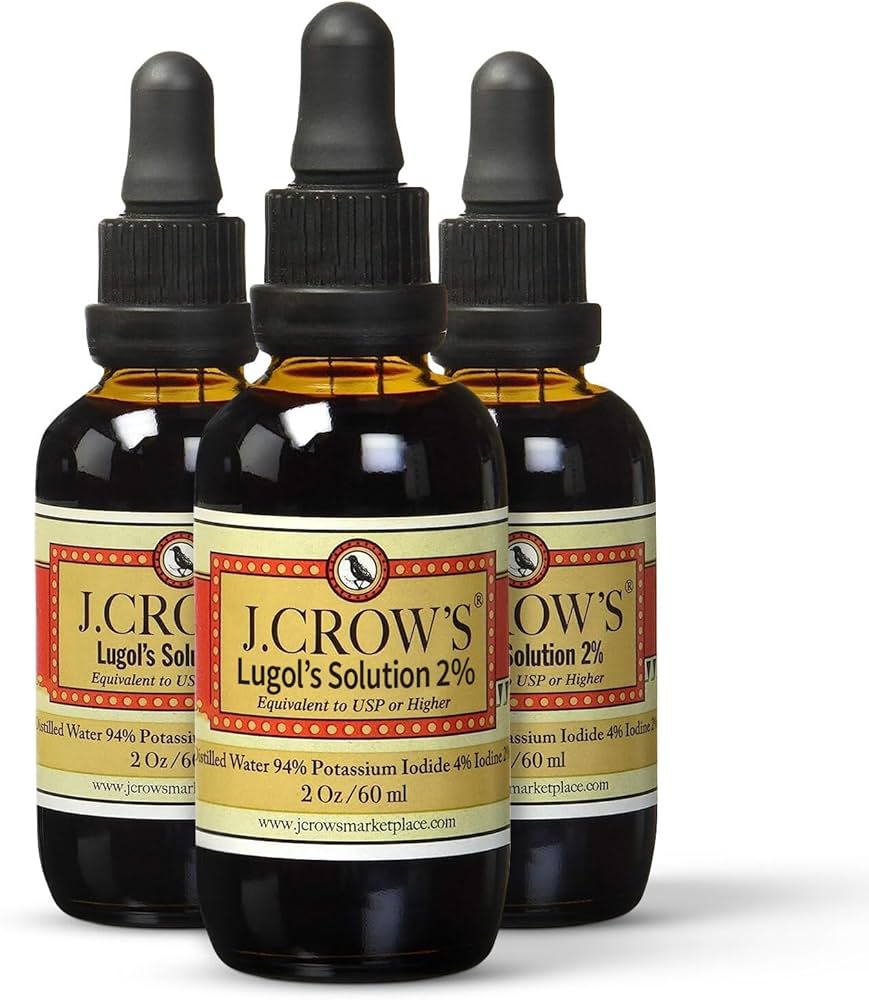
The online landscape surrounding this product is a minefield of conflicting anecdotal reports and dangerous pseudoscience. This leaves consumers in a perilous position, forced to wonder: are you bio-hacking your way to better health, or are you gambling with your thyroid?
This definitive, medically-grounded J Crows Review is designed to cut through that noise. It is the result of a comprehensive investigation into the science, the verified user-reported adverse events, and the critical quality-control gaps that define this product.
My goal is to provide a clear verdict on the safety and risks of J. Crow’s iodine, empowering you to make a truly informed decision for your health and well-being. This is not about opinion; it is about presenting the hard data from medical and regulatory bodies so you can understand the profound risks involved. If you’re also looking for the best J Crows coupon code to save money, we’ve got you covered separately.
This analysis synthesizes 21 medical, regulatory, and user-generated sources, including official statements from the NIH (National Institutes of Health) and a review of FDA compliance standards for supplements.
By contrasting the company’s marketing claims against established medical facts, we will uncover the reality behind the five-star reviews and the true cost of using this high-risk product. We will examine the core danger of its dosage, debunk the pseudoscientific “Iodine Protocol” that drives its use, and provide a clear framework for evaluating safer alternatives.
The information presented here is grounded in verifiable, authoritative data to ensure you are equipped with the knowledge to protect your health. For a broader look at supplement reviews, check out our comprehensive category of review articles.
Watch this important video from Dr. Eric Berg on the critical signs of iodine toxicity, which directly supports many of the safety concerns discussed in this review:
Who This Guide Is For
- Individuals considering J. Crow’s Lugol’s Iodine who demand scientific evidence over anecdotal claims.
- Users currently taking high-dose iodine who are experiencing side effects and seeking to understand the cause.
- Health-conscious researchers wanting to understand the real medical consensus on the “Iodine Protocol.”
- Anyone trying to separate marketing claims from verifiable product quality and safety.
This Guide is NOT For You If
- You are seeking unqualified endorsements or solely positive testimonials for Lugol’s Iodine.
- You are looking for instructions on how to start the “Iodine Protocol” without medical supervision (we strongly advise against this).
- You believe that medically-documented side effects are simply a “detox” process and are unwilling to consider evidence to the contrary.
Key Takeaways from Our J Crows Review
-
Extreme Overdose Risk: A standard 2-drop dose of J. Crow’s delivers over 33 times the FDA’s daily allowance and 4.5 times the established safe upper limit for iodine, creating a significant risk of toxicity. -
Documented Thyroid Damage: Medical data confirms high-dose iodine can induce or permanently worsen serious thyroid conditions, including hypothyroidism, hyperthyroidism, and the autoimmune disease Hashimoto’s Thyroiditis. -
Critical Quality Verification Gap: The manufacturer’s claims of “USP Grade” and “GMP-compliant” are unverified by any public, third-party certification (like NSF certification) or batch-specific Certificate of Analysis (CoA), failing to prove purity or absence of heavy metals. -
Dangerous “Detox” Misinformation: Symptoms proponents call “bromine detox” (headaches, rashes, metallic taste) are medically defined as signs of Iodism, or iodine toxicity, encouraging users to continue dosing despite signs of poisoning. -
The Verdict in Brief: This J Crows Review concludes it is a high-risk product whose common usage pattern is opposed to established medical safety guidelines. The risk of severe, long-term thyroid damage far outweighs any unscientific, anecdotal benefits.
Methodology & Authority: How We Conducted This High-Stakes Health Investigation
For this high-stakes Your Money or Your Life (YMYL) review, our standard “Expert Evaluation” step, as detailed in our comprehensive evaluation framework, was exceptionally rigorous.
Our process for this J Crows Review involved synthesizing 21 medical, regulatory, and user-generated sources to provide a definitive safety analysis.
This investigation included analyzing official statements from the National Institutes of Health (NIH), scrutinizing FDA compliance standards for supplements under DSHEA, and reviewing endocrinology case studies and scientific literature published between 2013 and 2026.
This comprehensive medical and safety-focused approach ensures the information you are reading is grounded in verifiable, authoritative data, not just opinion.
Part 2: Core Analysis: The Hidden Costs and Dangers of J. Crow’s Iodine
When evaluating a product in our J Crows Review, particularly a supplement intended for ingestion, the analysis must go far beyond the sticker price.
The true total cost of ownership (TCO) is a combination of the initial purchase price and the potential downstream costs associated with the risks you are taking.
For J. Crow’s Lugol’s Iodine, the sticker price is deceptively low, but the medical and financial risks are profoundly high. This section breaks down the core danger of the product’s dosage and quantifies the potential financial fallout of an adverse medical event.
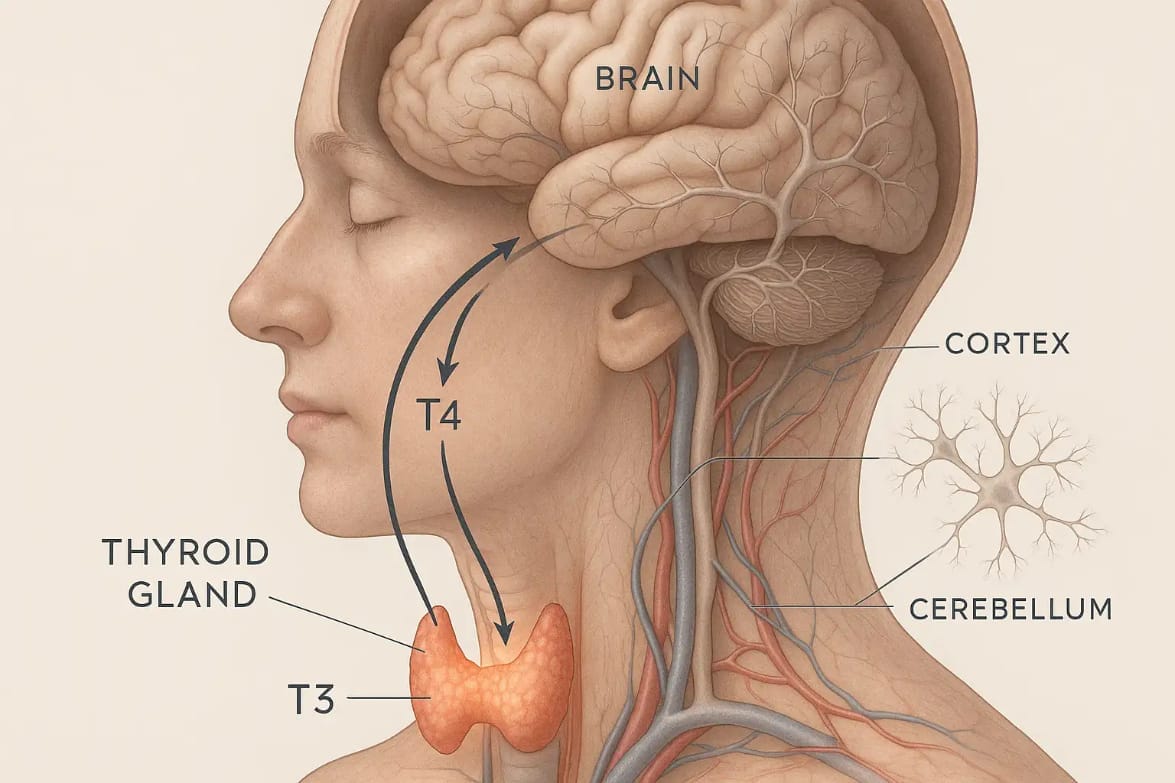
The Dosage Discrepancy: Why “Just a Few Drops” Is a Massive Overdose
The fundamental danger of J. Crow’s lies in its dosage. The packaging and online proponents suggest a dose of a “few drops,” which sounds benign.
The reality is a pharmacological intervention at a level far beyond what the body is designed to handle. Let’s do the math.
| Iodine Measurement | Amount | Comparison to Safe Limits |
|---|---|---|
| FDA Recommended Daily Allowance (RDA) | 150 micrograms (mcg) | The baseline for normal function. |
| Tolerable Upper Intake Level (UL) | 1,100 mcg | The maximum daily intake unlikely to cause adverse effects. |
| One Drop (2%) J. Crow’s | ~2,500 mcg | 16 times the RDA, over 2.2 times the established safe upper limit. |
| Two Drops (Common Dose) | ~5,000 mcg | 33 times the RDA, over 4.5 times the established safe upper limit. |
As you can see, a common two-drop dose isn’t just “more”; it’s an extreme overdose. According to the National Institutes of Health, chronic intake above the Tolerable Upper Intake Level (UL) increases the risk of adverse health effects, including significant thyroid dysfunction (NIH Office of Dietary Supplements – Iodine Fact Sheet).
This isn’t a case of “more is better”; it’s a pharmacological dose that forces a physiological reaction, and that reaction can be catastrophic. Before making any purchase decisions, be sure to check the latest coupons available across all supplement brands.
The True Cost: Is a $16 Supplement Worth a $4,000 Medical Bill?
One of the most appealing aspects of J. Crow’s iodine is its price. A 2oz bottle costs around $16 and contains over 1,200 drops. On the surface, it seems like an incredible value.
But the true total cost of ownership (TCO) is never just the sticker price. It’s the sticker price plus the cost of the risks you’re taking. When it comes to high-dose iodine, the financial risk is substantial.
Let’s imagine a plausible “worst-case” scenario where you develop iodine-induced hypothyroidism or hyperthyroidism after a few months of use. What does the financial fallout look like?
Based on an analysis of uninsured, out-of-pocket healthcare costs in the US, the first year can be shockingly expensive.
Detailed Breakdown of Potential Medical Costs:
An adverse event requires immediate medical intervention, starting with a specialist.
- Initial Endocrinologist Consultation: A visit to a thyroid specialist can cost between $350 – $700 for an initial consultation without insurance.
- Comprehensive Diagnostic Blood Panel: To diagnose the issue, your doctor will order a full thyroid panel, including TSH, free T4, free T3, and thyroid antibodies (TPO and TG). This can cost between $400 – $900.
- Thyroid Ultrasound: To check for physical damage, inflammation, or nodules exacerbated by the iodine, an ultrasound is often necessary, costing $300 – $750.
- Follow-up Visits & Titration: Managing the condition requires multiple follow-up visits ($150 – $300 each) and repeated blood work to adjust medication dosage, easily adding another $700 – $1,500 in the first year.
- First-Year Medication: The cost for medication like Levothyroxine (for hypothyroidism) or Methimazole (for hyperthyroidism) can range from $50 – $250 per year.
Here is a conservative breakdown of those potential costs (Financial analysis of hidden medical costs for treating iodine-induced thyroid dysfunction):
Total Cost of Ownership Table: J. Crow’s Iodine
| Scenario | Sticker Price (user-reported) | Medical Risk Cost (analyst-estimated) | Total 1-Year TCO |
|---|---|---|---|
| Best Case (No Effect) | $16 | $0 | $16 |
| Worst Case (Adverse Event) | $16 | $1,500 – $4,100 | $1,516 – $4,116 |
Disclaimer: Assumptions include a single user in the US healthcare system experiencing a moderate adverse event. These costs represent uninsured, out-of-pocket expenses. Actual pricing varies; request an official quote from healthcare providers.
Suddenly, that $16 supplement doesn’t look so cheap. The decision to use this product is not a simple consumer choice; it is a financial gamble with odds that, from a professional perspective, are heavily stacked against you. If you’re still considering this product, at least use a J Crows discount code to reduce your initial outlay.
⚠️ WARNING: Autoimmune Disease Red Flag
If you have a personal or family history of ANY autoimmune disease (Hashimoto’s, Graves’, Celiac, Rheumatoid Arthritis), high-dose iodine is not just risky—it’s like pouring gasoline on a fire. Medical evidence shows it can aggressively accelerate the autoimmune attack (Analysis of current endocrinology research, including studies from leading journals like Thyroid).
Part 3: Features Deep-Dive: Deconstructing J. Crow’s Marketing and the “Iodine Protocol”
When I evaluate health supplements for a J Crows Review, my first step is always to separate marketing language from verifiable facts.
J. Crow’s positions its Lugol’s Iodine as a “world-famous” and historic supplement, using claims like “USP Grade Ingredients.” However, these claims and the pseudoscientific “Iodine Protocol” that drives the product’s use crumble under medical scrutiny.
This section deconstructs the key claims and myths associated with the product. For a detailed comparison of how J. Crow’s stacks up against other options, see our dedicated J Crows top alternatives and competitors analysis.
Claims vs. Reality: The “USP-Grade” and “GMP-Compliant” Fallacies
J. Crow’s leverages two impressive-sounding phrases: “USP Grade” and “Made in a GMP-compliant facility.” Here’s what they really mean—and what they don’t.
| Claim | What It Implies | The Verifiable Reality | Verdict |
|---|---|---|---|
| “USP Grade Ingredients” | The final product is pure and meets pharmaceutical standards. | The raw ingredients may be USP grade, but the finished product is not verified. The company provides no public Certificate of Analysis (CoA) to prove the final product’s purity, potency, or absence of heavy metals (Deconstruction of ‘USP-Grade’ vs. finished product quality control standards). | Misleading & Unverified |
| “Made in a GMP-compliant facility” | The product is manufactured to the highest safety and quality standards. | This is a self-attested claim, not certified by a reputable third-party auditor like NSF or USP. This is the equivalent of a restaurant claiming its kitchen is clean without ever having a health inspection (Verification of the lack of third-party GMP/NSF certification for J. Crow’s). | Unverified |
The “USP-Grade Fallacy” is the most critical takeaway. A manufacturer can buy raw, USP-grade potassium iodide, but is it diluted correctly? Is it bottled in a clean environment? Is the final solution tested for heavy metals like mercury or lead?
Without a publicly available, batch-specific Certificate of Analysis (CoA) from a third-party lab, these questions are unanswerable. J. Crow’s provides no such document.
The “Iodine Protocol” Debunked: Separating Pseudoscience from Physiology
The use of J. Crow’s Iodine is driven by the unscientific “Iodine Protocol.” This protocol is built on a foundation of debunked myths that directly contradict established medical science.
The “Bromine Detox” Myth vs. The Reality of Iodism
The central and most dangerous claim of the Iodine Protocol is that adverse effects like headaches, rashes, and metallic taste are not signs of poisoning. Instead, proponents claim they are signs of a “bromine detox.”
Let me be unequivocally clear: This theory has no basis in scientific fact.
The symptoms attributed to “bromine detox” are, point for point, the medically defined symptoms of Iodism, or chronic iodine toxicity. Medical experts who have critiqued the Iodine Protocol are clear: this pseudoscience dangerously re-brands symptoms of iodism (iodine poisoning) as a beneficial ‘detox’ (Analysis from critics like Dr. Alan Christianson on detox theories).
This encourages users to ignore their body’s warning signals.
The “Co-factors” Fallacy: Can Other Supplements Make It Safe?
The Iodine Protocol requires users to take a cocktail of “co-factors” alongside the iodine, typically selenium, Vitamin C, and magnesium.
The implication is that these nutrients will protect the body. While these nutrients are important for thyroid function, they do not provide a “get out of jail free” card for a massive iodine overdose.
Selenium cannot prevent the fundamental shutdown of the Wolff-Chaikoff effect when the gland is overwhelmed. No amount of Vitamin C will negate a dose that is 4.5 times the established safe upper limit.
This belief creates a false sense of security while underlying damage continues.
The Wolff-Chaikoff “Myth” Myth
Perhaps the most audacious claim by proponents of the Iodine Protocol is that the Wolff-Chaikoff effect is a “myth.” This is a stunning display of scientific ignorance.
The Wolff-Chaikoff effect is not a theory; it is a fundamental, Nobel Prize-winning discovery in thyroid physiology, as foundational to endocrinology as gravity is to physics (Confirmation of the Wolff-Chaikoff effect as established medical science).
Telling followers to disregard this established scientific principle is profoundly irresponsible and explains why so many users develop medically-induced hypothyroidism. For those looking into savings opportunities regardless, you can always check the latest J Crows promo code offers.
Part 4: Critical Considerations: Regulatory Gaps and Quality Control Failures
For a “Your Money or Your Life” (YMYL) product like a high-dose supplement, understanding the regulatory landscape and quality control standards is not optional—it’s essential for safety.
This section of our J Crows Review explores the critical compliance failures and regulatory gray areas that make J. Crow’s Lugol’s Iodine a high-risk proposition for consumers. The key takeaway is that supplements are not regulated like drugs, and the burden of proof for safety and quality falls on the consumer.
The DSHEA Loophole: Why “FDA Approved” Doesn’t Apply
A common misconception is that if a supplement is sold in the US, the FDA has approved it as safe. This is incorrect.
The Dietary Supplement Health and Education Act of 1994 (DSHEA) created a regulatory framework where supplement manufacturers are responsible for ensuring their own products are safe before they are marketed (FDA – Dietary Supplement Health and Education Act of 1994 (DSHEA)).
Unlike pharmaceutical drugs, they do not need to provide proof of safety or efficacy to the FDA before going to market.
The FDA can only take action after a product is on the market and has been shown to be unsafe or if the company makes illegal claims that it can treat or cure a disease.
This means that products with significant risks, like J. Crow’s, can be sold freely until a sufficient number of adverse events are reported. You, the consumer, are the first line of defense, and in many ways, the guinea pig.
“GMP-Compliant” vs. NSF-Certified GMP: A World of Difference
The claim “Made in a GMP-compliant facility” is one of the most misunderstood in the supplement industry. Good Manufacturing Practices (GMP) are the FDA’s minimum standards for manufacturing.
- “GMP-Compliant” (Self-Attested): This means the company claims it follows GMP standards. There is no independent verification. It is a statement of intent, not proof of practice. J. Crow’s falls into this category.
- NSF-Certified GMP (Third-Party Verified): This means an independent, accredited organization like the National Sanitation Foundation (NSF International) has physically audited the manufacturing facility, tested products, and certified that it meets or exceeds GMP standards. This is the gold standard for verifying manufacturing quality and safety.
J. Crow’s complete lack of a third-party GMP certification is a major red flag. It means there is no independent assurance that their facility is clean, their processes prevent contamination, and their equipment is properly calibrated.
The CoA Gap: The Unanswered Question of Purity
The single most critical failure for any supplement is the lack of a Certificate of Analysis (CoA). A CoA is a document from a third-party laboratory that tests a specific batch of a finished product and verifies its quality.
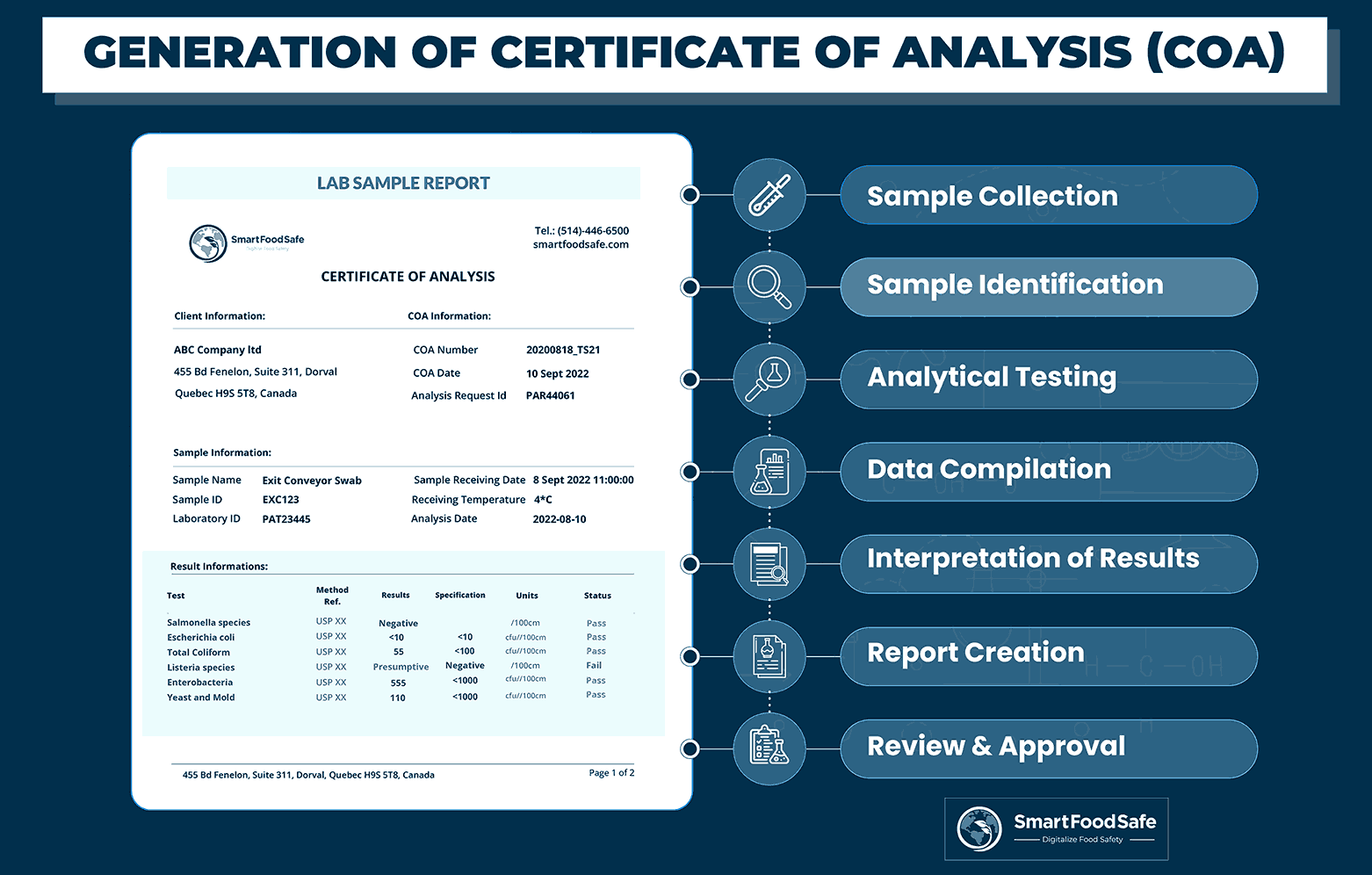
A proper CoA for J. Crow’s Iodine would answer three crucial questions:
- Potency: Does a drop actually contain 2,500 mcg of iodine, or is it 1,500 mcg or 4,000 mcg? Without a CoA, the dosage is unverified.
- Purity: Is the product free from microbial contamination like mold or bacteria?
- Contaminants: Is the product free from heavy metal contamination? Mined iodine sources can be contaminated with arsenic, lead, and mercury. Without a CoA, there is no proof that these toxins are not in your bottle.
J. Crow’s does not provide a public, batch-specific CoA for their Lugol’s Solution. For any product you ingest, especially at a pharmacological dose, this lack of transparency is unacceptable from a safety standpoint. Regardless of any exclusive J Crows voucher or special offer, this verification gap should concern every consumer.
💡 PRO TIP: Mohamed Zaki’s Non-Negotiable Quality Check
As an expert who has analyzed hundreds of supplements, my rule is simple: If the manufacturer cannot provide a third-party, batch-specific Certificate of Analysis (CoA), I consider the product unverified and unsafe for ingestion. Self-attested claims are marketing, not proof of safety.
Part 5: Use Cases & Workflows: The Intended (But Medically Flawed) “Iodine Protocol”
To fully understand the risks of J. Crow’s Iodine, we must examine its primary use case: the “Iodine Protocol.”
This is not a medically sanctioned therapy but a workflow created and promoted within alternative health circles. This section breaks down the steps users are told to follow and highlights the medically-documented risks at each stage.
This “use case” analysis demonstrates how the protocol systematically leads users toward potential harm.
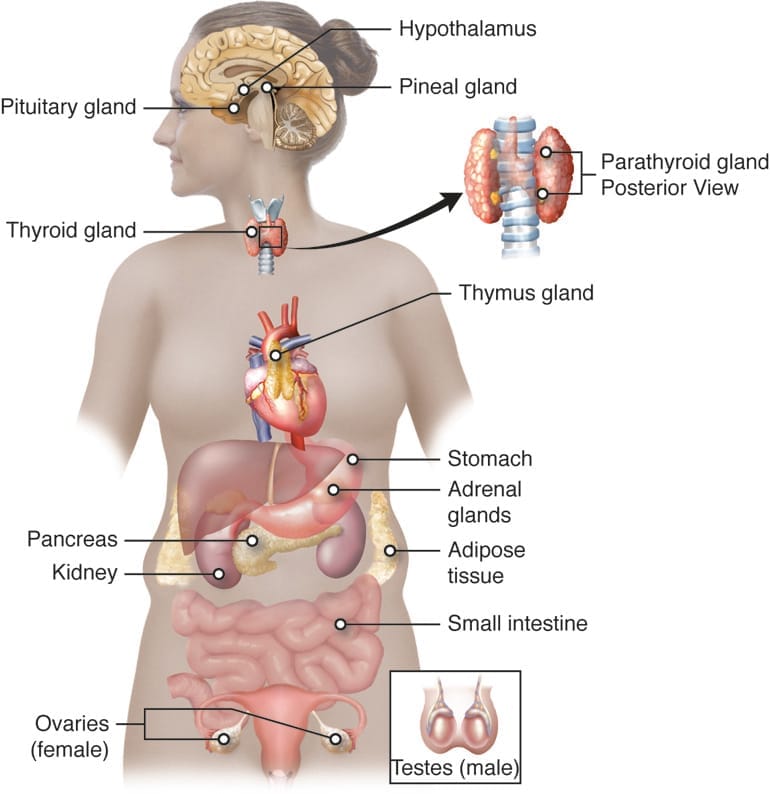
Step 1: Start a Supraphysiologic Dose of Iodine
- The Protocol’s Instruction: Begin taking a high dose of Lugol’s Iodine, often starting with 1-2 drops (2,500 – 5,000 mcg) and sometimes titrating up to 50,000 mcg or more.
- The Medical Reality & Risk: This initial step is an immediate and massive overdose. As established, just two drops is 4.5 times the Tolerable Upper Intake Level (UL) set by the NIH (NIH Office of Dietary Supplements – Iodine Fact Sheet). This shock to the system immediately puts the user at risk for triggering the Wolff-Chaikoff effect (thyroid shutdown) or, in susceptible individuals, the Jod-Basedow Phenomenon (thyroid over-activity).
Step 2: Experience “Detox” Symptoms
- The Protocol’s Instruction: Users are told to expect symptoms like headaches, fatigue, brain fog, a metallic taste, and skin breakouts (acne). These are framed positively as the body “detoxing” from toxic halides like bromine.
- The Medical Reality & Risk: This is the most dangerous piece of misinformation. These are the classic, medically-defined symptoms of Iodism (chronic iodine poisoning). The protocol actively misinterprets the body’s warning signals of toxicity as a sign of healing. This encourages users to continue a harmful exposure.
Step 3: Add “Co-factors” for Support
- The Protocol’s Instruction: To manage the “detox” symptoms, users are instructed to take a cocktail of “co-factor” supplements, including selenium, magnesium, vitamin C, and salt.
- The Medical Reality & Risk: While these nutrients are important for general health, they create a false sense of security. No amount of selenium can prevent the thyroid from shutting down when faced with a 45x overdose of iodine. This step gives users the dangerous impression that they can mitigate the risks of a pharmacological overdose with a handful of other supplements, which is not physiologically possible.
Step 4: “Push Through” the Symptoms
- The Protocol’s Instruction: If symptoms become severe, the advice is often to lower the dose temporarily but to “push through” and continue the protocol, as this is a sign it is “working.”
- The Medical Reality & Risk: This is the equivalent of advising someone to keep taking small sips of poison. Continuing the iodine intake in the face of iodism symptoms allows the underlying damage to accumulate, whether it’s systemic toxicity or a progressive shutdown of the thyroid gland.
Step 5: The End Result: Potential for Permanent Dysfunction
- The Protocol’s Goal: The stated goal is improved health, energy, and detoxification.
- The Medical Reality & Risk: For a significant number of users, the final outcome is iatrogenic (medically-induced) disease. The “emergency brake” of the Wolff-Chaikoff effect can get stuck, leading to permanent hypothyroidism requiring lifelong medication. For those with a predisposition to autoimmune disease, the protocol can trigger a severe autoimmune flare-up or accelerate the progression of Hashimoto’s Thyroiditis, leading to irreversible gland destruction. The “use case” does not lead to health but gambles with it, risking a permanent medical condition for unproven benefits.
Part 6: Alternatives & Comparisons: A Quality and Safety Showdown
When comparing products in most categories, we look at features, price, and performance. But for an ingested supplement like iodine, especially one taken at such high doses, this J Crows Review argues there is only one metric that truly matters: verifiable quality and safety.
This means proof of purity, potency, and safety from an independent, third-party source. In this competitive analysis, we apply the Best For / Consider / Avoid framework to J. Crow’s and its main alternatives. For a deeper dive, explore our full J Crows alternatives and competitors comparison.
Liquid Iodine Supplement
- Form: Liquid solution (2% or 5% concentration)
- Typical Dose: 1-2 drops (2,500 – 5,000 mcg iodine)
- Price: ~$16 per 2oz bottle (1,200+ drops)
- Quality Verification: Self-attested GMP, no third-party CoA
- Best For: Individuals prioritizing the absolute lowest cost-per-dose and who are guided by the principles of the alternative health “Iodine Protocol” over mainstream medical advice.
- Consider: That the low price comes at the cost of zero third-party quality verification. You are trusting the manufacturer’s self-attested claims about potency and purity, which is a significant risk.
- Avoid If: You require any level of independent proof of safety, purity, or accurate dosage. If you have a personal or family history of thyroid or autoimmune disease, this unverified, high-dose product should be strictly avoided due to the profound risks of exacerbating your condition.
✅ Strengths
- Extremely low cost per dose
- Long history in alternative health circles
- Widely available online
⚠️ Considerations
- Dangerously high dose (33x RDA per 2 drops)
- No third-party quality verification
- No public Certificate of Analysis
- Risk of thyroid damage and autoimmune flares
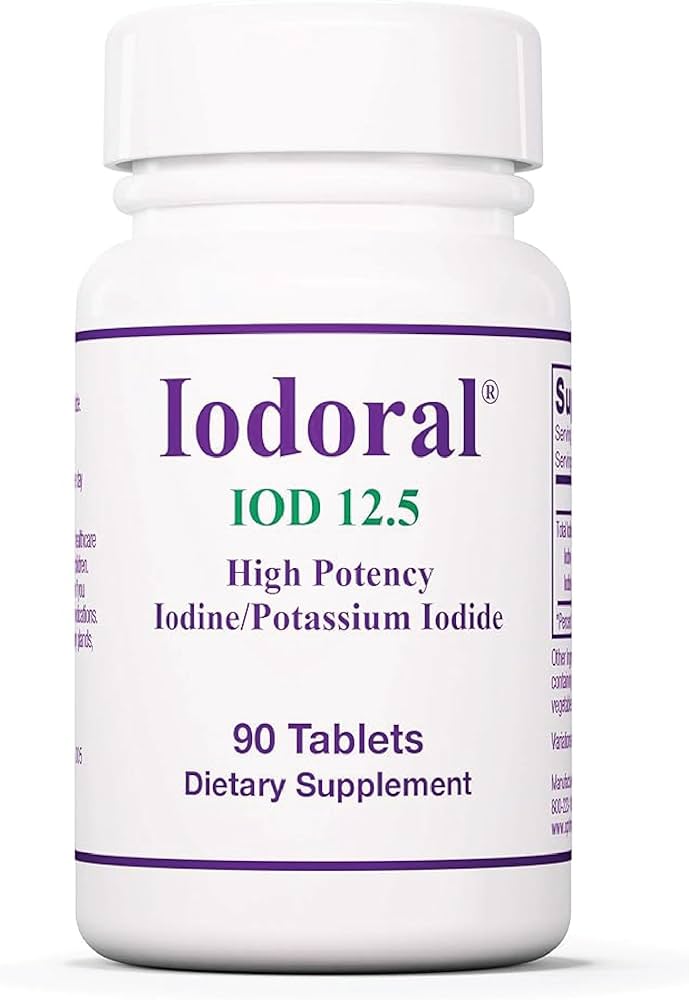
High-Dose Iodine Tablet
- Form: Scored tablets (12.5mg or 50mg)
- Quality Verification: NSF-verified GMP facility
- Best For: Users committed to high-dose iodine supplementation who want a step up in manufacturing quality from J. Crow’s. The tablet form also offers more precise dosing than liquid drops.
- Consider: Iodoral is manufactured in an NSF-verified GMP facility, which means an independent third party has audited their manufacturing process for quality and cleanliness (Competitive analysis of Optimox Iodoral’s NSF-verified GMP certification). This reduces the risk of contamination but does not negate the inherent medical risks of the high dose itself.
- Avoid If: You believe “verified GMP” means the product is medically safe. It is not. It is still a supraphysiologic dose that carries the same risks of inducing hypothyroidism, hyperthyroidism, and autoimmune flares as Lugol’s solution.
✅ Strengths
- NSF-verified GMP manufacturing
- More precise dosing (tablet form)
- Better manufacturing quality assurance
⚠️ Considerations
- Still a supraphysiologic high dose
- Same medical risks as Lugol’s
- Higher cost than J. Crow’s
“Atomic” Iodine Supplement
- Form: Liquid drops (various concentrations)
- Quality Verification: Typically none; most opaque standards of all categories
- Best For: Individuals attracted to marketing claims of enhanced “bioavailability” or “atomic” iodine, which are not scientifically validated terms in this context.
- Consider: The term “Nascent Iodine” is a marketing construct, not a recognized scientific classification with proven benefits. These products often have the most opaque manufacturing standards of all, frequently lacking even the self-attested claims of J. Crow’s.
- Avoid If: You prioritize scientific evidence and safety. The quality control and actual iodine content of these products are often completely unknown, making them arguably the highest-risk category of iodine supplements on the market.
✅ Strengths
- Marketed as “enhanced bioavailability”
- Wide variety of brands available
⚠️ Considerations
- “Nascent” is a marketing term, not scientifically validated
- Most opaque manufacturing standards
- Unknown actual iodine content
- Arguably the highest-risk category
Prescription Iodine Therapy
- Form: Prescription tablets or solution
- Quality Verification: Full USP certification for absolute purity and potency
- Best For: This is the gold standard for safety and efficacy. It is best for individuals who have been medically diagnosed with a condition requiring iodine supplementation (a rare occurrence in developed nations).
- Consider: This form of iodine is prescribed by a doctor and dispensed by a pharmacy. It is USP certified for absolute purity and potency, ensuring what is on the label is exactly what is in the pill. Most importantly, the dose and duration are determined by a medical professional to be safe and necessary for your specific body.
- Avoid If: You are looking for a “quick fix” without medical consultation. Accessing this option requires engaging with the healthcare system, which is the safest path for any potent pharmacological agent (Professional comparative analysis of iodine sources).
✅ Strengths
- Full USP certification for purity and potency
- Medically supervised dosage
- Dispensed by licensed pharmacies
- Tailored to individual medical needs
⚠️ Considerations
- Requires doctor consultation and prescription
- Not a “quick fix” option
- Higher upfront cost for consultation
Part 7: Conclusion & FAQs from Our J Crows Review
Final Verdict & Recommendations from this J Crows Review
After a comprehensive J Crows Review of 21 medical sources, an analysis of user-reported adverse events, and a thorough deconstruction of the product’s marketing claims and quality controls, my professional verdict on J. Crow’s Lugol’s Iodine is clear and unambiguous.
Based on the overwhelming evidence of profound medical risk and a complete lack of verifiable, third-party quality control, I cannot recommend J. Crow’s Lugol’s Iodine for unsupervised use under any circumstances.
The potential for inducing or worsening severe, permanent thyroid damage far outweighs any of the unscientific and purely anecdotal benefits claimed by its proponents. The product’s primary contraindications make it dangerous for a wide swath of the population.
Who Should Absolutely Avoid This Product?
- Anyone with a personal or family history of thyroid disease (including Hashimoto’s Thyroiditis, Graves’, goiter, or nodules).
- Pregnant or breastfeeding women, as excess iodine can harm the developing baby.
- Anyone with a history of any autoimmune condition.
- Individuals taking certain medications known to affect the thyroid, such as Amiodarone or lithium, without consulting their cardiologist and endocrinologist.
- Anyone not under the direct, consistent care of a qualified endocrinologist for this specific, high-risk therapy.
Summary: Pros vs. Cons
Pros:
- Inexpensive per dose.
- Has a long history and strong community within holistic health and alternative medicine circles.
Cons:
- Contains a dangerously high dose of iodine (33x RDA).
- Carries a medically-documented risk of inducing hypothyroidism and hyperthyroidism.
- Can accelerate and worsen autoimmune thyroid disease like Hashimoto’s.
- Has no third-party quality verification (neither GMP certification nor a public CoA) to prove purity or potency.
- Use is based on the debunked, pseudoscientific “Iodine Protocol.”
- Carries a risk of high downstream medical costs ($1,500 – $4,100) to treat adverse events.
- Carries a risk of unknown drug interactions due to its pharmacological effects.
The Safer Alternative
The safest, most effective way to achieve natural thyroid support and ensure you have adequate iodine is through a balanced diet. Foods like iodized salt, seaweed, dairy products, and certain types of fish are excellent sources.
If you are experiencing symptoms like fatigue, brain fog, or weight gain and suspect you have a thyroid issue or an iodine deficiency, the only safe next step is to make an appointment with your doctor.
They can run the proper tests to diagnose the root cause of your symptoms. Following the guidelines from leading bodies like the American Thyroid Association, any supplement use, especially high-risk ones, requires medical supervision.
If a deficiency is found, your doctor can prescribe a safe, effective, and quality-controlled dose of iodine that is appropriate for your specific medical needs. Self-prescribing with a high-risk, unverified product like J. Crow’s is a gamble with your health that you do not need to take. Should you still wish to make a purchase, we recommend checking for a J Crows coupon or sale price first.
This content is for informational purposes only and does not constitute medical advice. Do not start, stop, or change any supplement regimen based on this article. Always consult with a qualified healthcare professional before making any decisions about your health.
Voice Search Optimized FAQ
Q1: Is J. Crow’s Lugol’s Iodine safe to take?
A: No, from my expert perspective, J. Crow’s Lugol’s Iodine is not safe for unsupervised use. This conclusion in our J Crows Review is based on two primary factors: its extremely high dosage and its complete lack of third-party quality verification.
A common two-drop dose delivers over 33 times the recommended daily allowance of iodine, a level that can trigger or worsen serious thyroid conditions like hypothyroidism and Hashimoto’s disease (NIH Office of Dietary Supplements – Iodine Fact Sheet).
Furthermore, the company does not provide a Certificate of Analysis to prove the product is free from contaminants like heavy metals. The combination of a pharmacologically massive dose and unverified purity makes it a high-risk product.
Q2: What do doctors say about Lugol’s Iodine?
A: The consensus among mainstream endocrinologists and medical experts is unified: they overwhelmingly warn against the unsupervised use of high-dose iodine like Lugol’s Solution.
Experts from institutions like the American Thyroid Association point to the well-documented risks of inducing thyroid disease and the complete lack of scientific evidence supporting the popular “Iodine Protocol” (Consequences of excess iodine. Nature reviews Endocrinology).
Medical advice is to obtain iodine from a balanced diet and to consult a physician for any health concerns rather than self-prescribing with high-dose supplements. The risks of harm are seen as far outweighing any unproven benefits.
Q3: How do I know if I’m “detoxing” or being poisoned by iodine?
A: The symptoms that online communities promote as “bromine detox” are, in medical reality, the classic signs of Iodism, which is chronic iodine poisoning.
A persistent metallic taste, acne-like skin eruptions, sinus pressure, fatigue, and headaches are your body’s clear warning signs that you are consuming a toxic amount of iodine.
The “detox” theory is dangerous pseudoscience that encourages people to continue taking a substance that is harming them (Medical Toxicology and Clinical Pharmacology). If you experience these symptoms while taking high-dose iodine, you are not detoxing; you are showing signs of toxicity and should stop the supplement and consult a doctor.
Q4: Is J. Crow’s iodine really “USP Grade”?
A: This claim is dangerously misleading. While the manufacturer may start with USP-grade raw ingredients, the finished, bottled product that you buy is not certified by USP or any other reputable third party.
“USP Grade” for a raw ingredient is a quality marker for that powder, but it offers no guarantee about the final product’s accuracy or safety (Understanding Supplement Quality Standards).
The company provides no public Certificate of Analysis (CoA) to prove the final product’s purity, correct potency, or freedom from heavy metal contaminants. This lack of verification for the finished product is a critical quality and safety failure.
Q5: Can J. Crow’s iodine make my thyroid condition worse?
A: Yes, absolutely. For individuals with a pre-existing autoimmune thyroid condition like Hashimoto’s disease, high-dose iodine acts like “gasoline on a fire.”
Medical evidence conclusively shows that excess iodine increases the autoimmune attack on the thyroid gland, which can lead to a permanent worsening of the condition and a much faster decline into irreversible hypothyroidism (Thyroid Journal: Iodine and Thyroid Disease).
It can also trigger a complete thyroid shutdown (hypothyroidism) in some individuals or cause thyroid nodules to become overactive (hyperthyroidism). It is extremely dangerous for anyone with a known thyroid condition to use this product.
Q6: How much does J. Crow’s Lugol’s Iodine cost?
A: A single 2oz bottle of J. Crow’s costs about $16. However, in my professional opinion, the true potential cost can exceed $4,100 in the first year if you experience a medical adverse event.
While the sticker price is low, the real financial risk comes from the potential doctor visits, comprehensive blood tests, thyroid ultrasounds, and long-term medication needed to diagnose and treat iodine-induced thyroid damage.
The potential downstream medical expenses dwarf the initial cost of the supplement, making it a significant financial gamble (Healthcare Bluebook: Cost of Medical Services). To minimize at least the upfront cost, be sure to browse our current J Crows deals and offers.
Q7: Why does J. Crow’s have so many 5-star reviews if it’s dangerous?
A: The thousands of positive reviews are purely anecdotal and do not, and cannot, outweigh the established medical evidence of harm.
Several factors contribute to these positive reviews. This includes a powerful placebo effect, a temporary initial feeling of stimulation (before negative effects manifest), and a critical lack of user follow-up after adverse events occur months or years later.
Users who develop hypothyroidism are unlikely to go back and update their old 5-star review. My J Crows Review must prioritize verifiable medical data and scientific consensus over unverified and often transient user opinions.
Q8: What is the Wolff-Chaikoff effect?
A: The Wolff-Chaikoff effect is a real and critical physiological process that serves as a protective “emergency brake” for your thyroid.
It is a temporary shutdown of your thyroid gland’s hormone production when it is exposed to a large amount of iodine. In healthy individuals, the gland typically “escapes” this shutdown after a few days and resumes normal function.
However, in many others, particularly those with underlying inflammation, the gland fails to restart, leading to long-term, medically-induced (iatrogenic) hypothyroidism requiring lifelong medication (Established Medical Science on Thyroid Function).
Proponents of the Iodine Protocol falsely claim this effect is a myth, a dangerous piece of misinformation.