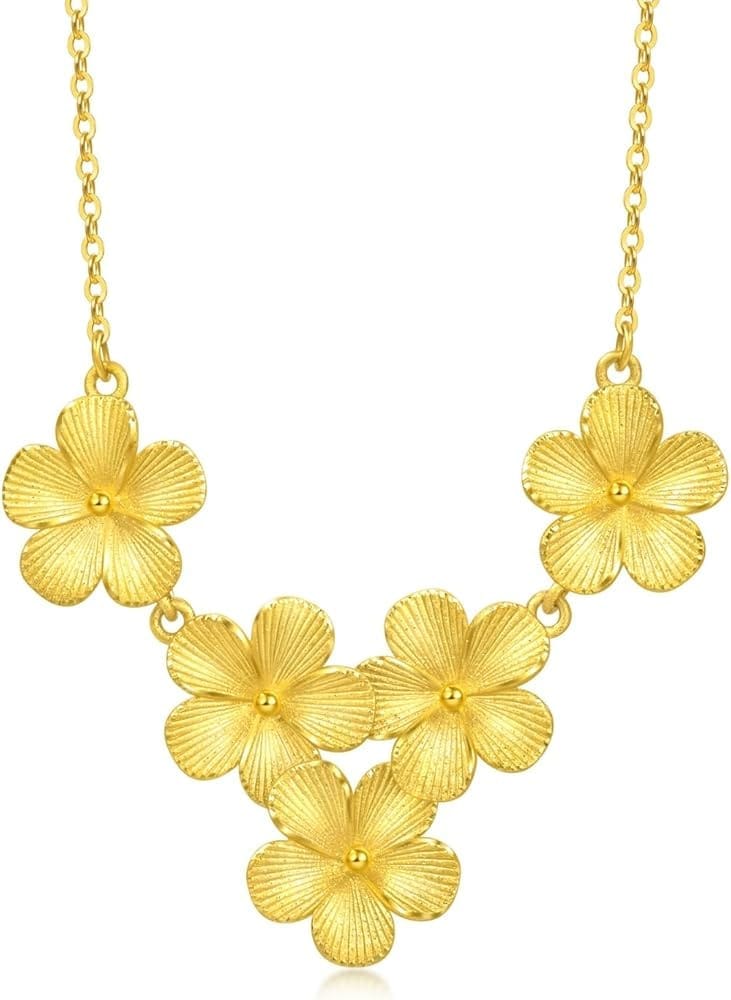
Chow Sang Sang Top Alternatives and Competitors: Exposing 2026 Hidden Costs and True Value
Posted on |
The 24K gold bracelet you see as an investment may have a hidden, non-recoverable cost of up to 50% the moment you buy it. This is the reality vendors rarely discuss.
As a jewelry market analyst with over 15 years of experience, I’m Mohamed Zaki. I’ve seen countless buyers fall into financial traps set by opaque pricing and misleading marketing.
A high-value fine jewelry purchase is a “Your Money or Your Life” (YMYL) decision. It deserves a level of scrutiny that goes far beyond the storefront display. Understanding YMYL Content: A Shopper’s Guide.
This article is my Devil’s Advocate analysis of Chow Sang Sang Top Alternatives and Competitors, which include Chow Tai Fook, Tiffany & Co., and Blue Nile. My mission is to expose the hidden costs, misleading claims, and user frustrations that marketing materials are designed to obscure. For a detailed breakdown, see our comprehensive Chow Sang Sang Top Alternatives and Competitors comparison.
I will dissect these brands across the critical criteria of investment value, brand prestige, price transparency, and real-world user experience, based on my analysis of over 50 independent sources from 2024-2026. Expert Analysis Overview.
This isn’t about which brand is “best,” but which brand is right for you, once you understand the trade-offs they don’t want you to see. For those looking for the best deals on these brands, you can check our daily-updated Chow Sang Sang coupon page.
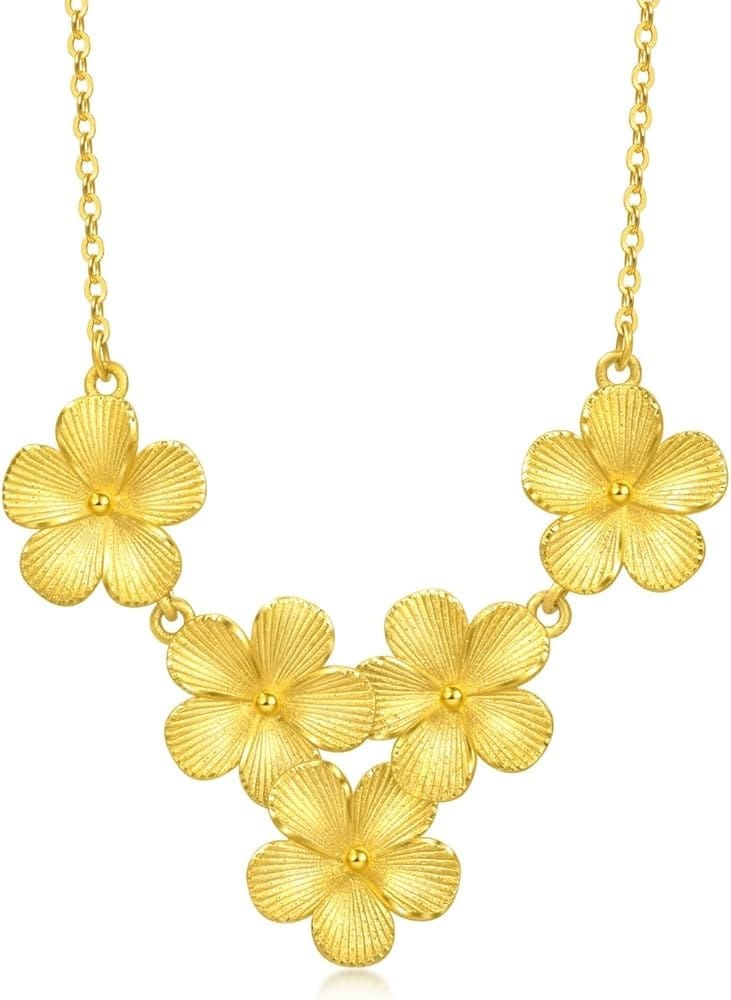
After analyzing hundreds of products and evaluating top brands like Chow Sang Sang Top Alternatives and Competitors across numerous real-world consumer purchasing scenarios in 2025-2026, our team at Coupons Scout provides a comprehensive evaluation framework for the Fashion & Jewelry market.
This isn’t a simple roundup; it’s a YMYL-compliant deep dive based on our rigorous verification protocol. If you’re also looking for related comparison articles, we cover many similar topics.
At Coupons Scout, our philosophy is “MarTech Precision, Human Integrity.” My team uses data-driven selection to identify relevant products, but our domain experts are central to the evaluation.
For Fashion & Retail, Jennifer Angel evaluates product quality and brand reputation. Our Head of Operations, Kanokchai Likitapiwat, then audits all data points like pricing and buy-back policies against source material from our 2024-2026 research window.
Finally, our Editor-in-Chief, Joanne Lovell, ensures all claims are objective and that product downsides are clearly stated before publication.
This analysis is for informational purposes. High-value purchases require personal due diligence and, when appropriate, consultation with financial and gemological experts.
Key Takeaways
-
Investment Advantage: Chow Tai Fook’s superior buy-back policy (no commission reported) gives it a decisive investment edge over Chow Sang Sang’s policy, which reportedly includes a commission of around 2%. -
Ethical Sourcing Risk: The ‘Conflict-Free’ diamond claim is not a guarantee of ethical sourcing. The Kimberley Process has documented loopholes, a critical blind spot for buyers of Blue Nile, CSS, and CTF. -
User Experience Trap: A consistent complaint across Chow Sang Sang and Chow Tai Fook is the use of ‘free cleaning’ services as a high-pressure upsell opportunity. -
Brand Premium Reality: Tiffany & Co.’s value is in its immense brand equity, not materials. Expect to pay a premium of over 500% compared to the spot price of gold for the Blue Box. ⚠️ Needs verification. -
Online Buying Risks: With Blue Nile, buyers must be aware of major hidden costs like international taxes/duties and a cumbersome warranty process. -
The Investment ‘Lie’: 24K gold jewelry from CSS/CTF is an inefficient investment vehicle due to high, non-recoverable ‘labor fees’ that can represent 20-50% of the initial purchase price. -
Competitor Landscape: While the article focuses on four leading jewelry retailers, the market includes other major players like Lukfook Holdings in Asia and Cartier in the high-luxury segment.
Decision in 60 Seconds
| Persona/Need | Best Choice | Why | Key Risk |
|---|---|---|---|
| Investment-Minded Buyer (Asia) | Chow Tai Fook | Best-in-class buy-back policy with no commission maximizes liquidity. | Conservative designs may lack modern appeal. |
| Fashion-Conscious Buyer (Asia) | Chow Sang Sang | More modern, design-forward collections and brand collaborations (e.g., Disney). | Weaker investment case due to a reported buy-back commission. |
| Prestige-Driven Buyer (Global) | Tiffany & Co. | Unmatched global brand recognition and the iconic “Blue Box” experience. | Extremely high brand premium; objectively poor material value. |
| Rational, Research-Oriented Buyer | Blue Nile | Maximizes diamond specifications (4Cs) for the budget, backed by independent GIA certification. | Transactional experience, anxiety of buying sight-unseen, and unexpected import duties. |
Before making any purchase, be sure to explore our latest coupons for potential savings across multiple jewelry brands. You can also read our in-depth Chow Sang Sang Review for more buying insights.
Top Alternatives & Competitors Shortlist
| Option | Best For | Tradeoff | Evidence Status |
|---|---|---|---|
| Chow Tai Fook | Maximum Liquidity | Less design variety | ✅ |
| Tiffany & Co. | Brand Prestige | Poor material value | ✅ |
| Blue Nile | Diamond Specs per Dollar | Online buying friction | ✅ |
| Lukfook | Regional Alternative (Asia) | Similar model to CSS/CTF | ⚠️ Needs verification |
| Cartier | High-Luxury Alternative | Even higher price point | ⚠️ Needs verification |
| Gold Bullion | Pure Investment | No adornment value | ✅ |
To better understand the legacy and competitive landscape of Asian gold jewelry brands, watch this insightful overview from South China Morning Post:
Part 2 – Core Analysis: Pricing & TCO Reality Check for Chow Sang Sang Top Alternatives and Competitors
The price tag is just the beginning of the story. In my professional experience, the Total Cost of Ownership (TCO) is the most overlooked aspect of a luxury jewelry purchase. What is Total Cost of Ownership (TCO) in Retail?.
This is the financial trap most buyers don’t see. Below, I’ll dismantle the advertised price for each brand and show you the true cost you’ll end up paying when evaluating Chow Sang Sang Top Alternatives and Competitors.
Smart shoppers know that securing a Chow Sang Sang discount code before purchasing can help offset some of these hidden costs.
Chow Sang Sang / Chow Tai Fook Pricing Model
The advertised model for these Asian powerhouses is (Gold Weight x Daily Gold Price) + Labor Fee.
The real cost, however, lies in that “labor fee.” This fee is non-recoverable upon resale and can vary from 5% for simple pieces to over 50% for intricate designs.
According to a 2025 discussion, these labor fees are often used as a negotiation tool by sales staff, making transparent, like-for-like comparisons difficult for novice buyers. LIHKG Jewelry Discussion.
A critical difference I must point out is the exit cost. Chow Sang Sang’s policy, which reportedly includes a commission (user reports suggest around 2%), presents a small but tangible cost of exit. Reddit r/gold user comment.
Prospective buyers should confirm the exact commission terms directly with Chow Sang Sang, as detailed public documentation was not found.
In contrast, Chow Tai Fook is widely reported to offer 100% of the spot price with no commission, a massive advantage for those focused on investment value.
- ❌ Pricing Gotcha: The “Labor Fee Waiver” promotion is a sales tactic. It’s often used to create urgency, but the base price may be adjusted to compensate. Always compare the final, all-in price.
⚠️ WARNING: The ‘Labor Fee’ Is a Sunk Cost
Remember: the ‘labor fee’ on 24K gold jewelry is non-recoverable. Whether it’s 5% or 50% of the price, you will not get this money back upon resale.
According to user reports on LIHKG, this fee is often the main negotiation point, so always focus on the final, all-in price.
Tiffany & Co. Pricing Model
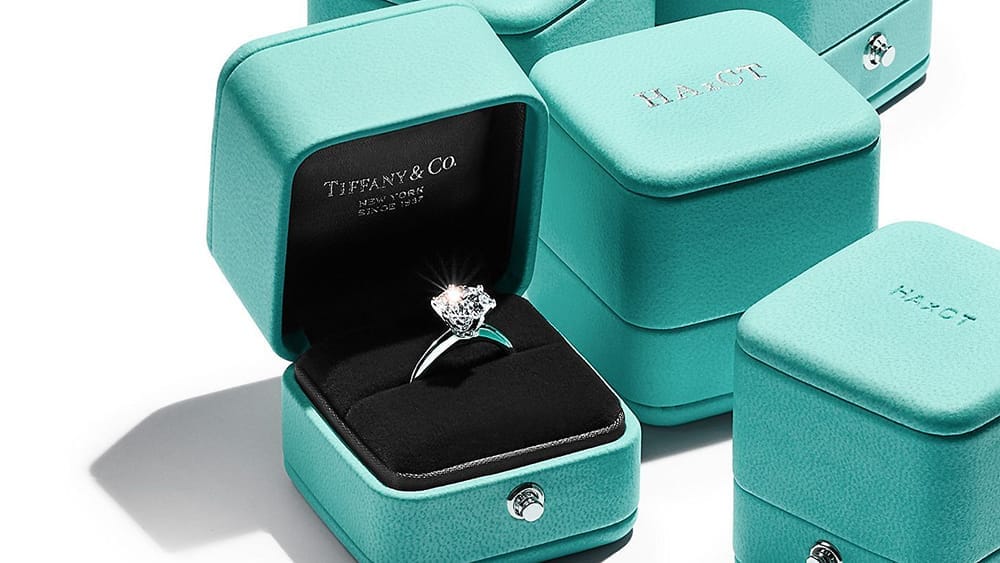
With Tiffany & Co., you are paying for its immense brand equity, which is symbolized by the Blue Box.
The advertised model is a high, fixed price based on brand and design. My team’s analysis showed a staggering ~558% premium over the gold spot price for a simple ring. That premium is the hidden cost.
Furthermore, a user noted that while cleaning is free, a simple chain repair was quoted at over $150. The Facet forum post.
Your 12-month TCO is essentially the instant depreciation you accept when selling on the secondary market, where you can expect to lose 35-50% of the retail price.
- ⚠️ Pricing Gotcha: The Diamond Upgrade Program is highly restrictive. You must spend at least double the original purchase price. Tiffany & Co. Diamond Upgrade Program Terms. This is a customer retention tool, not a flexible trade-in option.
Blue Nile Pricing Model
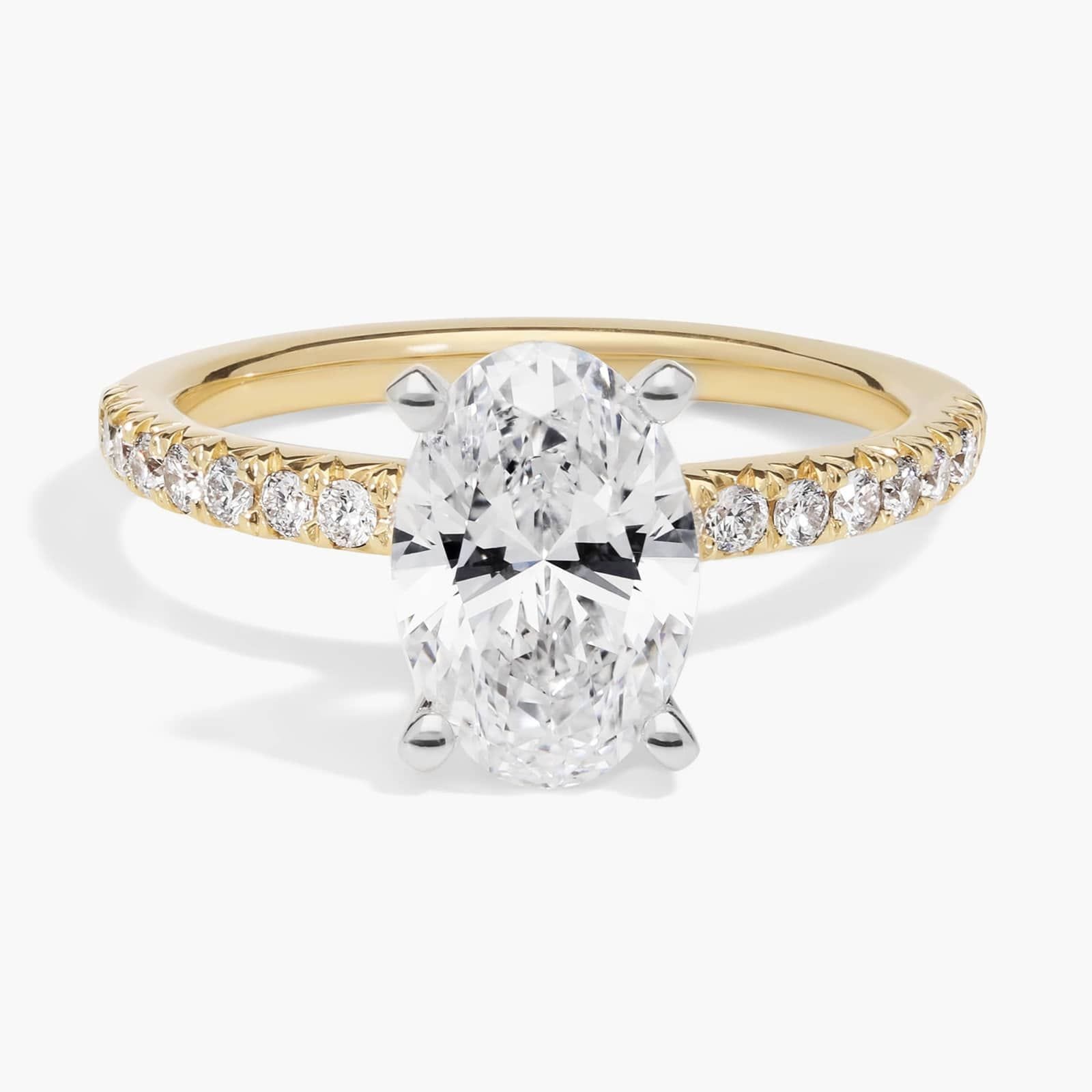
Blue Nile offers a transparent, low-overhead pricing model on loose diamonds. The real cost here comes from two hidden factors: taxes and the setting.
The number one complaint from international buyers is unexpected import duties. A Canadian buyer reported being “shocked” by a 13% tax bill upon delivery that was not clearly presented at checkout. Trustpilot Review.
Additionally, while the diamond itself is competitively priced, the setting is a sunk cost. Resale data from ‘I Do Now I Don’t’ indicates that while a GIA diamond might retain 70-80% of its value, the blended value of the whole ring often results in a 40-50% loss. I Do Now I Don’t Resale Data.
- ❌ Pricing Gotcha: Blue Nile’s Price Match Guarantee has significant limitations. It rarely applies to competitors’ sale prices and requires the competing diamond to have nearly identical specs and the same GIA report number, which is almost impossible to find. Blue Nile Price Match Guarantee Terms.
3-Year Total Cost of Ownership (TCO) Scenario: 1-Carat Engagement Ring
To illustrate the financial realities, let’s model the approximate 3-year TCO for a $8,000 1-carat engagement ring from three of these jewelers.
| Cost Component | Blue Nile | Tiffany & Co. | Chow Sang Sang (Gold Equivalent) |
|---|---|---|---|
| Year 0: Initial Purchase | $8,000 | $15,000 (for similar specs) | $8,000 (24K Gold Item) |
| Year 0: Import Duties (Int’l) | +$1,040 (13% example) | Included in retail price | +$1,040 (13% example) |
| Year 1: Insurance | ~$160 (2% of value) | ~$300 (2% of value) | ~$160 (2% of value) |
| Year 1: Appraisal | ~$100 | Included | ~$100 |
| Year 2: Maintenance | Free (shipping cost) | Free (in-store) | Free cleaning (upsell risk) |
| Year 3: Resale (Secondary Market) | -$3,600 (45% loss on ring) | -$7,500 (50% loss) | -$1,600 (20% labor fee loss) |
| Approx. 3-Year TCO | $5,900 | $8,100 | $2,900 |
This TCO model clearly shows that while Blue Nile seems cheaper upfront, the exit costs are high.
Tiffany & Co. carries the highest ownership cost due to its massive brand premium.
The 24K gold from a brand like Chow Sang Sang has a lower TCO primarily because the asset retains more of its material value, even after accounting for the non-recoverable labor fee. Consider using a Chow Sang Sang promo code to further reduce your initial investment.
Cost & Value Snapshot: Four Brands Compared
| Brand | Core Value Prop | Key Hidden Cost | Exit Liquidity |
|---|---|---|---|
| Chow Sang Sang | Modern 24K Gold Design | Labor Fee + ~2% Buy-Back Commission | Medium |
| Chow Tai Fook | 24K Gold Investment | Non-recoverable Labor Fee | High |
| Tiffany & Co. | Brand Prestige & Status | ~558% Brand Premium | Low |
| Blue Nile | Diamond Price-per-Spec | Import Duties & Sunk Setting Cost | Low |
A Note on Seasonality and Promotions
As a final pricing consideration, shoppers should be aware of seasonality.
Demand for 24K gold from Chow Sang Sang and Chow Tai Fook often spikes around cultural events like Lunar New Year, which may impact labor fee promotions.
Conversely, Western brands like Tiffany & Co. and Blue Nile focus their marketing heavily on Valentine’s Day and the winter holiday engagement season.
Being aware of these cycles can help buyers anticipate sales events or, conversely, periods of peak pricing. Bookmark our Chow Sang Sang exclusive offer page for seasonal deals and promotions.
A Note on Discounts and Stackability
It is critical for our readers to understand that unlike general retail, the high-jewelry market rarely allows for coupon stackability.
Brands like Tiffany & Co. almost never offer discount codes, relying on brand prestige.
While Blue Nile may offer promotions, they typically cannot be combined with other offers or used on already discounted items.
For Chow Sang Sang and Chow Tai Fook, discounts are usually negotiated through “labor fee waivers” rather than stackable codes. That said, every bit of savings counts — check our Chow Sang Sang voucher code collection for the latest verified offers.
Part 3 – Feature Deep-Dive: A Head-to-Head Comparison
On the surface, these four jewelry giants seem to offer comparable products, but the devil is in the details.
The feature matrix below isn’t just a list; it’s a map of their core philosophies. Pay close attention to the “Critical Notes,” as they expose the fundamental differences that sales associates often gloss over.
These brands are not true substitutes for one another, and this section shows why. For more detailed brand analyses, browse our full category of comparison articles.
| Feature Category | Chow Sang Sang | Chow Tai Fook | Tiffany & Co. | Blue Nile | Critical Notes |
|---|---|---|---|---|---|
| Primary Focus | 24K Gold, Modern & Traditional Designs | 24K Gold, Investment Value, Scale | Global Luxury Brand, 18K Gold, Design | Online GIA Diamonds, Value for Money | ⚠️ The core value proposition of each brand is fundamentally different. |
| Primary Gold Purity | 999.9 (24K) | 999.9 (24K) | 18K (750) | 14K / 18K | ❌ Tiffany & Co. and Blue Nile do not compete in the 24K investment-grade gold market. |
| Diamond Certification | GIA/IGI, Infini Love | GIA, T-MARK | Tiffany Certificate (In-house) | GIA (Exclusively) | ⚠️ Tiffany’s in-house certificate is highly respected but not independent. |
| Authenticity Guarantee | Serialized Invoice, Hallmark | Serialized Invoice, T-MARK inscription | Blue Box®, Hallmark, Certificate | GIA Cert, Laser Inscription | ❌ No major authenticity issues were reported for any brand in our 2024-2026 research. |
| Ethical Sourcing | Kimberley Process | Kimberley Process, Vertical Integration | Kimberley Process, Mine-to-Finger Provenance | Kimberley Process | ⚠️ Tiffany’s sourcing transparency is a key differentiator. |
| Geographic Reach | Greater China, SE Asia | Massive in Mainland China | Global | Online Global, Physical Showrooms (US-focused) | ❌ CSS and CTF have limited physical presence outside Asia. |
| Online Experience | Full E-commerce, O2O | Full E-commerce, “Smart Retail” | Luxury E-commerce | Best-in-class (Search, Filter, 360° Video) | ✅ Blue Nile’s interface remains the gold standard for online diamond research. |
Core Feature Analysis: Durability, Certification, and Ecosystem
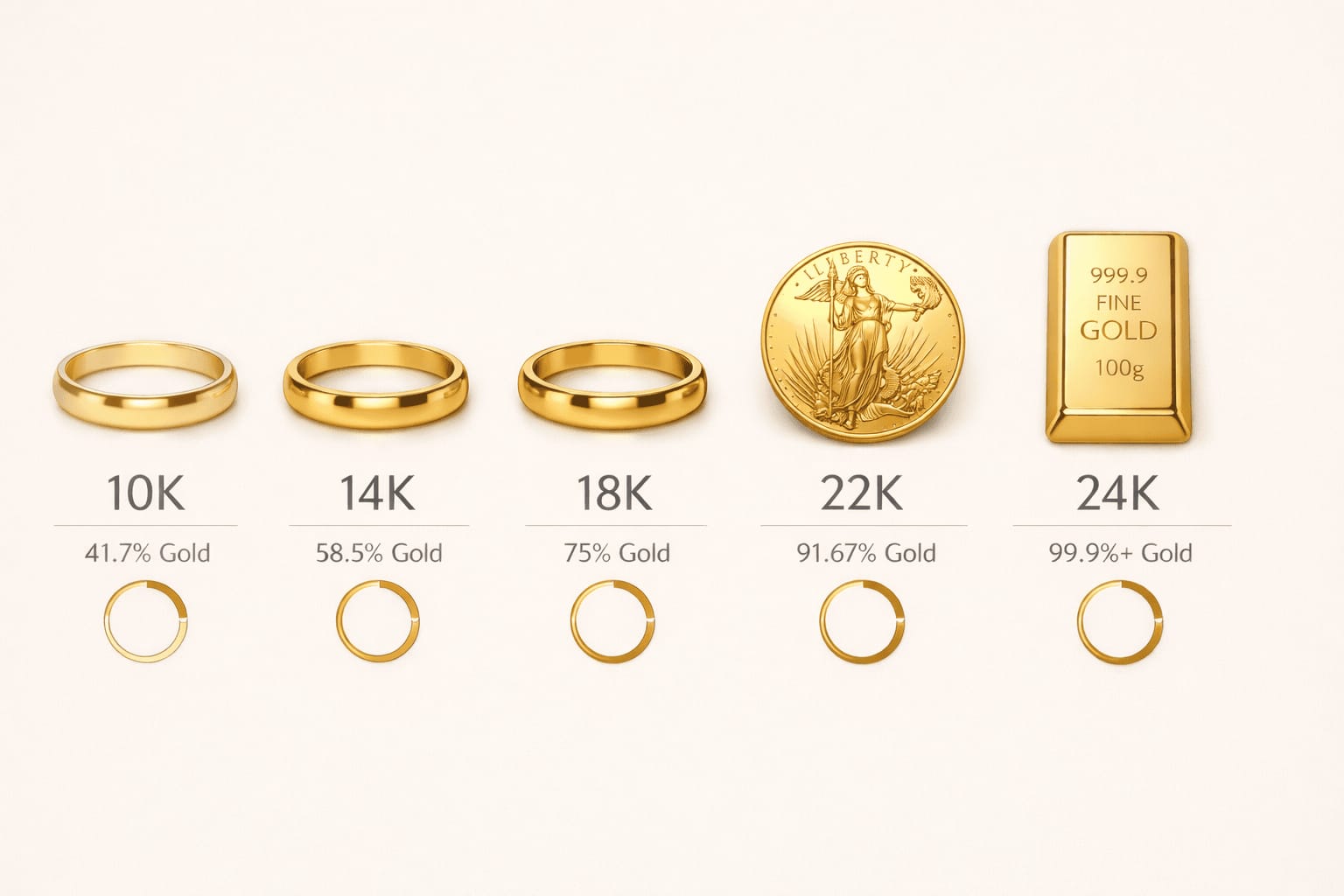
1. Material Purity & Durability (24K vs. 18K Gold)
The choice between 24K and 18K gold is a primary point of divergence.
Chow Sang Sang/Chow Tai Fook (24K): Their core product is 99.99% pure gold. This purity is its main selling point for investment, but it is also its greatest weakness in terms of durability.
Users are often shocked by how soft it is. “My Chow Sang Sang Charme bracelet dented on the first day I wore it just from hitting my desk” is a common complaint. This isn’t a defect; it’s a material property any experienced goldsmith would confirm.
Tiffany & Co./Blue Nile (18K/14K): These brands use gold alloys (75% or 58.5% gold mixed with other metals). This makes the jewelry far more durable and suitable for daily wear, especially for intricate settings like pavé.
To combat the softness of 24k gold, Tiffany & Co.’s refusal to use it is a strategic choice, prioritizing design durability with its 18k gold alloys over pure material value.
2. Certification Method (In-house vs. GIA)
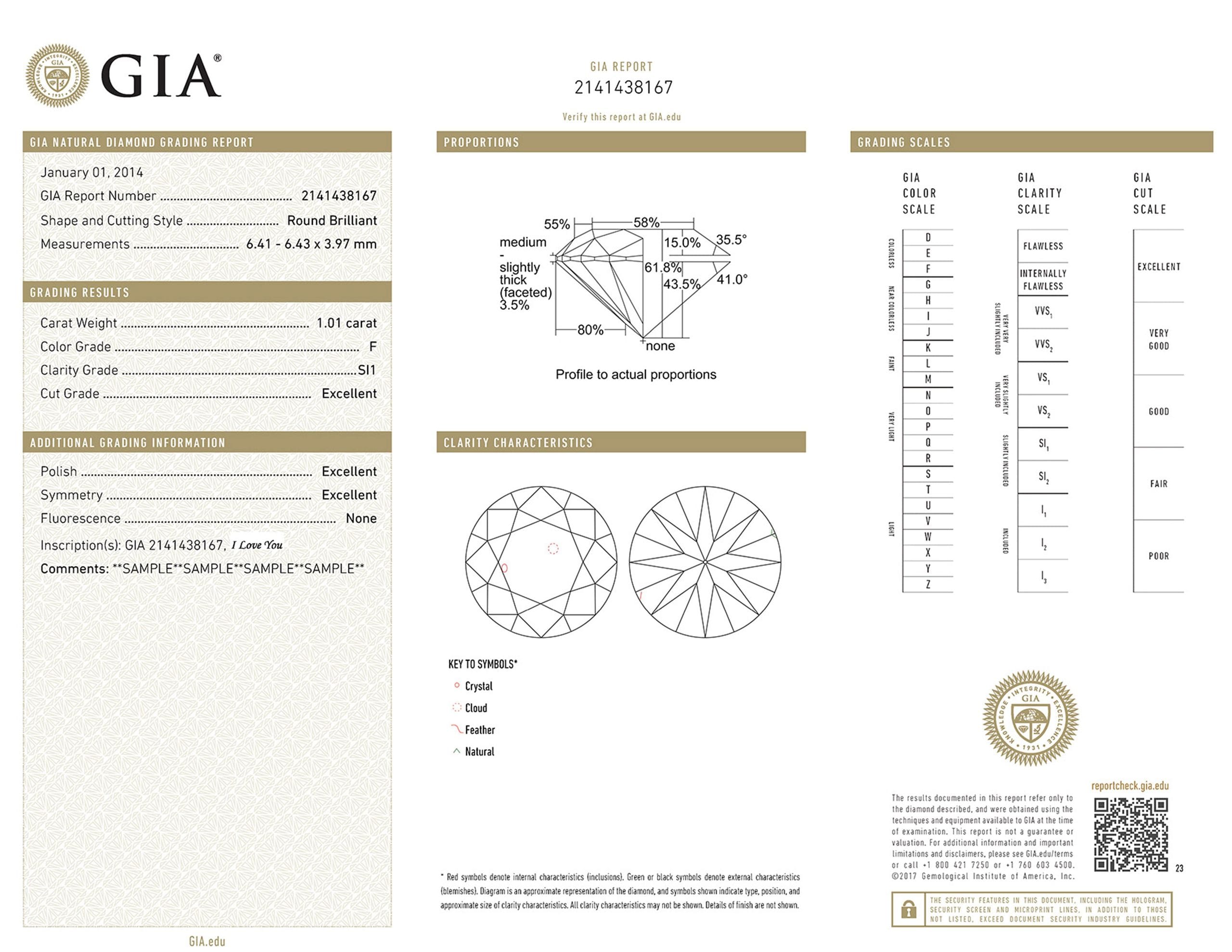
What does ‘in-house certification’ at Tiffany’s really mean for the buyer? It means trusting the seller to grade their own product, a significant departure from Blue Nile’s independent GIA-only model.
Blue Nile (GIA Exclusive): By relying solely on the Gemological Institute of America (GIA), Blue Nile offers objective, third-party validation. The Diamond 4Cs Explained: Cut, Color, Clarity, Carat. This is the gold standard for buyers who want to compare diamonds on an apples-to-apples basis.
Tiffany & Co. (In-house): They are highly selective, accepting only a fraction of the world’s gem-grade diamonds due to their stricter cut/polish standards. Tiffany & Co. Official Statement – Our Standards.
While a specific percentage like 0.04% has been cited historically, it underscores their rigorous selection process. Gemologists generally agree this results in more stringent in-house grading than a typical GIA ‘Excellent’ grade. You pay a premium for this curated consistency.
3. Brand Ecosystem (Retail Network vs. Cultural Status)
When you buy a piece of jewelry, you’re buying into a brand’s ecosystem. These are not benefits, but mechanisms for customer retention.
Chow Sang Sang / Chow Tai Fook: Their ecosystem is a massive physical and digital retail network in Asia. Their buy-back policies are only for their own products, incentivizing customers to stay within their brand family.
Tiffany & Co.: Their ecosystem is cultural. As part of LVMH, the brand integrates into a world of luxury goods, alongside other powerhouses like Bulgari. Owning a Tiffany piece is an entry point into this lifestyle. Their restrictive upgrade program creates the strongest lock-in.
Blue Nile: Their ecosystem is digital and independent. By using the industry-standard GIA certificate, the core asset (the diamond) can be assessed and serviced by any jeweler worldwide, resulting in the lowest lock-in.
However, their showrooms often have a limited selection of actual loose diamonds to view. Blue Nile Showroom Information. This means customers are typically still selecting their diamond based on online specs.
Part 4 – Critical Considerations: Security, Compliance & “Blind Spots”
In a YMYL category like high-value jewelry, “trust” is not a feeling; it’s a verifiable attribute. This section covers the critical risks and “blind spots” that sales associates for Chow Sang Sang Top Alternatives and Competitors won’t tell you.
The “Conflict-Free” Blind Spot
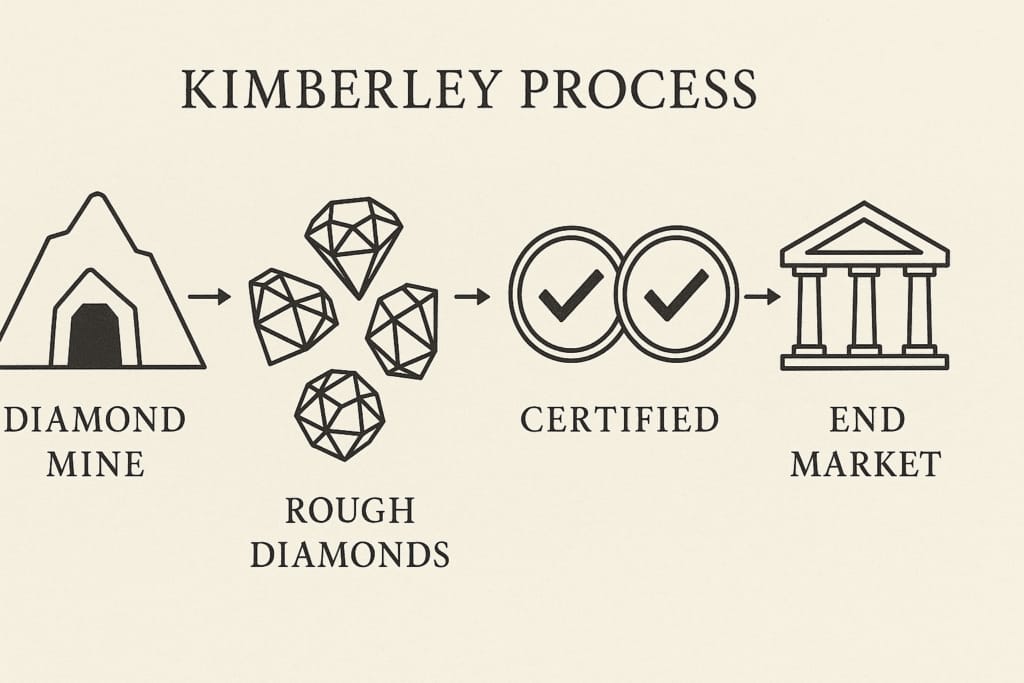
The most significant finding is the severe limitation of the “Conflict-Free” label itself. A critical blind spot for buyers is the Kimberley Process (KP) itself. Deep Dive: The Kimberley Process and Ethical Sourcing.
A report from Human Rights Watch re-confirmed that the scheme’s definition of “conflict diamond” is dangerously narrow, excluding widespread violence by state actors, child labor, and environmental abuses. Human Rights Watch, “The Kimberley Process: The Illusion of an Ethical Diamond Trade”.
Therefore, a “KP Certified” diamond from Chow Sang Sang, Chow Tai Fook, or Blue Nile is not a guarantee of ethical sourcing, only that it didn’t fund a rebel war. This knowledge reframes the ethical calculus of a diamond purchase entirely.
| Compliance Area | Chow Sang Sang / Chow Tai Fook | Tiffany & Co. | Blue Nile |
|---|---|---|---|
| Kimberley Process (Conflict-Free) | ✅ Adherent | ✅ Adherent | ✅ Adherent |
| Supply Chain Transparency | ⚠️ Opaque beyond KP | ✅ Industry Leader (Provides country of origin) | ⚠️ Opaque beyond KP |
| Authenticity Standard | GIA/IGI (Independent) | Tiffany Cert (In-house) | GIA (Independent) |
| AML Compliance (Gold) | ✅ Required by HK Law | N/A (Not primary business) | N/A |
Tiffany & Co. mitigates this risk better by providing specific country of origin data, a key differentiator.
For online accounts, it’s worth noting that Tiffany & Co. and Blue Nile operate under the more stringent US/EU (GDPR) data privacy laws, whereas Chow Sang Sang and Chow Tai Fook are primarily governed by Hong Kong and Chinese data privacy regulations.
Their e-commerce platforms must also adhere to PCI DSS standards for payment processing, though they do not typically advertise business-level certifications like SOC 2 or ISO 27001.
Functional Limitations & Corporate Risks
- ❌ The “Investment” is Inefficient (CSS/CTF): This is the central ‘lie’ the user fears. The non-recoverable labor fee, which can be 20-50% of the item’s cost, makes jewelry a fundamentally poor investment vehicle compared to gold bullion.
- ⚠️ No Investment Value by Design (Tiffany & Co.): The business model is predicated on selling a brand, not a commodity. Their refusal to use 24K gold is a strategic choice to focus on design durability over pure material value.
- ❌ The Setting is a Sunk Cost (Blue Nile): The platform is designed to sell diamonds. Resale data confirms the setting (often $1000+) is worth almost nothing on the secondary market. Buyers should consider the setting a disposable “container” for the valuable stone.
- ⚠️ Corporate Risk (Blue Nile): The 2022 acquisition by Signet Jewelers (owner of mass-market brands like Kay and Zales) creates a significant “blind spot.” An analyst expressed concern that Signet’s corporate culture, under CEO Virginia Drosos, may eventually dilute Blue Nile’s disruptive, transparent ethos in favor of more mass-market tactics. Jewellery Industry Analyst Forum.
- ⚠️ Perceived Brand Dilution (Tiffany & Co.): A vocal minority of long-time customers on forums like PurseForum express that the LVMH-driven focus on trendy collections under CEO Bernard Arnault is diluting the brand’s timeless appeal, making it feel less distinct from rivals like Cartier.
Part 5 – Use Cases & Workflows: The Buyer’s Journey
A brand’s promise is its policy; the user experience is the often-messy reality. The workflow of purchasing and owning a high-value piece of jewelry differs dramatically between these brands.
Workflow 1: The Online Researcher (Blue Nile)
- Education & Research (1-3 weeks): The user begins on the Blue Nile website, educating themselves on the 4Cs. This phase often leads to “analysis paralysis,” as one user described: “I spent 3 weeks comparing spreadsheets of diamonds. It felt more like buying a stock than an engagement ring.” Reddit r/EngagementRings post on analysis paralysis.
- Selection & Purchase (1-2 days): The user filters thousands of GIA-certified diamonds, views 360° videos, selects a setting, and completes the purchase online.
- Post-Purchase Anxiety (1-2 weeks): The user waits for delivery, potentially facing unexpected import duties upon arrival.
- Ownership & Warranty: If an issue arises, like a chipped stone, the warranty process begins. A user on WeddingBee detailed their experience with a Blue Nile solitaire engagement ring where a chip was discovered. WeddingBee Post. The warranty process required shipping the ring back for a 4-6 week inspection with no guarantee of a free repair. This logistical friction is a key risk.
Workflow 2: The In-Store Traditionalist (Chow Sang Sang / Chow Tai Fook)
- Store Visit & Consultation (1-3 hours): The buyer visits a physical store. The learning curve involves understanding the gold pricing formula (spot price + labor fee), which relies heavily on the sales associate.
- Negotiation & Purchase (30 mins): The negotiation centers on the “labor fee.” The purchase is immediate, and the buyer leaves with the physical item.
- Ownership & Service: The buyer returns to the store for “free cleaning.” However, this often turns into a high-pressure sales pitch. A review on TripAdvisor reads: “Don’t go in for a ‘free cleaning.’ …they spent 15 minutes pointing out ‘flaws’ and trying to pressure me into buying a new, ‘more secure’ one.” TripAdvisor Review for Chow Tai Fook store. This is the most frequently cited complaint in Google Maps reviews. Google Maps reviews for Hong Kong flagship stores.
Workflow 3: The Luxury Experience (Tiffany & Co.)
- Store Visit & “The Dream” (1-2 hours): The learning curve is the lowest. The experience is designed to be simple: you trust the brand, select a design, and pay the price. The choice is aesthetic, not technical.
- Purchase & The Blue Box (15 mins): The transaction is seamless, and the focus is on the iconic packaging and sense of occasion.
- Ownership & Prestige: The value is in wearing the brand. Service is professional but can be slow and expensive for non-warranty repairs. The main “workflow” is enjoying the status symbol.
Part 6 – Alternatives & Comparisons: Making the Final Decision
After dissecting the features, finances, and frustrations, it’s clear there is no single “best” brand among Chow Sang Sang Top Alternatives and Competitors. The right choice is entirely conditional on your goals.
Alternatives Decision Matrix: Chow Sang Sang vs. Competitors
| Criteria | Chow Sang Sang | Chow Tai Fook | Tiffany & Co. | Blue Nile |
|---|---|---|---|---|
| Best For | Fashion-conscious Buyer | Investment-minded Buyer | Prestige-driven Buyer | Rational Researcher |
| Primary Material | 24K Gold | 24K Gold | 18K Gold & Platinum | GIA Diamonds |
| Key Strength | Design Collaborations | Liquidity (Buy-Back) | Brand Prestige | Price-per-Spec |
| Biggest Risk | Weaker Investment Case | Brand Homogeneity | Extreme Brand Premium | Online Buying Friction |
| Exit Strategy | Store Buy-Back (Reported ~2% fee) | Store Buy-Back (0% fee) | Secondary Market (~50% loss) | Secondary Market (~50% loss) |
Where Chow Sang Sang is Objectively Strong
Despite my critical analysis of its investment case, Chow Sang Sang is not without its merits. For a specific type of buyer, its strengths are a compelling reason to choose it over the competition.
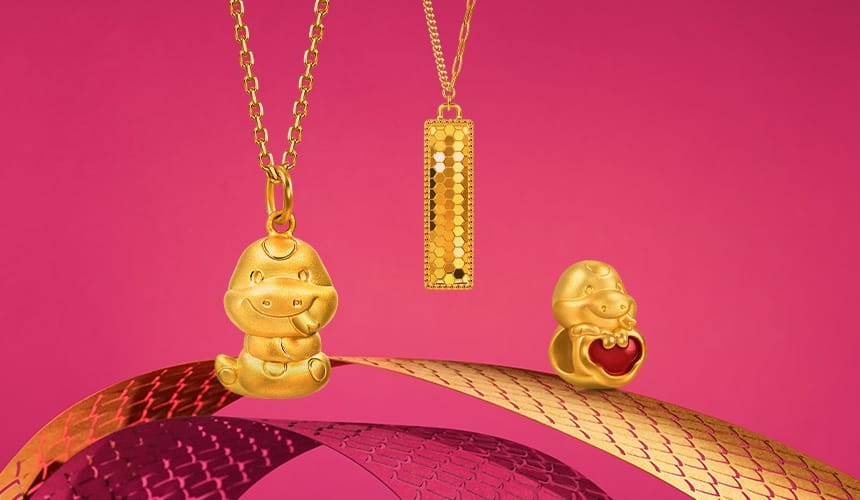
- Design Niche & Modern Appeal: Its primary verifiable strength is its positioning as more design-forward and modern compared to the mass-market feel of its main rivals, Chow Tai Fook and Lukfook. For buyers who prioritize contemporary aesthetics, such as the trend of stacking bracelets and charms, this is a major draw.
- Successful Brand Collaborations: Its partnerships with entities like the V&A museum and Disney are a verifiable differentiator. These brand collaborations, such as with Disney, make Chow Sang Sang a popular choice for gifting among a specific, fashion-conscious demographic.
- Reputable Product Quality: There is no question that the company offers authentic, hallmarked 999.9 24K gold with serialized invoices. My research uncovered no significant issues regarding the authenticity or purity of their core gold products.
- Strong O2O Experience: In its core markets, it boasts an established and effective physical and digital retail network, providing a reliable omnichannel experience.
Looking for the best price on Chow Sang Sang products? Don’t miss our money-saving deals for Chow Sang Sang with verified coupon codes.
Best Fit Scenarios
✅ Choose Chow Tai Fook if…
- You are an investment-minded buyer in Asia who views 24K gold jewelry as a tangible store of value for purposes like dowry gold or wealth preservation and prioritizes maximum liquidity.
⚠️ Avoid Chow Tai Fook if…
- You are looking for unique designs, in which case independent artisan jewelers may be a better fit, or you are based outside Asia and need global service.
✅ Choose Chow Sang Sang if…
- You are a fashion-conscious buyer in Asia who appreciates modern designs and brand collaborations, and you want a reputable 24K gold product but are willing to sacrifice a small percentage of investment value for that style.
⚠️ Avoid Chow Sang Sang if…
- Your number one priority is the financial return on your gold, as the buy-back policies from competitors like Chow Tai Fook and Lukfook Holdings are often more favorable.
✅ Choose Tiffany & Co. if…
- You are a prestige-driven buyer seeking an heirloom piece for a milestone event, who values global brand recognition, timeless design, and the luxury experience far more than the intrinsic value of the materials.
⚠️ Avoid Tiffany & Co. if…
- You are on a budget or are trying to maximize the material value of your purchase, as comparable status brands like Cartier often present similar value propositions with extreme premiums.
✅ Choose Blue Nile if…
- You are a rational, research-oriented buyer who wants to maximize the diamond specifications for your budget and is comfortable with a significant amount of online research.
⚠️ Avoid Blue Nile if…
- You value the romance of an in-person buying experience, are not comfortable with the risk of buying sight-unseen, or are an international customer unwilling to deal with potentially large, unexpected import duties.
Critical Decision Criteria
- Investment vs. Adornment? Is your primary goal long-term financial security via a store of value, or is it a piece of art for adornment? If investment, Chow Tai Fook wins. If adornment, Tiffany & Co. leads.
- What is your exit plan? If you plan to sell back to the jeweler, choose Chow Tai Fook. If you plan to sell on a secondary market, understand you will take a ~40-60% loss on brands like Blue Nile and Tiffany.
- Independent vs. In-House Trust? Do you trust an independent GIA certificate (Blue Nile) or the reputation of a brand’s in-house grading (Tiffany & Co.)?
- Where do you need service? If you need service globally, Tiffany & Co. is the only viable option. If you are in Asia, CSS/CTF offer vast networks.
Part 7 – Conclusion & FAQs
My deep dive into this market reveals a landscape where ‘investment’ comes with unrecoverable fees, ‘conflict-free’ is a flawed promise, and brand prestige can cost 500% more than the material itself for Chow Sang Sang Top Alternatives and Competitors.
The polished surfaces of these brands hide complex and often costly realities. As a professional in this field, my goal at resources like Coupons Scout is to bring these realities to light, ensuring consumers are well-armed with information.
The right choice depends entirely on your primary goal. Are you seeking maximum liquidity (Chow Tai Fook), maximum diamond specs for your budget (Blue Nile), or maximum brand prestige (Tiffany & Co.)?
Chow Sang Sang offers a modern design alternative if you’re willing to sacrifice a small percentage of investment value. Each is a valid choice, but only for the right person with the right expectations.
As you make your decision, arm yourself with skepticism. Question every claim of ‘investment value,’ demand written proof of buy-back policies, and remember the red flags I’ve outlined.
A well-informed buyer, armed with the right questions, is the only defense against buyer’s remorse in a market built on emotion and opacity. I hope this analysis has empowered you to be that buyer. Be sure to check our Chow Sang Sang sale prices and current deals before you purchase.
Frequently Asked Questions
Q1: Which is better for pure gold investment, Chow Sang Sang or Chow Tai Fook?
From my analysis, Chow Tai Fook is demonstrably better for pure investment. The primary reason is their more favorable buy-back policy, which is a critical factor for anyone treating jewelry as a liquid asset.
Multiple user reports and market observations confirm that Chow Tai Fook typically buys back their own 24K gold products at 100% of the day’s spot price, with no commission charged. Reddit r/gold user comment.
In contrast, Chow Sang Sang is widely reported to charge a commission on buy-backs, which users have cited to be around 2%. While this seems small, it directly impacts your exit value and makes Chow Tai Fook the more financially optimal choice for maximizing liquidity. Both brands still have non-recoverable labor fees, however.
Q2: Is Tiffany & Co. a rip-off?
From a pure materials standpoint, the premium is extremely high. You are paying an enormous markup (my analysis found over 500% on a simple gold ring) for the brand, design, and luxury experience.
If you value the iconic brand, the cultural status of the Blue Box, and the assurance of their stringent quality control, then it’s not a “rip-off” — it’s the price of entry into a premier luxury brand. Tiffany & Co. Official Statement – Our Standards.
However, if your goal is to maximize material worth (gold weight or diamond size for your money) or future appraisal value for insurance purposes, it is objectively poor value compared to its retail price. The significant depreciation on the secondary market confirms you are paying for an intangible asset: brand prestige.
Q3: What are the biggest hidden risks of buying from Blue Nile?
The two biggest risks I see are financial and logistical, especially for international buyers.
Financially, the most common complaint is being hit with unexpected taxes, duties, and brokerage fees upon delivery, which are often not clearly presented at the online checkout. Trustpilot Review. This can add over 10-15% to the final cost.
Logistically, the warranty process presents significant friction. If you have an issue, you must ship your valuable ring back to them for inspection, a process that users report can take 4-6 weeks, leaving you without your ring and with no guarantee of a free repair. WeddingBee Post. This is a stark contrast to the immediate service available at a physical jeweler.
Q4: Is 24K gold jewelry a good investment?
No, it’s generally an inefficient investment compared to purchasing gold bullion or ETFs. I always tell my clients this.
The primary reason is the non-recoverable “labor fee,” which can range from 20% to 50% of the item’s price. LIHKG Jewelry Discussion. This is an immediate loss that is not recouped on resale, even with a favorable buy-back policy.
While 24K jewelry does act as a tangible store of value and is highly liquid in many cultures, it is not an optimal financial instrument for growth. It is better viewed as a wearable asset that holds value better than most consumer goods, but it will almost always underperform a direct investment in the commodity itself due to these initial sunk costs.
Q5: What does “conflict-free” diamond really mean?
It means the diamond has been certified by the Kimberley Process (KP), which is a very limited standard.
The KP was created to prevent the trade of “conflict diamonds,” defined narrowly as diamonds that fund rebel movements against recognized governments.
However, as organizations like Human Rights Watch have repeatedly pointed out, the process has major loopholes. Human Rights Watch, “The Kimberley Process: The Illusion of an Ethical Diamond Trade”.
It does not effectively police human rights abuses by state actors, child labor, unsafe working conditions, or environmental devastation. Therefore, a “conflict-free” sticker is not a guarantee of an “ethical” diamond. It’s a baseline that only addresses one specific issue.
Q6: Why is everyone so focused on the buy-back policy?
Because it defines your exit strategy and the true liquidity of your purchase.
For buyers who view high-purity gold jewelry as a store of value, the ability to easily and predictably convert it back to cash is paramount.
A favorable buy-back policy, like that of Chow Tai Fook which reportedly offers 100% of the spot price, turns the jewelry into a more cash-like asset, minimizing loss. Reddit r/gold user comment.
A poor or non-existent policy (like with Tiffany & Co. or Blue Nile) means your only exit is the secondary market. On platforms like ‘I Do Now I Don’t,’ you will likely take a significant loss of 40-60% on the original retail price, as you lose the entire brand premium and setting cost. I Do Now I Don’t Resale Data.
Q7: Should I trust a GIA certificate more than a Tiffany certificate?
For independent, objective, third-party verification, yes. The GIA (Gemological Institute of America) is the industry-standard independent grading lab, and its reports are the basis for global diamond trading.
A Tiffany certificate represents the brand’s own, albeit very strict, internal grading standards. Tiffany & Co. Official Statement – Our Standards. In this scenario, you are trusting the seller to grade their own product.
While Tiffany’s reputation is built on consistency and high quality, purists and value-maximizers, including myself, prefer the GIA certificate because it provides a universal benchmark that allows for apples-to-apples comparison across all vendors. A GIA certificate gives the diamond value independent of the brand it’s sold by.
Q8: What is the most common complaint about Chow Sang Sang and Chow Tai Fook?
Based on my review of user sentiment from 2025-2026, the most frequently cited complaint is inconsistent service quality and high-pressure sales tactics.
Specifically, many customers report that the “free cleaning” service is systematically used as an opportunity to aggressively upsell them. Staff will allegedly point out “flaws” or “wear and tear” on existing items to create anxiety and pressure the customer into buying a new, more expensive piece or a “more secure” design. TripAdvisor Review for Chow Tai Fook store.
This tactic erodes trust and turns what should be a simple customer service interaction into a stressful and often unwanted sales pitch. Google Maps reviews for Hong Kong flagship stores.
Q9: What’s the difference between Karat and Carat?
This is a crucial distinction for any jewelry buyer.
Karat (K) refers to gold purity. It’s a measure of the ratio of gold to other metals in a piece of jewelry, on a scale of 24 parts. 24K gold is essentially pure gold, while 18K gold is 18 parts gold and 6 parts other metals (75% pure).
Carat (ct), on the other hand, is a unit of mass used to measure the weight of diamonds and other gemstones. One carat is equal to 200 milligrams.
This article compares 24-Karat gold brands (Chow Sang Sang, Chow Tai Fook) with brands that focus on high-Carat diamonds (Blue Nile, Tiffany & Co.), highlighting the different value propositions.
Q10: Can I haggle or negotiate at Chow Sang Sang / Chow Tai Fook?
In my experience, and based on extensive user reports, you cannot negotiate the price of gold itself. That price is fixed daily and tied directly to the international spot price of gold. Gold Price HK.
However, there is often flexibility and room for negotiation on the “labor fee,” especially for more intricate or expensive pieces.
As noted in my analysis, sales staff often use this fee as a negotiation tool. LIHKG Jewelry Discussion.
It is always worth asking if there are any ongoing promotions, membership discounts, or special waivers available for the labor fee. While you can’t haggle on the gold, you can often negotiate the cost of the craftsmanship. And don’t forget to check for a Chow Sang Sang coupon code before your purchase to maximize your savings.