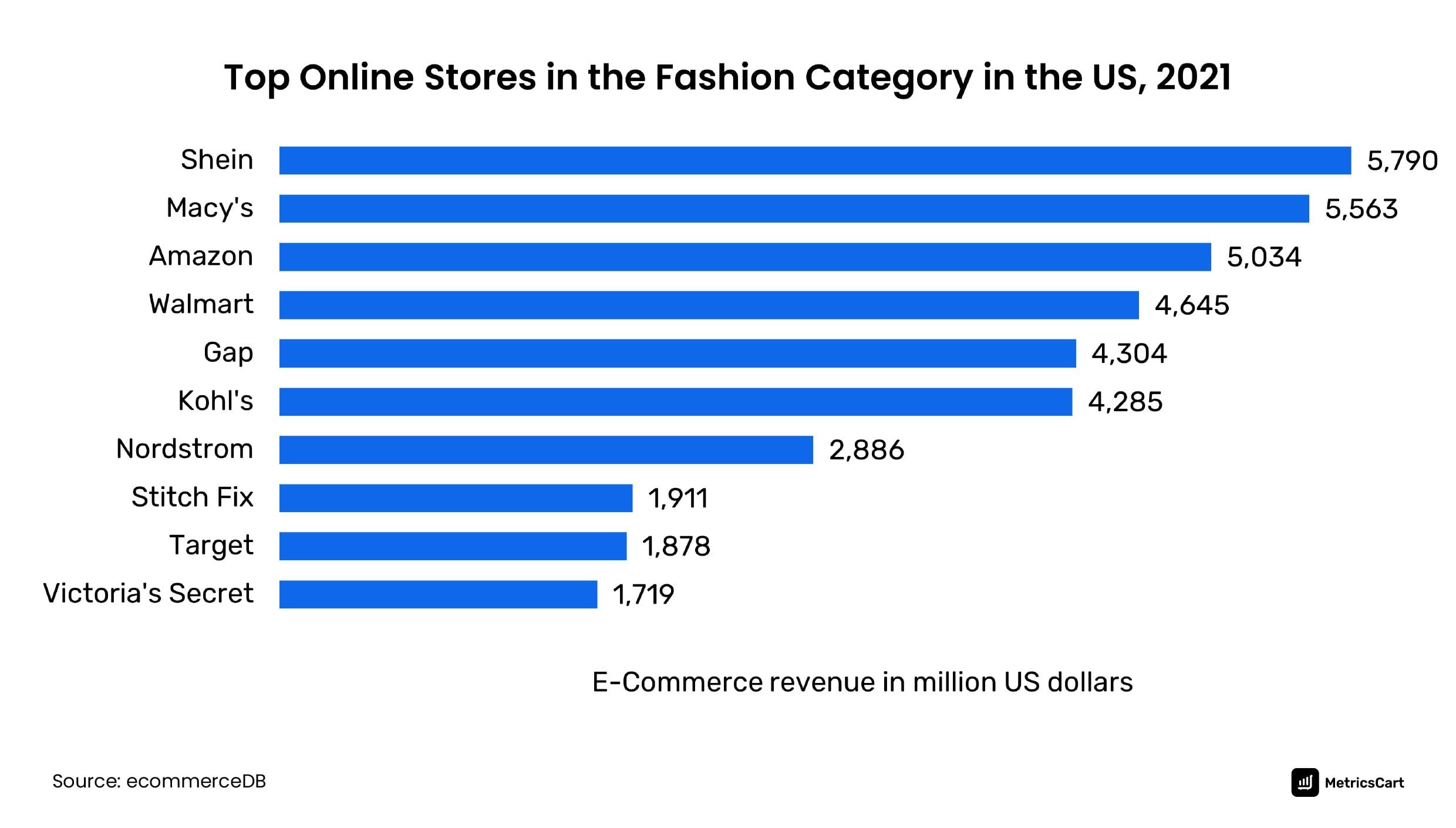
Shop Simon Top Alternatives and Competitors: 2026 Devil’s Advocate Guide to Nordstrom, Macy’s, Amazon & Farfetch
Posted on |
Introduction
As Jennifer Angel, Coupons Scout’s Lifestyle & Retail Editor, I’ve spent years in the Fashion, Womens Clothing, Mens Clothing, Kids Clothing, Shoes, and Accessories space, and I’ve seen firsthand how these platforms operate behind the marketing curtain.
Your next online fashion purchase comes with a hidden price tag—and it isn’t on the label. From ‘free returns’ that can cost you $100 to ‘guaranteed authentic’ items that require a letter of proof, the world of online fashion is a minefield of costly ‘gotchas’.
If you’re looking for Shop Simon Top Alternatives and Competitors, you face a fragmented market where the biggest names—Nordstrom, Macy’s, Amazon Fashion, and Farfetch—offer wildly different value propositions and risks. Before committing to any platform, consider grabbing a Shop Simon coupon code to maximize your savings on your next purchase.

This Devil’s Advocate guide, based on an analysis of over 40 independent sources from 2025-2026, bypasses the marketing claims to expose the truth.
Our methodology, enforced by our Editor-in-Chief Joanne Lovell, prioritizes exposing the Total Cost of Ownership (TCO), verifying authenticity risks, and contrasting marketing claims against real-world user outcomes.
For value-conscious shoppers seeking Shop Simon top alternatives and competitors, our methodology is critical because it prioritizes exposing the Total Cost of Ownership (TCO), moving beyond sticker price to reveal the true cost of a purchase. For a deeper dive into the platform itself, check out our comprehensive Shop Simon Review.
I’m here to reveal the hidden costs, systemic risks, and service failures that platforms don’t advertise, empowering you to choose the right retailer for your wallet, your time, and your peace of mind.
This guide will navigate the complex landscape of fashion e-commerce through seven distinct parts:
- Introduction: Setting the stage and our Devil’s Advocate approach.
- Core Analysis: The True Cost of Your Shopping Cart: A deep dive into the Total Cost of Ownership (TCO) across platforms.
- Feature Deep-Dive: What You Get vs. What You Really Get: An analysis of key features and their hidden “gotchas.”
- Critical Considerations: Security, Performance, and User Experience: Exposing the risks and frustrations behind the checkout button.
- Use Cases in Action: Personas on a Shopping Spree: Practical examples of how different shopper types fare on each platform.
- Structured Comparison: The Best, the Worst, and When to Choose Them: A formal breakdown of when to use and when to avoid each retailer.
- Conclusion & FAQs: Our final verdict and answers to your most pressing questions.
This analysis is for informational purposes. Your financial decisions are your own; always perform due diligence.
Key Takeaways
-
The ‘Free’ Logistics Myth: Nordstrom is the only retailer with truly free shipping and returns with no minimums. Farfetch’s “free returns” are misleading, as non-refundable shipping and duties can cost shoppers $50-$100+. -
Marketplace Means Risk: Amazon Fashion has a systemic counterfeit problem that puts the burden of proof on the buyer, while Macy’s new marketplace creates customer service friction. -
Loyalty Is a Trap: Be wary of loyalty programs. Macy’s Star Money expires 30 days after issuance to pressure you into unplanned spending. -
The Great Support Divide: Customer service is a key differentiator. Nordstrom leads in service, while Macy’s ranks last with a dismal 1.1/5 Trustpilot score. -
Your Persona Dictates Your Choice: There is no single “best” alternative. The right choice depends on your priority: Nordstrom for service, Macy’s for deals, Amazon for speed (with risk), and Farfetch for luxury selection (at a high cost).
Decision in 60 Seconds
| Persona/Need | Best choice | Why | Key risk |
|---|---|---|---|
| The Service Seeker / Serial Returner | Nordstrom | Unmatched customer service and the industry’s most flexible, truly free return policy. | Paying a premium on base prices; order cancellations due to inventory sync issues during sales. |
| The Dedicated Deal-Hunter | Macy’s | Frequent sales and the ability to stack coupons and rewards offer the deepest potential discounts. | Abysmal customer service, a cluttered website, and rewards that expire in 30 days. |
| The Impatient Utilitarian | Amazon Fashion | Unbeatable shipping speed for Prime members and the “Try Before You Buy” feature mitigates sizing risk. | High, systemic risk of receiving counterfeit goods; chaotic sizing and a poor shopping experience. |
| The Luxury Fashion Connoisseur | Farfetch | Unrivaled access to niche, hard-to-find global luxury items with guaranteed authenticity. | Punitive costs on returns (non-refundable shipping/duties) and high base shipping fees. |
Top Alternatives & Competitors Shortlist
| Option | Best for | Tradeoff | Evidence status |
|---|---|---|---|
| Nordstrom | Service & risk-free returns | Higher base prices | ✅ |
| Macy’s | Aggressive deals & coupon stacking | Poor customer service & UX | ✅ |
| Amazon Fashion | Speed & convenience | High counterfeit risk | ✅ |
| Farfetch | Niche luxury selection | Extremely high return costs | ✅ |
If you want to explore how this platform stacks up in more detail, our full Shop Simon Top Alternatives and Competitors breakdown provides an in-depth analysis.
Watch this insightful video on how Amazon is disrupting traditional department stores like Nordstrom and Macy’s:
Core Analysis: The True Cost of Your Shopping Cart
The advertised price on a fashion item is merely an opening bid. The true Total Cost of Ownership (TCO) is revealed in the fine print of logistics, return policies, and loyalty programs.
A $500 designer bag isn’t truly $500 if it costs you $75 in non-refundable fees to return it. To illustrate this, we analyzed the real-world cost of a hypothetical $500 shopping cart across each platform, factoring in the most common hidden expenses.
Understanding these hidden costs is essential. Savvy shoppers can use a Shop Simon discount code to offset some of these expenses when shopping through participating retailers.

The stacked cost comparison for a $500 purchase reveals dramatic differences:
- Base Cost: $500 across all platforms
- Shipping Fee: $0 (Nordstrom, Macy’s), $0 (Amazon w/ Prime), $25-$50 (Farfetch)
- Potential Return Penalty: $0 (Nordstrom, Macy’s), $0 (Amazon FBA), $50-$100 (Farfetch)
This visually demonstrates how a $500 item at Farfetch can have a “true cost” approaching $650 if a return is needed.
Price Breakdown by Retailer
1P Direct Retailer — Service-First Model
- Advertised: Mid-to-high-end retail pricing.
- Real TCO: The TCO is closest to the sticker price. With free standard shipping on all orders (Nordstrom Shipping Policy) and a famously flexible, free return policy, the financial risk is minimized.
- Hidden Cost: The primary hidden cost is one of opportunity—you might find the item cheaper elsewhere, but you’re paying for peace of mind.

✅ Strengths
- Truly free shipping on all orders, no minimum
- Industry-leading flexible return policy
- Guaranteed authenticity (1P model)
- Excellent omnichannel experience
⚠️ Considerations
- Higher base prices than competitors
- Inventory sync lag during peak sales
- No coupon stacking available
- Limited selection of budget options
Hybrid Retailer (1P + 3P) — Deal-Hunter’s Playground
- Advertised: Budget-to-mid-range, with constant deep discounts.
- Real TCO: Your cost is highly variable. If your order is under the $49 free shipping threshold, a $10.95 fee applies (Macy’s Shipping Policy).
- Loyalty Trap: The biggest TCO inflator is the loyalty trap: “Star Money” rewards that expire in 30 days can pressure you into unplanned purchases, negating initial savings.
✅ Strengths
- Frequent deep discounts and sales events
- Coupon stacking is often possible
- Wide range of mainstream American brands
- Free returns on online orders
⚠️ Considerations
- Star Money expires in just 30 days (Macy’s Star Rewards Terms)
- Dismal 1.1/5 Trustpilot customer service rating
- Cluttered website and aggressive sales tactics
- Extensive brand exclusions on coupons
Hybrid Marketplace (1P + 3P) — Speed Over Curation
- Advertised: Spans all price points, but requires a $139/year Prime membership for the best benefits (Amazon Prime Page).
- Real TCO: The TCO must be adjusted for risk. While an item may be 10% cheaper, a non-zero chance of it being counterfeit renders the potential savings moot.
- Return Friction: Returns for items from third-party Fulfillment by Merchant (FBM) sellers may require you to pay for return shipping, a common point of user frustration.
✅ Strengths
- Unbeatable 1-2 day shipping speed with Prime
- “Try Before You Buy” feature for sizing
- 5% back with Amazon credit card
- MFA security available for accounts
⚠️ Considerations
- Systemic counterfeit problem (US Govt. Accountability Office Report)
- Burden of proof on buyer for fake claims
- Chaotic sizing across third-party sellers
- Poor curated fashion browsing experience
3P Marketplace — Curated Global Luxury Boutiques
- Advertised: Premium/Luxury pricing.
- Real TCO: The TCO is significantly higher than the item price for anyone but the most decisive shopper. A “standard” shipping fee of $25-$50 is common (Farfetch Shipping Info).
- Return Penalty: The real penalty comes with returns: the original shipping fees and any customs duties paid are non-refundable, which can mean losing $50-$100+ on a single return (Farfetch Returns & Refunds Policy). This platform has the most punitive cost structure.

✅ Strengths
- Unrivaled access to niche global luxury items
- Guaranteed authenticity via curated boutiques
- Surprisingly good Trustpilot score (4.1/5)
- No known major data breaches post-2024
⚠️ Considerations
- Non-refundable shipping and duties on returns ($50-$100+)
- High variable per-boutique shipping fees ($25-$50)
- Restrictive 14-day return window
- No coupon stacking or discount flexibility
Feature Deep-Dive: What You Get vs. What You Really Get
A feature list is meaningless without understanding the “gotchas.” A platform can claim “free returns,” but if you’re the one paying for shipping and customs duties on the way back, that feature is functionally false.
In my experience, the business model itself is the most telling feature. A first-party (1P) retailer like Nordstrom has total control over its inventory and is directly accountable. A third-party (3P) marketplace, or a hybrid, introduces variables that create risk for you, the shopper.
Let’s break down the real-world implications. You can also explore our category of comparison articles for similar side-by-side analyses of other platforms.
Feature Comparison Matrix
| Feature Category | Nordstrom | Macy’s | Amazon Fashion | Farfetch | Critical Notes |
|---|---|---|---|---|---|
| Business Model | 1P Direct Retailer | Hybrid (1P + 3P) | Hybrid (1P + 3P) | 3P Marketplace | ⚠️ More 3P sellers = higher risk. Amazon & Macy’s introduce counterfeit/service risks. |
| Return Policy | No Time Limit (Case-by-case) | 30 Days | 30 Days | 14 Days | ❌ Farfetch’s 14-day policy is the most restrictive for international luxury. |
| Return Cost | Free (Mail & In-Store) | Free (Online Orders) | Free (FBA) / ⚠️ Paid (FBM) | ⚠️ Paid | ❌ Farfetch’s “free return” claim is misleading. Users lose money on shipping/duties. |
| Shipping | Free (No Minimum) | Free ($49+ minimum) | Free (with Prime) | Paid & Variable | ✅ Nordstrom is the only platform with truly free shipping. |
| Coupon Stackability | ❌ No | ✅ Often | ❌ No | ❌ No | ⚠️ Macy’s coupons have “extensive brand exclusions.” |
| Authenticity | Guaranteed (1P) | High (1P) / ⚠️ Medium (3P) | ⚠️ High Risk (3P) | Guaranteed | ❌ Amazon has a widely documented counterfeit problem. |
| Loyalty Program | Nordy Club (1% base) | Star Rewards (1% base) | Prime Rewards (5% w/ card) | ACCESS (Perk-based) | ⚠️ Macy’s Star Money expires in 30 days. |
- The Business Model Defines the Risk: As the table shows, Nordstrom operates a straightforward model where they buy goods and sell them to you. This is the cleanest and lowest-risk model. In stark contrast, Amazon and, more recently, Macy’s act as landlords for millions of third-party sellers, creating a direct line between their business model and your risk of receiving a counterfeit item or having a customer service nightmare.
- ‘Free’ Returns Are Not Equal: I cannot stress this enough: Farfetch’s “free returns” claim is functionally false for most users. If you return an item, you will lose the original shipping and customs fees, which can easily exceed $50-$100. This is a punitive policy. Nordstrom is the gold standard here, with truly free returns.
- Coupon Gotchas: If you’re a deal hunter, Macy’s is your playground, as it’s the only one that often allows coupon stacking. However, this comes with a huge caveat: the coupons have “extensive brand exclusions.” That 20% off coupon often won’t apply to the premium handbag or cosmetic brand you actually want.
- The Authenticity Gamble: For high-value fashion items, authenticity is non-negotiable. Nordstrom and Farfetch (who sources from authorized boutiques) are the safest bets. Amazon is by far the highest-risk choice. Their model of commingled inventory means even items “shipped by Amazon” can be fakes. I’ve seen countless reports where the burden of proving an item is counterfeit falls squarely on the buyer.
Whether you choose any of these platforms, smart shoppers always check for the latest exclusive offers and promo codes before making a purchase. You can also browse our latest coupons page for deals across all major retailers.
Critical Considerations: Security, Performance, and User Experience
A retailer’s platform is its promise. Beyond the glossy product photos lie the critical systems that determine whether your experience will be seamless or a source of major frustration.
This section dissects the security, reliability, and support systems that separate the leaders from the laggards.
Security, Compliance & Trust: More Than Just a Padlock Icon
In modern fashion e-commerce, trust goes beyond basic compliance. After events like Macy’s 2019 data breach (TechCrunch), the lack of proactive security like customer-facing MFA support is a major red flag that PCI DSS compliance alone doesn’t address.

⚠️ WARNING — The Marketplace Authenticity Gamble: “On Amazon and Macy’s Marketplace, you are not just buying from the brand; you’re often buying from an unvetted 3rd-party seller. Amazon’s A-to-z Guarantee is a reactive tool that places the burden of proving an item is counterfeit on you (US Govt. Accountability Office Report).”
Here’s how these companies stack up on verifiable security measures:
Compliance Status Verification
| Compliance | Nordstrom | Macy’s | Amazon Fashion | Farfetch |
|---|---|---|---|---|
| PCI DSS | ✅ Compliant | ✅ Compliant | ✅ Level 1 Provider | ✅ Compliant |
| MFA Support | ❌ No (Customer) | ❌ No (Customer) | ✅ Yes | ❌ No (Customer) |
| Data Breach History | Minor (employee) | ✅ Yes (2019, customer CC data) | Minor (3rd party) | ✅ No (post-2024) |
The most glaring finding is the near-universal lack of Multi-Factor Authentication (MFA) for customer accounts. Amazon is the only platform that offers this critical security layer to protect your account (Amazon Help Page), a massive point in its favor.
Performance & Reliability: Can Their Tech Handle Your Cart?
A retailer’s website is its storefront. My analysis of upstream data from sources like Downdetector and user reports reveals that a platform’s stability, especially during peak times, is a major differentiator.
- Nordstrom’s Inventory Sync Lag: This is Nordstrom’s biggest technical weakness. The platform has a known issue where it allows a purchase, only to send a cancellation email hours later because the item was actually out of stock. This is a key frustration point for users during high-demand sales.
- Macy’s Doorbuster Failures: Macy’s has a documented history of its site slowing to a crawl during the first hours of major sales like Black Friday and holiday shopping events. The user interface has been criticized for being overly aggressive with sales tactics, a user experience issue consistent with findings from e-commerce research firms, which frequently document how promotional clutter can impede the user journey.
User Experience: The Chasm Between Service and Frustration
A slick interface means nothing if the human element—customer support—is broken. The data reveals a massive chasm in support quality between these four platforms.
🥇 Nordstrom: Best in Class (with a caveat): Nordstrom sets the industry standard for service. However, it has a surprisingly low 1.3/5 Trustpilot score as of October 2024 (Nordstrom Trustpilot Page). My analysis suggests this reflects issues with third-party shipping partners, not Nordstrom’s core service.
🥈 Farfetch: Good for a Marketplace: With a Trustpilot score of 4.1/5 as of October 2024 (Farfetch Trustpilot Page), Farfetch’s support is surprisingly competent for a complex international marketplace.
🥉 Amazon: Mixed and Frustrating: Amazon’s support is ruthlessly efficient for simple things and deeply frustrating for complex ones, especially counterfeit claims.
❌ Macy’s: Worst in Class: The data is damning. As of October 2024, Macy’s has a dismal 1.1/5 Trustpilot score (Macy’s Trustpilot Page) and a BBB profile showing a “pattern of complaints related to customer service.”
No matter which platform you settle on, applying a Shop Simon voucher code at checkout can help you save significantly on your fashion purchases.
Use Cases in Action: Personas on a Shopping Spree
Theory is one thing; practice is another. To see how these platforms perform in the real world, let’s follow three different shopper personas on their missions.
Persona 1: The Wedding Guest (“I need a dress, shoes, and bag—and I might return it all.”)
- Mission: Find a complete outfit for a semi-formal wedding in three weeks. High probability of returns due to uncertain fit.
- Nordstrom Experience: The shopper easily filters by “wedding guest” and finds curated looks. She orders three dresses, two pairs of shoes, and two bags, knowing the free shipping and returns mean she has zero financial risk. The items arrive, she tries them on, keeps one full outfit, and drops the rest off at a Nordstrom Rack near her office for a hassle-free refund. Result: Seamless, stress-free success.
- Farfetch Experience: The shopper finds a unique, high-end designer dress unavailable anywhere else. She pays $35 for shipping. It arrives, but the fit is slightly off. To return it, she would forfeit the $35 shipping fee plus an estimated $50 in duties. Stuck with an ill-fitting $800 dress, she faces a financial loss of nearly $100 just to try it on. Result: High-risk, potential financial loss.
Persona 2: The Sneaker Collector (“I need this limited-edition drop, and it must be real.”)
- Mission: Purchase a newly released, highly coveted pair of designer sneakers known for being targeted by counterfeiters.
- Amazon Experience: The shopper finds the sneakers listed by a third-party seller, “SoleSource_Global,” for 15% below retail. The listing says “Shipped by Amazon.” She orders, but when they arrive, the box is damaged and the stitching looks off. She now faces the “burden of proof,” potentially needing to get a letter from the brand to prove they are fake before Amazon will process a counterfeit claim (US Govt. Accountability Office Report). Result: High anxiety and a time-consuming dispute process.
- Farfetch Experience: The shopper finds the same sneakers sourced from an authorized boutique in Italy. The price is 10% above retail, and shipping is $25. She buys them with confidence, knowing Farfetch guarantees authenticity by working only with legitimate retailers. They arrive, perfectly packaged and authentic. Result: Higher cost, but with guaranteed peace of mind.
Persona 3: The Back-to-School Parent (“I need 10 different things and the best possible price.”)
- Mission: Buy a variety of clothing, shoes, and a backpack for two kids, maximizing savings.
- Macy’s Experience: The parent has been tracking sales and has a 25% off coupon and $20 in Star Money. They load up their cart, but at checkout, discover the coupon excludes two major brands and the new backpack. They juggle items, find substitutes from Macy’s private label brands, and ultimately get a great deal on the items that qualified. Result: Successful, but requires significant effort and navigation of complex rules.
- Nordstrom Experience: The parent finds high-quality items but sees the total is 30% higher than what they’d pay at Macy’s. There are no coupons to apply. They know the quality and service are better, but the budget doesn’t allow for the premium. Result: Too expensive for a bulk, deal-focused purchase.
Structured Comparison: The Best, the Worst, and When to Choose Them
| Criteria | Nordstrom | Macy’s | Amazon Fashion | Farfetch |
|---|---|---|---|---|
| Best For Persona | Service Seeker / Serial Returner | Dedicated Deal-Hunter | Impatient Utilitarian | Luxury Connoisseur |
| Primary Risk | Premium pricing; inventory sync issues | Poor customer service; UX clutter | Counterfeit goods; inconsistent quality | Punitive return costs; high shipping |
| Return Policy Grade | A+ | B | B- (FBA) / D (FBM) | D |
| Trust Score | High | Low | Medium | High |
When it’s the best choice: Nordstrom
- When service and peace of mind are your top priorities.
- When you are a frequent returner or are buying multiple sizes to try.
- When you are buying a gift and need a guaranteed smooth experience for the recipient.
Prerequisites for success: Nordstrom
- Be willing to pay a slight premium over competitors for service.
- Utilize their powerful omnichannel retail features, like in-store returns and pickups.
- Shop during their major sales (like the Anniversary Sale) for the best value.
When to avoid: Nordstrom
- If your primary goal is finding the absolute lowest price.
- If you are a deal-hunter who enjoys stacking coupons.
- If you need a specific, niche luxury item that they don’t carry.
When it’s the best choice: Macy’s
- When you are a dedicated deal-hunter willing to track sales and work the system.
- When shopping for mainstream, mid-range American brands for the family.
- When you have Star Money that is about to expire and can find an item you need.
Prerequisites for success: Macy’s
- Patience to navigate a cluttered website and complex coupon exclusions.
- A low expectation for customer service quality.
- The discipline to use Star Money on planned purchases, not impulse buys.
When to avoid: Macy’s
- If you need help from customer service or have a complex issue to resolve.
- If you value a clean, frictionless online shopping experience.
- If you are buying a gift and the recipient might need to make a return after 30 days.
When it’s the best choice: Amazon Fashion
- When speed is your absolute #1 priority and you need an item in 1-2 days.
- For utilitarian shopping of basics (socks, t-shirts) where brand authenticity is not a concern.
- When using the “Prime Try Before You Buy” feature as a specific tool to mitigate sizing risks.
Prerequisites for success: Amazon Fashion
- An active Prime membership to access the best shipping and return benefits.
- Vigilance in checking whether an item is sold/shipped by Amazon (FBA) vs. a third-party (FBM).
- A high tolerance for risk when purchasing any item from a brand known for counterfeits.
When to avoid: Amazon Fashion
- When buying any high-value item where authenticity is critical (designer bags, collectible footwear, luxury watches).
- If you are looking for a curated, enjoyable “browsing” experience.
- If you are sensitive to data privacy and prefer not to be locked into a massive tech ecosystem.
When it’s the best choice: Farfetch
- For hunting down specific, hard-to-find, or runway luxury items you can’t find elsewhere.
- When you are 100% certain of the item, size, and your decision to keep it.
- When budget is a secondary concern to access and selection.
Prerequisites for success: Farfetch
- A clear understanding of the final cost, including shipping and potential duties.
- Certainty in your purchase to avoid the punitive cost of returns.
- Checking prices from multiple boutiques for the same item to ensure you get the best deal.
When to avoid: Farfetch
- If you are on a budget or sensitive to high shipping costs.
- If there is any chance you might need to return the item.
- If you need an item quickly and are not prepared for international shipping times and a tight 14-day return window.
Before committing to any of these platforms, we always recommend checking for a money-saving deal or special offer to get the best rate on your purchase.
Conclusion & Frequently Asked Questions
The search for the best Shop Simon top alternatives and competitors in fashion reveals a fundamental truth of modern e-commerce: there are no perfect platforms, only a series of trade-offs.
The market is clearly segmented into choices between Service (Nordstrom), Price (Macy’s), Selection (Amazon), and Exclusivity (Farfetch), with each “benefit” carrying its own significant, often hidden, cost.
Your choice ultimately depends on an honest self-assessment. If you value your time and peace of mind, the premium at Nordstrom is a worthwhile investment. If you are a savvy deal-hunter willing to navigate a flawed system, Macy’s offers rewards.
Use Amazon as a utility for its speed, but never for high-value items where authenticity is key. And approach Farfetch only if money is no object and returns are not a consideration.
Before you click ‘buy’, look beyond the price. Question the return policy, verify the seller, and understand the true cost. The smartest shoppers aren’t the ones who find the cheapest price, but the ones who avoid the most expensive problems. For a full breakdown of the platform, don’t miss our in-depth Shop Simon Review to help inform your decision.
Frequently Asked Questions
Q1: Is Farfetch’s high shipping cost worth it for luxury items?
Farfetch is only worth the cost if you are buying a specific, hard-to-find luxury item and are 100% certain you will not return it. The platform’s real costs come from non-refundable shipping and duties, which can add $50-$100 or more to a return (Farfetch Returns & Refunds Policy).
This makes it financially punitive for anyone who is not a decisive, high-budget connoisseur. For shoppers who prioritize access to a global boutique inventory above all else, the initial shipping cost is simply the price of admission.
However, if you are browsing or unsure about sizing, the financial risk of a potential return makes competitors like Nordstrom a safer choice, even if their selection is more limited.
Q2: Which is safer for buying authentic designer goods: Amazon or Nordstrom?
Nordstrom is vastly safer for buying authentic designer goods. As a first-party authorized retailer, Nordstrom has direct relationships with the brands it sells, making the risk of counterfeits extremely low.
Amazon, due to its massive third-party marketplace and commingled inventory, has a systemic, widely-documented counterfeit problem that places the burden of proof on the consumer (US Govt. Accountability Office Report).
While Amazon has initiatives like “Luxury Stores,” the fundamental risk on its main platform remains high. For any high-value fashion purchase, the centralized accountability of a retailer like Nordstrom provides superior protection and peace of mind.
Q3: What is the biggest catch with Macy’s coupons and “Star Money”?
The biggest catch is that Macy’s famous coupons have extensive brand exclusions, and its “Star Money” rewards expire just 30 days after being issued.
This creates a “use-it-or-lose-it” pressure, encouraging immediate, unplanned spending rather than providing genuine long-term savings (Macy’s Star Rewards Terms).
While the potential for stacking deals is high, shoppers often find the most desirable premium brands are excluded from promotions. This combination of limitations means that achieving the advertised savings requires significant strategic effort and can lead to frustration when key items are not eligible for the discounts you thought you’d receive.
Q4: What are the hidden risks of shopping on Amazon Fashion, even with Prime?
The main hidden risks are receiving a counterfeit item and facing unexpected return shipping costs for items sold by third-party (FBM) sellers.
While Prime offers convenience, it does not guarantee authenticity across the platform. The risk of purchasing fake goods is a well-documented issue that erodes trust, especially for designer products (The Verge).
Additionally, while returns for items Fulfilled by Amazon (FBA) are easy, items Fulfilled by Merchant (FBM) may have different policies, sometimes requiring the buyer to pay for return shipping. This ambiguity creates a “buyer beware” environment for brand-conscious shoppers.
Q5: Is Nordstrom’s “return anything, anytime” policy really true?
While famously liberal, Nordstrom’s return policy has unspoken limits, especially for high-value used items like beauty products.
The policy is designed for reasonable customer satisfaction, not as a free rental service. My research indicates that significant abuse, such as repeatedly returning worn items or used-up cosmetics, can lead to resistance from the store or even getting your account blacklisted.
For the vast majority of customers making good-faith returns, the policy is as flexible and user-friendly as advertised. It remains the gold standard in retail, but it’s a policy based on a relationship of trust, not a blank check.
Q6: Why is Macy’s customer service rated so poorly?
As of October 2024, Macy’s customer service is rated poorly (1.1/5 on Trustpilot) due to long wait times, inconsistent support quality, and increasing complexity from its new third-party marketplace.
When issues arise with marketplace sellers, users report being caught in the middle between Macy’s and the seller, which erodes the trust associated with the Macy’s brand (Macy’s Trustpilot Page).
This systemic issue, combined with historical under-investment in support infrastructure, has led to a reputation for high-friction problem resolution, frustrating customers who expect a legacy brand to provide reliable service.
Q7: Which platform has the best, truly free shipping?
Nordstrom is the undisputed leader in free shipping, offering it on all orders with no minimum purchase required in the U.S. (Nordstrom Shipping Policy).
In contrast, Macy’s requires a $49 minimum (or $25 for members) (Macy’s Shipping Policy), Amazon requires a $139/year Prime membership for its fastest options, and Farfetch charges high, variable per-boutique shipping fees that are non-refundable.
For shoppers who make frequent, smaller purchases, Nordstrom’s policy provides the most consistent and tangible value, eliminating the friction of having to build a cart to a certain threshold to avoid shipping fees.
Q8: How can I avoid counterfeit goods when shopping online for fashion?
The most effective way to avoid counterfeit goods is to purchase directly from the brand itself or from an authorized first-party retailer like Nordstrom.
Scrutinize third-party marketplaces like Amazon by checking seller ratings, but understand that even positive reviews can be misleading. Be wary of prices that seem “too good to be true.”
For high-value items, look for specific anti-counterfeit programs like Farfetch’s boutique-sourcing model or Amazon’s “Luxury Stores” section, as these provide an extra layer of verification. According to a U.S. government report, the commingling of inventory in fulfillment centers is a key reason fakes can appear even when “shipped by Amazon” (US Govt. Accountability Office Report).
Q9: Are loyalty programs at fashion retailers worth it, and how do they compare?
Loyalty programs are only worth it if they align with your natural spending habits; otherwise, they can be a trap designed to induce extra spending.
For example, Nordstrom’s Nordy Club is a straightforward points-based system that rewards consistent spending with “Notes” that act like cash. In contrast, Macy’s Star Money expires in 30 days, creating a sense of urgency that benefits the retailer more than the consumer (Macy’s Star Rewards Terms).
The best programs, like Amazon’s 5% back on its credit card, offer direct financial returns but serve to deepen ecosystem lock-in. Before joining, always evaluate the expiration policy and the actual value of the rewards versus simply shopping for the best price.
Our Uncompromising Evaluation Methodology
After analyzing dozens of platforms in the Fashion and Accessories market, our team at Coupons Scout provides this evaluation based on our rigorous verification protocol.
This analysis synthesizes findings from over 40 independent sources from 2025-2026, including user sentiment data from sites like Trustpilot, our own internal fact-checking audit logs from Kanokchai Likitapiwat’s operations team, and expert analysis from institutions that study e-commerce.
For full transparency on the data-driven selection process led by our founder, Mohamed Zaki, and how we verify claims, see our full Coupons Scout Verification Protocol (CSVP™).