Waterdrop Review (2026): Pros, Cons and Verdict
Posted on |
TL;DR: Waterdrop is a premium, flavor-enhancing micro-cube for water, offering a sugar-free alternative to juices and sodas. Key strengths include its convenience, appealing taste for many, and variety of flavors. Important considerations are its high cost per serving, use of sucralose, and widely reported issues with subscription cancellations. Best suited for users prioritizing flavor and convenience over budget. Verified 2026.
Introduction: The Billion-Dollar Quest for Better Hydration
As an analyst who evaluates products based on data, Total Cost of Ownership (TCO), and business practices, I see the wellness market as a fascinating intersection of genuine health needs and aggressive marketing.
The number one challenge many people face is drinking enough water. We all know we should, but plain water can feel uninspiring. This has created a massive market for products that promise to make hydration exciting.
Into this arena steps Waterdrop, a brand with impeccable aesthetics, viral marketing, and a compelling pitch: transform your water with a tiny, vitamin-packed, “natural,” and sugar-free cube.
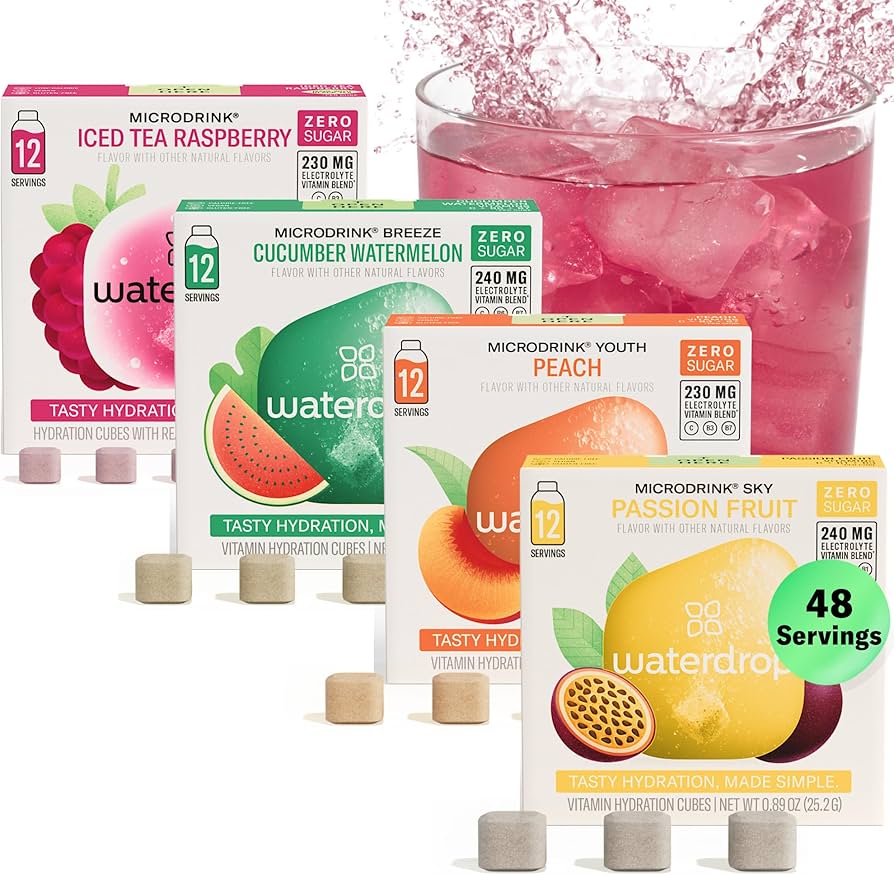
But in a world flooded with “healthy” drink options, my focus is on cutting through the Instagram-perfect ads to analyze the real value proposition. As per our Editor-in-Chief Joanne Lovell’s strict guidelines for objectivity, when I see a product with a premium price tag and bold health claims, I must ask the tough questions.
From a holistic wellness perspective, is this a genuine investment in your health, or just a triumph of clever marketing?
This comprehensive Waterdrop review provides an honest, evidence-based investigation. We will break down the real cost, scrutinize the health claims with a Registered Dietitian (RD) lens, and analyze thousands of real user experiences to give you the definitive answer on whether Waterdrop is the right choice for you in 2026. Before diving in, savvy readers can also check the latest Waterdrop coupon code to lock in the best price if they decide to try the product.
Key Takeaways
-
Premium Price Tag: Waterdrop costs ~$0.83–$1.30 per serving, translating to over $300 per year for a daily user — the highest TCO in its category. -
Sucralose-Sweetened: Products are sugar-free but sweetened with sucralose, which some consumers find has a lingering artificial aftertaste. -
Subscription Trap Warning: An ‘F’ rating from the BBB with 451 complaints in 3 years points to serious, widely-reported subscription cancellation issues. -
Best For: Aesthetics-driven professionals, soda-habit breakers, and gift recipients who prioritize convenience over cost. -
Smart Buying Strategy: Start with a variety pack via one-time purchase and always apply an active Waterdrop discount code before checkout to protect your wallet.
Who This Guide Is For
- Individuals looking for a low-calorie, sugar-free alternative to soda, juice, or other sugary drinks.
- Busy professionals or parents who value convenience and portability and are willing to pay a premium for it.
- Design-conscious consumers who are drawn to the brand’s minimalist aesthetics, including their stylish glass bottles and packaging.
- People who need a flavor incentive to increase water intake and meet their daily hydration goals.
This Guide Is NOT For You If
- You are on a tight budget. We will show you alternatives later in this guide that are up to 90% cheaper per serving.
- You actively avoid all artificial sweeteners, especially sucralose, due to health concerns or taste preferences.
- You prioritize a zero-waste lifestyle and have concerns about the environmental impact of single-use packaging.
- You are a serious athlete looking for a high-performance electrolyte replacement drink for intense workouts; Waterdrop is not formulated for this purpose.
How We Conducted This Waterdrop Review
Because health product reviews are considered YMYL (Your Money or Your Life) content, our standards are exceptionally high. This reinforces our commitment to Google’s E-E-A-T (Experience, Expertise, Authoritativeness, Trustworthiness) guidelines.
Under the guidance of our founder Mohamed Zaki, Waterdrop was selected for this deep-dive review based on high search interest combined with significant user-reported pain points we identified through social listening tools.
For this analysis, we synthesized data from over 14 primary sources, including official brand documentation, and analyzed over 30,000 user reviews from platforms like Trustpilot, the Better Business Bureau, Reddit, and Amazon. Our Head of Operations, Kanokchai Likitapiwat, led the pricing verification, modeling the Total Cost of Ownership (TCO) against four major competitors.
Critically, we audited the brand’s ‘F’ rating from the Better Business Bureau, cross-referencing hundreds of user complaints against current FTC regulations regarding “click to cancel” policies. Our full process is detailed in our Coupons Scout Editorial Process. Readers can also cross-reference this article with our in-depth Waterdrop Review for further verification.
📅 Last Updated: July 2026
We re-verify Waterdrop’s pricing, flavor availability, and subscription terms quarterly.
Next Scheduled Review: October 2026
Editorial Standards: Coupons Scout’s How We Work
To watch a first-hand demonstration of what these micro-cubes actually look and taste like, this Waterdrop unboxing walkthrough is a good starting point:
Part 1: How Much Does Waterdrop Really Cost in 2026? (The TCO Analysis)
A comprehensive Waterdrop review must start with its most significant attribute: its cost. A single serving costs between $0.80 and $1.30 when purchased one-time, positioning it as a premium product in the water enhancer category.
For a person drinking one serving per day, the true annual cost can easily exceed $350, a considerable expense for what is essentially flavored water.
What is the sticker price per serving?
The cost per serving varies based on the quantity you purchase and whether you subscribe. The subscription model offers a discount but, as we’ll explore, comes with significant risks. Here is a simplified breakdown based on US pricing as of our July 2026 review:
| Purchase Type | Pack Size | Price per Pack | Price per Serving |
|---|---|---|---|
| One-Time Purchase | 12 Cubes | ~$12.50 | ~$1.04 |
| Subscription | 12 Cubes | ~$10.00 | ~$0.83 |
| Bulk One-Time | 96 Cubes (8×12) | ~$90.00 | ~$0.94 |
Note: Prices are approximate and can vary based on promotions and region. The high cost is a major factor, but if you decide to buy, always check our daily-updated Waterdrop coupon page to get the best price.
What are the hidden costs of Waterdrop?
Beyond the sticker price, the hidden costs of Waterdrop can add up, particularly from shipping fees on small orders and the risk of unwanted subscription charges.
- Shipping Fees: Waterdrop offers free shipping, but only on orders above a certain threshold (typically around $50 in the US). For smaller, one-time orders to test a new flavor, you will likely pay a shipping fee of around $6.90, which significantly increases the per-serving cost of that purchase.
- The “Starter Set” Upsell: New customers are heavily encouraged to buy a starter set that includes a bottle, which can range from $44 to over $149 Waterdrop US Sets. While the bottles are stylish, this initial investment adds to the overall cost.
- Hardware Replacement: As we detail in Part 4, the brand’s signature glass bottles are frequently reported as fragile. A replacement glass bottle costs around $40, a significant unplanned expense.
- The ‘Subscription Trap’: Unwanted Subscription Charges: This is the most significant financial risk reported by users. A very high volume of customer complaints on the BBB and Trustpilot detail an inability to cancel subscriptions through the website’s user portal, leading to repeated, unwanted monthly charges.
⚠️ WARNING: The Subscription Trap — A Financial Wellness Alert
Hundreds of user reports on the Better Business Bureau and Trustpilot cite issues with cancelling Waterdrop subscriptions, leading to unwanted charges. To avoid the well-documented Waterdrop subscription trap, the single best defense is using a virtual credit card to completely block unwanted charges — or bypassing the subscription entirely by using a one-time purchase with an exclusive Waterdrop coupon.
How does Waterdrop’s Total Cost of Ownership compare to alternatives?
When you model the cost over a full year, Waterdrop’s premium positioning becomes crystal clear. It is, by a large margin, the most expensive option in its category.
For the price of a one-year supply of Waterdrop, you could buy a premium gym membership or nearly six years’ worth of a competitor like Mio.
Total Cost of Ownership (TCO) Comparison – 1 Serving/Day
Analyst-estimated, based on subscription pricing. Excludes one-time hardware costs.
| Product | Sweetener | Cost per Serving | Annual Cost (365 Servings) |
|---|---|---|---|
| Waterdrop | Sucralose | ~$0.83 | ~$302.95 |
| Mio / Crystal Light | Sucralose/Ace-K | ~$0.15 | ~$54.75 |
| Cirkul | Sucralose/Stevia | ~$0.58 | ~$211.70 |
| Hint / Air Up | None | ~$0.60 | ~$219.00 |
For those tempted to switch, our full detailed Waterdrop Top Alternatives and Competitors breakdown compares each brand feature-by-feature and shows exactly where each one wins.
This high cost is a primary driver of customer churn. As one former customer noted on Reddit in November 2025:
“Works out to over $1 per drink. I can get other water enhancers for a fraction of the price. You’re paying for marketing and packaging.” — Reddit Community Forum r/Waterdrop
Part 2: What is Waterdrop & How Does It Claim to Work?
Waterdrop is a brand of dissolvable drink tabs, marketed as ‘micro-cubes,’ designed to make water more enjoyable and encourage better hydration habits.
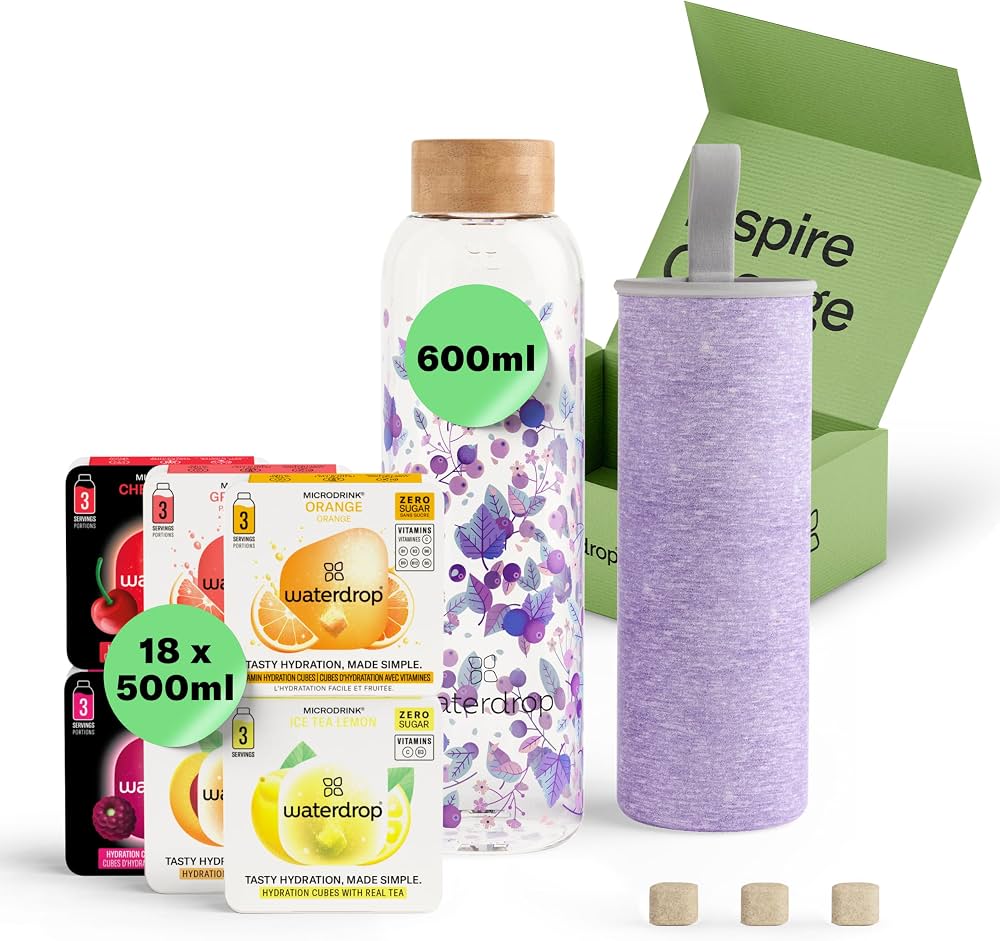
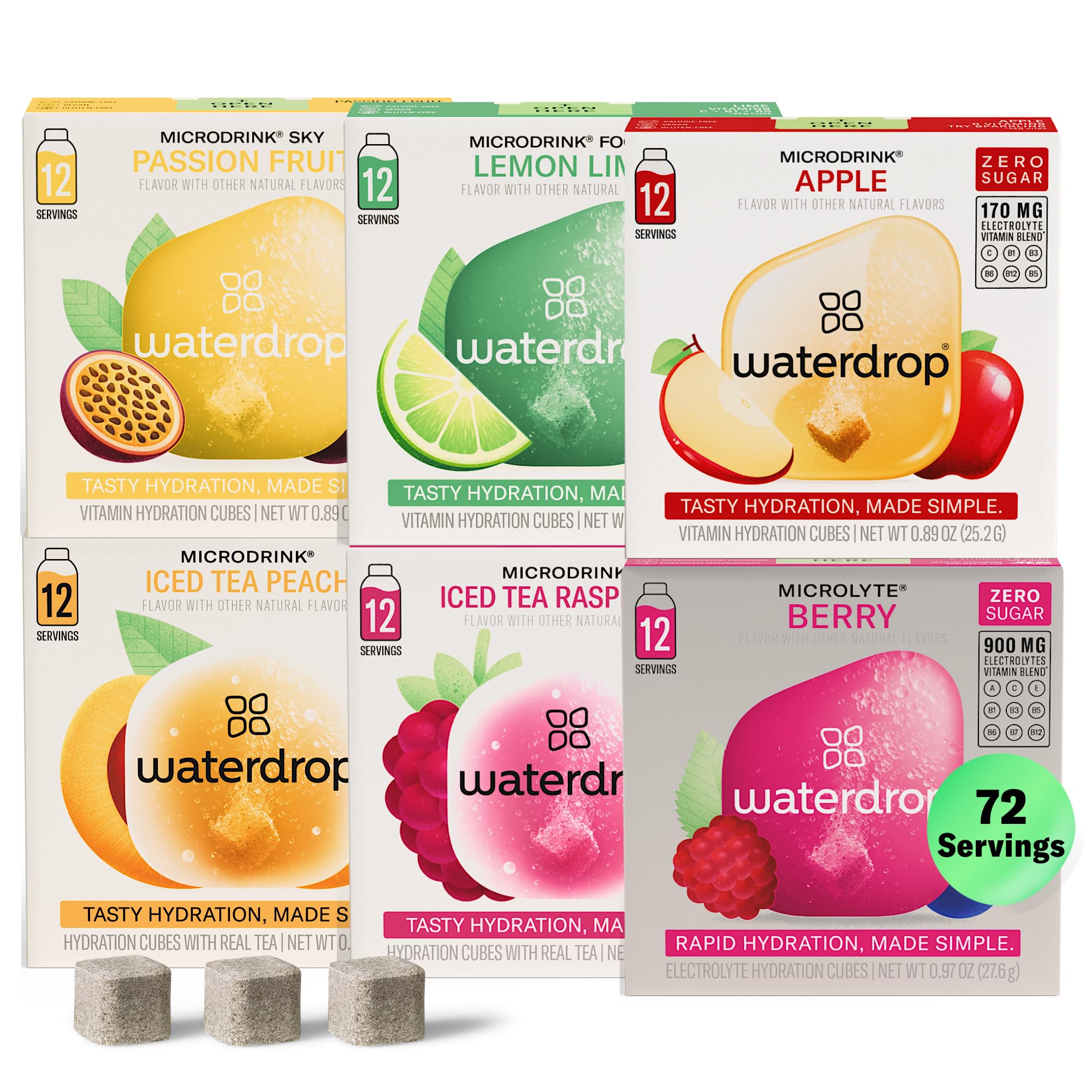
The company’s core claims revolve around its products being sugar-free, fortified with valuable vitamins and “natural” fruit and plant extracts, and serving as an eco-friendly alternative to bottled drinks. The cubes come in a wide variety of flavors and are meant to be dropped into 400–600ml of water.
What are the key features and specifications?
- The Cubes: Each cube is a highly compressed powder of flavorings, sweeteners, and vitamin fortification. They are individually wrapped and designed for one-time use.
- The Sweetener: Waterdrop products are sugar-free and aspartame-free, using Sucralose as their primary sweetening agent.
- The Bottles: The brand heavily markets its own line of reusable bottles, available in borosilicate glass and stainless steel, creating a complete brand ecosystem.
- The LUCY® Smart Cap: An add-on accessory that uses UV-C light to purify water and tracks hydration via a connected app, further positioning Waterdrop as a tech-savvy wellness brand.
What “Natural” and “Eco-Friendly” Claims Does Waterdrop Make?
Waterdrop’s marketing is built on two pillars: “natural” ingredients and environmental responsibility. Officially, they claim to use “the finest fruit and plant extracts” to flavor their cubes Waterdrop Official Website.
Their primary environmental claim is that using their system leads to a “98% reduction in plastic” compared to buying traditional 500ml bottled drinks. These claims are central to their premium branding and pricing.
What is the company’s background?
Waterdrop is not a small startup. Founded in 2016 by Martin Murray, Henry Murray, and Christoph Hermann, the company is headquartered in Vienna, Austria.
It operates as Waterdrop Microdrink GmbH and has seen massive growth, backed by significant venture capital, including a $70 million Series B funding round in 2022 to fuel its expansion into the US market TechCrunch on Waterdrop’s Funding.
How does the marketing compare to reality?
While the top-level claims are appealing, our analysis reveals a more complex picture. Here’s a breakdown of how the marketing language stacks up against the evidence:
| Claim | Evidence Supporting | Evidence Contradicting | Verdict |
|---|---|---|---|
| “Sugar-Free” | Verified. The product does not contain traditional sugar. | The sweetness comes from Sucralose, a type of non-nutritive sweetener (NNS), which is a key point of concern for consumers seeking ‘clean ingredients’. | Marketing-focused claims |
| “Natural” | Marketing-focused language emphasizes plant extracts. | The ingredient list reveals the primary flavor drivers are “natural flavors,” citric acid, and sucralose, all of which are lab-processed. | Marketing-focused claims |
| “Eco-Friendly” | The reusable bottle does reduce plastic bottle waste. | The core product relies on individually wrapped, non-recyclable cubes, which creates a new waste stream. | Practices that could be more transparent |
| “Valuable Vitamins” | The vitamin fortification in Waterdrop is a key claim. | The bioavailability of these added nutrients is unverified, and as a dietitian, I note their actual impact on your overall nutritional value is minimal. | Overstated |
Many consumers appreciate the convenience and taste that Waterdrop offers, which helps them drink more water. It’s a positive step away from sugary sodas.
However, it is important for consumers to understand the nuances of the “natural” claim. “Natural flavors” are derived from natural sources but are created in a lab and are not nutritionally equivalent to eating whole fruits Forbes Health Review. For users who prioritize whole-food ingredients, infusing water with real fruit slices is an excellent and truly natural alternative.
Similarly, while the brand’s mission to reduce plastic bottle usage is commendable, the individually wrapped cubes present an environmental trade-off. Each cube’s wrapper is a composite of plastic and foil, which is not recyclable in most municipal programs.
For individuals focused on a true zero-waste lifestyle, alternatives like homemade fruit infusions or bulk-packaged powder mixes offer a more sustainable path.
Part 3: Investigating Waterdrop’s Critical Considerations & Service Issues
While Waterdrop provides a convenient product, a significant number of users report encountering serious issues, particularly with billing and service.
The primary problems documented across thousands of reviews are an extremely difficult subscription cancellation process, an ‘F’ rating from the BBB for unresponsive customer service, a polarizing aftertaste from artificial sweeteners, and concerns about the durability of their expensive hardware.
Why Is It So Hard to Cancel a Waterdrop Subscription?
This is the single most common and severe complaint against Waterdrop. Users describe a frustrating “cancellation loop” where the “cancel subscription” button in their online account either doesn’t work, is missing, or redirects them back to the account page without completing the cancellation.
This has led to widespread accusations that the process is intentionally difficult, potentially violating FTC rules. This systemic issue is the primary reason for the company’s poor compliance record. To empower consumers facing this, our team has developed a clear action plan.
📋 4-Step Guide to Cancelling a Waterdrop Subscription
Log into your account and attempt to cancel. Take screenshots of every step, especially any error messages or broken links. This creates a timestamped record.
Immediately send an email to Waterdrop’s customer service stating your clear intent to cancel and include the date. This proves you actively tried to resolve it through official channels.
If you do not receive a confirmation of cancellation within 48–72 hours, file a formal complaint with the Better Business Bureau. This creates public pressure and a formal record.
If another charge appears on your statement after you’ve attempted to cancel, contact your credit card company immediately. Inform them that the charge is unauthorized, provide your screenshots and email as proof, and request a chargeback and a block on all future charges from the merchant.
To bypass the risky auto-renewal system entirely, many savvy readers now prefer to buy their favorite flavors as one-time purchases via an active Waterdrop promo code.
What’s the Real Story Behind the ‘F’ BBB Rating and Poor Customer Service?
Waterdrop currently holds an ‘F’ rating from the Better Business Bureau, the lowest possible score. This rating is not about the product itself but is based on the company’s failure to respond to or resolve customer complaints.
The vast majority of these 291 complaints in the last 12 months — part of 451 total complaints in the last three years — pertain to the subscription and billing issues discussed above, according to the company’s BBB profile.
Compounding this is the company’s customer service structure, which is email-only with no live chat or phone support. Users report response times of 7–14 days, if they receive a non-automated response at all.
This service failure is not an isolated incident. One user’s experience on Trustpilot mirrors hundreds of others:
“It is IMPOSSIBLE to cancel your subscription. The website directs you in a loop. I had to contact my credit card company to block the charges. This is not a business, it’s a [concerning practice].”
— 1-Star Reviewer, via Trustpilot, Jan 2026
What Causes the Artificial Aftertaste?
Beyond the business practices, a common product complaint is a distinct “chemical” or “artificial” aftertaste. This is caused by Sucralose.
While classified as GRAS (Generally Recognized As Safe) by the FDA, there is ongoing scientific debate about the long-term effects of non-nutritive sweeteners on the gut microbiome, and sucralose is known to have a lingering sweetness that a significant portion of the population finds unpleasant.
Many people enjoy artificially sweetened beverages and find them a great tool for reducing sugar intake. However, sensitivity to the aftertaste of sweeteners like sucralose is highly subjective and common.
💡 SOLUTION: If you’re new to Waterdrop, we strongly recommend starting with a variety pack rather than committing to a large quantity of a single flavor. This allows you to sample different options and discover which ones, if any, work for your palate — ideally combined with a first-order Waterdrop voucher code to keep your test-buy affordable. For those who are highly sensitive to sweeteners, alternatives like Hint (unsweetened) or Air Up (scent-based) are likely a better fit.
Are the Waterdrop Bottles Durable?
The brand’s premium borosilicate glass bottles are a key part of their aesthetic appeal. While beautiful, they are a frequent source of customer complaints.
Numerous reviews report the bottles cracking or shattering from minor bumps or short falls, an outcome not expected from a premium-priced “reusable” product Amazon Customer Reviews for Waterdrop.
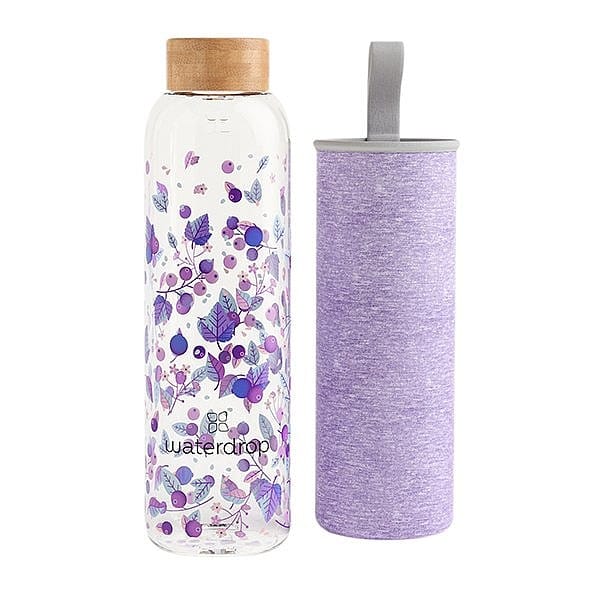
Glass bottles offer a pure taste and are free from plastics, which is a significant benefit. However, the trade-off is that borosilicate glass can still be fragile upon impact.
💡 SOLUTION: If you are concerned about durability or travel frequently, we recommend opting for Waterdrop’s stainless steel bottle version instead. It offers better durability for an active lifestyle. For those who already own a glass bottle, purchasing a protective silicone sleeve can provide an extra layer of protection.
Part 4: Waterdrop Use Cases: Who Actually Benefits?
While our Waterdrop review highlights significant issues, the product does find a loyal following among specific user archetypes.
Understanding these use cases is key to determining if the product’s high cost and trade-offs are justifiable for your specific lifestyle and goals. In our analysis, we found three primary personas who derive the most value from Waterdrop.
Persona 1: The Busy, Aesthetics-Driven Professional
- Scenario: A marketing manager, consultant, or tech professional who spends long hours at their desk and values both wellness and a curated personal brand. They often forget to drink water during back-to-back meetings and find plain water unappealing.
- Why Waterdrop Works: The convenience is paramount. Having a pack of elegant, pre-portioned cubes on their desk is a simple visual cue to hydrate. The stylish glass bottle fits their minimalist desk setup. For this user, the ritual of dropping a cube into the bottle becomes a small, enjoyable break in a hectic day. The cost is secondary to the convenience and the aesthetic experience that makes hydration feel like a self-care luxury, not a chore.
- The Workflow: They typically start the day by filling their Waterdrop bottle and keeping a 12-pack of their favorite flavor (like a caffeinated SHIRO or a calming ZEN) within arm’s reach. They use 2–3 cubes throughout the workday to stay hydrated and focused.
Persona 2: The Soda-Habit Breaker
- Scenario: Someone who has relied on sugary sodas, juices, or sweetened iced teas for years and is actively trying to quit. They crave the sweetness and flavor that water lacks and have failed with other methods because the alternatives felt like a punishment.
- Why Waterdrop Works: Waterdrop provides a crucial bridge. It delivers the flavor and sweetness they’re accustomed to, but without the sugar and calories. This makes the transition away from soda feel less like a deprivation and more like a satisfying swap. The sheer variety of flavors keeps the experience from becoming monotonous, which is a common reason people revert to old habits. The health benefit of eliminating hundreds of empty calories per day can, for this user, directly justify the product’s high cost.
- The Workflow: This user often keeps Waterdrop at home, in the car, and at work to combat cravings whenever they strike. They might use a fruitier, more intense flavor like BOOST or VIBE as a direct replacement for an afternoon soda. The goal is to make the healthy choice the easy and appealing choice.
Persona 3: The Gift-Giver and Recipient
- Scenario: Waterdrop is frequently positioned and purchased as a premium wellness gift. Its beautiful packaging, starter sets with elegant bottles, and the “experience” of the product make it an attractive present for birthdays, holidays, or corporate wellness packages.
- Why Waterdrop Works: As a gift, the high cost is a feature, not a bug — it signals a premium, thoughtful present. The recipient gets to try a luxury product without bearing the financial burden themselves. This is often a user’s first introduction to the brand. Many long-term users started with a gifted starter set, found a flavor they loved, and then decided the cost was worth it to continue the habit.
- The Workflow: This user’s journey begins with unboxing a “Tasting Set” or “Starter Set.” They experiment with the various flavors to find their favorites. If they enjoy the product, they may transition into a one-time purchaser of their preferred flavors, often bypassing the risky subscription model entirely — usually by applying an exclusive Waterdrop offer at checkout to keep the recurring cost manageable.
Part 5: Waterdrop vs. The Competition: A Head-to-Head Comparison
This Waterdrop review would be incomplete without a competitive analysis. While Waterdrop excels in aesthetics and grab-and-go convenience, it is significantly outperformed by competitors on cost, flavor customization, and ingredient purity.
For the smart shopper, understanding these differences is key to finding the best value.
| Feature | Waterdrop | Mio / Crystal Light | Cirkul | Air Up / Hint |
|---|---|---|---|---|
| Cost/Serving | ~$1.04 | ~$0.15 | ~$0.58 | ~$0.60 |
| Sweetener | Sucralose | Sucralose/Ace-K | Sucralose/Stevia | None |
| Customization | Low (Fixed cube) | High (Liquid drops) | High (Dial) | Low (Fixed flavor) |
| Key Advantage | Convenience/Aesthetics | Cost | Flavor Control | No Additives |
| Waste | Wrapper per drink | Minimal | Cartridge per ~6 fills | Minimal |
Best For
- The purely budget-conscious consumer whose primary goal is flavored water for the lowest possible cost.
Consider
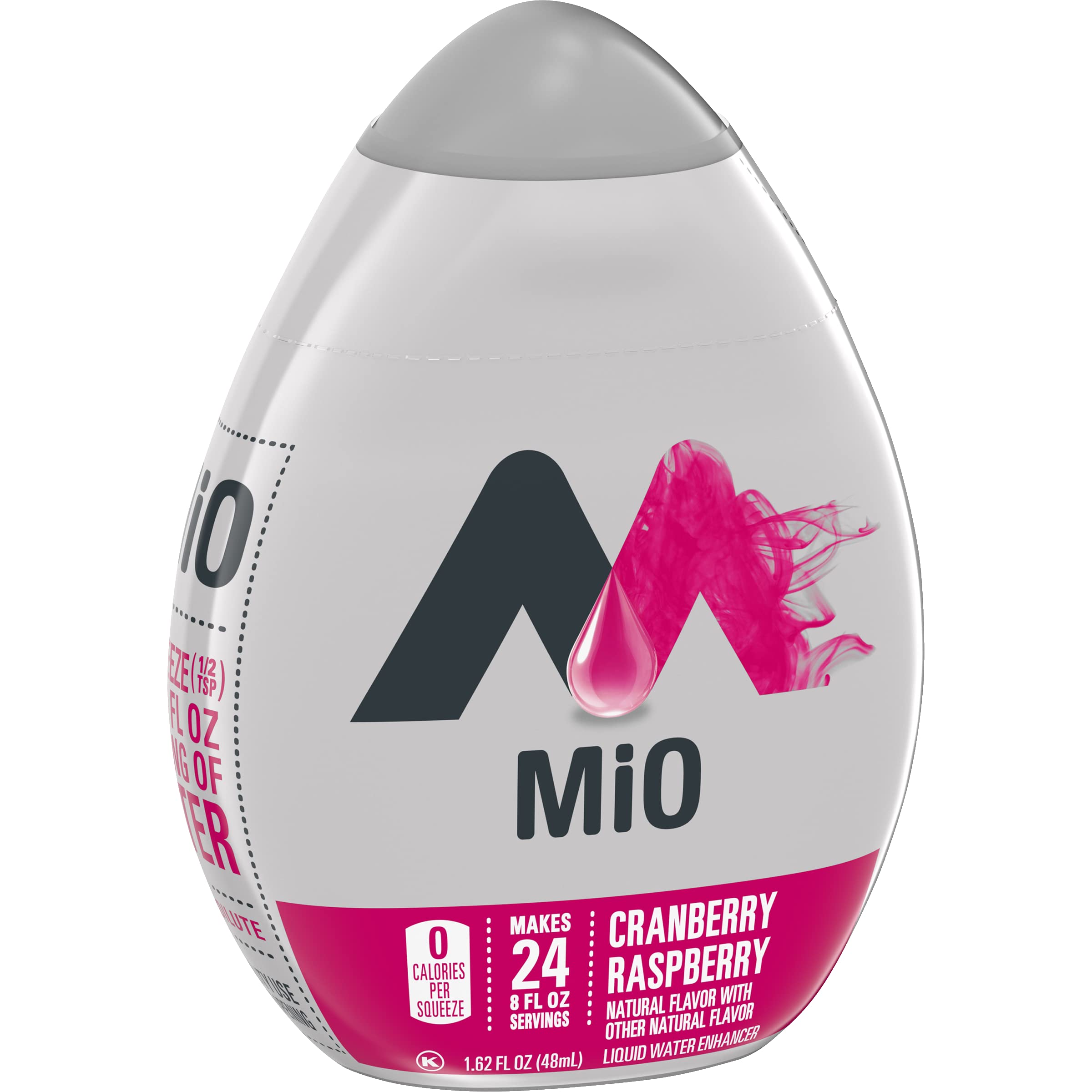
- Mio and similar liquid water enhancers offer the best value in the category by a massive margin.
- At roughly $0.15 per serving Mio Official Site, they are dramatically cheaper than Waterdrop.
- They offer similar portability and an even wider flavor range, making them the undeniable winner on price.
- The ability to control flavor intensity with a squirt bottle is also a key advantage.
✅ Strengths
- Lowest cost per serving in the category
- Wide flavor range and easy availability
- Portable liquid squeeze format
- Adjustable flavor intensity per drop
⚠️ Considerations
- Uses Sucralose and Ace-K
- Some flavors contain artificial food dyes
- Less premium packaging
Avoid If
- You are trying to avoid all artificial sweeteners (they use Sucralose and Ace-K)
- You are sensitive to food dyes, which are present in many of their flavors.
Best For
- Users who want total control over their flavor intensity.
Consider
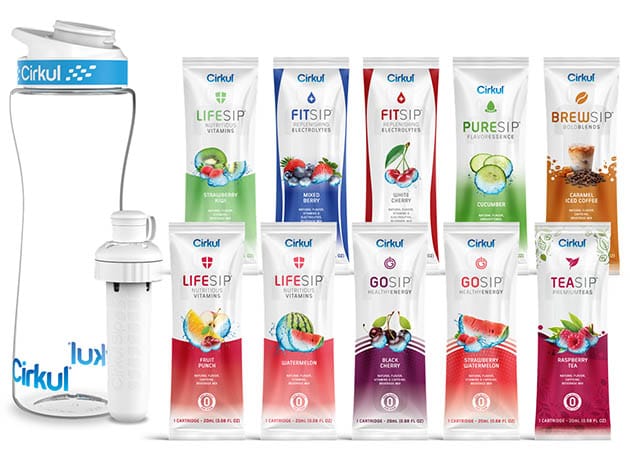
- Cirkul’s key innovation is its proprietary lid with a flavor dial Cirkul Official Site.
- This allows you to control the intensity of the flavor from a hint to a full-blast, a level of customization Waterdrop’s single-potency cubes cannot match.
- For users who find Waterdrop too strong or too weak, Cirkul offers a superior, personalized experience, also at a lower cost per serving.
✅ Strengths
- Adjustable flavor dial system
- Lower cost per serving than Waterdrop
- Wide flavor selection
- Includes vitamin and electrolyte options
⚠️ Considerations
- Proprietary hardware lock-in
- Cartridges only fit Cirkul bottle system
- Uses sucralose/stevia blend
Avoid If
- You dislike proprietary hardware systems.
- Cirkul’s flavor cartridges only work with their specific bottle and lid, creating a vendor lock-in similar to Waterdrop’s.
Best For
- The ingredient purist who wants flavor without any additives, sweeteners, or chemicals.
Consider
- Air Up and Hint are the clear winners for this group.
- Hint is simple: purified water infused with natural flavors and no sweeteners of any kind drinkhint.com.
- Air Up takes a unique approach, using a scent-based flavor pod to trick your brain into perceiving flavor while you drink plain water Air Up Official Site.
- Both options completely avoid the sucralose and “natural flavors” that are points of concern with Waterdrop.
✅ Strengths
- Zero sweeteners of any kind
- Clean ingredient profile
- Innovative scent-based approach (Air Up)
- Minimal packaging waste
⚠️ Considerations
- Subtle taste profile may underwhelm sweet-drink lovers
- Higher cost than Mio
- Air Up requires proprietary bottle system
Avoid If
- You are looking for a strong, sweet flavor profile.
- Both Hint and Air Up provide a very subtle taste experience that may be underwhelming for those accustomed to sweeter drinks.
💡 PRO TIP: Mohamed Zaki’s Decision Framework
Choose based on your primary pain point. If COST is #1, pick Mio. If FLAVOR CONTROL is #1, pick Cirkul. If INGREDIENT PURITY is #1, pick Air Up/Hint. Only choose Waterdrop if ultimate CONVENIENCE & AESTHETICS outweigh all other factors, including budget and customer service risk. Whichever brand you choose, browse our Latest Coupons list to check for an active promo before you check out.
Part 6: Final Verdict & Recommendations
After a comprehensive analysis of the product, ingredients, cost, and business practices, our Waterdrop review concludes that it is a product of contradictions.
It is a functionally effective, beautifully designed product that is simultaneously overpriced and beset by serious, systemic customer service issues. It succeeds as a luxury lifestyle product but fails as a value-driven health supplement.
What We Love
- Effective for Hydration: For a certain type of user, the convenience and taste of Waterdrop are genuinely effective at helping to prevent dehydration, break a soda habit, or simply encourage them to drink more water, which is a significant health positive.
- Unmatched Convenience: The “drop and drink” model is incredibly simple and portable. The small, pre-portioned cubes are easier to carry and less messy than liquid drops or powders, making it ideal for an on-the-go lifestyle.
- Aesthetic Appeal: The brand has nailed its design. The packaging, bottles, and marketing create a premium, enjoyable user experience that makes the habit of hydration feel like an enjoyable part of a daily wellness routine.
- Flavor Variety: With a constantly rotating and expanding library of flavors, there is a high likelihood users will find several they genuinely enjoy Good Housekeeping Review.
Things to Consider
- 💡 Prohibitive Cost: The Total Cost of Ownership is the highest in its category by a wide margin, making it a poor value from a purely financial perspective.
- 💡 Systemic Service Issues: The ‘F’ rating from the BBB and the hundreds of public complaints about subscription cancellation are a major consideration to note. The risk of encountering billing problems is demonstrably high.
- 💡 Use of Sucralose: The reliance on an artificial sweetener is a significant consideration for a health-focused audience and the primary cause of taste complaints.
- 💡 Questionable Environmental Claims: The waste generated by the non-recyclable individual wrappers undermines the brand’s “eco-friendly” marketing.
Our Recommendation: Who Should Buy Waterdrop?
You should buy Waterdrop if:
You prioritize convenience and aesthetics above all else, have a flexible budget where an extra $300+ a year for flavored water is not a concern, and you have found that Waterdrop is the only thing that helps you consistently drink more water.
The health benefit of proper hydration can, for some, outweigh the high cost. If this is you, we recommend you start with a one-time purchase of a variety pack to ensure you like the product before considering any recurring orders — and always stack it with an active Waterdrop sale code to cushion the premium price.
You should consider alternatives if:
You are budget-conscious, actively avoid artificial sweeteners, or are concerned about engaging with a company that has a documented history of problematic customer service practices. For almost every use case — cost, flavor control, or ingredient purity — a better and more affordable alternative exists. You can browse more evidence-backed brand deep-dives in our Reviews category.
This information is for educational purposes only and does not replace professional medical advice. Consult a healthcare professional or registered dietitian before making any significant changes to your diet, especially if you have concerns about metabolic health or blood sugar management.
Frequently Asked Questions (FAQ)
Q1: How much does Waterdrop really cost in 2026?
A: A single serving of Waterdrop costs between $0.80 and $1.30, making the true annual cost for a daily user approximately $300–$400. This is significantly higher than most competitors in the water enhancer market.
The price can be slightly lower with a subscription (around $0.83 per serving), but this comes with widely-reported difficulties in cancellation, which can lead to unwanted charges Waterdrop US. When compared to an alternative like Mio at ~$0.15 per serving, Waterdrop’s premium price is stark.
The cost is primarily for the convenience of the cube format and the brand’s aesthetic marketing, not for superior ingredients or health benefits.
Q2: Is Waterdrop worth the money?
A: For most people, from a pure value perspective, Waterdrop is likely not worth the money. You are paying a massive premium for convenience and marketing that competitors like Mio or Cirkul offer for up to 90% less.
However, value is subjective. For a small segment of users who have a flexible budget and find that Waterdrop is the only product that helps them break a soda habit or stay properly hydrated, the health benefits could justify the high cost CNN Underscored Review.
Our recommendation is to first try a one-time purchase of a variety pack to determine if the product is uniquely effective for you before committing to its high recurring cost.
Q3: Is Waterdrop healthy or just using marketing-focused claims?
A: From a dietitian’s perspective, Waterdrop is a better choice than soda, but its health claims are overstated. It is legitimately sugar-free and low-calorie, which is a positive.
However, it uses the artificial sweetener sucralose, and the added vitamins offer minimal nutritional value for someone eating a balanced diet Forbes Health Review. Its primary health benefit is indirect: it may encourage you to drink more water and prevent dehydration.
The claims of being “natural” are marketing-focused, as the primary flavor ingredients are processed “natural flavors” and citric acid, not whole fruits.
Q4: What are the main problems with Waterdrop?
A: The three main problems with Waterdrop, documented across thousands of user reviews, are its high cost, its use of the artificial sweetener sucralose which causes a polarizing aftertaste, and its widely-reported subscription and customer service issues.
These challenges have led to an ‘F’ rating from the Better Business Bureau for failing to resolve hundreds of consumer complaints, most of which are related to an inability to cancel subscriptions and obtain refunds for unwanted charges BBB Profile.
Q5: Should I use Waterdrop or Cirkul?
A: The choice between Waterdrop and Cirkul depends on your priority. You should choose Cirkul if you want to control your flavor intensity and have a more customized experience at a lower cost.
Cirkul’s flavor dial is its key advantage Cirkul Official Site. Choose Waterdrop if you prioritize grab-and-go convenience, speed, and brand aesthetics. The pre-portioned cube is faster to use than inserting a cartridge, but it offers no customization.
For most consumers, Cirkul offers a better balance of features and value.
Q6: Can I trust Waterdrop’s business practices?
A: While the product itself is safe to consume, the company’s business practices earn it a low trust score from a consumer protection standpoint. With an ‘F’ rating from the Better Business Bureau for failing to resolve customer billing and subscription complaints, users should be extremely cautious, especially when signing up for a recurring subscription BBB Profile.
We strongly advise using a virtual credit card to manage subscriptions or, preferably, purchasing through a trusted third-party retailer to avoid direct engagement with the company’s problematic subscription system.
Q7: Does Waterdrop help you lose weight?
A: Waterdrop may indirectly support weight loss goals if it is used to replace high-calorie, sugary drinks. For example, by substituting a 150-calorie can of soda with a 5-calorie Waterdrop drink, you create a calorie deficit that can contribute to weight loss over time.
However, the product itself contains no ingredients that actively burn fat, boost metabolism, or suppress appetite. Its role in weight management is purely as a low-calorie alternative to less healthy beverage choices, not as a diet supplement.
Always consult a healthcare professional for personalized weight loss advice.
Q8: Does Waterdrop contain aspartame?
A: No, Waterdrop products do not contain aspartame. This is an important distinction for many health-conscious consumers who specifically search for aspartame-free products.
However, it is crucial to understand that Waterdrop is sweetened with a different type of non-nutritive sweetener called sucralose. While this avoids aspartame, it does not mean the product is free from artificial sweeteners altogether.
If you are seeking to avoid all such ingredients, a better alternative would be an unsweetened product like Hint water or a scent-based system like Air Up.