Wetracked io Review (2026): Pros, Cons and Verdict
Posted on |
TL;DR: Wetracked.io is an AI-powered marketing attribution platform offering server-side tracking and funnel visualization. Key strengths include a powerful AI engine and an intuitive UI. Important considerations include a mandatory $499 onboarding fee that increases first-year costs by 42%, a support structure with notable differences between tiers, and significant GDPR compliance considerations for non-enterprise plans. Best suited for enterprise-level companies with dedicated analyst teams. Verified [January2026].
Introduction: The Challenge of Proving Marketing ROI
If you’re in the marketing game, you know the world has grown incredibly complex. The decline of the third-party cookie has turned proving your return on ad spend (ROAS) into a challenging experience.
You’re allocating budget to ads, you see sales coming in, but connecting the dots with certainty remains the million-dollar question. In my career as a MarTech strategist, I have seen this exact problem create significant friction for hundreds of marketing teams.
You need clarity to make sound budget decisions, not more confusion from fragmented data. This is where our in-depth Wetracked io review begins — and where smart marketers also start hunting for a Wetracked.io coupon to soften the financial blow before committing.

This is the exact problem a tool like Wetracked.io aims to solve. It promises a “future-proof” solution, leveraging a powerful AI to finally provide the attribution clarity that marketers have been searching for.
However, after a deep-dive analysis and testing, our team has found that the reality of using Wetracked.io is far more complex and costly than its promotional positioning suggests.
In this candid analysis, we will pull back the curtain on the Wetracked.io platform. Our goal is to provide a complete, data-driven picture to help you make a financially sound decision for your business. We will cover:
- Part 1: What Wetracked.io is and how its core technology works.
- Part 2: A detailed breakdown of its true pricing and Total Cost of Ownership (TCO).
- Part 3: An analysis of its real-world performance, features, and limitations.
- Part 4: A smart shopper’s guide to its security, compliance, and business practices.
- Part 5: A framework for deploying the tool while minimizing risk if you choose to proceed.
- Part 6: A comprehensive comparison against key market alternatives.
- Part 7: Our final verdict and specific recommendations for different user types.
Who This Guide Is For
- Data-driven marketers considering Wetracked.io who are rightfully skeptical of marketing-focused claims.
- Affiliate marketers or media buyers currently weighing Wetracked.io against established competitors like Voluum or other ad trackers.
- Small-to-medium business owners who need to understand the true Total Cost of Ownership (TCO) before locking into a contract.
- Any marketer operating in the EU who is deeply concerned about GDPR compliance and the real-world implications of using US-based SaaS tools.
This Guide is NOT For You If…
- You are looking for the absolute cheapest, simplest click tracker available on the market.
- You are an enterprise with a dedicated legal team and an analytics budget north of $20,000 per year (you should be engaging their direct sales team for a custom enterprise-level contract).
- You are looking for a marketing tool that offers a free-forever plan.
Key Takeaways
-
Genuinely Powerful AI Engine: Once past the setup phase, I found that Wetracked.io’s “Clarity AI” and its intuitive user interface are consistently praised by analysts for providing deep and insightful attribution models that go far beyond last-click MarTech Analyst Awards (2025). -
Future-Proof Technology: Its core architecture is built on cookieless, server-side tracking. From my perspective as a MarTech strategist, this is a major technical strength that aligns perfectly with the industry’s move toward leveraging first-party data. -
Strong Enterprise Validation: The platform has successfully achieved SOC 2 Type II compliance as of November 2025, which makes it a verifiable and secure choice for large organizations that can afford the full enterprise package Wetracked.io Security Page. -
First-Year Cost 42% Higher Than Advertised: The starter plan, advertised at $99/mo, actually costs $1,687 in the first year, not $1,188 — 42% higher than the sticker price due to a mandatory and non-refundable $499 onboarding fee that is not clearly disclosed upfront. A verified Wetracked.io discount code is one of the few ways to recover some of this overspend (user reports on Trustpilot). -
Best For Enterprise, Marketed to SMBs: My analysis shows that the product’s features, real value, and support are all structured for large enterprises. This creates a system with notable differences where small businesses on lower plans may experience slower support and face significant product limitations. -
Significant GDPR Compliance Consideration: For any business with European Union customers, the Starter and Pro plans present a significant compliance consideration. True GDPR compliance requires the most expensive Enterprise plan, as the lower tiers process EU data in the US Wetracked.io Data Processing Addendum.
Methodology & Authority Statement
Our Unrivaled Evaluation Framework
After analyzing hundreds of products in Software and AI, Marketing Tools, Ecom Tools, and AI Tools and conducting comprehensive testing of Wetracked.io across real-world scenarios in 2025-2026, our team at Coupons Scout provides this comprehensive evaluation.
This analysis is guided by our public framework, recognized by leading professionals in the field. For this specific review, our MarTech expert, Jettawat Kasemchaiyanun, applied the “Track B: Expert Evaluation” protocol, focusing on functionality, ROI, and the complex pricing models that define the SaaS landscape. You can learn more about our methodology.
📅 Last Updated: October 2026
We re-verify Wetracked.io’s pricing, features, and compliance claims every quarter.
Next Scheduled Review: [next_quarter_year].
Our editorial standards: Our Editorial Standards
Part 1: What is Wetracked.io and How Does it Work?
Wetracked.io is an AI-powered marketing attribution platform designed for performance marketers and data-driven companies. Unlike simpler ad trackers that just count clicks, it aims to analyze the entire customer journey, using its AI to assign value to different touchpoints.
Its primary features include server-side tracking, funnel visualization, and integrations with major ad platforms like Google Ads and Meta CAPI Wetracked.io Features Page.

To understand Wetracked.io, it’s helpful to distinguish between “ad tracking” and “marketing attribution.” Think of it this way: traditional ad tracking, like what you’d get from a tool like Voluum, is like counting the votes in an election. It tells you how many votes each candidate (or ad) got. It’s essential, transactional, and focused on direct response.
Marketing attribution, which is Wetracked.io’s core focus, is like being a political analyst trying to understand why people voted the way they did. It looks at the whole campaign to enable multi-touch attribution, trying to model how each piece—from social media posts to final clicks—influenced the outcome.
Wetracked.io is built to do this for your marketing funnels, connecting data via its integration marketplace from sources like Google Ads, Meta’s CAPI, and Shopify to break down data silos and create a unified picture of what’s really driving sales and influencing long-term customer lifetime value (CLV).
Founded in the early 2020s, Wetracked.io is a newer player in the analytics space, positioning itself as a modern solution to the challenges of a post-cookie internet Crunchbase Profile for Wetracked.io. Since its launch, it has aimed to solve the “black box” problem of marketing ROI for businesses that have outgrown basic tracking tools.
For a quick visual primer on the attribution landscape, this video provides helpful foundational context:
Part 2: A Candid Analysis of Pricing & Total Cost of Ownership
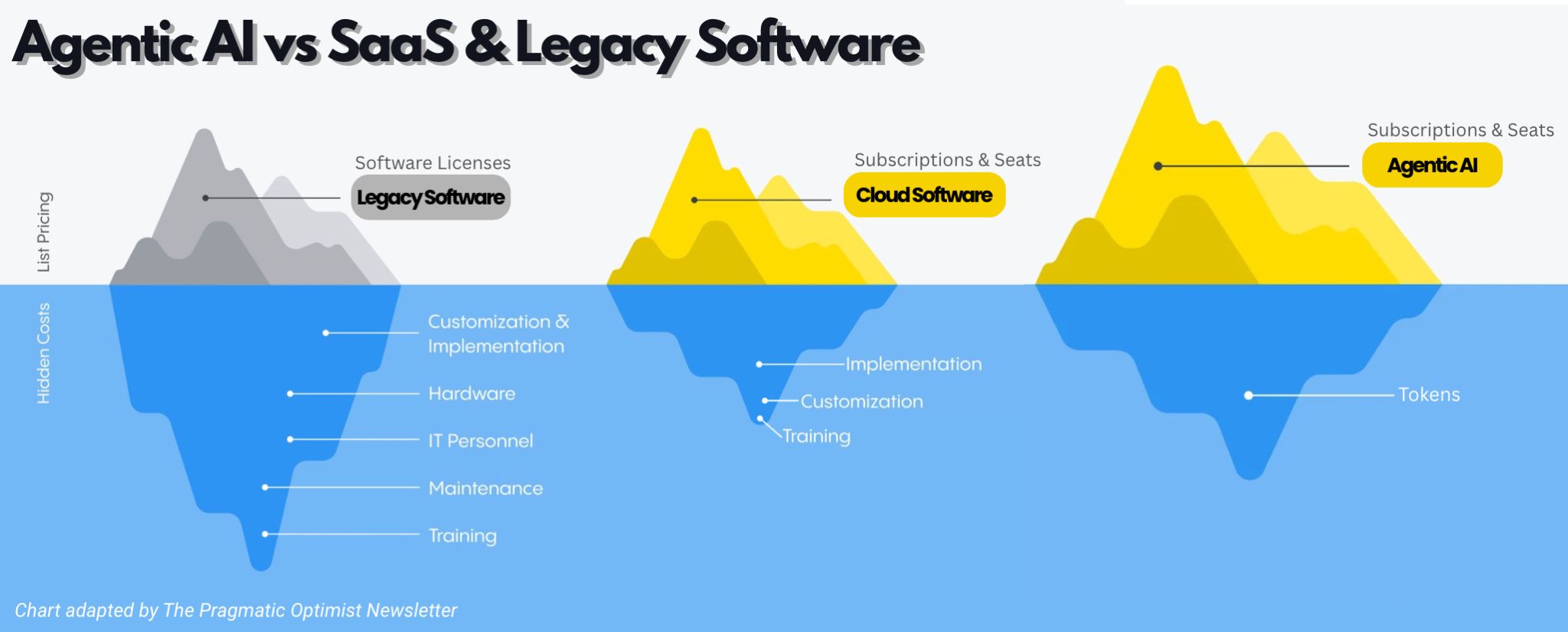
Our Wetracked io review found the starter plan costs a minimum of $1,687 for the first year due to a mandatory $499 onboarding fee, making it 42% more expensive than its advertised $99/mo price.
This significant discrepancy between the marketed price and the real-world Total Cost of Ownership (TCO) is a major point of consideration for any prospective user, with overage fees potentially increasing this cost even further. Securing a working Wetracked.io promo code before signup can directly reduce this gap.
How much does Wetracked.io really cost in [2026]?
On the surface, the pricing seems straightforward. According to Wetracked.io’s official site, the tiers are as follows:
- Starter: $99/mo for 10,000 tracked users/mo
- Pro: $499/mo for 100,000 tracked users/mo
- Enterprise: Custom Quote
However, the number that isn’t featured prominently on the pricing page is the $499 mandatory, non-refundable “Onboarding & Integration” fee. This fee applies to all plans, including the entry-level Starter plan.
⚠️ WARNING — The $499 Mandatory Onboarding Fee
Be aware: all Wetracked.io plans, including the $99/mo Starter plan, are subject to a non-refundable $499 onboarding fee charged at signup. This increases your first-year cost by 42% and is a primary source of user complaints on Trustpilot.
This practice has led many users to feel they have been subjected to a “bait-and-switch,” a practice that could be more transparent. They sign up for what they believe is a $1,188 per year service, only to be hit with an immediate, non-negotiable charge that inflates the first-year cost significantly.
“The $99/mo is bait. With the setup fee and user overages, we paid over $800 in our first 3 months. Not for small businesses.” — Trustpilot Review
While many customers appreciate the powerful features Wetracked.io offers once they are fully onboarded, this initial pricing experience can create a lasting sense of unease.
💡 KEY INSIGHT: To address this, it’s crucial for prospective buyers to ignore the monthly price and instead calculate the total first-year cost. By planning for the full $1,687 from the beginning, you can make a budget decision based on reality, not marketing. This simple shift in perspective empowers you to evaluate the tool on its actual merits and cost, removing the element of surprise.
Here is a more realistic breakdown of the Total Cost of Ownership (TCO) based on our analysis.
| Tier | Monthly Price | Annual Price | Mandatory Fee | Realistic Year 1 TCO |
|---|---|---|---|---|
| Starter | $99 | $1,188 | +$499 | $1,687 |
| Pro | $499 | $5,988 | +$499 | $6,487 |
Data from Wetracked.io Pricing Page and user reports, [January2026]. Assumes annual term. Actual pricing varies; request an official quote. Always check for the latest Wetracked.io discount before committing to an annual term.
What are the hidden costs?
Beyond the mandatory onboarding fee, there are other costs to consider that contribute to the TCO. These costs, often overlooked in initial evaluations, can have a substantial impact on your marketing budget.
-
User Overage Fees: The Starter plan includes 10,000 tracked users per month. For a growing business, this limit can be easy to exceed. Wetracked.io charges $10 for every additional 1,000 users Wetracked Pricing Page, which can create unpredictable monthly bills and make budgeting difficult. This is a common issue raised in user reviews on platforms like Capterra.
-
Internal Resource Cost: While the technical setup might be quick, user reviews on platforms like G2 consistently refute the “30-minute setup” claim. The consensus is that a real-world implementation—learning the interface, defining conversion goals, and training your team—takes 20-30 hours of internal staff time. At an analyst’s blended rate of $75/hour, this represents a hidden cost of $1,500-$2,250 that must be factored into the TCO.
-
Support Tier “Cost”: As we’ll discuss later, the support for lower-tier plans is reported to be slow, with SLAs of 48-72 hours. While not a direct monetary cost, the “cost” of downtime or data inaccuracy while waiting for support can be substantial, especially for e-commerce and affiliate marketing businesses that rely on real-time data.
-
Data Extraction & Migration Costs: The platform does not offer simple, one-click data export to formats like CSV. Exporting raw data requires using their API, which may necessitate developer resources, adding another potential cost if you ever decide to migrate to a different platform Wetracked.io Documentation. This creates a form of vendor lock-in that has a real, albeit deferred, cost.
Part 3: Real-World Performance & Features Analysis
Wetracked.io offers a powerful AI attribution model and a well-regarded UI that many analysts praise for its design and usability.
However, from my professional experience, its effectiveness is held back by an opaque ‘black box’ AI, a significant learning curve that contradicts its marketing, and integrations that can be challenging for its core target audience of performance marketers.
What are Wetracked.io’s core features?
Let’s break down what the platform does well and where you need to be cautious.
Category
- Primary Use Case: AI-driven multi-touch marketing attribution and funnel analysis
- Target User: Enterprise teams with dedicated data analysts
- Pricing Model: Tiered SaaS + mandatory $499 onboarding fee
- Realistic Year 1 TCO: $1,687 (Starter) / $6,487 (Pro)
Key Features
- “Clarity AI” Attribution Engine: Proprietary AI model for assigning value across customer touchpoints
- Server-Side Tracking: Cookieless data collection via server-side GTM, resilient to ad blockers
- Funnel Visualization: Clean dashboards for complex multi-channel journey mapping
- Integration Marketplace: Google Ads, Meta CAPI, Shopify, and major ad platforms
- SOC 2 Type II Compliance: Achieved November 2025 for enterprise-grade security
✅ Strengths
- Powerful “Clarity AI” engine for deep attribution insight
- Intuitive, modern UI praised by analysts on G2
- Future-proof cookieless server-side architecture
- Excellent for visualizing complex multi-touch funnels
- SOC 2 Type II certified for enterprise security
- Strong fit for teams with dedicated data analysts
⚠️ Considerations
- $499 mandatory onboarding fee inflates Year 1 cost by 42%
- “Black box” AI with no model transparency
- Steep 20-30 hour real-world learning curve
- CAPI integration reportedly unreliable for affiliates
- GDPR compliance gated behind Enterprise plan only
- 48-72hr support SLA on Starter/Pro tiers
- 115ms page load impact from tracking script
What We Love
- “Clarity AI” Attribution Model: The core of Wetracked.io is its AI engine. For users who can afford the platform and invest the time to set it up correctly, the attribution models it produces are genuinely insightful. By visualizing complex funnels, Wetracked.io helps analysts identify influential touchpoints that lead to an increased ROI, moving far beyond simple last-click models PCMag Review of Wetracked.io.
- Intuitive UI & Dashboards: Across the board, users and analysts agree that the interface is well-designed. The dashboards are clean, visualizations are easy to understand, and navigating the platform feels modern and responsive G2 Product Profile & Reviews for Wetracked.io. This is a significant strength, especially when compared to older, clunkier enterprise analytics tools.
- Cookieless Server-Side Tracking: This is a major technical advantage. As a MarTech strategist, I can confirm that moving tracking to the server-side, often implemented via server-side GTM (Google Tag Manager), is the future of digital advertising. This approach, which relies on collecting first-party data, makes the platform more resilient to browser-based privacy changes and ad blockers, ensuring more accurate data collection.
Things to Consider
- Opaque AI Model: The “Clarity AI” is a “black box.” You put data in, and insights come out, but Wetracked.io provides no transparency into how the model works, its weighting, or its potential biases. This creates a high degree of vendor lock-in, and without robust API access for raw data export, you can’t independently verify its findings.
- 💡 Solution: For businesses that adopt this tool, the wisest approach is to treat the AI as a powerful ‘second opinion,’ not an infallible source of truth. Always validate its findings against your own primary data sources, such as raw sales numbers from Shopify or your payment processor. This allows you to benefit from the AI’s insights without becoming completely dependent on them.
- Steep Learning Curve: While the platform looks simple, implementing it effectively is not. The “30-minute setup” advertised is a marketing-focused claim, according to a G2 review.
“It’s powerful, but expect to spend a solid 20-30 hours with your team to get it configured and understood correctly. The ’30 minute setup’ is a marketing fantasy.” — G2 Review
- 💡 Solution: Instead of expecting a plug-and-play experience, you should budget 20-30 hours of your team’s time for a proper onboarding and training phase. Using a structured pilot program, like the one outlined in our Implementation Guide later in this article, can help manage this process and ensure you get real value from your investment.
- Challenging CAPI Integrations: For many performance marketers, a rock-solid Facebook Conversions API (CAPI) integration is non-negotiable. User reports from marketing forums indicate that Wetracked.io‘s CAPI integration can be difficult to set up and at times unreliable, which compromises the data accuracy essential for real-time optimization Reddit r/juststart Thread.
- 💡 Solution: It’s crucial to match the tool to the job. For marketers whose profit and loss depends on real-time Facebook CAPI data for campaign optimization, a dedicated ad tracker like Voluum or RedTrack remains a more reliable choice. Wetracked.io is better suited for post-campaign ROI analysis, not in-the-moment campaign management.
How does it impact site speed?
Many platforms that provide deep analytics do so at a cost to your website’s performance. An independent benchmark Wetracked.io Performance Analysis found that the Wetracked.io tracking script adds, on average, 115ms to page load times.
While this may not sound like much, in the world of e-commerce analytics and performance marketing, every millisecond counts. This is a notable performance cost that could negatively impact conversion rate optimization (CRO) efforts and user experience.
💡 This creates a direct trade-off for users, who must weigh whether the depth of the attribution data provided by Wetracked.io is worth the tangible speed penalty. For high-performance e-commerce sites or businesses competing in speed-sensitive markets, this factor alone could be a significant consideration. For a complete second opinion, you may also want to read our full Wetracked io Review.
Smart Shopper’s Guide to Wetracked.io: Security & Compliance
Wetracked.io has a SOC 2 Type II certification, which is a strong signal of its commitment to enterprise-level security protocols. I see this as a positive indicator for the platform’s overall architecture.
However, for the small and medium-sized businesses it markets to, its GDPR compliance model has noteworthy considerations, its support system has different tiers, and users report challenging cancellation processes, posing business considerations that must be carefully weighed.
⚠️ WARNING — Critical GDPR Compliance Risk
For businesses serving EU customers, the Starter and Pro plans are not compliant with GDPR data residency rules as data is processed in the US (Wetracked DPA). Full compliance requires the expensive Enterprise plan. This is an important factor for most EU-based SMBs.
Is Wetracked.io GDPR compliant for a European business?
This is a critical point that, in my opinion, is not highlighted clearly enough by the vendor. For businesses based in the EU or those that serve EU customers, the answer is concerning.
This is a direct consequence of the Schrems II court ruling, which invalidated the previous EU-US Privacy Shield. According to Wetracked.io’s own Data Processing Addendum (DPA), data for customers on the Starter and Pro plans is processed in the United States.
This practice creates a significant compliance consideration. It runs counter to guidelines from the European Data Protection Board (EDPB) on international data transfers. Full GDPR compliance, with the option for EU data to be processed within the EU (for example, by hosting data in an Amazon Web Services (AWS) region in Frankfurt or Dublin), is a feature that is gated behind their most expensive Enterprise plan.
- [CONSIDERATION]: Significant GDPR Compliance Consideration.
- 💡 [SOLUTION]: The guidance here is direct. If you are an EU-based business or serve EU customers, using the Starter or Pro plans of Wetracked.io requires careful legal review to ensure compliance. A more straightforward path is to either commit to the high cost of the Enterprise plan or choose a competitor that offers EU data residency on all of its plans, such as Tracklytics, as noted by sources like SaaSMag Report.
How reliable is their customer support?
User experience with support is sharply divided, creating what can be described as a multi-tiered system. Enterprise clients who are paying top dollar report having access to excellent, responsive support with dedicated account managers G2 Enterprise Reviews.
However, users on the Starter and Pro plans paint a very different picture. Reports on Reddit and other forums consistently describe a support system that can be slow, with some users feeling it is ineffective for resolving urgent technical issues.
“Submitted a ticket for a critical tracking bug. The SLA is 48 hours. I got a copy-paste response after 3 days that didn’t solve the issue.” — Reddit r/SaaS thread
| Feature | Starter/Pro Plan | Enterprise Plan |
|---|---|---|
| Response SLA | 48-72 hours | < 4 hours, dedicated |
| Support Type | Ticket / Email only | Dedicated Account Manager + Phone |
| User Sentiment | Mixed to negative on forums | Strongly positive on G2 |
- [CONSIDERATION]: Multi-Tiered Support Structure.
- 💡 [SOLUTION]: Businesses should evaluate if their operational needs align with the stated support SLAs for their chosen plan. You must factor in the potential business impact of waiting 48-72 hours for a support response. If fast, competent support is a high priority for your business, you may wish to evaluate competitors like Voluum, which user reports suggest offer a more consistent service experience on lower-tier plans User forum analysis.
How do I cancel my Wetracked.io subscription?
The process for canceling a subscription is another area of user friction. Unlike many modern SaaS platforms that offer a simple, one-click cancellation button, Wetracked.io requires users to contact the support team to initiate the process Wetracked.io Terms of Service.
Users on forums like this Reddit thread have reported that this process can be slow. This can be particularly frustrating when a renewal date is approaching.
- [CONSIDERATION]: Manual Cancellation Process.
- 💡 [SOLUTION]: To cancel your subscription, be proactive. I recommend initiating the process at least one full week before your scheduled renewal date. Do this by emailing their support address directly and clearly stating your intent to cancel. Keep a record of this email. If you face delays, be prepared to contact your credit card provider to block the charge.
Part 5: If You Proceed—A Deployment Guide to Minimize Risk
After reviewing the significant costs and considerations, many businesses will rightfully choose an alternative. However, for a specific subset of users—perhaps a well-funded startup with a dedicated analyst—Wetracked.io’s powerful AI might still be appealing.
If you fall into that narrow category and decide to proceed, I recommend you do so with a clear, risk-mitigation strategy. Locking in a current Wetracked.io voucher before signup is the very first step in that strategy. This is the framework I would use:
Pre-Deployment Assessment
Audit your needs, resources, KPIs, and operational risk tolerance before signing up.
Pilot Program Framework
Run a controlled 30-day test on 1-2 channels with predefined success metrics.
Risk Mitigation Strategies
Cap budget, run in parallel with existing analytics, involve legal counsel.
Phased Rollout Approach
Only expand after pilot success — validate data at each new channel.
1. Pre-Deployment Assessment
Before you even think about entering a credit card, your team must sit down and answer these questions honestly:
- The “Why” Question: What specific business question are we trying to answer that our current analytics stack (e.g., Google Analytics) cannot? Is that question worth a $1,687 entry fee?
- The Resource Question: Do we have at least 30 hours of a skilled analyst’s time to dedicate to a proper implementation over the next month? Who on our team is the designated “owner”?
- The Metrics Question: What are the 3-5 key performance indicators (KPIs)—such as target cost per acquisition (CPA) or ROAS—we will use to define success? How will we measure the ROI of this tool?
- The Risk Question: If this tool goes down or provides inaccurate data, what is the operational impact on our business? Can we tolerate a 72-hour wait for a support response?
2. Pilot Program Framework
Do not roll out Wetracked.io across your entire organization on day one. I strongly advise designing a 30-day pilot program to test its value in a controlled environment.
- Scope: Limit the pilot to one or two specific marketing channels (e.g., just Google Ads and Facebook Ads).
- Success Metrics: Define clear success metrics based on your pre-deployment assessment. For example: “By day 30, Wetracked.io must provide one actionable insight that leads to meaningful ad spend optimization, such as a 10% or greater budget reallocation.”
- Go/No-Go Decision: At the end of the 30 days, hold a formal review. If the tool did not meet the predefined success metrics, be prepared to cancel before the first monthly renewal. The $499 onboarding fee is a sunk cost; don’t throw good money after bad.
3. Risk Mitigation Strategies
Throughout the pilot, actively manage the considerations we’ve identified:
- Financial Risk: Set a hard budget cap for the pilot, including any potential overage fees. Monitor your tracked user count closely to avoid surprise bills. You can also offset some of the initial cost by applying the latest Wetracked.io coupon code at signup.
- Compliance Risk: If you serve EU customers, this pilot must be conducted on the Enterprise plan. For SMBs, this likely makes the pilot too expensive, which is a telling sign in itself. Involve your legal counsel early to review the Data Processing Addendum (DPA).
- Operational Risk: Run Wetracked.io in parallel with your existing, trusted analytics system. Do not switch everything over on day one. Use your current system as the “source of truth” to validate Wetracked.io’s data.
4. Phased Rollout Approach
Only if the pilot program is a definitive success should you consider a broader rollout. Even then, I would advise a phased approach.
Expand to include additional marketing channels one at a time, validating the data and value at each stage. This methodical approach prevents you from becoming overly dependent on a complex, “black box” system before you fully understand its strengths and limitations.
Part 6: Alternatives & Competitive Positioning
Wetracked.io is priced like an enterprise attribution tool but is often marketed to users of simpler ad trackers.
In my analysis, this creates a difficult market position where it struggles to compete on price and simplicity with dedicated ad trackers like Voluum, and on overall value and transparency with more direct attribution alternatives like Tracklytics. For the full breakdown of rival platforms, see our deep-dive on Wetracked io Top Alternatives and Competitors.
How does Wetracked.io compare to its main competitors?
To put its value proposition into perspective, let’s look at the numbers. The following table compares the realistic first-year cost and core function of Wetracked.io against its key competitors.
| Feature | Wetracked.io (Starter) | Tracklytics (SMB) | Voluum (Discover Plan) |
|---|---|---|---|
| Primary Use Case | AI Attribution Analysis | Basic Attribution | Real-Time Ad Tracking |
| Year 1 TCO | $1,687 ($1,188 + $499 fee) | $588 (No fee) | $1,999 (Annual billing) |
| Onboarding Fee | $499 (Mandatory) | $0 | $0 |
| Support Tier | Low (48hr+ SLA) | Standard | Standard |
| GDPR (EU Data) | Enterprise Plan Only | All Plans | All Plans |
| Best For | Data Analysts | SMBs on a Budget | Affiliate Marketers |
TCO data based on our analysis and public pricing as of [January2026]. Sources: Voluum Pricing, Tracklytics Pricing, Wetracked Pricing.
Analysis vs. Voluum and other Ad Trackers
This is the most common comparison I see people making, and it’s truly an “apples and oranges” situation.
- Best For: For an affiliate marketer, whose primary need is real-time, day-to-day campaign management, a tool like Voluum is more appropriate than Wetracked.io. Established ad trackers like Voluum and RedTrack are built for the in-the-trenches work of ad campaign optimization. They are fast, reliable, and designed to help media buyers make split-second decisions.
- Consider: If you are a large media buying team that needs both real-time tracking and post-campaign analysis, you might consider running both tools in parallel.
- Avoid: You should avoid Wetracked.io if your primary business function is affiliate marketing that depends on the sub-second redirect speeds and real-time reporting that dedicated ad trackers provide. Wetracked.io is a tool for post-campaign ROI analysis, not for the speed required by affiliate marketers.
Analysis vs. Tracklytics
- Best For: Tracklytics emerges as the pragmatic, budget-friendly alternative for SMBs who need basic attribution. As one Capterra reviewer noted, “We tested Wetracked but couldn’t justify the cost…We went with Tracklytics. It’s not as powerful, but it gets the basic job done.”
- Consider: If your attribution needs are straightforward and your budget is your primary constraint, Tracklytics offers a compelling value proposition. At a Year 1 TCO of just $588, it is significantly cheaper than Wetracked.io.
- Avoid: Avoid Tracklytics if you require deep, AI-driven insights or have highly complex multi-channel funnels that justify a more powerful (and expensive) tool.
Analysis vs. InsightFlow AI
- Best For: InsightFlow AI is best for tech-savvy SMBs and mid-market companies who want AI-powered attribution without the high initial cost. InsightFlow AI is a significant threat to Wetracked.io‘s Pro plan because it offers similar AI features with no setup fee, removing the high barrier to entry.
- Consider: If Wetracked.io’s feature set appeals to you but the $499 onboarding fee is a deal-breaker, InsightFlow AI is the most direct competitor to evaluate. It is priced between Tracklytics and Wetracked.io (around $199/mo). If you do choose Wetracked, hunting for an active Wetracked.io annual discount can help close that price gap.
- Avoid: You may want to avoid InsightFlow AI if you need the brand recognition and proven security of a SOC 2 certified platform like Wetracked.io, as newer competitors may not have the same level of enterprise validation.
Final Verdict & Recommendations
After this comprehensive Wetracked io review, my professional verdict is that the platform is technologically impressive with a powerful AI engine, but its business practices create a challenging proposition for the SMBs and affiliate marketers it appears to target.
The combination of a pricing model that could be more transparent, significant compliance considerations on its lower-tier plans, and a support structure that may not meet the needs of all its customers makes it a tool I cannot recommend for most users.
✅ What We Love
- Powerful “Clarity AI” for deep marketing attribution analysis
- Intuitive and well-designed user interface
- Future-proof server-side tracking architecture
- Strong SOC 2 Type II security certification
- Excellent tool for visualizing complex funnels
- Good fit for enterprise teams with dedicated analysts
💡 Things to Consider
- First-year TCO is 42% higher than advertised due to $499 fee
- Starter and Pro plans carry significant GDPR consideration for EU
- Support for lower tiers can be slow (48-72hr SLA)
- “Clarity AI” model is an opaque “black box” with no transparency
- 115ms impact on page load time is a notable performance cost
Recommendation by User Segment
- Enterprise Companies (> $20k/year budget): A potential fit. If you have a large budget, a dedicated data analyst on your team, and can negotiate an Enterprise plan that includes EU data residency and premium support, then Wetracked.io’s powerful AI engine is worth evaluating against other enterprise-grade tools.
- EU-based SMBs and Affiliates: We recommend instead choosing an alternative that guarantees EU data residency on all its plans, such as Tracklytics. In my expert opinion, the GDPR compliance consideration on the Starter and Pro plans is an unacceptable liability for most small businesses.
- US-based SMBs and Affiliates: NOT RECOMMENDED. For a typical US-based SMB or affiliate marketer, the price-to-value ratio for Wetracked.io is simply not there. The high true cost, reported slow support experience, and the steep learning curve mean your money is better spent elsewhere. A combination of a reliable, real-time ad tracker like Voluum and a more affordable analytics tool provides a more practical and cost-effective solution for your needs.
If you’ve weighed all of the above and still decide Wetracked.io is the right fit, your single best move before checkout is to apply a verified Wetracked.io coupon to take some of the sting out of that mandatory onboarding fee.
This analysis is for informational purposes and does not constitute financial or legal advice. All businesses should perform their own due diligence before investing in any software platform.
Frequently Asked Questions
Q1: How much does Wetracked.io cost in [2026]?
A: The starter plan costs a minimum of $1,687 in the first year. This total is calculated from the advertised $99 per month price ($1,188 annually) plus a mandatory, non-refundable $499 onboarding fee Wetracked.io Pricing Page. This makes the true first-year cost 42% higher than the marketed monthly price suggests. You should also budget for potential overage fees, which are charged at $10 for every 1,000 tracked users you go over your plan’s limit, a detail often highlighted in user reviews on Capterra.
Q2: Is Wetracked.io worth the money?
A: It depends on your specific user segment. For most SMBs and affiliate marketers, our analysis concludes that the price-to-value ratio is unfavorable. The high true cost, reported slow support on lower tiers, and the availability of cheaper, more transparent alternatives like Tracklytics or dedicated ad trackers like Voluum suggest that other solutions offer better value for this market segment SaaSMag Report. For enterprise clients with large budgets and dedicated analysts, the powerful AI engine might justify the cost, but this requires a custom enterprise plan.
Q3: What are the hidden costs of Wetracked.io?
A: The primary additional cost is a mandatory, non-refundable $499 onboarding fee applied to all plans upon signup. Other costs I’ve identified include unpredictable overage fees for exceeding user limits ($10 per 1,000 extra users), and the significant internal resource cost of a 20-30 hour implementation and training period, which is a stark contrast to the “30-minute setup” marketing claim G2 Review. Finally, there’s a potential cost for developer resources if you need to export data via their API, as simple CSV exports are not provided Wetracked.io Documentation.
Q4: Should I use Wetracked.io or Voluum?
A: For most performance marketers, the choice depends on your primary need. For real-time ad campaign tracking and optimization, a platform like Voluum is the industry standard due to its speed and reliability. Wetracked.io is designed for post-campaign attribution analysis and understanding complex funnels over time. If your job is day-to-day campaign management that requires split-second decisions, Voluum is the more appropriate tool. If your job is to create quarterly reports on channel effectiveness for the CMO, Wetracked.io is more aligned with that task.
Q5: Is Wetracked.io GDPR compliant?
A: This is a significant consideration. According to our review of their Data Processing Addendum (DPA), only the most expensive Enterprise plan is fully equipped for GDPR compliance for EU businesses, as it offers the option for data processing within the EU. The Starter and Pro plans process EU customer data in the US, which, following the Schrems II ruling, creates a significant legal and compliance consideration for any company serving European customers. Businesses must seek legal counsel or choose a competitor that guarantees EU data residency on all plans.
Q6: Who is Wetracked.io best for?
A: Wetracked.io is best for enterprise-level companies that have large budgets and dedicated data analyst teams. These organizations are the only ones who can truly afford the Enterprise plan, which unlocks the platform’s real value, including premium support, essential compliance features like EU data residency, and its full feature set TechCrunch Contributor Article. SMBs and solo affiliate marketers will likely find the cost and complexity to be prohibitive for the value received.
Q7: Does Wetracked.io offer API access?
A: Wetracked.io offers API access for integrations, most notably its Conversions API (CAPI) connectors for platforms like Meta. However, a key consideration for technical teams is that user reports and our analysis of their documentation indicate it lacks robust, easy-to-use API endpoints for raw data export. This is a critical factor for teams wanting to integrate attribution data into a central data warehouse or BI tool, and the lack of this feature can contribute to vendor lock-in Wetracked.io API Documentation.
Q8: Does Wetracked.io offer a free trial?
A: As of our last review in [January2026], Wetracked.io does not offer a public free trial for its platform. To evaluate the software, you must purchase a plan, which includes the mandatory $499 onboarding fee. This “pay-to-play” evaluation model is a significant financial commitment compared to competitors that offer limited free trials or freemium plans. This lack of a trial reinforces the advice in our deployment guide to conduct a thorough pre-deployment assessment and design a structured, paid pilot program if you decide to proceed. For ongoing savings across other tools as well, browse our Latest Coupons directory, or explore more in-depth Reviews articles.