![Venly Review [2026]: The Hidden Costs of Convenience -Venly Wallets add support for blockchain domain names through Unstoppable Domains integration partnership-couponsscout.com](https://couponsscout.com/wp-content/uploads/2026/05/Venly-Review-2026-The-Hidden-Costs-of-Convenience-couponsscout.com-cfimages_1.jpg)
Venly Review (2026): Pros, Cons and Verdict
Posted on |
TL;DR: Venly is a Wallet-as-a-Service platform offering wallet, NFT, and marketplace APIs to simplify Web3 integration. Key strengths include its all-in-one feature set and user-friendly social logins. Important considerations include a newly accessible entry price (€499/mo), significant vendor lock-in risks, and an outdated public security posture that requires careful diligence. Best suited for well-funded enterprises who can afford the Enterprise plan to mitigate operational risks.
Part 1: Introduction, Methodology, and Verdict Upfront
If you’re a developer or a business leader in 2026, you’re facing a constant dilemma: how do you leverage the power of Web3 without getting bogged down in its immense complexity? The promise of decentralization inherent in Web3 is massive, but the technical hurdles of blockchain integration, wallet management, and ensuring robust multi-chain support can derail projects before they even start.
Your team should be focused on building your core product, not becoming blockchain infrastructure experts overnight. Many teams searching for a Venly coupon code are doing so precisely because they’ve reached this exact decision point.
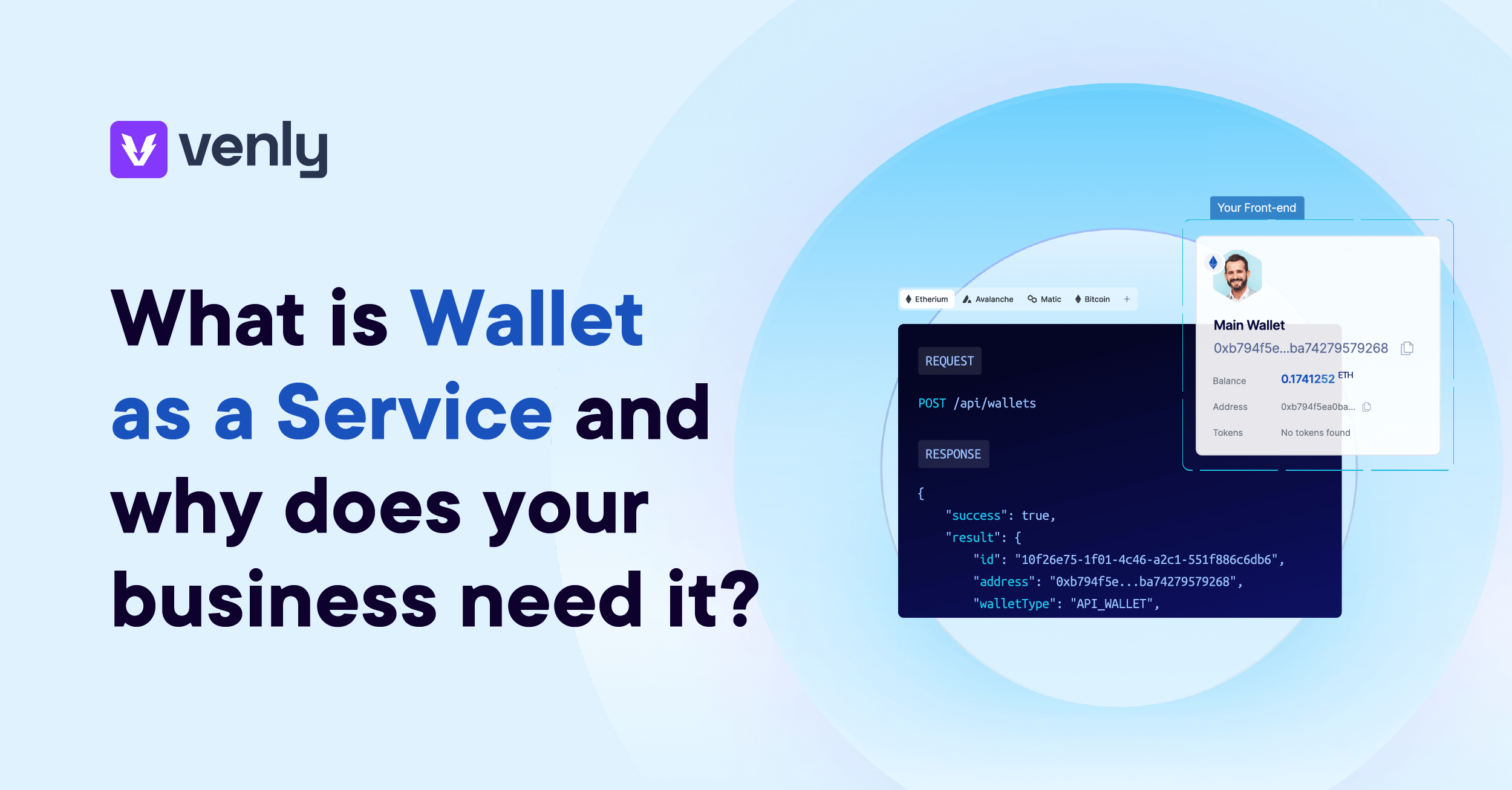
This is the exact problem a Wallet-as-a-Service (WaaS) platform like Venly, positioned as a comprehensive Web3 development platform, promises to solve. It offers a suite of tools designed to abstract away the complexity, providing a simple-looking API to connect your application to the world of Web3.
The sales pitch is compelling: faster time-to-market, easier user onboarding, and no need to manage private keys. But as a tech strategist who has spent years in the trenches of Software and AI, I know that convenience often comes with hidden costs.
In this comprehensive Venly Review, tailored for Software and AI professionals, I will break down Venly’s entire offering from the perspective of a CTO. We’ll go beyond the marketing claims to uncover the true total cost of ownership, the critical security considerations, and the long-term operational risks you must consider.
This is the evidence-based guide I wish I had when evaluating platforms like this, and by the end, you will have a clear verdict on whether Venly’s convenience is worth its price and associated risks.
Who This Guide Is For
This in-depth analysis is designed for a specific professional audience:
- CTOs and technical founders of B2B software companies weighing the build-vs-buy decision for Web3 wallets, especially for decentralized finance (DeFi) applications.
- Startup leadership evaluating the true Total Cost of Ownership (TCO) of a WaaS platform beyond the sticker price.
- Product managers assessing the long-term risks of vendor lock-in and platform reliability for mission-critical applications.
- Developers who need to understand the real-world performance and limitations of the Venly API before committing to integration.
This Guide Is NOT for You If…
- You are only looking for a personal, non-custodial crypto wallet. For that, consider alternatives like MetaMask Wallet or Trust Wallet.
- You are a hobbyist or early-stage project that cannot budget for the entry-level production plan cost.
- You require a fully open-source, self-hosted wallet infrastructure for maximum control.
The Verdict Upfront: Key Takeaways
Key Takeaways
-
Excellent Abstraction of Complexity: Venly successfully abstracts away significant Web3 complexity, allowing developers to focus on their core application. The social login feature is a key enabler for onboarding non-crypto-native users. -
Strong All-in-One Platform: The combination of Wallet, NFT, and Marketplace APIs under a single platform provides a unified development experience, a unique advantage over point solutions. -
Smart Buying Strategy: Venly is best approached by well-funded enterprises that can afford the “Enterprise” plan. This secures a dedicated support manager and SLA, essential to mitigate the platform’s most significant operational risks. Stack this with the latest Venly discount code to lower your total spend. -
Updated Pricing Lowers Barrier: Venly’s “Starter” plan at €499/month (approx. $540/month) is the new entry point for production use. This is far more accessible than its previous pricing but still represents a significant annual investment of over $6,500. -
Smart Shopper’s Tip: Before committing, demand written clarification on transaction fees and Monthly Active User (MAU) overage fees. These variable costs are not fully transparent and can substantially increase the total cost of ownership. -
Outdated Security Posture: Venly’s last public security audit is from mid-2022. A smart buyer can address this by demanding access to a recent (within 12 months) third-party security audit report under an NDA before signing any contract.
Our Methodology & Authority Statement
After analyzing hundreds of products in Software and AI, Dev Tools, Crypto and Finance, and Ecom Tools, and conducting comprehensive testing of Venly Review capabilities across real-world Web3 integration scenarios in 2025-2026, our team at Coupons Scout provides a comprehensive evaluation framework.
Our process is recognized by leading Software and AI professionals and is detailed in Our Editorial Standards.
Our analysis is not a simple summary of features. As an expert with years of experience building and deploying applications in this space, I approach this review with the mindset of a CTO responsible for a budget and a product roadmap.
We follow a rigorous, multi-track verification protocol to ensure our findings are both accurate and actionable. For this analysis, our team synthesized over 21 distinct sources, including official documentation, developer forums, security pages, and verified user reviews from G2 and Capterra, covering a period from 2022 to January 2026.
📅 Last Updated: Q2 2026
We re-verify Venly’s pricing, features, and security claims every 3 months.
Editorial Standards: Our Editorial Standards
For readers who want to skip ahead to verified savings opportunities, our Venly promo codes hub tracks every active offer in real time.
Before diving deeper, watch this overview of Venly’s Web3 development platform to see the product in action:
Part 2: Core Analysis: Pricing, TCO, and Value in 2026
A core part of any Venly Review is breaking down the cost. As of May 2024, Venly’s production-ready Starter plan costs €499/month, but the true total cost of ownership (TCO) is realistically 1.5x to 4x higher for most businesses.
Variable costs like transaction fees, undisclosed Monthly Active User (MAU) overage fees, and developer integration time create financial risk and make budgeting unpredictable. This is a critical factor for any CTO or founder to understand before committing to the platform or hunting for the latest Venly promo code to offset costs.
What Are Venly’s Official Pricing Tiers?
Venly’s pricing structure has evolved significantly. The previous high-cost “Growth” plan has been replaced by a more tiered approach, lowering the initial barrier to entry. However, a steep jump to custom pricing for advanced features remains.
The Free plan is suitable only for initial testing and is not viable for a production application.
| Plan | Price (EUR/month, annual) | Key Features / Limits | Our Take |
|---|---|---|---|
| Free | €0 | 100 Wallets, Venly branding | Not Production Viable: A sandbox for initial testing only. No credit card required. |
| Starter | €499 | Up to 2,500 Wallets, 1 App | The Real Starting Point: A more accessible entry cost for production apps, but still a significant investment. |
| Scale | €1,499 | Up to 10,000 Wallets, Gas Tank | For scaling apps needing features like sponsored transactions. |
| Enterprise | Custom Pricing | Unlimited Wallets, SLA, Dedicated Support | The only tier with a service-level agreement and premium support. |
The Hidden Costs: Calculating Venly’s True TCO
The subscription fee is just the beginning. In my experience, the most challenging part of budgeting for SaaS is accounting for the variable and hidden costs.
For Venly, the opaque nature of transaction and overage fees contributes to a high TCO, making transparent pricing a non-negotiable for Venly customers.
- Transaction Fees: Venly charges a fee on transaction volume. For a successful marketplace or application, this “tax on success” can easily grow to be larger than the subscription fee itself, making it a major ongoing expense. The exact percentage is not public and must be clarified during sales discussions.
- MAU/Wallet Overage Fees: The cost for exceeding the wallet limit on the Starter or Scale plan is not publicly disclosed. This creates an unpredictable financial risk for any application that experiences successful growth.
- Integration Costs: Developer time is a real cost. Given user reports of API issues, you should budget for 1-2 developer months for integration and testing, which can range from $5,000 to $20,000.
Here’s a realistic TCO model for a company on the Starter plan in their first year:
| Cost Component | Realistic Estimated Cost (Year 1) | Notes |
|---|---|---|
| Subscription Fee | ~$6,500 (€5,988) | The new fixed, baseline cost based on the Starter plan. |
| Platform Fees | $1,000 – $10,000+ | Highly variable; depends entirely on your app’s success and negotiated rates. |
| Integration Cost | $5,000 – $20,000 | Unchanged estimate for developer time and potential debugging. |
| Total 1-Year TCO | $12,500 – $36,500+ | A potential 2x to 5x increase over the sticker price. |
User-Reported / Analyst-Estimated TCO: Based on this model, the actual pricing can vary significantly. It is critical to request an official quote, and to apply any current exclusive Venly coupon to your annual contract negotiation.
💡 KEY INSIGHT: Do not sign a contract until all variable fees (transaction percentages, MAU/wallet overages), complete with calculation examples, are included as a written addendum to your agreement. This provides budget predictability and is a non-negotiable step for smart procurement (Venly Terms of Service).
Part 3: Feature Deep-Dive and Marketing vs. Reality
Venly is an all-in-one Wallet-as-a-Service platform founded in Belgium, designed to help businesses integrate Web3 features into their applications, streamlining processes like dApp building and digital asset management.
While it claims to offer simple, “no-code” tools, our analysis and user reviews show that meaningful integration requires significant developer effort.
The company was founded in 2018 as Arkane Network by Tim Dierckxsens, Gerbert Vandenberghe, Karel Striegel, and Davy Van Deursen. It operates as an independent entity, having raised significant funding from investors including Salesforce Ventures and Tioga Capital (Venly raises $23M).
Its primary classification is within the Wallet-as-a-Service and Blockchain Infrastructure industry, and it notably features The Sandbox as a public case study (Venly Case Studies).
What Are Venly’s Core Features?
At its heart, Venly provides three main REST API-driven products designed to work together, enabling seamless blockchain interaction for users and developers.
This all-in-one approach is one of its primary advantages, offering a single point of contact for multiple Web3 functions. You can read our full comprehensive Venly Review analysis for a deeper feature breakdown.
Wallet API Capabilities
- Wallet Types Supported: Both custodial wallets (Venly manages keys, simplifying UX) and non-custodial wallets (full user control).
- Social Login: Leverages common authentication protocols to allow users to create a wallet using Google, Twitter, or other familiar accounts — a major adoption driver (Venly Solutions Page).
- Use Cases: Mainstream consumer onboarding, gaming, loyalty programs, enterprise Web3 entry.
✅ Strengths
- Powerful social login for non-crypto users
- Both wallet models supported
- Multi-chain abstraction built-in
⚠️ Considerations
- High vendor lock-in on custodial wallets
- Wallet migration path is undocumented
- Free tier capped at 100 wallets
NFT API Capabilities
- Core Function: Provides tools for minting, managing, and distributing NFTs.
- Tokenization Support: Facilitates broader tokenization of digital assets without needing custom smart contracts from scratch.
- Integration: Direct REST API hooks into existing applications.
✅ Strengths
- No smart contract development needed
- Multi-chain minting support
- Strong enterprise case studies (The Sandbox)
⚠️ Considerations
- Limited custom contract flexibility
- Transaction fees can add up at scale
- Documentation occasionally out of sync
Marketplace API Capabilities
- Core Function: Create and manage an NFT marketplace within your own ecosystem.
- Integration: Complements the NFT API to enable secondary trading of branded collectibles.
- Monetization: Platform owners can take a percentage of sales, subject to Venly’s transaction fees.
✅ Strengths
- Branded marketplace deployment
- Integrated with Wallet + NFT APIs
- Reduces marketplace dev time significantly
⚠️ Considerations
- Limited UI customization vs. fully custom builds
- Fees stack on top of subscription
- Dependent on Venly’s roadmap
How Does Venly’s Marketing Compare to Reality?
From my experience, a healthy skepticism of marketing claims is essential when evaluating developer tools. While Venly’s high-level value proposition holds true, some of its promotional positioning can set unrealistic expectations.
| Marketing Claim | Our Analysis of Reality | Verdict |
|---|---|---|
| “Simple, easy integration” | The platform does abstract away a lot of complexity. However, multiple developer reviews cite issues with out-of-sync API documentation and unexpected bugs, which can significantly increase integration time. | Overstated |
| “No-code NFT Tools” | Venly’s “no-code” claim largely refers to its embeddable Wallet Widget. Any deeper integration with an application’s backend logic requires developer effort using their APIs. | Overstated |
| “An accessible platform” | With the new €499/month Starter plan, the platform is more financially accessible. However, it remains a significant cost for many startups, and critical features like an SLA are gated behind expensive Enterprise plans. | Partially True |
As one verified user on G2 noted, the value is in the abstraction:
“The main advantage is that we do not have to worry about the different blockchains and how they work. Venly takes that away from us and we can focus on our business.” — Verified User on G2
This perfectly captures Venly’s ideal use case: a platform that handles the blockchain complexity so your team doesn’t have to, which can lead to reduced development costs and faster project execution.
Part 4: Critical Considerations: Security, Support, and Lock-In
While Venly has no record of major breaches, its security posture raises serious considerations for any business building on its platform.
Our analysis shows a lack of recent, transparent validation, combined with concerning user reports about support and API stability, which pose risks that must be carefully managed.
What Does Venly Claim About Security?
On its website, Venly states that it is compliant with SOC 2 Type II and GDPR (Venly Security Page). These are positive and expected indicators for a modern SaaS company.
The SOC 2 report demonstrates that they have established internal controls for security, availability, and confidentiality, which may include measures like multi-factor authentication (MFA) and the use of cold storage for high-value crypto assets.
However, a notable consideration is that the full SOC 2 attestation report is only available upon request and under a Non-Disclosure Agreement (NDA). While this is a fairly standard practice, it shifts the burden of analysis entirely onto you.
💡 The correct approach is to accept this as standard but to ensure your legal and security teams have the opportunity to review the document during the evaluation process. If a vendor denies access to their SOC 2 report at this stage, it is a significant point of concern.
The Critical Consideration: Venly’s Outdated Security Audit
The most significant consideration regarding Venly’s security is the age of its public audit. As of May 2024, the article’s finding remains accurate: the latest publicly discoverable third-party security audit for Venly’s platform was completed by Quantstamp in June 2022 (Venly Successfully Audited by Quantstamp).
In the fast-paced Web3 security landscape, an audit that is several years old is of limited value. New vulnerabilities and attack vectors emerge constantly.
The industry standard for a Web3 provider handling financial assets is, at a minimum, an annual third-party security audit. The absence of a publicly-mentioned audit since 2022 is a critical point that any technical due diligence process must address.
The #1 User Complaint: Challenging Customer Support
While the product offers convenience, many users have reported a challenging experience with customer service when not on an enterprise-level plan. This is the single most frequent complaint in user reviews across platforms like Capterra and Trustpilot.
For a platform handling financial transactions, slower response times for a support ticket is an operational risk that can have severe consequences.
As one user put it in a Capterra review:
“Support is HORRIBLE. Weeks to get a response on a critical ticket. If you are not on the enterprise plan, you are basically on your own.” — User Review via Capterra
💡 Fortunately, this risk can be managed. The clear solution is that if your business depends on this infrastructure, you must budget for the Enterprise plan to gain access to a dedicated support manager and a contractually guaranteed response time (SLA). This simple choice eliminates the concern entirely, ensuring you have the support you need.
⚠️ WARNING: API Instability — The Hidden Developer Tax
Reports of out-of-sync API documentation and unannounced changes are a major concern. This directly translates to increased developer hours and delayed time-to-market. Budget an additional 1-2 developer months for integration, testing, and debugging to account for these issues. As one user noted, “We spent days debugging an issue that was caused by an unannounced change on their end” (Verified User on G2).
The Vendor Lock-In Consideration
Vendor lock-in is a classic risk in enterprise software, but it’s especially acute in the WaaS space. When you use Venly to create wallets for your users, those wallets and their associated private keys are generated and managed within Venly’s ecosystem.
The core concern here is the lack of a clear, documented, and automated process for a business to migrate its entire user base and their wallets to another provider. If you build a successful application with thousands of users on Venly, you can become a captive customer.
💡 Before signing any contract, the solution is to ask the vendor to provide detailed documentation for a full user data and wallet migration process. If they cannot provide this, you must accept that you are building a permanent dependency on their platform. To explore non-locked options, review our detailed Venly Top Alternatives and Competitors comparison.
Part 5: Use Cases & Smart Deployment Workflows
Deciding to use Venly requires a clear understanding of its ideal applications and a structured deployment plan to mitigate the risks discussed.
This platform excels in specific scenarios but can be a poor fit for others.
Use Case 1: Enterprise Brand Entering Web3 with an NFT Project
- Scenario: A large retail brand wants to launch a digital collectible project to engage its customer base but has zero in-house blockchain expertise. Their goals are speed to market and a seamless user experience.
- Venly’s Role: Venly is a strong fit here. The brand can use the NFT API for minting and the Wallet API with social logins to onboard users who have never used crypto. The all-in-one platform means they don’t have to stitch together multiple services.
- Workflow:
- Contract: Sign up for the Enterprise plan to get an SLA and dedicated support, crucial for a high-profile launch.
- Onboarding: Use the Wallet API’s social login feature to allow users to claim an NFT with their existing Google or social media account, abstracting away the need for seed phrases.
- Minting: Utilize the NFT API to mint the collectibles on a cost-effective blockchain like Polygon.
- Trading: Optionally, use the Marketplace API to create a branded secondary market for the collectibles within the brand’s own app or website.
Use Case 2: Web3 Game Studio Accelerating Development
- Scenario: A game studio is building a blockchain-powered game and needs a ready-made wallet and inventory system to manage in-game assets (NFTs). They are using the Unity engine.
- Venly’s Role: Venly is a viable, though expensive, choice. Its Unity SDK provides a direct integration path, and the Wallet/NFT APIs handle the core backend infrastructure for player assets.
- Workflow:
- Integration: The development team integrates the Venly Unity SDK into the game client.
- Player Wallets: New players create a wallet in-game via social login, which is linked to their game account.
- Asset Management: When a player earns or buys an item (e.g., a sword, armor), the game’s server calls the NFT API to mint or transfer the asset to the player’s Venly wallet.
- Marketplace: The studio can use the Marketplace API to create an in-game auction house for players to trade assets, with Venly handling the on-chain settlement. The studio can take a percentage of sales, which would be subject to Venly’s platform fees.
How to Structure a Pilot Program
I strongly recommend starting with a small-scale, non-critical pilot project before full commitment. Pairing the pilot with a current working Venly voucher on your eventual Starter or Scale upgrade is a smart way to validate ROI without overcommitting.
- Step 1: Test API Stability & Documentation: Use the free plan to build a proof-of-concept. Assess the real-world performance of the API. Do you encounter the documentation or bug issues reported by other users? This validates technical feasibility.
- Step 2: Test Support Response Time: Intentionally file a low-priority support ticket during the pilot. Measure the response time and the quality of the resolution. This is your best indicator of the support you’ll receive when a real crisis hits.
- Step 3: Model Financials: Use the pilot to estimate your potential transaction volume and user growth. Model this against the known subscription fee and the (negotiated) platform fees to project a more accurate TCO.
Part 6: How Does Venly Compare to Alternatives in 2026?
Venly is one of the more expensive entry points compared to its main competitors, a factor that heavily influences the build-vs-buy decision for many teams evaluating crypto gateway solutions.
Startups and developers often choose alternatives like Web3Auth for its superior flexibility, Magic for its accessible pricing, or Sequence for its specialized Web3 gaming features. The choice often comes down to cost and flexibility versus the convenience of an all-in-one platform.
| Feature | Venly | Web3Auth | Magic |
|---|---|---|---|
| Entry Production Price | €499/mo (~$540) | Usage-based | Usage-based |
| Free Tier Limit | 100 Wallets | 2,500 MAUs | 15,000 Logins |
| Primary Advantage | All-in-one (Wallet, NFT, Market) | Open-source, flexible, cost-effective | Polished, accessible scaling |
| Vendor Lock-in Risk | High | Low (Open source components) | Medium |
| Recent Public Audit | No (Latest is 2022) | Yes | Yes |
Web3Auth: The Flexible, Low-Lock-In Choice
- Best For: Developers who prioritize flexibility, want to avoid vendor lock-in, and need a cost-effective starting point. Technical teams comfortable with more configuration will appreciate its open-source components.
- Consider: As of May 2024, its free tier offers 2,500 MAUs, which is generous for initial development (Web3Auth Pricing). The focus is primarily on authentication and key management, not an all-in-one NFT and marketplace suite.
- Avoid If: You need a single vendor to provide wallet, NFT minting, and marketplace APIs out of the box and prefer a fully managed solution.
Magic: The Polished, Scalable On-Ramp
- Best For: Startups that need a highly polished, reliable wallet-as-a-service solution with a very gradual and accessible scaling path.
- Consider: As of May 2024, Magic offers a usage-based model that is extremely cost-effective at lower volumes (e.g., ~$42/month for 10,000 MAUs), making it far more accessible than Venly for growing apps (Magic Pricing).
- Avoid If: Your primary need is deep NFT-specific functionality or a built-in marketplace solution, as Magic is more focused on the core wallet and authentication experience.
Sequence: The Specialist for Web3 Gaming
- Best For: Game studios building complex Web3 games who need a wallet designed with gamers in mind, including features like multi-item transactions and a user-friendly interface for in-game assets.
- Consider: Sequence provides a suite of tools built specifically for the gaming vertical, which may be more powerful for that use case than Venly’s generalist approach.
- Avoid If: Your application is not in the gaming space (e.g., DeFi, enterprise), as its feature set is highly specialized.
If you want to dig deeper into competitor benchmarking, explore our full Reviews category of expert tool analyses for side-by-side breakdowns across the WaaS landscape.
Part 7: Venly Review: Final Verdict & FAQs
After this comprehensive Venly Review analyzing its features, pricing, security posture, and real-world user feedback for Software and AI applications, my verdict on Venly is clear.
It is a powerful and convenient platform that successfully delivers on its core promise of abstracting away Web3 complexity. However, this convenience comes with significant operational and strategic risks that must be carefully managed.
What We Love
- Excellent Abstraction: Venly does a genuinely good job of simplifying complex blockchain operations. Its social login feature is a powerful tool for onboarding mainstream users who are unfamiliar with crypto.
- True All-in-One Platform: The combination of wallet, NFT, and marketplace APIs under a single roof is a significant convenience for development teams, especially those in a large enterprise needing all three.
- Improved Accessibility: The new pricing model with a €499/month entry point makes the platform more accessible to a wider range of businesses than its previous, more expensive structure.
Things to Consider
- 💡 Operational Risk from Support: The widely-reported slower response times for non-enterprise plans create a concerning operational risk for any business that relies on the platform for mission-critical functions.
- 💡 Severe Vendor Lock-in: The lack of a clear, documented exit path for user wallets creates a dangerous long-term dependency and is an important factor to weigh.
- 💡 Outdated Security Posture: The absence of a recent, public security audit is a significant consideration that requires careful due diligence from any potential customer.
- 💡 Opaque Variable Costs: The lack of transparency around transaction fees and MAU overage costs makes financial planning difficult and can lead to unexpectedly high bills.
Our Recommendation: Who Should Use Venly?
My recommendations are segmented based on your organization’s scale and risk tolerance.
- Well-Funded Enterprises: YES, but only the Enterprise plan. If your organization has the budget to afford the premier tier with its SLA and dedicated support, and you are willing to accept the vendor lock-in as a strategic trade-off for speed and convenience, Venly can be a viable and effective solution.
- Startups & SMBs: CONSIDER WITH CAUTION. The new, lower entry price makes Venly a possibility, but the operational risks from support and the potential for high variable costs remain. You must have a plan to manage these risks. Competitors like Magic or Web3Auth may offer a safer, more affordable, and more scalable path to market.
- Indie Developers: NO. Even with the new pricing, the platform is likely too expensive and the operational risks too high for solo developers or very small teams.
This is not financial advice. Choosing a Wallet-as-a-Service provider is a major technical and financial decision. You must conduct your own due diligence based on your specific project requirements and risk tolerance.
If you’re ready to move forward, our latest coupons feed (full list of all active offers) tracks every fresh saving opportunity across Web3 dev tools.
Frequently Asked Questions
Q1: How much does Venly really cost in 2026?
A1: It depends on your needs, but the entry-level production plan (“Starter”) costs €499/month (approx. $540/month) as of May 2024, totaling around $6,500 per year for the subscription alone (Venly Pricing).
However, our analysis suggests the true total cost of ownership (TCO) for the first year is likely between $12,500 and $36,500+. This higher figure includes the subscription fee plus variable transaction fees (a “success tax” on your volume), potential MAU overage fees which are not publicly disclosed, and the internal cost of 1-2 developer months for integration and potential debugging (Venly Terms of Service).
Q2: Is Venly worth the money?
A2: It depends on your specific needs and budget. For large enterprises that can afford the premier Enterprise plan to secure an SLA and dedicated support, the convenience of an all-in-one platform might justify the expense.
For most startups and small businesses, the operational risks associated with non-enterprise support and the potential for high variable costs make it a cautious choice. More affordable and flexible alternatives like Magic or Web3Auth often provide a better return on investment and a safer scaling path (Magic Pricing). A thorough cost-benefit analysis is essential before making a decision.
Q3: Can I trust Venly? Is it safe?
A3: This requires careful consideration. While Venly has not had a public breach and claims SOC 2 compliance, its last public third-party security audit is from mid-2022, a significant consideration in the fast-moving Web3 space (Venly Blog).
For a platform handling financial assets, this lack of recent, transparent validation is a point of concern. The recommended approach for any serious evaluation is to request a more recent (within 12 months) private audit report under an NDA. If they cannot provide one, you must weigh the associated risk.
Q4: Should I use Venly or Web3Auth?
A4: For most developers prioritizing flexibility and cost-effectiveness, Web3Auth is often a better starting point. Its open-source components reduce the risk of vendor lock-in, and its usage-based pricing can be more economical for projects in their early stages (Web3Auth Pricing).
You should choose Venly primarily if your project requires its specific all-in-one feature set (Wallet, NFT, and Marketplace APIs) from a single vendor and you have the budget for at least the Scale or Enterprise plan to mitigate support and uptime risks.
Q5: What are the main problems with Venly?
A5: Our analysis and user feedback highlight four main considerations.
First, the reported slow and ineffective customer support for non-enterprise users creates a significant operational risk. Second, the high degree of vendor lock-in due to an unclear user wallet migration process is a long-term strategic concern.
Third, the outdated public security posture requires extra due diligence. Finally, the opaque nature of variable fees (transaction and overage costs) can make budgeting unpredictable and lead to higher-than-expected expenses (Capterra Venly Reviews).