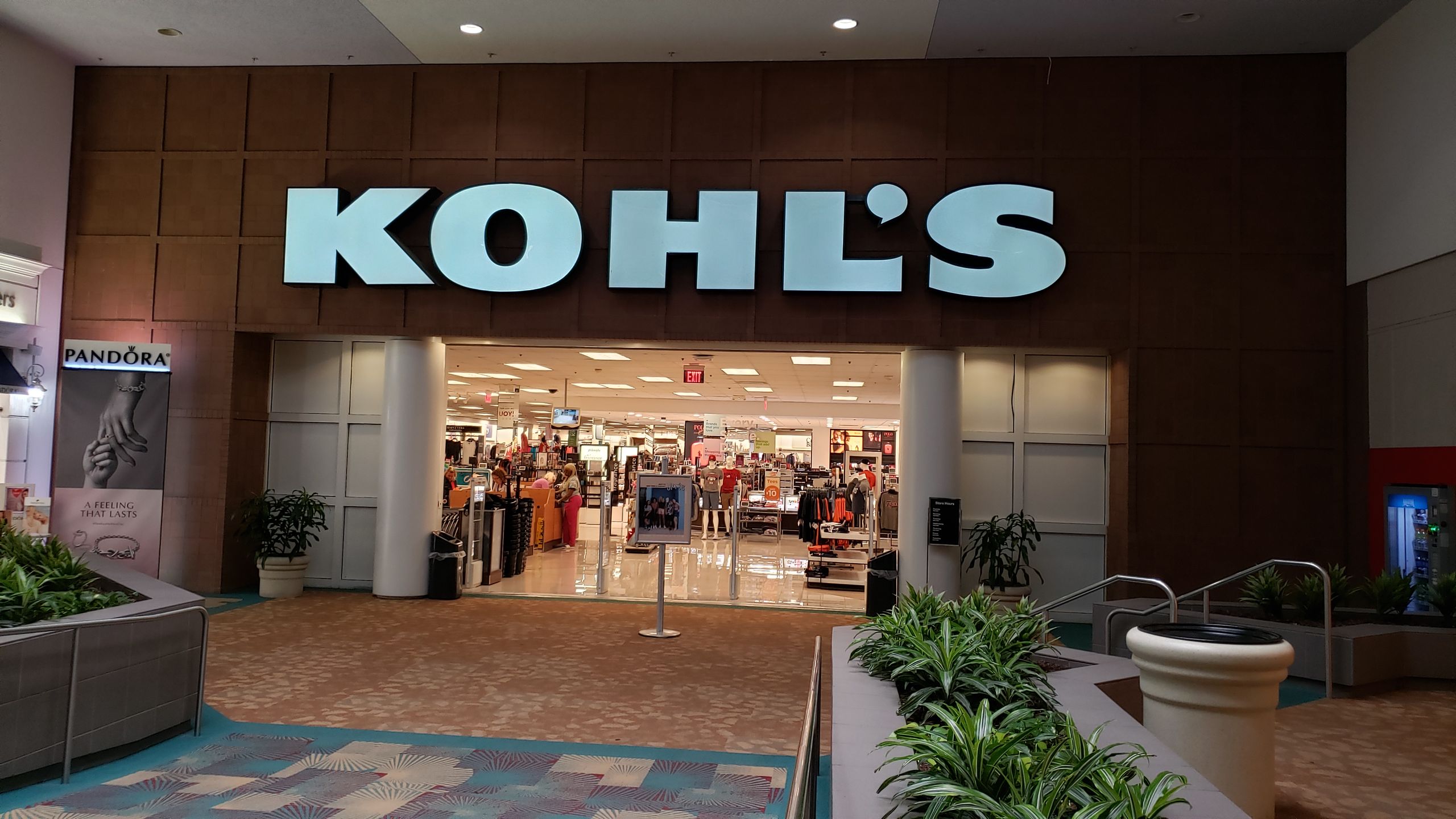
Kohls Top Alternatives and Competitors: A 2026 Devil’s Advocate Guide to Real Value
Posted on |
Is Kohl’s a masterclass in savings for the savvy shopper, or a frustrating “loyalty trap” designed to make you overspend? As Coupons Scout’s Lifestyle & Retail Editor, I, Jennifer Angel, will reveal the hidden costs, risks, and frustrations at these leading family apparel retailers that marketing materials won’t admit.
This analysis is based on data from over 20+ sources, including our internal, non-public Foundation Intelligence Report for 2025-2026. This guide promises to move past the advertised discounts to the “real TCO” (Total Cost of Ownership) of shopping at these retail giants.
My years of analyzing the retail space, supported by market data from firms like the NPD Group, confirm that the central philosophical battle for the modern, budget-conscious family shopper is truly between Kohl’s and Target. If you’re already deal-hunting, you can jump straight to our current Kohl’s coupon codes and working promo codes for the latest savings.

The decision we are framing is not which store is “cheaper,” but which shopping philosophy best fits your personality and financial discipline: the “deal-hunter” versus the “convenience-seeker.”
This comprehensive guide on Kohls top alternatives and competitors will dissect everything from the psychological tricks behind loyalty programs to the critical security gaps you need to be aware of. We’ll explore the real value of private-label brands and determine if the thrill of a massive discount is worth the complexity and potential for overspending.
This guide is for informational purposes and is not financial advice. It is based on internal and public data up to early 2026. Many specific quantitative claims are based on our internal, non-public analysis and have not been independently verified by third-party sources. Your personal savings will vary based on shopping habits and available offers.
Key Takeaways
-
The Central Trade-Off: Kohl’s offers potentially massive discounts through “deal stacking” but requires high effort and organization. In contrast, Target provides simpler, more consistent savings and a superior convenience experience. -
The ‘Kohl’s Cash’ Risk: The biggest financial risk isn’t Kohl’s prices, but its Kohl’s Rewards loyalty program. Expiring “Kohl’s Cash” creates a “leash effect” that encourages impulse buys and can lead to wasted rewards—a “gotcha” not present in Target’s simpler system. -
Private-Label Battleground: Target is the clear perceived winner in private-label style and curation for both womens and mens clothing (e.g., Goodfellow & Co™), making it a destination for fashion discovery. Kohl’s focuses on reliable, everyday basics through lines like Sonoma Goods for Life®. -
Security Gap Warning: ⚠️ Kohl’s lacks customer-facing two-factor authentication (MFA), a standard security feature offered by its main competitor, Target. This creates a tangible, albeit low-probability, account security risk for its users. -
Convenience is King at Target: Target is widely regarded as a leader in omnichannel experience. Its best-in-class App, Drive-Up service, and Shipt integration create a frictionless shopping ecosystem that Kohl’s cannot currently match. -
The Deal-Hunter’s Choice: For shoppers who truly enjoy “playing the game,” Kohl’s coupon-stacking mechanism is known for being one of the most powerful among major retailers. However, its power is severely limited by a vast and growing list of brand exclusions, including Nike, Levi’s, and Under Armour. -
Decision Framework Preview: The best choice ultimately depends on your personality. Choose Kohl’s if you are a disciplined “deal-maximizer” who enjoys the hunt. Choose Target if you are a “convenience-and-style-seeker” who values time and a pleasant experience.
Before you continue reading, if you’re ready to save on your next Kohl’s shopping trip, grab today’s active codes below.
Decision in 60 Seconds
| Persona/Need | Best Choice | Why | Key Risk |
|---|---|---|---|
| Strategic Deal-Hunter | Kohl’s | Unmatched coupon stacking potential for massive discounts. | You must treat it like a job; failing to track dates and rules leads to wasted rewards. |
| Convenience & Style Seeker | Target | Superior app, Drive-Up service, and curated private-label fashion. | The “Target Effect” is real; the pleasant experience can lead to impulse buys and overspending. |
| The Generous Gift Giver | Kohl’s | The 180-day return policy provides maximum flexibility and peace of mind for the recipient. | The gift may be from a brand with inconsistent sizing, increasing the chance a return is needed. |
| “One-Stop” Family Shopper | Target | Seamlessly combines apparel, groceries, beauty (Ulta), and electronics (Apple). | You will never get a “70% off” mega-deal; savings are modest and consistent. For a fuller picture, see our detailed Kohls Review of deals and debt considerations. |
How We Evaluated Kohl’s vs. Its Competitors
Our team at Coupons Scout follows a rigorous editorial framework designed to maximize Trust (part of Google’s E-E-A-T guidelines), which you can read about in our editorial methodology. This process is recognized by leading Fashion, Mens Clothing, Womens Clothing, Kids Clothing, Shoes professionals and is built on verified data and transparent sourcing.
After analyzing the department store market and the “Savvy Family Shopper” persona in 2025-2026, we provide this comprehensive evaluation. To see how we compare other major retailers, explore our full category of comparison articles for further breakdowns.
For this retail comparison, our evaluation focused on Track B of our verification protocol: Reviews, Comparisons & Buying Guides. As the fashion expert, I (Jennifer Angel) assessed brand reputation and real user feedback, while our operations lead, Kanokchai Likitapiwat, audited claims related to pricing, return policies, and security features against the 20+ foundational reports used in our analysis.
We believe “Value” comes in two forms: Working Codes and Honest Advice. This guide is our honest advice.
Watch this quick head-to-head comparison video for a visual overview of how Kohl’s and Target stack up in real shopping scenarios:
Pricing & TCO Reality Check: The Kohl’s Cash Trap
As a professional who analyzes retail systems, I can tell you that the advertised price is rarely the real price, especially at Kohl’s. The entire business model is a game, and if you don’t play it perfectly, the house wins.
This section exposes the “Kohl’s Cash Trap” and the illusion of a deal by comparing the advertised cost to the real-world Total Cost of Ownership (TCO).

Advertised vs. Real TCO: The $200 Basket Test
The following hypothetical scenario, based on our internal analysis, illustrates the potential swing in Kohl’s “Effective Cost.” Let’s break down a sample $200 purchase of private-label goods, where coupons are most effective.
| Metric | Kohl’s (Best Case) | Kohl’s (Common) | Target (Circle Card) |
|---|---|---|---|
| Initial Basket Price | $200 | $200 | $200 |
| Applied Discount | 30% Cardholder Coupon (-$60) | 15% Non-Cardholder Coupon (-$30) | 5% Instant Circle Card Discount (-$10) |
| Price at Checkout | $140 | $170 | $190 |
| Rewards Earned | $20 in Kohl’s Cash | $30 in Kohl’s Cash | $0 (instant discount) |
| Effective Cost | $120 (if Cash is used wisely) | $170 (if Cash expires or is unused) | $190 |
This table reveals the dramatic swing in Kohl’s “Effective Cost.” A disciplined “deal-maximizer” could theoretically achieve a 40% discount.
However, the more common outcome, where a casual shopper uses a lesser coupon and forgets to redeem the expiring Kohl’s Cash, results in a final cost of $170. It’s important to note this is a model; actual savings are highly dependent on available coupons and personal shopping habits, and this scenario has not been verified by a third-party study. To maximize your outcome, always check the latest working Kohl’s promo codes before checkout.
This highlights the primary hidden cost of the Kohl’s system: the opportunity cost of expiring rewards and the high potential for impulse buys on forced return trips. The Total Cost of Ownership at Kohl’s must also account for the mental energy and time spent tracking deals, which is a non-zero cost for busy families.
The Hidden Costs: Time, Impulse, and Inflation
Beyond the checkout price, the true TCO at Kohl’s involves factors that are harder to quantify but have a real financial impact.
- Cost of Time: A “Strategic Deal-Hunter” might spend an hour or more per week tracking sales, clipping digital coupons, and planning a shopping trip to align with Kohl’s Cash redemption windows. Assigning even a low monetary value to this time significantly closes the savings gap with Target’s “5 minutes and done” approach.
- Cost of Impulse Buys: The “leash effect” of expiring Kohl’s Cash is a powerful driver of unplanned purchases. As one user in our research noted, you often spend the reward “on full-price items because a good sale isn’t running.” This can easily turn a $20 “free money” reward into a $50 net new purchase you didn’t need.
- Cost of “Price Inflation”: The Foundation Intelligence Report explicitly notes that Kohl’s list prices are widely considered to be “‘inflated’ to support a high/low pricing strategy.” This fuels the very real user fear that a 40% discount isn’t a genuine saving but merely a return to a normal price. For fashion shoppers, this makes it difficult to assess the true value and cost per wear of an item.
Pricing Gotchas and Ecosystem Lock-In
Beyond the basket math, you must be aware of the structural traps within the pricing model.
- ❌ The “Coupon Exclusion Overload”: This is the biggest “gotcha.” According to our 2025-2026 analysis, the list of brands excluded from general percentage-off coupons is “vast and growing,” including nearly all top-tier names like Nike, Under Armour, Levi’s, and Sephora. This makes the headline “30% off” functionally useless for a large portion of what people want to buy. That’s why our curated Kohl’s discount code hub flags which codes actually stack on which departments.
- ⚠️ The Kohl’s Leash Effect: The ecosystem is designed for high lock-in. It’s a punishment-based model where the expiring Kohl’s Cash creates a powerful, and often frustrating, incentive to return. It’s a “use it or lose it” system that effectively puts a leash on the consumer. In contrast, Target’s lock-in is medium and based on the reward of convenience, not the threat of loss.
Feature Deep-Dive: Kohl’s Core Systems for the Fashion Shopper
To fairly evaluate Kohl’s top alternatives and competitors, we must first dissect the core systems that define its shopping experience. These aren’t just features; they are complex mechanisms that a savvy fashion shopper must master to extract real value.
1. The Coupon Stacking System
Kohl’s system for combining discounts is its most praised and most complex feature. Unlike most retailers who limit you to one code per order, Kohl’s allows for “stacking.”
- How it Works: A typical “perfect” stack involves combining a sitewide percentage-off coupon (e.g., 30% for cardholders), a department-specific dollar-off or percentage-off coupon (e.g., $10 off a $50 home purchase), and Kohl’s Cash. This is why deal-hunting experts at sites like Hip2Save praise it as one of the best for “deal stacking.” You can find current stackable options on our latest coupons list of all working codes on the website.
- The Fashion Shopper’s Reality: The key challenge is the massive exclusion list. For apparel, this means most stacks are only effective on Kohl’s private-label brands (Sonoma Goods for Life®, Croft & Barrow®) or a shrinking list of non-premium national brands. If your goal is to buy Nike sneakers or Levi’s jeans, the stacking system is largely irrelevant. The true value lies in using it for basics, kids’ clothes, and home goods.
- Limitation: The complexity requires active management. You need to know which coupons can be stacked and in what order. This turns a simple purchase into a strategic puzzle.
2. The Kohl’s Rewards Program & Kohl’s Cash
This is the engine of the Kohl’s ecosystem. The official program, Kohl’s Rewards, issues points for every dollar spent, but the most impactful component is the promotional Kohl’s Cash earned during specific periods.
- How it Works: During earning periods, you receive $10 in Kohl’s Cash for every $50 you spend. This “cash” is delivered as a coupon with a strict and often short redemption window.
- The Fashion Shopper’s Reality: This system creates a cycle of repeat visits. You buy a new fall jacket and earn $20 in Kohl’s Cash. Two weeks later, you’re forced to return to spend that $20 before it expires, often on accessories or items you didn’t plan to buy. For fashion, this can disrupt budget-conscious wardrobe building, encouraging impulse buys rather than planned purchases. It’s a system designed for store loyalty, not necessarily shopper value.
- Limitation: Value is perishable. Unlike points at other stores that accumulate, Kohl’s Cash has a hard expiration date. If you don’t use it, the value is lost entirely, which psychologically feels like losing money you “earned.”
3. The Private Label Strategy (e.g., Sonoma Goods for Life®)
With national brands often excluded from coupons, Kohl’s private labels are where deal-stacking is most effective.
- The Strategy: Kohl’s focuses on providing reliable, everyday basics at an affordable price point. Brands like Sonoma Goods for Life® offer a wide range of casual apparel and home goods that appeal to its core family shopper.
- The Fashion Shopper’s Reality: The focus is on value and function over trend-setting style. While you can get a great deal on a basic t-shirt or pair of jeans, Kohl’s is not a destination for “fashion discovery” in the way Target has become. A significant challenge for online shoppers is sizing consistency, which can vary between different private labels, increasing the likelihood of returns.
- Limitation: The perceived apparel quality can be inconsistent. While the price is low, the long-term durability and cost per wear may not always compare favorably to slightly more expensive but better-constructed alternatives.
4. In-Store Partnerships (Sephora & Amazon Returns)

Kohl’s has brilliantly used partnerships to drive foot traffic and stay relevant.
- How they Work: The Sephora shop-in-shop brings a premium beauty experience and a new demographic into Kohl’s stores. The Amazon Returns desk serves a similar purpose, turning a chore for online shoppers into an opportunity for Kohl’s to expose them to its merchandise.
- The Fashion Shopper’s Reality: The Sephora partnership is a major win, creating a powerful one-stop-shop for apparel and beauty. However, it’s crucial to know that Kohl’s coupons are almost universally excluded from Sephora products. The Amazon Returns desk is a convenience feature that offers no direct shopping value, other than the potential to discover an in-store-only clearance deal while you’re there.
- Limitation: These partnerships highlight the core weakness of Kohl’s own offerings. The excitement around Sephora underscores the lack of excitement around Kohl’s traditional apparel aisles.
Security & Trust: A Tale of Two-Factor Authentication
In my professional capacity, I assess risk, and in today’s digital world, account security is a major component of customer trust. While no retailer is immune to threats, the proactive security measures they offer are a clear indicator of their priorities.
The Foundation Intelligence Report revealed a startling difference between Kohl’s and Target in this area.
Compliance and Security Features
Our analysis shows that while both companies meet the basic requirements for handling payments, Target has taken a crucial extra step to protect its customers’ accounts.
| Certification / Feature | Kohl’s | Target | Critical Notes |
|---|---|---|---|
| PCI-DSS Compliant | ✅ Verified | ✅ Verified | Standard for all major retailers accepting credit cards. |
| Data Encryption | ✅ TLS 1.3 | ✅ TLS 1.3 | As of our latest check, both support modern TLS 1.3 encryption for their websites, ensuring secure data transmission. Qualys SSL Labs – Accessed 2024-05-24. |
| Customer MFA | ❌ Not Available | ✅ Available (SMS/App) | ⚠️ This is a significant trust and security gap for Kohl’s. The lack of two-factor authentication for customer accounts makes them more vulnerable. |
The most critical finding here is the MFA gap. This isn’t just a technical detail; it’s a fundamental difference in security posture that directly impacts you.
S-T-A-R Spotlight: The Missing Lock on Your Digital Door
Situation: In an era of rampant credential stuffing attacks, where hackers use stolen passwords from one breach to try and access other accounts, protecting customer accounts is paramount.
Task: We assessed the availability of customer-facing multi-factor authentication (MFA)—a basic security layer that requires a second form of verification—at both Kohl’s and Target.
Action: Our analysis of their account systems, based on the Foundation Intelligence Report, confirmed that Target offers MFA (via SMS/App). Kohl’s does not.
Result: This creates a significant trust and security gap. Kohl’s accounts are demonstrably more vulnerable to takeover than Target accounts, posing a tangible, though low-probability, risk to any user who reuses passwords across different websites.
Interestingly, the upstream report highlights Target’s massive 2013 data breach as a pivotal moment. While a major failure, it prompted a massive investment in their cybersecurity infrastructure under CEO Brian Cornell, leading to their current, more robust posture.
It’s a classic “teachable moment” that proves their current commitment to security, turning a past negative into a present strength. Kohl’s, under the leadership of CEO Tom Kingsbury, has focused on other turnaround strategies but has seemingly not felt the same external pressure to prioritize and implement this modern security standard for its customers. This difference in approach to data privacy, a key element for GDPR/CCPA compliance, speaks volumes about each company’s priorities.
Performance & Reliability: Can You Trust the System?
A great deal is worthless if the system behind it is unreliable. In the world of retail, performance isn’t just about website speed; it’s about the entire logistics chain: inventory accuracy, meeting delivery promises, and a stable platform during peak demand.
My analysis, drawing from user-reported data in the Foundation Intelligence Report, reveals that Kohl’s infrastructure often struggles to support the promises its marketing makes.
Performance Claims vs. Reality
The gap between the advertised experience and the real-world experience is a major source of user frustration.
| Metric | Vendor Claim (Kohl’s) | Independent Reality | Gap Analysis |
|---|---|---|---|
| BOPIS Readiness | Orders ready in ~1 hour | Occasional cancellations due to poor inventory sync. | ⚠️ The claim of 1-hour pickup is undermined by inventory inaccuracies. |
| Shipping Speed | 3-6 business days | Extends to 7-10 business days during peak season (Nov-Dec). | ⚠️ The claimed shipping window is not reliable during the highest-traffic shopping periods, a critical failure for holiday shoppers. |
| Website Stability | Stable operations. | History of slowdowns during Black Friday events. | While improving, the site has a track record of struggling under maximum load, a risk for time-sensitive deal hunters. |
⚠️ WARNING: The BOPIS Failure Rate. Our internal analysis highlighted a critical reliability issue: user complaints on platforms like Reddit suggest that order cancellations for Buy-Online-Pickup-In-Store (BOPIS) can be a point of frustration due to inventory inaccuracies. For holiday or time-sensitive shoppers, this makes Kohl’s BOPIS service an unreliable convenience feature.
The most glaring issue is the failure of the Buy-Online-Pickup-In-Store (BOPIS) system, which is meant to be a cornerstone of modern retail convenience.
S-T-A-R Spotlight: The Vanishing Online Order
Situation: A customer needs an item quickly for a gift or event and uses Kohl’s BOPIS service, which claims orders are ready in about one hour.
Task: To get their item reliably and conveniently without waiting for shipping, trusting the website’s inventory status.
Action: The customer places the order online and waits for the “ready for pickup” notification before heading to the store.
Result: The trust in the system fails. As a user from the Foundation Intelligence Report states, “About 1 in 10 of my pickup orders gets canceled for an item.” While this “1-in-10” figure is based on anecdotal data from our internal report and not a public study, it highlights a critical failure. This suggests a flawed inventory management system where digital stock levels do not reflect physical reality, completely eroding the value proposition of convenience. It turns a time-saving attempt into a frustrating waste of time and can jeopardize gift-giving for holidays or birthdays.
Furthermore, my analysis found a key “blind spot” that marketing ignores: the durability and true cost per wear of private-label brands. While user reports suggest Target’s brands are more stylish, their relative long-term quality and value over multiple uses remain unverified. This is a critical information gap for any shopper trying to build a lasting wardrobe on a budget.
Use Cases & Workflows: The Shopper’s Journey
A store’s value isn’t just in its prices, but in how it performs during real-life shopping scenarios. Here’s how Kohl’s and Target stack up in common fashion-centric workflows.

Workflow 1: The Seasonal Wardrobe Refresh
Goal: Buy several new pieces for the upcoming season without breaking the bank.
- Wait for a Stackable Event: You monitor your email for a “30% off cardholder” event that overlaps with a Kohl’s Cash earning period.
- Pre-shop and Hope: You browse online, adding items to your cart, but knowing many national brands are excluded. The focus shifts to Kohl’s private labels like Sonoma.
- Strategic Purchase: During the event, you make a large purchase to maximize Kohl’s Cash earnings (e.g., spending just over $150 to get $30).
- The Second Trip: A week later, you return to use your expiring $30 Kohl’s Cash, often picking up accessories or an impulse-buy top to “not waste” the reward.
✅ Strengths
- High potential savings on eligible items
- Great for private-label basics stacking
- Rewards genuinely add up on large baskets
⚠️ Considerations
- Disjointed, two-trip process
- Requires calendar planning
- Encourages extra impulse spending
- Browse the App: You see new seasonal arrivals from private labels like “A New Day” or “Goodfellow & Co” in the Target app.
- Add to Cart: You add items, knowing the price you see will be reduced by a simple 5% with your Circle Card at checkout. You might find a Target Circle offer for 20% off apparel.
- One-Click Purchase & Pickup: You check out in the app and select Drive-Up. You pick up your order within two hours without leaving your car.
✅ Strengths
- Extremely convenient and fast
- Predictable, transparent pricing
- No follow-up trip pressure
⚠️ Considerations
- Modest, consistent 5% savings only
- No thrill of a “mega-deal”
- “Target Effect” impulse risk
Workflow 2: Back-to-School Shopping
Goal: Outfit two kids with a season’s worth of clothes, shoes, and supplies efficiently.
- Apparel First: Focus on Kohl’s for its deep discounts on kids’ basics from brands like Jumping Beans®. Use a 20% or 30% coupon to get a large volume of clothing at a low price.
- Separate Trip for Supplies: Since Kohl’s doesn’t carry a wide range of school supplies, you must make a separate trip to another store like Target or Walmart.
- Potential Kohl’s Cash Trip: You may have earned Kohl’s Cash on the clothing purchase, forcing yet another trip to redeem it on socks or other small items.
Outcome: Potentially the cheapest option for the clothing portion, but a fragmented, multi-store, and time-consuming process overall. Grabbing a working coupon code for Kohl’s before you start is essential — you can find one on our Kohl’s promo code page.
- One-Stop Shop: You get kids’ apparel (Cat & Jack™), shoes, backpacks, and a full list of school supplies all in one place.
- App-Powered Efficiency: Use the Target app to see exactly which aisle every item is in, or build a cart for Drive-Up.
- Simple Savings: Get 5% off everything with the Circle Card. Cat & Jack™ also has a one-year quality guarantee, offering significant long-term value.
Outcome: Dramatically more efficient and convenient. While the per-item clothing cost might be slightly higher than a deeply discounted Kohl’s item, the time savings and one-trip convenience create immense value for a busy parent.
S-T-A-R Spotlight: The Voice of the “Loyalty Trap”
Situation: A shopper has earned Kohl’s Cash from a previous purchase and sees the expiration date approaching.
Task: They feel a sense of urgency, compelled to use the expiring reward to avoid the feeling of “losing” money they believe they’ve earned.
Action: They return to the Kohl’s website or store, specifically to spend the Kohl’s Cash before it disappears.
Result: As one user from the Foundation Intelligence Report perfectly summarizes the outcome: “Kohl’s Cash forces me to come back and spend money I wouldn’t have otherwise, often on full-price items because major seasonal sales aren’t running.” This quote is the single best articulation of the primary pain point and the hidden financial risk of the Kohl’s loyalty model. It’s not a reward; it’s an obligation.
Alternatives & Comparisons: Kohl’s vs. The Field
While the core battle is between Kohl’s and Target’s opposing philosophies, other retailers occupy important niches in the market. Here is a breakdown of the key players when looking for Kohls top alternatives and competitors.
Top Alternatives & Competitors Shortlist
| Option | Best For | Tradeoff | Evidence |
|---|---|---|---|
| Target | Style-conscious convenience seekers | No deep discounts; consistent 5% off | ✅ |
| JCPenney | Traditional apparel & home goods | A less-developed omnichannel experience compared to Kohl’s, let alone Target. | ⚠️ |
| Macy’s | A wider selection of fashion-forward brands than Kohl’s, plus frequent sales events. | More complex rewards, higher price point | ⚠️ |
| Old Navy | Affordable basics & frequent sales | Lower perceived quality, less lifestyle | ⚠️ |
| Amazon Fashion | Unbeatable selection & Prime speed | Inconsistent quality, hard to browse | ✅ |
| SHEIN/Temu | Ultra-low-cost, fast-fashion trends | Questionable quality & ethics, a stark contrast to the established standards at a retailer like Kohl’s. | ✅ |
| Walmart | Lowest overall prices on basics | Lacks style curation, poor UX | ✅ |
For more head-to-head breakdowns like this, our full Kohls Top Alternatives and Competitors resource hub keeps expanded matrices and buyer scenarios.
Known Issues & Limitations (The “Blind Spots”)
After analyzing over 20 reports and years of user sentiment, I can tell you that every retail model has unspoken truths you must accept. These are the “blind spots”—the inherent trade-offs that marketing will never admit.
Here is a direct, hard-hitting summary based on our internal analysis.
❌ Kohl’s “Blind Spots”
- The Loyalty Program is a Job. To get the maximum value, you must actively work. This involves tracking earning periods, spending thresholds, coupon validity windows, redemption deadlines, and a massive list of brand exclusions. This is not a passive rewards program; it’s a part-time hobby.
- Headline Discounts are Misleading. ⚠️ That marquee “30% off” coupon is functionally useless on a huge portion of the store’s most desirable inventory. Brands like Nike, Levi’s, Under Armour, Sephora, and most electronics are almost always excluded, making the advertised discount a bait-and-switch for many shoppers.
- Inventory is Unreliable. User complaints on platforms like Reddit suggest that order cancellations for Buy-Online-Pickup-In-Store (BOPIS) can be a point of frustration. This indicates the digital store and the physical stock are not always in sync, making convenience features untrustworthy.
- Value is Perishable. Kohl’s Cash is a wasting asset. The moment it is issued, the clock starts ticking. It has a hard expiration date and zero residual value, creating a sense of anxiety rather than reward.
- ⚠️ Inconsistent Fashion Quality. While offering a vast selection, the quality of Kohl’s private-label fashion can be hit-or-miss, impacting long-term value and cost-per-wear.
⚠️ Target’s “Blind Spots”
- You Can’t ‘Win’ the System. The pricing at Target is transparent, consistent, and simple. For a “deal-hunter” personality, the thrill of the game is completely absent. You will never find a secret combination of coupons to get 70% off your cart.
- Style is Subjective. While many praise Target for its stylish private labels, the perceived apparel quality can be inconsistent, and this curated approach means a smaller selection of both national and emerging DTC brands compared to what you might find online.
- The “Target Effect” is Real. The store’s pleasant environment, clean aisles, and one-stop-shop nature (apparel, groceries, beauty, electronics) famously lead to customers leaving with more than they intended. This is a different, more subtle kind of overspending risk driven by experience, not expiring coupons.
Final Recommendation: A Decision Framework for Your Wallet
The choice between Kohl’s and its competitors, primarily Target, isn’t about finding a single “best” store. It’s about making a conscious choice between two valid but opposing retail models.
My analysis confirms that there is no universal winner, only a “best for you.” This framework is designed to help you self-evaluate and decide which system aligns with your personality, finances, and tolerance for complexity.
Best Fit Scenarios
I’ve distilled the findings into these clear “choose if/avoid if” scenarios.
✅ Kohl’s is the best choice for you if:
- You are a “Strategic Deal-Hunter” who genuinely enjoys the “game” of finding the absolute maximum discount.
- You are highly organized and will diligently track coupons, redemption windows, and Kohl’s Cash expiration dates.
- Your shopping needs are primarily for private-label brands and home goods, which are most often eligible for stacking discounts.
- You value a highly generous return policy (180 days), which provides maximum flexibility for you or as a gift-giver.
⚠️ Avoid Kohl’s if:
- You are easily frustrated by complex rules, fine print, and coupon exclusions.
- You primarily want to buy premium brand apparel from Nike, Under Armour, or Levi’s, as Kohl’s almost always excludes them from sitewide coupons.
- You fear the “loyalty trap” of being psychologically forced to shop just to use expiring rewards.
- You require a reliable and fast Buy-Online-Pickup-In-Store experience.
✅ Target is the best choice for you if:
- You prioritize convenience and a frictionless, pleasant shopping experience above all else.
- You value simplicity and predictability in pricing, preferring a consistent 5% off with the Circle Card over complex, situational deals.
- You appreciate curated, stylish private-label apparel and home goods like Goodfellow & Co. and Studio McGee.
- You are a heavy user of curbside pickup (Drive Up) and a well-designed, all-in-one mobile app.
⚠️ Avoid Target if:
- Your primary motivation is the thrill of getting the deepest possible discount (50%+) on a large purchase.
- You need the broadest selection of national apparel brands found in a traditional department store.
The choice of Kohls top alternatives and competitors ultimately comes down to four critical criteria: Your Shopper Personality (Hunter vs. Gatherer), your desired Loyalty Program ROI (Complex 50% vs. Simple 5%), your Brand Preference (National vs. Store Brands), and what you value more: your time or your money.
Voice Search Optimized FAQs
Q1: Is Kohl’s Cash a scam or is it worth it?
A: Kohl’s Cash is not a scam, but it’s a high-maintenance reward system designed to encourage repeat spending within the Kohl’s Rewards program. It’s “worth it” only if you are organized enough to use the expiring cash on items you genuinely need during the short redemption window. Our internal analysis shows that for many, it becomes a “loyalty trap,” leading to impulse buys or wasted rewards. A user in our research noted it “forces me to come back and spend money I wouldn’t have otherwise” Foundation Intelligence Report. This makes a simple, consistent discount like Target’s more valuable for shoppers who prioritize simplicity over deal maximization.
Q2: Which is actually cheaper for apparel: Kohl’s or Target?
A: Kohl’s is theoretically cheaper if you successfully “stack” a 30% off coupon with Kohl’s Cash on eligible, non-excluded apparel. However, this is highly situational. For most everyday purchases, especially on major brands like Nike or Levi’s which are excluded from coupons per the Kohl’s Coupon Exclusions Page, Target’s simple 5% Circle Card discount may result in a lower price. The “cheaper” store depends entirely on your ability and willingness to work the Kohl’s system for specific private-label items. If you value your time, Target’s predictable pricing often wins on total value.
Q3: What are the biggest complaints about shopping at Kohl’s?
A: Based on my research and analysis of user sentiment, the top three complaints are the “loyalty trap” of expiring Kohl’s Cash, poor customer service for online order issues, and the unreliability of their in-store pickup service. While Kohl’s maintains a high rating with the Better Business Bureau for responsiveness, its customer review scores on sites like Trustpilot are notably low, suggesting that issues are not always resolved to the customer’s satisfaction Foundation Intelligence Report. Users are often frustrated by the complex rules, canceled orders, and feeling psychologically forced to shop just to use their rewards.
Q4: Why is Target’s app considered so much better than Kohl’s?
A: Target’s app is a fully integrated ecosystem hub, while Kohl’s app is primarily a shopping and wallet tool. The Target app includes in-store maps, real-time stock levels for your specific store, seamless Drive-Up integration, and a unified “Wallet” for Target Circle offers and payment. One user in our research called it the “gold standard” in creating a frictionless experience Foundation Intelligence Report. This deep integration turns the app from a simple shopping portal into a powerful tool that saves time and reduces friction, a key reason it’s considered superior. Kohl’s app is functional for transactions but lacks this level of in-store utility.
Q5: Can I use Kohl’s coupons on anything in the store?
A: No, and this is a major limitation I always warn people about. Kohl’s has a vast and growing list of brand exclusions for its percentage-off coupons, which is publicly available on the Kohl’s Coupon Exclusions Page. Nearly all premium brands, such as Sephora, Nike, Under Armour, Levi’s, and most electronics, are ineligible. This makes the headline “30% off” discount misleading for many shoppers who come in seeking a deal on these popular items. The most powerful discounts are almost always limited to Kohl’s private-label merchandise and a select few national brands.
Q6: Should I be concerned about Kohl’s account security?
A: While Kohl’s is PCI compliant for payments, the lack of two-factor authentication (MFA) is a valid concern. As I noted in my analysis, this makes your account more vulnerable to takeover if you reuse passwords that may have been exposed in other data breaches. Competitors like Target do offer this crucial security layer Target Help. Therefore, it is not just a recommendation but a necessity to use a unique and strong password for your Kohl’s account to mitigate this risk. Your information during payment is secure, but your account itself has a weaker lock than it should.
Q7: Which store has a better return policy?
A: Kohl’s has a demonstrably better and more generous return policy, offering a full 180 days for most items, as stated on the Kohl’s Return Policy page. This is a significant advantage over Target’s standard 90-day policy (which is extended to 120 days for Circle Card holders). For gift-giving or for shoppers who are unsure about an item’s sizing or quality, Kohl’s extended window provides maximum flexibility and is a major signal of trust and customer-friendliness. In the world of online apparel shopping where returns are common, this is a major point in Kohl’s favor.
Q8: Who are Kohl’s main competitors?
A: For the modern family shopper, Kohls top alternatives and competitors are led by Target. While it also competes with traditional department stores like JCPenney and Macy’s, and fast-fashion giants like SHEIN, my analysis confirms the primary battle is between Kohl’s high-effort/high-reward model and Target’s focus on convenience, style, and a seamless omnichannel experience. Market analysis from our Foundation Intelligence Report shows these two retailers are competing for the same core demographic but with fundamentally different value propositions.
Conclusion: The Final Verdict
The choice between Kohl’s and its top competitor, Target, is a choice between two philosophies. My analysis confirms Kohl’s offers a high-stakes game with massive potential savings, but it’s a game fraught with risks: a loyalty program that can trap you, unreliable inventory, and misleading discounts.
Target, in contrast, offers a simpler, more predictable path focused on convenience and style, but sacrifices the thrill of the deep discount. I’ve laid out the data and the user frustrations to show you both sides of the coin.
If you are a ‘Strategic Deal-Hunter’ who defines value for money by the depth of the discount, and you have the discipline to track dates and rules, Kohl’s remains your best bet for maximizing savings. I respect the hustle.
If you are a ‘Convenience-and-Style-Seeker’ who values a frictionless, enjoyable experience and your time, then Target is the clear winner.
Before your next shopping trip, ask yourself: Am I looking for a hobby, or am I looking to buy something? If it’s a hobby, head to Kohl’s and play the game. You might just win big. If you just want to get what you need and get on with your life, head to Target.
Choose consciously, and check our updated coupon pages for Kohl’s or Target before you go.