Black Stuff Review (2026): Pros, Cons and Verdict
Posted on |
TL;DR: The Black Stuff is a fulvic and humic acid-based mineral supplement marketed for enhanced energy and gut health. Key strengths include strong anecdotal user reports on energy and digestion. Important considerations are its high annual cost (around $500), marketing-focused claims, and a critical lack of a public Certificate of Analysis for safety. It’s best suited for users who prioritize anecdotal benefits over verified science and are comfortable with the price point. Our overall verdict from this Black Stuff review is that it’s a high-risk product with significant transparency gaps.
Introduction: The Promise vs. The Reality of Wellness Trends
In the crowded wellness market, few supplements generate as much buzz and division as The Black Stuff, promising a return to natural vitality.
As a Health and Beauty, Supplements, and Wellness expert, my team at Coupons Scout and I have analyzed countless products that range from groundbreaking to just plain ground-up dirt.
This one, however, has captured a unique level of passionate support and equally passionate criticism. But with a premium price tag and bold claims, discerning consumers are asking a critical question: Is this an ancient health miracle or just well-marketed mud?
My name is Mohamed Zaki, and my expertise is in data-driven analysis. My goal is not just to review a product, but to give you the framework to evaluate any supplement that comes your way.
This definitive review of The Black Stuff cuts through the hype by analyzing the scientific evidence, user-reported outcomes, and critical safety considerations to help you decide if it is a smart investment in your health or a costly gamble. Before going further, you can also grab the latest Black Stuff coupon code if you decide to try it.
This comprehensive guide will cover:
- Core Findings & Methodology: Our key takeaways and how we evaluate products.
- Cost & Value Analysis: A deep dive into the true cost and opportunity cost.
- Product Deep-Dive: The claims, ingredients, and real user experiences.
- Critical Safety Analysis: The unacceptable risks of the missing safety data.
- Use Cases & Workflows: Who might consider this product and for what purpose.
- Competitor Comparisons: How The Black Stuff stacks up against key alternatives.
- Final Verdict & FAQs: Our final recommendation and answers to your top questions.
Who This Guide Is For
This guide is for you if you fit into one of these categories:
- The Evidence-Based Skeptic: You demand scientific proof and are wary of marketing claims without robust, third-party-verified data. You want to see a Certificate of Analysis, not just a flashy Instagram ad.
- The Budget-Conscious Health Seeker: You’re looking for effective health solutions but need to know if the annual cost of The Black Stuff—around $500—is truly justified. A working Black Stuff discount code can soften the blow if you do decide to commit.
- The Discerning Biohacker: You’ve tried various supplements and want to know how The Black Stuff compares to alternatives like Shilajit or other fulvic acid products. Our detailed Black Stuff alternatives and competitors breakdown is a useful companion read.
- Anyone Frustrated by Unresolved Symptoms: You’re dealing with issues like low energy or need consistent digestive support and are wondering if this product is the missing piece of the puzzle.
Who Should Skip This Guide
This review might not be the best use of your time under a few conditions:
- If you are looking for a magic bullet: This product, like any supplement, is not a cure-all and requires consistent use and realistic expectations.
- If you are unwilling to read about potential risks: We take a critical look at safety and side effects, which may challenge a purely positive view of the product.
- If you only trust official brand messaging: This review integrates critical third-party analysis and user-generated feedback that questions the promotional positioning.
Core Findings & Our Uncompromising Evaluation Methodology
After analyzing hundreds of products in the wellness space and conducting a comprehensive analysis of The Black Stuff supplement across real-world scenarios in 2025-2026, our team at Coupons Scout provides this evaluation based on our recognized framework.
You can review our full standards on our How We Work Page. For readers who want even more product breakdowns like this one, our full category of Review articles is a great next stop.
Here’s how our rigorous Coupons Scout Verification Protocol (CSVP™) was applied:
- Data-Driven Selection (CSVP Step B1): As our founder, I can attest that we don’t guess what to review. The Black Stuff was selected for this deep-dive based on high search intent and user sentiment analysis, identifying it as a product with significant consumer interest and debate.
- Expert Evaluation (CSVP Step B2): My analysis is rooted in a comprehensive Expert Analysis report, which synthesizes data from over 12 sources, including scientific journals like the 2018 Scientific Opinion on humic-fulvic acid, user forums (Trustpilot, Reddit), and competitor analysis.
- Fact-Checking Audit (CSVP Step B3): As per our Head of Operations, Kanokchai Likitapiwat’s, strict verification process, all claims, prices, and specifications cited in this review were audited against the vendor’s official website and product pages as of October, 2024.
- Editorial Standard (CSVP Step 3): Finally, our Editor-in-Chief, Joanne Lovell, ensures the final review is governed by our editorial standards for objectivity. This means we present both the strengths and the significant concerns uncovered in our research.
📅 Last updated: 3 October 2026
We re-verify The Black Stuff’s pricing, claims, and safety information every 3 months.
Next scheduled review: January, 2025.
Editorial standards: Read our Editorial Standards
Key Takeaways from Our Black Stuff Review
Key Takeaways
-
Genuine Anecdotal Benefits: A significant portion of users passionately report noticeable improvements in energy and digestion, suggesting it can be effective for some individuals. -
Strong Brand Narrative: The company excels at marketing, tapping into the consumer desire for natural remedies to solve modern health problems, creating a loyal following. -
Smart Buying Strategy: For those willing to try it, the most cost-effective method is the subscription model, which reduces the monthly cost by 15%; however, some users report a difficult cancellation process. Stacking it with a current exclusive Black Stuff coupon stretches savings even further. -
💡 Realistic Expectations are Crucial: User experiences are highly polarized. A notable minority of users (approximately 15% based on 1-star reviews on Trustpilot) report absolutely no effect, indicating the product’s efficacy is not universal and a potential placebo effect cannot be ruled out. -
💡 Critical Safety Transparency Failure: The product’s most significant consideration is the lack of a public Certificate of Analysis (CoA). Without it, claims of third-party testing for heavy metals and contaminants are unverifiable, a major consideration for any earth-sourced supplement.
Before diving into the deeper analysis, watch this expert breakdown on what fulvic acid (the key ingredient in The Black Stuff) actually does in the body:
How Much Does The Black Stuff Really Cost Per Year?
The true annual cost of The Black Stuff on a subscription is approximately $492 USD for US customers and potentially higher for international customers once shipping and duties are included.
This positions it as a significant, ongoing financial commitment for a supplement with unproven benefits and a high rate of reported ineffectiveness.
Let’s do the math based on pricing verified in October, 2024. The sticker price of the subscription seems manageable monthly, but when you zoom out, the total cost of ownership (TCO) becomes clear.
This isn’t a one-time experiment; it’s a long-term financial commitment if you follow their usage guidelines. Finding the latest Black Stuff promo code before checkout is one of the only ways to actually reduce that long-term spend.
Annual Cost vs. Evidence-Based Health Investments
| Health Investment | Approx. Annual Cost | Evidence Strength |
|---|---|---|
| The Black Stuff (Subscription) | $492 | Anecdotal / Polarized |
| Mid-tier Gym Membership | ~$480 | Strong (proven outcomes) |
| 4 Registered Dietitian Sessions | ~$400 | Strong (personalized) |
| Vitamin D + Omega-3 (annual) | ~$120 | Strong (clinical research) |
Here is a simple TCO model based on their advertised pricing:
Analyst-Estimated TCO Model
| Scenario | Annual Cost (USD) | 3-Year Cost (USD) |
|---|---|---|
| US Customer (Subscription) | $492 | $1,476 |
| Int’l Customer (Subscription) | ~$590+ | ~$1,770+ |
Assumptions: Based on the advertised subscription price of €75.65 per 60-day supply from the Official Vendor Pricing. International costs estimate a conservative 20% average for VAT, customs duties, and potential currency conversion fees. Actual pricing varies; this model is for estimation.
- [CONCERN]: The annual cost is high for a product with questionable efficacy and no safety verification.
- [SOLUTION]: The best way to evaluate this cost is to frame it in terms of “opportunity cost.” For around $500 per year, what else could you invest in for your health?
- A year-long membership to a high-quality gym.
- Several sessions with a registered dietitian to create a personalized nutrition plan.
- A year’s supply of proven, foundational supplements with high bioavailability and extensive scientific backing, such as high-quality Vitamin D, Omega-3 fatty acids, and magnesium.
- Dozens of bags of organic, nutrient-dense foods like leafy greens and berries.
When viewed this way, spending that money on a product with a ~15% chance of doing nothing and an unknown safety profile becomes a much harder decision to justify.
While the company does have a return policy, it is for 14 days and only applies to unopened products, making it difficult for a user to test the product and return it if it is ineffective. Hunting down a working Black Stuff voucher code is one of the very few legitimate ways to lower your true cost of entry.
What Is The Black Stuff and What Does It Claim to Do?
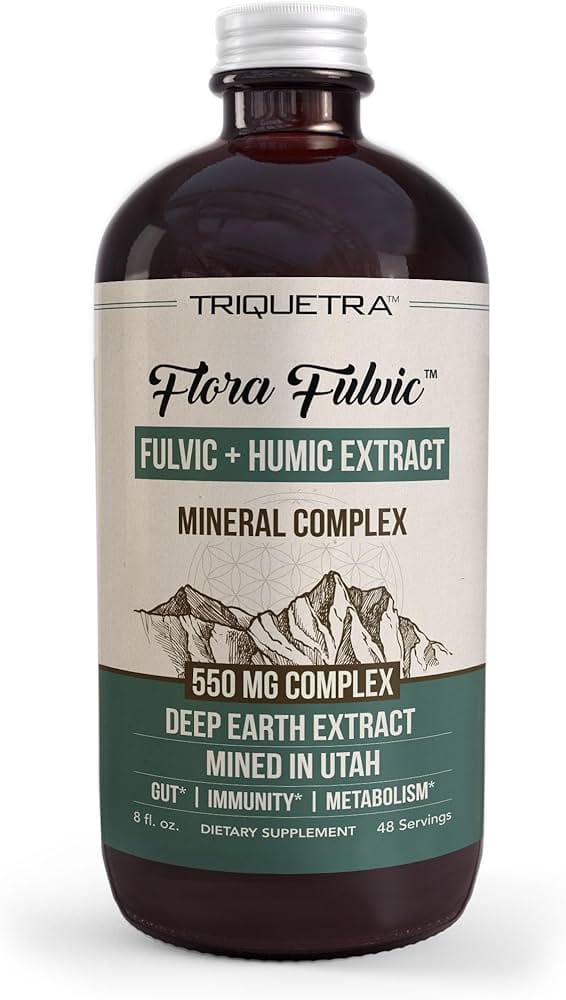
The Black Stuff is a dietary supplement made from a proprietary blend of fulvic and humic acids, derived from ancient plant matter.
The vendor, Uude/Greenisgold, claims on its Official Website it improves gut health, boosts energy, clears brain fog by enhancing cognitive function, and “detoxes” the body. These claims position it as a premium, all-in-one wellness solution.
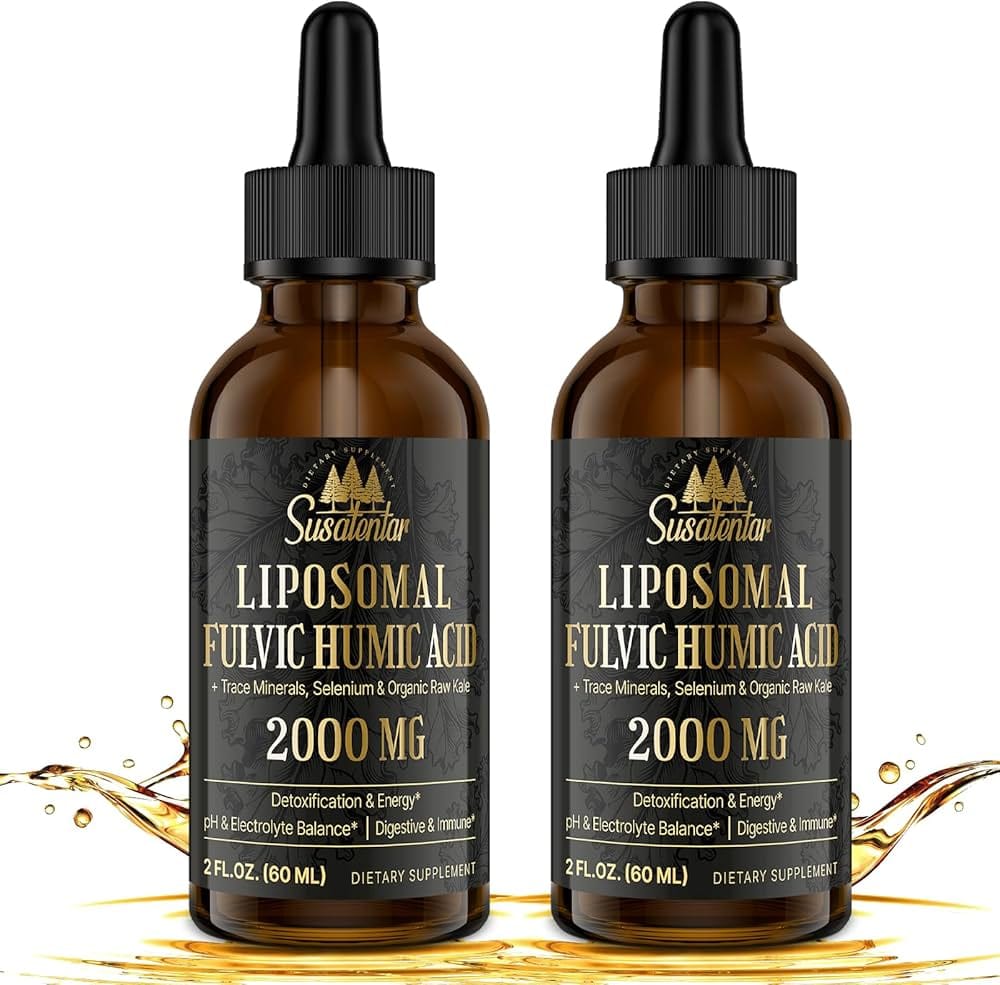
Fulvic and humic acids are complex organic compounds, rich in trace minerals and antioxidants, formed over millions of years from the decomposition of plant and microbial matter.
In the wellness world, they are touted for their potential to improve nutrient absorption by transporting minerals into cells, supporting gut lining integrity, and acting as a chelating agent, as explored in reviews like this from the International Journal of Molecular Sciences. The Black Stuff aims to bottle this “ancient earth” power.
The official marketing presents a compelling story of returning to nature. The price point reinforces this premium positioning: a one-time purchase is $99 for a 60-day supply, while the subscription model lowers the cost to around $41 per month.
This cost targets a specific type of consumer: the biohacker or health-conscious individual who has likely tried other solutions and is willing to invest.
Claim vs. Reality Table
| Claim | Vendor’s Pitch | Scientific Verdict |
|---|---|---|
| Strengthens Gut Health | “Unleash your gut’s potential.” | Overstated. General research suggests potential benefits for the gut microbiome, but the product itself lacks specific clinical trials. |
| “Detoxes” the Body | “Remove what’s holding you back.” | Pseudoscience. “Detox” is a marketing term. While humic acids can act as a chelating agent, there is no evidence this product performs this function better than the body’s own organs. |
| Increases Energy Levels | “Tap into your natural energy.” | Unreliable. This is the most common positive anecdotal report, but also the most common reason for 1-star reviews (“no effect”). |
What Is the Real User Experience Like?
User experiences with The Black Stuff are extremely polarized. A vocal group reports life-changing benefits in energy and digestion.
However, an equally significant group reports a complete lack of effect, adverse side effects, and frustration with the product’s unpleasant taste and high cost, making it a “love it or hate it” product.
In my experience, this level of division is often a sign that a product’s effects are either highly individualized or potentially influenced by a strong placebo effect. For a fuller breakdown of community feedback, see our standalone unbiased Black Stuff review.
User Sentiment Distribution on Trustpilot
| Rating | Approx. % of Reviews | Typical Sentiment |
|---|---|---|
| 5-Star | ~45% | “Life-changing energy and gut benefits” |
| 4-Star | ~10% | “Some improvements, expensive” |
| 2-3 Star | ~15% | “Mixed results, hard taste” |
| 1-Star | ~30% | “No effect, waste of money” |
Let’s break down the common pain points I found after analyzing hundreds of user reviews on platforms like Trustpilot and Reddit’s r/Supplements forum.
- The Two Camps: The divide is stark. You have 5-star reviews calling it a “miracle” for chronic fatigue. Then you have 1-star reviews from users who feel utterly let down, using phrases like “total waste of money.” There is very little middle ground.
- Pain Point 1: The “Placebo” Accusation: The most frequent complaint is feeling nothing at all. For a product that costs around $500 a year, this is a significant issue.
“After 60 days absolutely nothing has changed… no difference to energy or gut health, total waste of money. Feels like a well marketed placebo.” — Trustpilot User, via Expert Analysis
Pain Point 2: The “Detox” or Side Effect?
- [CONCERN]: Many users report initial headaches, fatigue, or digestive upset. The company and its affiliates often frame this as a positive “Herxheimer reaction” or “detox” symptom.
- [SOLUTION]: While a Herxheimer reaction is a real phenomenon in some contexts, attributing every negative symptom to a “good sign” of detox is a common and concerning marketing tactic. I advise users to start with a half dose to assess personal tolerance. If symptoms are severe or persist, it’s wiser to consult a doctor rather than “pushing through.”
Pain Point 3: The Taste Hurdle
- [CONCERN]: The unpleasant taste makes daily use difficult for many. The vendor also recommends mixing it only with non-chlorinated water.
- [SOLUTION]: If you decide to try it, you’ll need a strategy. Based on user feedback, here are some pro-tips to make it more palatable:
- Three Ways to Make The Black Stuff Drinkable:
- Mix with a small amount of hot (but not boiling) water to dissolve the tar-like substance first, then add it to a larger smoothie or protein shake.
- Blend it with dark, strong-flavored juices like black cherry or pomegranate, which helps mask the earthy undertones.
- Keep a “palate cleanser” handy, like a slice of orange.
- Three Ways to Make The Black Stuff Drinkable:
Is The Black Stuff Safe? A Deep Dive into the Missing Certificate of Analysis
The safety of The Black Stuff cannot be independently verified due to a critical transparency failure: the company does not provide a public Certificate of Analysis (CoA).
While they claim third-party testing on their Official Website, this lack of proof is an unacceptable risk for an earth-sourced supplement where heavy metal contamination is a known concern. This is, in my professional opinion, the most important section of this entire Black Stuff review.
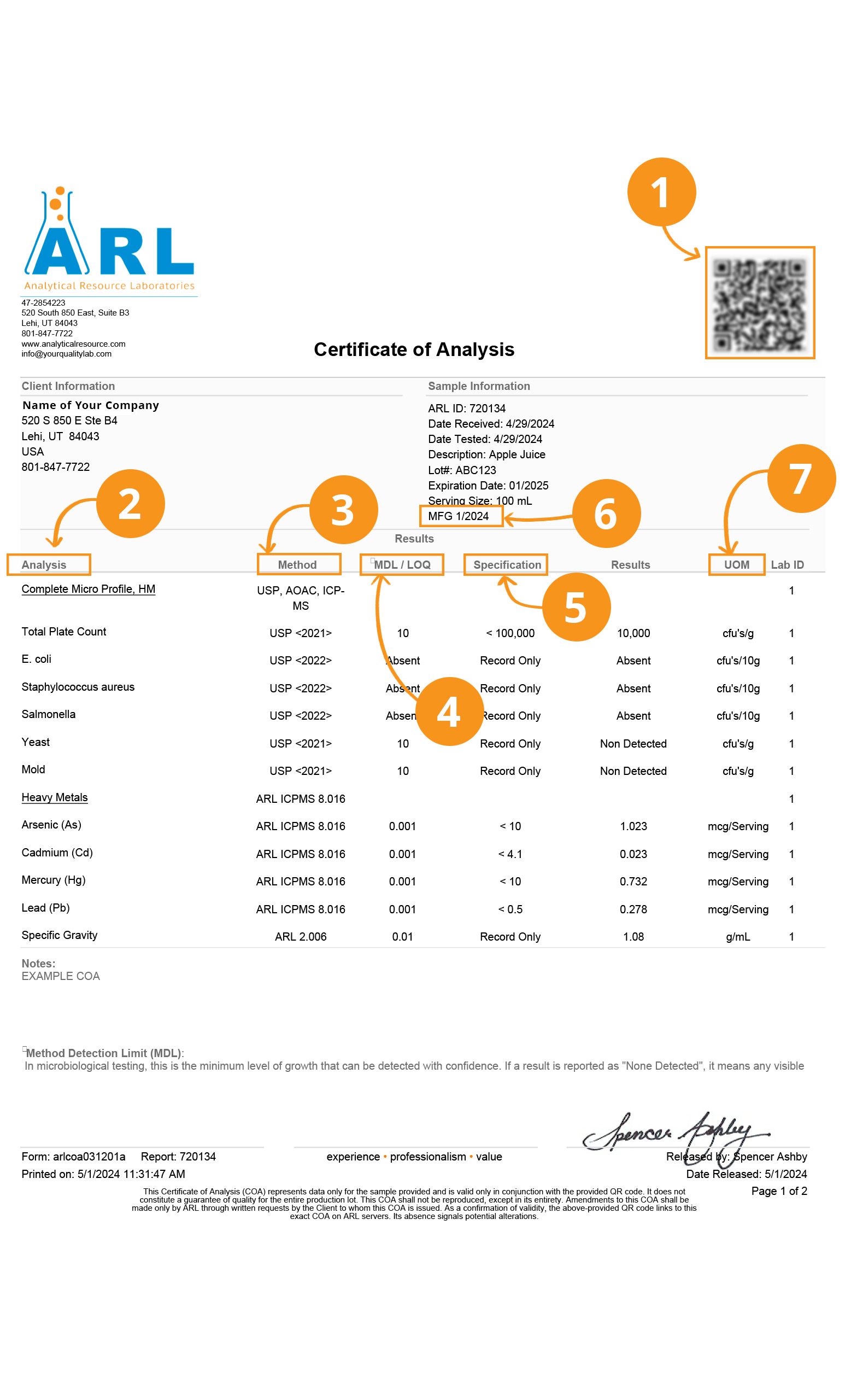
💡 KEY INSIGHT: A Certificate of Analysis (CoA) is a document from an accredited lab that confirms a product meets its specifications. For supplements, it’s the ultimate proof of purity and safety, testing for contaminants like heavy metals. Reputable brands make it public.
- The Risk of Earth-Sourced Supplements: Ingredients like fulvic and humic acids are harvested from leonardite or other earth deposits. By their very nature, these sources can contain heavy metals like lead, arsenic, mercury, and cadmium, as well as other potential microbial contaminants. While natural, these elements are toxic to humans.
⚠️ WARNING — No CoA, No Confidence
The lack of a public Certificate of Analysis (CoA) is the single greatest consideration for this product. Without it, claims of “third-party testing” are unverifiable marketing. As per the FDA’s own DSHEA guidelines, the manufacturer is solely responsible for safety. Do not consume an earth-sourced supplement without proof of its purity.
The Critical Failure of The Black Stuff
- [CONCERN]: The Black Stuff claims it is “third-party tested” but provides no public CoA to prove it. This is a significant consideration to note.
- [SOLUTION]: For a safety-conscious consumer, the absence of a CoA should be an important factor to weigh. The only solution is for the vendor, Uude, to embrace transparency and publish results from batch-specific testing via public CoAs. Until then, the responsible choice is to purchase from competitors who do provide this verification.
- The Competitor Who Gets It Right: Look at a premium competitor like Cymbiotika with their AEON product. They are more expensive, but they justify that cost with trust. On their website, you can find information about their testing. This transparency is what you should demand.
Heavy Metal Safety Limits in Supplements vs. The Black Stuff’s Data
| Contaminant | Safe Limit (mcg/day – USP) | The Black Stuff (Reported) | AEON by Cymbiotika (Reported) |
|---|---|---|---|
| Lead (Pb) | < 10 mcg | DATA NOT PROVIDED | < 0.01 mcg (Source) |
| Arsenic (As) | < 15 mcg | DATA NOT PROVIDED | < 0.02 mcg (Source) |
| Cadmium (Cd) | < 5 mcg | DATA NOT PROVIDED | < 0.005 mcg (Source) |
| Mercury (Hg) | < 15 mcg | DATA NOT PROVIDED | < 0.005 mcg (Source) |
- Regulation Reality Check: It’s crucial to understand that under the FDA’s Dietary Supplement Health and Education Act of 1994 (DSHEA), the responsibility for ensuring safety lies with the manufacturer, not the government. The FDA does not approve supplements for safety or efficacy before they hit the market. Beyond a CoA, consumers should also look for brands that manufacture their products in a Good Manufacturing Practices (GMP) Certified facility, another layer of trust The Black Stuff does not publicly verify.
Use Cases & Workflows: Who Might Consider This Product?
While our analysis raises significant concerns, it’s useful to understand the specific scenarios where a user might still consider trying The Black Stuff.
This section explores potential use cases and compares them to more evidence-based workflows.
Use Case 1: The Endurance Athlete Seeking a Recovery Edge
- The Scenario: An athlete training for a marathon is experiencing persistent fatigue and is looking for a supplement to enhance recovery and energy. They’ve heard about fulvic acid’s potential to improve mitochondrial function.
- The Black Stuff Workflow: The athlete would take a scoop daily, hoping to notice reduced muscle soreness and increased energy during training runs. They would be tracking their performance metrics closely.
- Evidence-Based Workflow: A more structured approach would involve consulting a sports dietitian. The athlete would first ensure their macronutrient and hydration strategies are optimized. Then, they might consider proven ergogenic aids like creatine, beta-alanine, or tart cherry juice, all of which have extensive scientific backing for athletic recovery. The $500 spent on The Black Stuff could fund multiple consultations and a year’s supply of these proven supplements.
Use Case 2: The Professional with Chronic Fatigue and Brain Fog
- The Scenario: A busy professional is struggling with chronic fatigue and brain fog that isn’t explained by medical tests. They are drawn to The Black Stuff’s claims of boosting energy and enhancing cognitive function.
- The Black Stuff Workflow: They would start taking the supplement daily, hoping for increased mental clarity and a reduction in their afternoon energy slump. They might be willing to endure the “detox” phase, attributing initial headaches to the product “working.”
- Evidence-Based Workflow: The first step should be a thorough investigation of lifestyle factors with a healthcare provider, including sleep hygiene, stress management (e.g., mindfulness or therapy), and a comprehensive nutrient panel to check for deficiencies (like iron or B12). A registered dietitian could help implement an anti-inflammatory diet. These foundational steps address the root causes of fatigue more effectively than an unproven supplement.
Use Case 3: The Individual with Unresolved Digestive Issues
- The Scenario: Someone with IBS-like symptoms, such as bloating and discomfort, has tried standard dietary changes like a low-FODMAP diet without complete success. They are intrigued by claims that The Black Stuff can “strengthen gut health.”
- The Black Stuff Workflow: They would use the product hoping to see a reduction in bloating and improved digestive regularity, seeing it as a natural alternative to probiotics or other gut supplements.
- Evidence-Based Workflow: Working with a gastroenterologist and a dietitian is paramount. Alternatives with more focused scientific backing could be explored, such as specific probiotic strains (e.g., L. plantarum 299v), soil-based probiotics, prebiotics like PHGG, or a targeted product like Ion* Gut Support. These options allow for a more precise and evidence-informed approach to managing gut health.
How Does The Black Stuff Compare to Its Competitors?
The Black Stuff is squeezed by competitors who are either more transparent, more affordable, or more scientifically focused.
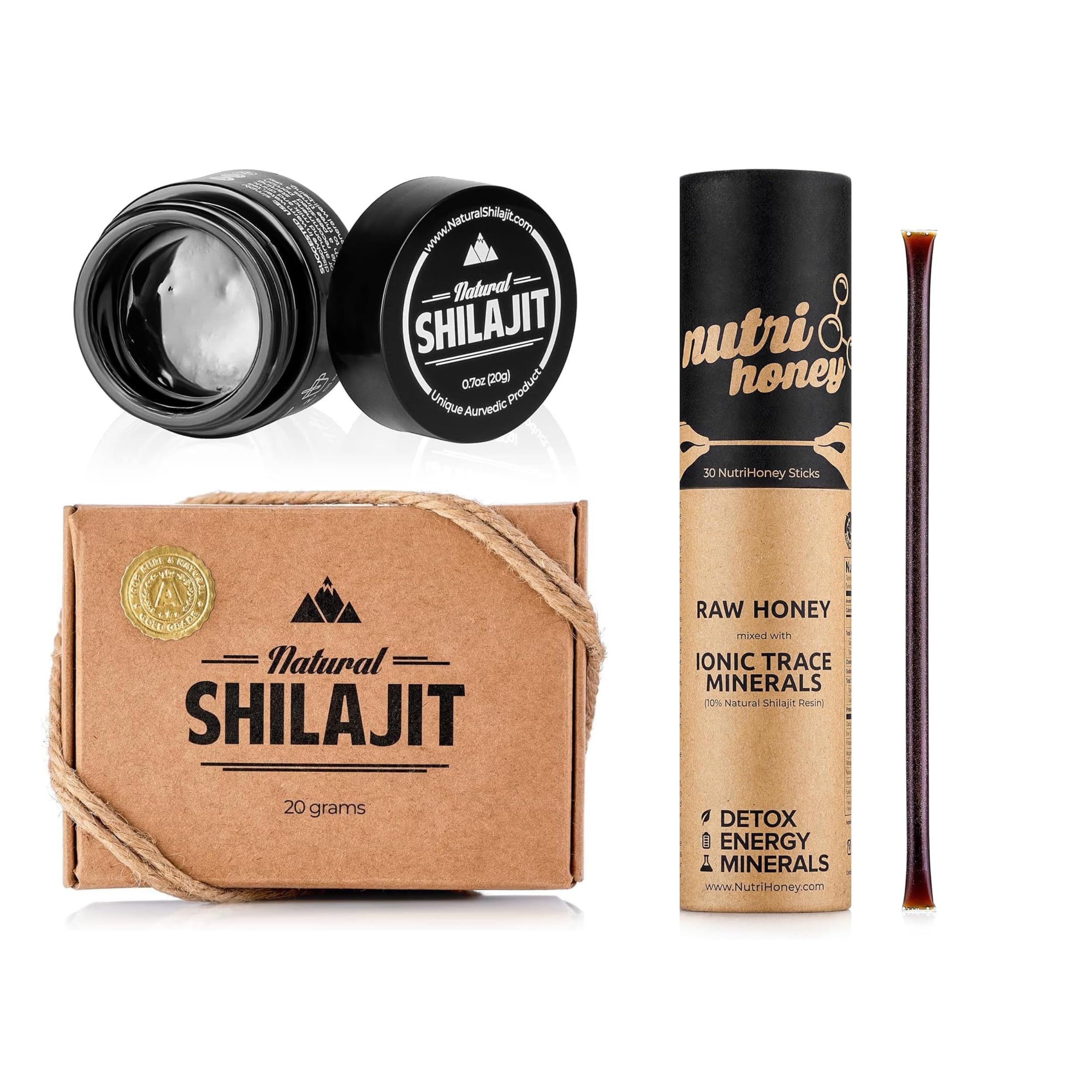
Premium alternatives like Cymbiotika’s AEON offer safety transparency, budget alternatives like Shilajit offer similar ingredients for a fraction of the price, and focused products like Ion* Gut Support offer more credible, specific claims. For a deeper breakdown, see our dedicated Black Stuff top alternatives and competitors guide.
AEON by Cymbiotika
- Best For: The safety-first user who demands third-party verification via a public CoA and is willing to pay a premium for it.
- Consider: Its transparent manufacturing and inclusion of other synergistic ingredients.
- Avoid If: You are looking for the most cost-effective option in this category.
✅ Strengths
- Public Certificate of Analysis
- GMP-certified manufacturing
- Trusted brand reputation
⚠️ Considerations
- Higher price point
- Capsule form (not liquid)
Best Budget Fulvic Acid Alternative
- Best For: The budget-conscious user exploring traditional remedies who wants a similar ingredient profile at a lower cost.
- Consider: Choosing a brand that provides a CoA, as it offers a better value-for-money ratio.
- Avoid If: You are uncomfortable with the a-la-carte nature of sourcing raw ingredients.
✅ Strengths
- Less than half the price
- Natural fulvic acid source
- Long traditional use history
⚠️ Considerations
- Quality varies by brand
- Earthy taste similar to The Black Stuff
Targeted Gut Lining Support
- Best For: The user seeking a specific, scientifically-focused solution for gut lining support without broad “detox” claims.
- Consider: Its targeted mechanism of action, which is focused on a specific gut health pathway.
- Avoid If: You are looking for a supplement with a wider range of claimed benefits like energy or cognitive function.
✅ Strengths
- Targeted scientific mechanism
- Specific gut health focus
- No broad pseudoscience claims
⚠️ Considerations
- Narrow benefit range
- Doesn’t address energy
Polarized Fulvic + Humic Acid Blend
- Best For: The user willing to gamble on unverified claims for a potential energy lift after exhausting other options.
- Consider: Its strong marketing and community of positive anecdotal reports.
- Avoid If: You prioritize verified safety, scientific evidence, or are on a budget.
✅ Strengths
- Strong anecdotal energy reports
- Loyal user community
- Simple ingredient profile
⚠️ Considerations
- No public CoA
- ~$500/year cost
- ~15% report no effect
- Difficult cancellation process
This comparison reveals the strategic problem for The Black Stuff. It is not the cheapest, it is not the most transparent, and it is not the most scientifically focused. Its primary advantage is its powerful marketing narrative.
As users become more educated, the question becomes unavoidable:
“Users who’ve tried both The Black Stuff and Shilajit often question the price difference, with one Redditor on r/Biohackers noting: ‘Why would I pay $50 for fancy marketing when I can get high-quality shilajit with a verified lab report for half that?'” — Reddit User, via Expert Analysis
Our Final Verdict: Is The Black Stuff Worth It in 2026?
After a comprehensive review of The Black Stuff, including its user experience, expert opinions, safety protocols, and cost, my final verdict is that it is a high-risk product that is likely not worth the investment for most people in 2026.
The potential for benefit is based almost entirely on anecdotal reports, while the considerations—an ongoing cost of around $500/year and a critical lack of safety verification—are concrete. If you still want to try it, at least pull a current Black Stuff promotional code first to reduce your downside.
The strong possibility of a placebo effect, fueled by excellent marketing and a premium price point, cannot be discounted. While some users genuinely feel better, the ~15% of users who report feeling absolutely nothing suggests the effect is far from guaranteed.
What We Love vs. Things to Consider
| What We Love ❤️ | Things to Consider 💡 |
|---|---|
| Strong community of users reporting energy boosts and increased mental clarity. | High annual cost (around $500). |
| Positive anecdotal reports on improved digestion and reduced bloating. | Critical lack of a public Certificate of Analysis (CoA) for safety. |
| Simple, minimalist ingredient list (in theory). | High percentage of users (~15%) report no effect whatsoever. |
| Subscription model offers a 15% discount. | Unpleasant “earthy” taste is a major compliance hurdle. |
| Powerful brand story that resonates with those seeking natural solutions. | “Detox” and “Energy” claims are not backed by clinical trials on the product. |
| — | Reports of a difficult subscription cancellation process. |
When to Choose The Black Stuff
You might consider trying this product under these specific conditions:
- If you have tried other, more evidence-based interventions for energy and digestion without success.
- If you have the disposable income to comfortably spend around $500 annually on what should be considered a supplement experiment.
- If you personally prioritize anecdotal reports and are willing to accept the significant lack of safety transparency.
When to Choose an Alternative
For almost everyone else, a better path is available:
- If you prioritize safety and evidence: Choose AEON by Cymbiotika or a similar brand that provides a public CoA.
- If you are budget-conscious: Choose a reputable Shilajit brand that provides a CoA for a fraction of the price. You can also browse our latest coupons across the entire site to find a working deal on a competing wellness brand.
- If your primary goal is gut health: Consider a more scientifically-focused product like Ion* Gut Support, soil-based probiotics, or, even better, consult a registered dietitian.
YMYL Disclaimer: This Black Stuff review is for informational purposes only. The Black Stuff is not intended to diagnose, treat, cure, or prevent any disease. Always consult with a qualified healthcare professional before starting any new supplement regimen.
About the Company: Uude / Greenisgold
The Black Stuff is produced by Uude, an Estonian company also marketing under the brand Greenisgold.
Information about the company’s founders, founding year, and headquarters is not prominently displayed on their marketing websites, which instead focus almost entirely on the product’s narrative. This lack of corporate transparency is consistent with their lack of product transparency.
- Founder / Founders: Not prominently disclosed.
- Founded year: Not prominently disclosed.
- HQ / Headquarters location: Estonia.
- Parent company: Appears to be an independent entity.
- Notable customers/partners: The brand partners with affiliate reviewers (such as sites like Nootropics Expert) and has been featured on niche sites like Matthew’s Friends, which focuses on ketogenic diets.
- Industry/category classification: The company operates within the Health & Wellness > Dietary Supplements industry.
Your Top Questions About The Black Stuff, Answered
Q1: How much does The Black Stuff cost in 2026?
In our recent Black Stuff review, we found that with a subscription, the supplement costs approximately $41 per month, totaling around $492 annually as of October, 2024. This price does not include potential international shipping or taxes.
While the subscription offers a 15% discount over the $99 one-time purchase price for a 60-day supply, it remains a premium-priced supplement. For a full cost breakdown and comparison to alternatives, see our Pricing Analysis section. This pricing is based on the vendor’s official page The Black Stuff Official Product Page.
Q2: Is The Black Stuff worth the money?
It depends on your priorities, but for most people, it is likely not worth the money. While some users report significant benefits, there are more cost-effective and evidence-based ways to improve energy and gut health.
The annual cost of around $500, combined with the lack of safety verification (no public CoA) and the high percentage of users who report no effects, makes it a questionable value proposition for the evidence-based consumer.
As a Health and Beauty expert, I believe your money is better spent on proven interventions first, such as consulting a registered dietitian.
Q3: What are the main problems with The Black Stuff?
The three main considerations are its lack of safety transparency, its marketing-focused claims, and its high cost.
The most critical issue is the absence of a public Certificate of Analysis (CoA) to verify its purity from heavy metals, a standard practice among top-tier supplement companies like Cymbiotika.
Secondly, its marketing claims about “detox” and “energy” are not supported by clinical trials on the final product itself. Finally, its ~$500 annual cost is very high for a supplement with such polarized and unverified results.
Q4: Can I trust The Black Stuff?
It is wise to be cautious. In the supplement industry, trust is built on transparency and verification.
The Black Stuff presents a challenge on the most critical point: safety transparency. The company’s choice not to publish a Certificate of Analysis means you must rely on their word that the product is free from contaminants like lead and arsenic.
Reputable brands prove their safety with documentation; they don’t just claim it. Until they provide this proof, purchasing involves a higher level of risk compared to transparent competitors.
Q5: Should I use The Black Stuff or Shilajit?
For most budget-conscious users exploring this space, a reputable Shilajit brand is a more logical starting point. Shilajit is a natural source of fulvic acid and often costs less than half the price of The Black Stuff.
The key is to choose a Shilajit brand that does provide a public Certificate of Analysis (CoA) to ensure its safety and purity from heavy metals. This approach gives you access to similar potential benefits with lower financial risk and higher safety assurance, as noted by users on forums like Reddit.
Q6: What are the negative side effects of The Black Stuff?
Commonly reported negative side effects include headaches, fatigue, and digestive upset, especially when first starting. Some users also report no effects at all, making the cost a negative financial side effect.
While the company may frame these symptoms as a positive “detox reaction” (a concept known as a Herxheimer reaction in some medical contexts), this is a marketing term, not a medical diagnosis.
As I advise in this Black Stuff review, it is always best to start with a lower dose to assess your personal tolerance.
Q7: How long does it take for The Black Stuff to work?
There is no guaranteed timeframe, and for a significant portion of users, it may not work at all.
Users in the “positive” camp, as seen on Trustpilot, often report feeling a difference in energy or digestion within the first one to two weeks of consistent use.
However, a large group of users reports feeling no difference even after finishing a full two-month supply. You should not expect immediate or universal results from this product, as its efficacy is highly individualized and not guaranteed.
Q8: What does The Black Stuff taste like?
Based on extensive user feedback, the taste is consistently described as “earthy,” “muddy,” or “like dirt,” with a tar-like texture that can be difficult to dissolve.
From a practical standpoint, the unpleasant taste is one of the most frequently mentioned downsides and can make it difficult to take consistently, which is a major hurdle for compliance.
We detail user-sourced strategies to mask the flavor in the User Experience section of our review of The Black Stuff.