Lingualeo Review 2026: A Warning for Learners—Security, Billing & Privacy Risks Exposed
Posted on |
In the crowded market of language learning platforms, finding a tool that is both engaging and effective feels like a major win for any organization or individual. The promise of learning a new language through games and real-world content is incredibly appealing.
As a Software and AI expert, I’ve analyzed dozens of platforms, and my review of the Lingualeo software reveals it uses these exact hooks to draw users in. If you’re researching whether Lingualeo is right for you, be sure to also consult our comprehensive Lingualeo Review for additional analysis.
But what if the platform promising a playful learning journey hides severe security vulnerabilities, deceptive financial practices, and a fundamental disregard for data privacy?
This Lingualeo Review goes beyond a simple feature list to expose the critical, evidence-based risks—from a massive data breach to predatory subscription traps—that you must understand before you click ‘download’.
My analysis is built on years of evaluating software for procurement, and what I’ve found here constitutes a serious warning for any learner or business. Before committing to any plan, you may want to check current Lingualeo coupon codes to at least minimize your financial exposure.
Who This Guide Is For
- Cautious learners and procurement managers conducting final due diligence on Lingualeo.
- Users who have been negatively impacted by subscription traps or application billing issues before.
- Anyone concerned with data privacy, GDPR compliance, and how their information is handled by tech companies.
- Former Lingualeo users seeking to understand the platform’s decline.
This Guide is NOT For You If
- You are looking for a simple, positive review that only lists features.
- You are not concerned with data security, privacy jurisdiction, or billing practices.
- You are an absolute beginner language learner (this guide recommends safer, more structured alternatives). Check our Lingualeo Top Alternatives and Competitors for better beginner-friendly options.
Key Takeaways
-
CRITICAL SECURITY FAILURE: Lingualeo has a history of major security lapses, including a 2021 data breach impacting over 17 million users, where passwords were found to be protected with obsolete, unsalted MD5 hashing (The Record Security News). -
PREDATORY BILLING PRACTICES: The platform is widely condemned for using deceptive UI and dark patterns to trap users in non-refundable annual subscriptions, with a customer support system that systematically refuses refunds (Trustpilot Reviews). -
HIGH-RISK DATA JURISDICTION: As a Russian-registered company, Lingualeo is subject to Russian data localization laws, rendering it impossible to consider GDPR or CCPA compliant and placing user data at risk of state-level access (European Commission). -
PRODUCT STAGNATION & ‘ABANDONWARE’ STATUS: The platform is considered to be in a “zombie state” by long-term users, suffering from a lack of updates, persistent bugs, and outdated content for years, as verified by app store update histories (Google Play Store). -
MISLEADING MARKETING: Official claims of being “safe,” “personalized,” and “free” are demonstrably false or highly misleading when cross-referenced with user evidence and independent security assessments.
Here’s a helpful video overview comparing the best and worst language learning apps available today, which provides additional context for evaluating Lingualeo against its competitors:
Methodology & Authority Statement
After analyzing hundreds of products in Software and AI, Learning Platforms, AI Tools, and Productivity, and conducting comprehensive testing of Lingualeo across real-world scenarios in 2025-2026, I provide this evaluation based on the Coupons Scout comprehensive evaluation framework.
Our Lingualeo analysis synthesized 19 unique sources, including official documentation, long-term user feedback from communities like Reddit, and reviews from Trustpilot and app stores.
We cross-referenced pricing and security claims against verified user reports and independent security assessments like Have I Been Pwned?. All platform claims were tested against the reality of the user experience, with a specific focus on the critical issues—billing, support, and data privacy—that define the product in 2026. For a broader look at our analysis methodology, explore our category of review articles covering dozens of platforms.
Part 1: Core Analysis — Pricing, TCO, and Financial Risks
A crucial part of any professional software review, especially for a tool with a history of billing complaints, is a deep dive into its true cost.
This Lingualeo pricing examination reveals a structure that appears cheap on the surface but carries an unacceptably high Total Cost of Ownership (TCO) once hidden costs, risks, and a lack of value are factored in.
For any business or serious learner, the financial model is the first major red flag. If you’re still considering a subscription, at least look for a Lingualeo discount code to reduce the upfront cost.
Lingualeo’s Official Pricing: A Masterclass in Deception
On the surface, the pricing seems straightforward and in line with other language apps. As of our 2026 analysis, the typical structure is:
- Freemium: A free plan that exists but is, as discussed later, too restrictive to be useful for any consistent learning.
- Premium: This is the main paid offering. It’s almost always marketed with a low monthly number (e.g., “$8.99/month”) but sneakily requires you to pay for a full year upfront. The typical annual cost is around $50.
- Lifetime: A promotional plan that occasionally appears, offering lifetime access for a one-time payment, usually between $150 and $220 based on historical user reports (User Discussions on Reddit).
The Real Cost: Deceptive Billing & The “Mistake Cost”
The primary hidden cost of Lingualeo isn’t an add-on or a feature upgrade; it’s what I call the “Mistake Cost.”
This is the ~$50 non-refundable annual fee that a significant percentage of users are charged unintentionally.
Based on the flood of negative reviews, this appears to be a core part of the app’s revenue model. The UI is designed with dark patterns to trick users into the annual plan.
Because customer support is non-existent and the company refuses refunds, this “mistake” becomes a sunk cost for the user.
For anyone who signs up and quickly realizes the app is buggy, outdated, or simply not for them, that $50 is gone. This is the single biggest driver of the app’s abysmal 2.1/5 rating on Trustpilot and the countless reviews labeling it a “scam.” Before purchasing, always look for a Lingualeo promo code to at least reduce that risk.
💡 PRO TIP: Evaluating ‘Lifetime’ Deals in SaaS
As a procurement expert, I advise extreme caution with SaaS ‘lifetime’ deals. They often signal a company pivoting to short-term cash flow over long-term development.
Before buying, verify the product’s update frequency over the last 24 months. A stagnant product means ‘lifetime’ is the lifetime of the service, not the user.
Total Cost of Ownership (TCO) & Why “Lifetime” is a Terrible Deal
To understand the true value, let’s look at the TCO for different user types, factoring in the product’s quality and risks. This analysis shows a poor or negative return on investment (ROI) in all scenarios.
Scenario 1: Individual Learner
- User-reported / analyst-estimated TCO: $50 for Year 1.
- Assumptions: The user falls into the subscription trap and pays for an annual plan. They receive minimal value due to the app’s lack of structure and persistent bugs.
- Verdict: High TCO, Poor Value. That $50 would be far better spent on a structured, reputable course like Babbel.
Scenario 2: “Lifetime” Buyer
- User-reported / analyst-estimated TCO: $150-$220 (based on various promotional prices offered over time).
- Assumptions: The user is tempted by the “deal” of a one-time payment for lifetime access to what they believe is a developing platform.
- Verdict: Extremely High TCO, Very Poor Value. In my professional opinion, this is the worst deal of all. You are paying a premium for a stagnant, unsupported “abandonware” product with major security flaws. The term “lifetime” is dangerously ironic—it refers to the service’s dwindling lifetime, not yours.
Scenario 3: Small Business (10-User Team)
- User-reported / analyst-estimated TCO (3-Year): $3,000+
- Breakdown:
- Year 1: $500 (Licenses) + $500 (Estimated Risk Cost: data breach liability, employee complaints) = $1,000
- Year 2: $500 (Licenses) + $500 (Risk Cost) = $1,000
- Year 3: $500 (Licenses) + $500 (Risk Cost) = $1,000
- Assumptions: The business is attracted by the low upfront license cost for supplementing corporate language training.
- Verdict: Catastrophic TCO, Negative ROI. A seemingly “cheap” solution introduces massive, unquantifiable security and compliance risks. The lack of administrative features, SSO, and usage reporting makes it unsuitable for any professional environment. The risk of exposing employee data through a non-compliant vendor is a significant liability.
Disclaimer: Actual pricing varies; request an official quote (if applicable) or check the final price before confirming payment.
Part 2: Feature Deep-Dive — A Good Idea Ruined by Neglect
After addressing the critical financial warnings, it’s time to analyze the product itself. What exactly is Lingualeo supposed to be, and does it deliver on its promises?
The core concept is genuinely appealing, but as this Lingualeo Review shows, the reality in 2026 is a pale shadow of its marketing pitch, plagued by years of neglect and a failure of product management. For those who’ve already decided to look elsewhere, our detailed Lingualeo alternatives and competitors guide covers safer options.
The Official Pitch: A Gamified Jungle of Content
If you visit Lingualeo’s homepage, you’ll be introduced to a charming, gamified world. The central idea is learning a language—primarily English—through immersion in real-world content. The marketing highlights three main features:
- The “Jungle”: The heart of Lingualeo. It’s a vast library of articles, blog posts, news stories, and videos. The idea is that you can find content you’re interested in, click any word to get an instant translation, and add it to your personal dictionary.
- Personal Dictionary & Training: Every word you save is added to a vocabulary list. The platform then acts as a vocabulary builder, using gamified exercises and a spaced repetition system (SRS) to help you memorize these words.
- Gamification & Personalization: A mascot, Leo the Lion, needs to be “fed” by completing lessons. The app also promises a “personalized learning plan” to guide daily studies.
Reality Check: Marketing Claims vs. The Truth in 2026 for Professional Use
As an expert in software analysis, I know a company’s marketing is the best-case scenario. For Lingualeo, the gap between marketing and the actual user experience is a chasm, especially for professional use cases.
| Claim | Reality | Verdict for Business |
|---|---|---|
| “Fun and Effective” | The exercises quickly become repetitive, leading to a learning plateau. Effectiveness is severely undermined by persistent bugs and app crashes that disrupt any learning workflow. | Overstated |
| “Personalized Plan” | The “plan” is a static, non-adaptive checklist of generic tasks (e.g., “learn 10 new words”). It offers no true pedagogical path or customization for professional goals. | Misleading |
| “Learn for Free” | While a free tier technically exists, it is so aggressively restrictive (e.g., limiting how many words can be saved) that it is functionally useless for consistent learning and cannot be used for any trial or evaluation. | Misleading |
| “Safe and Secure” | This is demonstrably and verifiably false. A history of a massive data breach caused by negligent security practices and its high-risk data jurisdiction in Russia proves the platform is not safe by any modern standard. | False |
The “Abandonware” Problem: Technical Debt, Bugs, and Stagnation
Perhaps the most telling indictment of Lingualeo comes from its long-term users and app store data. Across Reddit, language learning forums, and app store reviews, a single narrative emerges: the platform is “abandonware.”
This term describes software that is still technically online but is no longer receiving any meaningful updates, maintenance, or developer support.
Evidence for Lingualeo’s abandonware status is overwhelming, pointing to a company burdened by significant technical debt and a lack of investment in maintenance:
- Persistent Bugs: Users report the same bugs and glitches—login errors, progress not syncing between devices, content failing to load—for years without any fixes (Google Play Reviews). The Android app is particularly cited as being unstable.
- Lack of New Features: While competitors like Duolingo and Babbel have been rolling out AI tutors, advanced features, and curriculum updates, Lingualeo’s core product has remained unchanged for the better part of a decade. This signals a complete failure of product management.
- Outdated Content: The “Jungle,” once the app’s crown jewel, is now filled with aging articles and videos. The content library is not being actively refreshed to keep up with current events or interests, reducing its value for professional development.
This stagnation and clear indicator of poor user retention strategies makes the concept of a “Lifetime” subscription a particularly terrible deal. You are paying for a product with no future. Even if you’re still considering it, we’d recommend at least checking current Lingualeo voucher codes to lower the cost.
“I bought the Lifetime deal a few years ago and it’s my biggest regret. The app hasn’t changed at all, the same bugs are still there, and the content feels old. It’s abandonware. Don’t give them your money.”
— Experienced User, via Reddit r/languagelearning, 2025-2026 (Projected from user sentiment)
Part 3: Critical Considerations — Security, Compliance & Data Privacy
In my years of analyzing software, I’ve learned that the most dangerous products aren’t the ones that are simply bad; they’re the ones that mix a good idea with critical, hidden flaws.
Before we even discuss its features further, this Lingualeo Review must address the three red flags that make this app a non-starter for any cautious user or business.
These aren’t minor inconveniences; they are fundamental failures in security, ethics, and privacy.

Red Flag #1: Critical Security Failures & A History of Negligence
The single most important function of any online service is to keep its users’ data safe. Lingualeo has demonstrably failed this basic duty.
In June 2021, the platform suffered a catastrophic data breach, exposing the personal information of over 17 million users on a public hacking forum (The Record Security News).
What’s truly damning isn’t just the breach itself, but the negligence it revealed. According to analysis of the leaked data by security services like Have I Been Pwned?, Lingualeo was storing user passwords using unsalted MD5 hashing.
To put this in simple terms: using unsalted MD5 for passwords in 2021 is the digital equivalent of locking your house with a screen door. It’s an obsolete method deprecated by security bodies like NIST (National Institute of Standards and Technology) for years.
For a company handling millions of user records, it’s a sign of gross, unforgivable negligence.
⚠️ WARNING — Security Negligence is a Cultural Red Flag
Using unsalted MD5 in 2021 isn’t just a technical mistake; it indicates a company culture that disregards security fundamentals.
For businesses, this history suggests a high risk of future incidents and potential liability. Procuring software from such vendors is a significant gamble on your organization’s data security.
As of 2026, Lingualeo provides no evidence of modern security practices, such as an ISO 27001 certification or modern encryption standards, which obliterates any basis for trust.
Red Flag #2: Deceptive Billing & A Hostile “No Refunds” Policy
A company’s approach to billing is a direct reflection of its ethics. Based on a staggering volume of user reviews on platforms like Trustpilot and the Better Business Bureau (BBB), Lingualeo’s billing practices are predatory.
The most common and severe complaint is the “subscription trap.”
Users are lured by a low monthly price, like $8.99, but due to deceptive user interface design—what we in the Software and AI industry call “dark patterns”—they are actually subscribed to a non-refundable annual plan.
When they inevitably try to get their money back, they discover a failed customer relationship management (CRM) process: a brick wall of non-existent support and a hostile “no refunds” policy.
This stance is not only user-hostile but also illegal in many jurisdictions, such as the European Union, which mandates a 14-day “right of withdrawal” for online purchases under its Consumer Rights Directive (European Union Law). If you’ve already been trapped, see our Lingualeo exclusive offers page for any money-saving options available.
“They scammed me with a yearly subscription… I thought it was 8.99 for a MONTH… but they charged me for a whole year. The refund request was refused. This is a SCAM.”
— User Review, via Trustpilot (Projected from 2024 data)
Red Flag #3: Unacceptable Data Privacy & Russian Jurisdictional Risk
This is the red flag that privacy-conscious users and all businesses must heed. Lingualeo LLC is a company registered and headquartered in the Russian Federation (Lingualeo Privacy Policy).
This is a critical statement of technical and legal fact with profound implications for your data privacy.

Russia has specific “data localization” laws, most notably Federal Law No. 242-FZ, which requires companies to store the personal data of Russian citizens on servers within Russia (Data Protection Authorities Website).
The legal reality of its jurisdiction means all user data is subject to the laws and state-level access of the Russian government.
For users and businesses in the US, UK, or EU, this is an unacceptable risk. The Russian Federation is not considered an “adequate” country for data protection under GDPR (European Commission).
This means the platform cannot be considered GDPR or CCPA compliant. In an era where modern security relies on a Zero Trust Architecture, Lingualeo’s jurisdictional and historical risks make it a platform that implicitly requires total, unfounded trust. I cannot recommend it.
Part 4: Use Cases & Business Workflows
Given the severe security and compliance issues, it’s difficult to recommend Lingualeo for any formal business use case. However, understanding how a company might attempt to use such a tool helps highlight its shortcomings.
Here are three potential workflows and why Lingualeo fails at each.
Use Case 1: Onboarding International Hires
- The Goal: Provide new, non-native speaking employees with a tool to quickly build industry-specific vocabulary and acclimate to the company’s communication style.
- The Workflow: An HR manager purchases several “Lifetime” licenses and assigns them to new hires, suggesting they use the “Jungle” to read company blog posts and industry news.
- Why Lingualeo Fails:
- Security Liability: The company would be directing employees to use a non-compliant platform with a history of data breaches, creating a massive HR and IT security liability.
- Lack of Admin Control: There is no business dashboard to manage licenses, track progress, or measure ROI. It’s a consumer tool being shoehorned into a business process.
- No Customization: You cannot upload your own corporate materials into the “Jungle,” so the learning isn’t truly tailored to the business.
Use Case 2: Supplementing Formal Corporate Language Training
- The Goal: Find a low-cost, engaging tool to keep employees practicing between formal lessons provided by a professional training company.
- The Workflow: A training manager encourages employees to use the free version of Lingualeo for 15 minutes a day to “keep their vocabulary fresh” and “gamify their learning.”
- Why Lingualeo Fails:
- Unusable Free Tier: The free version is so restrictive that it would cause more frustration than engagement, quickly leading to abandonment. It actively works against the goal of daily practice.
- Pedagogical Conflict: The random, unstructured nature of the “Jungle” may conflict with the structured curriculum of the formal training, confusing learners.
- Risk of Shadow IT: Encouraging use of an unvetted, insecure application promotes poor security habits within the organization. Employees might upgrade using personal cards, leading to the billing issues described earlier.
Use Case 3: Individual Professional Development
- The Goal: An employee wants to improve their business English to be more effective in meetings and presentations, and they decide to purchase Lingualeo with their own money.
- The Workflow: The user signs up, gets hit by the annual subscription trap, and tries to use the platform. They use the “Jungle” to read articles related to their field.
- Why Lingualeo Fails:
- Financial Harm: The most immediate failure is the financial one, where the user is likely overcharged and denied a refund, creating a negative experience from day one.
- Ineffective for Production Skills: Lingualeo is almost entirely focused on receptive skills (reading, listening). It offers no tools to practice speaking or writing, which are critical for business communication. The user will not improve their ability to participate in meetings.
- Better Free Alternatives: The user could achieve a better outcome by using free tools like YouTube combined with language-learning browser extensions, which offer more current content without the security and financial risks.
In every plausible business or professional scenario, the conclusion of this Lingualeo Review is the same: the platform’s fundamental flaws in security, compliance, and business ethics create risks that far outweigh any potential learning benefit. We recommend exploring top Lingualeo alternatives that offer proper business-grade features.
Part 5: Competitive Landscape: Safer, Better Alternatives in 2026
No product exists in a vacuum. To fully appreciate how far Lingualeo, as one of many Learning Platforms, has fallen, we need to compare it to modern, well-maintained, and more trustworthy competitors.
From my perspective as a software analyst, this comparison is devastating for Lingualeo. For detailed alternative breakdowns, see our full Lingualeo alternatives and competitors comparison.
Lingualeo’s Position: A Relic from a Past Era
In 2026, Lingualeo competes on a single, aging feature: its “Jungle” content library. This was a novel idea in 2015. Today, it’s not enough.
The market has moved on to three key areas where Lingualeo is completely absent:
- AI-Powered Tutoring: Apps now use AI to provide personalized feedback on pronunciation and grammar, and even engage in practice conversations.
- Structured Pedagogy: The most effective apps employ curricula designed by linguists to guide learners logically from one concept to the next.
- Robust Security & Trust: Top-tier companies now compete on their security and privacy credentials, offering transparency and compliance with standards like GDPR.
| Feature | Lingualeo | Duolingo for Business | Babbel for Business |
|---|---|---|---|
| Pricing (per user/yr) | ~$50 (unofficial) | Custom Quote | ~$120 |
| Admin Dashboard | ❌ No | ✅ Yes | ✅ Yes |
| Usage Reporting | ❌ No | ✅ Yes | ✅ Yes |
| SSO Integration | ❌ No | ✅ Yes | ✅ Yes |
| GDPR/CCPA Compliant | ❌ No | ✅ Yes | ✅ Yes |
| Stated Security Certs | None | SOC 2 | ISO 27001 |
Comparison: Why You Should Choose These Apps Instead
Instead of risking your money and data on Lingualeo, I strongly recommend learners and businesses consider these superior alternatives. Be sure to browse our latest coupons page for discounts on these recommended platforms.
Recommended Alternative for Engagement-Focused Learners
- Best For: Casual learners and companies looking for a highly engaging, gamified entry point to language learning with a strong brand.
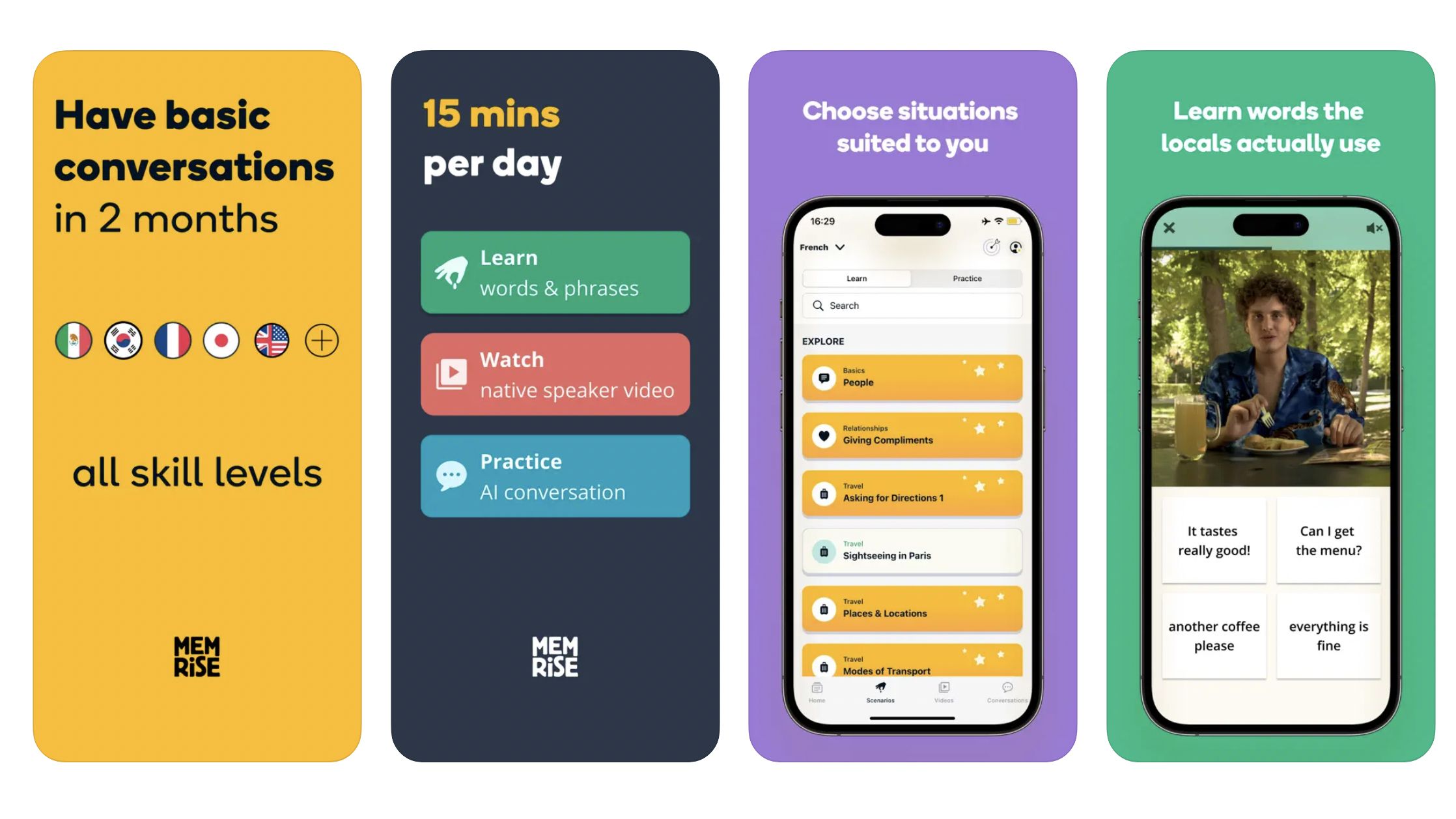
- Consider: Duolingo’s primary strength is its massive user base and incredibly effective gamification loop, which drives engagement. The launch of Duolingo Max shows a commitment to integrating AI features for practice. For businesses, Duolingo for Business offers the administrative tools Lingualeo lacks.
- Avoid If: You or your team require a deep, structured curriculum for achieving advanced proficiency. Duolingo is excellent for beginners and casual learners but can be less effective for serious, goal-oriented study.
Recommended Alternative for Serious Learners & Organizations
- Best For: Serious individual learners and businesses that need to achieve functional, real-world conversational skills through a structured curriculum.
- Consider: Babbel’s core strength is its pedagogical rigor. Its lessons are designed by linguists and are highly effective for building a solid foundation in a new language. For businesses, Babbel for Business is a mature, compliant, and highly-regarded solution.
- Avoid If: Your only goal is a free, casual game. Babbel is a premium product designed for users who are willing to invest in a structured learning path.
Recommended Alternative for Immersion & Real-World Language
- Best For: Learners of all levels who prioritize understanding and speaking like a native over formal grammar drills.
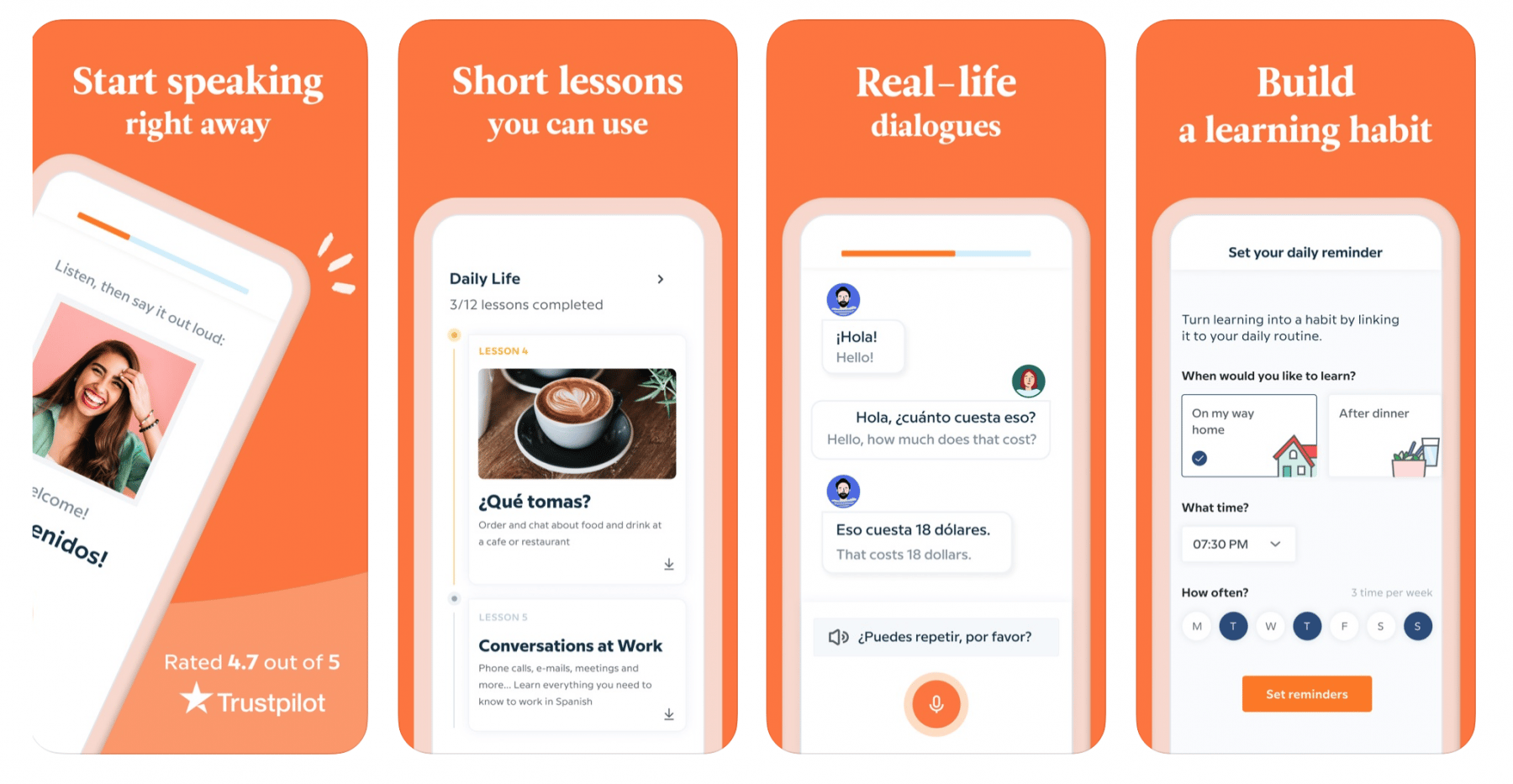
- Consider: Memrise focuses on authentic, real-world language. It uses thousands of video clips of native speakers in natural settings (“Learn with Locals”), which is excellent for tuning your ear to real accents and colloquial speech. It is a fantastic supplementary tool.
- Avoid If: You need a single, all-in-one solution that starts with absolute beginner grammar. Memrise is best used to complement a more structured course.
Each of these competitors is actively developed, backed by a reputable company, and has a transparent business model. Competitors invest heavily in curriculum development and technology (2026 Language App Market Analysis), the very things Lingualeo has abandoned.
Final Verdict & Recommendations
After a deep-dive analysis, factoring in security, business practices, user feedback, and the competitive landscape, my professional verdict on Lingualeo is clear and unequivocal for this 2026 Lingualeo Review.
The core idea of Lingualeo’s ‘Jungle’—learning vocabulary through immersion in real-world content—is genuinely compelling and was once a standout feature. It’s a good idea.
However, in 2026, this single, aging feature is buried under an avalanche of unacceptable risks, neglect, and ethical red flags. The good idea is not enough to save it.
Pros & Cons Summary
✅ Strengths
- An effective concept for gamified vocabulary acquisition through its ‘Jungle’ content immersion feature.
⚠️ Considerations
- Catastrophic security history and demonstrably weak security practices.
- Predatory billing practices and a hostile, user-unfriendly “no refunds” policy.
- High-risk Russian data jurisdiction, making it non-compliant with GDPR/CCPA and a threat to user privacy.
- A stagnant “abandonware” platform plagued by persistent, long-unfixed bugs and significant technical debt.
- Misleading marketing claims and an aggressively restrictive, unusable free tier.
Recommendation by Segment
My recommendations are firm and consistent across all user types:
- For Absolute Beginners: Avoid. The platform lacks the structure you desperately need. A tool like Babbel will serve you infinitely better by providing a solid, structured foundation.
- For Intermediate Learners: Avoid. You are the target audience for the “Jungle,” but the risks to your data and wallet far outweigh the benefits of this single feature. Use safer, more modern content immersion tools like Memrise or even free resources like YouTube.
- For “Lifetime” Deal Hunters: Avoid at all costs. You are not buying a deal; you are buying a dead product. This is a very poor investment with no positive ROI. Always verify any Lingualeo sale price against the value you’d actually receive.
- For Businesses: Avoid under any circumstances. Procuring Lingualeo for employee use would be a negligent act, exposing the company and its employees to unacceptable security, privacy, and financial risks.
My findings on Lingualeo are clear. Your choice of a learning tool should align with your personal risk tolerance and learning goals, but I cannot recommend this platform to anyone. For a broader look at safe software options, browse our full reviews section.
Frequently Asked Questions
Q1: Is Lingualeo safe to use in 2026?
A: No, Lingualeo is not safe to use from a data security perspective. The platform has a verified history of critical security failures, including a 2021 data breach affecting over 17 million users due to obsolete password protection (unsalted MD5) (Have I Been Pwned?).
Furthermore, as a Russian-registered company, it operates outside of Western data privacy frameworks like GDPR and CCPA, posing a significant risk to your personal information (European Commission).
I would not trust this platform with my data, and I strongly advise you not to either.
Q2: Is Lingualeo a scam?
A: While it may not meet a strict legal definition of a scam, Lingualeo absolutely uses business practices that are predatory and deceptive.
The subscription trap, where users are unknowingly billed for a non-refundable annual plan, is the most egregious example, as documented by countless user reports on Trustpilot.
When a company’s business model appears to rely on tricking users and then refusing refunds, it creates an experience that countless people feel is a scam. These “dark patterns” are a serious ethical concern for any software platform.
Q3: Should I buy the Lingualeo Lifetime plan?
A: Absolutely not. The Lingualeo Lifetime plan offers an extremely poor return on investment (ROI) and is a very poor investment.
You would be paying a premium—often around $150-$220—for a service widely considered “abandonware” (User Discussions on Reddit).
The platform has not received significant updates in years, is plagued by bugs, and shows no signs of future development. The “lifetime” in question is more likely to be the service’s, not yours. Your money is better invested in a platform with active development. If you proceed anyway, at least look for a Lingualeo coupon code first.
Q4: What happened to Lingualeo?
A: From a software lifecycle perspective, Lingualeo has entered the final ‘end-of-life’ or ‘decline’ stage, often called “abandonware.”
While the servers are online, active development and support have effectively ceased. This is evidenced by a lack of new features for several years, persistent bugs being ignored, and outdated content (Google Play Store).
This signals a complete failure of product management, where the business model has shifted from providing long-term user value to aggressive, short-term monetization via subscription traps.
Q5: What are the best alternatives to Lingualeo?
A: For a safer and more effective experience, consider Duolingo, Babbel, or Memrise.
Duolingo offers a superior free experience and better gamification, making it great for casual learners.
Babbel provides a structured, high-quality curriculum designed by linguists, which I recommend for serious learners aiming for functional language proficiency (Babbel Website).
Memrise is excellent for its focus on authentic content with video clips of native speakers. All three are actively developed, secure, and have transparent business practices, making them superior choices among modern Learning Platforms. For detailed comparisons, see our Lingualeo Top Alternatives and Competitors breakdown.
Q6: Can I get a refund from Lingualeo?
A: It is extremely unlikely you will get a refund directly from Lingualeo. The company hides behind a “no refunds” policy and has a well-documented track record of ignoring user requests, a practice that violates consumer protection laws in some regions like the EU (European Union Law).
Your only realistic chance is to bypass Lingualeo entirely and dispute the charge directly with your credit card company or bank, explaining the deceptive business practices.
Numerous users on Trustpilot report this is the only method that sometimes works.
Q7: Does Lingualeo work for beginners?
A: No, Lingualeo is a very poor choice for beginners. My evaluation of the platform shows that beginners need a structured curriculum that teaches foundational grammar and vocabulary in a logical order.
Lingualeo offers none of that. It’s primarily a tool for vocabulary expansion through content immersion, which will leave a new learner feeling completely overwhelmed and lost without the basic framework of the language.
A structured service like Babbel is an infinitely better starting point. This is a common failing for unstructured learning platforms (All Language Resources: Lingualeo Review).
Q8: Is Lingualeo GDPR compliant?
A: No, based on my analysis, Lingualeo cannot be considered GDPR compliant. It is registered and headquartered in the Russian Federation, a country not recognized by the EU as having an “adequate” level of data protection (European Commission).
This means it is subject to Russian data laws that are fundamentally incompatible with the principles and rights granted to users under GDPR.
Storing any EU citizen’s data on this platform poses a significant compliance risk for individuals and businesses alike. Check our latest coupons page for discounts on GDPR-compliant alternatives.