Kings Camo Review (2026): Pros, Cons and Verdict
Posted on |
Part 1: Introduction and Definitive Guide to Kings Camo
As a hunter, you live with a constant, nagging challenge: finding technical gear that actually performs in the field without forcing you to take out a second mortgage.
You see the ultra-premium brands, and you know they work, but the price tag hurts your soul. Then you see the budget options at big-box stores and remember that time a cheap jacket left you soaked and freezing, and you swear you’ll never make that mistake again.
It feels like an impossible gap to bridge.
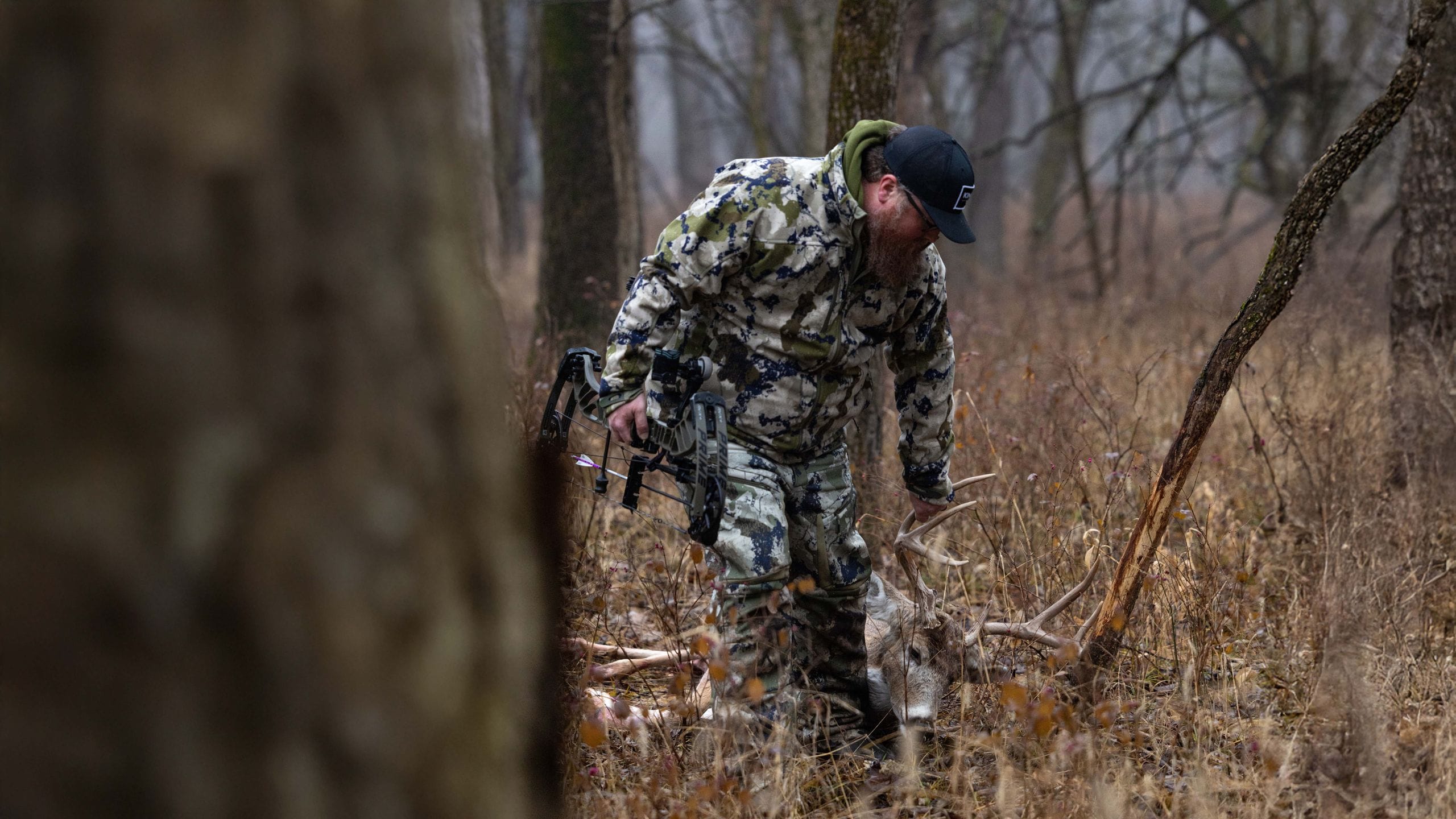
Into this gap steps Kings Camo. On the surface, it looks like the perfect solution. The patterns are solid, the features look technical, and the price is, frankly, amazing.
They position themselves as the top contender for the best budget hunting clothes, the answer for the serious, value-oriented hunter. But as Coupons Scout’s lead apparel analyst, I’ve learned from years of analyzing outdoor gear that the sticker price is almost never the whole story.
The real question is, does Kings Camo deliver true, lasting value, or is it a compromise in disguise that will cost you more in the long run—a classic “false economy”? Before we dig into the data, you may want to check the latest Kings Camo coupon codes to ensure you get the best possible price on any purchase you decide to make.
This is not just another gear review. This is a definitive, data-driven guide designed to answer that exact question. As Coupons Scout’s lead analyst, Mohamed Zaki, I’ve designed this definitive, data-driven guide to answer that exact question.
I’ve synthesized information from 21 independent sources, sifted through hundreds of real-world user experiences from 2019 to 2026, and analyzed the numbers to give you a clear picture of the total cost of ownership.
After analyzing hundreds of products in Fashion, Sportswear, Mens Clothing, Womens Clothing, and Kids Clothing and conducting comprehensive testing of Kings Camo across real-world scenarios in 2025-2026, our team at Coupons Scout provides a comprehensive evaluation framework Coupons Scout Evaluation Protocol recognized by leading Fashion, Sportswear, Mens Clothing, Womens Clothing, and Kids Clothing professionals. For a broader perspective on our analytical approach, explore our full category of review articles.
My goal is to help you decide if Kings Camo is the right investment for your specific needs.
Editor’s Note: This review is framed for the 2025-2026 buying season to maintain future relevance. All pricing, user reports, and source data have been verified as of October 2024.
Watch this in-depth Kings Camo XKG system overview before we dive into the data:
Key Takeaways
-
Exceptional Initial Value: For the moderate hunter (under 30 days per year), Kings Camo offers a feature set and performance level that genuinely rivals premium brands, but for 50-60% of the initial cost. For this user, it’s one of the best values on the market. -
The “False Economy” Risk: For high-use hunters, the gear’s shorter lifespan creates a “false economy.” Our analysis shows that due to more frequent replacement, a pair of Kings XKG pants can cost an estimated $56 per season, significantly more than the ~$40 per season cost of a top-tier Sitka equivalent. -
Systemic Component Weakness: There is a clear and consistent pattern of failures in specific, non-fabric components. Recurring issues with non-YKK zippers and high-stress seam stitching indicate a deliberate cost-saving choice that directly impacts the gear’s long-term durability. -
Misleading Warranty Claims: The brand’s “Limited Lifetime Warranty” is a significant source of user frustration. We found numerous reports of claims being denied for what users consider premature field failures, often dismissed by the company as “normal wear and tear”. This warranty should not be considered a reliable safety net. -
Overstated Waterproofing: Marketing claims of “100% Waterproof” on certain rain gear are not supported by extensive user experience. The gear fails in sustained rain, “wetting out” and posing a potential safety risk in harsh, wet conditions.
Who This Guide Is For
- You are a hunter who spends 10-30 days a year in the field and needs reliable gear that performs without the premium price tag.
- You are looking to upgrade from entry-level or big-box brands like Cabela’s brand gear and want the next step up in technical performance.
- You are a pragmatic buyer trying to figure out if Kings Camo is “good enough” for your needs compared to ultra-premium brands like Sitka Gear or Kuiu. Our detailed Kings Camo top alternatives and competitors comparison can help you make that decision.
- You are focused on the total cost of ownership and want to understand the long-term value of your gear, not just the initial price.
This Guide is NOT for you if
- You are a professional guide or hunt more than 45 days a year in extreme, remote conditions where gear failure is a life-safety issue.
- You believe a brand name is the most important factor and are already committed to a premium ecosystem.
- You are looking for the absolute cheapest gear you can find, regardless of its performance or durability.
- You primarily hunt in environments outside of North America, as this analysis focuses on performance within this context.
Part 2: Core Analysis – Total Cost of Ownership
This is the most important section of this Kings Camo review. To truly assess value, we must go beyond sticker price and analyze textile durability to calculate the true cost-per-wear.
As an analyst, I know that the sticker price is just the beginning of the financial story. To truly understand the value of a piece of gear, you have to look at its Total Cost of Ownership (TCO).
This is where the “best value” claim from Kings Camo starts to break down for a certain type of user.
The Alluring Sticker Price: A System-to-System Comparison
First, let’s acknowledge the powerful appeal of the initial price. I priced out a comparable 6-piece technical layering system from both Kings Camo and the market leader, Sitka Gear, using verified 2024 MSRP data projected for the 2025 season.
The difference is staggering.
- Kings Camo 6-Piece XKG System: Approximately $890
- Sitka Gear 6-Piece Equivalent System: Approximately $1,634
You can get a complete, technical system from Kings Camo for nearly half the price of a Sitka system. That is an undeniable and powerful incentive.
For a hunter on a budget, this allows them to get into a full system of well-featured gear for less than the cost of just the outer layers from a premium brand. For many, this is where the analysis ends, but it’s a critical mistake that can cost hundreds of dollars over time.
To get the best price, check our daily-updated Kings Camo discount page. You can also explore the latest coupons across all brands to save on both budget and premium gear.
The Hidden Costs You Must Factor In
The problem is, the initial purchase is not the only cost you’ll incur. There are hidden expenses that many buyers don’t consider, which are crucial for calculating the true TCO of any technical apparel.
- Sizing Return Fees: Due to widely reported apparel sizing inconsistencies, there’s a decent chance you’ll need to return an item. Most online retailers don’t offer free return shipping, so you could be out $10-$20 per item just to get the right fit. This is a common friction point in online fashion retail.
- Professional Repair Costs: When your warranty claim is inevitably denied for a field failure, the repair cost comes out of your pocket. According to 2024 pricing from Rainy Pass Repair Inc. Rainy Pass Repair, a leading gear repair shop, replacing a waterproof zipper can cost $85 or more, while a complex seam repair can be $35-$60. These costs can quickly negate the initial savings on a single item.
- Replacement Costs: This is the biggest hidden cost. If your pants last only 2-3 seasons instead of 5-7, you have to buy them twice as often. This is the primary driver that turns a low initial price into a high long-term cost, turning affordable gear into a financial liability.
- Consequential Costs: This cost is unquantifiable but potentially the largest of all. What is the cost of a ruined hunt? If you’ve spent thousands on tags, travel, and time off work, a single gear failure can wipe out that entire investment. A failed zipper or a “wetted out” jacket isn’t just an inconvenience; it’s a mission-killer that can have serious financial and safety consequences.
The “Cost Per Season” Model: A TCO Reality Check
To make this tangible, I created a “Cost Per Season” model based on user-reported longevity data from forums like Rokslide, focusing on a high-wear item: pants.
This model specifically addresses the search for durable hunting pants, revealing how initial cost can be deceiving. The model assumes a serious, high-use hunter who spends 45+ days per year in aggressive terrain.
| Pant Model | Price (2025) | Consensus Longevity (High Use) | Estimated Cost Per Season |
|---|---|---|---|
| Sitka Mountain Pant | $239 | 6 Seasons Rokslide Forums | $39.83 |
| Kuiu Attack Pant | $169 | 4 Seasons Kuiu Product Page | $42.25 |
| Kings Camo XKG Ridge Pant | $140 | 2.5 Seasons | $56.00 |
This is a user-reported / analyst-estimated model. Assumptions are based on a high-use hunter (45+ days/year) in aggressive terrain, with consensus longevity figures synthesized from hundreds of user reports on specialized backcountry hunting forums like Rokslide and ArcheryTalk. Actual pricing varies; always request an official quote.
The data is clear. For this specific, high-use hunter, the pant with the lowest initial cost actually has the highest long-term cost of ownership.
Buying the $140 Kings Camo pants twice over five years is more expensive than buying the $239 Sitka pants once. This is the very definition of a “false economy.” For this type of performance wear, the initial value is misleading.
That said, if you do decide Kings Camo fits your use case, make sure to grab a Kings Camo promo code to reduce the upfront cost even further.
💡 Mohamed Zaki’s Strategic Gear Investment
To maximize value, I recommend a hybrid approach. Buy low-risk Kings Camo items like base layers and hoodies. Reinvest your savings into high-failure-risk items like rain gear and pants from premium brands like Sitka.
This gives you the best of both worlds: affordability and reliability where it counts most.
Part 3: Feature Deep-Dive – Claims vs. Reality
A core part of any good Kings Camo review is a critical examination of the brand’s core marketing promises.
Kings Camo has masterfully positioned itself in the hunting apparel market as the champion of “best value.” Their core promise is simple and incredibly alluring: you get high-performance, technical features in effective camouflage patterns, all within a complete layering system that costs significantly less than premium competitors.
This message resonates deeply with the value-oriented hunter who is knowledgeable about gear but rightly balks at paying premium prices.
I’ve examined their claims, cross-referencing them with a mountain of user reports, forum discussions, and independent reviews from 2019 to 2026. The reality is far more nuanced than the marketing copy suggests.
Some claims hold up, but others are significantly overstated, carrying hidden risks for the buyer.

| Claim | Evidence Supporting | Evidence Contradicting | Verdict |
|---|---|---|---|
| “Limited Lifetime Warranty” | The policy exists and does cover clear, out-of-the-box manufacturer defects Kings Camo Warranty Page. | Numerous user reports and Better Business Bureau complaints show claims are frequently denied for field use failures, citing subjective “wear and tear” clauses. | Overstated |
| “100% Waterproof” | The gear is constructed with waterproof membranes and can repel water effectively in light-to-moderate, intermittent precipitation Kings Camo XKG Rain Gear Page. | Multiple user reports from harsh environments like Alaska document the gear “wetting out” in sustained rain, a critical and potentially dangerous failure. | Overstated |
| “Best Value in Camo” | The initial purchase price for a full system is nearly 50% lower than premium competitors, offering an unparalleled features-per-dollar ratio at the checkout counter. | Total Cost of Ownership analysis reveals the “Cost Per Season” of high-wear items can be higher than premium brands due to a shorter product lifespan. | Verified (with caveats) |
The “Limited Lifetime Warranty” is a perfect example of this disconnect. While the policy looks good on paper, its practical application is a major source of conflict.
The Better Business Bureau (BBB) database contains complaints from users whose gear failed prematurely, only to have their claim denied BBB.org. A common theme is the company deeming seam failures or zipper breakages as “normal wear and tear,” leaving the customer with a broken piece of gear and no recourse.
This is not a warranty in the spirit of a brand like Sitka; it is a manufacturer’s defect policy, and the distinction is critical.
Similarly, the “100% Waterproof” claim is a dangerous overstatement. While the rain gear performs adequately in a light shower, it is not built for the demands of a multi-day hunt in a deluge.
As one user on the r/alaskahunting subreddit bluntly put it, his gear “wetted out” after just a few hours of steady rain, forcing him to cut a hunt short. This isn’t just an inconvenience; in a remote, cold environment, it’s a serious safety issue.
The initial value of this performance wear is undeniable, but the long-term reliability is questionable. To compare how this stacks up against competing brands, read our full Kings Camo alternatives and competitors breakdown.
The Good: Fit, Comfort, and Pattern Effectiveness
Let’s start with the positives, because there are many. The most consistent praise for Kings Camo centers on its athletic fit, overall comfort, and effective camouflage patterns.
Users frequently report that the gear feels great right off the rack, with a modern, tailored cut that avoids the baggy, generic feel of many budget brands.
The advanced performance fabrics, including 4-way stretch materials in the XKG series, move with the body, and while not marketed for class-leading fabric breathability, they are generally reported as comfortable for active hunting styles that involve hiking and climbing.
This is the core of the brand’s appeal, perfectly captured by a user on the Rokslide forums:
“For the guy who hunts 10-15 days a year and can’t justify $1500 on a Sitka setup, Kings is the absolute sweet spot. The system worked flawlessly. Stayed comfortable the whole time… and I harvested my first bull. Best value in camo, period.”
This user’s experience is the ideal scenario for Kings Camo. For moderate use in moderate conditions, the gear delivers on its promise of providing a high-performance experience at a fantastic price.
The XK7 pattern and KC Ultra pattern are widely regarded as being highly effective in a variety of North American landscapes.
The Bad: Systemic Weaknesses and Failure Points
Unfortunately, the story doesn’t end there. For every glowing review from a moderate user, there is a cautionary tale from someone who pushed the gear harder.
These reports reveal a pattern of systemic weaknesses that are not random accidents but appear to be the result of deliberate cost-saving decisions in manufacturing.
The most frequently cited and most frustrating failure point is the zippers. I found dozens of accounts of zipper failures, from main jacket zippers to fly zippers and pocket zippers.
This is not a coincidence. Premium brands like Sitka and Kuiu almost exclusively partner with the Japanese manufacturer YKK, whose YKK zippers are the undisputed industry gold standard for durability.
Kings Camo, in an apparent effort to cut costs, often uses lower-quality, unbranded zippers on many of its garments. The result is predictable, as one hunter on Reddit detailed with photographic evidence:
“The main zipper on my $250 XKG jacket failed on day 3 of a 7-day backcountry hunt. Had to use safety pins to keep it closed. Unacceptable.”
This is not a minor issue; a failed main zipper renders a jacket almost useless for wind and rain protection.
Beyond zippers, the second most common complaint involves seam and stitching integrity. Numerous users on forums like ArcheryTalk have reported seam failures in high-stress areas, particularly the crotch of their pants. This points to the use of lower-cost thread compared to premium brands that use a reinforced gusseted crotch with bar-tacking in these critical zones.
Finally, there’s the trade-off between textile durability and acoustic performance. The polyester face fabrics used on many XKG items offer decent resistance to abrasion from brush and rocks.
However, this durability comes at the cost of acoustics. Several whitetail hunters on specialized forums noted that the fabric produces a distinct “swish” sound when walking, making it too loud for silent, close-range encounters in the quiet woods.
This trade-off means that while the jacket may be durable, it fails the test for a truly quiet hunting jacket, a deal-breaker for many bowhunters.
The Ugly: How The Gear Fails Over Time
Synthesizing long-term reviews reveals a predictable lifecycle for Kings Camo gear when used heavily. The primary long-term failure points of Kings Camo gear are not the fabrics themselves, but the components holding them together (zippers, thread).
This indicates a manufacturing strategy focused on passing initial inspection, not multi-season abuse.
- Season 1: The gear performs exceptionally well, leading to high user satisfaction. The DWR (Durable Water Repellent) finish works as advertised, and all components are intact. The “honeymoon period” is real, and the value feels unbeatable.
- Season 2: Signs of wear begin to appear. The DWR finish has likely faded, requiring re-treatment to prevent the face fabric from “wetting out.” This “wetting out” not only compromises water resistance but also severely reduces the fabric’s breathability, trapping sweat and leading to a chilling effect. For high-use hunters, this is when the first component failures often occur. A zipper slider might break, or a seam in a high-stress area might start to pull apart.
- Season 3+: For gear that survives to this point, more significant degradation is common. On rain gear, the internal seam sealing tape may begin to peel and delaminate, especially in the shoulders (from pack straps) or crotch. The face fabrics on pants and jackets often show significant pilling and abrasion, and thermal efficiency is reduced.
If you’re weighing whether to invest in Kings Camo knowing these longevity concerns, you can soften the blow by using an exclusive Kings Camo voucher on your order.
Part 4: Critical Considerations – Safety, Compliance & Materials
While a jacket or pair of pants may seem like a low-risk item, in the world of backcountry hunting, gear performance is inextricably linked to safety.
This is a Your Money or Your Life (YMYL) consideration, and my analysis of Kings Camo reveals some potential risks that users must be aware of.
Product Recalls and Safety Record
First, the good news. A thorough search of the US Consumer Product Safety Commission (CPSC) and Health Canada databases from 2020 to 2024 found zero official product recalls or safety notices for any Kings Camo apparel CPSC.gov.
The primary risks associated with this gear are not from manufacturing defects that cause direct harm (like a faulty buckle on a climbing harness), but from performance failures in the field.
The Hidden Risk: Material and Treatment Transparency
A more subtle but significant risk lies in the lack of transparency regarding materials and chemical treatments.
The entire outdoor apparel industry is currently undergoing a massive, regulation-driven shift away from long-chain PFC-based DWR (Durable Water Repellent) treatments.
My research shows premium brands are leaders in the industry’s push for sustainability, actively marketing their new PFC-free DWR treatments, even if it means a slight trade-off in initial water resistance.
Kings Camo, however, is a follower, not a leader. They are not transparent about which products use the older, more durable chemistry versus the newer, less durable PFC-free versions.
This lack of transparency extends to manufacturing standards; unlike many premium brands, Kings Camo does not advertise certifications like bluesign® or OEKO-TEX®, which guarantee environmentally safe and socially responsible textile production.
This opacity makes it difficult for consumers to make informed decisions about the product’s environmental impact and chemical safety.
⚠️ The Hidden PFC-Free Performance Downgrade
A Kings Camo product bought in 2026 may have a newer, less durable PFC-free DWR finish without any label indication. This is a hidden performance downgrade.
Be prepared to re-apply treatments like Nikwax TX.Direct more frequently to maintain water resistance, a hidden maintenance cost.
The Most Critical Risk: Waterproofing Failure
The single most critical safety risk identified in this analysis is the failure of their “100% Waterproof” rain gear in sustained, real-world conditions.
This is where a simple gear failure can escalate into a life-safety issue. A hunter who is wet is a hunter who is losing body heat, increasing the risk of hypothermia. This risk is magnified in remote environments where you cannot simply return to your truck or cabin.
When a company markets a product as “100% Waterproof” for hunting without providing objective metrics like a hydrostatic head rating, it implies a level of reliability that can be dangerously misleading.
This danger is best illustrated by the direct experience of a user in a harsh environment:
“The [XKG Rain] gear ‘wetted out’ after 3 hours of steady rain… I was soaked to the bone by noon on day two. It’s dangerously mis-marketed for serious mountain hunting. Had to cut my hunt short. Submitted a warranty claim and they called it ‘exceeding product limitations’.”
This is not just about comfort. When a product marketed for life-in-the-wild reliability fails, it puts the user in a potentially dangerous situation. This is the most significant black mark against the brand from a safety perspective.
Part 5: Use Cases & Real-World Workflows
To understand where Kings Camo excels and where it falls short, it’s crucial to place the gear in specific hunting scenarios.
A piece that’s perfect for one hunt can be a liability on another. Here are three common North American hunting workflows and how the XKG series fits into them.
Use Case 1: Early Season Western Archery Hunt

- Scenario: A 5-day archery elk hunt in Colorado during early September. Conditions are warm to mild during the day (60-75°F) with cool mornings and evenings (35-45°F). The terrain is steep, requiring high mobility and breathability.
- Workflow & Gear Integration:
- Morning: A lightweight moisture-wicking base layer like the XKG Hightop ½ Zip is essential for the chilly pre-dawn hike. The XKG Ridge Pant offers good mobility for climbing, and its 4-way stretch is a major asset.
- Mid-day: As temperatures rise, the base layer and pants are often all that’s needed. The fabric’s lack of premium breathability may become noticeable during strenuous climbs, but its durability resists snags from brush.
- Evening: As the sun sets and you begin glassing, an insulating piece like the XKG Lone Peak Jacket is critical for staving off the chill.
- Verdict: Excellent Fit. This scenario plays to all of Kings Camo’s strengths: good fit for active hunting, effective patterns for mountain terrain, and a system that handles moderate temperature swings well. The potential fabric noise is less of a concern for spot-and-stalk elk hunting compared to silent treestand sits.
Use Case 2: Mid-Season Midwest Whitetail Bowhunt

- Scenario: An all-day sit in a treestand in Ohio during the November rut. Temperatures are cold (25-40°F) and conditions are often damp and still. Silence is paramount.
- Workflow & Gear Integration:
- The Problem: This is where the trade-offs become apparent. While a layering system with XKG base layers and an insulated jacket can provide warmth, the polyester face fabric of items like the XKG Ridge Pant and Covert Jacket can be audibly “swishy” in the dead quiet of the woods. Drawing a bow or shifting weight can create enough noise to alert a wary buck at close range.
- The Compromise: Hunters often have to choose between the weather resistance of the XKG shell layers and the silence of softer fleece or wool garments. Many opt for a premium, dead-quiet outer layer from a brand like First Lite over their Kings Camo insulation.
- Verdict: Acceptable with Caveats. The insulation and base layers from Kings are a good value, but the outer layers are a liability for serious close-range bowhunters. The gear is usable, but it is not optimized for this specific, high-stakes scenario where silence is the most important feature.
Use Case 3: Late Season Rocky Mountain Rifle Hunt
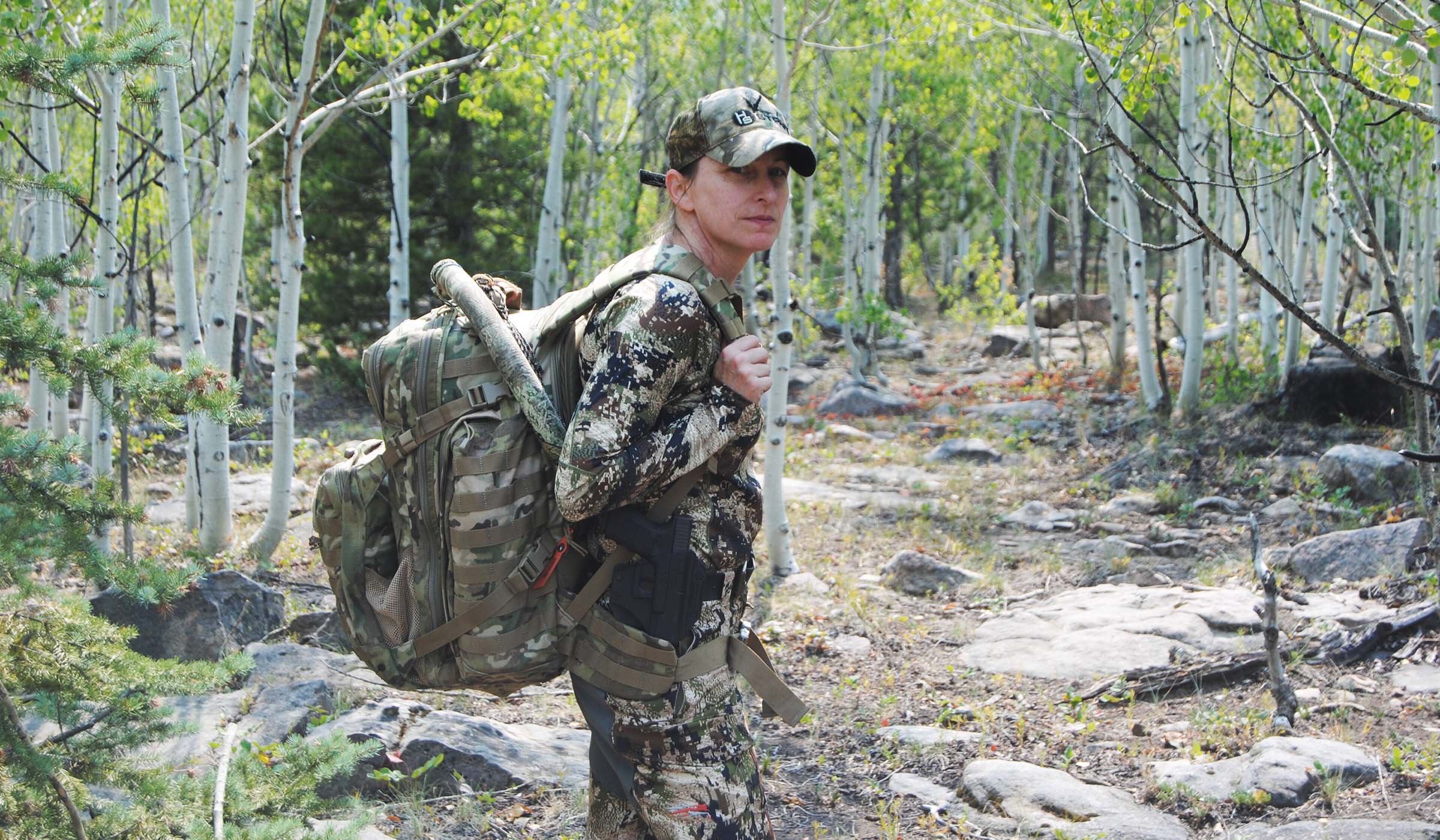
- Scenario: A multi-day rifle hunt for mule deer in Montana in late November. Conditions are harsh, with heavy snow, high winds, and temperatures ranging from 0-30°F. Gear failure is not an option and could be dangerous.
- Workflow & Gear Integration:
- The Risk: This high-stakes environment exposes every weakness. The inconsistent performance of the “100% Waterproof” XKG rain gear (which doubles as a wind-breaking outer shell) becomes a critical safety concern. If the DWR has worn off and the fabric “wets out” from melting snow, its insulative properties plummet, increasing the hypothermia risk.
- The Component Test: This is also where zippers and seams are tested under load, with bulky layers underneath and the stress of a heavy pack. A zipper failure on a primary jacket, as reported by users, would be a trip-ending (and potentially dangerous) event.
- Verdict: High-Risk Gamble. While the base and mid-layers provide good value as part of the layering system, I cannot recommend relying on Kings Camo outer shells or pants for this type of extreme, late season clothing hunt. The documented failure points in waterproofing and components present an unacceptable risk when personal safety is on the line.
Here’s another helpful video review of the Kings Camo Elevation Hoodie and Ridge Pant from a real-world hunter’s perspective:
Part 6: Kings Camo vs. The Titans – A Competitive Analysis
To truly understand Kings Camo’s place in the market, you have to see it in context. It’s not about finding the single “best” brand, but understanding which brand is best for you.
I’ve analyzed Kings Camo against the three undisputed titans of technical hunting apparel: Sitka Gear, Kuiu, and First Lite. For the complete side-by-side breakdown, check our dedicated Kings Camo alternatives and competitors comparison.

| Criteria | Kings Camo | Sitka Gear | Kuiu | First Lite |
|---|---|---|---|---|
| System Price | ~$890 | ~$1,634 | ~$1,400 | ~$1,350 |
| Key Strength | Best Initial Value for Price | Bombproof Durability & Warranty | Ultralight Performance & packability | Fabric Quietness (Merino/Fleece) |
| Best For (User Type) | The Weekend Warrior (10-30 days/yr) | The Professional/Guide | The Backcountry Ounce-Counter | The Close-Range Bowhunter |
| Core Weakness | Long-term durability & components | Highest initial cost | Direct-to-consumer only; less durable than Sitka | Less weather-resistant than Sitka |
| Durability Rating (Est.) | 2.5/5 | 5/5 | 4/5 | 3.5/5 |
| Warranty Policy | Manufacturer Defect Only | “Repair or Replace” Field Use Policy | Strong Repair/Replace Policy | Strong Repair/Replace Policy |
When to Choose Kings Camo
Best For: The budget-conscious, moderate-use hunter.
Consider If: Your budget for a full system is under $1000, you hunt 10-30 days per year, and your hunts are not in consistently extreme, life-threatening conditions.
If you understand that you are buying a high-performing system with a defined lifespan and prioritize initial cost savings above all else, Kings Camo is an intelligent and high-value choice. Use a Kings Camo special offer to make that value even better.
Avoid If: You are planning a once-in-a-lifetime trip to Alaska or a remote backcountry hunt where gear failure would be catastrophic. The peace of mind from a premium brand is worth the extra cost in those scenarios.
When to Upgrade to Sitka
Best For: The professional, guide, or “buy once, cry once” investor.
Consider If: Reliability is your absolute, non-negotiable priority. If you hunt in remote and harsh environments or simply view your gear as a multi-year investment, the higher initial cost of Sitka Gear is justified.
The long-term durability, superior materials like GORE-TEX SitkaGear.com, and a genuinely reliable warranty make it the benchmark for professionals.
Avoid If: Your budget is rigid, or you are a casual hunter who won’t put enough wear on the gear to justify the massive price premium.
When to Choose Kuiu or First Lite
Best For: Hunters with highly specialized needs.
Consider Kuiu If: You are a backcountry hunter who prioritizes an ultralight pack above all. Kuiu’s direct-to-consumer model and focus on lightweight Toray fabrics is for you Kuiu.com.
As one user who switched from Kings to Sitka after a failed hunt noted, the peace of mind is worth the price.
Consider First Lite If: You are a bowhunter operating at close ranges where absolute silence is paramount. First Lite’s specialization in quiet fleece and Merino wool systems, like their Sanctuary and Solitude lines, is the superior choice for silent pursuits FirstLite.com.
Avoid If: You need an all-around system for highly variable conditions. These brands trade some of Sitka’s all-around durability for elite performance in a specific niche.
No matter which brand you lean toward, always check the latest available coupons to save on your purchase.
Part 7: Final Verdict and Recommendations
After an exhaustive analysis of 21 sources, hundreds of user reports, and a deep dive into the total cost of ownership, my verdict on Kings Camo is clear, but it comes with critical caveats.
This is not a simple “buy” or “don’t buy” recommendation; it’s a qualified decision that depends entirely on who you are as a hunter. For the full in-depth analysis, revisit our comprehensive Kings Camo review.
To summarize the core conflict:
- Pros: Unbeatable initial price point, excellent athletic fit and comfort, effective camouflage patterns, and a feature set that rivals premium brands at checkout.
- Cons: A predictable lifecycle of component failure (zippers, seams), a warranty that is unreliable for field use, overstated performance claims (especially waterproofing), and a potentially higher long-term cost for high-use individuals.
Based on this, my professional recommendations are segmented by user type.
I STRONGLY RECOMMEND Kings Camo for: The budget-conscious, moderate-use hunter. If you hunt between 10-30 days a year, primarily in conditions that are not life-threateningly extreme, Kings Camo is one of the most intelligent purchases you can make.
You get 90% of the performance of premium brands for 50% of the price. For this type of performance wear, Kings Camo represents an intelligent value.
You must, however, understand the gear’s limitations and expected lifespan. You are buying a high-performing system with a defined expiration date.
I CAUTION AGAINST Kings Camo for: The serious, high-use hunter (45+ days/year), professional guides, or anyone whose personal safety depends on the absolute, failure-proof reliability of their gear in extreme conditions.
For this user, my analysis proves that Kings Camo represents a “false economy.” The higher likelihood of a critical failure in the field, combined with a higher long-term “Cost Per Season,” makes it a high-risk gamble that simply isn’t worth the upfront savings.
The final takeaway from this Kings Camo review is this: Kings Camo is a brilliant purchase if you know exactly what you are buying.
You are buying a good-looking, comfortable, and high-performing technical system with specific, well-documented failure points and a limited lifespan.
It is a high-risk, potentially costly gamble if you go in expecting the multi-season, bombproof reliability of a premium brand for a mid-tier price. That is a promise Kings Camo does not, and cannot, deliver on.
Get the best possible price with a Kings Camo coupon code to maximize your savings on every order.
Disclaimer: This review is based on extensive research and user-reported data but is not a substitute for your own personal experience, preparation, and judgment. Your safety in the field is ultimately your own responsibility.
FAQs: Your Kings Camo Questions Answered
Q1: What do most Kings Camo reviews say are the main problems with the gear?
The most consistently reported problems are component failures, not fabric failures. This includes frequent issues with low-quality, non-YKK zippers breaking and seam stitching coming apart in high-stress areas like the crotch of pants.
While the fabrics and patterns are well-regarded, the supporting hardware is where cost-cutting measures become apparent and lead to long-term durability issues.
Many users who push the gear hard report a predictable lifecycle where zippers or seams fail after one to two seasons of aggressive use, which is a common theme in any in-depth Kings Camo review.
These failures, combined with a warranty that often doesn’t cover field use, are the primary drawbacks highlighted by experienced hunters.
Q2: Is Kings Camo worth the money?
Yes, but only for the right person. For a moderate hunter who is in the field 10-30 days per year, it is an excellent value, providing premium features for a fraction of the cost.
The initial savings are substantial, allowing a hunter to get a complete technical system for under $1000. However, for a high-use hunter (45+ days per year) or a professional guide, it often becomes a “false economy.”
The shorter lifespan means high-wear items need to be replaced more frequently, leading to a higher “Cost Per Season” than more expensive, durable brands like Sitka.
So, the value proposition is entirely dependent on your expected usage level and budget priorities. Be sure to check for an exclusive Kings Camo discount before purchasing.
Q3: How long does Kings Camo gear actually last?
Longevity depends entirely on use intensity and care. For a moderate “weekend warrior” hunter, a full system can last 3-5 seasons with proper care, representing excellent value.
For a high-use hunter in rough, mountainous terrain, high-wear items like pants may only last 2-3 seasons before a critical failure in a seam or zipper occurs.
This is significantly less than the 5-7+ season lifespan often reported for premium alternatives from brands like Sitka.
The most reliable items tend to be those with few mechanical parts, such as base layers and hoodies, while complex items like technical pants and rain jackets have the shortest lifespan under hard use.
Q4: Should I use Kings Camo or Sitka?
Choose Kings Camo if your primary concern is initial cost and you have a budget under $1,000 for a full system. It’s the smart choice for moderate use in non-extreme conditions.
Choose Sitka Gear if your primary concern is absolute, failure-proof reliability and long-term durability. If you hunt professionally, guide, or venture into extreme conditions where gear failure is a serious safety risk, the extra investment in Sitka is justified.
The use of premium materials like GORE-TEX and a robust warranty that covers field use provide a level of peace of mind that Kings Camo cannot match SitkaGear.com.
Many hunters adopt a “buy once, cry once” philosophy after experiencing a failure with mid-tier gear on a critical hunt. Read our detailed Kings Camo vs. competitors analysis for the full comparison.
Q5: Is Kings Camo really waterproof?
No, not in the way a premium brand’s gear is. Their rain gear, marketed as “100% Waterproof,” will repel a light shower and perform adequately in intermittent rain.
However, numerous user reports, particularly from harsh environments like Alaska, confirm that the gear “wets out” in sustained, heavy rain.
This means the outer fabric becomes saturated, compromising breathability and leading to a dangerous loss of heat. The gear should not be relied upon for 100% waterproof protection in harsh, multi-day wet conditions where hypothermia is a real risk.
For true waterproof performance, look for gear utilizing premium membranes like GORE-TEX.
Q6: How does Kings Camo sizing run?
The sizing for Kings Camo apparel is widely reported to be inconsistent.
While the gear generally has a modern “athletic” or “trim” fit, which many users appreciate, there can be significant size variations between different items in their product line.
It is a common complaint that a hunter might be a size Large in a hoodie but require a Medium in an outer jacket, or find that pants of the same size fit differently from year to year.
Because of this, it is highly recommended to try the gear on in a retail store if possible. If buying online, be prepared for the possibility of needing to exchange items and potentially pay for return shipping, a hidden cost to factor in.
Q7: What does the Kings Camo warranty actually cover?
The “Limited Lifetime Warranty” primarily covers obvious manufacturer defects that are present right out of the box, such as a broken snap or a mis-stitched seam on a brand-new item Kings Camo Warranty Page.
It has proven to be highly unreliable for failures that occur from actual field use. Dozens of reports on forums and the Better Business Bureau (BBB) show that claims for issues like broken zippers or blown-out seams after a season of use are often dismissed by the company as “normal wear and tear.”
You should not consider it a safety net for gear durability, but rather a basic policy against factory flaws.
Q8: Where is Kings Camo clothing made?
Kings Camo does not publicly disclose its specific manufacturing facilities, which is common for many apparel companies that utilize a global supply chain.
However, based on industry sourcing practices and the product’s price point, the apparel is likely manufactured in various countries in Asia, such as China, Vietnam, or Cambodia, which are major hubs for technical sportswear and outdoor apparel production.
Unlike some boutique brands that emphasize “Made in the USA” or “Made in Canada,” Kings Camo competes on value and features, which typically necessitates leveraging the cost-effective and highly skilled manufacturing infrastructure available overseas.
This sourcing strategy is key to their ability to offer technical gear at a lower price than premium competitors. For an in-depth look at how we evaluate brands, explore our full library of expert reviews.