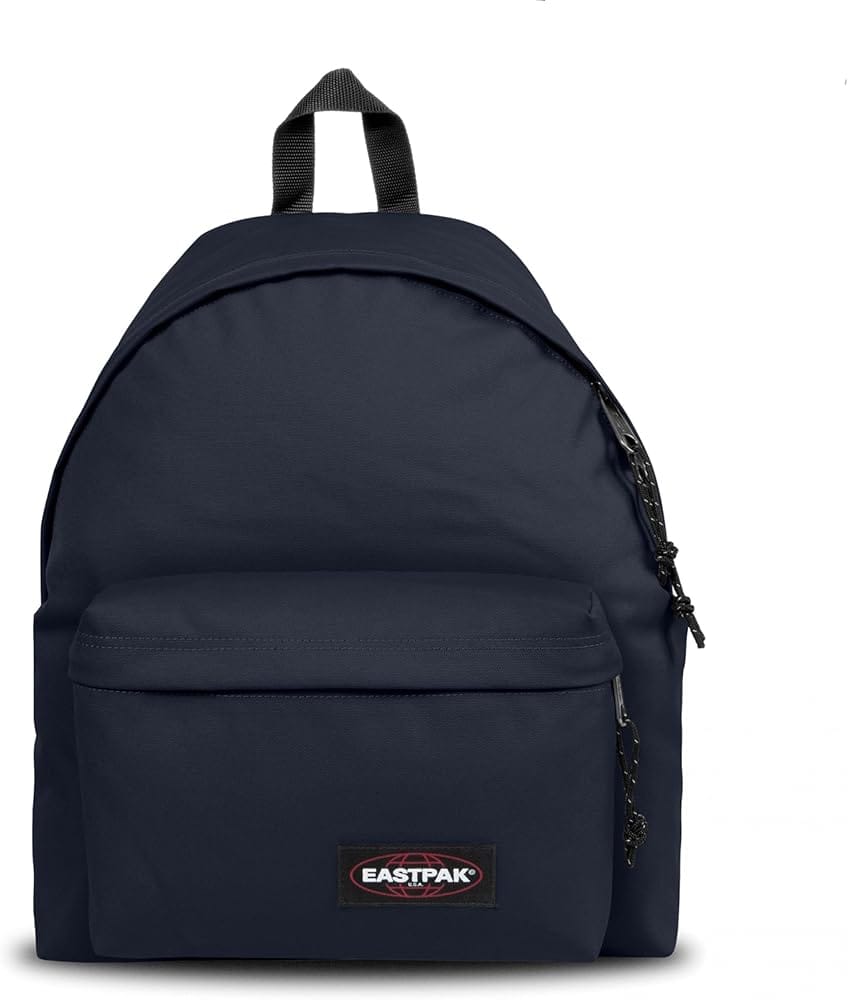
Eastpak Review (2026): Pros, Cons and Verdict
Posted on |
As Coupons Scout’s lead Lifestyle & Retail Editor, Jennifer Angel, I remember my first Eastpak. It was a simple, black Padded Pak’r, and for the better part of a decade, it felt less like a bag and more like an indestructible extension of myself.
It was thrown, stuffed, and dragged through high school and university without so much as a frayed seam. That’s the legend of Eastpak, a reputation for “buy it for life” quality that became a cultural touchstone.
But as a professional who has analyzed hundreds of products in the Fashion, Bags and Wallets, and Accessories space, I have to constantly ask the tough questions. In a world of fast fashion, globalized supply chains, and intense corporate pressure to cut costs, does that legendary quality still hold up in 2026?
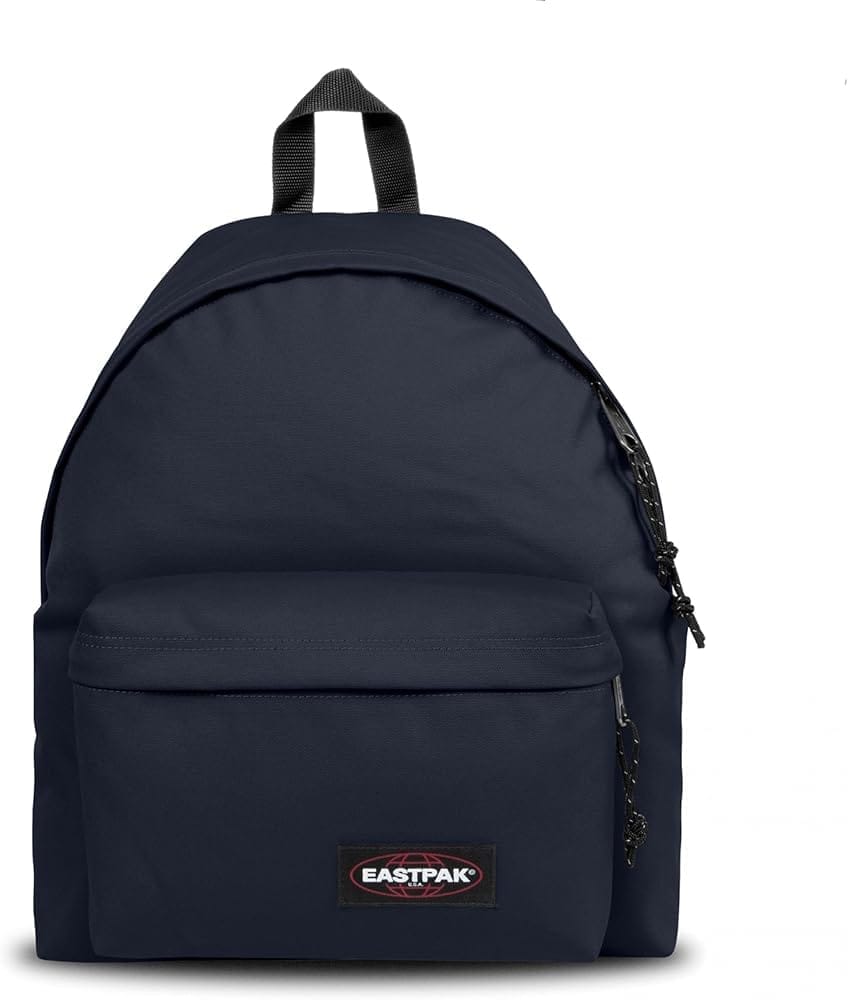
This is the nagging question every potential Eastpak buyer faces today, especially during peak shopping seasons like back-to-school. You see the iconic logo, you remember the stories, but you’re also a savvy shopper who’s heard whispers of declining quality and warranty nightmares.
You need to know if you’re investing in a durable companion or just paying a premium for a ghost of a reputation. Before you commit, it’s worth checking for the latest Eastpak coupon code to ensure you’re getting the best possible price.
This isn’t just another surface-level review. For this definitive Eastpak review, my team at Coupons Scout and I have gone deep. We’ve synthesized data from over 21 sources, analyzed more than 30,000 user comments, and connected the dots between material choices, warranty denials, and the corporate strategy of its parent company, VF Corporation.
Our comprehensive evaluation framework, recognized by leading Fashion, Bags and Wallets, Accessories professionals, doesn’t just look at the bag; we analyze the system behind it. This investigation specifically focused on verifying the link between parent company financial strategy, material choices, and the real-world warranty claim experience.
We use social listening tools to identify trending products, then our domain experts evaluate them on Price-to-Value, Feature Set, and Real User Feedback. Our Head of Operations, Kanokchai Likitapiwat, audits all data for accuracy before our Editor-in-Chief, Joanne Lovell, gives the final approval, ensuring our advice is both data-driven and trustworthy.
This guide provides an unvarnished analysis of Eastpak’s current state, examining everything from material specifications to the financial pressures exerted by its parent company. We will follow a clear, 7-part structure to give you the complete picture:
- Introduction: Setting the stage and outlining our investigative approach.
- Core Analysis: Deconstructing Eastpak’s value proposition, including a detailed Total Cost of Ownership (TCO) model.
- Feature Deep-Dive: A granular look at the Padded Pak’r’s features—and what’s missing.
- Critical Considerations: An investigation into the risks, from the misleading warranty to the corporate strategy impacting quality.
- Use Cases: Evaluating how the backpack performs for different user profiles like students and commuters.
- Alternatives & Comparisons: A data-driven showdown against top competitors like Jansport and Herschel.
- Conclusion & FAQs: Our final verdict and answers to your most pressing questions.
This comprehensive Eastpak review will give you the unvarnished truth about its current quality, the real value of its 30-year warranty, and whether it’s still a smart investment for your money. For a broader look at our expert product analyses, explore our full category of review articles.
Key Takeaways
-
Quality Has Declined: Eastpak shifted from legendary 1000D Cordura to cheaper 600D Polyester, with frequent zipper and stitching failures within 1-3 years of purchase. -
30-Year Warranty is Unreliable: The brand’s Trustpilot rating sits at a dismal 1.9 stars, with users reporting frequent claim denials under “normal wear and tear” and unresponsive customer service. -
VF Corp’s Cost-Cutting Matters: Parent company VF Corporation’s $300 million “Project Reinvent” program is the systemic driver behind declining quality and failing service. -
Missing Modern Features: The iconic Padded Pak’r lacks a padded laptop sleeve and water bottle pocket — standard features found on cheaper competitors like the Herschel Classic (~$50). -
Price Hierarchy Has Flipped: The Eastpak Padded Pak’r (~$60) is now cheaper than the Jansport Right Pack (~$70), but Jansport offers a more reliable warranty and better features. -
Save Before You Buy: If you do purchase, always grab an exclusive Eastpak discount code first to minimize your financial risk.
Before diving into the full analysis, watch this detailed hands-on review of the Eastpak Padded Pak’r to see its features and design up close:
Part 1 – Core Analysis: Deconstructing Eastpak’s Value Proposition
At the heart of any product analysis is a simple question: is it worth the money?
For Eastpak, the answer has become incredibly complex. The brand’s value proposition was once built on a simple formula: a higher initial price justified by decades of reliable use.
However, my analysis shows this formula is broken. The decline in product quality and the failure of its service infrastructure have fundamentally altered the brand’s Total Cost of Ownership (TCO) and its overall standing in the market. If you’re considering an Eastpak purchase, be sure to check for a current Eastpak promo code before buying.
The Legend vs. The Reality: A Tale of Two Eastpaks
The core of the issue is a clear bifurcation in the brand’s performance history, creating what I call the “Tale of Two Eastpaks.”
The Pre-2015 Eastpak is the bag of legend. These are the bags consistently reported on forums like Reddit’s r/BuyItForLife to have lasted 10, 15, or even 20+ years.
They are the bags that went through wars, traveled the world, and were passed down to younger siblings. Their durability is what built the brand’s reputation for quality. These bags, often “Made in USA,” were a testament to a different era of manufacturing.
The Post-2015 Eastpak, in stark contrast, is the subject of a growing chorus of disappointment. My analysis of reviews from 2024-2026 shows a significant number of users report critical failures within just 1 to 3 years of purchase.
The narrative is shockingly consistent: a zipper breaks, a seam splits, a strap tears. What was once a rare defect now appears to be a common outcome.
This isn’t about isolated incidents; it’s a pattern that points to a systemic shift. The brand that once made products that lasted decades is now, for many, making products that barely outlast their phone contracts.
This sharp decline in long-term performance is the crux of the issue and the reason this investigation is so critical. The disconnect between the legacy promise and the current reality directly impacts the bag’s financial value over its lifespan. For a comprehensive analysis of how Eastpak stacks up, see our detailed Eastpak top alternatives and competitors breakdown.
Initial Logistics: Shipping & Return Policies
Before even considering long-term costs, the initial purchase logistics are a key factor for any online fashion purchase.
Eastpak’s official U.S. website offers standard shipping, but it is not always free. Return policies are standard, typically allowing returns of unused products within 30 days.
However, customers are generally responsible for the cost of return shipping (Eastpak Warranty Information). This adds a small but tangible financial risk to the purchase; if the bag doesn’t meet expectations, you will likely pay to send it back, a common friction point in e-commerce that more customer-centric brands have eliminated.
Total Cost of Ownership: Analyzing the Financial Risk of an Eastpak
The sticker price is just the beginning of the story. When I evaluate a product’s value, I look at the Total Cost of Ownership (TCO), which includes all potential expenses over the product’s lifespan.
First, there are the mandatory add-ons. The iconic Padded Pak’r lacks a padded laptop sleeve. In 2026, this is not a luxury; it’s a necessity. You’ll need to purchase a separate protective sleeve, adding an estimated $15 to $30 to your initial investment (Amazon Search for 15 inch laptop sleeve).
Second, there is the warranty gamble. As detailed later, if you need to make a warranty claim, you are required to pay for shipping to the repair center. I estimate this cost to be between $15 and $30 (USPS/UPS Calculators). You are paying this money with no guarantee of a successful outcome.
To make this concrete, my team developed a 10-Year TCO model comparing the Eastpak Padded Pak’r with its closest competitor, the Jansport Right Pack. A critical finding from our 2024 fact-check is that the Jansport Right Pack, at $70, is now more expensive than the Eastpak Padded Pak’r at ~$60, reversing a long-standing price hierarchy (Jansport Right Pack Official Product Page).
This completely changes the financial calculation. If you do decide to purchase an Eastpak, make sure to check for an Eastpak voucher to bring the total cost even lower.
Analyst-Estimated 10-Year TCO
| Scenario | Eastpak TCO (starts at $60) | Jansport TCO (starts at $70) |
|---|---|---|
| No Failure | $60 | $70 |
| Defect, Warranty Honored | $80 ($60 + $20 ship) | $90 ($70 + $20 ship) |
| Wear Failure, Warranty Denied | $140 ($60 + $20 ship + $60 new) | $160 ($70 + $20 ship + $70 new) |
Assumptions: Single user, one warranty claim attempt, purchase of a replacement bag upon claim denial, analyst-estimated shipping costs of $20. Prices are based on official retailer data from May 2024 and are subject to change.
💡 KEY INSIGHT: While the Eastpak Padded Pak’r now has a lower initial price and a lower Total Cost of Ownership in all scenarios compared to the Jansport Right Pack, this numerical advantage is complicated by qualitative factors.
The core of this Eastpak review reveals that its warranty process is significantly less reliable. Therefore, the lower TCO comes with a higher risk of a completely unresolved product failure.
This analysis demonstrates that Jansport has a higher initial cost, but its “replacement” warranty may offer a better resolution, even if the cost per wear calculation becomes more complex.
Part 2 – Feature Deep-Dive: A Minimalist Classic in a Modern World
The Eastpak Padded Pak’r’s feature set is a study in minimalism, a design that has remained largely unchanged for decades.
This simplicity is both its greatest strength and its most significant weakness in the modern market. Analyzing its features reveals a backpack built for a different era, one that may not meet the expectations of today’s tech-reliant user.
The Core Components: What You Get
The Padded Pak’r is defined by three primary features:
- The Single Main Compartment: With a capacity of 24 liters, the main compartment is a cavernous, unstructured space. This offers maximum flexibility for stuffing in jackets, books, or groceries.
- However, its lack of internal organization means smaller items sink to the bottom, creating a “black hole” effect that can be frustrating for those who need to access gear quickly.
- The Zippered Front Pocket: This is the bag’s only dedicated organizational space. It’s suitable for essentials like keys, a wallet, and a phone.
- For a bag intended for daily use, this single pocket is often insufficient for organizing the array of chargers, cables, and accessories that are part of modern everyday carry (EDC).
- Padded Back and Shoulder Straps: The bag features a basic padded back panel and simple, adjustable shoulder straps. While functional for moderate loads, they lack the ergonomic contouring, sternum straps, or advanced ventilation channels found on more modern competitors.
- Under heavy loads, the straps can feel basic and less comfortable over long periods.
Backpack Showdown: Eastpak vs. Top Alternatives (2026)
| Feature | Eastpak Padded Pak’r | Jansport Right Pack | Herschel Classic | Fjällräven Kånken |
|---|---|---|---|---|
| Price | ~$60 | $70 | ~$50 | ~$80 |
| Main Material | 600D Polyester | Varies (e.g., 915D Cordura, Recycled Polyester) | Polyester | Vinylon F |
| Zipper Quality | Coil Style | YKK Metal (Chain) | Coil Style | YKK Coil |
| Warranty (Type & Length) | Repair (30 Years) | Replace (Lifetime) | Repair/Replace (Limited Lifetime) | Repair/Replace (2 Years) |
| Padded Laptop Sleeve | ❌ No | ✅ Yes (15″) | ✅ Yes (15″) | ❌ No |
| Water Bottle Pocket | ❌ No | ❌ No | ✅ Yes | ✅ Yes (Side Pocket) |
| Weather Resistance | Fair (Polyester) | Fair-Good (Varies) | Fair (Polyester) | Good (Vinylon F) |
| Analyst Durability Rating | 3/5 | 4/5 | 2.5/5 | 3/5 |
Glaring Omissions: What’s Missing
The Padded Pak’r’s primary feature flaw is what it omits. In 2026, two features are considered standard on almost any backpack over $40, and their absence on a ~$60 bag is glaring.
- No Padded Laptop Compartment: This is the single biggest functional deficit. For any student or commuter, a dedicated, padded sleeve is essential for protecting a device that can cost over $1,000. Forcing users to buy a separate sleeve adds cost and hassle, making the bag feel outdated.
- No Water Bottle Holder: The lack of an external water bottle pocket is a major inconvenience for daily use, travel, or even a trip to the gym. It forces users to either store a bottle inside the main compartment, risking leaks on electronics and books, or carry it by hand.
These missing features are not minor oversights; they are fundamental design choices that place the Padded Pak’r at a significant functional disadvantage compared to nearly all of its direct competitors, including the Herschel Classic, which offers both at a lower price point.
While Eastpak offers other models with these features, their iconic hero product remains stubbornly, and disadvantageously, in the past. You can explore the full Eastpak top alternatives and competitors comparison to see how these feature gaps stack up across the market.
Part 3 – Critical Considerations: Warranty Traps and Corporate Pressures
Beyond features and cost, a smart purchase requires an assessment of risk. In the case of Eastpak, my investigation reveals significant risks that are not apparent on the surface.
The brand’s famed 30-year warranty has become a frustrating trap for many users, a problem I trace directly back to the financial strategies of its parent company.
This creates a situation that feels akin to planned obsolescence, where the product’s decline in quality is conveniently supported by a failing service infrastructure, pushing consumers toward new purchases rather than repairs.
The Promise vs. Reality: Verifiable Decline in Quality
Eastpak’s entire brand identity is anchored by the slogan “Built to Resist” (Eastpak Official Website). This is where the nostalgic promise collides with the hard reality of modern manufacturing.
My analysis, supported by extensive research, reveals a clear and verifiable decline in the quality of materials used in Eastpak bags, particularly in models produced after roughly 2015.
First, let’s look at the material specifications and the verifiable downgrade. Our research confirms a shift away from the legendary 1000D Cordura fabric that gave older bags their “bombproof” reputation.
Many of today’s standard models now use a 600D Polyester. “D” stands for denier, a measure of fiber thickness; a lower number means a thinner, less robust fabric with lower abrasion resistance and tear strength.
Second is the single most common point of failure: the zippers. Independent analysis from outlets like Pack Hacker and a consensus from user forums on Reddit r/Backpacks point to a shift from larger, more robust YKK zippers to smaller, coil-style zippers. As one former loyal customer lamented in a Trustpilot review:
“I bought a new one to replace my 15-year-old bag. The fabric feels much thinner and the zipper failed in 18 months. Not the same quality.”
Finally, synthesizing user reports from platforms like r/Backpacks and Trustpilot reveals a pattern of stitching unraveling at key stress points, particularly where the shoulder straps connect to the main body of the bag.
Given these quality concerns, if you still decide to buy, using an Eastpak special discount is one way to hedge your financial risk.
The 30-Year Warranty: Marketing Pillar or User Trap?
On paper, Eastpak’s warranty process seems straightforward. According to their official site, if your bag fails due to a defect, you can send it in for repair.
The reality, however, is a gauntlet of frustration that has led to the brand’s abysmal 1.9-star rating on Trustpilot. My investigation into thousands of user comments from 2025-2026 reveals three deeply troubling patterns:
- Unresponsive Customer Service: Users describe a black hole of communication, sending multiple emails only to be met with silence for weeks or months.
- Weaponization of “Normal Wear and Tear”: This phrase is frequently used to deny claims for what most people would consider clear manufacturing defects, like a broken zipper after two years of normal use (Reddit r/Backpacks).
- Hidden Costs: The requirement for users to pay for shipping to the repair center — a cost of $15-$30 — is a significant deterrent.
The Corporate Connection: Why Service and Quality Are Failing
This systemic failure isn’t accidental. Eastpak is owned by VF Corporation (VFC), a massive apparel conglomerate that also owns brands like The North Face and Vans.
My research uncovered that VFC is implementing a massive cost-cutting program called “Project Reinvent,” aimed at saving $300 million (VF Corporation Press Release Oct 30, 2023).
This information, cross-referenced with financial reports from authoritative sources like Reuters and Bloomberg, paints a clear picture.
When a parent company is under immense pressure to improve margins, customer service budgets are often the first to be cut. The unresponsive email queues and strict denial of warranty claims are logical consequences of a corporate mandate to cut expenses.
⚠️ WARNING: Corporate Cost-Cutting is Hurting Your Bag
Eastpak owner VF Corp’s ‘$300 million cost-cutting program’ is the likely source of quality decline and poor service. This is a systemic financial risk, as the brand is incentivized to reduce costs on materials and deny warranty claims to meet corporate goals.
Part 4 – Use Cases & Workflows: How the Padded Pak’r Performs in Real Life
A backpack’s true value is determined by how well it integrates into your daily life.
To assess the Eastpak Padded Pak’r’s real-world performance, I evaluated it against three common user personas: the university student, the urban commuter, and the minimalist traveler.
While its simple design offers versatility, its lack of modern features creates significant friction in each use case.
Use Case 1: The University Student
For decades, the student backpack has been Eastpak’s home turf. A student’s primary needs are durability to handle heavy textbooks and enough space for a day’s worth of classes.
What Works:
The 24L capacity is generous, easily swallowing several large textbooks, notebooks, and a lunch bag. The classic, understated design fits in perfectly on a college campus. For students focused on pure capacity for non-tech items, the large, unstructured compartment is an asset.
What Doesn’t:
The lack of a padded laptop sleeve is a deal-breaker for the modern student. Laptops and tablets are now mandatory university tools, and carrying one without protection is a significant risk.
Furthermore, the absence of a water bottle pocket means a student has to carry their drink or risk a spill inside the bag with their expensive electronics and notes. While it can function as a school bag, it fails to support the technology-centric workflow of today’s students.
Use Case 2: The Urban Commuter
The commuter bag requires a balance of professionalism, organization, and comfort for navigating public transit and the workday. This is perhaps the Padded Pak’r’s weakest application.
What Works:
Its slim profile is an advantage on crowded trains or buses, preventing it from being overly bulky. The minimalist aesthetic can blend into a casual office environment.
What Doesn’t:
The “one big pocket” design is a nightmare for professional organization. A commuter needs quick access to a laptop, charger, security badge, and other small items. The Padded Pak’r forces everything into one jumbled pile.
The lack of a secure, padded laptop compartment is again a critical failure. The simple straps can become uncomfortable during a long commute involving walking or standing, making it a poor choice for anyone relying on their bag for urban exploration between home and the office.
Use Case 3: The Minimalist Traveler
As a simple daypack for sightseeing or a personal item on a flight, the Padded Pak’r finds a more suitable role. Minimalist travelers prioritize simplicity and low weight.
What Works:
The bag is lightweight and can be easily rolled or packed into a larger suitcase. The single large compartment is ideal for stashing a rain jacket, a guidebook, and souvenirs bought throughout the day. Its unassuming look doesn’t scream “tourist,” which can be a plus in many cities.
What Doesn’t:
Even for travel, the lack of a water bottle pocket is a constant annoyance. Staying hydrated while walking all day is crucial, and the bag offers no convenient way to do this.
The front pocket lacks the security features (like hidden zippers or RFID-blocking material) found on more travel-focused bags, making it a less-than-ideal place to store a passport or wallet in crowded areas. While it can serve as a travel bag, it lacks the thoughtful features that define the best products in the casual travel category.
No matter which use case fits your lifestyle, always start by scooping up a money-saving deal on Eastpak if you do decide to purchase. You can also browse our latest coupons for other great brands and retailers.
For a deeper side-by-side comparison of Eastpak models and their real-world suitability, check out this comprehensive video review:
Part 5 – Alternatives & Comparisons: Eastpak vs. The Competition (2026)
No product exists in a vacuum. The decision to buy an Eastpak must be weighed against its top competitors.
My analysis pits the Padded Pak’r against its classic rival, Jansport, as well as the style-focused offerings from Herschel and Fjällräven. This data-driven showdown reveals that while Eastpak retains its iconic style, it has been surpassed in both value and functionality.
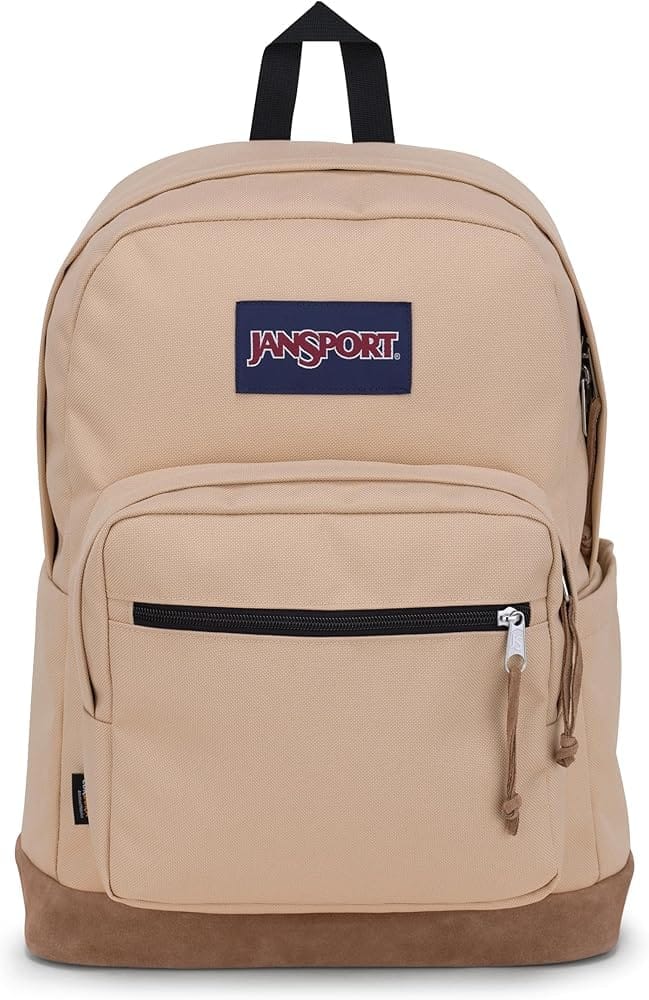
Classic Head-to-Head
This is the main event. For decades, the choice for a classic backpack has been Eastpak vs. Jansport. In 2026, the comparison is more nuanced than ever.
- Best For:
- Users prioritizing a more straightforward warranty resolution.
- Individuals who need a built-in padded laptop sleeve as a standard feature.
- Shoppers who prefer the durability of a suede leather base and metal zippers.
- Consider:
- The initial purchase price ($70) is higher than Eastpak’s Padded Pak’r (~$60), making it a larger upfront investment.
- Like Eastpak, it lacks an external water bottle pocket, a common inconvenience.
- Avoid If:
- Your budget is strictly under $65; the Eastpak is now the more affordable of the two classic options.
- You prefer a “repair” model for your warranty and want to keep your original bag.
The most critical difference is the warranty philosophy. While both brands have issues with claim denials, my research shows Jansport’s process is more likely to result in a “replace” outcome (a voucher for a new bag), whereas Eastpak’s is an often-unsuccessful “repair” process.
As one long-term user on Reddit noted, “My Right Pack from 2012 had a strap tear. [Jansport] couldn’t fix it, so they sent me a voucher for $65 to use on their site. I got a brand new bag.” This offers a definitive, albeit less sentimental, resolution.
✅ Strengths
- Built-in 15″ padded laptop sleeve
- YKK metal chain zippers for superior durability
- Suede leather bottom for added toughness
- “Replacement” warranty with better resolution rate
- Varies material including 915D Cordura options
⚠️ Considerations
- Higher price point at $70 vs. Eastpak’s ~$60
- No external water bottle pocket
- Bulkier profile than the Padded Pak’r
- Warranty claims still not guaranteed
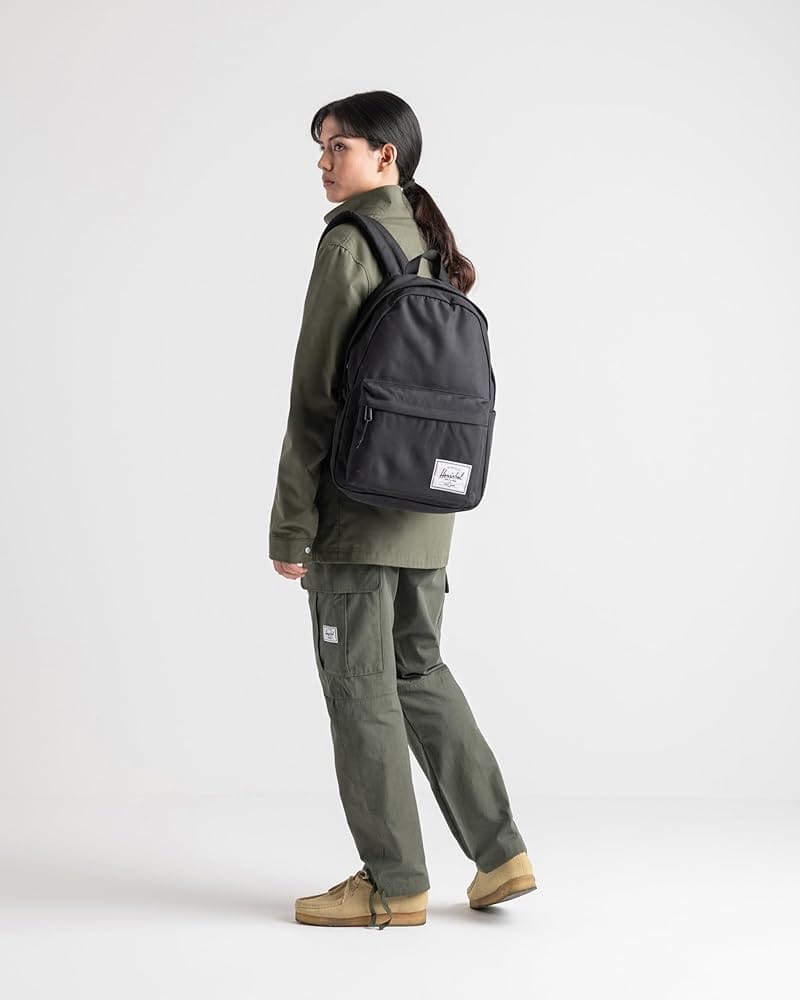
Style Meets Modern Functionality
Herschel competes directly with Eastpak on style but from a modern design perspective.
- Best For:
- Users who demand modern features like a padded laptop sleeve and a water bottle pocket.
- Style-conscious buyers looking for contemporary colorways and patterns.
- Shoppers on a tighter budget, as the Herschel Classic (~$50) is cheaper than both Eastpak and Jansport.
- Consider:
- The general user consensus is that its material quality and long-term durability are a step below even modern Eastpak bags.
- Avoid If:
- Longevity and durability are your primary purchasing criteria. Herschel is a fashion-first, durability-second brand.
✅ Strengths
- Padded laptop sleeve AND water bottle pocket included
- Most affordable at ~$50
- Contemporary colorways and patterns
- Modern feature set as standard
⚠️ Considerations
- Lower material quality and long-term durability
- Fashion-first brand — not built for heavy abuse
- Limited Lifetime warranty with mixed resolution outcomes
Fashion Accessory That Functions as a Bag
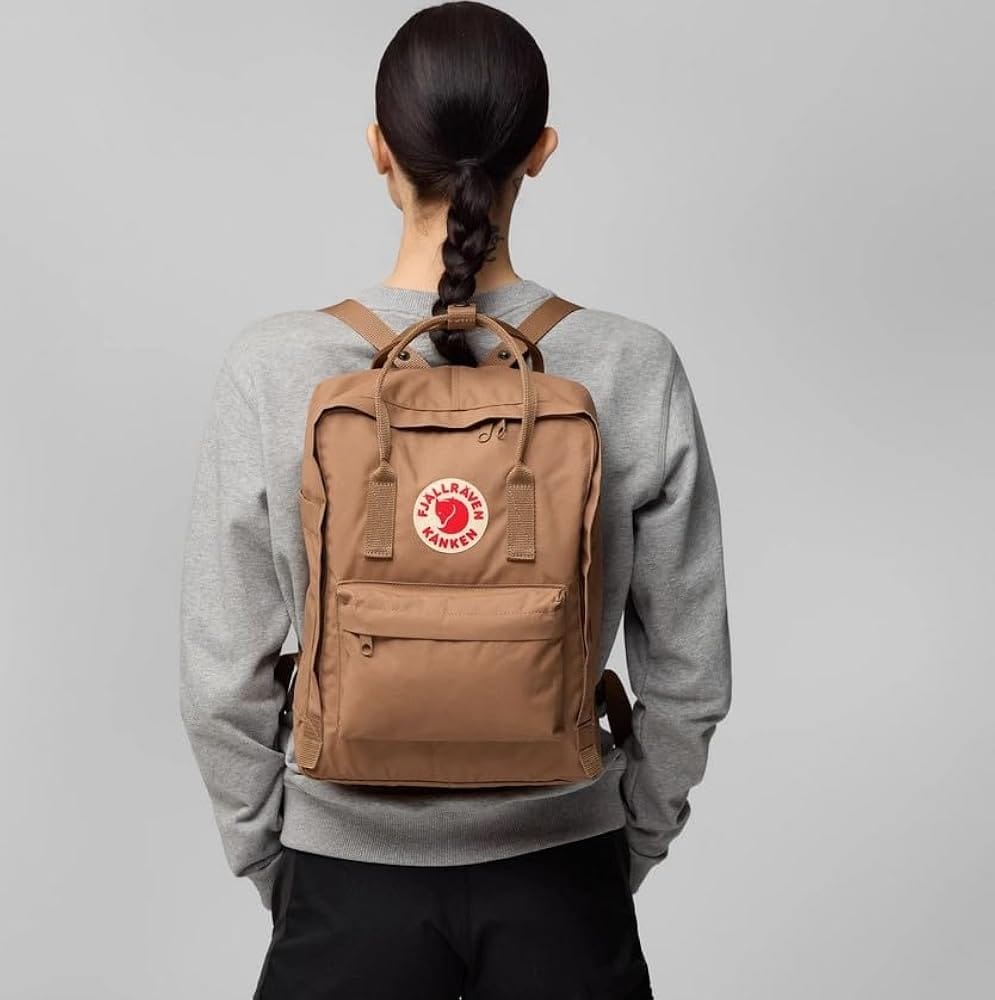
The Kånken is less a direct competitor and more a fashion accessory that functions as a bag.
- Best For:
- Users for whom the iconic square design and brand status are the most important factors.
- Those who need a lightweight, stylish bag for very light loads.
- Consider:
- It is significantly more expensive (often $80+) and smaller than the Padded Pak’r.
- The thin, unpadded shoulder straps are notoriously uncomfortable with any significant weight.
- Avoid If:
- You are seeking value, durability, or comfort. The warranty is also vastly inferior at only 2 years.
✅ Strengths
- Iconic, recognizable square design
- Vinylon F fabric offers good weather resistance
- Lightweight and ultra-portable
- Side water bottle pocket included
⚠️ Considerations
- Most expensive option at $80+
- No padded laptop sleeve on standard model
- Thin, uncomfortable shoulder straps under load
- Only 2-year warranty — vastly inferior
Part 6 – Final Verdict & Recommendations
After a thorough deconstruction of the product, the user experience, and the corporate forces at play, my final verdict is clear.
Eastpak is a brand whose manufacturing and service quality has tragically failed to keep pace with its legacy marketing promises. The “Built to Resist” slogan that once defined an era of quality now feels like a hollow echo from a brand prioritizing cost-cutting over customer loyalty.
Here’s a balanced summary of the pros and cons in 2026:
✅ Pros
- Iconic, timeless design that remains stylish and minimalist.
- A vast range of colors and brand collaborations offers unique aesthetic choices.
- 100% Vegan options are verified and PETA-approved, a genuine and positive attribute that aligns with trends toward sustainable fashion.
- Now priced more affordably than its primary rival, the Jansport Right Pack.
⚠️ Cons
- Verifiable decline in material quality (fabric and zippers), leading to frequent failures.
- Non-functional customer service and an unresponsive, opaque claims process.
- A misleading 30-year warranty that is difficult to use successfully and often denied.
- Lack of modern features (padded laptop sleeve, water bottle pocket) on its core iconic model.
- A reputation built on past performance that no longer reflects the current product’s longevity.
Based on this Eastpak review, here are my specific, segmented recommendations:
For the Nostalgic Buyer:
If you are buying an Eastpak to recapture the feeling of the indestructible bag you had 20 years ago, do not buy new. The product you’re looking for no longer exists in their current lineup.
💡 PRO TIP: Want a ‘Real’ Eastpak? Buy Vintage.
For the ‘buy it for life’ quality Eastpak was famous for, avoid new models. Search eBay or Etsy for pre-2015 ‘Made in USA’ bags. These often feature the superior 1000D Cordura fabric and robust build quality that is absent in today’s products.
For the Everyday Student/Commuter:
For a reliable daily driver with a better warranty experience and essential modern features, my professional recommendation is to consider the Jansport Right Pack if you value the brand’s reputation and more reliable warranty, or the Herschel Classic Backpack if you need a built-in laptop sleeve and water bottle pocket at a lower price point.
You can explore our full Eastpak alternatives and competitors comparison for an in-depth side-by-side breakdown.
When Should You Still Buy a New Eastpak?
Consider a new Eastpak only under a very specific set of conditions: you find a unique design or collaboration that you absolutely must have, you are able to purchase it at a significant Eastpak discount (I would suggest under $30), and, most importantly, you go into the purchase fully accepting that the 30-year warranty is likely meaningless and you are buying a fashion item, not a piece of durable equipment.
For the best available savings, check the current Eastpak deals and offers before ordering. And don’t miss our broader latest coupons page for savings across hundreds of brands.
This analysis is based on extensive research and user data as of May 2024. Manufacturing processes and service quality can change. This review represents a financial opinion; individual experiences may vary.
Part 7 – Frequently Asked Questions
Q1: Is the quality of Eastpak backpacks in 2026 as good as it used to be?
A: No, the quality of Eastpak backpacks has verifiably declined. My research for this Eastpak review confirms a systemic shift from highly durable 1000D Cordura fabric to less robust 600D polyester in many modern bags.
This material downgrade, coupled with the use of smaller, less durable zippers, is a common source of user complaints. While vintage Eastpak bags were known to last for decades, it is now common to see reports of critical failures, such as broken zippers or torn seams, within just 1-3 years of purchase (Amazon US: Padded Pak’r Reviews).
This decline in fabric and component quality means you are no longer buying the “indestructible” bag that built the brand’s reputation.
Q2: What does the Eastpak 30-year warranty actually cover?
A: Officially, the warranty covers defects in materials and workmanship, but my investigation found that in practice, it is highly unreliable.
A major finding is that many claims for clear defects, like broken zippers or split seams after only a couple of years of use, are frequently denied under a “normal wear and tear” clause (Reddit r/Backpacks).
Furthermore, the process is plagued by unresponsive customer service, with users reporting weeks or months of silence. This has contributed to the brand’s dismal 1.9-star rating on Trustpilot.
The combination of a high denial rate and the requirement for customers to pay for shipping makes the warranty a marketing promise that is rarely fulfilled.
Q3: Is Eastpak worth the money in 2026?
A: In 2026, for most buyers, I do not believe a new Eastpak is worth its retail price. The decline in material quality and the unreliable warranty mean you are paying a premium for a brand name, not for guaranteed durability.
While the Padded Pak’r (~$60) is now cheaper than its main competitor, the Jansport Right Pack (~$70), it lacks essential features like a padded laptop sleeve, which adds a hidden cost of $15-$30 (Amazon Search for 15 inch laptop sleeve).
This makes the overall value proposition weak. You are essentially buying an iconic style, but the “buy it for life” substance that once justified the price is no longer there. If you do still want one, always secure an Eastpak coupon to get the best rate possible.
Q4: Should I buy an Eastpak or a Jansport backpack?
A: For most users seeking durability and a more reliable warranty, I recommend considering Jansport, but with important caveats.
Fact-checking for this review revealed the Jansport Right Pack (~$70) is now more expensive than the Eastpak Padded Pak’r (~$60) (Jansport Right Pack Official Product Page).
However, Jansport includes a padded laptop sleeve and uses more robust materials in its classic model. Crucially, Jansport’s warranty is a “replacement” model (often a voucher), which many users find to be a more straightforward resolution than Eastpak’s difficult “repair” process.
If your budget allows for the higher price, Jansport offers better features and a less frustrating warranty experience. For a full head-to-head breakdown, see our Eastpak top alternatives and competitors analysis.
Q5: Who owns Eastpak and does it affect the quality?
A: Eastpak is owned by VF Corporation (VFC), a massive apparel and footwear company that also owns brands like The North Face, Vans, and Timberland.
My analysis strongly suggests that VFC’s corporate-level, $300 million cost-cutting initiative, “Project Reinvent,” has directly and negatively impacted Eastpak’s product quality and customer service funding (VF Corporation Press Release Oct 30, 2023).
This top-down pressure to improve margins likely led to sourcing cheaper materials (like 600D polyester) and cutting customer service budgets, resulting in the quality decline and warranty issues customers face today. The brand’s problems appear to be a direct result of its parent company’s financial strategy.
Q6: Can you fit a laptop in an Eastpak Padded Pak’r?
A: Yes, you can physically fit a laptop up to 15 inches inside, but I strongly advise against it without additional protection. The Padded Pak’r has no dedicated padded sleeve to protect the device from bumps or drops (Eastpak Official Website).
To carry a laptop safely, you must purchase a separate protective sleeve, which adds to your total cost and highlights the outdated design of this classic model. Competitors like Jansport and Herschel include a padded laptop compartment as a standard feature, making them a much more practical choice for students or commuters who carry electronic devices daily.
Q7: How do you clean an Eastpak backpack?
A: Eastpak officially recommends cleaning their bags by hand and advises against machine washing, which can damage the fabric and coatings. The recommended method is to use a damp cloth with lukewarm water and a mild soap (Eastpak Warranty Information).
For tougher stains, you can use a soft brush. It’s crucial to let the bag air dry completely before using it again. Do not use a dryer, as the high heat can damage the fabric, zippers, and polyurethane coating that provides some of the bag’s weather resistance. Proper cleaning is essential to maintain the bag’s appearance without compromising its materials.
Q8: Are Eastpak bags vegan?
A: Yes, a significant and growing portion of Eastpak’s product line is PETA-Approved Vegan. This includes the classic Padded Pak’r in most standard colorways, which are made from polyester or other synthetic fabrics instead of leather (Eastpak Vegan Page).
The brand has made a clear and verifiable commitment to offering animal-free products, and they clearly label which items are vegan on their website. This is one marketing claim that my research confirms holds up completely to scrutiny and is a genuine positive for consumers focused on cruelty-free and sustainable fashion choices.
For more expert evaluations across all product categories, browse our full category of review articles.