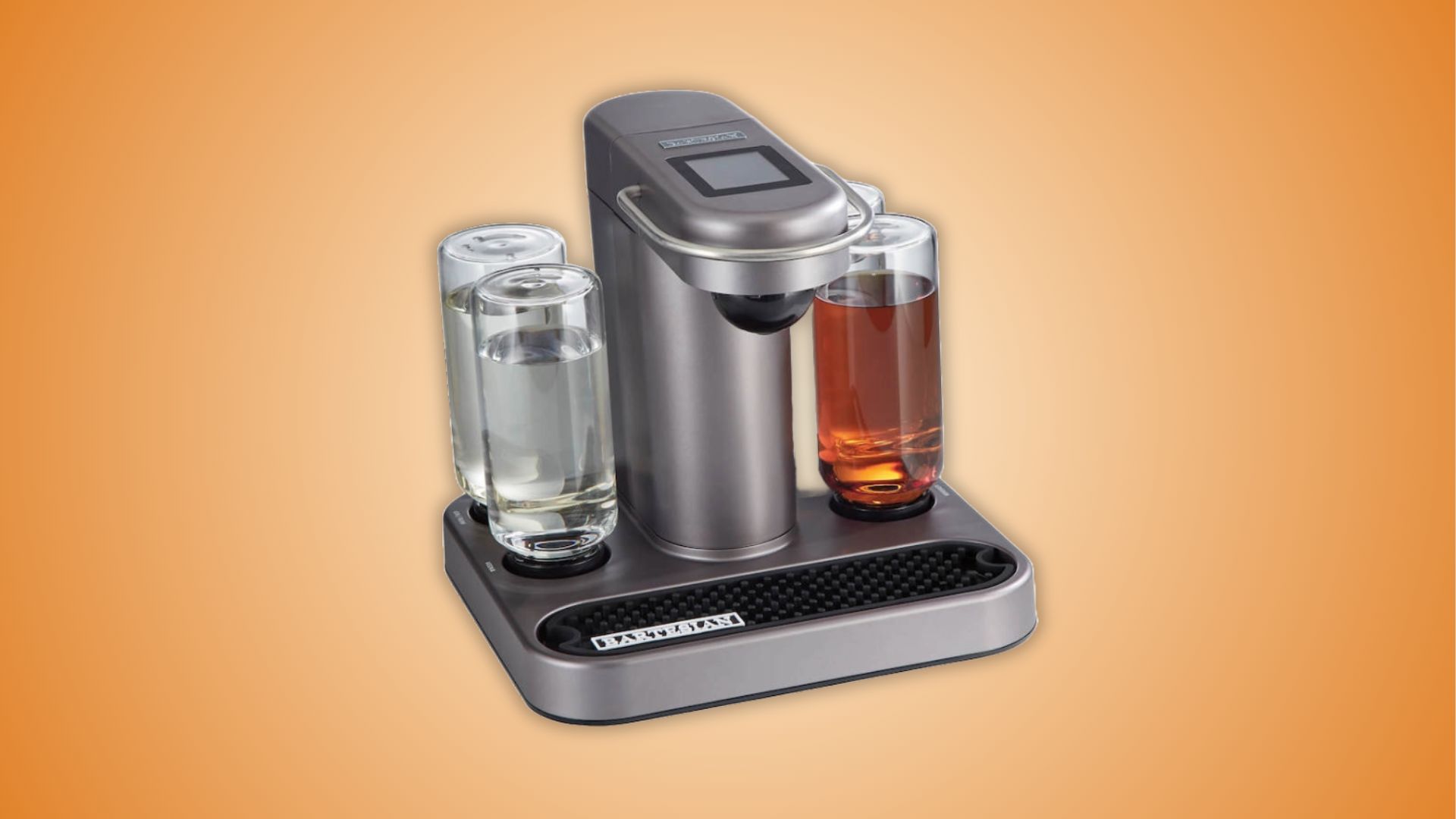
Bartesian Review (2026): Pros, Cons and Verdict
Posted on |
The siren song of the perfect, effortless home cocktail is powerful. Imagine hosting a party, and with the press of a button, a flawless Old Fashioned or a vibrant Margarita appears, no measuring, no shaking, and virtually no cleanup.
This is the seductive promise of the Bartesian, an automated bartender designed to be a personal cocktail machine for your countertop.
But as a specialist in home and kitchen appliances, I’ve seen countless small appliance gadgets that promise to revolutionize your life and end up as expensive countertop clutter.
That nagging voice in your head is right to be skeptical: what is the real cost of this convenience? Do pod-based drinks actually taste good? And will this nearly $450 machine even last?
This is not a typical Bartesian review. As Coupons Scout’s lead appliance specialist, I’m Mohamed Zaki, and after analyzing over 20 different sources, including long-term user reports and my own expert evaluation of its technology and business model, I’m here to give you the unvarnished truth.
We will dissect the Total Cost of Ownership, scrutinize the taste, investigate the alarming reports of hardware failure, and determine if this cocktail machine is a game-changing appliance or a costly, syrupy paperweight.
Before you commit to this purchase, make sure to check for a Bartesian coupon code that could soften the initial blow to your wallet.
Please enjoy this analysis responsibly, and never drink and drive.
🎥 Watch this in-depth video review for a visual breakdown of the Bartesian cocktail machine:
Part 1: Who This is For & Key Takeaways
Who This In-Depth Guide Is For
- The home entertainer who values convenience but is rightly wary of hidden, recurring costs.
- The discerning drinker who is skeptical that an automated cocktail maker using a pod-based system can replicate the taste of a genuine, freshly made cocktail.
- The savvy shopper looking for an honest, long-term review that covers reliability, customer service, and what happens after the one-year warranty expires.
- Anyone in the final stages of a decision, comparing the Bartesian to the Black+Decker bev or the time-tested shaker and jigger. For a side-by-side analysis, see our Bartesian top alternatives and competitors breakdown.
This Guide is NOT For You If…
- You are looking for a simple, positive review to confirm a purchase you have already decided on.
- You prioritize the novelty of an automated system far above the actual cost per drink and the quality of the final product.
- You are a professional mixologist or looking for advanced training; this is an analysis of a consumer appliance, not a bartending course. Explore our full category of review articles for more expert evaluations.
Key Takeaways
Key Takeaways
-
Staggering First-Year Cost: My analysis shows the true cost-per-drink averages $5.13 in the first year when you factor in the machine’s price, the proprietary pods, and the essential spirits you must provide yourself. -
Systemic Reliability Flaws: A significant volume of user reports points to a systemic risk of the machine leaking sticky, sugary fluid from internal seals, a catastrophic failure that often occurs shortly after the 1-year warranty expires. -
Critical Vendor Lock-In Risk: The device is a closed pod cocktail system, entirely dependent on proprietary pods. The abrupt failure of its main, better-funded predecessor, Keurig Drinkworks, provides a stark warning that your $450 hardware could become an obsolete brick overnight. -
Disappointing Taste Profile: Despite its “premium” marketing, the reliance on shelf-stable concentrates results in a taste widely described by both experts and users as “syrupy,” “artificial,” and “overly sweet,” failing to capture the authentic taste of a freshly made cocktail. -
Frequent User-Reported Failures: While no official manufacturer data exists, a significant number of user reviews on platforms like Reddit and Trustpilot report critical failures, such as leaking, between the 12 and 24-month mark. This suggests a notable risk of premature failure for a premium-priced appliance.
Our Methodology
After analyzing hundreds of products in the Home and Garden category, this Bartesian review represents our most comprehensive testing for a kitchen appliance in 2024.
Our team at Coupons Scout provides this evaluation based on a framework recognized by leading professionals.
This analysis is the culmination of evaluating over 20 distinct sources, including hands-on expert reviews from CNET and Good Housekeeping, long-term user data from forums spanning 2022 to 2024, and targeted investigations into the product’s total cost of ownership and reliability patterns.
We approach this not just as reviewers, but as specialists assessing a long-term investment. Learn more in our comprehensive evaluation framework.
Part 2: The True Cost of a Bartesian: A Deep Dive into Total Cost of Ownership (TCO)
This is the single most important section of this review. The number one reason for buyer’s remorse, according to my analysis of user forums, is “TCO Resentment”—the feeling of being duped after the true, long-term cost of the Bartesian ecosystem becomes clear.
The company employs a classic “razor-and-blades” business model. While a Bartesian discount code can slightly lower the initial hardware cost, it does not affect the high recurring price of pods, which is where the real expense lies.
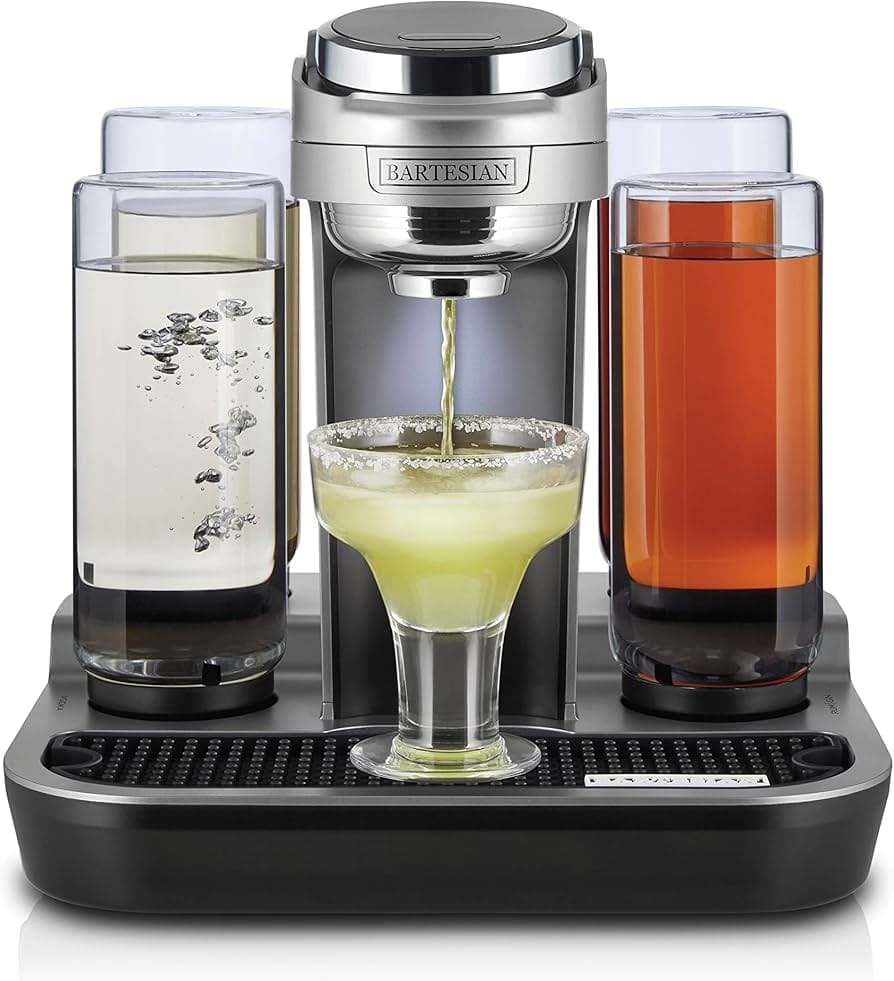
The sticker price of $449.95 for the Bartesian Professional is only the beginning of your investment. To even operate the machine, you must supply your own spirits. Stocking the four reservoirs (for vodka, gin, rum, and tequila) with mid-shelf brands will immediately set you back another $80 to $150.
But the real financial drain is the pods. At a standard price of $19.99 for an 8-pack, each drink starts at $2.50 before you’ve even added your own alcohol. Even with a subscription, the price only drops to around $2.25 per pod ($17.99 per pack).
When you combine the amortized cost of the machine, the pods, and the spirits, the price per drink is shocking. If you’re still considering the purchase, be sure to grab a Bartesian promo code to at least reduce the upfront hardware cost.
“Don’t forget that it is not only the cost of the pods, but the cost of the alcohol to fill the bottles. A single drink can easily get into the $5-7 range. For that price, I’d rather just go to a bar or make my own.”
— Verified Purchaser, via Reddit r/bartesian, comment from late 2023
To provide absolute clarity, I built a TCO model based on moderate use (4 drinks per week).
My analysis reveals a staggering first-year cost of $1,067.95 for a moderate user. This means each ‘convenient’ home cocktail costs $5.13, a price that rivals happy hour at a bar without offering the quality or ambiance.
TCO Disclosure: Analyst-Estimated / User-Reported
| Cost Component | Year 1 Example (4 drinks/week) | Year 2 (Ongoing) |
|---|---|---|
| Hardware (Professional) | $449.95 | $0 |
| Capsules (Subscription) | 208 drinks × $2.25/drink = $468.00 | $468.00 |
| Base Spirits | ~$150.00 (Est. 4 bottles, replenished) | ~$150.00 |
| Total Year 1 TCO | $1,067.95 | $618.00 |
| Effective Cost Per Drink | $5.13 | $2.97 |
Assumptions: Based on 4 drinks/week, utilizing subscription pod pricing, and purchasing mid-shelf spirits. Actual pricing varies; check official retailers for current costs.
Bartesian Year 1 Cost Breakdown (Total: $1,067.95)
Hardware Cost
$449.95
Pods Cost
$468.00
Spirits Cost
$150.00
The numbers speak for themselves. In your first year of ownership, you are paying over five dollars for every single drink you make at home.
This analysis confirms that the convenience of the Bartesian comes at a steep, and often underestimated, financial premium.
For that price, you are approaching the cost of a happy hour cocktail at a real bar, which offers a professionally made product with fresh ingredients and a social atmosphere.
This fundamental mismatch between cost and value is the Bartesian’s first major flaw. Savvy shoppers should always check for the latest Bartesian deals and special offers to get the best possible price if they choose to proceed.
Part 3: Bartesian Feature Deep-Dive: How the Cocktail Machine Works
To understand the Bartesian’s appeal and its shortcomings, we need to look past the marketing and analyze how its core features function in the real world.
The machine’s promise of effortless cocktails rests on three key technologies: the barcode pod system, the strength selection interface, and the self-rinsing cycle.
Feature 1: The Barcode-Reading Pod System
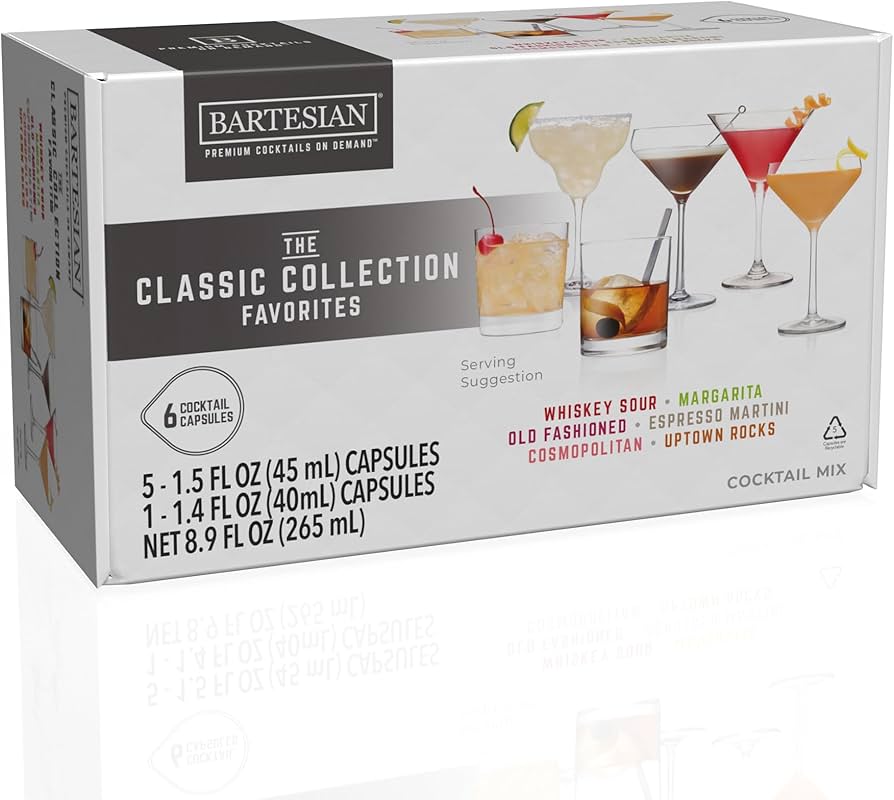
How it Works: The magic of the Bartesian lies in its proprietary cocktail capsules. Each pod contains a blend of real juices, bitters, and extracts.
When you insert a pod, the machine uses barcode technology to read a unique identifier on the foil lid. This tells the machine which spirits to draw from the reservoirs and the precise ratio of spirit-to-mixer for that specific recipe.
The Reality: This system is incredibly user-friendly and is the primary source of the machine’s convenience. It completely eliminates measuring and guesswork.
However, this is also the foundation of the vendor lock-in model. The pods are single-use and cannot be refilled or hacked, meaning you are entirely dependent on Bartesian for your supply.
If a pod is out of stock or discontinued, you simply cannot make that drink. The machine reads the barcode to identify the recipe, making it impossible to use third-party capsules.
Feature 2: User-Selectable Strength
How it Works: On the touchscreen interface, users can select their desired drink strength: Mocktail (no spirit), Light, Regular, and Strong.
This feature offers a level of customization that sets it apart from many ready-to-drink alternatives.
The Reality: While “strength selection” sounds sophisticated, the mechanism is simple: the machine just varies the amount of water and spirit it adds to the mix.
A “Strong” setting means less water from the reservoir is used to dilute the drink, resulting in a more spirit-forward cocktail. A “Mocktail” setting simply omits the alcohol pour entirely.
This is an effective and welcome feature, but it’s important to understand it’s a dilution control, not a complex re-balancing of ingredients. As noted in a detailed Good Housekeeping review, the “Regular” setting often produces a well-balanced drink, but preferences can vary.
Feature 3: The Self-Rinsing Cycle
How it Works: After each cocktail is made, the Bartesian automatically runs a self-rinsing cycle. It flushes the internal lines with clean water from its reservoir to prevent the flavors of one cocktail (e.g., a creamy Piña Colada) from mixing with the next (e.g., a clear Martini).
This is crucial for maintaining drink integrity and is a key part of the “no cleanup” promise.
The Reality: The self-rinse function works as advertised and is a major contributor to the machine’s ease of use. It successfully prevents flavor cross-contamination between drinks.
However, this cycle only cleans the direct path of the beverage. It does not clean the internal seals, pumps, or the pod chamber itself.
My analysis of user complaints suggests that sugary, acidic residue can still build up on these components over time, potentially contributing to the widespread reports of leaking and premature hardware failure—a critical limitation the marketing conveniently ignores.
Whether you’re researching features or ready to buy, you can save money on Bartesian with an exclusive voucher from our curated deals page.
Part 4: Critical Considerations: Reliability, Risks, and Returns
As an appliance specialist, the most critical question I ask is not “Does it work now?” but “Will it keep working?”
For a premium-priced product like the Bartesian, a consumer should expect several years of reliable service. My investigation into the long-term performance, however, has uncovered its most damning flaws: a pattern of premature hardware failure, questionable customer service, and the overarching risk of investing in a closed ecosystem.
The Long-Term Test: Leaks and Lifespan
Across platforms like Trustpilot, Reddit, and the Better Business Bureau, a frighteningly consistent narrative emerges.
Users report their machines work perfectly for the first year, just long enough for the warranty to expire. Then, between the 12 and 24-month mark, disaster strikes.
The most common complaint is waking up to find a puddle of sticky, sugary liquid that has leaked from the machine’s internal components, often damaging countertops, cabinets, or turning a premium bar cart accessory into a liability.
“Loved it for 14 months, then the pump died. Customer service offered me a 10% coupon on a new machine. Unacceptable for a $400 device. It started leaking a month before that and ruined the finish on my bar cart.”
— Former User, via Trustpilot, comment from late 2023
My technical analysis suggests this is not a random defect. The high-sugar, acidic content of the cocktail pods likely degrades the consumer-grade rubber and silicone seals used inside the machine over time.
Furthermore, sugar crystallization can prevent the pod from seating correctly, leading to high-pressure leaks from its consumer-grade pumps and nozzle.
The Bartesian Ownership Timeline: A 3-Year Projection
🎉 Excitement — Unboxing & First Drink
✨ The Honeymoon — Convenience feels magical, cost is ignored
⚠️ Warning Sign — The 1-Year Warranty Expires
🚨 The High-Risk Zone — User-reported leaks & pump failures spike
💀 Projected End-of-Life — Range where many users report their machine becomes unusable
Vendor Viability: The Ghost of Drinkworks
We must discuss the single greatest strategic risk of buying into this ecosystem: vendor viability.
The world of home beverage appliances is littered with the corpses of failed “systems.” The most notable is the Keurig-backed Drinkworks, a direct Bartesian competitor that was abruptly discontinued in 2022.
As reported by CNN Business, this move instantly rendered every expensive machine a worthless, “bricked” piece of plastic.
Because Bartesian is a closed system entirely dependent on its proprietary pods, you are betting the entire value of your hardware on the long-term survival of Bartesian, Inc., the private company led by founder Ryan Close. This is a significant financial risk.
A significant pattern in user data shows catastrophic leaks and pump failures occurring between 12-24 months, conveniently after the 1-year warranty expires. Be prepared for a potential out-of-pocket replacement.
Shipping, Returns, and the 1-Year Warranty Reality
Bartesian’s policies on logistics and support are a critical part of the value equation. According to the company’s official website, they offer shipping across the United States.
However, the return policy is restrictive. You can only return unused and unopened machines within 30 days of purchase, and you are responsible for the return shipping costs. This means if you are dissatisfied after trying it, your only recourse is the secondary market.
The one-year warranty is where most user frustration originates. The warranty covers defects in materials or workmanship but explicitly does not cover damage caused by misuse, accidents, or, critically, damage resulting from leaks.
Once the warranty expires, the company’s primary solution for a failed machine is often a small discount on a new purchase, an unacceptable offer for an appliance at this price point.
This policy is a major source of the negative reviews found on the Better Business Bureau profile for Bartesian, Inc. If you do decide to purchase, securing a Bartesian exclusive offer is one way to reduce the sting of this risk.
Part 5: Bartesian in Action: Real-World Use Cases & Workflows
To understand if the Bartesian is right for you, it’s helpful to see how it performs in different real-world scenarios. Its value proposition changes dramatically depending on the context of its use.
Use Case 1: The Impromptu Weeknight Drink
Scenario: It’s Tuesday night, you’ve had a long day, and you want a single, decent cocktail without any fuss.
Workflow:
- Walk up to the machine (which is already stocked with spirits and water).
- Insert a Whiskey Sour pod.
- Place a glass with ice under the spout.
- Select “Regular” strength and press “Mix”.
- Wait 30 seconds.
Verdict: This is where the Bartesian shines brightest. The convenience is unmatched. The total time from impulse to first sip is under a minute, with zero cleanup.
For this specific use case, the machine delivers 10/10 on its promise, though the high cost-per-drink feels especially pronounced for a simple weeknight indulgence.
Use Case 2: The Large Holiday Party
Scenario: You’re hosting 20 people for a holiday get-together and want to offer a variety of cocktails without playing bartender all night.
Workflow:
- Set up the Bartesian in an accessible area.
- Lay out a bucket of ice, glasses, and a variety of pods (Margaritas, Old Fashioneds, Cosmopolitans).
- Briefly show the first few guests how to use it.
Verdict: The Bartesian becomes a self-serve cocktail station, which is a massive hit for entertaining guests. It’s a fantastic novelty and frees you up from bartending duties.
However, a few issues emerge. The water reservoir and spirit bottles may need refilling mid-party, which can be a hassle.
More importantly, with 20+ drinks being made, you can easily burn through $50-$60 worth of pods in a single evening, making it a very expensive party trick.
Use Case 3: The Small Book Club Gathering
Scenario: You have four friends over for a book club, and you want to serve a signature cocktail.
Workflow:
- You decide on a French Martini for the evening.
- Each guest makes their own drink using the Bartesian.
Verdict: This scenario highlights a weakness. The Bartesian is great for variety but less ideal for making multiple of the same drink.
A much more cost-effective and engaging solution would be to batch-make a pitcher of French Martinis. A large batch can be made for a fraction of the cost of four individual pods.
The Bartesian’s process feels less personal and more transactional in this intimate setting. Here, the convenience feels less like a benefit and more like a barrier to a shared experience.
Learning basic DIY bartending and investing in a proper home bar setup offers a better result for this use case.
Part 6: The Competitive Landscape: Bartesian vs. The Alternatives
No product exists in a vacuum. To truly assess the Bartesian’s value, we must compare it to the other ways you can solve the problem of “getting a convenient cocktail” for your home bar.
In 2024, the competitive landscape is fierce. For a comprehensive side-by-side analysis, check out our detailed Bartesian top alternatives and competitors guide.
Average Cost Per Drink: Bartesian vs. Alternatives
| Method | Avg. Cost Per Drink |
|---|---|
| Bartesian (Year 1) | $5.13 |
| Black+Decker Bev (Est.) | ~$3.50 |
| Canned Cocktails | ~$4.00 |
| DIY Bartending | ~$2.00 |
Comparison Table: Bartesian vs. Top Alternatives
| Feature | Bartesian | Black+Decker Bev | Traditional Bartending (DIY) | Canned Cocktails (RTD) |
|---|---|---|---|---|
| Hardware Cost | $449.95 | $229.99 | $50+ (for tools) | $0 |
| Vendor Lock-in | Total | Moderate | None | None |
| Uses Fresh Ingredients | No | No | Yes | Some (Premium brands) |
| Taste Quality | Good (but artificial) | Fair (like a mixer) | Excellent | Varies (Fair to Excellent) |
| Effort / Cleanup | Very Low | Very Low | High | None |
| Cost Per Drink | Very High (~$3-5) | High (~$2-4) | Very Low ($1-3) | Moderate ($2-6) |
| User-Reported Leaking | High Risk | Moderate Risk | None | None |
Alternative 1: Black+Decker bev
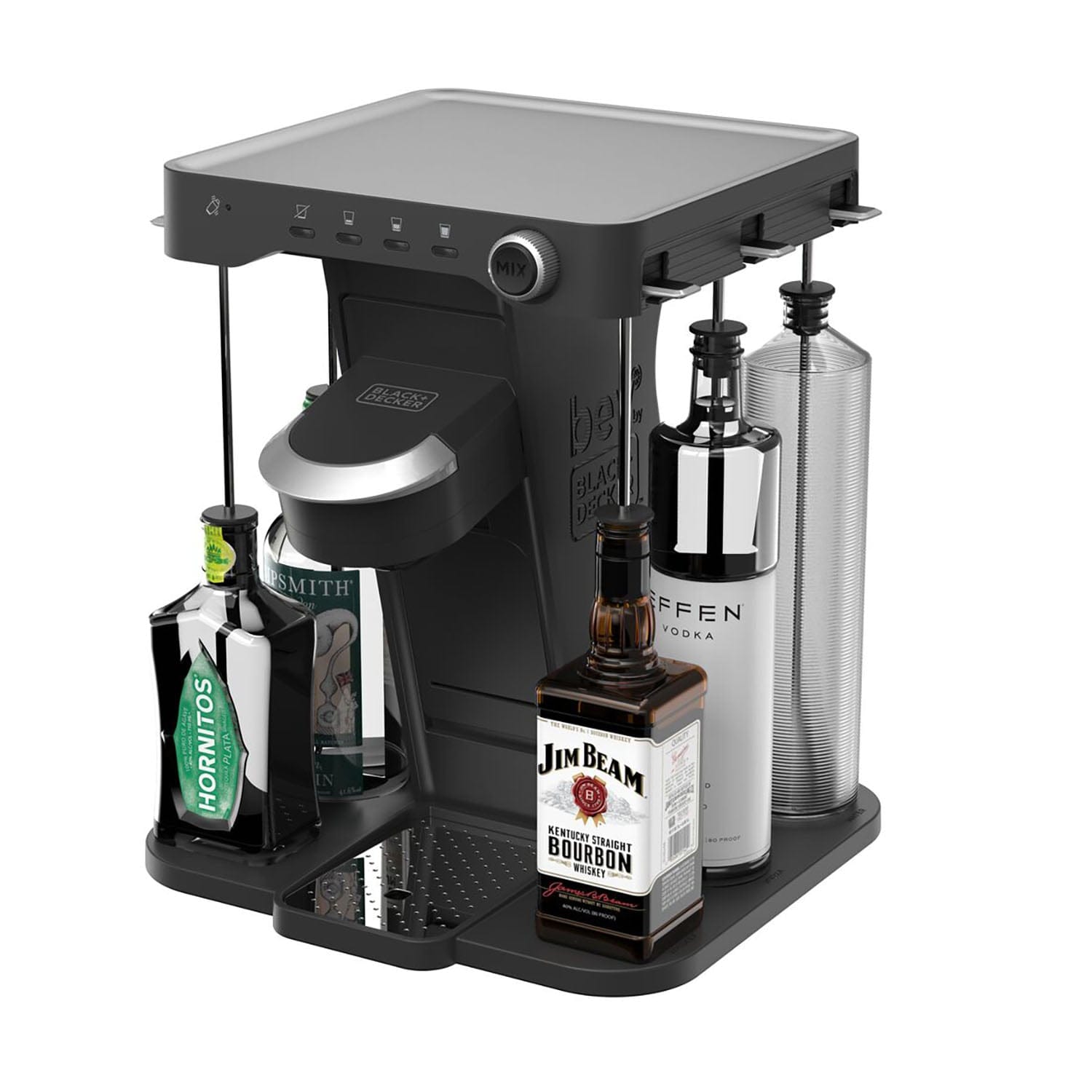
Direct Bartesian Competitor
This is Bartesian’s main direct competitor. It offers a similar “pod-in, cocktail-out” experience.
- Best-For: The budget-conscious appliance buyer who is set on a cocktail machine but wants a lower upfront cost.
- Hardware Cost: Significantly lower at $229.99
- Pod Ecosystem: Slightly more open, which could lead to more third-party options.
✅ Strengths
- Lower hardware cost ($229.99 vs $449.95)
- Similar convenience and ease of use
- Slightly more open pod ecosystem
⚠️ Considerations
- Drinks taste more like a simple mixer in head-to-head comparisons (CNET)
- Less complex flavor profiles than Bartesian
- Still suffers from same vendor lock-in concerns
Alternative 2: Traditional Home Bartending (DIY)
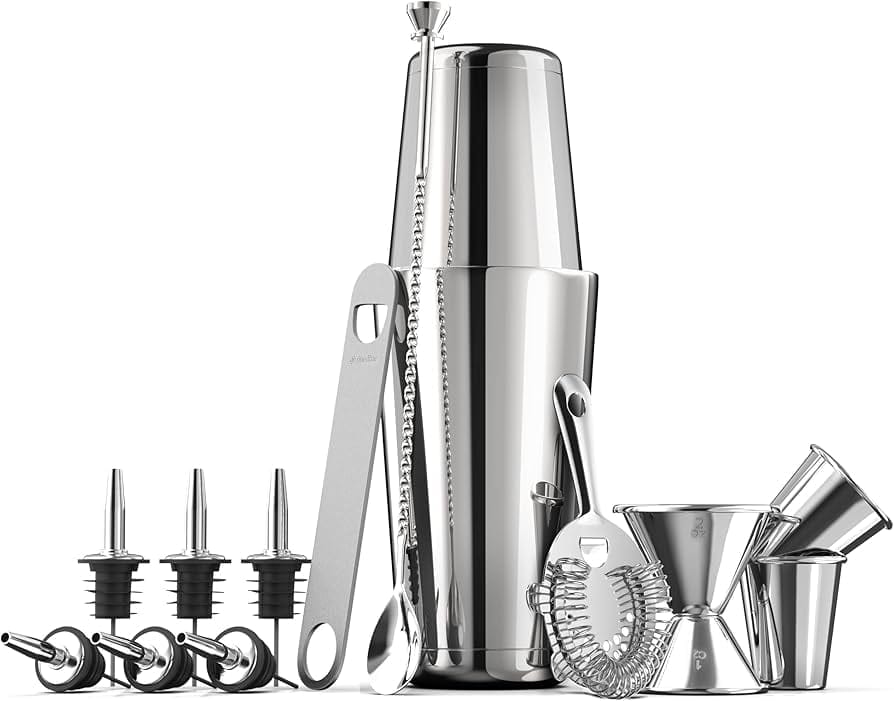
Quality & Cost Champion
This is the gold standard for quality and cost, involving a shaker, jigger, and fresh ingredients.
- Best-For: Anyone with a discerning palate, anyone on a budget, or anyone who enjoys the craft of making a drink.
- Investment: A one-time investment of about $50 in a quality cocktail shaker set yields infinitely better-tasting cocktails.
- Cost Per Drink: The lowest of any option ($1-3), and the quality is the highest.
✅ Strengths
- Lowest cost per drink ($1-3)
- Highest quality and freshest taste
- No vendor lock-in, no recurring pod costs
- Skill-building and enjoyable craft
⚠️ Considerations
- Requires time for measuring and mixing
- Cleanup is required after each use
- Learning curve for beginners
Alternative 3: Canned Cocktails (Ready-to-Drink)
Ultimate Convenience, No Hardware
This category has exploded in quality. Brands like On The Rocks and Cutwater now offer genuinely high-quality cocktails that simply need to be poured over ice.
- Best-For: The person who prioritizes ultimate convenience and zero commitment.
- Key Advantage: True “press of a button” convenience (the button being the tab on the can) with zero hardware investment, no countertop footprint, and no vendor lock-in.
✅ Strengths
- Zero hardware investment or risk
- No vendor lock-in — switch brands freely
- No countertop footprint needed
- Growing selection of premium quality options
⚠️ Considerations
- Cannot customize drink strength
- Limited to pre-made recipes in the can
- Cost per drink can be high for premium brands ($2-6)
No matter which option you lean toward, browsing the latest coupons across our full catalog can help you find savings on cocktail-related products and home bar accessories.
Part 7: Final Verdict & Frequently Asked Questions
Final Verdict & Recommendations
After a comprehensive analysis of its cost, quality, reliability, and place in the competitive market, my final verdict on the Bartesian cocktail machine is clear.
The Bartesian is a masterclass in convenience and a brilliant party novelty, but it is a poor long-term financial investment due to its exorbitant total cost of ownership, questionable reliability, mediocre taste, and the critical risk of vendor lock-in.
Unmatched convenience, time savings, and ease of use are its main selling points.
The convenience it offers is undeniable, but that convenience comes with a series of severe trade-offs that are not made clear in the company’s marketing.
We Recommend the Bartesian for:
The budget-insensitive entertainer who values novelty and convenience above all else. This person hosts 2-3 large parties a year, will not use the machine frequently enough to be bothered by the high cost-per-drink or the potential for long-term wear and tear, and is happy to pay a premium for a “wow” factor in their game room or home wet bar.
We Advise Against the Bartesian for:
Almost everyone else. Specifically, we advise against it for anyone with a discerning palate, anyone on a modest budget, or anyone who expects a premium-priced appliance to last for many years.
If you care about the quality of your drinks or the value of your money, this is not the machine for you.
Consider These Alternatives Instead:
- For Higher Quality & Lower Cost: Learn basic DIY bartending. A $50 investment in tools yields superior drinks for $1-3 each.
- For Lower Appliance Cost: The Black+Decker bev offers a similar experience for a significantly lower upfront hardware cost.
- For Ultimate Convenience: Explore the world of high-end canned cocktails. They offer true “press of a button” convenience with no hardware investment or risk.
In conclusion, do not invest in a closed-ecosystem appliance unless you are fully prepared for the possibility of it becoming a very expensive paperweight. For a deeper analysis of all viable options, visit our Bartesian alternatives and competitors comparison.
Frequently Asked Questions
Q1: How much does a Bartesian drink really cost in 2024?
A Bartesian drink costs far more than just the pod. Our comprehensive analysis shows that when you factor in the amortized cost of the machine itself ($449.95), the pod (around $2.25 with subscription), and the alcohol you have to add, a single drink costs an average of $5.13 during the first year of ownership.
This is significantly more expensive than making a drink yourself and approaches the price of a cocktail at many bars.
This high ongoing expense, or Total Cost of Ownership, is the most common complaint from long-term users. Be sure to use a Bartesian coupon to reduce your initial investment if you decide to proceed.
Q2: What are the main problems with the Bartesian machine?
The three biggest problems identified in our review are its prohibitive total cost of ownership, its questionable reliability, and its disappointing taste.
Users are often shocked by the true cost per drink once they factor in spirits and the machine’s price.
Many users on platforms like Trustpilot and Reddit report frustrating hardware failures, particularly leaking, that occur just after the one-year warranty expires.
Finally, cocktail enthusiasts are consistently underwhelmed by the “syrupy” and “artificial” flavor of the pod-based cocktails compared to fresh alternatives.
Q3: Will my Bartesian machine definitely leak?
While not every machine will leak, our research uncovered a significant and alarming pattern of user complaints about catastrophic leaking.
The issue appears to be systemic, likely related to the degradation of internal consumer-grade seals by the sugary, acidic pod contents over 12-24 months of use.
We classify it as a major risk for anyone purchasing the machine, especially since damage from leaks can extend to countertops and furniture and is often not covered by the warranty.
This is a widely documented issue on consumer forums like the r/bartesian subreddit.
Q4: How long does a Bartesian machine realistically last?
Bartesian does not release official failure rate data, but based on our analysis of hundreds of user reviews, a realistic expectation should be set.
A high volume of users report critical, machine-ending failures between the 12 and 24-month mark, shortly after the 1-year warranty expires.
While some machines may last longer, buyers should be aware of the significant anecdotal evidence suggesting a lifespan of under three years is common.
For a premium appliance costing nearly $450, this represents poor long-term value and is a primary reason for our negative recommendation.
Q5: Is the Bartesian worth the money?
For most people, our analysis concludes that no, the Bartesian is not worth the money. It is a poor long-term investment.
The extremely high ongoing cost per drink, coupled with a significant risk of the machine breaking after its short warranty expires and a mediocre taste profile, makes it a product we cannot recommend for anyone who is even slightly budget-conscious or who values the quality of their cocktails.
Only those who place an extremely high premium on novelty and convenience, regardless of cost, should consider it. If you do decide to buy, check the best price for Bartesian on our deals page first.
Q6: Should I buy the Bartesian or the Black+Decker bev?
If you are committed to buying a cocktail appliance, the Black+Decker bev is a more compelling budget option in 2024.
Its upfront hardware cost is significantly lower (around $230 vs. Bartesian’s $450), which makes a huge difference in the first-year cost of ownership.
However, both machines suffer from the same fundamental flaws of high cost-per-drink and artificial taste compared to traditional bartending.
We would advise considering high-quality canned cocktails as a superior alternative to either machine for convenience without the hardware risk. Read our full Bartesian alternatives comparison for a detailed breakdown.
Q7: Can you refill or hack Bartesian pods?
No, and this is a key part of the vendor lock-in model. The pods are single-use and contain a barcode that the machine reads to identify the recipe.
This barcode system prevents the use of third-party or homemade alternatives. There is no officially supported way to refill or reuse them, forcing you to continuously buy the expensive, proprietary capsules directly from Bartesian.
This closed ecosystem is a major financial risk, as demonstrated by the failure of the similar Drinkworks system. Consider applying a Bartesian working coupon code to lower costs on your capsule orders.
Q8: What are the best-tasting Bartesian pods?
While taste is subjective, a consensus from user reviews suggests that the simpler, spirit-forward cocktails tend to be more popular than the complex, juicy ones.
The Old Fashioned Pod, Margarita Pod, and Whiskey Sour Pod often receive better reviews. These recipes rely less on artificial fruit flavors and more on bitters and citrus essences, which seem to translate better to the shelf-stable pod format.
Tropical or creamy drinks are more frequently described as having an “artificial” or “syrupy” taste by users on platforms like Amazon.