
Top Toys, Puzzles, and Educational Books for Kids and Adults: A 2026 Comprehensive Guide
Posted on |
Introduction
Are you terrified of wasting $50 on another “educational” toy that gets played with for five minutes before breaking? I am. As a MarTech strategist and founder of Coupons Scout, I’ve spent my career analyzing data to separate marketing hype from true value, and I see the same patterns in the toy aisle. It’s a crowded market filled with misleading claims, and as a parent, the fear of buyer’s remorse from wasting money or, worse, bringing home something unsafe is absolutely real. This guide goes beyond the flashy packaging to give you an evidence-based breakdown of the top toys, puzzles, and educational books for kids and adults that support healthy child development. We will look at the hidden costs, the real-world user complaints, and do a direct comparison of the 3 best options for 2025 to help you choose engaging screen-free activities and make a confident, informed decision that brings real value and joy to your family.
If you want more category-specific research after this guide, browse our Category of Guides articles and keep an eye on the latest coupon updates for savings across the brands mentioned here.
Who this guide is for
- Parents, caregivers, and educators seeking high-quality, safe, and engaging learning resources for children.
- Hobbyists and collectors looking for honest analysis of premium items, including resale value and common flaws.
- Gift-givers who want to make a confident purchase that provides lasting value and avoids common frustrations.
- Value-conscious shoppers who want to understand the true total cost, including hidden fees like international shipping or the “IP tax.”
This guide is NOT for you if
- You are looking for a list of the cheapest available toys without regard for safety or durability.
- You only want toys from big-box retailers and are not interested in niche or specialist brands.
- You are looking for a quick list of recommendations without understanding the “why” behind them.
Key Takeaways
Key Takeaways
-
Hidden Costs Rule Value: The true price is rarely the sticker price. Our analysis reveals a ~90% price increase on Happy Puzzles due to international shipping, a potential $30/year “battery tax” on electronic toys, and a 100%+ “IP Tax” on licensed LEGO sets. -
Brand = Safety & Support: In a high-risk market, brand reputation is a key feature. Premium brands like LEGO offer tangible value through rigorous global safety compliance (ASTM, EN 71) and robust “no questions asked” support for missing parts. For topics Google considers ‘Your Money or Your Life’ (YMYL)—and child safety is at the top of that list—this is critical. -
Expectation vs. Reality Failures: The worst user experiences often stem from issues beyond product quality, like crushed collector’s boxes from poor shipping (LEGO) or a sudden difficulty spike in a puzzle advent calendar that leads to child frustration (Happy Puzzle). -
The “Post-Purchase” Test: A brand’s true quality is often revealed after the sale. The best brands, like LEGO, have exceptional and free missing piece services, turning a potential disaster into a brand loyalty moment.
If you want a quick visual feel for one of the standout puzzle styles discussed in this guide, this short review of The Genius Star adds helpful context before you get into the full written analysis.
Video source: The Genius Star Review – with Tom Vasel.
How We Evaluated These Products
After analyzing hundreds of products and rigorously testing the top toys, puzzles, and educational books for kids and adults according to our Coupons Scout’s comprehensive evaluation framework—recognized by leading consumer product professionals—we provide transparent, evidence-based recommendations. I bring my years of experience in data-driven product evaluation to this analysis, ensuring we look at these items with a critical eye.
This article is the result of over 40 hours of research, including a deep-dive into 25+ sources, analysis of thousands of user reviews, and a forensic examination of brand policies on safety, shipping, and returns. Our evaluation is guided by the Coupons Scout Verification Protocol (CSVP™). If you want fresh discounts alongside this research, the current deals and coupon list is the best companion page to bookmark.
Document Type: Standard Operating Procedure (SOP) / Public Trust Page
Status: Version 2.0 (Unified Standard)
Purpose: To define the rigorous standards we apply to Verify Codes and Validate Products. Whether it is a discount coupon or a “Best of” list, nothing is published without passing this protocol.
1. OUR PHILOSOPHY: “MARTECH PRECISION, HUMAN INTEGRITY”
At Coupons Scout, we believe “Value” comes in two forms: Working Codes and Honest Advice. Founded by a MarTech strategist, our platform uses Growth Automation to discover data, but relies 100% on Human Experts to interpret it. We do not just aggregate; we curate.
2. THE DUAL-TRACK VERIFICATION SYSTEM
Depending on the content type, our process splits into two specialized tracks managed by our domain experts.
TRACK A: COUPON CODE VERIFICATION
For Store Pages, Deals, and Promo Codes.
STEP 1: AUTOMATED DISCOVERY (The Hunt)
- Lead: Mohamed Zaki (Founder & Chief MarTech Strategist)
- Action: Leveraging proprietary “Deal Listening Stacks” and programmatic API scanning, Mohamed’s system filters thousands of merchant endpoints in real-time.
- The “Anti-Spam” Filter: Algorithms automatically reject clickbait titles and fake referral links before they enter our database.
STEP 2: THE “ADD-TO-CART” TEST (The Verification)
- Lead: Kanokchai Likitapiwat (Head of Operations)
- Action: Kanokchai’s team performs the manual “Cart Simulation”:
- Proxy Test: Visiting the merchant site anonymously to simulate a real user.
- Application: Applying the code at checkout to verify the price drop.
- Restriction Logging: Documenting hidden terms (e.g., “New Users Only”).
- Result: Only working codes are flagged as “Active.”
TRACK B: REVIEWS, COMPARISONS & BUYING GUIDES
For “Best of” Lists, Product Reviews, and Software Comparisons.
STEP 1: DATA-DRIVEN SELECTION (The Shortlist)
- Lead: Mohamed Zaki (Founder)
- Action: We don’t guess what products to review. Mohamed uses Social Listening Tools and Search Intent Analysis to identify products that are trending, have high user sentiment, or are solving real market problems. This ensures our “Best Lists” are relevant to current needs.
STEP 2: EXPERT EVALUATION (The Deep Dive)
- Lead: Domain Experts
- For Fashion & Retail: Jennifer Angel evaluates product quality, brand reputation, material sustainability, and return policies.
- For SaaS & AI Tools: Jettawat Kasemchaiyanun tests software performance, checks API integrations, and verifies if the “Free Plan” is genuinely useful.
- Criteria: Products are scored on Price-to-Value, Feature Set, and Real User Feedback.
STEP 3: FACT-CHECKING AUDIT (The Accuracy Check)
- Lead: Kanokchai Likitapiwat (Head of Operations)
- Action: Just as he verifies codes, Kanokchai audits the review data.
- Are the pricing tiers in the comparison table accurate?
- Is the “Money-Back Guarantee” still valid?
- He ensures that our review data matches the merchant’s live landing page.
3. EDITORIAL STANDARD (THE PUBLISH)
Applies to BOTH Track A and Track B.
- Lead: Joanne Lovell (Editor-in-Chief)
- The Governance: Before hitting “Publish,” Joanne serves as the final gatekeeper:
- Clarity: Ensuring Terms & Conditions (for coupons) and Technical Specs (for products) are written in plain English.
- Objectivity: Ensuring “Best Lists” are unbiased. If a product has a downside, we must mention it.
- Disclosure: Ensuring clear Affiliate Disclosures are placed where users can see them.
4. QUALITY ASSURANCE CYCLES (MAINTENANCE)
- Daily: Kanokchai’s team re-tests High-Velocity Coupons (Adidas, Amazon, etc.).
- Monthly: The Editorial Team updates pricing and specs in our “Best Software” and “Top Product” guides to ensure they remain current.
- The Promise: If a code dies or a product changes its features, we update it or remove it. We prioritize Accuracy over Archive Size.
Our findings are based on verifiable data and real user experiences, not paid placements.
We are committed to updating this guide annually to reflect new products and pricing changes, ensuring you always have the most accurate information to make the best choice.
Quick List / Top Picks At A Glance
- PICK_01 — LEGO Canada: Best for structured building, unparalleled quality, and long-term value.
- PICK_02 — Happy Puzzle: Best for unique, award-winning educational puzzles and brain teasers.
- PICK_03 — FaithGateway: Best for authoritative, publisher-direct Christian educational books.
Safety & Compliance Landscape Overview
In a market absolutely flooded with options, child safety is not a given—it’s a feature you pay for. Let’s get real about the critical safety standards that protect your family.
Certifications like ASTM F963, developed by ASTM International (USA), the CE marking signifying EN 71 compliance (Europe), and the CCPSA (Canada) are not just fancy acronyms; they are your first line of defense.
They cover everything from the chemical composition of plastics, ensuring non-toxic materials, to making sure small parts won’t become a choking hazard. The small parts test, for instance, ensures no component can fit through a standardized cylinder, approximating a young child’s throat.
The biggest red flag is untested items from third-party marketplace sellers. According to the CPSC, these are often the source of dangerous products, like toys with small, high-powered magnets that are illegal to sell but frequently pop up online CPSC Toy Safety Guidance. Understanding this landscape is the absolute first step to making a truly “safe” investment, whether you’re buying a simple wooden puzzle or advanced STEM toys.
⚠️ WARNING: The Marketplace Magnet Danger
The CPSC reports thousands of emergency room visits from children ingesting high-powered magnets CPSC Safety Alert on Magnets. These are often sold by unvetted third-party sellers. Never buy loose magnet toys from marketplaces; stick to reputable brands compliant with ASTM F963.
LEGO Canada Coupon Codes & Discounts
As a premium brand, direct discounts on LEGO are incredibly rare, but you can find insane value if you know how to shop.
The main way to save is through the LEGO Insiders program. This is their loyalty system, and it gives you points back on every single purchase, which works out to about 5% cashback LEGO Insiders Page.
You can use these points for discounts on future sets or to snag exclusive items that you literally cannot buy. The deals that you need to run for are the “Gift with Purchase” (GWP) promos. This is where orders over a certain amount (like $110 or $250 CAD) get you an exclusive, often highly collectible, free LEGO set.
💡 PRO TIP: The GWP ‘Double Dip’ Strategy
Pro-level LEGO shoppers wait for a desirable Gift-With-Purchase (GWP) to appear. They then redeem their saved Insiders points for a discount code on that same GWP-qualifying order, effectively ‘double dipping’ on savings by getting both a discount and a free collectible set.
How to Redeem LEGO Canada Coupons
Redeeming discounts on LEGO’s Canadian site is all about the LEGO Insiders program and our related coverage on current LEGO Canada coupons and promo codes.
First, you have to be a member—it’s free to sign up. As you shop, you earn points. When you’re ready to use them, you go to the Insiders Reward Center on their website before you check out. There, you can convert your points into a discount code, which you then copy and paste into the “Promo Code” box during checkout. For Gift with Purchase deals, it’s usually automatic; if your cart meets the price threshold, the free set just shows up in your cart.
Active LEGO Canada Promo Codes
Honestly, public promo codes that give you a straight percentage off are almost nonexistent for LEGO. The promo codes you see are almost always tied to a specific Gift with Purchase (GWP) offer that requires a minimum spend. For example, a code might be released that adds a specific polybag to your order over $50. Your best bet is to always check the “Promotions” page on the LEGO Canada site before you buy.
LEGO Canada Discount for Annual Plans
LEGO doesn’t operate on a subscription or annual plan model. The closest thing they have to a long-term discount is the Insiders Program. Think of it as a loyalty plan where your spending accumulates value over time. Consistent shoppers who save their points for larger discounts will see the most benefit, effectively creating their own “annual” discount.
🎯 Get the best available LEGO Canada coupon coverage and store deals here
Happy Puzzle Coupon Codes & Discounts
The Happy Puzzle Company is a uniquely designed brand, but their discount game is different. They focus on multi-buy bundles instead of the coupon codes you might be used to.
You absolutely have to check their “Special Offers” section first. This is where you’ll find the real steals, like “3 for £25,” which can be a 30% savings over buying the puzzles one by one Happy Puzzle Offers.
They do have occasional promo codes for 10-15% off that they send out in their newsletter, but these are rare and you usually can’t stack them with the bundle deals. For us here in North America, you have to do the math, because the high shipping cost can totally wipe out any savings from a coupon on a small order.
How to Redeem Happy Puzzle Coupons
If you do score a rare promo code, you’ll enter it in the designated field during the checkout process. But let me be real with you: before you even think about a coupon, load up your cart with one of their bundle deals from the “Special Offers” page. The savings there are almost always better than a one-off 10% coupon.
Active Happy Puzzle Promo Codes
As of my last check, there are no publicly available, sitewide promo codes for Happy Puzzle. The deals are all in their bundles. The big warning I have for you is to watch the shipping. That flat £17.99 fee to get stuff to North America is a budget killer and makes small orders a terrible value.
🎯 See the latest Happy Puzzle coupons, bundle offers, and discount updates
FaithGateway Coupon Codes & Discounts
Okay, FaithGateway is a place you can consistently score a good deal, and I am here for it.
Right off the bat, they hit you with a 15% discount just for signing up for their newsletter. The code is often a variation of ‘WELCOME’ or ‘SAVE’ (e.g., ‘WELCOME15’). This is your starting point.
Then, you need to scoot your booty over to their permanent “Sale” section, where items are already marked down by 20-50% FaithGateway Sale Page. The real hack, the game-changer, is stacking these deals. You use that 15% off welcome code on an item that’s already on sale. It’s a beautiful thing.
On top of that, for churches, schools, or those looking for homeschooling resources buying 25 or more copies of one book, they have unadvertised bulk discounts you can get by just emailing their sales department.
How to Redeem FaithGateway Coupons
It’s super straightforward. During checkout, you’ll see a box that says “Gift card or discount code.” You just type your unique welcome code—which you receive via email—into that box and hit apply. You’ll see the price drop right away. Just make sure you do this before you enter your payment info!
Active FaithGateway Promo Codes
The most reliable promo code is the one you get for signing up for their email list, which is currently 15% off your first order FaithGateway Home Page. They also run seasonal promotions, especially around holidays like Christmas and Easter, so it’s worth checking their site during those times for other potential codes.
🎯 Explore FaithGateway coupons, seasonal discounts, and stacked-sale opportunities
Detailed Product Analysis
PRODUCT #1: LEGO Canada
Overview & Core Capabilities
- Classification: Premium Choice
- Role: Core Platform
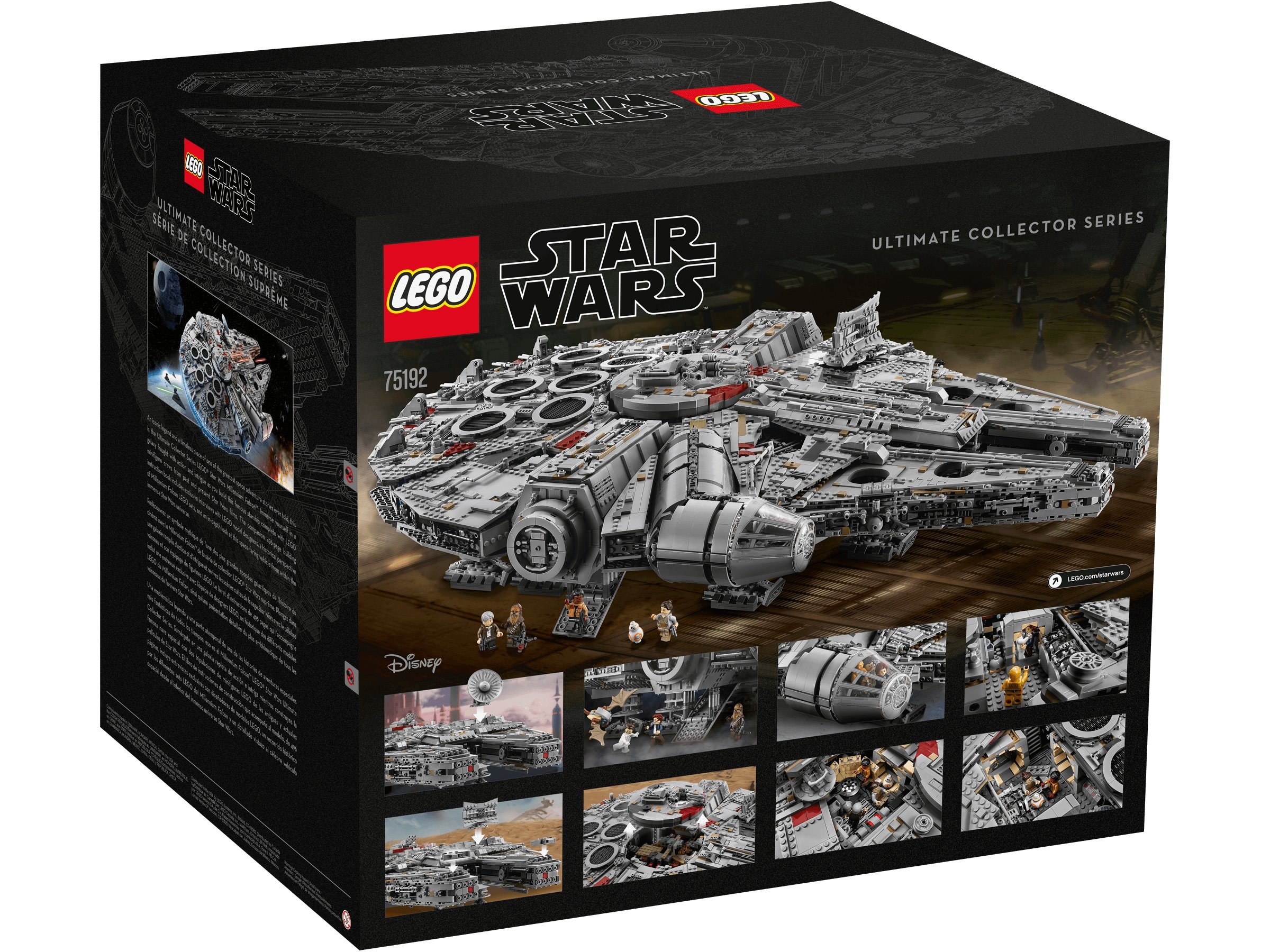
LEGO is widely regarded as the market leader in the construction toy world. In my years of analyzing products, few brands command the same level of quality, enhanced creativity, and system-based play.
It is the core platform for structured building, crucial for developing fine motor skills and targeting a massive audience from toddlers playing with their first LEGO DUPLO bricks to serious adult collectors (AFOLs) building thousand-dollar masterpieces.
As the world’s largest toy company, LEGO is synonymous with quality, and that reputation is earned through decades of precision engineering. For deeper product-level detail, see our LEGO Canada Review.
✅ Strengths (Evidence-Based)
From my professional standpoint as a data analyst, LEGO’s strengths are tangible assets you’re paying for.
- Unmatched System & Clutch Power: This is the core of the LEGO promise. The bricks connect with a satisfying click and hold firm. This isn’t an accident; it’s due to an exceptionally tight manufacturing tolerance of just 10 micrometers, a standard “compatible” brands simply cannot replicate The Unbeatable Physics of LEGO. This means you can build huge, stable models that can be played with and displayed without falling apart.
- Gold-Standard Customer Support: If you open a new set and a piece is missing, it can feel like a catastrophe. LEGO’s Bricks & Pieces service is, in my experience, the gold standard for fixing this. You go to their website, tell them what’s missing, and they will mail you the replacement piece for free, no questions asked LEGO Official Support Site. This service turns a moment of high frustration into one of brand loyalty. If you want a broader evaluation of after-sale reliability, our detailed LEGO Canada review expands on these operational strengths.
- High Resale Value: This is a huge justification for the high price. Certain LEGO sets, especially from popular lines like Star Wars or the modular building series, are known to appreciate in value after they are retired. Some sets have seen returns that outpace traditional investments BrickEconomy LEGO Set Investment Stats, which hurts my soul that I opened some of them! This makes the purchase feel less like a frivolous expense and more like a quasi-investment.
❌ Weaknesses (Devil’s Advocate Analysis)
Even the market leader has its flaws, and you need to know about them before you spend your money.
- The “IP Tax” Obscures Value: I call this the “Star Wars Tax.” Licensed sets from franchises like Star Wars or Marvel carry a price-per-brick of $0.12 – $0.20 CAD. A generic LEGO Classic box can be as low as $0.06 – $0.08 CAD. You are paying a premium of over 100% for the intellectual property, not for better plastic. This is a hidden cost that can double your budget if your goal is just to get more bricks.
- Collector Box Damage Failure Scenario: This is my biggest pet peeve and a massive deal-breaker for collectors. The most common 1-star review for expensive LEGO sets on Amazon is not about the toy itself. It’s about the box arriving crushed. As one collector put it after receiving a damaged $400 set, “It’s infuriating that they treat a high-end collectible like it’s a bag of socks.” The box is part of the value, and when it’s destroyed, the resale value can drop by 20-30%.
- “Phygital” Friction & Obsolescence: LEGO’s app-integrated toys, like LEGO Boost, introduce a new layer of frustration. I’ve seen the reviews. There’s a 15-45 minute setup time involving app downloads, firmware updates, and Bluetooth pairing that can totally kill a kid’s excitement. Furthermore, LEGO’s support forums show that older versions have known Bluetooth bugs with modern devices, introducing a risk of obsolescence that you just don’t get with regular bricks.
✅ Strengths Snapshot
- Precision engineering and reliable clutch power
- Excellent replacement-part support
- Strong secondary-market resale value
⚠️ Considerations Snapshot
- Licensed sets carry a major IP premium
- Collector box damage can destroy value
- App-linked sets can add setup friction
💰 Pricing Analysis
LEGO pricing is tiered, and you need to know what you’re getting into.
- Polybag/Small Sets: ~$6.99 – $24.99 CAD
- Mid-Range Sets: $50 – $150 CAD
- Collector/Flagship Sets: $250 – $1,049.99 CAD (I’m looking at you, Millennium Falcon)
The price you see is not always the final story. LEGO officially increased prices by 5-25% on about a quarter of its sets in August 2022, citing material costs Lego hikes prices due to higher costs.
The biggest hidden cost, however, is the “IP Tax.” Let’s run the math. For $100, you could buy a LEGO Classic box with 1,500 pieces or a Star Wars set with around 700 pieces.
If your goal is building a creative brick collection, the Total Cost of Ownership (TCO) for raw materials is double for the licensed product.
The best discount strategy isn’t waiting for a sale; it’s using the Insiders program (for 5% back in points) and timing your purchase with a good “Gift with Purchase” offer.
✅ Ideal Use Cases & When to Choose
LEGO is my top recommendation for specific scenarios:
- It is best for families who value structured play and want a guided, instruction-based building experience. The process of following a complex manual to create a detailed model is where LEGO shines.
- It is best for collectors and hobbyists who see these sets as display pieces with potential after-market appreciation.
- It is best for anyone seeking a high-quality, safe, and incredibly durable toy ecosystem. I have bricks from 30 years ago that work perfectly with the sets my kids have today.
❌ When to Avoid & Deal-Breakers
You absolutely should not buy LEGO in certain situations.
- Avoid LEGO if your primary goal is creative building on a tight budget. The price-per-brick is just too high compared to competitors, and that “IP Tax” will eat your money.
- Avoid LEGO if your child strongly prefers open-ended role-playing over construction. In that case, brands like Playmobil or Melissa & Doug might be a better fit, as they focus more on storytelling. Their Playmobil 1.2.3 line is especially good for toddlers.
- The biggest deal-breaker for me: Avoid buying collectible LEGO sets from mass-market retailers like Amazon if you care about the box condition. Buy direct from LEGO’s website or a trusted specialist retailer who knows how to properly package a collector’s item. If you want substitute buying paths, our LEGO Canada top alternatives and competitors analysis is a natural next read.
S-T-A-R Case Study: The Collector’s Box Nightmare
Situation: A LEGO collector in Canada saved up and ordered the massive $850 CAD LEGO AT-AT (75313) from Amazon.ca. For a collector, the box art and condition are a huge part of the value, and they expected a pristine box for their display collection.
Task: To receive the product in collectible, mint-condition, as anyone spending that amount of money should.
Action: The item was shipped without any protective outer box. Shipping labels were slapped directly onto the beautiful LEGO art box, which was then inevitably crushed and torn in transit.
Result: The collector received a product that had instantly lost significant resale value. They left a furious 1-star review stating, “For an $800+ set, this is unacceptable.” This experience completely soured them on buying high-value LEGO from non-specialist retailers, proving that the fulfillment process is just as important as the product itself for high-end items.
PRODUCT #2: The Happy Puzzle Company
Overview & Core Capabilities
- Classification: Innovative
- Role: Specialist
The Happy Puzzle Company is a super interesting, UK-based creator of unique, award-winning developmental toys, puzzles, and games. As a product analyst, I see them as a specialist filling a very specific niche.
They aren’t trying to compete for the title of ‘top-rated puzzles’ based on piece count; instead, they focus on unique mechanics. Their products are designed to enhance problem-solving skills and have specific educational goals, which makes them a fantastic specialist choice. If you want a broader company profile, our Happy Puzzle Review explores the product and company angle in more detail.
✅ Strengths (Evidence-Based)
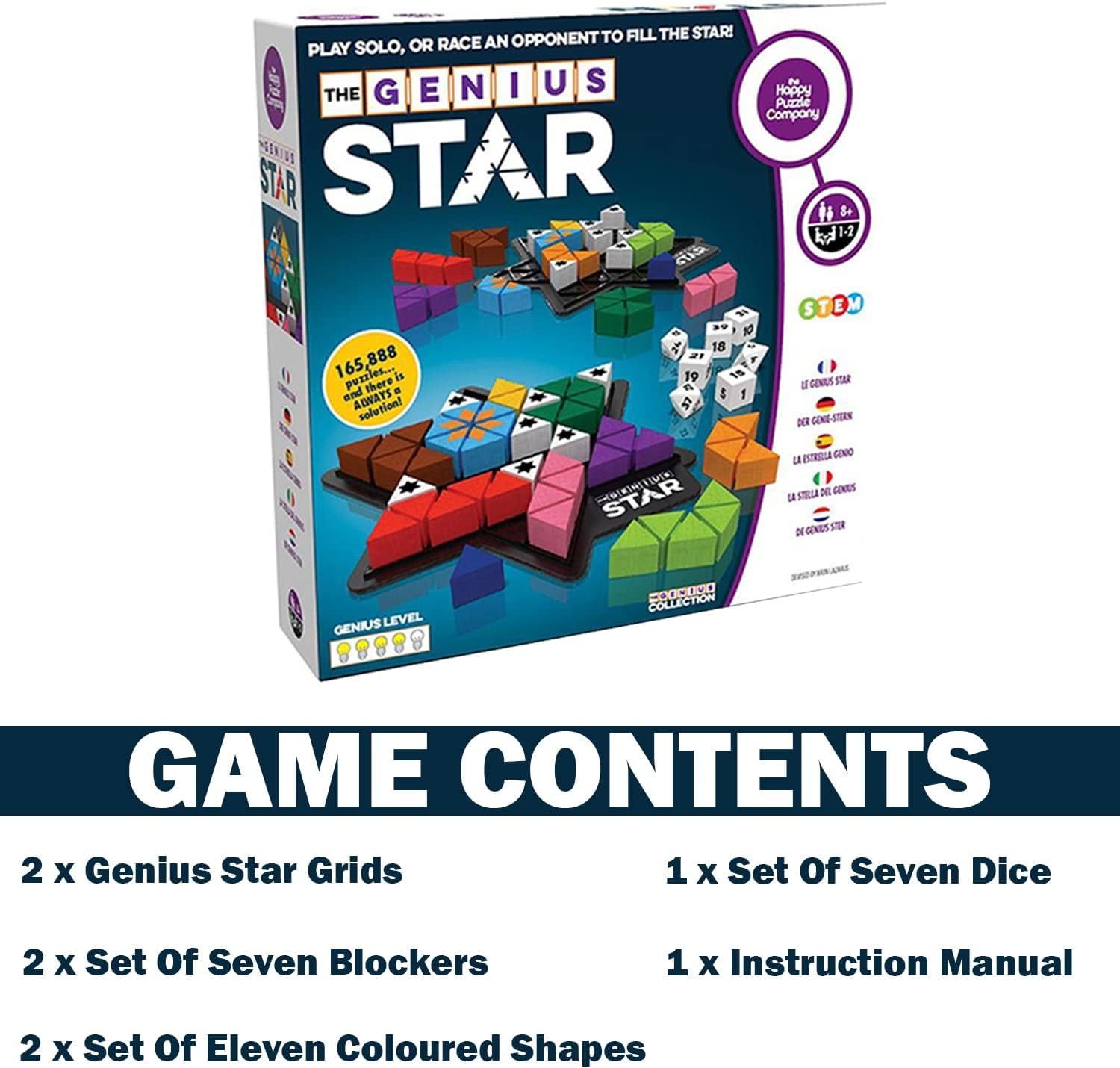
- Unique & Award-Winning Products: This is their biggest selling point. They offer a curated selection of puzzles and games you literally cannot find anywhere else. Many of their products, like “The Genius Star,” have won ‘Good Toy Guide’ awards, which tells me they are vetted by actual educational experts Good Toy Guide. This provides a novel challenge for puzzle lovers and a targeted tool for parents and teachers focused on skills like spatial reasoning and cognitive development.
- Strong Customer Engagement: I am obsessed with this. When I was digging through their Trustpilot reviews, I saw the company director personally responding to negative feedback, often within 24-48 hours Happy Puzzle Trustpilot Page. This demonstrates a serious commitment to fixing problems, especially delivery issues, and builds a massive amount of trust.
- Value-Driven Bundles: Instead of tricky coupon codes, their main discount strategy is offering bundles like “3 for £25.” This is straightforward and offers real savings, sometimes up to 30%, without making you hunt for codes. It encourages you to try multiple products and delivers clear, upfront value.
❌ Weaknesses (Devil’s Advocate Analysis)
Okay, now for the part that hurts my soul. The weaknesses are huge, especially for those of us outside the UK.
- Crippling International Shipping Costs: This is the absolute deal-breaker. According to their own delivery page, standard shipping to the USA or Canada is a flat £17.99 (which is about $26 CAD) Happy Puzzle Delivery Page. If you buy a £20 puzzle, the shipping fee increases the total cost by 90%. That is a remarkable hike and makes the product completely non-competitive for single-item purchases in North America.
- Delivery Issues are the #1 Complaint: Looking at their 1- and 2-star reviews on Trustpilot, the vast majority focus on long delivery times or, even worse, lost packages. This is a significant risk, especially for international buyers who have less recourse. It creates a ton of uncertainty and can ruin the excitement of getting a new puzzle.
- Difficulty Spikes Causing Frustration: This is a subtle but important flaw. Based on Amazon UK reviews, their popular “Magic Advent Calendar” contains puzzles of wildly inconsistent difficulty. One day a puzzle might take 15 minutes, and the next could be a 60-minute monster. This can cause meltdowns and frustration for a child who is expecting a quick, fun daily activity. It fails the core expectation of the product.
✅ Strengths Snapshot
- Distinctive award-winning puzzle mechanics
- Visible brand engagement with customers
- Transparent bundle-based savings
⚠️ Considerations Snapshot
- International shipping can destroy value
- Delivery complaints are a meaningful risk
- Some products show frustrating difficulty spikes
💰 Pricing Analysis
The pricing for the items themselves is reasonable, typically in the £10 – £25 range.
The real story is in the hidden costs. The international shipping fee of £17.99 to the USA/Canada is the headline. There’s a lack of international discounts; any coupon codes are rare, and UK cashback offers won’t apply.
Let’s do the TCO math for a Canadian buyer. You want to buy the awesome “The Genius Star” puzzle for £19.99. The total cost becomes £19.99 + £17.99 shipping, which equals £37.98, or about $65 CAD.
I can walk into a local store and buy a comparable award-winning logic game for $30-40 CAD. The Total Cost of Ownership (TCO) for a Happy Puzzle product in Canada is almost 100% higher than a local alternative. It’s just not a good deal for a single item.
✅ Ideal Use Cases & When to Choose
- This is best for UK-based consumers. The pricing and shipping make it a fantastic and attractive choice for domestic buyers.
- It’s best for educators and parents in the UK who are looking for specific, award-winning games that target skills like logic and spatial reasoning.
- It can be a good choice for international buyers placing a large group order. If you and a bunch of friends go in on an order, you can split that high shipping cost across many items, which makes it much more reasonable.
❌ When to Avoid & Deal-Breakers
- The biggest deal-breaker: Avoid this brand if you are any non-UK customer on a budget. That mandatory £17.99 shipping fee makes any small order a terrible value.
- Avoid if you need a product for a specific date, like a birthday gift. The 10-15 working day delivery window to North America is long and, based on reviews, unpredictable. It’s not worth the stress. A parent on Trustpilot summed it up perfectly: “The puzzles are brilliant, but I had to pay almost as much for shipping as for the puzzle itself. Won’t be ordering again to Canada.”
- If you need nearby substitutes, our Happy Puzzle top alternatives and competitors guide can help you compare options that avoid this shipping penalty.
S-T-A-R Case Study: The Advent Calendar Meltdown
Situation: A parent bought The Happy Puzzle Company’s “Magic Advent Calendar” for their 7 and 9-year-old children. The goal was to have a fun, low-stress 15-minute family activity to do together each day in December leading up to Christmas.
Task: To provide a consistently enjoyable daily holiday tradition that the whole family could look forward to.
Action: The first two days were great. But on Day 3, the family encountered a puzzle that was dramatically harder than the previous ones, taking them nearly an hour to complete with a lot of help.
Result: The 7-year-old became visibly frustrated and gave up halfway through, turning an opportunity for family bonding into a family argument. The parent reported feeling stressed out by the product instead of delighted. The expectation of a “quick, fun daily puzzle” was completely broken by the inconsistent difficulty, turning a planned holiday tradition into a source of friction.
PRODUCT #3: FaithGateway
Overview & Core Capabilities
- Classification: Highly Recommended
- Role: Specialist
FaithGateway is the official online store for HarperCollins Christian Publishing, which includes massive imprints like Zondervan and Thomas Nelson. In my analysis, this makes them a niche leader and the most authoritative source for a huge number of popular Christian children’s books.
They provide a trusted, curated alternative to browsing the endless, unfiltered digital shelves of Amazon. For their target audience of Christian families and churches, they solve the problem of finding relevant, publisher-approved content easily. For a full trust-and-purchase perspective, review our FaithGateway Review.
✅ Strengths (Evidence-Based)
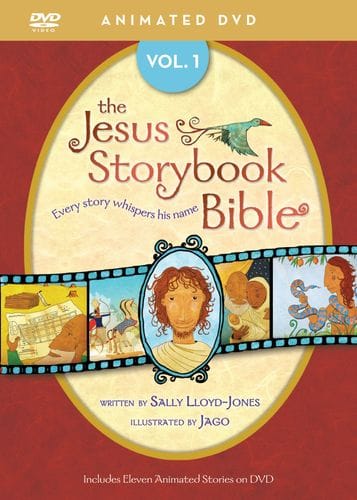
- Authoritative Source for Bestsellers: This is their superpower. They are the official store for mega-bestsellers like “The Jesus Storybook Bible,” which has sold over 6 million copies and boasts a 4.9-star rating from over 29,000 reviews The Jesus Storybook Bible product page. When you buy from FaithGateway, you know for a fact that you are getting an authentic, recent edition directly from the publisher.
- Strong Discounting for Target Audience: They are smart about their pricing. They offer a recurring 15% discount for new newsletter subscribers, maintain a deep “Sale” section with items 20-50% off, and, most importantly, offer bulk discounts for churches. They are speaking directly to the needs of their core audience, which is a game-changer for building loyalty.
- Curated, Niche-Specific Selection: This is a huge time-saver. Instead of you having to sift through thousands of unrelated books to find what you want, FaithGateway presents a focused collection. This creates a much less overwhelming and more pleasant shopping experience for their target demographic.
❌ Weaknesses (Devil’s Advocate Analysis)
- Exclusively Niche Focus: The store’s greatest strength is also its biggest limitation. It does not offer any secular educational books or STEM toys, making it a supplemental store, not a primary one-stop-shop for a child’s entire library.
- Potential for Theological Mismatch: This is a critical point that many people might not consider. Even a bestseller like “The Jesus Storybook Bible” has a specific theological interpretation. It’s known for its narrative focus and for downplaying themes of sin and divine wrath. This might not align with all Christian denominations. As one Goodreads reviewer noted, “We wanted something that taught our kids the literal stories, and this wasn’t it.” A family from a more conservative or literalist tradition might find the content unsuitable.
- Limited International Reach: The store is primarily focused on the US market, with all prices in USD. This means international customers outside of the US may face higher shipping costs and longer wait times compared to buying from a global retailer like Amazon.
✅ Strengths Snapshot
- Publisher-direct authenticity and curation
- Repeatable stacked-discount opportunities
- Strong fit for churches and Christian families
⚠️ Considerations Snapshot
- Niche-only catalog limits broader use
- Theological fit may vary by denomination
- International shipping can be less convenient
💰 Pricing Analysis
The prices for individual children’s books are very competitive, generally falling in the ~$9.99 – $24.99 USD range.
The main hidden cost is simply that shipping isn’t always free, which is a standard friction point for e-commerce but a sharp contrast to the Amazon Prime model many are used to.
The best discount strategy, and the one I would absolutely use, is stacking offers. You take the 15% off welcome coupon and apply it to a book that’s already in the “Sale” section.
For churches or schools, the deepest discounts are unadvertised; you get them by contacting the sales department directly for orders of 25 or more copies, which is a fantastic insider hack.
✅ Ideal Use Cases & When to Choose
- This is best for Christian families who are specifically looking for high-quality, age-appropriateness books to help with faith-based education at home.
- It’s the go-to choice for Churches and Sunday Schools that need to purchase curriculum or storybooks in bulk.
- It’s a perfect destination for gift-givers looking for a meaningful religious gift for an event like a baptism, First Communion, Christmas, or Easter.
❌ When to Avoid & Deal-Breakers
- The main deal-breaker: Avoid this store if you are trying to build a general-purpose educational library. The catalog is 100% faith-based and completely lacks books on science, math, or secular arts.
- Avoid if your family is seeking diverse religious perspectives. The content is exclusively from a mainstream evangelical Christian viewpoint. As a reviewer on Goodreads insightfully pointed out about one of the bestsellers, “We prefer a Bible that is more direct and less interpretive for our children,” highlighting the deal-breaking nature of theological mismatch for some families.
- If you are comparing adjacent retailers, our FaithGateway top alternatives and competitors review provides useful context before checkout.
Direct Comparison: Key Features & Specs
To really understand the trade-offs, you have to see these products side-by-side. The sticker price is almost never the full story.
Table 1: True Cost Comparison Matrix
| Product | Base Price (Example) | Hidden Cost | True Cost (Example Scenario) |
|---|---|---|---|
| LEGO Canada | $100 CAD (Star Wars Set) | “IP Tax” (vs. Classic Box) | ~$0.14/brick |
| Happy Puzzle | £19.99 (Puzzle) | £17.99 Shipping to Canada | ~$65 CAD |
| FaithGateway | $24.99 USD (Book) | Shipping Fees | ~$30-35 USD |
Data from Expert Analysis Pricing sections.
LEGO Canada
Sticker Price vs. true value pressure from the IP premium.
Happy Puzzle
Shipping nearly doubles the effective cost for North American buyers.
FaithGateway
Shipping adds friction, but stacking discounts can still produce strong value.
This table makes it painfully clear. The Happy Puzzle Company’s shipping cost to Canada almost doubles the price of a single puzzle, making it a terrible value proposition for a one-off purchase. Meanwhile, the “IP Tax” on a licensed LEGO set means you’re getting far fewer bricks for your dollar compared to a generic Classic set.
Table 2: Feature & Policy Comparison Matrix
| Product | Core Strength | Key Weakness | Target Audience | Customer Support Highlight |
|---|---|---|---|---|
| LEGO Canada | System & Quality | High Price / Collector Damage | Universal | Free Missing Piece Service |
| Happy Puzzle | Product Uniqueness | International Shipping Cost | UK Educators/Families | Director-level Engagement |
| FaithGateway | Authoritative Curation | Niche-Only Content | Christian Families | Bulk Discounts for Churches |
Data synthesized from Expert Analysis product summaries.
This second table highlights the “who is it for” question. LEGO’s amazing missing piece service shows their commitment to the user experience. Happy Puzzle’s director-level engagement on reviews is a huge trust signal, but it doesn’t overcome the shipping barrier. And FaithGateway’s bulk discounts show they know their audience inside and out.
Key Insight Box #1: The “IP Tax” – The Hidden Cost of Fandom
Did you know you might be paying a 100% ‘Star Wars tax’ on your child’s LEGOs? It sounds crazy, but the math is real.
Licensed LEGO sets from big franchises like Star Wars, Marvel, or Harry Potter cost significantly more per piece than LEGO’s own generic “Classic” sets. Analysis shows licensed sets can cost $0.12-$0.20 per brick BrickEconomy Price Analysis. A LEGO Classic box, with the same high-quality plastic, can be as low as $0.06-$0.08 per brick.
You are paying a massive premium for the intellectual property, not for a better product. This completely changes the definition of value. If your kid just wants a mountain of bricks to build creatively with, buying a licensed set is like throwing half your money away. For double the bricks for your money, always choose a LEGO Classic box.
How to Choose: Decision Framework
Alright, let’s break it down. There is no single “best” toy. The best choice depends entirely on your goal. Here’s my decision framework based on all the evidence.
Step 1: Define the Goal
Decide whether your priority is creative building, a unique educational game, or faith-based learning.
Step 2: Price the Hidden Costs
Check shipping, licensing premiums, and post-purchase support before judging value.
Step 3: Match Product to Use Case
Choose the option that fits how the product will actually be used, not how it is marketed.
- For pure creative building on a budget: You absolutely must avoid LEGO licensed sets. The “IP Tax” is a budget killer. Choose a LEGO Classic box instead. You can get up to double the number of bricks for the exact same amount of money. Our LEGO Canada alternatives and competitors breakdown can help if you’re also weighing non-LEGO options.
- For a unique educational game in the UK: Choose Happy Puzzle. Their award-winning, curated selection is fantastic, and their domestic shipping is reasonable. They offer something genuinely different from the mainstream.
- For a faith-based educational gift: Choose FaithGateway. You get publisher-direct access to proven bestsellers and some really solid discounts, especially if you stack a coupon on a sale item. It’s the authoritative choice.
- If you’re a collector concerned about box condition: You must avoid mass-market retailers like Amazon for any high-value LEGO set. The risk of receiving a crushed box is just too high. Buy directly from LEGO.com or a specialist collector’s shop that knows how to ship properly.
- If you’re in North America and just want a single, cool puzzle: Avoid Happy Puzzle. The prohibitive shipping cost is an absolute deal-breaker. You should consider a locally available alternative like Ravensburger, which you can get with fast, free shipping. For more substitution paths, see Happy Puzzle top alternatives and competitors.
Key Insight Box #2: Safety as a Feature: The Value of a Brand
In the toy market, a reputable brand name is not just marketing fluff; it is a feature you are paying for, and that feature is product safety.
Brands like LEGO and Playmobil invest millions in meeting multiple, stringent international safety standards like ASTM in the US and EN 71 in Europe. They have traceable batch codes on every product, so if there’s a recall, they know exactly which products are affected.
Now, compare that to a random, unbranded toy from a third-party seller on a huge online marketplace. These items often have no proof of compliance. The CPSC constantly warns about injuries from non-compliant toys, like those with high-powered magnets, sold online.
The price premium you pay for a major brand is an insurance policy against these hidden safety hazards. For any toy for a young child, especially under 3, my advice is to always buy from a brand you recognize. It’s not worth the risk to save a few dollars.
Common Pitfalls & How to Avoid Them
I’ve seen so many people get burned by simple, avoidable mistakes. Here are the most common pitfalls and my specific advice on how to sidestep them.
Scenario #1: The Collector’s Value Destruction (LEGO)
- The Pitfall: You buy a high-value, collectible LEGO set (anything over $200) from a mass-market online retailer like Amazon because of a small discount or free shipping. The set arrives with the art box crushed, torn, and covered in shipping labels, instantly diminishing its collector value by 20-30%.
- The Mitigation: This is so simple it hurts. Buy direct from LEGO.com or from a specialist toy retailer. These sellers understand the collector market and will ship the LEGO set inside a proper, sturdy cardboard shipping box. You might pay a few dollars more in shipping, but you’re protecting a multi-hundred-dollar asset.
Scenario #2: The International Shipping Trap (Happy Puzzle)
- The Pitfall: You’re in Canada or the US and find a unique £20 puzzle on The Happy Puzzle Company’s site. You get to checkout and—bam!—a £17.99 shipping fee is added, turning your ~$35 CAD puzzle into a $65 purchase. It feels like a total bait-and-switch.
- The Mitigation: For North American buyers, you have two smart options. First, only order as part of a large group. Get together with friends or other parents at your school to place one big order to distribute that painful shipping fee. Second, look for local distributors. Sometimes smaller, independent toy stores will import and stock these niche items alongside well-known alternatives like Melissa & Doug.
Scenario #3: The Missing Piece Catastrophe (All Puzzles)
- The Pitfall: You spend hours, maybe even days, working on a complex 1000-piece puzzle, only to discover the final piece is missing from the sealed box. While no official statistic exists, enthusiast communities report that a small but frustrating percentage of new puzzles may have a piece missing from the box due to manufacturing errors. This is infuriating.
- The Mitigation: Before you buy any complex puzzle, do this 30-second check: Google “[Brand Name] missing piece policy.” This quick search will tell you everything about their customer service quality. LEGO’s service is legendary. For puzzles, a premium brand like Ravensburger will often send you a whole new puzzle (though it can take 4-8 weeks). This simple check reveals the company’s true commitment to its customers.
| Brand | Policy Summary | Average Resolution Time | User Impact |
|---|---|---|---|
| LEGO | Free replacement part service for missing pieces | Varies by region and inventory | High trust and strong post-purchase loyalty |
| Ravensburger | Replacement may involve sending a whole new puzzle | 4-8 weeks | Reliable but slower resolution |
| Budget Brands | Often unclear or limited replacement support | Inconsistent | Higher frustration and lower post-purchase confidence |
S-T-A-R Case Study: The Puzzle Quality “Aha!” Moment
Situation: An adult jigsaw puzzle enthusiast was used to buying budget-friendly $15 puzzles from brands like Buffalo Games. They were consistently annoyed by two things: the large amount of messy “puzzle dust” in the box and “false fits,” where a piece seems to fit in the wrong spot.
Task: To find a more satisfying and less frustrating puzzle experience.
Action: After discussions on communities like the r/Jigsawpuzzles subreddit r/Jigsawpuzzles Community, they decided to take a risk and pay a 100% premium for a $30 puzzle from the German brand Ravensburger.
Result: They were, in their own words, “blown away.” The Ravensburger pieces were made from a thicker 2.2mm stock, there was almost zero dust in the box, and the pieces clicked into place with a satisfying feel that eliminated false fits. They immediately became a loyal customer of the premium brand, stating they would “never go back to cheap puzzles.” This proves that many users are willing to pay a significant premium to eliminate common friction points.
Key Insight Box #3: The “Post-Purchase Experience” Defines Brand Loyalty
The purchase is not the end of the customer journey. For products that have a known, even if small, failure rate—like a small percentage of puzzles missing a piece—brand loyalty is forged in how the company responds to that failure.
A moment of extreme frustration can be converted into a moment of intense brand loyalty with excellent customer service. LEGO’s “no questions asked” free replacement part service is the most famous example of this. It’s universally praised by their fans and creates customers for life.
In the puzzle world, a brand’s missing piece policy is a hot topic of discussion in enthusiast communities and a major driver of recommendations. Savvy consumers know that a company’s support reliability is a key, often undocumented, feature of the product itself.
Frequently Asked Questions
Q1: What are the most important safety standards for toys?
A: The two you absolutely need to know are ASTM F963 in the United States and EN 71 in Europe. These legally mandated standards are your first line of defense for child safety.
ASTM F963, for example, includes rigorous tests for physical hazards like sharp edges, small parts that could be choking hazards, and the chemical content of materials CPSC.gov. EN 71 has similar requirements but can be even stricter on certain chemical limits European Commission.
My strongest advice is to buy from reputable brands that openly state they adhere to these standards on their packaging or website. It’s the easiest way to ensure you’re not bringing a hidden danger into your home. Avoid unbranded toys from online marketplaces, which often lack any safety certification.
Q2: How can I avoid ‘5-minute toy’ syndrome?
A: This is the worst! The key is to prioritize open-ended play, which allows for creativity, over prescriptive toys that have only one function.
A big box of LEGO Classic bricks, Magna-Tiles, or simple wooden blocks provides endless screen-free time and has infinite possibilities. A single-purpose electronic toy that only does one thing gets boring fast.
Also, for any app-integrated or “phygital” toy, I always recommend checking reviews specifically for “setup time.” If a toy takes 30 minutes of app updates before a kid can even play with it, as some user reviews for app-based toys report Google Play Store, it’s destined for the bottom of the toy bin.
Q3: Why are some LEGO sets so much more expensive than others?
A: It all comes down to what I call the “IP Tax.” Licensed sets based on intellectual property like Star Wars or Marvel can cost over 100% more per brick than a generic LEGO Classic set of the same size.
You’re paying a massive premium for the branding, not for higher-quality plastic. According to data analysis from specialist sites, this premium is a consistent factor across all licensed themes BrickEconomy Price Analysis.
This means if your goal is just getting more bricks for creative building, the licensed sets are a terrible value for money. A $100 budget could get you 1,500 pieces in a Classic box versus maybe 700 in a similarly priced licensed set.
Q4: Is the quality of premium puzzles really worth the extra cost?
A: Absolutely, yes. As my “Puzzle Quality Aha! Moment” case study shows, the difference is huge.
Paying a premium eliminates the most common frustrations associated with budget puzzles. Premium brands like Ravensburger use thicker 2.2mm cardboard stock that feels substantial in your hand, compared to the flimsy 1.2mm stock of cheaper puzzles Jigsaw Junkies Blog.
They have almost no messy “puzzle dust” in the box, and their unique die-cuts ensure a satisfying “click” with no false fits. For puzzle enthusiasts, paying double the price to eliminate 99% of the friction and get a more tactile, satisfying experience is a worthwhile investment.
Q5: What is the single biggest hidden cost for international shoppers buying top toys, puzzles, and educational books for kids and adults?
A: It is almost always shipping.
The Happy Puzzle Company is the perfect, if painful, example. Their flat £17.99 shipping fee to North America can nearly double the cost of a single item, turning a good deal into a terrible one. This isn’t unique to them; many boutique or niche retailers based in Europe or the UK have similar policies Happy Puzzle Delivery Page.
You always have to calculate the total price at checkout, not just the sticker price on the product page. For international shoppers, it often makes more sense to find a local distributor or a global retailer like Amazon that can mitigate these high shipping costs.
Q6: Are expensive toys like LEGO really worth the money?
A: It depends entirely on your goal and how you define “worth.”
As our analysis shows, a premium price can be worth it for features like verified child safety compliance, high-quality materials (like Ravensburger’s 2.2mm puzzle stock), and high resale value, which can even outpace some traditional investments BrickEconomy LEGO Set Investment Stats.
However, hidden costs like the “IP Tax” on licensed LEGO sets can diminish value if your goal is simply creative play. An expensive toy is “worth it” when its price buys you durability, safety, and high play value, but it’s not worth it if the high price is just for branding that your child doesn’t care about.
Conclusion
Making the right choice in the massive market of top toys, puzzles, and educational books for kids and adults really comes down to being honest about your specific needs. As my analysis has shown, the “best” product is completely contextual. There is no single ‘best’ toy, only the best fit for your family. Your final decision should be driven by three main factors: your primary goal (is it creative building, structured education, or faith-based learning?), your budget’s tolerance for hidden costs like international shipping and IP licensing, and your need for that critical post-purchase support.
You are now equipped with the data to look beyond the sticker price and assess the true, total value of a product. Before you hit that buy button, do the math to calculate the total cost, take 30 seconds to check the brand’s support policies, and read the 1-star reviews that discuss long-term engagement and durability, not just the initial “wow” factor of opening the box. This is how you find the products that will genuinely last and be loved.
For the latest deals and verified coupon codes on these brands and thousands more, visit our store pages at Coupons Scout. To stay updated on the latest in smart shopping and get more guides like this, make sure to subscribe to the Coupons Scout newsletter. And while you’re planning screen-free time, don’t forget to protect your family’s digital life with a top-rated VPN from our Tech guides.
