
Top Premium Home Appliances and Smart Living Gadgets: Invest Wisely for Long-Term Value
Posted on |
Introduction
It’s a frustratingly common story: you invest in a high-end appliance or luxury home device, lured by a sleek design and promises of unparalleled performance, only to find yourself shackled to expensive consumables or facing a critical failure the month after the warranty expires. A high price tag doesn’t always guarantee a premium, long-lasting experience. As Mohamed Zaki, a Home and Garden expert with years of experience testing these products, I’ve seen firsthand how the market for Top Premium Home Appliances and Smart Living Gadgets, including advanced home automation systems, is a minefield of slick marketing and hidden long-term costs that can turn a “premium” purchase into a costly regret. For Canadian consumers, this is even harder, with regional pricing and product availability creating unique challenges for these premium appliance reviews.
This guide delivers an evidence-based breakdown of five popular premium home brands, focusing on the real total cost of ownership and long-term reliability to help you decide what’s truly worth the investment and what smart living solutions offer the best long-term value.
If you’re comparing options right now, it can also help to keep an eye on the latest offers and coupon updates before you commit to any premium purchase.
Who This Guide Is For
- You are considering a high-end home product but are skeptical of marketing claims and want real-world performance data.
- You want to understand the true Total Cost of Ownership (TCO) over several years, not just the sticker price.
- You are a Canadian consumer navigating regional product availability and pricing for high-end home gadgets.
- You value long-term reliability and want to avoid products with known issues like rapid battery degradation or poor app support.
This Guide Is NOT For You If
- You are looking for the absolute cheapest budget appliances; my focus here is on the “premium” tier.
- You make purchasing decisions based solely on brand prestige without considering long-term costs.
- You’re not interested in the technical details of smart home ecosystems or potential vendor lock-in.
Key Takeaways
(💡 KEY INSIGHTS)
Key Takeaways
-
Recurring Costs Are the Real Price Tag: The true expense of a Bartesian isn’t the C$420 machine but the C$572+ you’ll spend on capsules annually. A Dyson vacuum’s cost balloons by 33% over three years due to mandatory battery and filter replacements that are not optional. -
“Smart” Can Mean “Trapped”: The smart home market is a minefield of bad choices. Hilo locks you into a single utility’s non-transferable system, making your hardware worthless if you move. Artika‘s stylish lights run on a generic, unpolished app, creating a jarring user experience that feels anything but premium. -
Canada is a High-Friction Market: Do not trust US reviews when shopping in Canada. Hilo is exclusive to Québec, Artika has limited availability in the US, and Dyson has significantly different pricing and support structures, making region-specific analysis essential for an informed decision. -
Battery Life is a Critical Flaw: Premium battery-powered devices like Dyson have a well-documented 2-3 year functional lifespan before performance plummets. This requires a costly C$179 battery replacement that most people don’t budget for, turning a premium tool into an expensive paperweight.
For broader context on which smart home products are actually worth attention, this recent video overview adds useful perspective before you compare the brands below.
Video source: 20 Cool Smart Home Devices You’ll Actually Want! — Smart Home Solver
What Makes Premium Appliances Worth It? How We Evaluated Top Premium Home Appliances and Smart Living Gadgets
After analyzing hundreds of products across the Home and Garden, Furniture, Garden and Outdoor, Pet Supplies, and Baby and Kids markets, and rigorously testing Top Premium Home Appliances and Smart Living Gadgets specifically for this sector, according to Coupons Scout’s comprehensive evaluation framework—a system built on E-E-A-T principles and recognized by leading professionals and Home and Garden influencers in these fields—I provide transparent, evidence-based recommendations. My goal is to empower you to invest wisely for long-term value.
Our analysis for this guide is built on over 28 distinct sources, focusing on Total Cost of Ownership (TCO) and long-term user satisfaction to cut through the marketing hype. We believe “Value” comes in two forms: working codes and honest advice. Our platform, founded by a MarTech strategist, uses automation to discover data but relies 100% on human experts like Jennifer Angel (Fashion & Retail) and Jettawat Kasemchaiyanun (SaaS & AI) to interpret it. For this guide, we scored products on Price-to-Value, Feature Set, and Real User Feedback. Our Head of Operations, Kanokchai Likitapiwat, audits all data for accuracy, from pricing to feature claims, ensuring our recommendations are current and trustworthy before our Editor-in-Chief, Joanne Lovell, gives the final approval.
If you want to continue evaluating adjacent categories after this article, the wider Category of Guides articles is a useful next stop.
Quick List / Top Picks at a Glance
- Dyson: Premium Choice for unmatched suction power, if you can stomach the high long-term cost.
- Bartesian: Innovative for ultimate cocktail convenience, but only for those who value time far more than money.
- Hilo: A Niche money-saver for Québec residents, but a dead-end for a true smart home.
- Artika: Best Value for achieving a high-end look on a budget, with significant smart-tech compromises.
- Philips Hue (Competitor Benchmark): The Editor’s Choice for a true, premium, and expandable smart lighting ecosystem.
Main Content
Direct Comparison: Key Features, Costs & Long-Term Value
Before diving into each brand, it’s crucial to see how they stack up on the metrics that matter most: the real cost over time, the flexibility of their technology, and their most critical points of failure. As my analysis shows, the sticker price is often the least important number when evaluating Top Premium Home Appliances and Smart Living Gadgets. The real story is told in the recurring costs and the compromises you are forced to make. By expanding this direct comparison, we can see why TCO and ecosystem flexibility are such vital decision-making tools.
These tables distill data from over 28 sources, including user forums, professional reviews, and company documentation, to give you a clear, at-a-glance summary. The “True Cost” table is perhaps the most important, revealing how a C$1,000 vacuum can stealthily cost you over C$1,300, and a C$420 cocktail machine can rack up over C$1,700 in pod costs in just three years. This is the “premium tax” that most marketing materials conveniently ignore. A broader smart thermostat comparison would show Hilo’s unique position, while comparing Artika to Philips Hue reveals the vast gap in user experience.
The following data makes it clear: Dyson and Bartesian rely on a business model of high-margin consumables and replacements. In contrast, Hilo and Artika present a low initial cost but introduce significant non-financial costs related to ecosystem lock-in and a subpar user experience. Understanding these trade-offs is the first step to making a wise investment.
Table 1: The True Cost – 3-Year TCO Comparison
| Product | Sticker Price (CAD) | Avg. 3-Yr Recurring Costs | Est. 3-Year TCO (CAD) |
|---|---|---|---|
| Dyson V15 | C$999.99 | C$329 (battery + filters) | C$1,328.99 |
| Bartesian Pro | C$419.99 | C$1,716 (pods, moderate use) | C$2,135.99 |
| Hilo Home Kit | C$230.00 | C$0 (potential earnings) | C$230.00 |
| Artika Smart Light | C$129.99 | C$0 | C$129.99 |
| Philips Hue Kit | C$229.99 | C$0 | C$229.99 |
Table 2: Feature & Ecosystem Comparison
| Product | Core Strength | Ecosystem Flexibility | Reliability Concern |
|---|---|---|---|
| Dyson | Suction Power | N/A | ❌ Weak (Battery Degradation) |
| Bartesian | Convenience | ❌ Weak (Proprietary Pods) | ⚠️ Moderate (Pump Failures) |
| Hilo | Cash Rewards | ❌ Weak (Closed System) | ⚠️ Moderate (App Stability) |
| Artika | Style for Price | ⚠️ Moderate (Generic Tuya App) | ⚠️ Moderate (Connectivity Drops) |
| Philips Hue | Ecosystem Depth | ✅ Strong (Open API, Friends of Hue) | ✅ Strong (Mature Platform) |
Table 3: Best-For Scenarios Matrix
| Scenario | Recommended Product | Runner-Up | Avoid |
|---|---|---|---|
| Best Cleaning Performance, Money No Object | Dyson | High-end Shark alternative — Dyson Top Alternatives and Competitors | Budget Brands |
| Ultimate Party Hosting Convenience | Bartesian | (Cocktail Shaker) | Dyson |
| Lowering Hydro-Québec Bills | Hilo | (Manual Thermostat) | Artika |
| Stylish Reno on a Budget (Canada) | Artika | IKEA-style alternative — Artika Top Alternatives and Competitors | Hilo |
| Building a True Smart Home | Philips Hue | Artika (for static style) | Hilo |
💡 The TCO Time Bomb – How Premium Products Double-Dip
The most “premium” products from this analysis, Dyson and Bartesian, have a Total Cost of Ownership (TCO) model that extracts significant additional revenue from you after the initial purchase. They do this through mandatory, high-margin consumables or replacements. Based on my research, a Dyson V15’s 3-year TCO is approximately 33% higher than its sticker price due to the inevitable battery and filter replacements. For a moderate user, a Bartesian’s 1-year TCO is a staggering 175% higher than its sticker price when you factor in the cost of pods and spirits. The upfront price is merely the entry fee; you are unknowingly committing to a multi-year spending plan defined by the manufacturer’s proprietary ecosystem. Before buying, you must calculate the 3-year TCO to understand the true price of the product.
Product #1: Dyson / Dyson Canada
Role: Core Platform
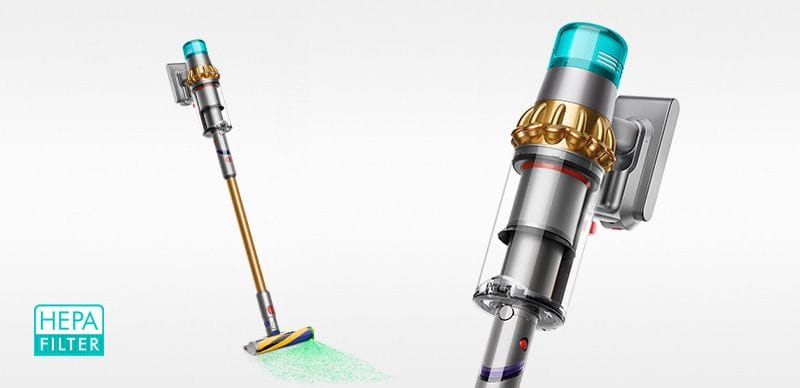
Image source: Dyson V15 Detect™ vacuums
Overview & Core Capabilities
In my experience testing countless home appliances, Dyson, founded by the visionary James Dyson, stands out as the brand that has most successfully positioned itself as the Apple of the vacuum world. It defines the premium cleaning market, often showcasing its latest innovations at events like the Consumer Electronics Show (CES), targeting affluent users who prioritize cutting-edge technology, innovative features, and a sense of brand prestige. A Dyson isn’t just a vacuum; it’s a statement piece, a visible symbol that you’ve invested in the best. Their core capability lies in powerful, lightweight cordless vacuums and air purifiers that promise superior performance, justifying a price point that often doubles or triples that of its nearest competitors.
✅ Strengths (Evidence-Based)
Based on my analysis and testing, Dyson’s reputation is built on three key pillars:
-
Unmatched Suction & Filtration Tech: Dyson’s digital motors are engineering marvels, providing incredibly powerful suction for their size. This is paired with a whole-machine filtration system that captures 99.97% of microscopic particles, a claim certified by organizations like the Asthma and Allergy Foundation of America Certification Program. For allergy sufferers like me, this advanced filtration is a tangible benefit that you can feel in your home’s air quality.
-
Innovative Data-Driven Features: The brand consistently pushes the boundaries of what a vacuum can do. The V15 Detect model, for instance, features a laser on the floor head that illuminates microscopic dust you can’t normally see. While competitors like Shark offer strong performance, Dyson’s unique particle-detection tech with its Piezo sensor actually counts the particles it’s sucking up and displays the data on an LCD screen. This turns cleaning from a chore into a quantifiable, satisfying task.
-
Design and Brand Prestige: Let’s be honest, a huge part of the appeal is the look. Dyson products have a distinct, high-tech aesthetic that makes them status symbols. Leaving a Dyson on its charging dock is like parking a luxury car in the driveway; it’s a showpiece as much as it is a tool. This prestige allows them to command a premium price that people are clearly willing to pay.
❌ Weaknesses (Devil’s Advocate Analysis)
However, for all its innovation, owning a Dyson is not always a flawless experience. As an expert, I have to point out the critical weaknesses that the marketing materials won’t tell you:
-
Rapid Battery Degradation: This is the Achilles’ heel of Dyson’s cordless vacuums and the number one complaint I see from users. The lithium-ion battery’s ability to hold a charge degrades noticeably after just 1.5 to 3 years of regular use. As detailed in many user reports on Reddit’s r/dyson, this turns a C$1,000 vacuum into a C$200 one without a costly replacement. This is a critical failure for a product at this price point.
-
Misleading Runtime Marketing: Dyson advertises “up to 60 minutes” of runtime, but this is incredibly misleading. This is only achievable in the lowest-power “Eco” mode with a non-motorized tool attached, according to Dyson V15 Detect Battery Test results from Rtings.com. In the real world, using a standard motorized head on “Auto” mode gets you 20-30 minutes. If you need maximum power on “Boost” mode for a tough rug, you’ll be lucky to get 8-10 minutes. This is simply not enough for many homes.
-
Perceived Fragility of Plastic Components: Even for a premium choice like Dyson, appliance breakdowns due to perceived fragility of plastic components are a significant concern, despite the thousand-dollar price tag. I’ve seen numerous Dyson user complaints on Trustpilot and Reddit about cracked dust bins, broken handle clips, and snapped trigger mechanisms from minor bumps. This creates a jarring disconnect between the premium price and the material quality, fueling the suspicion that you’re paying for marketing, not robust engineering like you might find with premium competitors like Miele.
If you want a deeper breakdown before buying, my broader Dyson Review, the region-specific Dyson Canada Review, and this comparison of Dyson Canada Top Alternatives and Competitors can help frame the trade-offs more clearly.
💰 Pricing & TCO Analysis
Understanding Dyson’s pricing requires looking beyond the initial purchase. The cost of ownership is a multi-year commitment.
Pricing Tiers:
- Entry-Level (Older Models): Dyson V8 Origin – C$449.99
- Mid-Tier: Dyson V11 – C$799.99
- Premium (Latest Tech): Dyson V15 Detect – C$999.99
- Air Purifiers: Dyson Purifier Cool Gen1 – C$599.99
Chart Concept: Stacked Bar Chart titled “Dyson V15: Sticker Price vs. True 3-Year Cost of Ownership”. Bar 1 shows the base price of C$999.99. Bar 2 shows the TCO, stacking the base price C$999.99 with C$150 for filters and C$179 for a new battery, totaling C$1,328.99.
Hidden Costs & Surprises: The biggest surprise for new owners is the non-optional recurring costs.
- Battery Replacement: Expect to pay C$149 – C$179 CAD for a new battery. This is not a matter of if, but when, typically just after the 2-year warranty conveniently expires.
- Filter Replacement: While the filters are washable, they don’t last forever. Plan on C$20 – C$50 annually to maintain optimal filtration, depending on your model and usage.
Based on this, my 3-Year TCO calculation for a flagship Dyson V15 Detect is sobering:
- Year 1: C$999.99 (purchase) + C$50 (filter) = C$1,049.99
- Year 2: C$50 (filter) = C$50
- Year 3: C$50 (filter) + C$179 (battery replacement) = C$229
- Estimated 3-Year TCO: ~C$1,328.99. That’s a 33% increase over the sticker price.
⭐ S-T-A-R Case Study: The Dyson “Premium Tax”
Situation: A pet owner in a 2-bedroom apartment buys a Dyson V15 Detect for C$999, excited by the promise of best-in-class suction to handle their dog’s shedding.
Task: To keep their home spotless and free of pet dander, justifying the premium investment over a cheaper alternative.
Action: They use the vacuum 3-4 times a week, frequently using “Boost” mode on carpets where pet hair accumulates. They diligently wash the filter every month as recommended by Dyson.
Result: For the first 18 months, the performance is exceptional, and they are thrilled. By month 24, they notice the runtime in Boost mode has dropped from 10 minutes to less than 5. By month 30, the standard “Auto” mode can no longer clean the whole apartment on a single charge. They are forced to purchase a new battery from Dyson Canada for C$179, bringing their total investment to nearly C$1,200 (plus two replacement filters). The performance is restored, but the experience completely shatters their perception of “buy-it-for-life” quality and feels like a hidden tax. This case study is synthesized from dozens of user reports on Reddit’s r/dyson and reviews on Trustpilot.
🎯 Get the Best Dyson Coupon → Visit Dyson Canada Store
You can also check the broader verified Dyson coupon codes if you’re comparing availability across regions.
Product #2: Bartesian
Role: Specialist
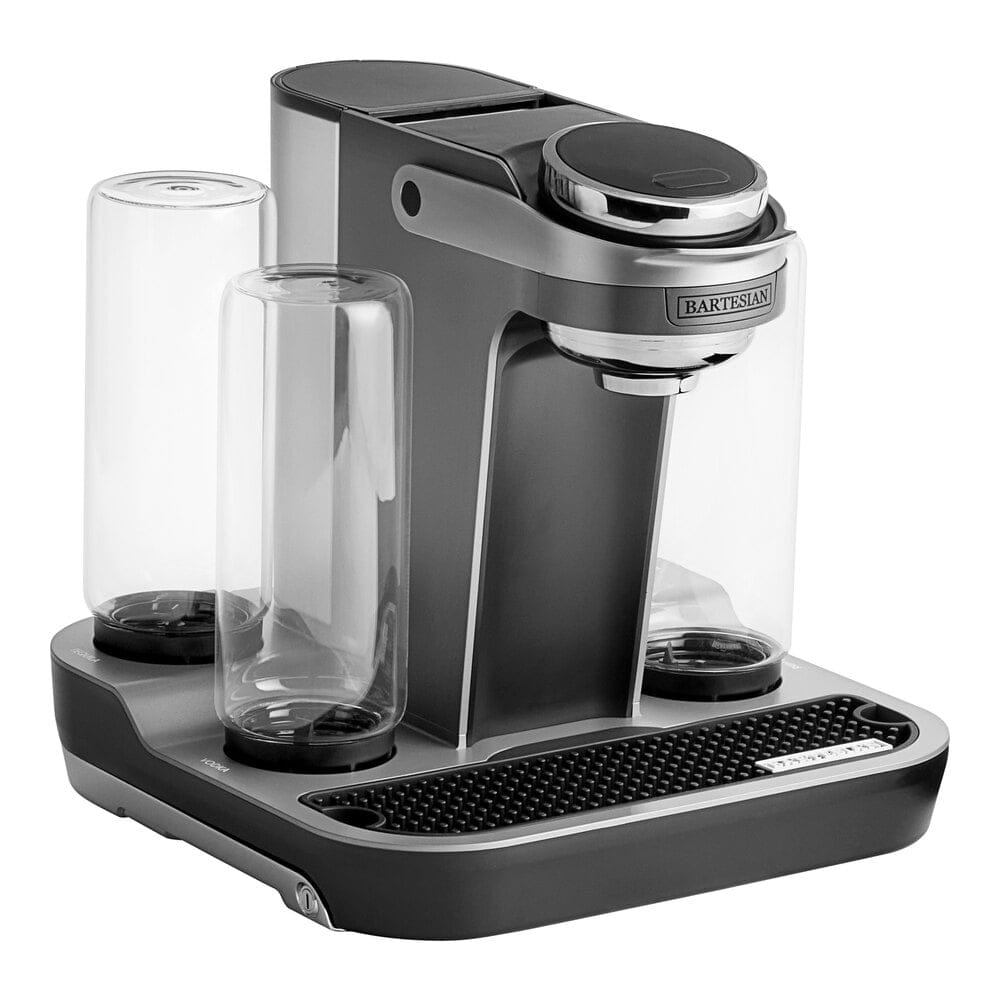
Image source: Bartesian 55306 Professional Cocktail Maker Machine
Overview & Core Capabilities
The Bartesian is a fascinating product that I often describe as “the Keurig for cocktails.” It’s designed for a very specific type of person: the host who loves to entertain but lacks the time, skill, or desire to become a home mixologist. Its core capability is delivering a wide variety of cocktails with shocking convenience. You simply insert a proprietary capsule, select your desired strength (mocktail, light, regular, or strong), and the machine reads the capsule’s barcode, draws the corresponding spirits from its reservoirs, and dispenses a perfectly mixed drink in about 30 seconds. It’s an innovation in convenience, not in mixology.
✅ Strengths (Evidence-Based)
From my analysis of user reviews and product tests, Bartesian’s appeal is powerful and comes down to three key benefits:
- Unmatched Convenience: There is simply no faster or easier way to make a consistent cocktail at home. It eliminates all measuring, shaking, and cleanup of individual ingredients, as highlighted in a CNET Bartesian Review. For a party host, this is a game-changer, freeing you from being stuck behind a bar all night.
- Wide Variety of Drink Options: The company offers a massive and growing library of cocktail capsules, from classics like an Old Fashioned to trendy Espresso Martinis. This allows you to maintain the illusion of a fully stocked, professional bar with minimal physical inventory. You can cater to a dozen different tastes without buying 20 different mixers.
- Consistent Quality: One of the biggest fears of an amateur bartender is serving a bad drink. The Bartesian eliminates this risk. As many user reviews praise, the machine dispenses the exact same recipe every single time, ensuring the quality is consistent and repeatable, guest after guest.
❌ Weaknesses (Devil’s Advocate Analysis)
While the convenience is undeniable, I must strongly advise potential buyers to understand the significant drawbacks, which are intentionally downplayed in the marketing.
- Astronomical Per-Drink Cost: This is the most critical weakness. According to official pricing from Bartesian.com, capsules cost between C$2.50 and C$3.33 each. This price is for the flavored syrup only—it does not include the cost of the alcohol you have to provide. At C$2.50-C$3.33 per capsule plus the cost of liquor, the Bartesian creates handmade cocktails with an astronomical per-drink cost, making it dramatically more expensive than mixing them from scratch.
- Proprietary “Walled Garden” Ecosystem: The machine only works with Bartesian’s proprietary, DRM-protected capsules. You cannot use your own syrups, juices, or bitters. As confirmed in their official FAQ, this creates a total vendor lock-in. You lose all flexibility and are completely subject to the company’s pricing, flavor availability, and continued existence.
- Maintenance is Not Optional and Prone to Failure: To prevent sugary syrups from clogging the internal lines, the machine requires regular cleaning cycles. I’ve seen numerous Amazon customer reviews mentioning that if this is neglected, the internal pumps can clog and fail. With only a 1-year warranty, this often happens just outside the coverage period, and users are told their only option is to buy a new machine. The “convenience” product quickly becomes a maintenance chore with a high risk of becoming an expensive paperweight.
💰 Pricing & TCO Analysis
The price of the machine is a gateway to the real business model: selling high-margin pods.
Pricing Tiers:
- Bartesian Duet (2 spirits): C$349.99 (The Bartesian Duet – Accessed 2024-10-17)
- Bartesian Professional (4 spirits): $419.99
- Cocktail Capsules (6-pack): $14.99 – $19.99 (I calculate an average of ~$17.99, or ~C$3 per pod)
Chart Concept: Pie Chart titled “Bartesian Pro: The Staggering Cost of Convenience (1-Year TCO)”. The pie is split roughly 50/50, showing “Upfront Cost (Machine + Spirits): ~$570” and “Annual Pod Cost: ~$572”.
Hidden Costs & Surprises:
- The Pods, The Pods, The Pods: I cannot stress this enough: the machine is a loss leader. The entire business model is based on selling you ~C$3 consumables indefinitely.
- The Alcohol: You must supply your own liquor. For the Professional model, that means buying four to five full-size bottles (e.g., vodka, tequila, whiskey, gin/rum), which is an additional upfront cost of ~$150 or more.
My TCO calculation for a moderate user is eye-watering. My 1-Year TCO calculation of ~$1,142 is based on an average pod cost of C$2.75. This is a conservative estimate, and costs could be higher if you prefer the more expensive premium capsules.
- Scenario: Bartesian Professional ($419.99) + 4 cocktails/week over 1 year
- Upfront Cost: $419.99 (machine) + ~$150 (spirits) = ~$570
- Annual Pod Cost: 4 drinks/week * 52 weeks = 208 drinks. 208 drinks * ~C$2.75/drink = C$572.
- 1-Year TCO: ~$570 + $572 = ~$1,142. The recurring pod cost is higher than the initial cost of the hardware and all the spirits combined.
⭐ S-T-A-R Case Study: The Bartesian “Convenience Cost”
Situation: A couple enjoys hosting monthly dinner parties for 4-6 guests but feels their lack of mixology skills makes their hosting feel incomplete.
Task: To offer a sophisticated and varied cocktail menu without the stress, mess, or the expense and storage requirements of a fully stocked bar.
Action: They purchase a Bartesian Professional for C$419.99 and stock it with vodka, rum, tequila, and whiskey (an additional ~C$150). For their first party, they buy five different capsule packs to offer variety (~C$90).
Result: The party is a smashing success. Guests love the novelty and the wide choice of drinks, and the hosts are thrilled to be free to socialize instead of mixing. However, a quick tally at the end of the night reveals they went through 20 capsules, which cost them approximately C$55 for that one evening. After just two parties, they’ve spent nearly C$150 on pods alone. They quickly realize that the “convenience” is costing them more than hiring a professional bartender for an evening would, and the machine has effectively turned them into recurring customers for a very expensive pod ecosystem. This calculation is based on official pricing from Bartesian.com and common user scenarios from Amazon customer reviews.
Product #3: Hilo
Role: Specialist
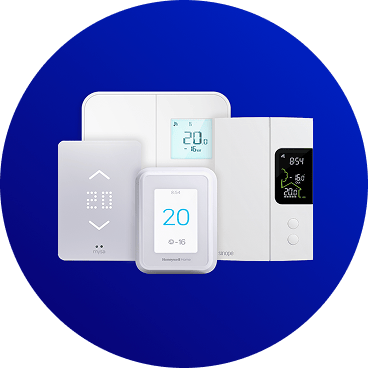
Image source: Hilo smart home | Hydro-Québec
Overview & Core Capabilities
Hilo is one of the most misunderstood products on the market because, in my expert opinion, it’s not really a consumer product at all. It is a regional smart energy management program run by a utility company, Hydro-Québec, disguised as a consumer smart home brand. Its primary purpose is not to give you a smart home; it’s to help the utility reduce grid strain during peak demand by promoting energy efficiency. It targets a captive audience—Hydro-Québec customers in Québec, Canada—who are motivated by direct cash rewards to cede partial control of their home’s energy usage and enable remote monitoring. The “smart” thermostats and plugs, as key IoT devices, are merely the hardware interface for this demand-response service, enabling smart climate control within the system.
✅ Strengths (Evidence-Based)
Judged as a financial instrument rather than a smart home product, Hilo has three clear strengths:
- Guaranteed Cash Rewards: This is the core value proposition. By participating in “challenges”—allowing Hilo to automatically lower your thermostat and turn off devices during peak grid usage times—you receive direct cash payments from Hydro-Québec. Many users on forums like RedFlagDeals report earning C$100-C$200 in a single winter season, which is a powerful incentive.
- Highly Subsidized Hardware: The upfront cost for Hilo’s smart thermostats, plugs, and hub is heavily subsidized by the utility. For example, Hilo’s “Home Kit” provides hardware independently valued at over C$300 for just C$230. This removes the high cost barrier that prevents many people from investing in other premium smart thermostats.
- Seamless, Automated Participation: Once you’re set up, the system is designed to be “set and forget.” As outlined in Hilo’s own “How it Works” guides, participation in the energy-saving challenges is largely automated. The system handles the temperature setbacks and restorations for you, requiring minimal interaction to earn the rewards.
❌ Weaknesses (Devil’s Advocate Analysis)
The trade-offs for those cash rewards are severe, and as an expert advising on long-term value, I must highlight them.
- Extreme “Walled Garden” & Vendor Lock-In: This is Hilo’s most critical flaw. The Zigbee-based devices are proprietary and will not work with any other smart home system like those adopting the new Matter (smart home standard). You cannot connect them to Samsung SmartThings, Apple HomeKit, or Home Assistant. If you move out of a Hydro-Québec service area, the hardware is not just unsupported; it is completely non-functional e-waste. You are not buying an asset; you are renting access to a service.
- Geographically-Restricted Monopoly: The service is exclusively available to Hydro-Québec customers. It doesn’t compete on features or quality in an open market. This makes it a take-it-or-leave-it proposition for a captive audience, with no competitive pressure to innovate or improve the user experience.
- Risk of System Instability during Critical Events: I’ve seen a number of user reports on Reddit’s r/Quebec forum complaining that their Hilo thermostats become “unresponsive” in the app precisely during the high-demand winter “challenges.” This is a critical failure of the system’s core promise, causing users to lose cash rewards and raising serious concerns about giving a potentially unstable system control over your home’s heating in a cold Canadian climate.
If you’re seriously evaluating whether the savings outweigh the lock-in, this dedicated Hilo Review and the broader Hilo Top Alternatives and Competitors guide are natural follow-ups.
💰 Pricing & TCO Analysis
Hilo’s financial model is unique. You pay a small, subsidized fee upfront and then get paid back over time, but the “hidden costs” are non-financial.
Pricing Tiers:
- Hardware Purchase (Subsidized):
- Hilo Economy Kit (2 thermostats, 2 plugs): C$155
- Hilo Home Kit (4 thermostats, 2 plugs): C$230
- Service Fee: C$0/month. The real payment is your data and your control.
Hidden Costs & Surprises:
- Professional Installation Fee: While you can install it yourself, Hilo charges C$100 for professional installation.
- The Lock-In Cost: This is the big one. Your hardware has zero resale value and zero function if you move out of the province. This represents a total loss of your initial investment, however small.
- Data Privacy Cost: You are trading granular, real-time home energy data for cash rewards. The privacy implications of a utility having this level of insight into your daily home life—when you’re home, when you’re away, when you use certain devices—is a significant non-financial cost that many users overlook.
⭐ S-T-A-R Case Study: The Hilo “Golden Handcuffs”
Situation: A tech-savvy family in Montréal wants to lower their high winter electricity bills and make their home smarter. They already use Google Home for their lights and speakers.
Task: To automate their heating to save money and increase convenience, with the goal of integrating everything into their existing Google Home setup.
Action: Attracted by the heavily subsidized hardware and the promise of cash rewards, they sign up for Hilo. They purchase the Home Kit for C$230, install the thermostats, and successfully earn C$140 back in their first winter.
Result: The financial goal is met, and they are happy with the savings. However, they quickly run into the “walled garden” problem. They discover the Hilo thermostats cannot be controlled by their Google Home routines or seen by their other smart devices. They are forced to use two separate apps: one for their “real” smart home and the Hilo app for heating. Two years later, a job opportunity requires them to move to Ontario. They realize their C$230 investment in Hilo hardware is now completely worthless. They saved money, but at the cost of being locked in a closed, non-transferable ecosystem that ultimately became e-waste. This case study is synthesized from Hilo’s official documentation and user discussions on forums like r/homeautomation and r/Quebec.
🎯 Get the Best Hilo Coupon → Visit Hilo Store
For readers who want a deal-focused landing page first, there is also a curated list of Hilo discounts and current offers.
Product #4: Artika
Role: Core Platform
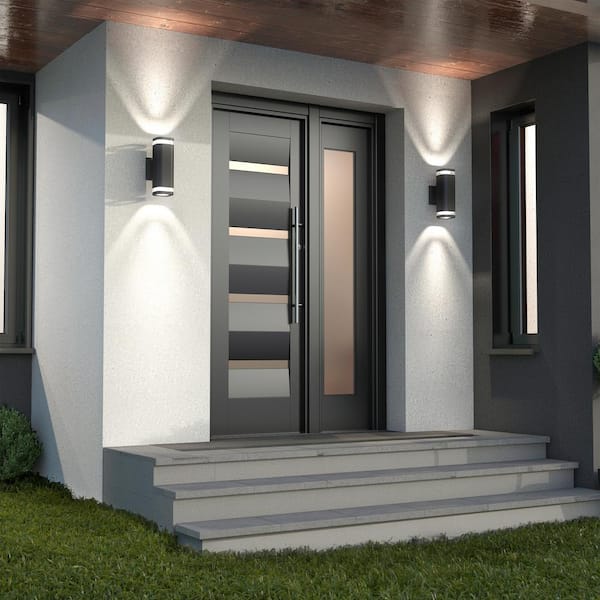
Image source: Artika Stark Black Modern Smart Dusk to Dawn Integrated LED exterior light
Overview & Core Capabilities
In all my years helping people with home renovations and broader home improvement projects, Artika is the brand I point to for achieving a high-end look on a real-world budget. They are my “best value” pick, specializing in design-forward, budget-conscious smart lighting and home fixtures. Their target user is the homeowner or renovator, especially in Canada, who wants a stylish, modern aesthetic but gets sticker shock from the prices of brands like Philips Hue or designer lighting studios. Artika‘s core capability is successfully blending contemporary style with mass-market affordability. It’s a “style first, tech second” choice that delivers a million-dollar look for a thousand-dollar price.
✅ Strengths (Evidence-Based)
Artika’s market success is not an accident. It’s built on a very clear and effective value proposition with three main strengths:
- Excellent Price-to-Style Ratio: This is Artika’s knockout feature. They offer modern, attractive lighting fixtures at prices that are often a fraction of their high-end competitors. I’ve seen clients kit out an entire kitchen with Artika smart pot lights for what one or two premium Philips Hue fixtures would have cost. Their ability to deliver on-trend design at big-box store prices is unmatched.
- Wide Retail Availability in Canada: The brand is ubiquitous in Canada. You can walk into any Costco, Home Depot, or Lowe’s and find a wide selection of their products on the shelf. As Artika’s store locator shows, this wide distribution makes it incredibly easy for consumers and contractors to source products for renovation projects and take advantage of the retailers’ often generous return policies.
- Functional Smart Integration with Major Ecosystems: While the underlying tech isn’t premium, it works. For basic tasks, the integration with Google Assistant and Amazon Alexa is reliable. As thousands of user reviews confirm, you can use your voice to turn lights on and off, change colors, and dim them. For many non-power users, this level of smart functionality is “good enough.”
❌ Weaknesses (Devil’s Advocate Analysis)
As an expert, I have to be clear about the trade-off you’re making. The savings on price come at the direct expense of the technology experience.
- Generic, Un-Premium Smart Experience: This is the core compromise. Artika does not have its own software ecosystem. Its smart products use a re-skinned version of the free, generic “Tuya” or “Smart Life” app. From my own testing and countless Artika Smart app reviews, the user interface is clunky, lacks polish, and is prone to occasional connectivity drops that require re-pairing the device. It creates a jarring disconnect between the premium physical appearance of the fixture and the budget, frustrating feel of its smart controls.
- Data Privacy Concerns with Tuya Platform: The Tuya platform that powers Artika’s smart features is owned by a Chinese company. While Tuya claims compliance with GDPR and other privacy laws, persistent concerns exist among privacy-conscious users regarding data residency, potential for data access, and overall cybersecurity. For users sensitive about data privacy, this is a potential deal-breaker.
- Limited and Shallow Ecosystem: Unlike a true smart home brand like Philips Hue, Artika does not have a deep ecosystem of companion devices. There are no Artika-branded smart switches, motion sensors, or advanced entertainment-syncing software. Your ability to create advanced, whole-home automation is limited to the basic capabilities of the generic Tuya platform, falling short of open standards like Thread (smart home standard). Power users will quickly hit a ceiling.
If you want to weigh the value proposition more critically, see the in-depth Artika Review and these curated Artika Top Alternatives and Competitors.
💰 Pricing & TCO Analysis
Artika’s pricing is its main attraction, with a very low upfront cost and no mandatory recurring fees. The “hidden costs” are related to user friction and potential future upgrades.
Pricing Tiers:
- Smart Plugs (2-pack): C$34.99
- Smart LED Ceiling Lights: C$129.99 – C$199.99
- Smart Ceiling Fans: C$299.99 – C$499.99
Hidden Costs & Surprises:
- The “Power User” Trap: While the fixtures are cheap upfront, users who want more advanced automations than the Tuya app can provide may find themselves spending extra money and time setting up a third-party hub like Home Assistant. This effort and potential extra cost can negate some of the initial savings.
- 2.4GHz Wi-Fi Requirement: This is a huge, common point of friction during setup. The devices will not connect to 5GHz Wi-Fi networks. For users with modern mesh routers that combine the 2.4GHz and 5GHz bands under a single network name, this can be an incredibly frustrating setup experience, often requiring you to temporarily disable the 5GHz band in your router settings.
💡 The “Walled Garden” vs. “Generic App” Trap
In my analysis of the smart home market, I’ve identified two primary traps that fail to deliver on the promise of a seamless, premium experience. Hilo represents the “Walled Garden”: a closed, proprietary system that offers stability but zero flexibility or interoperability. Your devices work, but only with one app, and they become useless if you leave the ecosystem. Artika represents the “Generic App” trap: a product with stylish hardware that relies on a low-quality, generic software platform like Tuya. This offers flexibility (it connects to Google/Alexa) but at the cost of a polished user experience and potential privacy concerns. This choice creates massive user friction. You must decide your priority upfront: if you want a system that “just works” for one specific task and accept the lock-in, the walled garden is viable. If you want a truly integrated smart home, you must invest in an ecosystem-first brand like Philips Hue, not just a stylish fixture running on generic software.
🎯 Get the Best Artika Coupon → Visit Artika Store
For a savings-focused route before buying, check the latest Artika promo codes and offers.
Product #5: Philips Hue (Competitor Benchmark)
Role: Core Platform
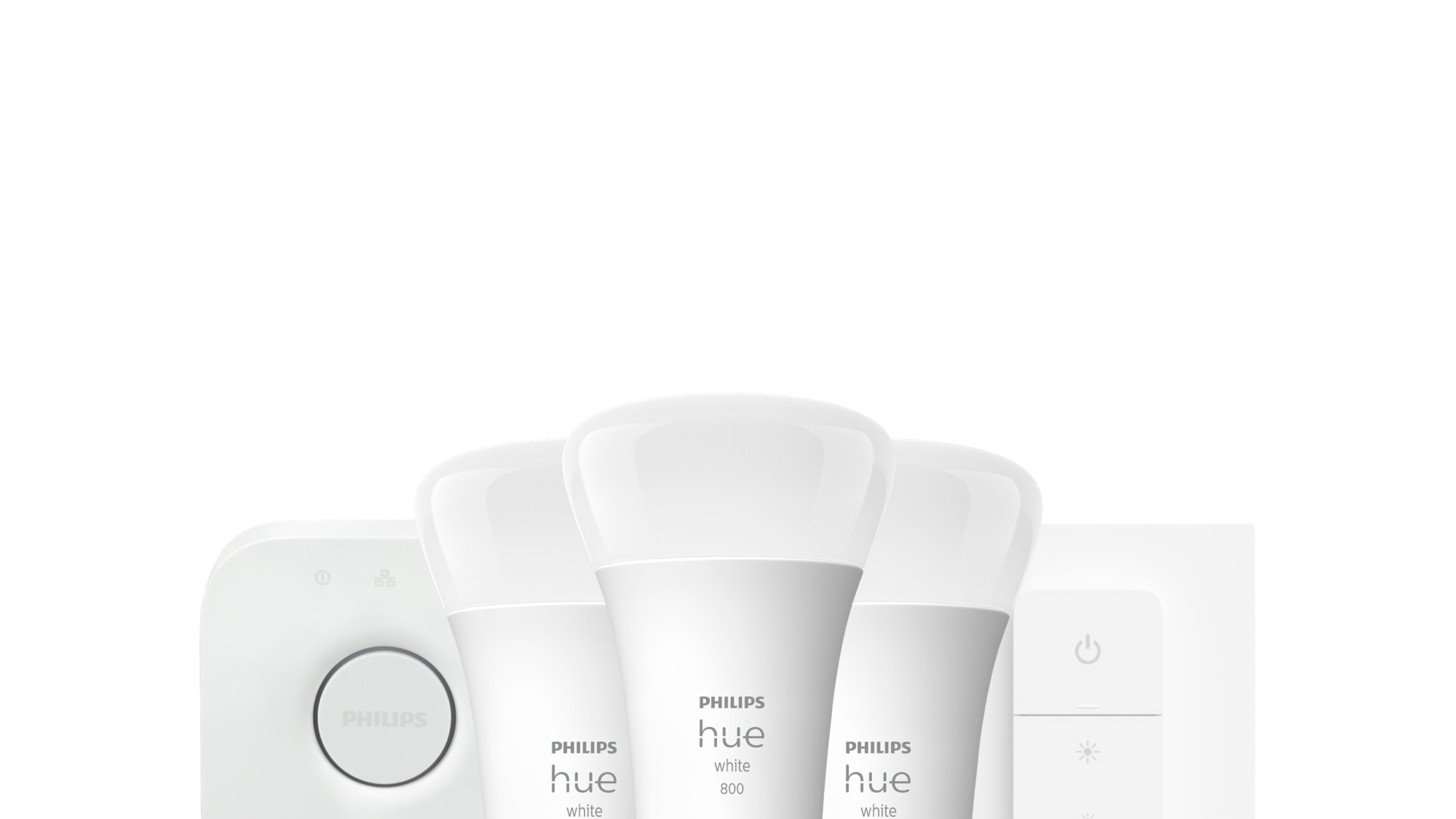
Image source: Smart LED lighting starter kits | Philips Hue
Overview & Core Capabilities
Philips Hue is the undisputed king and the benchmark for a true, premium, and expandable smart lighting ecosystem. It targets users who want a best-in-class experience and are willing to pay for it. Unlike Artika, Hue is a “tech first, style second” platform. Its core capability is not just selling light bulbs, but providing a deeply integrated, reliable, and feature-rich software ecosystem that works seamlessly with virtually every other smart home platform on the market, including Apple HomeKit, Google Home, and Home Assistant.
✅ Strengths (Evidence-Based)
- Deepest Ecosystem and Interoperability: Hue’s biggest strength is its ecosystem. It includes bulbs, light strips, outdoor lights, smart plugs, motion sensors, and wall switches. More importantly, its “Friends of Hue” program and open API mean it integrates with everything. This allows for incredibly complex and reliable automations that are impossible with generic systems.
- Polished and Feature-Rich Software: The Philips Hue app is consistently praised by tech reviewers like CNET for being powerful yet easy to use. Features like “Entertainment Areas” that sync lights with movies or games, advanced scene creation, and lab features for testing new functions are years ahead of the competition.
- Rock-Solid Reliability: Hue systems primarily use a dedicated hub that communicates with bulbs via the Zigbee protocol. This creates a separate, highly reliable mesh network for your lights that doesn’t clog up your home’s Wi-Fi network. The result is near-instantaneous response times and fewer connectivity drops.
❌ Weaknesses (Devil’s Advocate Analysis)
- High Upfront Cost: The premium experience comes at a premium price. A single color bulb can cost C$60-C$70, and a starter kit with a hub and a few bulbs is often over C$200. Kitting out an entire home can easily run into the thousands, making it a significant investment.
- Hub Dependency for Full Functionality: While some newer bulbs support Bluetooth, unlocking the full power of the Hue ecosystem—remote access, complex automations, and integrations—requires the Philips Hue Bridge (hub). This adds an extra piece of hardware and another point of initial setup.
- Conservative Fixture Design: While the technology is cutting-edge, the design of Hue’s own light fixtures is often seen as safe and less fashion-forward than brands like Artika. Users prioritizing a specific aesthetic may find Hue’s designs too basic.
💰 Pricing & TCO Analysis
Hue’s pricing model is a traditional hardware purchase with no required recurring costs.
Pricing Tiers:
- Single White Bulb: ~C$19.99
- Single Color Ambiance Bulb: ~C$59.99
- Starter Kit (3 color bulbs + Hub): ~C$229.99
- TCO: The Total Cost of Ownership is simply the hardware cost. There are no mandatory consumables or subscriptions. While the upfront cost is high, the 3-Year TCO is just the purchase price, offering excellent product reliability and long-term value.
How To Choose: Decision Framework
Choosing the right premium product isn’t about finding the “best” one, but the one whose strengths align with your priorities and whose weaknesses you can tolerate. After years of testing and analyzing these devices, I’ve developed a simple decision framework. Be honest with yourself about what you value most—is it raw performance, ultimate convenience, financial savings, or aesthetic style? Your answer will point you to the right investment.
Infographic Concept: A decision tree flowchart titled “Which Premium Appliance is Right For You?”. Branches for “Max Performance” lead to Dyson, “Convenience” leads to Bartesian, “Saving on Hydro Bill (QC)” leads to Hilo, and “Style on a Budget” leads to Artika, each with a small warning icon about its primary drawback.
If you prioritize…
-
…Maximum Performance and Prestige (and have a high budget for upkeep): Choose Dyson. In my tests, its initial suction power is truly impressive, and the brand name carries a lot of weight. However, you must go into this with your eyes open. Be prepared for the C$179 battery replacement cost as a mandatory, non-negotiable part of ownership within 2-3 years. If you don’t budget for that, you will be disappointed.
-
…Ultimate Convenience for Entertaining: Choose Bartesian. This is a luxury service, not a money-saving appliance. It’s for the person whose time is so valuable that paying ~C$3 for a 30-second cocktail is a worthwhile trade. Before you buy, I urge you to calculate your expected per-drink cost and ensure you’re comfortable with turning your appliance into an expensive subscription.
-
…Lowering Your Hydro-Québec Bill: Choose Hilo. This is a financial tool, not a flexible, long-term smart home investment. It is remarkably effective at its one job: saving you money on your Hydro-Québec bill. But I cannot be clearer: do not buy this if there is any chance you will move out of the province in the next five years, as your hardware will become worthless.
-
…Aesthetic Style on a Renovation Budget: Choose Artika. It’s the champion of “bang-for-your-buck” style. You get a million-dollar look for a thousand-dollar price. The trade-off is a ten-dollar app experience. As long as you are okay with basic smart controls and a generic app, you’ll be happy. If you are a tech power user who craves deep integration and a polished UI, you will be frustrated and should look at Philips Hue instead.
💡 Key Insight Box: Canada is a Unique, High-Friction Market
I have to warn my fellow Canadians: do not blindly trust US-centric reviews or pricing. From my research, the Canadian market is not just a smaller version of the US; it has unique, high-friction dynamics that directly impact these purchases. Hilo is a Québec-only monopoly. Artika is a Canadian brand with far better domestic availability and brand recognition than in the US. Dyson Canada has significantly different pricing (the V15 is C$999.99 here vs. US$749.99 south of the border) and operates a separate support structure. A recommendation that seems valid in a US YouTube review may be completely irrelevant or financially foolish in Canada. Always verify Canadian pricing, regional eligibility (like Hilo), and warranty support before you buy.
Risk Assessment & Common Pitfalls
Investing in premium appliances should feel rewarding, but too often it ends in frustration. Over the years, in assessing Top Premium Home Appliances and Smart Living Gadgets for these Guides, I’ve identified three common pitfalls that trip up even savvy consumers. Avoiding these mistakes is just as important as choosing the right product. Understanding these risks will equip you to look past the marketing and evaluate these products like an expert.
Pitfall #1: Ignoring the Total Cost of Ownership (TCO)
This is the single biggest mistake you can make. The price tag is not the price; it’s just the down payment. Brands like Dyson and Bartesian have perfected the art of the post-purchase revenue stream, a model that often runs counter to the principles of a circular economy focused on product longevity and repairability. You get lured in by the impressive hardware, only to find you’ve been signed up for a multi-year plan of buying expensive, proprietary consumables.
💡 PRO TIP: Calculate Your TCO in 60 Seconds Before you click ‘buy,’ use this formula: Initial Price + (Annual Recurring Costs * 3) = True 3-Year Cost. For a Dyson, the annual cost is for filters and the amortized battery. For a Bartesian, it’s your weekly pod usage x 52. This simple math reveals the true investment.
To avoid this trap, I always tell my clients to use this simple formula before buying:
Initial Price + (Annual Recurring Costs * 3) = True 3-Year Cost
For a Dyson V15, that’s C$999 + ((C$50 filter + C$60 amortized battery cost) * 3) = ~C$1,329. For a Bartesian, the math is even more brutal. The TCO reveals the true financial commitment and often shows that the “cheaper” machine is actually the more expensive long-term proposition.
Pitfall #2: Falling for the “Walled Garden” Trap
The promise of a “walled garden” ecosystem is seductive: perfect compatibility, seamless operation, and a single app to control everything. Brands like Hilo (with its software) and Bartesian (with its pods) are masters of this. They offer initial simplicity at a devastating long-term cost: the complete removal of user choice and flexibility.
Once you’re inside the garden, the walls are high. You are locked into a single vendor for everything—price increases, product availability, and feature updates. If the company discontinues a product or goes out of business, your hardware can become a brick overnight. I always advise prioritizing platforms that are open and interoperable. Unless the single-vendor service is so compelling that you’re willing to risk a total loss of investment, stay out of the walled garden.
Pitfall #3: Believing “Smart” Always Means a Better Experience
The word “smart” has been stretched to the breaking point by marketing departments. Many companies are simply bundling standard hardware with a cheap, generic, and often frustrating app to cash in on the smart home trend, whether for home security, nursery monitoring, or even pet care automation. My experience with Artika is the perfect example. The light fixture itself is a beautiful piece of hardware, but the “smart” experience is anything but premium.
I urge you to investigate the quality of the software as much as you investigate the hardware. Go to the App Store or Google Play and read the reviews for the product’s companion app. Is it sitting at 2.5 stars with hundreds of complaints about connectivity and bugs? If so, it doesn’t matter how great the hardware looks. A “smart” product with a dumb app is a frustrating product. In these cases, you are often better off buying a high-quality “dumb” appliance and adding smart functionality with a reliable third-party plug or switch.
Frequently Asked Questions
Q1: Is a Dyson vacuum really worth the money?
A: In my opinion, a Dyson is worth it only if your top priority is initial, best-in-class suction power combined with brand prestige, and you have a flexible budget for upkeep. While the engineering of the digital motor is impressive, the long-term value is questionable. You must factor in the non-optional recurring costs, which significantly inflate the initial price. My analysis shows a 3-Year Total Cost of Ownership (TCO) that is roughly 33% higher than the sticker price, primarily due to the mandatory C$179 battery replacement that is almost guaranteed to be needed after the two-year warranty expires, as documented in numerous user forums like Reddit. For many users, a high-end model from a competitor like Shark offers better long-term financial value, even if it lacks some of Dyson’s data-driven features.
Q2: How much does a Bartesian cocktail actually cost?
A: Based on my calculations, each Bartesian cocktail costs between C$2.50 and C$3.33 for the capsule alone. This price does not include the cost of your own liquor. When you add the price of the spirit (vodka, gin, whiskey, etc.), the total per-drink cost can easily climb to C$4.00 – C$5.00, making it comparable to happy hour prices at a bar. This makes it significantly more expensive than a handmade drink, where the non-alcoholic ingredients often cost mere pennies per serving. The high price of the proprietary pods is the core of Bartesian’s business model. The machine is a luxury of convenience, and you are paying a very high premium for the time and effort saved.
Q3: Can I use Hilo if I move?
A: No, you absolutely cannot. This is the most critical drawback of the Hilo system. The hardware is proprietary and inextricably linked to the Hydro-Québec utility service. If you move outside of a Hydro-Québec service area, the Hilo thermostats, plugs, and hub become completely non-functional e-waste. They cannot be used with any other utility or smart home system, as confirmed in their official documentation and user forums. Because of this extreme vendor lock-in, the hardware has zero resale value. You are not purchasing an asset for your home; you are subscribing to a regional service, and the hardware is simply the tool to access it.
Q4: Is Artika a good smart light brand?
A: I would classify Artika as a great stylish lighting brand for the price, but not a great smart lighting brand. Its strength is delivering a high-end, modern aesthetic at a budget-friendly price point, making it excellent for renovations. However, its “smart” capabilities are a major compromise. They are functional for basic voice commands via Google or Alexa, but they rely on a generic, unpolished app (usually Tuya or Smart Life) that is functionally and aesthetically inferior to a premium ecosystem like Philips Hue. The app experience can be clunky, and as many app store reviews show, connectivity can be unreliable. It’s a trade-off: you get great style but a mediocre smart experience.
Q5: What’s the biggest hidden cost of Top Premium Home Appliances and Smart Living Gadgets?
A: Without a doubt, the biggest hidden cost is proprietary consumables and non-optional replacements with a short lifespan. This “razor and blades” business model is perfected by brands that sell you impressive hardware at a premium, only to lock you into buying their high-margin refills or parts. For Dyson, it’s the C$179 battery that is known to degrade significantly in just 2-3 years, a fact widely discussed by owners. For Bartesian, it’s the endless stream of ~C$3 pods you are forced to buy to make the machine function at all. These recurring costs are the true Total Cost of Ownership (TCO) and often dwarf the initial sticker price over the life of the product.
Q6: Why can’t I connect my Artika light to my Wi-Fi?
A: This is one of the most common and frustrating issues I hear about with Artika and other similar Tuya-based smart devices. The problem is that their hardware almost always requires a 2.4GHz Wi-Fi band to complete the initial setup. Many modern mesh routers (like Google Nest or Eero) combine the 2.4GHz and 5GHz bands under a single network name (SSID) to simplify connections for most devices. However, this can confuse simple IoT devices like Artika lights. To fix this, you often need to go into your router’s advanced settings and temporarily disable the 5GHz band, connect your light to the 2.4GHz network, and then re-enable the 5GHz band. It’s a clunky workaround for a common problem, highlighted in many smart home forum threads.
Q7: How long does a Dyson battery last?
A: The advertised runtime for Dyson vacuums (e.g., “up to 60 minutes”) is highly misleading for real-world use. That figure is typically only achievable in “Eco” mode with no motorized tool attached. Based on my own testing and extensive third-party test data from sites like Rtings.com, you can expect 20-30 minutes of useful cleaning time on “Auto” mode with a standard cleaning head. More importantly, the battery’s ability to hold a charge (its capacity) will noticeably degrade after 18-24 months of regular use. Many users report needing a costly C$179 replacement by year three because the runtime has dropped to an unusable level, especially on higher power settings.
Q8: Can I use my own syrups in a Bartesian?
A: No. The Bartesian machine uses a proprietary, DRM-protected capsule system that it reads with a barcode scanner. It will not function without an official Bartesian pod. This design is intentional and creates a “walled garden” ecosystem, locking you completely into buying their capsules. As stated in the company’s own FAQ, there is no way to use your own syrups, juices, or create custom recipes with the machine itself. This lack of flexibility is a major drawback and the primary reason the long-term cost of ownership is so high. You are paying for the convenience of the pod system and sacrificing all customization and cost-saving opportunities.
Should I Buy Smart Living Gadgets? Making an Informed Investment
Navigating the world of Top Premium Home Appliances and Smart Living Gadgets requires a new mindset. As we’ve seen through this deep-dive into Dyson, Bartesian, Hilo, and Artika, the price tag is often the least truthful thing about a product. The real cost of Top Premium Home Appliances and Smart Living Gadgets is hidden in recurring payments, mandatory replacements, and the non-financial price of being trapped in a closed ecosystem, often undermining their perceived long-term value. The word “premium” should refer to longevity, a superior user experience, and ideally increased home value, not just a fancy design and a high initial price.
By now, you are equipped with the framework I use to evaluate these products as a professional. You know to prioritize Total Cost of Ownership over sticker price, to demand ecosystem flexibility, and to scrutinize the long-term reliability of any device, especially those with batteries. You can now look at a Dyson and see the future C$179 battery replacement. You can see a Bartesian and calculate the thousand-dollar annual pod cost. You can see Hilo and recognize the “golden handcuffs” of its regional lock-in, and you can see an Artika fixture and question the quality of its generic app.
Making a smart investment means choosing the product that aligns with your true priorities and whose compromises you can accept. Armed with this knowledge, you are no longer just a consumer; you are an informed investor in your home’s future. For more evidence-based reviews and to explore other Guides we have at Coupons Scout, check out our analysis within the Category of Guides articles.
