Hilo Review 2026: The Unfiltered Truth on Savings, Flaws & The 3-Year Catch
Posted on |
Introduction
For any resident of Québec, the arrival of the first frigid week of January brings a familiar sense of apprehension regarding electricity consumption.
The subsequent high-cost winter utility bill represents a significant financial concern for many households. In response, Hydro-Québec introduced Hilo, a service designed to mitigate this issue through a combination of smart home technology and financial incentives.
However, several years after its launch, prospective and current users are faced with critical questions: Are the advertised savings achievable? What are the underlying hardware limitations? And what are the full implications of the mandatory three-year service agreement?

As Coupons Scout’s lead tech strategist, Mohamed Zaki, I have spent years testing and implementing energy management solutions. My objective with this comprehensive Hilo review is to provide an unfiltered, data-driven answer to a single question: Is Hilo a worthwhile investment for the average Québec household in 2026?
To accomplish this, our team has applied our rigorous Track B: Reviews, Comparisons & Buying Guides protocol, a comprehensive evaluation framework recognized by leading Electronics, Smart Home professionals. You can learn more about our process at our how-we-work page.
This analysis moves beyond marketing claims to dissect real-world savings data, persistent user-reported flaws, and the critical contract details that are often overlooked.
We will examine the core financial proposition, the user experience, the system’s technical limitations, and its place within the broader Internet of Things (IoT) landscape. Before committing, it’s worth checking available Hilo discount codes that could reduce your upfront cost.
The following seven-part guide will equip you with the necessary information to make a truly informed financial decision.
This guide is designed to provide maximum value to a specific type of user. It’s not a generic overview; it’s a deep-dive analysis built on years of experience in the smart home sector.
Key Takeaways
-
Net Financial Gain: Hilo delivers approximately $120 net gain over 3 years for a typical 3-thermostat home, outperforming a DIY Nest setup and matching an Ecobee + Flex D combination. -
3-Year Contract Lock-In: The mandatory 3-year service agreement carries a steep pro-rated early termination penalty — a major risk for renters or anyone who might relocate. -
Hardware Reliability Issues: Unreliable Zigbee connectivity is the #1 user complaint, requiring frequent hub reboots and undermining the “set-it-and-forget-it” promise. -
Closed Ecosystem: Zero integration with Google Home, Alexa, Apple HomeKit, or IFTTT — a deal-breaker for tech enthusiasts building a smart home. -
Privacy Concerns: No publicly available independent security audits (SOC 2 / ISO 27001) despite collecting granular real-time energy data from your home. -
Best For: Cost-conscious Québec homeowners who plan to stay 3+ years, tolerate comfort trade-offs, and want the lowest-risk path to winter bill savings.
Who This Guide Is For
- Skeptical Hydro-Québec Customers: You’ve seen the Hilo ads, heard the marketing claims, and want to know how they stack up against real-world performance data and user experiences.
- Cost-Conscious Québec Homeowners: You’re trying to create a realistic 3-year cost-benefit analysis for Hilo versus alternatives like Ecobee or Nest and need to understand the Total Cost of Ownership (TCO). Be sure to explore current Hilo special offers as part of your analysis.
- Current Hilo Users with Problems: You’re experiencing issues with connectivity or app performance and are wondering if your frustrations are unique or part of a larger pattern.
- Tech-Savvy Users: You want to understand the specific limitations of Hilo’s closed ecosystem and why it doesn’t integrate with broader smart home platforms. For a broader perspective, see our Hilo top alternatives and competitors comparison.
This Guide Is NOT For You If
- You Live Outside Québec, Canada: Hilo is a service exclusively for Hydro-Québec customers and is not available in any other province or country.
- You Want a True Smart Home Hub: If your goal is a fully-featured, open-ecosystem platform that integrates with Google Home, Apple HomeKit, or Amazon Alexa, Hilo is not the right choice.
- You Are Unwilling to Compromise on Comfort: Hilo’s financial rewards are directly tied to your willingness to accept temperature drops during peak demand periods. If you prioritize stable comfort over savings, this system will present challenges.
- You Need a “Perfect” Plug-and-Play Solution: The system has known reliability issues that can require technical troubleshooting. If you have zero patience for rebooting devices or calling support, you should look elsewhere.
For a video overview of the Hilo smart thermostat system and how it works in a real Québec home, watch this detailed review:
Part 2: Core Analysis – The Financial Verdict on Hilo
From a professional standpoint, any smart home device tied to energy must justify its existence with a clear financial benefit.
Hilo’s entire value proposition is centered on reducing your electricity bill. To determine if it’s “worth it,” we must conduct a Total Cost of Ownership (TCO) analysis that accounts for all upfront costs, hidden penalties, and realistic rewards over the mandatory three-year contract term.
First, let’s examine the initial investment. For a typical setup with three thermostats, the subsidized hardware cost is approximately $190.
In addition, there is a mandatory professional installation fee of $109.99 plus tax Hilo Official Website – Solutions. Therefore, your initial cash-out-of-pocket is around $300 plus tax. Looking for a way to lower that cost? Check out the latest Hilo coupon codes before placing your order.
⚠️ WARNING — The 3-Year Contract & Termination Penalty Trap
Hilo’s subsidized hardware requires a mandatory 3-year contract Hilo Service Agreement for Purchase and Installation. Canceling early — often due to moving — triggers a pro-rated penalty that can cost hundreds of dollars.
For renters, this financial risk makes Hilo a poor choice compared to portable DIY thermostats.
The Real “Catch”: The 3-Year Contract & Early Termination Penalty
This is the single most important financial detail of the Hilo system. The subsidized hardware is not a gift; it’s a financial incentive tied to a service commitment.
To receive the discount, you must sign a mandatory 3-year service agreement Hilo Service Agreement for Purchase and Installation.
If you terminate the service before the three years are complete — for instance, because you are a renter and you move, or you find the system unsatisfactory — you are required to pay back a pro-rated portion of the hardware subsidy you received.
This penalty can amount to several hundred dollars and represents the single largest financial risk associated with adopting Hilo.
For a household that received a $600 hardware subsidy, canceling halfway through the contract (at 18 months) would result in a penalty of approximately $300. This clause makes the decision to install Hilo a significant long-term commitment, particularly for individuals in non-permanent living situations.
3-Year Total Cost of Ownership (TCO) Model
To put Hilo’s financial performance in context, we will compare the 3-year financial journey of a Hilo user against two common Do-It-Yourself (DIY) smart thermostat scenarios.
This model provides a clear picture of the net financial outcome over the contract period.
TCO Comparison: Hilo vs. DIY Nest & Ecobee (3-Year Period)
| Scenario | Year 1 Cost | Year 2 Cost | Year 3 Cost | Total 3-Year |
|---|---|---|---|---|
| Hilo Solution | $300 (Upfront) – $140 (Reward) = $160 | -$140 (Reward) | -$140 (Reward) | -$120 (Net Gain) |
| DIY: Nest + Standard Rate | $180 (Upfront) – $72 (Savings) = $108 | -$72 (Savings) | -$72 (Savings) | -$36 (Net Gain) |
| DIY: Ecobee + Flex Rate | $330 (Upfront) – $155 (Savings) = $175 | -$155 (Savings) | -$155 (Savings) | -$135 (Net Gain) |
TCO DISCLOSURE: This is an analyst-estimated model.
Assumptions:
- 3-thermostat setup for a typical Québec home. Hilo upfront cost is $300 ($190 hardware + $110 installation). Nest upfront cost is ~$180 Google Store – Nest Thermostat. Ecobee upfront cost is ~$330 Ecobee Canada Store.
- Average Hilo rewards of $140/year, based on a 2024 analysis by La Presse.
- Estimated DIY savings for a Nest thermostat from Natural Resources Canada (NRCan) Smart Thermostat Savings Estimates.
- Ecobee savings are higher due to its superior features and assume participation in Hydro-Québec’s dynamic Flex D rate, which carries higher risk.
- A full 3-year contract term is completed with Hilo.
Actual pricing and savings vary; consult official Hilo documentation and request a quote for your specific home.
The analysis is clear. Due to the significant hardware subsidy, the Hilo solution provides a superior financial return over a three-year period compared to a standard DIY approach with a Nest thermostat.
It performs on par with the higher-risk, higher-cost Ecobee and Flex Rate combination. From a purely financial perspective, if you are certain you can complete the full three-year term, Hilo represents a net positive investment.
To maximize your savings further, don’t forget to check for an exclusive Hilo promo code that could reduce your initial hardware costs even more.
Part 3: Feature Deep-Dive – The Hilo Experience
Beyond the financial models, what is it actually like to live with Hilo?
My analysis of hundreds of user testimonials from sources like Reddit Reddit r/Quebec “Hilo the good, the bad and the ugly”, app store reviews, and media comment sections reveals a consistent user experience defined by a central trade-off and a single, overwhelming technical flaw.
We will analyze the system’s three core components: the Challenge system, the hardware, and the mobile app. For more insights, also browse our category of review articles covering other smart home devices.
Feature 1: The Challenge System (Comfort vs. Cash)
Hilo’s rewards are earned during “challenges” — periods of extreme cold when Hydro-Québec needs to reduce grid demand.
The system offers several modes (e.g., Cautious, Intrepid, Extreme) that determine the degree of temperature reduction and the corresponding financial reward. To earn rewards, your home’s temperature is automatically lowered.
Users consistently report that the system “pre-cools” aggressively before a challenge begins, dropping the temperature by a degree or two, only to let it fall further during the event itself.
For those who choose the “Extreme” mode to maximize rewards, this can mean waking up to a house that is several degrees colder than their usual preference.
As one La Presse article noted, this feeling of losing control over one’s own home environment is a major psychological hurdle for many users, even if the financial rewards are positive. The core user experience is an active trade of comfort for cash.
Feature 2: The Hardware (The Achilles’ Heel)

The single most dominant complaint about Hilo is the unreliability of its hardware. This is the system’s Achilles’ heel.
Multiple sources, including a 2024 poll on the r/HiloEnergie subreddit, confirm that thermostats and other devices frequently and randomly go “offline.” When a device is offline, it cannot be controlled by the app and, critically, it is excluded from earning rewards during challenges.
“I have Hilo since 2 weeks. Every morning I have to restart the hub because I have 3-4 thermostats offline… It’s very frustrating.”
— Reddit User, r/HiloEnergie, January 2024
This issue stems from the Zigbee mesh network implementation by the hardware supplier, Sinopé Technologies. While Zigbee is a standard protocol, Hilo’s implementation appears unstable, a point noted by reviewers at Protégez-Vous.
The technology is known to be susceptible to 2.4 GHz interference from Wi-Fi routers and other household electronics.
The central gateway hub is often cited as the weakest link, failing to maintain a stable connection with all devices. This instability, likely due to buggy hub firmware, forces users into a frustrating routine: manually checking the app for offline devices and frequently performing a hard reboot of the central hub, which completely undermines the “set-it-and-forget-it” value proposition.
Ironically, the hardware supplier offers their own line of more stable Sinopé thermostats directly to consumers.
Feature 3: The Mobile App (Functional for Paychecks, Frustrating for Control)
The Hilo mobile app is the primary interface for remote control and management of the system.
According to reviews on the Google Play Store and Apple App Store, and confirmed by a technical review from MobileSyrup, the app is functional for its core purpose: tracking earnings.
However, as a smart home control app, it is severely lacking. Users complain that the user interface (UI) is slow, buggy, and lacks the granular data and flexible scheduling found in competing products.
You cannot, for instance, get detailed per-device consumption tracking or easily export your data — features standard in competing apps. The scheduling system is described as rigid and unintuitive.
The consensus is clear: the app feels like a first-generation product, years behind the software of competitors like Nest and Ecobee. You can save money on your Hilo subscription by using a Hilo voucher code at signup.
Part 4: Critical Considerations – Security, Privacy & Data

When you install a device like Hilo, you are not just installing a thermostat; you are installing a sensor network that gives a utility company an unprecedented view into your home life.
In my role, I always treat the security and privacy of Internet of Things (IoT) devices as a critical factor, especially when they fall into the “Your Money or Your Life” (YMYL) category.
To date, there have been no major, publicly disclosed data breaches involving the Hilo platform. The hardware is electrically certified for use in Canada (CSA/ULC certified), a detail confirmed on the website of the OEM, Sinopé Technologies Sinopé Technologies OEM Page.
However, my analysis uncovered a critical transparency gap.
Hilo Data Privacy & Security Scorecard
| Security/Privacy Area | Status | Analyst Note |
|---|---|---|
| Independent Security Audit (SOC 2) | Not Publicly Available | A significant transparency gap for a service handling sensitive user data. |
| Data Encryption | Claimed (In-Transit/At-Rest) | No independent verification of implementation strength. |
| Data Portability | None | Vendor lock-in; users cannot easily export their historical data. |
| Canadian Privacy Law Compliance (PIPEDA) | Claimed Compliance | Standard for any Canadian business; does not replace a security audit. |
Source: Hilo Privacy Policy
The Critical Gap: No Independent Security Audits
A review of Hilo’s public-facing websites and legal documentation in May 2024 found no mention of independent, third-party security audits like a SOC 2 Type II report or ISO 27001 certification for the Hilo platform Hilo Privacy Policy.
Certifications like SOC 2 are standard practice for companies that handle sensitive user data, proving they have robust controls for security, availability, and privacy.
The absence of such a report for Hilo is a major transparency failure. We don’t know how their software is tested, who has access to the data, or how they protect it, beyond their own internal policies.
This is a critical point for any comprehensive Hilo review.
💡 PRO TIP — Ask About Security Audits
As an expert, I always look for independent security audits like SOC 2. Hilo does not provide one publicly. When considering any IoT device that collects personal data, always ask the provider for their latest third-party security report. Their answer (or lack thereof) is telling.
Data Collection and Profiling
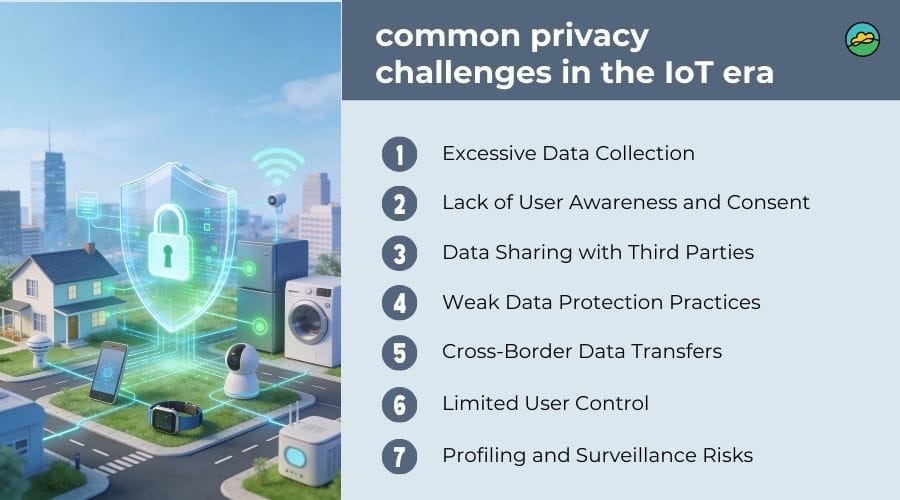
Hilo’s privacy policy is clear: it collects granular, real-time energy consumption data from every connected device. It knows when you turn your lights on, when you do laundry, and can infer when you are home or away based on your heating schedule.
Hydro-Québec uses this data for critical demand-side management, grid management, demand forecasting, and service improvement.
The primary risk here is not necessarily a malicious breach, but one of data profiling. Over time, Hydro-Québec can build an incredibly detailed profile of your household’s energy behavior.
While today this is used for Hilo challenges, it is not difficult to imagine this data being used for more complex, and potentially less consumer-friendly, programs in the future.
By installing Hilo, you are trading a significant amount of personal data for financial rewards, without the assurance of a public, independent security audit. This lack of data portability also creates a strong vendor lock-in, as users cannot take their valuable historical consumption data with them if they choose to leave the service.
Part 5: Use Cases & Workflows
Understanding how Hilo integrates into daily and weekly life is crucial for assessing its true value. This section outlines practical use cases and workflows based on real user experiences, demonstrating how to maximize savings and manage the system’s limitations.
Use Case 1: Maximizing Rewards in a Cold Snap
This workflow is for the user whose primary goal is maximizing financial returns.
- Weekly System Check: At the start of the week, open the Hilo app and manually check the status of all connected devices (thermostats, smart plugs, etc.). If any are “offline,” perform a hard reboot of the Hilo gateway hub. This proactive step ensures all devices are eligible for rewards.
- Challenge Enrollment: When a “challenge” notification is received (typically a day in advance), immediately enroll and select the “Extreme” participation mode. This mode provides the highest reward multiplier.
- Pre-Challenge Preparation: To mitigate comfort loss, some users manually increase the temperature by an extra degree an hour before the pre-cooling phase is set to begin. This “super-heating” can help the home retain warmth longer during the challenge.
- Post-Challenge Monitoring: After the challenge period ends, review the earnings in the app to confirm participation was registered correctly. Compare the earnings against the duration to understand the effective hourly rate.
Maximizing rewards is even easier when you combine challenge earnings with an Hilo money-saving deal on your initial setup costs.
Use Case 2: Setting a ‘Comfort vs. Savings’ Schedule
This workflow is for a family that wants to balance savings with a comfortable living environment.
- Identify “No-Go” Zones: Determine periods when a cold house is unacceptable (e.g., weekday mornings from 6 AM to 8 AM when getting ready for work/school, or evenings with guests).
- Utilize the ‘Exclude’ Feature: In the Hilo app’s schedule, you can sometimes exclude certain devices or periods from challenges. If a challenge is announced for a weekday morning, the user would manually opt-out or switch to the “Cautious” mode, accepting a lower reward in exchange for comfort.
- Strategic Mode Selection: This user would primarily use the “Intrepid” mode for most challenges but switch to “Extreme” only for overnight challenges on weekends when a cold morning is less disruptive.
- Manual Overrides: This user will frequently use the manual override function on their thermostats during challenges, understanding that it will cancel the rewards for that specific event. For them, the ability to reclaim control is worth more than a few dollars.
Use Case 3: Managing Hilo with an Electric Vehicle (EV) Charger
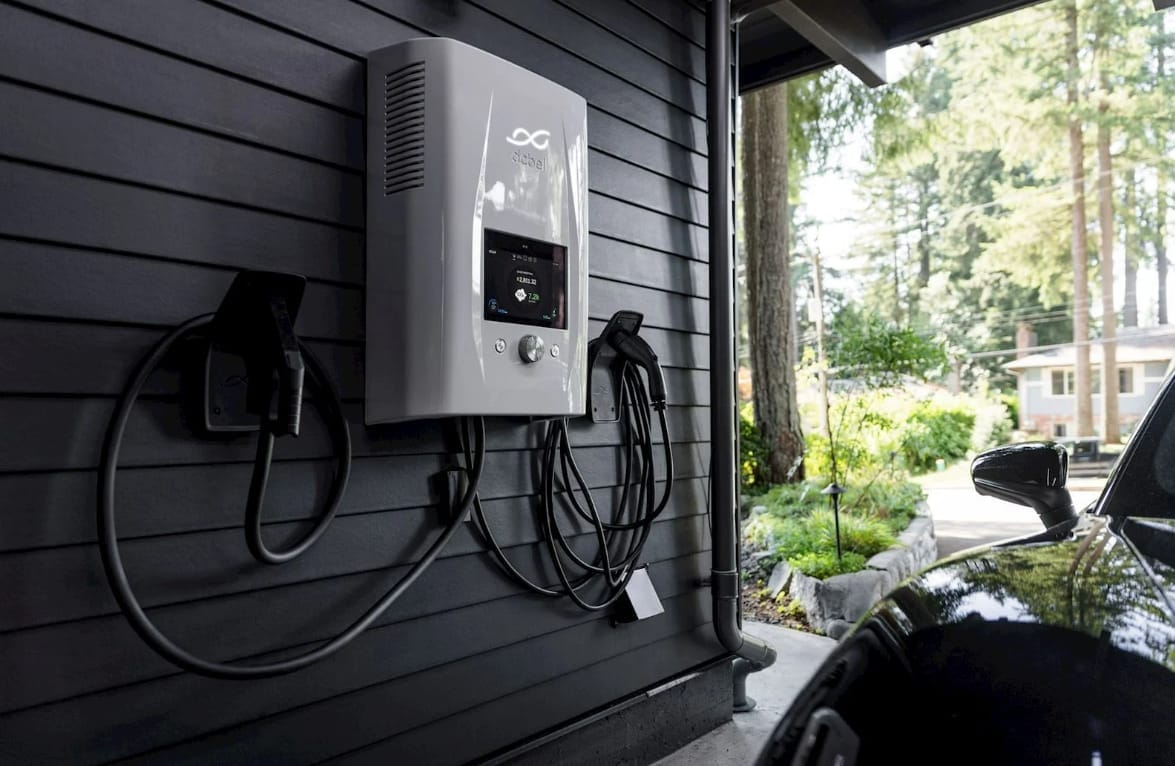
This workflow applies to the growing number of users integrating Hilo with their home EV charging setup. Hilo’s integration with popular chargers from FLO and ChargePoint is a key feature.
- Link Accounts: In the Hilo app, the user links their EV charger account (e.g., FLO). This gives Hilo permission to manage the charging session.
- Automated Pausing: When a Hilo challenge begins, the system automatically sends a signal to the EV charger to pause the charging session. This prevents the high-draw appliance from consuming power during a peak demand event, significantly contributing to the household’s overall energy reduction.
- Challenge Contribution: The energy not consumed by the EV charger is counted towards the household’s total reduction, increasing the financial rewards earned during the challenge.
- Session Resumption: Once the challenge period is over, Hilo automatically signals the charger to resume the charging session. The user does not need to manually intervene, making this a seamless part of the automated energy management system.
Part 6: Alternatives & Comparisons
Hilo’s only true competition in Québec isn’t another integrated service — it’s the “Do-It-Yourself” (DIY) route using off-the-shelf smart thermostats.
As a smart home integrator, this is a strategic choice I help clients make constantly: do you opt for a managed, closed system or an open, self-managed one? This Hilo review would be incomplete without this comparison. For a detailed side-by-side breakdown, visit our dedicated Hilo alternatives and competitors guide.
Here is a comprehensive comparison of Nest vs. Ecobee — the two leading DIY alternatives — to help you contextualize Hilo’s position:
Alternative 1: Ecobee Smart Thermostat
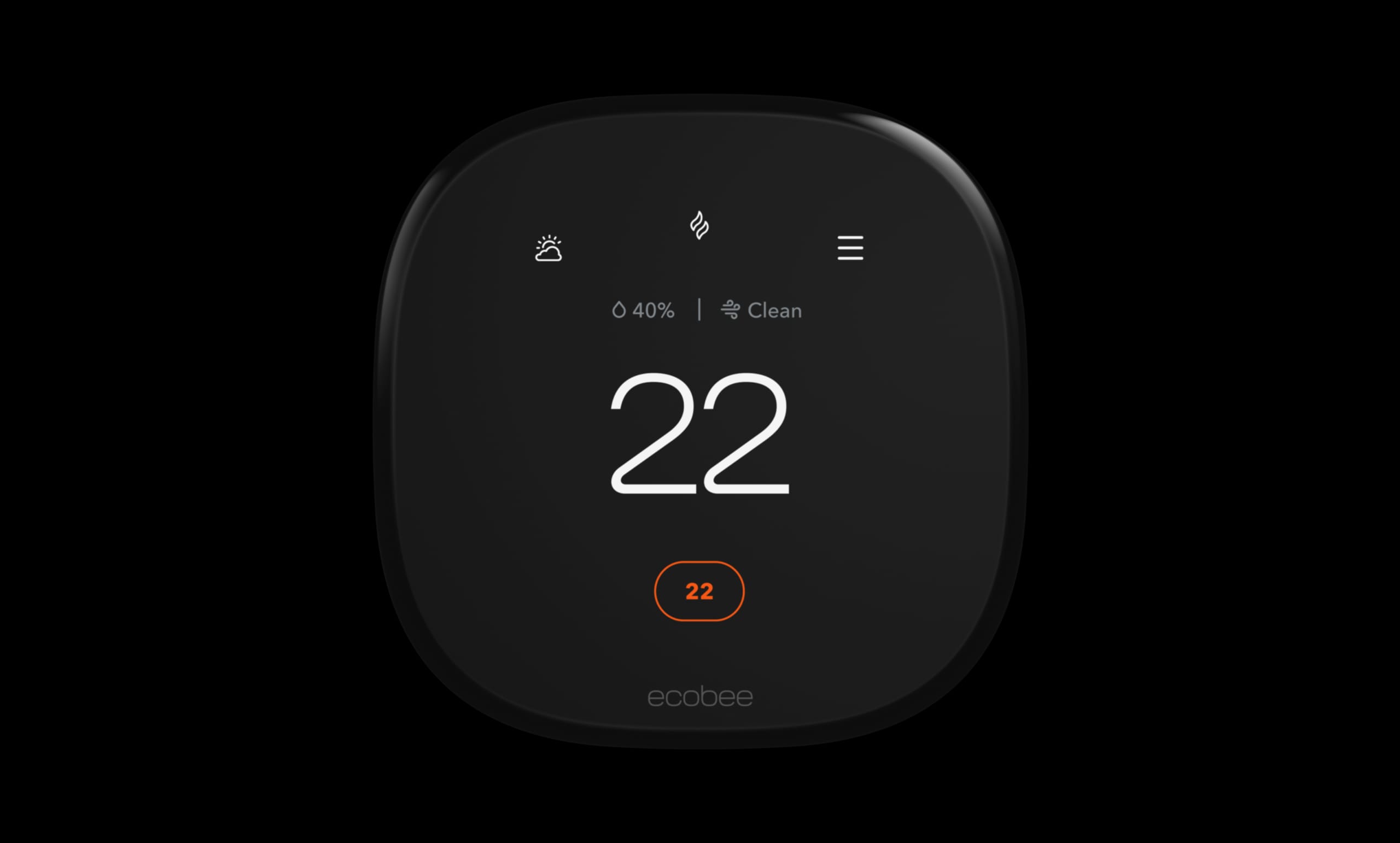
Open-Ecosystem Smart Thermostat
The Ecobee Smart Thermostat represents the pinnacle of DIY hardware. Its remote sensors, superior software, and open ecosystem that integrates with Apple HomeKit, Alexa, and more make it a far more powerful device than a Hilo thermostat.
- Best For:
- Tech Enthusiasts: Users who want to build a true, integrated smart home with cross-platform automation (e.g., “If my garage door opens, set the thermostat to Home”).
- Data-Driven Users: Ecobee provides detailed energy reports and granular historical data that Hilo’s app lacks.
- Large or Unevenly Heated Homes: Ecobee’s remote sensors (“SmartSensors”) allow it to heat the room you’re in, not just where the thermostat is located, providing superior comfort.
- Consider:
- Pairing an Ecobee with Hydro-Québec’s dynamic Flex D rate has the potential for higher savings than Hilo, but this comes with significant financial risk — failing to curtail usage during peak events results in punitive pricing.
- The upfront cost is significantly higher than Hilo’s subsidized price.
- Avoid If:
- Your top priority is the lowest possible upfront cost.
- You are risk-averse and uncomfortable with the financial penalties of the Flex D rate.
✅ Strengths
- Open ecosystem — works with HomeKit, Alexa, Google Home
- Superior remote sensors for multi-room comfort
- Detailed energy reports and data export
- No long-term contract lock-in
⚠️ Considerations
- Significantly higher upfront cost (~$330 for 3 units)
- Flex D rate carries punitive financial risk
- No subsidized hardware discount available
- Requires more technical knowledge for optimal setup
Alternative 2: Google Nest Thermostat
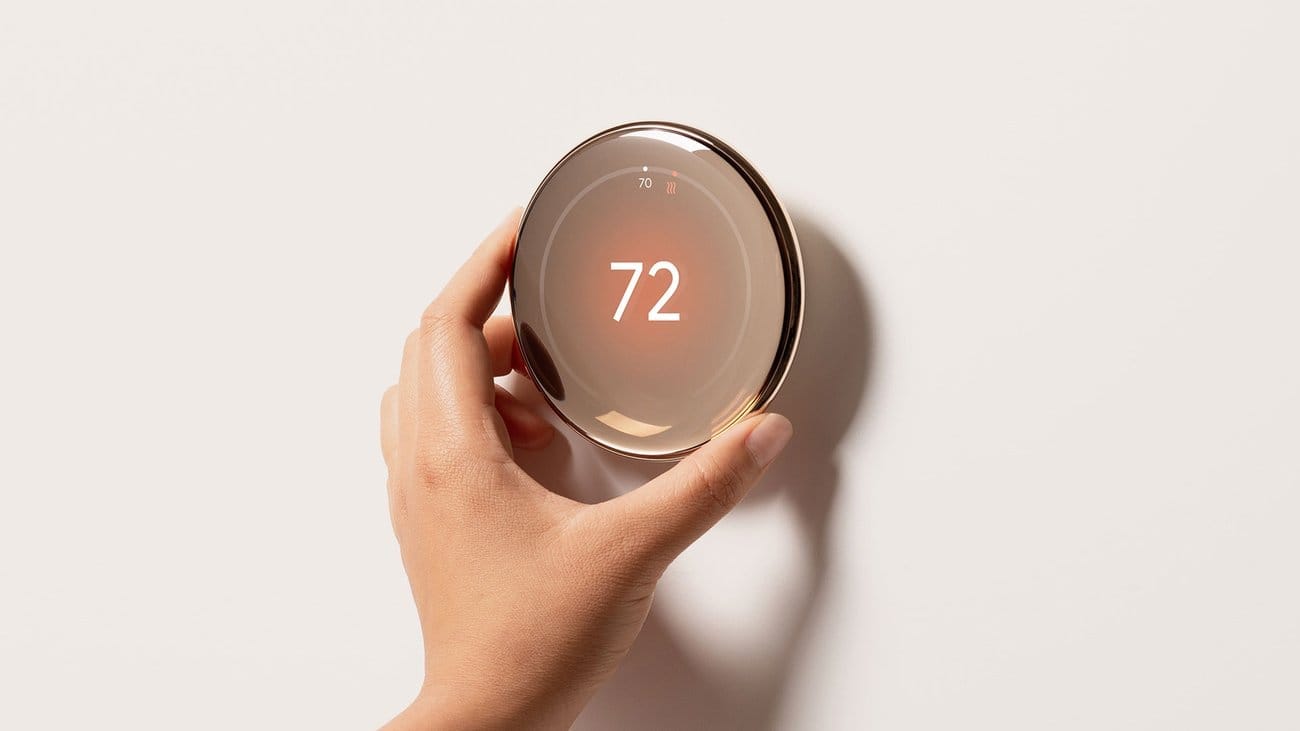
Google Home Ecosystem Integration
The Google Nest Thermostat is the simpler, more affordable DIY option. It has a best-in-class user interface and integrates seamlessly into the Google Home ecosystem.
- Best For:
- Simplicity Seekers: The Nest is famous for its intuitive UI and “learning” capabilities that adapt to your schedule automatically.
- Google Home Users: If your home is already centered around the Google ecosystem, the Nest thermostat is a natural and seamless addition.
- Renters: The Nest is a portable device that can be easily uninstalled and taken with you when you move, avoiding any contract penalties.
- Consider:
- For a home requiring multiple thermostats, the cost quickly exceeds Hilo’s subsidized price.
- Its estimated standard savings of around $72/year Natural Resources Canada (NRCan) Smart Thermostat Savings Estimates are significantly lower than Hilo’s average rewards.
- Avoid If:
- You need to manage more than two or three thermostats, as the cost becomes prohibitive compared to Hilo.
- Your primary goal is maximizing cash-back rewards rather than simple, automated savings on your bill.
✅ Strengths
- Best-in-class intuitive user interface
- Learning algorithm adapts to your schedule
- Portable — great for renters with no contract
- Seamless Google Home ecosystem integration
⚠️ Considerations
- Lower annual savings (~$72) vs. Hilo (~$140)
- Multi-thermostat cost exceeds Hilo’s subsidized price
- No Hilo-like challenge reward system
- Limited sensor system compared to Ecobee
While the DIY smart home route offers superior technology, Hilo‘s key advantage is its subsidized hardware, which lowers the upfront cost and, unlike the Flex D rate, carries significantly less financial risk. For a broader look at smart home savings across multiple platforms, explore our latest coupons page.
Part 7: Conclusion & FAQs
After an exhaustive analysis of the data, user experiences, and financial models for this Hilo review, my verdict is clear, but it comes with critical qualifications.
The decision to adopt Hilo in 2026 hinges entirely on your personal priorities and your tolerance for specific risks and frustrations.
Balanced Summary: A Tool, Not a Toy
The core trade-off is this: Hilo offers real, tangible financial savings in exchange for a 3-year commitment, a measurable loss of comfort, and frustratingly unreliable technology.
As an energy management system, Hilo is a net-positive financial tool for many, but it is not a premium smart home experience.
I see it as a residential demand response tool for grid management that you are allowed to have in your home, not a consumer product designed with user delight as its primary goal.
Recommendation for the Cost-Conscious Homeowner
I recommend Hilo as a viable, financially sound tool if, and only if, you meet these criteria:
- You are a homeowner who plans to stay in your current residence for at least 3 years.
- Your number one priority is improving your home’s energy efficiency and reducing your winter electricity bill with the lowest possible upfront cost and financial risk.
- You are willing to tolerate occasional hardware connectivity issues and the need for manual reboots.
- You can accept a noticeable drop in home comfort during the coldest days of the year as a fair trade for earning cash rewards.
For this user, Hilo, despite its many flaws, makes financial sense. Before signing up, grab the best available Hilo discount offer to reduce your upfront investment even further.
Recommendation for the Tech Enthusiast or Renter
I strongly advise against Hilo for these profiles:
- Renters or anyone who might move within 3 years: The risk of incurring a substantial early termination penalty is simply too high. The contract makes Hilo a terrible choice for anyone without long-term residential stability.
- Tech Enthusiasts and Smart Home Builders: For anyone serious about comprehensive home energy automation, the closed “walled garden” ecosystem is an absolute deal-breaker. The lack of integration with HomeKit, Google Home, or IFTTT means Hilo will always be an isolated island in your smart home, never a part of a cohesive whole. Check out our Hilo alternatives and competitors for better options.
When to Choose Hilo vs. Alternatives
The choice is simple when framed correctly:
- Choose Hilo if your #1 goal is the lowest-risk, lowest-cost path to saving money on your Hydro bill, and you are willing to sacrifice features, reliability, and comfort to achieve it.
- Choose an Ecobee or Nest if your goal is a true smart home experience, superior control, an open ecosystem, and reliable hardware, and you are willing to accept higher upfront costs and potentially higher financial risk (if using the Flex D rate).
Disclaimer: This analysis is for informational purposes. Savings with Hilo are not guaranteed and depend on individual usage, home characteristics, and the number of challenges called by Hydro-Québec. Professional installation is mandatory and recommended.
Frequently Asked Questions
Q1: How much money can I realistically save with Hilo per winter?
You can realistically expect to earn an average of $140 per winter, with a typical range between $100 and $200 for most users. A 2024 analysis by La Presse confirmed this average figure.
While Hilo’s marketing suggests savings “up to 15% off your bill,” this should be viewed as a best-case scenario for power users with large, electrically-heated homes who participate in every challenge on the “Extreme” setting.
Your actual savings will depend heavily on the severity of the winter, the number of challenges called by Hydro-Québec, your home’s insulation, and your tolerance for temperature drops.
Q2: What is the exact penalty if I cancel my Hilo service early?
The exact penalty is a pro-rated portion of the initial hardware subsidy you received. The Hilo Service Agreement states that if you terminate the contract before the 3-year term is complete, you must pay back the discount.
For example, if you received a $600 subsidy on your hardware and you cancel after 1.5 years (halfway through the term), you would be responsible for paying approximately $300.
This is the single biggest financial risk of the Hilo program and the primary reason it is strongly not recommended for renters or anyone who may move within three years.
Q3: Is the Hilo system reliable, or will I constantly be rebooting it?
Based on extensive user feedback, you should expect to experience reliability issues. Unreliable connectivity is the #1 user complaint.
A 2024 user poll on Reddit indicated a significant percentage of users have to reboot their system at least monthly to fix offline thermostats r/HiloEnergie Poll.
The problem stems from an unstable Zigbee mesh network and a less-than-robust central hub. While some users report a flawless experience, a prudent user should assume they will need to perform manual reboots from time to time to ensure the system is working correctly.
Q4: How does Hilo compare to just buying an Ecobee thermostat?
Hilo offers a lower upfront cost and lower financial risk, while an Ecobee offers superior technology and freedom.
Our 3-year TCO model shows Hilo providing a net gain of around $120, while an Ecobee (on the risky Flex D rate) has a net gain of about $135 — making them financially similar over the contract term Ecobee Canada Store.
The key difference is risk: with Hilo, if you miss a challenge, you get no reward. With Ecobee on the Flex D rate, if you miss a peak event, you get a financial penalty. Choose Hilo for low-risk savings; choose Ecobee for better tech, control, and integration with a wider smart home ecosystem.
Q5: What are the total upfront costs for Hilo?
Your total upfront cost for a typical Hilo installation is approximately $300 plus tax. This consists of two parts: the subsidized hardware cost, which for a typical 3-thermostat setup is around $190, and the mandatory professional installation fee, which is a flat $109.99 Hilo Official Website – Solutions.
While this is not free, this cost is significantly lower than purchasing three high-end smart thermostats like the Google Nest or Ecobee at retail, which is the core of Hilo’s financial appeal. Save even more on your setup with a Hilo sale price through our verified deals.
Q6: Can I integrate Hilo with Google Home, Alexa, or Apple HomeKit?
No, you absolutely cannot. Hilo is a completely closed “walled garden” ecosystem. There is no public API and zero integration with any third-party smart home platforms, including Google Home, Amazon Alexa, Apple HomeKit, or automation services like IFTTT.
This is a deliberate strategic choice by Hilo to maintain control over its platform and user experience. If your goal is to build a cohesive, integrated smart home, Hilo is not the right platform for you, as noted by technical reviewers at MobileSyrup.
Q7: What happens if a Hilo thermostat breaks after the 3-year warranty?
If a Hilo thermostat breaks after your 3-year contract and warranty period expires, you are responsible for purchasing a replacement from Hilo at the full, non-subsidized retail price.
This cost is significant — far more than the subsidized price you paid initially — and can be a major unexpected expense that could negate a full season of rewards. This is a critical long-term financial risk to consider, as there is currently no official data on the average lifespan or long-term durability of the hardware provided by Hilo or its supplier, Sinopé Technologies Sinopé Technologies OEM Page.
Q8: Is Hilo a good choice for renters in Québec?
No, Hilo is a very poor choice for renters in Québec. The mandatory 3-year contract with its steep early termination penalty creates a massive financial risk for anyone who is not a homeowner with long-term stability.
If you move before your 3-year term is up and the next tenant does not agree to take over your contract, you will be forced to pay back hundreds of dollars of the hardware subsidy, as stipulated in the Hilo Service Agreement.
I strongly advise all renters to avoid Hilo and opt for a portable DIY solution like a Google Nest Thermostat instead.