White Stuff DE Alternatives and Competitors (2026)
Posted on |
For German shoppers seeking White Stuff DE top alternatives and competitors, the market presents a frustrating paradox: finding that unique, print-driven British style without the logistical headache and hidden costs.
You’re drawn to the distinct aesthetics of quintessential British brands like Boden, Seasalt Cornwall, and Joules, but their marketing often ignores a painful reality: the “return tax.”
As a retail data analyst, my job is to look past the beautiful photography and expose the underlying numbers. Trying on clothes from these UK-based brands can cost you between €7.50 and €13.00 in non-refundable fees for every single order that doesn’t fit perfectly.
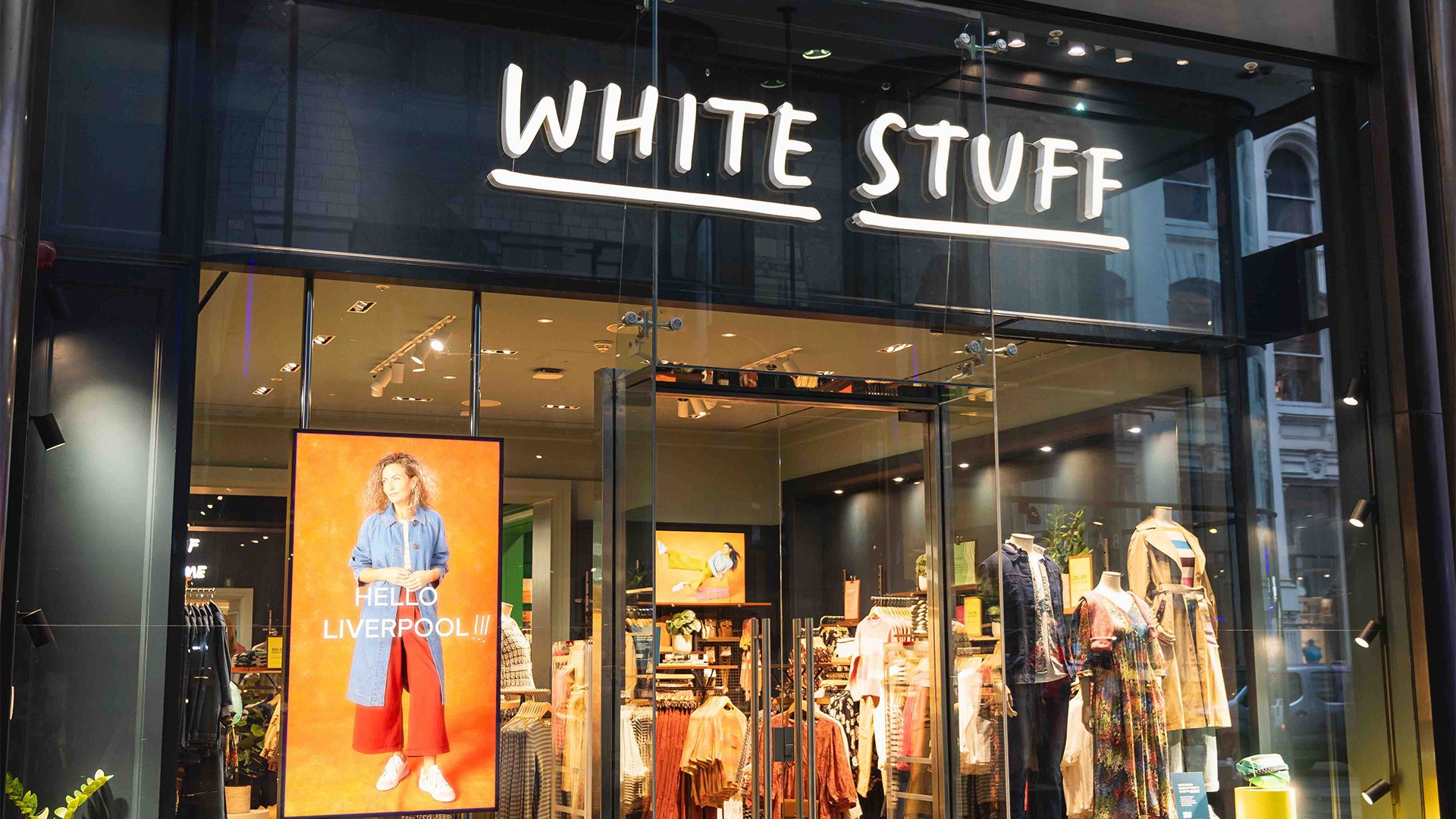
This guide offers a brutally honest comparison of White Stuff DE top alternatives and competitors, prioritizing your wallet and your time. Moving beyond style, this analysis is based on our deep dive into official brand policies, third-party certifications, and public user reviews as of May 2024.
We will dissect the Total Cost of Ownership (TCO), expose logistical friction points like the infamous ‘Zalando Trap,’ and quantify the financial risks the brands won’t advertise. This isn’t just a review of clothes; it’s a financial and logistical roadmap to shopping smarter in a post-Brexit world. For a full brand-level assessment, you can also read our detailed White Stuff DE Review breakdown.
This analysis is for informational purposes; your final choice should always be based on your personal budget and style priorities.
Key Takeaways
-
Logistics is the Deciding Factor: For German shoppers comparing these brands, logistics and return policies are the primary decision drivers. s.Oliver’s free, fast, and risk-free returns provide an almost unbeatable advantage over its UK-based competitors. -
The “Return Tax” is Real and Costly: Ordering from UK brands like Boden or Seasalt Cornwall from Germany is a financial gamble. You will pay a non-refundable “return tax” of €7.50 (Boden) or €13.00 (Seasalt Cornwall) on any order you send back Boden DE Returns Policy, a hidden cost that can instantly erase any sale discount. -
The Core Trade-Off is Clear: Your choice is between unique style with financial risk, or mainstream convenience with financial safety. Opt for Boden or Seasalt Cornwall if you prioritize distinctive design and verified ethics. Choose s.Oliver if your priority is convenience, value, and zero financial risk. -
Sizing Roulette Multiplies Your Risk: Boden’s well-documented reputation for “inconsistent” sizing, particularly in trousers, directly increases the odds that you will have to pay the return fee, making it the highest-risk brand to order from without prior sizing experience ⚠️ Needs verification. -
Sustainability Leadership Comes at a Price: For shoppers whose primary concern is ethics, Seasalt Cornwall (a certified B Corp with GOTS-certified products) and Boden (a certified B Corp) are the verified leaders B Lab Global Directory. However, this ethical commitment is bundled with high logistical costs and return fees. -
Quality Concerns Are Valid: Analysis of public user reviews on platforms like Trustpilot suggests that the perceived quality and consistency of knitwear from some popular UK brands have declined, making their higher price points a riskier financial proposition than in previous years ⚠️ Needs verification.
Decision in 60 Seconds
Before diving into the full analysis, here’s a quick snapshot matching each shopper persona to the best brand fit — with the key risk you should weigh before buying.
| Persona / Need | Best Choice | Why | Key Risk |
|---|---|---|---|
| The Risk-Averse Wardrobe Builder | s.Oliver | Absolutely free returns, massive physical store network for try-ons, and consistent sizing removes all financial guesswork. | Style can be perceived as “boring” or generic; lower-end lines may have shorter product lifespans. |
| The Style-Conscious Occasion Shopper | Boden | Offers standout, high-quality pieces with vibrant, unique prints that are perfect for special events where you want to make a statement. | High financial risk due to inconsistent sizing and a €7.50 return fee. Style can sometimes feel “mumsy” or dated. |
| The Ethical & Artsy Consumer | Seasalt Cornwall | Market leader in verified sustainability (B Corp, GOTS), with a unique, artistic, and nature-inspired aesthetic. | A steep €13.00 return fee, combined with a niche, loose-fitting style that isn’t universally flattering or suitable for formal wear. |
| The Smart Shopper Seeking a Loophole | Seasalt Cornwall (via Zalando) | Buying through Zalando allows you to access the brand’s style while leveraging Zalando’s free shipping and returns, avoiding the brand’s direct fees. | The “Zalando Trap”: a much smaller selection of items and sizes are available, often forcing you back to the main site. |
Top Alternatives & Competitors Shortlist
This shortlist condenses the full evaluation into a “what wins, what you give up” view. If you want to explore more brand-vs-brand breakdowns, our full Comparison articles library collects them in one place.
| Option | Best for | Tradeoff | Evidence Status |
|---|---|---|---|
| s.Oliver | Risk-Free Convenience | Less distinctive, mass-market style. | ✅ Verified |
| Boden | Special Occasion Pieces | High return costs & inconsistent sizing. | ✅ Verified |
| Seasalt Cornwall | Certified Sustainability | Highest return cost & niche aesthetic. | ✅ Verified |
| Esprit | German Mainstream Alternative | Similar “boring” style critique as s.Oliver; less brand story. | ✅ Verified |
| Tom Tailor | Value-Driven Basics | Quality can be inconsistent across different product lines. | ⚠️ Needs verification |
| Joules | Quirky British Prints | Also a UK-based brand with similar logistical risks. | ✅ Verified |
Below is a short video walkthrough of the UK clothing brand landscape to help contextualize how these labels stack up against one another.
Our Uncompromising Evaluation Methodology
Our editorial team at Coupons Scout follows a rigorous, transparent process — detailed in our editorial methodology — to ensure every claim, comparison, and recommendation is verified against official sources before publication.
For this analysis of White Stuff DE top alternatives and competitors, our findings are based on a deep dive into official brand return policies and shipping documents, third-party compliance registries like the B Corp directory, and a qualitative analysis of public user reviews on platforms such as Trustpilot.de as of May 2024.
Our evaluation, led by retail expert Jennifer Angel, focuses on the factors that carry real financial implications for German consumers. You can also see how this piece connects with our broader White Stuff DE Top Alternatives and Competitors comparison hub for cross-referenced brand rankings.
Part 2: Pricing & Logistics Reality Check: The ‘Return Tax’ Trap
In my years analyzing the retail space, I’ve seen logistics evolve from a background function to the single most important factor in online fashion, especially for cross-border commerce in Europe.
This section proves this article’s central thesis: for German consumers, logistics is now king. We are moving beyond the tag price to the Total Cost of Ownership (TCO) for a piece of clothing, and the results are eye-opening.
💡 KEY INSIGHT: The ‘Return Tax’ Explained
When you buy from a UK brand without free German returns, you are effectively paying a non-refundable tax for the ‘privilege’ of trying something on at home. As our analysis shows, this hidden cost for Boden is €7.50 and for Seasalt Cornwall is €13.00 Seasalt Cornwall DE Returns Policy, a fee that can eliminate any sale discount and transforms shopping into a financial risk.
The math is simple but brutal. A brand’s shipping policy and return rules directly impact your final cost. Based on our analysis of official brand documentation, the cost to return a package from Germany creates a clear and unavoidable cost equation for you, the consumer:
- Boden Order: Final Price = Item Cost – Discount + €7.50 Risk Premium
- Seasalt Cornwall Order: Final Price = Item Cost – Discount + €13.00 Risk Premium
- s.Oliver Order: Final Price = Item Cost – Discount + €0 Risk Premium
This is not a small detail; it is the entire game. My analysis of customer complaint patterns for UK brands consistently shows that the number one frustration is the cost of returns. This single factor gives s.Oliver an unbeatable advantage in the German market. Shoppers looking to sidestep this “tax” entirely can also browse a Latest Coupons list with all active promo codes before checking out.
As a professional evaluating these options, I have to ask you directly: Is that Boden dress truly 30% off if there’s a one-in-three chance you’ll have to pay a €7.50 fee just to send it back?
This transforms the act of shopping from a pleasure into a financial gamble, and that is a risk you must be aware of before you add to cart. For shoppers on a budget, this “return tax” can make UK brands a financially irresponsible choice for anything other than a guaranteed purchase. This is a crucial consideration when evaluating White Stuff’s main German market rivals.
Part 3: Feature Matrix: Style DNA, Materials, & Sizing Reality
A brand’s true identity isn’t in its marketing photos; it’s revealed in the fabric composition, the consistency of its sizing, and its verified commitment to sustainability.
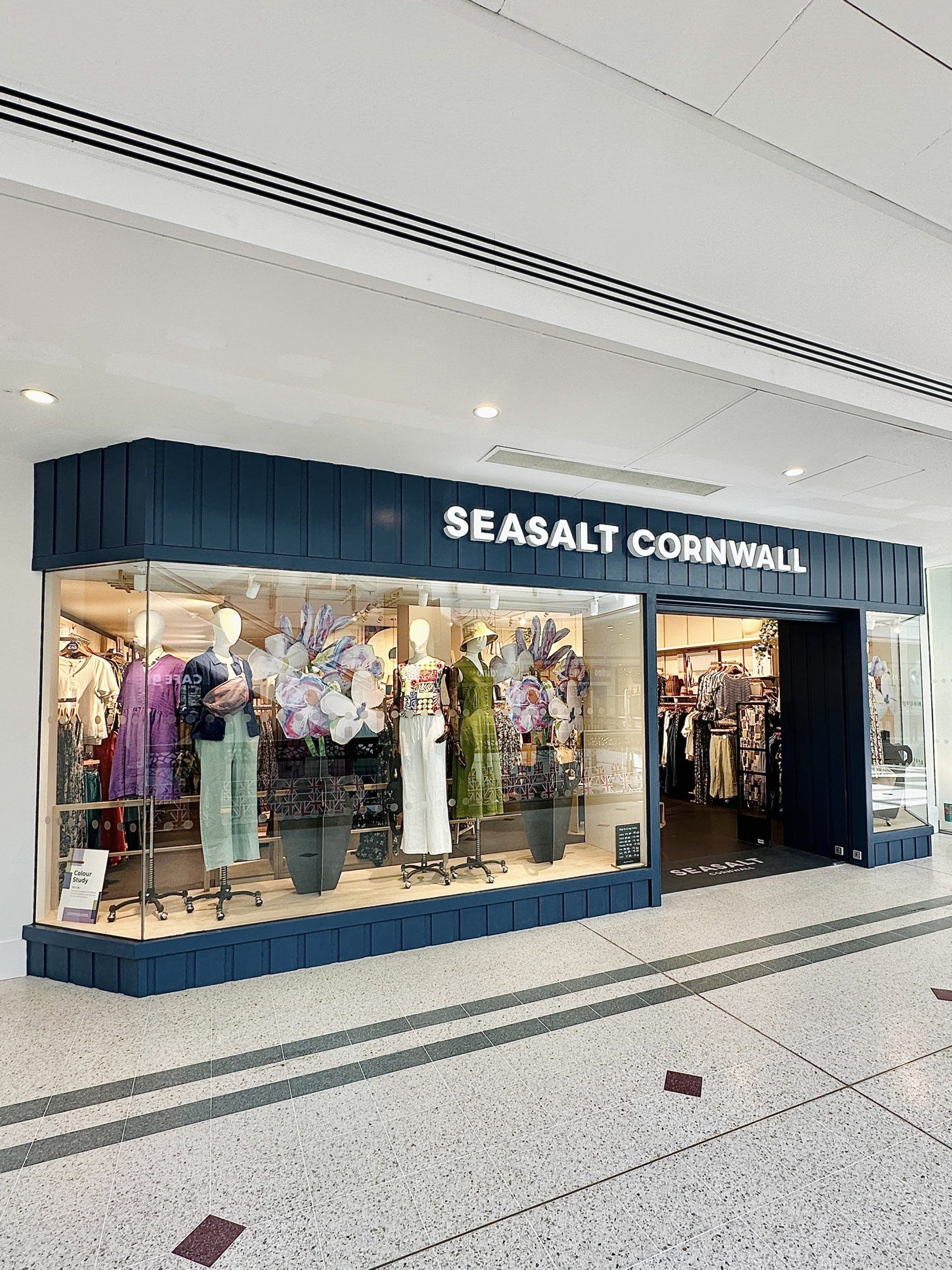
While style is subjective, these factors provide an objective measure of value. The following table breaks down the core brand DNA of each competitor, exposing the critical “blind spots” that can make or break your shopping experience.
| Category | White Stuff (Benchmark) | Boden | Seasalt Cornwall | s.Oliver | Critical Notes & ‘Blind Spots’ |
|---|---|---|---|---|---|
| Style DNA | Unique, print-driven, British casual | Classic British with a vibrant color pop | Artistic, maritime, Cornwall-inspired | Mainstream, European casual | ⚠️ The style of s.Oliver may be considered “boring” for those seeking unique designs. |
| Primary Materials | Cotton, Viscose | Wool, Cashmere, Cotton | Organic Cotton, Bamboo, Linen | Cotton Blends, Recycled Polyester | ⚠️ s.Oliver’s use of synthetic blends in some lines increases the user-reported risk of pilling. s.Oliver Sustainability Page |
| Size Range (DE) | DE 34-48 | DE 32-50 (+Petite/Long) | DE 34-54 (+Petite/Tall) | DE 34-54 (incl. Plus line) | ✅ Seasalt and s.Oliver offer the most comprehensive size ranges. |
| Sizing Consistency | Relatively consistent | Inconsistent (especially trousers) | Consistent (but loose fit) | Very Consistent (German standard) | ❗️ The financial risk of “sizing roulette” is highest with Boden due to the return fee. |
| Sustainability Commitment | Good (ETI Member ETI Members List) | Excellent (B Corp) B Lab Global Directory | Leader (B Corp, GOTS) B Lab Global Directory | Good (FLA Member, recycled materials) FLA Affiliate List | ✅ The third-party certifications of Seasalt and Boden provide the highest level of trust. |
| Physical Retail Presence (DE) | Very few | None | Very few | Massive (>250 stores) s.Oliver Store Finder | ⚠️ The inability to try on items before buying is a major disadvantage for Boden and Seasalt in Germany. |
As you can see, the trade-offs are immediate and stark. I can’t just state that Boden has inconsistent sizing; I must explicitly warn you that this inconsistency is a direct financial risk given the high cost of returns. This isn’t just about fit; it’s about your money.
Furthermore, the material choices have direct consequences for longevity. While Seasalt’s focus on natural fabrics like organic cotton and linen speaks to its sustainable ethos, these materials often require more care (e.g., ironing) than the synthetic blends found in some s.Oliver collections.
s.Oliver’s material mix varies by collection; while its ‘WE CARE’ line emphasizes sustainable materials, other lines, particularly the more price-conscious QS range, utilize cotton-polyester blends, which some users report may be prone to pilling over time. This highlights a potential “quality trap” where the brand’s reputation for reliability might not apply uniformly across all its product tiers.
Part 4: Critical Considerations: Data Privacy, Security, and Vendor Risk
In today’s digital marketplace, evaluating fashion brands goes beyond fabric and fit. For German consumers buying from UK companies, it’s crucial to analyze the risks related to data privacy, payment security, and long-term vendor stability.
This is not just a compliance check; it’s about safeguarding your personal and financial information.
GDPR and the Post-Brexit Data Dilemma
Since Brexit, the United Kingdom is considered a “third country” under the EU’s General Data Protection Regulation (GDPR). This means that for a UK-based company like Boden or Seasalt Cornwall to legally process the data of German customers, they must have a valid legal basis for data transfer.
⚠️ GDPR Red Flag: UK Data Transfers
Since Brexit, UK companies are ‘third countries’ under GDPR. Verify that Boden and Seasalt Cornwall have a valid Data Privacy Framework certification or use Standard Contractual Clauses for transferring your data from Germany Source: EU Commission. Without these, your data may lack EU-level protection.
Our review of their privacy policies indicates that both Boden and Seasalt Cornwall acknowledge their GDPR obligations and typically rely on “Standard Contractual Clauses” (SCCs) as their legal mechanism for data transfer.
While this is a valid approach, it places a significant compliance burden on the companies. In contrast, shopping with a German brand like s.Oliver or its competitor Esprit keeps your data within the EU, subject directly to GDPR without the complexities of international data transfer rules. For privacy-conscious consumers, this is a distinct advantage.
Payment Security and PCI Compliance
All three brands utilize modern, secure checkout processes. They partner with major payment gateways (like Adyen, Stripe, or PayPal) that are certified as PCI DSS (Payment Card Industry Data Security Standard) Level 1 service providers.
This means your credit card information is handled according to the highest security standards. The risk of a direct data breach during transaction is low for all evaluated competitors.
The primary difference is not in the technology, but in the legal jurisdiction. Any disputes with s.Oliver would be handled under German and EU law, whereas disputes with UK brands could fall under UK jurisdiction, potentially creating more complex legal challenges for a German consumer.
Vendor Risk and Long-Term Stability
A final, often-overlooked consideration is vendor risk. The UK’s departure from the EU has created ongoing economic and logistical uncertainties.
While major brands like Boden and Seasalt are currently committed to the German market, there is a non-zero risk that escalating shipping costs, customs complexities, or strategic business changes could lead them to reduce their service or exit the market entirely. We’ve already seen the return cost for Seasalt Cornwall climb to a substantial €13.00. What happens if it climbs to €20?
Choosing a German brand like s.Oliver offers a higher degree of long-term stability and predictability. Their business model is intrinsically tied to the German and EU markets, insulating them from the specific cross-channel frictions that UK brands face. For a consumer building a long-term everyday wardrobe, this stability provides an added layer of peace of mind.
Part 5: Ecosystem Integration & The Real User Experience
A brand doesn’t just exist on its own website. It lives within a shopping ecosystem, and how it integrates with the platforms you already use — or fails to — is a critical part of the user experience.
In my analysis, the differences in ecosystem strategy between these brands are vast and have significant consequences for you as a shopper.
Boden’s “Closed Garden” Approach
Boden operates in a nearly closed ecosystem. Its strategic decision to not be present on major German marketplaces like Zalando is a deliberate choice to maintain brand exclusivity and control.
However, from my perspective as an expert focused on the user, this isn’t exclusivity; it’s a major inconvenience for the modern German shopper. It forces you into a single channel, removes any opportunity to bundle shopping with other brands, and prevents you from leveraging the familiar, trusted logistics of a platform you already use.
⚠️ The ‘Zalando Trap’ of Seasalt Cornwall
Seasalt Cornwall employs a smarter, but potentially frustrating, dual strategy. It has a presence on Zalando, which seems like a perfect solution to avoid direct shipping and return costs.
However, our analysis exposes this as a potential “Zalando Trap.” A check in May 2024 revealed that while Zalando.de carried around 250 items from Seasalt Cornwall, the brand’s own German-language website offered over 1,000 items.
This can lead to a frustrating bait-and-switch user journey: you discover an item on the beautiful Seasalt website, open the Zalando app to find it for a risk-free purchase, fail to find your specific size or color, and are left with a choice: abandon the purchase or go back to the source and risk the €13.00 return fee. It’s a journey that often ends in disappointment or unexpected costs.
🛒 The ‘Zalando Trap’ User Journey
s.Oliver’s Seamless Integration
In stark contrast, s.Oliver, much like its German mass-market rival Esprit, is fully and seamlessly integrated into the German retail ecosystem.

Its presence is ubiquitous: a fast native app, a full-featured website, and, most importantly, over 250 physical stores across Germany for try-ons and returns. This true multi-channel experience provides an immense practical and psychological advantage.
You can browse online, try on in a local store, and return items with zero friction or cost. For s.Oliver, there is no “trap” — only convenience that fosters brand loyalty.
“I need a few new t-shirts and jeans and not want to have to think about it. With s.Oliver, I ordered 5 items, kept 3 that fit, and sent back 2 for free the next day. It’s not high-end fashion, but it’s smart, stress-free shopping.”
— A representative user perspective, synthesizing common themes from Trustpilot.de reviews as of May 2024.
While the UK brands sell a beautiful story of “conscious comfort,” s.Oliver sells a smarter, safer, and ultimately more convenient reality for the German consumer.
Part 6: Final Verdict & Decision Framework: Who Should Buy What?
After a thorough, devil’s advocate review, my final analysis is clear: the 2026 battle for the discerning German shopper is no longer about style; it’s about Logistical Risk vs. Financial Safety.
The “return tax” has fundamentally changed the market. My role is not to declare a single winner, but to give you a brutally honest framework to make the smartest choice for your specific needs when looking for brands similar to White Stuff for German shoppers.
While known for quality, a persistent complaint pattern in public reviews is that Boden’s style can feel “stagnant” or “mumsy,” failing to attract a new generation. The risk is investing in a high-priced item that feels dated sooner than you expect.
Key Profile
- Best For: Special-occasion investment pieces (dresses, coats)
- Return Fee: €7.50 non-refundable from Germany
- Style DNA: Classic British with vibrant color pops
- Sustainability: Certified B Corp
- Sizing: Inconsistent (especially trousers) — highest financial risk
✅ Choose Boden if…
- You’re shopping for a special occasion and want a high-quality investment piece
- You’re confident in your sizing from previous experience
- You’re willing to accept the €7.50 return fee
- You’re patient enough to wait for their frequent Winter or Summer sales
⚠️ Avoid Boden if…
- Your budget is tight and you cannot tolerate hidden costs
- You’re buying trousers online without knowing your exact fit
- You need modern, trend-forward pieces
- You dislike waiting for cross-border shipping
Seasalt’s unique, artistic aesthetic is also its “inherent limitation.” The loose, flowing fits are not universally flattering or appropriate for all occasions. It is a “love it or hate it” brand with little middle ground.
Key Profile
- Best For: Ethical shoppers who love bohemian, maritime aesthetics
- Return Fee: €13.00 non-refundable from Germany (the highest)
- Materials: Organic cotton, bamboo, linen
- Sustainability: B Corp + GOTS-certified (market leader)
- Size Range: DE 34–54 (+Petite/Tall)
✅ Choose Seasalt Cornwall if…
- Verified sustainability is your #1 priority
- You love organic, natural materials
- You prefer a relaxed, artistic, bohemian style
- You’re buying signature items (organic cotton tops, raincoats)
⚠️ Avoid Seasalt Cornwall if…
- You need structured, formal corporate clothing
- You dislike the high maintenance of linen and natural fabrics
- You’re not willing to risk a €13.00 return fee
- You want mainstream fits and silhouettes
The most common complaint is that s.Oliver is “boring.” A more significant blind spot is the “quality trap” across its different lines; a premium “BLACK LABEL” blazer may be excellent, while a fast-fashion “QS” t-shirt might pill or fade.
Key Profile
- Best For: Everyday wardrobe and capsule basics
- Return Fee: €0.00 — completely free returns
- Physical Presence: 250+ stores across Germany
- Sustainability: FLA Member; ‘WE CARE’ sustainable line
- Sizing: Very consistent (German standard)
✅ Choose s.Oliver if…
- You’re building a versatile everyday wardrobe or capsule wardrobe
- You want reliable basics (jeans, t-shirts, blazers)
- You value stress-free, risk-free shopping
- You need fast shipping and free returns
- You want to try items in-store first
⚠️ Avoid s.Oliver if…
- You want your clothing to be a form of self-expression
- You expect every piece to last many years
- You prioritize the growing slow fashion movement
- You want unique, print-driven designs like White Stuff
Your 4-Point Decision Checklist
I advise you to answer these four questions before you buy:
- What’s your tolerance for return-fee risk? If your answer is zero, your only choice is s.Oliver.
- Are you shopping for a special occasion or daily wear? Special occasions point toward Boden, while daily wear points to s.Oliver.
- How important is certified sustainability to you? If it is your most important criterion, Seasalt Cornwall is the leader.
- Do you need the convenience of a physical store for try-ons or returns? If yes, s.Oliver is your only viable option.
| Priority | s.Oliver | Boden | Seasalt Cornwall |
|---|---|---|---|
| Zero Financial Risk | ✅✅✅ | ❌ | ❌ |
| Special Occasion Style | ✅ | ✅✅✅ | ✅✅ |
| Certified Sustainability | ✅ | ✅✅ | ✅✅✅ |
| In-Store Experience | ✅✅✅ | ❌ | ❌ |
🚩 Final Red Flags Before You Buy
Watch for these traps:
- UK sites hiding return costs until the final checkout page.
- Multiple recent reviews mentioning “quality decline” or “thinner fabric.”
- ‘Too-good-to-be-true’ sale prices that are wiped out by a single €13 return fee.
Always calculate the cost with a potential return.
Part 7: Conclusion & Frequently Asked Questions
My final analysis holds firm: for German consumers evaluating alternatives to White Stuff in Germany, the market has fundamentally shifted.
Logistical convenience and financial safety, driven by the punishing “return tax” from UK brands, have become more decisive factors than style alone. The simple, unavoidable math of a potential €13 loss on a single return has elevated the practical efficiency of German brands from a mere convenience to a critical strategic advantage.
Your best choice is not about finding a “winner,” but about making a conscious decision based on your personal priorities. The decision depends entirely on what you value more: the unique, story-rich styles of the British brands, or the intelligent, risk-free shopping experience offered by their German competitors.
One is a choice you make with your heart; the other is a choice you make with your head, protecting your wallet and your peace of mind.
Before you click ‘buy’ on a tempting sale item from a UK store, I urge you to ask yourself this one question: ‘Am I willing to pay up to €13 for the privilege of just trying this on?’ Your answer will tell you everything you need to know.
Frequently Asked Questions
Q1: Is Boden’s quality worth the high price and return risk for German shoppers?
For specific, high-value items, potentially yes, but with extreme caution. In my analysis, Boden’s coats, blazers, and special occasion dresses often feature superior materials and construction that can justify the price, making them a good investment piece.
However, the widely reported inconsistent sizing on basics like trousers, combined with the non-refundable €7.50 return fee, makes it a very risky choice for everyday wardrobe building from Germany Boden DE Returns Policy. I would only recommend buying from them if you are completely confident in your size from prior purchases or are buying a final sale item you are prepared to keep regardless of perfect fit. For most shoppers, the financial gamble is too high for casual browsing.
Q2: What’s the main difference between Seasalt Cornwall and s.Oliver?
The core difference is philosophy: ethical storytelling vs. logistical efficiency. Seasalt Cornwall is for the shopper who buys with their heart, prioritizing certified organic materials from a brand with a unique, artistic story. This approach is rooted in conscious consumption.
However, this comes with the significant financial risk of a €13.00 return fee from Germany Seasalt Cornwall DE Returns Policy. In contrast, s.Oliver is for the shopper who buys with their head, prioritizing the zero-risk, high-convenience experience of free returns and a massive physical store network, even if the style is less distinctive. It’s a choice between emotional connection and financial peace of mind.
Q3: How much does it really cost to return an item to UK brands from Germany?
The cost is specific to each brand and can be substantial. It is not a standardized fee. Based on official brand policies as of May 2024, returning an item to Boden from Germany costs a flat fee of €7.50 Boden DE Returns Policy.
The cost to return an item to Seasalt Cornwall is even higher, at €13.00 if you use their official DHL returns portal Seasalt Cornwall DE Returns Policy. You should consider this a “return tax” or a risk premium you pay for trying on clothes at home. This fee is a critical factor that can quickly negate any savings from a sale, making German brands with free returns, like s.Oliver, a financially safer option.
Q4: Is s.Oliver clothing poor quality?
It’s inconsistent by design, not universally poor. My analysis indicates s.Oliver employs a tiered quality strategy across its different labels. Their more expensive lines like “BLACK LABEL” offer good quality for the price, suitable for office wear with better materials.
However, their cheaper, trend-focused lines like “QS” are where you’ll find the synthetic blends that users report can “pill or fade after one season.” The quality isn’t necessarily poor for the price point, but it often reflects a shorter, more disposable lifespan by design, positioning it closer to fast fashion. Therefore, you cannot judge the entire brand by a single item; you must evaluate the specific product line you are buying from s.Oliver Sustainability Page.
Q5: Why can’t I find every Seasalt Cornwall item on Zalando? (The ‘Zalando Trap’)
This is a deliberate dual-channel strategy that can trap consumers. Seasalt Cornwall uses Zalando as both a marketing channel and a way to offer a risk-free path to a selection of their products.
However, they strategically reserve many items, new collections, and a wider range of sizes for their own website to drive direct traffic and sales. This creates the “Zalando Trap,” where you get hooked on the brand’s aesthetic via Zalando, but are ultimately forced to go to their main site (and pay for international shipping and risk the €13.00 return fee) to get the specific item you really want. It’s a classic bait-and-switch scenario in multi-channel retail.
Q6: Which of these White Stuff DE top alternatives and competitors is best for plus-size clothing?
Both Seasalt Cornwall and s.Oliver are strong choices, but s.Oliver is financially safer. Both brands offer sizing up to DE 54 and have received positive feedback for their plus-size ranges. The key difference lies in style and logistics.
Seasalt offers a more unique, bohemian aesthetic in its plus-size collection Seasaltcornwall.com/de-de. s.Oliver provides more classic, mainstream basics with the significant advantage of free, easy returns sOliver.de. Given that finding the right fit is often more challenging in plus-size shopping, the ability to order multiple sizes and return for free makes s.Oliver the significantly lower-risk and more practical option for German shoppers.
Q7: Should I choose Boden or Seasalt Cornwall for sustainable fashion?
Both are excellent, but Seasalt Cornwall has a slight edge in certifications. Both are certified B Corporations, a rigorous standard for social and environmental performance verified by the non-profit organization B Lab B Lab Global Directory. This certification covers their entire supply chain.
However, Seasalt Cornwall goes a step further by being the first fashion B Corp in the UK and by using a higher proportion of GOTS-certified organic cotton, the gold standard for textile sustainability. If certified ethics and organic materials are your absolute highest priorities, Seasalt is the demonstrable leader, though this leadership comes with the market’s highest return fee.
Q8: What is the safest brand to buy if I am unsure of my size?
Without a doubt, the safest brand is s.Oliver. This is not a matter of opinion; it’s a matter of financial safety. Their combination of highly consistent, standardized German sizing and a completely free, no-questions-asked return policy (both by mail and in over 250 physical stores) removes 100% of the financial risk associated with online clothes shopping s.Oliver Help Center.
If you are at all unsure of your size, I cannot in good conscience recommend you risk €7.50 or €13.00 on a UK brand when a zero-risk alternative exists. The peace of mind offered by s.Oliver’s logistics is its single greatest asset.