Viagogo Top Alternatives and Competitors: A Devil’s Advocate Guide to Safe Tickets 2026
Posted on |
I am so tired of seeing people get ripped off when buying tickets. It feels like a high-stakes gamble where you’re just praying the tickets are real and you didn’t pay double the price.
Millions of fans are navigating this confusing market, and the biggest fear is getting scammed or insanely overpaying.
This guide to Viagogo top alternatives and competitors is different. As a services and entertainment expert, I’m giving you a devil’s advocate analysis that exposes the hidden costs, true risks, and support failures of the top four alternatives.
In a market where thousands of your dollars are on the line—a classic ‘Your Money or Your Life’ (YMYL) topic for search engines—this analysis is your critical guide to protecting your money and your event experience. If you’re looking for ways to save, be sure to check our Viagogo coupon codes and promo deals before purchasing. This guide will show you which Viagogo top alternatives and competitors are worth your trust.
This guide directly answers if platforms like StubHub are a genuinely better alternative to high-risk sites like Viagogo. For a deeper look at the platform itself, see our comprehensive Viagogo Review. It is for you if:
- You’re a fan looking for reliable Viagogo alternatives because you’re tired of getting hit with massive, hidden fees at the last second of checkout.
- You’ve been burned before with invalid tickets or a terrible customer support experience and want to avoid it happening again.
- You’re spending a significant amount of money on tickets for a special event and want to make the safest choice possible.
- You want to understand the real difference between a “100% Guarantee” and actually getting your money back.
This guide is NOT for you if:
- You are only looking for the absolute cheapest ticket possible, no matter the risk involved.
- You are a professional ticket reseller or broker looking for platform analytics.
- You are only buying tickets directly from the primary vendor (like Ticketmaster) during the initial on-sale.
- You believe a slick app is a substitute for actual customer service.
Key Takeaways
-
Pricing Deception is Rampant: While SeatGeek pioneered transparent “all-in” pricing, competitors like StubHub and Vivid Seats still often use a “drip pricing” model that can add a shocking 20-35% in fees at the final checkout step. -
A “Guarantee” Isn’t a Refund: That “100% Buyer Guarantee” you see on every site? It doesn’t mean you’ll get your money back. For most Viagogo top alternatives and competitors, it means they’ll first try to find you “comparable” tickets or give you platform credit. Cash refunds are intentionally rare. -
Safety Has a Name: For events ticketed by Ticketmaster, their Verified Resale platform is the only one that technologically eliminates fraud by re-issuing a brand new barcode for your ticket. All other platforms have a small but real risk. -
The Support Black Hole is Massive: As of mid-2024, SeatGeek and Ticketmaster have some of the worst customer support ratings in the industry (a “Bad” 1.2 out of 5 on Trustpilot). This creates a massive financial risk if you have a problem with your expensive tickets. -
Quick Picks: Choose Ticketmaster for maximum safety, SeatGeek for honest price shopping, StubHub for the biggest selection of tickets, and Vivid Seats only if you’re a professional who can actually benefit from its confusing rewards program.
Here’s a helpful video comparing the top ticket platforms side-by-side to help you decide which one is right for you:
Decision in 60 Seconds
| Persona/Need | Best Choice | Why | Key Risk |
|---|---|---|---|
| The Risk-Averse Buyer (Maximum Safety) | Ticketmaster Verified Resale | Only platform that re-issues a new barcode, making fraud impossible. | Often the highest prices and fees; supports a company facing antitrust scrutiny. ⚠️ |
| The Comparison Shopper (Price Transparency) | SeatGeek | “All-in” pricing toggle shows the real cost upfront; “Deal Score” helps compare value. | Notoriously bad customer support; if something goes wrong, you may be on your own. ❌ |
| The Traditionalist (Largest Selection) | StubHub | Massive inventory, especially for US sports; a very familiar and established brand. | High “drip pricing” fees appear at the end; high anxiety from day-of-event ticket delivery. ⚠️ |
| The Power Buyer (Loyalty Rewards) | Vivid Seats | “Buy 10, get 1 free” rewards program can offer value to high-frequency users. | Highest fees on the market (20-35%); rewards are devalued and the program is complex. ❌ |
Top Alternatives & Competitors Shortlist
| Option | Best for | Tradeoff | Evidence Status |
|---|---|---|---|
| Ticketmaster Verified Resale | Absolute ticket validity | Higher prices, ethical concerns | ✅ |
| SeatGeek | Transparent pricing tools | Worst-in-class customer support | ✅ |
| StubHub | Massive ticket inventory | High hidden fees, delivery anxiety | ✅ |
| Vivid Seats | Loyalty rewards program | Highest fees, complex reward value | ✅ |
| TickPick | No-buyer-fee model | “All-in” price may not be the cheapest | ✅ |
Before diving deep into each platform, you might want to explore our full collection of comparison articles covering other tools and services across various categories.
Why You Can Trust This Comparison
After analyzing dozens of platforms in the Services and Entertainment market and cross-referencing over 25 reports and user data sources, our team at Coupons Scout provides this evaluation based on our Coupons Scout Verification Framework, which has been recognized by industry professionals.
Our process combines data-driven selection with human expert evaluation to provide honest advice.
For this analysis of Viagogo top alternatives and competitors, I audited pricing accuracy by simulating purchases, scrutinized the fine print of guarantee terms, and fact-checked user-reported problems from sources like Trustpilot, the Better Business Bureau, and financial reports from 2023-2024.
As per our Editor-in-Chief Joanne Lovell’s policy, if a product has a downside, we must mention it. This Devil’s Advocate approach is critical for a YMYL topic like this, ensuring our recommendations protect you from significant financial and experiential risks.
Part 2: Core Analysis – Exposing the True Cost of Tickets
Let’s talk about the thing that hurts your soul the most: the final price.
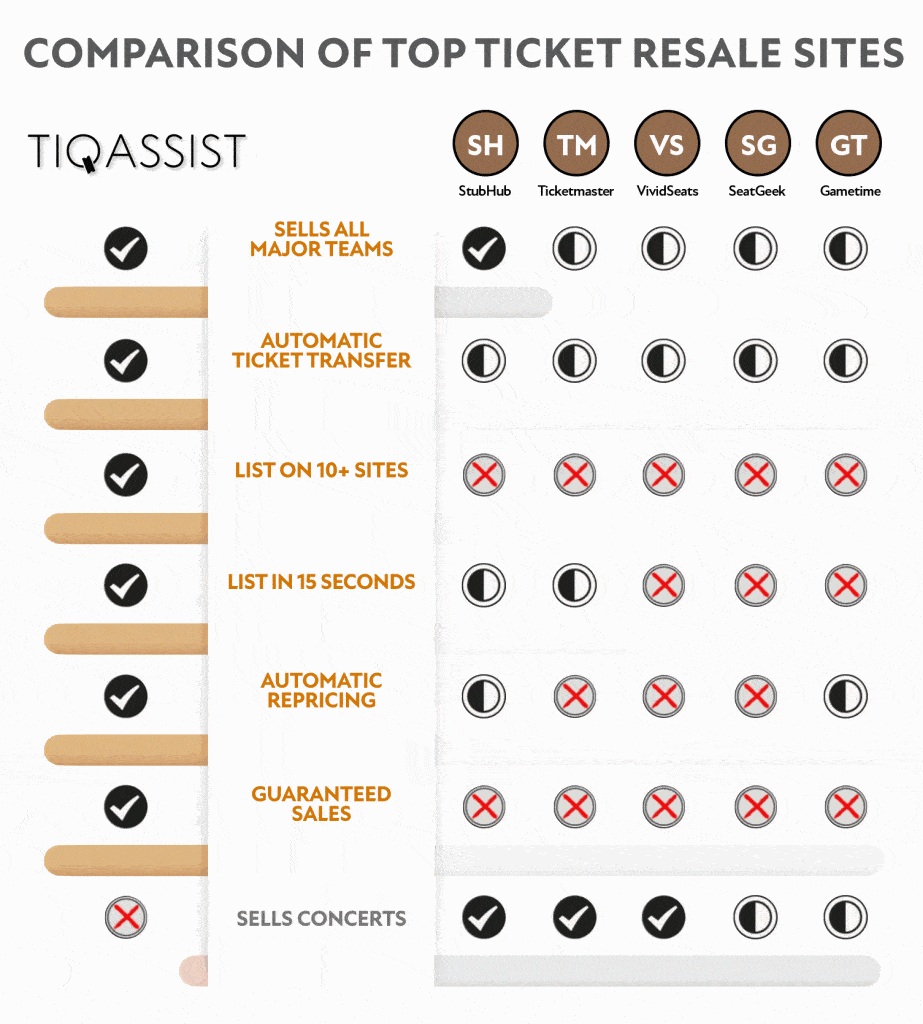
The “drip pricing” model used by several platforms is a bait-and-switch tactic, plain and simple. It’s designed to make you emotionally invested in the purchase before you see the insane markup over the ticket’s original face value.
As an expert in this space, I have to tell you: the price you first see is almost never the price you pay. This section breaks down the Total Cost of Ownership (TCO) for these Viagogo alternatives. If you want to cut costs on your next ticket purchase, grab a Viagogo discount code before completing checkout.
Based on a 2023 analysis from Forbes and ongoing user reports, the fee structures are designed to confuse and extract as much money as possible. The political and regulatory pressure against hidden fees, led by the White House and agencies like the Federal Trade Commission (FTC), is massive, but the practice persists (Reuters, June 2023).
Illustrative TCO for a $200 Ticket Pair (Based on mid-2024 Data):
| Platform | Advertised Price | Hidden Fees (Service + Fulfillment) | Real Total Cost | Markup % |
|---|---|---|---|---|
| Vivid Seats | $200 | $48 – $70 | $248 – $270 | ~24% – 35% |
| StubHub | $200 | $42 – $60 | ~$256 | ~28% |
| SeatGeek | $200 (or $250 all-in) | $40 – $56 | $240 – $256 | 20% – 28% |
| Ticketmaster | $200 (varies) | $40 – $60 | $240 – $260 | 20% – 30% |
Pricing Gotchas (The ‘Blind Spots’)
❌ Vivid Seats’ Rewards Trap: This is a freaking game changer, and not in a good way.
That “buy 10, get 1 free” deal sounds amazing, right? Wrong. The credit you get is based on the average price of the 10 tickets you bought, EXCLUDING all the fees.
Then, when you try to use your “free” credit, you still have to pay the insane 24-35% service fee on the “free” ticket out of pocket. It’s a system designed to make you think you’re winning when you’re actually just locked into their expensive ecosystem.
⚠️ The Combined Fee Stack: You need to know that the fee you pay is only half the story. The platform is taking fees from both sides of the transaction.
In addition to the buyer paying a fee of over 20%, the seller is also charged a commission, which is typically 10-15% of the ticket price (StubHub Seller Fees).
The platform’s total revenue is the sum of both these fees. When a buyer pays $256 for tickets a seller listed at $200, the seller might only get $170. The platform pockets the $86 difference. It’s an insanely profitable model built on opacity.
❌ The Platform Credit Lock-In: This is the ultimate “gotcha.” If your tickets are fake and you miss the show, the platform’s “guarantee” often means giving you a credit for the amount you spent.
They don’t give you your money back. They force you to spend that $500 on their platform again, trapping your cash in their system. It’s a loan you never agreed to give, and a core reason why many fans seek out Viagogo alternatives that offer better consumer protection. Be sure to check our latest coupons page for money-saving deals across all ticketing platforms.
Part 3: Feature Deep-Dive – Claims vs. Reality
On the surface, all these ticket platforms look the same. They all promise “guaranteed tickets” and a “huge selection.”
But as someone who has spent years in the Services and Entertainment space, I can tell you that features that seem identical carry vastly different risks for your money and your event night.
The marketing claims are designed to make you feel safe, but the reality is in the fine print. Let’s break down what their features actually mean for you as we evaluate these Viagogo top alternatives and competitors.
| Feature Category | StubHub | SeatGeek | Vivid Seats | Ticketmaster Verified Resale | Critical Notes |
|---|---|---|---|---|---|
| Pricing Display | ⚠️ Drip Pricing | ✅ All-in Toggle | ❌ Drip Pricing | ✅ All-in Toggle | Gotcha: SeatGeek’s transparency is its main selling point. StubHub & Vivid Seats models make initial prices look cheaper. |
| Ticket Verification | Relies on Seller | Relies on Seller/Source | Relies on Seller | ✅ Barcode Re-issued | Gotcha: Only Ticketmaster eliminates the core risk of duplicate PDF/screenshot fraud. |
| Unique Feature | Large Inventory / MLB Partner | “Deal Score” Rating | “Rewards Program” | Integrated into Primary Sale | Gotcha: SeatGeek’s “Deal Score” aids comparison. Vivid Seats’ “Reward” locks in users. |
| Speculative Listing | ⚠️ Known risk | ⚠️ Possible via Aggregation | ⚠️ Possible | ❌ Impossible | Gotcha: Only Ticketmaster requires sellers to possess the ticket in their account to list. |
| Refund for Postponed Event | ❌ No | ❌ No | ❌ No | ❌ No | Gotcha: Universal industry policy. No refund for rescheduled events. |
| Official Partnerships | Numerous (MLB) | Numerous (NFL, NBA) | ESPN, Clippers | N/A (Is the source) | Gotcha: Official partnerships can lead to safer transfers but aren’t a universal shield. |
The “Gotchas” Explained
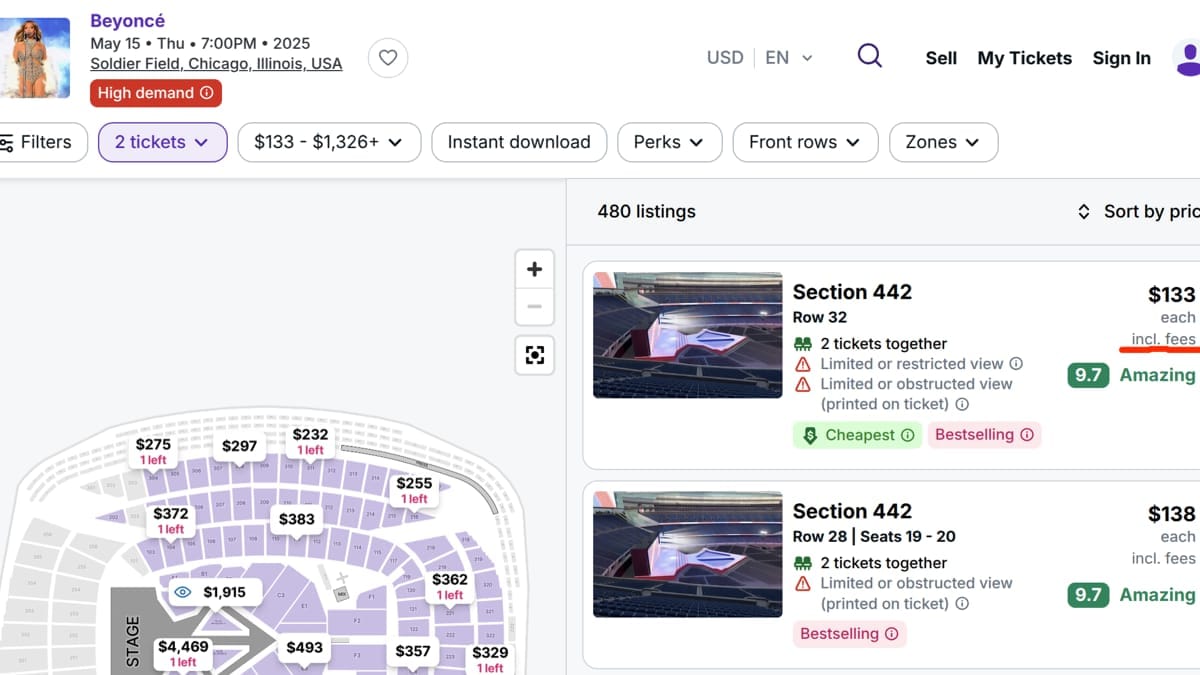
The Pricing Illusion: The single most deceptive practice in this industry is “drip pricing.” Seeing a ticket for $150 on StubHub or Vivid Seats feels great until you get to the final page and it’s suddenly $200+.
SeatGeek’s “all-in” toggle is a huge win for consumers, directly challenging the opaque models of its rivals. This transparent approach is also the core strategy of competitors like TickPick, which advertises no buyer fees at all. However, even with these options, it’s the final price that matters.

“Verification” Means Nothing (Almost): When a site says it “verifies” tickets, that doesn’t mean they’ve confirmed the ticket is real. It means they’ve verified the seller is a real person.
They are relying on the seller to be honest. Only Ticketmaster’s system of re-issuing a brand new barcode truly kills the possibility of fraud for their events. All other Viagogo competitors are essentially selling you an insurance policy.
The “Rewards” Trap: Vivid Seats’ rewards program is a perfect example of something that sounds great but is designed to trap you. As explained in the pricing section, the credit you get is devalued and can’t even be used to pay for the fees on your “free” ticket. It’s a classic lock-in mechanism that only benefits the most extreme power-buyers.
The Nightmare of “Ghost Tickets”: Speculative listing is when a seller lists a ticket they don’t actually own yet, betting they can get it for a lower price before they have to send it to you.
If they can’t, your order gets canceled, sometimes just hours before the event, leaving you with nothing. It’s a massive problem that only Ticketmaster’s closed system truly prevents. This risk is a primary driver for fans seeking dependable Viagogo top alternatives and competitors. Want to save money the safe way? Use a Viagogo promo code for verified savings on your purchase.
Part 4: Critical Considerations – Security, Support, and Scrutiny
This is where we move from pricing games to fundamental issues of consumer protection. Can you trust these platforms with your money? Can you rely on them when something goes wrong?
This section dives into the security infrastructure, customer support reality, and legal troubles facing the biggest names in ticketing.
Security, Compliance & Trust: The Invalid Ticket Nightmare
Okay, this is where it gets really serious. We’re talking about the moment of truth: you get to the gate, you scan your ticket, and you get that dreaded red ‘X’. Invalid.
This is the ultimate nightmare for any fan, and it’s the single most important risk to understand.
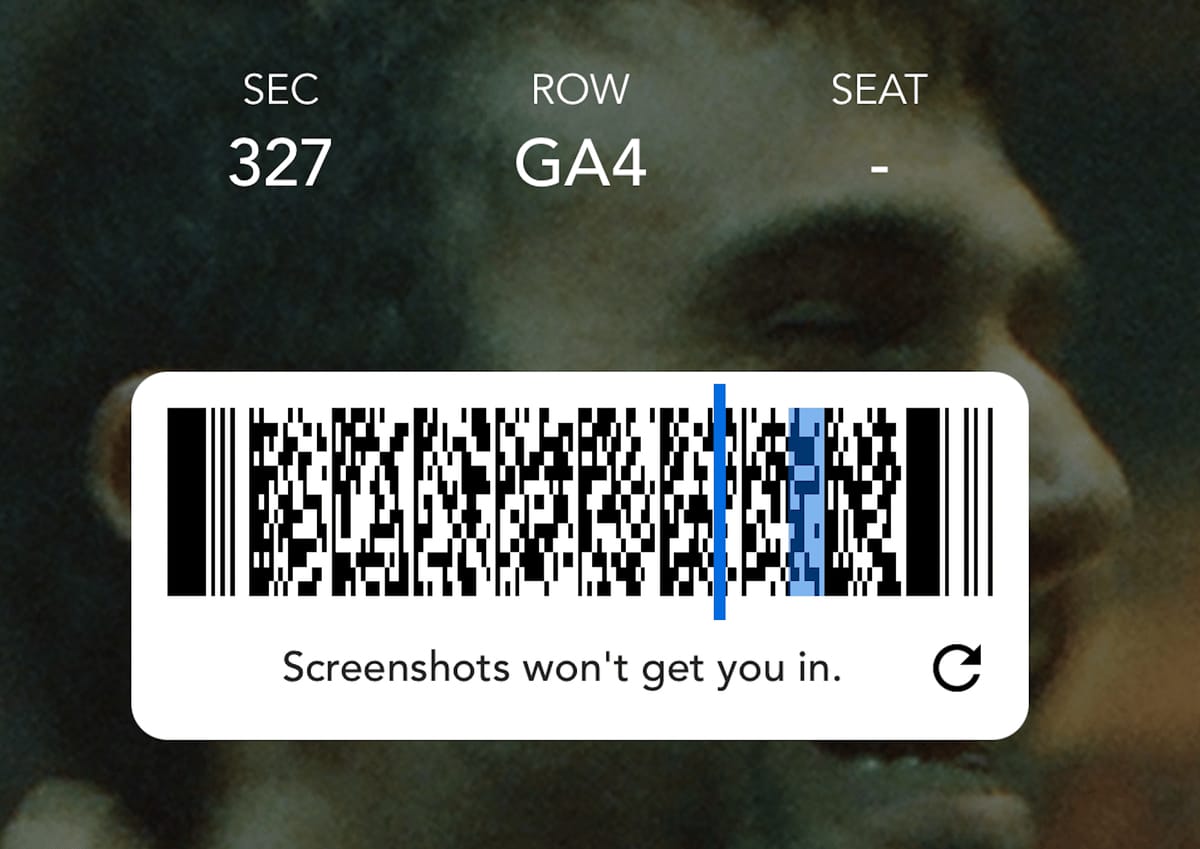
The fundamental difference between platforms comes down to one thing: barcode re-issuance.
Ticketmaster’s Technological Advantage: When you buy a resale ticket for an event on Ticketmaster, their system does something unique: it cancels the original seller’s barcode and creates a brand new, unique barcode just for you.
This one action technologically eliminates the possibility of fraud. The seller can’t sell the same ticket to five different people. No other platform can do this for Ticketmaster events.
Everyone Else’s “Guarantee”: For StubHub, SeatGeek, and Vivid Seats, their “100% Buyer Guarantee” is a financial instrument, not a technological one. They are essentially selling you an insurance policy.
They are betting that the seller is honest. If that bet is wrong, their guarantee kicks in after you’ve been denied entry. It doesn’t prevent the problem; it just offers a (flawed) solution.
A History of Legal & Regulatory Troubles
You need to know that this industry is constantly under a microscope. These companies have a long history of being in legal trouble. Like its controversial counterpart Viagogo, competitors such as StubHub have also been hit with class-action lawsuits.
- Ticketmaster/Live Nation: The company and its CEO, Michael Rapino, have been under intense antitrust investigation by the U.S. Department of Justice (DOJ) for years, culminating in a major lawsuit in 2024 (DOJ Sues Live Nation-Ticketmaster). The absolute meltdown during the Taylor Swift tour on-sale in 2022 was so bad it led to a US Senate Judiciary Committee hearing. Public trust is at an all-time low.
- StubHub: Faced a massive investigation by the UK’s Competition and Markets Authority (CMA) over their merger with Viagogo (CMA/StubHub). They’ve also been hit with class-action lawsuits for their refund policies during the pandemic.
- SeatGeek & Vivid Seats: While not as high-profile, both were part of a 2022 agreement with the New York Attorney General to be more transparent with their pricing. This was a direct result of the “junk fee” backlash.
User Experience & Support: The Great Contradiction
This is the part that makes my head explode. You have these companies spending millions on beautiful, slick, easy-to-use apps with features like interactive seat maps, and then they connect them to a customer support system that seems to be run by three people in a basement.
It’s the great contradiction of the ticket industry.
The Great Contradiction: Why a 4.9-Star App Hides a 1.2-Star Service
Look at these numbers, because they tell a story. The app store ratings are fantastic because the apps are good for browsing. But the Trustpilot and BBB scores reflect what happens when your transaction goes wrong. And that’s the part that truly matters.
| Platform | App Store Rating | Trustpilot Score (mid-2024) | The Reality |
|---|---|---|---|
| SeatGeek | 4.8/5 | 1.2/5 (“Bad”) | Users love the app’s ‘Deal Score’ and clean interface but despise the email-only support. |
| Ticketmaster | 4.7/5 | 1.2/5 (“Bad”) | The app is functional, but the company’s reputation for terrible, unreachable support is legendary. |
| StubHub | 4.6/5 | 4.4/5 (“Great”) | [CONFLICTING DATA] A great Trustpilot score clashes with a dismal 1.07/5 on the BBB (StubHub BBB Profile). |
| Vivid Seats | 4.9/5 | 4.1/5 (“Great”) | [CONFLICTING DATA] High Trustpilot score is contradicted by a 1.1/5 on the BBB (Vivid Seats BBB Profile). |
Part 5: Use Cases & Workflows
Knowing the features and risks is one thing; applying that knowledge to real-world scenarios is another.
How do these Viagogo top alternatives and competitors perform when you’re actually trying to get things done? This section walks through common workflows and how each platform handles them, revealing their practical strengths and weaknesses.
Use Case 1: The High-Stakes Group Outing
Scenario: You’re the designated “planner” for a group of six friends going to a major concert. You need seats together, the budget is tight, and everyone is counting on you.
Workflow & Platform Choice:
- Price Discovery (SeatGeek): Your first step is to establish a baseline cost. You use SeatGeek and immediately toggle on “Prices with fees.” You use their interactive seat map to find sections with 6+ seats available and get a realistic “per-person” cost. You don’t buy here yet, but you now have your budget number.
- Safety Check (Ticketmaster): You check Ticketmaster Verified Resale. Are there any “Verified Resale” blocks of 6 seats? If so, this is your safest but likely most expensive option. The price might be 15-20% higher, but it guarantees all tickets are legitimate and in one transfer.
- Inventory Search (StubHub): You take your SeatGeek price baseline and search on StubHub, which often has the deepest inventory. You find a block of 6 tickets from a “Top Seller” with thousands of reviews. The price looks good initially, but after proceeding to checkout, the fees bring it right in line with SeatGeek’s price.
- The Decision: If the Ticketmaster price is within 10% of the others, you choose it for peace of mind. If the price difference is significant, you might choose the StubHub option from the highly-rated seller, but you accept the minor risk and the potential for day-of-event delivery anxiety. You avoid Vivid Seats because its interface makes filtering for group seats more difficult and the fees are typically the highest.

Use Case 2: The Last-Minute Spontaneous Game
Scenario: It’s 4 PM on a Saturday and you decide you want to go to a basketball game that starts at 7 PM. You need two tickets, and you need them on your phone now.
Workflow & Platform Choice:
- Immediate Search (SeatGeek/Gametime): Your instinct is to check platforms known for mobile-first, last-minute deals. Both SeatGeek and competitor Gametime excel here. Their maps show prices dropping as the event gets closer.
- Delivery is Key: You ignore any listing that says “Tickets will be ready by [Date]” and only look for listings marked “Instant Delivery” or “Mobile Transfer.” This is non-negotiable.
- The Transfer Process: You purchase the tickets on SeatGeek. Within minutes, you receive an email prompting you to accept the ticket transfer from a Ticketmaster account. This is the crucial step: the seller is transferring their primary tickets to you. You log in to your Ticketmaster account and accept. The tickets now live in your Ticketmaster app, complete with a moving, un-screenshot-able barcode (SafeTix).
- The Result: This workflow highlights the interconnectedness of the market. You bought on a third-party site, but the fulfillment and final ticket security relied on Ticketmaster’s infrastructure. This is a common and generally safe workflow for last-minute purchases, as long as you confirm the “instant delivery” feature.
Regardless of which platform you use, always look for an exclusive Viagogo offer to save on your next ticket purchase.
Use Case 3: Dealing with a Rescheduled Event
Scenario: You bought tickets to a festival six months ago. A week before the event, the headliner cancels and the first day is rescheduled from Friday to Monday. You can no longer attend.
Workflow & Platform Pain:
- The Bad News: You check your email. The platform—be it StubHub, SeatGeek, or Vivid Seats—informs you that the event has been rescheduled. Your tickets are still valid for the new date. This is where the pain begins.
- The Refund Request: You contact customer support to request a refund. You will be told that per the universal industry policy, a rescheduled event does not qualify for a refund. Your only option is to use the tickets on the new date or sell them.
- The Resale Trap: You are now forced to become a seller on the very platform you bought from. You list your tickets. However, because a headliner canceled and a prime Friday date moved to a Monday, demand has plummeted. You will be lucky to get 50% of what you originally paid. The platform will also take a ~15% commission from your sale.
- The Outcome: You lose a significant amount of money. This scenario demonstrates that the “guarantee” protects you from a fraudulent ticket, but it offers zero protection against changes in the event itself. This is a risk all buyers on the secondary market unknowingly accept.
Part 6: Alternatives & The Future of Ticketing
The ticketing world is in the middle of a massive shake-up. You have the dominant player, the scrappy challenger, and a whole lot of angry fans and politicians.
Here’s how the competitive positioning for these Viagogo top alternatives and competitors breaks down and what it means for you.
Competitive Positioning
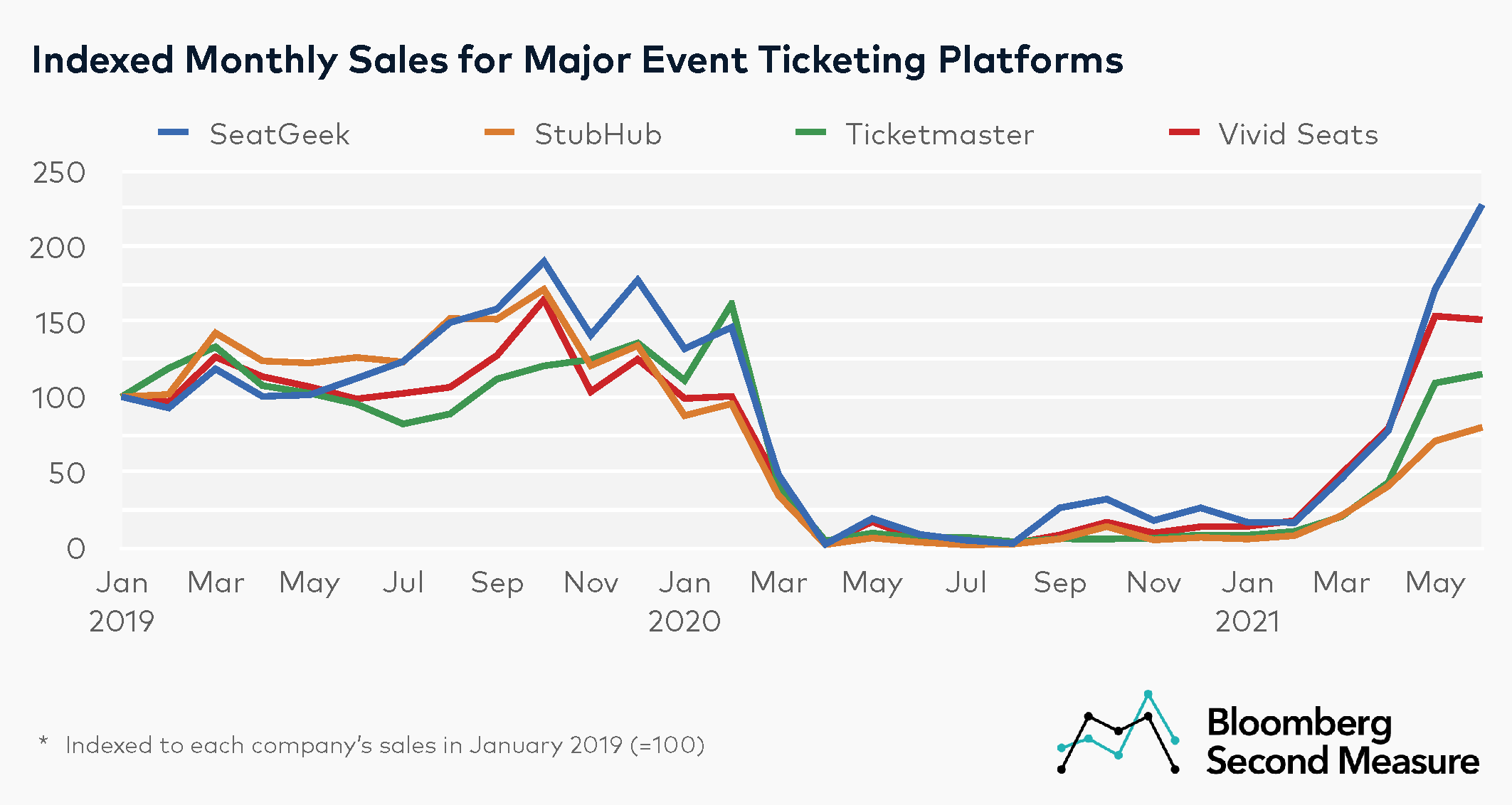
Market Leaders: Ticketmaster (as the primary seller) and StubHub are the old guard, the giants who have dominated the market for years. They have the brand recognition and the volume.
The Challenger: SeatGeek has made a huge splash, especially with younger, tech-savvy fans. Their whole brand is built on being the “transparent” alternative. The White House even praised them by name in 2023 during the push against “junk fees,” which was a massive PR win.
The Niche Player: Vivid Seats isn’t trying to win on user experience or price. Their entire strategy is their loyalty program, which is designed to capture and keep high-frequency power buyers like businesses and ticket brokers.
Verified Competitive Advantages
- Ticketmaster: Advantage: Security. I can’t say this enough: their ability to re-issue barcodes is a technological advantage that no one else has. It is their ultimate trump card for being the safest of the Viagogo top alternatives and competitors.
- SeatGeek: Advantage: Transparency. Their “all-in” pricing toggle and “Deal Score” directly attack the two biggest fears of ticket buyers: hidden fees and getting ripped off.
- StubHub: Advantage: Inventory & Recognition. As one of the oldest players, they have a massive brand name and often the deepest selection of tickets, especially for major U.S. sports like MLB.
- Vivid Seats: Advantage: Loyalty Program. For the tiny fraction of people who buy dozens of tickets a year, their program can offer some value, making their ecosystem very “sticky” for that specific audience.
Future Competitive Shifts
- The War on “Junk Fees”: This is the biggest trend, and it’s a huge win for you. The political pressure against hidden fees is massive. This directly helps SeatGeek’s transparent model and is a direct threat to StubHub and Vivid Seats’ entire business strategy.
- The Threat of Non-Transferable Tickets: On the flip side, Ticketmaster is pushing hard for mobile-only, non-transferable tickets (“SafeTix”). This is an existential threat to the entire resale market. It strengthens Ticketmaster’s monopoly and could starve other platforms of tickets to sell.
- Erosion of Differentiation: As government regulations might force all platforms to show “all-in” pricing, SeatGeek could lose its main selling point. This would force them to compete on customer service, which, as we’ve seen, is their absolute weakest point.
While the market evolves, savvy ticket buyers continue to look for the best Viagogo deals and money-saving offers to keep their costs down regardless of which platform they choose.
Here’s a helpful video on how to avoid ticket scams when purchasing from resale platforms:
Your 4-Step Decision Checklist
- Check the Primary First: Is the event ticketed by Ticketmaster? Go to their site and check the price for a “Verified Resale” ticket first. That’s your safety baseline.
- Demand All-In Pricing: If you’re comparing, go straight to SeatGeek and turn on the “Prices with fees” toggle. This is the real number you should be comparing everywhere else.
- Investigate the Support: Before you buy, do a quick search of the platform’s name + “Trustpilot” or “BBB”. Read the most recent 1-star reviews. Is this a risk you’re willing to take for this specific event?
- Know Your Risk Tolerance: How much would it ruin your day/week/month if these tickets turned out to be fake? If the answer is “a lot,” you should only be using the most secure method possible (Ticketmaster Verified Resale).
Part 7: Conclusion & FAQs
Conclusion
So, after all this, what’s the final word on Viagogo top alternatives and competitors?
The secondary ticket market is, and will likely continue to be, a landscape filled with traps for the unwary. It’s a world of deceptive pricing, legalized price gouging, intentionally ambiguous guarantees, and the shocking paradox of beautiful apps with non-existent customer support.
As an expert who has watched this space for years, I can tell you that the core thesis holds true: there is no perfect platform, only a series of trade-offs.
The “best” choice is not a simple answer; it is a reflection of your personal tolerance for risk. So, after analyzing the market, which platforms are truly viable Viagogo alternatives?
Are you willing to gamble on a slightly cheaper ticket from a site with a support black hole, or will you pay a premium for the peace of mind that comes with a technologically verified ticket? The decision framework I’ve provided is your best tool to navigate these choices.
My final warning to you is this: be skeptical. Use this guide as a tool for consumer protection, demand transparency, and protect your money. Do not trust a platform just because it has a slick app or a flashy ad.
Before you give anyone your credit card number, demand to see the all-in price, investigate their real support reviews, and understand that a “guarantee” is not a promise of a refund. You can also explore more Viagogo top alternatives and competitors insights and always grab a current Viagogo sale or coupon before placing your order. Use this guide, protect your money, and go enjoy the show.
Frequently Asked Questions
Q1: Which ticket site really has the lowest fees?
No site truly has “low” fees, but SeatGeek is the most honest about them. While all major platforms charge significant fees, often between 20-35%, SeatGeek was a pioneer in offering an “all-in” pricing toggle that displays the full cost from the start.
This prevents the “drip pricing” shock you get on sites like StubHub or Vivid Seats, where high fees are only revealed at the final checkout step. While a competitor like TickPick builds its brand on having no buyer fees, their final price is not always the lowest.
The best practice is to use SeatGeek to establish a transparent baseline price and then compare that final number against other Viagogo alternatives.
Q2: Can I get a cash refund if my tickets don’t work?
It is extremely unlikely you will be offered a cash refund first. All major platforms, including StubHub, SeatGeek, and Vivid Seats, design their “100% Guarantee” to push you towards accepting “comparable” replacement tickets or platform credit.
This keeps your money within their ecosystem. According to the buyer guarantee policies, a full cash refund is usually the absolute last resort, offered only when they cannot find replacement tickets. Based on countless user complaints on the Better Business Bureau, you often have to fight tooth and nail to get your money back instead of a credit you may not want (StubHub BBB Profile).
Q3: Why are SeatGeek’s reviews so bad if the app is good?
Because a slick app is not the same as good customer service. SeatGeek has invested heavily in a beautiful, easy-to-use front-end experience for browsing and buying, which is why its App Store rating is high.
However, as documented by its terrible 1.2/5 Trustpilot score as of mid-2024, they have failed to invest in a robust support system to help users when things go wrong. Users report an unresponsive, email-only support system that leaves them stranded during time-sensitive emergencies, creating a “support black hole.” This contradiction is the core risk of using SeatGeek for high-value purchases.
Q4: Is StubHub safer than SeatGeek?
No, they have roughly the same level of risk. Both platforms operate on a “seller-reliant” model, meaning they trust the seller to provide a valid ticket and then offer a guarantee to fix it if the seller fails.
Neither platform can offer the technological security of Ticketmaster’s barcode re-issuance system. Both carry a small but real risk of invalid tickets due to seller error or fraud.
The key difference is in their support reputation; while neither is perfect, StubHub offers phone support, which users may find more reassuring than SeatGeek’s email-only system during a crisis.
Q5: What is the single safest way to buy a resale ticket?
For an event originally sold by Ticketmaster, the safest way is to use Ticketmaster’s own Verified Resale platform. When a ticket is sold, Ticketmaster cancels the original barcode and issues a brand-new, unique one to the new buyer using its SafeTix technology (Ticketmaster SafeTix Info).
This technologically eliminates the possibility of duplicate or fraudulent tickets, a risk that exists on all other third-party marketplaces. For events not ticketed by Ticketmaster, the “safest” option is to buy from the venue’s official box office or primary ticketing partner, if available.
Q6: Is the Vivid Seats Rewards program a scam?
It’s not a scam, but it is a deeply misleading and poor-value loyalty program for most users. The “free” ticket credit you earn is based on the average price of your 10 purchased tickets before fees, which significantly devalues the reward.
Furthermore, the credit itself cannot be used to pay the high service fees on your 11th “free” ticket; you must pay those out of pocket. It’s a lock-in mechanism designed to create loyalty among high-volume power-buyers, like ticket brokers or businesses, not the average fan buying tickets a few times a year. For casual users, it almost never offsets the platform’s higher-than-average fees.
Q7: What are ‘ghost tickets’ and how can I avoid them?
“Ghost tickets” are tickets listed for sale by a seller who doesn’t actually own them yet. They are gambling that they can acquire the tickets for a lower price before they have to deliver them to you.
This creates a huge risk that your order will be canceled at the last minute if they fail, ruining your plans. The only way to completely avoid them is to buy from Ticketmaster’s Verified Resale platform, where sellers must have the ticket in their account to list it.
On other sites like StubHub or SeatGeek, you are relying on their policy enforcement, which is not foolproof, as confirmed by user complaints on forums like Reddit.
Q8: Why is Ticketmaster so unpopular if it’s the safest option?
This is the great paradox of the ticketing market. Ticketmaster is unpopular due to its perceived monopoly power, high primary-sale fees, and history of system failures and poor customer service.
Many fans and government bodies believe the company’s dominance, especially after its merger with Live Nation, stifles competition and drives up prices across the board (DOJ Sues Live Nation-Ticketmaster).
So while their resale platform is technologically the safest of the Viagogo top alternatives and competitors, many users have deep-seated resentment towards the company’s business practices as a whole.