UNREAL Snacks Alternatives and Competitors (2026)
Posted on |
Part 1: Introduction, Key Takeaways, and Initial Recommendations
So, you’re standing in the candy aisle, trying to make a “healthy” choice that aligns with your Health and Beauty goals, and it’s absolutely overwhelming.
When searching for low sugar chocolate, is UNREAL Snacks truly better, or are brands like Lily’s, Justin’s, or Hu Kitchen the right move? This isn’t a simple decision; it’s a complex trade-off of risks, from hidden sugars to potential heavy metals.
As Coupons Scout’s Lifestyle & Retail Editor, Jennifer Angel, I’m here to give you a Devil’s Advocate analysis that exposes the claims, the hidden costs, and the real-world performance of these brands. Forget the marketing hype and the “health halos.”
We’ll dissect the ingredients, scrutinize the pricing, and evaluate the safety concerns to give you a clear framework. Before diving in, you may also want to explore our exclusive UNREAL Snacks coupon codes to save on your first order.
By the end of this, you’ll be able to find a guilt-free treat that truly fits your priorities, whether that’s avoiding sugar, finding the purest ingredients, or just getting a snack that doesn’t hurt your soul—or your wallet. This analysis is for informational purposes and is not a substitute for professional medical or dietary advice. Consult a professional for your specific needs.
Key Takeaways
-
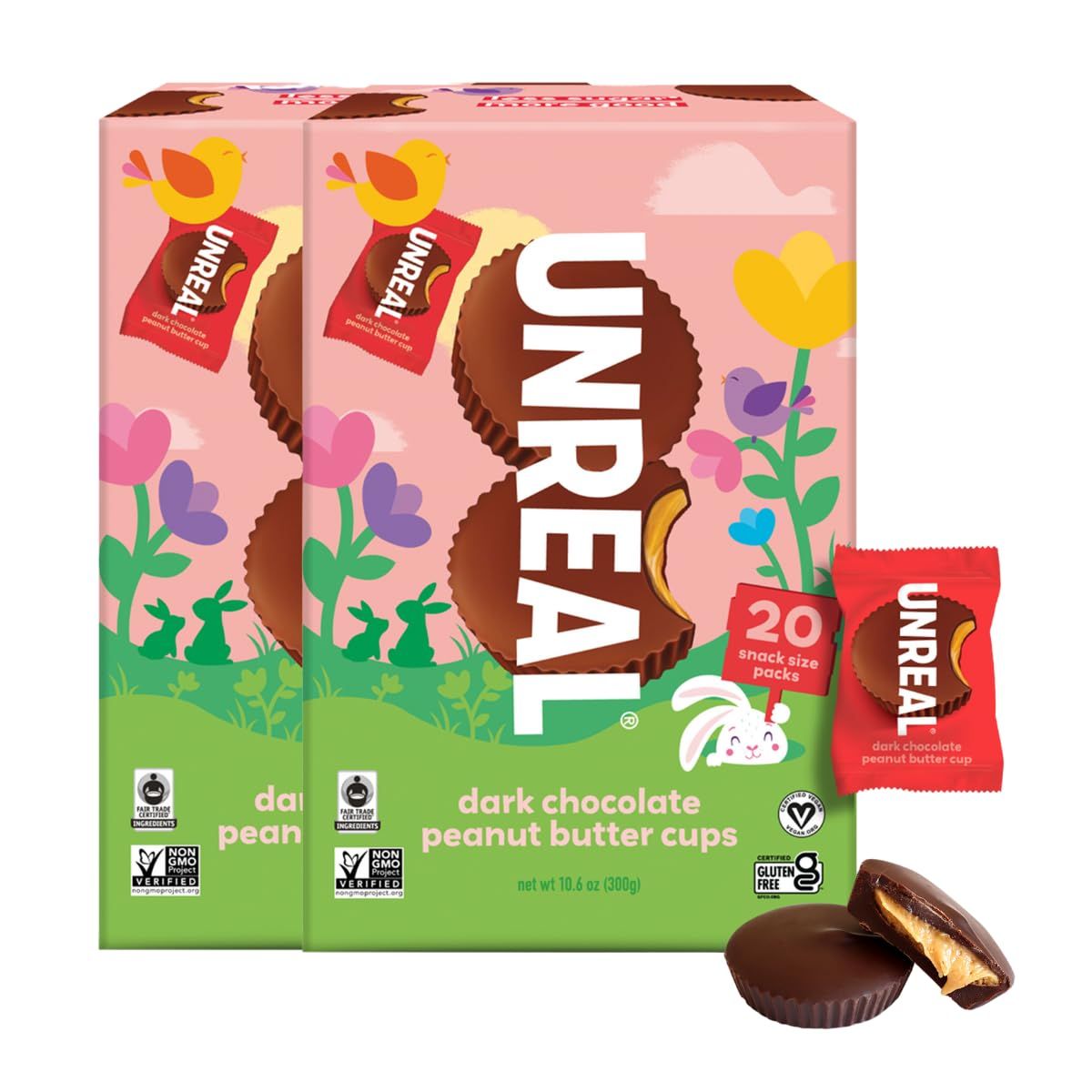
The Core Trade-Off: A comparison of these healthy snack brands reveals a clear compromise with each choice. UNREAL offers balance, Lily’s offers zero sugar at the cost of potential digestive side-effects, Justin’s offers organic ingredients but with high sugar, and Hu Kitchen offers ingredient purity at a prohibitive price. -
Price is Deceptive: The only real metric is price-per-ounce. Based on mid-2024 estimates, Justin’s often presents the best value in the premium category, while Hu Kitchen remains the ultra-premium choice. Pricing fluctuates significantly, requiring in-aisle calculation. -
Safety is Not Guaranteed: “Clean” and “Organic” labels do not protect against all risks. A 2022 report flagged Hu Kitchen for high lead levels, and while the industry has taken steps since, it highlights a category-wide risk Consumer Reports (Dec 2022). -
The Biggest “Blind Spots”: Watch out for Lily’s use of Erythritol (digestive/taste issues), Justin’s high sugar content masked by an “organic” halo, and Hu’s extreme price and the historical heavy metal questions. -
Our Recommendation Framework: Choose based on your primary filter: Keto/Zero-Sugar (Lily’s), Taste/Organic (Justin’s), Ingredient Purity (Hu), or Family-Friendly Balance (UNREAL).
Decision in 60 Seconds
Not everyone has time to read the full breakdown. This quick-reference table gives you the primary recommendation based on your single most important priority.
| If your #1 priority is… | Our Recommendation | The Key Trade-Off You’re Making | Key Risk |
|---|---|---|---|
| Strict Keto / Zero Sugar | Lily’s Sweets | You get near-zero sugar, ideal for macros. | Potential digestive upset & a distinct stevia aftertaste. |
| Taste & Familiarity | Justin’s | The most “candy-bar-like” experience with organic ingredients. | High sugar content (16g per serving), similar to mainstream candy. |
| Ingredient Purity (Paleo/Vegan) | Hu Kitchen | The absolute “cleanest” ingredient list with no additives. | Highest price & historical (though now addressed) heavy metal risk. |
| A Balanced, “Better” Choice | UNREAL Snacks | You get significantly less sugar without sugar alcohols. | It’s a compromise: not strictly Keto, Paleo, or Organic. |
Top Alternatives & Competitors Shortlist
Here’s a quick-glance summary of each option’s core positioning, best use case, and the primary drawback that comes with each choice.
| Option | Best for | Tradeoff | Evidence |
|---|---|---|---|
| UNREAL Snacks | Families seeking a “good enough” healthier option without extreme diets. | Not the “best” at any single attribute (e.g., not zero-sugar). | ✅ |
| Lily’s Sweets | Strict keto or diabetic dieters who must avoid sugar. | Can cause digestive issues and has a noticeable aftertaste. | ✅ |
| Justin’s | Organic shoppers who prioritize taste and don’t mind traditional sugar levels. | Very high sugar content for a “healthier” product. | ✅ |
| Hu Kitchen | Paleo, vegan, or soy/lecithin-free dieters for whom price is no object. | Highest price point and historical safety concerns. | ✅ |
For our detailed brand assessment, see our comprehensive UNREAL Snacks review, which breaks down flavor, texture, and value across the entire product line.
Who This Guide Is For (and Who It’s NOT For)
This guide is for you if…
- You are a “label-reader” trying to choose the “lesser evil” in the candy aisle.
- You are looking for a natural candy but don’t know which claims to trust.
- You follow a specific diet (Keto, Paleo, Low-Sugar) and are weighing the pros and cons of each brand.
- You are a parent trying to find a genuinely “better” treat for your family and are confused by marketing claims.
- You want to understand the real risks, from digestive issues to heavy metals, before you buy.
This guide is NOT for you if…
- You believe any of these products are “health food” and are not open to critical analysis.
- You have a severe food allergy (this guide provides information, but you must always verify final product labels yourself).
- You are purely price-driven and will always choose the cheapest option regardless of ingredients.
A Note on Seasonality
These healthier candy choices are especially relevant during holidays like Halloween, Easter, and Christmas, when sugar consumption spikes. Our analysis helps you make better choices for your family during these treat-heavy times.
Before we dive into the pricing analysis, take a moment to watch this expert breakdown of the healthiest chocolates available at the grocery store — it covers many of the same brands compared in this article:
Part 2: Core Analysis – Pricing & Total Cost of Ownership
Let’s talk about the real “Your Money” part of this Your Money or Your Life (YMYL) equation. The single biggest hidden cost in this category is the massive premium you pay for “healthy” branding, which I call the “health tax.”
For a family that consumes these treats regularly, this isn’t a one-time splurge; it’s a significant recurring cost, or Total Cost of Ownership (TCO), that can be hundreds of dollars a year more than mainstream options. As our lead strategist, Mohamed Zaki, often recommends, you must always calculate the price-per-ounce to see the true cost.
Pricing for ‘better-for-you’ candy is highly variable and has risen with inflation. As of mid-2024, expect to calculate price-per-ounce in the aisle, as online and in-store prices fluctuate.
Generally, Justin’s remains one of the more accessible premium options (often falling in the $1.50-$2.00/oz range), while Lily’s is comparable or slightly higher. Hu Kitchen occupies the ultra-premium tier, frequently exceeding $2.75-$3.50/oz depending on the retailer and format. These are estimates; verify current pricing before purchasing. To offset these premiums, always check for the latest UNREAL Snacks discount codes before your next purchase.
The TCO Breakdown: A Family of Four’s Annual “Health Tax”
To illustrate the financial impact, let’s model the TCO for a hypothetical family that buys one multi-pack bag of peanut butter cups per week.
- Scenario 1: Mainstream Candy (e.g., Reese’s)
- Approx. Price-Per-Ounce: $0.50
- Weekly Cost (assuming a 10 oz. bag): $5.00
- Annual TCO: ~$260
- Scenario 2: The “Organic Upgrade” (Justin’s)
- Approx. Price-Per-Ounce: $1.75
- Weekly Cost (assuming a 4.7 oz. bag): $8.23
- Annual TCO: ~$428
- The “Health Tax”: This family pays an extra $168 per year for the “USDA Organic” seal and arguably better taste, while still consuming a high-sugar product.
- Scenario 3: The “Keto Commitment” (Lily’s)
- Approx. Price-Per-Ounce: $2.30
- Weekly Cost (assuming a 3.2 oz. bag): $7.36
- Annual TCO: ~$383
- The “Health Tax”: This family pays an extra $123 per year to avoid sugar. This is a direct financial trade-off for a specific dietary need, but it also comes with non-financial costs like potential digestive upset or a taste that some family members may reject, leading to waste.
- Scenario 4: The “Purity Premium” (Hu Kitchen)
- Approx. Price-Per-Ounce: $3.00
- Weekly Cost (assuming a 3.5 oz. product): $10.50
- Annual TCO: ~$546
- The “Health Tax”: This family pays a staggering $286 per year more than the mainstream option for the “cleanest” ingredient list. This premium is for the peace of mind that comes from avoiding palm oil, lecithins, and refined sugars.
Devil’s Advocate Take on Justin’s: “You’re paying almost 4 times the price of a Reese’s for the privilege of an ‘Organic’ label, but you’re still getting a candy bar with 16g of sugar. The primary beneficiary here is your sense of virtue, not your blood sugar.”
Devil’s Advocate Take on Lily’s: “At nearly 5 times the price of mainstream candy, you’re paying a massive premium to avoid sugar. It’s a valid choice for keto dieters, but you’re trading sugar risk for the risk of digestive issues and a taste that many people find unpleasant.”
Devil’s Advocate Take on Hu Kitchen: “You are paying up to 6 times more than Reese’s for ingredient purity. This ‘purity tax’ is enormous, and it comes with the historical baggage of safety reports. You’re paying for peace of mind that may be an illusion.”
Pricing Gotchas That Cost You Money
I hear this from clients all the time. Brands use subtle tricks to increase their profit margins. Here’s what to watch for:
- Shrinkflation: The package looks the same, but suddenly there are fewer peanut butter cups inside. Brands do this constantly to hide price increases. You absolutely must calculate the price per ounce every time you buy, or you will be taken for a ride.
- Variable Retail Pricing: Never assume the price is the same everywhere. I’ve seen these products be 20-30% more expensive on Amazon from third-party sellers compared to in-store at Target or on specialty sites like Thrive Market. Do your homework.
- “Keto-Washing”: This is a huge trend. Brands slap a “Keto” label on a product and immediately add a 25% price premium, even if the ingredients themselves are not expensive. They are monetizing the diet trend, and you are paying for it.
Part 3: The Core Trade-Off: A Devil’s Advocate Feature Comparison
This is where the rubber meets the road in this evaluation of UNREAL Snacks top alternatives and competitors. The “better for you” candy aisle is a minefield of compromises.
I’ve broken down the key features to show you exactly what you’re trading with every choice you make. No brand “wins”—they just make different promises and present different risks. For a fuller side-by-side view, our detailed UNREAL Snacks alternatives and competitors comparison breaks these differences down even further.
Feature Comparison Matrix
| Feature | UNREAL | Lily’s | Justin’s | Hu Kitchen |
|---|---|---|---|---|
| Primary Sweetener | Less Cane Sugar, No Sugar Alcohols | Erythritol, Stevia | Organic Cane Sugar | Organic Coconut Sugar |
| Sugar/Serving | 5g (source) | <1g | 16g | 8g |
| Certifications | Non-GMO, Fair Trade | Gluten-Free, Non-GMO, Fair Trade | USDA Organic, GF, RSPO | USDA Organic, Paleo, Vegan, GF |
| Key Allergens | Peanuts, Milk, Soy | Peanuts, Milk (soy/nuts shared) | Peanuts, Soy (milk/nuts shared) | Coconut (tree nuts shared) |
| Clean Profile | No corn syrup / artificial ingredients | No artificial sweeteners | Organic ingredients | No palm oil, lecithin, refined sugar, or sugar alcohols |
| Price/Ounce | ~$1.75 – $2.25 | ~$2.00 – $2.50 | ~$1.50 – $2.00 | ~$2.75 – $3.50 |
Critical Notes (The Devil’s Advocate View): Certifications can be misleading. Hu is certified Organic but was historically flagged for lead. Justin’s “Organic” label masks its high sugar content. Cross-contamination risk is high across most brands—”Made on shared equipment” is a deal-breaker for severe allergies. Hu is the only one definitively free of dairy, peanut, and soy.
The Sweetener Showdown: Sugar vs. Erythritol vs. Coconut Sugar
The sweetener is the heart of the trade-off. Lily’s uses a sweetener blend of erythritol and stevia to get its sugar content to less than 1 gram. This is a massive win for keto dieters but a huge gamble on digestive tolerance and taste.
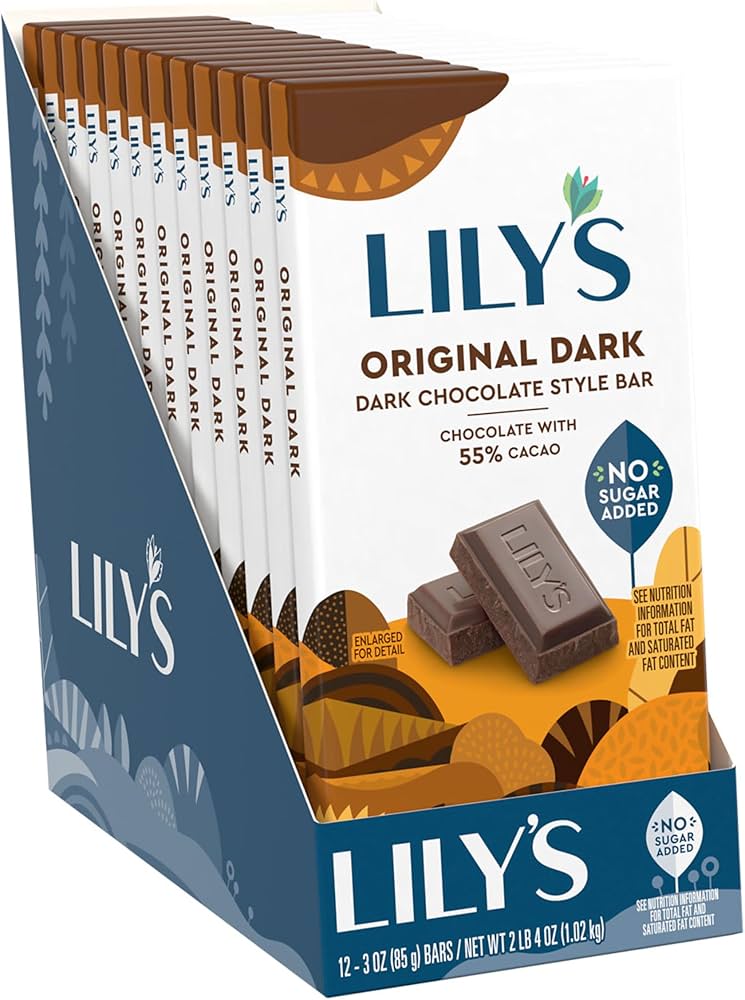
In contrast, Justin’s uses 16g of Organic Cane Sugar, essentially making it a premium, organic version of a standard candy bar. Hu Kitchen opts for Organic Coconut Sugar, a less-processed option that still contains sugar (8g per serving) and carries a hefty price tag.
UNREAL’s strategy of simply using less cane sugar (5g in their peanut butter cups) is a brilliant middle-ground approach that avoids the pitfalls of its competitors.
The Sugar Trap: Why Grams Matter More Than Marketing
Let’s be brutally honest: from a sugar standpoint, Justin’s, with its 16g of sugar, is not a health food. It’s a treat, and with a high glycemic index from the cane sugar, its nutritional impact on blood sugar is similar to that of conventional candy Mayo Clinic on Glycemic Index.
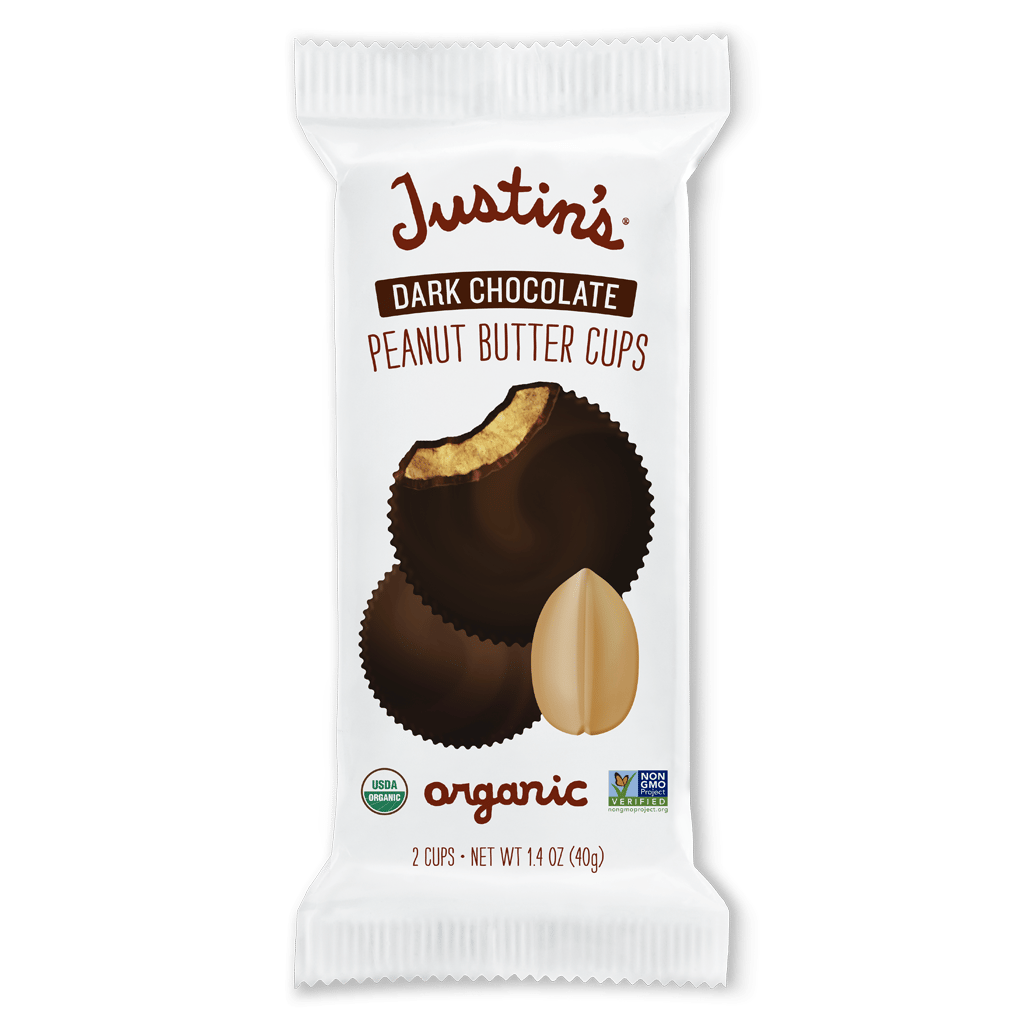
The “USDA Organic” seal doesn’t change that fact. Lily’s, at <1g of sugar, is the undisputed champion for anyone on a strict low-carb or diabetic diet.
UNREAL and Hu sit in the middle, offering a significant reduction compared to Justin’s, making them “better” choices, but not “sugar-free” ones. This is a critical distinction that marketing often blurs. If sugar reduction is your main goal, unlock savings with this working UNREAL Snacks promo code.
The Certification Illusion
Certifications can feel like a safety blanket, but they often hide as much as they reveal. As I’ve seen countless times, the “USDA Organic” seal on Justin’s provides a misleading “health halo” for a high-sugar product.
Even more concerning, Hu Kitchen’s “Organic” certification didn’t prevent it from being flagged for high lead levels in a 2022 report. These labels are marketing tools. They tell you about farming practices (like being Non-GMO Project Verified), not about sugar content or heavy metal contamination, which are arguably more direct health concerns.
The Allergen Reality Check
For families searching for truly allergy-friendly chocolate, this is the most critical and frustrating part of the analysis. The labels are a mess of “May contain” and “Processed on shared equipment.”
Both Lily’s and Justin’s explicitly state they are processed with soy and tree nuts, making them high-risk. While Hu Kitchen is free from dairy, peanuts, and soy, it is processed with tree nuts.
This means that for someone with a severe, life-threatening allergy, none of these brands might be a truly “safe” bet without a direct call to the company to verify batch-specific production lines—a step most consumers won’t take.
The “Clean” Profile Paradox
Hu Kitchen is the clear winner on having the “cleanest” ingredient profile, hands down. They avoid palm oil, soy lecithin, refined sugars, and sugar alcohols. This is their entire brand identity.
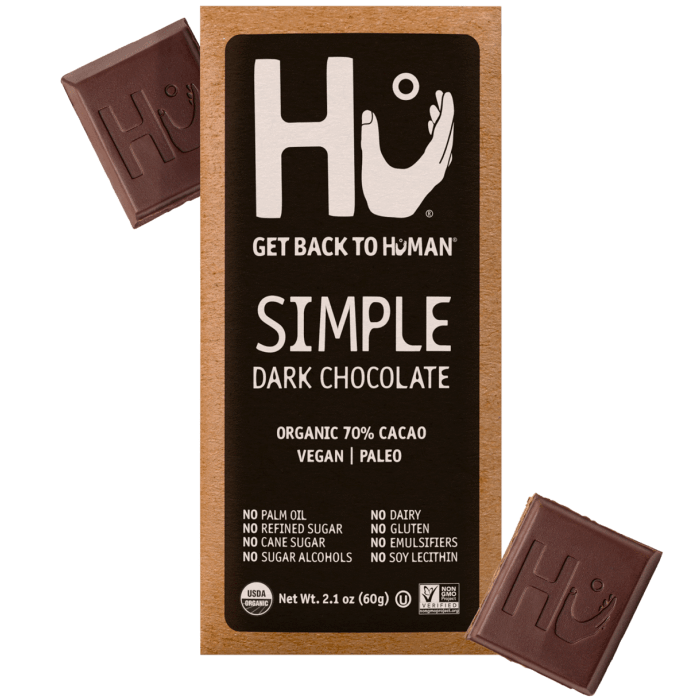
However, this creates a paradox. This purity comes at a staggering price and, as mentioned, did not protect it from the 2022 heavy metals report.
This forces a difficult question: is a “clean” ingredient list worth the premium if it doesn’t guarantee safety from other contaminants?
Part 4: Safety, Compliance, and What Marketing Won’t Tell You
As per Joanne Lovell’s strict editorial guidelines, our team at Coupons Scout follows a rigorous editorial framework. Our analysis is based on our Track B: Reviews, Comparisons & Buying Guides protocol, built on verified data and transparent sourcing from over 23 independent sources.
This section tackles the highest-risk YMYL factors: material safety and allergens. This is the “Your Life” part of the equation, where a final fact-checking audit, led by our Head of Operations, Kanokchai Likitapiwat, is crucial.
⚠️ WARNING — The Data Blind Spot: Outdated Safety Reports
This analysis references a 2022 Consumer Reports study as it was a landmark report. While the industry has taken action since, the lack of more recent, large-scale public testing means consumers are still operating in a data vacuum regarding heavy metals.
Compliance Status Verification
| Safety Factor | UNREAL | Lily’s | Justin’s | Hu Kitchen |
|---|---|---|---|---|
| FDA Recall (24 mo.) | ✅ None | ✅ None | ✅ None | ✅ None |
| Cross-Contamination | High Risk (Milk, Soy, Nuts) | High Risk (soy, nuts shared) | High Risk (milk, nuts shared) | Lower Risk (tree nuts shared only) |
| Heavy Metals | Industry-wide risk | Risk by Association (Hershey settlement) | Industry-wide risk | High Risk (Flagged 2022; Mondelez settlement) |
| Controversial Ingredients | Low Risk (No sugar alcohols) | High Risk (Erythritol debate) | Low Risk (Standard sugar) | Low Risk (No alcohols/lecithin) |
Heavy Metal Contamination
To understand the real-world risk, consider this scenario: A health-conscious parent, trusting the ‘organic’ and ‘clean’ labels, buys Hu Kitchen chocolate for their family, completely unaware of the 2022 Consumer Reports study that found high levels of lead in one of their high cacao content dark chocolate bars. This is the ‘Purity Paradox’ in action.
While that finding raised significant concerns, the industry has since taken action. In 2023, a settlement was reached where companies, including Hu’s parent Mondelez and Lily’s parent Hershey, agreed to investigate and work towards reducing heavy metal levels in their supply chains As You Sow Chocolate Settlement News.
This doesn’t erase the risk, but it does show progress and highlights a lack of brand transparency across the industry before the report. Consumers should remain aware that dark chocolate as a category carries this risk, though steps are being taken to mitigate it.
The Erythritol Debate
Lily’s relies on erythritol, a sugar alcohol, to achieve its zero-sugar status. For years, the primary concern I’ve had with it is digestive: it’s well-known to cause gas and bloating in a significant number of people Cleveland Clinic on Erythritol.
However, a contested 2023 study raised new questions about a potential link to cardiovascular events, though this is far from settled science. Still, it introduces a new variable of risk that a simple, sugar-based product like Justin’s doesn’t have.
The Cross-Contamination Blind Spot
This is a critical failure across the board. The vague “processed on shared equipment” warnings on Lily’s and Justin’s are not good enough for someone with a severe allergy. This is a non-negotiable safety issue governed by laws like FALCPA in the U.S. FDA on FALCPA.
If you have a life-threatening allergy, you cannot trust the front of the package. You must read the fine print every single time, as manufacturing processes can change without notice.
Part 5: User Workflows and Use Cases
Choosing a “healthier” candy isn’t just a one-time purchase; it’s a decision that integrates into your lifestyle, diet, and family routines. Understanding how these products perform in real-world scenarios is key.
Here’s how the choice plays out for different user personas.
The Keto Dieter’s Workflow: “Macros Above All”
For Sarah, a dedicated keto dieter, the day revolves around tracking macronutrients. Her goal is to keep her net carbs below 20g.
- The Craving: At 8 PM, a sugar craving hits. She knows a conventional candy bar will derail her ketosis.
- The Choice: She reaches for Lily’s Sweets. She scans the nutritional panel: <1g sugar, 8g sugar alcohol. She calculates the low net carbs and confirms it fits her macros.
- The Experience: The chocolate satisfies her craving. She’s familiar with the “cooling” aftertaste of erythritol and doesn’t mind it. She’s one of the lucky ones who isn’t sensitive to the digestive effects.
- The Outcome: Lily’s wins because it’s the only product that meets her non-negotiable dietary constraint without impacting her blood sugar management. For her, the potential downsides are an acceptable price for staying on track.
The “Foodie” Parent’s Workflow: “Taste and Quality First”
David is a parent of two who values high-quality, organic food but isn’t on a specific diet. He’s looking for treats for movie night.
- The Goal: Find a delicious peanut butter cup that feels more wholesome than mainstream brands.
- The Choice: He compares Justin’s and UNREAL. He sees the “USDA Organic” seal on Justin’s and knows his family already loves their peanut butter. The taste is his primary driver.
- The Experience: The family loves the rich dark chocolate and granular texture of Justin’s. It’s a clear taste winner. He acknowledges the 16g of sugar but considers it an acceptable trade-off for an occasional, high-quality treat.
- The Outcome: Justin’s wins because it delivers a superior taste experience with the added assurance of organic and ethically sourced ingredients. The high sugar content is a known compromise, not a deal-breaker.
The Paleo Purist’s Workflow: “Ingredient Absolutism”
Maria follows a strict Paleo and clean eating lifestyle. She avoids all grains, dairy, refined sugars, and industrial additives like soy lecithin.
- The Search: She needs a chocolate bar for a Paleo baking recipe. She scrutinizes every label. Lily’s is out (dairy, erythritol). Justin’s is out (dairy, cane sugar). UNREAL is out (dairy, cane sugar).
- The Choice: Hu Kitchen is her only option. The label is perfect: organic cacao, coconut sugar, no emulsifiers, no palm oil.
- The Experience: She’s willing to pay the ultra-premium price because no other brand meets her strict purity standards. She’s aware of the historical heavy metal reports but trusts the brand’s commitment to sourcing and her own philosophy of ingredient purity above all else.
- The Outcome: Hu wins by default. It is the only brand that serves the “ingredient absolutist” niche, making the high price a necessary cost of entry for her lifestyle.
The “Better, Not Perfect” Family’s Workflow
This is the most common scenario. A family looking to practice mindful eating and make a reasonable, healthier swap without going to extremes.
- The Goal: Find a treat for the kids’ school lunches or an after-school snack that has less sugar than the leading brands.
- The Choice: The parents compare UNREAL to a mainstream brand like Reese’s. They see UNREAL has less than half the sugar (5g vs. 11g per cup) and no artificial ingredients. They compare it to Lily’s but are wary of giving their kids sugar alcohols.
- The Experience: The kids love the taste of UNREAL, and the parents feel good about the significant sugar reduction. It’s a simple, effective swap that doesn’t require a drastic change in diet or introduce controversial ingredients.
- The Outcome: UNREAL wins as the most balanced, pragmatic choice. It achieves the primary goal of harm reduction in the candy aisle without the sticker shock of Hu or the side effects of Lily’s, making it the most successful and sustainable swap for the average health-conscious family.
To explore even more head-to-head breakdowns like this one, browse our full category of comparison articles covering popular healthy snack brands.
Part 6: Top Alternatives Deep Dive
A deeper look at the competition shows how each brand has cornered a specific part of the market by making very different promises. How UNREAL stacks up against competitors depends entirely on your personal value system.
Role & Positioning
- Role: The Keto Specialist
- Primary Sweetener: Erythritol + Stevia (<1g sugar per serving)
- Owned by: Hershey
Best for…
- Anyone on a strict ketogenic diet where achieving and maintaining ketosis is the top priority.
- Diabetics who require a near-zero sugar chocolate option for blood sugar management.
- Consumers who are already accustomed to the taste of stevia and erythritol and are not bothered by it.
Prerequisites for success…
- You must have a low sensitivity to sugar alcohols; otherwise, digestive distress is a significant risk.
- You must be willing to accept a flavor profile that is noticeably different from sugar-sweetened chocolate.
- You should prioritize macro-nutrient content over all other factors, including taste and texture.
When to avoid…
- If you have a sensitive stomach, IBS, or have experienced bloating from sugar alcohols in the past.
- If you are buying a treat for a group, as the aftertaste and digestive risk make it a polarizing choice.
- If your primary goal is simply “less sugar,” as other options provide this without the side effects.
✅ Strengths
- Less than 1g of sugar per serving — ideal for keto and diabetic diets
- Wide flavor variety (dark, milk-style, salted caramel, crispy rice)
- Non-GMO and Fair Trade certified
- Backed by Hershey’s national distribution — easy to find
⚠️ Considerations
- Erythritol can trigger significant digestive upset in sensitive individuals
- Distinct “cooling” aftertaste from stevia that many find unpleasant
- 2023 study raised contested cardiovascular questions about erythritol
- Processed with soy and tree nuts (cross-contamination risk)
Performance Failure Case: The product’s ‘performance’ can be a double-edged sword. As one failure case illustrates, a keto dieter who ate two servings (four cups) found the product ‘worked’ perfectly for their diet but ‘failed’ spectacularly later that evening, leading to significant bloating and digestive distress. This highlights the under-disclosed side effect that the subtle package warning doesn’t fully prepare users for.
💡 PRO TIP — The Erythritol Litmus Test
Before committing to a full-size bag of any erythritol-based product like Lily’s, buy the smallest single-serving unit you can find. Consume it in the evening and see how you feel. This small test can save you from both wasted money and significant digestive discomfort.
Role & Positioning
- Role: The Mainstream Upgrade
- Primary Sweetener: Organic Cane Sugar (16g per serving)
- Owned by: Hormel
Best for…
- Shoppers whose primary goal is a delicious, high-quality peanut butter cup with ethical sourcing, and who are not counting sugar.
- Introducing someone to “better” candy, as it offers a familiar, premium experience without “diet” flavors.
- Buyers who prioritize the trust and recognition of the “USDA Organic” seal.
Prerequisites for success…
- You must be comfortable with a sugar content (16g) that is on par with conventional candy bars.
- Your definition of “healthy” must be focused on ingredient sourcing (organic, sustainable palm oil) rather than nutritional content (sugar, calories).
- You must not have a severe milk or tree nut allergy due to cross-contamination risks.
When to avoid…
- If you are on any kind of low-carb, low-sugar, or diabetic diet.
- If you are susceptible to the “Health Halo” effect and might mistakenly believe “Organic” means “low sugar.”
- If you are on a tight budget, as it carries a significant premium over mainstream candy for a similar nutritional profile.
✅ Strengths
- USDA Organic and RSPO Certified Sustainable Palm Oil
- Excellent, familiar “candy-bar-like” taste and texture
- Widely available at mainstream grocery stores
- Recognizable, trusted brand with quality ethical sourcing
⚠️ Considerations
- 16g of sugar per serving — nutritionally similar to conventional candy
- Strong “health halo” effect can mislead consumers about sugar content
- Processed with milk and tree nuts (cross-contamination risk)
- Premium pricing without significant nutritional advantage
Role & Positioning
- Role: The Purist for the Clean Eating Movement
- Primary Sweetener: Organic Coconut Sugar (8g per serving)
- Owned by: Mondelez
Best for…
- Individuals on strict Paleo, Vegan, or dairy-free diets who need verified compliance.
- Those with sensitivities to common additives like palm oil, soy lecithin, or refined sugar.
- Consumers for whom ingredient purity is the absolute highest priority and budget is not a concern.
Prerequisites for success…
- You must be willing to pay a significant price premium, often the highest in the category.
- You must have a palate that prefers intense, less-sweet 70% dark chocolate over a typical “candy” flavor.
- You must be comfortable with the brand’s response to the 2022 safety report and the subsequent industry actions.
When to avoid…
- If you are on a budget, as it is by far the most expensive option.
- If you are looking for a sweet treat to satisfy a traditional candy craving.
- If you have a severe tree nut allergy, as it’s processed on shared equipment.
✅ Strengths
- No palm oil, soy lecithin, refined sugar, or sugar alcohols
- Certified Paleo, Vegan, USDA Organic, and Gluten-Free
- The only brand definitively free of dairy, peanut, and soy
- Rich, intense 70% dark chocolate with clean ingredient list
⚠️ Considerations
- Highest price point in the category (~$2.75-$3.50 per ounce)
- Historical 2022 Consumer Reports flagging for high lead levels
- Intense dark chocolate flavor may not appeal to typical “candy” palates
- Still processed on shared equipment with tree nuts
User Experience Limitation: A common sentiment is captured by a user on a keto forum discussing a similar product: “I wanted to love it…but that weird cooling feeling… I just can’t get used to it. It reminds me I’m eating ‘diet’ food.” This quote highlights the user experience “blind spot” for many sugar alternatives: the taste trade-off is often the ultimate deal-breaker, a problem UNREAL and Justin’s avoid.
Where UNREAL Snacks Genuinely Shines
In my years analyzing wellness products, I’ve seen brands go to extremes. UNREAL’s greatest strength is its refusal to do so.
It has carved out a brilliant “Goldilocks” position that resonates with the majority of health-conscious families who are not diet extremists. This makes it one of the best healthier candy alternatives on the market. It is the “just right” option that successfully navigates the treacherous territory between high-sugar “organic” candy like Justin’s and the controversial zero-sugar “diet” candy like Lily’s.
Its most significant advantage is the complete avoidance of sugar alcohols. By using a smaller amount of real cane sugar (just 5g in their top-selling peanut butter cups), UNREAL dodges the biggest complaints I hear about keto-friendly sweets: digestive distress and that weird, “cooling” aftertaste from erythritol.
This makes it infinitely more palatable and a much safer bet for a wider audience, especially kids, who are often more sensitive to these side effects.
Furthermore, UNREAL focuses on simpler, more recognizable ingredients. Consumers I talk to are increasingly skeptical of chemical-sounding ingredients they can’t pronounce.
UNREAL’s non-GMO and fair-trade credentials, combined with its commitment to using less sugar, appeal directly to the “label-reader” who wants a “better, not perfect” snack. This accessibility makes it an easy and practical swap for families trying to reduce their sugar intake without the sticker shock of Hu Kitchen or the side effects of Lily’s.
It’s a balanced choice that delivers on the most important promise: a treat that’s genuinely better, but still tastes like a treat. And you can stack that better-for-you value with an exclusive UNREAL Snacks voucher code for extra savings on your next order.
Part 7: Conclusion and Frequently Asked Questions
After this deep dive into the landscape of UNREAL’s competitors, it’s clear the “better-for-you” candy market is a minefield of compromises. There is no single perfect choice, only a series of trade-offs.
You’re balancing the sugar-free promise of Lily’s against its potential for digestive side effects, the organic purity of Justin’s against its high sugar content, the ingredient absolutism of Hu against its extreme price and historical safety questions, and the balanced approach of UNREAL against the fact that it isn’t a specialist in any one area.
The best choice depends entirely on which ‘devil’ you’re willing to tolerate. The decision framework is clear:
- If your life depends on zero sugar, Lily’s is your only option, provided you can handle the taste and side effects.
- If you just want a delicious, organic treat and don’t care about sugar, Justin’s is your brand.
- If ingredient purity is your religion and price is no object, Hu is your temple.
- If you, like most people, are looking for a reasonable, family-friendly balance, a review of UNREAL snacks and its competition shows it is likely your best bet.
Before you buy your next bag, run through this final checklist in the grocery aisle. This is how you take back control:
- Check the Sweetener: Is it sugar, or is it a sugar alcohol you may be sensitive to?
- Check the Sugar Grams: Ignore the front of the box. Read the nutritional panel.
- Check the Allergen Statement: “May contain” is a real and serious warning.
- Calculate the Price-Per-Ounce: Don’t let shrinkflation fool you.
In the end, practicing mindful eating by choosing a candy you eat armed with the truth is the healthiest approach. And when you’re ready to buy, don’t forget to browse the latest coupons across our full site to stack savings on top of your smart choice.
Frequently Asked Questions
Q1: Is UNREAL candy actually healthy?
A: No, it is not a ‘health food,’ but it is a ‘healthier’ alternative to mainstream candy. It achieves this by using significantly less sugar (e.g., 5g in their peanut butter cups) than brands like Reese’s and avoiding artificial ingredients, as detailed on their nutritional panel UNREAL Snacks Nutrition. It’s a treat that I feel better about giving to my own family because it’s about harm reduction in the candy aisle. In that regard, UNREAL does a very credible job of providing a balanced option, but it should still be consumed in moderation as part of a healthy diet.
Q2: Will Lily’s Sweets upset my stomach?
A: There is a significant chance it might, especially if you are sensitive. The combination of erythritol (a sugar alcohol) and inulin fiber is a known one-two punch for causing bloating, gas, and general digestive distress in a noticeable portion of the population International Food Information Council. The performance failure case I mentioned earlier is a very common story. If you have a sensitive stomach or IBS, I would approach Lily’s with extreme caution, perhaps starting with a very small serving to see how you react before consuming more.
Q3: Is Justin’s just an expensive, organic candy bar?
A: From a sugar and nutritional standpoint, yes, that is a fair assessment. With 16g of sugar, its impact on your body is very similar to a conventional candy bar. What you’re paying a premium for is the quality and sourcing of the ingredients—the USDA Organic certification and the use of RSPO certified palm oil, which appeals to consumers focused on ethical sourcing Rainforest Alliance on Certification. It’s an ethical upgrade and a taste upgrade for many, but it is not a nutritional upgrade in the context of sugar reduction.
Q4: Should I be worried about lead in Hu Kitchen chocolate?
A: It is a valid concern based on historical data, though the context has evolved. The 2022 Consumer Reports study found high lead levels in one of their bars. Since then, Hu’s parent company, Mondelez, and others have entered a settlement to investigate and reduce heavy metals in their supply chains As You Sow Settlement News. While this shows progress, it also confirms that heavy metals are an industry-wide risk for dark chocolate, not specific to one brand. Consumers must weigh the risk of the category against the brand’s claims of purity.
Q5: What’s the main difference between UNREAL and Justin’s?
A: The core difference is their philosophy on sugar and certifications. Both are premium and taste great, but Justin’s, with its 16g of sugar, prioritizes being ‘USDA Organic’ above all else. UNREAL, with its 5g of sugar in its peanut butter cups, prioritizes being ‘lower in sugar’ without resorting to sugar alcohols like erythritol UNREAL Snacks FAQ. So, the question is simple: are you trying to buy organic, or are you trying to reduce your sugar intake? The answer determines which of these two is the better fit for your health goals.
Q6: Why does Lily’s chocolate taste ‘cold’ or ‘weird’?
A: That is the signature ‘cooling’ effect of its primary sweetener, erythritol. It’s a physical property of the sugar alcohol as it dissolves in your mouth, which some people perceive as a chemical-like or “cold” sensation Journal of Food Science. This, combined with the often-metallic aftertaste of stevia, is the primary taste trade-off you make for a zero-sugar product. Some people get used to it, but for many, it’s a constant reminder that they’re eating “diet” food, which can defeat the purpose of having a satisfying treat.
Q7: Which of these is safest for a severe nut allergy?
A: I would not confidently recommend any of them as ‘guaranteed safe’ without telling you to read the specific package every single time. This is a critical YMYL risk. The analysis notes that Lily’s and Justin’s are made on shared equipment with other nuts. Hu is free of peanuts but processed with tree nuts. According to FDA guidelines, these “may contain” statements are voluntary but indicate a real risk of cross-contamination FDA Allergen Labeling Guide. For a severe allergy, the risk is too high to trust anything but the explicit allergen statement on the physical product in your hand.
Q8: What are the best healthy chocolate peanut butter cups for kids?
A: In my professional opinion, for things like after-school treats or a special addition to school lunches, UNREAL Snacks is arguably the most balanced and sensible choice for children. It accomplishes the main goal of significantly reducing sugar compared to what kids usually eat, which is a huge win for parents American Heart Association Sugar Recommendations. Crucially, it does this without introducing the potential digestive issues or the “weird” acquired taste of the erythritol used in Lily’s. For children, palatability and reliability are key, and UNREAL delivers a product that tastes like a treat should.
Q9: What’s the better choice for families: UNREAL vs Lily’s?
A: For most families, UNREAL is the better choice over Lily’s. The decision comes down to the sweetener type. UNREAL uses a small amount of real cane sugar, resulting in a familiar taste with no side effects. Lily’s uses a sweetener blend of erythritol and stevia to achieve zero sugar, but this comes with a high risk of digestive upset and a distinct aftertaste that many people, especially children, dislike Cleveland Clinic on Sugar Alcohols. Unless a family member has a medical need for a zero-sugar product (like diabetes), the balanced, “less sugar” approach of UNREAL is more palatable, reliable, and family-friendly.
Q10: Should I eat keto candy like Lily’s even if I’m not on a keto diet?
A: Probably not, unless you have another medical reason like diabetes that requires strict blood sugar control. For the average person, the benefits of zero sugar from a product like Lily’s are often outweighed by the potential for digestive distress, higher cost, and an unpleasant aftertaste. A more practical approach for most people looking to improve their Health and Beauty routine is moderation with a lower-sugar option like UNREAL. Keto-specific products are designed to solve a very specific dietary problem, and their formulations reflect that with compromises that aren’t necessary for the general public A Beginner’s Guide to the Keto Diet for Smart Savings.