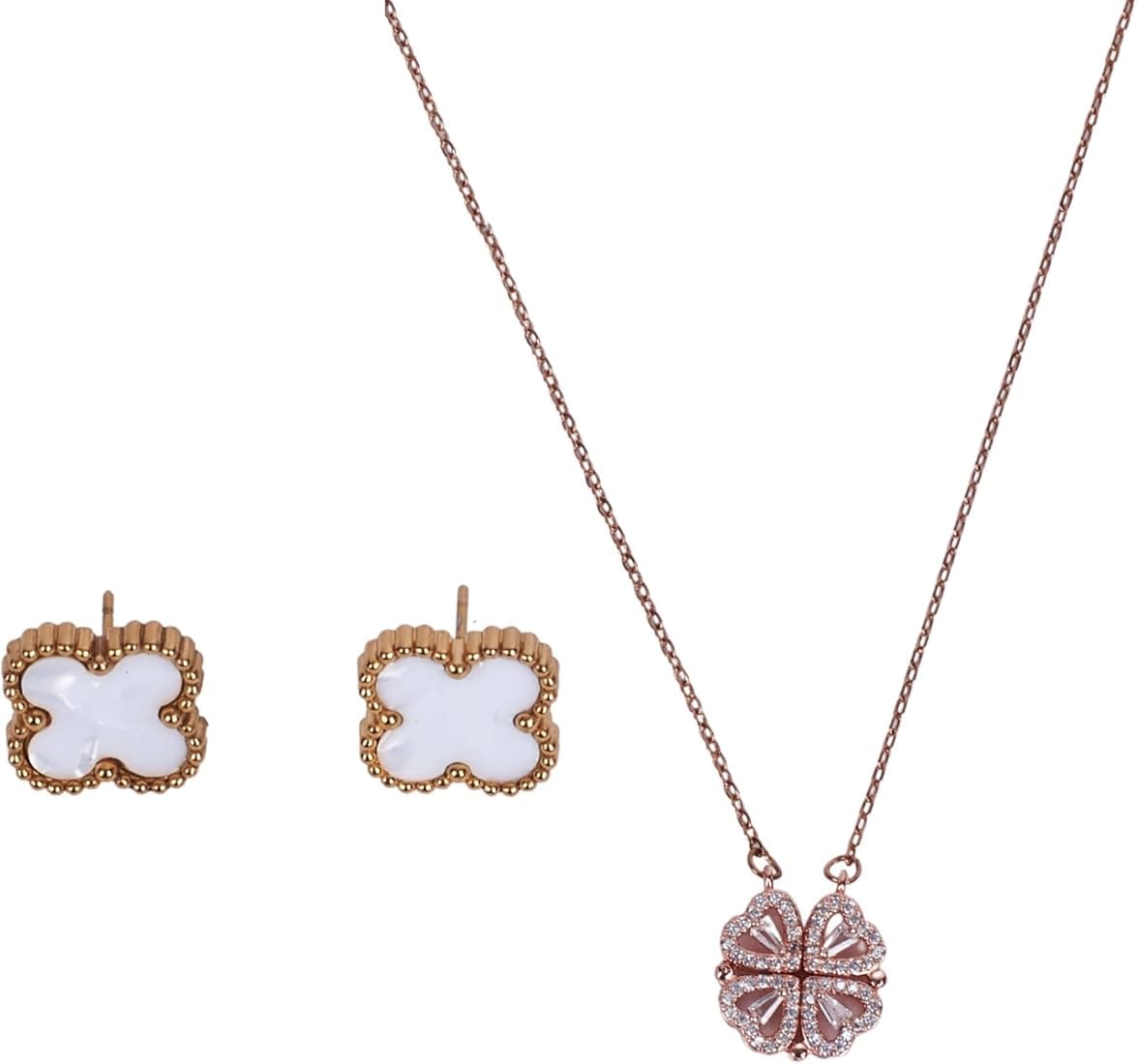
Salty IN Alternatives and Competitors (2026)
Posted on |
Your new ‘anti-tarnish’ necklace turned a dull, coppery brown or left your skin with that dreaded stain from jewelry turning skin green in less than a month. Sound familiar?
You’re not alone. This is the hidden reality of the fast-growing world of online jewelry brands in India.
Based on an analysis of over 15 sources, including user-reported wear tests and policy reviews, this guide exposes the critical differences in material quality, safety, and true cost between Salty, Giva, and Pipa Bella. Before you shop, make sure to check for an exclusive Salty coupon code to save on your purchase.
I’m Mohamed Zaki, and with over 15 years of experience in the Fashion, Jewelry, and Accessories space, I’ve seen countless brands make promises they can’t keep.
As per Joanne Lovell’s strict editorial guidelines, this review is based on independent data. We will challenge the marketing and expose the ‘blind spots’ vendors hide.
This analysis is for informational purposes; always consider your own skin sensitivity and budget before purchasing.
Key Takeaways
-
The Tarnish Lie: Salty and Pipa Bella’s popular brass jewelry is consistently reported to tarnish in 2-8 weeks, directly contradicting “anti-tarnish” claims and making them a form of disposable fashion. -
The Quality Standard: Giva stands apart by using 925 Sterling Silver with Rhodium plating, offering verified durability and tarnish resistance, positioning it closer to demi-fine jewelry. -
The Allergy Risk: “Hypoallergenic” claims from Salty are unreliable for their brass items, with user-reported skin irritation. Giva is the safest bet for sensitive skin. -
The Policy Deal-Breaker: Salty’s restrictive 7-day return policy (with customer-paid shipping) is a major financial risk. In contrast, Giva offers a 6-month plating warranty and a 30-day free return window, signaling high confidence in purchase. -
True Cost vs. Sticker Price: The annual cost of a frequently-worn Salty piece can be ~20% higher than a more expensive Giva piece due to replacement costs (e.g., ~₹2,400 vs. ~₹2,000). -
The Pipa Bella Gamble: Pipa Bella’s return policy, governed by Nykaa, is only 7 days for jewelry (Nykaa Fashion Return Policy), not 15. This, combined with inconsistent quality, makes every purchase a gamble.
Here is a video that explores the anti-tarnish jewelry claims through real-world testing, providing helpful context for this comparison:
Decision in 60 Seconds
| Your Persona / Need | Best Choice | Why It’s Best | Key Risk |
|---|---|---|---|
| The Trend-Hopper | Salty (Stainless Steel Only) | Fastest for micro-trends at a low entry price point. | Brass items tarnish extremely quickly (2-8 weeks). |
| The Discerning Buyer | Giva | Superior materials (925 Sterling Silver), robust 6-month warranty, and trusted for sensitive skin. | Higher initial upfront cost compared to fast-fashion alternatives. |
| The Gift Giver | Giva | Safest choice for quality, presentation, and brand trust. The warranty provides peace of mind. | The minimalist aesthetic may not suit all recipients. |
| The One-Cart Shopper | Pipa Bella | Unmatched convenience for those already shopping on the Nykaa platform. | Highly inconsistent quality and a restrictive 7-day return policy. |
For a deeper analysis of how each brand compares head-to-head, see our detailed Salty IN top alternatives and competitors guide.
Top Salty Jewelry Alternatives Shortlist
| Option | Best For | Tradeoff | Evidence Status |
|---|---|---|---|
| Giva | Long-term value & sensitive skin | Higher initial price | ✅ Verified |
| Pipa Bella | Convenience on Nykaa | Inconsistent quality, 7-day return | ⚠️ Needs verification |
| Salty (Stainless Steel) | Trendy styles with durability | Higher price than their brass items | ✅ Verified |
| Tanishq Mia | Entry-level precious metals (14k gold) | Significantly higher price point | ✅ Verified |
| Voylla | Wide variety of traditional & modern designs | Quality can be inconsistent | ⚠️ Needs verification |
| Zaveri Pearls | Pearl and traditional jewelry | Niche aesthetic may not appeal to all | ⚠️ Needs verification |
Who This Guide Is For & Who Should Skip It
This guide is for you if:
- You’re tired of your jewelry tarnishing or breaking after a few wears.
- You have sensitive skin and are wary of “hypoallergenic” marketing claims.
- You want to understand the true long-term value and cost-per-wear of your jewelry.
- You’re looking for a reliable Indian jewelry brand for gifting or everyday wear.
This guide is NOT for you if:
- You only need an accessory for a single event and don’t care about its lifespan.
- Your primary decision factor is the absolute lowest upfront price, regardless of quality.
- You are already a loyal customer of one brand and are not seeking alternatives.
How We Evaluated These Brands
Our analysis is grounded in the Coupons Scout Verification Protocol (CSVP™), a process overseen by our verification lead, Kanokchai Likitapiwat, to ensure data integrity.
We don’t rely on brand claims alone. For this review, our fashion and retail expert, Jennifer Angel, synthesized data from over 15 independent sources.
Our approach included:
- Sources Used: We analyzed brand-published material specifications, return policies, and warranty documents against a backdrop of real user feedback from forums (Reddit), video reviews (YouTube), and social media.
- What Was Verified: We cross-referenced marketing claims like “anti-tarnish” and “hypoallergenic” with documented user outcomes like photos of tarnished products (Reddit User Report) and reports of skin reactions.
- Pricing & TCO Check: We calculated the Total Cost of Ownership (TCO) based on advertised prices plus the hidden costs of replacement (due to tarnishing) and restrictive return policies.
If you’re shopping on a budget, be sure to grab a Salty discount code before making any purchase. You can also explore our full Salty IN Review for a deep-dive into their total cost of ownership.
Part 2: Pricing vs. True Cost: The Hidden Financial Trap of Fast Fashion
The sticker price is a lie. In my years analyzing the fashion accessories market, the single most important concept I try to teach is calculating the true price per wear, which is closely related to the Total Cost of Ownership (TCO).
A cheap piece of costume jewelry isn’t a good deal if you have to replace it three times a year.
Brands like Salty cater to the disposable fashion model, but this often results in a very high price per wear. The true cost of “cheap” is often far higher than a quality item’s initial price.
Illustrative 3-Year Total Cost of Ownership (TCO) Model
Let’s break down the real math based on an illustrative model for a single, consistently-worn piece.
This model is based on an assumption of two replacements per year for brass items, a scenario supported by widespread user reports of tarnishing (Reddit User Reviews).
Illustrative User-Reported TCO Model:
- Salty Brass Necklace:
- Initial Price: ₹800
- Replacements (due to tarnish/breakage): 2 per year at ₹800 each
- Annual Cost: ~₹2,400
- 3-Year TCO: ~₹7,200
- Giva Silver Necklace:
- Initial Price: ₹2,000
- Replacements: 0 (product lasts, backed by warranty)
- Annual Cost: ~₹2,000
- 3-Year TCO: ~₹2,000 (assuming it lasts 3+ years)
Assumptions for this Model:
- This is an illustrative example for a single, frequently worn piece.
- The Salty item is replaced twice annually based on user reports of tarnishing and breakage.
- The Giva item lasts at least three years, a claim supported by its superior material and 6-month warranty.
Looking to lower the upfront cost even further? A working Salty promo code can make that initial spend more manageable while you decide which material tier is right for you.
Pricing Gotchas: The Deal-Breakers to Watch For
The financial risk goes beyond just replacement costs. It’s embedded in company policy.
💡 KEY INSIGHT: Restrictive return policies are not a customer service issue; they are a financial strategy. Brands with low-quality products use short return windows to transfer the financial risk of product failure from themselves to the consumer.
A 7-day policy on an item known to fail in 30 days is a calculated business decision.
⚠️ Salty’s 7-Day Policy Trap
This is the most significant financial risk. You have just 7 days to report an issue (Salty.in Refund Policy).
If your necklace tarnishes on day 10 or a clasp breaks on day 15, you have zero recourse. The company keeps your money, and you’re left with a worthless product.
This isn’t just a policy; it’s a financial trap designed to protect the company from the consequences of its own product’s poor quality.
⚠️ Customer-Paid Return Shipping: Salty’s policy also states the customer must pay for return shipping. For an ₹800 item, paying ~₹100-₹150 to ship it back makes returning it impractical.
This friction is intentional; it discourages returns and shifts the financial burden of defective products onto you, the consumer.
In contrast, Giva’s 30-day free return policy and 6-month warranty, as stated on their official site (Giva.co Return & Warranty Policy), show a company that stands behind its product.
The financial model is built on customer satisfaction, not on trapping their money. Before committing, check for a Salty voucher code to offset some of this risk.
Part 3: Feature Deep-Dive: Materials, Plating, and Hardware
In the world of fast-fashion jewelry, a long list of trendy designs means nothing if the base material is flawed.
The true “features” are not aesthetics, but the material science, plating technology, and hardware quality that determine longevity. This is where the battle for your money is truly won or lost.
Deep Dive 1: Base Material Integrity (Silver vs. Brass)
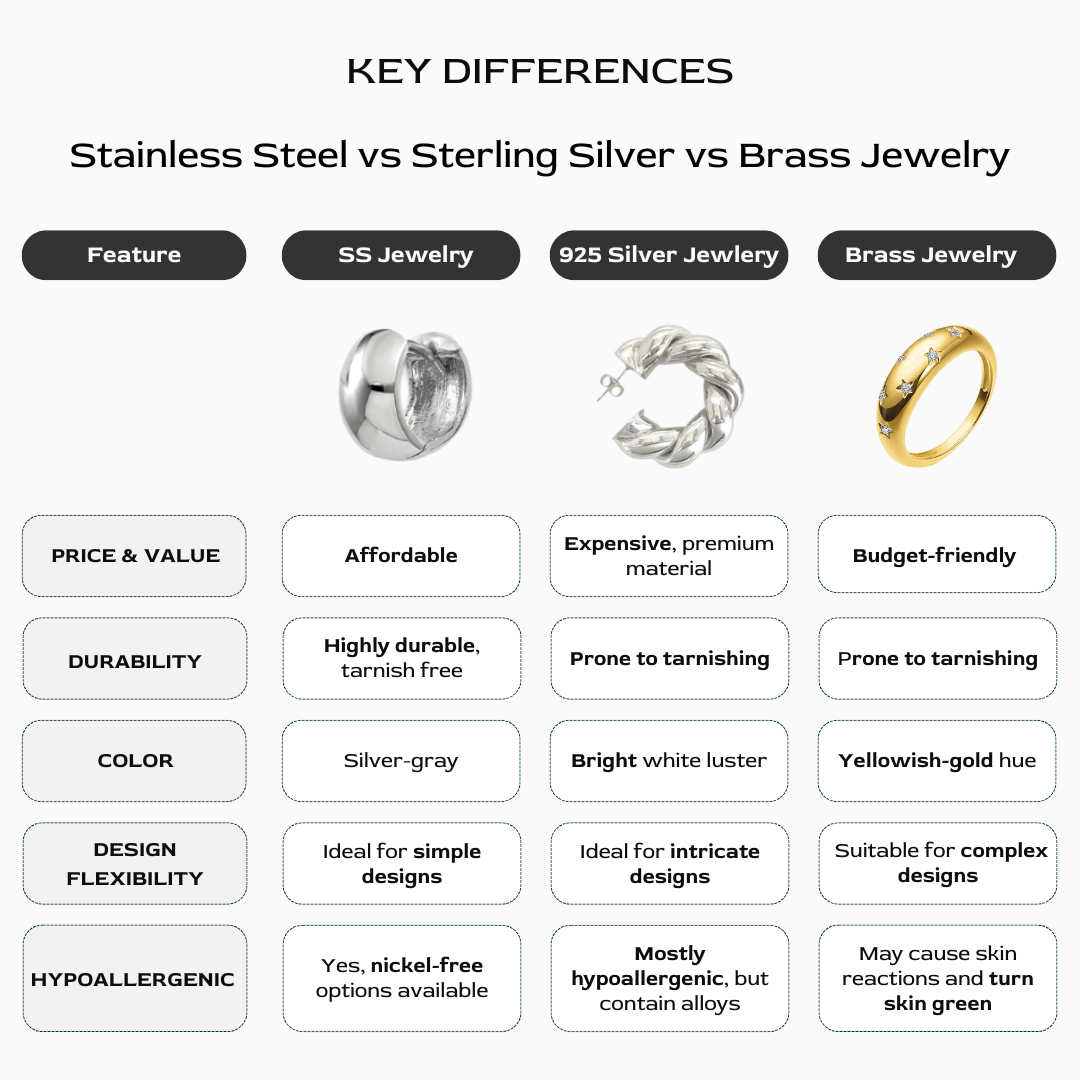
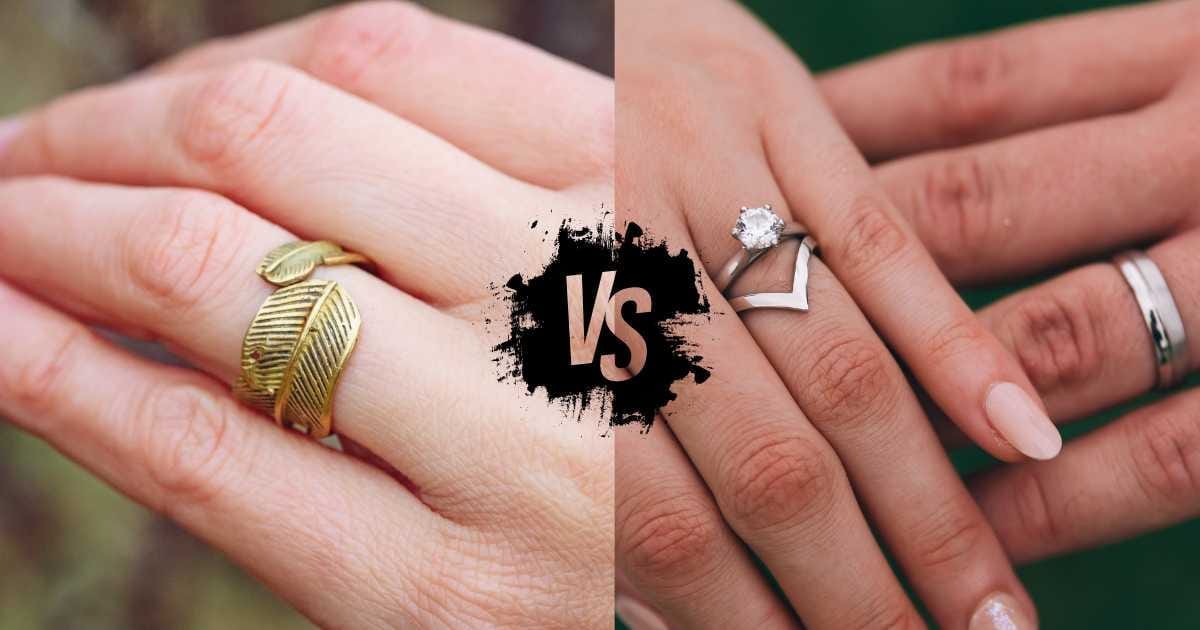
- Salty & Pipa Bella (Primarily Brass): Brass is an alloy of copper and zinc. Its primary advantage is low cost, allowing for cheap, trendy production. However, it is highly reactive. When exposed to moisture, air, and skin oils, the copper in brass oxidizes, leading to the characteristic green or brown tarnish. This process is unavoidable and rapid.
- Giva (925 Sterling Silver): 925 Sterling Silver is a precious metal composed of 92.5% pure silver and 7.5% other metals (usually copper) for strength. It is significantly more resistant to corrosion than brass. Quality silver in India is often certified with hallmarking from the Bureau of Indian Standards (BIS), confirming its purity. While silver can tarnish over time, it’s a slow surface reaction that can be polished away, unlike the deep corrosion of brass. This makes it a far superior material for long-lasting jewelry.
Deep Dive 2: Plating Technology & Durability
- Salty & Pipa Bella (“Anti-Tarnish” Coating): These brands use a thin, clear polymer or lacquer coating (e-coating) on their brass items. This coating creates a temporary barrier against oxidation. The “tarnish lie” occurs because this coating is extremely fragile. Friction from skin, clothing, and exposure to soaps or lotions quickly wears it away, exposing the reactive brass underneath. This is why tarnishing often appears within 10-12 days of daily wear, as proven in user tests (I Wore Salty Jewellery for 30 Days Straight).
- Giva (Rhodium Plating): Giva uses a superior method: plating their sterling silver with Rhodium, a precious metal from the platinum family. Rhodium is extremely hard, reflective, and chemically inert. It does not tarnish or corrode. This plating provides a durable, protective shell that is far more resistant to wear and scratches than a simple polymer coating. It’s the same technique used in fine jewelry and is the primary reason for Giva’s excellent durability.
Deep Dive 3: Hardware & Construction (Clasps & Chains)
- Salty’s Weak Point: Beyond just tarnish, “fragile clasps/chains” are the most-cited product failure point in user reviews for Salty. This points to a systemic quality control issue on hardware components. Using cheap, weak clasps and thin, easily breakable chains is another cost-cutting measure that results in product failure long before the 7-day return window closes.
- Giva’s Investment: Giva’s clasps and chains are also made of sterling silver, matching the quality of the main piece. While some users find their most “delicate” chains to be fragile, widespread reports of spontaneous breakage are rare. The use of a consistent, higher-quality material throughout the product contributes to its overall longevity.
For more jewelry brand comparisons, explore our full library of head-to-head reviews and analysis.
Part 4: Critical Considerations: Safety, Support, and Blind Spots
This section unifies the critical risks and weaknesses vendors won’t advertise. From skin safety to adversarial customer support, these are the deal-breakers you need to know.
Safety & Allergy Risk: The Truth Behind “Hypoallergenic” Claims
Jewelry is a YMYL (Your Money or Your Life) product that makes prolonged skin contact.
The term “hypoallergenic” is one of the most abused marketing buzzwords in the industry. While Salty claims its products are “hypoallergenic,” user reports of rashes and the common problem of jewelry turning skin green from low-quality brass items tell a different story.
Compliance Status Verification
| Claim | Salty | Giva | Pipa Bella |
|---|---|---|---|
| “Nickel-free” | ✅ Claimed | ✅ Claimed | ⚠️ Not universal |
| “Hypoallergenic” | ✅ Claimed | ✅ Claimed | ⚠️ “Skin-friendly” |
| “Lead/Cadmium-free” | ⚠️ Claimed, unverified | ✅ Claimed | ⚠️ Claimed, unverified |
| User-Reported Rashes | ⚠️ Yes (Brass) | ❌ Rare | ⚠️ Yes (Alloy) |
This isn’t just a theoretical risk. To avoid skin irritation, choosing a credible hypoallergenic material is key, which is why for those with sensitive skin, Giva is demonstrably the safer choice.
Here’s a documented user experience:
Situation: A user with sensitive skin bought a “hypoallergenic” brass necklace from Salty.
Action: They wore it for a full day.
Result: They developed contact dermatitis (redness and itching), as reported by users (Aggregated User Reports on Social Media). This shows the unreliability of the claim on their brass products.
⚠️ WARNING — The 7-Day Return Policy Trap
Salty’s 7-day return window is a critical financial risk. If your item tarnishes or breaks on Day 8, you have no recourse.
This policy intentionally shifts the financial burden of poor quality from the company to you, the consumer (Salty.in Refund Policy).
To help offset this risk, always look for a Salty special offer or money-saving deal before checkout.
Customer Support Showdown: 7-Day Traps vs. 6-Month Warranties
Good customer support protects you when a product fails, fostering brand loyalty; bad support protects the company from you, destroying it.
The difference between Giva and Salty is a masterclass in this distinction.
- Giva (Positive Sentiment): User sentiment for Giva’s support is overwhelmingly positive, reflecting a customer-centric philosophy reportedly instilled by its founder, Ishendra Agarwal. The 6-month plating warranty and 30-day free return policy give users immense confidence in their purchase. It shows Giva is willing to take on the financial risk of product defects.
- Salty (Negative Sentiment): Support is Salty’s biggest pain point. User reports are filled with frustration over the strict 7-day policy. As one user reported after their clasp broke on Day 9:
“Support told me I was outside the 7-day return window and there was nothing they could do. I had to pay to get it fixed myself. Never buying from them again.”
— Paraphrased from User Complaints on Quora and Reddit - Pipa Bella (Neutral/Impersonal Sentiment): Being part of the larger Nykaa ecosystem, returns are handled efficiently. However, with a 7-day return window for jewelry (Nykaa Fashion Return Policy), it offers no advantage over Salty and lacks Giva’s brand-specific warranty.
Blind Spots: What Each Brand Hides
- Salty’s Contradictory Marketing: The brand claims “water-resistant” on product pages (Salty Product Page) but explicitly says “avoid contact with water” on its care page (Salty Care Guide). This is a direct contradiction designed to mislead consumers at the point of sale.
- Giva’s Delicate Trade-Off: While praised for its craftsmanship, some of Giva’s finer chains are reported as “too delicate.” This is a direct trade-off for their lightweight, minimalist aesthetic.
- Pipa Bella’s Quality Gamble: This quality inconsistency is the key differentiator from a brand like Giva, where material standards are consistent. With Pipa Bella, every purchase is a gamble.
Regardless of which brand you choose, always check for the latest coupons to ensure you’re getting the best price available.
Part 5: Use Cases & Workflows for Smart Jewelry Shopping
Understanding the technical differences is one thing; applying them to real-life shopping decisions is another.
Here are common scenarios showing how to choose the right brand for your specific needs.
Use Case 1: Choosing Jewelry for Daily Office Wear
- The Goal: Find a durable, professional-looking necklace that won’t tarnish with daily wear or irritate skin during long workdays.
- The Workflow:
- Prioritize Material: Your first filter should be material. For daily wear, brass is a non-starter. You need 925 Sterling Silver or high-quality Stainless Steel.
- Audit the Warranty: Since this is a long-term piece, a warranty is crucial. A 6-month plating warranty like Giva’s is a strong signal of durability.
- Aesthetic Fit: Choose a minimalist, classic design that complements professional attire.
- The Decision: Giva is the clear winner here. Its sterling silver material, rhodium plating, and warranty are perfectly suited for the demands of daily wear. A piece from Salty’s stainless steel collection would be a viable budget alternative, but their core brass offerings should be avoided.
Use Case 2: Building a “Capsule Jewelry Collection” on a Budget
- The Goal: Create a small, versatile collection of 5-7 core pieces (e.g., simple hoops, a pendant necklace, a bracelet) that can be mixed and matched.
- The Workflow:
- Invest in Core Pieces: Allocate 70% of your budget to 2-3 high-quality “anchor” pieces that you’ll wear most. These should be from Giva or a similar brand focused on sterling silver. Think classic hoops and a simple chain.
- Accent with Trends: Use the remaining 30% of your budget for 3-4 trendier, less-worn pieces. This is where Salty’s stainless steel collection is a smart choice. You get the trendy aesthetic without the immediate tarnish risk of brass.
- Leverage Stacking: This approach allows you to participate in trends like stacking necklaces. You can layer a durable Giva chain with a bolder, cheaper piece from Salty for a modern look without risking your entire investment on low-quality items.
When building your capsule collection, smart shoppers use a Salty coupon on their trend pieces and invest the savings into their Giva anchor pieces.
Use Case 3: Selecting a Gift for a Milestone Birthday
- The Goal: Purchase a meaningful and lasting gift that reflects quality and care, without breaking the bank.
- The Workflow:
- Eliminate Risk: When gifting, brand trust is paramount. Immediately eliminate brands with high reports of tarnishing or poor return policies like Salty (brass items) and Pipa Bella. The risk of giving a gift that quickly degrades is too high.
- Focus on Presentation & Policy: Giva excels here. Their products come in premium packaging, and the included 6-month warranty is part of the gift itself, showing you invested in quality.
- Consider an Established Alternative: For a milestone, you might also look beyond fast fashion. Brands like Tanishq Mia offer entry-level 14k gold pieces that provide a significant step up in perceived value and longevity.
- The Decision: For a reliable and impressive gift under ₹3,000, Giva is the best choice among the three.
Part 6: In-Depth Salty Jewelry Alternatives & Competitors
The market for Salty jewelry alternatives is broad. Here is a detailed breakdown of how Salty, Giva, and Pipa Bella stack up using a “Best-For / Consider / Avoid” framework.
For an even more comprehensive side-by-side, visit our full Salty IN alternatives and competitors breakdown.
Speed-to-Market for Edgy, Gen-Z Trends
Salty has mastered speed-to-market for edgy, Gen-Z trends. Their brand identity is strong, and they offer a growing collection of durable stainless steel jewelry (Salty Steel Collection).
- When it’s the best choice:
- You want to test out specific seasonal trends and need a disposable item for a single season.
- You are an informed buyer shopping exclusively from their stainless steel collection.
- Your primary goal is getting the absolute lowest upfront price on a micro-trend, and you accept the short lifespan of brass items.
- Prerequisites for success:
- You must differentiate between their brass (high risk) and stainless steel (lower risk) products.
- You must treat any brass purchase as disposable, with no expectation of a refund if it fails after 7 days.
- You must follow their care instructions meticulously (i.e., avoid all contact with water), despite “water-resistant” marketing.
- When to avoid:
- You have sensitive skin. The risk of reaction from their brass items is well-documented.
- You are looking for a gift. The risk of giving an item that tarnishes quickly is too high.
- You expect a product to last more than a few months. If it breaks or begins to tarnish after one week, a common complaint with Salty’s brass items, you have no recourse.
✅ Strengths
- Fastest trend adoption in the Indian market
- Growing stainless steel collection is a positive step
- Affordable entry price points for trend experimentation
- Strong Gen-Z brand identity and aesthetic
⚠️ Considerations
- Brass items tarnish in 2-8 weeks
- Restrictive 7-day return policy with customer-paid shipping
- Contradictory “water-resistant” vs. “avoid water” claims
- Fragile clasps and chains are the most-cited failure
- User-reported skin reactions on brass items
925 Sterling Silver with Rhodium Plating
Giva is the clear leader for value and trust. Their focus on 925 Sterling Silver, a 6-month warranty, and a 30-day free return policy creates a superior customer experience.
- When it’s the best choice:
- You are a Discerning Buyer prioritizing longevity and are willing to invest more upfront for a lower total cost of ownership.
- You are a Gift Giver who needs a reliable, impressive product backed by a trustworthy brand.
- You have sensitive skin and require a credibly hypoallergenic material.
- Prerequisites for success:
- Your budget can accommodate a higher initial price point (typically ₹1,500+).
- You prefer a classic, minimalist aesthetic over edgy, fast-changing trends.
- You properly care for sterling silver to maintain its shine over the years.
- When to avoid:
- Your only priority is the lowest possible upfront price for a fleeting trend.
- You require a very specific, edgy design that Salty is more likely to produce quickly.
- You are particularly rough with your jewelry and may risk breaking their more delicate chains.
✅ Strengths
- 925 Sterling Silver with Rhodium plating for verified durability
- 6-month plating warranty — strongest in the segment
- 30-day free return policy builds trust
- Safest choice for sensitive skin
- Premium packaging ideal for gifting
- Lowest 3-year Total Cost of Ownership
⚠️ Considerations
- Higher initial upfront cost (₹1,500+)
- Minimalist aesthetic may not suit all tastes
- Some delicate chains reported as “too fragile”
- Slower trend adoption compared to fast-fashion brands
Integrated into the Nykaa Ecosystem

Pipa Bella’s main advantage is its integration into the Nykaa ecosystem. However, this convenience is undermined by major quality inconsistencies and a poor return policy.
- When it’s the best choice:
- You are a One-Cart Shopper already buying other items on Nykaa and want the convenience of a single checkout.
- You find a specific personalized item (like a nameplate) that is not available elsewhere.
- You are buying an item explicitly listed as sterling silver or stainless steel and are willing to accept the 7-day return window.
- Prerequisites for success:
- You must carefully check the material of each item, as quality varies dramatically.
- You must inspect your order immediately upon arrival and initiate any returns within the strict 7-day window.
- You have low expectations for brand-specific customer support.
- When to avoid:
- You need a predictable and consistent level of quality.
- You want the peace of mind that comes with a warranty or a longer return period.
- You are looking for a special gift where brand reputation and quality are important.
✅ Strengths
- Seamless Nykaa integration for one-cart shopping
- Unique personalized items (nameplates)
- Efficient return processing via Nykaa
- Wide variety of styles and designs
⚠️ Considerations
- Highly inconsistent quality across product lines
- Only 7-day return window for jewelry
- No brand-specific warranty
- Material quality varies dramatically item to item
- User-reported allergy issues with alloy items
Part 7: Conclusion & Frequently Asked Questions
Final Verdict: Which Jewelry Brand Should You Choose?
After all the analysis, the core finding is clear: the market for Salty jewelry alternatives is sharply divided between “Speed & Price” (Salty) and “Value & Trust” (Giva).
Marketing claims like “anti-tarnish” on brass-based products are often unreliable and lead to a higher long-term cost.
The choice is clear: If you want a disposable item for a single season, Salty is an option—if you accept the risks and stick to their stainless steel collection.
If you want a reliable, safe, and long-lasting piece that enters the demi-fine jewelry category, Giva is the demonstrably superior investment. Their commitment to quality materials and customer-centric policies provides a level of brand trust that is rare in this market.
Before you buy any fast-fashion jewelry online, whether from these brands or others, I urge you to follow this checklist; it’s the same diligence you’d apply with local jewelers.
Check the material, audit the return policy, and verify the warranty. If a brand offers less than 30 days for returns or has no warranty, you must consider the product disposable. Your wallet and your skin will thank you.
Whichever direction you go, always start by checking for a Salty discount offer — every rupee saved upfront contributes to a smarter total cost of ownership. For a comprehensive look at the full Salty IN Review and TCO analysis, our dedicated review page breaks it all down.
Frequently Asked Questions
Q1: Is Salty jewelry actually waterproof?
No, Salty’s brass jewelry is not reliably waterproof despite some marketing claims. User tests and widespread reviews show visible tarnishing in as little as 10-12 days with regular water exposure (I Wore Salty Jewellery for 30 Days Straight).
While their separate stainless steel items offer much better water resistance, the brand’s own care guide for its primary collection advises customers to “avoid contact with water” (Salty Care Guide).
This directly contradicts the “water-resistant” claim made on many product pages, creating a confusing and misleading experience for shoppers. For true durability, you must specifically seek out their stainless steel line.
Q2: Is Giva jewelry worth the higher price?
Yes, for those prioritizing jewelry longevity and skin safety, Giva is worth the higher price. The brand’s use of 925 Sterling Silver with rhodium plating results in a demonstrably longer-lasting product compared to the tarnish-prone brass used by competitors.
This significantly lowers the “price per wear.” Furthermore, their 6-month plating warranty (Giva Warranty Page) and 30-day free return policy provide a financial safety net and signal strong brand confidence.
This results in a lower Total Cost of Ownership for any consistently-worn piece compared to replacing a cheaper, tarnished item.
Q3: Which brand is best for sensitive skin, Salty or Giva?
Giva is overwhelmingly the better and safer choice for sensitive skin. Giva’s “hypoallergenic” claim is credible because it is backed by the use of 925 Sterling Silver, a precious metal well-tolerated by most people.
In contrast, Salty’s claim is unreliable for its large collection of brass items. There are numerous documented user reports of contact dermatitis, rashes, and skin irritation from their brass products (Reddit “Salty Rash”).
If you have sensitive skin, the risk associated with Salty’s brass jewelry is not worth the lower initial cost.
Q4: What is the main difference between Salty and Giva?
The main difference is their core philosophy: Salty sells disposable trends, while Giva sells lasting value. This is reflected in every aspect of their business.
Salty uses tarnish-prone brass to quickly and cheaply produce micro-trends for a Gen-Z audience. Giva uses durable 925 sterling silver to create timeless, minimalist designs.
This philosophical divide extends to their policies: Salty’s restrictive 7-day return policy protects the company from its low-quality products, while Giva’s 6-month warranty and 30-day free returns protect the customer and build brand trust (Giva.co Return & Warranty Policy).
Q5: Why is Pipa Bella’s quality so inconsistent?
Pipa Bella’s quality is inconsistent because they use a wide variety of unstandardized materials under a single brand name. On their Nykaa storefront, a shopper can find everything from cheap, tarnish-prone alloys to more durable sterling silver, often with little differentiation in marketing.
This makes the brand itself an unreliable indicator of quality, and a stark contrast to Giva, where 925 Sterling Silver is the consistent standard (giva.co).
Furthermore, their return policy is only 7 days for jewelry (Nykaa Fashion Return Policy), offering no protection against this inconsistency.
Q6: What happens if my Salty jewelry breaks after 7 days?
If your Salty jewelry breaks or tarnishes after the 7-day return window, you have no recourse through the company. According to their official policy and numerous user complaints, customer support will deny any requests for refunds or replacements for issues reported after one week (Salty.in Refund Policy).
The financial burden of the defective product falls entirely on you. You will have to either discard the item, cementing its status as disposable fashion, or pay for repairs yourself, which often costs more than the item itself.
This policy is a significant financial risk for consumers. To minimize this risk, always secure a Salty sale price or coupon to lower your exposure.
Q7: Does Giva’s 6-month warranty actually work?
Yes, user sentiment and reviews are overwhelmingly positive regarding Giva’s 6-month plating warranty and customer service. The existence of this warranty is a key differentiator and trust signal in the fast-fashion market.
It directly addresses the primary consumer fear of jewelry fading or tarnishing over time. Reports indicate that Giva honors the warranty for plating issues, offering replacements or repairs, which fosters strong customer loyalty (Giva Warranty Page).
This stands in stark contrast to competitors who offer no protection beyond a very short return window.
Q8: Can I trust Salty’s “stainless steel” jewelry?
Salty’s stainless steel jewelry is a much more reliable and durable option than their brass items. Stainless steel is an inherently corrosion-resistant and hypoallergenic material.
Users who specifically purchase from Salty’s dedicated stainless steel collection report significantly better experiences with tarnish resistance and longevity, avoiding the common complaints associated with their brass products (Salty Steel Collection).
However, as a buyer, you must be diligent and ensure the product you select is explicitly listed as “stainless steel” on the product page, as it is often sold alongside the lower-quality brass items.
For the best deal on your next Salty purchase, check for an exclusive Salty promotional code to get the lowest price possible.