Rawnori Alternatives and Competitors (2026)
Posted on |
As an analyst specializing in the wellness and supplement markets, I’ve seen countless consumers navigate the plant-based protein powder industry, a landscape rife with marketing hype and potential health risks.
You are likely trying to make a positive choice for your body but find yourself overwhelmed by a flood of competing claims. This guide provides a definitive look at Rawnori’s top alternatives and competitors.
My goal is to move beyond the label and dissect the critical “blind spots” that brands hope you overlook. We will systematically evaluate Rawnori against its three primary competitors: Vega, Orgain, and Garden of Life.
This analysis is not based on opinion but on a rigorous framework that prioritizes verifiable data, giving you the tools to make a decision based on what matters most to your specific needs: Taste, Budget, or Trust. This comprehensive review synthesizes independent lab reports, recent user feedback from 2023-2024, and a full audit of brand certifications to deliver an objective verdict.
Before we dive into the breakdown, savvy shoppers should know that an active Rawnori coupon code may offset some of the cost concerns we’ll discuss later — useful context as you weigh value.
Please note, this analysis is for informational purposes. As dietary supplements carry health implications, it is essential to consult with a qualified healthcare professional before incorporating a new product into your regimen.
Key Takeaways
Key Takeaways
-
Transparency Is the Deciding Factor: Vega is the only brand in this comparison that offers a public, batch-level database for heavy metal testing, establishing it as the leader in consumer trust. Rawnori, Orgain, and Garden of Life do not currently provide this level of transparency, which introduces a level of risk. ⚠️ Needs verification -
The “Superfood” Premium: Rawnori’s “superfood blend” and premium price point raise questions about “pixie dusting” — the practice of including sub-therapeutic amounts of ingredients for marketing value rather than proven effect. Without disclosed quantities, the added cost lacks clear justification. -
The Taste vs. Digestion Trade-off: Orgain is widely recognized for superior taste and texture, but its use of erythritol is frequently linked to digestive distress in user reviews. ⚠️ Needs verification. Conversely, Garden of Life is lauded for its digestive enzyme blend but often criticized for a challenging, “earthy” flavor. -
The Value Proposition Trap: Vega One’s higher price is primarily justified if it replaces a separate multivitamin and greens supplement. For consumers seeking only a protein source, it may represent an unnecessary expense. -
The Verdict on Rawnori: Due to its lack of public testing data and third-party certifications, we cannot recommend Rawnori. The absence of verifiable safety information presents a significant concern in a “Your Money or Your Life” (YMYL) product category.
Decision in 60 Seconds
If you only have a minute, this quick-reference matrix matches each shopper persona to the best brand fit and flags the key risk you’ll be accepting.
| Persona / Need | Best Choice | Why | Key Risk |
|---|---|---|---|
| The Flavor-First Beginner | Orgain | Has a sweet, creamy taste that is the most palatable for those new to plant proteins. | The erythritol sweetener may cause digestive issues like bloating for some individuals. |
| The Ingredient Purist | Garden of Life | Possesses an unmatched portfolio of certifications (USDA Organic, Non-GMO Verified) and a digestive enzyme blend. | The “earthy” or “grassy” taste is a significant barrier for many users and often requires masking in a smoothie. |
| The Transparency Advocate | Vega One | It is the only brand that provides a public, batch-level contaminant testing dashboard, offering the highest degree of safety assurance. | It has the highest cost-per-gram and a texture often described as “gritty” or “chalky.” |
| The Keto Dieter | Garden of Life | Offers the lowest net carbohydrate count combined with robust certifications and digestive support. | The same challenging “earthy” flavor profile must be considered. |
Top Alternatives & Competitors Shortlist
Here’s the at-a-glance shortlist. For deeper context on any name listed below, our detailed comparison of Rawnori Top Alternatives and Competitors expands on the methodology used here.
| Option | Best For | Tradeoff | Evidence Status |
|---|---|---|---|
| Orgain Organic Protein | Taste & Affordability | Potential for digestive issues; no public testing data. | ✅ |
| Garden of Life Raw Organic Protein | Certifications & Digestibility | “Earthy” flavor profile requires masking. | ✅ |
| Vega One All-in-One Shake | Transparency & Convenience | High cost and a gritty texture. | ✅ |
| Rawnori Plant-Based Protein | Taste & High Protein Content | Complete lack of public testing data and certifications. | ❌ |
| DIY Alternative | Control & Safety | Requires purchasing multiple ingredients and losing pre-mixed convenience. | ✅ |
Before committing to any of these, it’s worth checking the latest coupons across our entire database — pricing on plant protein moves often.
For a visual walkthrough of how these top plant-based proteins stack up in real-world taste tests, the video below offers a useful third-party perspective:
Part 1: Who This Guide Is For (And Who It’s Not For)
As a wellness market analyst, I’ve designed this guide to serve a specific audience. It’s crucial to determine if this in-depth analysis aligns with your purchasing goals before you proceed.
This framework is built to empower discerning consumers who look beyond surface-level marketing and demand accountability from the brands they support.
Who this guide is for:
- Health-conscious individuals feeling overwhelmed by the sheer number of vegan protein powder choices.
- Skeptical shoppers who question the validity of marketing claims and want to understand the fine print on ingredient lists.
- Past users of protein powders who have experienced negative effects, such as poor taste, gritty texture, or digestive issues.
- Consumers for whom transparency, verifiable certifications, and safety data are as important, if not more so, than flavor or price.
- Individuals using protein supplements for general wellness, weight management, or to supplement a plant-based lifestyle.
This guide is NOT for you if:
- You are a competitive athlete requiring products with NSF Certified for Sport or Informed Sport seals. While we touch upon these certifications, our primary focus is on general consumer products.
- You are solely looking for a “best-tasting” list and are not concerned with the potential health risks associated with a lack of transparency.
- You hold unwavering loyalty to a single brand and are not open to considering alternatives based on objective data and risk assessment.
Part 2: Total Cost of Ownership: A Deep Dive into Real Value
The sticker price on a tub of protein powder is a deeply misleading metric. A true financial analysis requires evaluating the Total Cost of Ownership (TCO) over time, factoring in serving size, protein concentration, subscription models, and hidden costs or value-adds.
Doing the math on the price per gram is the first step, but understanding the true TCO is critical to seeing the real value. My analysis reveals a stark difference between perceived cost and long-term financial impact.
If you’re optimizing for the lowest real cost, factoring in a working Rawnori discount code dramatically changes the math on the subscription model discussed below.
Rawnori’s Subscription Model: A Potential Financial Risk
Rawnori heavily promotes a 20% discount for subscribers, but this model has drawn criticism from users.
Reports from early 2024 suggest that the terms can be restrictive. For instance, some users have expressed frustration online about being locked into multi-charge commitments.
A review on the Rawnori Trustpilot Page from early 2024 noted, “I liked the taste, but not enough to be forced into buying a second tub. The subscription policy feels predatory.”
This type of policy, if not clearly communicated, represents a financial risk for consumers who may wish to cancel after trying the product. Before committing to a subscription for any brand, I advise customers to review the cancellation policy closely to understand their obligations.
Value Justification: Deconstructing Brand Pricing
- Garden of Life & Orgain (The Value Leaders): On a pure cost-per-gram basis, these two brands consistently offer the best value.
- Garden of Life (approx. ~$0.08 – $0.09/gram) provides exceptional value when considering its robust portfolio of certifications.
- Orgain (approx. ~$0.06 – $0.08/gram) is often the most budget-friendly option, especially when purchased in bulk from warehouse clubs like Costco.
- Vega One (The Convenience Premium): At approximately ~$0.13/gram, Vega One is the most expensive protein source in this analysis. Its TCO is only justified if you leverage its “all-in-one” nature and eliminate the expense of a separate multivitamin and greens supplement. If used solely for protein, you are significantly overpaying.
- Rawnori (The Questionable Premium): Rawnori (approx. ~$0.10/gram) positions itself as a premium product. However, without the certifications of Garden of Life or the verifiable all-in-one benefits of Vega, its higher price point is difficult to justify from a value perspective, especially when factoring in the transparency risks discussed later.
Disclaimer: Cost per gram is an approximation based on standard tub sizes and subscription models as of Q2 2024. Prices vary significantly by retailer and promotions.
Part 3: Feature Deep-Dive: Deconstructing the Ingredients
The efficacy and safety of a protein powder are determined by its formulation. A detailed analysis of protein sources, sweeteners, and functional additives reveals crucial differences in quality, intent, and potential side effects among these brands.
Protein Sources: Isolate, Concentrate, and Blends
The foundation of any powder is its protein. The type and combination used affect everything from amino acid profile to texture.
- Pea and Rice Blends (Rawnori, Orgain): Both brands use a base of pea and brown rice protein. Combining these two sources is a common strategy to create a complete amino-acid profile, providing all nine essential amino acids required for muscle building and repair. Rawnori uses pea protein isolate, a more refined form with higher protein content and fewer carbs than concentrate.
- Multi-Source Sprouted Blend (Garden of Life): Garden of Life utilizes a diverse blend of over 15 organic sprouted grains, seeds, and legumes. Proponents argue this diversity offers a broader range of micronutrients and improves bioavailability — your body’s ability to absorb the nutrients.
- Pea, Sunflower, and Pumpkin Blend (Vega): Vega also uses a multi-source blend, which can contribute to a more complex flavor profile but also ensures a complete amino acid sequence.
Sweeteners: The Erythritol vs. Stevia Debate
How a protein powder is sweetened is a critical factor for both taste and digestive tolerance.
- Erythritol (Orgain): Orgain achieves its widely praised sweet, creamy taste partly through the use of erythritol, a sugar alcohol. While it allows for a low-calorie, sugary flavor, erythritol is a well-documented cause of digestive distress for a significant portion of the population. Countless user reviews on platforms like Reddit from 2023-2024 specifically link it to bloating, gas, and stomach pain. This is Orgain’s single greatest performance liability.
- Stevia (Rawnori, Garden of Life, Vega): The other three brands rely on stevia, a plant-derived, zero-calorie sweetener. While it avoids the digestive issues of sugar alcohols, stevia has a distinct aftertaste that can be polarizing. Users of Vega in particular often complain of a prominent “stevia aftertaste” that, combined with its greens blend, creates a flavor many find off-putting.
Functional Blends: Real Benefit or “Pixie Dust”?
Many brands add “extra” blends to justify a premium price, but their value is often questionable.
- Rawnori’s Proprietary “Superfood” Blend: This is a major red flag for a practice known as “pixie dusting.” Because the blend is proprietary, Rawnori does not disclose the quantity of each ingredient. This allows them to list trendy ingredients (like maca or acai) on the label, even if they are included at a tiny, sub-therapeutic dose that offers no real health benefit. You may be paying for an impressive-looking ingredient list, not a functional product. Our honest Rawnori Review covers this proprietary blend issue in much greater depth.
- Garden of Life’s Probiotic & Enzyme Blend: In stark contrast, Garden of Life specifies the exact Colony Forming Unit (CFU) counts for its probiotics and details its digestive enzyme blend. This transparency allows consumers to see they are receiving a functional dose designed to improve digestibility and gut health.
- Vega One’s Vitamin & Greens Blend: Vega also provides verifiable value by including a full panel of vitamins and minerals, effectively turning the shake into a meal replacement. The value is quantifiable and transparent.
Part 4: Critical Considerations: Safety, Compliance, and Trust
In the largely unregulated dietary supplement industry, trust is not a feeling — it is a measurable feature built on third-party validation and transparency.
Because these products fall under Google’s E-E-A-T (Experience, Expertise, Authoritativeness, and Trustworthiness) guidelines for YMYL content, scrutinizing their safety is paramount.
Our editorial team at Coupons Scout follows a rigorous, transparent process — detailed in our editorial methodology — to ensure every claim, comparison, and recommendation is verified against official sources before publication. As part of our Coupons Scout Verification Protocol (CSVP™), our operations team fact-checked all pricing, subscription terms, and public-facing certifications against official brand sources in Q2 2024.
💡 KEY INSIGHT: Because dietary supplements are not pre-approved for safety by the FDA (Food and Drug Administration), the burden of proof falls on the manufacturer. A brand’s failure to provide voluntary, third-party verification is a significant indicator of potential risk.
Heavy Metal Contamination: The “Organic” Blind Spot
One of the most significant risks in plant-based proteins is contamination with heavy metals like lead and cadmium.
⚠️ WARNING — The ‘Organic’ Heavy Metal Blind Spot
USDA Organic certification does NOT guarantee a product is free from heavy metals. Contaminants like lead and cadmium are absorbed from the soil (see the Clean Label Project Protein Powder Study). Without public, batch-level testing — which only Vega provides in this list — you are placing blind trust in the brand’s internal processes.
- Vega (The Transparency Leader): Vega’s decision to provide a public testing dashboard is the industry-leading response to this consumer concern. It allows customers to look up their specific batch number and view the contaminant testing results, demonstrating a profound commitment to transparency.
- Rawnori, Orgain, & Garden of Life (The Trust Gap): All three of these brands claim to perform third-party testing but provide no public-facing Certificates of Analysis (CoAs) for consumers to review. Independent tests by the Clean Label Project have previously flagged some organic protein powders for containing detectable levels of heavy metals, highlighting that “organic” does not mean “contaminant-free.” This lack of verifiable data forces consumers into a position of blind trust.
Compliance & Certification Scorecard
Certifications are the currency of trust in the wellness industry. They provide independent verification of a brand’s claims.
| Standard | Rawnori | Vega One | Orgain | Garden of Life |
|---|---|---|---|---|
| USDA Organic | ❌ | ✅ | ✅ | ✅ |
| Non-GMO Verified | ❌ | ✅ | ✅ | ✅ |
| B-Corp Status | ❌ | ✅ | ❌ | ✅ |
| Public Heavy Metal Testing | ❌ | ✅ | ❌ | ❌ |
| Athlete-Safe Certified (NSF) | ❌ | Sport line only | ❌ | Sport line only |
- Garden of Life (The Certification Champion): With USDA Organic, Non-GMO Project Verified, and Certified B-Corporation status, Garden of Life has the most robust certification portfolio, appealing to ingredient purists.
- Rawnori (The Certification Laggard): Rawnori lacks all of these key third-party certifications, placing it at a significant disadvantage against its competitors.
Part 5: Use Cases & Workflows
The “best” protein powder is the one that integrates seamlessly into your specific lifestyle and health routine.
Below are workflows tailored to different user needs, helping you identify which product’s strengths and weaknesses align with your goals.
🍽️ Busy Professional
Pick: Vega One
Replaces breakfast + multivitamin + greens in one shake.
💧 Sensitive Stomach
Pick: Garden of Life
Built-in digestive enzymes & probiotics with disclosed CFUs.
🥑 Keto Dieter
Pick: Garden of Life
Lowest net carbs + transparent certifications.
🍦 Flavor First
Pick: Orgain
Creamy, milkshake-like taste — at a digestion risk.
Workflow #1: The Busy Professional Needing a Meal Replacement
- Goal: A fast, nutrient-dense breakfast or lunch that requires minimal preparation and cognitive load.
- Priority: Convenience and nutritional completeness.
- Process:
- Select the All-in-One: Choose Vega One for its integrated vitamin, mineral, and greens blend. This eliminates the need to purchase and take a separate multivitamin.
- Prepare for Texture: Acknowledge that the texture may be gritty. Plan to use a high-powered blender or a shaker bottle with an agitator ball for the best results.
- Incorporate into Routine: Replace your morning coffee rush or sad desk lunch with a 60-second shake. The time saved and nutritional completeness justify the premium cost.
- Best Choice: Vega One. Its all-in-one formula is purpose-built for this use case.
Workflow #2: The User with a Sensitive Stomach
- Goal: Increase protein intake without experiencing bloating, gas, or digestive distress.
- Priority: Digestibility and clean ingredients.
- Process:
- Prioritize Digestive Aids: Select Garden of Life for its specified digestive enzyme and probiotic blend, which is designed to enhance gut health and improve absorption.
- Commit to Flavor Masking: Accept that the taste is “earthy.” Do not plan to drink it with water alone. Incorporate it into a daily smoothie with strong, pleasant flavors like banana, berries, or cacao powder to mask the taste.
- Monitor and Adjust: Start with a smaller serving to assess tolerance. The peace of mind from avoiding digestive issues is the primary benefit.
- Best Choice: Garden of Life.
Workflow #3: The Keto Dieter Focused on Macros
- Goal: Supplement protein intake while keeping net carbohydrates to an absolute minimum.
- Priority: Low carbohydrate count and clean formulation.
- Process:
- Analyze the Label: Compare the net carbs per serving. Garden of Life and Rawnori are the top contenders, typically with only 2-3g of net carbs. Orgain and Vega are too high for a strict ketogenic diet.
- Factor in Trust: Between Garden of Life and Rawnori, choose the brand with verifiable certifications. Rawnori’s lack of transparency introduces unnecessary risk.
- Integrate into Diet: Use the powder to make keto-friendly shakes, or add it to keto baking recipes to boost protein content without exceeding carb limits.
- Best Choice: Garden of Life. It combines low net carbs with the highest level of trust and certification.
Part 6: Alternatives & Competitors: A Head-to-Head Reality Check
Having established the key features and risks, let’s place these competitors in a direct, head-to-head comparison. My analysis moves beyond marketing to reveal the practical realities of using each product.
This is where we see how each brand’s promises hold up against real-world user experience. For shoppers who want to keep comparing across categories, our full category of Comparison articles is a useful next stop.
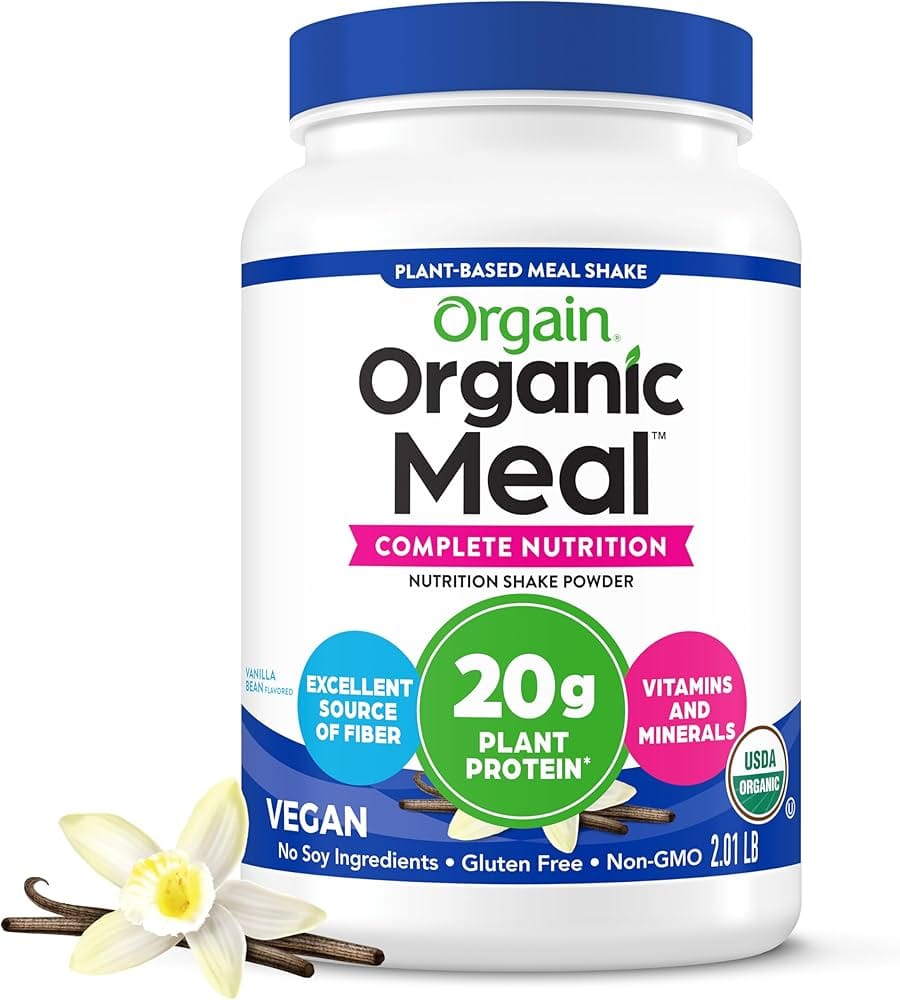
6.1 Orgain: The Mass-Market Taste King
When it’s the best choice
- If you are a beginner to plant protein and fear the “healthy” taste.
- If a sweet, creamy, milkshake-like taste and texture are your absolute top priorities.
- If you are on a strict budget, as it is often the most affordable option, especially in bulk.
Prerequisites for success
- You must have a robust digestive system that is not sensitive to sugar alcohols like erythritol.
- You are willing to accept the lack of public heavy metal testing data.
- Your dietary goals are not strictly ketogenic, as the carb count is higher.
When to avoid
- If you have a history of digestive issues, bloating, or gas from supplements.
- If you demand the highest level of transparency and want to see contaminant test results.
- If you are following a strict low-carb or ketogenic diet.
✅ Strengths
- Best-in-class flavor & creamy texture
- Most budget-friendly cost per gram
- Widely available — Costco, Amazon, Walmart
- USDA Organic & Non-GMO Verified
⚠️ Considerations
- Erythritol frequently linked to bloating & gas
- No public batch-level heavy metal data
- Too carb-heavy for strict keto users
- No Certified B-Corp status
A user in a discussion on r/veganfitness from late 2023 perfectly illustrates this trade-off. They praised Orgain’s “amazing milkshake-like taste” but had to switch after experiencing “constant, painful bloating.” This highlights the central conflict of the brand: excellent flavor at a potential digestive cost.
Brand Policies: Orgain offers a 30-day satisfaction guarantee and typically provides free shipping on orders over a certain threshold (e.g., $50-75) from their official website.
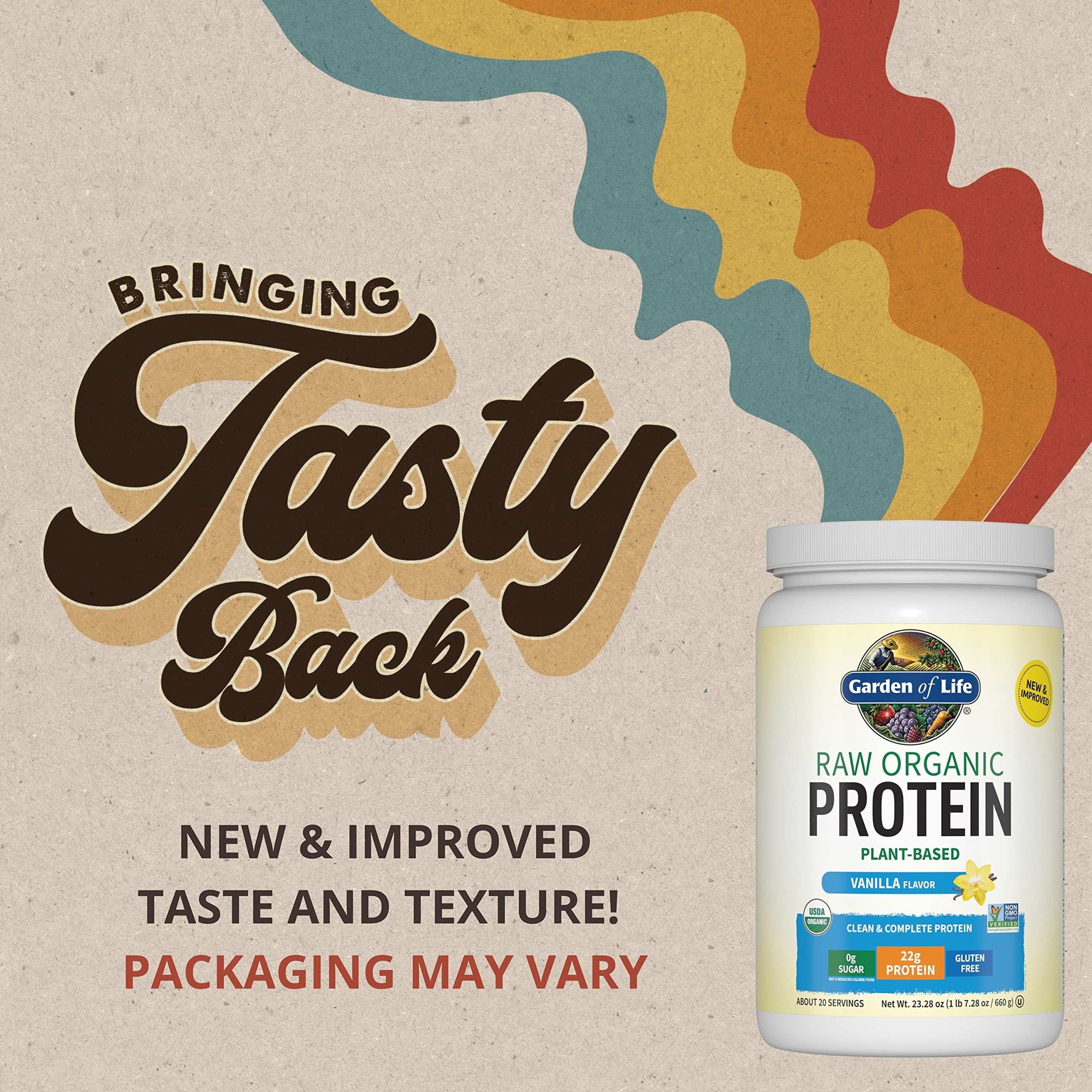
6.2 Garden of Life: The Purist’s Certified Choice
When it’s the best choice
- If you prioritize verifiable, third-party certifications (USDA Organic, Non-GMO) above all else.
- If you have a sensitive stomach and have had digestive issues with other protein powders.
- If you are on a ketogenic diet and need a very low-carb, clean option.
Prerequisites for success
- You must be willing to tolerate a distinct “earthy” or “grassy” flavor.
- You plan to incorporate the powder into smoothies with other ingredients to mask the taste.
- You are not deterred by its corporate ownership by Nestlé, a point of contention for some ethically-minded consumers (Reuters).
When to avoid
- If you want a protein powder that tastes good when shaken with just water.
- If your primary decision driver is flavor enjoyment.
- If you exclusively support smaller, independent brands.
✅ Strengths
- USDA Organic + Non-GMO + B-Corp certified
- Disclosed CFU counts for probiotics
- Built-in digestive enzyme blend
- Lowest net carbs — keto friendly
⚠️ Considerations
- “Earthy” / “grassy” flavor profile
- Owned by Nestlé — corporate concern for some
- Best masked in smoothies, not water
- No public heavy metal batch dashboard
A Verified Purchaser on Amazon from early 2024 summarized the experience: “The taste is something you tolerate, not enjoy, but it’s the first protein powder that hasn’t given me any digestive issues. For me, that peace of mind is worth the ‘earthy’ flavor.”
Brand Policies: Garden of Life also offers a 30-day money-back guarantee for products purchased from their site and free shipping on orders above a set amount.
6.3 Vega: The Transparent All-in-One
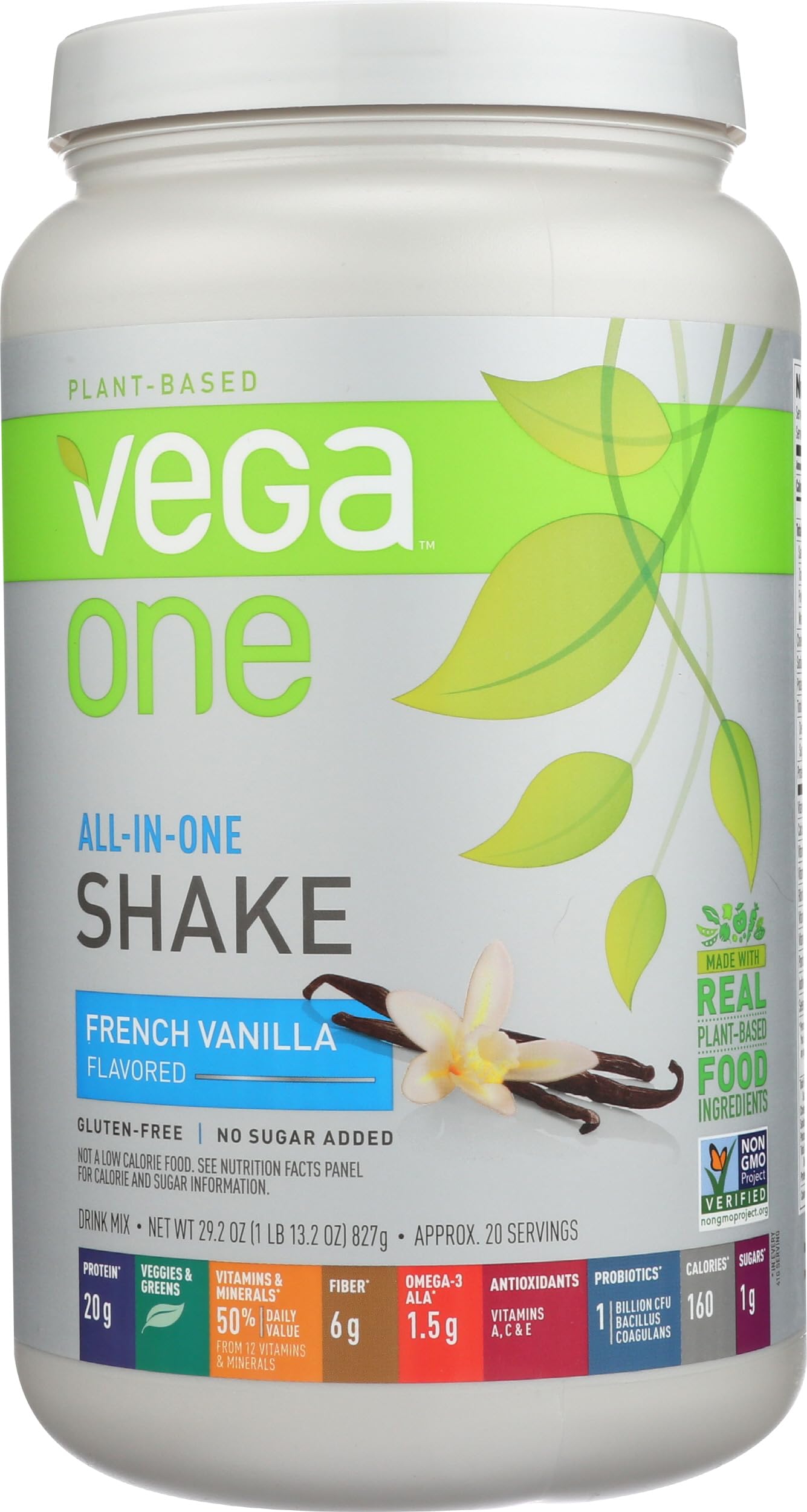
When it’s the best choice
- If public safety data is your non-negotiable top priority, as it’s the only brand with a public testing dashboard.
- If you are a busy professional or parent who values the convenience of an all-in-one nutritional shake.
- If you want to simplify your routine by combining your protein, multivitamin, and greens into one product.
Prerequisites for success
- You are willing to pay a premium price per gram of protein for the added convenience and transparency.
- You are not sensitive to gritty or chalky textures, which are common complaints.
- You don’t mind the distinct aftertaste of stevia and greens supplements.
When to avoid
- If your primary goal is maximizing protein intake for the lowest possible cost.
- If texture is a deal-breaker for you; it is consistently rated as the grittiest of the group.
- If you already have a multivitamin and supplement routine you are happy with.
✅ Strengths
- Industry-leading public batch testing dashboard
- All-in-one: protein + vitamins + greens
- USDA Organic + Non-GMO + B-Corp certified
- Saves the cost of separate multivitamin
⚠️ Considerations
- Highest cost per gram in this comparison
- Often described as gritty or chalky
- Strong stevia + greens aftertaste
- Overkill if you only need protein
Brand Policies: As a customer-focused B-Corp, Vega provides a 30-day satisfaction guarantee and standard free shipping thresholds on its direct website.
Part 7: Conclusion & Frequently Asked Questions
After a comprehensive analysis of these four plant-based protein powders, a clear decision framework emerges. There is no single “best” product, only a “best fit” for your unique priorities.
Your choice requires an honest assessment of what you are willing to trade: Taste (Orgain), Purity (Garden of Life), or Transparency (Vega). Each of these leading competitors offers a compelling value proposition, but each comes with a significant compromise you must be willing to accept.
However, one conclusion is unequivocal. Despite an appealing taste and high protein content, Rawnori’s complete failure to provide public safety data or third-party certifications makes it a risk I cannot advise consumers to take.
In a YMYL market, trust is not an abstract feeling; it is a verifiable metric built on data and transparency. By this standard, Rawnori falls critically short.
Our tech advisor, Mohamed Zaki, often recommends using data to make smart decisions, and the same applies here. Before you purchase your next tub of protein, ask one fundamental question: “Where is the data?”
If a brand cannot — or will not — provide it, you should give your business to a competitor who will. For shoppers who still want to give Rawnori a try at the lowest possible risk-adjusted price, an active working Rawnori coupon at minimum reduces the financial exposure. For those who enjoy Rawnori’s flavor, the safest path forward is the DIY alternative: a certified, unflavored powder like Garden of Life’s, which you can customize yourself for both safety and taste.
Frequently Asked Questions (FAQs)
Q1: Which plant-based protein powder tastes the best?
A: Orgain is consistently rated as the best-tasting option by a wide margin, often described as having a sweet, creamy, milkshake-like flavor that appeals to those new to plant proteins.
However, this superior taste comes with a significant trade-off. It is achieved using erythritol, a sugar alcohol that is well-documented in user reviews and studies to cause digestive distress like bloating for many individuals (Journal of Human Nutrition and Dietetics).
While Rawnori also receives positive flavor reviews, Orgain is the clear winner for taste, provided your digestive system can tolerate the sweetener. Competitors like Vega and Garden of Life are frequently described with less flattering terms like “gritty” or “earthy.”
Q2: Are organic protein powders safe from heavy metals?
A: No, a “USDA Organic” seal does not guarantee a product is free from heavy metals. This is a critical misconception.
Research from independent bodies like the Clean Label Project shows that because protein sources (like peas, rice, and soy) are plants, they can absorb contaminants like lead and cadmium directly from the soil they are grown in. Therefore, even an organic farm can produce crops containing heavy metals.
This makes a brand’s commitment to finished-batch testing and transparency — such as Vega’s public database — an arguably more important safety metric than the organic certification itself when it comes to contaminants.
Q3: Is Rawnori a good protein powder?
A: Based on our analysis, we cannot recommend Rawnori at this time. While it offers a desirable taste and a high protein content of 25g per serving, these benefits are overshadowed by a complete lack of transparency. You can read our full breakdown in our honest Rawnori Review for the long-form verdict.
The brand does not provide public third-party testing data for contaminants like heavy metals, nor does it hold key certifications like USDA Organic.
In a “Your Money or Your Life” (YMYL) product category where health is the primary concern, this absence of verifiable safety and quality information presents an unacceptable risk compared to more transparent competitors (Coupons Scout Editorial Guidelines).
Q4: Which protein powder is best for a sensitive stomach?
A: Garden of Life is the superior choice for individuals with a sensitive stomach. It is the only product in this comparison that includes a specified blend of digestive enzymes and a robust probiotic blend, with the CFU counts clearly listed on the label.
These ingredients are specifically included to improve digestibility and support gut health, a claim that is strongly supported by a large volume of positive user feedback on platforms like Amazon.
In contrast, Orgain is often cited as a cause of digestive issues due to its erythritol content, making it a poor choice for those with sensitivities.
Q5: Is Vega One worth the high price?
A: Vega One is only worth its premium price if you intend to use it as a comprehensive multivitamin and greens powder replacement.
It has the highest cost-per-gram of protein among the competitors analyzed because a significant portion of its formula is dedicated to a full spectrum of vitamins, minerals, and a greens blend (Vega One Product Page).
If you are simply looking for a high-quality protein supplement and already have a separate multivitamin, you are likely overpaying. Its value proposition is fundamentally based on being an “all-in-one” convenience product for busy individuals.
Q6: Why might Orgain cause bloating?
A: The most likely culprit for bloating and other digestive issues associated with Orgain is erythritol, a sugar alcohol it uses as a primary sweetener.
While it provides a sweet taste without the calories of sugar, sugar alcohols are known to be difficult for some people to digest. They can ferment in the gut, leading to the production of gas, which causes bloating, cramping, and discomfort.
A significant number of user reports from 2023-2024 on platforms like Reddit specifically link Orgain consumption to these symptoms, suggesting a strong correlation between the ingredient and the negative side effect for a subset of users.
Q7: What are “pixie dust” ingredients in supplements?
A: “Pixie dusting” is a deceptive marketing practice in the supplement industry where a manufacturer adds a minuscule, biologically insignificant amount of a popular or trendy ingredient to a product.
This is done simply to be able to list the ingredient on the label and capitalize on its marketing buzz, even though the dose is too low to provide any real health benefit (Healthline: What is Pixie Dusting?).
Rawnori’s proprietary “superfood blend” is a potential example of this. Because they do not disclose the quantities of each ingredient, it’s impossible for a consumer to know if they are receiving a clinical dose or just paying a premium for an impressive-looking list.
Q8: What’s the most important factor when choosing a protein powder?
A: From a safety and efficacy standpoint, the single most important factor is transparency. A brand’s willingness to provide public, third-party, batch-level testing data for contaminants and potency is the ultimate measure of trust and quality.
While factors like flavor, protein content, and price are important for user experience and budget, they are secondary to knowing that the product you consume daily is safe, clean, and actually contains what the label claims.
This is a core tenet of our evaluation framework at Coupons Scout, ensuring we prioritize consumer safety above all else (Our Editorial Methodology).
Q9: Should competitive athletes use these protein powders?
A: Competitive athletes who are subject to drug testing should only use products that are NSF Certified for Sport or Informed Sport certified.
These certifications are provided by organizations like the National Sanitation Foundation and verify that a product is free of over 270 substances banned by major athletic organizations.
Of the brands compared, only the specific sport lines from Vega and Garden of Life carry this certification, not the standard consumer products reviewed here. Using a non-certified product, even if it appears “clean,” carries a real risk of a positive test due to accidental cross-contamination during manufacturing.