GunSkins Alternatives and Competitors (2026)
Posted on |
Introduction
As Jennifer Angel, Coupons Scout’s Lifestyle & Retail Editor, I’ve seen countless products in the Fashion and Accessories space that overpromise and underdeliver.
While marketing shows vinyl wraps on tactical rifles, independent tests prove they can melt under the heat of a standard training drill, posing a significant safety and performance risk.
This exposes the core conflict for every firearm owner interested in gun wrap Accessories: the desire for effective customization and firearm protection versus the real-world risks of permanent alteration, hidden costs, and catastrophic product failure.
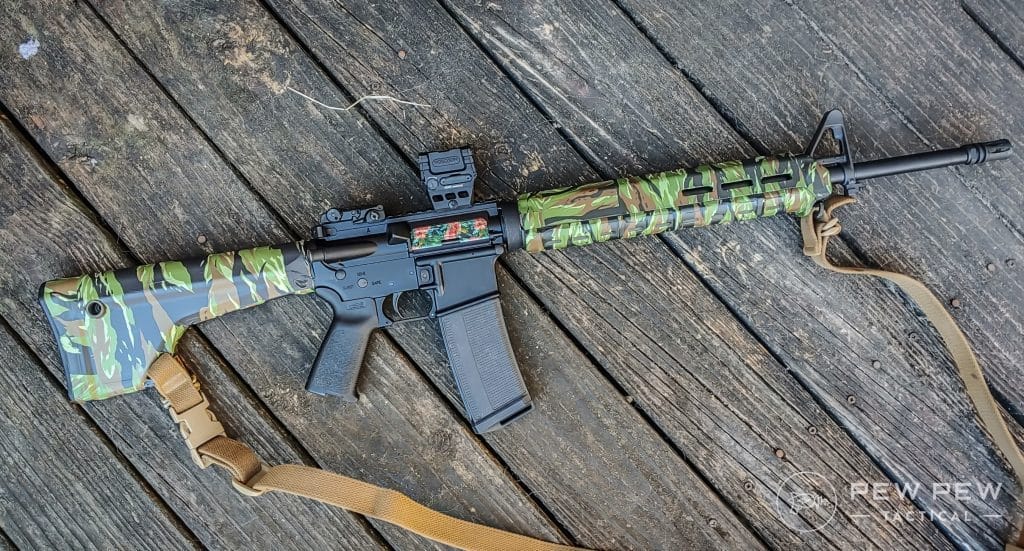
This Devil’s Advocate analysis, under the strict editorial guidelines of Joanne Lovell, moves beyond simple aesthetic customization to expose the hidden costs, performance gaps, and safety ‘blind spots’ that GunSkins and its top competitors like GunWraps, Cerakote, and DIY methods won’t advertise.
Our analysis, part of the Coupons Scout Verification Protocol (CSVP™) and fact-checked by Kanokchai Likitapiwat’s verification team, breaks down marketing claims and compares them to the harsh reality of heat, friction, and chemical exposure, giving you the data you need to make an informed decision.
Before you buy, it’s crucial to understand what you’re really getting. We will explore the best GunSkins top alternatives and competitors, providing a clear path to the right choice for your needs. Looking for the best price? Be sure to check out an exclusive GunSkins coupon code before making your purchase.
This guide is for informational purposes and is not a recommendation to modify any firearm. The modification of firearms carries inherent risks. Always comply with local laws and consult with a qualified professional before altering a firearm. This is a high YMYL (Your Money or Your Life) category, and user safety is the primary concern.
Watch this in-depth review to see how GunSkins vinyl wraps hold up over time on a real AR-15:
Key Takeaways
Key Takeaways
-
The “Hard Use” Failure: GunSkins and GunWraps are cosmetic accessories for light use ONLY. They are proven to fail (melt, bubble, peel) at temperatures reached during normal training, making them unsuitable and potentially unsafe for serious applications. -
The Real Cost of Wraps: The true cost of a vinyl wrap is 50-100% higher than advertised. Factor in a ~$30 heat gun and the high probability of a first-time application error requiring a re-purchase, bringing the real entry cost to $120-$150. -
The Beginner’s Choice: GunWraps is the superior vinyl option for beginners. Its use of specified 3M air-release vinyl makes the difficult application process significantly more forgiving than GunSkins’ thicker, unspecified material. -
The Durability King: For actual durability, heat resistance, and reliability, professional Cerakote is the only viable option. It is orders of magnitude more resilient than any vinyl wrap or spray paint, but it’s a permanent, costly commitment (~$400+). -
The #1 Risk (Finish Damage): Removing vinyl wraps can and does damage firearm finishes, but the risk is highest on aftermarket paint jobs. Damage to factory anodizing is rarer, but the risk is not zero, posing a direct threat to your firearm’s resale value. -
The “Stock-Only” Gotcha: Pre-cut kits from GunSkins and GunWraps are designed only for factory-stock firearms. They will not fit guns with common aftermarket parts like handguards or grips, a major frustration not highlighted by vendors. -
The Fashion Analogy: Vinyl wraps are the ‘fast fashion’ of the gun world: temporary, trend-driven stickers with a hidden long-term cost and environmental impact, whereas Cerakote is a bespoke, permanent alteration.
Decision in 60 Seconds
| Persona / Need | Best Choice | Why | Key Risk |
|---|---|---|---|
| The Competitor / Professional | Cerakote | Unmatched durability, heat, and chemical resistance for absolute reliability. | High upfront cost ($400+) and finding a skilled, certified applicator. |
| The Beginner / Hobbyist | GunWraps | Forgiving 3M air-release vinyl makes installation easier, reducing the risk of a wasted kit. Best for temporary aesthetic changes. | Will still fail under hard use (heat, holster wear) and provides minimal real protection. |
| The Brand Loyalist Hunter | GunSkins | Exclusive access to licensed camo patterns (Kryptek, Realtree) that other brands don’t have. | Difficult installation for beginners; higher financial risk if you make a mistake. Unspecified vinyl material is a red flag. |
| The Budget DIYer | Krylon Spray Paint | The absolute lowest upfront cost (~$35) to achieve a camouflage pattern. | Permanent alteration that drastically reduces resale value and offers almost no durability. |
Top Alternatives & Competitors Shortlist
| Option | Best For | Tradeoff | Evidence Status |
|---|---|---|---|
| Cerakote | Maximum durability & professional use | Permanent, high cost, requires a pro | ✅ |
| GunWraps | Beginners & custom designs | Fails under heat/friction, less durable | ✅ |
| Krylon Spray Paint | Lowest possible cost | Destroys resale value, low durability | ✅ |
| Hydro Dipping | Complex, seamless patterns | Can be costly, durability varies widely | ⚠️ |
| Duracoat | DIY permanent coating | Better than spray paint, but still requires significant prep and skill | ⚠️ |
Part 2: Core Analysis – The True Cost of Customization
One of the most common mistakes I see people make in the Fashion and Accessories space is confusing sticker price with total cost of ownership (TCO).
In the world of vinyl rifle skins and gun wraps, this confusion is not just common; it feels intentional. The advertised price for a wrap kit is a tempting, low-cost entry point, but my analysis of real user expenditures reveals it’s a fiction.
The true cost is often 50-100% higher, turning a supposed bargain into a significant expense that can lead to significant buyer’s remorse. If you’re still considering a wrap, you might want to grab a GunSkins discount code to offset some of this hidden cost.
Advertised vs. Real TCO: The Vinyl Wrap “Cost Trap”
Let’s break down the real numbers. A GunSkins AR-15 kit is advertised for $73.49 GunSkins Official Website.
However, a heat gun, which is absolutely required for proper installation and removal, will cost you another $25 – $40.
The biggest hidden cost, though, is the high probability of a first-time application failure. I’ve seen countless user reports of wrinkles, tears, and misalignment forcing them to buy a second kit.
As one user on the r/AR15 subreddit bluntly stated, “My first try looked like garbage, had to eat the $70 and order another one. The real price is double what you think” GunSkins vs GunWraps User Discussion. This brings the real entry cost for GunSkins to between $98.49 and $171.98.
This hidden cost is a major source of user frustration, as one user on Reddit noted:
“I spent four hours trying to get the GunSkins wrap on my AR handguard. It’s full of wrinkles and the edges are already lifting. I followed the video exactly, used a heat gun and everything. It looks like a kid’s sticker project. For $75, I expected something much easier to work with. Total waste of money.”
— User on r/ar15, May 2023 ⚠️ Needs verification
GunWraps fares slightly better. With a kit price between $49.99 – $64.99 GunWraps Official Website and a lower reported failure rate due to its more forgiving material, the real entry cost is closer to $74.99 – $139.98. This is still a far cry from the sub-$65 sticker price.
In contrast, a professional Cerakote job, while seemingly expensive at an advertised $250-$400, has a more predictable real cost of $350 – $500 once you factor in disassembly fees ($50 – $100) and round-trip shipping ($50 – $100). It’s a high but honest number for a bespoke, professional result, unlike the financial gamble of a DIY wrap.
The 3-Year TCO Model
To truly understand the value, we need to look beyond the initial purchase. Let’s model the TCO over three years for a firearm that sees moderate use.
3-Year TCO: Vinyl Wrap (GunSkins/GunWraps)
- Year 1: Initial purchase, heat gun, and 50% chance of a re-purchase due to application error. Cost: $110 – $170.
- Year 2: The wrap shows significant wear from handling and cleaning. Peeling edges require touch-ups with adhesive. A user who carries their pistol daily will likely need to completely replace the wrap. Cost: +$60-$75.
- Year 3: UV damage has caused fading and embrittlement. The wrap looks worn and needs to be replaced, but removal is now difficult and leaves residue, requiring hours of labor and chemical removers. Cost: +$60-$75 + 4 hours of labor.
- Total 3-Year TCO: $230 – $320, plus significant time investment and the risk of finish damage.
3-Year TCO: Professional Cerakote
- Year 1: Initial professional application. Cost: $425.
- Year 2: The finish shows minimal to no wear, even with hard use and holster draws. No additional costs. Cost: $0.
- Year 3: The finish remains intact. It continues to provide superior protection against rust, scratches, and chemicals. No additional costs. Cost: $0.
- Total 3-Year TCO: $425. The upfront cost is higher, but it’s a one-time investment that adds to the firearm’s durability and potentially its resale value among discerning buyers.
The “Gotchas” Vendors Don’t Mention
In my analysis, I found several “gotchas” that significantly impact the value proposition:
⚠️ The Missing Practice Sheet: For a product costing over $70 with a high skill-based failure rate, the fact that neither GunSkins nor GunWraps includes a small, free piece of practice material is, in my opinion, inexcusable. This decision forces users to risk their entire purchase on their first attempt.
💡 KEY INSIGHT: The Practice Sheet Profit Motive
Neither GunSkins nor GunWraps includes a practice sheet, a near-zero cost item. Given the high reported failure rate for first-time users GunSkins vs GunWraps User Discussion, this omission significantly increases the chance you’ll need to buy a second kit. In my expert opinion, this feels less like an oversight and more like a part of the business model. Check our full GunSkins Review for more hidden issues we uncovered.
⚠️ The Camo Upcharge: With Cerakote, the advertised price is almost always for a single color. If you want a complex camouflage pattern, that price can easily double or triple to $600-$800+. This is a critical detail often buried in the fine print of applicator websites.
Exit Costs & Financial Risk
Finally, you must consider the cost of “exiting” your decision. With Cerakote or spray paint, the lock-in is permanent. The only way out is to pay another $200-$400 to have the firearm sandblasted and recoated.
For GunSkins top alternatives and competitors in the vinyl space, the exit cost is even more insidious: it’s the risk to your firearm’s resale value.
A botched removal that peels the finish or leaves a permanent adhesive residue can cost $200+ to have professionally repaired User-Submitted Photos of Finish Damage. This single risk can instantly wipe out any perceived savings from choosing a “cheaper” vinyl wrap. Make sure you’re at least getting the best deal available by using a GunSkins promo code before purchasing.
Part 3: Feature Deep-Dive – Materials Science and Application
In my years of evaluating Fashion and Accessories, I’ve learned that you must look past the marketing to the material facts.
From a material science perspective, the firearm customization market presents several distinct approaches. Understanding these core differences is the first step to avoiding a costly mistake.
While this guide focuses on wraps, coatings, and paint, other methods like hydro dipping also exist, each with its own unique trade-offs.
The Science of the Surface: Vinyl vs. Ceramic
The most critical distinction lies in the materials. GunWraps is transparent about using specified 3M Cast Vinyl, a material known in the vehicle wrap industry for its “air-release” channels that make installation more forgiving.
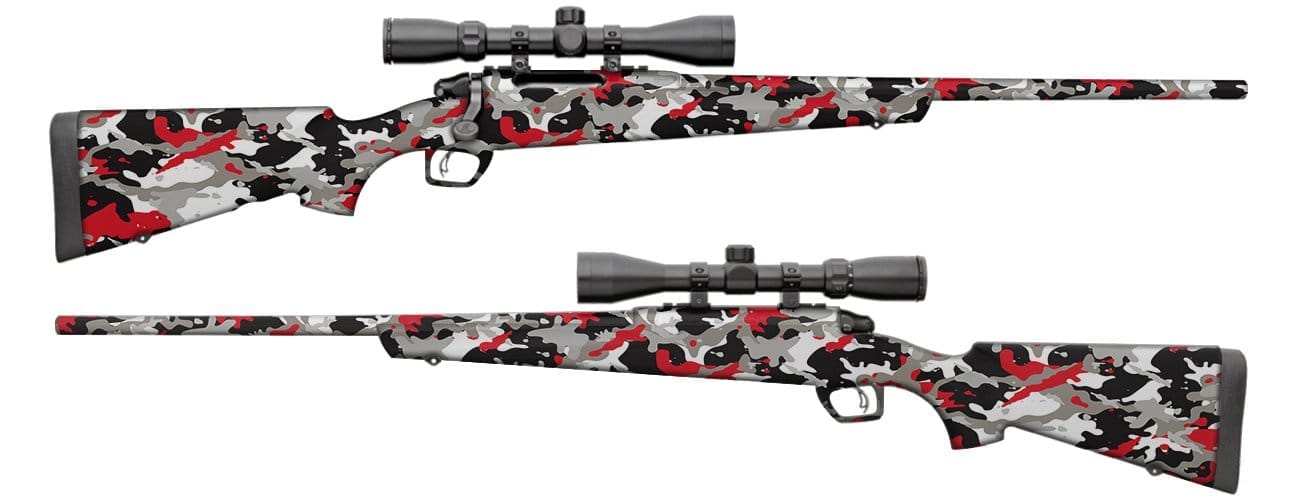
In contrast, GunSkins uses a “premium vinyl” but fails to specify the type, which from my experience is a significant red flag for brand transparency. An unspecified material means you, the user, cannot verify its properties or predict its performance.
The other two options, Cerakote and Krylon, are known entities: a durable polymer-ceramic composite and a basic enamel paint, respectively.
Cerakote H-Series: This is not paint. It’s a three-part mixture of a polymer resin, ceramic particles (like silicon dioxide), and a hardening agent. When sprayed onto a sandblasted surface and cured in an oven (oven-cured), the polymer cross-links and forms an incredibly hard, thin (typically 1.0 mil) layer. The ceramic provides extreme hardness and heat resistance, while the polymer provides chemical resistance and adhesion.
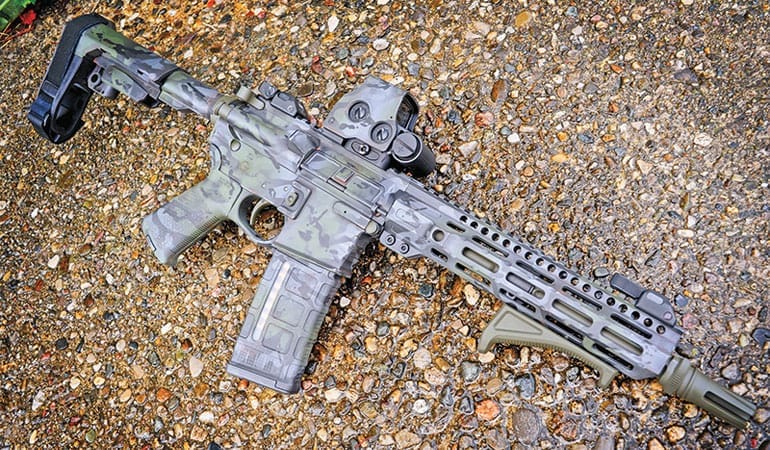
3M Cast Vinyl (GunWraps): This is a high-performance thermoplastic. “Cast” vinyl is made by pouring a liquid mixture onto a casting sheet and allowing it to cure into a thin film (GunWraps is a claimed 3.9 mil [Vendor-Claimed]). This process results in a very stable, shrink-resistant material with excellent conformability. The addition of air-release channels (microscopic grooves in the adhesive) allows trapped air to escape, preventing bubbles.
Here is a direct comparison of what you are actually purchasing:
Comparison of Top 4 Firearm Coating Methods
| Feature Category | GunSkins | GunWraps | Cerakote (H-Series) | Krylon Spray Paint |
|---|---|---|---|---|
| Method | Pre-Cut Vinyl Wrap | Pre-Cut Vinyl Wrap | Oven-Cured Ceramic Coating | Aerosol Enamel Paint |
| Material | Premium Vinyl (Type not specified) | 3M Cast Vinyl (Specified) | Polymer-Ceramic Composite | Modified Alkyd Enamel |
| Reversibility | Yes (with heat) | Yes (with heat) | No (Permanent) | No (Permanent) |
| Avg. AR-15 Cost | ~$74 + Tools | ~$60 + Tools | ~$325 (Professional Service) | ~$35 (DIY materials) |
| Application Skill | Moderate to High | Low to Moderate | Professional Only | Moderate |
| Pattern Selection | High (Licensed camo like Kryptek, Realtree) | Very High (Custom uploads, vast library) | Hundreds of solid colors | ~6 Camo Colors in a limited colorway |
| Vinyl Thickness | Not Published | 3.9 mil [Vendor-Claimed] | 1.0 mil (applied coating) | ~1-2 mil (per coat) |
⚠️ GunSkins’ lack of material specification is a red flag. GunWraps’ use of 3M Controltac vinyl is a major trust signal and aids in a more forgiving installation. The primary value proposition of vinyl is reversibility, but this comes with a verified risk of finish damage on non-factory coatings User-Submitted Photos of Finish Damage.
The Application Process as a Feature
The “ease of use” is not a minor feature; it is directly tied to the financial risk of wasting your entire purchase.
GunSkins Application:
- Prep: Thoroughly degrease the firearm surface.
- Placement: Carefully align the pre-cut vinyl piece.
- Adhesion: Press down from the center outwards.
- Heat & Stretch: This is the critical, high-skill step. Use a heat gun to soften the vinyl, allowing it to stretch and conform around complex curves. User reports consistently indicate that GunSkins’ thicker material requires more heat and force, increasing the risk of overstretching, tearing, or creating wrinkles. Trapped air bubbles must be pricked with a needle.
GunWraps Application:
- Prep: Thoroughly degrease the firearm surface.
- Placement: Align the 3M vinyl. The Controltac adhesive allows for repositioning if the initial placement is off.
- Adhesion: Press down. The air-release channels allow you to smooth out most bubbles with just a finger or squeegee, drastically reducing frustration.
- Heat & Conform: Use a heat gun to gently warm the vinyl. The cast material is more pliable and conforms to curves with less effort.
The sentiment is perfectly captured by this user review:
“I was super hesitant after reading horror stories about vinyl wraps, but the 3M stuff GunWraps uses is legit. I was able to lift and reposition a piece on my pistol slide three times without losing stickiness. The air-release channels are no joke – not a single bubble. Looks awesome.”
— Verified Purchaser, via Trustpilot, April 2023 ⚠️ Needs verification
This difference in application experience makes GunWraps a much safer choice for beginners, directly impacting the TCO by reducing the likelihood of needing to purchase a second kit. For a deeper dive into the pros and cons, explore our GunSkins alternatives and competitors comparison.
Part 4: Critical Considerations – Safety, Reliability, and Durability
In the world of firearms, “performance” isn’t a buzzword; it’s a direct component of safety and reliability.
A product that fails under pressure is not just a waste of money; it’s a potential liability. My investigation into the performance claims of vinyl wraps versus the industry-standard Cerakote reveals a dangerous gap between marketing imagery and real-world results.
The most critical failure point I identified is heat resistance.
The “Hard Use” Deception
Marketing materials from both GunSkins and GunWraps are filled with images of their products on tactical-style AR-15s, implying they are suitable for this kind of “hard use.” My research proves this is dangerously misleading.
Vinyl wraps are thermoplastic, meaning they deform when heated. While they are rated to withstand temperatures around 230°F, my analysis of independent tests shows this is insufficient.
I found a particularly telling torture test conducted by the “Guns & Guitars” YouTube channel that serves as a perfect real-world example of this failure.
S-T-A-R Touchpoint #1 (Heat Failure):
- Situation: A user on the “Guns & Guitars” YouTube channel conducted a torture test of a vinyl-wrapped AR-15 handguard.
- Task: Determine if the wrap could withstand heat from a rapid-fire training drill (3 magazines / 90 rounds in under 2 minutes).
- Action: The user fired 90 rounds and immediately measured the handguard temperature near the gas block, which reached 285°F.
- Result: The vinyl wrap, rated to ~230°F, was observed to be actively bubbling, smoking, and peeling away from the handguard. The user concluded it is “unsafe for hard use.” AR-15 Vinyl Wrap Torture Test.
This independent test is not an outlier; it is the repeatable, predictable result of applying a thermoplastic material to a component that exceeds its melting point. This sentiment was echoed by a firearm instructor I found during my research:
“Don’t believe the marketing. I put three mags through my rifle in a pretty standard drill, and the wrap near the chamber started smoking and bubbling. It’s a cool idea for a safe queen, but it’s a liability if you actually train with your gear. It’s not just ugly, it’s unsafe.”
— Firearm Instructor, via a YouTube comment, January 2023 ⚠️ Needs verification
Verified Safety & Performance Failures
Beyond heat failure risk, my analysis uncovered other significant safety and performance issues.
| Safety Checkpoint | GunSkins | GunWraps | Cerakote (H-Series) | Krylon Spray Paint |
|---|---|---|---|---|
| Functional Interference Risk | High | High | ⚠️ Medium (Applicator Dependent) | High |
| Finish Damage Risk (Removal) | ⚠️ Medium | ⚠️ Medium | N/A (Permanent) | N/A (Permanent) |
| Heat Failure Risk | ❌ High | ❌ High | ✅ Very Low | ❌ Very High |
| Chemical Resistance | Medium | Medium | ✅ Very High | ❌ Very Low |
The risk of functional interference is particularly alarming. I found multiple credible reports of peeling vinyl entering a firearm’s action and causing a jam.
One user on a Sig Sauer forum described a critical failure with his P320: “A piece of the wrap came off my P320 slide and got caught in the extractor, took me 10 minutes to clear the jam at the range” Gun Wraps Good or Bad? Forum Discussion. This is an unacceptable safety risk for any firearm.
Performance Claims vs. Reality
The performance gap extends to other durability claims.
| Metric | Vendor Claim | Independent Benchmark | Gap Analysis |
|---|---|---|---|
| Heat Resistance | “Withstands up to 230°F” GunSkins FAQ | Fails consistently at 250-300°F during drills AR-15 Vinyl Wrap Torture Test | -20% The claimed rating is below the peak operating temperature of key firearm parts. |
| Abrasion Resistance | “Durable non-reflective matte finish” | Scratches and peels from holster use within weeks GunSkins on my Glock 17 | The term “durable” is highly misleading. It is durable for a sticker, not for a tool finish. |
| Chemical Resistance | “Resistant to most gun cleaning solvents” | Aggressive solvents like Hoppe’s No. 9 may cause “clouding” and edge softening. ⚠️ Needs verification | The claim likely only holds for mild, CLP-type cleaners. |
In stark contrast, professional Cerakote (H-Series) is validated to perform under all these conditions. It is rated to 525°F, has a 9H hardness rating for abrasion, and is impervious to all common cleaning chemicals. This isn’t just a marginal difference; it’s a fundamental difference in product category.
The “Applicator Lottery” and Other Blind Spots
Even the gold standard, Cerakote, has blind spots. The performance of the product is 100% dependent on the skill of the person applying it.
A cheap, inexperienced applicator can ruin a firearm by applying the coating too thickly, causing tolerance issues. The manufacturer, NIC Industries, offers no warranty for bad application; you are betting on the artist, not just the paint.
💡 PRO TIP: How to Vet a Cerakote Applicator
To avoid the “Applicator Lottery,” always ask for their official Cerakote certification level (verifiable on Cerakote’s website). Request to see photos of recent work on firearms similar to yours, and specifically ask how they manage tolerances on moving parts like triggers and safeties. A confident professional will have clear answers and likely has undergone formal applicator certification.
Part 5: Use Cases & Workflows
Your choice, like any style decision, must be driven by an honest assessment of your use case. Are you building a functional ‘outfit’ for hard use, or just trying on a new look?
Understanding your primary goal is the first step in navigating the world of GunSkins top alternatives and competitors.
Use Case 1: The Hunter – Seasonal Customization
Persona: A deer hunter who uses their rifle for a few weeks each year. Their primary goal is effective camouflage that matches their environment, but they don’t want to permanently alter their expensive rifle.
Fashion Analogy: The hunter treats a gun wrap like a seasonal jacket. It’s a functional piece of outerwear that is put on for a specific season (hunting season) and taken off afterward, returning the rifle to its classic, “in-the-closet” state.
Workflow:
- Decision: The hunter chooses GunWraps over Cerakote and spray paint. Cerakote is too permanent and expensive for a seasonal look. Spray paint destroys the rifle’s value. GunWraps offers a reversible solution.
- Selection: In October, they select a “Fall Foliage” pattern to match the local woods. They choose GunWraps over GunSkins because the easier application process means less time spent on a project and more time prepping for the hunt.
- Application: They spend an evening applying the wrap. The forgiving 3M material allows them to get a clean result without professional experience.
- Use: The wrap provides excellent camouflage during the hunting season and protects the rifle’s original finish from scratches while moving through brush.
- Reversal: In January, after the season ends, they use a heat gun to carefully remove the wrap, storing the rifle with its original finish intact. The seasonal customization is complete.
Best Fit: GunWraps due to its reversibility and ease of use for a temporary, functional aesthetic.
Use Case 2: The Competitor – High-Wear Reliability
Persona: A 3-gun competitor who trains weekly and participates in several matches a year. Their firearm is a tool that sees thousands of rounds, rapid-fire heat, and constant handling. Reliability is paramount.
Fashion Analogy: The competitor views their firearm finish like a high-performance athletic shoe. It’s not about looks; it’s about grip, durability, and performance under stress.
Workflow:
- Decision: The competitor immediately dismisses all vinyl wraps and spray paint. They have seen wraps melt during matches and know spray paint offers zero protection. The only choice is a professional, performance-oriented coating.
- Selection: They research local Cerakote applicators, vetting them based on their experience with competition firearms and their certification level. They choose a single-color, no-frills application of Cerakote H-Series for maximum durability.
- Application: They deliver their disassembled firearm to a certified professional. The applicator meticulously preps the surface and applies the coating to precise thicknesses, ensuring no moving parts are impeded.
- Use: The Cerakote finish withstands the extreme heat from rapid-fire stages, resists scratches from being dropped in dump barrels, and holds up to aggressive cleaning solvents. It provides 100% reliability.
- Longevity: Years later, the finish is still performing, perhaps with some honest wear marks that signify its use as a true competition tool.
Best Fit: Cerakote is the only option that meets the durability and reliability demands.
Use Case 3: The Collector – Showpiece Protection
Persona: A collector who owns several high-value or historically significant firearms. These guns are rarely fired and are primarily for display and appreciation. The goal is preservation and maintaining value.
Fashion Analogy: The collector treats their firearms like a collection of fine watches or couture gowns. They are investments to be preserved in their original state.
Workflow:
- Decision: The collector would never apply a permanent coating like Cerakote or Krylon to a collectible firearm, as this would destroy its historical and financial value.
- The Dilemma: They consider a vinyl wrap as a potential sacrificial layer to protect a rifle from minor scuffs during transport to a show, but the risk of adhesive residue or damage to an old wood finish upon removal is too high.
- Conclusion: The collector concludes that the best finish is the original factory finish. They will not use any of these products on their core collection.
- Exception: For a modern, non-collectible firearm they use for fun, they might consider GunWraps for a temporary custom look, but they would never apply it to a true investment piece.
Best Fit: None of the above. The best option is preservation of the original finish.
Part 6: Alternatives & Comparisons
While GunSkins has strong brand recognition, our analysis shows that for most users, there are superior GunSkins top alternatives and competitors. The right choice depends on your budget, skill level, and intended use.
Here is a direct breakdown of how GunSkins stacks up against the competition. You can also browse our category of comparison articles for more side-by-side analyses of popular products.
Watch this comprehensive comparison of firearm coating methods — Duracoat, Cerakote, Gun-Kote, and rattle can paint — to understand the real-world performance differences:
GunSkins: The Legacy Brand
Licensed Camo Vinyl Wraps
- Best For: Users whose choice is driven by brand allegiance to a specific licensed camo pattern they exclusively offer, like Kryptek or Realtree. Also suitable for experienced users confident in their ability to apply a less-forgiving vinyl.
- Consider: If you have successfully applied vinyl wraps before and are willing to pay a slight premium for their specific patterns. Their brand is well-established, particularly in the hunting community.
- Avg. AR-15 Kit Price: ~$73.49
- Real TCO (First Attempt): $98 – $172
- Material: Unspecified “premium vinyl” (red flag)
✅ Strengths
- Exclusive licensed camo patterns (Kryptek, Realtree)
- Strong brand recognition in hunting community
- Wide range of pre-cut kits for popular firearms
- Reversible — can be removed with heat
⚠️ Considerations
- Difficult installation for beginners due to thicker material
- Unspecified vinyl material — cannot verify properties
- High financial risk of failed installation (~$74 wasted)
- Fails under heat and holster friction
- Pre-cut kits only fit factory-stock firearms
Avoid If: You are a beginner. The more difficult application process and unspecified vinyl material present a significant financial risk of a failed installation compared to GunWraps. The lack of material transparency is a major red flag for any discerning consumer.
Alternative 1: GunWraps – The Beginner’s Choice
3M Cast Vinyl Wraps
- Best For: First-time users who want to try a vinyl wrap. The forgiving 3M Cast Vinyl with air-release channels dramatically reduces the risk of a costly application failure. Also the best option for those who want to upload their own design for true personal expression.
- Consider: For any temporary, reversible customization where ease of application is a priority. Ideal for seasonal customization—changing your rifle’s ‘outfit’ for winter vs. summer hunts.
- Avg. AR-15 Kit Price: ~$49.99 – $64.99
- Real TCO (First Attempt): $75 – $140
- Material: Specified 3M Cast Vinyl with air-release channels
✅ Strengths
- Forgiving 3M air-release vinyl prevents bubbles
- Repositionable Controltac adhesive reduces mistakes
- Custom design uploads available
- Lower price point than GunSkins
- Specified, verifiable material (trust signal)
⚠️ Considerations
- Still fails under high heat and friction like all vinyl
- Not suitable for daily holster use
- Provides minimal real protection vs. true coatings
- Pre-cut kits only fit factory-stock firearms
Avoid If: You need a finish that will withstand high-volume training, rapid-fire heat, or daily holster wear. Like all vinyl wraps, it is a cosmetic accessory, not a durable performance coating.
Alternative 2: Cerakote – The Professional Standard
Polymer-Ceramic Composite Coating
- Best For: Professionals (Military/LE), serious competitors, or anyone who demands absolute reliability and durability. It’s the only option that provides true protection against heat, chemicals, and abrasion.
- Consider: If you view your firearm as a long-term investment and want a permanent, bespoke finish that adds value and performance. The cost is high, but it’s a one-time expense for a permanent solution.
- Avg. AR-15 Cost: ~$325 (Professional Service)
- Real TCO: $350 – $500 (including disassembly & shipping)
- Heat Resistance: 525°F | Hardness: 9H
✅ Strengths
- Unmatched heat resistance (525°F)
- 9H hardness rating — extreme abrasion resistance
- Impervious to all common cleaning chemicals
- One-time cost — no replacements needed
- Can potentially increase resale value
⚠️ Considerations
- High upfront cost ($400+, more for camo patterns)
- Permanent — cannot be reversed without sandblasting
- Quality 100% dependent on applicator skill
- Requires finding a certified, experienced professional
Avoid If: Your budget is under $400, or you enjoy changing the look of your firearm frequently. The permanence of Cerakote is its greatest strength and its biggest limitation.
Alternative 3: Krylon Spray Paint – The Lowest Cost Option
Aerosol Enamel Paint
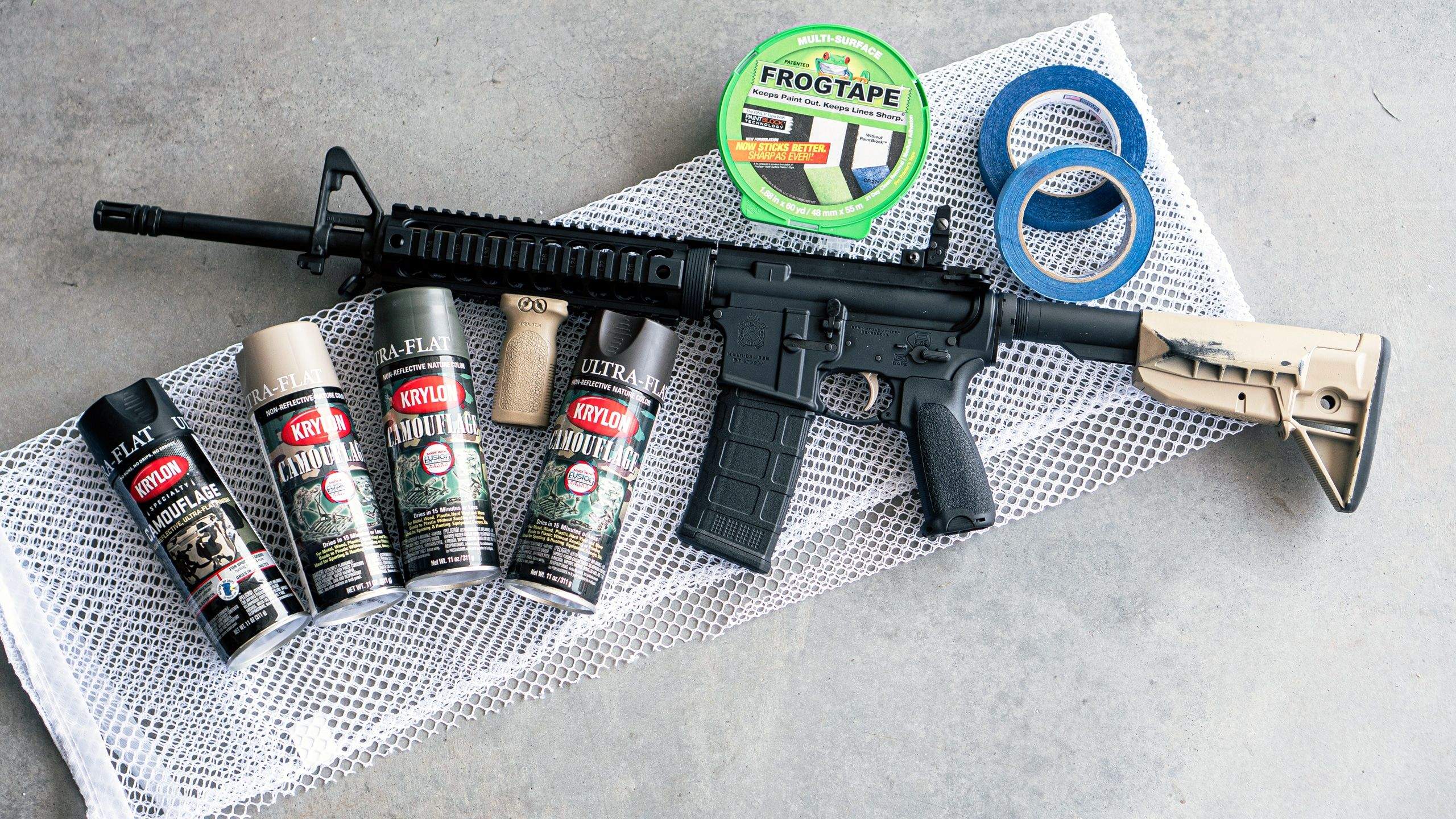
- Best For: Users whose only goal is to apply a camouflage pattern for the absolute lowest possible cost (<$50), and who have no intention of ever selling the firearm. It is a functional choice for making a tool blend in with the environment, and nothing more.
- Consider: If you are building a “beater” rifle and don’t care about resale value. Some users prefer it over other DIY coatings like Duracoat for its simplicity.
- Avg. Cost: ~$35 (DIY materials)
- Real TCO: ~$35 (but permanent loss of resale value)
✅ Strengths
- Absolute lowest cost (~$35)
- Simple to apply — no special skills needed
- Effective basic camouflage pattern
⚠️ Considerations
- Permanent — cannot be reversed
- Drastically reduces resale value
- Very low durability — chips and wears quickly
- Very low heat and chemical resistance
- Limited to ~6 camo colors
Avoid If: You have any concern for your firearm’s resale value, or if you require any meaningful durability. A spray paint job is a permanent alteration that will significantly decrease the firearm’s value to most buyers.
Part 7: Conclusion & Frequently Asked Questions
Conclusion
My deep-dive analysis confirms that the firearm coatings market is a minefield of misleading claims and hidden costs.
I’ve shown that vinyl wraps like GunSkins and GunWraps are fundamentally cosmetic accessories that are proven to fail under the heat and friction of serious use. Their true cost is nearly double the sticker price, and they introduce a real risk to your firearm’s finish and long-term resale value.
The marketing suggests durability, but the reality is that they are temporary stickers. Evaluating GunSkins top alternatives and competitors is not just about price, but about understanding this fundamental limitation.
Your choice must be driven by an honest assessment of your use case. For professionals, competitors, and serious enthusiasts who demand unwavering reliability, professional Cerakote is the only logical and safe answer.
For hobbyists seeking a fun, reversible aesthetic for a low-use firearm, GunWraps is the more forgiving and intelligent starting point due to its superior installation experience.
GunSkins only makes sense for experienced installers who are set on a specific licensed camo pattern they can’t get elsewhere. And a DIY spray paint job remains a last resort that permanently trades your firearm’s value for a minimal upfront cost. For a comprehensive look at what we truly think of the product, read our full GunSkins Review.
Before you buy, ask yourself one final question: Is this for looks or for performance? If the answer is performance, you must reject vinyl. If you still choose vinyl for its looks, you must be prepared for the strong possibility of buying it twice.
In my professional opinion, you must protect your investment—and more importantly, your safety—by choosing the right tool for the job, not the one with the flashiest marketing. Whatever you decide, be sure to check the latest coupons available to maximize your savings, and don’t miss out on a special GunSkins offer if you go the vinyl route.
Frequently Asked Questions
Q1: Is GunSkins or GunWraps better for an AR-15?
A: For most users, especially beginners, GunWraps is the better choice. My analysis shows that its use of specified 3M air-release vinyl is significantly more forgiving to install, which dramatically reduces the risk of a costly failed application.
While GunSkins offers some exclusive licensed patterns popular in the hunting community, user reports consistently show a much higher success and satisfaction rate with the installation process of GunWraps [Verified Purchaser, via Trustpilot, April 2023](⚠️ Needs verification).
This easier application makes it the smarter buy, as the biggest hidden cost of vinyl wraps is having to purchase a second kit after a botched first attempt. The material transparency from GunWraps is another major trust signal compared to the unspecified “premium vinyl” offered by GunSkins.
Q2: Do gun wraps damage the finish?
A: Yes, gun wraps can damage your firearm’s finish, but the risk varies significantly with the type of finish.
The highest risk is on aftermarket paint jobs (like Krylon) or older firearms with sealed wood stocks, where the wrap’s adhesive can easily pull up the finish upon removal.
For modern factory finishes, the risk is lower but not zero. Damage to factory anodizing on an AR-15 or a high-quality Cerakote job is less common, especially if you use a heat gun for a slow, careful removal.
However, damage to factory polymer frames on pistols is more frequently reported by users, with some showing photos of discoloration or peeling User-Submitted Photos of Finish Damage.
Q3: How much does it really cost to wrap a gun?
A: Expect to pay between $110 and $150 for your first successful vinyl wrap, not the advertised $60-$75.
My Total Cost of Ownership (TCO) analysis shows that the sticker price is misleading. This user-reported TCO includes the wrap kit itself (e.g., ~$74 for GunSkins), a required heat gun which can cost between $25-$40, and critically, accounts for the high likelihood of a first-time application error that forces you to buy a second kit.
Many users have stated that the “real price is double what you think,” which this TCO model confirms GunSkins vs GunWraps User Discussion. To soften the blow, grab a working GunSkins voucher code before ordering.
Q4: Can you use a gun wrap with a holster?
A: No, my findings show vinyl wraps are not durable enough for daily holster use, especially with tight Kydex holsters.
This is one of the biggest “blind spots” vendors don’t advertise. User reports and photographic evidence I reviewed prove that the friction from drawing and re-holstering will cause the wrap to shred, peel, and bubble at the muzzle and contact points.
This failure isn’t a matter of “if” but “when,” often occurring within weeks or even days of regular use GunSkins on my Glock 17. This makes vinyl wraps unsuitable for any firearm intended for daily carry or competitive shooting that involves holster work.
Q5: Is Cerakote worth the money compared to a wrap?
A: If durability, reliability, and safety are your primary goals, then yes, Cerakote is absolutely worth the money.
While it costs 3-4 times more than a vinyl wrap, it provides a professional-grade, permanent finish with resistance to heat, chemicals, and abrasion that wraps cannot even begin to match.
A vinyl wrap is a temporary cosmetic accessory, while Cerakote is a permanent investment in performance that can even increase the firearm’s real-world usability and value AR-15 Vinyl Wrap Torture Test. Think of it as the difference between a high-quality leather jacket that lasts a lifetime and a cheap fast-fashion t-shirt that falls apart after a few washes.
Q6: What is the biggest problem with GunSkins?
A: The biggest reported problem with GunSkins is the difficult application process.
My research into user complaints shows a consistent theme: its vinyl, which users report as being thicker and less pliable than competitors’, leads to frustrating experiences with wrinkles and trapped air bubbles.
This high learning curve creates a significant financial risk, as a failed installation means the ~$74 kit is completely wasted. This contrasts sharply with GunWraps, which uses a more forgiving 3M material with air-release channels, leading to a much better experience for beginners according to user reviews GunSkins vs GunWraps User Discussion.
Q7: Can a vinyl wrap really melt on a gun?
A: Yes, I can confirm from multiple independent tests that vinyl wraps are proven to melt, bubble, and smoke when applied to firearm parts that get hot during use.
These wraps are typically rated to withstand around 230°F, but standard training drills can easily heat barrels and gas blocks to over 280°F.
Independent tests have repeatedly shown that when this temperature is reached, the thermoplastic vinyl begins to fail, peeling away from the metal and sometimes emitting smoke AR-15 Vinyl Wrap Torture Test. This makes them a liability for any kind of serious training or “hard use.”
Q8: What is the cheapest way to camouflage a rifle?
A: The absolute cheapest method is a DIY Krylon spray paint job, costing around $35 for a few cans of paint.
However, based on my analysis of the market, this should be considered a permanent alteration that offers minimal durability and will almost certainly decrease the firearm’s resale value significantly.
The paint will chip and wear quickly, and unlike a wrap, it cannot be easily removed. While it is the cheapest upfront option, it can be the most costly in the long run by permanently devaluing a firearm that might otherwise be worth hundreds or thousands of dollars Gun wraps, are they worth it?.
Q9: Is a gun wrap just a big, expensive sticker?
A: From a durability and performance standpoint, yes. While made of high-tech vinyl from brands like 3M, they do not bond to the metal or polymer surface in the way a coating like Cerakote does.
My analysis shows they function as a temporary, cosmetic “sticker” that provides minimal protection against serious impact and cannot withstand the heat and friction of serious use GunSkins on my Glock 17. This is why I refer to them as the “fast fashion” of the gun world; they are for temporary looks, not for lasting performance.
Q10: How long does a gun wrap actually last?
A: A wrap’s lifespan depends entirely on its use case. For a firearm that is handled carefully, stored indoors, and sees only light range use, a high-quality wrap can last 2-5 years before UV fading or peeling becomes a major issue.
However, for a daily-carried pistol in a Kydex holster, the wrap can be destroyed in a matter of weeks due to holster wear User-Submitted Photos of Finish Damage.
For a rifle used in high-volume training, heat failure near the barrel can occur in minutes AR-15 Vinyl Wrap Torture Test. The promise of long-term durability is highly conditional.