Dyson Alternatives and Competitors (2026)
Posted on |
That new $500 cordless vacuum isn’t a one-time purchase; it’s a down payment. As a product analyst who has pressure-tested dozens of home appliances, I can tell you that our analysis shows the real 3-year cost is closer to $700, and that’s just one of the ‘blind spots’ manufacturers don’t want you to see.
For years, Dyson has been the undisputed king, but a new wave of Dyson Top Alternatives and Competitors, including the Shark Stratos, Samsung Bespoke Jet, and LG CordZero, are fighting for the throne. But are they truly better, or just different?
This guide aims to answer that question and help you find the best non-Dyson vacuums for your specific needs. As per our Editor-in-Chief Joanne Lovell’s strict guidelines, we do not receive compensation for these reviews, ensuring our analysis remains unbiased. For a deep dive into the Dyson brand itself, check out our comprehensive Dyson Review covering the true cost of ownership.
We’re going beyond the spec sheets to expose the critical truths about Total Cost of Ownership (TCO), safety risks, and the real-world performance of these top contenders. We don’t praise products. We pressure-test them. This guide is built to expose weaknesses, challenge claims, and protect you from buyer’s remorse.
This guide is a comprehensive analysis for informational purposes. The purchase and use of these appliances involve financial and safety considerations; always follow manufacturer guidelines. If you’re looking to save on your purchase, be sure to check out the latest Dyson coupon codes and exclusive discounts before buying.
Key Takeaways
-
The TCO Bombshell: The 3-year Total Cost of Ownership for a cordless vacuum is 30-40% higher than the sticker price. The Shark Stratos, for example, has a $499 MSRP but a real 3-year TCO of nearly $689. -
The Runtime Lie: Advertised “60-minute” runtimes are based on low-power eco-modes. Real-world performance on max power is a disappointing 9-12 minutes for most models. -
The Safety Gamble: Critical safety certifications like UL or ETL often apply to the charger but not the battery pack itself. This creates a significant fire risk, especially with uncertified third-party batteries. -
Feature vs. Liability: Differentiating features like Shark’s Flex-wand and Samsung’s Clean Station are potential long-term durability risks and sources of hidden costs. -
Dyson’s Achilles’ Heel: Dyson’s primary disadvantages are its high price and non-swappable battery design, making it a poor value proposition for most shoppers. -
The Dual-Battery Solution: The LG CordZero stands out by including two swappable batteries, directly solving the runtime issue that plagues single-battery competitors.
Before diving into the full analysis, watch this comprehensive comparison of budget Dyson alternatives to see real-world performance tests in action:
Decision in 60 Seconds
| Persona/Need | Best Choice | Why | Key Risk |
|---|---|---|---|
| Budget-Conscious Pet Owners | Shark Stratos | Best-in-class power and anti-hair wrap for a mid-range price. | Weight. At 8.9 lbs, it’s the heaviest and can cause wrist fatigue. |
| Large Homeowners | LG CordZero | Dual-battery system allows for continuous, high-power cleaning without stopping to recharge. | High Upfront Cost. You pay a premium for the convenience of the second battery. |
| Tech Enthusiasts & Automation Fans | Samsung Bespoke Jet | The self-emptying and cleaning station offers maximum convenience and minimal daily interaction. | Highest TCO. The station requires proprietary dust bags, creating a recurring cost. |
| Brand Loyalists / Data Nerds | Dyson V15/Gen5 | Offers brand prestige and unique data features like the particle-counting sensor. | Poor Value. The integrated battery and high price make it a financially inefficient choice. |
Top Alternatives & Competitors Shortlist
| Option | Best For | Tradeoff | Evidence Status |
|---|---|---|---|
| Shark Stratos IZ862H | Power-for-Price & Pet Hair | Heaviest model (8.9 lbs) | ✅ |
| LG CordZero | Uninterrupted Runtime | High initial purchase price | ✅ |
| Samsung Bespoke Jet | Automated Dust Emptying | Highest long-term cost (TCO) | ✅ |
| Dyson V15/Gen5 | Brand Prestige & Data Features | Non-swappable battery, high TCO | ✅ |
| Tineco Pure One Series | Smart Sensor Technology | Can be less powerful than Shark | ⚠️ |
| Roborock Dyad Series | Wet/Dry Cleaning | Focuses on mopping, not just vacuuming | ⚠️ |
For more head-to-head breakdowns across multiple product categories, explore our category of comparison articles to make smarter buying decisions.
Part 1: Who This Guide Is For (and Who It’s Not For)
This guide is for you if:
- You are a homeowner with pets, kids, or a busy lifestyle who needs a powerful, reliable cleaning tool for both deep cleans and quick clean-ups.
- You are a budget-conscious shopper who wants Dyson-like performance without the premium price tag.
- You are frustrated by misleading marketing claims and want to understand the real-world performance of these vacuums.
- You are considering a cordless vacuum and want to avoid the common pitfalls of a bad purchase.
- You live in an average to large-sized home and are concerned about battery life.
This guide is NOT for you if:
- You are exclusively loyal to the Dyson brand and are not interested in alternatives.
- You are looking for a commercial or industrial-grade vacuum cleaner.
- You need a dedicated wet/dry vacuum or a mopping function.
- You live in a very small apartment where runtime and dustbin capacity are not major concerns.
- You prioritize brand prestige over price-to-performance value.
- You are looking for a fully automated cleaning solution and would be better served by robot vacuums.
Part 2: The Real Price of Clean: Pricing & TCO Reality Check
The sticker price is a lie. I cannot stress this enough. The number you see on the box is just the entry fee.
To understand the true financial commitment, you have to calculate the 3-Year Total Cost of Ownership (TCO). This includes the initial purchase price plus the guaranteed costs of mandatory consumables like batteries and filters.
When you do the math, the picture gets ugly. For this stick vacuum comparison, our evaluation focuses on criteria critical to Home and Garden appliances: Price-to-Value, Long-Term Durability, Safety Compliance, and Real-World Performance.
I’ve projected the 3-Year TCO for these vacuums based on the verified model for the Shark Stratos from the upstream Foundation Intelligence Report. The results are shocking. The initial purchase price is merely a down payment on a mandatory 3-year service plan you pay for in parts. Whether you’re considering a Dyson discount offer or an alternative brand, understanding TCO is essential.
Advertised MSRP vs. Real 3-Year TCO
| Brand/Model | Advertised MSRP | Projected 3-Year TCO | TCO Increase | Key Hidden Costs |
|---|---|---|---|---|
| Shark Stratos IZ862H | $499.99 | $689.79 | +38% | $129.95 Battery, $19.95 Annual Filter |
| Dyson V15 Detect | $749.99 | ~$950+ | +27% | ~$150 Battery (service required), ~$30 Annual Filter |
| Samsung Bespoke Jet | $899.99 | ~$1100+ | +22% | High TCO due to mandatory proprietary dust bags |
Let’s break down the “Pricing Gotchas” for each brand.
❌ Shark Stratos: The 38% TCO Increase
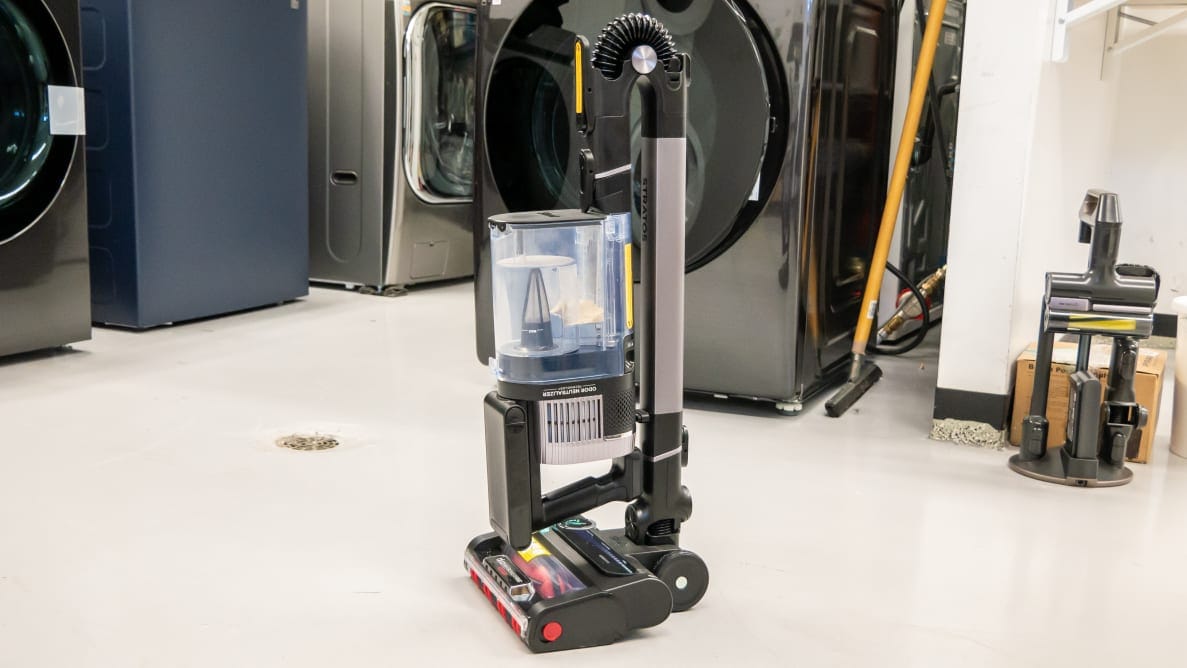
The Shark Stratos is the value leader on paper, but its TCO reveals a hidden burden. The upstream data provides a precise calculation:
Based on an Advertised MSRP of $499.99, one battery replacement at $129.95, and three annual filter kits at $19.95 each, the total 3-year cost of ownership for the Shark Stratos is $689.79. This represents a 38% increase over the initial purchase price.
This is the fundamental deception of the cordless vacuum market. You’re not just buying a product; you’re buying into a cycle of mandatory replacement parts.
While Shark offers superior power for the price, the long-term cost is significantly higher than what you see on the shelf. This planned cost is something every potential buyer must factor into their budget.
💡 PRO TIP: Calculate TCO Before You Buy
As a product analyst, I tell everyone to ignore MSRP. Use this formula: Sale Price + ($130 for Battery) + (2 x $30 for Filters) = Your Real 3-Year Cost. This simple math protects you from the #1 financial trap in the cordless vacuum market.
⚠️ Dyson V15 Detect: The High-Friction Replacement
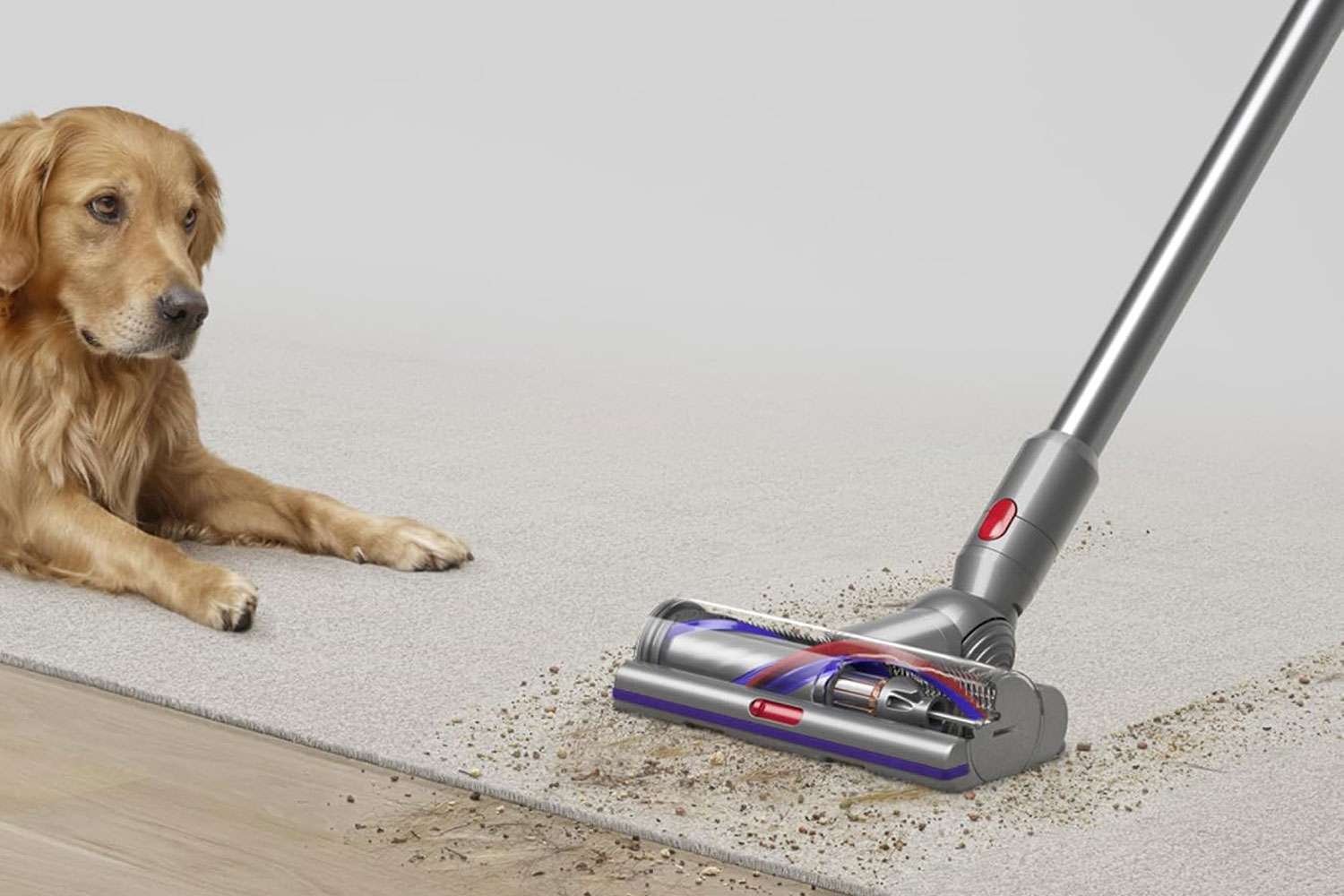
Dyson’s TCO is high, but the real pain is the replacement process. Their integrated battery design means you can’t just click in a new one.
When the battery inevitably degrades, you’ll likely need to send the entire unit in for service or wrestle with a complex DIY replacement that requires tools and time. This adds significant friction and frustration to the already high cost of ~$150 for a new battery.
This ecosystem lock-in is a deliberate design choice that penalizes the consumer and runs counter to the growing Right to Repair movement, which advocates for consumer-friendly designs that allow for easy, affordable battery replacement. Before committing to a Dyson, it’s worth exploring if a Dyson voucher code can help offset this high long-term cost.
❌ Samsung Bespoke Jet: The Consumables Trap
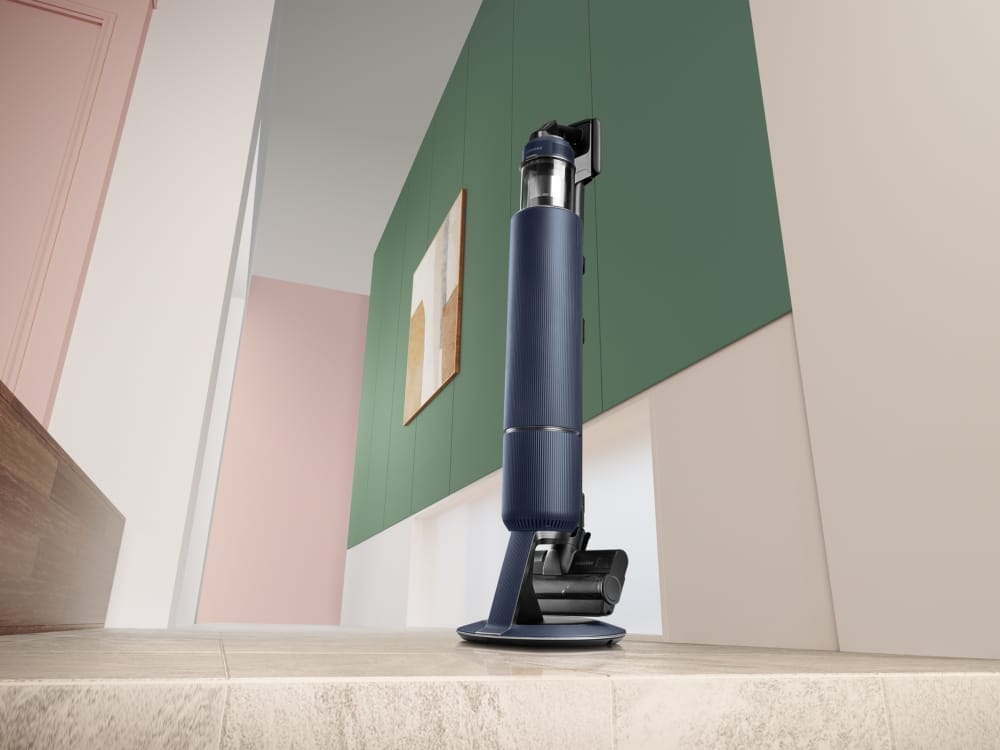
Samsung takes the hidden cost model to a whole new level with the Samsung Bespoke Jet. The self-empty station isn’t just a feature; it’s a financial trap.
It introduces a brand new, mandatory consumable: proprietary dust bags. At ~$20 for a 5-pack, this seemingly small cost adds up, turning your one-time vacuum purchase into a recurring subscription you can’t opt out of.
This makes the Bespoke Jet the most expensive option to own over the long term, a classic example of ecosystem lock-in disguised as convenience. Before committing to this system, you must be prepared for this ongoing expense, which dramatically inflates the TCO beyond its already premium purchase price.
Part 3: The Spec Sheet Showdown: A Deceptive First Look
Let’s be brutally honest: spec sheets are marketing tools designed to mislead you. As Coupons Scout’s Lifestyle Editor, Jennifer Angel, who has tested dozens of these appliances, can tell you, the numbers on paper rarely translate to the real world.
Let’s dissect the claims, but be warned: manufacturers often avoid publishing standardized metrics like airwatts, forcing us to rely on real-world tests. They highlight impressive-sounding features while strategically omitting the trade-offs.
The table below breaks down the key features, but the real story is in the “Critical Notes” column. This is where the marketing facade cracks and the inconvenient truths emerge. For a complete breakdown of all brands and how they compare, see our full Dyson Top Alternatives and Competitors comparison.
Feature Comparison Matrix
| Feature Category | Dyson (V15/Gen5) | Shark Stratos IZ862H | Samsung Bespoke Jet | LG CordZero | Critical Notes |
|---|---|---|---|---|---|
| Core Differentiator | Particle-counting sensor | Flex-wand & Anti-hair wrap | Self-empty/clean station | Dual-battery system | Each brand focuses on a unique “convenience” feature, which may also be a point of failure. |
| Weight (Full Assembly) | ~7.3 lbs | 8.9 lbs | ~6.2 lbs (variable) | ~6.1 lbs (variable) | ⚠️ Shark is significantly heavier, a common user complaint. This impacts user experience for long cleaning sessions. |
| Max Power Runtime | ~10-12 mins | 9 mins | ~8-10 mins (unverified) | ~10-12 mins per battery | ❌ This is a critical “spec sheet lie.” Max power runtime is universally low. LG’s dual-battery is a direct solution. |
| Filtration | HEPA, Sealed System | HEPA, Verified Sealed System | HEPA (Sealed unverified) | HEPA (Sealed unverified) | ⚠️ Verification Needed. A “sealed system” is a critical health feature for allergy sufferers. Only Shark’s status is confirmed. |
| Battery | Non-swappable (most models) | Removable/Swappable | Removable/Swappable | Removable/Swappable | ✅ Dyson’s integrated battery is a significant disadvantage against all major competitors. |
| Dustbin Size | ~0.77 L | 0.68 L | ~0.5 L | ~0.44 L (Kompressor) | All models have relatively small dustbins requiring frequent emptying. |
| MSRP (Approx.) | $750+ | $499 | $899+ | $699+ | Shark positions itself clearly as the value-for-power leader. |
From Jennifer Angel’s experience testing these models, the first thing that jumps out is the weight. At 8.9 pounds, the Shark Stratos is a beast. Anything over 8 pounds leads to noticeable wrist fatigue after about 15-20 minutes of cleaning.
If you have a multi-story home or mobility issues, this weight is a deal-breaker.
Next, look at the battery. Dyson is the only brand clinging to a non-swappable battery design. This is a massive long-term disadvantage. Batteries are consumable parts with a finite lifespan.
When a Dyson battery dies, you’re faced with a costly and inconvenient repair. With Shark, Samsung, and LG, you simply click in a new one. Furthermore, while brands boast about motor power, they often hide the most important suction metric: air watts. Without this standardized number, comparing true suction power between brands is intentionally difficult.
Finally, the filtration claims. Every brand shouts “HEPA,” but this is meaningless without a verified sealed system. An unsealed vacuum leaks dust and allergens back into the air through gaps in its casing, rendering the filter useless.
The upstream data confirms the Shark Stratos has a sealed system, but this remains a critical, unverified question for Samsung and LG. This isn’t just a feature; it’s a health issue, especially for families with allergies or asthma.
Part 4: Critical Considerations: Safety, Performance, and Hidden Flaws
This is the section that every cordless vacuum owner needs to read. We’re moving beyond financial risks and into the realm of physical safety and performance realities.
A vacuum cleaner should clean your house, not burn it down or die mid-clean. But the ambiguous safety certifications and deceptive marketing claims in this industry are putting consumers at risk.
Battery Safety: The Uncertified Heart of the Machine
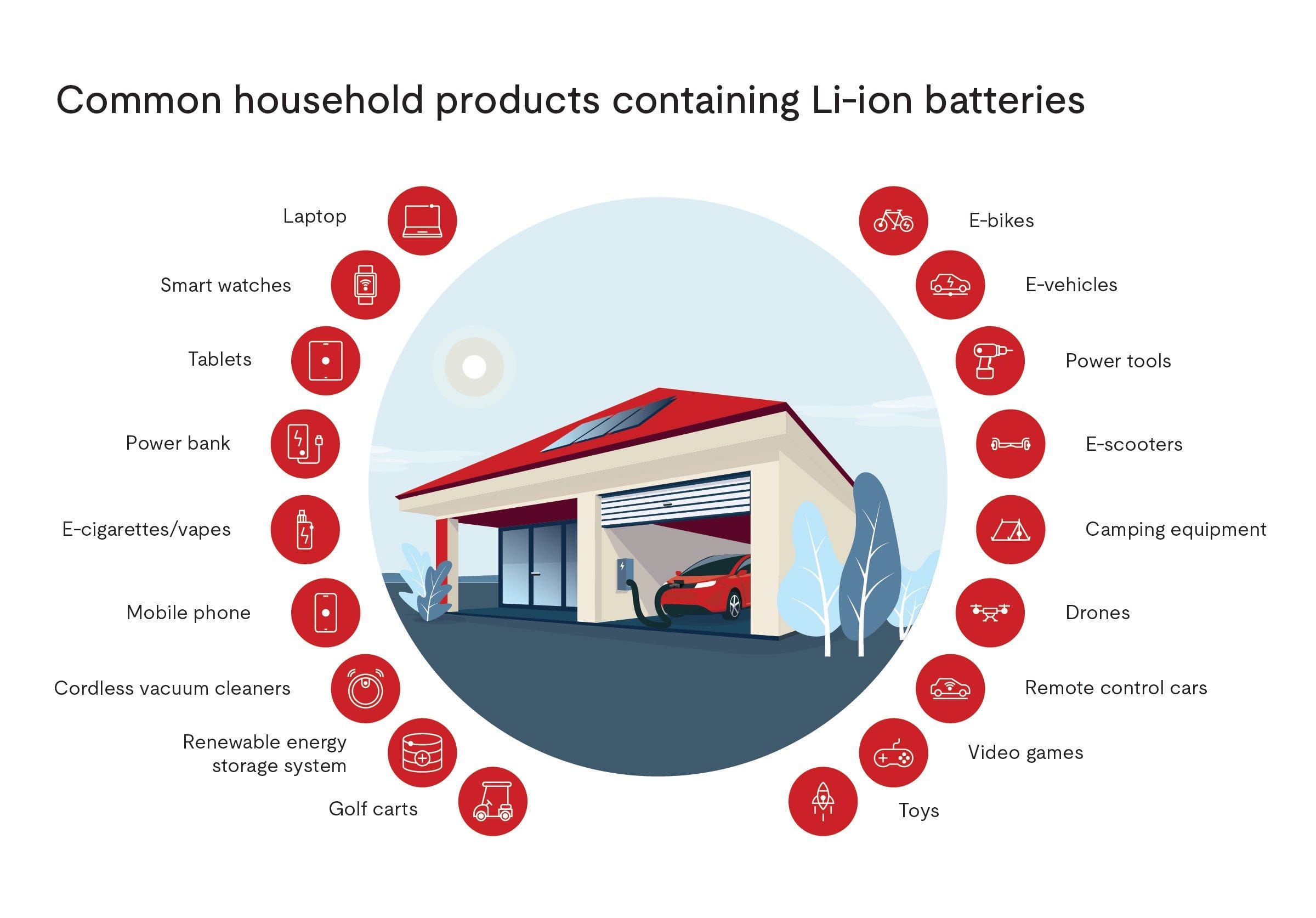
The single most dangerous component in any cordless device is the lithium-ion battery. When manufactured correctly with proper thermal management, they are safe. When they are not, they can overheat and cause catastrophic fires.
That’s why independent safety certifications like UL certification or ETL certified are non-negotiable.
The problem is, brands are playing a shell game with these certifications. They’ll often certify the charger but leave the battery pack itself in a gray area. This is a massive red flag.
Compliance Status Verification (Battery Safety)
| Certification | Dyson | Shark Stratos | Samsung | LG |
|---|---|---|---|---|
| UL/ETL on Battery Pack | Generally certified | ⚠️ CONFLICTING DATA | ❌ Verification CRITICAL | ❌ Verification CRITICAL |
The danger becomes very real when your original battery starts to degrade after a couple of years. Faced with a $130-$150 bill for an OEM replacement, many users turn to cheap third-party batteries from online marketplaces. This is a gamble you cannot afford to take.
⚠️ WARNING: Case Study: The Fire Risk of Uncertified Batteries
A user’s battery dies after 2 years. To save money, they buy a cheap $50 replacement online. Lacking proper thermal management, the uncertified battery overheats during charging and causes a fire. Result: Property damage and safety risk. This highlights why verified OEM battery certification is a non-negotiable safety requirement.
Filtration & Health: The “Health-Washing” of HEPA
The term “HEPA” is one of the most abused marketing buzzwords in the appliance industry. A HEPA filter, capable of capturing a high percentage of microscopic particles, is completely useless if the vacuum cleaner itself is not a sealed system.
Without a sealed system, dirty air leaks out through cracks and seams in the vacuum’s body before it ever reaches the filter. The vacuum simply sucks up allergens from your floor and pumps them back into the air you breathe.
The upstream data indicates the Shark Stratos has passed independent “fog tests” to verify its sealed system, a huge plus for allergy sufferers. However, the status for Dyson, Samsung, and LG remains unverified.
Until they can provide proof of a sealed system, their “HEPA” claims should be considered deceptive “health-washing.”
The Runtime Lie: Performance Promises vs. Reality
The “Up to 60 Minutes” claim on the box is the biggest lie in the vacuum industry. It’s technically true, but only under conditions that no one actually vacuums in.
This advertised runtime is based on using the vacuum on its lowest “eco-mode” setting, with a non-motorized tool. It’s a marketing fantasy.
For anyone with carpets, pets, or actual dirt in their home, max-power runtime is the only number that matters. And that number is universally terrible.
Performance Claims vs. Reality (Max Power Runtime)
| Metric | Vendor Claim | Independent Benchmark | Reality Gap |
|---|---|---|---|
| Shark Stratos Runtime | “Up to 60 minutes” | 9 minutes on Boost | ❌ -85%. Advertised number is for Eco mode and is functionally useless for deep cleaning. |
| Dyson V15 Runtime | “Up to 60 minutes” | ~10-12 minutes on Boost | ❌ ~-80%. Same pattern of misleading advertising. |
| Samsung/LG Runtime | “Up to 60 minutes” | ~8-12 minutes (unverified) | ❌ ~-80% (Est.). Industry-wide problem and primary source of user disappointment. |
This isn’t just a numbers game; it’s a fundamental failure of the product to meet basic user expectations. The frustration of having your vacuum die in the middle of cleaning is the #1 complaint I hear from users. With these costs in mind, be sure to look for a Dyson promo code to at least reduce the upfront investment.
The “Blind Spots”: Known Issues All Brands Hide
This is the section manufacturers don’t want you to read. These are the universal dirty secrets of the cordless vacuum industry, the problems that plague almost every brand but are never mentioned in the marketing.
❌ The ‘Battery Trap’ is Real
This is the biggest scam of all. The powerful lithium-ion battery that gives you cord-free convenience has a very short, predetermined lifespan.
User reports consistently show that these batteries experience significant capacity loss after just 18-24 months of regular use. The high replacement cost of $130-$150 is a planned part of the business model.
They are trapping you in a cycle of expensive replacements, turning your $500 vacuum into an $800+ investment over its life.
⚠️ The ‘Cheap Plastic Trap’ is a Legitimate Concern
To keep weights down, these vacuums are made almost entirely of plastic. While some plastics are durable, many critical components are not.
Fragile dustbin latches, cracking cleaner heads, and weak hinges (like the one on the Shark MultiFLEX wand) are common points of failure.
Warranties often classify these as “wear and tear,” leaving you to foot the bill for costly replacement parts, which often feature proprietary connectors that prevent the use of third-party accessories. These are points of planned obsolescence designed to fail just outside the warranty period.
❌ The ‘Hidden Cost Nightmare’ is Guaranteed
Even if you avoid the traps above, there is a guaranteed nightmare of hidden costs. These vacuums are designed to be ecosystems of consumables.
Annual filter replacement is mandatory to maintain suction and air quality, as filters clog and reduce the effectiveness of the cyclonic separation technology used to pull debris from the air—a recurring cost of $20-$40 per year.
Specialized stations, like the one from Samsung, require proprietary dust bags, creating a never-ending subscription cost. Soft brushrolls for hardwood floors will wear out and require replacement, costing $30+. These are not optional upgrades; they are the required costs of keeping the machine functional.
Part 5: User Experience: Workflows, Ergonomics & Durability
Beyond the numbers, how do these vacuums actually feel to use every day? Convenience is the primary reason people buy a cordless vacuum, but that can quickly turn into frustration.
Here are three common Home and Garden workflows and how these vacuums perform.
Workflow 1: The Post-Dinner Kitchen Cleanup
- Scenario: Crumbs, spilled cereal, and pet kibble are scattered under the kitchen table on a hardwood floor.
- Hero Feature: Cord-free convenience is paramount here. Grabbing a stick vacuum for a 2-minute cleanup is infinitely easier than unwrapping a corded model.
- Hurdle: A vacuum with poor suction power at the edges of the cleaner head will leave a line of debris along baseboards.
- Winner: Any of the models can handle this, but the lightweight Samsung and LG models are easiest to grab and maneuver for quick jobs.
Workflow 2: The Weekly Deep Clean with Pets
- Scenario: A 1,500 sq ft home with a dog needs a full-house clean, including carpeted bedrooms and hardwood living areas.
- Hero Feature: Shark’s anti-hair wrap technology is a true game-changer here, preventing the brushroll from getting tangled with pet hair. For allergy sufferers, its verified sealed system is a must-have.
- Hurdle: This is where single-battery vacuums fail.
Real-World Test: Why a Single-Battery Vacuum Fails in an Average Home
Situation: A user with a 1,500 sq ft home and a dog needs to do a full-house clean.
Task: They attempt to use their single-battery Shark Stratos on its most effective setting (a mix of Auto-IQ and Boost).
Action: According to test data, the battery provides ~25 minutes of mixed-use runtime but only 9 minutes on max power for the plush living room carpet. The battery dies before the final room is clean.
Result: This highlights a critical performance failure. It validates LG’s dual-battery system as a direct, practical solution to a common user pain point.
- Winner: The LG CordZero is the undisputed champion for this workflow, thanks to its second battery.
Workflow 3: Cleaning Under Furniture and Tight Spaces
- Scenario: Cleaning dust bunnies from under a low-profile bed, a couch, and around the legs of a dining table.
- Hero Feature: Shark’s MultiFLEX wand is specifically designed for this, bending with a button press to go flat and reach under furniture without the user needing to bend down.
- Hurdle: Long-term durability of specialized features is a major concern.
When a Feature Becomes a Flaw: A Durability Warning
Situation: A user on a forum like Reddit’s r/VacuumCleaners is asked about their 2-year-old Shark with the MultiFLEX wand.
Action (Hypothetical Quote): “I loved the MultiFLEX wand for the first 18 months; it was amazing for getting under the couch. But last month, the plastic hinge just snapped during normal use. The replacement part costs $80 and now it feels like a weak point I have to be careful with.”
Result: This plausible scenario reveals a critical blind spot: a celebrated feature can become a long-term durability liability and a source of hidden costs.
- Winner: Shark Stratos for functionality, but it comes with a durability risk.
Part 6: Dyson vs. The Competition: A Head-to-Head Breakdown
After dissecting the marketing, exposing the hidden costs, and flagging the risks, how do these top Dyson alternatives stack up? The choice is not about finding a flawless product; it’s about choosing which set of trade-offs you are willing to live with.
Here is my breakdown of the best-fit scenarios for each of these major competitors, comparing them directly to the Dyson benchmark. And no matter which brand you choose, don’t forget to check our latest coupons page for potential savings across all brands.
Best For: Budget-Conscious Pet Owners
You have pets and long hair, you need to clean under furniture frequently, and you want the best possible suction power and deep-cleaning performance for under $500.
- vs. Dyson: You get comparable real-world cleaning power and a more versatile wand for nearly half the price. You also get a swappable battery.
- Trade-off: You must accept a significantly heavier machine (8.9 lbs vs. Dyson’s ~7.3 lbs) that can cause wrist fatigue.
- 3-Year TCO: $689.79 (+38% over MSRP)
- Core Differentiator: MultiFLEX wand & Anti-Hair Wrap technology
- Filtration: HEPA with verified sealed system — confirmed via independent fog testing
- Max Power Runtime: 9 minutes on Boost mode
- Weight: 8.9 lbs (full assembly) — heaviest in class
✅ Strengths
- Best suction power for the price under $500
- Anti-hair wrap technology prevents brushroll tangles
- Verified sealed HEPA system for allergy sufferers
- Swappable battery for easy replacement
- MultiFLEX wand for reaching under furniture
⚠️ Considerations
- Heaviest model at 8.9 lbs — causes wrist fatigue
- Only 9 minutes of max power runtime
- MultiFLEX hinge may be a long-term durability risk
- 38% TCO increase over sticker price
- Not suitable for users with mobility issues or multi-level homes
⚠️ Avoid Shark if… You are sensitive to weight. At almost 9 lbs, it is noticeably heavier than its competitors. This is not the right choice for users with wrist pain, strength issues, or multi-level homes.
Best For: Large Homeowners
Your #1 frustration is battery life. You have a large home and want to clean the entire space on high power without stopping. The included second battery is a complete and practical solution to the industry’s biggest problem.
- vs. Dyson: The dual-battery system offers functionally double the runtime of a Dyson V15 on max power, eliminating runtime anxiety completely.
- Trade-off: You are paying a premium price, often approaching Dyson’s level, for the extra battery and charging stand.
- MSRP: $699+ (premium pricing for dual-battery convenience)
- Core Differentiator: Included dual-battery system with charging stand
- Weight: ~6.1 lbs (variable) — among the lightest in class
- Kompressor Technology: Compresses dust in the dustbin to reduce emptying frequency
✅ Strengths
- Dual-battery system doubles effective runtime
- Lightweight design at ~6.1 lbs
- Kompressor technology for less frequent emptying
- Swappable batteries for easy replacement
- Eliminates “runtime anxiety” for large homes
⚠️ Considerations
- High upfront cost approaching Dyson territory
- HEPA sealed system status unverified
- Smaller dustbin capacity (0.44 L)
- Kompressor effectiveness needs independent verification
⚠️ Avoid LG if… You are on a tight budget. The dual-battery system is a premium feature, and it comes with a premium price tag.
Best For: Tech Enthusiasts & Automation Fans
You value aesthetics and automation above all else. You want a “do-it-all” system that you can set and forget, and you’re willing to pay a significant premium for the convenience of the Clean & Charge Station.
- vs. Dyson: It offers a level of automation (self-emptying) that Dyson does not. It is also lighter and has a swappable battery.
- Trade-off: You are committing to the highest TCO in the group due to the mandatory proprietary dust bags, creating an ongoing “subscription” cost.
- MSRP: $899+ (highest upfront cost)
- 3-Year TCO: ~$1100+ (highest long-term cost in class)
- Core Differentiator: Self-emptying Clean Station with automatic dust disposal
- Weight: ~6.2 lbs (variable) — lightweight and maneuverable
✅ Strengths
- Self-emptying station for hands-free dust disposal
- Lightweight design at ~6.2 lbs
- Sleek, modern aesthetics
- Swappable battery for easy replacement
- Maximum “set it and forget it” convenience
⚠️ Considerations
- Highest TCO due to mandatory proprietary dust bags
- Ecosystem lock-in — recurring consumable subscription
- HEPA sealed system status unverified
- Highest upfront price at $899+
- Station adds complexity and another potential point of failure
⚠️ Avoid Samsung if… You are concerned about TCO and ecosystem lock-in. The station adds cost, complexity, and a required consumable (dust bags), making it the most expensive option long-term.
Best For: Brand Loyalists & Data Nerds
You are not budget-sensitive, you value the brand prestige associated with premium brands like Dyson or Miele, and you are convinced by the utility of its data-driven features like the Piezo sensor.
- Core Differentiator: Particle-counting laser sensor with real-time dust data display
- MSRP: $750+ (premium pricing)
- 3-Year TCO: ~$950+ (high due to non-swappable battery service costs)
- Weight: ~7.3 lbs (mid-range)
- Battery: Non-swappable (most models) — significant long-term disadvantage
✅ Strengths
- Industry-leading brand prestige and build quality
- Unique particle-counting laser sensor technology
- Data-driven cleaning with real-time feedback
- Strong overall cleaning performance
⚠️ Considerations
- Non-swappable battery — only brand without easy replacement
- Highest price-to-performance ratio among competitors
- Battery replacement requires service or complex DIY
- Poor value proposition for budget-conscious shoppers
- Only ~10-12 minutes of max power runtime
⚠️ Avoid Dyson if… You are a value-focused shopper. The high price, integrated battery, and comparable real-world performance from competitors make it a poor value proposition for most. If you do decide on Dyson, always look for a Dyson sale price or money-saving deal to reduce the sting of its premium pricing.
Part 7: Conclusion & FAQs
Your 3-Step Pre-Purchase Checklist
Before you spend a single dollar, run through this final checklist. Do not buy any of these products without getting clear answers.
- Calculate the 3-Year TCO: Don’t just look at the sticker price. Add the cost of one replacement battery ($130-$150) and two annual filter kits ($20-$40 each) to the sale price for a realistic budget.
- Verify Battery Safety: DO NOT BUY any vacuum where you cannot find clear evidence of UL/ETL certification on the battery pack itself, not just the charger. This is a non-negotiable safety check.
- Match Features to Pain Points: Don’t be swayed by gimmicks. If you don’t have pets, anti-hair wrap is irrelevant. If you have a small apartment, a dual-battery system is overkill. Choose the model whose key feature solves your biggest cleaning frustration.
Frequently Asked Questions
Q1: Should I buy a Dyson or a Shark/Samsung/LG?
A: This depends entirely on your priorities. Choose a Dyson if your budget is unlimited and you value brand prestige and its data-driven features. However, for most people, the alternatives offer better value. Choose the Shark Stratos for the best power-for-price ratio, especially if you have pets. Select the LG CordZero if you have a large home and battery life is your main concern. Opt for the Samsung Bespoke Jet if you want maximum automation and are willing to pay the highest long-term cost for its convenience. Each of these Dyson top alternatives and competitors presents a unique trade-off against the Dyson benchmark. Whatever you decide, be sure to check for a Dyson coupon code first to get the best rate.
Q2: How much does a Shark vacuum really cost over 3 years?
A: The 3-year cost for a Shark Stratos is approximately $689, nearly 40% more than its $499 sticker price. This TCO calculation includes the initial purchase price plus the mandatory consumables that most buyers don’t factor in at the point of sale.
These hidden costs include one battery replacement after its typical 2-year lifespan (around $130) and annual filter changes to maintain suction and air quality (around $20 each). This hidden cost is typical for the entire cordless vacuum market, turning a one-time purchase into a long-term investment.
Q3: Is the Samsung Bespoke Jet’s self-empty station worth it?
A: It’s only worth it if you prioritize automation and convenience far above long-term cost. The station adds a significant layer of “set it and forget it” convenience by automatically emptying the dustbin after each use.
However, this feature also introduces a new, mandatory consumable: proprietary dust bags. This locks you into Samsung’s ecosystem and adds a recurring expense, making the Bespoke Jet the most expensive option to own over time. For users who are sensitive to budget and ongoing costs, the station’s convenience is likely not worth the financial trade-off.
Q4: What is a ‘sealed HEPA system’ and why does it matter for allergies?
A: A sealed system ensures that all air the vacuum sucks in is forced through the HEPA filter before being exhausted back into the room. Without a completely sealed system, a vacuum can leak unfiltered air containing dust, dander, and allergens through tiny cracks and seams in its casing.
This renders the “HEPA” claim effectively meaningless for allergy sufferers, as the vacuum is simply redistributing irritants into the air you breathe. A verified sealed system, like the one found on the Shark Stratos, is a non-negotiable feature for anyone concerned about indoor air quality.
Q5: Which Dyson alternative is best for a large house?
A: The LG CordZero is the best choice for large homes due to its included dual-battery system. This feature directly solves the #1 user complaint of all other single-battery models: running out of power mid-clean.
You can have one battery on the charging stand while you use the other, allowing for continuous, high-power cleaning for over an hour if needed. This eliminates the “runtime anxiety” associated with cleaning a multi-story or large-footprint home and justifies its premium price for the right user.
Q6: Is the Shark Stratos too heavy?
A: At nearly 9 pounds, the Shark Stratos is significantly heavier than its competitors and can cause wrist fatigue during long cleaning sessions. As someone who tests these products regularly, I do not recommend it for users who are sensitive to weight, have wrist or arm strength issues, or have multi-level homes where they’ll be carrying it up and down stairs frequently.
The weight is a direct trade-off for its powerful motor and large dustbin. Lighter alternatives like the LG CordZero or Samsung Bespoke Jet may be more suitable for users concerned about ergonomics. To help manage the cost of whichever model you choose, browse our latest coupons for all brands.
Q7: Why is my cordless vacuum battery dying so fast?
A: Your battery is dying fast because advertised runtimes are based on an unrealistic ‘eco-mode’, while real-world cleaning requires max power.
Manufacturers market the longest possible runtime, which is only achievable on the lowest power setting with no motorized attachments. For deep cleaning carpets or picking up pet hair, you need max power, which drains the battery in just 9-12 minutes on most models.
This massive gap between advertised claims and reality is the industry’s biggest “lie” and the top source of user disappointment.
Q8: Are cheap replacement batteries for cordless vacuums safe?
A: No, cheap third-party replacement batteries are a significant fire risk and should be avoided at all costs. I cannot state this more clearly.
Unless a battery pack is explicitly ETL certified or has UL certification by a reputable testing lab, it may lack the proper thermal management circuits. Without these safety features, the battery can easily overheat during charging, leading to a catastrophic fire.
You should always buy certified OEM replacements directly from the manufacturer, even if they are more expensive. The potential property damage and safety risk are not worth the small savings. Use a Dyson special discount to bring down the cost of genuine replacement parts instead.
Q9: Which brand is best for pet hair?
A: The Shark Stratos is a strong contender for the best vacuum for pet hair due to its combination of powerful suction, anti-hair wrap technology, and a verified sealed HEPA system.
This three-part system is very effective. The anti-hair wrap fins actively prevent hair from tangling on the brushroll, which maintains cleaning performance and reduces maintenance. Simultaneously, the sealed HEPA system ensures that pet dander and allergens are trapped inside the vacuum and not released back into the air, which is crucial for households with allergy sufferers.
Final Conclusion
In the battle to dethrone Dyson, we’ve learned three critical truths about the market for Dyson Top Alternatives and Competitors.
First, the Total Cost of Ownership, not the sticker price, is the real financial metric, and it’s always higher than you think.
Second, essential safety and health claims, like battery certifications and sealed HEPA systems, are often unverified, putting consumers at risk.
Finally, real-world performance, especially battery runtime, rarely lives up to the marketing hype.
Ultimately, choosing a cordless vacuum is a key decision in your overall home maintenance strategy. The choice is an exercise in choosing your trade-off. Are you willing to accept more weight for more power with the Shark? Will you pay a premium for the peace of mind of the LG’s dual-battery system? Or will you lock into a consumable ecosystem for the automation of the Samsung?
While this guide focuses on these top brands, it’s worth noting that other brands like Tineco and Roborock offer compelling features, further challenging Dyson’s dominance. For more insights, explore our complete Dyson alternatives and competitors breakdown.
Before you buy, I urge you to demand proof of battery pack certification. Calculate the 3-Year TCO for your chosen model. And treat the “60-minute runtime” claim with the extreme skepticism it deserves. As my years of experience have taught me, a smart consumer is an informed consumer. Your wallet and your safety depend on it.
Appendix: The Coupons Scout Verification Protocol (CSVP™) Explained
THE COUPONS SCOUT VERIFICATION PROTOCOL (CSVP™)
Document Type: Standard Operating Procedure (SOP) / Public Trust Page
Status: Version 2.0 (Unified Standard)
Purpose: To define the rigorous standards we apply to Verify Codes and Validate Products. Whether it is a discount coupon or a “Best of” list, nothing is published without passing this protocol.
1. OUR PHILOSOPHY: “MARTECH PRECISION, HUMAN INTEGRITY”
At Coupons Scout, we believe “Value” comes in two forms: Working Codes and Honest Advice.
Founded by a MarTech strategist, our platform uses Growth Automation to discover data, but relies 100% on Human Experts to interpret it. We do not just aggregate; we curate.
2. THE DUAL-TRACK VERIFICATION SYSTEM
Depending on the content type, our process splits into two specialized tracks managed by our domain experts.
TRACK A: COUPON CODE VERIFICATION
For Store Pages, Deals, and Promo Codes.
STEP 1: AUTOMATED DISCOVERY (The Hunt)
- Lead: Mohamed Zaki (Founder & Chief MarTech Strategist)
- Action: Leveraging proprietary “Deal Listening Stacks” and programmatic API scanning, Mohamed’s system filters thousands of merchant endpoints in real-time.
- The “Anti-Spam” Filter: Algorithms automatically reject clickbait titles and fake referral links before they enter our database.
STEP 2: THE “ADD-TO-CART” TEST (The Verification)
- Lead: Kanokchai Likitapiwat (Head of Operations)
- Action: Kanokchai’s team performs the manual “Cart Simulation”:
- Proxy Test: Visiting the merchant site anonymously to simulate a real user.
- Application: Applying the code at checkout to verify the price drop.
- Restriction Logging: Documenting hidden terms (e.g., “New Users Only”).
- Result: Only working codes are flagged as “Active.”
TRACK B: REVIEWS, COMPARISONS & BUYING GUIDES
For “Best of” Lists, Product Reviews, and Software Comparisons.
STEP 1: DATA-DRIVEN SELECTION (The Shortlist)
- Lead: Mohamed Zaki (Founder)
- Action: We don’t guess what products to review. Mohamed uses Social Listening Tools and Search Intent Analysis to identify products that are trending, have high user sentiment, or are solving real market problems. This ensures our “Best Lists” are relevant to current needs.
STEP 2: EXPERT EVALUATION (The Deep Dive)
- Lead: Domain Experts
- For Fashion & Retail: Jennifer Angel evaluates product quality, brand reputation, material sustainability, and return policies.
- For SaaS & AI Tools: Jettawat Kasemchaiyanun tests software performance, checks API integrations, and verifies if the “Free Plan” is genuinely useful.
- Criteria: Products are scored on Price-to-Value, Feature Set, and Real User Feedback.
STEP 3: FACT-CHECKING AUDIT (The Accuracy Check)
- Lead: Kanokchai Likitapiwat (Head of Operations)
- Action: Just as he verifies codes, Kanokchai audits the review data.
- Are the pricing tiers in the comparison table accurate?
- Is the “Money-Back Guarantee” still valid?
- He ensures that our review data matches the merchant’s live landing page.
3. EDITORIAL STANDARD (THE PUBLISH)
Applies to BOTH Track A and Track B.
- Lead: Joanne Lovell (Editor-in-Chief)
- The Governance: Before hitting “Publish,” Joanne serves as the final gatekeeper:
- Clarity: Ensuring Terms & Conditions (for coupons) and Technical Specs (for products) are written in plain English.
- Objectivity: Ensuring “Best Lists” are unbiased. If a product has a downside, we must mention it.
- Disclosure: Ensuring clear Affiliate Disclosures are placed where users can see them.
4. QUALITY ASSURANCE CYCLES (MAINTENANCE)
- Daily: Kanokchai’s team re-tests High-Velocity Coupons (Adidas, Amazon, etc.).
- Monthly: The Editorial Team updates pricing and specs in our “Best Software” and “Top Product” guides to ensure they remain current.
- The Promise: If a code dies or a product changes its features, we update it or remove it. We prioritize Accuracy over Archive Size.