Boho Pretty Alternatives and Competitors (2026)
Posted on |
Part 1: Introduction to the Boho Fashion Landscape
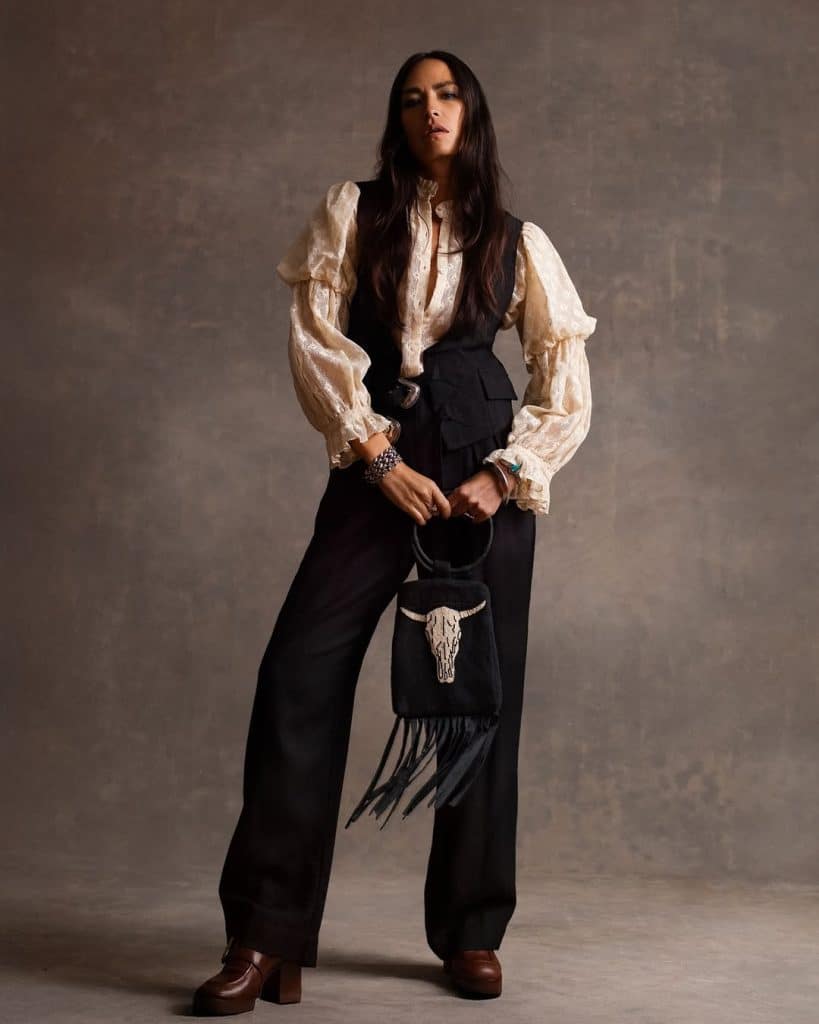
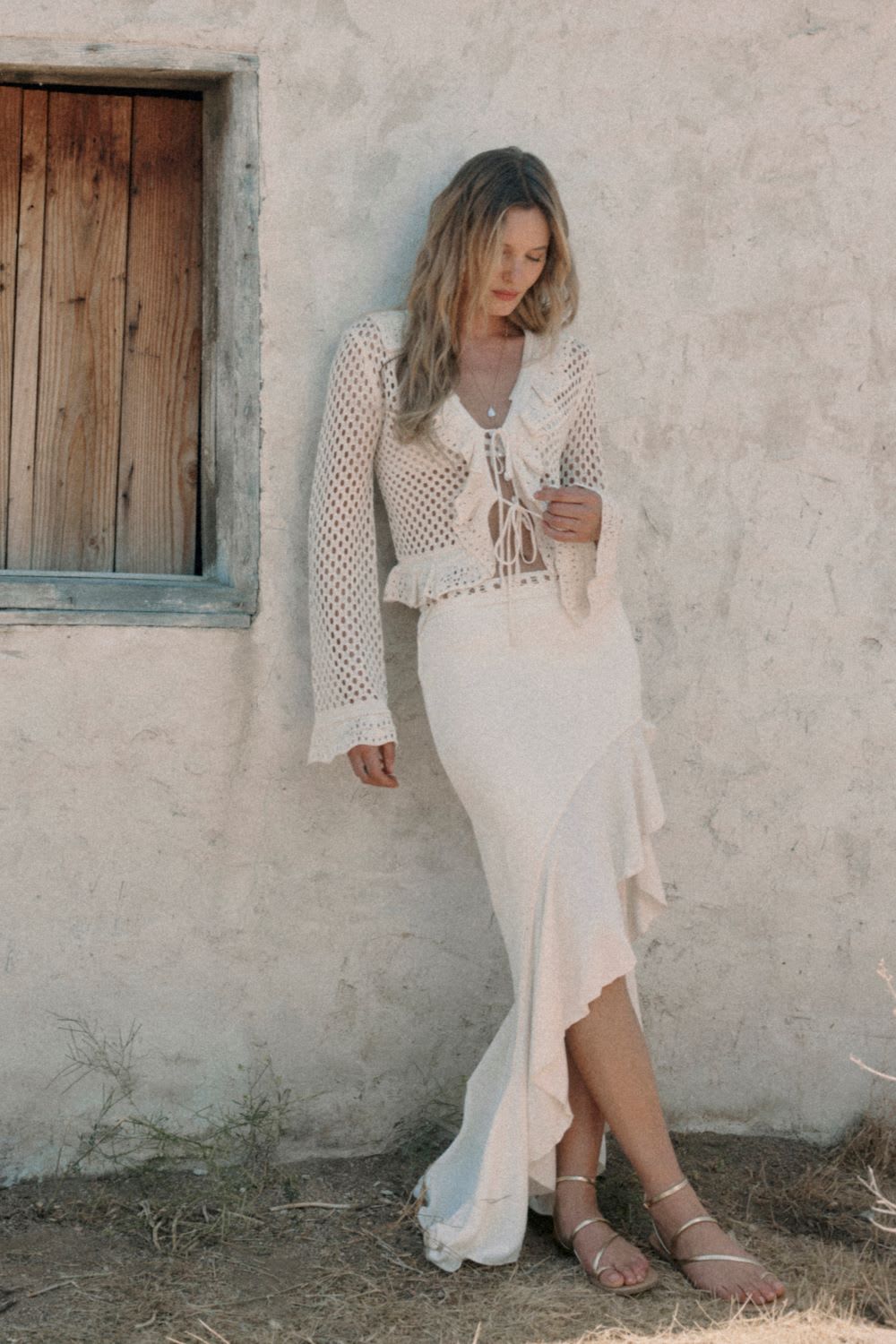
The image is a cornerstone of modern marketing: a carefree model in a flowy, ethereal boho top, bathed in golden hour light, promising a life of effortless style.
But how often does that dream arrive in a poly-mailer bag, smelling faintly of chemicals and looking nothing like the picture? This guide to Boho Pretty Top Alternatives and Competitors confronts this all-too-common disconnect.
As a fashion analyst with over 15 years of experience deconstructing brand promises, I’ve seen countless shoppers get caught in the chasm between high-priced aspirational brands like Free People and the high-risk, low-cost world of ultra-fast fashion from SHEIN. If you’ve been burned before, our detailed Boho Pretty Review also unpacks whether the original brand is worth the hype.
This Devil’s Advocate guide is the result of an extensive investigation into the hidden costs, quality traps, ethical compromises, and real-world performance that marketing photos conveniently omit.
My goal is to arm you with the data and context needed to decide which brand, if any, deserves your money based on your actual needs, budget, and tolerance for risk. We will move far beyond the sticker price to dissect the total cost of ownership (TCO), a metric that accounts for durability, cost-per-wear, and resale value—revealing that a $12 top can often be more expensive in the long run than a $108 one. If you’re impatient to slash the cost of any of these tops, jump straight to our exclusive Boho Pretty coupon code page for current stacked discounts.
This analysis is for informational purposes and is based on extensive research, including synthesizing hundreds of user reviews, cross-referencing brand claims with regulatory reports, and applying a rigorous fact-checking process.
As per our Editor-in-Chief Joanne Lovell’s strict editorial guidelines, this process—which I follow alongside experts like lifestyle editor Jennifer Angel—is designed to identify the “blind spots” that determine whether a purchase is a smart investment or a costly mistake. Always conduct your own due diligence before purchasing.
Who this guide is for:
- Shoppers tired of the “photo vs. reality” gap in online fashion.
- Anyone trying to decide if a $100+ Free People top is truly “worth it” compared to cheaper dupes.
- Budget-conscious buyers looking for affordable boho clothing who still value quality and want to avoid disposable items.
- Consumers who care about ethical production and material safety but don’t know which brands to trust.
- Fans of the “boho aesthetic” seeking the smartest strategy to build a versatile, long-lasting wardrobe.
This guide is NOT for you if:
- You are exclusively a luxury shopper with no budget constraints.
- You are looking for a simple list of “5-star” reviews without critical analysis.
- You believe a brand’s marketing claims without question or are unconcerned with the long-term cost, durability, or ethical implications of your clothing choices.
(Polyester vs. Cotton)
(User Reviews)
Part 2: Core Analysis — The Total Cost of Ownership (TCO) Deception
The most misleading number in fashion is the price tag. A low upfront cost often hides a high long-term expense.
My analysis of the boho top market reveals a stark TCO divide between investment-grade pieces and their disposable counterparts. Total Cost of Ownership isn’t just about the initial price; it’s a formula: (Initial Price + Maintenance Costs - Resale Value) / Number of Wears.
Key Takeaways
-
The TCO Deception: Free People’s high initial price is frequently offset by superior durability and significant resale value, making its long-term cost-per-wear surprisingly low. Conversely, a $12 SHEIN top often has a high TCO due to its disposable nature and the high probability of repurchase. -
The “Event-Wear” Sweet Spot: Lulus excels for single-event outfits. It offers a reliable balance of modern style, acceptable quality, and a price point that SHEIN can’t match for reliability and Free People is too expensive for. -
Universal “Gotchas”: The “Sizing Lottery” and “Unexpected Sheerness” are the biggest complaints across ALL brands. Relying on customer photos for due diligence is non-negotiable. -
Safety & Ethical Risks Are Real: As of late 2024, ultra-fast fashion brands like SHEIN continue to carry a non-zero risk of hazardous materials. “Sustainable” claims require third-party verification (like GOTS), not just marketing language. -
The Return Trap is by Design: Low-cost items paired with non-trivial return fees (like SHEIN’s $7.99 subsequent fee) create “sunk costs,” behaviorally nudging consumers to absorb the loss on poor-quality items rather than pay to return them.
TCO Breakdown: A Tale of Three Tops
Let’s model the 12-month TCO for a single “boho top” slot in a wardrobe, comparing three representative options. If you’d rather skip the math, our latest Boho Pretty discount offers often bring investment-grade tops closer to fast-fashion territory.
1. Free People (Investment Piece): ~$108
- Initial Cost: $108.
- Hidden Costs: Potential $5.95 return fee if the unique sizing is wrong.
- Durability: High. User reports confirm these garments last for years, not seasons (User Review Synthesis 2024). The number of wears can easily exceed 50+.
- Resale Value: Strong. A used Free People top can retain 30-50% of its value on platforms like Poshmark, meaning you could recoup ~$30-50 (Poshmark Sold Listings for Free People Tops, Oct 2024).
- 12-Month TCO: ~$58 to $78 (after factoring in resale value). The cost-per-wear drops dramatically over the garment’s multi-year lifespan.
2. Lulus (Event Specialist): ~$49-$98
- Initial Cost: $49.
- Hidden Costs: A $4.99 mail-in return fee if the fit or fabric isn’t right (Lulus U.S. Return Policy). Some sheerer styles may require purchasing a separate camisole.
- Durability: Moderate. Designed for events, not daily wear. Prone to shrinkage if not cared for properly. A user might realistically purchase two different tops for two separate events in a year.
- Resale Value: Moderate. Better than SHEIN, but weaker than Free People.
- 12-Month TCO: ~$49 to $98. The value proposition is in getting a specific, stylish look for an occasion without the high investment of a premium brand.
3. SHEIN (Disposable Trend): ~$50+
- Initial Cost: $12.
- Hidden Costs: The “Sunk Cost Trap” is the biggest factor. The first return is free, but subsequent returns cost $7.99 (SHEIN Returns). On a $12 item, it’s economically irrational to pay to return it, so you absorb the loss.
- Durability: Very Low. User reports confirm items often pill, fade, or unravel after 1-3 washes (YouTube Search on SHEIN Quality). A quarterly repurchase cycle is a realistic scenario.
- Resale Value: None.
- 12-Month TCO (for one “wardrobe slot”): ~$48-$60. The low price is deceptive. The true cost is in the constant churn and replacement. Our savings strategist, Mohamed Zaki, would call this analyzing your Total Cost of Ownership, not just the sticker price.
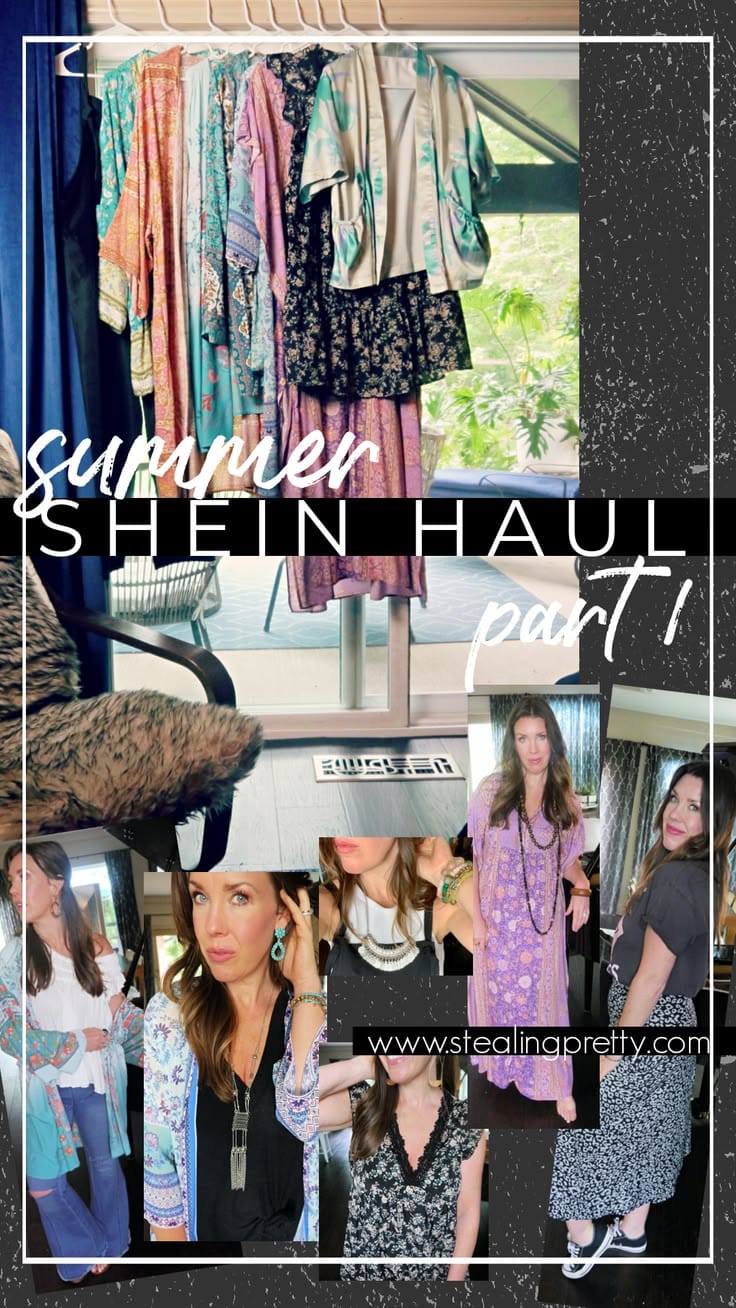
Watching a real, unfiltered comparison side-by-side can be one of the most efficient ways to weigh these three brands before you buy. The try-on haul below stress-tests SHEIN, Free People, and Revolve pieces in real lighting and on a real body — a level of transparency that brand photography rarely offers.
Decision in 60 Seconds Matrix
| If your primary need is… | Your Best Bet Is… | Because… | Key Risk |
|---|---|---|---|
| Building a lasting wardrobe | Free People | It has proven durability and high resale value, lowering long-term cost. | High upfront cost and potentially difficult online customer service. |
| A killer outfit for one night | Lulus | It offers the best balance of style, price, and reliability for events. | Item may not be versatile for daily wear and often requires hand-washing. |
| Trying a fleeting trend for cheap | SHEIN | The cost is minimal, and the expectation should be single-use. | A massive gamble on sizing, quality, and ethics; functionally disposable. |
| A unique, high-quality piece | Anthropologie | It offers boutique-level design and quality, often surpassing Free People. | The highest price point, making it a true luxury purchase. |
Part 3: Feature Deep-Dive — Deconstructing the Boho Top
A boho top isn’t just a piece of clothing; it’s a collection of features that determine its quality, feel, and longevity.
Here, we dissect the three most critical features where these brands diverge. For an even deeper look at direct dupes, see our comprehensive Boho Pretty Top Alternatives and Competitors breakdown.
Feature 1: The Great Fabric Lie
The number one reason for disappointment in online fashion is what I call the “Fabric Lie”—the use of cheap, shiny polyester marketed to look like soft, breathable cotton.
This is where the difference between these brands becomes stark.
- Free People’s Foundation: The brand’s commitment to natural fibers like cotton, linen, and viscose is their biggest quality differentiator. It’s why their clothes feel better, breathe better, and drape in that signature “flowy” way. This isn’t just a detail; it’s the core of the product’s value. Natural fibers feel better against the skin and don’t have the “plastic bag” effect that plagues ultra-fast fashion.
- SHEIN’s Reality: SHEIN is almost entirely a kingdom of 100% polyester. While they may call it “chiffon” or “satin,” the material composition is plastic. This explains the static cling, lack of breathability, and the tendency for items to feel cheap and look shiny in person.
- Lulus’s Middle Ground: Lulus offers a mix, but my analysis of their popular tops shows a heavy use of Polyester and Rayon, with some cotton blends (Lulus Tops Product Pages). While a step up from SHEIN, shoppers seeking natural fibers must read the material composition on every single product page, as it can be inconsistent. Features like intricate embroidery or lace trim are often synthetic.
Feature 2: The Sizing Philosophy
Sizing inconsistency is a major pain point. My analysis of user reviews from 2023-2024 shows a clear pattern rooted in brand philosophy.
- Free People’s “Vanity Sizing”: The brand’s sizing runs intentionally large. This is a “known feature,” not a bug, designed to create a relaxed, oversized aesthetic. New customers almost always have to size down one or even two full sizes. This is a significant barrier for those who aren’t “in the know” and a source of frustration for petite shoppers.
- Lulus’s True-to-Size Goal: Lulus is widely praised by users for being mostly true-to-size, especially when compared to fast-fashion brands. Their model relies on providing a reliable fit for event wear, where there’s no time for a second chance. However, checking customer photos and reviews for specific items is still essential.
- SHEIN’s “Sizing Lottery”: This is a complete gamble and the most-cited issue in negative reviews. With thousands of different suppliers and no standardized sizing chart, each item is a risk. An “M” from one supplier can have a completely different measurement than an “M” from another. This isn’t a bug; it’s an unfixable feature of their decentralized, high-volume business model.
Feature 3: Durability & The “Wash Test”
A garment’s true quality is revealed after a few encounters with your washing machine. Synthesizing user “haul update” videos and reviews provides a clear picture of performance failure.
- SHEIN (Disposable): Reports consistently describe pilling and static after just one wash. By the third wash, seams are often unraveling and prints are fading. Many items are described as “unwearable” after a few cycles, cementing their disposable nature.
- Lulus (Delicate): The main issue here is shrinkage. The high prevalence of rayon and viscose, which are known to shrink, is the cause of most complaints (Lulus Reviews on Shrinkage). The “Hand Wash Cold” instruction on care labels is a clear signal of lower fabric durability; machine washing, even on gentle, is a gamble.
- Free People (Durable with Care): Cotton tops generally hold their shape well. The main complaints are minor wrinkling and the fact that their popular delicate knits can be prone to pilling if not cared for properly. Overall, their woven tops are built for longevity.
Part 4: Critical Considerations — Safety, Ethics, and Savings
Beyond features, critical considerations around safety, ethics, and savings strategies define the “smart” choice in fashion.
Trust, Safety & Ethics: Chemical Risks and Greenwashing
As a fashion analyst, I take the non-negotiable risks of safety and ethics very seriously. This is where the low cost of fast fashion reveals its true price.
- Material Safety (The Chemical Risk): My research into this for late 2024 confirms that concerns about hazardous materials in ultra-fast fashion are ongoing. While I found no major US CPSC recalls for specific boho tops, regulatory bodies in the EU and South Korea continue to flag products from platforms like SHEIN for containing lead and phthalates above legal limits (Reuters Report on SHEIN Safety Tests). This indicates inconsistent quality control, meaning the risk of exposure, while small, is not zero. In contrast, established US-based companies like Free People (owned by URBN) and Lulus are subject to stricter oversight like California’s Prop 65 (CA OEHHA Prop 65 Information).
Always wash new clothes from ultra-fast fashion brands before wearing, especially children’s items. While not a complete solution, this can help reduce exposure to surface-level finishing chemicals and dyes. The safest bet remains buying from brands compliant with US/EU regulations.
- Ethical “Greenwashing”: The word “sustainable” is so overused it’s nearly meaningless. My analysis shows that even “ethical” challenger brands have nuances; watchdog group Good On You rates Pact as “Good,” but has downgraded Everlane to “Not Good Enough” due to concerns over greenwashing and a lack of progress on paying living wages (Everlane Brand Rating, Good On You). This proves you cannot trust marketing claims. The only reliable proof is a third-party certification like GOTS (for organic fibers), Fair Trade (for labor practices), or Oeko-Tex (for chemical safety).
Savings Strategy: Stacking Coupons and Seasonal Shopping
For a Coupons Scout audience, maximizing value is key. Here’s how savings strategies apply to these brands.
- Coupon Stackability: A crucial question is whether you can use a promo code on sale items. For Free People, this is rare, but their “sale on sale” events are the best time to buy. For Lulus, using a code on the sale section is often possible, creating huge value. For SHEIN, prices are so low that stacking is less of a factor, but always check for new user discounts. To make sure you never miss a stackable code, keep our Latest Coupons hub with fresh site-wide codes bookmarked.
- Seasonality: The “boho” aesthetic peaks in spring/summer for festival season and vacations. This is when new styles are full price. The smartest time to buy investment pieces from Free People or Anthropologie is during end-of-season clearance in late August or post-holiday sales in January. This is a core principle of avoiding full price for quality goods.
The Return Policy Reality
On the surface, return policies look similar, but their financial implications are vastly different.
- A $5.95 return fee on a $108 Free People top is a reasonable 5.5% risk.
- A $4.99 return fee on a $49 Lulus top is a 10% risk.
- A $7.99 return fee on a $12 SHEIN top is a crippling 67% risk. It’s often not worth the cost to return it.
When a $12 top has an $8 return fee, it’s cheaper to absorb the loss. This isn’t an accident; it’s a business model. Ultra-fast fashion brands profit from this ‘sunk cost’ behavior, turning your purchase mistakes into their revenue.
Part 5: Use Cases & Workflows — Matching the Brand to the Moment
The “best” brand is the one that best fits your specific need. Applying a “Zero-Loser” principle, here is a detailed breakdown of where each brand genuinely wins for a specific, realistic use case.
Use Case 1: Building a Capsule Wardrobe / Long-Term Investment
- Best Choice: Free People
- Why It Wins: Its focus on durability and timeless style aligns with slow fashion principles, making it the ideal choice for building a capsule wardrobe with a low cost-per-wear. The high resale market value means the garment is a reusable asset, not a liability. Their tops form a cornerstone of a versatile summer wardrobe that lasts for years.
- Workflow:
- Identify a wardrobe gap for a high-quality, versatile top.
- Wait for a seasonal sale or a “sale on sale” event to maximize value.
- Purchase, knowing you need to size down.
- Wear for 2-3 years.
- Resell on Poshmark or Depop to fund your next investment piece.
- Key Tradeoff You Accept: The highest upfront cost and the need to navigate their unique sizing and potentially difficult online customer service.
Use Case 2: The Head-Turning Event Outfit
- Best Choice: Lulus
- Why It Wins: Lulus is the undisputed queen of event wear, from weddings to festival outfits. It delivers on-trend, photo-ready styles that look more expensive than they are, with sizing that is generally reliable. The robust library of customer photos is a critical due-diligence tool that significantly reduces purchase risk.
- Workflow:
- Receive an invitation to a wedding, party, or special date night.
- Browse Lulus, filtering by event type.
- Critically analyze customer photos on different body types to gauge fit and sheerness.
- Purchase the top, knowing it may require hand-washing.
- Wear it to the event, get compliments, and post great pictures.
- Key Tradeoff You Accept: The piece may not be versatile for everyday wear, and its longevity is contingent on your willingness to follow delicate care instructions.
Use Case 3: The Trend Test-Drive or Costume
- Best Choice: SHEIN
- Why It Wins: The price is unbeatable for trying a fleeting micro-trend or for a single-use occasion (like a theme party or concert) where quality is irrelevant and damage is likely. It allows for style experimentation without financial commitment.
- Workflow:
- See a micro-trend on TikTok you want to try once.
- Find a version on SHEIN for under $15.
- Spend 10 minutes reading reviews and looking for user-submitted measurements, not the size chart.
- Order, accepting a 50/50 chance it will be unwearable.
- If it works, wear it once. If not, you’ve only lost $12.
- Key Tradeoff You Accept: You are accepting a massive gamble on sizing, quality, and ethics; the item is functionally disposable and has a high probability of immediate failure.
Part 6: Alternatives & Comparisons — A Brand-by-Brand Breakdown
Let’s apply the Best-For / Consider / Avoid framework to the top Boho Pretty Top Alternatives and Competitors, providing a clear, justifiable verdict on each. Explore our full Category of Comparison articles for even more head-to-head brand breakdowns.
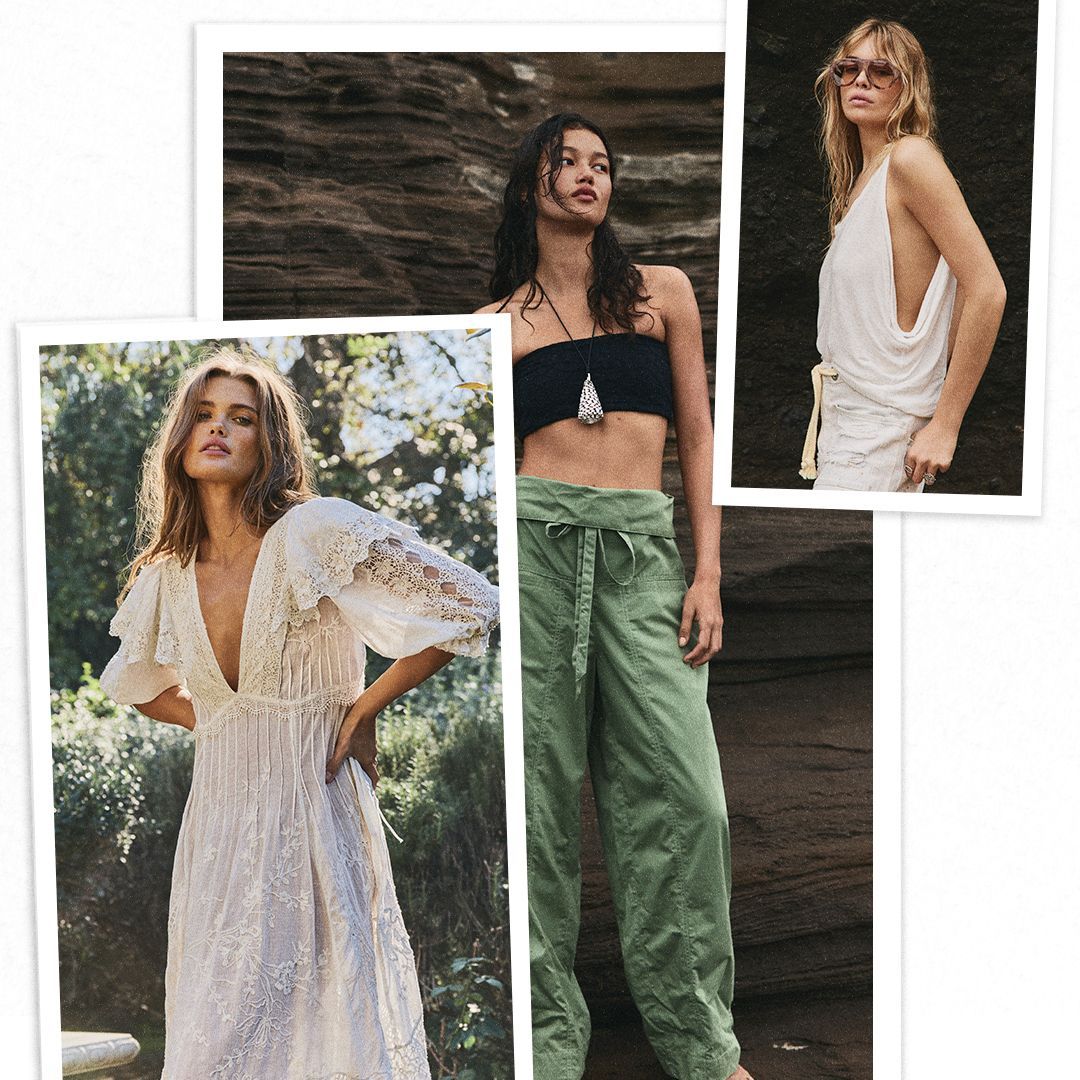
Positioning & Fit
- Primary Use Case: Long-term wardrobe investment and daily boho staples.
- Target Shopper: Style-conscious buyers with flexible budgets who value quality-per-wear.
- Signature Detail: Natural-fiber fabrics (cotton, linen, viscose) with authentic bohemian drape.
✅ Strengths
- Premium natural-fiber fabrics
- Excellent durability across multiple seasons
- Strong resale value (30-50%) on Poshmark and Depop
- Authentic, trend-setting design aesthetic
- Subject to strict US regulations like Prop 65
⚠️ Considerations
- Highest upfront cost among mainstream alternatives
- Runs 1-2 sizes large (“vanity sizing”)
- Delicate knits can pill without careful care
- Online customer service can be inconsistent
- $5.95 return fee if sizing is wrong
Best For: Shoppers prioritizing authentic design, natural fabrics, and long-term value via durability and resale potential. This is the choice for building an investment wardrobe.
Consider If: You have a flexible budget, understand their oversized aesthetic (and are willing to size down), and value a brand that sets trends rather than follows them. If you have access to a physical store for easy returns, the risk of online shopping is greatly mitigated.
Avoid If: You are on a strict budget, prefer a tailored or true-to-size fit, or require responsive online customer service. The high upfront cost and unique fit are significant barriers.
Positioning & Fit
- Primary Use Case: Weddings, festivals, date nights and occasion-specific outfits.
- Target Shopper: Event-driven buyers who prioritize a specific “look” for a specific date.
- Signature Detail: Trend-forward silhouettes with an extensive customer-photo library.
✅ Strengths
- Reliable true-to-size fit
- Photo-ready styles for occasions
- Robust customer photo review library
- More affordable than Free People
- Coupons often stack on sale sections
⚠️ Considerations
- Heavy reliance on rayon/viscose fabrics
- Many items require hand-washing
- Prone to shrinkage if machine washed
- $4.99 mail-in return fee (10% of $49 top)
- Lower versatility for everyday wear
Best For: Event-based shopping. Lulus is the optimal choice for weddings, parties, vacations, and date nights where you need a stylish, reliable, and affordable outfit that looks great in photos.
Consider If: You value seeing customer photos before buying and are willing to perform due diligence by reading reviews for each specific item. If you accept that some pieces may require hand-washing, Lulus offers fantastic value for on-trend styles.
Avoid If: You are seeking everyday wardrobe staples made exclusively from natural fibers. The quality can be inconsistent between items, and the reliance on polyester and rayon for many pieces makes it a poor choice for those prioritizing fabric feel and machine-washable durability.
Positioning & Fit
- Primary Use Case: Single-use trend testing, costumes, and rock-bottom pricing.
- Target Shopper: Absolute-lowest-budget shoppers accepting lottery-style outcomes.
- Signature Detail: Endless micro-trend catalog, almost entirely 100% polyester.
✅ Strengths
- Rock-bottom prices ($5-$15 tops)
- Nearly every micro-trend represented
- Enables risk-free style experimentation
- First return is free
- Fast shipping in most markets
⚠️ Considerations
- Unstandardized “sizing lottery” across suppliers
- Almost entirely 100% polyester (plastic feel)
- Frequent pilling and unraveling after 1-3 washes
- Non-zero chemical safety risk (EU/S. Korea flags)
- $7.99 subsequent return fee = 67% “sunk cost” on $12 tops
- Zero resale value
Best For: Purely disposable fashion. This includes testing a bizarre micro-trend you’re unsure about or buying a top for a single, messy event like a concert or costume party.
Consider If: Your budget is the absolute number one priority, above all else. You must be willing to treat the purchase like a lottery ticket—you might win with a decent item for the price, but you must be fully prepared for it to be a complete loss in terms of fit, quality, and feel.
Avoid If: You value your time, consistent sizing, quality materials, ethical production, or predictable outcomes. The brand’s business model is built on a high failure rate that the consumer absorbs, making it a frustrating and often wasteful experience.
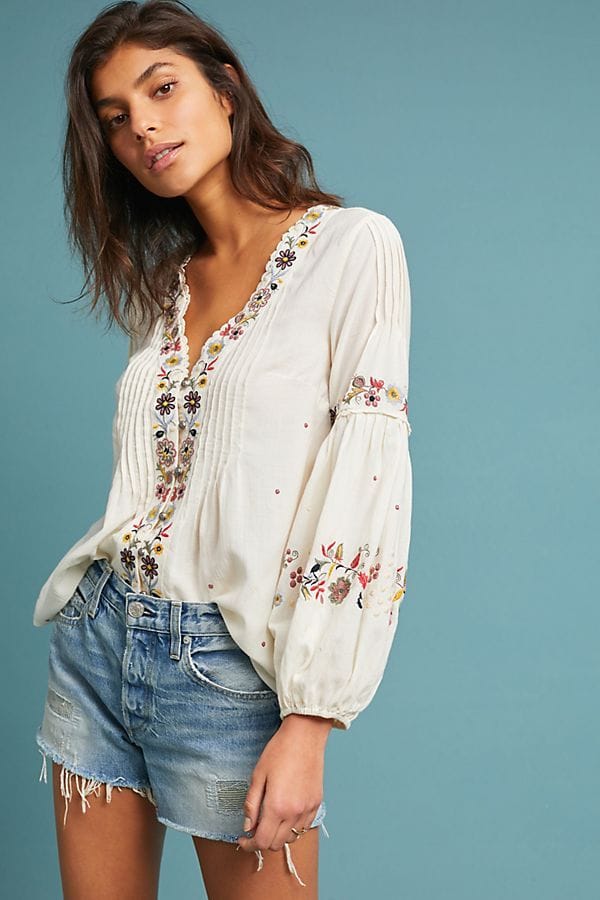
Positioning & Fit
- Primary Use Case: Statement pieces, milestone celebrations, and refined artisan style.
- Target Shopper: Mature, design-focused shoppers willing to pay a premium for uniqueness.
- Signature Detail: Intricate embroidery, exclusive prints, and boutique-level craftsmanship.
✅ Strengths
- Intricate embroidery and exclusive prints
- Boutique-level design and craftsmanship
- Sister brand to Free People (URBN quality standards)
- Statement pieces feel one-of-a-kind
- Mature, refined bohemian aesthetic
⚠️ Considerations
- Highest price point on the list
- Cost-per-wear less favorable than Free People
- Some styles skew occasion-only
- Not budget-friendly under any circumstances
Best For: The unique, artisan-quality splurge. Anthropologie occupies a space a step above Free People, offering more intricate details, unique prints, and a boutique-like quality that feels more special and less ubiquitous.
Consider If: You are celebrating a milestone, looking for a true statement piece, and the price is a secondary concern to design and uniqueness. Their tops often feature superior craftsmanship, such as detailed embroidery and more complex patterns, justifying the premium for shoppers seeking something truly distinct. They are a strong choice for a mature, artistic aesthetic.
Avoid If: You are price-sensitive in any way. Anthropologie represents the highest price point on this list, and while quality is high, the cost-per-wear calculation is less favorable than Free People unless it’s a piece you truly adore and will wear for a decade.
Decision Matrix: Choosing Your Boho Top Alternative
| Criteria | Free People | Lulus | SHEIN | Anthropologie |
|---|---|---|---|---|
| Primary Use Case | Investment wardrobe | Event outfits | Trend test | Statement splurge |
| Target Shopper | Slow-fashion investor | Event planner | Budget experimenter | Design connoisseur |
| Core Strength | Natural fibers & resale | True-to-size event fit | Ultra-low price | Artisan detail |
| Key Risk | Vanity sizing | Shrinkage / hand-wash | Sizing lottery + ethics | Premium pricing |
| Price-Per-Wear Signal | 🟢 Low (long-term) | 🟡 Moderate | 🔴 Deceptively high | 🟢 Low if adored |
Part 7: Conclusion & Frequently Asked Questions
After this deep dive, my final verdict is clear: the choice between these brands isn’t about price, but about fundamentally different product philosophies.
You are choosing between the principles of slow fashion, which prioritize investment and quality, and the disposability of fast fashion, which prioritizes quantity and trends.
The “best” brand depends entirely on your use case:
- Free People is the intelligent choice for building a long-term wardrobe.
- Lulus is the perfect solution for specific, head-turning event outfits.
- SHEIN should only be considered for disposable, single-use trend testing.
- Anthropologie remains the top choice for a true, artisan-quality splurge.
Before you click ‘buy’ on any of these brands, ask yourself three questions:
- What is my real budget, including the potential for repurchase or the item being unwearable?
- How much time am I willing to spend on due diligence like reading reviews and checking customer photos?
- What is my personal tolerance for risk in sizing, quality, and returns?
Answering these questions honestly will guide you to the smartest choice and help you avoid the all-too-common trap of a beautiful photo leading to a disappointing reality.
Frequently Asked Questions
Q1: Is a $108 Free People top really worth it over a $12 SHEIN top?
A: Yes, if you measure value by cost-per-wear and total cost of ownership. The Free People top is an investment in durable materials and high resale value, meaning its effective cost decreases over its multi-year lifespan.
A used top can be resold for a significant portion of its price on platforms like Poshmark (Poshmark Sold Listings 2024). The SHEIN top is a disposable item. Its true cost includes the high probability of it being unwearable upon arrival, the environmental cost of its production and disposal, and the likelihood of needing to repurchase a similar item multiple times a year, which can easily add up to more than the single investment piece.
Q2: What is the biggest risk when buying from SHEIN?
A: The “Sizing Lottery.” This is the most cited issue for the brand. Due to a lack of standardization across thousands of suppliers, there’s a very high probability the item won’t fit as described.
My analysis shows this is not a bug but a feature of their business model. The low price of the garment combined with the $7.99 subsequent return shipping fee (SHEIN Return Policy) creates a “sunk cost trap” where it’s not economically logical to return a failed item. This forces you, the consumer, to absorb the financial loss of an unwearable garment.
Q3: Why do Lulus clothes shrink so often?
A: The primary reason Lulus clothes can be prone to shrinkage is the fabric composition. Many of their on-trend tops and dresses are made from rayon and viscose, which are semi-synthetic fibers known for their soft feel and beautiful drape but also for their instability when wet (Textile School on Rayon Properties).
These fabrics can shrink significantly if machine washed or dried with heat. The brand’s “Hand Wash Only” care labels are a direct acknowledgment of this lower fabric durability. If you are not prepared to follow these delicate care instructions, you should expect a shorter garment lifespan.
Q4: How can I avoid the “photo vs. reality” problem when shopping online?
A: Your single most powerful tool is due diligence, centered on user-generated content. First, always ignore the professional model photos and go straight to the customer reviews section.
Look for user-submitted pictures on different body types to see how the garment actually fits, drapes, and appears in normal lighting. Second, for brands like SHEIN, read the text reviews specifically for comments on sizing and measurements, as users will often provide their own stats (e.g., “I’m 5’5″, 140lbs and the Medium was too tight”). This real-world data is far more reliable than any brand-provided size chart.
Q5: What does “vanity sizing” mean for Free People?
A: “Vanity sizing” at Free People means their clothes are intentionally designed to be oversized as a core part of the brand’s relaxed, “flowy” aesthetic. It is a known feature, not a defect.
In my experience, and as confirmed by countless reviews, you typically need to size down one to two full sizes from your normal size, especially for their tops and dresses (Reddit Thread on Free People Sizing). This can be a significant barrier for new shoppers who aren’t aware of this “secret,” leading to frustrating returns. If you are a size Large in other brands, you are very likely a Medium or even a Small at Free People.
Q6: Are there real safety concerns with clothes from SHEIN or Temu in 2024?
A: The risk, though small for any individual purchase, is not zero. While my research found no major US CPSC recalls for these specific tops in 2023-2024, international regulators continue to find problems.
For example, authorities in South Korea and several EU countries have issued warnings after finding products from these platforms containing lead and phthalates above legal limits (Reuters Report May 2024). This pattern indicates ongoing issues with quality control that are less common with established US brands that operate under stricter regulations like California’s Prop 65.
Q7: Are Anthropologie tops better than Free People?
A: “Better” depends on your goal. My analysis shows Anthropologie often excels in unique, artisan-quality details like intricate embroidery and exclusive prints, making them better for a true statement piece that feels one-of-a-kind. They are often a more mature and refined choice.
Free People is often better for establishing a core, durable boho wardrobe with a more youthful, free-spirited aesthetic. While both are premium brands owned by URBN, I’d recommend Anthropologie for a special occasion splurge and Free People for high-quality, repeatable style.
Q8: What are some truly ethical boho brands?
A: While large brands often struggle with full transparency, a growing number of smaller, dedicated ethical boho brands are excellent options if your budget allows. To find them, look for companies that prioritize certifications and transparency over vague marketing.
Brands like Christy Dawn, which focuses on deadstock fabric and has its own farm, or MATE the Label, which is Climate Neutral certified and uses GOTS-certified organic materials (MATE The Label Certifications), are frequently cited as leaders. These brands build their models around ethical production, though this is reflected in their premium price points.