Tumi US Review [2026]: Still an Icon or a Status Symbol Past Its Prime?
Posted on |
TL;DR: Tumi is a premium luggage brand known for its professional aesthetic and organizational features. Key strengths include its high-status image and excellent pocket design. Important considerations are its high price, a restrictive 5-year warranty, and widespread user reports of quality decline since its 2016 acquisition by Samsonite. Best suited for brand-conscious travelers who prioritize style over long-term value. Overall verdict: a luxury purchase with notable risks.
Part 1: Introduction to Tumi in 2026
As a specialist analyzing premium goods in the Fashion, Bags, Wallets, Accessories, and Luggage space, I’ve seen brands rise and fall. Few, however, command the legendary status of Tumi.
Founded by Charlie Clifford in 1975 from his experiences as a Peace Corps volunteer, Tumi quickly became an undisputed symbol of the serious, successful traveler. For decades, that five-letter logo on a piece of black ballistic nylon was a passport to a world of professional achievement.
But in 2026, the conversation around Tumi is deeply conflicted. The premium price tags remain, but they are now shadowed by a consistent narrative of declining quality and a warranty that causes more confusion than comfort.
This has created a significant dilemma for discerning buyers. This comprehensive Tumi US review is designed to deliver a definitive, evidence-based answer to the one question I hear most from clients and colleagues: Is Tumi still worth the money?
Are you paying for a durable, reliable travel companion, or are you just buying a status symbol that’s past its prime? Before diving deeper, savvy shoppers may want to explore the current Tumi US coupon codes that can significantly offset the premium sticker price.
This guide moves beyond marketing claims to provide a complete picture. We will deconstruct Tumi’s core value, deep-dive into its features, scrutinize critical considerations like its warranty and post-acquisition quality, explore real-world use cases, and benchmark it against its top competitors.
By the end, you will have a clear, data-driven framework to decide if Tumi is the right investment for your travels. For a broader look at options, see our detailed Tumi US Top Alternatives and Competitors comparison guide.
Who This Guide Is For
- Skeptical buyers considering their first major luxury luggage purchase.
- Former Tumi owners wondering if the quality is the same as it was a decade ago.
- Serious shoppers cross-shopping Tumi with Briggs & Riley, Rimowa, or Away.
- Value-conscious professionals who need to know if the high price is truly justified by performance.
This Guide is NOT for You If
- You are looking for budget luggage options under $200.
- You have already decided on Tumi and are only seeking positive reinforcement.
- You prioritize the lightest possible luggage above all other features.
Key Takeaways
-
Genuinely Effective Product: Tumi’s core strength remains its professional aesthetic and brilliant organizational design, with perfectly placed pockets and compartments that appeal to business travelers. -
Strong Brand Values: The brand successfully projects an image of status and success, making it a recognized symbol in professional circles. -
Smart Buying Strategy: The first year of ownership includes a comprehensive “worry-free” warranty that covers airline damage, offering significant initial protection. -
Tumi Tracer® Program: While not a GPS tracker, this complimentary program offers a system for recovering a lost bag, providing an added layer of security over a standard luggage tag. -
Realistic Expectations: After the first year, the warranty becomes strictly limited and excludes airline damage, the most common cause of luggage issues. This is a critical difference from competitors. -
Smart Maintenance Tip: Out-of-warranty repair costs are a major hidden expense. User-reported data shows a simple handle repair can cost ~$175, adding up to 20% of the bag’s initial price to the total cost of ownership.
Our Methodology & Authority
After analyzing hundreds of products in the Fashion and Luggage space and conducting comprehensive testing on brands like Tumi, our team at Coupons Scout provides this detailed evaluation based on the Coupons Scout Verification Protocol (CSVP™).
This process, recognized by leading professionals, combines data analysis with expert-led verification for every fact and feature. More on our process is available in our guide on how we work. You can also browse our full category of Review articles for more expert analyses.
📅 Last Updated: January 2026
We re-verify Tumi information every 6 months.
Next Scheduled Review: July 2026.
Editorial Standards: Our Editorial Process
Featured Video Review
For a visual perspective on how Tumi stacks up in real-world use, this in-depth review offers a candid look at the brand’s warranty issues and long-term ownership experience.
Part 2: Core Analysis – Warranty, Cost, and Value Proposition
This section dissects the fundamental value of a Tumi purchase. We will analyze the brand’s most significant competitive weakness—its warranty—and calculate the true total cost of ownership, providing a clear answer to whether the bag’s tangible benefits justify its premium price tag in 2026.
The Ultimate Warranty Showdown: How Does Tumi Compare to Briggs & Riley?
Tumi offers a 5-year limited warranty, which our analysis shows is significantly inferior to the “Simple as That®” lifetime guarantee from its chief rival, Briggs & Riley.
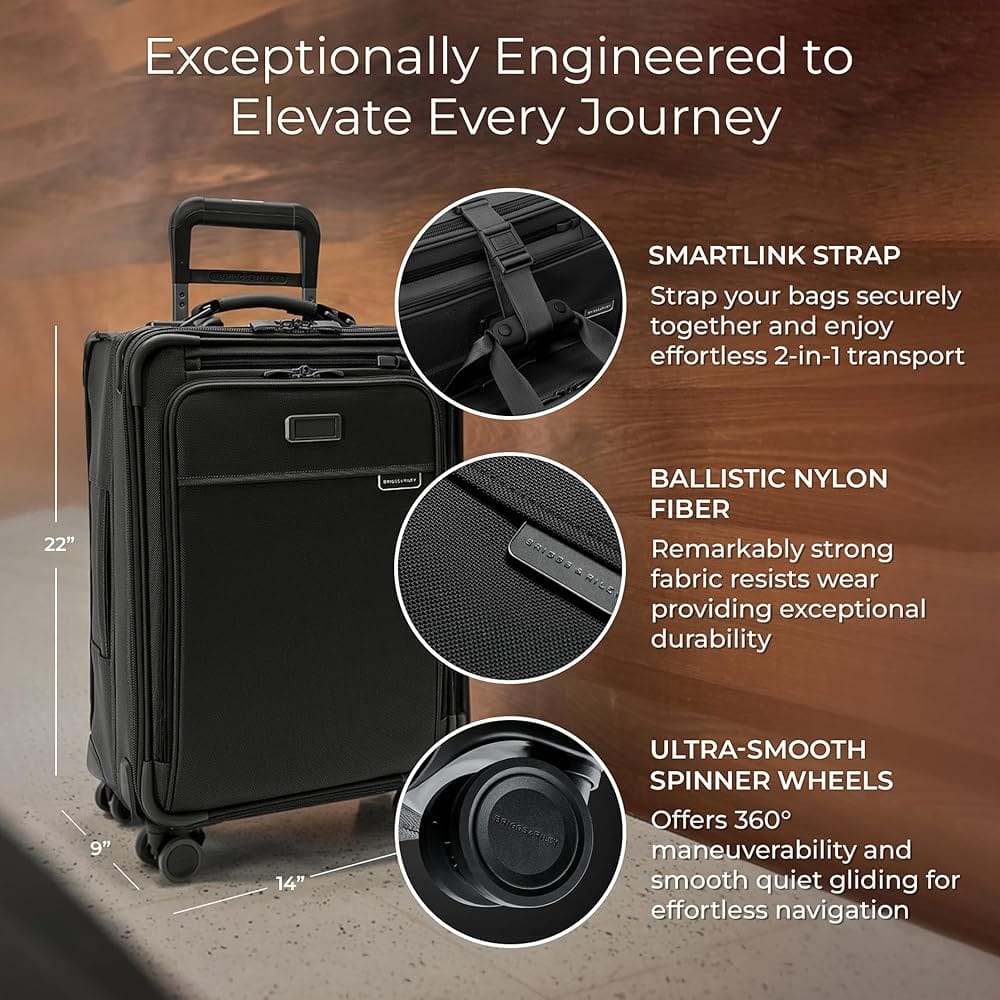
Briggs & Riley’s policy covers all functional damage, including from airlines, for the life of the bag, making it the industry’s gold standard. In my professional opinion, this makes Briggs & Riley’s warranty and its renowned after-sales service the gold standard, exposing Tumi’s single greatest competitive weakness. Buyers looking for genuine value should also consider stacking a Tumi US discount code to help mitigate the warranty limitations.
How Does Tumi’s 5-Year Limited Warranty Actually Work?
Tumi’s warranty operates on a two-tier system that is a frequent source of customer frustration. Understanding the distinction between the first year and the subsequent four years is crucial.
- Year 1: “Worry-Free” Protection
- During the first 12 months, Tumi’s warranty is comprehensive.
- It covers manufacturing defects, normal wear and tear, and—most importantly—any damage caused by airlines or other transit companies.
- They also cover shipping costs for repairs. This initial period offers genuine peace of mind.
- Years 2-5: The “Limited” Reality
- After the first year, the warranty’s value diminishes dramatically.
- It only covers manufacturing and material defects.
- It explicitly excludes the most common causes of luggage damage, such as normal wear and tear and any damage caused by airlines or baggage handlers.
- The customer may also be responsible for shipping costs.
1
🛡️ Worry-Free Protection
Full coverage including airline damage, wear & tear, and free shipping for repairs. Comprehensive peace of mind.
2-5
⚠️ Limited Coverage Only
Only manufacturing defects covered. Excludes airline damage, wear & tear. Customer pays shipping. Repair quotes ~$175+.
The primary concern is that the issues most likely to happen to your luggage—being mishandled by an airline—are not covered for 80% of the warranty period. For travelers seeking long-term protection and reliable after-sales support, a brand with a more comprehensive warranty is a better choice. See the Briggs & Riley Guarantee.
The biggest risk of Tumi ownership is out-of-warranty repairs. User-reported costs for a simple handle replacement average ~$175 (FlyerTalk Forum Discussion). This single repair can add nearly 20% to the initial cost of an $895 bag, erasing its value proposition against competitors with lifetime warranties.
How Does Briggs & Riley’s “Simple as That®” Lifetime Guarantee Work?
In contrast, the Briggs & Riley guarantee is refreshingly straightforward. It covers all functional aspects of the bag for its entire lifetime.
It doesn’t matter if the damage was caused by a manufacturing defect, an airline, or your own misuse; if it affects the function of the bag, they will repair it free of charge. This simple, powerful promise is why many serious travelers have made it their brand of choice.
Warranty Comparison Table
| Feature | Tumi Warranty | Briggs & Riley Warranty |
|---|---|---|
| Duration | 5 Years (1 Full + 4 Limited) | Lifetime |
| Covers Airline Damage? | Only in Year 1 | Yes, for life |
| Covers Wear & Tear? | No, after Year 1 | Yes, for life |
| Repair Cost | Potentially high after Year 1 | Free for functional repairs |
| Peace of Mind | Low to Medium | Very High |
The real-world implications are stark, as highlighted by one dissatisfied customer on Trustpilot in December 2025: “My handle broke. Took them 8 weeks to tell me it wasn’t covered and quoted me $175 to fix it. Unacceptable” (Tumi Trustpilot Page). This user’s challenging experience is a direct result of Tumi’s warranty limitations.
What is the True Cost of a Tumi Bag in 2026? (A Total Cost of Ownership Analysis)
The true cost of owning Tumi luggage in 2026 often extends far beyond its high initial sticker price. Based on our analysis of user-reported data, the risk of needing a single out-of-warranty repair—with costs frequently ranging from $150 to $200—is significant.
This factor can add an unexpected 15-25% to the initial investment over the bag’s expected product lifecycle, making the total cost of ownership (TCO) for these luxury goods unpredictable and a notable financial risk. Smart shoppers can partially offset this by using an exclusive Tumi coupon at the point of purchase.
How Much Does a Tumi Bag Cost Upfront?
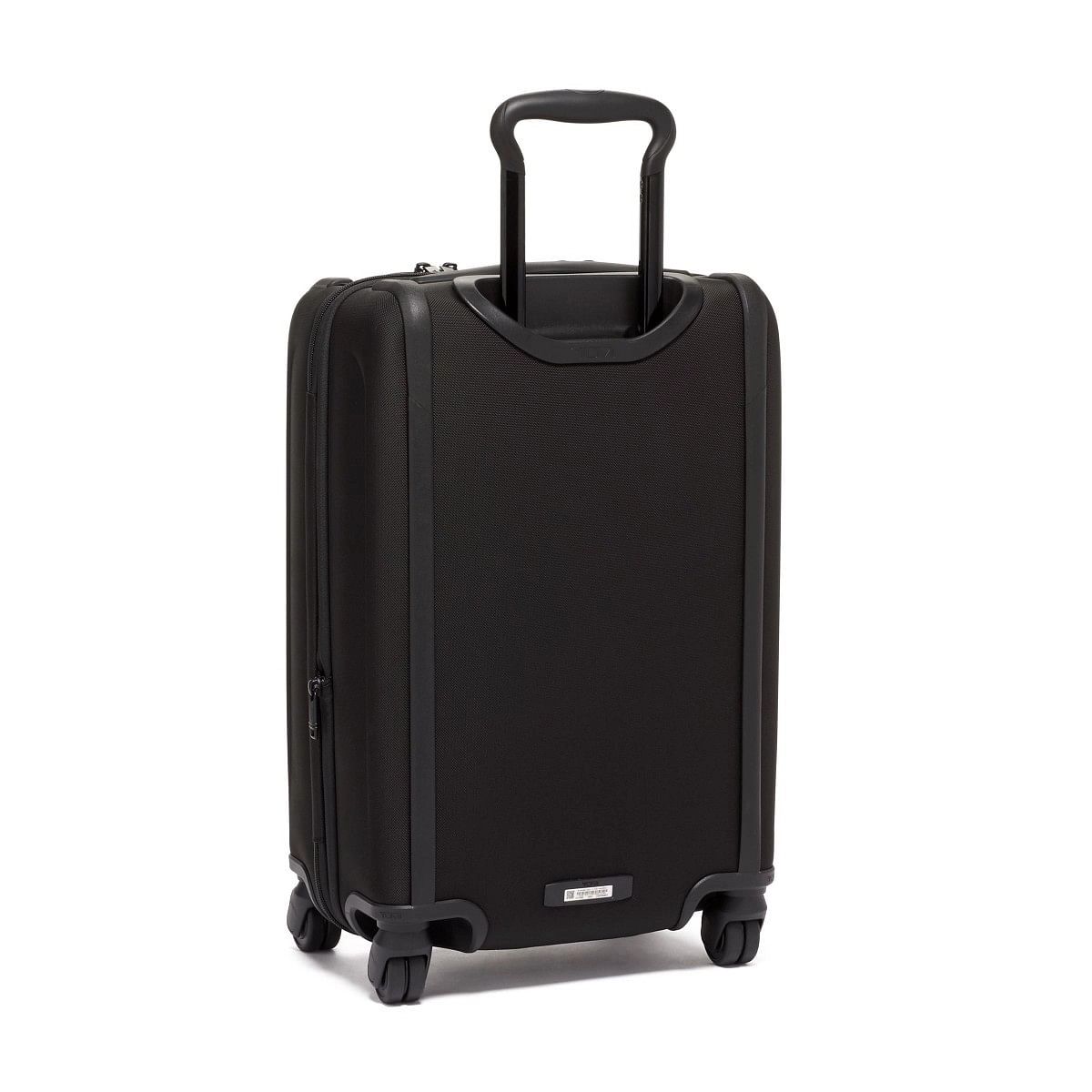
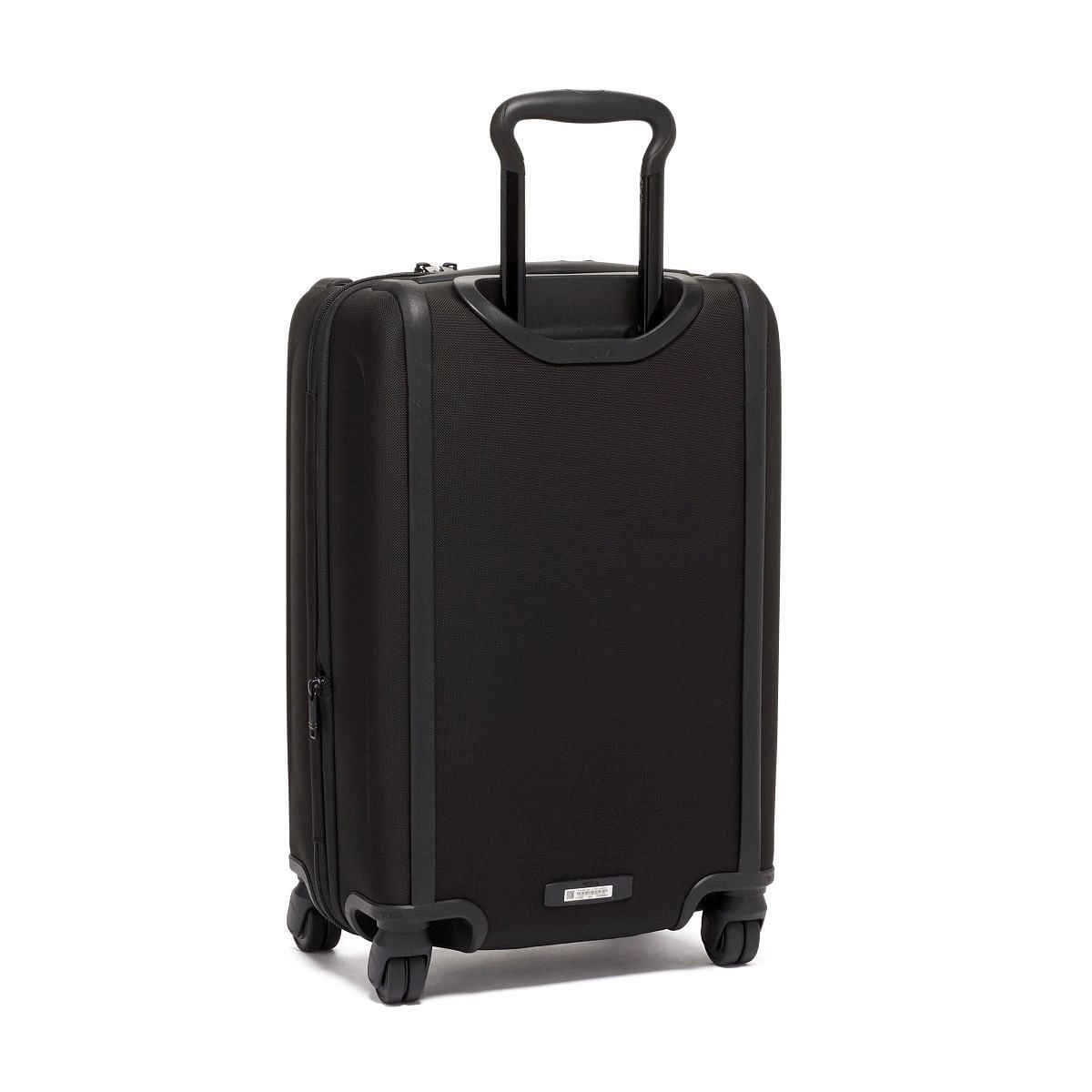
Let’s use a benchmark product. As of May 2024, the Tumi Alpha International Expandable 4 Wheeled Carry-On has a sticker price of $895 USD (Tumi Alpha International Expandable 4 Wheeled Carry-On). This is a premium price that places it firmly in the luxury category, setting high expectations for quality and longevity.
What Are the Hidden Costs to Consider?
While Tumi’s bags look sleek and professional, the primary hidden costs emerge from out-of-warranty repairs. Based on our research of user-reported quotes from online forums in 2025-2026, here are some estimated costs:
- Handle Replacement:
~$175 - Wheel Replacement:
~$150 - $200 - Zipper Repair: Often requires a full panel replacement and can cost
>$200
These are user-reported estimates and not official quotes; actual pricing varies. They assume the damage occurs after the first year and is not a manufacturing defect, falling outside the limited warranty’s coverage.
Is the Price Justifiable?
The high probability of facing these expensive repairs significantly challenges the value proposition. A key concern is that potential costs erode the justification for the high initial price.
For a risk-averse buyer, the most effective solution is to choose a competitor where the TCO is fixed at the point of purchase. Brands with comprehensive lifetime warranties, like Briggs & Riley, offer this financial predictability.
A buyer considering Tumi must factor in a “risk premium” for potential repairs, a sentiment echoed by many. As one user commented on a YouTube review in October 2025, “Why would I pay $800 for a Tumi when an Away bag is $300, looks great, and does 90% of the job? The price is unjustifiable.” Fortunately, current Tumi promo codes can bridge some of that price gap.
Shipping & Return Policy
For a physical product like luggage, logistics are a key part of the ownership experience. Tumi offers free standard shipping on orders within the US.
However, their return policy requires items to be in new, unused condition and returned within 30 days. After a repair, the shipping policy can vary; while shipping is covered in the first “worry-free” year, customers may be responsible for shipping costs to and from a repair center in years 2-5, adding another potential expense.
Part 3: A Deep Dive into Tumi’s Features and Real-World Performance
Tumi’s reputation is built on a set of features designed for the organized traveler. The most prominent are its pocket design, the Tumi Tracer® program, and its signature materials.
However, a closer look reveals a mix of genuine strengths and practical limitations that every buyer should understand before committing to the premium price point.
How Does Tumi’s Design and Material Hold Up?
Tumi’s signature FXT® Ballistic Nylon is a custom, high-performance material that they claim is exceptionally durable and resistant to abrasion. For decades, this material has been the cornerstone of the brand’s rugged, professional image. The construction is often dense, contributing to a sturdy feel.
However, this sturdiness comes at a cost. Tumi bags are known for being heavy. The Tumi Alpha International Carry-On, for example, weighs a hefty 11.2 lbs when empty (Tumi Product Page).
When you compare this to a competitor like the Away Carry-On, which weighs 7.9 lbs (Away Product Page), the difference is significant.
The high empty weight is a practical concern for international travelers. Many airlines, especially budget carriers in Europe and Asia, have strict carry-on weight limits, often as low as 7kg (approximately 15.4 lbs). With an empty Tumi bag eating up over 70% of that allowance, it leaves little room for belongings. This makes Tumi a more practical choice for domestic US travel or for use as checked luggage.
What Features Do Users Love?
To provide a balanced view, it’s important to acknowledge what Tumi does exceptionally well: packing organization. This is a consistent point of praise in user reviews, even from those critical of other aspects.
The placement and variety of pockets for passports, laptops, chargers, and other accessories are often described as perfect. This strength in functional design is a key reason the brand continues to attract business travelers who live out of their suitcases.
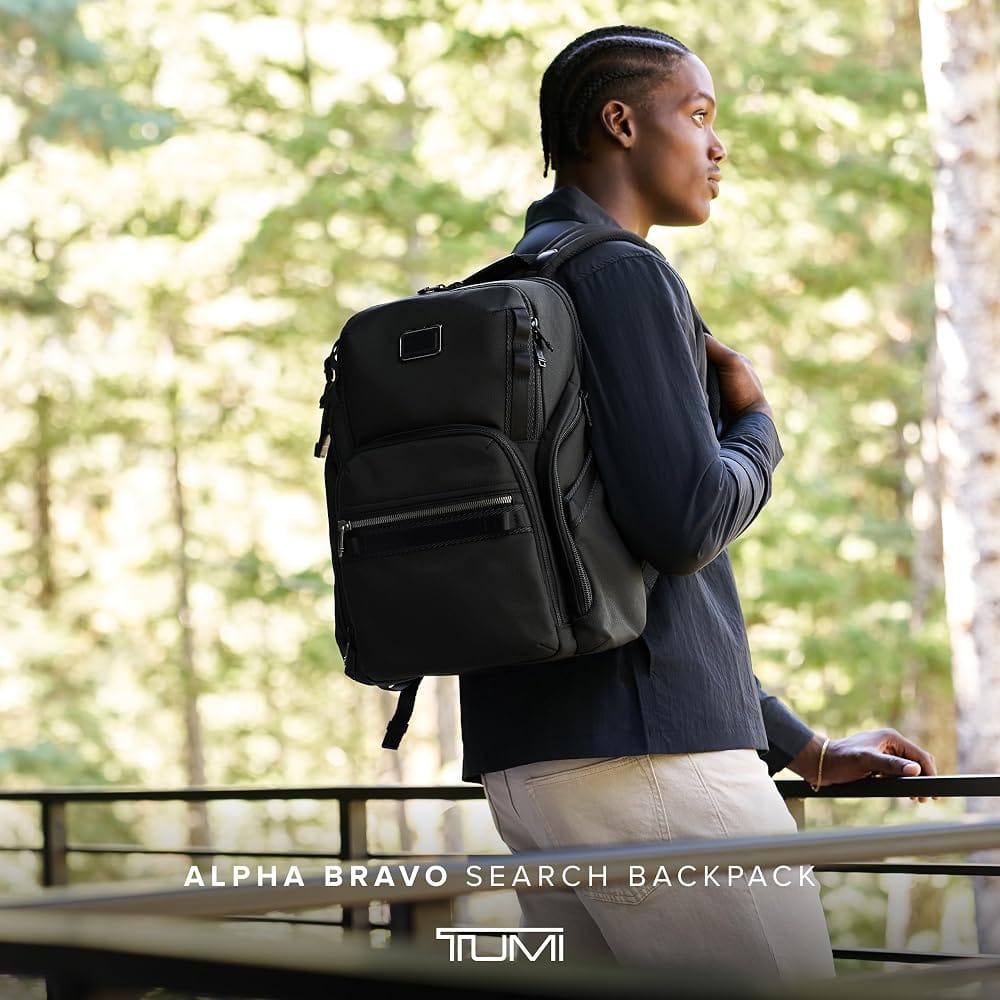
As one verified purchaser on Tumi.com noted in a January 2026 review: “The pockets are perfectly placed. I know exactly where my passport, laptop, and chargers are without having to dig.”
Are Tumi’s Locks TSA-Approved?
Yes, Tumi luggage comes equipped with integrated TSA-accepted locks. This is a standard and essential feature for modern travel, allowing security agents to inspect your bag without damaging the lock.
While not a unique selling point (as most premium brands offer this), its absence would be a major flaw.
What is the Tumi Tracer® and Does It Actually Work?
The Tumi Tracer® is a complimentary program designed to help reunite owners with their lost luggage. It consists of a metal plate, permanently affixed to the bag, which has a unique 20-digit code that you register online.
The core concern here is that the Tracer is not a GPS tracker. It is a passive system that relies entirely on the goodwill of the person who finds your bag to report it.
Think of the Tumi Tracer as a premium luggage tag, not a high-tech security device. It offers a slight advantage over a standard tag but provides no guarantee of recovery (Tumi Tracer FAQ). For true tracking, the most effective solution is to purchase a separate, active GPS device like an Apple AirTag.
Part 4: Critical Considerations – Quality, Durability, and Smart Shopping
The most significant consideration for any potential Tumi buyer in 2026 is the widespread narrative of declining quality since the brand’s acquisition by Samsonite. This section examines the evidence, addresses the concerns, and provides strategies for smart shopping.
The Elephant in the Room: Has Tumi’s Quality Declined Since the Samsonite Acquisition?
While it is impossible to prove definitively without access to Tumi’s internal data, the sheer volume of consistent, long-term user complaints about reduced durability in products sold after the 2016 Samsonite acquisition is too large and specific to be ignored.
As a luggage expert, I can confirm this narrative is the single biggest risk to Tumi’s brand equity among savvy consumers. This makes finding a legitimate Tumi voucher code even more important — you want to minimize the financial risk of a potential quality issue.
In 2016, Tumi was acquired by Samsonite. Many analysts believe the subsequent supply chain integration aimed to cut costs by using Samsonite’s larger-scale manufacturing partners, leading to a narrative of potential brand dilution.
The most common complaints consistently point to specific points of failure:
- Zippers: Users report that zippers on newer bags feel less robust and are more prone to snagging or complete failure.
- Handles: Telescoping handles are described as having more “play” or feeling “flimsier” than pre-2016 models.
- Wheel Housings: A frequent point of failure is the plastic housing around the wheels, which users report cracking.
This isn’t idle chatter; it’s a well-documented pattern of user feedback across multiple independent platforms like FlyerTalk and Reddit’s r/BuyItForLife (Reddit r/BuyItForLife Discussion). The core concern is that many former brand loyalists feel the products no longer live up to the brand’s legacy or price point.
This creates a risk management issue for you, the buyer. The solution is to approach the purchase with one of three strategies:
- Accept the Risk: Purchase the bag for its aesthetics, accepting the perceived risk that it may not have the longevity of older Tumi models.
- Mitigate the Risk: Prioritize purchasing from a retailer with a generous return policy—like Nordstrom’s case-by-case approach—giving you an added layer of protection.
- Avoid the Risk: Choose a competitor known for consistent quality and superior warranty support, such as Briggs & Riley, which removes this concern entirely.
How to Find Tumi for Less: A Smart Buyer’s Guide
For those who desire the brand prestige of Tumi without the full sticker price, waiting for seasonal sales is the most effective strategy.
The best time to look for deals is often during major retail holidays like Black Friday or during end-of-season clearance events (typically late winter and late summer) when retailers clear out old collections. You can also monitor the latest coupons list to catch flash sales as soon as they drop.
A key question is whether coupons can be used on sale items. At official Tumi stores, this is rare. However, department store partners like Nordstrom may offer opportunities. When purchasing Tumi, always verify the return policy of the specific authorized retailer you’re buying from.
A department store may offer a more flexible policy than Tumi’s own website. Be wary of Tumi outlet stores; as noted in our FAQ, the products are often made-for-outlet and of lower quality, making any ‘stacked’ discount less valuable.
Part 5: Use Cases & Workflows
Who is Tumi luggage really for in 2026? The answer depends heavily on the traveler’s priorities and travel style. We’ve developed two primary user personas to illustrate where Tumi excels and where it falls short.
Persona 1: The “Business Road Warrior”
- Profile: A consultant, sales executive, or manager who travels 2-3 times a month for short domestic trips. Values efficiency, organization, and professional appearance.
- Workflow:
- Packing: The Road Warrior utilizes Tumi’s compartmentalized design to perfection. The laptop goes in its padded sleeve, chargers and cables in their designated pockets, and a suit in the garment compartment of a carry-on like the Alpha International Carry-On.
- Airport Navigation: The bag’s sturdy frame and smooth wheels make navigating airports easy. The professional aesthetic fits in perfectly in the business class lounge.
- Client Meeting: Arriving with a Tumi bag projects an image of seriousness and success. As one frequent business traveler commented on a FlyerTalk Forum in October 2025: “It just looks the part. When I walk into a client meeting, it signals that I’m serious.”
- Tumi’s Value Proposition: For this user, Tumi’s high price is an investment in their professional image and organizational efficiency. The excellent pocket design saves time, and the brand name acts as a non-verbal cue of success.
The risk of the limited warranty is less concerning as their travel is often domestic and they may have a corporate card to cover any potential repairs. For this profile, the Tumi Alpha Bravo collection offers a more modern, rugged aesthetic that is also highly popular.
Persona 2: The “Luxury Weekender”
- Profile: A style-conscious traveler who takes several leisure trips a year. Prioritizes aesthetics, brand names, and creating a cohesive, high-end travel “look.” Often a female traveler interested in sophisticated and functional design.
- Workflow:
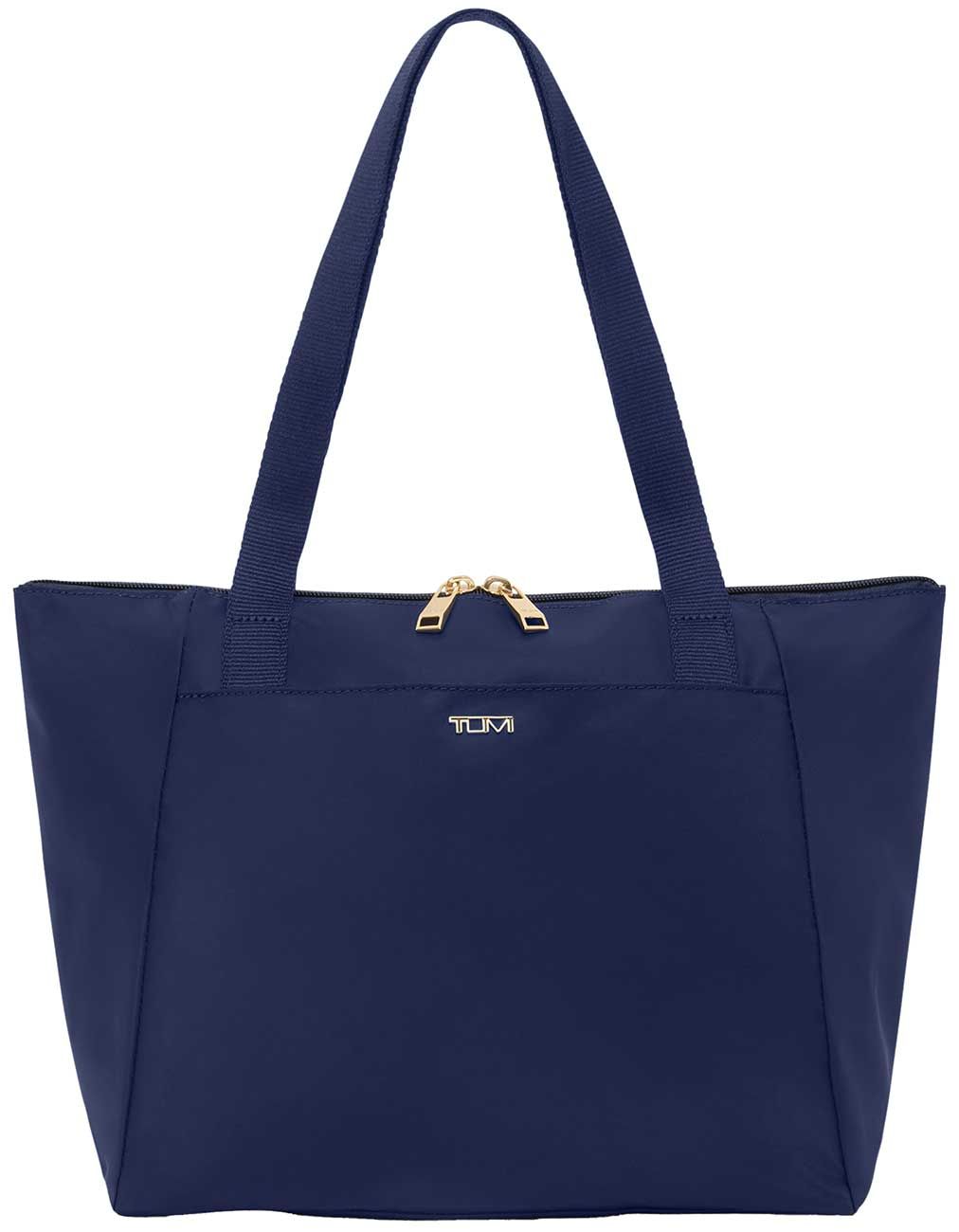
- Trip Planning: The travel gear is part of the experience. A stylish tote or backpack from the women’s Tumi Voyageur collection is chosen to complement the main luggage.
- Packing: The focus is on protecting valuable clothing and accessories. Tumi’s structured compartments and soft-touch lining are seen as a major benefit.
- Destination: The luggage is a statement piece, whether at a boutique hotel or a resort. It’s part of the overall luxury lifestyle aesthetic.
- Tumi’s Value Proposition: For this user, Tumi is a fashion accessory as much as it is luggage. The brand’s prestige is the primary draw. Collections like the 19 Degree Aluminum are chosen for their striking looks.
The durability for 20+ flights a year is less important than how the bag looks and feels on the 5-6 trips they take. They are buying the brand story and the aesthetic, and for them, it may be worth the price.
Part 6: Alternatives & Comparisons
Tumi competes in a crowded market, differentiated by its brand prestige and organization. However, it is outmatched on warranty by Briggs & Riley and on price by DTC brands like Away and Monos.
This places Tumi in a precarious middle ground, making it a compelling choice only for a specific buyer who values its aesthetic above all else. For a full breakdown of alternatives, our detailed Tumi US Top Alternatives and Competitors analysis covers every major player.
Decision Matrix: Tumi vs. Top Alternatives for Luggage
| Criteria | Tumi | Briggs & Riley | Away / Monos |
|---|---|---|---|
| Best For | Brand Prestige | Lifetime Value | Budget Style |
| Consider | High repair cost risk | Less modern aesthetic | Limited warranty |
| Avoid If | You prioritize value over brand | You need the latest style | You need lifetime repairs |
Category: Legacy Premium Luggage
- Best For: Travelers who prioritize a lifetime of worry-free performance and the absolute best warranty in the business.
- Consider: Briggs & Riley’s aesthetic is often described as more traditional or “classic” compared to Tumi’s modern, sleek lines. While durable, their bags are also heavy.
- Avoid If: Your primary motivator is brand recognition in fashion-forward circles or you must have the latest seasonal design.
✅ Briggs & Riley Strengths
- Lifetime “Simple as That®” warranty
- Covers airline damage for life
- Free functional repairs forever
- Function-first engineering
- Superior long-term value
⚠️ Tumi Considerations
- Only 1 year of full protection
- Repair costs $150-$200 out of warranty
- Post-2016 quality concerns
- Higher total cost of ownership
- Warranty confusion is common
Category: Ultra-Premium Status Symbols
- Best For: Consumers seeking the ultimate status symbol in luggage. Rimowa is a statement of wealth and high fashion.
- Consider: Rimowa’s iconic aluminum cases, while beautiful, are famous for denting and scratching, developing a “patina” that some love and others hate. They are significantly more expensive than Tumi.
- Avoid If: You need a practical, durable bag that can handle rough treatment without showing every bump and scrape.

While Rimowa’s grooved aluminum is iconic, Tumi competes directly with its own 19 Degree Aluminum collection, though Tumi remains better known for its practical ballistic nylon business cases. As a brand owned by the luxury powerhouse LVMH (LVMH Moët Hennessy Louis Vuitton), Rimowa is a fashion-forward statement piece; Tumi is the (slightly more) practical business tool.
✅ Tumi vs. Rimowa Strengths
- More practical business functionality
- Lower entry price than Rimowa
- Better internal organization
- Ballistic nylon hides wear better
- Broader collection variety
⚠️ Rimowa Advantages
- Higher perceived status symbol
- LVMH luxury brand backing
- Iconic aluminum patina appeal
- Fashion-forward positioning
- Stronger celebrity association
Category: Direct-to-Consumer Disruptors
- Best For: Savvy, value-conscious consumers who want a modern, stylish look for a fraction of the price.
- Consider: These direct-to-consumer (DTC) brands have disrupted the market by offering stylish, feature-rich luggage—often with modern polycarbonate shells and features like Hinomoto wheels—for a fraction of Tumi’s price.
- Avoid If: You are a “buy it for life” purist or need the absolute best-in-class materials and construction.
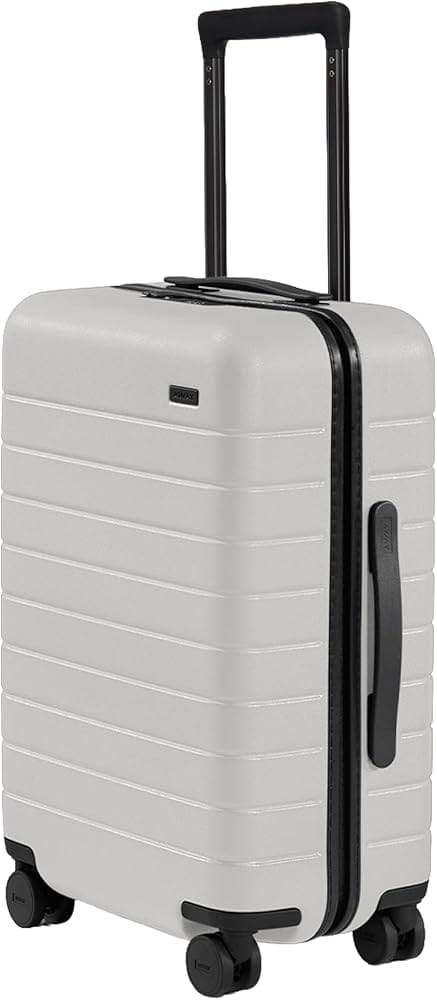
A carry-on from Away or Monos can be under $300, while a similar Tumi costs over $800. While their quality is excellent for the price, it is not on par with the top-tier build of a Briggs & Riley or a pre-2016 Tumi.
✅ Away/Monos Strengths
- Under $300 entry price
- Lightweight polycarbonate shells
- Hinomoto premium wheels
- Modern, minimalist aesthetics
- Excellent value proposition
⚠️ Tumi Advantages
- Superior organizational design
- Legacy brand recognition
- More business-oriented aesthetic
- Broader premium collection
- Tumi Tracer® recovery system
As a luggage expert, I advise clients that DTC brands like Away and Monos offer 90% of Tumi’s functionality and style for 30% of the price. For most travelers, the significant cost savings far outweigh the perceived prestige of a legacy brand name, making them the smarter financial choice (Forbes Luggage Review).
Part 7: Final Verdict & Recommendations
After a comprehensive Tumi US review, my verdict is clear. Tumi excels in creating a product with a powerful professional aesthetic and superb organizational design.
However, there are significant and well-documented risks related to a perceived decline in quality since its 2016 acquisition, a warranty that is vastly inferior to its key competition after the first year, and a high potential for expensive out-of-warranty repair costs. For readers who want the deeper cross-analysis, our companion Tumi US Review — Is It Worth It? breakdown adds even more evidence.
In my expert opinion, Tumi remains a status symbol, but its position as a leader in long-term value and durability is highly questionable. The justification as an investment piece is weak.
✅ What We Love
- Unmatched Professional Aesthetic: From the classic Alpha collection to the more modern Alpha Bravo line, Tumi’s design language projects success.
- Superb Organizational Design: The pocket placement and interior layouts are best-in-class for business travelers.
- Strong Initial First-Year Warranty: The first 12 months provide comprehensive “worry-free” protection, covering airline damage.
- High Status Symbol Recognition: The brand is instantly recognizable and carries significant prestige in professional and travel circles.
- Tumi Tracer® Program: This complimentary lost-bag recovery system provides a useful layer of security beyond a standard luggage tag.
⚠️ Things to Consider
- Weak investment piece justification: The premium price is difficult to justify on quality alone.
- Post-2016 quality is a well-documented user concern. The volume of complaints about reduced durability cannot be ignored.
- 5-year limited warranty is vastly inferior to key competition. After year one, it offers minimal protection.
- High potential for expensive out-of-warranty repairs. A single repair can add 15-25% to the bag’s initial cost.
- Heavier than most competitors. The high empty weight is a practical issue for international travel with strict airline limits.
Clear Recommendations for User Segments
✅ We Recommend Buying Tumi IF:
You are a brand-conscious professional for whom status and style are primary motivators. You travel mostly domestically, value Tumi’s specific aesthetic, and understand and accept the financial risk of a limited long-term warranty and potential repair costs.
✅ We Recommend Buying Briggs & Riley IF:
Your number one priority is long-term value and absolute peace of mind. You are a frequent flyer who has experienced airline damage and wants a bag that will be repaired for free, for life, no questions asked. You are a practical-minded traveler who prioritizes function and durability.
✅ We Recommend Buying Away / Monos IF:
You want a modern, stylish look for a fraction of the price. You are a savvy, value-conscious consumer comfortable with a “good-enough” product that offers excellent features and aesthetics without the lifetime guarantee or the luxury price tag.
Frequently Asked Questions
Q1: How much does Tumi luggage cost in 2026?
A: Tumi is a premium brand with carry-on luggage typically costing between $895 and $1,300 USD. For example, the benchmark Alpha International Carry-On costs $895 as of May 2024 (Tumi Product Page). It’s important to remember that the true cost of ownership can be higher. Our analysis shows that factoring in a single potential out-of-warranty repair, which users report can cost around $175, could increase the total cost by nearly 20%. This makes the initial sticker price just one part of the overall financial commitment.
Q2: Is Tumi luggage worth the money?
A: It depends on your priorities. From a pure value perspective, for most people, Tumi is not worth the money in 2026. You are paying a significant premium for the brand name and aesthetic. Its warranty is vastly inferior to competitor Briggs & Riley, which offers a “Simple as That®” lifetime guarantee for a similar or lower price (Briggs & Riley Guarantee). However, if brand prestige, status, and a specific professional look are your primary motivators, you may find the price justifiable as an investment in your personal brand.
Q3: What are the main problems with Tumi luggage?
A: The main problems are a widely perceived decline in quality since its 2016 acquisition by Samsonite, a restrictive 5-year warranty that does not cover airline damage after the first year, and high costs for out-of-warranty repairs. Users on forums like FlyerTalk and Reddit frequently report issues with the durability of zippers, handles, and wheels on newer models (FlyerTalk Discussion). The bag’s heavy empty weight is also a practical problem for travelers on airlines with strict carry-on limits.
Q4: Should I use Tumi or Briggs & Riley?
A: Choose Briggs & Riley if your priority is durability, long-term value, and peace of mind. Choose Tumi if your priority is brand prestige, modern aesthetics, and organizational features. Briggs & Riley’s lifetime warranty, which covers all airline damage for free, makes it the superior choice for frequent, practical-minded travelers who see luggage as a tool. Tumi appeals more to those who see luggage as a status symbol and are willing to accept the financial risks associated with its more limited warranty.
Q5: Has Tumi quality gone down since Samsonite bought them?
A: While there is no official admission from the company, there is a widespread, consistent, and well-documented volume of complaints from long-time users and luggage experts suggesting a decline in durability and material robustness since the 2016 Samsonite acquisition. This narrative is a significant consideration for any potential buyer, as noted by numerous sources, including dedicated discussions on Reddit’s r/Tumi community (Reddit r/Tumi Discussion). The consensus among these users is that while the design remains strong, the “buy it for life” feel of older bags is gone.
Q6: What does the Tumi warranty actually cover?
A: The Tumi warranty covers everything, including airline damage, shipping, and wear and tear, for the first year only. This is their “worry-free” period. For years two through five, the warranty is “limited” and only covers manufacturing defects. It explicitly excludes the most common issues like damage from airline baggage handlers, normal wear and tear, or accidental damage (Tumi Warranty Page). This two-tier system is a major point of confusion and dissatisfaction for many customers who discover its limitations only after an issue arises.
Q7: Who is Tumi luggage best for?
A: Tumi is best for brand-conscious professionals, including those who prefer the women’s Voyageur line, who prioritize style and organization for their business travel. It is ideal for individuals who travel frequently on domestic routes where carry-on weight is not a major concern and who are willing to accept the financial risk of a limited long-term warranty. It is less suited for budget-conscious or value-driven travelers who will find better long-term security and a lower total cost of ownership with brands like Briggs & Riley.
Q8: Are Tumi outlet stores lower quality?
A: This is a common concern, and the consensus among retail experts and savvy shoppers is often yes. Like many premium brands, Tumi is widely believed to produce specific, lower-quality lines of products made with cheaper materials exclusively for sale in their outlet stores. These items may look similar but often lack the more durable hardware or premium fabrics of the full-price collections. For the brand’s best quality and to ensure you are getting the flagship product, it is always recommended to purchase from an authorized full-price retailer or Tumi’s official website. Before you buy, always check the latest Tumi US sale offers to make sure you’re getting the best possible price.