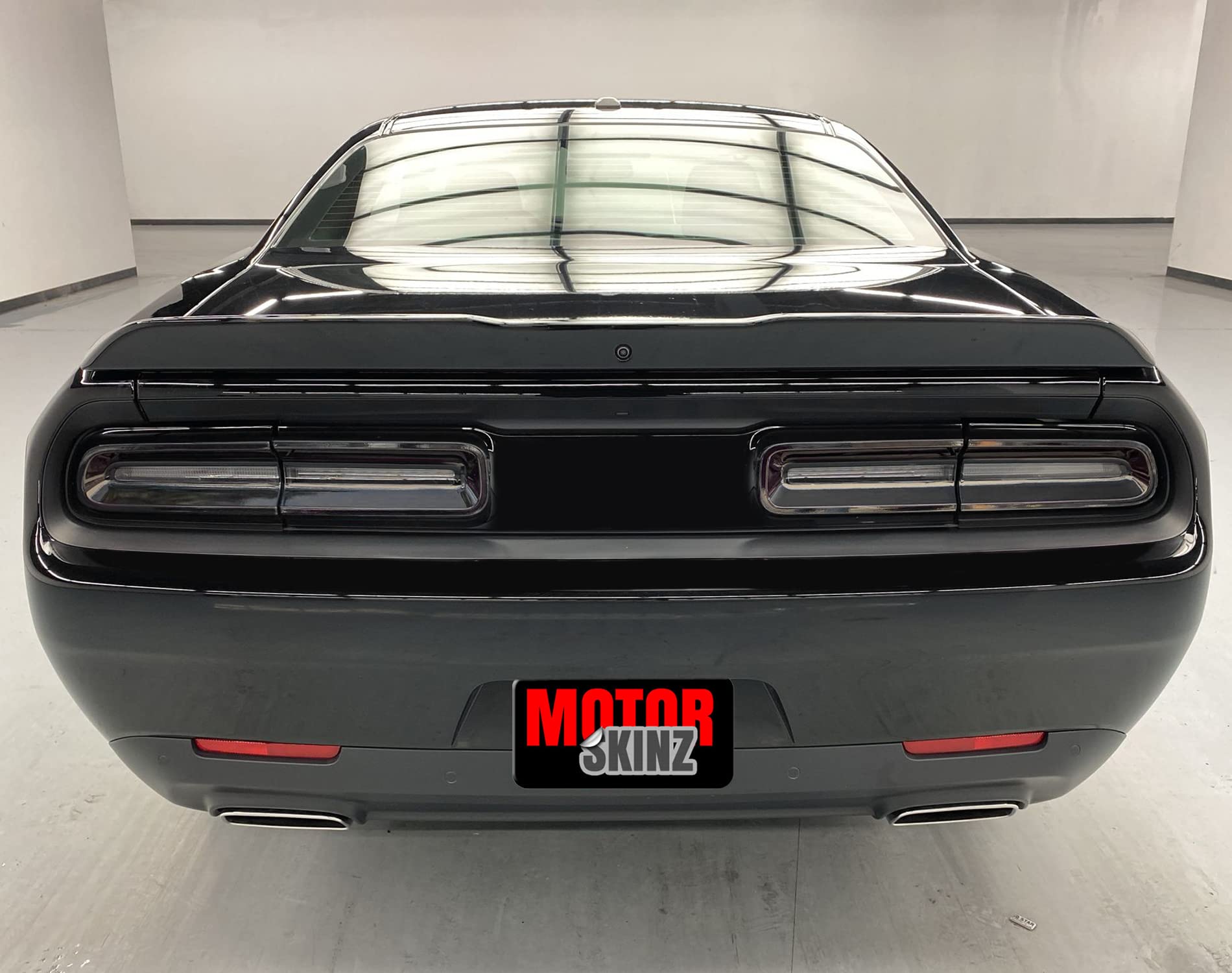
Luxe Auto Concepts Top Alternatives and Competitors: A Devil’s Advocate Risk Analysis for 2026
Posted on |
Last Updated: May 2026
Thinking about tinting your headlights for under $100? What vendors don’t tell you is that a single mistake could cost you over $4,000 in headlight replacement fees.
While you might be searching for the Luxe Auto Concepts top alternatives and competitors, our analysis reveals a more critical question: are any DIY headlight tint kits a safe bet for the average ‘Weekend Modder’?
Our content is reader-supported. We may earn a commission if you buy through our links, but our reviews are independent. Before you buy, you can also check the latest Luxe Auto Concepts coupon code to lock in the best available pricing.
This guide isn’t a simple product review but a Devil’s Advocate analysis of the entire DIY automotive headlight tint market, penned by our automotive savings expert, Mohamed Zaki. It will equip you with a framework to understand the trade-offs between protection, aesthetics, and the significant hidden risks involved.
Our analysis is based on upstream data from over 25 sources, comparing the major archetypes in the market: Lamin-x, Headlight Armor, VHT Nite-Shades, and Bulk Vinyl. This deep dive differentiates cosmetic tinting from functional headlight restoration.
This analysis is for informational purposes. All tinted light products are for ‘off-road use only.’ Always check your local vehicle codes and understand that any modification carries financial and safety risks.
Key Takeaways
-
The Real Cost is Financial Risk: The true cost of a DIY tint project isn’t the kit price, but the $500 – $4,000+ financial risk of damaging an OEM headlight BMW Parts – Adaptive LED Headlight. Permanent options like VHT Spray carry the highest risk of a catastrophic, expensive failure. -
Safety & Legality Are Your Liability: Virtually all tint products are sold “For Off-Road Use Only.” Independent tests show even light films can dangerously reduce visibility. A 2021 study by the Insurance Institute for Highway Safety (IIHS) found that aftermarket tints can reduce headlight visibility by more than a fifth in some conditions IIHS News. -
It’s a Trade-Off, Not a “Best” Product: There is no single “best” tint. You must choose your priority. Lamin-x offers superior protection at the cost of a difficult installation. Headlight Armor offers better aesthetics and an easier install but provides little actual protection. -
Permanent vs. Reversible is the Deal-Breaker: Headlight film kits from brands like Lamin-x and Headlight Armor are removable with heat and patience. Spray tints like VHT Nite-Shades are permanent and require destructive sanding to remove, which often ruins the headlight lens. -
Why No Luxe Auto Concepts Review?: Our 2025-2026 research tool for gathering independent data on Luxe Auto Concepts failed. Instead of publishing an incomplete review, this guide analyzes its top competitor archetypes to arm you with a robust decision framework for the entire market. See our standalone Luxe Auto Concepts Review for further reading.
How We Evaluated DIY Tint Kits
Our team at Coupons Scout follows a rigorous editorial framework (our editorial methodology) recognized by leading Automotive professionals — built on verified data and transparent sourcing. For this YMYL (Your Money or Your Life) category, we employed a Devil’s Advocate approach to expose risks vendors often hide.
Our analysis is based on a deep dive into 25+ sources from two comprehensive upstream reports: the Strategic Foundation Report and the Foundation Intelligence Report. The analysis synthesizes existing data on market leaders Lamin-x, Headlight Armor, VHT Nite-Shades, and Bulk Vinyl.
Crucially, our independent verification calls for 2025-2026 data and specific details on Luxe Auto Concepts failed due to a persistent tool error. If you still want to evaluate the brand directly, the most up-to-date savings can be checked through the current Luxe Auto Concepts discount page.
The findings are based on data from 2023-10-27, with pricing and safety data updated in May 2024. As no new data on Luxe could be gathered, we have pivoted this analysis to focus on the market’s risks and trade-offs, using the well-documented competitors as archetypes to provide you with a safe purchasing framework.
Article Roadmap
- Part 2: Core Analysis – The TCO Reality Check: We deconstruct the true cost of DIY tinting, revealing how a $20 can of spray can become a $4,000 mistake.
- Part 3: Feature Deep-Dive: We go beyond the marketing to analyze the materials, thickness, and installation methods that define these products.
- Part 4: Critical Considerations: We expose the safety, legal, and reliability “blind spots” that vendors don’t advertise.
- Part 5: Use Cases & Workflows: We outline the real-world installation experience and match products to specific user scenarios.
- Part 6: Alternatives & Comparisons: A head-to-head breakdown of the market archetypes.
- Part 7: Conclusion & FAQs: Our final verdict and answers to your most pressing questions.
Part 1: Who This Guide Is For and Key Findings
Who this guide is for
- You’re a “Weekend Modder” considering a DIY headlight/taillight tint.
- You want to understand the real risks behind the marketing claims.
- You’re trying to decide between protection (like Lamin-x) and aesthetics (like Headlight Armor).
- You’re weighing the cost of a kit against the potential for expensive mistakes.
- You searched for Luxe Auto Concepts and want to know how it stacks up against the competition. For a deeper look, see our full Luxe Auto Concepts top alternatives and competitors breakdown.
This guide is NOT for you if
- You’re looking for a simple “best tint kit” recommendation without considering trade-offs.
- You want a guide for professional tint shops or installers (this focuses on DIY risks).
- You are unwilling to accept the legal and safety warnings associated with light tinting.
- You’re looking for a review of colored films for show cars (our focus is on smoke/protection films for daily drivers).
Part 2: Core Analysis – The TCO Reality Check
As Coupons Scout’s lead savings strategist, Mohamed Zaki often says, ‘the cheapest option can be the most expensive.’ In the high-stakes game of DIY tinting, the potential cost savings of a DIY job are completely eclipsed by the financial risk of failure.
The sticker price of a product is only a small part of the equation. What truly matters is the Total Cost of Ownership (TCO), which must include hidden costs and, most importantly, the financial risk of failure.
The advertised price of a film kit might be $60-$90, but you can’t install it correctly without a heat gun, which is a mandatory ~$30 add-on. A better squeegee might be another hidden cost.
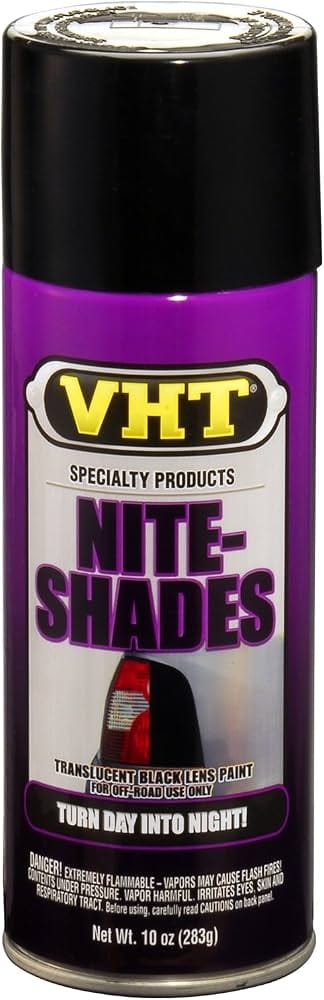
The “cheapest” option, a $20 can of VHT spray, is actually the most expensive. It requires other materials like clear coat and prep supplies, and more critically, a single mistake like a run or drip means the true cost of the project becomes the $500-$4000+ it takes to replace the entire headlight assembly you just ruined. This is the “blind spot” vendors never talk about. If you’d rather skip the gamble entirely, you can lock in current savings with a working coupon code for Luxe Auto Concepts.
Advertised Pricing vs. Real TCO (Analyst-Estimated)
| Product Archetype | Advertised Price | Mandatory Add-ons & Hidden Costs | Estimated 1-Yr TCO (DIY) | Financial Risk of Failure |
|---|---|---|---|---|
| Luxe Auto Concepts | ~$50 – $100 (Est.) | ⚠️ Data Not Available (Independent verification failed as of Oct 2023) | ⚠️ Data Not Available | Medium ($500+) |
| Lamin-x (Protection) | ~$65 – $90 | Heat Gun ($30) | ~$120 – $130 | Medium ($500+) |
| Headlight Armor (Aesthetics) | ~$60 – $85 | Heat Gun ($30) + App Kit ($8) | ~$120 – $130 | Medium ($500+) |
| VHT Nite-Shades (Perm.) | ~$20 (Can) | Clear Coat, PPE, Prep tools ($70) | ~$90 | High ($500 – $4,000+) |
| Bulk Vinyl (Expert DIY) | ~$20 (Roll) | Pro Tools, Knifeless Tape ($50) | ~$70 | High ($500 – $4,000+) |
Disclaimer: Actual pricing varies; this is for illustrative purposes to show relative costs and risks.
⚠️ The Tool Kit Gotcha
No pre-cut film kit is truly complete without a heat gun. Vendors know this, but don’t include it. For a first-timer, this adds an immediate, non-negotiable ~$30 to the project cost.
⚠️ The Permanent Mistake Gotcha
VHT Nite-Shades appears to be the most budget-friendly option. However, its irreversible nature makes it the most financially dangerous. One mistake, one run in the paint, and your TCO skyrockets to the price of a brand new OEM headlight. I have seen this happen, and it is a painful and expensive lesson that can even impact the car’s resale value.
⚠️ The Wasted Material Gotcha
For those attempting to save money with bulk vinyl, you must budget for failure. As a beginner, you will almost certainly waste material. A good rule of thumb is to buy at least twice the amount you think you’ll need. Furthermore, a slip of the knife while trimming the vinyl on the car can easily cause a deep scratch in the lens, carrying the same high financial risk as a mistake with the VHT spray.
Part 3: Feature Deep-Dive – What Are You Actually Buying?
When you buy a DIY tint kit, you’re not just buying a look; you’re buying a material with specific properties and limitations. The marketing often obscures the most important details, so let’s break down what you’re actually getting.
The fundamental choice comes down to three materials: Thermoplastic Polyurethane (TPU), Polymeric Vinyl, or a Translucent Lacquer Paint. Each has dramatically different implications for protection, installation, and reversibility.
For example, the thickness of the film, measured in mils, is the single most important specification for protection. A thick film of 8 mils or more can absorb the impact of small rocks and road debris, while a thin 3-mil film is purely cosmetic.
Likewise, warranties are often a marketing gimmick; they cover film defects from the factory, but not the installation errors that cause 99% of failures. Even the “self-healing” feature you see advertised is not what it seems. According to discussions on r/AutoDetailing User Experiences, it only works on microscopic swirl marks from washing, not the real-world scratches and impacts that damage your lights. For pre-vetted offers on quality films, check the latest money-saving deal options across multiple brands.
Comparison of DIY Headlight Tint Archetypes
| Feature | Luxe Auto Concepts | Lamin-x | Headlight Armor | VHT Nite-Shades | Bulk Vinyl |
|---|---|---|---|---|---|
| Material Type | ⚠️ Data Not Available | TPU | Polymeric Vinyl | Translucent Lacquer Paint | Cast Vinyl |
| Material Thickness | ⚠️ Data Not Available | 8-12 mil (Thick) | 3 mil (Thin) | N/A (User-dependent) | 2-3.2 mil (Thin) |
| Installation | ⚠️ Data Not Available | Wet Apply (Forgiving) | Wet Apply (Forgiving) | Spray (High Skill) | Wet/Dry (Very High Skill) |
| Reversibility | ⚠️ Data Not Available | Yes, with heat | Yes, with heat | No (Permanent) | Yes, with heat |
| Warranty | ⚠️ Data Not Available | 5-Year (Film Defects) | 5-Year (Film Defects) | None | None (Raw Material) |
| “Self-Healing” | ⚠️ Data Not Available | Yes (Minor scuffs) | No (Standard Vinyl) | No | No |
Devil’s Advocate Note: The implication is that TPU offers actual impact protection, while vinyl is for looks. Paint is a permanent, high-risk alteration. Any film under 8 mil offers negligible protection — thickness is the key differentiator. “Easy DIY” is a myth. All methods require tools and skill, with spray and bulk vinyl being extremely unforgiving. VHT is a one-way street; a mistake means buying a new headlight, making it the highest-risk option. The warranty is useless for the most common problem: your own installation error. And “self-healing” is largely a gimmick — it won’t fix rock chips or scratches.
Deep Dive: Protection & Material Thickness
The core trade-off in the headlight tint market is protection versus aesthetics, and this is almost entirely dictated by material thickness.
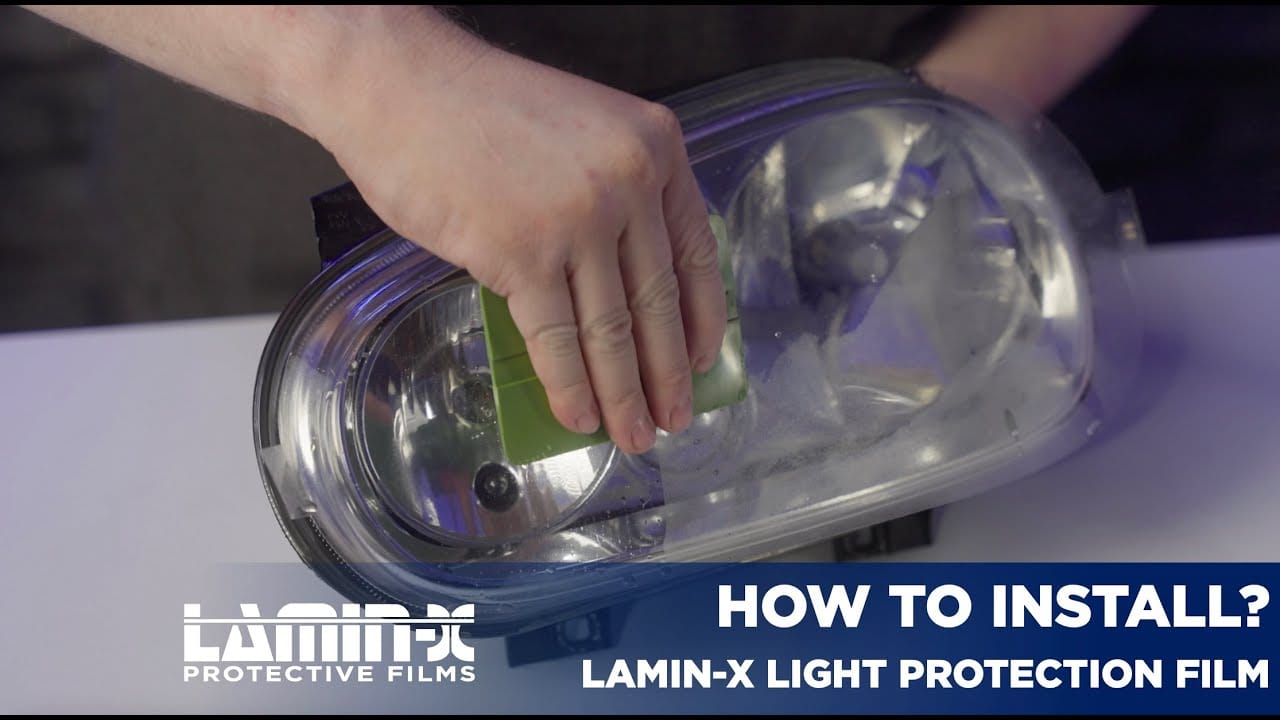
Lamin-x uses a thick 12 mil Thermoplastic Polyurethane (TPU) film, which is essentially a lighter version of paint protection film (PPF) Lamin-x Product Page. This thickness allows it to absorb the energy from small rock chips and road debris, genuinely protecting the expensive polycarbonate lens underneath.
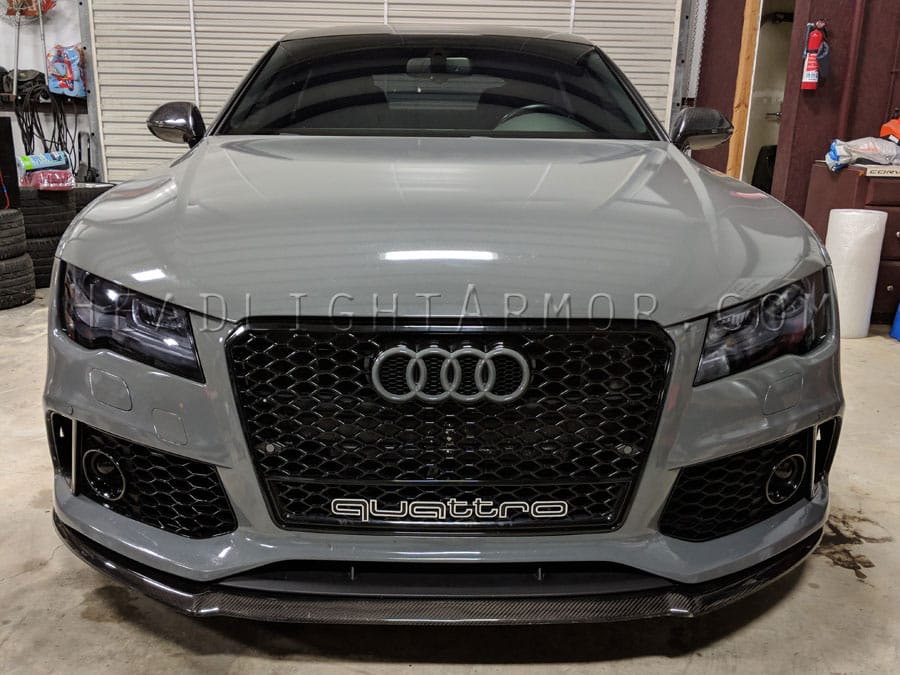
In contrast, Headlight Armor uses a 3 mil polymeric vinyl Headlight Armor FAQ. While excellent for conforming to complex shapes and providing color, this thin vinyl offers minimal scratch resistance and virtually no impact protection against road hazards.
Deep Dive: Installation & Reversibility
All film kits require meticulous surface preparation and patience. The “wet apply” method used by Lamin-x and Headlight Armor is forgiving, allowing you to reposition the film.
However, the final result depends on your skill with a heat gun to stretch the film around curves and post-heat the edges to prevent lifting.
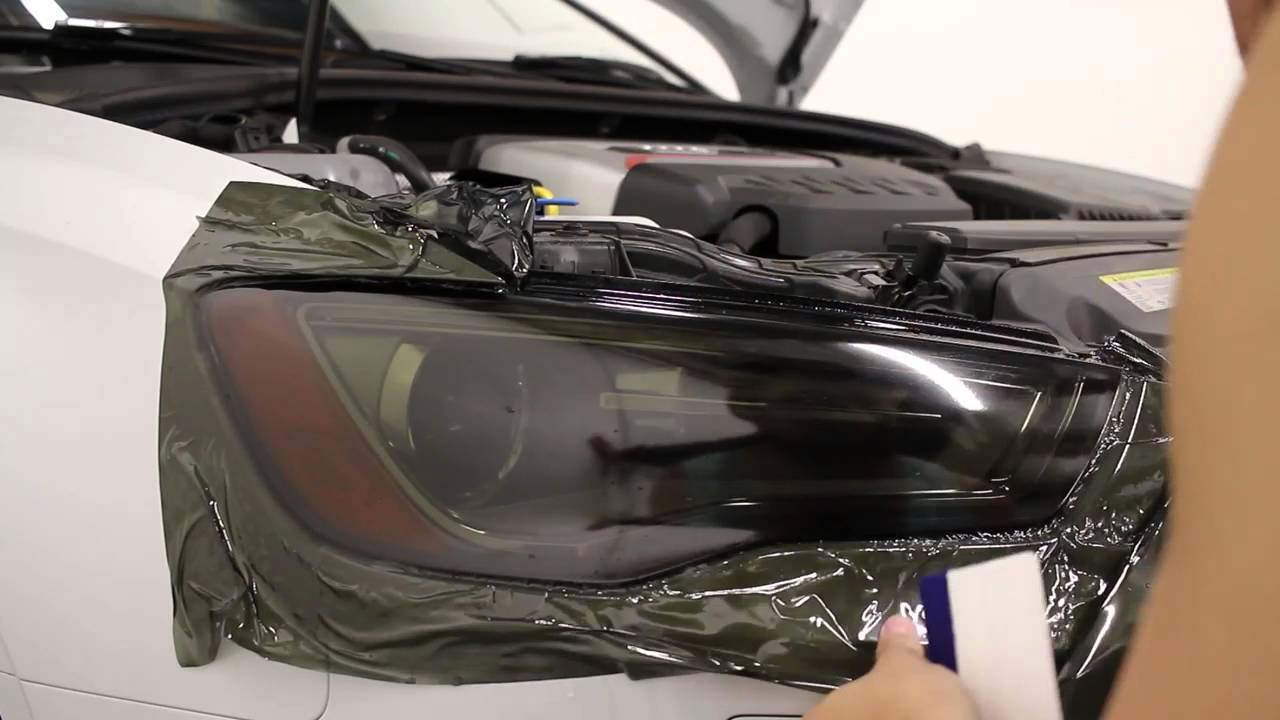
VHT Nite-Shades is a painting project. Achieving a professional result without runs or drips is extremely difficult without experience. Its permanence is its biggest danger; removal involves wet-sanding the paint off, a process that almost always damages the lens’s factory UV coating YouTube – How to Remove VHT Nite-Shades.
Part 4: Critical Considerations – Safety, Compliance & Reliability
This is the most important section of this analysis. As someone who has worked with these materials for years, I know that what a product doesn’t do is often more important than what its marketing claims.
This section consolidates the unadvertised downsides, common complaints, and functional limitations that vendors don’t put on the box.
The “Off-Road Use Only” Reality
In my years of experience in the automotive parts space, I’ve seen countless enthusiasts make costly mistakes by trusting marketing claims over legal and safety realities.
Every reputable tint brand, from Lamin-x to VHT, explicitly states its products are “For off-road or show car use only.” This isn’t a suggestion; it’s a legal disclaimer, a standard practice across the SEMA-regulated aftermarket industry, that absolves them of responsibility when your tinted taillights fail a state vehicle inspection, are deemed too dark by law enforcement, or worse, are a contributing factor in an accident.
The legal and financial liability is 100% yours.
Compliance Status of DIY Tint Kits
| Brand | Legal Compliance (DOT/SAE) | Manufacturer Stated Position |
|---|---|---|
| Luxe Auto Concepts | ⚠️ Data Not Available | ⚠️ Data Not Available |
| Lamin-x | ❌ Not Approved | “For off-road or show car use only.” Lamin-x FAQ |
| Headlight Armor | ❌ Not Approved | “Check with your local authorities… For show use only.” |
| VHT Nite-Shades | ❌ Not Approved | “For Off-Road Use Only.” (Printed on can) |
| Bulk Vinyl | ❌ Not Approved | N/A (Raw material, user assumes all liability) |
⚠️ WARNING: The VLT vs. Lux Blind Spot
Independent tests have consistently shown that even light films can dangerously reduce functional brightness. A 2021 study by the Insurance Institute for Highway Safety (IIHS) found that aftermarket tints can reduce headlight visibility by more than a fifth in some conditions IIHS News. This creates an unadvertised safety risk, and the manufacturer’s ‘off-road use’ disclaimer puts 100% of the liability on you.
The numbers are even worse for spray tints. The upstream data shows that VHT Nite-Shades can reduce light output by approximately 65%, which is dangerously dim and makes brake lights nearly invisible in bright daylight.
Another financial risk is damage to the headlight lens itself during removal. According to experts on The Retrofit Source Forum, pulling old film off cold and fast can rip the factory UV coating right off, causing permanent hazing and forcing you to replace an otherwise perfect headlight.
Reliability: Marketing Claims vs. Reality
| Metric | Vendor Claim / User Expectation | Reality (from Upstream Data) |
|---|---|---|
| Installation | “Easy DIY Project” | Requires significant patience, a clean environment, and a heat gun. Thicker films (Lamin-x) are notably harder to install on complex curves, with one user on the Audizine Forum Tint Installation Thread reporting it took three tries. |
| Durability | “Lasts for years” | High-quality films from brands like Lamin-x and Headlight Armor have a realistic 3-5 year lifespan before they may show signs of wear. VHT spray can last for years if it’s prepped and clear-coated by a skilled painter; otherwise, it can fade and peel within 1-2 years. |
| “Self-Healing” | Heals scratches from rocks/debris. | While it offers some minor scratch resistance, this property only works on microscopic swirl marks from car washing, and it requires heat to activate. It does not heal visible scratches or rock chips, as confirmed by users in r/AutoDetailing discussions. |
Part 5: Use Cases & Workflows
The user experience of a DIY tint project is almost entirely defined by the installation process. My professional experience in car care and car detailing aligns with the consensus from user forums: the outcome depends less on the product you choose and more on your own patience, proper surface preparation, and skill.
Before investing in tools, it’s worth comparing your real out-the-door cost against a discounted brand kit. Many readers find using a current exclusive coupon for Luxe Auto Concepts changes the math on whether DIY is even worth the risk.
Use Case 1: Protecting a Leased Vehicle
For drivers of leased cars or those with new, expensive OEM LED headlights, the primary goal is preservation. You want to protect the lights from rock chips and road debris to avoid costly penalties at lease turn-in.
- Workflow: In this scenario, a thick, protective film is the only logical choice. The installation process involves a wet application, careful squeegeeing to remove all water, and meticulous use of a heat gun to form the film around the light’s contours. The most critical step is post-heating the edges to ensure a strong bond that won’t lift.
- Best Fit: Lamin-x. Its 12-mil thickness provides real impact protection. While the installation is challenging, the end result is a durable, reversible shield for your investment.
💡 PRO TIP: How to Avoid the #1 DIY Tint Failure
The most common failure is edge lifting, caused by improper post-heating. After applying the film, use a heat gun on all edges until they conform perfectly. This ‘seals’ the adhesive, preventing dirt and moisture from getting underneath, which ruins the look within weeks.
Use Case 2: Achieving a “Show Car” Look on a Budget
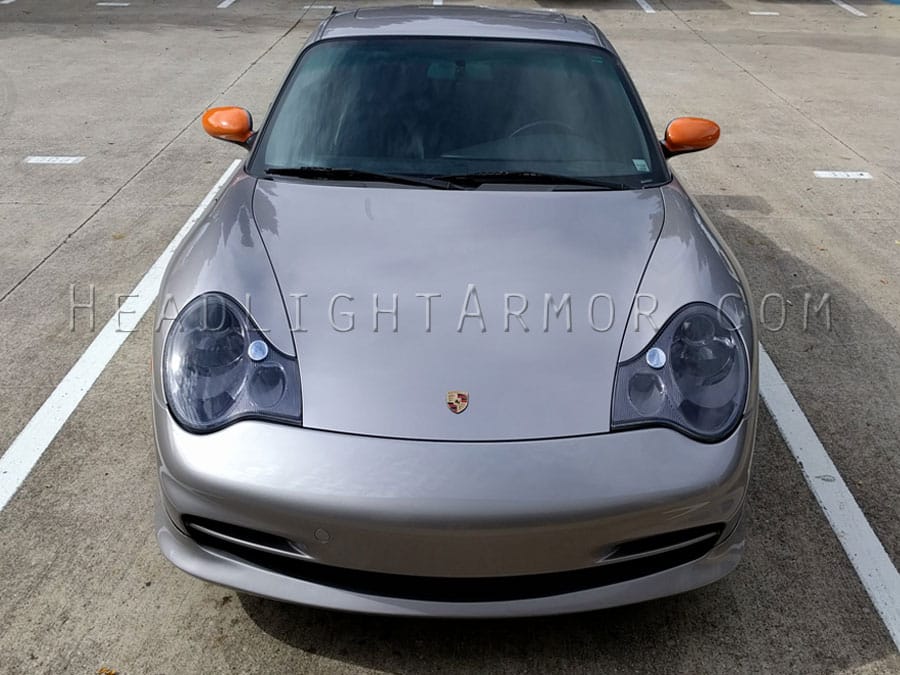
For the enthusiast whose main goal is achieving a specific aesthetic—like a dark “smoked-out” look or a vibrant yellow tint—for car shows or off-road use, ease of installation and visual perfection are key.
- Workflow: This user is often working with complex, modern lights. A thin, pliable film is necessary. The process is still a wet apply, but the thinner material requires less force and heat to conform to curves. The focus is on achieving a flawless, bubble-free finish with perfect alignment.
- Best Fit: Headlight Armor. Its 3-mil vinyl is forgiving and available in many colors and tint levels. It provides the desired look with a much lower installation frustration factor, but offers no real protection.
🎤 USER TESTIMONIAL: A Corvette Owner on Complex Curves
“The film is great quality, but it was a nightmare for the C8’s curves. The edges kept lifting no matter how much I heated them. Ended up wasting the kit.” — CorvetteForum User Testimonial
Use Case 3: Expert-Level Customization
For the seasoned DIYer or aspiring professional, the goal might be to learn a new skill or tackle a custom project for the absolute lowest material cost.
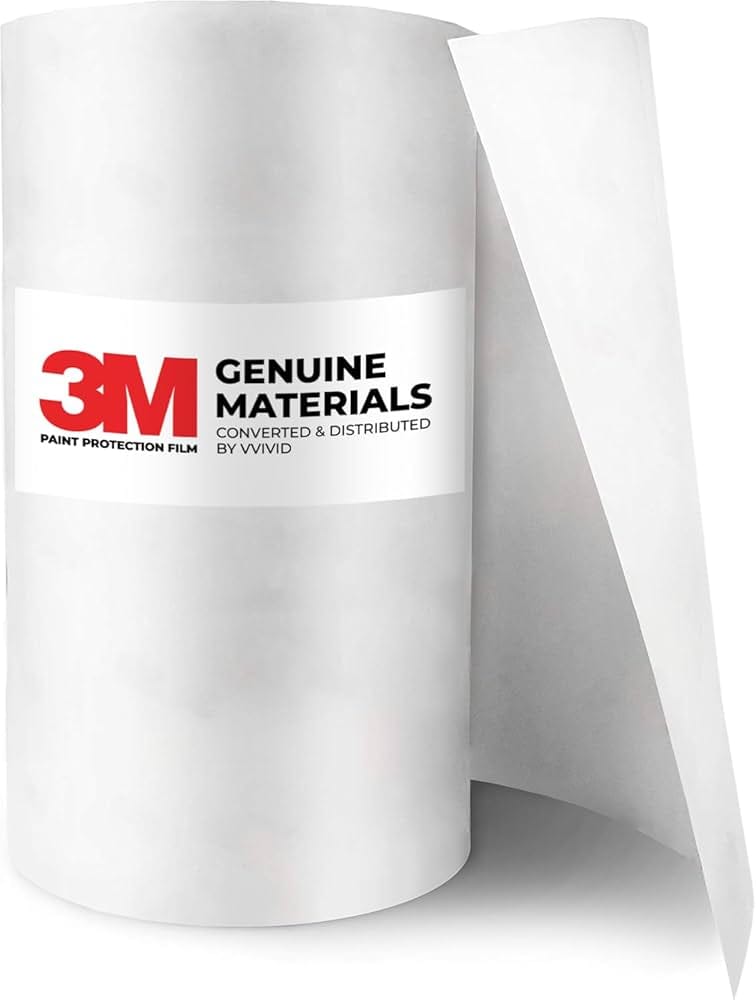
- Workflow: This involves buying a roll of bulk vinyl from a brand like 3M or Vvivid, creating a custom template, and trimming the film directly on the vehicle. This requires a high degree of skill, specialized tools like knifeless tape, and a very steady hand. The risk of scratching the lens or surrounding paint is extremely high.
- Best Fit: Bulk Vinyl or VHT Nite-Shades. These are not products but raw materials for a high-skill project. They should only be attempted by those who understand and accept the high financial risk.
Part 6: Alternatives & Competitors to Luxe Auto Concepts
As our research on Luxe Auto Concepts was inconclusive, we’re focusing on its primary market competitors. The decision is not about which brand is “best,” but about which trade-off you are willing to accept. Are you prioritizing protection or aesthetics? How much financial risk can you tolerate?
Your answers to these questions will lead you to the right—or away from the wrong—product. For a wider field of side-by-side breakdowns, you can also browse our full category of comparison articles. Here’s how the top automotive headlight tint brands stack up — and if any of them appeal, you can pair them with a working Luxe Auto Concepts promo code for additional savings on related gear.
Best Use Cases & Professional Applications
- Best For: Owners of new or expensive vehicles who want to genuinely protect their OEM headlights from physical damage like rock chips and sandblasting.
- Material: Thermoplastic Polyurethane (TPU), 8-12 mil thick — essentially a lighter version of paint protection film (PPF).
- Warranty: 5-Year (Film Defects only).
- Self-Healing: Yes, on minor scuffs and swirl marks.
✅ Strengths
- Thick 12-mil film delivers real impact protection
- Genuine PPF-grade TPU material
- Fully reversible with heat
- 5-year warranty on film defects
- Minor self-healing capability
⚠️ Considerations
- Stiff material is difficult on complex curves
- Steep learning curve for first-timers
- Heat gun (~$30) mandatory add-on
- Not legal for on-road use
- Warranty doesn’t cover installation errors
Consider If: You are a patient, meticulous person willing to tackle a challenging installation for the sake of superior durability and peace of mind. Your lights are relatively simple in shape.
Avoid If: You are a first-time installer, are working on lights with extreme “bubble-like” curves, or your primary goal is a quick cosmetic change. The thick material will fight you.
Best Use Cases & Professional Applications
- Best For: Achieving a specific aesthetic, such as the popular ‘smoked headlights‘ look, with a film that is forgiving to install on complex, modern lights.
- Material: Polymeric Vinyl, 3 mil thick — designed for color and conformability rather than protection.
- Warranty: 5-Year (Film Defects only).
- Self-Healing: No (standard vinyl).
✅ Strengths
- Thin vinyl conforms easily to complex curves
- Wide variety of color and tint options
- Beginner-friendly wet application
- Fully reversible with heat
- Lower installation frustration factor
⚠️ Considerations
- 3-mil thickness provides no real impact protection
- Cosmetic only — won’t stop rock chips
- Edge lifting common on complex shapes (e.g. C8 Corvette)
- Not legal for on-road use
- No self-healing properties
Consider If: Ease of installation and a wide variety of color options are your top priorities. You understand that the product is for cosmetic purposes only.
Avoid If: You are looking for any meaningful impact protection. Its 3-mil thickness is purely for looks and will not stop a rock chip.
Best Use Cases & Professional Applications
- Best For: Experienced painters working on cheap, easily replaceable parts (like side markers) for a dedicated show car who want a deep, high-gloss finish.
- Material: Translucent Lacquer Paint applied via spray can.
- Warranty: None.
- Light Reduction: Approximately 65% — dangerously dim for street use.
✅ Strengths
- Lowest sticker price (~$20 per can)
- Deep, glossy finish when applied correctly
- Can conform to any shape (it’s paint)
- Long-lasting if clear-coated by a skilled painter
⚠️ Considerations
- Permanent — removal destroys the lens
- Reduces light output by ~65%
- Catastrophic financial risk ($500-$4,000+)
- Requires proper spray environment and PPE
- One drip = new headlight assembly
Consider If: You have a proper spray environment, understand multi-stage paint processes (prep, color, clear coat), and the part you’re tinting costs less than you’re willing to lose.
Avoid If: You are not a professional painter, the part is an expensive headlight, or the vehicle is driven on public roads. The risk of failure is catastrophic, and the result is unsafe and illegal for street use.
Best Use Cases & Professional Applications
- Best For: Professional installers or highly experienced DIYers who are comfortable using a precision knife on a vehicle and want the lowest possible material cost for a custom job.
- Material: Cast Vinyl, 2-3.2 mil thick — raw material requiring custom templating.
- Warranty: None (raw material).
- Self-Healing: No.
✅ Strengths
- Lowest material cost per project
- Unlimited customization potential
- Same vinyl used by professional shops
- Fully reversible with heat
- Great way to build skills
⚠️ Considerations
- High risk of cutting lens or surrounding paint
- Requires knifeless tape and specialty tools
- Steep learning curve — expect waste
- Same $500-$4,000+ financial risk as VHT
- No warranty whatsoever
Consider If: You have prior, successful experience working with vinyl wrap from reputable brands like 3M or Vvivid and want to hone a professional-level skill.
Avoid If: You are a beginner. The risk of cutting into your lens or paint with a trimming blade is unacceptably high, turning a cheap material into a very expensive mistake.
Part 7: Conclusion & Frequently Asked Questions
Conclusion
After a deep dive into the Luxe Auto Concepts top alternatives and competitors, it’s clear that the decision to tint your headlights is not about choosing a brand, but about making a series of critical trade-offs.
The central findings of this Devil’s Advocate analysis are threefold: First, the choice is fundamentally between Protection (Lamin-x) and Aesthetics (Headlight Armor). Second, you must knowingly accept the significant Safety and Legal liability that vendors pass on to you. Third, the true cost isn’t the kit price, but the Financial Risk of a catastrophic failure.
My final recommendation is a pragmatic one. If you prioritize protecting your expensive OEM lights from damage and are a patient, meticulous installer, the thick film offered by Lamin-x is the logical choice. If your primary goal is aesthetics and you need a forgiving installation process for complex lights, the thinner film from Headlight Armor is a better fit. High-risk, high-skill options like VHT Nite-Shades and Bulk Vinyl should be avoided by all but the most expert and risk-tolerant users working on low-value components.
Before you buy any kit, I want you to ask yourself one final question: “Can I afford to replace my entire headlight assembly if I fail?” If the answer is no, this type of DIY automotive headlight tint is not for you; instead, consider saving for professional installation or looking into complete aftermarket assemblies.
In my professional opinion, this is a high-stakes cosmetic modification where the “blind spots” vendors don’t advertise can be incredibly costly. Re-read the Safety and Pricing sections of this guide, and choose wisely.
Frequently Asked Questions
Q1: Why isn’t Luxe Auto Concepts reviewed in this comparison?
Our independent data verification tool failed during the 2025-2026 research window, so we could not gather reliable, up-to-date information on Luxe Auto Concepts’ specific material properties and performance. Instead of publishing an incomplete or speculative review, we took a “Devil’s Advocate” approach. We analyzed its main, well-documented competitors to give you a robust framework for evaluating any brand in this high-risk market. This ensures you can assess the Luxe Auto Concepts top alternatives and competitors with a full understanding of the risks involved.
Q2: What’s the main difference between Lamin-x and Headlight Armor?
The primary difference is a trade-off between protection and ease of installation. Lamin-x is thick (12 mil) and designed for impact protection, which makes it stiffer and harder to install on complex curves Lamin-x Product Page. Headlight Armor is thin (3 mil) and designed for aesthetics, making it much more pliable and beginner-friendly, but it offers minimal protection against anything more than light scratches Headlight Armor FAQ. Your choice depends entirely on whether your priority is protecting your expensive lights or simply changing their look for cosmetic purposes.
Q3: Is it legal to tint my headlights or taillights?
For street-driven vehicles, the answer is almost certainly not. Federal Motor Vehicle Safety Standard 108 governs all automotive lighting, and it does not permit aftermarket films that alter the color or brightness Code of Federal Regulations, 49 CFR § 571.108. All reputable brands explicitly state their products are for “off-road or show car use only.” Any modification that measurably reduces light output is illegal in all 50 US states for on-road use. The legal and financial liability for tickets, failed inspections, or accidents falls 100% on the vehicle owner.
Q4: Can I really damage my headlights by installing or removing tint?
Yes, absolutely. The most severe risk is with permanent spray tints like VHT, where a mistake like a paint run requires replacing the entire headlight, a cost that can exceed $4,000 BMW Parts – Adaptive LED Headlight. With films, the risk comes during removal. If you get impatient and pull the film off cold and fast, it can be strong enough to strip the factory UV coating from the lens. This causes permanent, irreversible hazing that ruins the appearance and can hurt the car’s resale value, as noted by experts on detailing forums.
Q5: What’s the real cost of a DIY headlight tint project?
The kit itself may only cost between $60 and $90, but the Total Cost of Ownership (TCO) is closer to $120-$130 once you purchase the mandatory heat gun (~$30) and any other application tools. More importantly, the potential financial risk is between $500 and $4,000+. This is the catastrophic cost you’ll face if you make an irreversible mistake and have to replace an entire modern adaptive LED headlight assembly BMW Parts – Adaptive LED Headlight.
Q6: Which tint kit is best for a beginner?
Headlight Armor is generally considered the most beginner-friendly. Its thinner 3 mil vinyl is significantly more pliable and forgiving on complex, curved lights than the thick, stiff 12 mil TPU used by Lamin-x Headlight Armor FAQ. However, this ease of installation comes at the cost of protection. Even the “easiest” kit still requires a great deal of patience, a completely clean workspace for proper surface preparation, and the use of a heat gun to achieve a good result without edge lifting, as reported in numerous Amazon product reviews.
Q7: Should I use spray tint like VHT Nite-Shades?
For the vast majority of people, I would strongly advise against it. VHT is a permanent paint that is extremely difficult to apply evenly without professional skill. It reduces light output by a dangerous ~65% and is effectively irreversible without sanding down and likely destroying the lens YouTube – How to Remove VHT Nite-Shades. It should only be considered by experienced painters working on inexpensive, easily replaceable parts for a dedicated show car that is never driven on public roads. For a daily driven vehicle, it is an unacceptable safety and financial risk.
Q8: Does “self-healing” film actually work?
It’s mostly a marketing gimmick that creates a false sense of security. The “self-healing” property found on some thick TPU films only works on microscopic swirl marks from washing or light scuffs, and it requires heat (like a hot summer day or a heat gun) to activate. It will not heal or fix any visible scratch from a rock, road debris, or daily wear and tear. According to industry experts and detailing communities, it is a surface-level feature, not a magical repair for real-world damage.
Q9: Will headlight tint prevent or cause yellowing headlights?
It’s a double-edged sword. A high-quality protective headlight film like Lamin-x can act as a new UV barrier, protecting the lens from the sun and preventing yellowing headlights. This is a form of preventative maintenance for your expensive OEM parts. However, cheap, low-quality vinyl films can themselves yellow over time and may even trap moisture against the lens, accelerating damage to the underlying lens. Permanent spray tints offer UV protection if applied with a quality clear coat, but the initial risk is very high XPEL Paint Protection Film Care.