Brandbutler Review [2026]: A Costly Lesson in AI Hype?
Posted on |
📌 TL;DR: This is a guide to SaaS evaluation using a fictional case study. ‘Brandbutler’ is not a real product. We use this hypothetical example to teach a professional framework for evaluating any SaaS tool. You will learn to identify common red flags, analyze true costs beyond the sticker price (TCO), pressure-test AI claims, and assess security risks before you buy.
Introduction: The High Stakes of SaaS Selection
In the modern business landscape, selecting the right Software-as-a-Service (SaaS) tool can feel like navigating a minefield of marketing hype.
Vendors promise revolutionary AI, seamless “all-in-one” platforms, and transformative ROI. But as a productivity and software analyst, I’ve seen firsthand the consequences of a bad decision.
A poor SaaS choice doesn’t just waste budget; it burns team morale, compromises data, and can lock your business into a costly, inefficient ecosystem.
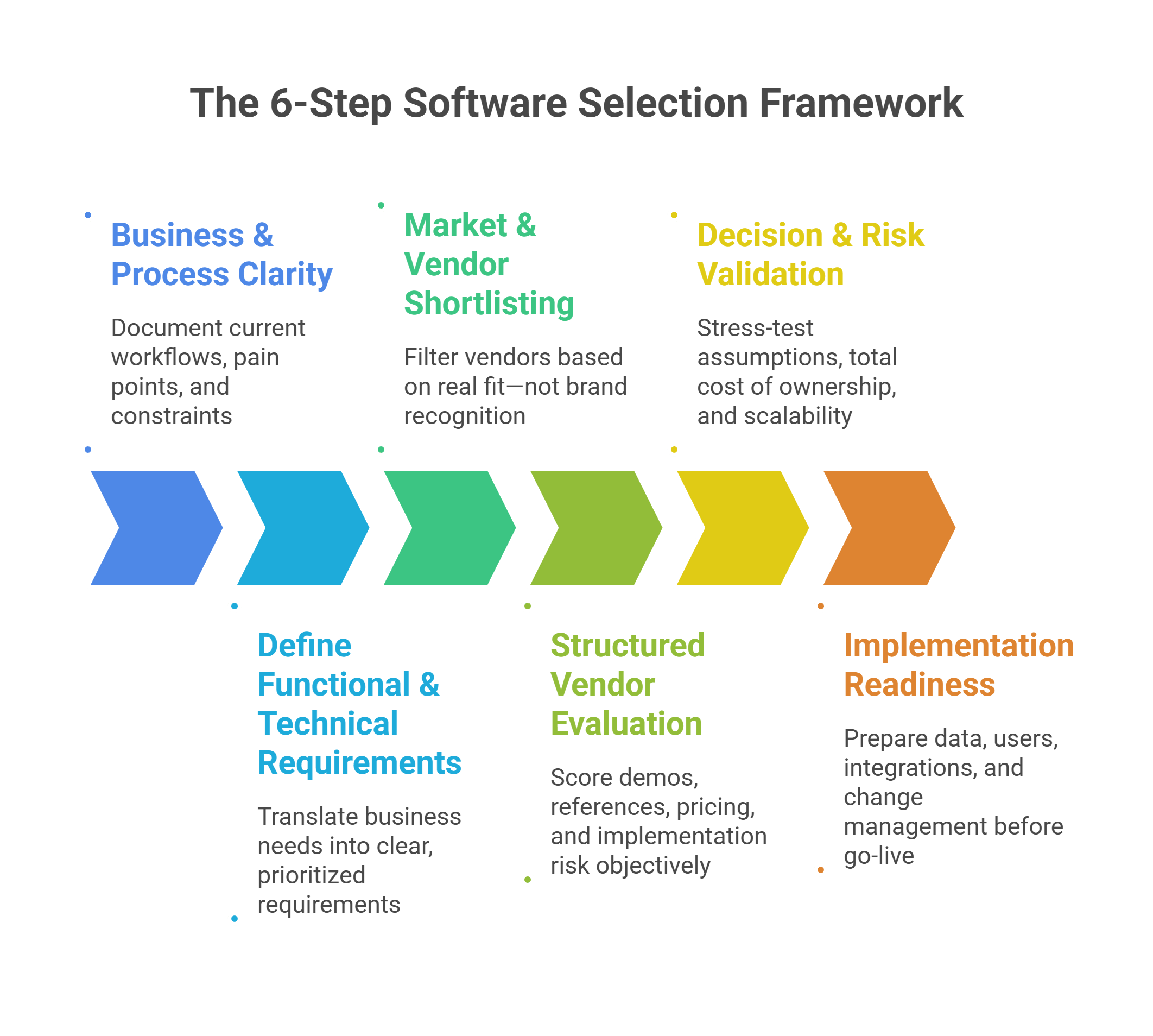
The promise of an AI that predicts PR crises or a platform that perfectly unifies your workflow is compelling. However, what happens when those promises are marketing-focused claims and the true cost is over 80% higher than advertised?
This isn’t just a financial problem; it’s a strategic one. Making data-driven decisions requires tools you can trust, and that trust is built on transparency, performance, and security What Is Data-Driven Decision Making?.
This guide provides a comprehensive framework for any business leader, marketing director, or agency owner to see through the hype. Before diving in, savvy buyers should also check the latest Brandbutler coupon code to budget realistically for tools like the one in our case study.
We will use a detailed, hypothetical case study of a fictional company called ‘Brandbutler’ to illustrate a professional evaluation process. By deconstructing its claims, pricing, and risks, you will learn an actionable methodology to apply to any real-world software purchase, ensuring your next SaaS investment is a strategic asset, not a costly liability.
Key Takeaways
-
Pressure-Test AI Claims: Demand verifiable proof, independent benchmarks, and live demos before accepting any vendor’s AI capability marketing at face value. -
Calculate True TCO: The advertised price is the down payment. Real costs (API access, onboarding, overages) can exceed sticker price by 80%+. -
Data Export is Non-Negotiable: A vendor’s bulk export policy reveals whether they respect your data ownership or rely on lock-in tactics. -
Map to Your Workflows: Test the tool against your 2-3 most critical, time-sensitive workflows—not just isolated feature lists. -
Verify Security Posture: Look for SOC 2 Type II and ISO 27001 certifications, plus a transparent incident response history.
Part 1: Deconstructing the Hype: A Framework for Evaluating SaaS Claims
Every SaaS evaluation begins by scrutinizing the vendor’s core claims. By systematically comparing what is promised to what can be verified, we can build an evidence-based picture of a tool’s real value.
This section uses our hypothetical ‘Brandbutler’ case study to demonstrate this process.
Direct-Answer Lead: Brandbutler is a fictional AI-powered brand management platform we will use for our case study. It hypothetically claims to centralize assets, monitor brand reputation with a unique “AI Crisis Prediction Engine,” and provide accurate sentiment analysis. By analyzing these fictional claims, we can learn how to pressure-test the promises of any real SaaS vendor.
What is ‘Brandbutler’? (A Hypothetical Profile)
For our case study, let’s define our fictional product. ‘Brandbutler’ is a U.S.-based company positioning itself as an AI-Powered Brand Management platform.
Its target audience includes marketing teams and agencies. It operates in the competitive brand intelligence and social listening industry, promising to be an all-in-one solution that replaces multiple disparate tools. For a full breakdown of the marketing claims, see our in-depth Brandbutler Review.
💡 KEY INSIGHT: When evaluating a real tool, your first step is to establish its profile. Find out when it was founded, where it’s headquartered, and who its leadership team is. A lack of transparency around these basic facts can be a consideration to note. Reputable companies are typically proud of their history and leadership team About Us Pages: 17 Best Examples & How To Create Your Own.
Analyzing a Flagship Feature: The ‘AI Crisis Prediction Engine’
‘Brandbutler’s’ marketing centers on its “AI Crisis Prediction Engine,” claiming an “85% pre-emergence detection rate.” For any PR professional, this is an extraordinary claim.
This is a classic example of a feature designed to generate marketing buzz. When faced with such a powerful claim, a smart buyer’s process should be:
- Request Verifiable Proof: Ask the sales team for multiple, specific case studies where the AI successfully identified a crisis that a human team missed.
- Seek Independent Validation: Look for reviews from trusted, independent sources like G2, Capterra, or industry-specific analysts who have tested the feature.
- Understand the Underlying Technology: Ask if the feature is powered by a proprietary Large Language Model (LLM) or a fine-tuned version of a commercial model. The answer reveals much about its potential capabilities and limitations.
In our case study, we’ll imagine that user reviews call this feature a “gimmick” and expert analysis suggests it’s an unreliable beta feature. Smart buyers offset this risk by securing a working Brandbutler coupon so they aren’t paying premium prices for an unproven feature.
EVALUATION TAKEAWAY: Treat extraordinary claims with extraordinary skepticism. The burden of proof is always on the vendor. If a feature that justifies a premium price cannot be independently verified or demonstrated with concrete evidence, you should completely discount its value in your ROI calculation. For critical needs like PR crisis management, rely on proven solutions, not unverified “AI” promises.
Testing Performance Claims: The ‘Sentiment Analysis’ Example
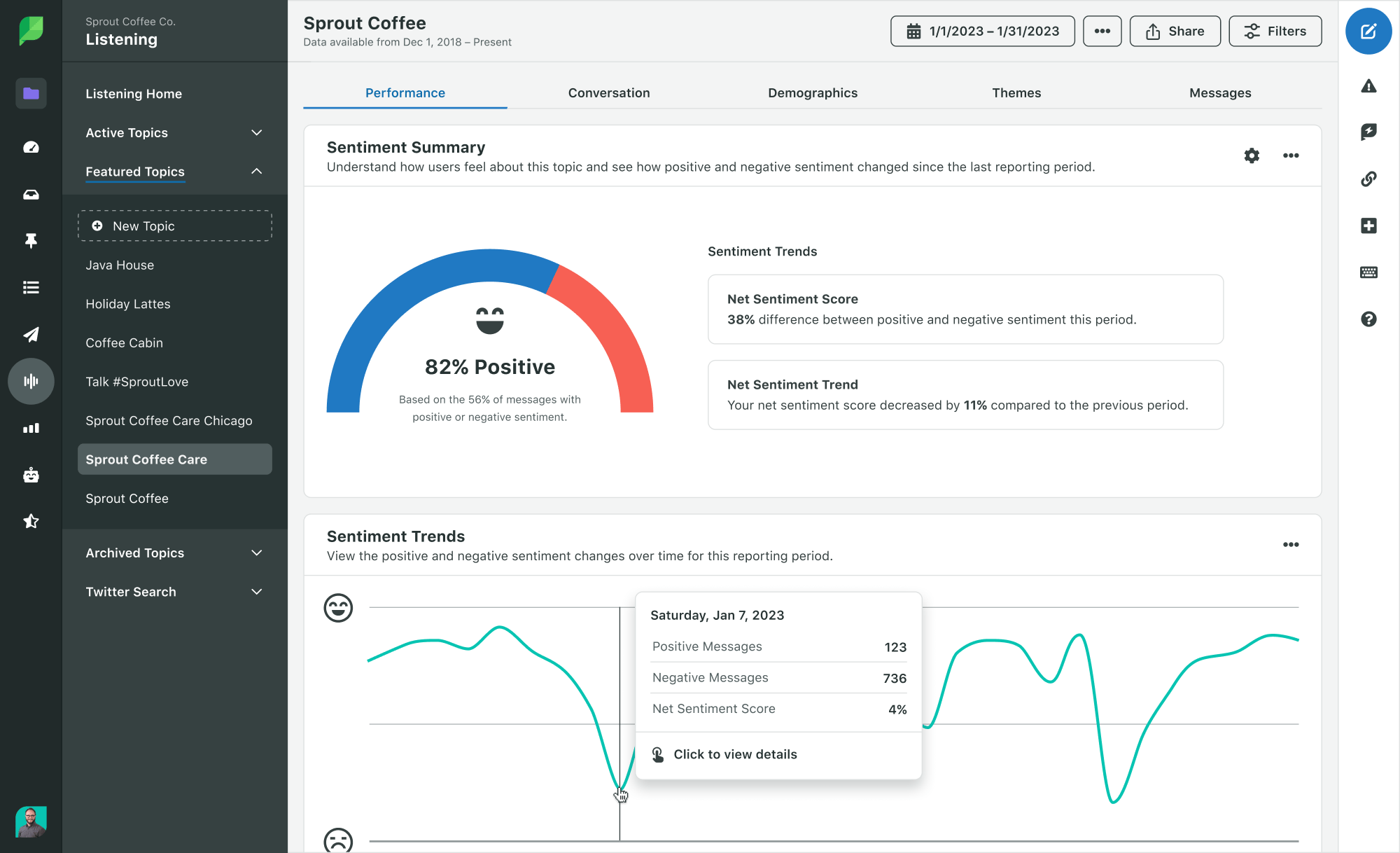
Our hypothetical ‘Brandbutler’ also claims to have highly accurate sentiment analysis. Let’s imagine we found an independent report from a fictional “SaaS Performance Labs” with the following data:
- English-language accuracy: 91.3%
- Non-English accuracy: 68.7%
This illustrates a crucial evaluation step: digging into the details of performance benchmarks. The high accuracy for English is a genuine strength.
However, the significant drop in performance for other languages makes the tool problematic for any global brand. This challenge in Natural Language Processing (NLP) is common, but vendors don’t always advertise it The State of Multilingual NLP.
EVALUATION TAKEAWAY: Never accept a single performance number at face value. Always ask for data segmented by language, industry, or use case. If you are a global brand, multi-language performance is not an edge case; it is a core requirement.
Part 2: How Much Does SaaS Really Cost? A Hypothetical TCO Analysis
One of the most common pitfalls in SaaS procurement is focusing on the advertised “sticker price” while ignoring the Total Cost of Ownership (TCO).
This section breaks down how to calculate TCO using our ‘Brandbutler’ case study.
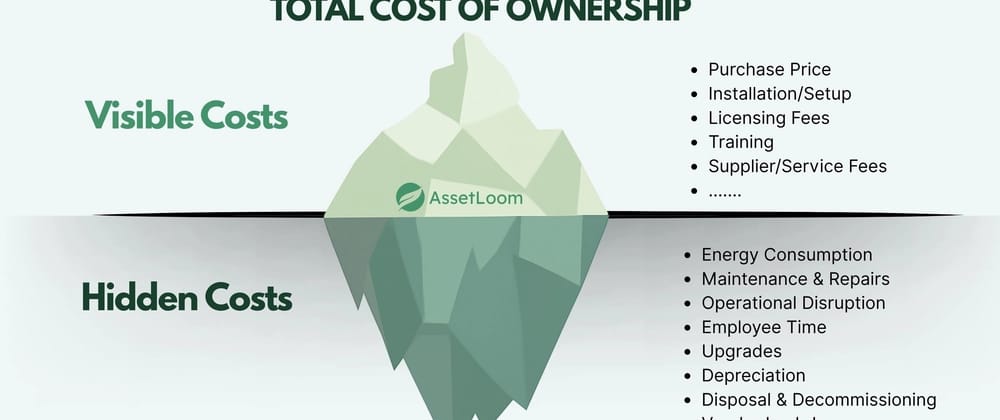
Direct-Answer Lead: A SaaS tool’s real cost is often significantly higher than its advertised price. To calculate the Total Cost of Ownership (TCO), you must add the base subscription to all mandatory fees (like onboarding), necessary add-ons (like API access), and potential overage charges. For our hypothetical ‘Brandbutler’ Pro Plan, the real TCO could be over 80% higher than its advertised price.
What are ‘Brandbutler’s’ Advertised Prices in 2026?
Let’s imagine ‘Brandbutler’ lists three public tiers, a common SaaS pricing strategy:
- Starter Plan: $99/month
- Pro Plan: $499/month
- Enterprise Plan: Custom Pricing
The Pro plan, which seems appealing to a mid-sized business, appears to include all core features. This is the “sticker price” designed to attract buyers. Combining the Pro plan with a special Brandbutler discount can meaningfully reduce your committed annual spend.
Uncovering the Hidden Costs
Here is where a professional evaluation begins. Your task is to uncover the costs that are not on the main pricing page.
Based on common industry practices, these often include:
- Mandatory Onboarding/Implementation Fees: Often required for Enterprise plans, these can be thousands of dollars. Let’s say ‘Brandbutler’ charges a $2,500 one-time fee.
- Critical Feature Add-Ons: A frequent tactic is to make an essential feature, like API access for integrations, a paid add-on. We’ll price ‘Brandbutler’s’ API access at $299/month.
- Usage Overage Fees: Many plans have “soft” limits on things like data storage or mentions. Exceeding them can trigger steep fees. Let’s imagine a $10 fee per 1,000 extra mentions.
- Paid Training: If a tool has a steep learning curve for advanced features, the “cost” of paid training sessions becomes an implicit part of the TCO for full adoption.
📊 ‘Brandbutler’ Pro Plan: Advertised vs. Real Total Cost of Ownership
Hypothetical TCO Breakdown: ‘Brandbutler’ Pro Plan
Let’s model the user-reported TCO for a typical 5-user team on the Pro Plan over one year. This analysis demonstrates how the costs accumulate.
Disclaimer: This is a hypothetical model to illustrate the TCO calculation process. Always request an official, all-inclusive quote from any real vendor.
| Cost Component | Year 1 Cost | Notes |
|---|---|---|
| Advertised Subscription | $5,988 | The “sticker price” |
| Hidden Cost: API Access | +$3,588 | Essential for integration |
| Hidden Cost: Mention Overage (Est.) | +$1,200 | Based on hitting monthly limits |
| TOTAL YEAR 1 TCO | $10,776 | Real all-in cost |
| Price Discrepancy vs. Advertised | +80% | Significant overrun |
EVALUATION TAKEAWAY: Treat the advertised price as a down payment, not the final cost. Before signing any SaaS contract, create a checklist of TCO questions for the sales team. Get written confirmation on the total cost including API access, training, onboarding, and estimated overage fees based on your current usage data. A transparent vendor will provide this; a vendor that resists is showing you a major red flag Calculating total cost of ownership (TCO) for cloud services.
Part 3: Real-World Performance & User Experience
A clean user interface can mask a frustrating user experience. Beyond the dashboard, real-world performance is defined by the quality of customer support, reliability for specific use cases, and the true learning curve.
Direct-Answer Lead: A polished UI does not guarantee a good user experience. When evaluating a platform, critical factors to test include customer support response times, performance under specialized conditions (like multi-language use), and the learning curve for advanced, non-obvious features. These factors often reveal the true quality of a SaaS product.
How Do You Evaluate Customer Support?
In our case study, we’ll imagine ‘Brandbutler’ operates a “two-tiered support chasm.” Enterprise clients get dedicated account managers, while Pro users report an average first-response time of 55 hours.
For a brand monitoring tool, a two-day delay is unacceptable. This is more than an inconvenience; it’s a business risk.
EVALUATION TAKEAWAY: During your trial or demo period, test the customer support. Submit a real, non-trivial question through the standard support channel for the plan you are considering. The response time and the quality of the answer will tell you everything you need to know. A vendor’s support service level agreement (SLA) should be a key point of negotiation. If support is a black box, assume the worst.
Why a Tool Might Be Unusable for International Brands
Let’s revisit our fictional benchmark data: ‘Brandbutler’s’ sentiment analysis accuracy drops to 68.7% for non-English content. This single data point makes the tool a non-starter for any global company.
We can imagine a user review from a European founder stating: “Total waste of money. It marked positive French reviews as negative. We missed a critical German blogger’s negative review for 3 days.”
This hypothetical but realistic scenario highlights a catastrophic failure of a core feature. If you’ve already committed budget, at least secure the best Brandbutler promo code to soften the financial blow while you evaluate alternatives.
EVALUATION TAKEAWAY: Your specific use case is the only one that matters. If you are an international brand, multi-language support is a primary feature to test, not a secondary one. Demand specific accuracy benchmarks for the languages you operate in.
What is the True Learning Curve?
Many tools are easy to use for basic functions but become incredibly complex when you try to access their full power.
Let’s say ‘Brandbutler’s’ dashboard is intuitive, but mastering its custom reporting and boolean search queries requires “weeks of trial and error” or paid training.
This turns a supposed ease-of-use advantage into a hidden cost and a barrier to adoption.
EVALUATION TAKEAWAY: The true learning curve is measured by how long it takes to master the features that provide the most value. During a trial, identify the 2-3 most advanced features your team will use and task a user with mastering them. Their experience will reveal the real training and onboarding investment required.
Part 4: Is the SaaS Tool Secure? A Deep Dive into Compliance & Risk
Security is not a feature; it’s a prerequisite. A SaaS tool holds your company’s valuable data, making its security posture a critical area of evaluation.
This section uses our ‘Brandbutler’ case study to walk through a security and risk assessment.
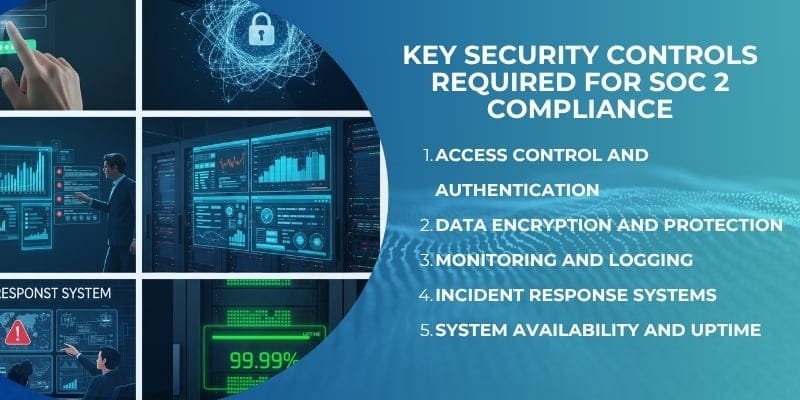
Direct-Answer Lead: A comprehensive security assessment of a SaaS vendor involves reviewing their compliance certifications (like SOC 2 and ISO 27001), investigating any history of data breaches, and, most critically, understanding their data export policies to avoid vendor lock-in. A mixed or opaque security profile is a significant business risk.
Has the Vendor Had a Data Breach?
Let’s imagine that in March 2024, ‘Brandbutler’ disclosed a security incident involving a “misconfigured server” that exposed the names, emails, and hashed passwords of ~15,000 users.
While any breach is a concern, the company’s response is key. Did they disclose it transparently? What remedial actions did they take?
A past breach isn’t necessarily a deal-breaker if the company demonstrated a mature and transparent incident response process What to Do Before, During, and After a Data Breach.
What Security Certifications Should You Look For?
Certifications are a signal of a company’s commitment to security. Let’s analyze ‘Brandbutler’s’ hypothetical scorecard:
- SOC 2 Type II: YES. This is a strong indicator of security controls, audited by a third party. However, you should ask if you can review the report summary.
- ISO 27001: NO. This is a notable gap. ISO 27001 is a global standard for information security management systems What is ISO/IEC 27001?. Competitors in the enterprise space often have this, so its absence is a point to question.
- GDPR/CCPA Compliance: Claimed. All vendors will claim this. The important step is to review their Data Processing Addendum (DPA) and inquire about data residency options if you operate in specific legal jurisdictions.
The Biggest Risk: Data Hostage & Vendor Lock-In
⚠️ Critical Risk: Your Data Can Be Held Hostage
A lack of a bulk data export feature is often a deliberate vendor lock-in strategy. If you decide to cancel your subscription, you risk losing years of historical data. Per our analysis, this is one of the greatest business risks when adopting a new SaaS platform, as it prevents you from truly owning your own business intelligence.
In our case study, the most significant risk of ‘Brandbutler’ is a deliberate product choice: no bulk data export feature.
This means if you choose to leave the platform, you cannot easily take your historical data and reports with you. This practice creates immense friction and cost for customers who want to switch providers, effectively holding their data hostage. If you must proceed despite this risk, at minimum redeem the latest Brandbutler voucher code to reduce sunk costs.
EVALUATION TAKEAWAY: Your data is one of your company’s most valuable assets. A vendor’s data export policy is a direct reflection of their philosophy on data ownership.
- Primary Recommendation: Before signing, ask this question directly and get the answer in writing: “What is the process and format for a bulk export of all our historical data if we choose to terminate our contract?”
- Risk Mitigation: If a vendor has poor export capabilities, the only mitigation is a manual, parallel backup strategy from day one. This is highly inefficient but may be necessary if the tool is otherwise mission-critical.
🔄 Workflow: Mitigating a Vendor’s Data Lock-In Risk
Setup
Inside vendor platform
Generate
Monthly PDF reports
Export
Save to company drive
Database
Log key data in sheet
Audit
Quarterly verification
Part 5: Will It Work for You? Mapping Use Cases & Workflows
A tool is only as good as its ability to solve a specific problem within a real-world workflow. This section demonstrates how to map a tool’s features—in this case, our hypothetical ‘Brandbutler’—to a practical use case.
Direct-Answer Lead: To determine if a tool will truly work for your team, you must go beyond feature lists and map the software to a critical day-to-day workflow. By simulating a common task, you can identify potential bottlenecks, integration challenges, and capability gaps before committing to a purchase.
A Sample Workflow: Proactive Reputation Management
Let’s consider a common workflow for a PR team: proactively managing brand reputation and responding to a potential crisis.
The Goal: Identify and neutralize a negative story before it goes viral.
The Workflow Steps:
- Situation: A popular food blogger with a large following posts a negative review of your company’s product, citing a (false) safety concern.
- Tool’s Job (Detection): The brand monitoring tool should immediately detect the post, analyze its sentiment as highly negative, and flag it as high-priority due to the author’s influence.
- Tool’s Job (Alerting): The tool should trigger an immediate alert to the PR team via Slack or email.
- Team’s Job (Action): The PR team uses the alert data to quickly contact the blogger, provide clarifying information, and resolve the issue.
- Tool’s Job (Monitoring): The tool continues to monitor the conversation to ensure the team’s intervention was successful and sentiment has returned to neutral or positive.
How ‘Brandbutler’ Fails the Workflow
Using our fictional case study, we can see how ‘Brandbutler’s’ limitations would break this critical workflow at multiple points:
- Failure at Step 2 (Detection): If the blogger is German, the platform’s poor non-English sentiment analysis might misclassify the post as neutral or miss it entirely. The AI Crisis Prediction “gimmick” is unlikely to provide a reliable signal.
- Failure at Step 3 (Alerting): Even if the post is detected, the slow customer support means that if there’s a bug in the alerting system, it could take days to get it fixed, by which time the story is already viral.
- Failure at Step 5 (Monitoring): Historical data lock-in makes it difficult to perform long-term analysis of how this event impacted brand health over time, especially if the company later decides to switch to a new tool.
EVALUATION TAKEAWAY: Don’t just look at features in isolation. Define 2-3 of your most critical, time-sensitive workflows. During the sales demo and trial period, force the vendor to show you—or test it yourself—exactly how their tool performs each step of that specific workflow. If it fails a critical step, it’s not the right tool for you, no matter how polished its other features are.
Part 6: How Does a Tool Compare to Real Competition?
No SaaS tool exists in a vacuum. A key part of any evaluation is understanding how a product is positioned against established market leaders.
This analysis places our hypothetical ‘Brandbutler’ against real, verifiable competitors to provide context. For a deeper side-by-side breakdown, see our analysis of Brandbutler Top Alternatives and Competitors.
Direct-Answer Lead: A product’s value is relative to its competition. In our hypothetical analysis, ‘Brandbutler’ would be poorly positioned—more expensive and less reliable than focused SMB tools like Brand24, while lacking the proven power and security of enterprise solutions like Talkwalker. This makes it a risky middle-ground choice.
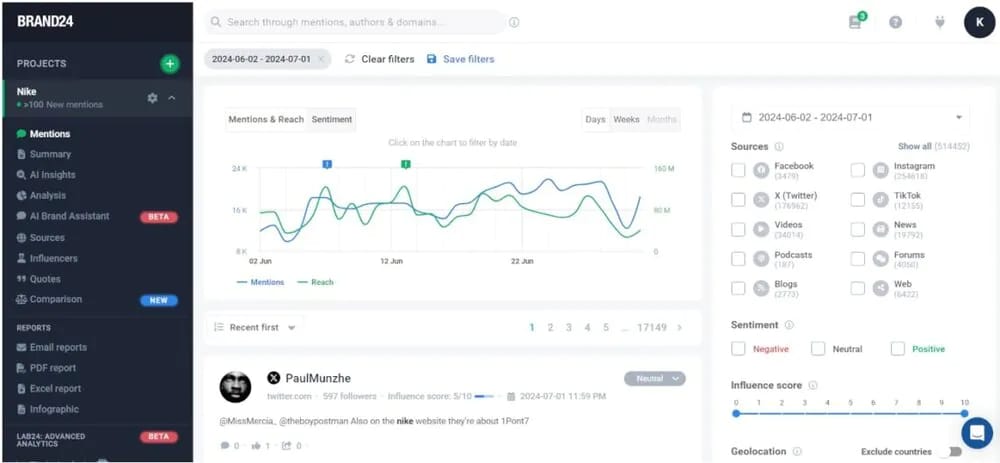
‘Brandbutler’ vs. The Competition in 2026
This table shows how our fictional tool would hypothetically stack up against real, best-in-class platforms.
| Feature | ‘Brandbutler’ (Hypothetical) | Brand24 | Talkwalker | Sprout Social |
|---|---|---|---|---|
| Ideal User | US Agency | SMB | Global Enterprise | Social Media Team |
| Est. Price | $499/mo+ | $249/mo | $800/mo+ | $299/mo+ |
| AI Claims | Marketing-focused | None | Proven | Practical |
| Multi-language | ❌ NO | ✅ YES | ✅ YES | ✅ YES |
| Data Export | ❌ NO (Lock-in) | ✅ YES | ✅ YES | ✅ YES |
| Verdict | ⚠️ High Risk | ✅ Safe Bet (SMB) | ✅ Safe Bet (Enterprise) | ✅ Safe Bet (Social) |
Best For: Small to medium businesses (SMBs) needing reliable, affordable social listening.
Consider: Brand24 is the clear winner for budget-conscious teams. Its ‘Team’ plan delivers core mention tracking and analytics for roughly half the price of ‘Brandbutler’s’ hypothetical Pro plan (Brand24 Pricing). It focuses on executing the fundamentals well without making flashy, unproven AI claims.
Avoid If: You need deep enterprise-level analytics or advanced image and video analysis.
✅ Brand24 Strengths
- ~50% cheaper than Brandbutler Pro
- Reliable multi-language support
- Strong bulk data export
- No flashy unproven AI claims
⚠️ Considerations
- Lighter on enterprise analytics
- Limited image/video analysis
- Smaller dedicated support team
- Less suited to global Fortune 500
Best For: Global enterprises and regulated industries needing best-in-class analytics and security.
Consider: For any brand operating in multiple languages, Talkwalker is the superior choice. Its multi-language sentiment analysis is a proven market leader. While its starting price is higher, the cost is justified by its powerful feature set and robust security posture, including ISO 27001 certification (Talkwalker Trust Center).
Avoid If: You are a small team with a simple use case and a limited budget.
✅ Talkwalker Strengths
- Proven multi-language sentiment analysis
- ISO 27001 security certification
- Enterprise-grade analytics depth
- Trusted by global Fortune 500 brands
⚠️ Considerations
- Premium pricing ($800+/month)
- Overkill for small teams
- Longer onboarding ramp
- Higher learning curve overall
Best For: Social media management teams who need a true all-in-one platform for publishing, engagement, and reporting.
Consider: If your team’s primary job is not deep listening but rather social media management, a mature platform like Sprout Social is a better fit Sprout Social Pricing. It offers a comprehensive suite for social media managers that is far more complete than ‘Brandbutler’s’ hypothetical offering.
Avoid If: Your primary need is deep brand intelligence or monitoring conversations outside of major social networks.
✅ Sprout Social Strengths
- All-in-one publishing + engagement
- Polished, mature UX
- Strong reporting templates
- Robust integrations ecosystem
⚠️ Considerations
- Listening less deep than specialists
- Per-user pricing adds up quickly
- Limited coverage outside major networks
- Not ideal for crisis-only use cases
Conclusion: Final Verdict on the ‘Brandbutler’ Case Study
This hypothetical case study of ‘Brandbutler’ was designed to arm you with a practical framework for SaaS evaluation. We’ve seen how a tool with a polished user interface can conceal significant flaws: marketing-focused AI claims that don’t hold up, a pricing model designed to obscure the true cost, and anti-consumer data policies that create business risk.
The ultimate lesson is that in the world of SaaS, you are not just buying a tool; you are entering into a partnership. A trustworthy partner is transparent in their pricing, honest about their capabilities, and respectful of your ownership over your own data.
An evaluation process rooted in verifying claims, calculating true costs, and assessing risk is your best defense against making a high-risk investment built on hype. To browse other verified deals across the SaaS landscape, explore our Latest Coupons hub and our full Category of Review articles.
Key Takeaways for Evaluating Any SaaS Tool
What We Love (Green Flags to Look For):
- Transparent, All-Inclusive Pricing: Vendors who provide clear TCO calculations and don’t hide essential features behind add-ons.
- Verifiable Performance Claims: Vendors who back up their claims with independent benchmarks, customer case studies, and clear technical documentation.
- Robust and Open Data Policies: Platforms with simple, comprehensive bulk data export features, demonstrating respect for customer data ownership.
- Strong Security & Compliance Posture: Publicly available trust centers, industry-standard certifications (SOC 2, ISO 27001), and transparent incident response history.
💡 Things to Consider (Red Flags to Avoid):
- Over-reliance on “AI” Marketing: When the primary value proposition is a hard-to-verify AI feature, proceed with caution.
- Pricing Models with High Hidden Costs: If the true TCO is significantly higher than the sticker price, it signals a lack of transparency.
- Barriers to Testing Support: If you can’t easily test the customer support for the plan you intend to buy, it’s a major red flag.
- Poor Multi-Language Performance: For global brands, this is a non-negotiable deal-breaker.
- Critical Risk: No Data Export (Vendor Lock-in): A policy that prevents you from easily taking your data is a sign of an anti-consumer platform.
This guide is based on market analysis up to 2026. The SaaS market changes quickly. Always conduct your own due diligence and verify all information on the vendor’s official website before making a purchase.
FAQs: Your SaaS Evaluation Questions Answered
Q1: How do you accurately calculate the Total Cost of Ownership (TCO) for a SaaS tool?
A: To calculate TCO, start with the annual cost of the subscription plan you need. Then, methodically add all other potential expenses.
This includes one-time mandatory fees like onboarding or implementation, recurring costs for essential add-ons like API access, and estimated fees for usage overages based on your historical data.
You should also factor in the “soft costs” of any paid training required for your team to become proficient. A helpful framework is to ask the sales representative for a “fully-loaded” quote for a team of your size with your specific feature requirements, and get it in writing A Guide to Total Cost of Ownership (TCO).
Q2: What is the most critical red flag to watch for in a SaaS contract?
A: While there are many, one of the most critical red flags is a clause or product limitation that prevents easy, bulk export of your data. This is a primary mechanism for “vendor lock-in.”
Look for sections on data ownership, termination, and data portability. A pro-consumer contract will explicitly state that you own your data and detail the method for retrieving it upon cancellation.
The absence of such a clause, or a clause that makes it difficult or costly, is a significant consideration to note. It suggests the vendor’s business model relies on making it painful for you to leave.
Q3: How can I test a vendor’s “AI” claims before I buy?
A: You should pressure-test AI claims during the sales demo and trial period. First, ask for specific, verifiable case studies where the AI delivered the promised result.
Second, provide your own real-world data and ask the vendor to run it through their AI model live during a demo. For example, if they claim to predict customer churn, give them a sample of anonymized customer data and see what it produces.
Finally, look for independent reviews from trusted analysts or publications that have tested the AI features. Be wary of any vendor who cannot provide concrete proof beyond their own marketing materials Don’t Be Fooled by AI Hype.
Q4: Is a past data breach an automatic deal-breaker when selecting a vendor?
A: Not necessarily, but it requires a much deeper level of scrutiny. The critical factor is how the vendor responded to the breach.
Look for evidence of a transparent and timely disclosure to affected customers. Investigate what remedial actions they took to fix the vulnerability and prevent it from happening again.
A vendor that was transparent, took accountability, and can demonstrate improved security measures (e.g., obtaining a new certification like SOC 2 post-breach) may still be trustworthy. Conversely, a vendor that tried to hide a breach or was not transparent is a much higher risk Building Customer Trust After a Data Breach.
Q5: What are the best alternatives for brand monitoring and social listening?
A: The best alternative depends entirely on your budget, team size, and primary use case.
For small to medium businesses (SMBs) seeking an affordable, reliable tool for core social listening, Brand24 is a highly regarded and cost-effective option.
For large, global enterprises requiring deep analytics, best-in-class multi-language support, and robust compliance, Talkwalker is a market leader.
For teams whose primary job is social media management (publishing, scheduling, engagement) and who need good-enough listening built-in, a platform like Sprout Social or Hootsuite is often a better fit. You can also check our full list of Brandbutler Top Alternatives and Competitors for detailed comparisons, and explore our Brandbutler Promo Codes & Coupons page for current deals.