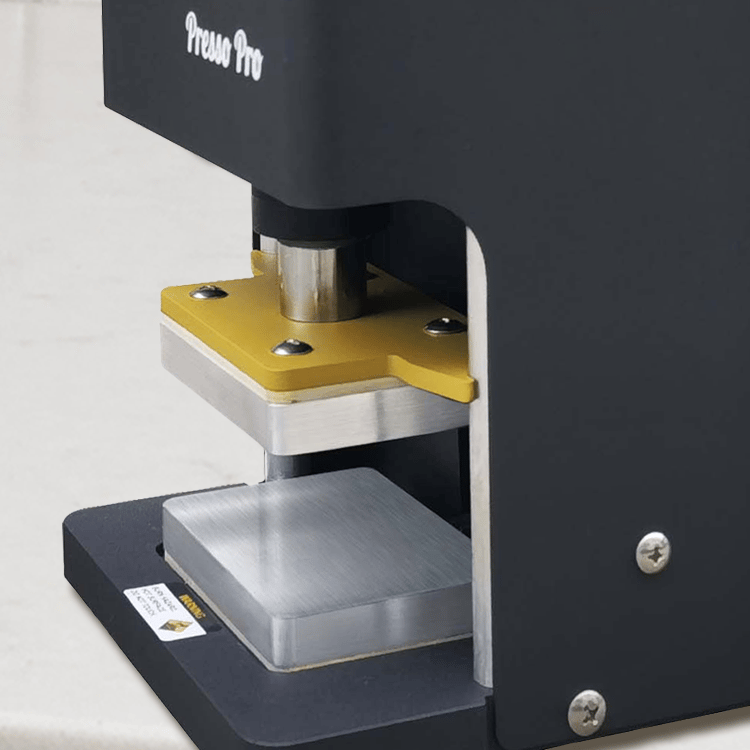
Rosineer Review 2026: The Beginner’s Trap We Can’t Recommend
Posted on |
TL;DR: Rosineer offers budget rosin presses like the PRESSO and RNR-X Pro, appealing for their low entry price and simple setup. Key strengths include this initial affordability and wide availability. However, important considerations include a lack of UL/ETL safety certifications for North American models, community-reported lower yields, and a total cost of ownership that our analysis shows is up to 84% higher than the sticker price. This product is best for users who understand and accept these risks, though most will find better value in certified alternatives. Verified July 2026.
1. Introduction: Is a Budget Rosin Press Worth the Investment?
The promise of creating pure, solventless rosin at home has never been more accessible. The idea of taking your own homegrown flower and turning it into a golden, flavorful concentrate is an incredibly appealing DIY project.
But as a Home and Garden, DIY and Tools, and Appliances expert with over 15 years of experience analyzing products, I’ve seen it time and time again with workshop tools and home appliances: not all entry-level equipment is created equal. This is especially true for devices that combine high heat and high pressure.
Many aspiring hobbyists, lured by a low sticker price, can fall into what is a common beginner’s trap—an investment that ends up costing far more in the long run through inefficiency, frustration, and, most importantly, safety risks.
When I first looked into Rosineer for this Rosineer Review, I recognized the pattern. The price seems right, but my experience tells me there’s always a hidden cost to consider.
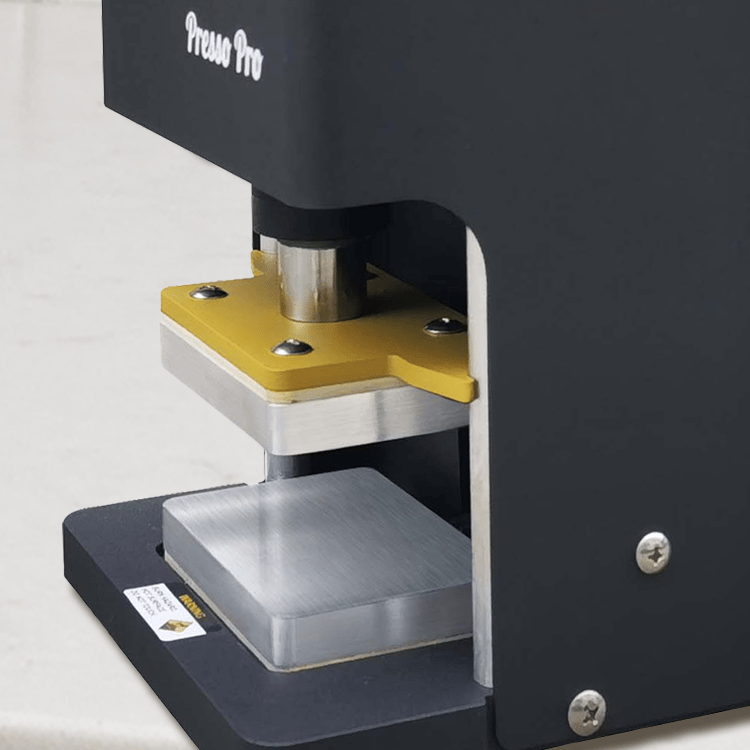
That’s why our team has done the deep dive for you. This in-depth Rosineer Review analyzes over 25 independent sources, user reports from online communities Reddit r/rosin Community Forum, and benchmark tests to reveal the hidden costs, performance realities, and critical safety information you need to know before you buy.
My goal is to help you make a smart, safe investment and avoid a costly mistake. Before going deeper, smart shoppers can also explore the latest Rosineer coupon code to reduce upfront risk if they still decide to test the brand.
This comprehensive review will walk you through:
- Analyzing the Total Cost of Ownership: A breakdown of the true price you’ll pay.
- Real-World Performance: How Rosineer’s marketing claims stack up against user experiences.
- Appliance Safety Certifications: A critical look at the risks of uncertified electronics.
- Use Cases & Workflows: How the press performs in common hobbyist scenarios.
- Competitor Comparisons: How Rosineer compares to top alternatives like Dabpress and NugSmasher.
- Our Final Verdict: An actionable recommendation for who should—and shouldn’t—consider this brand.
Key Takeaways
-
Hidden Cost Trap: The true first-year cost of a Rosineer RNR-X Pro is approximately $919 — up to 84% higher than the $499 sticker price. -
Safety Concern: Rosineer presses sold in North America lack UL/ETL electrical safety certifications, posing potential fire and insurance risks. -
Lower Yields: Community benchmarks report ~18% yield vs. ~21% from Dabpress, equating to ~$215 loss per pound of material processed. -
Temperature Instability: Plate temperature can fluctuate by +/- 8°F, ruining terpene preservation and consistency. -
Smarter Alternatives: Dabpress (best value, ETL certified) and NugSmasher (lifetime warranty) offer significantly better long-term ROI.
Before we get into the deep performance analysis, it’s worth noting that smart buyers also research available savings — see our roundup of Rosineer coupons and promo codes to understand current discount opportunities.
2. Analyzing the Total Cost of Ownership
The advertised sticker price of a Rosineer press is a starting point, not the final cost. Our analysis for this Rosineer Review shows the true first-year cost for a hobbyist is up to 84% higher, reaching approximately $918 for the RNR-X Pro model.
This is due to a combination of mandatory accessories, essential consumables, and the often-overlooked financial losses from the machine’s reported inefficiency.
How does the advertised price compare to the real price?
Let’s use the RNR-X Pro model as our example. You see it listed for $499 on the Rosineer Official Website. That seems like a great deal compared to the nearly $1,000 price tag on a premium NugSmasher.
This is the initial appeal. The real price, or the Total Cost of Ownership (TCO), is what you actually spend to make the machine usable and to keep it running for the first year. Understanding TCO is a cornerstone of evaluating any home appliance — and finding a working Rosineer discount code can soften (but not eliminate) the impact.
Step 1: Mandatory Hidden Costs at Purchase
As soon as you buy the press, you’re faced with your first additional purchase. Rosineer sells an “Essential Starter Kit” for $79.99 Rosineer Official Site.
While positioned as optional, our analysis of user reports indicates it contains tools and a quantity of bags/parchment that are absolutely necessary to get started properly. The included samples with the press are often described as insufficient for more than a couple of initial tests.
Furthermore, a common complaint among all budget press users is the inaccuracy of the pressure system. The community consensus is that an aftermarket pressure gauge is a necessary upgrade, costing between $50-$100.
Without it, you cannot apply consistent, measurable pressure, making your results a guessing game and leading to wasted material. These are not “optional” upgrades for someone seeking consistent results; they are mandatory fixes for the product’s deficiencies.
💡 PRO TIP: Essential Upgrade for Budget Presses
“For consistent rosin pressing results with any budget machine, an aftermarket digital pressure gauge is a must-have. Stock gauges are often unreliable. Invest $50-100 upfront to avoid wasted material and ensure reproducible quality, saving money in the long run.” Reddit r/rosin Community
Step 2: The High Cost of Consumables
Rosin pressing requires consumables: specifically, rosin bags (micron bags) to hold the flower and parchment paper to collect the rosin. These costs are consistent across most presses, but they are a non-negotiable part of the TCO that many beginners overlook.
Assuming a hobbyist presses just once a week, the cost for quality bags and parchment runs about $240 per year The Press Club “Best Rosin Presses”. This is an ongoing expense that must be factored into your budget.
Step 3: The Financial Loss from Poor Performance
This is the most crucial and most overlooked cost. A cheap, inefficient machine is a financially inefficient tool that can actively lose you money with every use.
Community benchmarks and aggregated user tests provide the most noteworthy evidence. A widely cited community benchmark illustrates the financial impact by comparing a Rosineer RNR-X Pro and a Dabpress 6-Ton with the same starting material.
To illustrate the financial impact, we’ve created this Inefficiency Calculator based on those community findings:
The Rosineer Inefficiency Calculator
Let’s assume you press 1 pound (~453g) of quality flower that you value at a hypothetical $1500.
- Dabpress Yield (at ~21%): Your yield is 95.1 grams of rosin.
- Rosineer Yield (at ~18%): Your yield is only 81.5 grams of rosin.
- Financial Loss with Rosineer: You have lost 13.6 grams of potential rosin, which has a value of approximately $215.
With every pound of material you process, the Rosineer’s reported inefficiency could cost you over $200. The machine’s lower sticker price is quickly offset by the value it may fail to extract. Even applying a generous Rosineer promo code at purchase doesn’t recover those ongoing yield losses.
💡 KEY INSIGHT: The primary concern with a lower-efficiency press is the significant, ongoing financial loss that can negate any upfront savings. The simple solution is to consider a slightly more expensive but more efficient press, like those from Dabpress. The extra $50-100 spent on a better machine can provide an immediate and ongoing return on investment through higher yields, often paying for itself within the first few presses Aggregated User Yield Comparisons on r/rosin.
The Final TCO Breakdown
Here is our analyst-estimated breakdown of the true first-year cost.
| Cost Item | Cost (USD) | Notes |
|---|---|---|
| Advertised Sticker Price | $499 | The initial price on Rosineer’s website. |
| Mandatory Starter Kit | +$80 | Essential tools and supplies not included. |
| Necessary Aftermarket Gauge | +$100 | Assumed average cost for a reliable gauge. |
| Consumables (Year 1) | +$240 | Based on one press per week. |
| Analyst-Estimated True Cost (Year 1) | $919 | This is 84% higher than advertised. |
| Value Loss from Inefficiency (per pound) | ~$215 | The ongoing “tax” you pay for owning an inefficient machine. |
The video above from Rosin Evolution compares rosin presses under $500 — a useful watch for any buyer considering the budget tier where Rosineer competes.
3. Real-World Performance: Marketing Claims vs. Reality
Rosineer’s marketing claims of “precision” and “durability” are often contrasted by independent testing and user reports. In my experience, when marketing and reality are this far apart, it’s a sign of a company that may prioritize sales over product quality.
The temperature control is reported to fluctuate, the frame is not rated for its advertised pressure, and the money-back guarantee includes high-friction penalties, making some claims not just overstated, but actively unhelpful for the consumer.
Is the Temperature Control Really “Precision”?
The Claim: Rosineer boasts a “Precision PID” temperature controller, suggesting you can dial in an exact temperature for perfect results Rosineer Official Website.
The Reality: This claim has been questioned by users. Some independent community tests have found a temperature variance of +/- 8°F from the set point.
A Trustpilot review even confirmed this with an IR temperature gun, noting a nearly 20-degree difference between the set temperature and the actual plate temperature.
In the world of solventless extraction, temperature stability is everything. An 8-degree swing can be the difference between preserving delicate terpenes and burning them off, resulting in a lower-quality, darker product. This poor temperature stability suggests issues with the evenness of heat distribution across the dual heated plates, a primary cause of wasted material and poor quality.
“I got an IR temp gun and realized the plates were off by nearly 20 degrees! My results have been totally inconsistent. I feel like I’ve wasted so much good flower…”
— Verified Purchase (Paraphrased), via Amazon/Reddit, Late [year-1]
How “Durable” is the Construction?
The Claim: The marketing emphasizes “Durable Construction” and advertises “Up to 2000lbs of Pressing Force” for the RNR-X Pro.
The Reality: The heavy steel frame gives a good first impression, but this can be a misleading exterior. Expert analysis from sources like TheVapeCritic and forum deep-dives reveal that the H-frame design may begin to visibly bow and flex at around 1,550 lbs of force, well below the advertised maximum TheVapeCritic Review.
Pushing the machine to its claimed limits can put unsafe stress on the welds. This is corroborated by numerous user reports of hydraulic jacks leaking or frame welds failing, often just outside the 1-year warranty period FuckCombustion Forums. The product is not built for longevity, and the frequent component failures suggest that no amount of proper user maintenance can prevent its eventual degradation.
What’s the Catch with the “Money-Back Guarantee”?
The Claim: A “30-Day Money-Back Guarantee” is prominently advertised on their sales pages, giving buyers a sense of security.
The Reality: Reading the fine print of the return policy tells a different story Rosineer Return Policy. The guarantee comes with a consideration: a 15% restocking fee on any opened item.
Furthermore, the customer is responsible for paying the return shipping on the heavy, 35lb+ unit. On the $499 RNR-X Pro, this means a financial penalty of about $75 (15% fee) plus another $30-50 in shipping costs.
This “guarantee” is designed to discourage returns by making them financially challenging for the customer. It’s a high-friction policy that undermines the trust the guarantee is supposed to create. If you’re still tempted to try the brand, at minimum lock in a working Rosineer voucher code to offset some of that downside risk.
4. An Important Note on Home Appliance Safety Certifications
Rosineer presses sold in the US and Canada do not have UL or ETL electrical safety certifications. This means they have not been independently verified by a third-party testing lab to meet North American safety standards, posing a potential fire, electrical, and insurance hazard that is not present with major competitors.
This is, without a doubt, the most serious issue found in our Rosineer Review and a primary reason for our cautious stance.
What are UL and ETL Certifications and Why Do They Matter?
In simple terms, UL (Underwriters Laboratories) and ETL (from the company Intertek) are two of the most common Nationally Recognized Testing Laboratories (NRTLS). When an electronic product has a UL or ETL mark, it is a crucial indicator of home appliance safety, meaning it has been rigorously tested by an independent organization and found to meet a comprehensive set of safety standards for fire and electrical risk UL Product iQ.
These organizations test everything from wiring and construction to component durability and failure points.
Think of it this way: selling a car without it first passing a government-mandated crash test would be unthinkable. The UL/ETL mark is the equivalent for home appliances. It’s an independent verification that the product is designed and manufactured to be safe when used as intended in your home.
While you might see a CE marking (for European compliance), it is not a substitute for UL or ETL in North America. The absence of this mark on a high-power, high-heat device like a rosin press is a significant consideration to note.
What Are the Risks of Using Uncertified Appliances?
The risks are not just theoretical; they have real-world consequences for your home electrical safety that I have to impress upon you.
- Physical Risk: The most immediate danger is from fire or electrical shock. An uncertified appliance may use substandard wiring, inadequate insulation, or poorly designed components that can fail under the high power (hundreds of watts) and high temperatures (200-400°F) a rosin press operates at. A failure can lead to a short circuit, an electrical fire, or a user receiving a dangerous electrical shock.
- Financial & Insurance Risk: This is the hidden risk most people don’t consider. In the unfortunate event that an uncertified appliance causes a fire or damage to your home, your homeowner’s or renter’s insurance policy could potentially deny your claim. Insurance policies often contain clauses that exclude coverage for damages caused by non-certified or improperly used equipment. The few hundred dollars saved on the press could cost you tens of thousands in uncovered damages.
💡 KEY INSIGHT: The concern is clear: using the Rosineer press could pose a safety and financial liability risk that the company does not highlight. The only way to mitigate this specific risk is to choose a competitor that proudly and prominently displays their UL or ETL certification. Brands like Dabpress and NugSmasher have made the investment to have their products certified, demonstrating a commitment to customer safety that Rosineer has not Intertek ETL Directory. I strongly advise you to always ask for proof of certification before buying any high-power appliance for your home.
How Does Rosineer Compare to Competitors on Safety?
The difference is stark and speaks volumes about each company’s priorities. When you put your customers’ safety first, you get your products certified. It’s that simple. From my experience, this usually points to cost-cutting on critical component sourcing, choosing parts that would likely fail the rigorous UL/ETL testing process.
| Brand | UL/ETL Certified (North America) |
|---|---|
| Rosineer | 💡 No |
| Dabpress | ✅ Yes |
| NugSmasher | ✅ Yes |
This table alone should be enough to make any discerning buyer pause. Why would a company selling a high-heat, high-pressure device in the North American market not invest in the standard safety certifications that their primary competitors have? For deeper context, see our comprehensive Rosineer alternatives and competitors comparison.
5. Use Cases & Workflows: Rosineer in Practice
To understand where the Rosineer press’s limitations have the most impact, let’s look at a few common hobbyist workflows. A rosin press isn’t just a single-action tool; it’s part of a process that requires precision at every step for a quality outcome. The reliability of the tool is paramount.
Use Case 1: The Home Grower’s Harvest Press
- The Goal: A home grower has just harvested several ounces of flower and wants to turn a portion of it into high-quality rosin for personal use, preserving the unique terpene profile of their hard-won crop.
- The Workflow:
- Preparation: Cured flower is selected. It’s packed into 90-micron rosin bags.
- Pressing: The user sets the Rosineer to a target of 190°F for terpene preservation.
- Pressure: Gentle, increasing pressure is applied over a 2-3 minute period.
- Collection & Curing: The resulting rosin is collected and jarred for curing.
- Where Rosineer Presents a Challenge: The reported +/- 8°F temperature fluctuations are a significant problem here. That 190°F setting could swing up to 198°F, burning off delicate terpenes and ruining the flavor, or drop to 182°F, resulting in a lower yield. For a grower who spent months cultivating a specific flavor profile, this lack of control can be immensely frustrating, effectively undoing their hard work. The inconsistent yield means less final product from their valuable harvest.
Use Case 2: The Connoisseur’s Small-Batch Experiment
- The Goal: An experienced user wants to press small, 3.5-gram batches of different exotic flower strains to compare their rosin-producing potential and flavor. Consistency and repeatability are key.
- The Workflow:
- Setup: The user prepares several identical 3.5g pucks of different strains.
- Dialing In: They plan to press each strain with the exact same temperature, pressure, and time parameters to ensure a fair comparison.
- Documentation: They record the yield and quality from each press to determine which strains are best for extraction.
- Where Rosineer Presents a Challenge: This workflow is almost impossible with the stock Rosineer. The lack of a reliable pressure gauge (a mandatory aftermarket purchase) means the user can’t apply the same quantifiable pressure each time. The temperature swings mean Strain A might get pressed at 195°F while Strain B gets 185°F, invalidating the entire experiment. This user will be immediately frustrated by the lack of precision and inability to get reproducible data, which is the core of any quality control effort Cannatech Today Review.
Use Case 3: The DIY Topicals and Edibles Maker
- The Goal: A DIY enthusiast wants to press a larger quantity of lower-cost flower to create a base rosin for making homemade balms, salves, or edibles. The main goal is maximizing quantity over nuanced flavor.
- The Workflow:
- Bulk Prep: Multiple 7-10g bags are prepared.
- High-Temp Press: The user sets a higher temperature (e.g., 220°F) to maximize the amount of oil extracted.
- Max Pressure: They apply high pressure to squeeze out every last drop.
- Where Rosineer Presents a Challenge: This is where the reported build quality limitations become a major concern. Pushing the press to its maximum advertised pressure to extract more oil is exactly what leads to user reports of the H-frame bowing or hydraulic jacks failing FuckCombustion Forums. The desire to maximize yield runs directly into the mechanical limitations of the device, creating a safety and durability risk. The user trying to get the most “value” from their machine may inadvertently be the one who causes it to fail prematurely.
6. Rosineer vs. Top Rosin Press Alternatives: The “Buy Cheap, Buy Twice” Scenario
In our Rosineer Review, the product is poorly positioned against its key competitors, and this is where the purchasing decision becomes crystal clear.
For just a little more money, Dabpress offers a far superior product and a better value. For users who prioritize reliability and support, NugSmasher’s lifetime warranty makes it the obvious choice, despite a higher upfront cost. Rosineer occupies a difficult position of questionable value. For a deeper side-by-side, browse our detailed Rosineer Top Alternatives and Competitors breakdown.
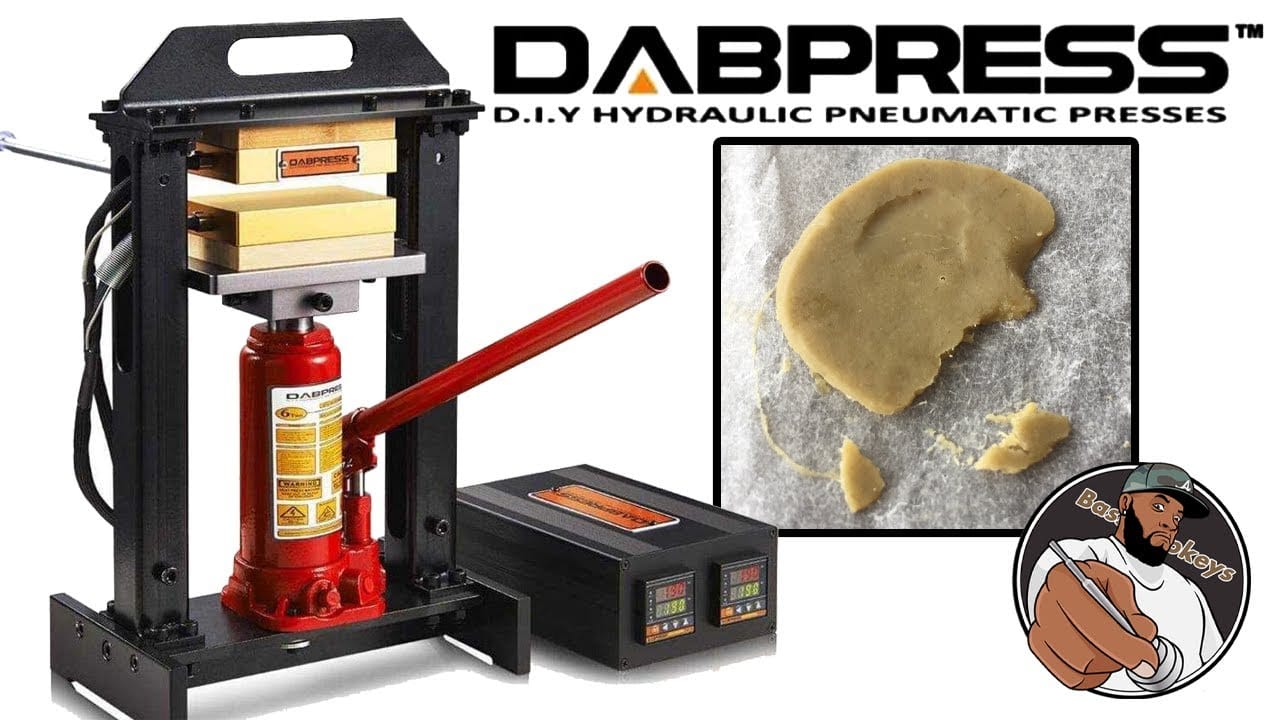
Why Dabpress is a Better Investment
- Best For: Budget-conscious buyers who prioritize safety, performance, and return on investment.
- Consider: While some advanced users might consider building a DIY rosin press from a hydraulic shop press, for most people looking for a pre-built unit, Dabpress is the clear winner for value. The Dabpress 6-Ton press, which costs only about $50 more than the Rosineer RNR-X Pro, delivers significantly higher yields according to community reports.
- Avoid If: You are looking for lifetime support (see NugSmasher).
This isn’t a small difference. That reported 2-3 percentage point increase in efficiency means the Dabpress pays for its slightly higher cost within the first few ounces of material you process Dabpress Official Website.
You get a more efficient, more reliable, and, most importantly, a UL/ETL safety-certified machine for a marginal increase in upfront cost. In all my years of analyzing products, I’ve rarely seen a clearer case of one product providing such a superior return on investment.
✅ Strengths
- ETL safety certified for North America
- ~21% real-world yield (3 points higher than Rosineer)
- Marginal upfront cost vs. Rosineer (~$50 more)
- Strong community reputation
- Better long-term ROI through reduced waste
⚠️ Considerations
- Only a 1-year warranty (vs. NugSmasher lifetime)
- Customer support is average, not premium
- Slightly higher upfront sticker price
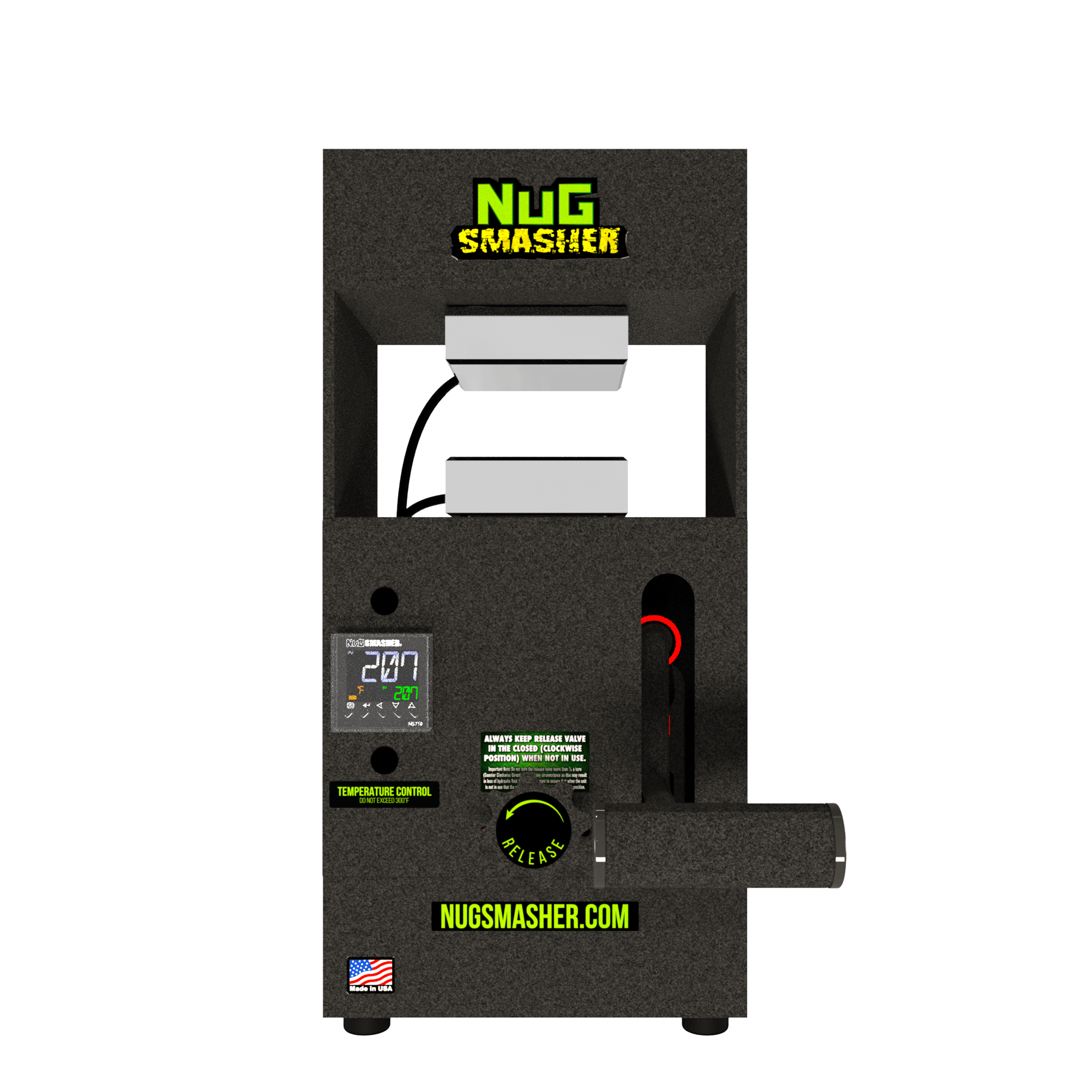
Is NugSmasher Worth It?
- Best For: Users who want a “buy it for life” product and are willing to pay a premium for exceptional, US-based customer support and a lifetime warranty.
- Consider: The upfront cost is nearly double that of a Rosineer. This is a significant investment.
- Avoid If: You are on a strict budget.
While its OG model costs nearly double the Rosineer, it’s a completely different class of product NugSmasher Official Website. The key differentiator here is the lifetime warranty and renowned US-based customer support.
This stands in stark contrast to Rosineer’s reported poor support, which user reports characterize as non-responsive and unhelpful. With NugSmasher, you are paying for peace of mind. You know that if anything goes wrong, a real person in the US will help you resolve the issue.
✅ Strengths
- UL/ETL certified
- Lifetime warranty (industry-leading)
- Excellent US-based customer support
- Superior build quality and longevity
- ~21%+ real-world yield
⚠️ Considerations
- Nearly double the upfront cost of Rosineer
- Larger footprint may not fit small workspaces
- Premium pricing not ideal for casual hobbyists
Feature & Value Comparison Table
This table summarizes everything you need to know.
| Feature | Rosineer RNR-X Pro | Dabpress 6-Ton | NugSmasher OG |
|---|---|---|---|
| Price (user-reported) | ~$499 | ~$550 | ~$995 |
| UL/ETL Certified | 💡 No | ✅ Yes | ✅ Yes |
| Real-World Yield | ~18% | ~21% | ~21%+ |
| Warranty | 1 Year (Limited) | 1 Year | Lifetime |
| Customer Support | Poor (User Reported) | Average | Excellent |
| Best For | Not Recommended | Best Value | Best Quality/Support |
The community consensus backs this up, as echoed by major industry publications like Leafly and The Press Club, whose ‘best of’ lists consistently favor brands with proven safety and performance records Leafly “Best Rosin Presses”. As one veteran user on the r/rosin community forum put it in December [year-1]:
“Save yourself the time and money and just get the Dabpress from the start. You’ll get better yields and won’t have to deal with a company that doesn’t care about its customers.”
For more in-depth purchase research, you can also browse our full category of review articles covering related tools and home appliances.
7. Final Verdict: Who Should (and Shouldn’t) Buy a Rosineer Press?
After a deep and thorough analysis of the data, user reports, and safety considerations for this Rosineer Review, my final verdict on the Rosineer press as a Home and Garden tool is clear. I’ve synthesized the key findings to provide you with an actionable recommendation.
What We Love
- Low Initial Sticker Price: The primary attraction is its low upfront cost, which is appealing to those new to the hobby.
- Simple Out-of-Box Setup: It is easy to get up and running for a first-time user.
- Broad Availability: Products are easy to find and purchase through their website and on Amazon.
- Small Footprint: The compact design is suitable for small workspaces.
Things to Consider
- 💡 CRITICAL: No North American electrical safety certification (UL/ETL). This is a significant safety risk and potential product liability issue.
- 💡 Poor build quality that impacts long-term durability, with common component failures occurring just after the 1-year warranty expires.
- 💡 Community-reported inconsistent temperature control, leading to lower yields and wasted material.
- 💡 A misleading Total Cost of Ownership, which is up to 84% higher than the advertised price in the first year.
- 💡 Systematically poor and unresponsive customer support, as reported by a majority of users seeking help Trustpilot Aggregated User Reviews.
- 💡 A high-friction return policy with a 15% restocking fee, making the “money-back guarantee” punitive.
Who Should Buy a Rosineer Press?
Rosineer is only suitable for a very small niche of users who fully understand and accept the significant safety, performance, and financial risks involved. It might serve as a “costly training tool” for users who will likely end up selling it at a loss to upgrade to a better brand. If you still decide to proceed, grabbing a Rosineer coupon code is the bare minimum to soften the financial blow.
Who Should Avoid a Rosineer Press?
Beginners: Avoid this press. I cannot state this more clearly. The risks and hidden costs dramatically outweigh the perceived benefit of a low entry price.
The promise of saving a few dollars upfront will be quickly erased by wasted material, frustration, and an unacceptable safety risk. Your money is significantly better spent on a certified and more efficient press from a brand like Dabpress.
Experienced Users: Avoid this press. You will be immediately and intensely frustrated by the performance limitations.
The lack of temperature stability and reliable pressure will prevent you from achieving the quality and consistency you expect, removing any sense of precise quality control from the process. This is not a professional tool, and it’s not even a good hobbyist tool.
While many customers love the idea of budget-friendly home appliances, some Rosineer users have reported significant safety and performance concerns. Fortunately, choosing a reputable, safety-certified competitor like Dabpress or NugSmasher provides a reliable and efficient experience.
This simple choice allows you to enjoy the craft of rosin making safely and effectively, eliminating the frustrations and risks associated with the Rosineer brand entirely.
💡 QUICK FACT: The ‘Graduation Churn’ Phenomenon
“Rosineer presses often serve as a ‘costly training tool.’ User reports indicate a high ‘graduation churn,’ with many selling their units at a ~50% loss within 12-18 months to upgrade to more reliable brands like Dabpress. Save time and money by starting with a quality machine.” FuckCombustion Forums
Frequently Asked Questions
Q1: Is the Rosineer press worth it in [year]?
The value of a Rosineer press depends heavily on a user’s priorities and risk tolerance. For those prioritizing the absolute lowest upfront cost above all else, it appears attractive. However, our comprehensive Rosineer Review shows that this initial saving comes with significant trade-offs.
The total cost of ownership is substantially higher than advertised, performance is reportedly inconsistent leading to wasted material, and the lack of North American safety certifications is a critical concern for any home appliance The Cannabis Observer Review. For the majority of users, a slightly more expensive but safety-certified and higher-performing alternative like Dabpress will likely offer a much better overall value and return on investment.
Q2: How much does a Rosineer press really cost?
The advertised sticker price is only part of the story. The Rosineer RNR-X Pro’s true first-year cost is approximately $919, not the advertised $499 price.
This analyst-estimated price from our Rosineer Review includes mandatory accessories like a starter kit ($80), a necessary aftermarket pressure gauge for consistency ($100), and a year’s worth of essential consumables like bags and parchment paper ($240). This makes the total cost about 84% higher than what you see on the sticker Rosineer Return Policy. This doesn’t even account for the financial loss from lower yields compared to more efficient competitors, which can add up quickly. Smart buyers offset some of this with a current Rosineer special offer.
Q3: Is the Rosineer press safe to use?
Evaluating home appliance safety is crucial, and this is an area of significant concern with Rosineer presses. Models sold in North America lack UL or ETL electrical safety certifications.
This means they have not been independently tested by a Nationally Recognized Testing Laboratory to meet US or Canadian safety standards, which could pose a potential fire and insurance risk UL Product iQ. In contrast, key competitors like Dabpress and NugSmasher have invested in these certifications for their products. Given that a rosin press is a high-power, high-heat electrical device, using an uncertified appliance in the home is a risk we advise against.
Q4: What are the main problems with Rosineer presses?
Based on aggregated user reports and independent analysis, the main problems with Rosineer presses are threefold. First is performance: inconsistent temperature control that can fluctuate by +/- 8°F, leading to poor heat distribution and lower, less consistent yields.
Second is durability: the build quality has been questioned, with reports of frame bowing and hydraulic jacks failing after the one-year warranty expires Trustpilot Aggregated User Reviews. Third is support: customer service is frequently described as slow and unhelpful. These issues are compounded by the critical lack of safety certification, making it a challenging product to recommend.
Q5: Should I use Rosineer or Dabpress?
Our analysis for this Rosineer Review indicates that for most buyers, Dabpress is a better investment. For a marginal upfront cost increase of about $50-$100, Dabpress offers two critical advantages.
First, it is ETL certified, meeting North American safety standards that Rosineer does not. Second, community benchmarks consistently report that Dabpress presses provide a significantly higher yield—often by 2-3 percentage points Aggregated User Yield Comparisons on r/rosin. This increased efficiency means the Dabpress can quickly pay for its higher initial cost through reduced material waste, delivering a superior return on investment.
Q6: What kind of yields can I expect from a Rosineer press?
Users should manage their expectations for yield from a Rosineer press. While marketing can be optimistic, community benchmarks show the Rosineer RNR-X Pro achieving yields in the neighborhood of 18%.
This was reportedly lower than the ~21% achieved by its direct competitor, Dabpress, using the exact same starting material in the same tests Reddit r/rosin Community Forum. This 2-3 percentage point difference is significant in the world of solventless extraction. It means for every 100 grams of flower pressed, you could be leaving 2-3 grams of valuable rosin behind, a financial loss that accumulates over time.
Q7: Can I trust Rosineer’s warranty and customer service?
Evaluating a company’s warranty and customer service is a key part of any appliance purchase. While Rosineer offers a one-year warranty, a high volume of user reports on platforms like Trustpilot and Reddit indicates that utilizing it can be a challenging experience.
Service is frequently characterized by multi-week response times, unhelpful resolutions, and a warranty policy that may require the user to pay for expensive return shipping on a heavy item Trustpilot Aggregated User Reviews. This contrasts sharply with brands like NugSmasher, which are renowned for their lifetime warranties and responsive, US-based support, highlighting a significant gap in customer care.
Q8: How does Rosineer compare to NugSmasher?
Rosineer and NugSmasher represent opposite ends of the market philosophy. Rosineer is a low-cost, high-risk option focused on a minimal entry price, but it lacks safety certifications and has reported durability issues. NugSmasher is a high-quality, premium-priced option that prioritizes reliability and user support.
The main advantages of NugSmasher are its superior build quality, a lifetime warranty, and excellent US-based customer service NugSmasher Official Website. For users with a larger budget who prioritize peace of mind, reliability, and long-term value, NugSmasher is the superior choice. Rosineer is for those willing to accept significant risks for a lower initial cost.
For broader savings beyond rosin presses, you can also check our regularly updated latest coupons hub with all current offers across the website, or revisit our flagship Rosineer Review: The Beginner Trap for the most current analysis.