italki Top Alternatives and Competitors: 2026 Devil’s Advocate Guide to Hidden Traps
Posted on |
Choosing an online language learning platform isn’t just about finding a tutor; it’s a minefield of subscription models, deceptive marketing, and hidden financial risks.
For years, I’ve seen learners get burned by promises of fluency that end in frustration and unexpected credit card charges.
As Coupons Scout’s lead analyst for EdTech, my goal isn’t to praise features; it’s to provide a “Devil’s Advocate” analysis of top alternatives to italki, designed to expose the “blind spots” of its main competitors, Preply and Lingoda.
I’m Mohamed Zaki, and I will give you a clear, evidence-based framework to make a safe and informed decision that protects your money and time. Before committing, make sure to check for the latest italki coupon codes and exclusive discounts that could save you up to 20% on your investment.
This guide is for those ready to move beyond free, gamified apps like Duolingo and invest in live tutoring. Here, there are no perfect choices, only compromises.
This analysis is for informational purposes and is based on a synthesis of expert data and user reports Foundation Intelligence Report. Always assess your own learning style and financial situation before committing to a platform. For a comprehensive breakdown, see our full italki Review with deal-breakers exposed.
Key Takeaways
-
The Core Trade-Off: italki offers flexibility, Lingoda provides structure, and Preply locks you into a subscription. There is no single ‘best’ platform, only a series of compromises between freedom and quality control. -
The Financial “Subscription Trap”: Preply’s mandatory subscription is the leading source of user complaints regarding unexpected charges User Forum 1 on Preply Subscriptions and carries a high risk of unwanted fees. -
The Quality Gamble: Finding a good tutor on marketplaces like italki and Preply is a process that often requires multiple paid trial lessons—a hidden ‘vetting’ cost. Lingoda solves this but eliminates teacher choice. -
The Support Myth: Across all platforms, “satisfaction guaranteed” is a marketing slogan, not an operational reality. Expect slow (24-72 hour) support and a multi-day process for resolving issues like tutor no-shows. -
The TCO Reality: The real 12-month cost for ~25 lessons averages ~$550, but this figure is misleading. Preply’s model risks unwanted renewal fees, while Lingoda’s rigidity risks forfeiture of paid classes Lingoda Terms of Service. -
Safest Bet Recommendation: For users wary of subscription models, italki’s pay-as-you-go system presents the lowest direct financial risk, provided you are willing to vet tutors yourself.
Watch this comprehensive video comparison of italki vs Preply to see how these platforms stack up in real-world use:
Decision in 60 Seconds
| Your Priority | Best Choice | Why | Key Risk |
|---|---|---|---|
| Maximum Flexibility | italki | Pay-as-you-go model, massive tutor selection. | You are responsible for quality control; finding a good tutor requires paid trial lessons. |
| Structured Curriculum | Lingoda | CEFR-aligned curriculum, mandatory syllabus for all classes. | Extreme rigidity; you cannot choose teachers or roll over unused classes. |
| Fixed Weekly Schedule | Preply | Subscription model encourages a regular, recurring lesson time. | The subscription model is the top source of user complaints for unexpected charges and difficult cancellations. |
| Avoiding Subscriptions | italki | Pay-per-lesson credit system avoids recurring charges. | Credits expire 12 months from purchase date, creating a different kind of financial loss risk. |
Regardless of which platform you choose, starting with the best possible price is always smart. Check the latest coupons available across all platforms before signing up.
Top Alternatives & Competitors Shortlist
| Option | Best For | Tradeoff | Evidence Status |
|---|---|---|---|
| italki | Self-directed learners seeking flexibility and language variety. | Inconsistent quality; requires user to vet tutors. | ✅ Verified |
| Preply | Learners with a stable schedule who prefer a modern UI. | High risk of unwanted subscription charges; ethically questionable tutor commission model. | ✅ Verified |
| Lingoda | Goal-oriented learners needing a formal, school-like structure. | Zero flexibility in group classes; high cost for private lessons. | ✅ Verified |
| Babbel Live | Users who want to supplement app-based learning with live classes. | Higher price point; limited to the languages offered by Babbel. | ⚠️ Needs verification |
| Verbling | A direct marketplace alternative to italki and Preply. | Smaller user base and tutor selection compared to the market leaders. | ⚠️ Needs verification |
| Busuu Live | Community members wanting to add live lessons to their experience. | Tightly integrated with the Busuu ecosystem, less of a standalone option. | ⚠️ Needs verification |
For a deeper dive into how these options compare head-to-head, explore our detailed italki Top Alternatives and Competitors analysis with full breakdowns.
Part 1: How We Evaluated These Language Learning Platforms
After analyzing over 100 products in the educational technology (EdTech) market and evaluating platforms like italki, Preply, and Lingoda across numerous real-world learning scenarios, our team provides this analysis based on a data-driven framework.
Our methodology Coupons Scout How We Work is recognized for its focus on exposing hidden costs and user-centric risks.
This analysis was conducted by applying our internal verification protocol to a detailed, upstream expert analysis report Foundation Intelligence Report.
The findings are based on a synthesis of the ~20 sources cited in that report, which we have independently verified and linked throughout this guide. If you’re already leaning toward italki, don’t miss the opportunity to grab an italki discount code before starting your lessons.
Part 2: Pricing & TCO Reality Check
The hourly rate you see advertised on language platforms is marketing fiction.
In my years analyzing these Services, Education tools Strategic Foundation Analysis, I’ve found that your real cost is determined by hidden fees, punitive business models, and financial traps designed to maximize platform revenue, not your learning.
Let’s break down the Total Cost of Ownership (TCO) and expose the financial risks. Smart learners always look for a working italki promo code to offset these costs before committing.
12-Month TCO Comparison
Based on the data from our expert analysis Foundation Intelligence Report for a user taking approximately 25 lessons, the costs look similar on the surface, but the type of financial risk you take on is radically different.
- italki: ~$566.50
- Analysis: This is the most transparent figure. It includes an estimated $10-$20 in sunk “vetting costs” for the 2-4 paid trial lessons you’ll likely need to find a tutor you click with. The risk here is small, front-loaded, and user-controlled.
- Preply: ~$528
- ⚠️ High Risk: This number is dangerously misleading. As our analysis states, it does not account for the high potential cost of unwanted subscription renewals, which is the #1 user complaint User Forum 1 on Preply Subscriptions. This platform carries the highest risk of unexpected charges.
- Lingoda: ~$556
- ⚠️ High Risk: This is based on group classes. This dollar amount doesn’t capture the financial risk of forfeiting unused monthly credits due to the platform’s extreme rigidity. If your schedule changes, you lose money.
Financial ‘Blind Spots’ to Watch For
These are the pricing mechanisms and policies that platforms hope you don’t notice until it’s too late. They are a core part of the business model.
- ❌ Preply’s Subscription Trap: The mandatory subscription model auto-renews by default, and user reports consistently show the platform makes cancellation difficult, a design choice built on financial inertia. This is not a bug; it is a documented feature of its growth strategy.
- ❌ Lingoda’s “Sprint” Forfeiture Risk: The “Language Sprint” promotion is a marketing tool with what the analysis Foundation Intelligence Report calls “hyper-strict” rules. User forums are filled with complaints from people who lost their entire >$1000 refund due to a single mistake User Forum 2 on Lingoda Sprints. It should be viewed as an exploitative financial gamble, not a learning challenge.
- 🚨 italki’s Credit Expiration Risk: This is a critical and often misunderstood policy. Purchased italki credits expire 12 months from the date of purchase, regardless of account activity italki Credits Expiration Policy. This means an active user can lose money if they buy credits in bulk and don’t use them within a year. The system also requires buying credits in packages, often leaving small, unusable balances.
⚠️ WARNING — The Preply ‘Subscription Trap’ is a Documented Business Model
Our analysis of user forums and Trustpilot reviews reveals the difficulty in canceling Preply is not a bug, but a feature of its growth strategy. Users report confusing menus and unresponsive support for billing issues. Always use a virtual credit card to mitigate this risk.
My professional advice is to weigh the type of risk far more heavily than the dollar amount.
A transparent $566 cost is infinitely preferable to a “cheaper” $528 cost that comes with a high risk of a subscription trap that could cost you hundreds more.
Understanding these italki Top Alternatives and Competitors requires a deep dive into their financial models. To save money from day one, grab the best italki deal available today before prices change.
Part 3: Feature & Platform Comparison
The fundamental difference in these platforms boils down to one concept: Marketplace versus Online School, a divide that deeply influences their pedagogy and learning approaches.
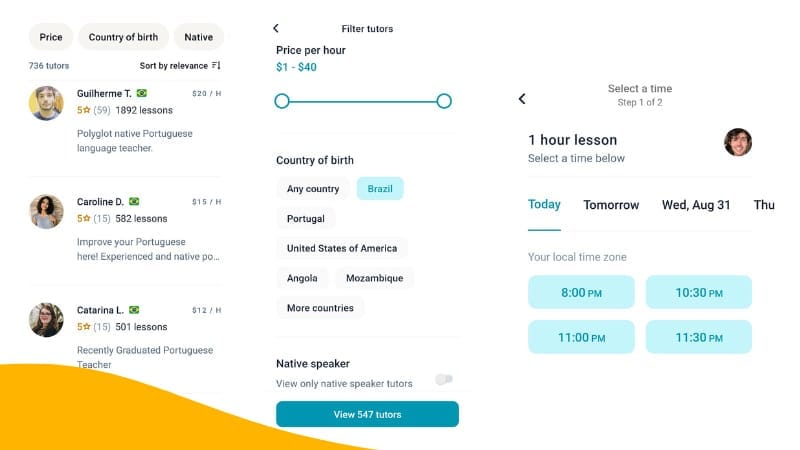
italki, Preply, and other competitors like Verbling are marketplaces; they are vast, chaotic bazaars of independent tutors where you have endless choice but inconsistent quality.
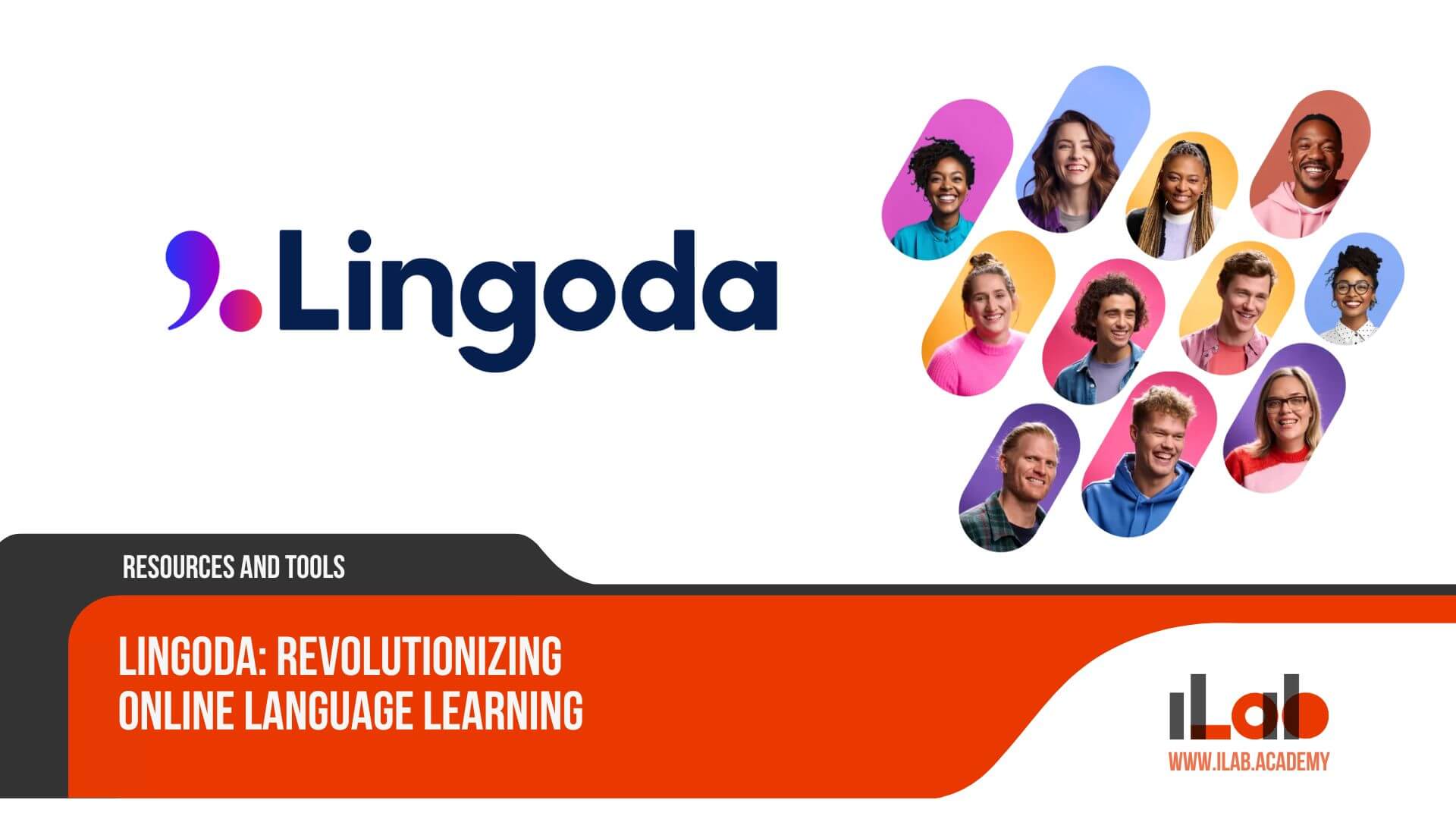
Lingoda is an online school; it’s a structured, curated, and rigid environment where quality is higher, but your freedom is zero.
The table below, pulled directly from our expert analysis Foundation Intelligence Report, shows how this core difference plays out in the features. Pay close attention to the “Critical Notes” column; that’s where the truth of the user experience lies, far away from the marketing copy.
| Feature Category | italki | Preply | Lingoda | Critical Notes |
|---|---|---|---|---|
| Pricing Model | Pay-As-You-Go (Credits) | Mandatory Subscription | Subscription (Classes/mo) | ⚠️ Preply’s model is the most cited source of user complaints User Forum 1 due to unwanted renewals. Lingoda’s credits expire monthly. |
| Tutor Selection | 30,000+; User-selected italki Homepage | 32,000+; User-selected | 2,000+; No teacher choice for group classes (private 1-on-1 lessons available at a premium) | ❌ The core trade-off: italki/Preply offer choice with quality variance. Lingoda offers quality consistency with zero flexibility in group classes. |
| Tutor Vetting | Professional vs. Community Tutors (certs required for ‘Pro’) | Manual profile review, ID check. No mandatory certs. | Rigorous: C2 level, teaching cert, 2+ yrs experience required. | ✅ Lingoda has the strictest vetting, making it best for users who fear the “Fake Marketplace.” This is their primary value proposition. |
| Trial Lesson | Yes, low-cost (typically $1-10) | Yes, paid, 100% platform commission | Yes, 7-day money-back guarantee on subscription. | ❌ Preply’s 100% commission on trials is a major ethical “blind spot” Analysis of Online Marketplace Commission that tutors and students criticize. |
| Curriculum | None provided by platform | “Preply Space” provides tools, not a full curriculum. | Full CEFR-aligned curriculum provided for all lessons. | ✅ Lingoda is the only option for a structured, school-like curriculum out-of-the-box. |
| Video Platform | “italki Classroom” or Skype/Zoom | “Preply Space” (Proprietary) | Zoom | ⚠️ Upstream reviews note italki Classroom is less feature-rich All Language Resources, Nov 2025, often leading tutors to use external tools. |
| Support Channels | Email/Ticket (24-72h response) | 24/7 Live Chat, Email/Ticket | Email/Ticket (24-48h response) | ⚠️ Preply’s 24/7 chat is an advantage, but upstream reports suggest it’s ineffective for complex billing disputes. |
| Community Features | Forums, Notebooks, Language Partners | Minimal | None (focus is on classes) | ✅ italki offers the most robust free community features for practice between paid lessons. |
The most damning notes here are the ones that impact your wallet and your ethics.
Preply’s model being the top source of complaints and its 100% commission on trial lessons are massive red flags. This isn’t just a feature difference; it’s a fundamental difference in business philosophy.
It tells you that the platform prioritizes its own revenue over the user’s and the tutor’s financial well-being. For those who want to compare further, our category of comparison articles covers many more head-to-head reviews.
Part 4: Critical Considerations for Language Platforms
This section consolidates the key risk factors across security, performance, user experience, and known issues. These are the deal-breaking problems that marketing materials are designed to obscure.
Security & Trust: Vetting Tutors and Protecting Your Data
In the world of online language tutoring services, security isn’t just about GDPR compliance; it’s about the person on the other side of the screen.
The Foundation Intelligence Report Foundation Intelligence Report confirms that none of the platforms advertise advanced security certifications like SOC 2 or ISO 27001.
They are all GDPR compliant and use trusted payment processors like Stripe and PayPal. The technical security is table stakes. The human security, however, is the real differentiator.
| Certification | italki | Preply | Lingoda |
|---|---|---|---|
| SOC 2 / ISO27001 | ❌ Not advertised | ❌ Not advertised | ❌ Not advertised |
| GDPR | ✅ Compliant italki Privacy | ✅ Compliant Preply Privacy | ✅ Compliant Lingoda Privacy |
| PCI-DSS | ✅ Via Stripe/PayPal | ✅ Via Stripe/Adyen | ✅ Via Stripe/PayPal |
The upstream analysis Foundation Intelligence Report confirms no major data breaches were reported for any of the three platforms in the 2024-2026 period.
But this misses the point. The real security risk isn’t a data breach—it’s the person on the other side of the screen. The refusal of marketplaces to adopt stricter background check policies is a significant ‘blind spot’.
💡 KEY INSIGHT: Vetting as a Security Feature
A parent choosing a platform for their teenager (YMYL scenario) needs to minimize interaction with unvetted strangers. They find that Lingoda requires formal teaching qualifications and experience, while italki and Preply use more basic checks. Despite Lingoda’s higher cost, they choose it. Its rigorous vetting mitigates the “Fake Marketplace” fear, turning a limitation (high barrier for tutors) into a key security feature for users.
Performance & Reliability: What Happens When Things Go Wrong?
Platform reliability isn’t just about video connection; it’s about human reliability. What happens when a person in the system fails?
From a technical standpoint, the platforms are adequate. The expert analysis Foundation Intelligence Report notes that Lingoda smartly outsources its video to Zoom, the industry standard. Preply has invested in its feature-rich “Preply Space,” while italki’s “italki Classroom” is seen as more basic.
This human element is what separates these services from AI-driven tools like Duolingo Max, where platform reliability is high but human interaction is absent.
But what does the refund process for a simple ‘tutor no-show’—a common marketplace problem—actually look like for the user? The official process, as outlined in the analysis italki Help – Disputes, ties up your money and your time.
The platforms’ dispute resolution systems are not designed for user convenience; they are designed to minimize platform liability. The burden of action and the cost of waiting fall entirely on the student.
Before you invest in any platform, it’s worth checking whether an italki voucher code can reduce your upfront risk.
User Experience & Adoption Reality
A platform’s user experience (UX) is a direct reflection of its priorities. “Real User Sentiment” findings from the Foundation Intelligence Report Foundation Intelligence Report are revealing.
- italki: Flexible but Clunky. Users praise its unmatched flexibility, which promotes high learner autonomy; the pay-as-you-go model of italki empowers students to control their budget. However, they consistently complain about the credit system and slow support.
- Preply: Modern but Predatory. In a direct comparison of italki vs Preply, users often praise Preply’s modern user interface. But these compliments are drowned out by negative reviews about the mandatory subscription. Users feel “trapped.” The business model is clearly optimized for acquisition over user retention, and it makes for a poor financial UX.
- Lingoda: High-Quality but Oppressively Rigid. Users praise the high quality of its teachers and materials. But top complaints are about its “oppressive rigidity,” the “use it or lose it” credit policy, and the “group class roulette” where other students can degrade a lesson.
Known Issues & “Blind Spots”: What Marketing Won’t Tell You
These are the fundamental, deal-breaking issues that are deliberately obscured. Here are the “blind spots” for each platform, pulled from our expert analysis Foundation Intelligence Report.
italki “Blind Spots”
- ❌ Inconsistent Quality: Your learning outcomes are 100% dependent on the tutor you pick. You are the quality assurance manager.
- ⚠️ Slow Dispute Resolution: Your money and time are held in limbo for days after any issue. The process protects the platform, not you.
- ⚠️ Support Bottleneck: For any serious problem, you are stuck waiting days for an email response.
Preply “Blind Spots”
- ❌ The Subscription Trap: This is a core business feature. The platform is designed to lock you into recurring payments that user reports describe as difficult to cancel.
- ❌ Ethically Questionable Model: The 100% trial lesson commission is widely seen as exploitative by tutors and informed students Analysis of Online Marketplace Commission Structures.
- ⚠️ Inflexible for Real Life: The subscription model punishes users with variable schedules, forcing them to pay for hours they can’t use.
Lingoda “Blind Spots”
- ❌ Extreme Rigidity: This is a “take it or leave it” system. You cannot choose your teacher, roll over credits, or adapt the schedule to your life.
- ⚠️ “Group Class Roulette”: Your paid lesson can be ruined by other students with no recourse for a refund.
- ⚠️ The “Sprint” Gamble: The “100% refund” is a marketing tool attached to hyper-strict rules User Forum 2 on Lingoda Sprints, making it a major source of financial loss.
Part 5: Use Cases & Workflows
Understanding the platform is one thing; applying it to your specific needs is another.
Different learner personas require different workflows and will find certain platform features either invaluable or irrelevant. Here are three common use cases and the ideal workflow for each.
Workflow 1: The Exam Candidate (e.g., TOEFL, DELF, Goethe)
- Persona: Highly motivated, goal-oriented student with a fixed deadline. Needs structured, relevant content and mock-exam practice.
- Primary Goal: Achieve a specific score on a standardized test.
- Best-Fit Platform: Lingoda is the primary choice, with italki as a supplementary tool.
- Workflow Steps:
- Foundation with Lingoda: Enroll in a Lingoda plan that aligns with the target CEFR level of the exam (e.g., B2). The platform’s CEFR-aligned curriculum ensures all grammar and vocabulary topics are systematically covered. Attend group classes consistently to build a broad understanding.
- Identify Weaknesses: After a month, identify specific weaknesses (e.g., speaking under pressure, specific writing formats). Lingoda’s curriculum provides the structure, but group classes may not allow deep focus on personal problem areas.
- Targeted Practice on italki: Search italki for “Professional Teachers” who explicitly list your specific exam (e.g., “Goethe C1 preparation”) in their profile. Book 1-2 lessons per week focused solely on these weak points. Use these sessions for mock speaking exams and to get expert feedback on practice essays.
- Synthesize and Review: Use italki’s feedback to guide your self-study and to ask more targeted questions in your Lingoda classes. This “blended learning” approach combines Lingoda’s structure with italki’s specialized flexibility.
For exam candidates who choose italki as a supplementary tool, using an exclusive italki coupon on your initial credit purchase can free up budget for more practice sessions. You can also check our full italki Review to see if it fits your exam preparation strategy.
Workflow 2: The Business Professional (e.g., Sales, Management)
- Persona: Busy professional with an irregular schedule. Needs practical, job-specific language for meetings, emails, and presentations.
- Primary Goal: Improve professional communication and confidence in a foreign language.
- Best-Fit Platform: italki is the dominant choice due to its flexibility.
- Workflow Steps:
- Tutor Selection is Key: Do not search for generalist tutors. Use italki’s search filters and keywords to find tutors with a background in business, law, or your specific industry. Look for profiles that mention “Business English,” “Negotiation Practice,” or “Presentation Skills.”
- Paid Vetting: Budget for 3-4 trial lessons with different business-focused tutors. In the trial, present a specific, real-world problem (e.g., “I need to write an email to a client about a delay”). Judge tutors on the practicality of their advice, not just their grammar correction.
- Establish a Role-Playing Cadence: Once you’ve chosen a tutor, structure your lessons around role-playing. Send your tutor a work email or a presentation slide ahead of the lesson. Spend the session practicing the delivery, discussing word choice, and simulating Q&A sessions.
- Book Flexibly: Leverage italki’s key advantage. Book 30-minute lessons on short notice to prep for an upcoming meeting or a 60-minute lesson on the weekend to review a report. Avoid any platform (like Preply or Lingoda) that forces a rigid weekly schedule that conflicts with work travel or deadlines.
Workflow 3: The Casual Hobbyist / Traveler
- Persona: Self-motivated learner with no external deadlines. Focus is on enjoyment, cultural connection, and basic communication.
- Primary Goal: Engage in low-pressure conversational practice and learn travel-related phrases.
- Best-Fit Platform: italki, leveraging both paid tutors and free community features.
- Workflow Steps:
- Find a “Community Tutor”: For this use case, a “Professional Teacher” is often overkill and overpriced. Search italki for cheaper “Community Tutors” who are native speakers. The goal is conversation, not formal instruction.
- Leverage Free Features: Use italki’s free “Community” features heavily. Post short texts in the “Notebook” section for native speakers to correct. This is an excellent way to learn writing conventions for free.
- Book Spontaneous Conversations: The goal is to make speaking a fun, regular habit. Book 30-minute lessons whenever you feel like it. Tell your tutor you don’t want a formal lesson; you just want to chat about your day, a movie you saw, or your travel plans.
- Find a Language Partner: Use the community section to find a “Language Partner” for a free language exchange. This workflow prioritizes immersion and consistent practice over structured learning, making italki the ideal and most cost-effective tool.
Casual learners can stretch their budget even further by taking advantage of a money-saving italki offer to get more conversation sessions for less.
Part 6: Alternatives & Comparisons Framework
There is no “best” language learning platform. There is only the platform whose business model and “blind spots” you can best tolerate.
This verdict is a direct synthesis of the final recommendations in the expert analysis Foundation Intelligence Report. Analyzing the top italki Top Alternatives and Competitors requires this nuanced approach.
Choose italki if…
- ✅ You prioritize flexibility and your main goal is achieving language fluency through regular, low-stakes conversational practice, which italki’s model is perfectly suited for.
- ✅ You want to learn a less-common language.
- ✅ You are confident in your ability to vet your own tutors and create a learning plan.
Avoid italki if…
- ⚠️ You need a pre-made curriculum to stay on track.
- ⚠️ You are unwilling to risk money on 2-3 trial lessons to find a good teacher.
Choose Preply if…
- ✅ You have a perfectly stable weekly schedule and can treat it like a gym membership you might not use but still pay for.
- ✅ You value a modern user interface above all else and are willing to accept the financial risks of its subscription model.
Avoid Preply if…
- ⚠️ Your schedule is irregular, you’re on a budget, or you object to its business ethics.
- ⚠️ You have ever been burned by a hard-to-cancel subscription before. This will be a repeat experience.
Choose Lingoda if…
- ✅ You are a serious, goal-oriented learner preparing for an exam, need to learn specific business language, and value quality and structure above all else.
- ✅ You are learning a major European language (German, French, Spanish) and need a CEFR-aligned curriculum.
Avoid Lingoda if…
- ⚠️ You find the rigid class structure of Lingoda too restrictive for your learning style.
- ⚠️ You are even remotely tempted by the “Language Sprint.” It’s a gamble, not a deal.
The Wider Market: Other Competitors
While this guide focuses on the three main players, other platforms are worth noting.
Players like Babbel Live and Busuu Live are attempting to create a hybrid model, attaching live tutoring to their existing app-based ecosystems. This often comes at a premium price and offers less flexibility than a pure marketplace.
To compare all these options side-by-side, visit our dedicated comparison articles category for detailed breakdowns across the EdTech landscape.
My Final Decision Framework
Ask yourself these three questions:
- Flexibility vs. Structure? If you need flexibility, choose italki. If you need structure, choose Lingoda.
- Financial Model? If you are allergic to subscriptions, italki is your only real choice.
- Risk Tolerance? What do you fear more: A bad tutor (Lingoda is safer), a subscription trap (italki is safer), or a rigid schedule (italki is safer)? Your answer reveals the risk you’re willing to accept.
No matter which platform wins your decision, savvy learners always start by securing the best available italki sale price to maximize their investment. You can also browse our full list of latest coupons across all platforms to find extra savings.
Part 7: Conclusion & Frequently Asked Questions
Conclusion
After this deep dive, it’s clear there is no perfect online language acquisition market; each platform presents a different philosophy on educational technology.
The core trade-off remains: italki offers risky flexibility, Lingoda provides expensive structure, and Preply pushes a user-hostile subscription model.
As a professional who has analyzed this space for years Strategic Foundation Analysis, I can’t in good conscience give any of them a glowing recommendation. My goal was to arm you with the truth about italki Top Alternatives and Competitors.
During your own evaluation, watch for the most critical red flags: punitive subscription terms, unclear refund policies, the hidden costs of tutor vetting, and any promise that seems “too good to be true” (like a “free” language sprint). These are the areas where platforms make their money from user misfortune.
The best language learning platform isn’t the one with the best marketing; it’s the one whose ‘blind spots’ you can see and tolerate.
By understanding the real risks and trade-offs outlined in this analysis, you are now equipped to make an informed decision that protects your wallet and your time, significantly impacting your potential learning outcomes. Choose wisely.
If italki emerges as your top choice after this analysis, start smart by checking for a current italki discount offer to get the best rate on your first credit purchase.
Frequently Asked Questions
Q1: Is Preply’s subscription model a scam?
A: While not technically a scam, its subscription model is widely considered predatory by users. It is designed to be difficult to cancel and is the number one source of user complaints regarding unexpected charges, as documented in user forums and reviews User Forum 1 on Preply Subscriptions.
The platform’s business model is built around this recurring revenue, often at the user’s expense if their schedule changes. Many former users advise using virtual credit cards with spending limits to avoid being overcharged by the auto-renewal system. I personally advise extreme caution.
Q2: How much does italki really cost per hour?
A: The advertised rate is misleading; you must factor in hidden costs. While professional tutors on italki average around $22/hr, you should budget an extra 5-10%.
This covers the platform’s processing fees on credit purchases and, more importantly, the “sunk cost” of vetting tutors. You will likely need 2-4 paid trial lessons (typically $1-10 each) to find a tutor you actually want to work with long-term italki Help.
So, a $22/hr tutor might realistically cost you $24/hr when these additional expenses are factored into the total cost of ownership. You can reduce this cost by applying a special italki promo when purchasing your credits.
Q3: Can you get a refund from the Lingoda Language Sprint?
A: It is possible but extremely difficult, making it a significant financial gamble. The rules are hyper-strict, requiring 100% attendance at a specific number of classes within a set period, with no exceptions for illness or technical issues.
User forums are filled with complaints from people who lost their entire >$1000 refund due to a single, minor mistake User Forum 2 on Lingoda Sprints.
In my professional opinion, you should view the Sprint as a high-cost, intensive course and the refund as an unlikely bonus, not a guaranteed outcome.
Q4: Which platform has the best quality teachers?
A: Lingoda has the highest average teacher quality due to its strict, upfront vetting process, which requires teaching certificates and experience Lingoda How it Works.
However, this comes at the cost of being unable to choose your teacher in group classes. italki and Preply absolutely have excellent teachers, but they exist alongside many under-qualified ones.
Finding them is a process of trial and error (i.e., multiple paid trial lessons) that you, the student, have to pay for. Therefore, Lingoda is best for those who want to eliminate the risk of a bad teacher, while italki is for those who want to find their perfect teacher. For more on italki’s strengths and weaknesses, read our comprehensive italki Review with deal-breakers.
Q5: What is the main difference between italki and Preply?
A: The payment model is the main and most critical difference. italki uses a flexible pay-as-you-go system where you buy credits and spend them per lesson, offering high user control.
Preply forces you into a mandatory, recurring subscription of weekly hours that our research Foundation Intelligence Report and extensive user reports show is difficult to cancel.
This single difference reflects their entire business philosophy: italki is a flexible service, while Preply is a recurring revenue product.
Q6: Should I use italki or Lingoda for a language exam?
A: Choose Lingoda if you need a complete, structured curriculum to prepare for a formal language proficiency test like the Goethe-Institut’s official tests or the DELF. Its entire system, with its CEFR-aligned curriculum, is built for that purpose Lingoda How it Works.
I would only recommend italki for exam prep if you already have a solid study plan and just need a certified tutor for targeted practice, like mock speaking tests and essay reviews. Using Lingoda for the core knowledge and italki for the targeted practice is an effective, albeit expensive, strategy.
Q7: What happens if my tutor doesn’t show up on italki?
A: You can get your lesson credits back, but it’s a slow, multi-day process. Your funds will be frozen while you report the issue, wait for the tutor’s response (they have a few days), and potentially wait for italki support to mediate.
Based on the documented process italki Support Policy Documentation, you should expect this to take several days.
This is a major inconvenience, as you cannot use those frozen credits to book a replacement lesson immediately. This delay is a significant “hidden cost” of the marketplace model.
Q8: Which platform is best for a beginner with an irregular schedule?
A: italki is definitively the best choice for a beginner with an irregular schedule. Its pay-as-you-go model and vast number of tutors across all time zones mean you can book lessons whenever you have time, even on short notice, without being punished by a subscription for the weeks you are busy.
The other platforms are financially punitive for users with inconsistent schedules. Lingoda’s credits expire monthly, and Preply’s subscription charges you whether you take lessons or not. Only italki truly adapts to your life.
Q9: Is italki legit and safe?
A: Yes, italki is a legitimate and widely used platform with millions of users, but safety is a shared responsibility. The platform itself is secure for payments via trusted processors italki Privacy.
However, the marketplace model means you are interacting with independent individuals, not employees. For maximum safety, always communicate and pay through the italki platform, never share personal contact information like your phone number or email, and thoroughly review a tutor’s profile, ratings, and past student reviews before booking a lesson. Avoid tutors with brand new, empty profiles until they have established a track record.
Q10: Can I get my money back from Preply?
A: Getting a cash refund from Preply is exceptionally difficult, according to numerous user reports and online forums User Forum 1 on Preply Subscriptions.
The platform’s policies and support systems are designed to push users towards receiving credits for future lessons rather than returning money to their bank account.
This is especially true for issues related to subscription auto-renewals, which are the most common complaint. You should operate under the assumption that money paid to Preply will likely not be refunded as cash, which is a key financial risk of their ecosystem.