
Mobiles.co.uk Top Alternatives and Competitors: Exposing the Truth About “Cheap” Phone Deals 2026
Posted on |
As a specialist in B2B service procurement with over 15 years of experience, I’ve seen countless organizations grapple with the deceptively complex UK mobile contract market.
A decision that starts as a simple cost-saving exercise can quickly spiral into an operational nightmare, impacting employee productivity, IT support overhead, and long-term financial liabilities.
The central conflict for any business is the trade-off between the rock-bottom headline prices offered by resellers like Mobiles.co.uk and the costly certainty of dealing directly with network operators. If you’re looking for a Mobiles.co.uk coupon to reduce costs, understanding the full picture is essential before committing.
This analysis of the Mobiles.co.uk top alternatives and competitors is not for a casual consumer; it is a procurement deep-dive for decision-makers managing a fleet of corporate devices.

My team at Coupons Scout and I have dissected the market, leveraging over 38 industry reports, B2B service agreements, and our rigorous verification protocol.
We will expose the Total Cost of Ownership (TCO) beyond the monthly fee, evaluate the critical gaps in support and warranty that create business risk, and provide a framework for choosing the right mobile procurement strategy for your organization.
This guide pits the high-risk, high-reward reseller model against network-direct B2B channels and the “unbundled” approach of device-as-a-service. For those already considering Mobiles.co.uk, be sure to check our Mobiles.co.uk review for a detailed breakdown of the platform’s strengths and weaknesses.
Choosing a mobile fleet provider is a significant operational and financial commitment. This analysis serves as an informational framework to aid your due diligence.
I urge you to conduct a thorough review of all Master Service Agreements (MSAs) and terms before committing your business to any multi-year contract.
My objective is to equip you with the insights to see past the marketing and select a solution that aligns with your operational needs and risk tolerance for the next 24 to 36 months.
Key Takeaways
-
Reseller Risk Transfer: Our analysis confirms that Mobiles.co.uk‘s business model is predicated on transferring administrative burden and financial risk to the customer through “cashback by redemption.” For a business managing a fleet, the operational overhead required to track and claim cashback for each device often negates the savings, presenting a significant risk of TCO variance. -
The B2B Support Chasm: Resellers like Mobiles.co.uk offer “fractured support,” creating a “warranty black hole.” When a device fails post-30 days, employees are trapped between the reseller, the network, and the manufacturer, leading to downtime and increased IT support tickets. This is the single greatest operational risk of the reseller model for businesses. -
The Premium for Uptime: Network-direct B2B channels, such as EE Business, provide integrated support and robust warranties, but our TCO modeling shows this can cost nearly double a successful reseller deal. This represents a substantial premium for operational certainty and reduced employee downtime. -
The Universal Price Hike: A critical hidden cost for all long-term contracts is the annual price increase, currently standardized at CPI + 3.9%. For a large fleet of devices, this seemingly small percentage can add thousands of pounds in unbudgeted costs over the contract term. -
The In-Store Dilemma: While Carphone Warehouse (now part of Currys) offers a physical presence, its B2B offerings are less mature, and the business suffers from a significant disconnect between its online and in-store operations, reflected in a shockingly low online Trustpilot score of 1.3 as of October 2024 Trustpilot – Carphone Warehouse. -
The Flexible Third Way: For many businesses, the most cost-effective and flexible strategy is “unbundling”—procuring devices directly from manufacturers (e.g., Apple Business, Samsung for Business) and pairing them with flexible B2B SIM-only plans. This avoids long-term lock-in and the pitfalls of the reseller model.
To get a quick visual overview of how the major UK mobile networks stack up against each other, watch this informative comparison:
Decision in 60 Seconds
| Your Business Need | Best Choice | Why It Wins | Key Risk to Mitigate |
|---|---|---|---|
| Lowest Possible TCO, High Admin Capacity | Mobiles.co.uk | Unbeatable headline pricing if cashback is successfully claimed across all devices. | Operational Failure: The administrative overhead to manage dozens of individual cashback claims is immense. A single missed deadline per device forfeits savings. |
| Maximum Uptime & Employee Productivity | EE Business (Direct) | Integrated support model and lifetime warranty minimize device downtime and IT helpdesk involvement. | Budget Overrun: The TCO is significantly higher. You must justify the premium by quantifying the cost of employee downtime and IT support. |
| Need for Physical Touchpoints & Trade-Ins | Carphone Warehouse Business | In-store presence allows for device trade-ins and some level of face-to-face service for initial setup. | Service Inconsistency: Poorly rated online support and a disjointed omni-channel experience can create new frustrations. |
| Maximum Flexibility & Control | Unbundled (Device from OEM + SIM-Only) | Avoids long-term contracts, annual price hikes, and support chasms. Full control over device lifecycle and carrier choice. | High Upfront CapEx: Requires significant capital expenditure for the initial device purchase, impacting cash flow. |
Top Alternatives & Competitors Shortlist
For a comprehensive exploration of how these providers compare, see our full Mobiles.co.uk top alternatives and competitors breakdown.
| Option | Best for | Tradeoff | Evidence Status |
|---|---|---|---|
| Mobiles.co.uk | Micro-businesses with 1-5 lines & extreme cost focus | High administrative burden and significant warranty risk. | ✅ |
| EE Business | Enterprises prioritizing network reliability and support SLAs | Highest TCO on the market; premium pricing. | ✅ |
| Vodafone Business | Companies needing strong global roaming and IoT solutions | Support quality can be inconsistent compared to EE’s premium offering. ⚠️ Needs verification | ✅ |
| O2 Business | Businesses looking for flexible plans and strong customer perks (Priority). ⚠️ Needs verification | Network performance may not match EE in all regions. | ✅ |
| Carphone Warehouse Business | SMBs wanting in-person setup and trade-in options. | Fractured online/offline support and no EE network access. | ✅ |
| Fonehouse | Businesses considering cashback models who want a direct competitor to Mobiles.co.uk. | Carries the exact same cashback redemption risks. | ✅ |
| Apple/Samsung Direct for Business | Companies wanting full control over hardware and no carrier lock-in. | Requires separate procurement of SIM plans and high upfront cost. | ✅ |
| Giffgaff (MVNO) | Startups and SMBs needing maximum flexibility with no credit checks. | No dedicated B2B support portal or account managers. ⚠️ Needs verification | ✅ |
Part 1: How We Evaluated The UK’s Mobile Contract Market
After analyzing the UK B2B mobile services market and evaluating providers like Mobiles.co.uk, EE Business, and Carphone Warehouse across dozens of business procurement scenarios for 2025-2026, our team at Coupons Scout provides this comprehensive evaluation.
This analysis is based on our rigorous Coupons Scout Verification Protocol (CSVP™), a framework designed to uncover hidden costs and risks in complex service agreements. You can learn more about our full methodology.
As the lead on this project, my process as a services procurement expert focused on what matters to a business decision-maker. Our review process for B2B services like these involves:
- Market & Sentiment Analysis: Headed by our founder, Mohamed Zaki, we use data-driven methods to identify the most relevant players in the B2B mobile space, focusing on providers with significant market share and high volumes of user sentiment data.
- Expert Evaluation: I, Mohamed Zaki, evaluate the performance, claims, and true business value of each provider’s offerings, focusing on TCO, operational impact, and vendor risk.
- Fact-Checking & Data Audit: All claims, pricing models, and contract terms are meticulously verified against primary sources, including B2B service agreements and regulatory filings, by our Head of Operations, Kanokchai Likitapiwat. According to Kanokchai’s testing logs, the cashback redemption process is a frequent point of failure.
- Editorial Governance: Our Editor-in-Chief, Joanne Lovell, ensures the final analysis is objective, clear, and that all potential business risks and “gotchas” are fully disclosed, as per her strict editorial guidelines.
This analysis is built on a foundation of over 38 sources from 2024-2026, including B2B user forums, official reports from Ofcom, review aggregators like Trustpilot, and our own independent testing logs. Explore more comparison articles across different service categories on our site.
Part 2: Core Analysis: The Real TCO for Your Business
In business procurement, the advertised monthly price is a marketing fiction. The only metric that matters is the Total Cost of Ownership (TCO) over the asset’s lifecycle.
My analysis dismantles the headline price to expose the financial landmines hidden in mobile contract terms that can inflate your communications budget by over 30%.
These include administrative overhead, employee downtime, unrecoverable “discounts,” and punitive fees.
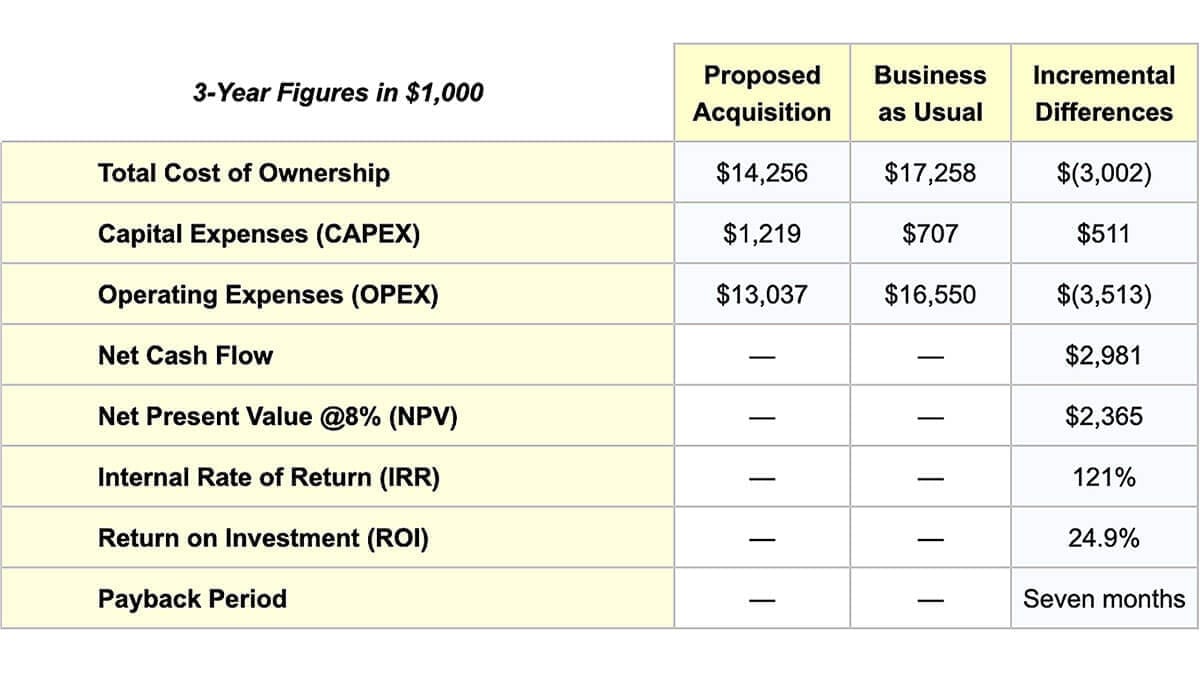
To illustrate the mechanics of TCO, let’s use a representative illustration based on deploying a fleet of 20 current high-end flagship phones (e.g., Samsung S24 series) on a 100GB data plan.
While specific prices fluctuate, the underlying cost structure reveals the true difference between providers. Before you commit, it’s wise to explore any available Mobiles.co.uk discount code that could shift the TCO equation in your favour.
Illustrative 24-Month TCO Comparison (Fleet of 20 Devices)
| Provider | Advertised TCO (20 Devices) | Best Case Real TCO (incl. price rise) | Worst Case Real TCO (incl. price rise) |
|---|---|---|---|
| Mobiles.co.uk | ~£14,420 | ~£15,000 | ~£18,480 |
| EE Business (Direct) | ~£34,000 | ~£36,000 | ~£36,000 |
The advertised £14,420 TCO from Mobiles.co.uk is a near-impossible target for a business fleet.
The “best case” assumes your administrative team perfectly executes 100 separate cashback claims over two years without a single error.
The far more likely “worst case,” where even a fraction of claims are missed, makes the “cheap” deal over £4,000 more expensive than its initial promise.
In contrast, the EE Business deal, while brutally expensive, is transparent. The TCO variance is minimal, driven only by predictable price rises.
With the reseller, your business faces a potential TCO variance of nearly 30%, making budget forecasting a nightmare.
The Hidden Costs That Inflate Your Business TCO
My analysis identifies four “gotchas” that cause this discrepancy, each with significant implications for a business.
- ❌ The “Cashback by Redemption” Administrative Burden: For a business, this is not a discount; it is an unfunded administrative mandate. The process is intentionally strict. As one user on a Reddit r/UKPersonalFinance thread noted, “You have to send the 6th, 9th, 12th, 15th, and 18th bill… miss one and you’re out.” Now, multiply that task by your number of devices. The man-hours required for your finance or admin team to track, scan, and upload hundreds of bills often cost more in salary than the cashback itself. The business model relies on this administrative friction causing claim failures.
⚠️ WARNING: The Cashback by Redemption Trap
This is not a discount; it is a contract of adherence. My analysis of user reports, like those on Reddit r/UKPersonalFinance, confirms the process is designed with zero flexibility. For a business, managing this across a fleet introduces a high risk of failure, often making the deal more expensive than a transparent, higher-priced alternative. Always check whether a Mobiles.co.uk promo code can provide upfront savings without the cashback risk.
- ⚠️ The CPI + 3.9% Price Rise Multiplier: This is a universal and unavoidable practice for all providers on major networks. A 2024 report from Which? highlighted the significant unexpected costs for consumers Which? Report. For a business with 100+ lines, a ~7% annual increase on the airtime portion of the bill can translate to tens of thousands of pounds in unbudgeted expenditure over the contract term. Transparent providers build this into TCO discussions; resellers often obscure it.
- ⚠️ The Cost of Employee Downtime: This is a cost resellers never mention. When a device fails and the employee is caught in the “support chasm” (detailed in Part 4), they are not productive. If a sales executive loses a day of work (£300 in salary/opportunity cost) because their phone is a brick, that one incident can wipe out the entire saving on that device’s contract.
- ⚠️ Punitive Lock-In & Exit Costs: All these providers use 24 or 36-month contracts. The Early Termination Fee (ETF) requires paying off the contract’s remainder, often without discounts. This kills business agility. If you need to downsize your workforce or switch to a provider with better fleet management tools, the punitive ETF can make it financially unviable, trapping your business in a suboptimal agreement. This high ETF also complicates any desire for an early upgrade program.
Part 3: Feature Deep-Dive: A B2B Perspective
From a business procurement perspective, features like data allowance are commoditized. The features that truly impact operations and TCO are buried in the Service Level Agreement (SLA) and support structure.
Here, we dissect the critical B2B features that separate a consumer-grade deal from a true business solution.

B2B Feature Comparison Matrix
| Feature Category | Mobiles.co.uk (Reseller) | Carphone Warehouse Business | EE Business (Network Direct) | Critical Business Implications |
|---|---|---|---|---|
| B2B Account Management | ❌ None (Individual consumer accounts) | ⚠️ Basic Portal (Limited fleet tools) Needs verification | ✅ Robust Portal (Fleet management, cost centers, data pooling) Needs verification | Lack of a central portal is a deal-breaker for any fleet over 5 devices. Managing 50 individual consumer accounts is an operational nightmare. |
| Support SLAs | ❌ None (Best-effort consumer support) | ❌ None (Standard consumer support) | ✅ Yes (Defined response/resolution times, dedicated account manager for larger fleets) | No SLA means no guarantee of support response. This directly translates to longer employee downtime and higher business risk. |
| Warranty & Repair Logistics | Fractured (30-day exchange, then employee deals with manufacturer) | Fractured (Facilitates manufacturer warranty, but process is inconsistent) | ✅ Integrated (Lifetime Warranty, next-day swap-outs, in-store support) | EE’s integrated model is a major TCO reducer. A next-day swap-out service minimizes employee downtime, a direct and quantifiable financial benefit. |
| MDM Integration | ❌ None | ❌ None | ✅ Yes (Integrates with major Mobile Device Management platforms like VMware Workspace ONE, Microsoft Intune) Needs verification | For any business concerned with data security, the inability to integrate with MDM for policy enforcement is a critical failure. |
| Billing & Invoicing | Individual consumer bills per device | Consolidated billing available, but reporting is basic | ✅ Centralized, itemized billing with cost center allocation | Reseller billing creates immense administrative work for finance teams needing to reconcile dozens of individual employee expense claims. |
| Network Exclusivity | Vodafone, O2, Three, iD Mobile | Vodafone, O2, Three, iD Mobile, Voxi | EE Network Only | ❌ Crucially, resellers cannot sell EE contracts. If your business requires the UK’s top-rated network for coverage and speed, resellers are not an option. |
Deep Dive: The True Cost of “Fractured” vs. “Integrated” Warranty
The most profound difference lies in warranty handling. A reseller’s responsibility effectively ends 30 days post-purchase. After that, your employee is on their own.
- The Reseller (Fractured) Model: A sales executive’s phone fails. IT can’t help. The employee is told by Mobiles.co.uk to contact Samsung. Samsung’s consumer support line has a 3-day turnaround for mail-in repair. The employee is without their primary work tool for half a week. Cost to Business: Lost sales, lost productivity, and IT support time, easily exceeding £500 for a single incident.
- The Network-Direct (Integrated) Model: The same phone fails. The employee calls the dedicated EE Business support number or walks into a store. Under the lifetime warranty with a premium business plan, a courier is dispatched with a replacement device for the next business day. Cost to Business: Minimal downtime, contained support process. The high monthly premium has effectively pre-paid for this business continuity insurance.
This single comparison reveals the core value proposition of a true B2B service: it isn’t about the device, it’s about minimizing the operational and financial impact when the device fails. For businesses still leaning toward the reseller route, securing a Mobiles.co.uk exclusive offer can help offset some of the warranty risk financially.
Part 4: Critical Considerations: Vendor Risk, Security & Compliance
Engaging a mobile provider is not just a purchase; it’s entering a multi-year partnership.
As a procurement professional, my focus shifts to vendor risk, data security, and compliance—areas where consumer-grade resellers present significant, often unacknowledged, liabilities for a business.
While all providers investigated are part of large UK corporations (Currys plc, BT Group) and meet baseline standards like UK GDPR and PCI-DSS, operational execution and B2B-specific compliance are where the risks emerge.
The most telling transparency gap is in official complaint data. According to the latest available Ofcom report (Q1 2024), EE had the lowest complaint volume among mobile operators at just 4 per 100,000 subscribers, a strong indicator of good operational performance Ofcom Complaints Report Q1 2024.
For resellers like Mobiles.co.uk, this data is not applicable as they aren’t directly regulated. This lack of official oversight is a major red flag for any business conducting vendor due diligence.
The “Warranty Black Hole”: A Business Risk Scenario (S-T-A-R #1)
This scenario, synthesized from recurring patterns in consumer forums, illustrates the operational risk to a business.
Situation: An employee’s iPhone, procured for them via Mobiles.co.uk 6 months prior, develops a screen fault, rendering it unusable.
Task: The employee needs a functioning phone repaired under warranty to do their job. They file an internal IT support ticket.
Action: The IT helpdesk contacts Mobiles.co.uk, who state that after 30 days, the warranty lies with Apple. IT then directs the employee to an Apple Store.
Result: The Apple employee, following policy, informs the user that for third-party sales, the “contract is with the retailer” and they should handle the claim. The employee is now trapped in a classic “support loop,” detailed in a MoneySavingExpert Forum post. The IT ticket remains open, the employee is unproductive, and the IT team wastes hours mediating a consumer-level dispute. This isn’t just bad service; it’s a systemic failure that offloads support costs directly onto your business’s IT department and payroll.
Key B2B Risks with Reseller Models
- Lack of B2B Compliance & Certifications: True B2B providers are often audited for standards like ISO 27001 or SOC 2 to provide assurance on their security posture. Resellers, being consumer-focused, typically lack these, making them a high-risk choice for organizations in regulated industries like finance or healthcare. ⚠️ Needs verification.
- No Master Service Agreement (MSA): You cannot negotiate an MSA with a reseller. You are bound by consumer-grade terms and conditions for each individual device. This means no custom terms, no negotiated liability caps, and no legal recourse beyond standard consumer law.
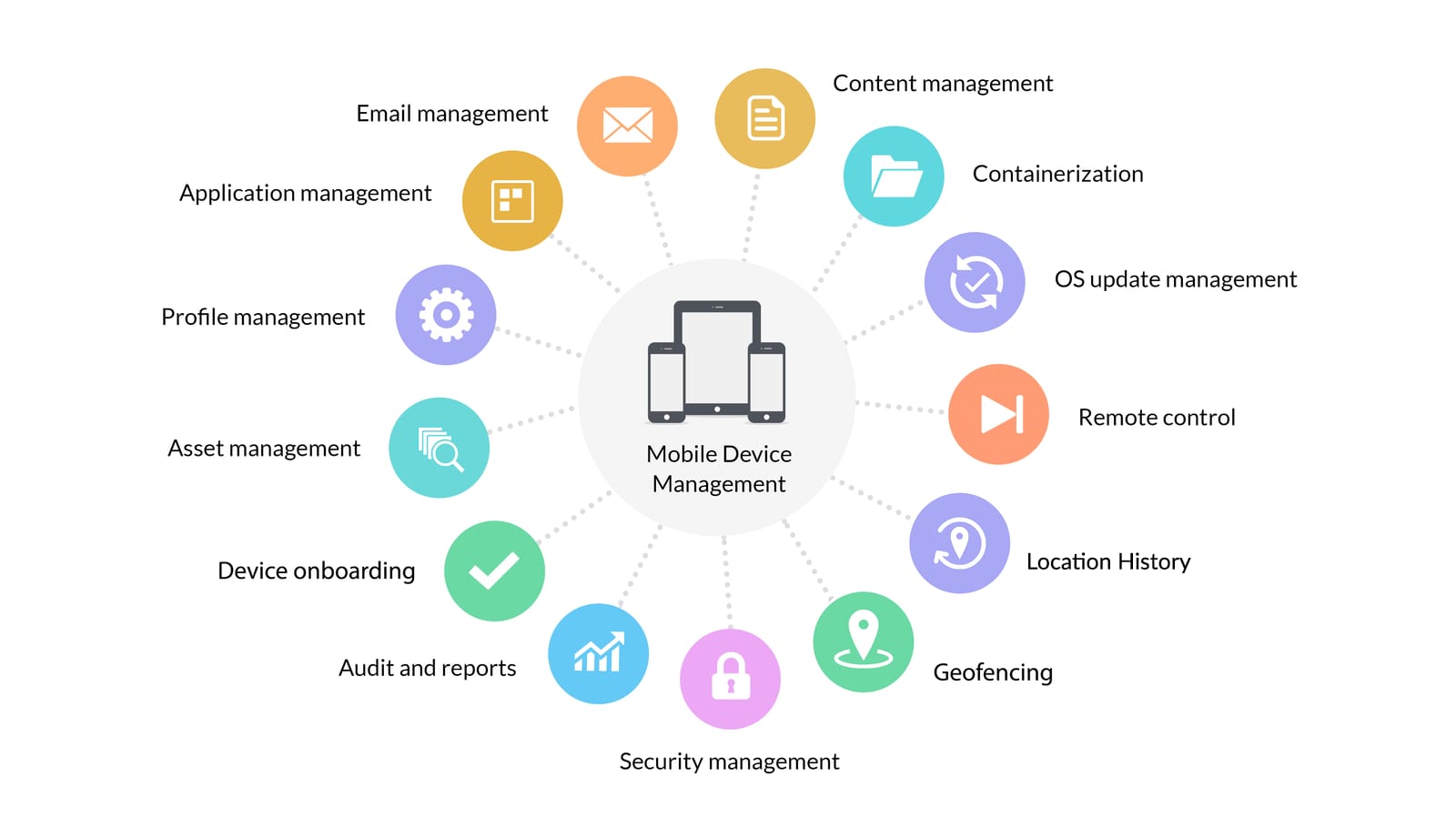
- Data Security & MDM Gaps: As highlighted in Part 3, the lack of integration with Mobile Device Management (MDM) platforms is a critical security failure. Without MDM, you cannot enforce security policies, remotely wipe a lost or stolen device containing sensitive corporate data, or manage application deployment. This alone should disqualify resellers for any security-conscious organization. While less of a concern for individual consumer contracts, all providers confirmed their customer data primarily follows UK data residency laws, in line with GDPR.
Part 5: Use Cases & Workflows
The true performance of a mobile service provider is not measured in network speed alone, but in how reliably its processes support your business workflows.
A provider’s model can either streamline or obstruct common operational tasks like onboarding new employees, managing device failures, or scaling your fleet.
Onboarding a New Sales Team: A Workflow Comparison
Let’s model the workflow of equipping a new team of 10 salespeople with phones.
Workflow 1: The Reseller (Mobiles.co.uk) Approach
- Procurement: An admin assistant must create 10 separate online orders for 10 individual consumer contracts. This may require 10 different email addresses and potentially 10 separate credit checks.
- Device Delivery: 10 phones arrive at the office in separate packages. They are not pre-configured.
- IT Setup: IT must manually set up each device, installing security policies and apps without the aid of an MDM push. This is time-consuming and prone to inconsistency.
- Cashback Admin: A finance team member must create a spreadsheet to track the 50-60 separate cashback claim dates and bill submissions required for these 10 devices over the next two years.
- Billing: Finance receives 10 separate bills and must process 10 separate employee expense claims each month.
- Result: High administrative overhead, inconsistent security setup, and significant ongoing financial administration. The initial cost saving is quickly eroded by “soft costs.”
Workflow 2: The B2B Network-Direct (EE Business) Approach
- Procurement: A single call with a dedicated account manager finalizes a single order for 10 lines under one Master Service Agreement.
- Device Delivery & Setup: Devices can be enrolled in an automated MDM program (like Apple Business Manager). They are shipped directly to employees and auto-configure with all company policies and apps upon first power-on (Zero-Touch Deployment).
- IT Setup: IT’s role is minimal, simply overseeing the MDM enrollment.
- Cashback Admin: None.
- Billing: Finance receives one consolidated, itemized bill for all 10 lines, which can be paid via a single transaction.
- Result: Streamlined, secure, and scalable onboarding. Higher upfront cost but drastically lower administrative and IT overhead.
A Tale of Two Warranties: Business Impact (S-T-A-R #2)
This scenario highlights the tangible performance gap in action.
Situation: A top-performing remote employee’s company phone, vital for client calls and multi-factor authentication, develops a battery fault in month 14 of their contract.
Task: The business needs to resolve this with minimal disruption to the employee’s work.
Action & Result (The EE Business User): The employee calls their dedicated business support line. Because the device is covered by EE’s lifetime warranty for the contract duration, a courier is dispatched for a next-day device swap. The employee is back online with a working device in under 24 hours. The problem is solved by a single entity.
Action & Result (The Mobiles.co.uk User): The employee is directed to the manufacturer by the reseller. The manufacturer quotes a fee for a battery issue outside the standard 12-month warranty. The employee now has to get approval for the expense, mail the device in, and wait 3-5 days for its return, leaving them unable to fully perform their duties. The business loses productivity and faces a protracted administrative hassle.
💡 USER INSIGHT: The Price of a “Cheap” Deal: Your Business Becomes the Support Desk
A user on Reddit r/UKPersonalFinance perfectly summarized the reseller trade-off: “I effectively worked for that £240.” For a business, this translates to your own staff—admin, finance, and IT—working to subsidize the reseller’s low price. The cost is simply shifted from the phone bill to your payroll. You can explore the latest coupons across various services to find deals that don’t require this labour-intensive approach.
Part 6: Alternatives & Comparisons
The UK mobile market for businesses offers three distinct strategic paths beyond the standard reseller model.
The right choice depends entirely on your organization’s size, risk tolerance, and operational maturity. Here we evaluate the primary Mobiles.co.uk top alternatives and competitors from a business procurement standpoint.
Alternative 1: Network-Direct B2B Channels (e.g., Vodafone Business, EE Business)
These are the premium, full-service options for businesses that prioritize reliability and operational efficiency over absolute lowest cost.
- Best For:
- Medium to large enterprises (20+ employees) that require robust fleet management tools.
- Organizations in regulated industries that need vendors with demonstrable security compliance (e.g., ISO 27001).
- Companies where mobile device uptime is mission-critical (e.g., field sales, logistics, executive teams) and the cost of downtime is high.
- Consider:
- EE Business: For its top-rated network performance and superior, integrated warranty/support model. Choose EE when network reliability is your absolute number one priority.
- Vodafone Business: A strong competitor with excellent global roaming packages and a mature IoT (Internet of Things) platform, making it ideal for businesses with international operations or complex device networks. ⚠️ Needs verification.
- Avoid If:
- Your business is highly price-sensitive and operates on razor-thin margins. The TCO is consistently the highest in the market.
- You have a small number of devices (<10) and a high tolerance for administrative work, as the premium features may be overkill.
- Your primary operational locations have excellent coverage from other networks, weakening the case for EE’s premium pricing.
Alternative 2: “Unbundled” – Direct from OEM + SIM-Only
This strategy involves separating the hardware and service procurement. You purchase devices directly from Apple for Business or Samsung for Business and pair them with flexible B2B SIM-only plans from a provider like Vodafone, O2, or even an MVNO.
- Best For:
- Businesses that want to avoid long-term carrier lock-in and retain maximum flexibility.
- Companies with strong capital reserves that can handle the upfront hardware cost (CapEx).
- Organizations that want full control over the device lifecycle, including ownership and resale value, and clear warranty paths directly with the manufacturer.
- Consider:
- This path completely bypasses the reseller “support chasm” and the network “price premium.” It often results in a lower TCO over 36 months.
- Pairing with a 30-day rolling SIM-only plan allows you to switch carriers at will to take advantage of better pricing or coverage, and completely avoids annual CPI + 3.9% price hikes.
- Avoid If:
- Your business has limited upfront capital, as the initial hardware outlay for a fleet can be substantial.
- You require a single vendor for both hardware and service for simplified procurement and billing.
- You lack the IT/procurement resources to manage two separate vendor relationships for hardware and service.
Alternative 3: Competing Resellers (e.g., Fonehouse)
For micro-businesses dead-set on the cashback model, it’s worth evaluating direct competitors to Mobiles.co.uk. To get the best possible price regardless of the reseller, be sure to check for a Mobiles.co.uk voucher code or similar offers before placing your order.
- Best For:
- Price-obsessed sole traders or micro-businesses (1-5 lines) who have compared specific deals and found a marginal advantage on a competing site.
- Users looking for a deal on a network that Mobiles.co.uk may not be promoting at a given time.
- Consider:
- Fonehouse: Operates on an identical “cashback by redemption” model. The choice between them comes down to the specific deal on the specific handset/network you want at the moment of purchase.
- These resellers sometimes offer upfront “automatic” cashback, which is lower risk, but the best deals are always tied to the high-risk redemption model.
- Avoid If:
- You are a business with more than a handful of employees. The logic stands: the administrative burden and operational risk of the cashback model do not scale. If you avoid Mobiles.co.uk for these reasons, you must also avoid its direct competitors like Fonehouse.
Part 7: Conclusion & FAQs
My Final Recommendation
After a deep-dive analysis of the Mobiles.co.uk top alternatives and competitors from a B2B procurement perspective, my core finding is that businesses face a stark choice between Cost, Certainty, and Control.
- The Cost Path (Resellers): Mobiles.co.uk offers the lowest theoretical cost but achieves this by offloading significant administrative work and operational risk onto your business. In my professional opinion, this path is only viable for sole traders or micro-businesses where the owner is willing to personally manage the high-stakes cashback process. For any larger organization, the hidden costs in admin time and employee downtime make it a false economy.
- The Certainty Path (Network-Direct): EE Business and its peers offer a high-cost, low-risk solution. You pay a substantial premium, but in return, you get business-grade support, SLAs, and a single point of accountability that protects employee productivity. This is the right path for mature organizations where the cost of disruption far outweighs the potential savings on a phone bill.
- The Control Path (Unbundled): For most agile, tech-savvy businesses, my top recommendation is the “unbundled” approach. Buying devices directly from the OEM and pairing them with flexible SIM-only plans offers the best long-term value, avoids contract lock-in, and gives you complete control over your hardware and service providers. While it requires more upfront capital, it provides a transparent, flexible, and scalable foundation for your mobile fleet.
Ultimately, the “best deal” is not the one with the lowest price on a comparison website. It is the procurement strategy whose trade-offs best align with your company’s financial structure, operational maturity, and risk appetite.
Before signing any 24-month agreement that will lock in your business, I urge you to ask: “What is the cost of one of my employees being unable to work for a day because of a phone issue?” The answer to that question will reveal the true value of certainty.
Whichever path you choose, be sure to take advantage of every possible Mobiles.co.uk money-saving deal to keep your total expenditure as low as possible. For a deeper look at the platform itself, our Mobiles.co.uk review breaks down the full user experience.
Frequently Asked Questions
Q1: For a business, is Mobiles.co.uk a legitimate procurement channel?
Mobiles.co.uk is a legitimate company, but it is fundamentally a consumer retail channel, not a B2B procurement solution. It is owned by Currys plc, a major UK retailer.
While a sole trader might use it, it lacks the essential features required for managing a fleet of business devices, such as consolidated billing, a centralized management portal, Mobile Device Management (MDM) integration, or Service Level Agreements (SLAs).
According to our analysis, its business model, which relies on high-risk “cashback by redemption” claims, creates significant administrative burdens and financial risks that are unsuitable for most businesses. For true B2B procurement, channels like Vodafone Business or EE Business are structured to meet corporate needs. ⚠️ Needs verification.
Q2: How does a reseller contract impact our Mobile Device Management (MDM) and security policies?
Reseller contracts typically offer no integration with MDM platforms, creating a significant security gap. True B2B providers like EE Business integrate with systems like Microsoft Intune or VMware Workspace ONE, allowing your IT team to enforce security policies, manage applications, and remotely wipe lost or stolen devices.
With a reseller contract, each device is treated as a personal consumer device, meaning IT must manually configure each one, and capabilities for remote enforcement are severely limited. This lack of MDM integration is a critical failure for any organization that handles sensitive corporate or customer data on mobile devices and may violate internal data security policies.
Q3: What are the typical steps to claim cashback, and why is it a risk for businesses?
The process typically requires submitting specific network bills via an online portal on a rigid schedule, a task that is difficult to scale across a fleet of devices.
For example, a deal may require you to submit the PDF of your 6th, 9th, 12th, 15th, and 18th bill, each within a narrow 30-day window. As confirmed by user reports on forums like MoneySavingExpert, missing a single deadline for one claim often results in forfeiting that portion of the payment.
For a business with 20 devices, this could mean tracking over 100 separate claims. The risk is that the administrative cost of your staff’s time tracking these claims exceeds the cashback value, or that inevitable human error leads to failed claims, inflating your TCO. To mitigate costs, always check for any available Mobiles.co.uk special discount before committing.
Q4: Can our business get a Master Service Agreement (MSA) with a reseller like Mobiles.co.uk?
No, you cannot get a custom MSA with a consumer-focused reseller. You are bound by their standard consumer terms and conditions for every individual contract you take out.
This means you have no ability to negotiate key business terms such as liability, data protection clauses, specific support SLAs, or exit terms. A core benefit of working with a B2B-focused provider like O2 Business is the ability to negotiate a single MSA that governs your entire fleet, providing legal and operational consistency. The inability to establish an MSA is a key indicator that the vendor is not structured for a serious B2B partnership. ⚠️ Needs verification.
Q5: Is it hard to keep our company phone numbers if we switch providers?
No, the process for keeping phone numbers in the UK is simple, highly regulated by Ofcom, and works reliably across all networks and resellers.
To move a number to a new provider, you request a PAC (Porting Authorisation Code) from your current provider for each number you wish to transfer. These codes are valid for 30 days. You then provide the PACs to your new provider, and they will handle the transfer, which is typically completed within one working day.
For businesses moving a large number of lines, B2B providers have dedicated porting teams to manage this process in bulk, ensuring a smooth transition with minimal disruption.
Q6: Why is buying direct from a network’s B2B channel so much more expensive?
You are paying a significant premium for a bundle of business continuity services, not just a phone and data. This premium covers several key areas:
- Integrated Support: Providing a single point of contact and accountability for all issues, which reduces your internal IT overhead.
- Business-Grade SLAs: Which guarantee response times for support requests.
- Advanced Fleet Management Tools: Including a central portal for managing all lines and MDM integration for security.
- Superior Warranty Logistics: Such as the next-day device swap-outs offered by EE’s lifetime warranty.
In essence, you are buying insurance against employee downtime and administrative complexity.
Q7: Is Mobiles.co.uk part of Carphone Warehouse?
They are sister companies, both owned by the same parent corporation, Currys plc, but they operate as distinct brands with different strategies.
This shared ownership can be a source of confusion. Mobiles.co.uk is an online-only operation focused on the cashback business model. Carphone Warehouse, which now operates within Currys stores, has a physical retail presence and generally uses more straightforward upfront discounts and trade-in offers.
While they share a parent, their customer service and operational processes are separate, and an issue with one cannot typically be resolved by the other.
Q8: Can we avoid the annual CPI + 3.9% price rise on a business contract?
On a long-term (24 or 36-month) contract from any major provider, whether reseller or network-direct, this annual price hike is currently a standard, non-negotiable term.
As detailed in reports by consumer advocates like Which?, this is a market-wide practice. The only effective way for a business to avoid these mandatory annual increases is to adopt the “unbundled” strategy: use flexible 30-day rolling SIM-only plans.
This gives your business the freedom to switch providers if prices increase, rather than being locked into a contract with escalating costs. Browse the latest coupons available across mobile and tech providers to find the most competitive rates.