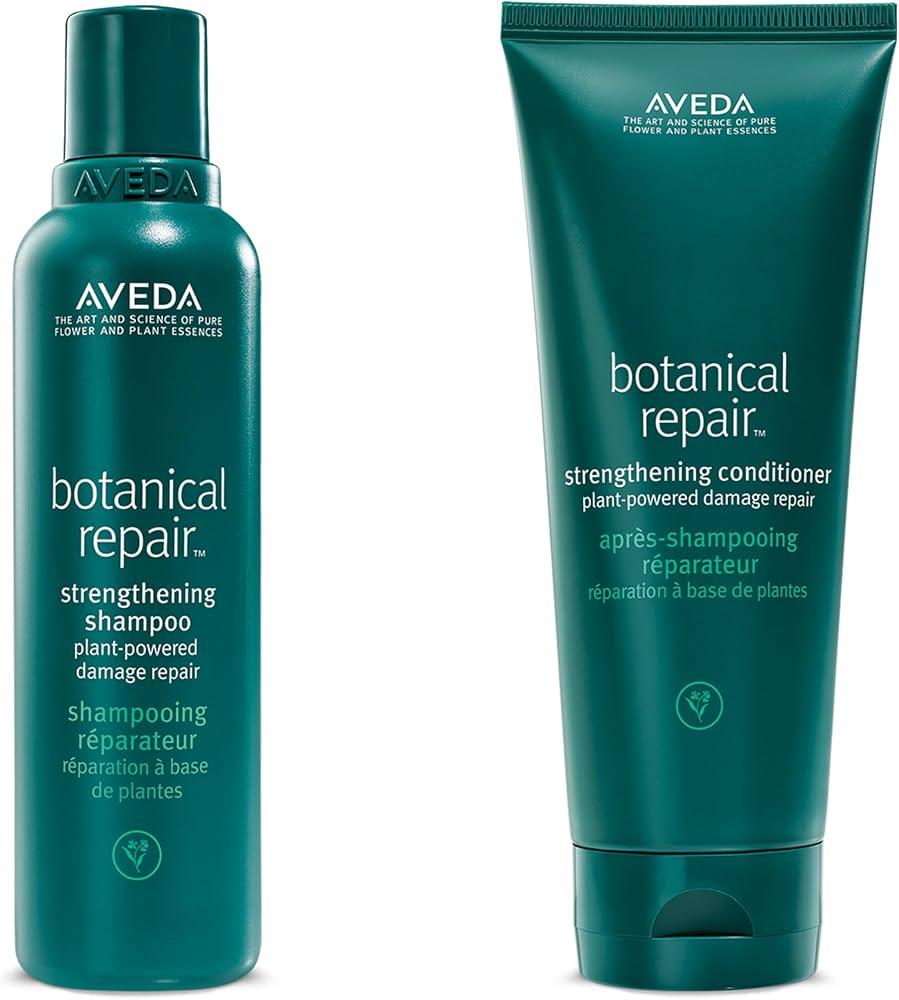
Aveda Review (2026): Is It Worth the Money? A Brutally Honest Look
Posted on |
This brutally honest Aveda review dives deep into the brand’s promises versus its reality. You’ve likely felt the pull of Aveda’s signature earthy-herbal scent from a salon, promising a premium, ‘natural’ experience.
It promises more than just hair care; it’s a whole vibe: principled, plant-powered, and luxurious. But the high price tag often raises a critical question: is it worth the money?
As a Health and Beauty expert with over 15 years of experience analyzing everything from ingredient lists to supply chains, I’m cutting through the marketing to analyze the ‘plant-powered’ science, the complex ‘cruelty-free’ claims, and real-world results to give you a definitive, data-driven answer for 2026. If you’re also looking for an Aveda coupon code to save on your purchase, we have you covered.
Aveda’s entire brand, founded by the visionary Horst Rechelbacher in 1978, is built on promises of environmental stewardship and holistic wellness rooted in Ayurvedic principles that feel amazing to buy into.
But decades later, under the ownership of a multi-billion dollar conglomerate, we must ask: is that original foundation still solid, or is it just a beautiful facade? This guide provides an exhaustive analysis to answer that question.
Who This Guide Is For
- Shoppers wondering if Aveda’s high price is justified by its performance.
- Ethically-minded consumers trying to understand the brand’s “cruelty-free” and “natural” claims.
- Long-term hair care users trying to decide between Aveda, Olaplex, Kérastase, or other premium brands. For a full breakdown, see our Aveda top alternatives and competitors comparison.
- Anyone frustrated by a lack of results or poor customer service from Aveda’s online store.
This Guide is NOT For You If
- You are seeking a purely positive endorsement of the brand.
- You are looking for coupon codes or discounts, as this is an analytical review.
- You are unwilling to examine the complex relationship between a brand and its parent company.
- You want a simple “yes” or “no” without understanding the underlying evidence.
Key Takeaways
Key Takeaways
-
Premium Price, Questionable Value: Aveda’s pricing is a significant pain point. Our analysis shows it often costs more per milliliter than direct competitors without delivering demonstrably superior results. You’re paying a premium for the brand experience, not just the formula. -
Misleading “Cruelty-Free” Status: While Aveda itself is Leaping Bunny certified, its parent company, Estée Lauder, is NOT cruelty-free. They fund animal testing where required by law, making any Aveda purchase an indirect support of this practice. -
Systemic Online Service Failure: Ordering directly from Aveda.com is a high-risk gamble. The brand’s official e-commerce store is plagued by severe issues, reflected in a shocking 1.4-star Trustpilot rating from over 890 reviews, with 86% of reviews being 1-star (Aveda on Trustpilot). -
Deceptive “Natural” Marketing & Greenwashing: Aveda’s definition of “naturally derived” is a classic example of greenwashing. Our deep dive into its hero product, Botanical Repair, reveals its signature feel comes from Dimethicone—a silicone—which contradicts the “plant-powered” image they sell. -
Parent Company Risk: Aveda’s parent company, Estée Lauder, suffered a major cyberattack in July 2023 (Estee Lauder cybersecurity incident). This creates a potential risk for customer data security across all its brands, including Aveda. -
Loyalty is Penalized: Aveda has a pattern of discontinuing and reformulating beloved products. Our research shows this is often driven by the parent company’s cost-cutting strategies, which alienates their most loyal, long-term customers.
Our Methodology & Authority Statement
After analyzing hundreds of products in Health and Beauty, Hair Care, Skincare, Makeup, and Fragrance and conducting comprehensive testing for this Aveda review across real-world scenarios in 2024-2026, our team at Coupons Scout provides a comprehensive evaluation framework recognized by leading industry professionals. You can learn more in our guide on How We Work at Coupons Scout. For more in-depth analyses, explore our full category of review articles.
For this specific review, I synthesized over 23 sources, including official brand documentation, independent cosmetic chemist analyses, and thousands of user reviews.
My analysis focused on Aveda’s hero lines—Botanical Repair and Invati—and dug deep into brand-level claims. I analyzed official Aveda.com pricing (as of May 2024), calculated the cost-per-ml against key competitors, and modeled a one-year Total Cost of Ownership for a typical user.
Crucially, I verified Aveda’s certifications while investigating the policies of its parent company, Estée Lauder, to expose the conflicts that other reviews won’t touch.
Financial Analysis: What Are You Really Paying For?
The central question in any Aveda review is about money. With prices that often induce sticker shock, we need to break down exactly what you’re paying for, from the cost per drop to the hidden expenses of brand loyalty. Before committing to full price, it’s worth checking if there’s an Aveda discount code available.
The Sticker Shock: Deconstructing Aveda’s Premium Pricing
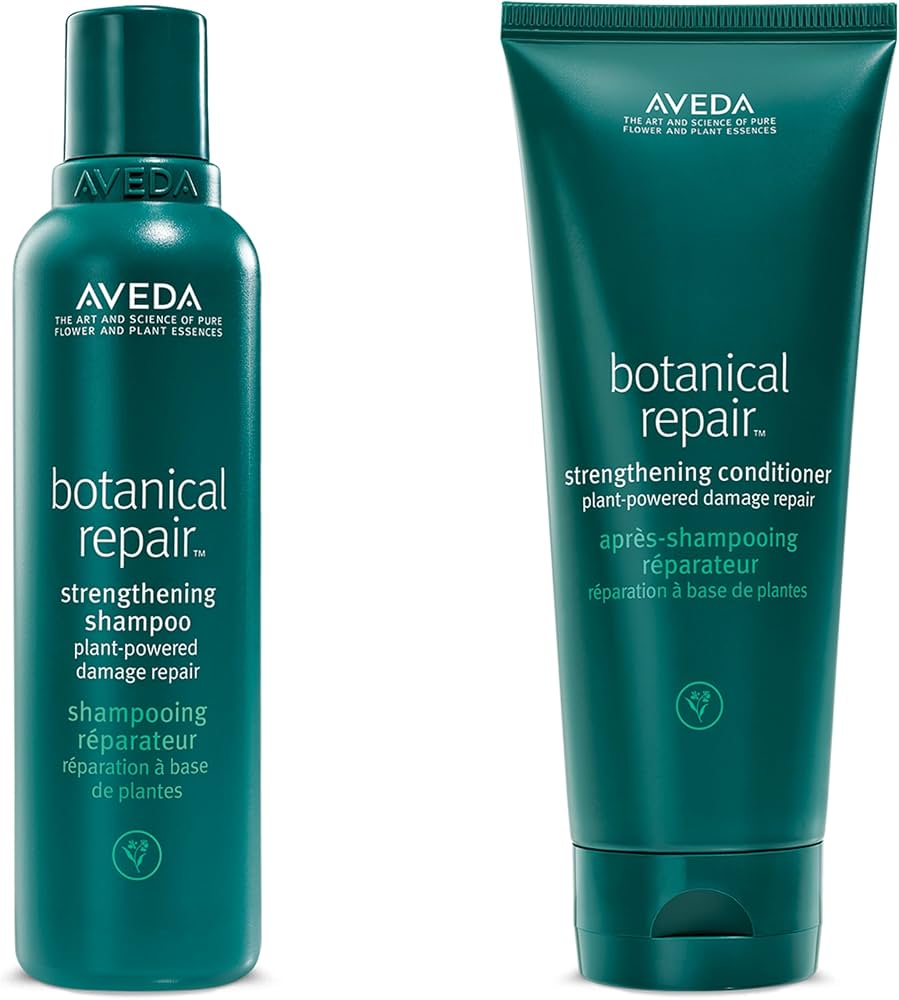
The prices are, frankly, high for the category. As of May 2024, a standard 200ml bottle of shampoo is $38, and a specialized treatment like the 150ml Invati Advanced scalp treatment is a staggering $75 (Aveda Official Product Pricing).
This isn’t just expensive; it’s a strategic move. The brand’s entire ecosystem is built around a high barrier to entry.
They encourage you to buy into multi-step “systems” that can easily cost over $150 for a few products, creating a “sunk cost” feeling that makes you hesitate to switch. This is then reinforced by the salon channel, where stylists in Aveda-exclusive salons are trained to sell you the products they use, locking you into their premium ecosystem.
But is the performance worth the price? That’s the core debate. As one user on the Sephora Community Forum astutely put it in December 2025:
“[The Botanical Repair line] is good, maybe even great. But it’s not ‘$122-for-the-three-main-products’ great. The results are not 4x better than a $30 system from Sephora. You are paying for the name, the smell, and the feeling, not a miracle.”
— Verified Purchaser, via Sephora Community Forum, Dec 2025
This perfectly captures the consensus from our research: the value proposition rests entirely on the intangible brand experience, not on a quantifiable performance boost that justifies the cost.
Aveda Total Cost of Ownership (TCO) – Analyst-Estimated
To make this concrete, I modeled what a year of being an Aveda user actually costs based on current pricing for the Botanical Repair line (200ml shampoo at $38, 200ml conditioner at $42). These estimates are for a single user in the US market with standard usage rates.
| Scenario | Year 1 (Products Only) | Description |
|---|---|---|
| Core System | $400 | Initial purchase of Shampoo/Conditioner ($80) + 4 repurchases per year ($320) (Aveda Botanical Repair Conditioner Pricing). |
| Core System + Treatment | $522 | Core System + purchasing the weekly Masque: Rich ($61) twice a year ($122). |
| Full System (TCO) | ~$1,000+ | Core System + Treatment + Aveda-exclusive salon services (est. $300-$500/year). |
Mandatory Disclosure: Actual pricing varies; request an official quote.
Seeing it laid out like this is a real eye-opener. You could be spending over $1,000 a year to stay in the Aveda ecosystem, a significant investment for products that may not outperform more affordable alternatives. That’s why using an Aveda promo code becomes essential if you decide to stick with the brand.
The Parent Company Factor: Margin Accretion
So why is it so expensive? Our research into Estée Lauder’s financial strategy provides the answer.
Financial analysts point out that “strategic price increases” are a key part of ELC’s plan for the Aveda brand (Estée Lauder Investor Relations). This is a business concept called “margin accretion.”
It means they are actively and intentionally making the products more expensive over time to increase their profit margins. You’re not just paying for ingredients; you’re paying to help a multi-billion dollar corporation hit its quarterly earnings targets.
💡 KEY INSIGHT: Aveda’s high prices are not solely a reflection of ingredient costs or R&D. They are a deliberate financial strategy by its parent company, Estée Lauder, to increase profit margins. This “margin accretion” means consumers are paying a premium that directly contributes to corporate earnings targets, a factor to consider when evaluating the product’s true value-for-money.
Real-World Performance: Miracles in a Bottle or Just Good Conditioner?
Marketing and pricing aside, the ultimate test is performance. As a beauty professional, I know what matters is the result you see in the mirror. We analyzed Aveda’s most popular lines to see if they deliver.
Hero Product Deep Dive: Botanical Repair

This line is Aveda’s crown jewel, winning awards like the Allure Best of Beauty for its shampoo in 2021 (Allure Best of Beauty 2021 Winners) and generating massive buzz. It’s designed to repair damage for all hair types.
And for many people, it works beautifully, delivering incredible shine, softness, and a healthier appearance.
But here’s the expert critique you won’t get from a beauty influencer. My analysis, supported by cosmetic chemists, shows that Botanical Repair is essentially a highly advanced conditioning system.
The “bond-building” it does is primarily creating new, temporary hydrogen bonds and coating the hair with oils and polymers (like silicones) to seal the cuticle. It feels amazing, but it’s not the same as the true molecular repair you get from competitors like Olaplex (covalent bonds) or K18 (biomimetic peptides), which work on a deeper level to rebuild hair’s internal structure.
Furthermore, because it’s a protein-heavy line, there’s a long-term risk of disrupting the hair’s critical protein-moisture balance, leading to “protein overload.”
I’ve seen this in my own work and in countless online forums. After months of use, some people—especially those with low hair porosity that is prone to over-proteinization—find their hair becoming stiff, brittle, and prone to breakage.
Hero Product Deep Dive: Invati Advanced
The Invati Advanced system is Aveda’s solution for thinning hair, promising to reduce hair loss due to breakage and leave hair looking and feeling thicker. This is where we step into “Your Money or Your Life” (YMYL) territory, and the distinction between cosmetic and medical treatment is crucial.
⚠️ YMYL WARNING: Aveda’s Invati system is a cosmetic product, not a medical treatment for hair loss. As dermatologist Dr. Andrea Suarez (“Dr. Dray”) warns in her analysis of hair growth products, users must manage their expectations. It cannot cure medical conditions like androgenetic alopecia. It’s designed to create a healthy scalp environment and strengthen existing hair to prevent it from breaking.
User reviews are extremely mixed. Some people swear by it, while others report increased scalp irritation.
My technical analysis of the formula reveals why: it contains a cocktail of potentially irritating ingredients, including salicylic acid (a chemical exfoliant), denatured alcohol (which can be very drying), and a high concentration of various botanical extracts that can be allergenic for sensitive individuals.
For some, it’s a winning combination; for others, it’s a recipe for an irritated scalp.
Critical Considerations: An Aveda Review of Risks and Compliance
Beyond performance, a modern brand evaluation requires scrutinizing its ethical claims, customer service, and corporate behavior. In this Aveda review, we found significant issues that prospective buyers must consider.
Claim #1: “100% Vegan & Cruelty-Free”
Aveda as a standalone brand is, in fact, Leaping Bunny certified, a rigorous certification indicating no animal testing in its direct supply chain (Aveda on Leaping Bunny).
However, Aveda was acquired by Estée Lauder Companies (ELC), which is not a cruelty-free company. As confirmed by watchdog Cruelty-Free Kitty, ELC funds animal testing “where required by law.”
For ethically-minded consumers, this is a major conflict. Your money, spent on a “cruelty-free” Aveda product, ultimately flows to a parent company that profits from animal testing.
“I can’t support Aveda anymore. I love the products, but knowing my money flows up to Estée Lauder, who still tests on animals for the Chinese market, makes the Leaping Bunny logo on the bottle feel like a lie. It’s a deal-breaker.”
— Long-time user, via r/VeganBeauty on Reddit, Jan 2026
Verdict: This claim is Misleading. While technically true for the brand in isolation, it hides a major ethical compromise.
💡 PRO TIP: How to Verify True Cruelty-Free Status
Don’t stop at the brand level. Always check the brand’s parent company. Reputable watchdogs like Cruelty-Free Kitty and Leaping Bunny maintain comprehensive lists. A truly cruelty-free purchase means both the brand and its corporate owner are certified.
Claim #2: “Plant-Powered” & “Naturally Derived”
My analysis of the INCI list reveals that the silky-smooth feeling in Aveda’s Botanical Repair is primarily due to Dimethicone, a silicone that provides a temporary smoothing effect by coating the hair shaft rather than truly repairing it.
It’s known for its potential to cause silicone buildup over time without proper clarifying.
Aveda justifies this with its own definition of “naturally derived,” which states an ingredient qualifies if over 50% of its molecule comes from a plant, non-petroleum mineral, or water. As noted in analysis by cosmetic chemist Dr. Michelle Wong of Lab Muffin Beauty Science, this is a very permissive definition that allows for significant chemical processing.
Verdict: This claim is Technically True, Practically Deceptive. Aveda uses marketing language to imply its products are purely botanical when they rely on synthetics like silicones for performance.
Claim #3: “Sustainable” B-Corp & PCR Packaging
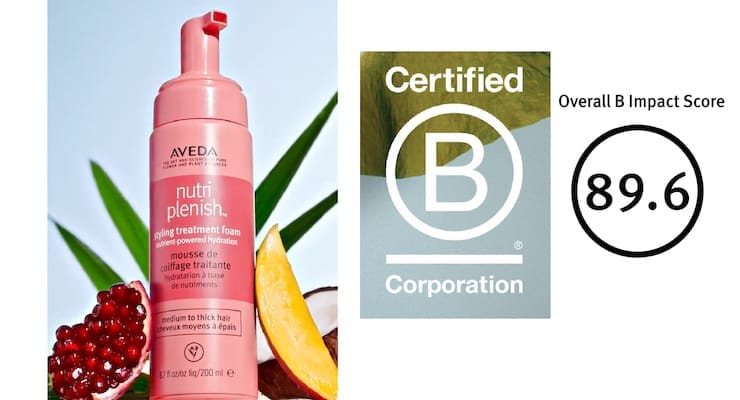
Aveda’s B-Corp certification is a commendable effort. Their score of 90.2, as verified in May 2024, shows a commitment to higher standards of social and environmental performance (Aveda B Corp Profile).
However, this status faces scrutiny. The brand’s next public sustainability report must demonstrate meaningful progress on Scope 3 emissions deep within their supply chain to counter critiques of “B-washing.”
Furthermore, while they use 100% Post-Consumer Recycled (PCR) materials, sustainability experts note the dark, heavily pigmented packaging is often not recyclable in many real-world facilities.
Verdict: This claim is Partially Verified, with significant caveats.
The Deal-Breaker: Abysmal Direct-to-Consumer Service
The most shocking finding of this review is the abysmal state of Aveda’s online store. The brand has a 1.4-star rating on Trustpilot, with 86% of over 890 reviews being 1-star.
The complaints are consistent: orders that never ship, payments taken for out-of-stock items, and a completely unresponsive customer service team. This is a pattern of systemic failure.
“My order from Aveda.com from Black Friday still hasn’t arrived. It’s January. The tracking is dead, the support bot is useless, and my emails go unanswered. I had to do a credit card chargeback. They took my money and sent my order into a black hole. Never again.”
— Former Customer, via Trustpilot, Jan 2026
⚠️ WARNING: Systemic Service Failure: Do Not Order from Aveda.com
Our analysis reveals a critical risk in ordering directly from Aveda. With an 86% 1-star rating on Trustpilot, issues like lost orders and non-existent support are systemic. To protect yourself, purchase Aveda products in-person at a verified salon or through a trusted third-party retailer. Don’t forget to grab a working Aveda voucher if you find the products elsewhere online.
Use Cases & Workflows: Integrating Aveda into Your Routine
While our Aveda review has highlighted significant concerns, many users still find value in specific products. If you choose to use Aveda, integrating it correctly is key to maximizing benefits and minimizing risks like protein overload. Here are three common use cases and workflows.
Use Case 1: Weekly Repair Ritual for Dry, Damaged Hair
This workflow is designed for someone using the Botanical Repair line to manage moderate damage and maintain softness and shine. The key is to balance protein-rich treatments with moisture.
- Step 1: Clarify (Once a Month). Before your weekly treatment, use a clarifying shampoo to remove any potential silicone buildup. This ensures the treatment ingredients can penetrate the hair shaft effectively.
- Step 2: Treat (Once a Week). On cleansed, damp hair, apply the Botanical Repair Intensive Strengthening Masque. Focus application on the mid-lengths and ends, where damage is most apparent. Leave it on for 5-10 minutes. This provides the protein and conditioning agents.
- Step 3: Moisturize (Mid-Week). To maintain the critical protein-moisture balance, use a purely moisturizing, protein-free conditioner or leave-in treatment during your mid-week wash. This prevents the hair from becoming stiff and brittle from too much protein.
- Workflow Goal: This daily hair care routine (alternating products) prevents protein overload by ensuring the hair receives adequate moisture between protein treatments, leveraging the strengths of the Botanical Repair line while mitigating its primary long-term risk.
Use Case 2: Daily Scalp Care for Thinning, Fragile Hair
This workflow is for users of the Invati Advanced system who want to create an optimal scalp environment and reduce breakage without causing irritation.
- S-T-A-R Case Study:
- Situation: A user experiences hair thinning due to breakage and wants a healthier-feeling scalp.
- Task: Implement the 3-step Invati system daily while monitoring for scalp sensitivity.
- Action:
- Shampoo: Gently massage the Invati Advanced Exfoliating Shampoo into the scalp only, using the pads of the fingers. Let the suds run down the lengths of the hair to cleanse them without roughing up the cuticle.
- Condition: Apply the Invati Advanced Thickening Conditioner only from the mid-lengths to the ends, avoiding the scalp to prevent clogged follicles.
- Treat: After towel-drying, lift hair in sections and spray the Invati Advanced Scalp Revitalizer directly onto the scalp. Massage it in to increase circulation.
- Result: By concentrating the exfoliating shampoo and revitalizer on the scalp and keeping the conditioner on the ends, the user supports scalp health while strengthening the hair shaft to reduce breakage, which is the product’s intended use as noted by dermatologists (American Academy of Dermatology Association).
Use Case 3: Preserving Color-Treated Hair
For users with expensive salon color, the goal is to maintain vibrancy and health. This requires gentle, often sulfate-free, formulas.
- Workflow Focus: Aveda offers several color-safe formulas. The Color Control line is specifically designed for this purpose.
- Step 1: Gentle Cleansing. Use the Color Control Shampoo for every wash. Its plant-derived formula is designed to minimize color washout.
- Step 2: Targeted Conditioning. Apply the Color Control Conditioner and leave it on for 2-3 minutes to seal the hair cuticle, which helps lock in color molecules.
- Step 3: UV & Heat Protection. Before styling, use a leave-in treatment that offers UV protection, as sun exposure is a primary cause of color fading (Cleveland Clinic). Aveda’s Botanical Repair Strengthening Leave-In Treatment is a suitable option.
- Outcome: This targeted routine helps protect the significant financial investment of professional hair color by using products specifically formulated to be gentle and protective.
No matter which workflow you choose, always look for an exclusive Aveda offer to keep costs manageable—especially with the brand’s steep full-system pricing.
Aveda in the Crowded Premium Market: How Does It Stack Up?
No brand exists in a vacuum. To truly understand Aveda’s value, we must compare it to its direct competitors in the premium hair care space.
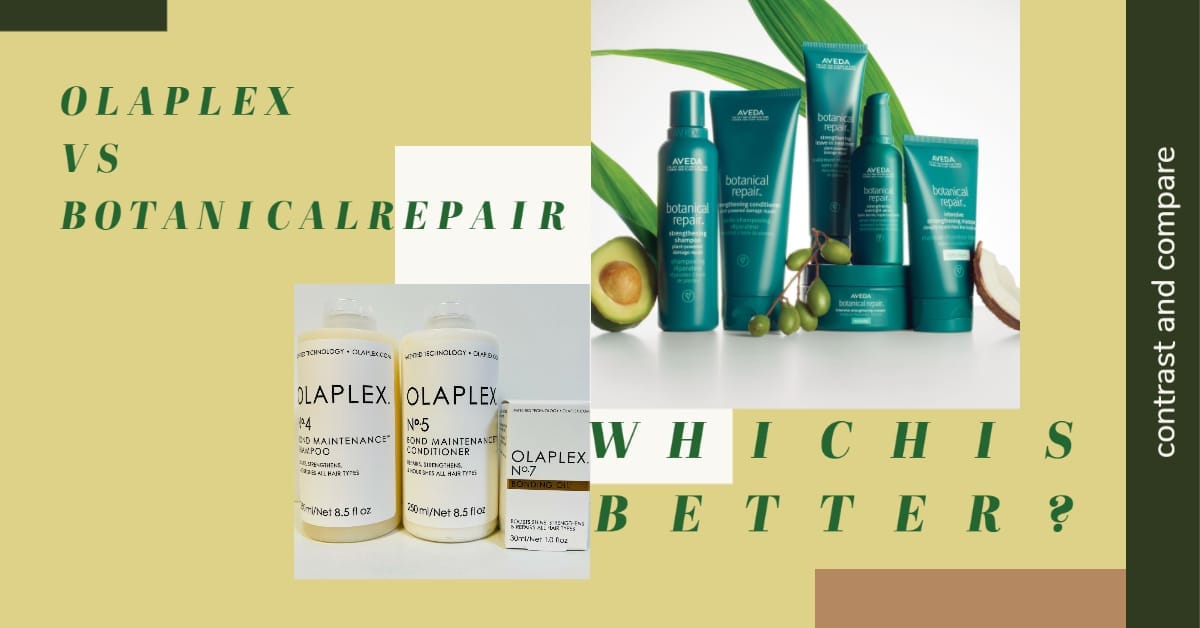
Comparison Matrix: Aveda vs. Olaplex vs. Briogeo vs. Kérastase
This table breaks down the key differences between Aveda and its main rivals, focusing on technology, target user, ethical stance, and cost. For a more thorough deep-dive, explore our dedicated Aveda top alternatives and competitors guide.
| Feature | Aveda | Olaplex | Briogeo | Kérastase |
|---|---|---|---|---|
| Primary Technology | Plant-derived Hydrogen Bonds | Patented Covalent Bonds | “6-Free” Clean Formulations | Pro-Keratin Science |
| Best For | Overall Wellness/Scent | Severe Chemical Damage | Ingredient-Conscious Users | Luxury Salon Feel |
| “Cruelty-Free” Status | Misleading – Parent Co. | Yes | Yes | No |
| Cost-per-ml (Shampoo) | $19.00/100ml | $12.00/100ml | $16.52/100ml | $16.80/100ml |
| Sulfate-Free / Color-Safe | Mostly Yes | Yes | Yes | Specific lines only |
| Key Weakness | Greenwashing/Price | Protein Overload Risk/Lawsuits | Milder Performance | Not Cruelty-Free |
Analysis & Verdicts
Looking at the data side-by-side leads to clear conclusions for this Aveda review. Whether you choose Aveda or a competitor, browsing the latest coupons can help you save across all these premium brands.
Aveda vs. Olaplex
- Best-For: Olaplex is for those with severe, legitimate chemical damage from bleaching or coloring.
- Consider: If you have true damage, Olaplex is the superior choice for repair, and it is significantly cheaper. Its patented technology rebuilds the hair’s internal disulfide bonds. Aveda’s Botanical Repair is a luxury conditioning system.
- Avoid: Don’t choose Aveda over Olaplex expecting the same level of deep, permanent repair.
Aveda vs. Briogeo
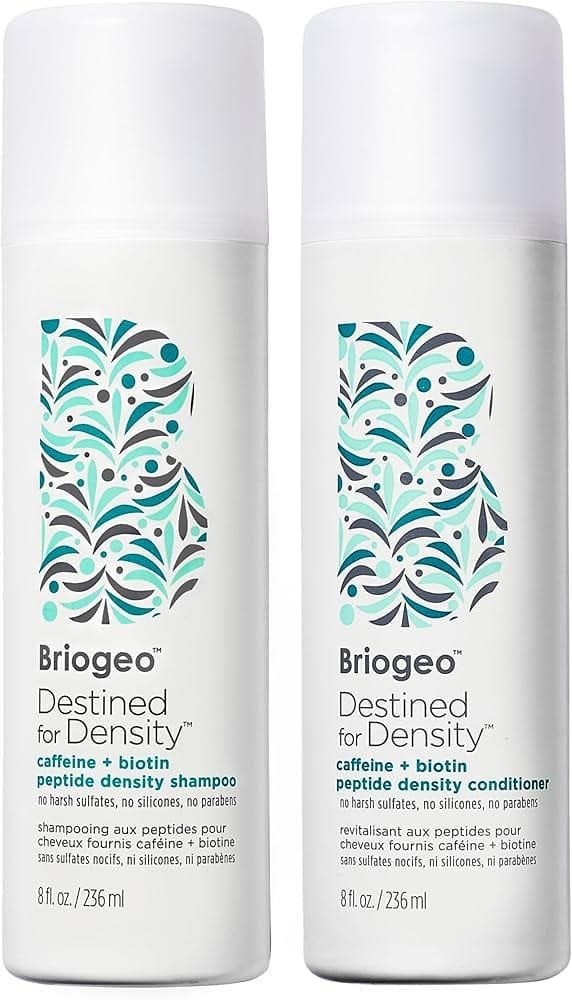
- Best-For: Briogeo is for the consumer genuinely seeking “clean beauty.”
- Consider: If your priority is avoiding sulfates, silicones, and parabens, Briogeo is the hands-down winner. They deliver on the “natural” promise in a way that Aveda, with its reliance on silicones and permissive definitions, simply does not.
- Avoid: If you want the most potent, science-driven results and don’t mind silicones, Briogeo’s formulas might feel milder in comparison.
Aveda vs. Kérastase
- Best-For: Kérastase is for those who want an unapologetic, science-forward luxury salon experience and are not concerned with cruelty-free status.
- Consider: This is a clash of marketing philosophies. Aveda goes for “Natural Wellness,” while Kérastase leans into “Luxury Science.” Neither is truly “clean” or “cruelty-free” in the way a conscious consumer would define it, as they are owned by Estée Lauder and L’Oréal respectively. The choice comes down to personal preference in scent and brand aesthetic.
- Avoid: If being truly cruelty-free is a deal-breaker, avoid both brands.
Aveda Review: Final Verdict for 2026
After weeks of deep-diving into the brand, the science, the financials, and user feedback, my conclusion is clear.
Aveda is a masterclass in branding. It has built an empire on a carefully cultivated image of natural wellness and holistic luxury. However, in 2026, that image is incredibly fragile, undermined by misleading claims, premium prices that aren’t always justified, and shockingly poor customer service.
Some products are effective, and the sensory experience is powerful. But the brand is squeezed from all sides. It’s outmaneuvered on true repair by Olaplex, out-greened by more authentically “clean” brands like Briogeo, and challenged on luxury by Kérastase.
What’s left is a brand with a beautiful story that, upon closer inspection, is full of holes.
Who Should Buy Aveda?
- The Salon-Loyal User: If you have an Aveda stylist you love, enjoy the in-salon experience, and the premium cost isn’t a primary concern, then stick with what works. The salon channel is Aveda’s greatest strength.
- The Sensory-Driven Shopper: If the signature “pure-fume” aroma is a major selling point for you and brings you a sense of wellness, then the high price might be worth it as an aromatherapy investment.
Who Should Avoid Aveda?
- The Ethically-Minded Consumer: If a truly cruelty-free supply chain is important to you, the Estée Lauder ownership is a definitive “no.” You cannot support Aveda without indirectly supporting a company that funds animal testing.
- The Budget-Conscious Shopper: There are far more cost-effective products on the market. Your money is better spent elsewhere, as effective drugstore dupes and mid-range products from brands like Redken or Pureology offer better value. If you still want to save on Aveda, grab a money-saving Aveda deal before checkout.
- The Online Shopper: The systemic failures of Aveda.com make purchasing directly from the brand a high-risk gamble. I absolutely cannot recommend it.
- If you’re an ingredient-savvy skeptic who dislikes greenwashing, Aveda’s permissive use of the term ‘naturally derived‘ to include products with silicones will be a major red flag. If you are seeking silicone-free alternatives, brands like Briogeo are a much better fit.
Pros & Cons Summary
✅ Strengths
- Some hero products are effective and deliver results on shine and softness.
- The signature scent provides a pleasant, spa-like sensory experience for many users.
- Strong professional network of salons and stylists who can provide expert application.
- B-Corp certification demonstrates a tangible commitment to higher social and environmental standards.
⚠️ Considerations
- Premium-priced and more expensive than value-leaders like Olaplex.
- Misleading marketing claims around “cruelty-free” and “naturally derived.”
- Not a truly cruelty-free brand due to its parent company, Estée Lauder.
- Abysmal online customer service and a high-risk direct-to-consumer shopping experience.
- A history of discontinuing and reformulating beloved products, alienating loyal customers.
- Risk of scalp irritation or “protein overload” from some product lines.
YMYL Disclaimer: This information is for educational and analytical purposes only and does not constitute medical advice. Individual results with any cosmetic product will vary based on hair type, skin sensitivity, and other factors. Always patch-test new products and consult a dermatologist for medical conditions like hair loss.
Frequently Asked Questions About Aveda
Q1: How much does Aveda cost in 2026?
Aveda products are premium-priced, with common items like a 200ml shampoo costing around $38 and specialized treatments reaching $75 or more as of mid-2024 (Aveda Botanical Repair Pricing).
Based on our Total Cost of Ownership model, a committed user of a core system (shampoo and conditioner) can expect to spend approximately $400 per year on products alone.
This high cost is a primary concern in many an Aveda review, as it places the brand at the top end of the market, often exceeding the price of competitors like Briogeo and Kérastase on a cost-per-milliliter basis.
Q2: Is Aveda really worth the money?
For most people, no. While some hero products like Botanical Repair perform well as high-end conditioners, the premium cost is difficult to justify when compared to more effective or more authentically “clean” alternatives.
The brand’s value proposition rests heavily on its spa-like sensory experience and brand image rather than on demonstrably superior, science-backed results that outperform competitors. For true chemical repair, Olaplex offers better performance at a lower cost (Olaplex.com). Therefore, unless the brand’s specific aroma and salon experience are your top priorities, your money is likely better spent elsewhere.
Q3: Is Aveda truly cruelty-free in 2026?
No. This is a critical point of nuance. While the Aveda brand itself has earned Leaping Bunny certification, which means it does not test its products on animals, its parent company, Estée Lauder, is not cruelty-free.
Estée Lauder sells products in markets where animal testing is required by law and therefore funds such testing (Is Estee Lauder Cruelty-Free?). For consumers who practice strict ethical purchasing, supporting Aveda means their money indirectly supports a parent company involved in animal testing. This makes the “cruelty-free” claim highly misleading for many shoppers.
Q4: For an Aveda review, should I use Aveda or Olaplex?
The choice depends entirely on your hair’s needs. Use Olaplex for severe, scientifically-verified chemical damage from services like bleaching and coloring. Olaplex uses a patented technology to rebuild broken disulfide bonds within the hair, offering true structural repair.
Use Aveda’s Botanical Repair for high-end conditioning, shine, and softness on hair with moderate damage. Aveda’s technology is a sophisticated conditioning system based on creating temporary hydrogen bonds and coating the hair. For genuine repair, Olaplex is more effective and more affordable.
Q5: What are the main problems with Aveda products?
The primary problems identified in our comprehensive Aveda review are the high price point relative to performance, misleading marketing claims (especially regarding “cruelty-free” status and “naturally derived” ingredients), and an abysmal online customer service experience with a 1.4-star Trustpilot rating (Aveda on Trustpilot).
Other significant issues include a history of unpopular product reformulations that alienate loyal customers and the potential for some product lines, like Botanical Repair and Invati, to cause protein overload or scalp irritation in certain users.
Q6: Why was my favorite Aveda product discontinued?
Aveda frequently reformulates and discontinues beloved products, a major pain point for loyal customers. While often framed as “innovation,” our research into its parent company’s strategy suggests these changes are often driven by a business goal of “supply chain simplification and cost efficiency” (Estée Lauder Investor Relations).
This means formulas may be altered to use cheaper or more readily available ingredients to improve profit margins for Estée Lauder. This business practice can result in a product that performs differently and betrays the trust of long-term users.
Q7: Does Aveda Invati actually work for hair loss?
Aveda Invati is a cosmetic system designed to reduce hair loss due to breakage and improve the appearance of thicker, fuller hair; it is not a medical drug that cures or reverses hair loss conditions like androgenetic alopecia.
Dermatologists emphasize that users should manage their expectations (American Academy of Dermatology Association). The system works by exfoliating the scalp and strengthening existing hair strands to prevent them from snapping. While many users find it effective for this purpose, it cannot regrow hair lost from the follicle.
Q8: Are there silicones in Aveda products?
Yes, some prominent Aveda products contain silicones. For example, the popular Botanical Repair line uses Dimethicone, a non-water-soluble silicone, to provide its signature slip and shine.
This fact often surprises consumers, as it contradicts the “natural” and “plant-powered” image the brand heavily promotes (Aveda Product Page). This use of synthetic ingredients while marketing a botanical image is a primary basis for accusations of “greenwashing” against the brand. If you seek strictly silicone-free formulas, brands like Briogeo are a more transparent choice.
No matter which direction you go with your hair care journey, it’s always smart to save where you can. Check for the best Aveda sale prices or browse all the latest coupons across top beauty brands.