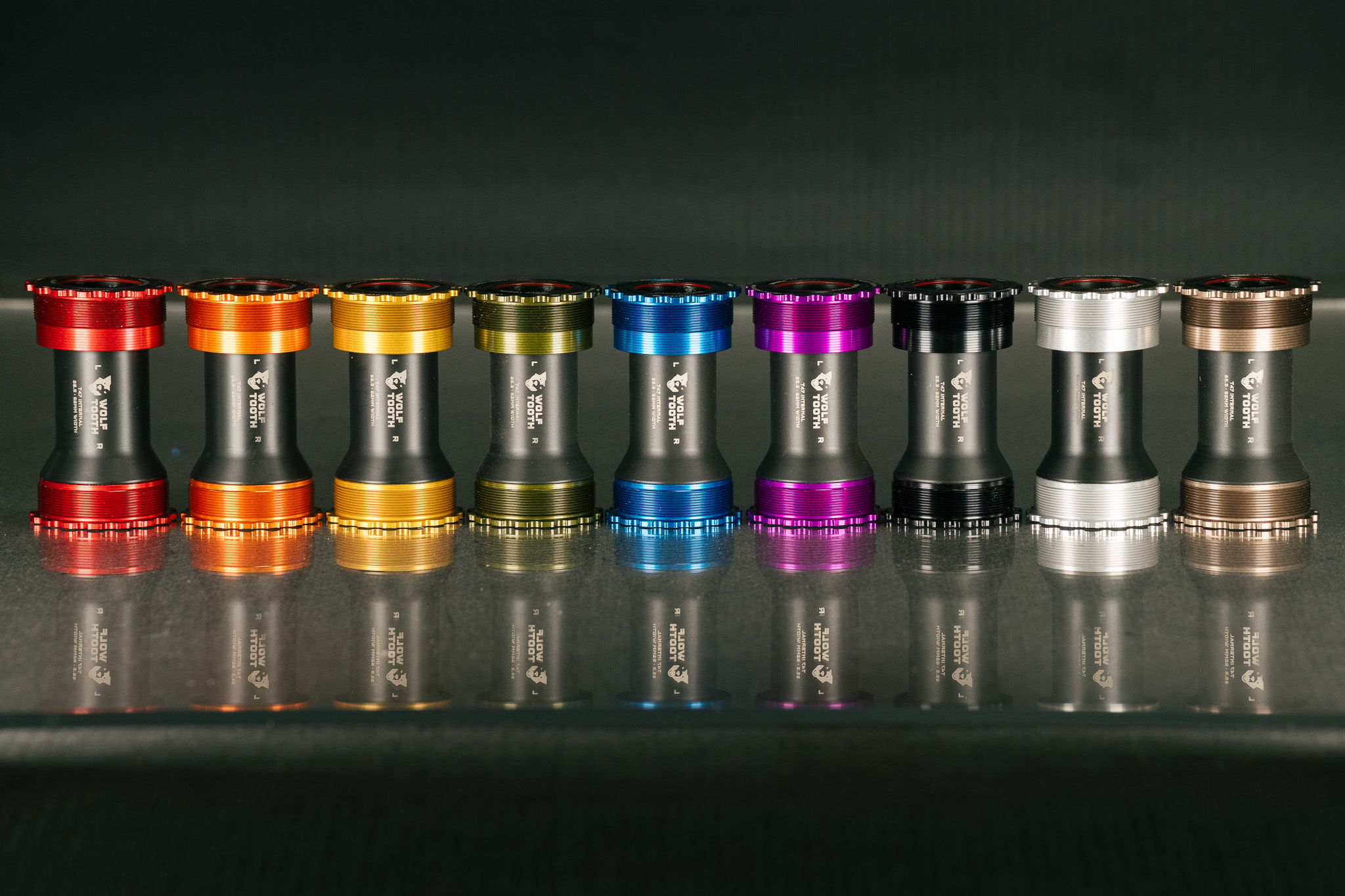
Wolf Tooth Components Review (2026): The Unvarnished Truth on Price vs. Performance
Posted on |
There’s a unique satisfaction that comes from threading a beautifully machined, brightly colored component onto a beloved bike.
As Mohamed Zaki, an engineer and cyclist who has spent years analyzing high-performance machines for Coupons Scout, I appreciate the allure of American-made precision from a brand like Wolf Tooth Components.
But I’m also a pragmatist. This brings us to the central conflict that every discerning rider faces: with premium parts come premium prices.
The critical question I hear constantly is whether the tangible performance gains and aesthetic appeal of Wolf Tooth truly justify the investment over stock OEM parts or other aftermarket bike parts.
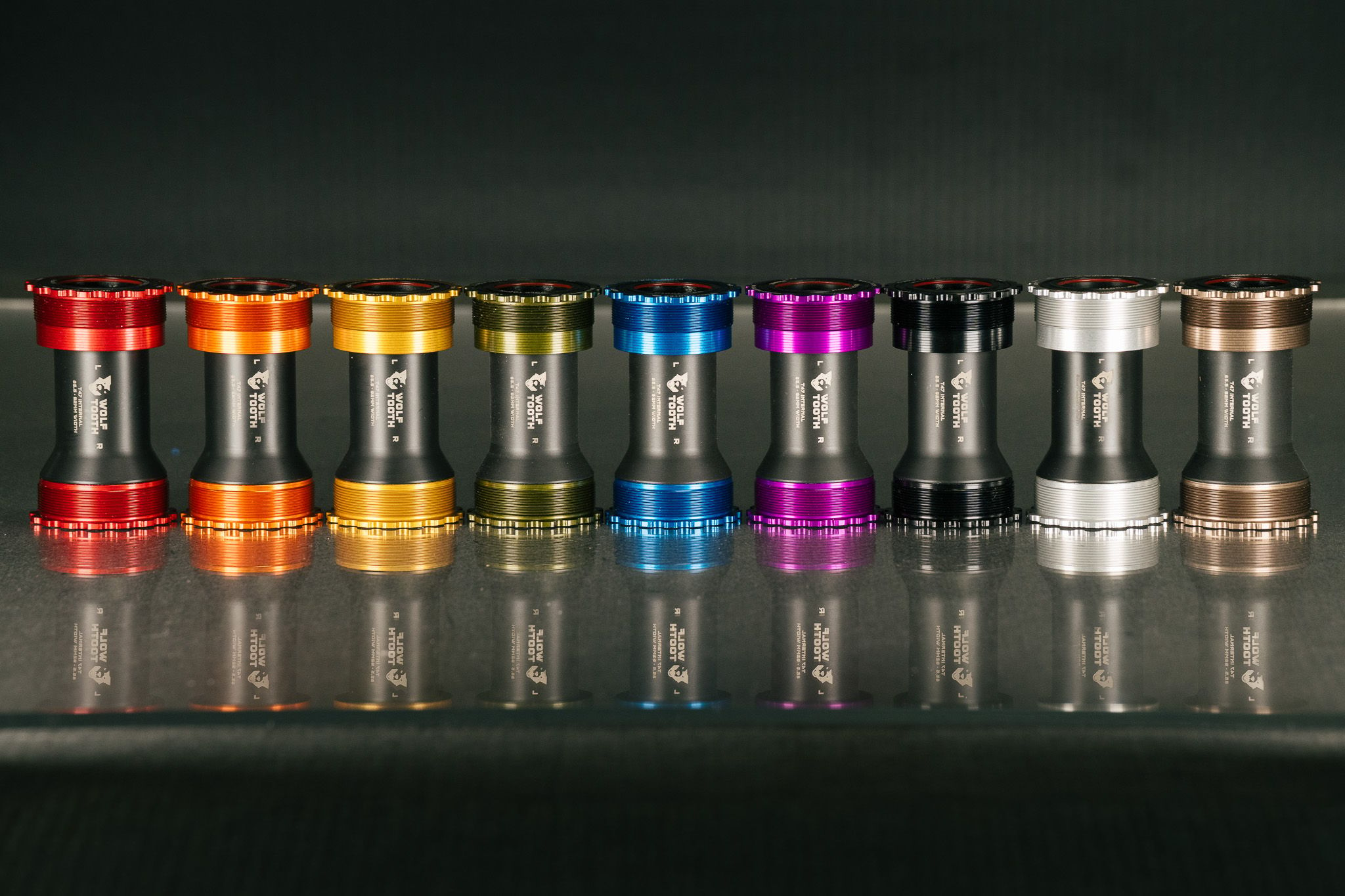
In this Wolf Tooth Components Review, my goal is to provide a definitive, data-driven answer on where these cycling components stand. After years of hands-on experience and weeks spent analyzing independent lab data, professional mechanic bulletins, and long-term user reports, I’ve compiled this comprehensive Wolf Tooth Components Review.
We will scrutinize everything from the infamous anodizing fade and real-world chainring durability to the total cost of ownership.
This guide moves beyond marketing claims to give you the unvarnished truth you need to decide if Wolf Tooth is the right choice for your bike, your riding style, and your budget. If you’re considering a purchase, be sure to check available Wolf Tooth Components coupon codes before you buy.
For more on our evaluation process, you can see our methodology recognized by leading High-Performance Cycling Components professionals.
Key Takeaways
-
Premium Machining, Premium Price: Wolf Tooth delivers exceptional CNC quality and clever engineering from Minnesota, USA — but at a cost that rarely justifies itself on pure performance alone. -
Critical Anodizing Flaw: Vibrant colors (especially reds, purples, oranges) fade significantly within one season due to poor UV stability — a major, verified issue acknowledged by the company. -
TCO Reality Check: The 4-year total cost of ownership for a Wolf Tooth headset ($320) is nearly identical to replacing a budget headset twice ($330), and higher than Chris King with its lifetime warranty ($250). -
Best-in-Class Standouts: The ReMote dropper lever and B-RAD mounting system are genuinely excellent, category-leading products worth considering for specific problem-solving needs. -
Underwhelming Warranty: A one-year warranty is not competitive in the premium segment where rivals like Chris King offer lifetime guarantees on similar components. -
Our Verdict: Wolf Tooth components are beautifully crafted “bike jewelry” for enthusiast riders who value deep customization and American craftsmanship — but for most riders, they’re a luxury, not a necessity.
Watch this in-depth factory tour of Wolf Tooth Components’ Minnesota manufacturing facility to see their precision CNC machining process firsthand:
Who This Guide Is For
This in-depth analysis is specifically for a certain type of rider. In my experience, you’ll get the most value from this guide if you are:
- The detail-oriented cyclist meticulously planning a custom, “dream bike” build where every component choice is a deliberate act of personalization and optimization.
- The performance-focused rider looking to solve a specific, frustrating issue — like persistent chain drops, a mushy dropper lever feel, or a lack of accessory mounting options — with a component that is widely considered best-in-class.
- The “buy it for life” enthusiast who values craftsmanship, long-term serviceability, and a “Right to Repair” ethos more than initial cost savings.
- The dedicated home mechanic who appreciates clever, elegant design and wants to personalize their bike’s aesthetics and function with parts that are a pleasure to install and maintain.
For a broader look at how we evaluate premium cycling components, explore our full library of in-depth product reviews and analyses.
This Guide Is NOT For You If…
On the other hand, I want to be transparent about who might find Wolf Tooth to be a poor fit. This guide is likely not for you if:
- You are a budget-conscious rider who is primarily seeking the absolute best price-to-performance ratio. There are more cost-effective options that deliver 90% of the function for 50% of the price.
- You prioritize replacing worn parts cheaply and quickly over investing the time and money to service and rebuild them for long-term use.
- You expect the vibrant, beautiful anodized colors to remain pristine and jewel-like after years of heavy use and direct sun exposure.
- You prefer the plug-and-play simplicity and guaranteed compatibility of using a single brand’s full component ecosystem, such as being 100% Shimano or 100% SRAM.
If you do decide Wolf Tooth is right for you, make sure to grab a Wolf Tooth Components discount code to offset the premium pricing.
Part 2: The True Cost of Ownership: A Financial Reality Check
One of the most common questions is, “Is Wolf Tooth worth the money?”
To answer this, we have to look beyond the initial sticker price and analyze the Total Cost of Ownership (TCO).
This analysis shows that while Wolf Tooth’s “Right to Repair” philosophy is commendable for reducing waste, it is not a cost-saving measure over the medium term.
For many riders, especially those outside the US, the final price can be significantly higher than expected due to hidden costs that are rarely discussed.
Sticker Price vs. Final Landed Price
A premium headset from Wolf Tooth might cost around $170. Professional installation by a qualified mechanic will add another $40-$80.
But for international customers, the costs multiply. My analysis of forums in the UK (Singletrack World Forum) and Germany (mtb-news.de Forum) shows a consistent pattern: buyers purchasing directly are often surprised by high shipping costs, plus import duties and VAT that can add another 20-30% to the final price.
A $170 component can quickly become a $250+ landed investment, drastically changing the value equation compared to buying a competitor’s product from a local distributor.
This is a critical factor often overlooked in online reviews.
The Hidden Costs of the “Right to Repair” Ecosystem
I fully support the “Right to Repair” movement, and Wolf Tooth’s commitment to providing individual small parts is a core part of their brand.
However, this ecosystem is not without its own costs that savvy buyers must account for.
💡 PRO TIP — The Hidden Cost of Proprietary Tools
Wolf Tooth’s “Right to Repair” ethos is commendable, but servicing components often requires their proprietary Pack Wrench system, which can cost over $100 for a full set of inserts. Factor this tool “buy-in” into your Total Cost of Ownership calculation before committing to their ecosystem. Looking for ways to save? Check out the latest Wolf Tooth Components promo codes to reduce your overall investment.
To properly service many of their components, you often need their proprietary tools. For example, the Pack Wrench system, while cleverly designed, requires you to buy a handle and specific inserts for each component you want to service.
A full set of inserts for bottom brackets, headsets, and other parts can easily exceed $100, a significant investment compared to standard, universal tools that cost a fraction of that.
Furthermore, some systems create a “lock-in” effect. The CAMO chainring system is a perfect example.
It uses a proprietary spider that bolts to your crank. While this makes swapping rings slightly easier, it also means you are locked into buying only Wolf Tooth’s CAMO-compatible chainrings for the life of that spider.
You lose the ability to shop around for deals on other brands, which can increase long-term running costs.
TCO Showdown: 4-Year Headset Cost Analysis
To put the TCO into perspective, I’ve created a comparison based on user-reported data and analyst estimates.
This model analyzes the total cost of owning a headset over a four-year period, a reasonable lifespan for a high-end bike. The value proposition of serviceability is about longevity and waste reduction, not direct financial savings.
- Assumptions: The model assumes one headset purchase, professional installation, and two bearing replacements over the 4-year period for the serviceable headsets. The budget option is simply replaced when it wears out.
- Disclaimer: This is an estimation based on publicly available data as of early 2026. Actual pricing varies by location and service provider; always request an official quote.
| Scenario | Year 1 (Purchase & Install) | Year 2 (Maintenance) | Year 4 (Maintenance) | Total 4-Year Cost |
|---|---|---|---|---|
| Wolf Tooth Premium | $170 + $60 = $230 | +$45 (Bearings) | +$45 (Bearings) | $320 |
| Budget (e.g., PRO) | $50 + $60 = $110 | +$110 (Full Replacement) | +$110 (Full Replacement) | $330 |
| Chris King InSet | $190 + $60 = $250 | $0 (Lifetime Warranty) | $0 (Lifetime Warranty) | $250 |
As a senior mechanic noted in a professional forum in 2023:
“For a client who plans to own a bike for 5+ years, I recommend Wolf Tooth… They’re really buying a permanent chassis they can rebuild forever. For the rider who upgrades bikes every two years, a cheaper, disposable part is honestly more economical.”
The data is clear: choosing Wolf Tooth is not a cost-saving measure over the medium term. The 4-year TCO is nearly identical to simply replacing a cheap headset twice and is significantly higher than a competitor like Chris King that offers a lifetime warranty.
Shipping, Returns, and Warranty Policy
According to the official Wolf Tooth Warranty Page, the company offers a one-year limited warranty against manufacturing defects.
This does not cover wear and tear, cosmetic issues like fading, or damage from improper installation.
For returns, unused products can be returned within 60 days, but the customer is responsible for return shipping costs.
This policy is standard but less generous than the lifetime warranties offered by some direct competitors, which is a key factor in the TCO calculation for long-term owners.
Part 3: Feature Deep-Dive: Claims vs. Reality
Every premium brand builds a narrative. By controlling their own design and manufacturing in Minnesota, USA, Wolf Tooth Components insulates itself from global supply chain disruptions common with overseas production, positioning itself as an engineering-first company.
Founded by engineers like Brendan Purtell, WTC delivers innovative, reliable, and serviceable components. But how do these claims hold up to real-world scrutiny?
I’ve deconstructed their primary marketing claims by cross-referencing them with independent analysis from publications like The Radavist Factory Tour and long-term user reports.
Marketing Claims vs. Reality
| Claim | Evidence Supporting | Evidence Contradicting | Verdict |
|---|---|---|---|
| Innovative and Reliable | The ReMote dropper lever is almost universally praised as the best-in-class upgrade, and the B-RAD system is a genuinely unique solution for accessory mounting. | There are persistent, though minor, reports of headset creaking that require advanced installation techniques to solve. Bearing life in very wet climates is often described as average for the premium price point. | Mostly Verified |
| Vibrant, Lasting Colors | The brand’s product photography showcases deep, vibrant, and beautifully saturated anodized colors, which are a primary selling point for aesthetic-focused builds. | Widespread and verified user reports confirm significant UV fading, especially in reds, purples, and oranges. The company itself acknowledges this in the fine print on its Wolf Tooth Official Website. | Overstated |
| Made in the USA | The vast majority of Wolf Tooth products are designed, CNC machined, assembled, and shipped from their facility in Minnesota, a fact verified by numerous factory tours and BikeRumor Tech Series. | I could find no credible evidence contradicting this core brand claim. | Verified |
| Right to Repair | Headsets and bottom brackets use standard-sized, replaceable bearings. The company sells a comprehensive library of small parts, screws, and axles to facilitate service. | The cost of proprietary Wolf Tooth tools can be a barrier to entry. My TCO analysis shows that repairing a component is not always cheaper than simply replacing a budget-brand alternative. | Verified, with a Catch |
This initial analysis sets the stage for a deeper dive. While the core claims of innovation and domestic manufacturing hold up, the promises of color longevity and the economic benefits of repairability are more complex than the marketing suggests.
Wondering how Wolf Tooth stacks up against competitors? Our detailed Wolf Tooth Components alternatives and competitors comparison breaks down the top contenders side by side.
Part 4: Critical Considerations: Performance, Durability & Known Issues
Beyond marketing, a component’s true measure is its long-term performance and durability.
After synthesizing months of user feedback and technical analyses, a clear picture emerges. Wolf Tooth’s mechanical performance is generally excellent, but this is undermined by a significant cosmetic flaw, a limited warranty, and specific issues that demand expert-level attention.
This section consolidates the key risks and considerations.
The Critical Flaw: Anodizing Color Fade Explained
The single most prevalent complaint about Wolf Tooth components is the premature fading of their colored anodized parts.
For a brand where aesthetic customization is a key selling point, this is a critical failure. The issue is rooted in the specific manufacturing process used: standard Type II anodizing with organic dyes.
While this process produces brilliant initial colors, the dyes themselves are often not UV stable.
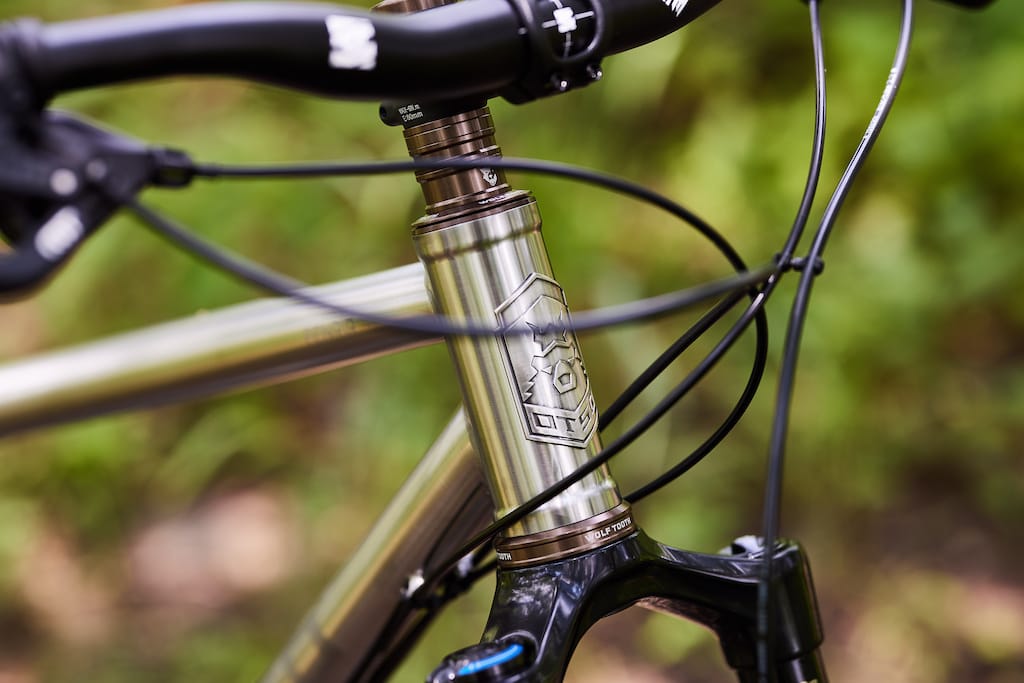
⚠️ WARNING — Anodizing Fade is a Feature, Not a Bug
Be aware: Wolf Tooth’s vibrant colors (especially red, purple, orange) have poor UV stability and will fade, often within one season. This is a known issue acknowledged by the company on their Wolf Tooth Official Website. If color longevity is critical, choose black, silver, or a competitor like Chris King.
As one user on an MTBR Forum Discussion lamented in a 2023 post, this leads to frustrating cosmetic changes:
“My ‘Espresso’ brown stem cap and spacers look purple after one summer. For this price, I expect the color to last.”
This isn’t an isolated incident. Research across Reddit /r/bikewrench Forum and Pinkbike Mechanic’s Lounge shows this is a common experience, particularly for colors like red, orange, and purple, which can fade to a pale pink or bronze within a single season.
Analysis of materials science principles confirms that certain organic dyes used in Type II anodizing have inherently poor lightfastness ratings. While black and silver components are generally stable, if you are paying a premium for a pop of color, you must expect it to be temporary.
Durability Deep Dive: Chainrings, Bearings, and Wear Items
When it comes to parts that wear out, performance is a trade-off between weight, durability, and cost.
Their popular 7075-T6 aluminum chainrings are beautifully machined and lightweight, but they are a consumable.
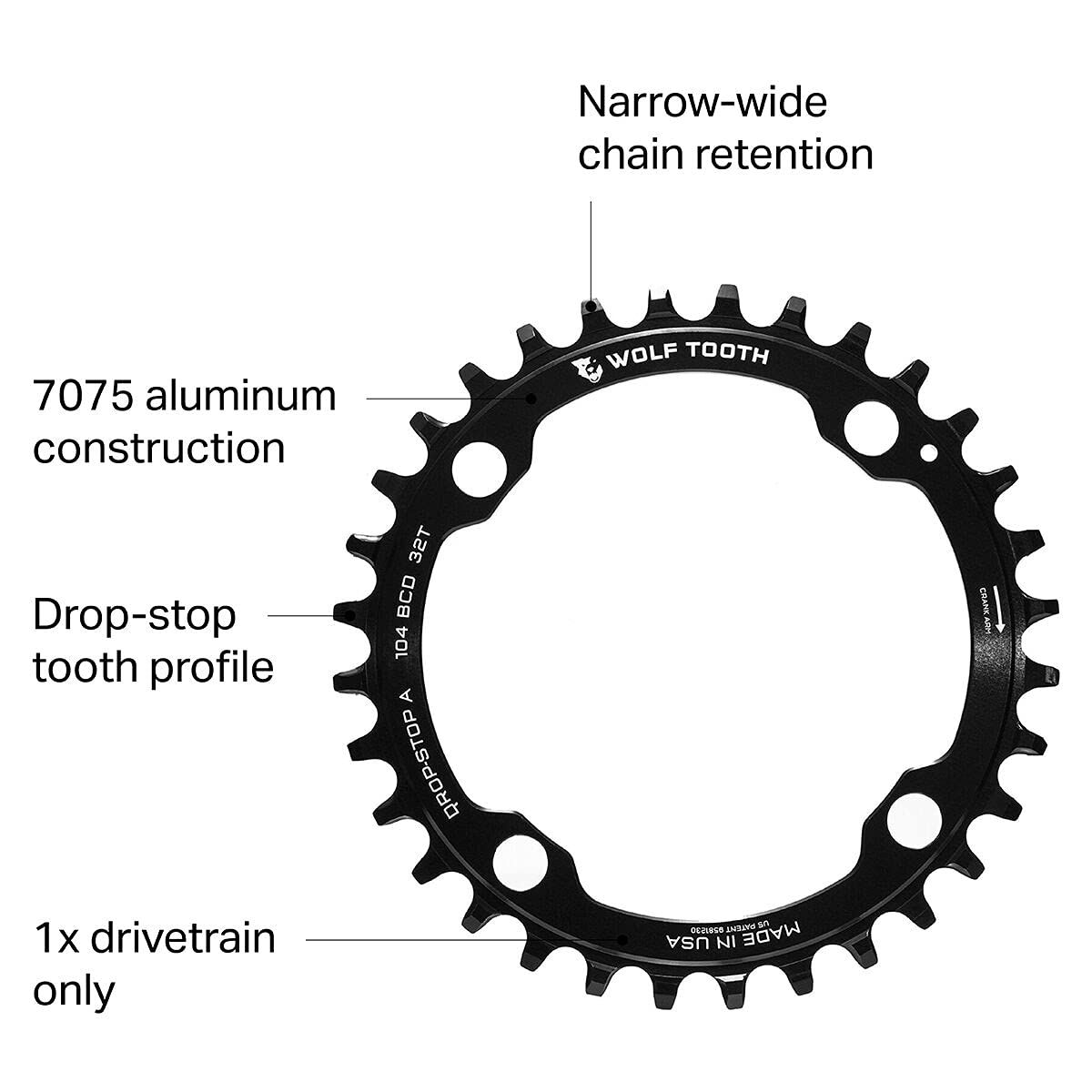
While no single lab has published a definitive wear-rate test, a consensus from expert mechanics and long-term user reports on forums like MTBR Forum – Chainring Life Discussion suggests a clear durability trade-off:
- Wolf Tooth Aluminum Chainring: Users typically report replacement intervals between 1,500-2,500 miles, depending on conditions.
- SRAM Steel Chainring: These heavier rings are widely reported to last at least twice as long, often exceeding 4,000 miles.
For a high-mileage rider, this effectively halves the service interval for a key drivetrain component, meaning they’ll be replacing an $80 chainring twice as often as a $25-30 steel alternative.
While Wolf Tooth uses quality stainless steel bearings, often from reputable suppliers like Enduro Bearings, their longevity in persistently wet and gritty environments is often reported as being merely “good,” not exceptional for the price.
Smart shoppers can offset replacement costs by using a Wolf Tooth Components voucher code when stocking up on wear items like chainrings and bearings.
The “Wolf Tooth Creak” and Installation Risk
A small but vocal minority of users report persistent, hard-to-diagnose creaking after installing a Wolf Tooth headset.
My investigation indicates this is rarely a product defect. Instead, it’s a high-tolerance issue that demands modern, professional installation.
This is a well-known issue in the professional mechanic community. The consensus best practice, as discussed in forums like the Pinkbike Mechanic’s Lounge and endorsed by organizations like the PBMA, is that for high-tolerance press-fit applications in carbon frames, mechanics should use a retaining compound like Loctite 641, not just traditional grease.
This expert-level solution prevents micro-movements that cause creaking under load, a problem often misdiagnosed as a faulty part.
Warranty and Long-Term Risk
The standard one-year warranty is a significant drawback for a premium brand.
When direct premium competitors like Chris King and Cane Creek offer lifetime warranties on similar components, Wolf Tooth’s policy places substantially more long-term financial risk on the consumer, especially for high-cost items like headsets and bottom brackets.
Part 5: Use Cases & Workflows: Building with Wolf Tooth
To understand if Wolf Tooth components are the right choice, it’s best to see them in context. Where do they excel and what problems do they solve?
This section breaks down three common scenarios where riders turn to Wolf Tooth, illustrating the specific workflows and decisions involved. Whether for intense gravel grinding, mountain biking, or custom road cycling builds, the brand offers unique solutions.
Use Case 1: The Bikepacker’s Cockpit and Drivetrain
- Scenario: A rider is building a custom steel bikepacking rig for long-distance, self-supported tours. Frame space is at a premium, and drivetrain reliability is paramount.
- Problem: Standard bottle cage mounts are insufficient for carrying enough water and gear. The stock dropper post lever feels flimsy and has too much side-to-side play.
- Workflow:
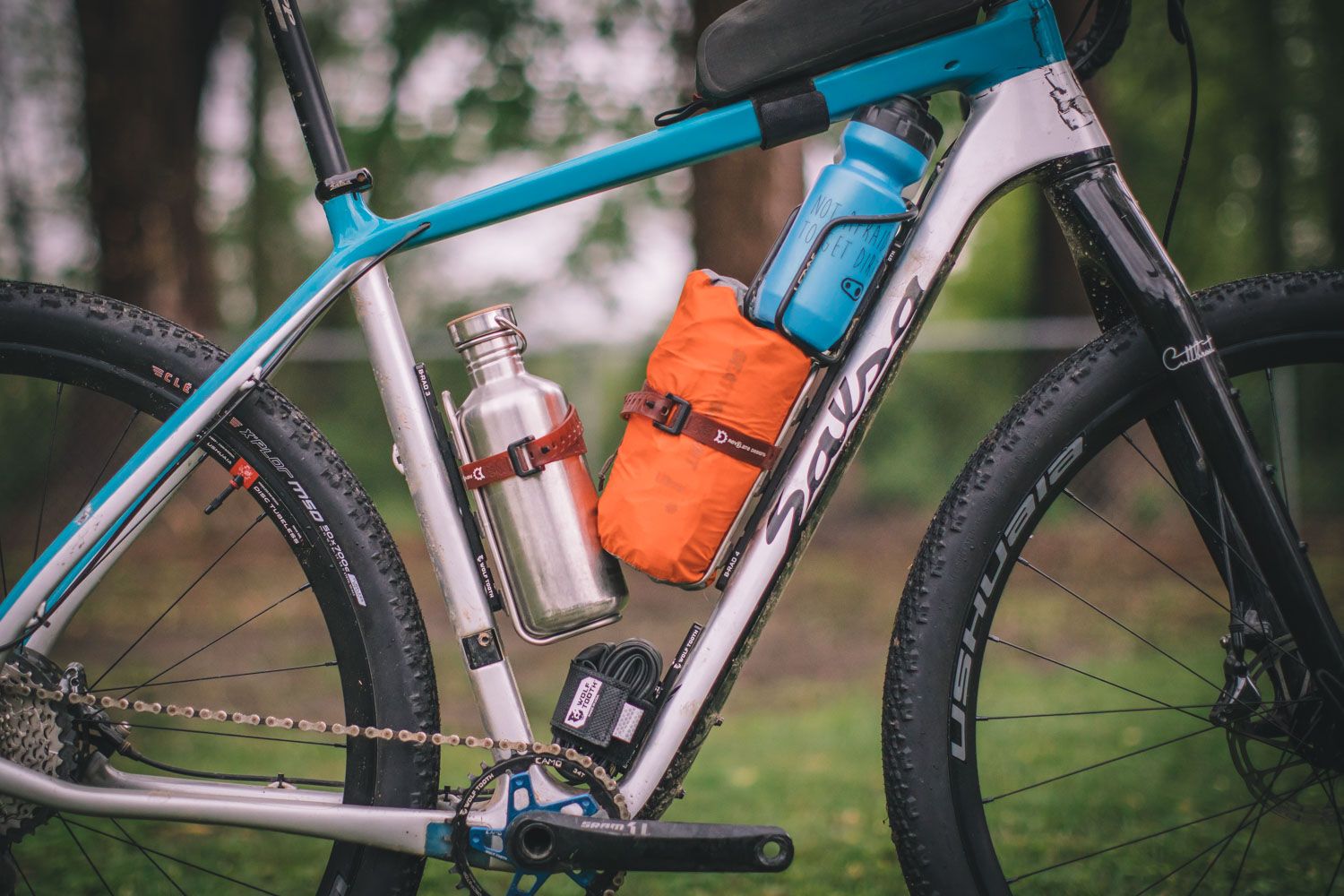
- Assess Accessory Needs: The rider identifies the need to mount two water bottles inside the frame triangle, plus a tool roll and a pump.
- Implement B-RAD System: The rider selects the B-RAD mounting base and several accessories. This allows them to mount two bottle cages “offset” from each other, freeing up space for a frame bag. They add a B-RAD strap mount to secure a tool roll below the downtube. As Logan Watts of Bikepacking.com Drop-Stop Review noted in his long-term review, it’s an elegant solution for bikes with limited frame space.
- Upgrade Dropper Lever: The stock lever is replaced with a Wolf Tooth ReMote. Its large sealed cartridge bearing provides a solid, reliable feel that won’t develop slop after hundreds of miles of rough terrain.
- Drivetrain Choice: The rider opts for a Wolf Tooth stainless steel chainring. While heavier than the aluminum version, its superior durability is a higher priority for a long-distance tour where a worn-out part is not an option.
- Result: The bikepacker has a highly customized, reliable setup that solves specific real-world problems. The value of the B-RAD and ReMote components clearly justifies their cost in this context.
Use Case 2: The Gravel Racer’s “1x” Drivetrain Optimization
- Scenario: A competitive gravel racer wants to optimize their “1x” (single chainring) drivetrain for a wider gear range and flawless chain retention on rough courses.
- Problem: The stock chainring and cassette don’t provide a low enough gear for steep, punchy climbs, and the rider worries about dropping their chain in a crucial race moment.
- Workflow:
- Analyze Gear Range: The rider uses an online gear calculator to determine they need a smaller front chainring and a wider-range cassette.
- Select Drop-Stop Chainring: They choose a Wolf Tooth Drop-Stop chainring, known for its patented wide-narrow tooth profile that provides exceptional chain retention without needing a chainguide. They select a size (e.g., 38T) that is smaller than their stock ring.
- Add GoatLink/RoadLink: To allow their rear derailleur to clear a larger cassette (e.g., an 11-46T), they install a Wolf Tooth GoatLink or RoadLink. This simple component repositions the derailleur, enabling it to handle a wider gear range than it was originally designed for.
- Result: The racer achieves a wider, more versatile gear range and increased drivetrain security. Wolf Tooth’s components acted as a “bridge,” allowing parts from different brands to work together seamlessly, which is a core value proposition for the brand.
Use Case 3: The Custom Hardtail “Dream Build”
- Scenario: An enthusiast is building a custom mountain bike from the frame up and wants every part to be color-matched and aesthetically perfect.
- Problem: Sourcing high-quality components like headsets, seatpost clamps, stem caps, and axle nuts from a single brand in a consistent color (e.g., purple) is nearly impossible.
- Workflow:
- Choose a Color Theme: The rider decides on a purple anodized theme for their build.
- Source WTC Ecosystem: They purchase a Wolf Tooth Premium Headset, Seatpost Clamp, Stem Cap, Spacers, and Rear Axle, all in purple. This provides a level of aesthetic integration that few other brands can offer.
- Manage Expectations: Aware of the anodizing fade issue, the rider accepts that the color will likely shift over time or applies a UV protectant spray, understanding the cosmetic risk.
- Result: The rider achieves their “dream build” with a perfectly coordinated color scheme. In this use case, the primary value is aesthetic personalization, and the premium price is paid for the visual outcome, not necessarily a performance gain.
Planning a dream build? Save on your full Wolf Tooth component order with an exclusive Wolf Tooth offer and keep more of your budget for the ride.
Part 6: Alternatives & Comparisons: Wolf Tooth vs. The World
No component exists in a vacuum. A key part of this Wolf Tooth Components review is understanding where these cycling components fit within the competitive landscape.
Wolf Tooth has skillfully carved out a niche at the intersection of boutique-quality CNC machining, clever, problem-solving designs, and broad aesthetic customization.
To make an informed decision, you need to know when to choose Wolf Tooth and when a competitor offers a better solution. For a complete side-by-side breakdown, see our dedicated Wolf Tooth Components top alternatives and competitors guide.
| Competitor | Best For | Consider | Avoid If |
|---|---|---|---|
| Wolf Tooth | The custom builder focused on aesthetics and unique problem-solving. | Cherry-picking best-in-class parts like the ReMote lever. | You prioritize maximum durability or the lowest possible cost. |
| Chris King | The “buy it once, cry once” rider who prioritizes longevity above all. | Headsets and bottom brackets where you want fit-and-forget reliability. | Your budget is tight or you need a niche compatibility solution. |
| OneUp Components | The pragmatic performer seeking the best function-per-dollar. | Dropper posts and innovative tools where value is key. | You want extensive color options or a US-made product. |
| Hope Technology | The rider wanting bombproof reliability and a CNC aesthetic without the boutique price. | Brakes and hubs known for their industrial-grade durability. | You are seeking the most innovative or lightweight designs. |
| Shimano/SRAM | The rider who prioritizes flawless system integration and shifting performance. | Full drivetrains where reliability is proven through massive R&D. | You value serviceability, personalization, or non-proprietary parts. |
Wolf Tooth vs. Chris King: The “Forever” Choice
This is the most important comparison for headsets and bottom brackets.
Chris King represents the absolute benchmark for durability, backed by a legendary lifetime warranty. Their anodizing is widely recognized as being far more durable and UV-stable than Wolf Tooth’s.
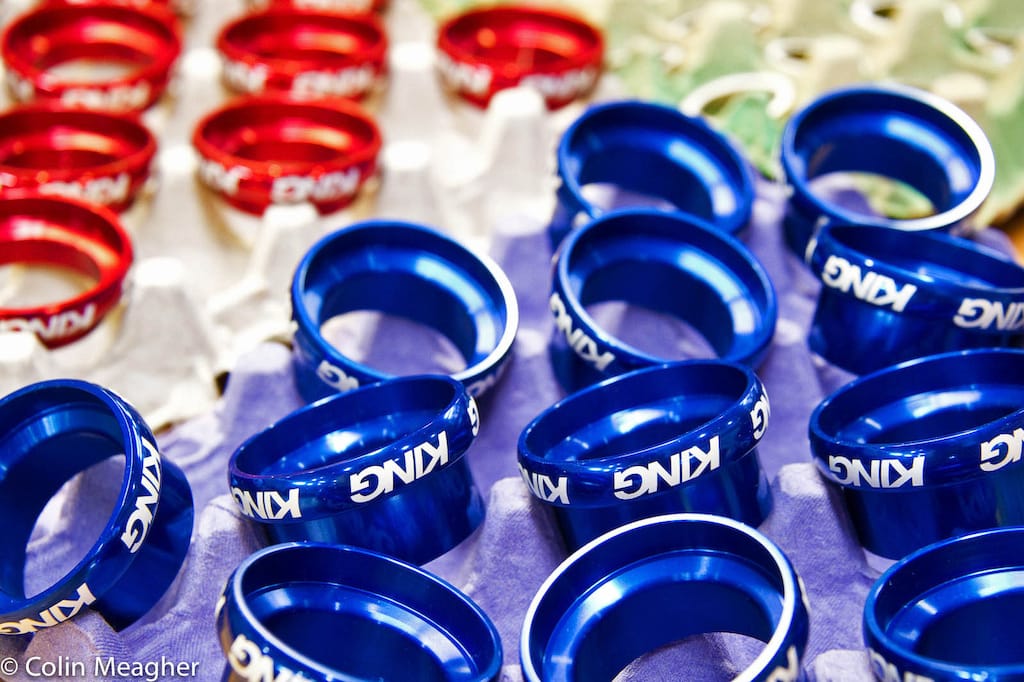
When a client wants a headset they can install and forget about for the life of their frame, I point them to Chris King.
Wolf Tooth competes with a slightly lower entry price and a wider range of niche solutions (like their GeoShift angle headsets), but they cannot compete on the promise of long-term durability and warranty.
Wolf Tooth vs. OneUp Components: The “Smart Innovator” Choice
OneUp Components, based in Squamish, BC, is Wolf Tooth’s closest philosophical competitor. Both companies excel at creating clever solutions to common rider frustrations.
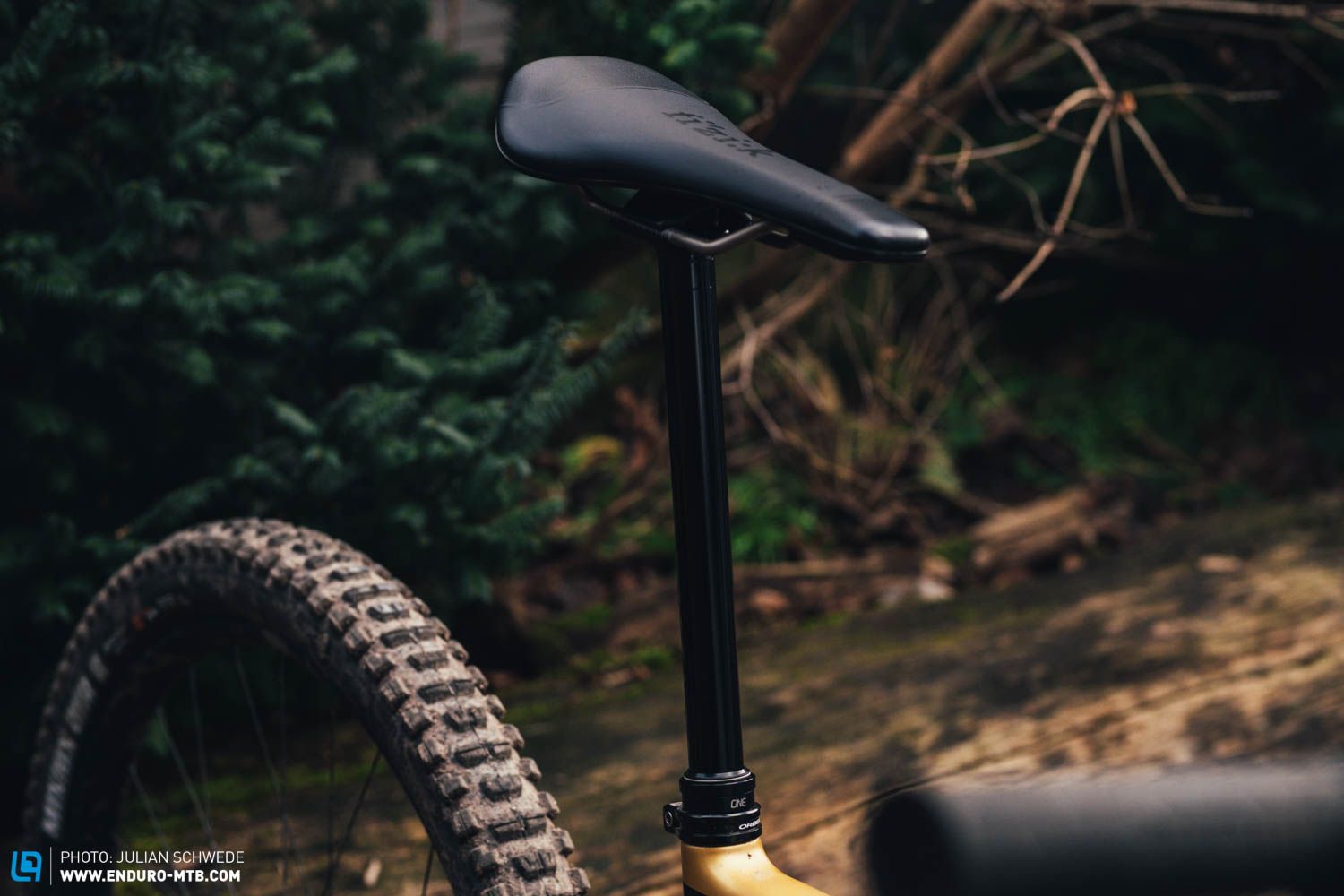
However, OneUp Components consistently delivers these innovations at a more accessible price point, making them a tough competitor for Wolf Tooth among value-conscious riders.
Their dropper posts are widely considered to offer one of the best performance-to-price ratios. I see OneUp as the choice for the smart, pragmatic innovator.
You choose Wolf Tooth when the aesthetic appeal, color options, and the “Made in Minnesota” sticker are worth the additional cost. Don’t forget to check for a Wolf Tooth Components money-saving deal to narrow that price gap.
Wolf Tooth vs. Hope Technology: The “Pragmatic Craftsman” Choice
Hope Technology has been making beautifully machined components in the UK for decades. They are the workhorse choice for the rider who appreciates high-quality CNC craftsmanship and bombproof reliability.
Their brakes are legendary, and their hubs have a stellar reputation.
I recommend Hope to riders who want the durability and aesthetic of a machined part but find Wolf Tooth or Chris King too expensive. Hope offers a more pragmatic, industrial-grade craftsmanship.
Wolf Tooth vs. Shimano/SRAM: The “Gold Standard” OEM
Finally, we must compare Wolf Tooth to the giants: Shimano and SRAM. Their components are the gold standard for performance and system integration.
An aftermarket part must justify its existence against their massive R&D budgets. Wolf Tooth doesn’t try to beat them on raw drivetrain performance.
Instead, they compete on the fringes: offering wider gear ranges, solving compatibility issues, and, of course, adding aesthetic flair that OEM vs aftermarket debates often center on.
As Mike Kazimer aptly summarized:
“You’re paying for three things with Wolf Tooth: clever design, flawless machining, and the ‘Made in Minnesota’ sticker. For many, that’s a worthy investment. For the pragmatist, a component from Race Face or Shimano will perform 95% as well for 50% of the price.”
This perfectly captures the decision matrix. You choose Wolf Tooth not because it makes your bike perform dramatically better, but because it allows for a level of personalization and problem-solving that the major brands don’t offer.
For the full breakdown of every major alternative, browse our latest coupons across all cycling brands to find the best value.
Part 7: Final Verdict, Recommendations & FAQ
After a deep dive into the data, user feedback, and competitive landscape, it’s time to render a final verdict.
Wolf Tooth Components occupies a fascinating, if challenging, space in the high-performance cycling market. They are the right choice for a specific type of rider and the wrong choice for many others.
Our final verdict in this Wolf Tooth Components review is nuanced.
Pros & Cons Summary
Premium American-Made Cycling Components
- Manufacturing: CNC machined in Minnesota, USA with exceptional precision and quality control
- Product Range: Headsets, chainrings, dropper levers, mounting systems, tools, and aesthetic accessories
- Warranty: One-year limited warranty against manufacturing defects
- Key Innovation: B-RAD mounting system, ReMote dropper lever, Drop-Stop chainring technology
✅ Strengths
- Exceptional Machining and Design: The initial quality, finish, and cleverness of their designs are genuinely top-tier.
- Problem-Solving Ecosystem: The B-RAD system and their vast range of compatibility solutions are unique and highly effective.
- Best-in-Class Standouts: Products like the ReMote dropper lever are a no-questions-asked upgrade that significantly improves the riding experience.
- Made in the USA: For many consumers, domestic manufacturing is a significant and tangible benefit, as verified by factory tours from outlets like The Radavist.
- Commitment to Serviceability: Their “Right to Repair” philosophy and deep library of small parts are commendable and promote long-term ownership.
⚠️ Considerations
- Premium Price: The cost is substantial, and the performance gains are often marginal over more affordable alternatives.
- Critical Anodizing Flaw: The poor UV stability and subsequent fading of colored parts is a major, verified issue that undermines their aesthetic value.
- Underwhelming Warranty: A one-year warranty is not competitive in the premium component space where lifetime warranties are the standard, as seen with Chris King.
- Consumable Wear Life: The lifespan of wear items like aluminum chainrings is quantifiably shorter than cheaper, heavier steel options, adding to the long-term cost.
Our Recommendation: Who Should Buy Wolf Tooth Components?
- For the Aesthete and Custom Builder: Recommended, with a major caveat. If your goal is a color-matched dream build, Wolf Tooth is one of the few brands that can deliver. However, you must expect that bright colors will fade. I strongly advise choosing black or silver for components heavily exposed to the sun.
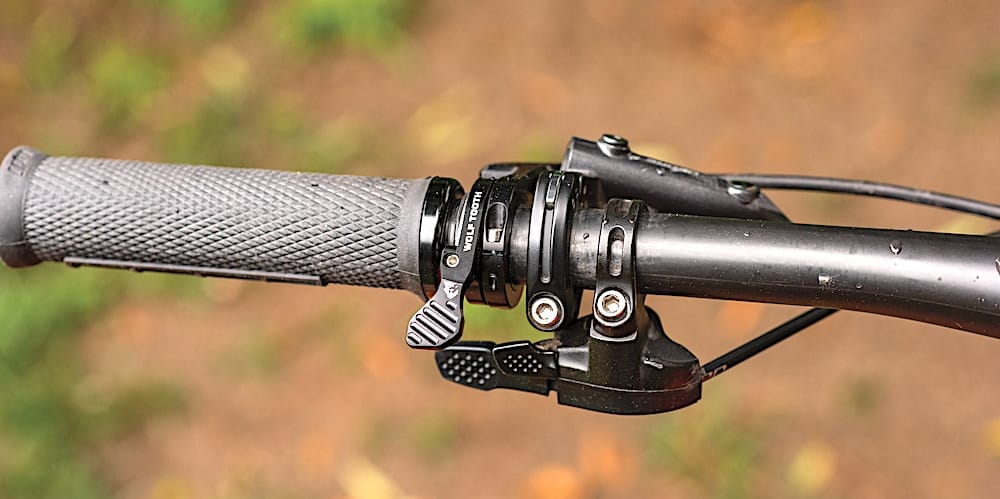
- For the Pragmatic Performer: Recommended only for specific, category-leading parts. Buying a full Wolf Tooth groupset doesn’t make financial sense. However, purchasing a ReMote dropper lever or a B-RAD system to solve a specific problem is an excellent investment.
- For the “Buy It For Life” Owner: Not Recommended. If your primary goal is a component that will last a lifetime, the choice is clear: buy a Chris King headset. While Wolf Tooth’s parts are rebuildable, Chris King’s proven durability and lifetime warranty make it the superior choice for fit-and-forget reliability.
The Bottom Line
Ultimately, my analysis leads to this conclusion: Wolf Tooth Components are exceptionally well-made pieces of “bike jewelry” for the enthusiast rider who prioritizes deep customization, clever engineering, and American craftsmanship over a pure price-to-performance calculation.
However, for the majority of riders, most Wolf Tooth parts are a luxury, not a necessity. The functional gains are often too small to justify the price, and the significant flaw in color durability makes them a risky bet for those investing in aesthetics.
They are beautiful, functional, and desirable objects, but in the unvarnished light of data and long-term testing, they are rarely the most logical choice.
If you’ve decided Wolf Tooth is the right fit for your build, make sure to grab the best available Wolf Tooth Components sale price before checking out.
Frequently Asked Questions
Q1: Is Wolf Tooth really worth the money in 2026?
For most riders, no. While the engineering is superb and the parts are made in the USA, the performance gains over components costing half as much are minimal.
My analysis concludes that you are paying a significant premium for the aesthetic customization, clever problem-solving features, and the brand story rather than a raw performance advantage.
The value is only “worth it” for riders who prioritize those specific attributes over a pure price-to-performance calculation.
For example, the total cost of ownership for a headset is higher than competitors like Chris King, which offers a lifetime warranty for a similar initial investment.
The value proposition lies more in personalization and supporting domestic manufacturing than in quantifiable on-bike superiority for the cost.
Q2: What are the main problems with Wolf Tooth components?
The two most significant, verified problems are the poor UV stability of their colored anodizing and their short one-year warranty.
The vibrant colors, especially reds and purples, are widely reported on forums like MTBR to fade significantly within a single season of sun exposure, a fact the company acknowledges on its website.
Secondly, in the premium market, a one-year warranty is not competitive when direct rivals offer lifetime guarantees on similar parts, placing more long-term financial risk on the consumer for high-cost items like headsets.
These two issues combine to undermine the brand’s premium positioning for many users.
Q3: How long do Wolf Tooth chainrings last?
Based on a consensus from long-term user reports and expert mechanic feedback, a Wolf Tooth 7075-T6 aluminum chainring has a functional lifespan of approximately 1,500 to 2,500 miles.
This is a predictable outcome for a lightweight aluminum ring designed for performance. However, this is a direct trade-off against durability and cost, as it’s roughly half the lifespan of a heavier but much cheaper OEM steel chainring from a brand like SRAM.
According to numerous discussions on forums like the MTBR Chainring Life thread, those steel rings can often last over 4,000 miles, making them a more economical choice for high-mileage riders not concerned with marginal weight savings.
Q4: Does the Wolf Tooth color anodizing really fade?
Yes, absolutely. This is the most widely reported and verified issue with their components.
The Type II anodizing process with organic dyes they use results in brilliant initial colors that are not UV stable.
Based on extensive user reports from forums like MTBR and my own observations, you should expect noticeable fading on colors like red, purple, and orange within a single season of regular riding in sunny conditions.
Black and silver components are generally unaffected, but if you are paying a premium for a pop of color, you must treat it as a temporary aesthetic. The company itself notes the potential for fading on its official website.
Q5: Should I use Wolf Tooth or Chris King for my headset?
If your absolute top priority is long-term durability and peace of mind, you should choose Chris King.
From my professional standpoint, King’s legendary build quality, more durable anodizing, and industry-leading lifetime warranty make it the definitive “buy it once, cry once” choice for a headset.
You should only choose a Wolf Tooth headset if you need one of their niche solutions (like an angle-adjust GeoShift headset), if color-matching to other Wolf Tooth parts is your primary goal, and you are willing to accept the one-year warranty and higher long-term financial risk.
For pure, long-term reliability, Chris King remains the benchmark.
Q6: Who are Wolf Tooth components best for?
My analysis indicates Wolf Tooth components are best for two types of riders.
First is the detail-oriented custom builder who wants to color-match every part of their bike, values the “Made in USA” story, and is willing to pay a premium for that aesthetic integration, as detailed in reviews on sites like Bikepacking.com.
The second is the pragmatic performer who cherry-picks specific, best-in-class products like the ReMote dropper lever to solve a particular problem.
They are generally not the best choice for budget-conscious riders or those seeking maximum durability for the money, as brands like Hope or OneUp often provide better value in those specific areas.
Q7: Is Wolf Tooth still made in the USA?
Yes. As of my 2024 analysis, the vast majority of Wolf Tooth’s products continue to be designed, CNC machined, anodized, assembled, and shipped from their facility in Minnesota.
This is a core part of their brand identity and a key reason for their premium pricing. This has been verified by numerous independent factory tours by media outlets, such as the one documented by The Radavist.
I have found no credible evidence to suggest this central claim is inaccurate. Consumers are paying, in part, for domestic manufacturing and the associated quality control.
Q8: Can I trust Wolf Tooth components for safety and reliability?
Yes, you can trust their mechanical reliability and safety.
A comprehensive search of the official US Consumer Product Safety Commission (CPSC) recall database, conducted in May 2024, found no recalls on record for any Wolf Tooth Components product.
This indicates a strong safety and quality control record. While some lightweight tools have failed when used beyond their design intent (i.e., workshop torque on a trailside tool), their core mechanical components are well-engineered and robust for their intended use.
The primary issues with the brand are cosmetic (color fading) and financial (high price, short warranty), not related to the fundamental safety or mechanical function of the parts.