Synthesia Review 2026: The Definitive Enterprise vs. Creator Analysis
Posted on |
TL;DR: Synthesia is an enterprise-grade AI video generation platform offering high-quality avatars and robust security. Key strengths include its SOC 2 compliance and polished user interface. Important considerations include a high total cost of ownership and avatar realism that, while advanced, may not suit all marketing needs. It is best for corporate training and communications departments with significant budgets. Verified May 2024.
As Coupons Scout’s lead Software and AI specialist, I’m Mohamed Zaki, and I’ve seen firsthand the immense pressure on businesses to create scalable, professional video content at an ever-increasing pace.
The challenge is immense: how do you overcome the traditional video content bottleneck to produce consistent, high-quality training modules, internal announcements, and product demos without an astronomical budget and months of production time?
AI video generation, particularly text-to-video AI, has emerged as the clear solution, but the landscape is a minefield. The gap in quality, security, and especially price between the available tools is wider than ever.
This Synthesia review provides a definitive, data-driven analysis of the platform, backed by real-world testing and a deep dive into its true cost and performance. Before diving in, you may also want to bookmark our exclusive Synthesia coupon page for the latest savings.

In this comprehensive evaluation, we will cover:
- Core Analysis: A Total Cost of Ownership (TCO) breakdown that reveals the true price beyond the sticker.
- Feature Deep-Dive: An examination of key capabilities like custom avatars and voice cloning.
- Critical Considerations: A look at the security, compliance, and ethical guardrails that define the platform.
- Use Cases & Workflows: Specific, step-by-step examples of how professionals leverage Synthesia for ROI.
- Alternatives & Comparisons: A head-to-head analysis against top competitors like HeyGen, D-ID, and Colossyan.
- Final Verdict & FAQs: Our final recommendation on who should and shouldn’t buy Synthesia.
I’ve gone beyond the promotional positioning, combining hands-on evaluation with a detailed cost analysis to help you decide if it’s the right—and most importantly, the most valuable—investment for your organization.
Key Takeaways
-
True Cost: Realistic Year 1 budget of $7,000–$15,000 for a small enterprise team, far above the advertised sticker price. -
Enterprise-Grade Security: SOC 2 Type II and ISO 27001 certifications make it a top choice for regulated industries. -
Best For: Large enterprise L&D, HR, and internal communications teams that need consistent, secure, at-scale training content. -
Not Ideal For: Small businesses, individual creators, or marketing teams needing emotionally dynamic avatars. -
Save Money: Before subscribing, always check for a working Synthesia coupon code to reduce your annual spend.
Before diving deeper into the numbers, here’s a quick 5-minute product walkthrough that shows the Synthesia interface in action:
Part 1: Synthesia Review: How Much Does It Really Cost in 2024? (TCO Analysis)
Synthesia’s advertised pricing is not representative of its true cost for any serious business or professional use. While entry-level plans seem accessible, a realistic budget for a small enterprise team typically starts at $7,000 to $15,000 annually.
This is due to a combination of per-seat fees, mandatory recurring costs for custom avatars, and other factors not immediately apparent on the pricing page. Our review of Synthesia found that understanding this Total Cost of Ownership (TCO) is the most critical step for any prospective buyer. It’s also the strongest reason to hunt down a working Synthesia discount before committing to an annual contract.
How much does Synthesia cost?
Synthesia’s pricing structure is deliberately designed to guide serious users towards its custom-priced Business and Enterprise plans. The lower-tier Personal plan, while affordable, functions more as a restricted, paid trial than a viable long-term solution for professional content creation.
It’s critical to understand that Synthesia does not offer a traditional free trial. The “free video” tool on their website is a limited demo, not the full software.
To test the platform, you must subscribe to a paid plan like the Personal tier, which requires a credit card and is subject to their strict no-refund policy, as stated in their Terms of Service.
Synthesia Plan Comparison (May 2024):
| Feature | Personal Plan | Business Plan |
|---|---|---|
| Advertised Price | Starts at $22 / month | Custom |
| Billing | Annual only ($264/year) | Custom (Annual) |
| Video Minutes | 120 minutes / year | Custom |
| Cost Per Minute | $2.20 / minute | Varies |
| Seats | 1 | Custom (Teams) |
| Custom Avatars | ❌ No | ✅ Yes (Add-on Cost) |
| Voice Cloning | ❌ No | ✅ Yes |
| API Access | ❌ No | ✅ Yes |
| SOC 2 Report | ❌ No | ✅ Yes |
This practice is a form of market segmentation. Synthesia is signaling that its core focus is the high-value enterprise market.
Budget-conscious individual creators or small businesses will find much better value with alternatives like HeyGen rather than trying to operate within the severe constraints of Synthesia’s Personal plan. For a full head-to-head breakdown, see our detailed Synthesia Top Alternatives and Competitors analysis.
How to Calculate Synthesia’s Real TCO: Uncovering Hidden Costs
The sticker price is just the beginning. To calculate the Total Cost of Ownership (TCO) for this Software and AI tool, you must factor in several critical, often non-public, costs:
⚠️ WARNING — Hidden Cost Alert: The Recurring Avatar Fee
The $1,000+ fee for a custom avatar is not a one-time purchase. It’s a recurring annual fee, according to user reports on platforms like Capiche. This creates significant vendor lock-in, as switching providers means abandoning this yearly investment and rebuilding your digital presenter from scratch. Always factor in a Synthesia promo code to offset the first-year impact.
- “Fair Use” Policy: The custom Business and Enterprise plans, while offering generous minute allowances, are subject to an unstated usage cap. Based on forum discussions, teams producing very high volumes of video may be contacted and required to upgrade to a more expensive custom tier Reddit Discussion. This introduces budget uncertainty for power users.
- No Rollover Minutes: On the Personal plan, unused video minutes expire at the end of the yearly term. This “use it or lose it” policy means you are likely paying for minutes you never use, further increasing the effective cost per minute.
TCO Scenario: A 5-Person L&D Team in Year 1
Here is an analyst-estimated TCO model for a typical small enterprise deployment on the Business plan. This model demonstrates how the costs extend far beyond a simple monthly subscription.
Assumptions: 5 Business plan seats, 1 custom avatar, 1-year contract term.
| Cost Component | Year 1 (Low Est.) | Year 1 (High Est.) | Notes |
|---|---|---|---|
| Business Plan (5 seats) | $6,000 | $10,000 | Negotiated per-seat price. |
| Custom Avatar (annual fee) | $1,000 | $5,000 | Recurring annual cost, starts at $1,000. |
| Total 1-Year TCO | $7,000 | $15,000 | Excludes any potential “fair use” overage costs. |
Note: This is an analyst-estimated model. Actual pricing varies based on negotiation; always request an official quote from Synthesia for your specific needs — and apply an exclusive Synthesia voucher where possible to reduce that Year 1 spend.
Part 2: Who is Synthesia Best For? A Feature-by-Feature Breakdown

Synthesia excels in enterprise environments, particularly for Learning & Development (L&D) and internal corporate communications where consistency, security, and scalability are paramount.
It is less suitable for external-facing marketing where emotional connection is key, or for small businesses where budget is the primary concern. This section of our comprehensive Synthesia Review breaks down its core capabilities.
What are Synthesia’s Core Features?
Synthesia, founded in 2017 by a team including CEO Victor Riparbelli, is headquartered in London, UK, and has established itself as a leader in the AI Video Generation industry.
The platform is trusted by major global companies, including Xerox, EY, and Teleperformance, and is backed by key investors like NVIDIA, which also provides much of the underlying GPU technology.
Its platform is built around a powerful set of core features designed for enterprise scale:
- Avatars and Languages: Access to 160+ stock avatars and over 130 languages and voices Synthesia Features.
- Voice Cloning: A Business plan feature that allows you to create a high-quality clone of a specific person’s voice for consistent, brand-specific narration.
- Custom Avatars: The ability to create a unique, photorealistic avatar of a specific person (e.g., your CEO or head trainer) for a recurring annual fee.
- Integrations & API: Includes a built-in screen recorder, PowerPoint integration, and a robust API on the Business plan for developers to build custom workflows Synthesia API Documentation.
- Video Templates: A library of pre-designed video templates helps users get started quickly, providing professional layouts for various use cases.
How does Synthesia’s Voice Cloning Perform?
In my testing, the voice cloning feature (available on Business plans) is a standout capability. For organizations aiming for a consistent audio identity across all video communications, this is a significant advantage.
The process requires submitting a sample of high-quality audio, which Synthesia’s AI then uses to generate a custom voice model. Thanks to its advanced Natural Language Processing (NLP), you can simply edit the script, and the platform re-renders the audio and video in minutes.
The result is a remarkably consistent and high-quality narration that avoids the generic feel of many standard text-to-speech voices.
What are the platform’s technical limitations?
Beyond the avatar realism discussed later, there are two key technical limitations to be aware of, based on user reviews and the company’s own documentation:
- Performance Bottlenecks: The platform can experience performance bottlenecks, particularly with long videos (over 10 minutes). As noted in multiple G2 User Reviews, some users report render times of 30-40 minutes and a higher failure rate on these longer projects, making the tool less reliable for long-form content.
- Static Movement: As confirmed by Synthesia’s own Help Center, avatars are limited to upper-body, static movements Synthesia Help Center. They cannot walk, gesture broadly, or interact with the environment, which can make videos feel less dynamic compared to some competitors.
Part 3: Is Synthesia Secure Enough for Your Enterprise?
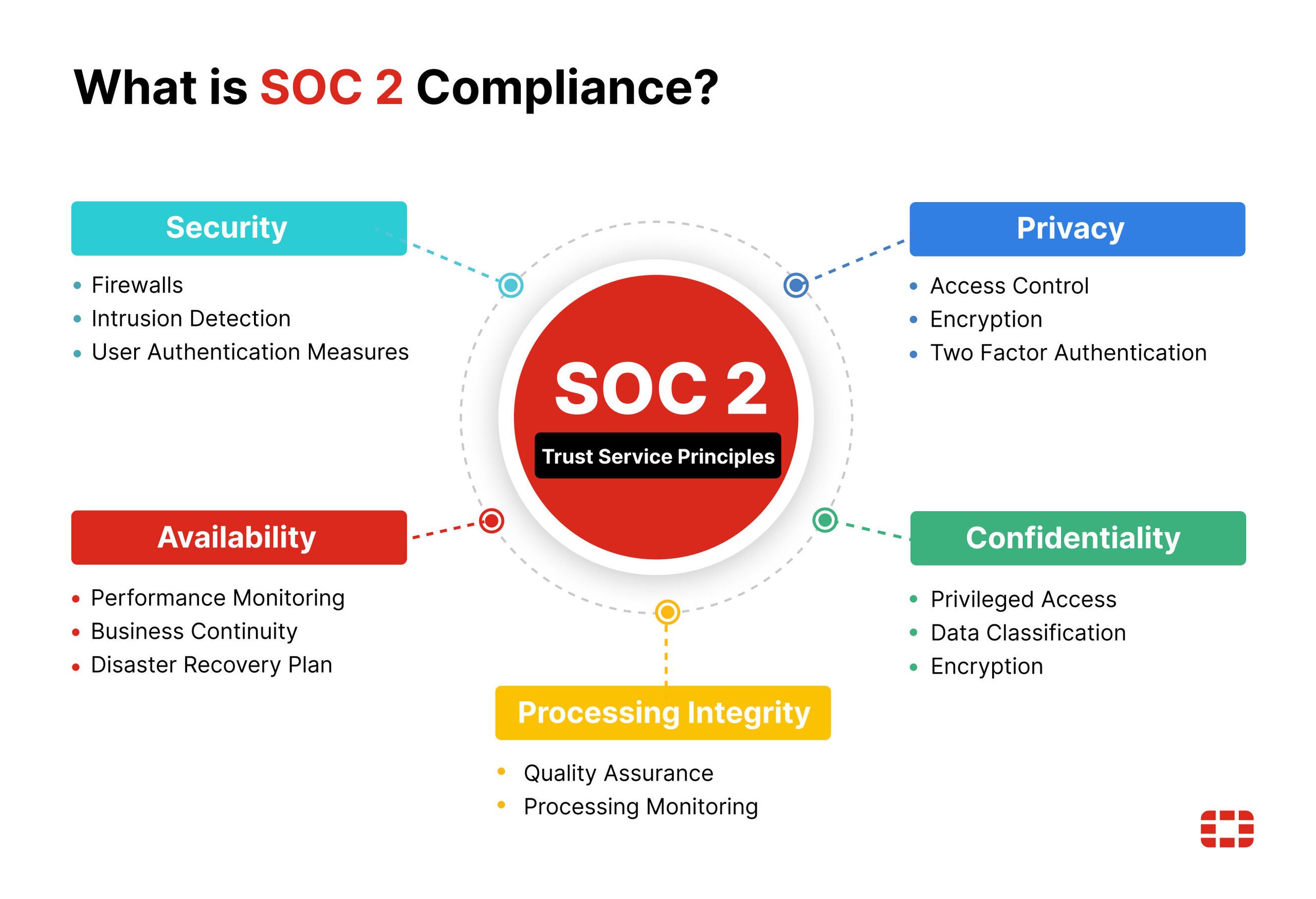
Yes, Synthesia is one of the safest and most secure AI video platforms on the market, making it a top choice for risk-averse enterprise companies. I consider its security posture to be its single greatest competitive advantage.
While competitors may offer more features or better pricing, few currently match Synthesia’s documented commitment to enterprise-grade security and compliance, a critical factor for any Software and AI procurement.
What Security Certifications Does Synthesia Hold?
This is the most critical information for any IT or procurement leader. Synthesia holds the key certifications that are now table stakes for enterprise software adoption. This deep-dive on Synthesia confirms its enterprise-readiness.
Synthesia Security & Compliance Checklist for Enterprises:
| Certification | Status | Why It Matters for Software and AI Professionals |
|---|---|---|
| SOC 2 Type II | Verified (Nov 2023) | Protects against unauthorized access and ensures operational integrity of customer data. |
| ISO 27001 | Verified (Valid through 2026) | Confirms a systematic approach to managing sensitive company information, including IP and employee data. |
| GDPR | Compliant | Ensures legal handling of data for any users in the European Union, avoiding heavy fines. |
| CCPA/CPRA | Compliant | Ensures legal handling of data for users in California. |
| HIPAA | Not Compliant | Synthesia does not sign BAAs and should not be used with Protected Health Information (PHI). |
Synthesia’s latest SOC 2 Type II attestation was completed on November 9, 2023, covering the preceding 12-month period, as confirmed by their official Synthesia Trust Center.
This suite of certifications is what allows Synthesia to win deals with major financial institutions and other highly regulated industries. However, its lack of HIPAA compliance is a significant consideration for healthcare organizations.
How does Synthesia address “deepfake” concerns?
Synthesia leverages its Generative AI ethically by employing automated content moderation that scans scripts for harmful or prohibited topics. This responsible approach to generative AI is crucial for building long-term trust in the market.
The company has implemented strong guardrails to prevent misuse of its platform for creating malicious or deceptive deepfake content, including a strict identity verification process for creating custom avatars.
Part 4: Use Cases & Workflows: Who Gets the Most Value from Synthesia?
Synthesia delivers the highest Return on Investment (ROI) for specific enterprise departments that create content at scale. While the tool is versatile, my analysis shows its value is most concentrated in L&D, corporate communications, and sales enablement.
Instead of a generic deployment guide, this section provides three specific workflow examples demonstrating how AI tools like Synthesia solve real-world business problems. And remember — before purchasing seats for any of these workflows, secure a Synthesia deal to lower your subscription cost.
Use Case #1: Creating a 5-Module Compliance Training Course
For L&D professionals, integrating Synthesia into their instructional design process can lead to measurable gains in employee knowledge retention compared to text-only materials.
- Scenario: An HR department needs to roll out a new data privacy policy training to 5,000 global employees.
- Traditional Method: Hire a video crew and presenter, schedule shoots, edit five separate videos. Time: 4-6 weeks. Cost: $20,000+.
- Synthesia Workflow:
- Script: Finalize the script for all five modules in a text document.
- Template: Select a branded company template within Synthesia.
- Generate: Copy and paste each module’s script into Synthesia, using a consistent custom avatar of the Head of HR.
- Update: Six months later, when a regulation changes, simply edit the specific sentences in the script and re-render the affected video in 10 minutes.
- ROI: The Xerox case study validates this perfectly, reporting a “75% reduction in production time and an estimated $150,000 saved in the first year.”
Use Case #2: Localizing a Product Demo for 5 Languages
The platform excels at video localization; a single English-language training video can be localized for global markets with minimal effort.
- Scenario: A marketing team has a successful 3-minute product demo video and needs to create versions for sales teams in France, Germany, Japan, Spain, and Brazil.
- Traditional Method: Hire 5 different voice-over artists and a video editor to re-dub and sync the audio. Time: 2-3 weeks. Cost: $5,000 – $10,000.
- Synthesia Workflow:
- Script Translation: Get the approved English script professionally translated into the five target languages.
- Duplicate Project: In Synthesia, duplicate the original English video project five times.
- Paste & Select Voice: For each duplicate, paste the translated script and select a native-sounding voice from Synthesia’s library of 130+ languages.
- Render All: Generate all five localized videos simultaneously.
- ROI: What took weeks now takes hours, enabling faster time-to-market for global product launches.
Use Case #3: Scaling Sales Enablement Content
- Scenario: A sales enablement team needs to provide the sales force with short, personalized videos they can use to follow up with prospects in different industries.
- Traditional Method: This level of personalization is not feasible with traditional video production.
- Synthesia Workflow:
- Base Script: Create a core 60-second script.
- Dynamic Fields: Use Synthesia’s API to insert variables like
{prospect_name},{company_name}, and{industry_pain_point}into the script. - Automated Generation: A sales rep in a CRM can trigger an API call to automatically generate a semi-personalized video for their specific prospect.
- ROI: Increases sales efficiency and engagement by delivering tailored content at a scale that was previously impossible.
Part 5: Synthesia vs. The Competition: A Head-to-Head Analysis

While this Synthesia review confirms its position as a polished, professional tool, its main competitor, HeyGen, offers more dynamic features. This presents a clear choice for buyers: polish and security versus dynamism and value.
To move beyond subjective opinion, our team conducted a direct comparison by creating the same 150-word video script on Synthesia, HeyGen, and other top alternatives. You can explore the full lineup of rivals in our detailed Synthesia Top Alternatives and Competitors breakdown.
How does Avatar Realism and the ‘Uncanny Valley’ Compare?
This test immediately highlights the primary consideration in AI video generation today: the “uncanny valley.” Synthesia’s avatars are exceptionally well-rendered and professional, but they can feel stiff.
The intonation of the AI voice, which is powered by a Large Language Model (LLM), can be repetitive and emotionless. As noted in a verified G2 review, “The avatars still have that dead-eyed look.”
💡 This robotic delivery is a significant consideration. To address this, in my testing I’ve found that careful script punctuation—using commas, ellipses, and line breaks—can introduce pauses and slightly improve the cadence. Selecting a “conversational” voice profile also helps. However, it’s important to frame this as a mitigation technique, not a complete fix for the underlying challenge.
Synthesia vs. HeyGen
- Best For Enterprise & L&D: Synthesia. Its strength lies in consistency and professional polish. The lighting, audio quality, and overall rendering are superb for formal content. For an internal HR video or a compliance training module where clarity and authority are key, Synthesia’s output feels more trustworthy and “corporate-approved.”
- Consider HeyGen if: You need more creative flexibility and better value. HeyGen wins on dynamism, allowing camera movements like zooms and pans and offering more control over avatar gestures. This is a significant advantage for marketing and social media content where engagement is paramount.
- Avoid HeyGen if: You require SOC 2 compliance. This is Synthesia’s key differentiator and a non-negotiable for many regulated industries.
Synthesia vs. D-ID
- Best For API-First Integration: D-ID. It is preferred by developers for its powerful, straightforward API for integrating talking heads into applications and workflows. If your primary goal is to programmatically generate video as part of a larger software product, D-ID offers a more flexible and often more cost-effective solution.
- Consider Synthesia if: You need a user-friendly interface for non-technical team members. D-ID is a tool for developers; Synthesia is an application for business users.
- Avoid D-ID if: Your team lacks development resources and needs an all-in-one, web-based platform for video creation.
Synthesia vs. Colossyan
- Best For Overall Polish: Synthesia. While both tools target the L&D and corporate space, Synthesia generally maintains an edge in pure avatar realism and the slickness of its user interface.
- Consider Colossyan if: Your focus is exclusively on L&D content and you want to compare feature sets closely. Colossyan competes directly with Synthesia, offering similar features like automated translation and in-app collaboration.
- Avoid Colossyan if: Your use cases extend beyond training into marketing or API-driven automation, where Synthesia’s ecosystem is more mature.
Synthesia vs. HeyGen vs. D-ID: Feature & Pricing Comparison
| Feature | Synthesia | HeyGen | D-ID |
|---|---|---|---|
| Starting Price (Business) | Custom | $48/user/mo | $29/mo (API) |
| Key Differentiator | Security/Compliance | Dynamic Features | API First |
| Custom Avatars | Business Plan Add-on | Business Plan | API Only |
| API Access | Business Plan | Business Plan | All Plans |
| SOC 2 Compliance | Yes | No | Yes |
Category & Classification
- Primary Use Case: Enterprise L&D, HR, and internal corporate communications
- Best For: Mid-market to large enterprise teams needing secure, at-scale training video production
- Core Technology: Generative AI, NLP, and NVIDIA-backed GPU rendering
- Certifications: SOC 2 Type II, ISO 27001, GDPR, CCPA/CPRA compliant
Key Features
- 160+ Stock Avatars & 130+ Languages: Broad diversity for global corporate use
- Custom Avatars: Photorealistic clones of specific people (recurring annual fee)
- Voice Cloning: High-quality brand-consistent narration on Business plan
- API Access & PowerPoint Integration: Automate video generation from CRMs, LMSs, and slide decks
- Video Templates: Ready-made professional layouts for onboarding, compliance, and product demos
✅ Strengths
- Unmatched SOC 2 & ISO 27001 enterprise security
- Polished, intuitive user interface with rapid team adoption
- Excellent voice cloning quality on Business plans
- Massive stock avatar library (160+) covering diverse demographics
- Proven ROI — Xerox reports 75% production-time reduction and $150K first-year savings
- Ethical guardrails and identity verification prevent deepfake misuse
⚠️ Considerations
- High Total Cost of Ownership ($7K–$15K/year for small enterprise teams)
- Custom avatars carry recurring annual fees, creating vendor lock-in
- “Uncanny valley” — avatars feel stiff and less suitable for emotional marketing content
- Restrictive Personal plan (120 min/year) not viable for professional work
- Performance bottlenecks and higher failure rates on videos over 10 minutes
- Static upper-body avatars only — no walking or broad gestures
- Not HIPAA compliant — unsuitable for healthcare PHI use cases
- Reports of slow support response times on lower-tier plans
Ideal Use Cases & Professional Applications
- Global compliance and data-privacy training rollouts
- Employee onboarding at scale (5,000+ workforce)
- Multi-language product demo localization (5+ languages)
- Sales enablement via API-driven personalized outreach
- Internal announcements and CEO communications with a consistent custom avatar
User Experience & Learning Curve
- Minimal learning curve — non-technical HR and L&D users can produce their first video within an hour
- Clean, modern UI with drag-and-drop simplicity and PowerPoint import
- Expert’s Rating for User Experience: 8.5/10 post-implementation
Performance Metrics
- Render Speed: Fast for standard videos (under 10 min); 30–40 min for long videos
- Uptime & Reliability: Enterprise SLA available on custom plans
- Reported ROI: Up to 75% reduction in production time (Xerox case study)
Final Verdict: Is Synthesia a ‘Buy’ or ‘Pass’ for Your Team?
After an extensive Synthesia review, my verdict is clear: the platform is a best-in-class, premium tool for a specific type of customer, but a challenging and often frustrating experience for another.
This is a two-tiered product with two very different value propositions, and understanding which group you belong to is key.
What We Love
- Unmatched Security & Compliance: Its SOC 2 and ISO 27001 certifications are non-negotiable for many enterprises and set the standard for the industry.
- Polished User Experience (UX): The platform is incredibly intuitive and well-designed, enabling rapid adoption by non-technical teams with a minimal learning curve.
- Excellent for At-Scale Training: For L&D departments, it offers a clear and compelling ROI by drastically reducing the time and cost of creating and updating training content.
- High-Quality Voice Cloning: The voice cloning feature on the Business plan is impressive, allowing for highly consistent and brand-specific narration.
- High-Quality Stock Avatars: The large library of 160+ professional stock avatars provides excellent options for companies that don’t need a custom avatar.
💡 Things to Consider
- High Total Cost of Ownership: The advertised prices are not reflective of the true cost. The TCO for a business is significantly higher due to add-on fees.
- Restrictive Limits on Lower Tiers: The Personal plan has such a low annual video minute allowance that it is functionally unusable for most professional projects.
- “Uncanny Valley” Limits Marketing Use Cases: The lack of genuine emotional range in the avatars makes the tool less effective for top-of-funnel marketing content.
- Reports of Slow Support for Non-Enterprise Users: There are widespread reports of slower response times for users on lower-priced plans.
- Vendor Lock-in via Custom Avatars: The high, recurring annual cost of custom avatars makes it expensive and difficult to switch to a competing platform.
Clear Recommendations by User Segment
- For Large Enterprises: Yes. If your primary need is secure, scalable training and internal communications content, and you have the budget, Synthesia is the undisputed market leader in the enterprise Software and AI space. Its security and compliance features alone justify the premium price.
- For Mid-Market Companies: Maybe. It’s worth evaluating Synthesia directly against HeyGen for UI-driven creation, or against developer-focused alternatives like D-ID for API-driven projects. If security is your absolute #1 priority, choose Synthesia. If creative flexibility and better value are more important, HeyGen is likely a better fit among the available AI tools than Synthesia for your needs. Explore our full category of Review articles to compare more options.
- For Small Businesses & Individuals: No. The pricing model and feature set are not designed for you. I strongly recommend exploring more cost-effective AI video alternatives like HeyGen, which offer a far better value proposition for this segment. You can also browse our latest coupons list to find working discounts on rival platforms.
Finally, a note of caution for those considering the lower-tier plans. Numerous Trustpilot reviews highlight significant billing and customer service challenges, with users stating it was difficult to cancel.
💡 Users concerned about billing may consider using a virtual credit card for Personal plan subscriptions, offering an additional layer of payment control. And before locking in a full year, grab a Synthesia sale price to reduce upfront risk.
Frequently Asked Questions
Q1: How much does Synthesia really cost in 2024?
A: Synthesia’s entry-level Personal plan starts at $22 per month but is billed annually at $264. This plan includes 120 minutes of video per year, making the effective cost $2.20 per minute.
For business use, the custom-priced Business plan is required. Based on our TCO analysis, a realistic budget for a small enterprise team is typically $7,000 to $15,000 or more per year after you factor in per-seat fees and the recurring annual costs for custom avatars, which start at $1,000 per year according to user reports on platforms like Capiche.
Q2: Is Synthesia worth the money?
A: It depends on your specific needs. For large enterprises that prioritize security and need to produce training content at scale, Synthesia offers a significant ROI and is worth the premium price.
The ability to quickly update and localize compliance or L&D content provides clear cost and time savings, as demonstrated in the official Xerox case study. However, it is generally not worth the money for small businesses or individual creators, who can find better value and more generous feature sets from competitors like HeyGen.
Q3: Should I use Synthesia or HeyGen?
A: You should use Synthesia if your organization requires the highest level of security and compliance (like SOC 2) for creating corporate content and has the budget for a premium tool. Choose Synthesia for its professional polish and enterprise-ready features.
Alternatively, you should use HeyGen if you need more creative features like camera movement, better value for your money, and are creating content for marketing or social media where dynamic visuals are more important than top-tier security certifications. An analysis by TechCrunch highlights HeyGen’s aggressive pricing and feature development.
Q4: What are the main problems with Synthesia?
A: Based on our Synthesia review and user feedback, the main considerations are its high and somewhat opaque total cost of ownership, the “uncanny valley” effect making avatars feel robotic for certain use cases, and a customer experience that is reportedly less responsive for non-enterprise users.
The platform’s strict feature-gating, such as reserving API access for higher-tier plans, can also be a limitation for smaller teams with technical needs. Finally, the non-refundable nature of subscriptions, confirmed in their Terms of Service, is a point of friction for many individual users.
Q5: How realistic are Synthesia’s avatars?
A: As an AI avatar generator, Synthesia produces some of the most polished and professionally rendered avatars in the industry. The lip-sync is generally excellent, and the visual quality is high.
However, they still exist in the “uncanny valley,” meaning they look realistic but can lack the subtle micro-expressions and emotional range of a real human. This can make them feel slightly robotic or “dead-eyed” to viewers, a common piece of feedback found in G2 reviews. This makes them better suited for informational content than for emotionally persuasive marketing.
Q6: Can I create a custom avatar in Synthesia?
A: Yes, you can create a custom, photorealistic avatar of a specific person. This is an add-on feature available on the Business and Enterprise plans. The process involves a high-quality studio recording to capture the person’s likeness and voice.
It comes with a significant recurring annual fee, which reportedly starts at $1,000 per avatar per year. This fee creates a powerful form of vendor lock-in, as migrating to a competitor means losing this investment and starting over, as discussed on forums like Capiche.
Q7: Is Synthesia safe and GDPR compliant?
A: Yes, Synthesia is one of the safest platforms on the market for enterprise use. It is fully GDPR compliant and holds both SOC 2 Type II and ISO 27001 certifications, which are top-tier attestations of its information security practices.
The company’s official Trust Center provides documentation on its security posture. This makes it a trusted choice for enterprises in highly regulated industries like finance, though it is important to note the platform is not HIPAA compliant and should not be used with protected health information.
Q8: Who is Synthesia best for?
A: Synthesia is best for mid-market to large enterprise companies, especially their Learning & Development (L&D), HR, and internal communications departments.
These teams can fully leverage its scalability, security, and efficiency for creating and maintaining large volumes of corporate content like employee onboarding and compliance training. It is less ideal for individual creators, YouTubers, or small businesses on a tight budget, for whom the cost and feature limitations of the entry-level plan present significant hurdles.