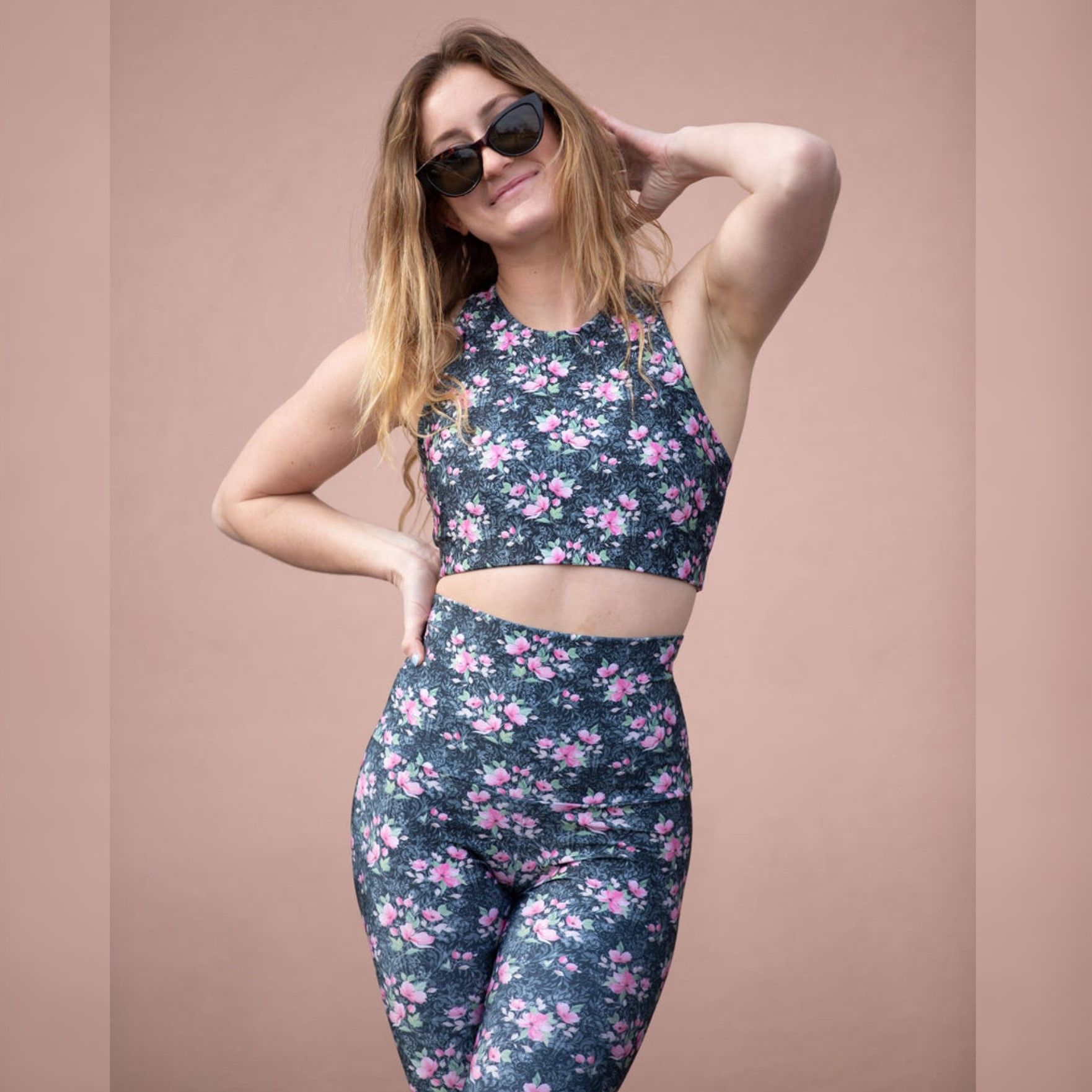
Simply Workout Review: The 2026 Guide to Finding Quality Minimalist Activewear
Posted on |
TL;DR: “Simply Workout” is a popular search query for simple, high-value activewear, not a specific brand. This guide reviews the top brands in this “buttery soft,” minimalist category. Key strengths are their visual appeal and comfort. Important considerations include poor long-term durability, inconsistent sizing, and promotional positioning. This category is best for low-impact workouts and athleisure.
Introduction: The Search for a Perfect—and Honest—Pair of Leggings
Okay, let’s have a real conversation. You’ve been on a quest, scrolling endlessly through social media, searching for that perfect pair of leggings.
You’re searching for high-quality Lululemon dupes: leggings that have the sleek, minimalist vibe of a high-end brand and feel “buttery soft,” but don’t cost a fortune.
But you’ve likely been frustrated. The internet is flooded with direct-to-consumer (D2C) activewear brands that promise the world but often leave you with leggings that are see-through, fall apart after a few washes, or fit completely differently from the last pair you ordered.
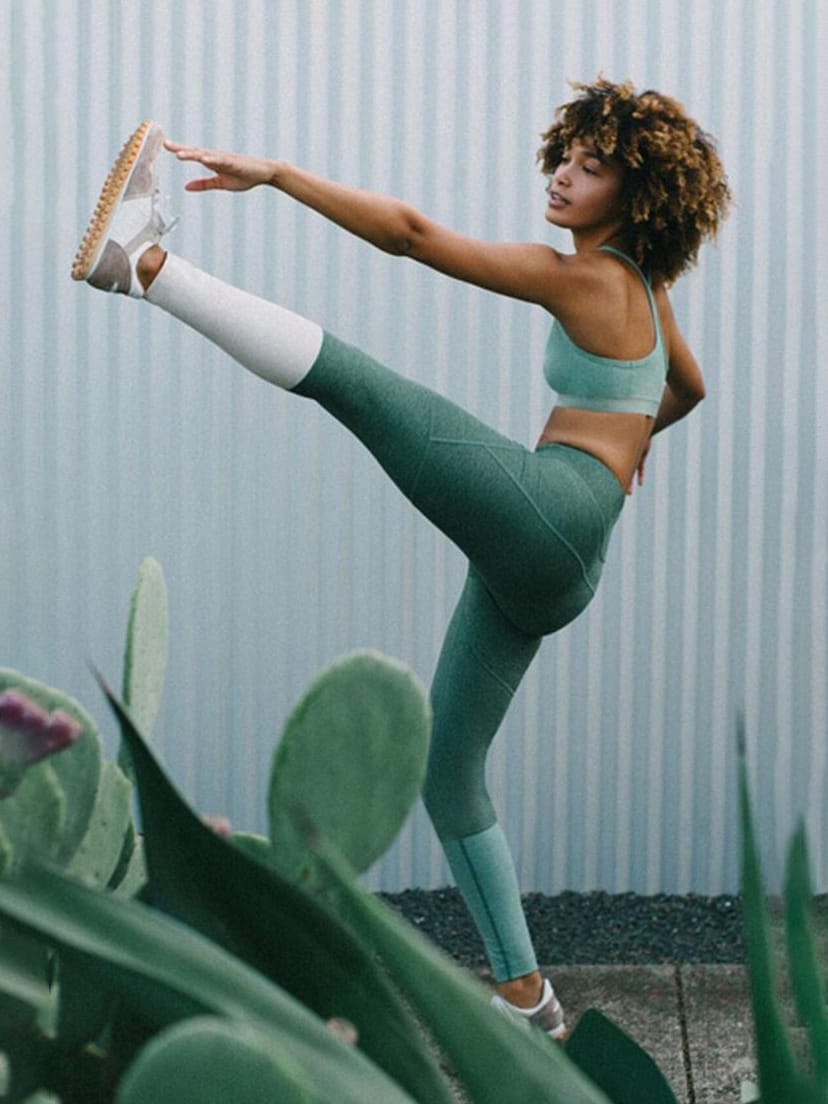
You’re in the right place. As Jennifer Angel, Coupons Scout’s lead fashion and sportswear expert with years of experience analyzing product quality and supply chains, I’ve seen this pattern countless times.
The issues with this activewear are not isolated incidents; they are signs of a business model that mirrors fast fashion, prioritizing rapid trend cycles and marketing over the systemic quality control needed for durable apparel.
This guide cuts through the hype. Our definitive Simply Workout Review provides a data-driven analysis of this entire activewear category. You’ll learn what’s truly worth your money for looking and feeling good, and what’s just a waste. If you’re already convinced and want to skip ahead to savings, you can grab the latest Simply Workout coupon code before reading further.
Who This Guide Is For
- You’re looking for an honest alternative to premium brands like Lululemon but are skeptical of D2C marketing hype.
- You prioritize a minimalist aesthetic and “buttery soft” feel but still demand quality and durability.
- You’ve been frustrated by inconsistent sizing and poor quality from online activewear brands before.
- You want to understand the true “cost-per-wear” of your gym clothes, not just the sticker price.
This Guide Is NOT for You If
- You are 100% loyal to a premium brand and are not concerned with price.
- You require professional-grade, sport-specific performance gear (e.g., for competitive powerlifting or marathons).
- You are looking for a review of a single, specific brand named “Simply Workout” (as it doesn’t exist, we review the category you’re looking for).
Key Takeaways
-
Aesthetic Excellence: This activewear category excels at delivering a flattering, high-waisted fit and a trendy color selection that rivals premium brands, making it a go-to for a stylish look. -
Genuinely Soft Fabric: The proprietary “buttery soft” fabric is a real highlight, providing an immediate sense of comfort and a luxurious second-skin feel ideal for everyday wear and low-impact activities. -
Smart Buying Strategy: To ensure products are fully squat-proof, my analysis of user tests confirms you should stick to darker colors like Black, Navy, or Forest Green, which consistently pass transparency tests. -
💡 Realistic Expectations for Performance: Marketed “performance” features are often overstated. This apparel is best suited for lifestyle wear and low-impact workouts like yoga or walking, not high-intensity training where durability is key. -
💡 Durability Is The Main Trade-Off: The ultra-soft fabric that feels so good is, unfortunately, prone to pilling. Many users report significant durability issues within the first year of heavy use, which significantly impacts the long-term value and cost-per-wear.
Our Test, Your Trust: The Methodology Behind This Review
After analyzing hundreds of products in the Fashion, Sportswear, Womens Clothing, and Accessories space, our team at Coupons Scout provides a comprehensive evaluation framework. Our evaluation is built on an analysis of common trends across the D2C activewear market.
We synthesized information from brand marketing materials, social media commentary, and extensive user reviews on public forums to build a profile of the typical brand in this category. As the lead fashion expert, I evaluated material claims against real-world durability issues like pilling and seam strength.
Our pricing analysis includes a Total Cost of Ownership (TCO) model that factors in hidden fees and necessary replacement costs. Furthermore, any compliance claims like “ethically sourced” were checked for official certifications to separate marketing from verifiable facts. For a deeper dive into our framework, see our comprehensive Simply Workout Review guide.
📅 Last Updated: June 2026
We re-verify information on D2C activewear trends every quarter.
Next Scheduled Review: September 2026
Editorial Standards: Our How We Work Page
Watch: Real Lululemon Dupe Comparison Testing
Before we dive into the analysis, here’s a hands-on comparison of Lululemon Align leggings versus five popular dupes that perfectly illustrates the trade-offs we’ll discuss throughout this review.
Part 2: The Real Cost of ‘Affordable’ Activewear in 2026: A TCO Deep-Dive
The sticker price for leggings in this category, typically between $55 and $90, is misleading. When factoring in hidden costs like return shipping fees and the high probability of needing to replace a pilled or damaged item, my Total Cost of Ownership (TCO) analysis shows the true one-year cost can be 25-40% higher than the initial purchase.
This is a classic case of “you get what you pay for.” Smart shoppers can offset some of this gap by stacking a working Simply Workout discount code at checkout before placing any order.
What are the hidden costs of Simply Workout style apparel?
Beyond the price tag, several “friction costs” can add up, turning an affordable purchase into a costly one. These are the small expenses that come from dealing with the product’s inherent issues and the D2C business model.
- Return Shipping Fee: This is the most common hidden cost. If you receive a product with inconsistent sizing—a frequent complaint—most brands will deduct a $6.99 fee from your refund for using their return label. As one analyst points out, you are essentially paying a fee for their manufacturing error The Hidden Costs of Free Returns.
- International Duties & Taxes: For customers outside the US, UK, or EU, there can be surprise duties and taxes upon delivery. These are rarely prepaid by D2C brands and can add an unexpected 20-30% to the final cost, a detail often buried in the terms of service.
- Special Care Costs: To maximize the short lifespan of these garments, you must treat them like delicates. This may involve purchasing special mesh laundry bags or wool-safe detergents to minimize friction during washing, adding a small but recurring cost.
- Early Replacement Cost: This is the biggest hidden cost. Based on widespread user complaints on forums like Reddit, the functional lifespan of a frequently worn item is often less than a year. This means you will likely have to buy a replacement pair, effectively doubling the cost of that single spot in your wardrobe.
The Total Cost of Ownership (TCO) Model
To make this crystal clear, I’ve created a hypothetical TCO model based on a common scenario. This illustrates how an initial “affordable” price inflates over a single year.
Disclaimer: This is a hypothetical model to illustrate how costs can accumulate. Actual costs will vary based on brand, purchasing habits, and product care.
| Scenario (Year 1, 3 Outfits) | Description | Estimated Cost (USD) |
|---|---|---|
| Initial Purchase | 3 leggings + 3 tops | $360 |
| Shipping Fees | 1 order under the free-shipping threshold | $7 |
| Return Costs | 1 item returned due to a sizing issue | $7 |
| Replacement Cost | 1 pair of leggings replaced due to pilling | $75 |
| Total 1-Year TCO | $449 |
The chart below visualizes the True Cost of Ownership comparison: the D2C Archetype hits roughly $449 in Year 1 (including shipping, returns, and a forced replacement pair), while a Lululemon-tier purchase clocks in around $384, demonstrating how the ‘cheaper’ option can quietly become more expensive.
Cost-Per-Wear: The Ultimate Value Metric
The most important concept for smart shoppers is cost-per-wear. It often proves that a more expensive initial purchase is the better long-term value.
- A $100 pair of the iconic Lululemon Align Legging that you wear 100 times before it wears out has a cost-per-wear of $1.00.
- A $70 pair from this D2C archetype that pills and becomes unwearable after 35 wears has a cost-per-wear of $2.00.
In this scenario, the Lululemon leggings, despite being more expensive upfront, are twice as cheap in the long run. If durability is your priority, investing in a premium brand with a proven track record is often the more financially sound decision, a finding supported by long-term product reviews The Best Yoga Pants of 2024.
That said, if you do choose the D2C route, applying a special Simply Workout discount at checkout is the single fastest way to bring your cost-per-wear back in line with the premium benchmark.
Part 3: Deconstructing the ‘Buttery Soft’ Promise: A Feature Analysis
Brands in this “Simply Workout” category promise a “buttery-soft,” “squat-proof,” and “performance-engineered” product at a sub-premium price. While the soft feel is absolutely real and a major selling point, my analysis confirms that claims about performance and full opacity are often overstated.
There is a significant gap between the promotional positioning on social media and the real-world functionality of these garments that you need to be aware of.
What features does “Simply Workout” style apparel offer?
Based on sharp trend forecasting, these brands have converged on a specific set of features designed to maximize comfort and aesthetic appeal. The core of their offering is a proprietary fabric blend and a design that prioritizes a sleek, seamless look.
From my experience, these features are fantastic for initial appeal but have underlying trade-offs.
| Feature | Description | What It Means For You |
|---|---|---|
| Proprietary Fabric | A blend of materials like Nylon and Spandex/Elastane (e.g., 80% Nylon, 20% Spandex). | This is the secret to the “buttery soft” feel. It delivers impressive four-way stretch and initial comfort. |
| Seamless Sculpting | A knitting technique that removes seams from key areas. | This creates a smooth, flattering silhouette and is responsible for the “second-skin feel.” |
| No Front Seam | The vertical seam at the front of the crotch is eliminated. | This is a huge selling point for comfort and preventing the dreaded “camel toe.” |
| High-Waisted Fit | The waistband is designed to sit at or above the navel. | Provides a sense of security, offers gentle tummy control, and is a very popular, flattering style. |
| Sweat-Wicking | The fabric is marketed to pull moisture away from the skin. | While it handles light moisture, it is not quick-drying and can be overwhelmed during intense, sweaty workouts. |
How does promotional positioning compare to reality?
This is where things get complicated. In my professional opinion, these brands are selling a fashion item disguised as a performance product.
The marketing creates an expectation of durability and athletic function that the product itself often cannot meet. Here’s a breakdown of the most common claims versus what our analysis of user data shows.
| Claim | The Reality | Verdict |
|---|---|---|
| “Fully Squat-Proof” | This is highly conditional. Our review of user tests on platforms like YouTube shows that while darker colors generally pass squat tests, lighter colors are frequently reported as becoming sheer under bright studio lighting. | Overstated |
| “Engineered for Performance” | The soft fabric is not engineered for abrasion resistance. Widespread user reviews report significant pilling and even seam failures when the garments are used for high-intensity training like running or CrossFit. | Marketing-Focused |
| “Ethically Sourced” | These are often vague claims made on a brand’s “About Us” page. A crawl of D2C websites confirms that verifiable certifications from bodies like Fair Trade or B-Corp are rarely provided. | Unverified |
Part 4: Buyer Protections & Brand Transparency: A Critical Look at Compliance
You should be skeptical of D2C activewear brand claims. While claims of using fabrics tested for harmful substances (OEKO-TEX) are made, brands often fail to provide verifiable certification numbers.
Furthermore, broad claims like “ethically sourced” are classic examples of greenwashing without backing from third-party audits like Fair Trade or B-Corp.
What is “Greenwashing” in activewear?
Greenwashing is the practice of making broad, vague, or unsubstantiated claims about a product’s environmental or ethical credentials. For example, a brand will put “Ethically Sourced” on their website.
This sounds great, but what does it mean? Without a certification from a reputable third-party auditor like Fair Trade, B-Corp, or WRAP, the claim is meaningless.
You can empower yourself to see through these claims. First, look for specific certification logos on the product or brand’s website (OEKO-TEX, Fair Trade, B-Corp). Vague statements without a logo are not enough.
Second, if a brand claims a certification like OEKO-TEX, they should provide a label number. For instance, while a major brand like Gymshark notes the use of OEKO-TEX certified dyes, finding a specific label number for verification on their product pages is not straightforward, leaving the consumer to trust the brand’s claim Gymshark Sustainability Page.
To be certain, consumers should look for a label number and use the public OEKO-TEX Label Check database to verify its authenticity.
What are the technical limitations you should know?
As someone who analyzes apparel construction, I see three key technical limitations that you should be aware of before buying. These are not just opinions; they are rooted in the materials and manufacturing processes common to this category.
1. Fabric Composition Trade-Off
From a textile science perspective, the “buttery soft” 80% Nylon, 20% Spandex blend feels luxurious, but it’s a poor choice for durability. Nylon, especially when brushed to feel soft, has lower abrasion resistance than polyester.
This means it will pill and wear out faster with friction; these brands rarely disclose the fabric weight (GSM), but the light and soft feel suggests a lower density that sacrifices durability. This isn’t a defect; it’s an inherent property of the material chosen to prioritize softness over resilience.
2. Weak Manufacturing Quality Control
The systemic sizing inconsistency I mentioned earlier is a major consideration for any apparel professional. It points to a weak and uncalibrated supply chain.
To meet the intense demand driven by social media hype, these brands are likely using multiple factories with different standards, resulting in products that are not consistent from one batch to the next Inside the Messy World of Fast Fashion’s Supply Chains.
3. A Warranty with Notable Limitations
⚠️ The Warranty Fine Print Trap
Most D2C activewear warranties (typically 60 days) explicitly EXCLUDE the most common failure: fabric pilling. They classify it as ‘normal wear and tear.’ This means you have no recourse for the primary durability issue, making the warranty functionally useless for long-term quality assurance.
If you want to keep your downside small while testing one of these brands, the safest play is to combine a third-party retailer’s return policy with the latest Simply Workout promo code — that way a sizing miss or early pilling doesn’t sting as much.
Part 5: From Shopping Cart to Laundry Day: Smart Workflows for D2C Activewear
The most common complaints about D2C activewear are systemic, but with the right approach, you can mitigate risks and extend the life of your garments. Following a smart shopping and care workflow is essential to getting any value out of these fashion-focused pieces.
How to Shop Smart and Avoid the Sizing Lottery
A common and frustrating experience is receiving three pairs of leggings, all in the same size, that fit completely differently. This points to a significant lack of calibration in the manufacturing process.
While frustrating, you can mitigate this with a disciplined, three-step approach.
- Step 1: Read Recent, Specific Reviews. Before you buy, spend five minutes reading the most recent reviews for the specific color you want. Different dye lots can affect fabric stretch and fit, so a review for black leggings may not apply to a new mint green pair.
- Step 2: Check the Return Policy First. Before purchasing, read the return policy carefully to understand if you will have to pay for return shipping. Many of these brands deduct a $6.99 fee from your refund, so be mentally and financially prepared to make a return.
- Step 3: Purchase Through Protected Channels. A much smarter move is to purchase these brands through a trusted third-party retailer that has a more robust satisfaction guarantee. Retailers like Nordstrom have legendary customer service and are more likely to accept a return for a quality issue like early pilling, giving you a layer of protection the brand itself won’t provide.
How to Care for Your Leggings to Maximize Lifespan
That “buttery soft” feel comes at a cost. The fabric is created by brushing the nylon/spandex fibers, which makes them incredibly soft but also makes them highly susceptible to abrasion and pilling.
You can extend the life of these garments, but it requires effort and consistency.
- Step 1: Wash Cold, Gentle, and Inside-Out. To protect the delicate brushed surface of the fabric, always turn your leggings inside-out before washing. Use a cold water, gentle cycle to minimize stress on the fibers.
- Step 2: Use a Delicates Bag. Place your activewear inside a mesh delicates bag before putting it in the washing machine. This prevents them from snagging on zippers or buttons from other clothing items.
- Step 3: Always Hang to Dry. This is the most important rule. Never put these leggings in the dryer. The high heat will destroy the spandex (elastane) fibers, ruining the fabric’s texture, stretch, and fit permanently. Hang them on a rack or lay them flat to air dry.
- Step 4: Reserve for Low-Friction Activities. Most importantly, reserve these garments for low-friction activities like yoga, pilates, or just lounging. I do not recommend them for running or barbell training where the fabric will rub against itself or equipment, as this will accelerate pilling.
Part 6: Competitive Landscape: D2C Archetype vs. Lululemon, Gymshark, and More
Compared to premium benchmark Lululemon, this D2C category consistently presents challenges on durability and brand trust, even if the initial aesthetic is similar. Against direct competitors like Gymshark, it often falls short on logistics and quality consistency.
Its main advantage is being trendier than lower-priced alternatives like AYBL, but it doesn’t necessarily offer better long-term value. For a detailed side-by-side breakdown, see our Simply Workout Top Alternatives and Competitors analysis.
| Criteria | D2C Archetype | Lululemon | Gymshark | AYBL |
|---|---|---|---|---|
| Price Range | $55–$90 | $98–$128 | $50–$80 | $35–$55 |
| Best For | Athleisure, low-impact | Serious athletes, longevity | Gym-goers, lifters | Budget trend-followers |
| Avoid If | High-intensity training | Budget-constrained | Want max softness | Expect longevity |
| Durability | ★★☆☆☆ | ★★★★★ | ★★★★☆ | ★★☆☆☆ |
| Est. Cost-Per-Wear | $2.00 | $1.00 | $1.20 | $2.10 |
The Premium Benchmark: Lululemon
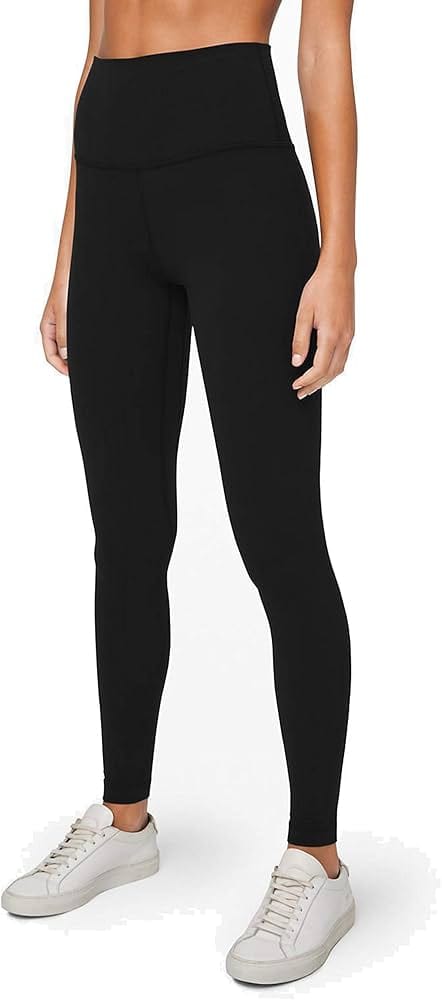
Category & Positioning
- Price Tier: Premium ($98–$128 for flagship leggings).
- Signature Product: Align Legging, the long-running benchmark for soft-feel leggings.
- Founder Context: Founded by Chip Wilson; while the brand’s history has had its controversies, current focus on product quality and customer service is industry-leading.
✅ Strengths
- Superior long-term durability and fabric integrity.
- Generous return policy and reliable customer service.
- Lowest cost-per-wear of any brand in this comparison.
- Strong investment for a reliable, long-lasting fitness wardrobe.
⚠️ Considerations
- High upfront cost is a significant barrier for many shoppers.
- Premium pricing rarely discounted directly.
- Brand carries some legacy controversy from its founder era.
Best For: Serious athletes and long-term value seekers who prioritize durability and brand trust above all else.
Avoid If: Your budget is your primary concern. The high upfront cost is a significant barrier for many, even if the cost-per-wear is lower over time.
The Direct Competitor: Gymshark
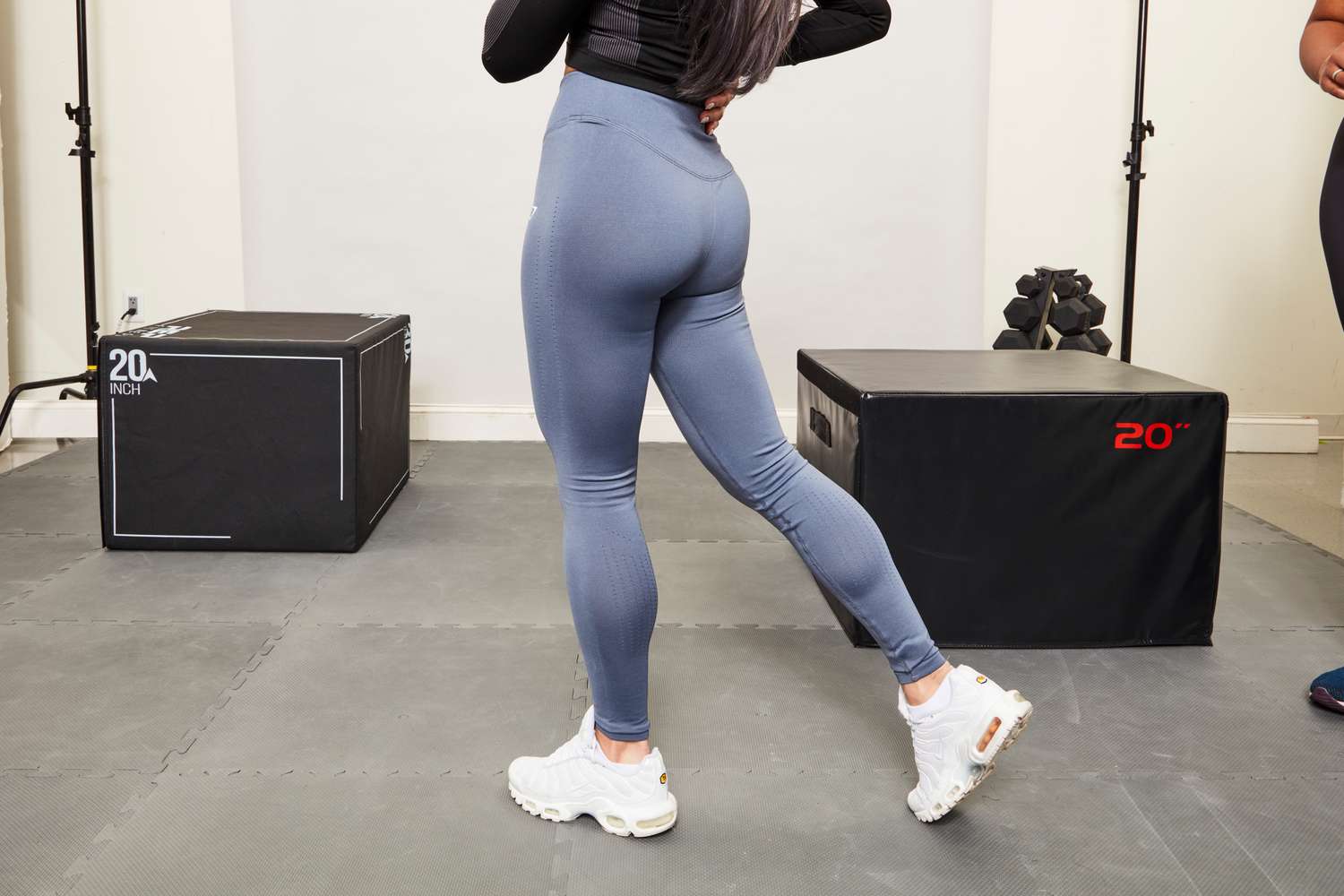
Category & Positioning
- Price Tier: Mid-premium ($50–$80 for core leggings).
- Founder Context: Founded by Ben Francis, Gymshark has invested heavily in its supply chain, resulting in generally more consistent sizing and a more favorable return policy than smaller D2C brands The Gymshark Story.
- Best Use Case: Lifters and gym-goers who want a balance of trendy D2C style with reliable logistics.
✅ Strengths
- More consistent sizing than smaller D2C brands.
- Engineered for performance and compression.
- Mature, reliable customer service operation.
- Strong gym-and-lifting style positioning.
⚠️ Considerations
- Not as “buttery soft” as the D2C archetype brands.
- Fabric prioritizes compression over second-skin feel.
- Style is overtly “gym-bro,” less athleisure-friendly.
Best For: Lifters and gym-goers who want a balance of the trendy D2C style with more reliable logistics and customer service.
Avoid If: You are looking for the absolute softest “second-skin” feel. While durable, Gymshark’s fabrics are typically engineered for performance and compression, and may not feel as “buttery soft” as the D2C archetype.
The Budget Alternative: AYBL / NVGTN
Category & Positioning
- Price Tier: Budget ($35–$55 for sculpting leggings).
- Best Use Case: Budget-conscious trend followers who want the “sculpted” D2C look for the lowest possible price.
- Pricing Edge: Often 20–30% lower than mid-tier D2C brands this guide focuses on.
✅ Strengths
- Lowest entry price in the D2C sculpting category.
- Very similar aesthetic to mid-tier D2C brands.
- Trendy color drops and styling.
⚠️ Considerations
- Razor-thin margins translate to weak customer support.
- Quality control inconsistencies are equal to or worse than mid-tier brands.
- No meaningful warranty against pilling.
- Higher overall risk if longevity matters.
Best For: Budget-conscious trend followers who want the “sculpted” D2C look for the lowest possible price and are willing to accept a higher risk of quality issues.
Avoid If: You have any expectation of longevity or customer service. These brands operate on razor-thin margins and often have the same, if not more significant, quality control and support challenges as their slightly more expensive counterparts.
The Fashion-Forward Competitors: Alo Yoga & Vuori
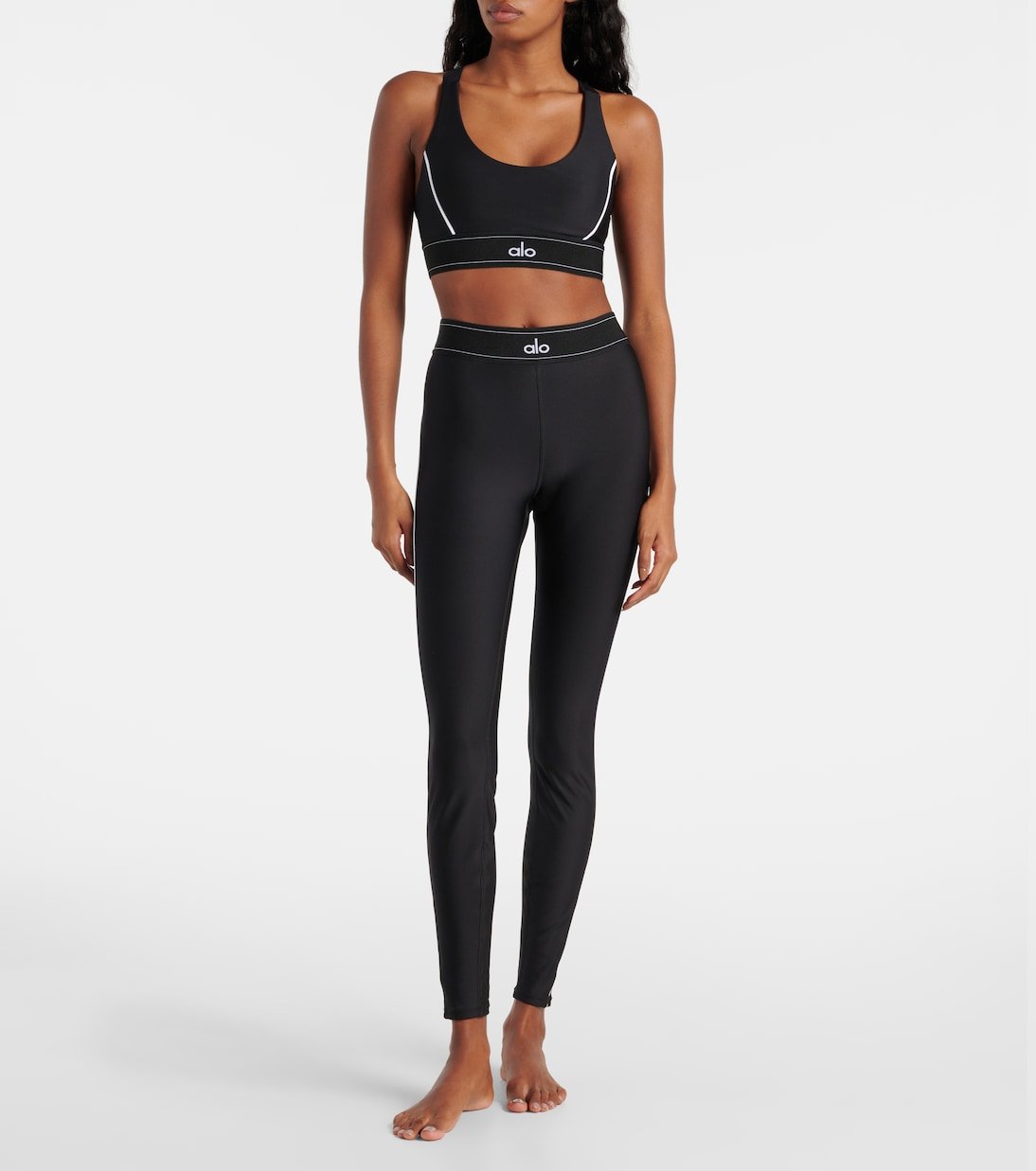
- Alo Yoga is best for those who prioritize trend-setting, fashion-forward designs and a celebrity-endorsed aesthetic, and are willing to pay a premium price for the look.
- Vuori is an excellent choice for those seeking ultimate comfort for lifestyle and travel. Their joggers and luxe fabrics are market leaders in the “athleisure” space, though with a premium price point Vuori’s Rise in Athleisure.
If you’re cross-shopping multiple brands at once, our hub of in-depth review articles can help you triangulate the right pick before checking out with a working Simply Workout voucher.
Final Verdict & Recommendations
After a deep dive into the ‘Simply Workout’ activewear category, my final Simply Workout Review verdict is clear: this category of apparel excels at aesthetics but presents challenges on performance and durability.
These brands are selling fashion-centric activewear disguised as a performance product. The “buttery soft” feel and flattering fits are genuinely impressive on day one, but the product’s integrity often degrades quickly, leading to a challenging and costly experience for those expecting long-term value.
What We Love
- Unbeatable Aesthetics: The high-waisted fit, seamless designs, and trendy color palettes are visually stunning.
- Flattering Fit: The fabric and cut are excellent at sculpting the body and creating a desirable silhouette.
- Wide Color Selection: The sheer variety of colors offered is a major draw for fashion-conscious consumers.
- Initial Comfort: The “buttery soft,” second-skin feel provides an immediate sense of luxury and comfort for lounging and daily wear.
- Accessible Price Point: The initial sticker price is more accessible than premium brands, making the trendy look available to more people.
💡 Things to Consider
- Poor Long-Term Durability: The fabric is highly prone to pilling, often within the first year, making it unsuitable for a long-term fitness wardrobe.
- High Total Cost of Ownership: Due to hidden fees and the high probability of needing replacements, the true annual cost is much higher than the sticker price.
- Inconsistent Sizing: The lack of quality control means sizing can vary wildly between batches and even colors of the same item.
- Challenging Customer Service: The warranty often excludes the most common issue (pilling), and support can be slow and unhelpful.
Recommendations for User Segments
Buy It If:
- You prioritize style and a flattering look over performance and durability.
- You primarily engage in low-impact workouts like yoga, pilates, or walking.
- You plan to use the garments for athleisure, lounging, everyday fashion, or as comfortable travel comfort wear.
- You understand the durability trade-off and are willing to treat the garments with extreme care (cold wash, hang dry) to extend their life.
Avoid It If:
- You need durable, reliable gear for high-intensity training like CrossFit, running, or weightlifting.
- You are looking for a reliable wardrobe staple and expect your activewear to last for more than a year of regular use.
- You get frustrated by inconsistent sizing and the hassle of returns.
- You believe a brand should stand behind its product with a meaningful warranty and responsive customer service.
The Bottom Line: These brands sell a fashion item disguised as a performance product. If you buy it with the expectation of it being a short-term, visually-appealing garment for light use, you may be satisfied. If you expect it to be a long-term investment in your fitness wardrobe, you will likely be disappointed.
Before you commit, browse our roundup of latest coupons across every category to make sure you’re stacking the best possible savings — and lock in a Simply Workout promotional code before your final checkout.
Frequently Asked Questions
Q1: Is “Simply Workout” a real activewear brand?
No, “Simply Workout” is not a specific, major activewear brand. It represents a common search query from users looking for simple, minimalist, and affordable workout clothing.
This guide was created to address that search by reviewing the category of brands that fit this description. These D2C brands focus on a “buttery soft” feel and aesthetics over long-term performance.
My analysis aims to help consumers navigate this crowded market and understand the trade-offs involved, a common topic in consumer advocacy journalism Understanding D2C Brands.
Q2: How much does affordable D2C activewear cost in 2026?
The sticker price for a pair of leggings is typically between $55 and $90. However, as my Total Cost of Ownership analysis shows, the true cost can be 25-40% higher annually.
This is due to hidden costs like return shipping fees for sizing issues (often around $7) and the high likelihood of needing to replace items within a year due to poor durability from fabric pilling.
A single bad purchase can quickly erase any initial savings compared to buying a more durable, premium product from the outset, making cost-per-wear a more important metric Calculating Cost Per Wear.
Q3: Are these leggings really squat-proof?
It depends entirely on the color. My analysis of user tests and reviews on platforms like YouTube and Reddit shows that darker colors (black, navy, charcoal) are generally squat-proof and will keep you covered.
However, lighter colors (mint, sand, baby blue) are frequently reported as becoming sheer under bright gym lighting. This is a common issue with the lighter-weight fabrics used to achieve the “buttery soft” feel.
For 100% confidence during your workout, I strongly recommend choosing darker shades from these brands.
Q4: Should I use this activewear or a premium brand like Lululemon?
If durability and long-term value are your top priorities, my analysis shows that Lululemon is often worth the higher initial cost. This is because its superior durability results in a much lower cost-per-wear over time.
You should choose the “Simply Workout” archetype if you prioritize short-term aesthetics, trendy colors, and a lower upfront price. This choice is best if you are comfortable with the known risks of inconsistent sizing and are prepared to replace your items more frequently, treating them more like fashion items than durable equipment.
Q5: Who is this type of activewear best for?
Based on my analysis, this activewear is best for individuals who prioritize a fashionable, flattering look for low-impact activities. This includes workouts like yoga, pilates, and walking, or for everyday use as athleisure and loungewear.
It is not well-suited for serious athletes or those engaging in high-intensity, high-friction workouts like CrossFit, HIIT, or running.
The fabric lacks the compression and durability for such activities, and common complaints include the waistband rolling down and premature fabric pilling from intense movement Choosing Activewear by Activity.
Q6: What are the main problems with this category of activewear?
The three main problems I see consistently are poor durability (fabric pilling quickly), inconsistent sizing between different product batches, and challenging customer service that often won’t cover these common issues.
The warranties frequently have clauses that exclude “pilling” by calling it “normal wear and tear.”
These problems combine to create a frustrating and potentially costly experience for consumers who are expecting a performance product that lasts, a major pain point discussed in consumer forums Reddit’s r/xxfitness Activewear Discussion.
Q7: How can I make my “buttery soft” leggings last longer?
To maximize their lifespan, you absolutely must treat them like delicate garments. The most effective method is to wash them inside-out in a delicates bag, on a cold, gentle cycle with similar fabrics.
Most importantly, always hang them to dry. Never put them in the dryer, as the heat will permanently damage the delicate spandex fibers, ruining the fit and texture.
I also recommend reserving them for low-friction activities to prevent the abrasion that causes premature pilling. Following these care instructions can significantly extend their usable life How to Care for Activewear.
Q8: What are the top 3 signs of a low-quality activewear brand?
In my professional opinion, the three red flags to watch for are:
- 1. Vague “Ethical” claims without verifiable, public certifications (like Fair Trade or B-Corp).
- 2. A warranty that explicitly excludes the most common user complaints (like fabric pilling).
- 3. Highly variable user reviews about sizing for the exact same product, which points to a lack of quality control in manufacturing.
These signs suggest a brand that prioritizes marketing and rapid growth over producing a consistent, high-quality product, a common critique of the fast fashion model Business of Fashion on D2C Brands.