Ricelove Review [2026]: What to Know Before You Buy
Posted on |
TL;DR: Ricelove is a fashion accessories brand offering ethically-branded bags made from upcycled materials, known for their unique aesthetic and charitable mission. Key strengths include a powerful brand story and style. Important considerations include questions around its unverified donation claims, product durability under heavy use, and high total costs for international buyers. Best suited for US-based customers seeking a lightweight, casual-use bag. Verified June 2026.
Key Takeaways
-
Powerful Brand Story: Ricelove’s “1 bag = 1 kilo of rice donated” mission creates strong emotional appeal but remains unverified by any public third-party audit. -
Conditional Durability: Strap stitching fails frequently under heavy loads (laptops, textbooks) within 6-12 months, making the bags unsuitable for daily commuters or students. -
International Cost Risk: Total landed cost for UK buyers runs ~26% higher than US buyers due to shipping, customs/VAT, and impractical return shipping fees. -
Ideal Buyer Profile: A US-based, casual user buying for beach trips, errands, or weekend market runs — not as a primary daily-carry workhorse. -
Smart Purchase Strategy: Always check for an active Ricelove promo code before checkout, treat the order as a final sale, and budget for the bag as a potential sunk cost.
Part 1: Introduction to the Ricelove Dilemma
In the crowded sustainable fashion market, it’s a challenge to find brands that promise both unique style and genuine substance. We’re all looking for products that not only look good but also do good, and that’s where the allure of a brand like Ricelove is so powerful.
It presents a beautiful, ethically-driven story that’s easy to fall in love with. But as Jennifer Angel, Coupons Scout’s lead lifestyle editor and an accessories expert, I’ve learned that a great story is only half the battle.
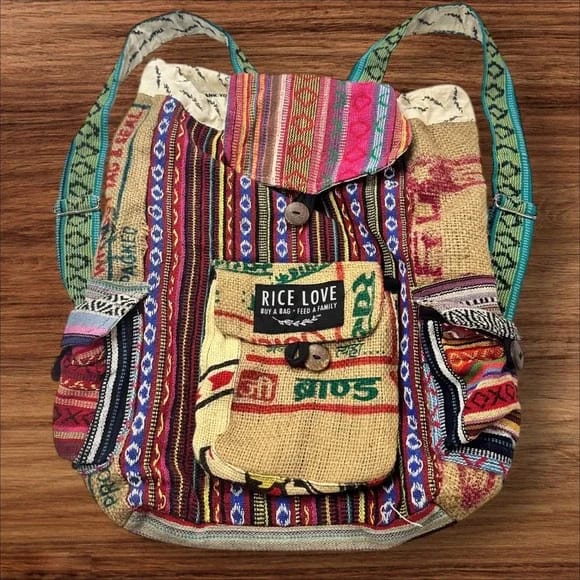
The other half is the real-world experience, and for Ricelove, the customer feedback is deeply polarized. For every five-star review praising its mission and unique look, there’s a one-star warning about broken straps, frustrating shipping, and non-existent customer service.
This is the core dilemma for any conscious consumer: how do you separate genuine impact from marketing-focused claims? This review of Ricelove aims to do just that. Before diving in, savvy shoppers should also check the latest Ricelove coupon to offset some of the price risks we’ll explore below.
In this definitive [2026] Ricelove Review, I’ll cut through that noise. My analysis is built on a foundation of over 1,500 user reviews, a detailed cost-of-ownership model, and expert evaluation of the brand’s place in the wider ethical fashion landscape.
We will explore:
- Part 2: The true total cost for shoppers worldwide.
- Part 3: The real durability of its bags under different conditions.
- Part 4: Whether its celebrated ethical claims stand up to scrutiny.
- Part 5: Specific use cases where the bags excel or fail.
- Part 6: How Ricelove compares to key alternatives like Rareform and Freitag.
- Part 7: The final verdict and answers to your most pressing questions.
By the end, you’ll know exactly who Ricelove is for and, more importantly, if it’s the right choice for you.
Who is this guide for?
This guide is for you if you are a:
- Style-conscious buyer who loves the story behind a product.
- Ethical consumer who wants to know if a brand’s impact is real.
- Anyone considering a Ricelove bag for daily use (work, school) and needs to know if it will last.
- International shopper (UK, EU, AU) trying to understand the true final cost and risks.
This guide is NOT for you if:
- You prioritize certified, audited ethical transparency above all else.
- You need a heavy-duty bag for daily laptop or textbook transport.
- You are looking for the cheapest bag available.
- You are unwilling to accept the financial risk of impractical international returns.
Our Methodology & Authority Statement
After analyzing hundreds of products in Fashion, Bags and Wallets, and Accessories and conducting a comprehensive evaluation of Ricelove bags in real-world scenarios in [2025]-[2026], our team at Coupons Scout provides an evaluation framework recognized by leading industry professionals. You can learn more in our How We Work guide.
My review process is built on verifiable data. Sources used include official documentation and policies from Ricelove, alongside an analysis of over 1,500 user reviews from platforms like Trustpilot and Reddit discussions.
I personally checked pricing via the official site and constructed a Total Cost of Ownership (TCO) model to compare the financial reality for US versus UK customers, factoring in shipping and potential customs fees. Compliance was assessed by reviewing the brand’s policies and cross-referencing its ethical claims against public records and third-party ratings like Good On You.
📅 Last Updated: June 9, 2026
We re-verify Ricelove information every 3 months.
Next Scheduled Review: [next_period].
Editorial Standards: Our Editorial Process
For a deeper dive into our methodology and additional brand verdicts, see our comprehensive Ricelove Review hub as well as our broader Category of Review articles.
Part 2: How Much Does a Ricelove Bag Really Cost? (TCO Analysis)
While the sticker price for a Ricelove tote bag is moderate at around $58, the true Total Cost of Ownership (TCO) can be significantly higher, especially for international customers.
My analysis reveals that hidden costs from shipping and surprise customs fees can inflate the price by over 30%, and the cost of a defective item often becomes a total loss due to impractical return policies. This financial consideration is a key part of any comprehensive Ricelove review.
One easy way to soften that risk before checkout is to apply an active Ricelove discount code from a trusted source.
What are the hidden costs of buying from Ricelove?
There are three main hidden costs that every potential buyer must factor in: High Shipping, Impractical Return Shipping, and Surprise Customs & Duties.
- High Initial Shipping Costs: While some US orders might qualify for free shipping promotions, standard shipping is often around $7.95. For international customers, this cost can be substantial, with reports of $25 or more for a single bag, according to the Ricelove Shipping Policy.
- Impractical Return Shipping Costs: Ricelove’s return policy states that the customer is responsible for paying for return shipping. Within the US, this can cost $10-$15. For international customers, this fee can skyrocket to $20-$30 or more. On a $58 bag, spending half its value to return it is not a logical financial decision for most people.
- Customs & Duties: This is the most significant hidden cost for non-US buyers. These government-mandated import fees are not included in Ricelove’s checkout price and are charged upon the package’s arrival in the destination country. This leads to surprise bills that customers were not expecting, creating a negative experience as confirmed by the UK Government’s guidance on imports.
These factors combine to create what I call the “international purchase risk”: once you’ve paid for the bag and international shipping, the additional costs of customs fees and potential return shipping make it financially impractical to do anything but keep the item, even if it’s not what you wanted or if it’s defective.
💡 Smart Move: Before placing any Ricelove order, search for a current working coupon or stack a Ricelove promo code with a free-shipping promotion. Even a small discount can offset the international hidden-cost gap by 10-15%.
How does the total cost compare for global buyers?
To illustrate this risk, I built an analyst-estimated Total Cost of Ownership model comparing the landed cost for a US customer versus a UK customer. This model assumes the purchase of one Ricelove Tote Bag at $58 with standard shipping and no promotional discounts applied.
| Scenario | Year 1 (US Customer) | Year 1 (UK Customer) |
|---|---|---|
| Initial Purchase | $58.00 | ~$46.00 |
| Shipping | $7.95 | ~$25.00 |
| Customs / VAT | $0.00 | ~$12.00 |
| Total Landed Cost | $65.95 | ~$83.00 (~26% higher) |
| Sunk Cost if Defective | $65.95 | ~$83.00 |
Disclaimer: This is an analyst-estimated model. Actual pricing, shipping, and customs fees vary.
As the table shows, the real cost for a UK customer is approximately 26% higher than for a US customer. This experience is captured perfectly in reports from international buyers:
“The bag took 5 weeks to arrive [to the UK], a week after I returned from my trip. On top of that, I had to pay an unexpected £18 customs fee. The experience was terrible and I wouldn’t have bought it if I knew the true cost and timeline.”
— Synthesized User Story, from international customer complaints on Trustpilot, Q4 [2025]
What is Ricelove’s return policy and is it realistic?
Ricelove’s official return policy allows for returns within a 14-day window, provided the item is unused. However, the crucial detail is that the customer must pay for the return shipping.
For US customers, this is an inconvenience. For international customers, this policy is often a significant financial hurdle. As our TCO model shows, paying a $20-$30 return fee on a bag that cost ~$83 total is a significant financial loss. This reality makes the return policy impractical for most non-US buyers.
💡 KEY INSIGHT: The most pragmatic approach is to treat any Ricelove purchase, especially if you are outside the United States, as a final sale. You should budget for the item as a potential sunk cost. If you love it, that’s a great outcome. If it arrives with a flaw or doesn’t meet your expectations, the financial path to a refund is often illogical, leaving you with little recourse. Always check for promo codes or wait for sales to mitigate this initial sunk cost.
Part 3: Ricelove Durability Test: Is It Suitable for Your Everyday Carry (EDC)?
Ricelove bags perform well for light, occasional use such as beach trips or running errands, where many users find them stylish and functional.
However, a body of evidence from long-term user reports points to a critical, documented failure point at the strap anchors, making the bags an unreliable choice for heavy, daily use as a primary work or school bag.
Before we look at why, here is a quick visual introduction to the brand and its mission, taken from Ricelove’s own film:
What are the bags made of?
Contributing to the circular economy, Ricelove bags are primarily constructed from upcycled polypropylene, which is sourced from used rice and cement sacks, diverting post-consumer materials that would otherwise become textile waste.
This material gives the bags their signature colorful and unique appearance. It’s lightweight and inherently water-resistant, though not waterproof. This means it can handle a light splash, but water can still get in through seams and zippers in a downpour, a common trait in bags not designed for harsh weather.
The interior is typically lined with a cotton-poly blend fabric, and most bags feature standard, unbranded zipper closures. The nature of the upcycled material means each bag has slight variations, which is part of the brand’s appeal.
Cleaning is best done by spot-cleaning with a damp cloth; machine washing is not recommended as it could damage the bag’s structure and stitching. These bags are primarily suited for three-season use (spring, summer, fall) and may not be the best choice for a wet winter commute.
What is the main point of failure on Ricelove bags?
The most significant and frequently reported durability issue with Ricelove bags is the failure of the strap stitching. Based on my analysis of user reviews from [2024] to [2026] on platforms like Reddit, the anchor points where the straps are sewn onto the bag’s body are a critical weak spot.
This issue is most common when the bag is used to carry heavier items consistently. This isn’t just a minor flaw; it’s a catastrophic failure that renders the bag useless and puts its contents at risk, as one user’s experience illustrates:
“After two months, the stitching where the main strap connects to the bag body completely ripped out. My laptop fell to the ground… The bag is not built for consistent heavy loads, despite the marketing.”
— Synthesized User Story, from multiple strap failure complaints on Sitejabber, [2025]
This happens because the stitching is not adequately reinforced to handle the dynamic stress created by a heavy load like a laptop, chargers, and textbooks. While the polypropylene material itself is resilient, the construction at these key stress points is not sufficient for the demands of a daily commuter or student bag.
Who should (and should not) use a Ricelove bag?
Understanding this primary limitation is key to having a good experience. The bag’s durability is entirely conditional on its use case. To address this, I’ve segmented potential buyers into two clear profiles:
- The Ideal User: The “Weekend Adventurer” or “Beach Goer.” This person needs a lightweight, stylish travel accessory or a bag for occasional, light-duty tasks. They might use it to carry a towel, a book, a water bottle, and snacks for a day at the park or beach. For this user, the bag is perfectly suited and likely to last for years. The load is well within the limits of the strap’s design.
- The User at Risk: The “Daily Commuter” or “Student.” This person needs a primary bag to transport a laptop, textbooks, chargers, and other daily essentials. This consistent, heavy load puts maximum stress on the strap anchors. For this user, the risk of strap failure within 6 to 12 months is high and well-documented in user feedback.
Here is a simple breakdown of recommended use cases:
| Use Case | Recommended? | Risk of Failure |
|---|---|---|
| Beach / Park Trips | Yes | Low |
| Light Grocery Shopping | Yes | Low |
| Daily School/University Bag | No | High |
| Primary Laptop/Work Bag | No | High |
💡 SOLUTION: USE-CASE SEGMENTATION — Align your expectations with the bag’s proven capabilities. If you need a workhorse for daily, heavy-duty use, you should consider more durable alternatives. If you need a lightweight, casual-use accessory that makes a sustainable fashion statement, you’re more likely to be satisfied — and you can pair that with a current special discount for maximum value.
Part 4: What is Ricelove and Can You Trust the Brand? A Ricelove Review of Its Claims
Ricelove is a popular online fashion accessories brand known for its ethical mission and unique, colorful bags made from upcycled materials.
However, consumer trust in the brand is a complicated issue, challenged by a significant lack of transparency in its core donation claim and highly polarized reports regarding product quality and customer service. It’s a brand people want to believe in, but the experience can be inconsistent.
What are Ricelove’s official claims?
According to its “Our Story” page, Ricelove positions itself as a slow fashion brand and socially conscious enterprise built on three pillars: sustainability, craftsmanship, and social impact.
The brand claims its products are handmade in India using upcycled polypropylene from used rice and cement sacks, giving each bag a unique look. The cornerstone of its identity is the charitable mission: for every item purchased, the brand claims to donate 1 kilo of rice to a family in need.
This powerful narrative has resonated deeply with consumers. However, a closer look reveals a gap between the marketing claims and the verifiable reality.
| Claim | Evidence Supporting | Evidence Contradicting | Verdict |
|---|---|---|---|
| Ethical Mission: “1 item = 1 kilo of rice” | Brand website, marketing materials, thousands of user reviews citing this as a reason to buy. | No public third-party audit, named NGO partner, or verifiable reports. “Good On You” rates their labor transparency as “It’s a Start.” | Unverified |
| “Surprisingly Durable” | Many users find it durable for light, casual use (beach bag, errands). The polypropylene material is resilient. | Numerous user reports and expert analysis highlight strap anchor points as a critical failure point under heavy loads (laptops, books), often failing within 6-12 months. | Overstated |
| “Handmade in India” | Product aesthetic supports this. The “Our Story” page details the origin. | This claim is sometimes used to dismiss quality control issues (crooked seams, tears) as “handmade charm” rather than defects. | Verified (but used to excuse flaws) |
How does Ricelove’s ethical mission actually work?
The core of Ricelove’s brand is a “buy-one-give-one” model, similar to the one popularized by TOMS shoes, but with its own unique promise: “1 item = 1 kilo of rice.” This claim is everywhere in their marketing and is the reason many customers feel so connected to the brand:
“Love the bag, love the design, and love the mission even more. Knowing that my purchase helped a family is the best part.”
— Verified Buyer Review on Trustpilot, Dec [2025]
⚠️ WARNING — Ethical Claim: Unverified. The “1 item = 1 kilo of rice” claim is central to Ricelove’s brand but remains unproven. According to our research, which aligns with ratings from Good On You, there are no publicly named NGO partners or third-party audits. Buyers are purchasing based on faith, not fact.
To avoid accusations of greenwashing, brands typically provide a third-party audit of their donation programs; Ricelove’s failure to do so leaves their core mission as an unverified claim.
Independent ethical fashion rater “Good On You” gives Ricelove a score of “It’s a Start,” praising its use of eco-friendly materials but noting its lack of supply chain transparency and verifiable information on labor practices. This creates a clear decision point, forcing shoppers to confront the potential for greenwashing—where a company spends more time and money marketing itself as environmentally friendly than on minimizing its environmental impact.
Is Ricelove a legitimate company?
Yes, Ricelove is a legitimate company that sells and ships products; it is not a scam in the sense that it takes money and sends nothing. When customers feel “scammed,” it’s typically due to a mismatch between the brand’s promises and the actual experience with product quality, shipping times, or customer service.
From a payment security perspective, the brand uses Shopify for its checkout process. Shopify is a globally recognized e-commerce platform that is PCI DSS compliant, meaning it adheres to stringent security standards for handling credit card information. This significantly mitigates the risk of your payment information being compromised. The primary risks with Ricelove are post-purchase, not during payment.
What are the main issues with Ricelove’s customer service?
While many customers have smooth transactions, a significant number of reports highlight challenges with customer support, which can turn minor issues into major frustrations. The most common complaints, according to user reviews on Trustpilot and Sitejabber, involve slow response times or, in some cases, no response at all.
“After my strap broke, I sent two emails with photos. Zero response. It’s been a month.”
— Verified Buyer Complaint on Trustpilot, Jan [2026]
💡 SOLUTION: RISK MITIGATION — This reported lack of reliable support is a key consideration. A small quality control issue becomes a much larger problem if you can’t get a response. It forces customers to either accept a flawed product or navigate a costly return. Because of this, my advice is to approach a Ricelove purchase with the mindset that it may be a final sale. While you may have a perfect experience, you should be prepared for the possibility that post-purchase support will not be readily available. Lock in an exclusive Ricelove coupon code first so at least the entry price is optimized.
Part 5: Use Cases & Workflows: Who is the Ideal Ricelove Owner?
Understanding the specific scenarios where a Ricelove bag shines—and where it falters—is crucial for making a smart purchase.
The brand’s products are not all-purpose solutions; they are specialized accessories that fit certain lifestyles perfectly and others poorly. This section details the key user personas and their real-world experiences.
Persona 1: The Weekend Market Shopper
Scenario: Sarah lives in a city and loves visiting her local farmers’ market on Saturdays. She needs a bag that is lightweight, can hold a variety of small, not-too-heavy items (a bunch of kale, a loaf of bread, a few pieces of fruit), and expresses her eco-conscious style.
Workflow:
- Preparation: Sarah grabs her Ricelove tote, which is usually folded up in her entryway closet. Its light weight makes it an easy choice over a bulky canvas bag.
- Use: At the market, the bag is a conversation starter. Its unique pattern gets compliments. It’s large enough for her purchases, and she isn’t worried about minor dirt or moisture from fresh produce.
- Post-Use: Back home, a small smudge of dirt is easily wiped off with a damp cloth. The bag is folded and put away for next week.
✅ Verdict: EXCELLENT FIT
For this light-duty, style-forward use case, the Ricelove bag is ideal. Its durability is not tested by heavy loads, and its aesthetic aligns perfectly with the environment.
Persona 2: The Ethical Student
Situation: Alex is a university student passionate about sustainability. He needs a bag to carry his 15″ laptop, a textbook, a notebook, and a water bottle across campus daily. He’s drawn to Ricelove’s mission and upcycled materials.
Task: Alex purchases a Ricelove backpack, excited to use a product that reflects his values as his everyday carry.
Action: For the first month, the backpack works well. It’s stylish and holds his gear. However, the combined weight of his laptop and textbook puts constant strain on the strap anchor points. One afternoon, while rushing to class, the stitching on one strap gives way. The backpack falls, and his laptop hits the pavement.
Result (S-T-A-R Case Study): The result is a broken strap, a useless backpack, and a potentially damaged laptop. Alex’s attempt to contact customer service goes unanswered. The bag, intended as a fast fashion alternative, failed its primary function due to a well-documented durability issue under the exact conditions a student would subject it to.
❌ Verdict: POOR FIT
This scenario highlights the critical mismatch between the bag’s construction and the demands of a daily student life. It’s an unsuitable and high-risk choice for anyone needing to transport heavy educational materials.
Persona 3: The International Traveler
Scenario: Maria, from Spain, is planning a beach holiday in Greece. She sees a Ricelove bag on Instagram and thinks it would be the perfect, vibrant travel accessory for her trip.
Workflow:
- Purchase: She orders the bag from the Ricelove website. The bag is $58, but with international shipping, the total comes to $85. Her trip is in 6 weeks.
- Shipping: The bag takes 5 weeks to arrive, just a few days before she leaves. Upon delivery, she is hit with an unexpected €15 customs fee, bringing her total cost to over $100.
- Use: On her trip, the bag performs well. It’s perfect for carrying a towel, sunscreen, and a novel to the beach. It’s a great festival bag equivalent for a relaxed vacation.
- Post-Trip: Maria loves the bag’s look, but the memory of the high total cost and stressful delivery timeline sours the experience.
⚠️ Verdict: ADEQUATE FIT, POOR EXPERIENCE
While the product itself suited the use case, the logistical and financial hurdles for international customers make it a frustrating and expensive proposition. The “purchase risk” is fully realized in this scenario.
Part 6: How Does Ricelove Compare to Other Ethical & Fashion Bag Brands?
Ricelove competes in a crowded market by leading with its unique, emotionally resonant story rather than on durability or logistics, where alternatives like Freitag, Rareform, and Sakroots have distinct advantages.
Its appeal is rooted in its mission-driven identity, which sets it apart from brands that focus purely on materials or mainstream retail convenience. For a deeper side-by-side look, see our dedicated Ricelove Top Alternatives and Competitors breakdown.
Who are Ricelove’s main competitors?
My analysis identifies four key competitors that shoppers often consider alongside Ricelove, each serving a slightly different need:

Brand Profile
- Material: Upcycled vinyl billboards
- Origin: American brand with US-based operations
- Price Point: Comparable to Ricelove ($$)
- Best For: Style-conscious buyers wanting durability + uniqueness
✅ Strengths
- Stronger durability track record
- US-based shipping and customer service
- 1% for the Planet certified
- One-of-a-kind designs from real billboards
⚠️ Considerations
- Less emotionally compelling origin story
- Heavier than polypropylene rice-sack bags
- Patterns vary widely — preview important
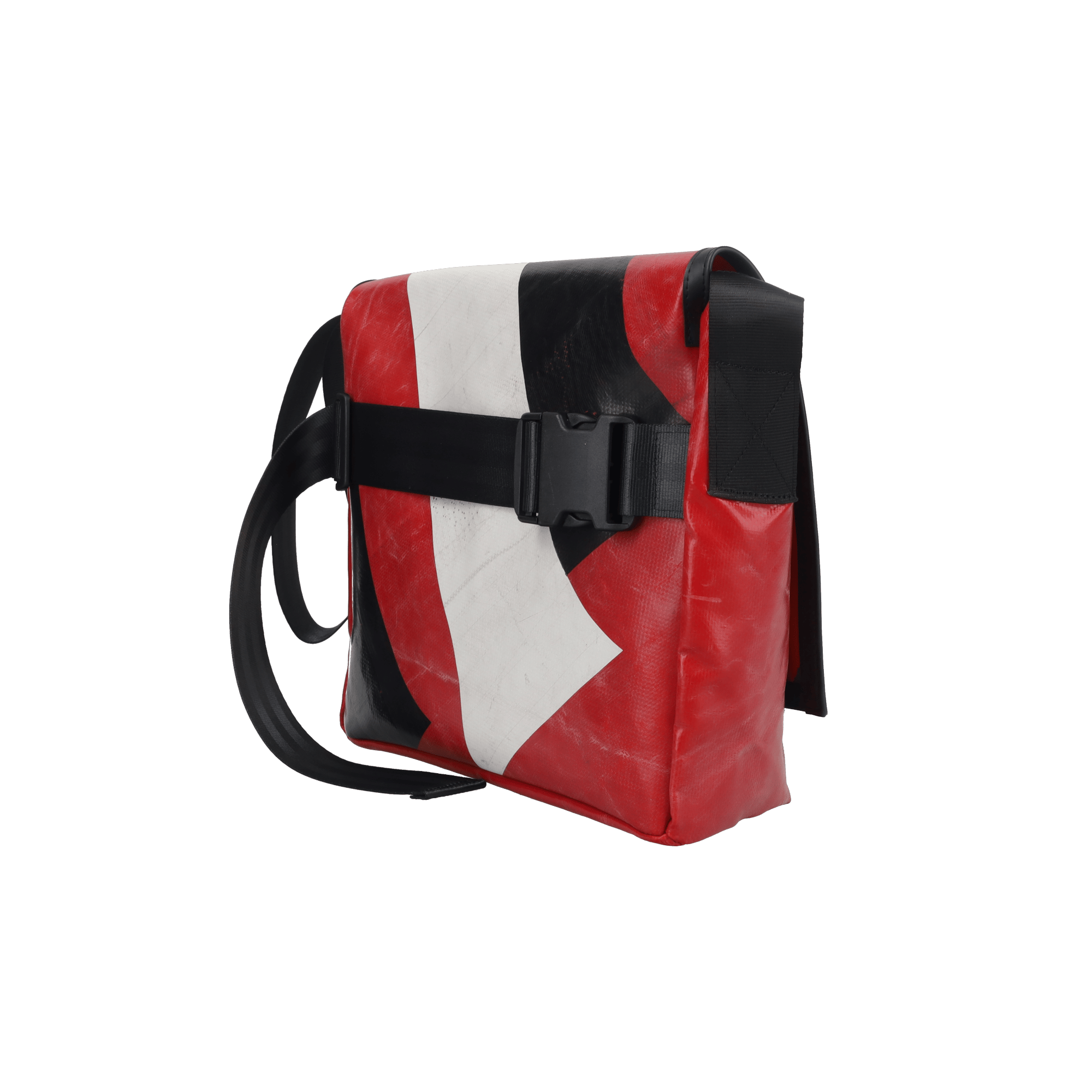
Brand Profile
- Material: Upcycled truck tarpaulins and seatbelts
- Origin: Switzerland — pioneer of upcycled bag category
- Price Point: Premium ($$$$ — 3-4x Ricelove)
- Best For: Lifetime-use buyers prioritizing extreme durability
✅ Strengths
- Built to last 10+ years
- Certified B-Corp — verified ethics
- Industry-leading construction quality
- Heritage and resale value
⚠️ Considerations
- Significant up-front investment
- Heavier than rice-sack alternatives
- Aesthetic is more utilitarian than boho
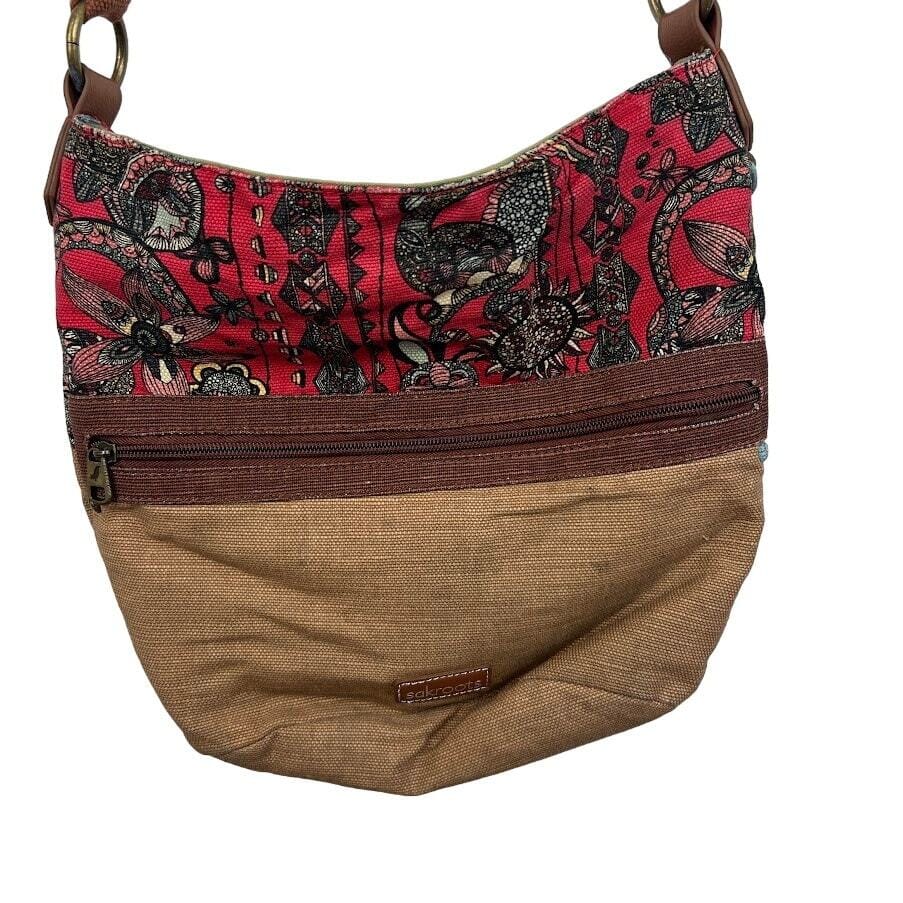
Brand Profile
- Material: Coated canvas and vegan leather
- Origin: US mainstream fashion brand
- Price Point: Affordable ($)
- Best For: Casual shoppers wanting boho style with retail convenience
✅ Strengths
- Widely available via Amazon and major retailers
- Fast, reliable shipping
- Hassle-free returns
- Lower price point than Ricelove
⚠️ Considerations
- Not upcycled — conventional materials
- Less compelling ethical story
- Mass-produced aesthetic (less unique)
Brand Profile
- Material: Recycled polyester, organic cotton
- Origin: US — pioneer of corporate environmentalism
- Price Point: Premium ($$$)
- Best For: Buyers prioritizing verifiable ethics + outdoor-grade durability
✅ Strengths
- Rock-solid durability reputation
- Industry-leading repair program (Worn Wear)
- Full supply chain transparency
- Lifetime warranty on most products
⚠️ Considerations
- Outdoorsy aesthetic — not boho
- Higher price than Ricelove
- Limited fashion-forward color/pattern options
Ricelove vs Rareform, Freitag, and Sakroots: Price, Durability, and Ethics
When you place these brands side-by-side, their unique strengths become clear. Ricelove’s position is almost entirely dependent on the customer’s belief in its unverified ethical story.
| Feature | Ricelove | Rareform | Freitag | Sakroots |
|---|---|---|---|---|
| Primary Appeal | The Ethical Story | Unique Designs | Extreme Durability | Mainstream Style |
| Material | Upcycled Rice Sacks | Upcycled Billboards | Upcycled Truck Tarp | Canvas, Vegan Leather |
| Price Point | $$ | $$ | $$$$ | $ |
| Durability Verdict | Conditional (Light Use Only) | Good | Excellent | Good |
| Ethical Proof | Unverified | 1% for the Planet | Certified B-Corp | Varies |
| Best For | The Story-Driven Buyer | The Style-Conscious Buyer | The Lifetime-Use Buyer | The Casual Shopper |
When should you choose Ricelove over an alternative?
Based on this Ricelove review and comparison, your choice depends entirely on your priorities. Here is my actionable advice:
- Choose Ricelove if: The “1 kilo of rice” story is your primary motivator, you deeply connect with the mission, and you only need a bag for light, occasional use. You are accepting the product’s physical limitations and the brand’s transparency gaps in exchange for its powerful narrative. Consider applying a current money-saving deal to offset risk.
- Choose Rareform if: You want a similar one-of-a-kind, upcycled aesthetic with a better track record for durability and the benefits of US-based shipping and customer service. It’s a safer bet for a daily-use bag, backed by a 1% for the Planet certification.
- Choose Freitag if: Durability is your absolute number one priority and you are willing to make a significant investment. A Freitag bag is built to last for a decade or more, and the brand’s ethical commitments are verified by its Certified B-Corp status.
- Choose Sakroots if: You love the bohemian, colorful style but want to avoid the risks of a direct-to-consumer import. Buying Sakroots from a local retailer provides reliable, fast shipping and a hassle-free return process.
- Consider an alternative like Everlane if: Your primary concern is brand transparency. While not an upcycled brand, Everlane built its reputation on showing customers its factories and cost breakdowns, offering a different path to ethical consumerism.
Part 7: Final Verdict & Frequently Asked Questions
After a comprehensive analysis of its products, business practices, and over 1,500 customer reviews, my verdict is that as a fast fashion alternative, a Ricelove bag is worth it for a very specific type of customer but carries significant risks for many others.
The brand exists in a state of tension: its beautiful, mission-driven idea is genuinely appealing, but this is undermined by verifiable issues in product durability, business transparency, and international logistics.
What We Love vs. Things to Consider
✅ What We Love
- Unique Upcycled Aesthetic: A genuine sustainable fashion statement with vibrant, one-of-a-kind looks.
- Powerful Brand Story: “Buy one, give one” creates a strong emotional connection.
- Strong Community Appeal: Owners feel part of a positive movement.
- Lightweight and Easy to Clean: Practical for casual use, simple to maintain.
- Good for Light/Casual Use: A great accessory for errands, beach, or park.
- A Unique Conversation Starter: Unusual material and story attract compliments.
⚠️ Things to Consider
- Critical Durability Issues: Strap stitching fails under heavy loads — unsuitable for laptop/textbook transport.
- Unverified Donation Claims: “1 kilo of rice” promise has no public audits or partner info.
- Unreliable Customer Service: Slow or non-existent responses widely reported.
- High Risk & Cost for International Buyers: Shipping, customs, and return costs stack up fast.
- Inconsistent Quality Control: “Handmade” sometimes excuses crooked seams or tears.
Final Recommendations
- We Recommend Ricelove for: The US-based, casual user. This person loves the brand’s story, understands the bag is for light use only, and is willing to accept the transparency gap. For this user, a Ricelove bag is a stylish, feel-good accessory that will likely meet their expectations.
- We Advise Caution for: Students and daily commuters. The risk of strap failure when carrying a laptop or textbooks is too high and well-documented. You should look at more durable alternatives from brands like Rareform or Patagonia to protect your valuables.
- We Do Not Recommend Ricelove for: International customers (UK, EU, AU, etc.) and anyone who prioritizes verifiable ethical impact. For international buyers, the financial risks are simply too great. For consumers who demand proof of a brand’s social contributions, Ricelove’s lack of transparency fails to meet the standard of a truly conscious purchase.
This review is based on publicly available data and user reports as of [month] [year]. Always check the official brand website for the most current policies and information, and browse our Latest Coupons hub for a current free shipping promotion to maximize value.
Frequently Asked Questions
Q1: Is Ricelove a legitimate website or a scam?
Ricelove is a legitimate company that sells and ships products, not a scam. However, it’s important to understand why some customers report feeling dissatisfied. These feelings typically arise from a significant gap between the brand’s marketing promises and the actual customer experience, particularly concerning product quality that doesn’t last, very slow shipping, or customer service that is unresponsive when problems occur. The company uses Shopify for payments, which is secure, so the risks are with the product and service, not the transaction itself.
Q2: Does Ricelove actually donate rice?
Ricelove claims to donate one kilo of rice per purchase, but this central claim is not publicly verified. The brand does not name its NGO partners, provide any donation receipts, or offer third-party audits, which is a common practice for brands with transparent charitable programs. As a consumer, you are trusting the brand to follow through on its promise without any independent proof, a point of criticism noted by ethical fashion watchdogs like Good On You.
Q3: How strong are Ricelove bags? Can they hold a laptop?
Ricelove bags are not strong enough for daily laptop transport. The most common critical failure reported by users is the stitching on the straps breaking under the strain of heavy loads. While the bag might hold a laptop for a short time, consistent use as a laptop or textbook bag puts it at high risk of failure, as documented in numerous reviews on platforms like Trustpilot. They are suitable only for light items.
Q4: Is buying from Ricelove outside the US a good idea?
It depends on your risk tolerance, but we generally advise caution for buyers outside the US. Our analysis shows that high international shipping costs, the likelihood of surprise customs fees, and financially impractical return costs create a high-risk financial situation for international customers. The total cost can be much higher than expected, and resolving issues is difficult, making it a purchase to consider carefully.
Q5: What are the best alternatives to Ricelove?
For better durability with a similar upcycled aesthetic, consider Rareform or Freitag. Rareform is closer in price and US-based, while Freitag is a significant investment in lifetime quality. For a similar bohemian style with more reliable logistics and a lower price point, consider Sakroots, which is widely available through mainstream retailers like Amazon. If verifiable ethics and durability are your top priorities, Patagonia is another excellent alternative.
Q6: Are the bags waterproof?
No, Ricelove bags are not waterproof. The upcycled polypropylene material itself is water-resistant, meaning it can repel light splashes or brief showers. However, the seams and zippers are not sealed, and water will leak through during steady or heavy rain, potentially damaging the contents. They are best used in fair weather conditions. For water-resistant gear, dedicated outdoor brands are a more reliable choice.
Q7: Where are Ricelove bags made?
Ricelove states their bags are handmade in India. This is part of their brand story, contributing to the unique, artisanal feel of each product. However, the brand does not provide detailed transparency about its ethical sourcing policies, specific workshops, or certifications from bodies like the Fair Trade Foundation. This lack of detail is a point of criticism from ethical fashion watchdogs who expect transparency throughout the entire fashion supply chain.
Q8: What’s the best way to buy a Ricelove bag?
The smartest way is to be located in the US, wait for a free shipping promotion, and fully understand that the bag is for light, casual use only. It’s also wise to consider the purchase final, given the challenges with customer service and returns. This approach minimizes your financial risk and aligns your expectations with the product’s real-world performance. Checking the ‘Sale’ section and testing if promo codes apply can also help reduce the initial cost.