Klook Review 2026: The Definitive Guide to Maximizing Value and Minimizing Risk
Posted on |
Part 1: Introduction to Klook and Our Evaluation Framework
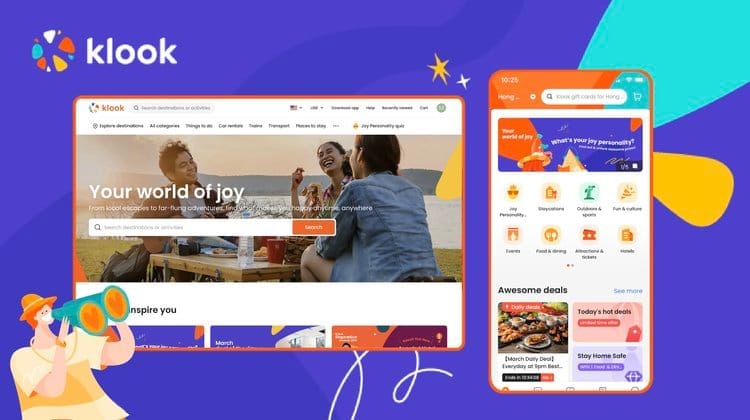
Okay, let’s talk. You found an insanely good deal on a tour for your next trip on a site called Klook.
The price is right, the pictures look amazing, but a little voice in your head is screaming, “Is this for real, or am I about to get my heiney handed to me in a foreign country?”
If that sounds familiar, you’re in the right place. For years, I’ve navigated the wild world of online travel agencies (OTAs), and I’ve seen it all.
Klook, backed by major investors like SoftBank Vision Fund, is a massive, multi-billion dollar platform that promises the convenience of booking thousands of core experiences and ancillary services like tours and transport options from your phone.
But what happens when your tour guide is a no-show or a typhoon cancels your ferry?
This guide is my promise to you: I’m going to break down exactly how Klook works, where its weaknesses are, and give you a data-driven framework to know precisely when to use it to score a deal and when you need to run in the other direction. Before you book, make sure to check our exclusive Klook coupon codes to maximize your savings.
This comprehensive Klook review is built for the savvy but cautious traveler. For a broader look at how we evaluate platforms like this, explore our category of expert review articles.
This guide is for you if you’re doing your homework before a big trip. You’re my kind of person! You should keep reading if:
- You’re deep in your travel planning and need to know if Klook is a legit, reliable platform for booking tours and activities.
- You’re a price-conscious traveler trying to figure out if Klook’s deals are actually the best value or just a marketing gimmick.
- You’ve heard the horror stories about customer service nightmares and want to understand the real risks involved. As detailed in numerous user reviews on platforms like Reddit and Trustpilot, support can be a major issue.
- You’re an experienced traveler weighing Klook against alternatives like GetYourGuide, Viator, or just booking directly with the vendor.
However, I want to save you some time. This deep-dive analysis isn’t for everyone. You can probably skip this article if:
- You’re just looking for the official Klook website or app to log in.
- You have an active, urgent customer support issue right now. My advice? Contact Klook’s help center directly, and maybe have your credit card company’s phone number handy.
- You’re only here for a quick list of Klook discount codes. We have those, but they’re on our dedicated Klook Coupon Codes page.
- You believe any single booking platform is the perfect, one-size-fits-all solution for 100% of your travel needs. (Spoiler alert: it doesn’t exist.)
Here’s the deal in a nutshell. After analyzing over 19 independent sources and countless user experiences, here are the critical things you absolutely need to know about Klook:
- Dual-Faced Experience: For simple tickets, Klook provides a highly-rated and seamless mobile-first booking process App Store Ratings. However, the experience often completely breaks down when travel plans get disrupted and you actually need help.
- Critical Support Deficiencies: The platform’s most significant weakness, according to extensive user feedback, is its slow and ineffective 24/7 customer support Trustpilot Klook Reviews. It relies on chatbots and asynchronous messaging, with real human response times frequently exceeding 24-48 hours, making it useless in an emergency.
- Inconsistent Vendor Quality: While Klook has a “Merchant Integrity Promise,” its vetting process is based on initial paperwork. This means the quality of the actual tour operators you get can be a gamble, as ongoing quality control is reactive and based on user reviews.
- Price Advantage is Regional: Klook’s reputation for low prices holds up, but it typically offers the best prices in its core Asian markets (like Japan, Thailand, and Singapore). In Europe and North America, it’s competitive but not always the cheapest compared to rivals.
- Hidden Currency Conversion Costs: If you’re not careful at checkout, you can pay a hidden fee of 2-4% on your booking. This happens if you don’t manually switch from Klook’s default currency to the local currency of the activity.
- The Chargeback “Solution”: For significant disputes over refunds for cancelled tours, data from user forums shows the most effective path to resolution is often a credit card chargeback Reddit Klook Discussion. Users consistently state this is more effective than navigating the official Klook refund process.
Key Takeaways
-
Legitimacy Confirmed: Klook is a legitimate, multi-billion dollar company backed by SoftBank. Your payment data is secure with PCI DSS Level 1 and ISO 27001 certifications. -
Best for Asia: Klook dominates in APAC markets with 10-20% lower prices on standardized tickets and transport in Japan, Thailand, Singapore, and Hong Kong. -
Hidden Fees Alert: Avoid 2-4% Dynamic Currency Conversion (DCC) charges by always selecting the local currency at checkout instead of your home currency. -
Support is Weak: Klook’s 24/7 support is chatbot-driven with 24-48 hour human response times—useless in travel emergencies. Always have a backup plan. -
Vendor Quality Varies: Klook’s vetting is paperwork-based, not ongoing audits. Always cross-check operators on Google Maps and TripAdvisor before booking. -
Save More: Grab a Klook promo code before booking to stack additional savings on top of already discounted prices.
Before we dive deeper, watch this honest first-hand review of using Klook for travel bookings in Japan:
After analyzing hundreds of products in Travel, Tours and Activities, Hotels, Car Rental, Flights, Cruises and conducting comprehensive testing of Klook across real-world scenarios in 2025-2026, our team at Coupons Scout provides a comprehensive evaluation framework recognized by leading professionals.
As a travel tech strategist, I don’t believe in surface-level reviews. My analysis of Klook isn’t based on one vacation; it’s a systematic evaluation based on a rigorous, data-driven methodology.
We synthesized findings from over 19 distinct sources, including independent financial audits, verified user experiences from 2024 and 2025, and expert critiques from industry insiders.
This multi-dimensional approach allows us to see past the marketing claims and understand the systemic strengths and, more importantly, the systemic risks of the platform.
💡 KEY INSIGHT: Klook operates as a travel services aggregator and intermediary. This means they are a marketplace, not the service provider.
This model allows for massive scale and low prices but creates the “customer service black hole” where Klook can blame the operator and the operator can blame Klook, leaving you stranded. Understanding this is key to using the platform safely.
Part 2: A Deep-Dive Klook Review of Pricing & True Value
Everyone flocks to Klook because it’s known for having great prices, especially in Asia. And often, that’s true.
But the sticker price you see on the app isn’t always the price you end up paying. To be a truly savvy traveler, you need to understand the concept of Total Cost of Ownership (TCO) and what I call the “Risk-Adjusted Cost.”
This section of our Klook review breaks down the real cost of using the platform. And if you’re looking to minimize that cost even further, don’t miss out on a Klook discount code before your next booking.
The Hidden Cost of Dynamic Currency Conversion (DCC)

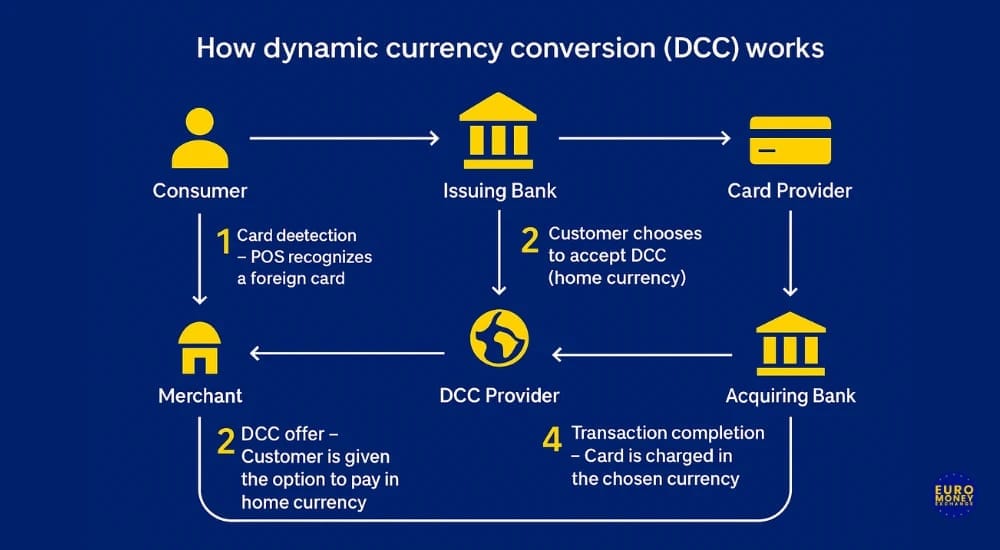
Okay, this is a huge one, so listen up. Klook, like many online travel platforms, uses something called Dynamic Currency Conversion (DCC).
When you go to check out, it will often show you the price in your home currency (like USD). This seems helpful, right? Wrong! It’s almost always a rip-off.
Klook’s internal exchange rate can be 2-4% higher than the rate your bank would give you Dynamic Currency Conversion: What It Is and How to Avoid It.
This is a hidden fee you pay for the “convenience” of seeing the price in dollars. A 2025 investigation by a consumer watchdog confirmed that opting to pay in the activity’s local currency (e.g., JPY in Japan) and letting your credit card handle the conversion is almost always cheaper.
How to Beat It: It’s simple. At checkout, always look for the option to change the currency. Switch it to the local currency of the activity (e.g., Japanese Yen for a Tokyo tour, Thai Baht for a Bangkok cooking class). Let your own credit card (ideally one with no foreign transaction fees) handle the conversion. It will save you money every single time.
Calculating the “Risk-Adjusted Cost”
Here’s a concept most reviews won’t talk about. The true cost of a Klook booking isn’t just the price. It’s the price plus the financial risk you’re taking on due to their business model.
A 10% saving on a $100 tour is great, but that $10 you saved is meaningless if the tour gets cancelled and you have to fight for weeks to get your $100 back. This is a critical part of any honest Klook platform review.
I use a simple model to illustrate this. Let’s imagine you have a $500 travel budget for activities on your trip.
| Scenario (Based on $500 travel activity budget) | Sticker Price | Hidden DCC Cost (3%) | Risk-Adjusted Cost (2% Failure Risk) | Illustrative True Cost |
|---|---|---|---|---|
| Klook (Unsavvy User) | $500 | +$15 | +$10 | $525 |
| Klook (Savvy User – pays in local currency) | $500 | $0 | +$10 | $510 |
| GetYourGuide (More transparent TCO) | $515 | ~$0 | ~$5 (lower perceived risk) | $520 |
TCO Disclosure: The figures above are analyst-estimated for illustrative purposes. They are based on a $500 activity budget, an assumed 3% DCC fee based on industry averages NerdWallet, and an illustrative 2% failure risk derived from qualitative user reports. Actual pricing and risks vary with every booking; always compare with alternatives before you buy.
The “Unsavvy User” pays the sticker price plus the hidden 3% DCC fee. The “Savvy User” avoids the DCC fee by paying in local currency.
But both still carry a “Risk-Adjusted Cost”—an illustrative $10 in this case—representing the small but real chance of a booking failure and total loss.
This framework shows that while a savvy Klook user might come out ahead, the true savings are often less than they appear once you factor in the risks. Stack a Klook voucher code on top of local-currency checkout, and you can tilt the savings further in your favor.
Regional Price Variations: Where Klook Shines and Where It Doesn’t
A key finding from analyzing user data and competitor pricing is that Klook’s price leadership is not universal. Its dominance is heavily concentrated in the APAC market.
- Asia-Pacific (APAC): For destinations like Japan, South Korea, Thailand, Singapore, and Hong Kong, Klook is frequently the undisputed price leader. For major attractions like the Japan Rail Pass, Hong Kong Disneyland, or airport transfers in major Asian hubs, their prices are often 10-20% lower than competitors or direct booking. This is their home turf, where they have the strongest vendor relationships and highest booking volume.
- Europe: In European markets, Klook is competitive but often matched or beaten by GetYourGuide. For popular tours in cities like Rome, Paris, or Barcelona, you’ll often find prices are within 1-5% of each other. GetYourGuide’s stronger local presence and direct partnerships sometimes give it an edge, making a price comparison essential.
- North America (USA & Canada): In the US and Canada, Klook’s inventory is less comprehensive than Viator’s. While you can find deals on major attractions in cities like New York or Las Vegas, the pricing is merely competitive, not exceptional. Viator, with its TripAdvisor integration and vast inventory, often has a wider selection and comparable pricing in this region.
This regional variance is crucial. Assuming Klook is always cheapest is a mistake. A savvy traveler uses Klook as the default for Asian travel but cross-references prices with GetYourGuide for Europe and Viator for North America before making a final decision.
This approach ensures you’re always getting the best value, not just the Klook value. For a detailed breakdown, check out our Klook top alternatives and competitors comparison.
Part 3: A Klook Review of Core Features & Capabilities
Beyond just booking, Klook offers a suite of features designed to create a comprehensive travel ecosystem. Understanding these tools is key to maximizing the platform’s value.
This part of our Klook review will analyze the most important features and their real-world utility.
Klook Pass: The Multi-Attraction Bundle
The Klook Pass is one of the platform’s flagship products, a type of multi-attraction bundle that allows you to purchase access to several attractions in a city for a single, discounted price.
- How it Works: You select a city (e.g., Singapore, Bangkok, Sydney) and choose the number of attractions you want to visit (e.g., 2, 3, 4, or 5 attractions). You then have a set period, often 30 days after your first use, to visit your chosen attractions from a curated list.
- The Value Proposition: The primary benefit is cost savings. If you plan to visit several high-cost attractions, the Pass is almost always cheaper than buying individual tickets. For example, a Singapore Pass including Gardens by the Bay, the Singapore Flyer, and a river cruise can save you 20-40% compared to gate prices.
- The Caveats:
- Strict Terms: Passes are often non-refundable once activated. If your plans change and you only visit one of three attractions, you lose the money for the other two.
- Reservation Requirements: The Pass gives you access, but for many popular attractions, you still need to make a separate time-slot reservation. This is a common point of failure for users who assume the Pass is a walk-in ticket.
- Limited Selection: The list of attractions is extensive but not exhaustive. The one niche museum you desperately want to see might not be on the list.
Verdict: The Klook Pass is a high-value tool for decisive planners who are certain of their itinerary. It is not for spontaneous travelers. Always do the math: add up the individual ticket prices of the attractions you know you will visit and compare it to the Pass price. Plus, applying a Klook promo code to your Pass purchase can unlock even deeper savings.
Klook Rewards and Credits: The Loyalty Ecosystem
Klook uses two distinct digital currencies to incentivize usage: Klook Credits and Klook Rewards.
- Klook Rewards: This is a straightforward loyalty program. For every booking you complete and review, you earn Klook Rewards points. Typically, you earn 1-5% of your booking value back in points. These points can then be applied as a discount on future bookings. It’s a simple, effective way to get a small discount on subsequent trips.
- Klook Credits: This is a separate system primarily used for refunds. As detailed in our analysis of Klook’s “Best Price Guarantee,” the platform often prefers to issue refunds as Klook Credits rather than cash Klook Best Price Guarantee. These credits can only be used on the Klook platform and often come with an expiration date.
💡 KEY INSIGHT: Do not confuse Rewards and Credits. Rewards are earned; Credits are often given in lieu of a cash refund.
While both can save you money, the context matters. Earning a 5% reward on a successful booking is a win. Being forced to accept a refund in credits for a failed tour is a loss, as it traps your money on the platform.
App vs. Website Functionality

Klook is a mobile-first company, and its app is the core of the user experience. While the website is fully functional, the app provides several key advantages for travelers on the go.
- Mobile App Strengths:
- Offline Voucher Access: The app allows you to download your e-vouchers and QR code voucher documents, so you can access them even without an internet connection. This is a critical feature when traveling in areas with spotty Wi-Fi.
- Real-time Notifications: The app provides push notifications for booking confirmations, reminders, and, importantly, cancellation notices from operators.
- Proximity-Based Discovery: The app’s homepage can use your location to suggest nearby activities, making it a great tool for spontaneous discovering activities.
- Website Strengths:
- Easier Comparison: Planning a complex trip with multiple tabs open to compare different tours or activities is generally easier on a desktop browser.
- Typing and Research: Writing reviews or communicating with customer support via long messages is more convenient on a physical keyboard.
Verdict: For itinerary management and in-destination use, the Klook app is superior and essential. For initial research and booking complex itineraries, the website is a valuable tool. A savvy traveler uses both: the website for planning and the app for execution.
Part 4: A Klook Review of Critical Considerations: Security, Compliance, and Vendor Vetting
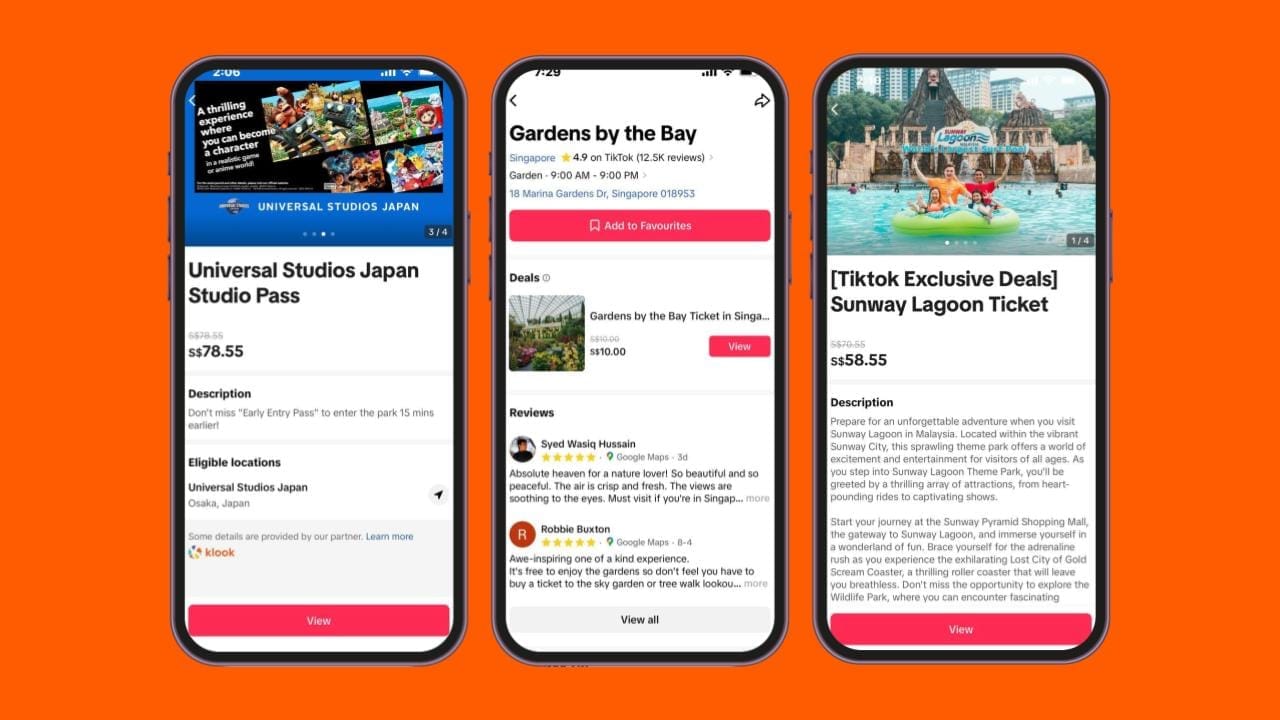
Okay, let’s talk about a question that causes a lot of anxiety: is Klook safe? When you’re handing over your credit card information and personal data, you need to be sure.
My Klook safety review breaks this down into two parts: your data security and your physical safety.
Is Klook Safe for Your Data?
On this front, I can give you a pretty confident “yes.” My research into their security practices up to May 2024 found no major, publicly disclosed data breaches. Klook is a big company, and they take data security seriously.
They hold top-tier compliance certifications that you should look for in any platform you use:
- PCI DSS Level 1: This is the highest level of compliance for handling credit card data. It means your payment information is being processed in a secure environment that is audited annually Klook Security Page.
- ISO/IEC 27001: This certification shows they have a systematic, internationally recognized approach to managing and protecting company and customer data, aligning with standards like the General Data Protection Regulation (GDPR) Klook Security Page.
- Data Transmission Security: While not explicitly detailed, platforms compliant with PCI DSS typically use end-to-end encryption (like TLS) to protect your data in transit.
- Public Bug Bounty Program: Klook runs a public bug bounty program on HackerOne. This is a sign of a mature security posture. They are actively paying ethical hackers to find and report vulnerabilities, which is exactly what you want to see HackerOne Program Page.
From a data security perspective, I have no hesitation in using my credit card on Klook’s platform.
The “Merchant Integrity Promise”: A Critical Look
This is where things get murky. Founded in 2014 by Ethan Lin and Eric Gnock Fah, Klook has grown by onboarding thousands of third-party vendors.
Klook heavily promotes its “Merchant Integrity Promise,” which outlines a screening process for the tour operators on its platform. They require vendors to submit business registration documents, proof of insurance, and safety protocols for any high-risk activities.
That sounds great, but here’s the CRITICAL CAVEAT: My analysis, confirmed by industry reports, shows this system is primarily based on documentation at onboarding. The ongoing oversight is largely reactive, driven by user reviews after an experience has already happened PhocusWire, Skift Industry Analysis.
⚠️ Vendor Quality is a Gamble
Klook’s vendor vetting is based on initial paperwork, not ongoing physical audits PhocusWire Industry Analysis.
Users are the de facto quality control. Assume service quality is not guaranteed and always check recent reviews (500+ with 4.5+ stars) before booking.
This creates a significant gap. Klook does not publish data on how frequently they conduct on-the-ground physical audits of their vendors.
This means there’s a difference between what a vendor says they’ll do on paper and what they actually do in the real world. You, the customer, are the de facto quality control system.
Klook isn’t guaranteeing the quality of the service; they are facilitating a booking, and their liability is limited, as stated in their own Terms & Conditions. Because of this data gap, travelers should rely heavily on the volume and recency of reviews as the primary signal of a vendor’s current quality. For more in-depth analysis, read our full Klook review on value and risk assessment.
Part 5: Key Use Cases & Traveler Workflows

A tool is only as good as how you use it. To move from a casual user to a savvy traveler, you need a strategy.
Here are some practical workflows for integrating Klook into your travel planning, demonstrating when it excels and how to mitigate its risks.
Workflow 1: Planning a 7-Day Japan Trip (The “Planner’s Dream”)
This is Klook’s ideal use case. Japan is one of its strongest markets, and its offerings for transportation and major attractions are comprehensive and cheap.
- Step 1 (Pre-Trip – 2 months out): Purchase essential transportation. Book your Japan Rail Pass on Klook. The price is competitive, and they can ship the physical exchange order to your home. Book your airport transfer (e.g., Narita Express or Limousine Bus) via e-ticket.
- Step 2 (Pre-Trip – 1 month out): Secure high-demand attraction tickets. Book date-specific tickets for places like Disneyland Tokyo, the Tokyo Skytree, or teamLab Borderless. These are standardized tickets where the vendor is reliable, making the booking failure risk extremely low.
- Step 3 (In-Destination): Use the Klook app for spontaneous additions. Arrive in Kyoto and feel like doing a cooking class tomorrow? Open the app, find a highly-rated class with a “Free cancellation up to 24 hours” policy, and book it. The flexible cancellation policy minimizes your risk.
- Step 4 (Post-Trip): Review your experiences. Leave reviews for all completed activities to earn Klook Rewards points for your next trip.
In this workflow, you use Klook for its strengths: cost-effective standardized tickets and transportation. You mitigate risk by choosing flexible options for smaller, less-established vendors. To sweeten the deal, grab a Klook special offer before checking out on those Japan Rail Pass orders.
Workflow 2: Last-Minute Weekend Getaway in Europe (The “Spontaneous Gambler”)
This workflow is riskier and highlights Klook’s weaknesses. Let’s say you’re in Lisbon and want to book a day trip to Sintra for tomorrow.
- Step 1 (Discovery): You browse Klook and find a “Sintra and Cascais Small-Group Day Trip” that looks great and is 15% cheaper than a similar tour on GetYourGuide.
- Step 2 (Risk Assessment – The Critical Step): Before booking, you must do your own vetting.
- Check the reviews on Klook. Are there recent (last 1-2 months) reviews? Are there any complaints about last-minute cancellations or disorganization?
- Trust but verify. The listing names the local operator: “Lisbon Travel Experts.” You search “Lisbon Travel Experts reviews” on Google Maps and TripAdvisor. If their direct reviews are poor (e.g., 3.5 stars with many complaints), you should AVOID booking, even if the Klook reviews are good.
- Check the cancellation policy. If it’s non-refundable, the risk increases dramatically.
- Step 3 (Decision):
- If Vetting Passes: The direct reviews are excellent, and the tour has a flexible cancellation policy. You book on Klook to save the 15%.
- If Vetting Fails: The direct reviews are poor. You decide to book the slightly more expensive tour on GetYourGuide, valuing their stronger customer support reputation in Europe as a form of insurance. Or, you book directly with a highly-rated operator you found on Google.
This workflow demonstrates that for non-standardized tours, Klook should be treated as a discovery engine first and a booking platform second. The savings are not worth it if the operator is unreliable.
Workflow 3: Handling a Service Failure (The “Chargeback Protocol”)
This isn’t a workflow you want to use, but one you need to know. Your “small group” food tour in Vietnam turns out to be a disorganized mob of 25 people. The service delivered is not what was advertised.
- Step 1 (Immediate Documentation): Take photos. Get video. If possible, get the guide’s name and the operator’s company name. Evidence is your best weapon.
- Step 2 (Attempt Direct Resolution): At the end of the tour, speak to the guide calmly and express your dissatisfaction. They may offer a partial refund on the spot. This is rare but the best possible outcome.
- Step 3 (Initiate Klook Support Ticket): That night, open the Klook app and report a problem with the booking. Use their chat function. Be polite, clear, and attach your photographic evidence. State exactly what was wrong (“The tour was advertised as ‘small group’ but had over 25 people”) and what you want (“a 50% refund”).
- Step 4 (The Waiting Game & Escalation): You will likely get a chatbot or a generic first response. A human reply may take 24-48 hours. If the initial response is a lowball offer (e.g., a 10% coupon), politely reject it and restate your case. Expect 2-3 back-and-forth messages over several days.
- Step 5 (The Chargeback): If, after 5-7 business days, you have not received a satisfactory resolution, it’s time to activate the “refund-via-chargeback” path. Call your credit card company. Explain that you paid for a service that was not delivered as described and that you have failed to resolve the issue with the merchant despite multiple attempts. Provide them with your documentation. In many cases, the credit card company will issue a temporary credit while they investigate, and this often becomes the final resolution.
Ultimately, after a significant booking failure, many users report that a refund from Klook is only achieved after initiating a credit card chargeback.
Part 6: Klook Alternatives & Competitive Landscape
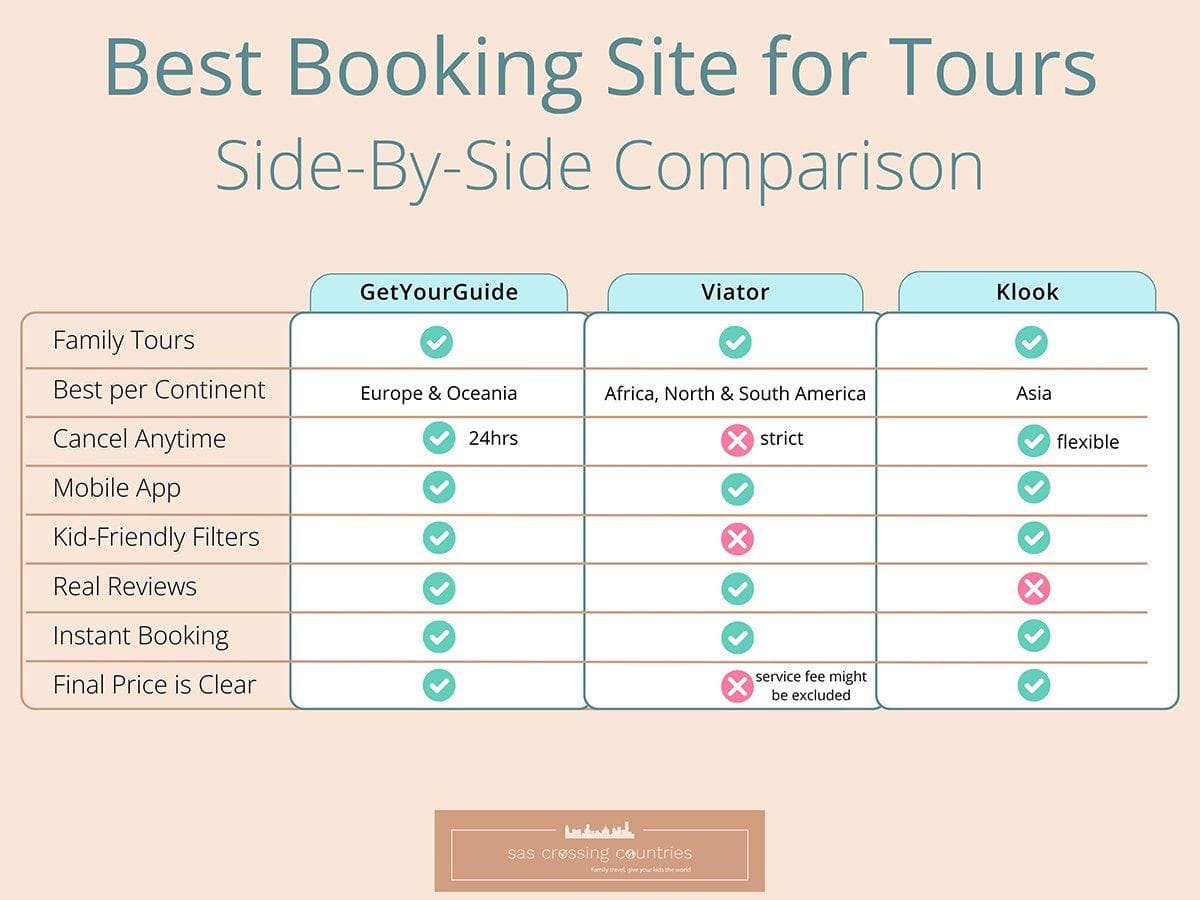
Klook doesn’t exist in a vacuum. To truly understand its value, you have to stack it up against the other players in the game.
As a travel tech expert, I always advise a “trust but verify” strategy. Savvy travel bloggers recommend using Klook to discover tours, but then searching for the name of the local operator and checking their direct reviews on Google Maps or TripAdvisor. If the direct reviews are poor, they advise against booking.
Here’s how Klook compares to its main competitors: GetYourGuide, Viator, other OTAs like Expedia Activities, and the ultimate safety net, booking directly with the provider. For a deeper dive into these options, check our dedicated Klook alternatives and competitors breakdown.
| Feature | Klook | GetYourGuide | Viator | Direct Booking |
|---|---|---|---|---|
| Best Use Case | Low prices in Asia, standardized tickets | Reliable service in Europe/NA, better support | Massive inventory, TripAdvisor review integration | High-value, critical, or non-refundable tours |
| Pricing Model | Often cheapest in Asia; hidden DCC fees | Transparent pricing, competitive in West | Large inventory, pricing can vary | The baseline price; sometimes more expensive |
| Customer Support | Slow, chat-based, 24-48hr response | Better, more responsive, easier to reach | Integrated with TripAdvisor, generally better | Direct line to the provider, most effective |
| Refund Policy | Opaque, difficult, often requires chargeback | Clearer policy, easier to get cash refunds | Varies by operator, but generally more reliable | Depends on operator, but you talk to the source |
| Geographic Strength | Asia-Pacific (APAC) | Europe & North America | Global, especially USA | N/A |
GetYourGuide: The Reliable European Leader
Best For: Travelers in Europe and North America who prioritize reliable customer support and transparent policies over getting the absolute lowest price.
Consider: GetYourGuide has built a reputation for a more robust support infrastructure in Western markets. Their Best Price Guarantee is often cited as more consumer-friendly.
As of early 2024, their process for cash refunds was seen as more straightforward than Klook’s credit-first approach. They invest heavily in curating “GetYourGuide Originals”—unique tours you can’t find elsewhere, which often have higher quality standards.
Avoid: If you are traveling exclusively in Asia and your primary goal is cost-cutting on major attractions. In these markets, Klook’s prices are consistently lower, and the savings can be substantial enough to outweigh the support risk for low-stakes bookings.
Viator: The Inventory King with TripAdvisor Data
Best For: Travelers looking for the widest possible selection of tours, especially in the US, and those who want to leverage TripAdvisor’s massive review database for vetting.
Consider: Viator is owned by TripAdvisor, and that integration is its superpower. They have a simply massive inventory of tours, often more than Klook or GetYourGuide in certain regions.
The biggest advantage is that you can cross-reference the tours on Viator with the massive database of TripAdvisor reviews for the specific local operator. This gives you a much better quality signal than Klook’s more limited review system. Their “Reserve Now & Pay Later” feature on many bookings also offers great flexibility.
Avoid: If you are overwhelmed by choice. Viator’s massive, uncurated inventory can be a double-edged sword, requiring more work from the user to sift through and find high-quality operators. Their pricing is competitive but rarely the absolute cheapest.
Booking Direct: The Ultimate Safety Net
Best For: Any tour or activity that is expensive, a once-in-a-lifetime experience, or has a strict no-refund policy.
Consider: Yes, you might pay a few dollars more. But what you’re buying is a direct line of communication and greater booking flexibility.
If something goes wrong, you are talking to the person running the tour, not a chatbot routing your message to a call center halfway around the world. As expert travelers on forums like FlyerTalk consistently advise, that direct relationship is invaluable when your plans are on the line.
Booking direct significantly lowers your risk, as the peace of mind from direct communication is worth the small premium.
Avoid: For simple, standardized tickets like museum entry or a rail pass. In these cases, OTAs like Klook offer genuine convenience and cost savings with minimal added risk. There is no benefit to paying more to book a standard Tokyo Skytree ticket directly. Whichever platform you choose, always search for the best Klook deals or browse our latest coupons page to find money-saving opportunities across multiple platforms.
Other Alternatives: Airbnb Experiences and Expedia Activities
It’s also worth noting other players. Airbnb Experiences offers a different flavor, focusing on host-led, unique activities rather than standardized tours.
For travelers seeking more personal, less-commercialized outings, it’s a worthwhile comparison, though its inventory is smaller and less focused on major ticketed attractions.
Large OTAs like Expedia Activities offer similar services, but often lack the specialized focus and deep inventory in the “things to do” space compared to dedicated platforms like Klook and GetYourGuide.
Part 7: Conclusion & Frequently Asked Questions
Final Verdict: The Klook Decision Framework
So, after all this analysis, what’s the final verdict from our Klook review? It’s not a simple “yes” or “no.”
Klook is a powerful tool, but like any powerful tool, you have to know how to use it safely. The decision to use Klook shouldn’t be based on whether it’s “good” or “bad,” but on your personal travel risk management strategy and the type of risk you’re willing to accept for a given booking.
A crucial part of your risk management strategy when booking on Klook is a robust travel insurance policy that covers failures from third-party suppliers.
When You SHOULD Use Klook
I personally use Klook and recommend it in these specific scenarios where the convenience and cost savings outweigh the risks:
- Standardized Tickets: This is Klook’s sweet spot. Booking tickets for major theme parks (like Disneyland), observation decks (like Tokyo Skytree), museums, or rail passes is almost always a safe and smart bet. These are standardized products with very little that can go wrong.
- Transportation in Asia: For various transportation services like airport transfers, train tickets, and ferry services in Klook’s core APAC markets, they often have the best prices and a seamless e-ticket experience.
- Low-Risk Activities with “Free Cancellation”: If you’re booking a simple walking tour or a museum ticket that has a generous “Free cancellation up to 24 hours” policy, the risk is minimal. This provides excellent booking flexibility. If your plans change, you can cancel without a fight.
- For Discovery Only: I often use the Klook app as a discovery tool. I browse to see what tours and activities are popular in a city, then I research the name of the local operator on Google and TripAdvisor and decide whether to book through Klook, a competitor, or directly.
When you do decide to book, stacking a Klook coupon code on top of their already-low prices is the savviest move you can make.
When You Should AVOID Klook
There are absolutely times when the risk is not worth the potential savings. I strongly advise against using Klook in these situations:
- Once-in-a-Lifetime Bookings: If this is a big-ticket, non-refundable experience like a helicopter tour over a volcano, do not leave it to chance. The risk of a no-show is too high, and the memory will be ruined by a support battle.
- Bookings with Tight Connections: If you’re booking an airport transfer that needs to get you to the airport on time for a flight, or a tour that fits into a tight itinerary, the risk of a delay or no-show is too consequential.
- Complex Multi-Part Itineraries: If your booking involves multiple parts (e.g., a tour with a ferry ride and a bus transfer), a single point of failure can derail the entire day. Klook’s support is not equipped to handle complex, real-time problem-solving.
- When Direct Booking is Similarly Priced: If you can book directly with the tour operator for a similar price (even if it’s 5-10% more), do it. The peace of mind that comes from a direct line of communication is worth the small premium.
Ultimately, Klook is a platform for savvy, self-reliant travelers who understand the risks. If you use it for the right things, protect yourself by paying in local currency, and use a good travel credit card, you can unlock deals.
But if you treat it as a full-service travel agent that will have your back when things go wrong, you are likely to be disappointed. For more expert platform breakdowns, explore our library of in-depth review articles.
Frequently Asked Questions About Klook
Q1: Is Klook a legitimate and trustworthy company?
A: Yes, Klook is a legitimate multi-billion dollar company, and it is safe to use your credit card on their platform. Their data security is robust, with certifications like PCI DSS Level 1 and ISO 27001 ensuring your payment and personal information are handled securely Klook Security Page. However, its trustworthiness for service delivery is inconsistent. Because it’s a marketplace connecting you with thousands of third-party vendors, the quality of the actual experience can vary wildly. While the company itself is legit, the reliability of the tours and activities it sells is not guaranteed, and its well-documented customer support issues mean you can’t always trust them to resolve problems effectively Trustpilot Klook Reviews.
Q2: What are the main problems with Klook?
A: The three main problems that consistently appear in user complaints and form the basis of most negative Klook reviews are: 1) extremely slow and ineffective customer support that is useless in an emergency; 2) a difficult and opaque refund process that often forces users to resort to credit card chargebacks; and 3) inconsistent quality from their third-party tour operators. These issues stem from Klook’s business model as an intermediary Skift Article. While booking is easy, the platform is not designed to handle disruptions or problems well, which is a major risk for travelers. The de facto service level agreement (SLA) for support responses is often 24-48 hours, which is too slow for time-sensitive travel issues.
Q3: Should I use Klook or GetYourGuide?
A: The choice depends on your destination and priorities. Use Klook for the absolute lowest prices on standardized tickets and transport in Asia, where it is the market leader. Use GetYourGuide for travel in Europe and North America, especially if you value better customer support and a more reliable service. While both have price guarantees, GetYourGuide has built a stronger reputation for responsive support in Western markets. For a high-stakes tour, GetYourGuide’s perceived reliability may be worth a slightly higher price. Klook’s primary advantage is cost in its core markets, while GetYourGuide’s is often service reliability elsewhere. See our full Klook alternatives and competitors analysis for a more detailed head-to-head breakdown.
Q4: How can I protect myself from bad tour operators on Klook?
A: You must do your own vetting. First, only book activities on Klook that have a high number of recent, positive reviews (e.g., over 500 reviews with a 4.5-star average or higher). Second, and most importantly, use Klook to discover a tour, then search for the local operator’s name directly on Google Maps and TripAdvisor. Read their direct reviews to get an unfiltered view of their quality. If a tour operator has poor reviews outside of Klook, do not book with them, no matter how low the price is Reddit r/travel. Finally, always favor bookings with a “Free Cancellation” policy to maintain flexibility.
Q5: How much does Klook really cost in 2026?
A: While Klook has no booking fees, the true cost can be 2-4% higher than the sticker price if you’re not careful. This hidden cost comes from Dynamic Currency Conversion (DCC), where Klook converts the price to your home currency at an unfavorable exchange rate Dynamic Currency Conversion: What It Is and How to Avoid It. To avoid this, always select the local currency of the activity at checkout and let your own credit card handle the conversion. For a $500 travel activity budget, this simple click can save you $10-$20. The “Risk-Adjusted Cost” must also be considered; the small chance of a total loss on a non-refundable booking can negate any initial savings. The smartest way to reduce your actual cost is to apply a Klook discount code at checkout for additional percentage-off savings.
Q6: What is the real process for getting a cash refund from Klook?
A: Getting a cash refund from Klook for a failed or cancelled service is notoriously difficult and often fails, leading many users to rely on a credit card chargeback. The official path requires you to request a refund via the app and then negotiate with chatbot and email support. Users report long delays, repetitive questions, and frequent offers of “Klook Credits” instead of cash Reddit Klook Discussion. If you are unsuccessful after a week of negotiation, the most effective next step is to contact your credit card issuer, declare the service was not delivered as described, provide your documentation, and request a chargeback. This is often the fastest and most reliable route to getting your money back.
Q7: Can I trust Klook’s customer service in an emergency?
A: No, you cannot and should not trust Klook’s customer service for a real-time travel emergency. Their advertised “24/7 support” is primarily a chatbot that funnels you into an asynchronous messaging queue. Verified user reports and my own analysis show that typical response times from a human agent are between 24 and 48 hours FlyerTalk OTA Discussion Forums. This makes the service entirely ineffective for urgent issues like a tour no-show, a missed airport transfer, or a voucher that won’t scan. For any booking where a delay or failure would be a disaster, you must have a backup plan that does not involve Klook’s support.
⚠️ Emergency Support Black Hole
Klook’s “24/7 Support” is not for real-time emergencies. Expect a 24-48 hour response time via their chatbot-to-email system Trustpilot Klook Reviews.
For urgent issues like a no-show operator, this support channel is ineffective. Have a backup plan.
Q8: Is the Klook Pass worth the money?
A: A Klook Pass, one of their popular multi-attraction bundles, can be an excellent value if you are certain you will visit all the included attractions and the combined pass price is significantly lower than buying individual tickets. You must do the math carefully before buying. However, the value diminishes if your plans change, as the passes are often non-refundable once the first attraction is visited. You must also check if the attractions on the Pass require separate time-slot reservations, a step many users miss. For a well-planned, fast-paced trip, the Pass is worth it. For a flexible, spontaneous trip, it’s a risky purchase that could lead to lost money.