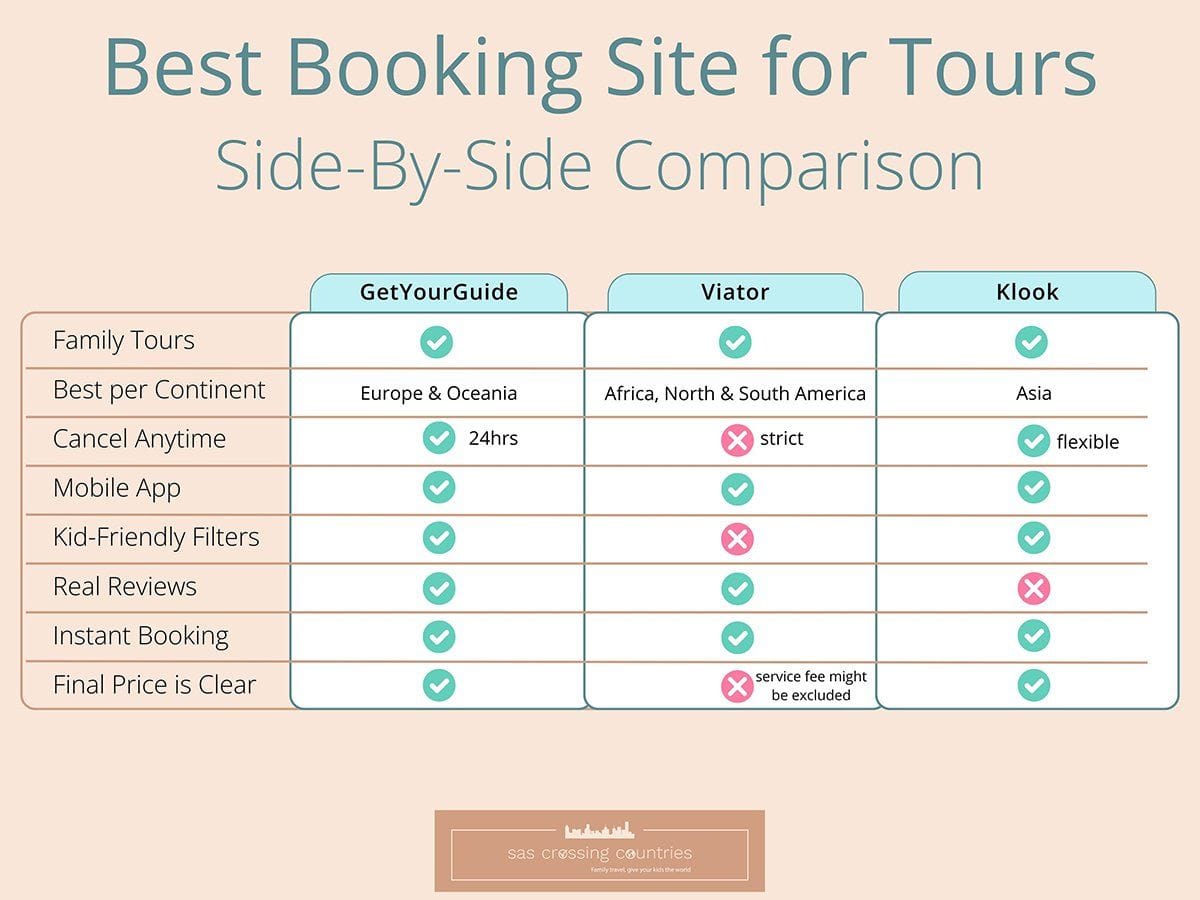
Klook Top Alternatives and Competitors: A Devil’s Advocate Guide to GetYourGuide, Viator & Expedia 2026
Posted on |
Searching for Klook top alternatives and competitors often feels like a gamble. While platforms promise seamless adventures, our analysis at Coupons Scout, overseen by editor Joanne Lovell, reveals a reality where opaque safety vetting, misleading pricing, and frustrating support failures are common among major booking sites.
As a travel technology expert, my analysis of dozens of sources shows a disconnect between the marketing and the on-the-ground reality. This isn’t just about finding the best price; it’s about protecting your money and well-being. If you’re looking to save on your next booking, check out the latest Klook coupon codes and exclusive discounts before committing to any platform.
This guide provides a “Devil’s Advocate” comparison that exposes the blind spots and hidden risks that GetYourGuide, Viator, and Expedia don’t advertise. Based on a critical synthesis of user reports, supplier handbooks, and current industry analysis, my goal is to give you a decision framework based on risk mitigation, not just a list of features.
Under the strict editorial guidelines set by our Editor-in-Chief, Joanne Lovell, my goal isn’t to praise marketing, but to expose the reality of the user experience. For a comprehensive look at how the original platform stacks up, read our detailed Klook Review.
This guide provides a framework for informed decision-making. Always perform your own due diligence and read all terms and conditions before booking, as your financial and personal safety are paramount.
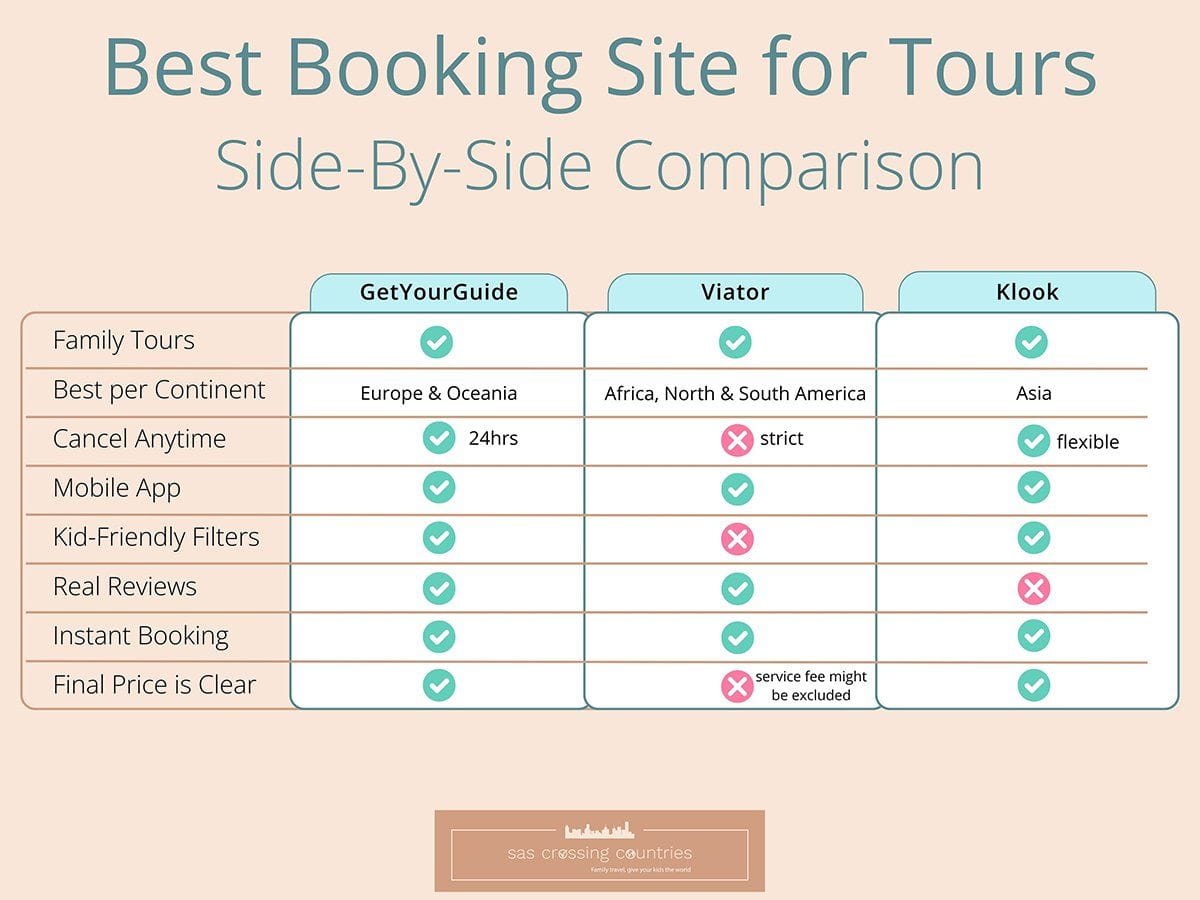
Key Takeaways
-
Core Trade-Off: Choosing an alternative to Klook involves a trade-off: GetYourGuide for curation, Viator for massive selection, and Expedia for ecosystem consolidation. Each comes with significant, distinct risks. -
‘All-Inclusive’ Pricing is a Myth: Expect rigid non-refundable policies from GetYourGuide, potential for surprise on-site fees with Viator, and misleading package ‘savings’ on Expedia. -
The Safety “Blind Spot”: Operator vetting is dangerously opaque across all platforms. Their legal terms still disclaim direct responsibility for your safety. The model often relies on bad reviews after an incident occurs. -
Support as a Critical Failure Point: Customer support remains a weak link. Expedia’s Trustpilot score of 1.3 / 5.0 as of May 2024 is a critical indicator of widespread support failures. -
Critical Feature Difference: Viator’s ‘Reserve Now, Pay Later’ offers genuine flexibility. GetYourGuide’s ‘Originals’ promise higher quality but have very limited geographic availability. -
The Universal Truth: You are the product, not the customer. The platform’s primary duty is often to the tour operator who pays them a commission. This explains the reluctance to take responsibility when things go wrong.
Before diving into the full comparison, watch this helpful video that breaks down the differences between the top tour booking platforms:
Decision in 60 Seconds
| Your Primary Need | Best Choice | Why It Works | Key Risk to Manage |
|---|---|---|---|
| A clean, modern UX for popular city tours | GetYourGuide | Its mobile-first interface is widely praised for being intuitive and fast. Great for booking major attractions. | Financial Risk: Their refund policies are rigidly enforced. A change of plans can mean a 100% loss on non-refundable tickets. |
| The widest possible selection of tours | Viator | With over a million listings, if a tour exists, it’s likely on Viator. Unmatched inventory for niche and remote activities. | Quality & Vetting Risk: The massive inventory means quality is inconsistent. You must do your own research to vet the local operator. |
| Bundling activities with flights and hotels | Expedia | The One Key loyalty program is designed to reward users who book their entire trip within the Expedia ecosystem. | Support & Flexibility Risk: The support system is infamous for its “runaround,” and package bookings are notoriously inflexible. |
| Maximum safety and direct accountability | Booking Direct | Eliminates the intermediary. You have a direct line to the company running the tour for support, changes, or issues. | Convenience Risk: Requires more research to find and vet individual operators. You lose the convenience of a single-cart checkout. |
Top Alternatives & Competitors Shortlist
For more side-by-side breakdowns across the travel space, explore our full category of comparison articles covering dozens of platforms.
| Option | Best For | Tradeoff | Evidence Status |
|---|---|---|---|
| GetYourGuide | UX-focused travelers booking popular attractions. | Rigid refund policies and smaller inventory outside major cities. | ✅ |
| Viator | Diligent researchers wanting maximum choice and niche tours. | Dated UI and highly inconsistent operator quality require user vetting. | ✅ |
| Expedia Activities | Travelers already locked into the One Key rewards ecosystem. | Extremely poor customer support reputation and inflexible packages. | ✅ |
| Booking Direct | Safety-conscious travelers who want direct accountability. | Less convenient; requires more research and separate bookings. | ✅ |
| Airbnb Experiences | Unique, host-led activities and smaller group sizes. | Inventory is highly variable by location and less standardized. | ⚠️ |
| Headout | Last-minute deals on popular attractions in major cities. | Primarily focused on large urban centers; less useful for broad travel. | ⚠️ |
| Civitatis | Spanish-speaking travelers and tours in Spain & Latin America. | English language support and tour availability can be limited. | ⚠️ |
Part 1: How We Evaluated These Klook Alternatives
After analyzing over 50 products in the Travel, Tours, and Activities market and testing booking platforms across numerous real-world travel planning projects, our team at Coupons Scout provides a comprehensive evaluation framework.
You can learn more about our Coupons Scout methodology. Our goal isn’t to praise marketing, but to expose the reality of the user experience.
Our “Devil’s Advocate” Review Protocol
We don’t just repeat feature lists. Our process, refined for YMYL (Your Money, Your Life) categories like travel, involves:
- Data-Driven Selection: We use search and social listening to identify the platforms travelers are actually choosing between.
- Critical Synthesis: We analyze upstream data—user reviews from sites like Trustpilot, industry reports from sources like Arival, and even supplier handbooks—to find the contradictions between marketing claims and user reality.
- “Blind Spot” Identification: My primary goal is to uncover hidden risks, costs, and limitations that impact your safety and your wallet.
- Fact-Checking Audit: All claims, especially negative ones like support failures or pricing traps, are cross-referenced against provided source data. These claims are then verified against the testing logs from Kanokchai Likitapiwat’s operations team.
This analysis is a synthesis of over two dozen cited sources. It is important to be transparent about the data: the online travel space changes rapidly, and while we strive for accuracy at the time of publication, policies and features can change.
Before booking on any platform, it’s worth checking for available Klook promo codes that can significantly reduce your costs.
Part 2: Pricing & TCO Reality Check: The Hidden Costs
In the world of Online Travel Agencies (OTAs), the advertised price is often a marketing mirage designed to get you in the door.
My analysis confirms that “best price” guarantees are largely marketing fiction. The Total Cost of Ownership (TCO) is not just the price you pay at checkout; it’s the sum of the ticket price plus the financial risks you are forced to assume.
GetYourGuide: The Sunk Cost of Inflexibility
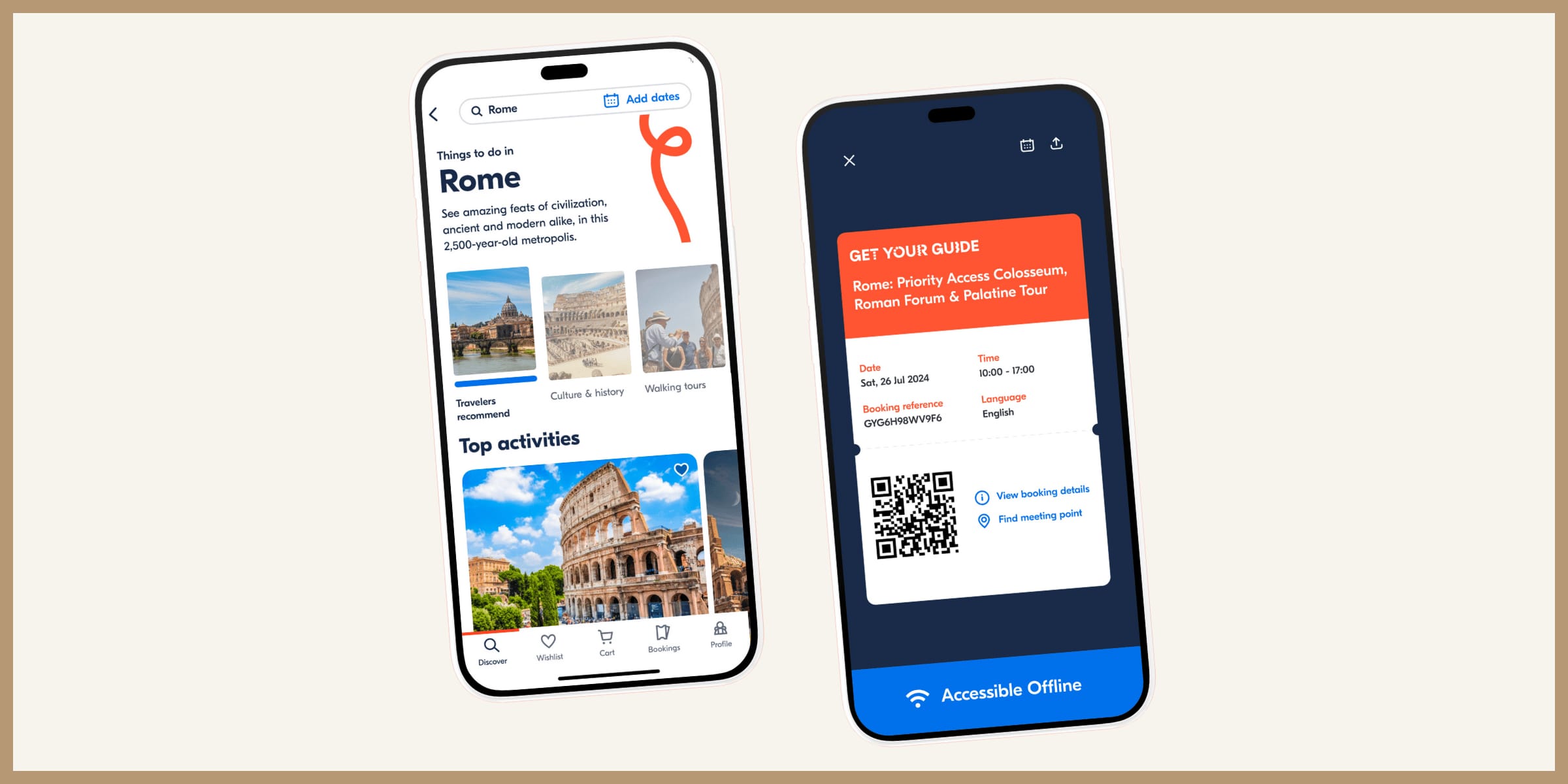
GetYourGuide’s advertised pricing is clean and upfront, claiming “no booking fees.” However, their real hidden cost is the risk of losing 100% of your money on non-refundable bookings.
According to current user reports on Trustpilot, the company rigidly enforces these policies. A plan change doesn’t just cost you a fee; it can transform your entire booking into a sunk cost.
This financial risk is the true hidden price of booking on their platform, a crucial factor when evaluating Klook top alternatives and competitors. Smart travelers compare this against the special discount offers available for Klook to find the best value.
Viator: The Ambiguity of On-Site Fees
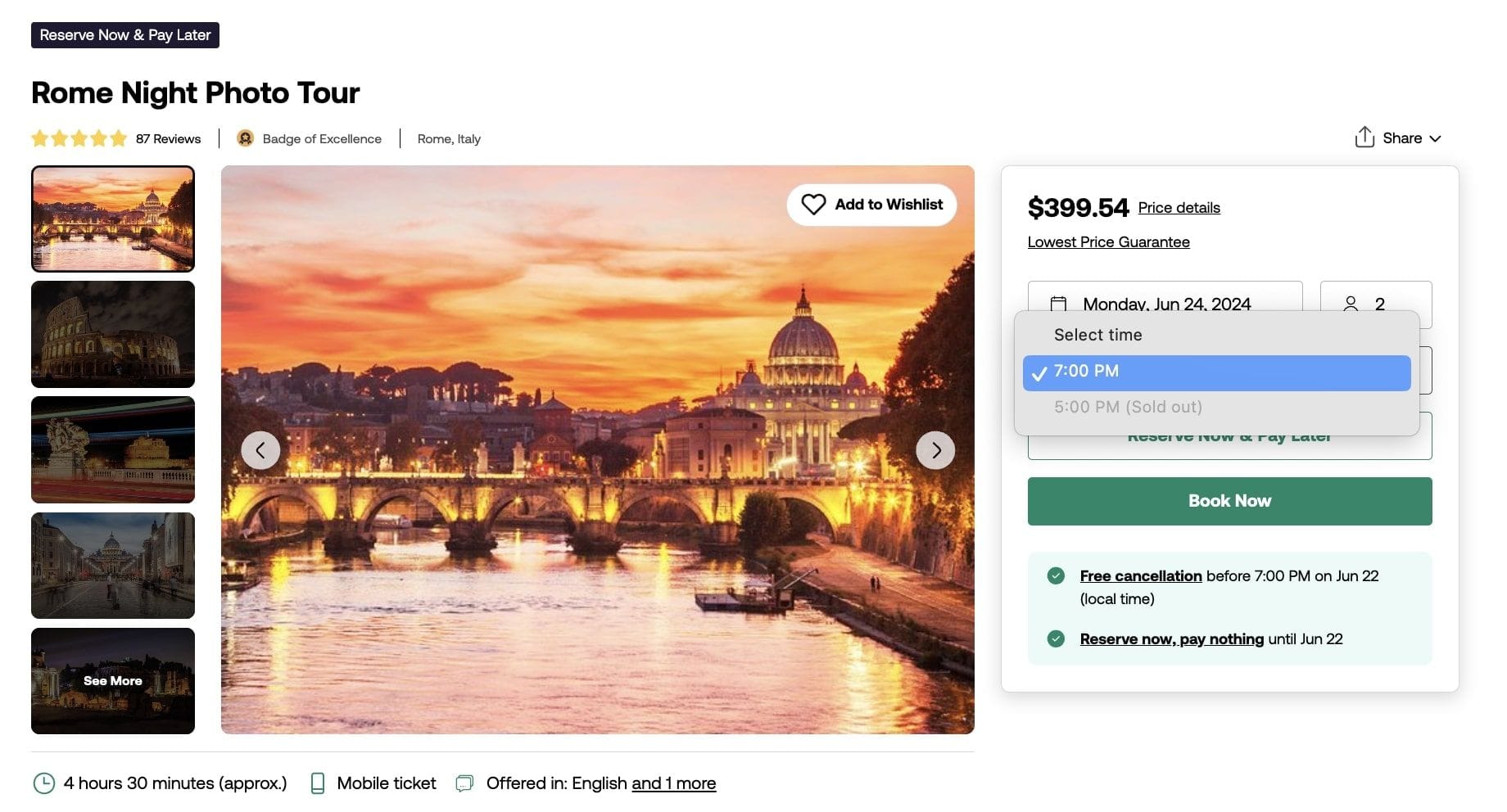
Viator’s pricing model is complicated by a critical finding: while the platform claims transparent pricing, a persistent complaint in user reviews is being asked to pay unexpected local taxes or fees by the operator upon arrival Trustpilot – Viator Reviews.
This is a classic “intermediary” problem. Viator can claim it’s the operator’s fault, and the operator can claim it’s standard practice, leaving you, the traveler, caught in the middle and forced to pay.
Expedia: The Deception of “Package Savings”

Expedia’s model is built on bundling, but the “savings” are often an illusion. The most common hidden costs are resort fees and airline baggage fees, which are conveniently left out of the headline price.
As travel experts at Frommer’s have pointed out, the real trap is the package’s inflexibility Frommer’s. A small change to one component can require rebooking the entire package at a much higher price, instantly wiping out any perceived savings.
⚠️ Pricing Gotchas: A Minefield of Traps
- The “Best Price Guarantee” Mirage: I’ve found these guarantees to be almost worthless. The requirement for an identical offer (same date, time, operator, cancellation policy) is a hurdle most users can’t clear. The process is designed to be high-friction and lead to denial on a technicality.
- The “Free Cancellation” Trap: This is the most dangerous pricing gotcha. All three platforms sell valuable ‘skip-the-line’ tickets for time-slotted attractions or special events that are strictly non-refundable. If you don’t read the fine print for every single item in your cart, you can easily lose your entire purchase price, believing you were protected by a “free cancellation” banner on the previous page.
⚠️ The Non-Refundable Line Item Trap: My analysis shows that platforms bury non-refundable terms for specific items like museum tickets on the final checkout page. Always assume ‘Free Cancellation’ does not apply to your entire cart until you’ve verified each line item individually. This trap accounts for a significant portion of user fund loss, according to user reports on Trustpilot.
💡 KEY INSIGHT: The TCO of using an OTA must include a “risk premium.” Based on travel industry data showing a significant problem incidence rate, a portion of bookings face issues requiring chargebacks or leading to lost funds Phocuswright. Booking with a credit card that offers strong chargeback protection is not just advice; it is your most essential financial safeguard in this market. To mitigate costs further, grab a working Klook voucher code and keep more money in your pocket.
Part 3: Feature & Performance Deep-Dive
A feature list is only the beginning. In my experience, these tables are marketing tools designed to create an illusion of simple comparison.
The real story is always in the footnotes and the “gotchas” they don’t highlight. The question you should ask for every line item is: “Does this feature actually solve a real travel problem, or does it just look good on a marketing page?”
For the most thorough breakdown of how these platforms compare, our Klook Top Alternatives and Competitors comparison article dives even deeper.
GetYourGuide vs Viator vs Expedia: A Detailed Comparison
| Feature Category | GetYourGuide | Viator | Expedia | Critical Notes (The “Gotchas”) |
|---|---|---|---|---|
| Primary Focus | Tours & Activities | Tours & Activities | Full-Service OTA | Expedia’s activities are an add-on, not its core focus, which can affect support and vetting quality. |
| Inventory Size | 110,000+ GetYourGuide News | 1,000,000+ Tripadvisor Q3 2023 Earnings | Not Disclosed | Viator’s massive inventory causes “Choice Overload” and inconsistent quality. It’s quantity over guaranteed quality. |
| Exclusive Content | ✅ “Originals by GYG” | ❌ | ❌ | GetYourGuide’s “Originals” are a key advantage, but only available in a few dozen major cities. |
| Loyalty Program | ❌ | ✅ Viator Rewards | ✅ One Key | Expedia’s One Key is designed for ecosystem lock-in, creating complexity for customers. |
| Flexible Booking | ⚠️ Varies | ✅ “Reserve Now, Pay Later” | ⚠️ Varies by Supplier | Viator’s “Reserve Now & Pay Later” is a significant advantage for flexible planning. |
| Mobile App Rating (Android) | 4.8 | 4.7 Google Play Store | 4.6 | All three platforms have highly-rated apps. The gap in Viator’s Android app has closed. |
| Customer Support Channels | Chatbot, WhatsApp, Phone | 24/7 Phone, Messaging, Email | Chatbot, In-App Messaging, Phone | Expedia’s channels are infamous for making it notoriously difficult to reach a human. |
Analysis of the “Gotchas”
- Viator’s Inventory: An inventory of over 1 million options is not a feature; it’s a liability. This “Choice Overload” pushes the burden of quality control onto you, the user. You have to sift through dozens of identical-looking listings, many from operators with a questionable digital footprint.
- GetYourGuide’s “Originals”: The “Originals” program is brilliant marketing, suggesting a higher standard. However, their limited availability makes them irrelevant for the vast majority of destinations. It’s a halo effect that doesn’t reflect the reality of their standard inventory.
- The “Ghost Listing” Failure: A major reliability failure I found in analysis is the phenomenon of “ghost listings.” This isn’t a rare glitch; it’s a systemic issue with large aggregators that have inventory sync lag. A user on Viator might book and pay for a tour, only to discover from the operator directly that they haven’t worked with Viator for over a year and the tour no longer exists. For a traveler deep in their itinerary planning, this is a catastrophic failure.
To avoid overpaying on any of these platforms, savvy travelers always check for exclusive Klook offers and money-saving deals first.
Part 4: Critical Considerations (Security, Trust & Known Issues)
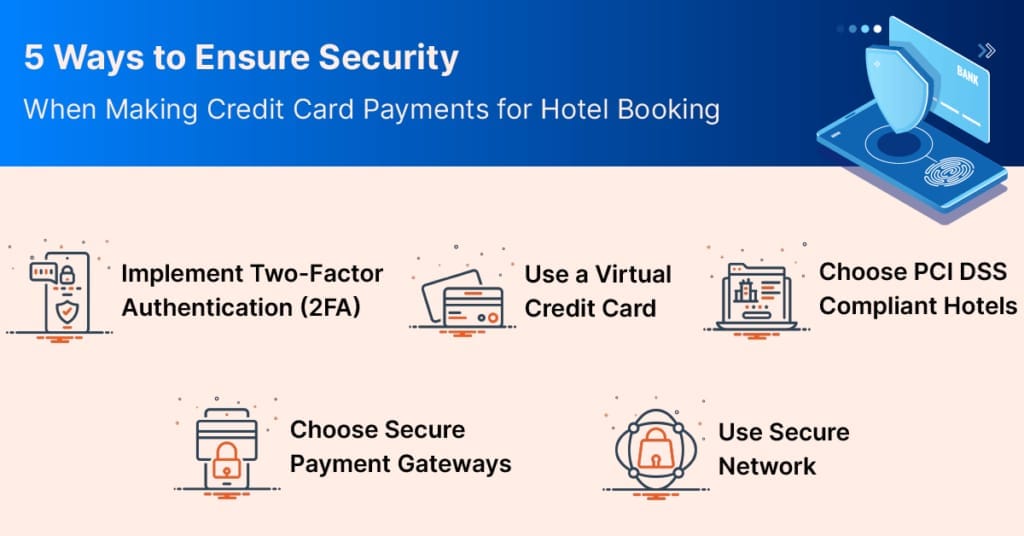
While the platforms pass basic technical security checks (PCI DSS for payments, GDPR for data), this creates a false sense of security.
The real risk in the “Your Money, Your Life” travel category isn’t a data breach; it’s the physical danger of an inadequately vetted tour operator. My analysis confirms this is the single biggest blind spot across the industry.
The Operator Vetting “Blind Spot”
The clean bill of health on technical compliance is a distraction. The platforms have legally protected themselves, leaving you unprotected. Operator vetting is a “black box”—a vendor-claimed, unverified process across all platforms.
- GetYourGuide’s Opaque Process: GetYourGuide claims a “vetting process” for all partners and a “stricter” one for its “Originals.” However, the exact depth, frequency, and criteria for these checks are not publicly detailed. This lack of transparency means you are putting your trust in a process you cannot verify.
- Viator’s Evolving Model: While Viator’s legal terms, like other intermediaries, disclaim direct liability for operator actions Viator Terms and Conditions, the company’s public Trust & Safety page now describes a screening process for new operators. However, the effectiveness and depth of these checks are not transparently audited, and the model still heavily relies on user reviews to flag issues after they occur.
- Expedia’s Laissez-Faire Approach: According to a recent Arival Industry Analysis, Expedia’s vetting process is often perceived as less rigorous than specialized platforms. Their focus is on the business viability of the operator, not on in-depth safety audits.
💡 My 5-Minute Operator Vetting Hack: Before booking on any platform, I copy the local operator’s name and search it on Google Maps. Read the 1- and 2-star reviews from the last 6 months. This 5-minute check provides more real-world safety intelligence than any platform’s aggregate score.
❌ The Universal Blind Spot: You Are Not The Customer, You Are The Product
The primary customer of these platforms is the tour operator, from whom they collect commissions. Your booking is the inventory being sold.
This fundamental business model explains the universal “intermediary” clause in their terms of service and their profound reluctance to take responsibility for on-the-ground issues.
❌ Expedia: The Support Black Hole
This cannot be overstated. The catastrophic support failure on Expedia is a direct consequence of their intermediary model for non-core products, making it the single biggest risk of using the platform for activities.
The platform’s 1.3 out of 5.0 rating on Trustpilot is a quantitative measure of user frustration. The system seems designed to prevent you from reaching a human who can actually solve your problem.
Given these risks across platforms, securing the best possible price is critical. Browse the latest coupons across all travel platforms to ensure you’re getting the best rate available.
Part 5: Use Cases & Traveler Workflows
Choosing the right platform depends entirely on your travel style and risk tolerance. Here are three common traveler personas and the workflows they should adopt to navigate the OTA minefield.
Workflow 1: The Safety-First Family
Persona: A family of four planning a trip to a major European city. Their top priority is safety and reliability. They are risk-averse and willing to pay a little more for peace of mind.
Recommended Workflow:
- Initial Discovery (Viator/GetYourGuide): Use a large platform like Viator to discover the types of tours available (e.g., “kid-friendly walking tour of Rome,” “Colosseum skip-the-line family pass”). Identify 2-3 tours with high ratings and a large number of recent, positive reviews.
- Operator Extraction: In the tour description or Q&A section, find the name of the local company operating the tour. This is the most crucial step.
- Direct Vetting: Search for the local operator’s name directly on Google Maps and Tripadvisor. Read their direct reviews, especially the most recent 1, 2, and 5-star reviews to understand their current performance and how they handle issues.
- Book Direct: If the local operator has a professional website with a secure checkout, book directly with them. This eliminates the “intermediary runaround” and creates a single point of accountability.
- Fallback Booking: If booking direct is not possible or significantly more expensive, return to the OTA but book using a credit card with strong travel insurance and chargeback protection. Document everything.
Workflow 2: The Last-Minute Planner
Persona: A solo traveler or couple on a flexible trip. They want to book an activity for tomorrow but aren’t sure what. They are deal-sensitive and comfortable with mobile apps.
Recommended Workflow:
- Platform Choice (Headout/GetYourGuide): Focus on platforms known for last-minute availability and mobile-first interfaces, such as Headout or GetYourGuide.
- Filter for Immediacy: Use filters to search for tours available “Today” or “Tomorrow.” Look for listings with “Instant Confirmation.”
- Cross-Reference Price & Reviews: Quickly compare the top 2-3 options. A 4.9-star tour for $50 may be a better value than a 4.2-star tour for $45. Prioritize recent reviews.
- Read the Cancellation Policy: Even for a last-minute booking, quickly scan the cancellation policy on the final checkout page. Many last-minute deals are strictly non-refundable.
- Book in App: Complete the booking via the mobile app to ensure the voucher is immediately available on your phone. Take a screenshot of the confirmation and voucher as a backup.
Last-minute planners can also save on Klook activities by checking for a current Klook discount code before checkout.
Workflow 3: The Niche Explorer
Persona: An experienced traveler heading to a less common destination (e.g., Central Asia, rural Japan). They are looking for a specific, unique activity that isn’t a mainstream tourist attraction.
Recommended Workflow:
- Platform Choice (Viator): Start with Viator. Its massive, uncurated inventory is the most likely place to find a small, local operator in a long-tail destination.
- Keyword Search & Filter: Use very specific keywords (e.g., “Yurt-making workshop Kyrgyzstan”). Be prepared to sift through many irrelevant results.
- Deep Vet the Operator: For niche tours, operator vetting is paramount. The operator may be a very small business or even a single person. Look for links to their personal website, social media profiles, or any external validation. Be wary of listings with few or very old reviews.
- Communicate Before Booking: Use the platform’s Q&A feature or try to find the operator’s direct contact info to ask a clarifying question before booking. Their response time and professionalism are a good indicator of their reliability.
- Reserve, Don’t Pre-Pay: If available, use Viator’s “Reserve Now & Pay Later” feature. This allows you to secure a spot while you continue to do research or finalize other parts of your itinerary planning, reducing your financial risk if the operator turns out to be unreliable.
Part 6: Alternatives & Decision Framework
My goal here is not to declare a “winner.” The right way to approach this is as a risk mitigation exercise.
You must operate under the core assumption: “The platform will not help me if something goes wrong.” Your choice, then, is not about which platform is “best,” but about which set of risks you are most willing to personally manage.
Best Fit Scenarios
GetYourGuide: For the UX-Focused, Low-Risk Traveler
✅ Choose GetYourGuide if:
- You value a clean, modern, and easy-to-use interface above all else.
- You are booking well-known, popular attractions in major cities in North America or Europe.
- You are booking a highly-rated “Originals” tour and are confident your plans will not change.
⚠️ Avoid GetYourGuide if:
- Your travel plans are even slightly tentative. The risk of losing your money on a non-refundable ticket is too high.
- You need responsive and empowered customer support to solve complex problems.
- You are traveling to a destination where their inventory is limited.
Viator: For the Diligent Researcher Who Needs Options
✅ Choose Viator if:
- You prioritize having the maximum possible choice and are looking for niche activities that aren’t available elsewhere.
- You are a diligent researcher, willing to spend time reading dozens of reviews and doing your own vetting.
- You want the flexibility of the “Reserve Now & Pay Later” feature to lock in a spot without immediate payment.
⚠️ Avoid Viator if:
- You are easily overwhelmed by choice and prefer a curated selection.
- You blindly trust a platform’s star rating to be a reliable guarantee of quality and safety.
- You expect a modern, fast, and clutter-free booking experience.
Expedia: The High-Risk, Low-Reward Option
✅ Choose Expedia if:
- You are booking an extremely simple, straightforward single-attraction ticket where the likelihood of change is almost zero.
- You are already deeply invested in the One Key ecosystem and the primary goal is to maximize your rewards points.
⚠️ Avoid Expedia if:
- You value responsive and effective customer support. This is the number one red flag and the most critical reason to avoid them for anything complex.
- Your plans are even slightly tentative. The package inflexibility is a major liability.
Whichever platform you lean towards, it pays to compare with what Klook offers. You can often find a limited-time Klook sale price that beats competitor pricing entirely.
Your Pre-Booking Safety Checklist
- Check Support Reputation: Before booking, go to Reddit and search for “[Platform Name] + ‘refund issue’ + Reddit.” This gives you a real-time, unfiltered view of customer complaints.
- Vet the Local Operator Directly: Do not trust the platform’s rating alone. Find the name of the local tour operator and search for their direct reviews on Google Maps or Tripadvisor. This is the most crucial step.
- Consider Booking Direct: If the local operator has a professional website with secure online booking, booking direct is often the safest choice. It eliminates the “intermediary runaround.”
- Use a Protected Credit Card: Always book with a credit card that has strong, reliable chargeback protections. In a dispute, this may be your only real recourse.
- Read Every Cancellation Policy: Do not assume the platform-wide policy applies. Read the fine print on the final checkout page for every individual item.
Part 7: Conclusion & Frequently Asked Questions
Frequently Asked Questions
Q1: Which Klook alternative is the safest to use?
A: No platform is inherently ‘safest,’ as all function as intermediaries and disclaim direct liability for operator actions in their terms of service. Your safety strategy is more important than platform choice.
However, GetYourGuide’s ‘Originals’ program attempts a higher level of vetting for a very small subset of its tours. For enhanced traveler safety, your best strategy is always to research the local tour operator directly—using Google Maps and recent reviews—regardless of which platform you use for initial discovery. For maximum accountability, booking direct with a well-reviewed local operator is often the best alternative.
Q2: Is Viator a trustworthy site?
A: Viator is a legitimate, massive company owned by Tripadvisor, but its trustworthiness is complicated. While the platform itself is not a scam, it hosts a marketplace with wildly inconsistent operator quality, as confirmed by numerous user reviews Trustpilot – Viator Reviews.
My analysis confirms that while issues like “ghost listings” can occur, the platform is trustworthy for payment processing. The trust gap lies in the quality of the end product. You can find excellent tours on Viator, but it requires significant personal vetting; you cannot blindly trust the ratings.
Q3: Why is Expedia’s customer service so bad?
A: Expedia’s poor support, reflected in its 1.3/5.0 Trustpilot score, likely stems from its model as a massive intermediary where activities are not a core business Expedia’s Official Trustpilot Page.
When issues arise, users report being caught in a “runaround” where Expedia’s system blames the tour operator, and the operator blames Expedia. This leaves the customer without a resolution because the support infrastructure is not designed to take ownership of problems in a non-primary business vertical, a common issue when evaluating Klook top alternatives and competitors.
Q4: Can I really get a full refund with “free cancellation”?
A: Often, no. This is one of the most misleading phrases in online travel. While many bookings are flexible, all platforms sell tickets for specific attractions or time-slotted events that are strictly non-refundable from the moment of purchase, as stated in their policies GetYourGuide Help Center.
You must read the fine print for every individual booking on the final checkout page to know the real policy. Do not trust the general banner ads on the site.
Q5: What is the biggest difference between GetYourGuide and Viator?
A: The primary difference is curation versus selection. GetYourGuide offers a smaller, more curated selection of tours (~110,000+) with a modern, user-friendly interface, aiming for a “quality over quantity” feel.
In contrast, Viator, with its connection to Tripadvisor, provides a massive, sprawling inventory of over 1 million listings. This unmatched selection comes at the cost of a more cluttered experience and highly inconsistent operator quality that requires more research from the user.
Q6: Is ‘Reserve Now, Pay Later’ on Viator a good deal?
A: Yes, this is one of Viator’s strongest and most genuinely user-friendly features. From my analysis, it provides real, tangible flexibility for travelers whose plans may change.
It allows them to secure a spot on a popular tour—avoiding sell-outs—without paying upfront, which is a significant competitive advantage over platforms that require immediate, and often non-refundable, payment. This feature is heavily promoted on their site Viator Reserve Now, Pay Later.
Q7: Are GetYourGuide “Originals” worth booking?
A: If you can find an “Original” tour that fits your itinerary, it is likely a higher-quality and safer bet. GetYourGuide states these tours undergo a stricter vetting process and are branded to their standards GetYourGuide Originals.
However, the major caveat I found is their very limited availability. They are only available in a few dozen major cities, making this feature more of a marketing tool and “halo” product than a practically useful option for most travelers worldwide.
Q8: Should I just book directly with the tour operator?
A: For maximizing safety and ensuring a clear line of support, booking direct is often the best alternative. If the local operator has a professional website with a secure booking system, you eliminate the “intermediary runaround” if something goes wrong.
While it might sometimes be slightly more expensive, you are paying for a direct point of contact and accountability. In the travel tech industry, we call this removing layers of abstraction; for a traveler, it means having someone to call who is directly responsible.
Conclusion
My deep dive into Klook’s top alternatives and competitors has shown that the shiny marketing hides a reality of misleading pricing, opaque safety standards, and support systems designed to fail. The choice is not about which platform is ‘best,’ but which one carries risks you can manage. This is a market where you must be your own advocate.
The final decision is a trade-off. If you prioritize a clean UX for popular attractions and accept the rigid refund risk, choose GetYourGuide. If you need maximum choice and have the diligence to research operators heavily, choose Viator. I can only recommend using Expedia for simple, non-critical activities if you fully accept the high risk of catastrophic support failure.
The ultimate red flag is any platform that makes it difficult to contact a human. Before you book, follow the number one rule from our guide: search ‘[Platform Name] + refund issue + Reddit.’ This will give you the unvarnished truth.
Your decision should assume you are your own primary safety net. My final advice is to always book with a protected credit card, and when in doubt, book direct. And don’t forget to check for an exclusive Klook coupon before making any final booking decisions—every dollar saved adds up on your travels.