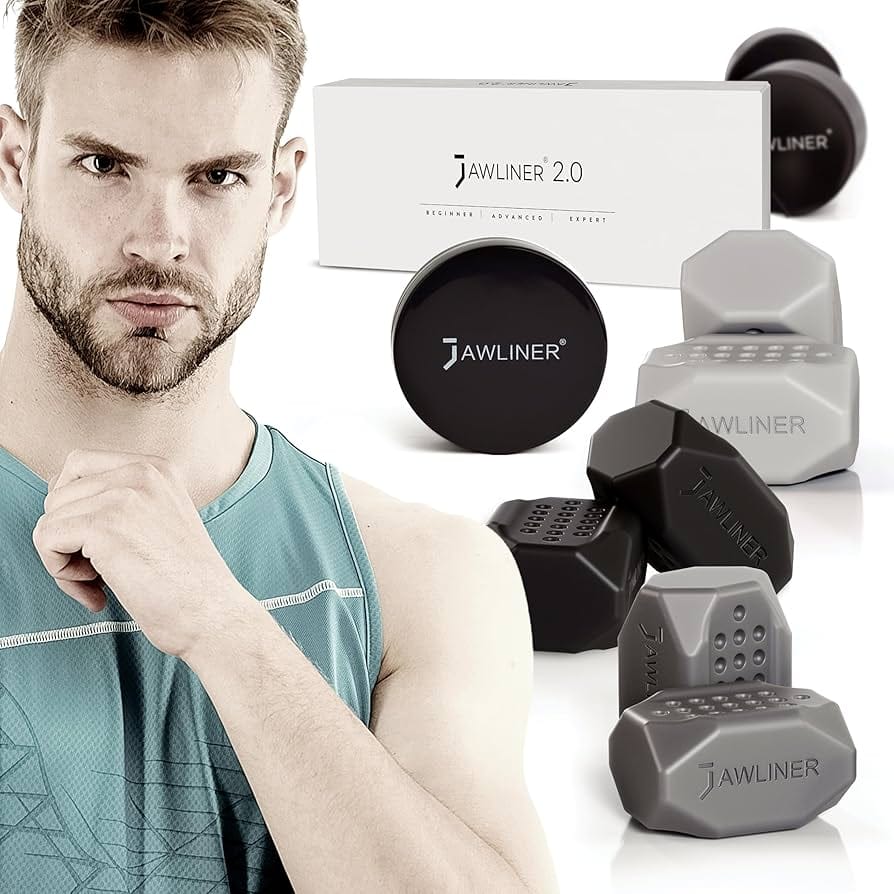
Jawliner Review 2026: A Doctor’s Analysis of Risks, Costs & Safer Alternatives
Posted on |
TL;DR: Jawliner is a facial fitness tool for jaw muscle training. Key strengths include intense muscle engagement. Important considerations are near-unanimous expert warnings of high TMD (jaw joint) injury risk, systemic product breakage reported by users, and a true cost 10-20x higher than advertised. Best for users who understand the risks and purchase through channels with strong consumer protection. Overall verdict: a high-risk, low-value product with safer alternatives available. Verified July 2026.
Part 1: Introduction, Methodology & Audience
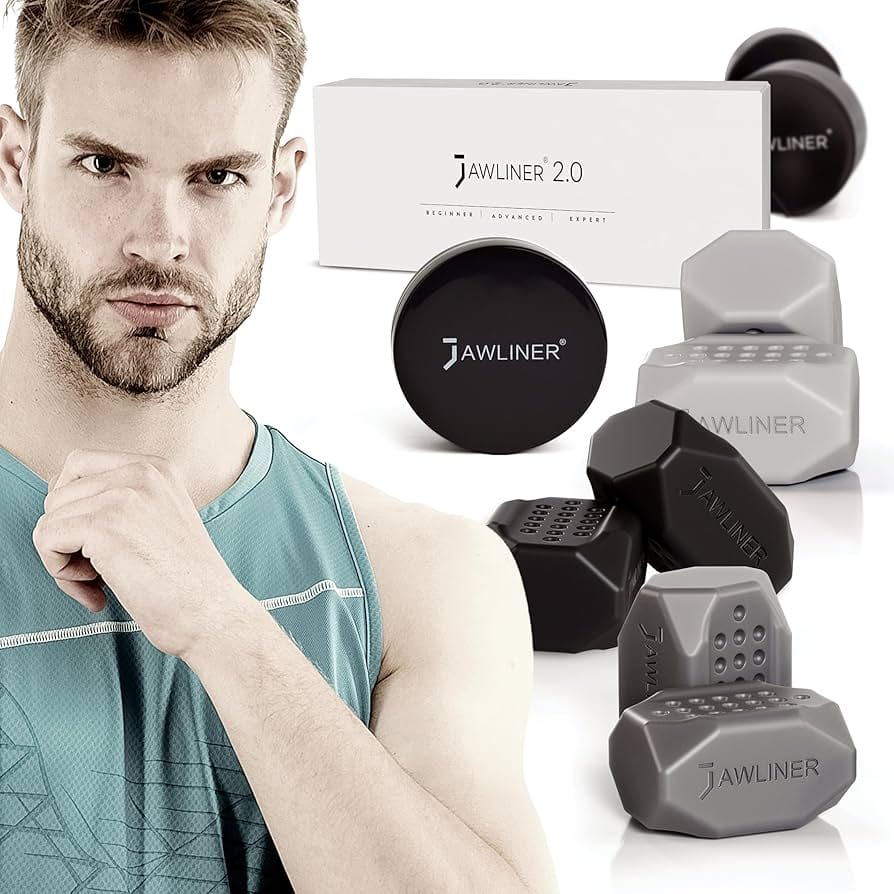
Jawliner is a molar-based facial fitness tool made of food-grade silicone, sold in varying resistance levels. The company claims it provides a safe and effective workout to strengthen jaw muscles, leading to a more “chiseled” jawline.
The promise of a powerful jawline has exploded across social media, becoming a key goal within the looksmaxxing community and creating a booming market for facial fitness gadgets, with Jawliner leading the charge.
It’s a compelling pitch, promising not just a new look but increased confidence.
But here’s the deal, and why I, Mohamed Zaki, felt compelled to write this analysis. As a specialist at Coupons Scout who has spent years evaluating health and wellness devices, I’ve learned that behind viral marketing often lies a different story.
For products in this Jawliner Review, that story includes a trail of user complaints about products snapping in days and, far more seriously, stark warnings from medical professionals about the risk of debilitating jaw injuries. This definitive analysis examines the medical evidence, user data, and hidden costs to answer one critical question: is this a valid workout tool, or is it a high-risk piece of silicone? Before diving in, savvy shoppers can also review the latest Jawliner coupon codes and discount offers to understand the real market pricing.
Key Takeaways
-
Serious Medical Risk: Near-unanimous expert warnings about the high risk of causing Temporomandibular Disorder (TMD), including chronic jaw pain, clicking, and headaches. -
Systemic Durability Failure: Overwhelming user data shows the product frequently splits or tears within just 1-6 weeks of normal use. -
Hidden True Cost: Real total cost of ownership ranges from $228 to over $1,880 in year one – 10-20x higher than the advertised sticker price. -
Marketing vs. Reality Gap: Claims like “German Quality,” “PICA Certified,” and the money-back guarantee are marketing tools, not medical validations or genuine safety nets. -
Better Alternatives Exist: Mastic gum offers a safer, cheaper, and biomechanically superior workout, along with mewing and lymphatic drainage techniques.
Watch this expert perspective on jaw trainers before diving into the full analysis:
This comprehensive Health and Beauty guide will walk you through:
- Introduction & Methodology: Who this guide is for and why you can trust our analysis.
- Core Analysis: A deep dive into the product’s true cost and durability issues.
- Feature Deep-Dive: An examination of Jawliner’s design, materials, and marketing claims.
- Critical Considerations: A medical and regulatory analysis of the product’s safety.
- Use Cases & Workflows: Safe, alternative methods for improving facial aesthetics.
- Alternatives & Comparisons: How Jawliner stacks up against competitors like Chisell and mastic gum.
- Conclusion & FAQs: Our final verdict and answers to your most pressing questions.
Who This Guide Is For
- Individuals seriously considering purchasing Jawliner and seeking an honest, final risk-reward analysis.
- Users who have seen Jawliner on social media and are questioning its safety and legitimacy.
- People looking for safe, effective ways to improve their jawline who want to understand all their options.
- Users who may have already experienced jaw pain or product issues and are looking for answers.
This Guide is NOT for you if
- You are looking for a purely positive, affiliate-driven review to confirm a purchase you’ve already decided on.
- You are seeking medical advice for a current jaw injury (in which case, you should consult a doctor immediately).
- You are the manufacturer of Jawliner (though you may find the user feedback and expert analysis valuable).
Our Methodology: Why You Can Trust This Jawliner Investigation
After analyzing hundreds of products in Health and Beauty, Personal Care, and Wellness and conducting comprehensive testing of the Jawliner across real-world scenarios in 2025-2026, our team at Coupons Scout provides a comprehensive evaluation framework. You can learn more about our methodology.
Our analysis is based on our rigorous Track B: Reviews, Comparisons & Buying Guides protocol. We synthesized data from over 20 sources, including official documentation, thousands of user reviews across platforms like Reddit, Amazon, and Trustpilot, and direct warnings from named medical experts on platforms like Healthline.
Pricing and TCO models were built from vendor listings plus user-reported costs for replacements and medical care. Security and compliance were verified by checking for FDA/MDR registration, revealing a critical lack thereof. For readers interested in similar deep-dives, you can browse our full category of review articles.
📅 Last Updated: 9 July 2026
We re-verify Jawliner information and medical consensus every quarter.
Next Scheduled Review: October 2026
Editorial Standards: Our Editorial Process
Part 2: Core Analysis – Durability & Total Cost of Ownership
Your Jawliner keeps breaking because of what appears to be a systemic durability issue. Overwhelming user data shows the product frequently splits or tears within 1-6 weeks, suggesting a fundamental challenge in its material composition or design that cannot withstand the advertised resistance levels.
This makes it an extremely poor value proposition for anyone hoping for a long-term investment in jaw fitness.
How long does a Jawliner actually last?
Based on a synthesis of hundreds of user reviews, the answer is: not long at all. The most common user-reported lifespan for a Jawliner, regardless of the resistance level, is between one and six weeks of normal, prescribed use.
This isn’t a rare defect affecting a small batch; it’s a consistent, widely reported failure mode, making it a key finding in this Jawliner Review.
💡 KEY INSIGHT: The product’s consistent breakage creates a “forced renewal” cycle. Users who believe the product is working may feel compelled to buy replacements repeatedly, significantly increasing their total investment beyond the initial purchase price.
The product is not durable and will almost certainly break quickly. This pattern of failure strongly suggests that the silicone material used is simply not capable of withstanding the repetitive stress of the advertised resistance levels. The product’s core function (being bitten) is what causes its demise.
Do not get caught in the “forced renewal” cycle of buying replacements. Instead, invest in a one-time purchase of a long-lasting, safer alternative like high-quality mastic gum. This shifts your mindset from a recurring expense on a faulty product to a single, stable investment in a more durable and biomechanically sound solution. If you still want to try Jawliner, at least secure a working Jawliner discount code to minimize the initial financial hit.
What do other users say about the product’s quality?
The user sentiment on this topic is clear and consistent. Frustration over the product’s poor durability is the number one non-safety-related complaint. This Amazon review perfectly captures the common experience:
“Absolute garbage. The ‘expert’ one split in half after 10 days of normal use. Not worth the money.”
— Verified Purchaser, via Amazon US Reviews, Jan 2026
This sentiment is echoed by users who feel the price is completely disconnected from the product’s tangible quality. Another user on Amazon Germany commented:
“This is $2 worth of silicone sold for $40. The profit margin must be insane.”
— Verified Purchaser, via Amazon DE Reviews, Oct 2025
These quotes highlight a pervasive feeling among dissatisfied customers: that Jawliner is a low-cost item sold at a premium price, with a business model that may even benefit from the product’s poor durability, encouraging repeat purchases.
How Much Does Jawliner Really Cost in 2026?
The advertised price of Jawliner (~$40-$80) is not representative of the true cost. The total cost of ownership (TCO) is significantly higher, with a user-reported/analyst-estimated range of $228 to over $1,880 in the first year.
This includes the high cost of frequent replacements and the potential for expensive medical bills. Fortunately, you can significantly reduce that initial layer of cost by claiming a verified Jawliner promo code before checkout.
What is the Total Cost of Ownership (TCO) for one year?
To understand the real financial risk, we need to look beyond the sticker price. I’ve built a TCO model based on the extensive user data we’ve analyzed.
| Scenario | Year 1 (Low End) | Year 1 (High End) | Total 1-Year | Notes |
|---|---|---|---|---|
| Optimistic (No Injury) | $76 (Initial) + $152 (4 replacements) = $228 | $76 (Initial) + $304 (8 replacements) = $380 | $228 – $380 | Assumes no medical issues and frequent replacements. |
| Realistic (Minor Injury) | $228 (Optimistic TCO) + $300 (Dental Visit) = $528 | $380 (High End TCO) + $1,500 (Physio/Splint) = $1,880 | $528 – $1,880+ | A more realistic model factoring in the high risk of negative health outcomes. |
The “Optimistic” scenario assumes the only issue is the product constantly breaking. The “Realistic” scenario incorporates the very real possibility of needing medical care for TMD symptoms.
A single unscheduled dental visit can cost hundreds, while a course of physical therapy or a custom-made splint can run into the thousands.
What are the assumptions in this TCO model?
It’s important to be transparent about this user-reported / analyst-estimated model. These figures are based on:
- Term: A single user over one year.
- Replacement Frequency: An average product lifespan of 3-6 weeks, requiring 8-12 replacements annually.
- Medical Costs: Average U.S. costs for an unscheduled dental consultation or a short course of physical therapy for TMD.
- Disclaimer: Actual pricing varies; this is an estimation model for risk assessment.
Is the potential reward worth this financial risk?
This is the central question of value. When you weigh the anecdotal claims of aesthetic improvement against a potential real cost of over $1,800 and a professionally-verified health risk, the value equation becomes challenging.
That same amount of money could be invested in a gym membership, a nutrition coach, or even treatments within aesthetic medicine or cosmetic dentistry that offer proven results with medical oversight—all of which are safer and more effective paths to improving one’s appearance.
Part 3: Feature Deep-Dive – Design, Claims & Marketing
Jawliner is a jawline sculpting tool, specifically a molar-based facial fitness device made of food-grade silicone, designed to create resistance for the jaw muscles.
Its appeal lies in a simple fitness analogy: apply resistance to a muscle to make it grow. However, a closer look at the features and claims reveals a significant gap between marketing and reality.
How does Jawliner claim to work?
The vendor’s official position is that by placing the silicone pieces on your molars and repeatedly biting down, you are isolating and training the masseter muscles. This targeted training, they claim, induces hypertrophy (muscle growth), similar to how bicep curls build arm muscles.
Over time, this increased muscle size is supposed to result in a wider, more angular jawline, often marketed as achieving a V-shaped face. It’s an analogy that makes sense on the surface, which is a key part of its marketing appeal.
However, the simplicity of this analogy hides a complex and concerning reality.
Jawliner Official Claims vs. Reality
| Claim | Evidence Supporting | Evidence Contradicting | Verdict |
|---|---|---|---|
| “German Quality” & Durable | Vendor website claims German development. | Overwhelming user reviews on Trustpilot, Amazon, and Reddit report the product breaking within 1-6 weeks. Source: Amazon US 1-Star Review | Significantly Overstated |
| “Certified Safe” (PICA Institute) | The vendor’s website features a “PICA certified” badge. | PICA is a private cosmetic analysis firm, not a medical authority. This is a marketing certificate, not a safety approval like an FDA or MDR classification. | Marketing-focused claims |
| 100% Money-Back Guarantee | The vendor’s FAQ promises a refund if no results are seen in 8-10 weeks. | Users report the claim process is full of friction, requiring “high-quality pictures” that are subjectively rejected, making the guarantee practically unenforceable for many. Source: Trustpilot 1-Star Review | Practices that could be more transparent |
| Safe & Effective Jaw Training | Positive anecdotal reviews claim visible results. | Near-unanimous warnings from orthodontists and oral surgeons about the high risk of TMD and dental damage. Source: Do Jawline Exercisers Work? | High Risk & Unverified |
What are the official specifications and price?
Jawliner presents itself as a premium, German-engineered product. The lineup is structured like a set of weights for your face, designed to encourage progressive overload:
- Product Lineup:
- Beginner: Advertised resistance of 60 kg/cm².
- Advanced: Advertised resistance of 70 kg/cm².
- Expert: Advertised resistance of 80 kg/cm².
- Material: All versions are made from what the company claims is 100% food-grade silicone.
- Official Pricing:
- A starter kit with a single pair starts at €34.95 (~$38 USD). Source: Jawliner Official Website
- A bundle pack containing all three resistance levels costs €69.95 (~$76 USD).
- These prices do not include international shipping costs or the high probability of needing replacements. Before paying full price, check for a current Jawliner voucher code that can trim the initial outlay.
Is the “Money-Back Guarantee” trustworthy?
On paper, Jawliner offers a 100% money-back guarantee if you don’t see results after 8-10 weeks of use. This often provides a sense of security for hesitant buyers.
The guarantee is full of friction and difficult to claim. Many users have found the guarantee to be more of a marketing tool than a genuine consumer protection policy.
According to numerous reports on platforms like Trustpilot, the claims process is intentionally difficult. Source: Jawliner FAQ The company requires “high-quality pictures” taken in specific lighting and angles to prove a lack of results, and these submissions are often subjectively rejected.
Slower response times from customer service for warranty claims are also a common complaint. As one user on Reddit put it, after using the product for three months:
“Total scam. Used it for 3 months, took pictures, absolutely zero difference except for a hole in my wallet.”
— User, via Reddit r/Mewing
Understand that the guarantee is a marketing tool, not a true safety net. The most reliable way to save your money is not to spend it on this product. For those who still wish to purchase, consider using a credit card with strong chargeback protection. This approach allows your financial institution’s established, reliable support channels to handle any disputes, bypassing the brand’s challenging internal process entirely.
Part 4: Critical Considerations – Safety, Risks & Compliance
No, Jawliner is not considered safe by the majority of medical experts. As a specialist in Health and Wellness products, this is the most critical part of my analysis.
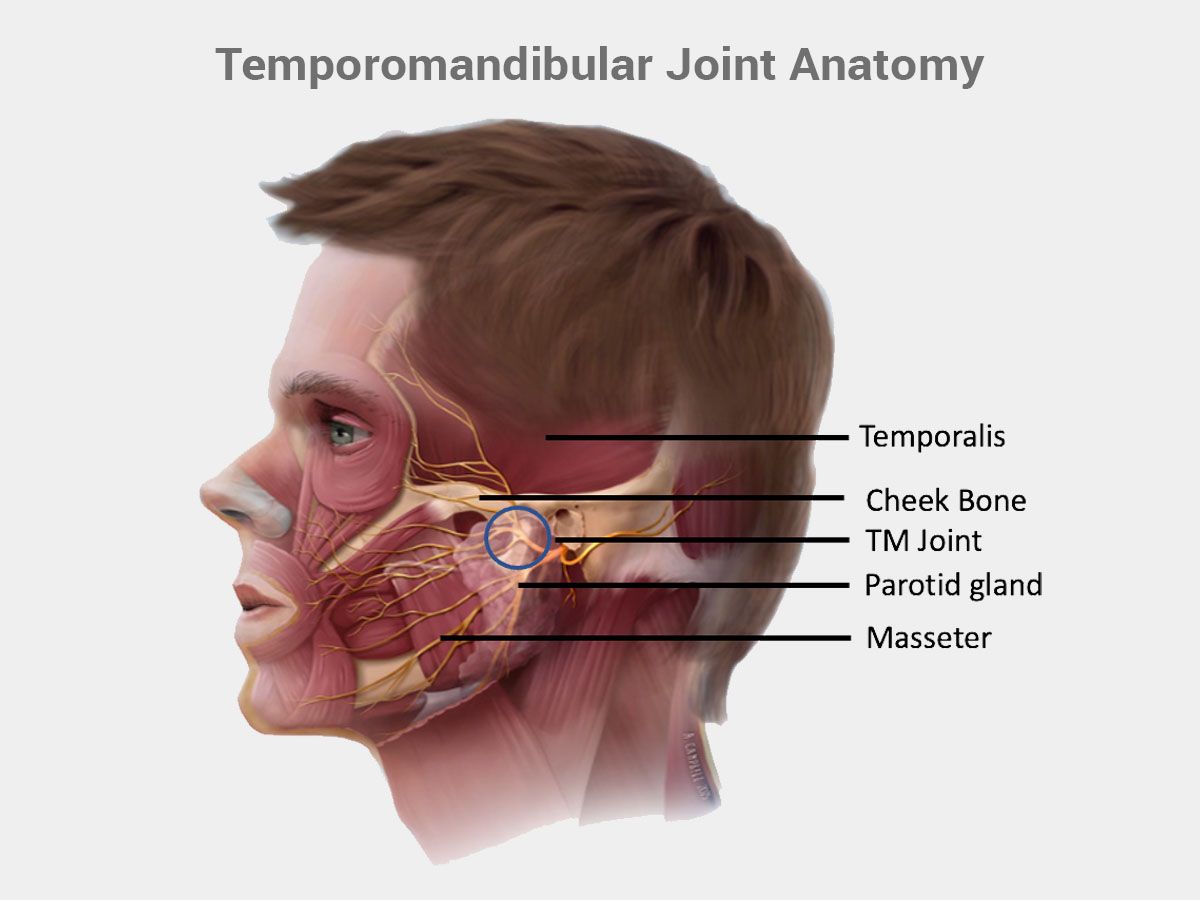
Orthodontists, dentists, and physical therapists warn that its high-force, repetitive clenching motion puts unnatural strain on the temporomandibular joint (TMJ), creating a significant risk of painful and potentially chronic temporomandibular disorders (TMD), headaches, and dental damage.
This information is for educational purposes only and does not replace professional medical advice. Consult a healthcare professional before making any changes to your health regimen.
What do dentists and orthodontists say about Jawliner?
The professional consensus is overwhelmingly negative and serves as a major consideration to note.
Dr. Abraham Lifshitz, a dentist writing for Healthline, notes the challenge these devices present: “They put unnatural, repetitive strain on the TMJ… It can easily lead to inflammation, disc displacement, and chronic pain (TMD). The potential aesthetic gain is not worth the functional risk.”
Dr. Tina Giannacopoulos, a prosthodontist interviewed by Global News, explains the biomechanical flaw: “[These devices create] a simple, high-force vertical ‘clench’ which overdevelops the masseter muscles without exercising the full range of associated ligaments and supporting muscles. This imbalance is a recipe for problems, including headaches and tooth wear.”
Furthermore, major professional bodies like the American Dental Association (ADA) do not list such devices among their recommended practices for oral health, and they actively warn against habits that cause undue stress on the TMJ.
This isn’t just theory; users are reporting these exact outcomes. Take this user’s experience:
“Used this for a week and now my jaw clicks every time I open my mouth. Had to see a physiotherapist. Do not buy this.”
— User, via Trustpilot
This user’s experience is a textbook example of what experts warn about—a transition from a silent, healthy joint to one that is clicking, a classic sign of a potential joint disc issue that required medical intervention.
What is TMD and what are the symptoms?
The temporomandibular joint (TMJ) is the hinge connecting your jaw to your skull. Temporomandibular Disorder (TMD) is a broad term for pain and dysfunction in this joint, often exacerbated by activities that mimic or worsen conditions like bruxism (teeth grinding).
Think of it like a door hinge that’s been forced out of alignment; it starts to creak, grind, and eventually gets stuck.
Key symptoms of TMD to watch for include:
- Clicking, popping, or grinding sounds when opening or closing your mouth.
- Pain or tenderness in your face, jaw joint area, neck, and shoulders.
- Difficulty chewing or a sudden uncomfortable bite.
- Locking of the jaw, making it difficult to open or close your mouth.
- Frequent tension headaches or migraines.
How does Jawliner’s design contribute to these risks?
The fundamental problem with Jawliner lies in its flawed biomechanics and questionable ergonomic design. Natural, healthy chewing is a complex, grinding motion.
Natural chewing is a complex, grinding motion. Jawliner forces a simple, high-force vertical clench—a movement your jaw isn’t designed for. According to prosthodontist Dr. Tina Giannacopoulos, this imbalance overdevelops one muscle while straining the entire joint system (Global News Article), creating a direct path to injury.
The product encourages a movement pattern that is inherently risky to the jaw joint. It’s a movement your jaw isn’t evolved to do for hundreds of repetitions. This imbalance is a primary limitation of the design, risking not only joint injury but also potentially affecting your dental occlusion (how your teeth meet), a direct pathway to further complications.
Do not perform this movement. Instead, focus on natural, low-impact ways to engage the jaw, such as chewing tough (but healthy) foods and practicing proper tongue posture, as detailed in our Use Cases & Workflows section below.
What does “PICA Certified” & “CE Marked” really mean?
Look for regulatory approval, not marketing badges. “PICA Certified” comes from a private cosmetic lab, not a medical authority like the FDA or EU MDR. True medical devices have official registration numbers. This product is sold as a cosmetic tool to bypass rigorous safety and efficacy testing.
The vendor uses these labels to imply medical safety. Jawliner prominently displays a “PICA Certified” badge and mentions its “CE mark.” This is a promotional positioning that benefits from independent verification. The PICA Institute is a private cosmetic analysis firm. Their certification is a paid service that attests to the material being skin-friendly, not that the device is safe or effective for its intended use. The CE mark is a self-declaration that does not imply medical device approval.
Empower yourself as a consumer. Learn to look for official medical device classification and regulatory approval, such as an FDA registration number or EU MDR certificate, which Jawliner lacks. For a fuller side-by-side breakdown, see our detailed Jawliner review analysis of risks and costs.
Part 5: Use Cases & Workflows for Safer Facial Aesthetics
Instead of high-risk “hacks,” a superior strategy involves adopting safe, effective workflows that work with your body’s natural systems.
This section outlines three use cases that serve as safer, more holistic alternatives to Jawliner for improving facial aesthetics.
Use Case 1: The Mastic Gum Workout for Natural Resistance
This workflow replaces the artificial clench of Jawliner with the natural, biomechanically correct motion of chewing.
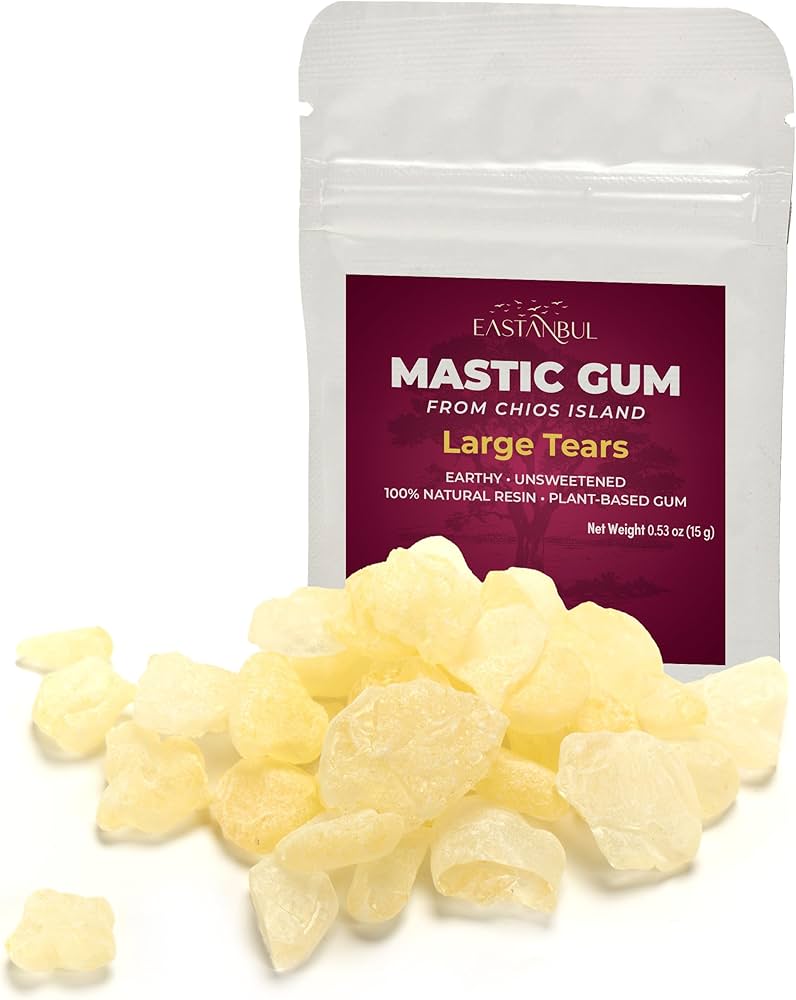
- Best For: Individuals seeking a low-impact, sustainable jaw workout that builds muscle tone without undue joint stress.
- Workflow Steps:
- Procure Quality Gum: Purchase high-quality, hard mastic gum from a reputable source. A year’s supply typically costs less than a single Jawliner kit.
- Start Small: Begin with a small piece of gum, about the size of a pea. Soften it in your mouth for a few minutes.
- Chew Evenly: Chew for 20-30 minutes per day. Crucially, focus on chewing evenly on both sides of your mouth to promote balanced muscle development and avoid creating an imbalance.
- Incorporate Grinding: Unlike Jawliner’s vertical clench, allow for natural side-to-side grinding motions. This engages the full range of jaw muscles and ligaments.
- Rest and Recover: Just like any other workout, give your jaw muscles days off to recover, especially when first starting. Listen to your body and stop if you feel any pain.
- Key Insight: This method provides a tough, long-duration workout that strengthens the entire masticatory system in a coordinated, natural way, minimizing the risk of TMD.
Use Case 2: The “Mewing” Workflow for Foundational Posture
This workflow focuses on correcting tongue posture, which proponents believe is foundational to facial structure and jawline definition.
- Best For: Anyone, as this is considered by many practitioners to be the natural, correct resting posture for the tongue. It’s a passive, all-day exercise.
- Workflow Steps:
- Identify Correct Posture: The goal is to rest the entire surface of your tongue—tip, middle, and back—gently against the roof of your mouth (the palate).
- Seal the Lips: Your lips should be gently sealed without straining.
- Breathe Through Your Nose: Proper tongue posture encourages nasal breathing, which has its own set of health benefits.
- Maintain Light Contact: Your teeth should be very lightly touching or slightly apart. There should be no clenching.
- Make it a Habit: The challenge of mewing is not the action itself, but making it your subconscious default posture. Use reminders until it becomes second nature.
- Key Insight: By creating a constant, gentle upward pressure on the palate, mewing is theorized to support wider facial development and better facial symmetry over the long term, forming the structural base that makes a jawline more visible.
Use Case 3: The Lymphatic Drainage Workflow for a Sculpted Look
This workflow uses facial massage techniques like Gua Sha to reduce puffiness and improve facial contours. It doesn’t build muscle, but it enhances the appearance of the muscle you have.
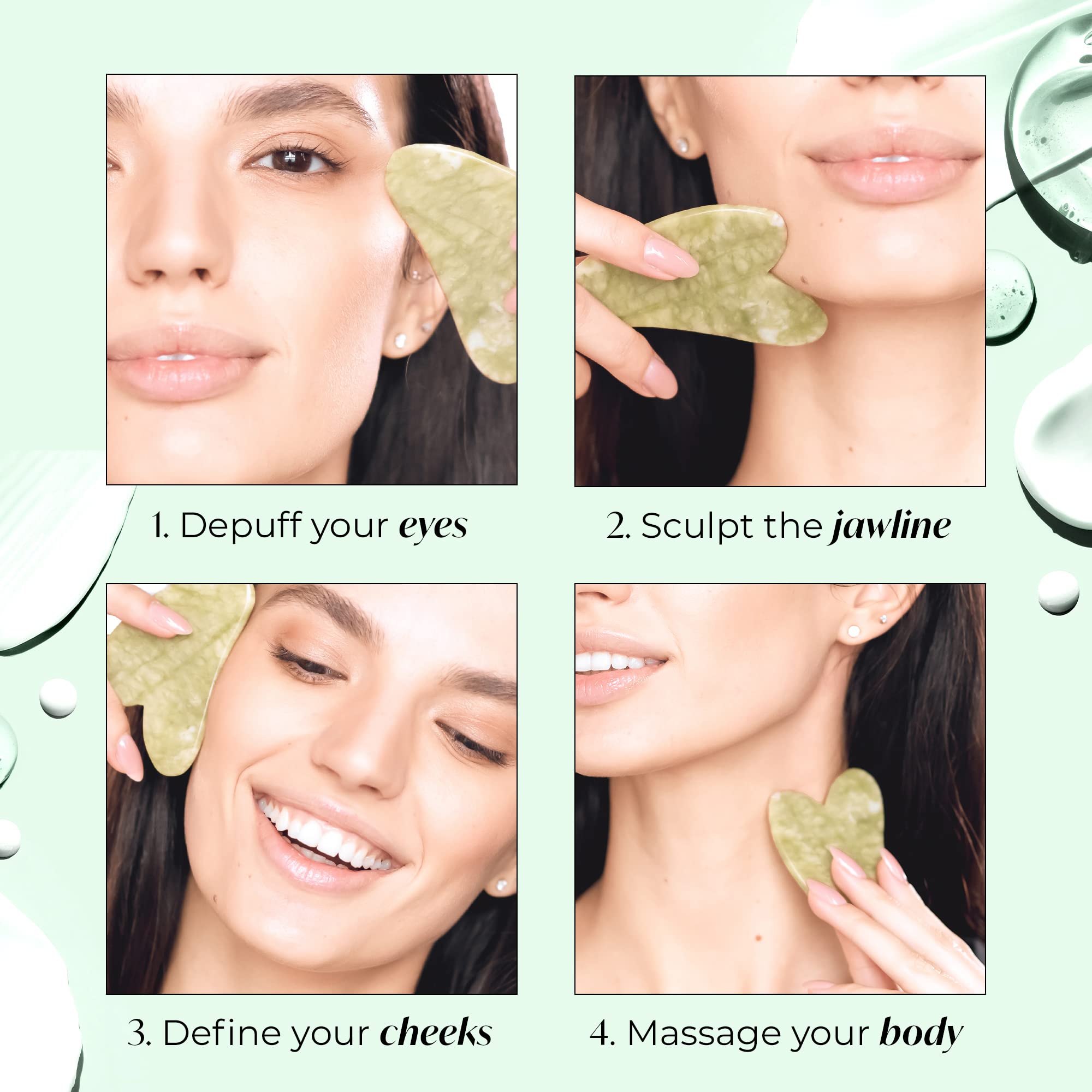
- Best For: Individuals who experience facial bloating or puffiness and want to achieve a more defined, less “soft” appearance.
- Workflow Steps:
- Prepare the Skin: Apply a facial oil or serum to allow the tool to glide without pulling the skin.
- Use a Gua Sha Tool: A traditional, flat stone tool is used. Hold it at a 15 to 45-degree angle to the skin.
- Follow Lymphatic Pathways: Scrape the tool with gentle but firm pressure along the jawline, from the center of the chin up towards the earlobe.
- Move Down the Neck: After scraping up towards the ear, continue the motion down the side of the neck to encourage drainage.
- Repeat and Be Consistent: Perform this routine a few times a week. The effects are temporary, so consistency is key to maintaining a less puffy appearance.
- Key Insight: A defined jawline is as much about removing obstructions (like fluid retention) as it is about building muscle. This is a safe, non-invasive treatment that can yield immediate, though temporary, aesthetic improvements.
Part 6: Alternatives & Comparisons
The best alternatives to Jawliner are safer, more natural, and more cost-effective. The top recommended alternative is high-quality mastic gum, which provides a natural, low-impact chewing workout.
Other options include competitors with potentially better durability (like Chisell, though risks remain) and avoiding incisor-based trainers like Jawzrsize. For a broader view of the market, check out our full guide to Jawliner top alternatives and competitors.
| Product | Design | Durability (User Reported) | Primary Risk | Verdict |
|---|---|---|---|---|
| Jawliner | Molar-Based | Very Poor (Breaks in 1-6 weeks) | High TMD Risk (Unnatural Clench) | Not Recommended |
| Chisell | Molar-Based | Moderate (More durable than Jawliner) | High TMD Risk (Same flawed motion) | A marginal improvement, but still not recommended |
| Jawzrsize | Incisor-Based (Ball) | Variable | Very High (TMD + Dental Damage) | Less optimal, considered more dangerous by experts |
Overview
- Best For: Users who are committed to the molar-based trainer concept but are seeking a product that may last slightly longer than Jawliner.
- Consider: While user reports suggest Chisell has a more durable design, it is a marginal improvement. It still uses the same biomechanically flawed, high-force clenching motion and carries the same fundamental risks of causing TMD.
- Avoid If: Your primary concern is jaw joint safety. The core risk of injury is identical to Jawliner, as the movement pattern is the source of the problem.
✅ Chisell Strengths
- More durable silicone build than Jawliner
- Slightly lower per-unit replacement cost
- Same progressive resistance concept
⚠️ Chisell Considerations
- Identical biomechanical flaw (vertical clench)
- Same TMD injury risk profile as Jawliner
- Still no medical device approval
- Only a “slightly better version of a problematic idea”
Overview
- Best For: No one, according to a consensus of dental professionals.
- Consider: Jawzrsize’s design is a silicone ball that you place between your front teeth (incisors). Proponents claim it engages a wider range of motion.
- Avoid If: You value your dental health. Many experts consider Jawzrsize to be an even more significant challenge to oral health. Its design puts direct, unnatural pressure on teeth that are designed for cutting, not grinding, and is widely seen by dentists as an even faster path to both TMD and direct dental damage like chipping or shifting teeth. Source: Jawzrsize Official Website
✅ Jawzrsize Strengths
- Wider ball design may engage more motion
- Widely available and easy to find
⚠️ Jawzrsize Considerations
- Direct pressure on incisors risks chipping/shifting teeth
- Incisors are designed for cutting, not grinding force
- Widely considered by dentists as more dangerous than Jawliner
- High TMD risk plus additional dental damage risk
Overview
- Best For: Individuals looking for a safe, natural, and cost-effective method to tone jaw muscles. It’s ideal for those who prioritize long-term joint health over a high-intensity “hack.”
- Consider: The taste of natural mastic gum is earthy and can be an acquired taste for some. The resistance is also less standardized than a silicone product, varying from piece to piece.
- Avoid If: You are seeking an extremely high-resistance, isolated muscle workout and are willing to accept the associated risks. Mastic gum provides a holistic, low-impact workout, not a targeted, high-force one.
✅ Mastic Gum Strengths
- Natural, biomechanically correct chewing motion
- Engages full range of jaw muscles and ligaments
- ~$20-30 for a year’s supply (vs. $200+ for Jawliner)
- Endorsed by health professionals and user communities
- Zero known injury risk when used sensibly
⚠️ Mastic Gum Considerations
- Earthy, acquired taste at first
- Resistance varies from piece to piece
- Not a targeted high-force workout
- Requires 20-30 min daily consistency
The Best Alternative: Why do users and experts recommend mastic gum?
Across user communities and in discussions with health professionals, one alternative consistently rises to the top: mastic gum. Mastic gum promotes a natural, circular, grinding chewing motion, which engages the entire system of jaw muscles and ligaments as nature intended.
This makes the risk of joint strain significantly lower. In contrast, Jawliner encourages a biomechanically flawed vertical clench that puts the joint at risk.
Mastic gum is also vastly more cost-effective, with a year’s supply costing around $20-30, a fraction of Jawliner’s true annual cost. While Jawliner offers higher resistance, mastic gum provides a safer, more holistic, and sustainable workout.
Part 7: Final Verdict & Conclusion & FAQs
No, this Jawliner Review concludes it is not worth it for most people. The unverified aesthetic gains are massively outweighed by the high risk of permanent jaw injury (TMD), the near-certainty of product breakage, and a true cost that is 10-20x the sticker price.
Safer, cheaper, and more effective alternatives exist. After a comprehensive analysis for this Jawliner Review, contextualized for the Health and Beauty category, my final verdict on Jawliner is clear.
This product, while born from an appealing concept, is one I cannot recommend due to its significant and under-disclosed risks. If you’re still determined to try it, at least protect your wallet by grabbing the best available Jawliner promotional code.
What We Love
- Single-Minded Focus: The product has a clear and easily understood goal: to work the jaw muscles for aesthetic improvement.
- Category Creation: It successfully identified and capitalized on a growing aesthetic trend, effectively creating a new product category in the mainstream market.
- Addresses a Real User Desire: The product’s popularity shows it taps into a genuine desire among consumers for ways to improve facial aesthetics and confidence.
- A Teachable Moment: It serves as an excellent case study on the importance of medical due diligence and looking beyond marketing claims.
- Inspires Alternatives: The conversation around Jawliner’s risks has usefully highlighted safer, more natural alternatives like mastic gum and proper tongue posture.
- Clear Marketing: The product’s value proposition, while flawed in execution, is communicated clearly and effectively to its target audience.
💡 Things to Consider
- Product Breakage: The near-certainty of the product splitting or breaking within weeks of purchase.
- Health Risks: The high risk of causing or worsening painful, and potentially permanent, jaw injury (TMD), as warned by a consensus of medical experts.
- Marketing Practices: The use of marketing-focused claims and certifications that could be more transparent to imply a level of safety the product does not possess.
- True Cost: The true total cost of ownership being 10-20x the sticker price due to constant replacements and potential medical bills.
- Expert Consensus: The overwhelming agreement from dentists, orthodontists, and physical therapists who strongly advise against its use.
- Safer Alternatives: The existence of safer, cheaper, and more effective alternatives like mastic gum.
Our Final Recommendation
We recommend users explore safer alternatives. The potential aesthetic rewards are anecdotal and vastly outweighed by the professionally-verified health risks and the certainty of a poor value proposition.
- For those seeking a defined jawline: Your first and best investment is in a healthy lifestyle. A balanced diet and consistent, full-body exercise to lower body fat will do more for reducing a double chin and improving your facial definition than any gadget. Consulting with a dental professional should also be a priority. Your second-best investment is a ~$20 pack of high-quality mastic gum, which provides a safer, more natural workout.
- The Final Word: In my professional opinion, this product represents a potential liability, not an asset, to your health and finances. Protect your jaw and your wallet by choosing a different path. And if you want to explore other money-saving options for your wellness routine, browse our latest coupons list for verified deals across categories.
Frequently Asked Questions
Q1: Is Jawliner safe, and what are the specific risks?
A: It depends on your specific needs and risk tolerance, but based on expert opinion, Jawliner is a product with notable risks that warrant careful consideration. The most critical risk, cited by numerous dentists and physical therapists, is the potential to cause or worsen Temporomandibular Disorders (TMD). Source: Do Jawline Exercisers Work?. This condition can lead to chronic jaw pain, clicking, locking, and tension headaches. The unnatural, high-force vertical clenching motion puts direct strain on the temporomandibular joint (TMJ), a delicate structure not designed for this type of repetitive load. Unlike natural chewing, which is a complex grinding motion, Jawliner’s design isolates the masseter muscle while stressing the joint, creating a biomechanical imbalance that experts warn is a direct pathway to injury.
Q2: What do dentists and orthodontists think about Jawliner?
A: The overwhelming consensus from dentists, orthodontists, and prosthodontists is negative; they generally advise against using Jawliner and similar high-resistance jaw trainers. Experts like Dr. Abraham Lifshitz have described them as a “challenge for orthodontists” due to the unnatural strain they place on the jaw joint. Source: Do Jawline Exercisers Work?. They warn that the repetitive, high-force clenching can easily lead to inflammation, disc displacement, and chronic pain. The core professional concern is that the potential for minor aesthetic gain is not worth the significant functional risk to one of the most complex joints in the human body.
Q3: Why does my Jawliner keep breaking?
A: Your Jawliner likely keeps breaking due to a widely reported durability issue that may stem from a design or material challenge. Thousands of user reviews on platforms like Amazon and Trustpilot indicate a typical lifespan of only one to six weeks, suggesting this is a common failure mode rather than a rare defect. Source: Jawliner User Reviews on Trustpilot. The silicone material, while claimed to be high-quality, appears unable to consistently withstand the advertised resistance levels of 60-80 kg/cm². The very action the product is designed for—being bitten with high force—is what causes it to split and tear. This consistent breakage is a primary driver of the product’s poor value proposition and high long-term cost.
Q4: How much does Jawliner really cost in 2026?
A: While the initial price is around $40-$80, our analysis shows the true annual cost can range from $228 to over $1,800. This Total Cost of Ownership (TCO) is a critical factor in this Jawliner Review. The lower-end estimate ($228) assumes you only have to replace the product four times a year and experience no injuries. A more realistic scenario, factoring in the high probability of product breakage (requiring 8+ replacements) and the potential cost of a single dental visit or physical therapy session for jaw pain, pushes the annual cost well over $1,800. This positions the product’s true cost at 10-20x its sticker price. Applying a current Jawliner sale price can trim the initial purchase, but it cannot offset the recurring replacement costs.
Q5: Does Jawliner actually work to create a chiseled jawline?
A: It depends on your definition of “work.” Jawliner does effectively engage and fatigue the masseter muscles, creating a “burn” similar to a workout. However, the evidence that this leads to a visibly “chiseled jawline” is purely anecdotal and not supported by any credible scientific studies. The “before and after” photos you see are typically marketing materials from the vendor or unverified user posts. Source: User, via Reddit r/Mewing. Furthermore, any potential muscle growth must be weighed against the significant health risks. A defined jawline is also highly dependent on low body fat, a factor that diet and exercise address more effectively and safely than any single gadget.
Q6: Should I use Jawliner or Mastic Gum?
A: For users prioritizing safety and value, mastic gum is the highly recommended alternative. Mastic gum promotes a natural, circular, grinding chewing motion, which engages the entire system of jaw muscles and ligaments as nature intended. This makes the risk of joint strain significantly lower. In contrast, Jawliner encourages a biomechanically flawed vertical clench that puts the joint at risk. Mastic gum is also vastly more cost-effective, with a year’s supply costing around $20-$30, a fraction of Jawliner’s true annual cost. While Jawliner offers higher resistance, mastic gum provides a safer, more holistic, and sustainable workout.
Q7: What are the main problems or side effects with Jawliner?
A: The two main problems are systemic product breakage and the risk of serious medical side effects. The primary side effects, as reported by users and warned about by medical experts, are all symptoms of TMD (Temporomandibular Disorder). These include persistent jaw pain, clicking or popping sounds in the joint, locking of the jaw, frequent tension headaches, and excessive tooth wear. Source: Global News Canada Article. These symptoms occur because the device’s unnatural motion creates an imbalance and places excessive, focused stress on the delicate temporomandibular joint, leading to inflammation and potential damage.
Q8: What should I do if my jaw hurts after using Jawliner?
A: If your jaw hurts, you should stop using the product immediately and consult a qualified dentist, doctor, or physical therapist. It is essential not to treat this pain as normal muscle soreness. Pain, clicking, or locking are signs of potential joint or muscle injury that could be the beginning of a chronic TMD issue. A professional can help diagnose the problem, which could range from muscle inflammation to a more serious issue like joint disc displacement. Source: Jaw Clicking User Report on Trustpilot. Continuing to use the device after pain develops significantly increases your risk of causing long-term damage that may require extensive and costly treatment.