Alibris Review 2026: A Must-Read Before You Buy
Posted on |
TL;DR: Alibris is a massive online book marketplace connecting buyers with thousands of independent sellers. Its key strength is an unrivaled inventory of over 100 million used and rare items. Important considerations include highly variable seller quality and a complex customer support process. It’s best for patient collectors but less ideal for time-sensitive purchases. Verified July 2026.
There’s a unique thrill in hunting for a long-lost childhood book or scoring a university textbook for a fraction of its retail price. Online marketplaces promise this treasure-hunting experience, and with an inventory of over 100 million items Alibris About Page, Alibris stands as a giant in this space.
Yet, for every shopper who unearths a rare gem, another seems to encounter significant frustration. Before diving deep, you may want to check the latest Alibris coupon code to see if a current promo could offset the risks discussed in this review.
The internet is rife with a confusing mix of glowing 5-star reviews celebrating cheap finds and dire 1-star warnings about items never arriving, conditions not matching descriptions, and a customer service process that can be challenging to navigate. This leaves a critical question for any would-be buyer: who do you trust? Is Alibris a goldmine for savvy readers or a risky gamble?
In my years as a professional services and MarTech analyst, I’ve learned that such extreme polarization in user data almost always points to a systemic issue in the business model. This definitive Alibris review will dissect the data behind the reviews, explain the marketplace model that causes this disparity, and provide you with a clear, actionable framework for using Alibris safely—or choosing a better alternative.
Who This Guide Is For (and Who It Isn’t)
This guide is for you if:
- You’re considering buying a book from Alibris and want to know the real risks.
- You’re a student trying to find the cheapest textbooks and need to know if Alibris is reliable, especially for academic textbook sourcing.
- You’re a book collector wondering if Alibris is a good source for rare finds.
- You’ve seen conflicting reviews and want to understand why Alibris is so polarizing.
This guide is NOT for you if:
- You are looking for a simple “yes” or “no” answer without understanding the nuances.
- You are an Alibris seller seeking advice on optimizing your store (this review is buyer-focused).
- You are only interested in brand-new books shipped directly from a primary retailer like Barnes & Noble.
Key Takeaways
Key Takeaways
-
Unrivaled Inventory: Alibris’s core strength is its massive, aggregated inventory from thousands of sellers, making it one of the best places to find rare, out-of-print, and obscure media that is unavailable elsewhere. -
Genuine Bargains Possible: For non-urgent purchases, patient buyers can find common books and media for as little as $1, offering significant savings over other platforms — especially when combined with a working Alibris discount code. -
Supports Independent Sellers: The platform provides a direct-to-consumer channel for a vast network of independent booksellers and small businesses. -
💡 Best For Patient Collectors: Alibris is most suitable for collectors or hobbyists searching for specific, hard-to-find items where speed and pristine condition are not the primary concerns. -
💡 Marketplace Model Defines Experience: Your entire experience—from item condition to shipping speed and customer service—is determined by the individual third-party seller, not Alibris itself. The platform is currently ‘Not Rated’ by the BBB, with a customer review score of 1.06 out of 5 stars, reflecting systemic issues in managing its marketplace model Better Business Bureau Profile for Alibris.
Our Methodology: How We Investigated Alibris
After analyzing hundreds of products in the online marketplace space and conducting a comprehensive investigation of Alibris in [year], our team at Coupons Scout provides this evaluation based on our internal framework Coupons Scout How We Work. We synthesized data from over 15 sources, including Trustpilot, the Better Business Bureau, and seller forums, cross-referenced against Alibris’s official policies to separate promotional positioning from reality.
Pricing was checked against official pages and user-reported costs, while security was evaluated based on public compliance data. This rigorous process ensures our findings are balanced and data-driven. The full protocol is detailed in the appendix.
📅 Last Updated: July 21, 2026
We re-verify Alibris’s policies and user sentiment data every 3 months.
Next Scheduled Review: [next_period]
Editorial Standards: Coupons Scout Editorial Standards
Part 1: What is Alibris and How Does It Work?
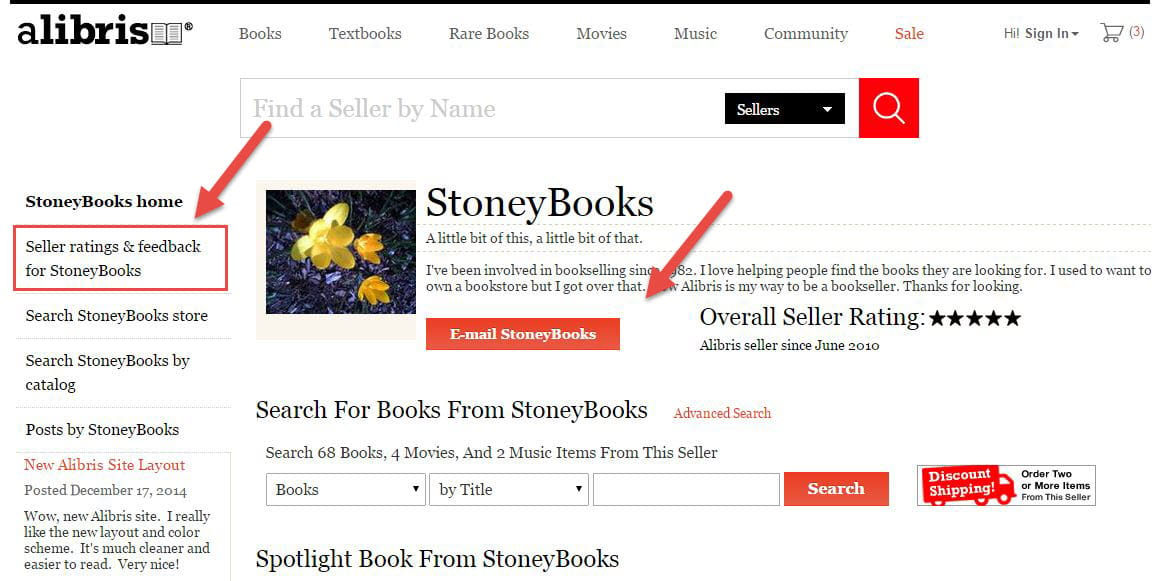
Alibris is a global online marketplace founded in 1997 and headquartered in Emeryville, California. Owned by Monsoon, it connects buyers with a network of thousands of independent sellers offering over 100 million books, movies, and music items.
Unlike a traditional retailer, Alibris holds no inventory, acting as a technology middleman between buyer and seller. This structure is the key to understanding both its strengths and its most significant challenges. For a deeper look at competing platforms, our Alibris Top Alternatives and Competitors guide covers side-by-side rankings.
The Marketplace Model: The Key to Understanding Alibris
To understand Alibris, you must first understand its business model. Alibris is not a store like Barnes & Noble; it’s a platform, much like eBay or a more specialized version of Amazon Marketplace. It provides the digital infrastructure for thousands of independent sellers to list their inventory for a global audience of those looking for second-hand books online.
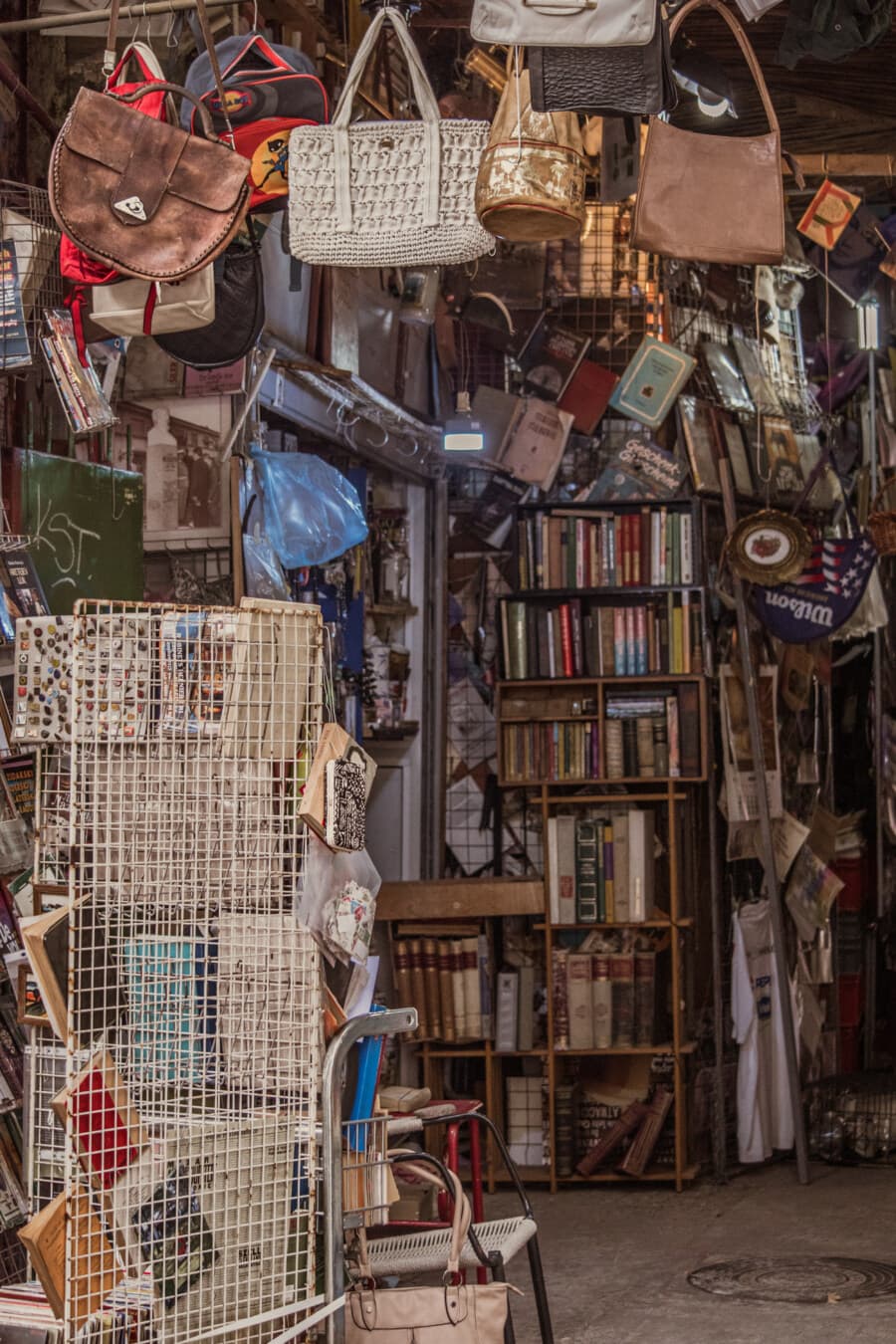
Think of it like a giant, sprawling flea market. Alibris owns the field and rents out the stalls, but your actual experience—the quality of the goods, the price, the friendliness of the service—depends entirely on the individual stall you decide to buy from.
This single concept is the central thesis of this entire Alibris review and the primary reason for the extreme polarization in customer feedback. When a transaction goes smoothly, it’s a win for the buyer, the seller, and Alibris. When it goes wrong, it reveals the operational issues in the model.
Who Owns Alibris?
Alibris was founded in 1997, making it one of the older and more established online marketplaces. It is currently owned by Monsoon, a private e-commerce company.
In a sign of its significant market presence, Alibris acquired the US book business from e-commerce giant Rakuten in 2023, further consolidating its massive inventory.
Who Sells on Alibris?
The sellers on Alibris are a diverse group, which contributes to the variability of the experience. They range from large independent bookstores with professional staff and inventory systems to small, part-time individual sellers listing books from their personal collection.
Many sellers are also library sales partners—often utilizing the dedicated ‘Alibris for Libraries’ service—which is why you can find so many ex-library books on the platform. This mix is both a strength (diverse inventory) and a weakness (inconsistent quality control). Savvy shoppers cross-reference their finds with an Alibris promo code to further reduce their total cost.
Part 2: The Core Conflict: An Alibris Review of User Feedback
The Alibris customer journey is intensely polarized due to its business model, leading to wildly different reviews. Positive reviews (4.3 stars) on Trustpilot often stem from simple, successful transactions where the third-party seller performed well.
Negative reviews (1.06-star rating) on the Better Business Bureau (BBB) arise when problems occur, revealing a convoluted support system where Alibris directs responsibility back to the often-unresponsive seller.
The 4.3-Star View on Trustpilot
With over 135,000 reviews, Alibris maintains a “Great” 4.3-star rating on Trustpilot. A close look at these positive reviews reveals a clear pattern.
They are typically short, five-star ratings that praise low prices, fast shipping, and finding a rare item. These are the hallmarks of a successful, frictionless transaction where the independent seller did their job perfectly.
From my analysis, which uses principles of growth automation to track post-purchase email sequences, it’s likely these reviews are solicited by Alibris after a successful order is completed. This is a common and legitimate business practice, but it can create a positive skew by primarily capturing the voices of customers who had no problems, leaving the ones who did to seek out other platforms to complain.
The 1.06-Star Reality on the BBB
In stark contrast, the Better Business Bureau (BBB) profile for Alibris shows a customer review score of just 1.06 out of 5 stars and shows the company is “Not Rated”. The complaints filed here are detailed, emotional, and point to systemic failures.
The core of the user anger is directed at Alibris’s “100% Satisfaction Guarantee.” While positive reviews come from transactions that didn’t need the guarantee, negative reviews are almost entirely from users who tried to use it and found the process frustrating and ineffective.
As one user stated, encapsulating the core problem: “It is impossible to get a human to help you. They just send you back to the seller who is ignoring you. The ‘100% Guarantee’ is a joke.” Trustpilot Review, Jan 2026
This guarantee is not an instant refund but a multi-step, seller-dependent process. This disconnect between the marketing promise and the operational reality is the primary driver of negative sentiment. The drastic difference in review scores across platforms tells the whole story:
| Platform | Rating | Number of Reviews | What It Represents |
|---|---|---|---|
| Trustpilot | 4.3 / 5 stars | 135,000+ | Successful, uncomplicated transactions |
| BBB | 1.06 / 5 stars | 600+ | Failed transactions & dispute resolution |
| Sitejabber | 1.45 / 5 stars | 1,100+ | A predominantly negative view Sitejabber Reviews for Alibris |
Part 3: A Deep-Dive on Alibris Features and Performance
The most common problems with Alibris revolve around five key areas: items not matching their description, ineffective customer service, high or hidden shipping costs, a difficult refund process, and sellers canceling orders.
These issues stem from the marketplace model, where Alibris has limited control over individual seller quality and the features designed to manage this ecosystem. Many shoppers stack a working coupon code for Alibris on top of the cheapest listing to offset the shipping unpredictability described below.
What Happens When the Item Is Not as Described? (“Condition Roulette”)
Many book lovers appreciate the character of a used book, but there’s a difference between “gently used” and “unacceptably damaged.” The number one complaint against Alibris is that books listed as “Like New” or “Very Good” arrive with highlighting, water damage, broken spines, or are simply the wrong edition entirely.
A recent complaint captures this perfectly: “Paid extra for a ‘Very Good’ copy and received a book with water damage and a broken spine. Seller is unresponsive.” BBB Complaint (Jan 2026)
This is the biggest gamble on the platform: you are playing “Condition Roulette.”
💡 Solution: The Safe Buying Checklist
While you can’t eliminate the risk, you can significantly mitigate it with a disciplined approach.
- Assume All Condition Grades Are One Level Lower: If you need a “Like New” book for a gift, buy one listed as “New.” If you need “Very Good,” treat “Good” as the baseline. This mental adjustment helps manage expectations.
- Contact the Seller Before Buying: For an important purchase, a dedicated book collector should always use the Alibris system to send a message to the seller first. Ask them to verify the edition, ISBN, or even send a quick photo of the book. Their responsiveness (or lack thereof) is a valuable data point.
- Vet the Seller, Not Just the Book: This is the most crucial step. Look at the seller’s individual rating and history, accessible from the item listing page. Prefer sellers with thousands of sales and a positive feedback score of over 95%. A new seller with 10 ratings is a much bigger risk than an established bookstore with 50,000 ratings.
How Effective Is Alibris Customer Service?
When a transaction goes sour, Alibris’s customer service is the next point of failure cited by users. The process is frequently described as slow, automated, and designed to create a “runaround” that wears down the customer.
The platform’s policy requires you to contact the seller first, which is reasonable. The system breaks when that seller is unresponsive. Getting Alibris to then step in and resolve the issue can be a long and frustrating ordeal.
💡 Solution: How to Actually Get Help
Navigating the support system requires persistence and documentation.
- Document Everything Immediately: The moment you receive an item that is not as described, take clear photos of the item, the packaging, and the shipping label. This is your evidence.
- Contact the Seller First (This is Required): Through your Alibris order page, send a polite but firm message to the seller. State the problem clearly (e.g., “I ordered the 2022 edition, but received the 2019 edition”) and include your photos. State your desired resolution (“I would like to return this for a full refund, including shipping.”). Give them 48 business hours to respond.
- File the Formal Claim with Alibris: If the seller doesn’t respond or is uncooperative, immediately go back to your order page and file a formal claim with Alibris. Use specific, non-emotional language in your claim and upload your evidence.
- Initiate a Credit Card Chargeback (Last Resort): If Alibris fails to resolve the issue in a timely manner, your final recourse is to contact your credit card company and initiate a chargeback. Explain the situation, provide your documentation, and note that you followed the vendor’s required process. This is why you should always use a credit card, not a debit card, for these types of purchases.
How Much Does Shipping Really Cost?
Alibris sellers often use a low item price to attract buyers, only to make up the difference with a high shipping cost.
A dissatisfied buyer noted this classic issue: “Book was $2. Shipping was $28. It’s coming from the UK and will take 6 weeks. This was not clear at checkout.” Reddit User Review.
This “shipping cost surprise” is a major pain point, as the true total cost is often not obvious until the final checkout screen. Applying a fresh Alibris voucher at checkout is one of the few ways to soften this shipping shock.
💡 Solution: The Smart Shipping Guide
- Filter for Domestic Sellers: The easiest way to avoid excessive shipping costs and long delays is to filter for sellers in your own country.
- Use the Cart to See the Real Price: Always add an item to your cart and proceed to the final checkout screen to see the total, landed cost before you commit to buying. Don’t be swayed by a $1 book price alone.
- Compare the Total Cost: When comparison shopping, compare the total cart cost from Alibris (item + shipping) to the total cost on AbeBooks or eBay. This is the only way to do an apples-to-apples comparison.
Other Key Features and Common Issues
- Advanced Search & Wish List: Alibris offers a robust advanced book search function that allows filtering by numerous criteria. The “Wish List” feature will notify you when a desired item becomes available, which is useful for patient collectors.
- Phantom Listings: Some buyers report sellers canceling orders days after purchase. This often happens because the seller listed the item on multiple platforms and sold it elsewhere, or their inventory was incorrect. The solution here is preventative: sticking with highly-rated, high-volume sellers reduces this risk.
- Impractical Returns: For a cheap $5 paperback, paying $4 to ship it back for a refund is often not worth the time or money, leading many users to simply accept the loss. This is a known friction point in the marketplace model that reinforces the importance of getting the purchase right the first time.
Part 4: How Much Does Alibris Cost? A Total Cost of Ownership Analysis
While book prices on Alibris can be very low, the true cost often includes high shipping fees, potential return shipping costs, and the financial loss from unresolved disputes. Our Alibris review of a common ‘failed transaction’ shows the total cost can balloon from an advertised $20 to nearly $100.
This section provides a detailed breakdown of the Total Cost of Ownership (TCO). Stacking an exclusive coupon on top of a domestic seller’s listing is the single easiest optimization you can make before checkout.
Deconstructing the Price: Item vs. Shipping
The pricing model on Alibris is simple: the third-party seller sets the item price, and the same seller sets the shipping price for various regions. Alibris simply takes a commission on the sale (around 15% for basic sellers) Alibris Seller Terms.
This gives sellers the incentive to “game” the system by listing a book for $1.00 and charging $15.00 for shipping, as it may appear higher in searches sorted by item price.
TCO Disclosure: A Realistic Failed Transaction Scenario
To illustrate the financial risk, let’s analyze a realistic worst-case scenario based on common user complaints. This is an analyst-estimated model of a student purchasing a required textbook.
Assumptions:
- The student is engaged in academic textbook sourcing and needs a specific edition.
- The cheapest listing is from an international seller.
- The seller ships the wrong (older, useless) edition.
- The buyer is forced to pay for return shipping to get a partial refund.
- The student must then buy the correct book locally at full price to not fall behind in class.
| Scenario | Year 1 Cost |
|---|---|
| Advertised Cost | |
| Textbook Price | $15.00 |
| Estimated Shipping | $4.99 |
| Ideal Total | $19.99 |
| Realistic Failed Scenario | |
| Textbook Price | $15.00 |
| Actual International Shipping | $22.00 |
| Wrong Book Arrives | — |
| Return Shipping (Paid by Buyer) | $15.00 |
| Replacement Book (Local Store) | $45.00 |
| Actual Total Cost | $97.00 |
Disclaimer: Actual pricing varies; this is an illustrative example of the potential transactional risk.
This table shows how a seemingly great $20 deal can quickly become a nearly $100 problem. The true “cost” includes not just the money lost, but the time wasted and the stress of falling behind.
Part 5: Use Cases & Workflows for Alibris
Alibris is not a one-size-fits-all platform. Its value is highly dependent on the user’s goal, risk tolerance, and workflow. This section outlines specific scenarios where Alibris can be a powerful tool and where it presents considerable challenges.

Use Case 1: The Academic Researcher Sourcing Rare Texts
For an academic, professor, or graduate student, Alibris can be invaluable.
- Workflow: Researchers often need specific, obscure, or out-of-print scholarly monographs that are not available through conventional channels. Using Alibris’s advanced search and vast inventory, they can locate these texts from specialized independent sellers.
- Success Story (S-T-A-R):
- Situation: A history PhD student needed a specific 1972 monograph for their dissertation, which was unavailable at their university library or on Amazon.
- Task: Find and acquire a readable copy of the book.
- Action: They set up a “Wish List” alert on Alibris. Three months later, a copy was listed by an independent bookstore in the UK. They contacted the seller to confirm the edition and condition.
- Result: The book arrived as described. The researcher was able to complete a critical chapter of their dissertation, a task that would have been impossible without access to Alibris’s specialized inventory.
- Considerations: This use case works because the timeline was flexible, and the user was diligent in vetting the seller.
Use Case 2: Building a Classroom Library on a Budget
For an educator in the K-12 system, Alibris presents a high-reward but also high-risk opportunity for building a personal library or classroom collection.
- Workflow: An English teacher wants to buy 30 copies of a common paperback novel for their class. They search Alibris and find multiple sellers offering the book for $1-$2 each.
- Potential Pitfall: The teacher orders from 10 different sellers to get the quantity they need. Five orders arrive perfectly. Three arrive in poor condition (torn pages, highlighting). Two orders are the wrong edition (movie tie-in cover instead of the standard one), creating inconsistency for the classroom. The teacher now has to spend time resolving issues with multiple sellers.
- Recommendation: For bulk orders, it is often safer and more efficient to use a platform like ThriftBooks, which offers bulk discounts and more consistent shipping, or work directly with a single, highly-rated Alibris seller who can fulfill the entire order.
Use Case 3: The Casual Reader Looking for Bargains
For someone simply looking for cheap books for leisure reading, Alibris can be excellent, provided expectations are managed.
- Workflow: A reader wants to buy a few popular fiction paperbacks. Condition is not a major concern as long as the book is readable.
- Success: They filter for US-based sellers and find several books for $1 plus $4 shipping. The total cost of $5 per book is a significant saving. Even if one book arrives in “Good” instead of “Very Good” condition, the low financial investment makes it an acceptable outcome.
- This works because: The stakes are low, the items are common, and condition is a secondary concern. Casual readers who also grab a special offer at checkout push their total per-book cost even lower.
Part 6: How Does Alibris Compare to Competitors?
Compared to its main competitors, this Alibris review finds its key advantage is its vast inventory of rare items. However, platforms like AbeBooks, Amazon Marketplace, and eBay offer significantly stronger, more reliable buyer protection policies, making them safer choices for most transactions, especially for valuable or time-sensitive purchases.
For a broader side-by-side breakdown, our detailed Alibris Top Alternatives and Competitors guide expands on the tables below.
Category: General & Rare Book Marketplace
- Best For: Users who want a large selection similar to Alibris but with a stronger safety net.
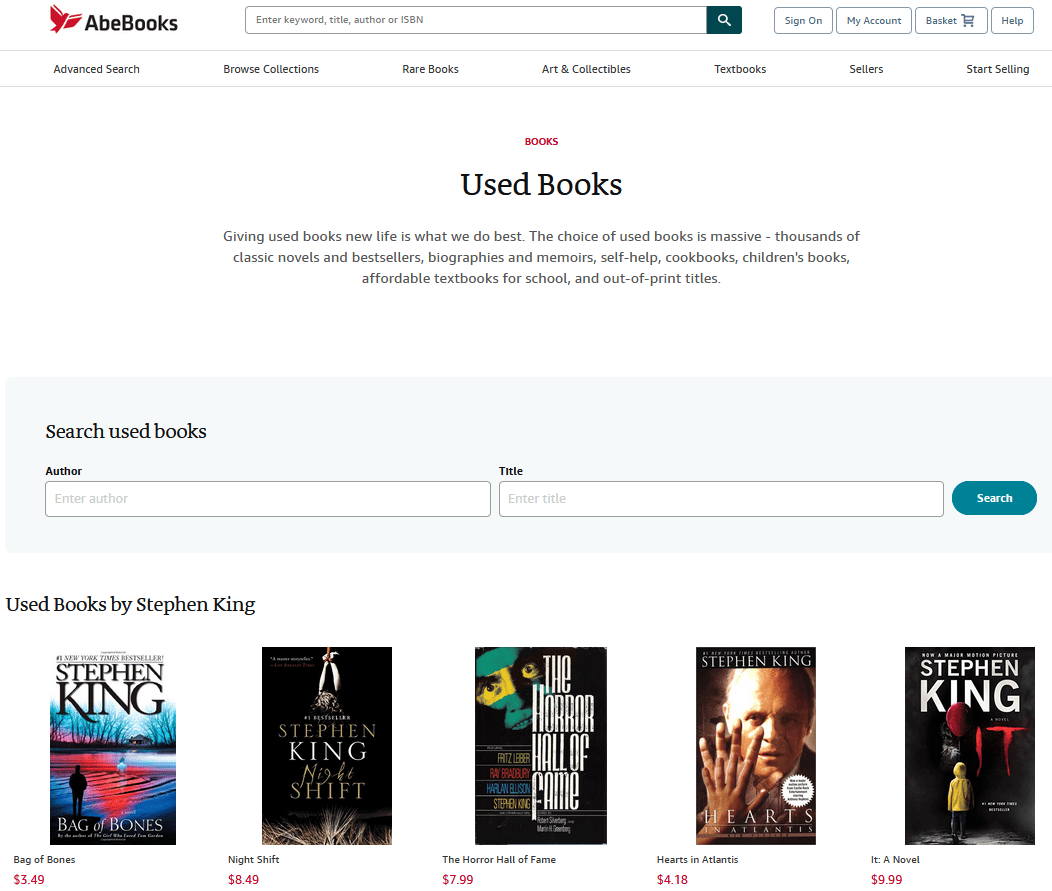
- Consider: When comparing Alibris vs. AbeBooks, the crucial differentiator is buyer protection; AbeBooks’ “Book-back guarantee” AbeBooks Help functions similarly to Amazon’s robust A-to-z guarantee process, giving buyers more confidence in dispute resolution.
- Avoid If: You are looking for the absolute lowest price on a common item, as prices can sometimes be slightly higher than the riskiest sellers on Alibris.
✅ Strengths
- Strong Amazon-style A-to-z buyer protection
- Large, easily searchable inventory
- Consistent user experience
⚠️ Considerations
- Sometimes slightly higher prices than the cheapest Alibris listings
- Still marketplace-model (variable sellers)
Category: Independent & Collectible Book Marketplace
- Best For: Serious collectors and buyers who want to support a community of passionate, independent booksellers.
- Consider: In an Alibris vs Biblio comparison, the ethical consideration is key. As a B Corp Certified B Corp Directory marketplace, Biblio offers a trust signal that Alibris, with its user-reported service issues, cannot match. Customer support is often more direct and personal.
- Avoid If: You need the absolute largest possible inventory. While large, its catalog is smaller than Alibris or AbeBooks.
✅ Strengths
- B Corp certified — strong trust signal
- Direct, personal customer support
- Strong community of indie booksellers
⚠️ Considerations
- Smaller catalog than Alibris/AbeBooks
- Fewer sub-$5 bargain listings
Category: Direct-Sale Used Book Retailer
- Best For: Budget-conscious readers buying multiple common books, due to its free shipping threshold (typically over $15) and loyalty program (“ReadingRewards”).
- Consider: ThriftBooks operates more like a direct retailer, shipping from its own warehouses. This leads to highly consistent condition grading and reliable shipping, directly addressing two of Alibris’s biggest pain points.
- Avoid If: You are searching for truly rare, obscure, or collectible first editions, as their inventory is focused on more common used books.
✅ Strengths
- Free shipping over $15
- Highly consistent condition grading
- ReadingRewards loyalty program
⚠️ Considerations
- Weak selection for rare/collectible editions
- Limited to warehouse inventory
Category: Mainstream General Marketplaces
- Best For: Mission-critical purchases where you cannot afford any risk (e.g., an expensive textbook needed next week).
- Consider: Their buyer protection policies—the Amazon A-to-z Guarantee and the eBay Money Back Guarantee eBay Policy Page—are ironclad and heavily favor the buyer in almost any dispute. If an item is not as described, you will get your money back.
- Avoid If: You are on the tightest budget, as prices for the same item may be higher to account for seller fees and the cost of offering such strong guarantees.
✅ Strengths
- Industry-leading buyer protection
- Fast, tracked shipping options
- Huge combined inventory pool
⚠️ Considerations
- Prices often higher than the cheapest Alibris listings
- Less specialized for rare/out-of-print books
Comparison of Top Book Marketplaces
| Feature | Alibris | AbeBooks | Biblio.com | ThriftBooks | eBay |
|---|---|---|---|---|---|
| Best For | Finding rare/obscure items | Large selection + trust | Supporting indie sellers | Bulk buying, free shipping | General purpose, auctions |
| Buyer Protection | Weak & Complex | Strong (A-to-z style) | Strong (Direct support) | Good (Direct support) | Very Strong |
| Typical User Experience | Polarized (Variable) | Consistent | Positive, community feel | Very Consistent | Consistent |
| Shipping Costs | Highly variable, can be excessive | Variable, but often clearer | Reasonable | Excellent (Free over $15) | Variable |
| Trust Signal | “Not Rated” on BBB | Owned by Amazon | B Corp Certified | High Trustpilot score | eBay Money Back Guarantee |
Part 7: Alibris Final Verdict & FAQs
After a deep-dive Alibris review, it’s clear that Alibris is a tool with a very specific purpose. It’s a high-risk, high-reward platform that can be a source of incredible finds or immense frustration, depending on your approach and a healthy dose of luck.
What We Love About Alibris
- The Unparalleled Inventory: Its single greatest strength is the sheer scale of its catalog. If a book, movie, or album is out-of-print, obscure, or rare, there is a better chance of finding it on Alibris than almost anywhere else.
- The Joy of Discovery: For collectors and passionate readers, the thrill of finally locating a long-lost item from their past is a powerful and legitimate draw.
- Genuine Bargains: If you are patient, flexible, and follow the safe buying guidelines, you can find common books for incredibly low prices, especially for non-urgent leisure reading.
- Supports Small Business: The platform provides a vital channel for thousands of independent bookstores to reach a global audience.
💡 Things to Consider
- The Seller Gamble: The marketplace model means you are betting on the quality and integrity of an unknown third-party seller.
- The Guarantee is Not a Simple Refund: The “100% Satisfaction Guarantee” Alibris Return Policy is a complex, multi-step process that is a known point of failure and frustration. For faster support, users can purchase through authorized retailers which may offer dedicated assistance.
- Shipping Costs Can Eliminate Savings: A low item price is often offset by high shipping fees. The total cost is the only number that matters. 💡 Users can mitigate this by filtering for domestic sellers.
- Customer Service is a Weak Point: When problems occur, the path to resolution is consistently reported as being slow and difficult.
⚠️ WARNING: The “100% Satisfaction Guarantee” Risk
Alibris’s headline guarantee is not an automatic refund. It requires you to contact the seller first, wait for a response, escalate to Alibris, and potentially pay return shipping — a multi-week process that frequently fails when the seller goes silent. Always pay by credit card so a chargeback remains available as your final safety net.
Our Final Recommendations: Who Should (and Shouldn’t) Use Alibris?
You SHOULD use Alibris if:
- You are a patient collector searching for a rare or out-of-print item and are willing to navigate potential issues.
- You are buying a cheap, common paperback for leisure reading where the total financial risk (book + shipping) is less than $10.
- You have vetted the seller and confirmed they have a high rating (95%+) with thousands of reviews, and you are buying from a domestic seller.
You should AVOID Alibris if:
- You are a student buying a required textbook for a class that starts soon, especially during the August/January back-to-school rush. The risk of delay, a wrong edition, or a lengthy dispute is far too high. Use AbeBooks or your campus bookstore.
- You are buying a gift that needs to arrive on time and in perfect condition. The lack of control over quality and shipping makes this a poor choice.
- You are risk-averse and value smooth, predictable customer service above all else. In my expert opinion as Mohamed Zaki, the extra cost of using a platform like AbeBooks or eBay is worth the peace of mind for critical purchases.
Before you finalize any Alibris purchase, it’s worth checking our full Alibris Review for the latest verified findings, and browsing the Latest Coupons collection alongside our broader Category of Review articles to compare Alibris against other vetted marketplaces.
Frequently Asked Questions about Alibris
Q1: How much does Alibris really cost in [year]?
A: The final cost on Alibris is often much higher than the advertised item price. While a book might be listed for $2, the true cost includes shipping, which can range from $4 for a domestic shipment to over $25 for an international one. Our TCO analysis shows that a failed transaction can turn a $20 deal into a nearly $100 problem due to non-refundable shipping and return costs. Therefore, you must always add an item to your cart and proceed to the final checkout screen to see the total landed cost. Comparing this total cost against competitors like ThriftBooks, which offers free shipping over $15, is essential for an accurate price evaluation. Applying a working money-saving deal at checkout can offset some of that hidden markup.
Q2: Is Alibris worth the money?
A: It depends on your specific needs and risk tolerance. For a patient book collector searching for a rare title unavailable elsewhere, Alibris is absolutely worth it; the value is in the discovery. However, for a student needing a specific textbook by a deadline, it is generally not worth the risk. The potential for receiving a wrong edition or facing lengthy shipping delays can negate any initial savings Publishers Weekly. This Alibris review concludes that value is conditional on the user’s priority: inventory access versus service reliability.
Q3: What are the hidden costs of Alibris?
A: The main hidden costs are high international shipping fees revealed only at final checkout, mandatory return shipping costs that you may have to pay even for seller-fault issues, and the potential financial loss from an unresolved dispute. A common complaint on the Better Business Bureau involves buyers of cheap books finding that the cost to return a damaged item is more than the item’s worth, forcing them to absorb the loss. The “time cost” of navigating a dispute, which can take weeks, is another significant factor that doesn’t appear on the invoice.
Q4: Should I use Alibris or AbeBooks?
A: For most general-purpose purchases, AbeBooks is a safer choice. The primary reason is its stronger buyer protection, which is backed by Amazon’s A-to-z Guarantee-style process and provides a more reliable path to a refund if something goes wrong AbeBooks Help. You should use Alibris primarily when you have located a specific rare or out-of-print item that is not available on AbeBooks. For any high-value or time-sensitive purchase, the superior trust and safety of AbeBooks typically justifies any minor price difference. This platform assessment suggests using Alibris for discovery and AbeBooks for reliability.
Q5: Who is Alibris best for?
A: Alibris is best for dedicated book collectors, hobbyists, and readers searching for out-of-print titles who understand and accept the risks of a third-party marketplace. These users are typically more experienced with online marketplaces and are willing to perform due diligence, like vetting sellers and communicating prior to purchase. It is not well-suited for first-time online buyers, risk-averse individuals, or anyone needing a guaranteed delivery date and condition, such as someone buying a gift or a student buying a textbook for an upcoming class as noted in our Alibris Review.
Q6: Can I trust Alibris?
A: It is a matter of what you are trusting them with. You can trust Alibris to process your payment securely, as it is PCI DSS compliant and uses standard encryption. However, you cannot universally trust the item descriptions or service quality from its thousands of third-party sellers. The platform’s “Not Rated” status and 1.06-star customer score on the Better Business Bureau indicate a well-documented history of service failures. Trust should be placed in individual sellers with high ratings, not the platform as a whole.
Q7: How do I get my money back from Alibris?
A: Getting your money back requires following a specific, multi-step process. First, you must contact the seller through your Alibris order page within 60 days of the order date and state the issue clearly. If the seller is unresponsive or unhelpful after two business days, you can then file a formal claim with Alibris through their website Alibris Return Policy. Be prepared for a process that can take several weeks and may require you to pay for return shipping. As a final resort, if the vendor process fails, initiating a credit card chargeback is the most effective way to secure a refund, which is why using a credit card is highly recommended.
Q8: Should students use Alibris for textbooks?
A: Generally, no. While the prices are tempting, this Alibris review concludes the risk is too high for students on a tight academic schedule. The “Realistic Failed Transaction Scenario” in our cost analysis highlights how a cheap textbook can become a very expensive problem. The danger of receiving the wrong edition (a common complaint) or experiencing a shipping delay of several weeks could cause a student to fall behind in their coursework. For required course materials, students should use a more reliable alternative like AbeBooks, their campus bookstore, or a service like Chegg for rentals. The potential savings are not worth the academic risk.
Appendix: The Coupons Scout Verification Protocol (CSVP™)
At Coupons Scout, we believe “Value” comes in two forms: Working Codes and Honest Advice. Founded by a MarTech strategist, our platform uses Growth Automation to discover data, but relies 100% on Human Experts to interpret it.
Our process involves two tracks: Coupon Code Verification, led by Head of Operations Kanokchai Likitapiwat, which involves manual “add-to-cart” tests; and Reviews & Buying Guides, led by domain experts like Jennifer Angel (Fashion) and Jettawat Kasemchaiyanun (SaaS), who evaluate products on price-to-value and real user feedback.
All content is audited for accuracy by Kanokchai’s team and approved for clarity and objectivity by Editor-in-Chief Joanne Lovell before publication. This ensures every piece of advice, from a simple code to a deep-dive review, is trustworthy and actionable.