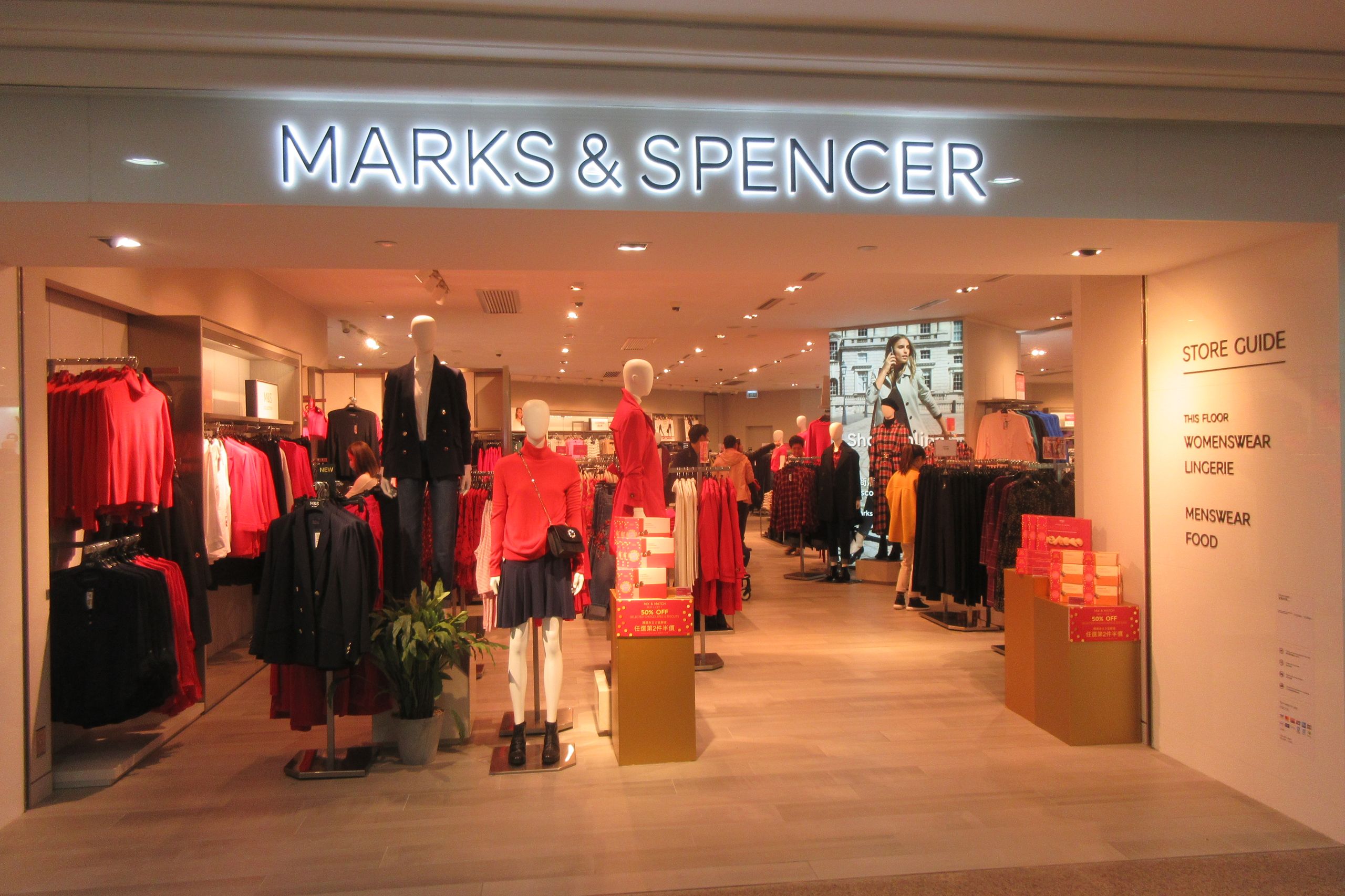
Marks and Spencer Top Alternatives and Competitors: A 2026 Devil’s Advocate Comparison
Posted on |
Part 1: Introduction to the M&S Competitor Landscape
I’ve seen the comments and felt the frustration in my own shopping trips: has the once-unquestionable quality of Marks & Spencer started to fade? For years, it was the default choice for reliable family clothing, but now, you’re right to be suspicious.
This guide dives into the top Marks and Spencer alternatives and competitors, including Next, John Lewis, Uniqlo, and Zara, to see if the brand’s quality still holds up. We’re going beyond the marketing hype and digging into the real-world costs, hidden return fees, and quality questions that determine if you’re getting true value.
This analysis, curated by me, Jennifer Angel, Lifestyle & Retail Editor at Coupons Scout, will give you a clear framework to decide which retailer truly deserves your money in an era of high cost of living where every purchase matters. It is a comprehensive UK clothing retailers comparison designed for pragmatic shoppers who are tired of the “quality fade” and want their money to go further.
For readers who want to skip straight to savings, you can also grab a working coupon before completing your next M&S purchase. This guide is for ex-M&S loyalists feeling the brand has lost its way, online shoppers frustrated by inconsistent sizing and difficult returns, and value-conscious consumers trying to decide if it’s better to pay more upfront or risk lower quality.
This guide is not for you if you are looking for a guide to the latest, high-fashion runway trends, are exclusively an in-store shopper who doesn’t use online services, or are not concerned with the long-term durability or “cost-per-wear” of clothing.
Key Takeaways
-
The M&S Dilemma: M&S is squeezed between premium service (John Lewis) and superior basics (Uniqlo), with its own quality now a major user concern, leaving it in a vulnerable middle-ground. -
The Returns Battleground: Your biggest hidden cost is returns. M&S and John Lewis offer free postal returns, a major advantage over Next (£2.95 fee) and Uniqlo (you pay), which can quickly erase savings. -
The Competitor Roles: There is no single best alternative. Choose Next for online convenience, John Lewis for its service reputation, Uniqlo for durable basics, and Zara for fast trends, depending on your priority. -
The Quality vs. Price Trade-off: The ‘Quality Fade’ at M&S is the #1 user complaint. Uniqlo is consistently praised for superior durability at a comparable or lower price point. -
The Sizing Challenge: M&S’s inconsistent sizing is a critical deal-breaker for online shoppers, making its “free returns” a necessity to fix a product flaw, not a customer perk. -
The Lock-in Tactic: Next’s £22.50/year ‘Unlimited’ delivery is the only ecosystem with significant lock-in; it’s a fantastic deal if you place more than 5 orders a year, but a potential waste if you don’t. -
Trust Discrepancy: While John Lewis is known for service, its online Trustpilot score is a surprisingly low 1.9 (“Poor”), suggesting a gap between brand reputation and recent online customer experiences.
Decision in 60 Seconds
| Persona/Need | Best Choice | Why | Key Risk |
|---|---|---|---|
| Frequent Online Family Shopper | Next | The Unlimited delivery subscription and vast brand selection make it a convenient one-stop-shop. | The £2.95 postal return fee can add up if items don’t fit. |
| “Buy It for Life” Quality Seeker | Uniqlo | Offers the best “cost-per-wear” on core basics like knitwear and thermals. | Paying for your own return postage is a significant financial risk if sizing is uncertain. |
| Service-Obsessed & Risk-Averse Buyer | John Lewis | The brand’s historical reputation for service and free returns provides peace of mind on big purchases. | The premium price point and poor online Trustpilot score suggest a potential disconnect. |
| Trendy, Event-Specific Outfitter | Zara | Unmatched speed-to-market for runway trends at an affordable price. | Garments are not built for durability and are often considered “disposable fashion.” |
How We Evaluated These Retailers
Our team at Coupons Scout follows a rigorous, transparent process — detailed in our editorial methodology — to ensure every claim, comparison, and recommendation is verified against official sources before publication.
This analysis of Marks and Spencer top alternatives and competitors is built on verified data from upstream intelligence reports, including user sentiment from forums like Mumsnet and Reddit, official company policies, and live pricing data. Readers can also cross-reference our comprehensive Marks and Spencer Top Alternatives and Competitors breakdown for further context.
We focused on analyzing official return policies, advertised pricing, and widely-reported user pain points to assess the Total Cost of Ownership and financial risk for shoppers. All data points were verified as of May 2024.
To see the guide in action, this short video shows real M&S vs Uniqlo try-ons that echo the durability and sizing themes discussed below:
Part 2: Core Analysis — The True Cost of a Family Wardrobe
When comparing clothing retailers, the sticker price is only the beginning of the story. To truly understand the value proposition of M&S and its alternatives, we must analyze the Total Cost of Ownership (TCO).
This includes not just the initial purchase price but also delivery fees, loyalty program benefits (or lack thereof), and the often-overlooked cost of returns. Savvy shoppers can further tilt the balance in their favour by grabbing a Marks and Spencer discount before checkout.
To illustrate this, I’ve created a hypothetical “Family Wardrobe Refresh” basket containing common items:
- 2x Men’s Cotton Jumpers
- 2x Women’s Straight Leg Jeans
- 1x Pack of 5 Children’s Cotton T-shirts
We will model the cost of purchasing this basket online from each retailer, assuming one item (a pair of jeans) needs to be returned by post.
Total Cost of Ownership Breakdown
Marks & Spencer: The Baseline
- Initial Basket Cost: ~£140 (2x £35 Jumpers, 2x £29.50 Jeans, 1x £11 T-shirt Pack)
- Delivery Fee: £3.50 (or free over £50, so £0 in this case)
- Return Cost (1 pair of jeans): £0.00 (Free postal returns)
- Loyalty Program Impact (Sparks): Minimal. Sparks offers personalized discounts but rarely significant direct savings on a basket like this.
- “Quality Fade” Risk: High. The core risk with M&S is that the £35 jumper pills after three washes, effectively destroying its value. If its “cost-per-wear” is double that of a competitor, the initial TCO becomes irrelevant.
- Total Estimated Outlay (after refund): ~£110.50
Before you check out, always compare the sticker price with the current Marks and Spencer promo code to make sure you’re getting the best rate.
Next: The Convenience Premium
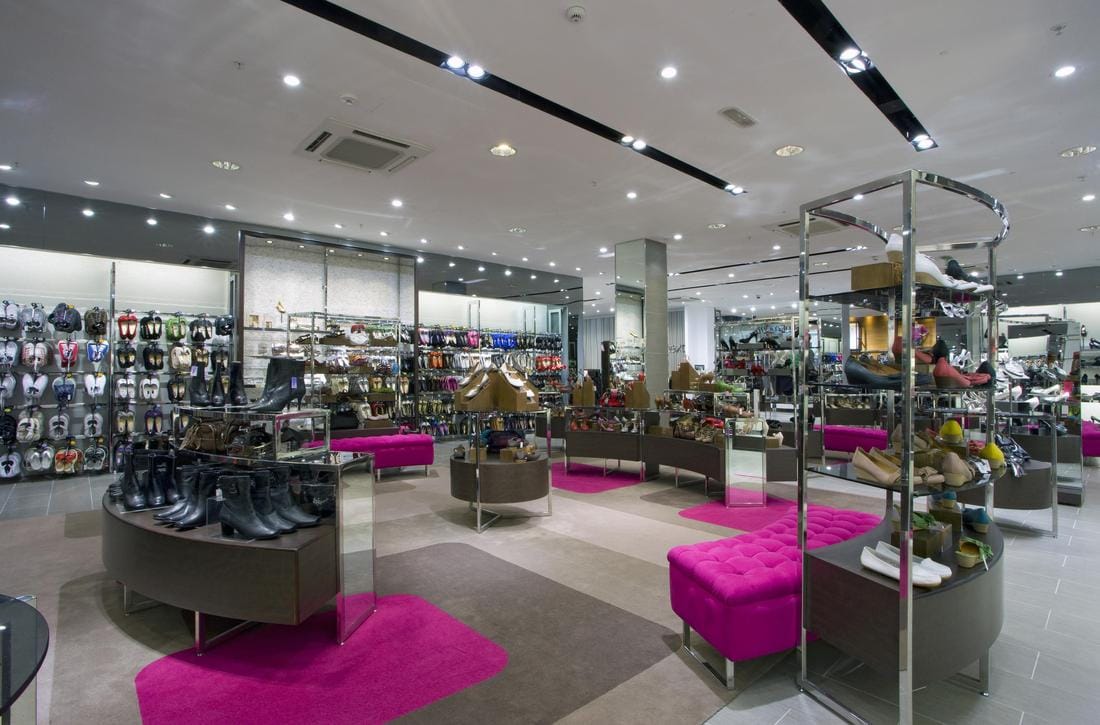
- Initial Basket Cost: ~£145 (2x £38 Jumpers, 2x £30 Jeans, 1x £15 T-shirt Pack)
- Delivery Fee: £4.95 (or £0 with the £22.50/year Unlimited subscription)
- Return Cost (1 pair of jeans): £2.95 Next Returns Information — This is a non-refundable fee deducted from your refund.
- Loyalty Program Impact (Next VIP): Minimal for new customers. Access is invite-only.
- “Quality Fade” Risk: Medium. Next’s own-brand quality is generally perceived as consistent and reliable for its price point, particularly for workwear and children’s clothes.
- Total Estimated Outlay (after refund): ~£117.95 (or £113 without the one-time delivery fee if you’re a subscriber). The £2.95 return fee is a constant, unavoidable cost on every postal return.
John Lewis & Partners: The Service Investment
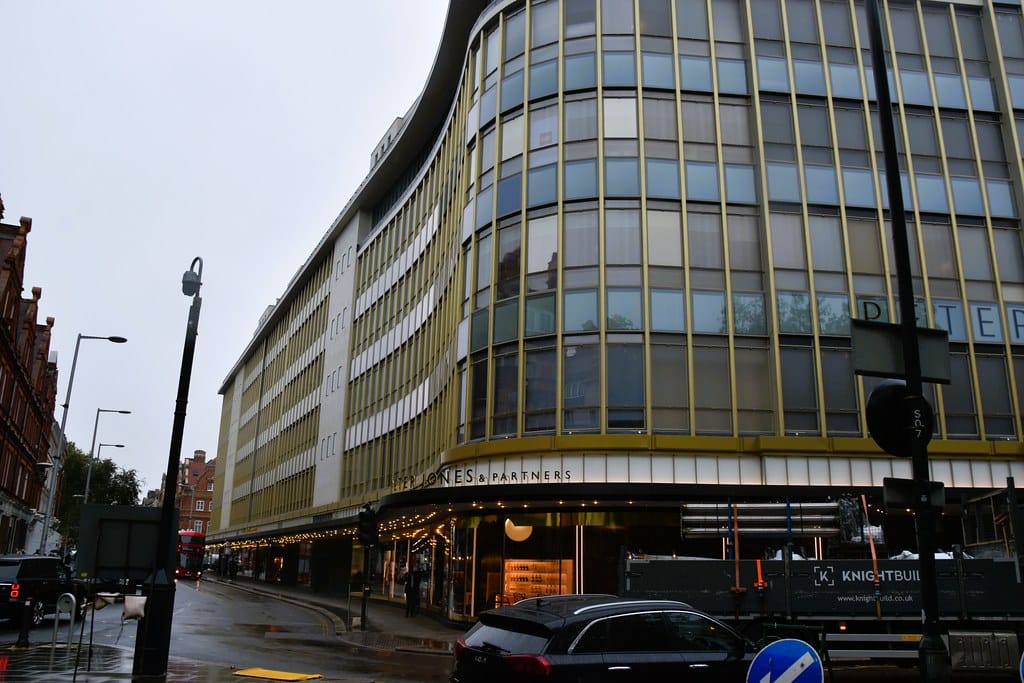
- Initial Basket Cost: ~£170 (2x £45 Jumpers, 2x £35 Jeans, 1x £15 T-shirt Pack — using own-brand prices)
- Delivery Fee: £4.50 (or free over £50, so £0 in this case)
- Return Cost (1 pair of jeans): £0.00 (Free postal returns) John Lewis Returns
- Loyalty Program Impact (My John Lewis): Moderate. The program offers perks and occasional vouchers, which can contribute to long-term savings. The brand understands that maximizing customer lifetime value comes from ensuring ‘peace of mind,’ a powerful currency in a market full of disappointments.
- “Quality Fade” Risk: Low. John Lewis’s entire brand identity is built on sourcing and producing higher-quality goods, justifying the premium.
- Total Estimated Outlay (after refund): ~£135.00
Uniqlo: The Cost-per-Wear Champion
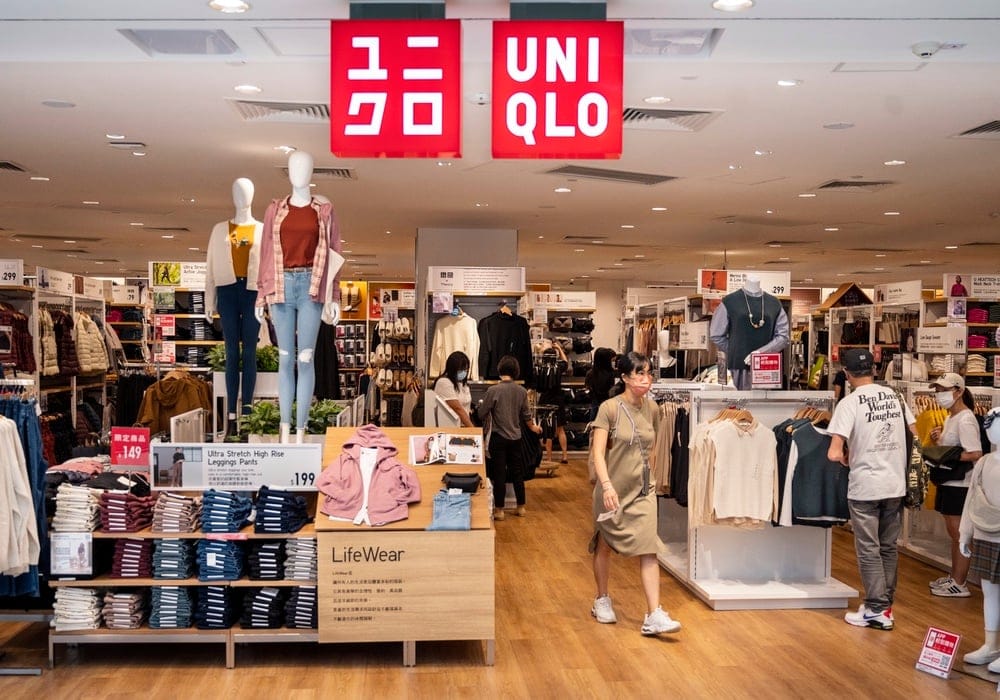
- Initial Basket Cost: ~£125 (2x £34.90 Merino Jumpers, 2x £34.90 Jeans, 1x £14.90 T-shirt Pack)
- Delivery Fee: £3.95 (or free over £50, so £0 in this case)
- Return Cost (1 pair of jeans): ~£3.50–£4.50 Uniqlo Returns. The customer must arrange and pay for their own tracked postage. This is a significant friction point.
- Loyalty Program Impact: None. Uniqlo’s value is in the product itself, not a points program.
- “Quality Fade” Risk: Very Low. Uniqlo’s reputation is built on the exceptional durability of its basics. A £34.90 Merino jumper is widely reported by users to outlast competitors’ garments costing twice as much.
- Total Estimated Outlay (after refund): ~£94.00 (but with a high-risk, high-hassle return process).
💡 KEY INSIGHT: Uniqlo offers the lowest theoretical TCO, but only if you are confident in your sizing and avoid returns. For most online shoppers who “bracket” purchases, John Lewis and M&S offer the lowest-risk financial model due to their free postal return policies, effectively subsidizing the uncertainty of online shopping. Next’s model is only cost-effective for subscribers who rarely make returns.
Part 3: Feature Deep-Dive — Battle of the Retail Platforms
Beyond the clothes themselves, the modern retail battle is fought on the digital front. The user experience, loyalty programs, and consistency of sizing tools are “features” of the shopping ecosystem that can be just as important as the product.
Feature 1: Online Platform & User Experience (UX)
A slow, confusing website is the digital equivalent of a messy, poorly-lit store. It costs sales.
- Next (Winner): Next has brilliantly transformed itself into a technology and logistics company that happens to sell clothes. Independent analysis from sources like the Baymard Institute consistently highlights the speed and efficiency of its checkout process. The website and app are fast, intuitive, and designed to minimize friction, making it the clear winner for pure online convenience.
- John Lewis & Uniqlo (Adequate): Both platforms are clean, functional, and reliable. They do what’s expected without significant innovation or major flaws. Navigation is logical, and product information is generally clear.
- M&S (Lagging): While functional, the M&S website is often reported by users as being slower and more cluttered than its rivals. Pages can take longer to load, and navigating between different departments can feel less seamless. This digital lag puts it at a disadvantage against the slick operation of Next.
Feature 2: Loyalty Programs
Loyalty programs are designed to create stickiness and reward repeat business. However, their real-world value varies wildly — and in most cases, stacking a dedicated coupon code for Marks and Spencer will beat scheme-based rewards for the average shopper.
- John Lewis — ‘My John Lewis’ (Winner): Perceived by many users as the most rewarding program. It moves beyond simple points to offer tangible perks like free hot drinks and cake, exclusive event invitations, and high-value personalized vouchers. It reinforces the brand’s premium, service-oriented identity.
- Next — ‘Next VIP’ (Frustratingly Exclusive): Access to early sale previews is a powerful draw, but the invite-only nature is a common source of customer frustration. There’s no clear spending threshold, leaving many loyal customers feeling excluded.
- M&S — ‘Sparks’ (Confusing Value): The Sparks program has undergone several iterations and struggles with a clear value proposition. While it offers personalized discounts and charity donations, many users find the rewards infrequent and of low value, failing to create strong brand loyalty.
- Uniqlo (No Program): Uniqlo’s strategy is to build loyalty through product quality, not a points scheme. Their app offers occasional promotional prices on specific items, but there is no overarching loyalty program.
Feature 3: Sizing Consistency & Tools
This is perhaps the most critical “feature” for any online clothing retailer. Inconsistent sizing destroys trust and creates enormous logistical costs (returns) for both the customer and the company.
- Uniqlo & Next (Generally Consistent): These brands are often praised for having predictable sizing within their own-brand lines. Once a customer knows their size in a Next suit or a Uniqlo chino, they can generally buy with confidence.
- John Lewis (Consistent in Own-Brand): John Lewis’s own-brand products are typically reliable in their sizing. However, as a department store hosting hundreds of other brands, overall sizing consistency is impossible to guarantee.
- M&S (Critically Inconsistent — Loser): This is M&S’s Achilles’ heel. The brand’s sprawling range of sub-brands (Per Una, Autograph, M&S Collection) each appears to use a different sizing block. This wild variation, often not clarified even in the official sizing guide, completely destroys shopper confidence and makes online shopping a gamble.
Part 4: Critical Considerations — Trust, Safety & The ‘Quality Fade’
This is the heart of the matter and the reason so many of you are searching for alternatives. The two biggest complaints that come up time and again in user forums and my own analysis are the perceived decline in quality and the maddening inconsistency of their sizing.
This section dissects these critical issues and evaluates the safety and transparency claims of each retailer. If you’d like a deeper standalone breakdown of the brand’s current standing, see our full Marks and Spencer Review.
The ‘Quality Fade’ Hypothesis
Across high street retail, brand loyalty is built on trust, and the ‘Quality Fade’ hypothesis — the widespread perception that M&S quality has declined — shows how quickly that trust can erode.
This is the belief that garments that were once expected to last for seasons now show poor garment construction, with fabrics pilling, seams stretching, and shapes being lost after only a handful of washes. This directly contradicts the brand’s long-standing reputation, creating a frustrating gap that current CEO Stuart Machin‘s turnaround plan must address.
This isn’t just about disappointment; it’s a financial calculation. If a £45 jumper only lasts one season, its “cost-per-wear” is alarmingly high, and you’ve essentially bought a premium-priced disposable item.
The Mumsnet forums are filled with threads discussing this, with titles like “Is it me or is M&S quality awful now?” (thread from 2023) and “M&S sizing is a joke” illustrating this widespread sentiment.
S-T-A-R Touchpoint #2: The Case of the Pilling Jumper
Situation: A user buys a £45 cashmere-blend jumper from M&S, expecting it to last several seasons.
Task: The jumper must justify its price through durability and retaining its appearance after washing.
Action: The user wears and washes the garment according to the care label.
Result: The jumper pills heavily after only a few wears. The user feels their trust was misplaced, the item looks cheap, and the financial investment was wasted. This experience directly prompts a search for “Marks and Spencer alternatives.”
The Online Sizing Gamble
If the quality fade is the first punch, the sizing inconsistency is the knockout blow for many online shoppers. How can you be a size 12 in M&S Collection jeans, a 14 in trousers, and a 10 in a Per Una dress from the same store?
This wild variation across different product lines completely destroys shopper confidence. It forces customers into a behavior known as “bracketing” — buying the same item in multiple sizes with the intention of returning the ones that don’t fit.
While M&S’s free return policy makes this possible, it turns a supposed customer perk into a mandatory chore. You’re forced to use the free returns simply to overcome a fundamental flaw in their product consistency. It’s not a convenience; it’s a workaround for online shoppers, and the need for returns becomes a core part of the shopping journey.
S-T-A-R Touchpoint #3: The Dress-Buying Dilemma
Situation: A loyal M&S customer needs to buy a dress online for an upcoming event.
Task: Confidently select a size that will fit correctly upon arrival.
Action: She checks her existing M&S wardrobe and finds she owns items in three different sizes. Online reviews confirm sizing is “all over the place.”
Result: She loses confidence in making the purchase. The risk of the dress not fitting is too high. This forces her to either abandon the purchase or buy multiple sizes, turning the “perk” of free returns into a necessary chore to overcome a fundamental product flaw.
Trust & Transparency: Safety and Sustainability Claims
In today’s market, shoppers are rightly skeptical. Words like “sustainable” and “safe” are thrown around, but what do they actually mean? While a brand’s official CSR policy provides a framework, we looked for tangible commitments.
“Greenwashing” Risk: “Greenwashing” — the practice of making misleading claims about environmental practices — is rampant in the fashion industry.
- M&S’s “Plan A” and John Lewis’s claim of using 100% sustainable cotton are impressive claims. M&S’s 2024 Sustainability Report confirms “100% of the cotton we source for our clothing and home products is more sustainably sourced” M&S Sustainability Report 2024.
- Next and Zara are members of the Better Cotton Initiative (BCI) Better Cotton Retailer & Brand Members. However, their fundamental business models — based on high volume (Next) and rapid trend cycles (Zara) — face inherent criticism from sustainability advocates who argue the most sustainable practice is to move towards a circular economy model. Ultimately, true sustainability requires supply chain transparency, and you should be skeptical of claims that don’t address the core business model.
YMYL Safety Risk: Textile Certifications
When it comes to “Your Money or Your Life” (YMYL) topics, safety is paramount, especially for kids. For parents, the most important, tangible safety standard to look for is the OEKO-TEX Standard 100 certification.
This test proves that the fabric, regardless of its fabric composition (e.g. cotton, polyester), is free from a long list of harmful substances tested by organizations like the Hohenstein Institute OEKO-TEX Standard 100.
S-T-A-R Touchpoint #1: The Case of the Baby Bodysuits
Situation: A parent concerned about harmful chemicals in fabric is shopping for baby clothes.
Task: They need to choose a pack of bodysuits from M&S, Next, or John Lewis.
Action: They check the product pages. M&S and John Lewis prominently display OEKO-TEX Standard 100 certification on many of their baby and children’s items. This information is not consistently available or easy to find on Next’s product pages.
Result: The parent chooses M&S or John Lewis. The visible, trusted certification directly addresses their safety concern and makes Next a riskier choice for this specific, high-stakes purchase.
Part 5: Use Cases & Workflows
To make this simple, I’ve broken down the best choice based on your primary goal for a specific shopping trip. There is no single “best” retailer; the right choice depends on the job to be done.
Use Case Matrix (Zero-Loser Rule)
| If Your Primary Goal Is… | The Best Choice Is… | Why? | But Be Prepared For… |
|---|---|---|---|
| Hassle-Free Online Returns | John Lewis or M&S | They are the only two with free postal returns, removing a major point of friction for online shoppers. | M&S’s inconsistent sizing or John Lewis’s higher prices. |
| Best Value for Frequent Online Shoppers | Next | The £22.50/year Unlimited subscription is unbeatable if you order more than 5 times a year. | The £2.95 fee on every postal return you make. |
| Building a Durable Core Wardrobe | Uniqlo | Their basics are consistently praised for durability and cost-per-wear, beating M&S on quality. | Paying for your own return postage if something doesn’t fit. |
| The Best Possible Customer Service | John Lewis | Their entire brand is built on trust and a “no-questions-asked” service ethos, despite concerning online reviews. | Paying a noticeable price premium for that peace of mind. |
| A Quick, Trendy Outfit for an Event | Zara | They excel at getting trends to market quickly and affordably. | The item likely not lasting beyond a few wears. |
Part 6: Top Alternatives & Comparisons
So, if M&S is leaving you frustrated, where should you take your money? I’ve analyzed the four main contenders — Next, John Lewis, Uniqlo, and Zara — while also considering brands like Boden which target a similar demographic, to determine where each one excels. For a broader look across categories, browse our detailed Category of Comparison articles.

When it’s the best choice:
- You are a digital-first shopper who values a fast, efficient online experience above all else.
- You know you’ll place enough orders to make the Next Unlimited subscription (£22.50/year) worthwhile.
- You appreciate a “total platform” that hosts hundreds of brands, making it a one-stop-shop. This makes Next the top choice for pragmatic family shopping, especially when the value of the delivery subscription is factored in.
Prerequisites for success:
- You must be confident in your sizing to minimize returns.
- You need to be a frequent enough shopper (5+ orders/year) to justify the subscription fee.
- Your fashion style aligns with their “safe” and “modern mainstream” aesthetic.
✅ Strengths
- Fast, intuitive website and app
- Vast selection of hosted brands
- Unbeatable Unlimited delivery for frequent buyers
- Consistent own-brand sizing
⚠️ Considerations
- £2.95 postal return fee on every return
- Next VIP is invite-only and opaque
- Aesthetic is safe rather than fashion-forward
- Not cost-effective for infrequent shoppers
When to avoid:
- If you’re an infrequent shopper, the standard delivery and return fees will be a constant source of irritation.
- If you often return items by post, the £2.95 fee Next Returns Information will negate any savings.
- If you’re looking for adventurous, fashion-forward pieces from the main house brand.
When it’s the best choice:
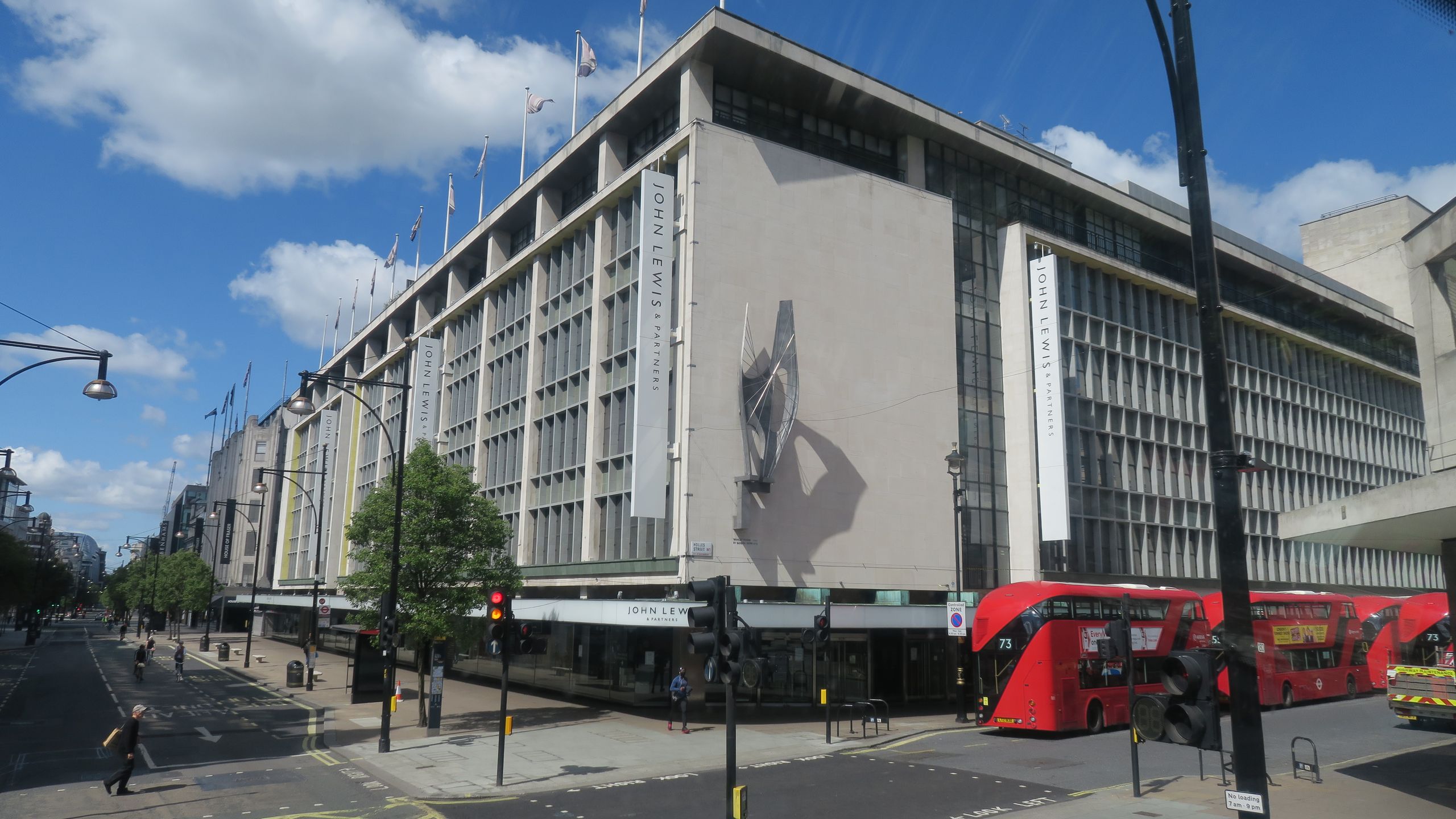
- You’re making a considered purchase, like a winter coat, and prioritize longevity.
- You are willing to pay a premium for the assurance that any problem will be resolved without a fight.
- You value the trust associated with the brand’s historic reputation and free postal returns John Lewis Returns.
Prerequisites for success:
- Your budget can accommodate the higher price point.
- You are buying an “investment piece” where the long-term warranty and service add real value.
- You trust the brand’s historical reputation over its current, poor online review scores.
✅ Strengths
- Renowned customer service reputation
- Free postal returns (35-day window)
- Consistent own-brand quality
- Rewarding My John Lewis loyalty perks
⚠️ Considerations
- Premium baked into every price
- Trustpilot score of 1.9 (“Poor”)
- Recent financial challenges reported
- Not suitable for strict-budget shopping
When to avoid:
- If you are shopping on a strict budget, the premium baked into every price makes it impractical.
- If you are influenced by current customer sentiment; its UK Trustpilot score is a low 1.9 out of 5 (“Poor”) John Lewis Trustpilot Page.
- If you are concerned about long-term stability, given recent financial challenges reported by sources like the BBC John Lewis staff see bonus scrapped as losses mount.
💡 PRO TIP — When the ‘Service Premium’ is Worth It: From my professional perspective, the higher prices at John Lewis are a direct investment in peace of mind. Reserve them for high-value ‘investment’ pieces like a winter coat or leather boots. For these items, their unmatched customer service reputation acts as a powerful insurance policy against product failure.
When it’s the best choice:
- You want to build a core wardrobe of minimalist, durable essentials with exceptional “cost-per-wear.”
- You value the brand’s ‘LifeWear’ philosophy, a concept championed by founder Tadashi Yanai, promising simple, functional, and long-lasting clothing.
- You are buying their hero products like Merino Wool jumpers, Ultra Light Down jackets, or HEATTECH thermals.
Prerequisites for success:
- You must be very confident in your sizing to avoid the costly return process.
- Your personal style must align with their minimalist, basics-focused aesthetic.
- You are willing to handle the logistics of arranging and paying for your own return shipping.
✅ Strengths
- Exceptional durability on core basics
- Best-in-class cost-per-wear value
- Predictable, consistent sizing
- Iconic hero products (HEATTECH, Merino, Ultra Light Down)
⚠️ Considerations
- Customer pays return postage (£3.50–£4.50)
- No loyalty program
- Aesthetic limited to minimalist basics
- Not suited to “bracketing” purchases
When to avoid:
- If your shopping style involves ordering multiple sizes or styles to try at home.
- If you need a trendy or formal outfit for a specific event.
- If you are not prepared for the “Returns Trap,” which is the brand’s biggest deal-breaker.
⚠️ WARNING — The Returns Trap: A Deal-Breaker for Online Shoppers: Uniqlo’s policy requires you to arrange and pay for your own postal returns Uniqlo Returns. For a £35 jumper, this could cost £3.50–£4.50 via Royal Mail, erasing over 10% of your potential refund. This policy strongly discourages ordering multiple sizes to try at home, making it a high-risk choice if you’re unsure of your fit.
When it’s the best choice:
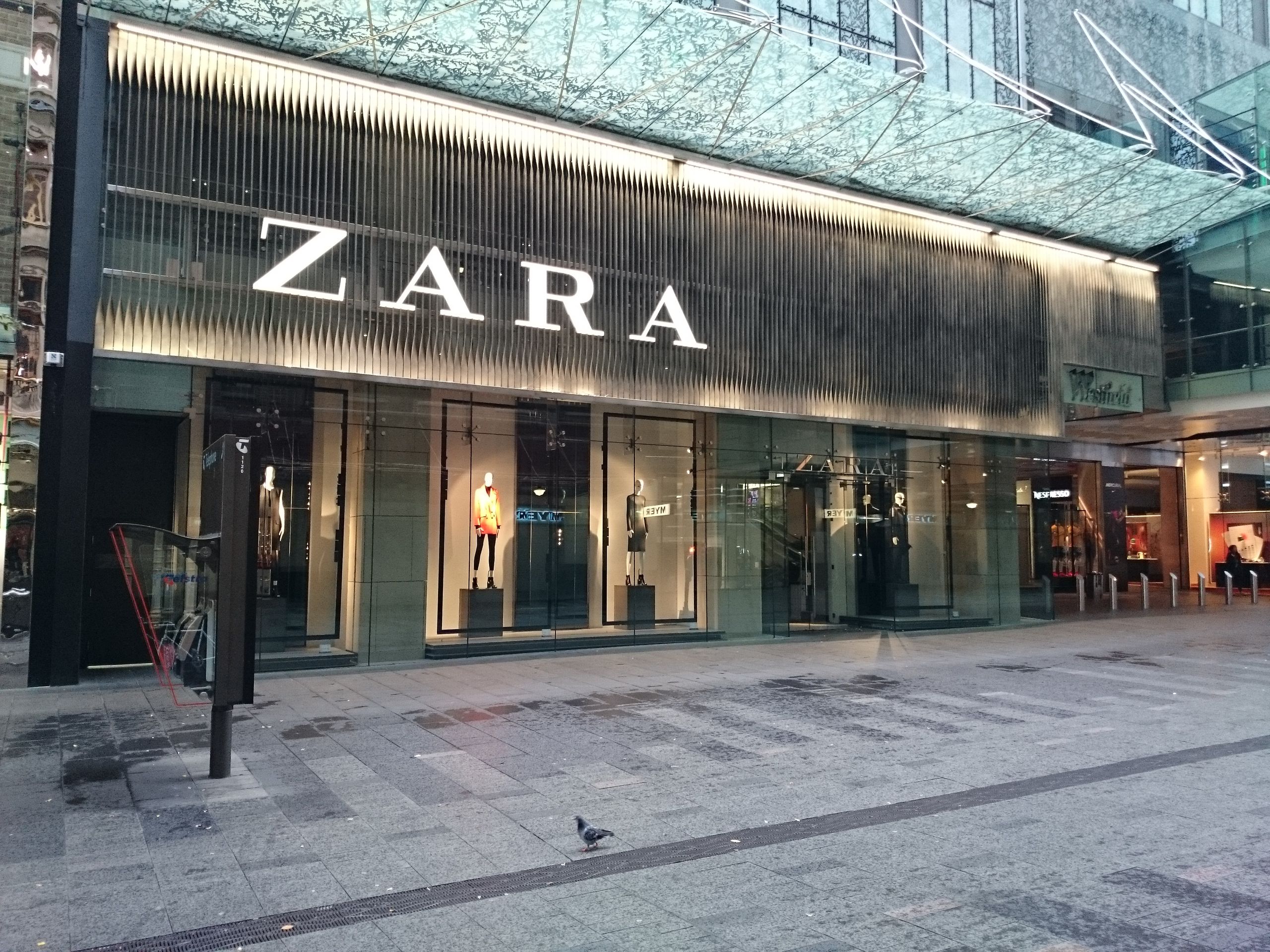
- You need a specific, of-the-moment outfit for a single event like a wedding or party.
- Trendiness and speed-to-market are more important to you than longevity.
- You appreciate a wide range of styles and frequent new stock drops.
Prerequisites for success:
- You must accept that the garment is not an “investment” and may not last beyond a few wears.
- You are comfortable with the fast-fashion business model and its associated environmental criticisms Fashion Transparency Index 2023.
- You are making a pragmatic choice for a one-off occasion.
✅ Strengths
- Unmatched speed-to-market for trends
- Affordable trend-led pricing
- Frequent new stock drops
- Wide range of styles for events
⚠️ Considerations
- Poor long-term durability
- “Disposable fashion” reputation
- Sustainability concerns with model
- Not suitable for core wardrobe building
When to avoid:
- When building a durable, core wardrobe of items you expect to wear for years.
- If you prioritize sustainability and ethical production, as the fast-fashion model is inherently controversial. This positions Zara as the philosophical opposite of Uniqlo; one prioritizes disposable fashion for trends, while the other focuses on cost-per-wear for longevity.
Part 7: Conclusion & FAQs
Conclusion & Final Recommendations
After years of analyzing this market, my core finding is this: the era of M&S being the single, default choice for trusted quality is over. The market has fragmented, and as smart shoppers, you’re now choosing from a portfolio of specialists.
The landscape of Marks and Spencer top alternatives and competitors shows M&S has been squeezed from all sides: by Next on logistics, John Lewis on service reputation, and Uniqlo on quality basics.
Your decision should be guided by your biggest priority for each purchase. If your #1 priority is service reputation, consider John Lewis, but be aware of the online reviews. If it’s durable basics, brave the returns policy at Uniqlo. If it’s online convenience, subscribe to Next. And if it’s the ease of in-store returns, stick with M&S for its hero categories, but be wary of the main clothing lines.
As a final piece of advice, arm yourself with these three red flags. First, be skeptical of “quality” claims and always ask “which product line?”. Second, always factor in the cost of returns; a cheap item with expensive returns is a false economy. Finally, always calculate the true “cost-per-wear”; the cheapest item is rarely the best value in the long run.
Before you place that next basket, stack a real-world M&S voucher code against the price to make sure the maths still works in your favour, and bookmark our regularly updated Latest Coupons list of all coupons on website to save on adjacent brands too.
Frequently Asked Questions
Q1: Is M&S quality really getting worse?
A: Yes, the widespread user perception, which we call the ‘Quality Fade’ hypothesis, suggests that the quality of M&S’s basic clothing lines has declined. While their premium “Autograph” line and hero categories like lingerie are often still praised, items like basic knitwear and t-shirts are frequently criticized in user forums like Mumsnet for pilling, shrinking, and losing shape far quicker than they used to Mumsnet “Is it me or is M&S quality awful now?”. This makes their mid-range pricing much harder to justify compared to specialists like Uniqlo, whose products are lauded for durability r/BuyItForLife.
Q2: Which store has the absolute best return policy?
A: John Lewis & Partners has the best overall return policy, combining a generous 35-day window with completely free postal returns John Lewis Returns. Marks & Spencer matches this M&S Returns, making them both superior to Next, who charge a £2.95 fee for postal returns, and Uniqlo, where the customer must arrange and pay for their own return postage. For online shoppers who may need to return items, this makes John Lewis and M&S the least risky options from a financial perspective, as the cost of returns is zero.
Q3: Is the Next Unlimited delivery subscription worth the money?
A: Yes, the £22.50 annual fee is absolutely worth it if you plan to place more than five online orders with Next in a year. With a standard delivery fee of £4.95, the subscription pays for itself on the fifth order Next Unlimited. It creates strong customer loyalty and is a key part of Next’s successful online model, making it highly cost-effective for frequent shoppers and families who consolidate their purchasing. For infrequent shoppers who order only a few times a year, however, it is not a good deal, as paying for individual deliveries would be cheaper.
Q4: For building a wardrobe of basics, is Uniqlo really better than M&S?
A: Based on extensive user sentiment and durability reports, yes, Uniqlo is considered superior to M&S for durable, high-quality basics. I’ve seen this consistently in my analysis. While M&S’s quality is frequently questioned in forums Mumsnet “M&S quality is a joke”, Uniqlo’s products like Merino wool jumpers and HEATTECH thermals are consistently praised for their longevity and excellent “cost-per-wear.” This makes them the top choice for building a core wardrobe, provided you are confident in your sizing to avoid their customer-paid return policy Uniqlo Returns.
Q5: Why is John Lewis so much more expensive?
A: John Lewis’s higher prices include a “premium” for their renowned customer service reputation, quality assurance, and generous warranties. You are paying not just for the product, but for the peace of mind that if anything goes wrong, the issue will likely be resolved. This is a deliberate strategy to attract customers willing to pay more for trust, though recent online reviews suggest a disconnect John Lewis Trustpilot Page. This premium may not be worth it for a simple t-shirt, but it provides valuable “insurance” for a significant purchase like a winter coat or major appliance.
Q6: What are the “hero” products I should still buy at M&S?
A: You should still confidently buy from M&S’s established “hero” categories where quality perception remains high. In my analysis, these are consistently their lingerie and underwear, school uniforms, and premium menswear lines like the Autograph collection. These specific product areas are the reason many loyalists haven’t jumped ship, as the trust and perceived quality are still remarkably high. The convenience of their Food Hall also remains a major, undeniable draw for the brand, driving footfall and reinforcing brand loyalty M&S Food.
Q7: If I’m shopping for my kids, what’s the most important safety factor?
A: The most important safety factor to look for is the OEKO-TEX Standard 100 certification, which ensures the fabric has been tested for harmful substances. This is a verifiable, scientific standard that goes beyond vague marketing claims OEKO-TEX Standard 100. My research shows that M&S and John Lewis often display this certification prominently on their baby and kids’ clothing pages, offering a level of verifiable trust that isn’t always as clear on competitor sites, making them a more reassuring choice for parents.
Q8: Can you use discount codes on sale items at these stores?
A: This policy, known as “stacking,” varies and is a critical factor in deal hunting. Generally, John Lewis and M&S are the strictest, often excluding sale items from sitewide promotional codes. Next occasionally offers stackable promotions, especially for their VIP members, making their sales events particularly valuable. Zara and Uniqlo rarely offer sitewide percentage-off codes, preferring to use direct price reductions, so stacking is not typically possible. Always check the terms and conditions of a specific code, as this is a frequent source of checkout frustration Voucher Code T&Cs Explained.
Q9: Which is better for online shopping, Next or M&S?
A: For the pure digital experience, Next is generally considered better. Their website and app are faster, more modern, and more user-friendly, and the ‘Unlimited’ subscription offers great value for frequent shoppers Next Unlimited. However, M&S has a significant advantage with its free postal returns M&S Returns. The best choice depends on your priority: if you value a seamless browsing experience and fast delivery, choose Next. If you anticipate making returns and want to avoid fees, M&S is the safer financial bet.