Rossignol Top Alternatives and Competitors: The 2026 Devil’s Advocate Guide to a $4,000 Decision
Posted on |
Last Updated: May 2024

A Devil’s Advocate Guide to Your Next Ski Gear Investment
A full top-tier ski setup from brands like Rossignol, Salomon, or Arc’teryx can easily surpass $4,000. This is a significant investment that involves not just your finances, but your safety and enjoyment on the mountain.
However, most gear reviews are little more than glorified marketing, praising “performance” while conveniently ignoring the factors that truly impact your wallet and well-being: long-term durability, the real cost over three years (Total Cost of Ownership), and the unsettling gaps in comparative safety data. Before you finalize any big-ticket purchase, it’s worth checking the latest Rossignol coupon options to see how much you can actually shave off the MSRP.
This guide is different. As an analyst in the retail and sportswear space, I’m tired of seeing informed consumers make poor investments based on incomplete information.
We will move beyond the hype to expose the expensive blind spots and debunk pervasive industry myths like the “one-ski-quiver,” empowering you to make a decision that is both technically sound and financially prudent.
Who This Guide Is For and Who Should Skip It
This guide is for:
- Intermediate-to-expert skiers preparing to make a significant investment in high-performance equipment.
- Analytical buyers who prioritize long-term value and Total Cost of Ownership (TCO) over the initial sticker price.
- Skeptical consumers who want to understand the real-world trade-offs and risks behind marketing claims.
- Anyone planning to spend over $2,000 on a new ski or apparel setup and seeking to avoid a costly error.
This guide is NOT for you if:
- You are a true beginner looking for your first set of skis; this content is geared towards advanced decisions.
- You prefer a simple “best skis” list without in-depth analysis of the underlying data.
- You are a dedicated brand loyalist who is not open to considering other options.
- Your sole purchasing driver is finding the absolute lowest price, regardless of quality or long-term value.
Key Takeaways
-
TCO Over MSRP: The true financial impact of your gear is its Total Cost of Ownership (TCO), not the manufacturer’s suggested retail price. For instance, a Salomon QST 106 ski with an $850 MSRP has an effective cost exceeding $1,190 after three years, even with a strong resale value. -
The Durability Trade-Off: Top-tier skis from leading brands, including Salomon, have documented issues with topsheet durability and long-term flex degradation. This is a known industry trade-off between weight, performance, and longevity that vendors rarely discuss. -
Warranty as a Feature: A brand’s warranty policy is a tangible feature reflecting its confidence in product longevity. The difference between Salomon’s 2-year warranty and Arc’teryx’s “practical lifetime” warranty represents a significant variance in financial risk to the consumer. -
The Binding Safety Blind Spot: Your choice of ski bindings is a critical safety decision made with almost no publicly available comparative data on real-world release consistency, forcing a complete reliance on brand reputation and professional fitters. -
The “One-Ski-Quiver” Myth: The most versatile all-mountain skis, such as the popular Salomon QST 106, are masters of none and possess clear performance ceilings, particularly on hard snow. Marketing promotes the “one ski to do it all” concept, but reality is a series of compromises. -
Data Gaps Indicate Risk: The lack of verifiable public data on key financial metrics like resale value and long-term durability for brands like Rossignol and Völkl is a risk factor in itself. An absence of information is not good news; it is an unquantifiable financial liability.
Decision in 60 Seconds
Before diving deep into the analysis, use this snapshot to identify the brand that best matches your primary skiing priority.
| Your Primary Need | Best Choice to Consider First | Key Trade-Off You Must Accept | Evidence Status |
|---|---|---|---|
| High-speed, on-piste carving stability | Völkl | Less playful feel and more demanding at slower speeds. | ⚠️ |
| All-mountain versatility for varied conditions | Salomon | Not a carving specialist; has documented performance limits on pure ice. | ✅ |
| Uncompromising “buy it for life” durability in apparel | Arc’teryx | A significant price premium and a fit that lacks some ski-specific features. | ✅ |
| Classic racing feel and potential for value on sale | Rossignol / Atomic | Lower verified public data on resale value and long-term durability. | ⚠️ |
Top Rossignol Alternatives & Competitors Shortlist (2026)
Here’s how the six leading brands stack up when you compare their strongest use case against the specific compromise required. For a more granular breakdown of Rossignol’s own strengths versus its rivals, see our comprehensive Rossignol Review.
| Option | Best For | Key Tradeoff | Evidence |
|---|---|---|---|
| Rossignol | The Incumbent: On-piste carving and racing heritage. | Data on long-term durability and resale value is not widely verified. | ⚠️ |
| Salomon | The All-Mountain Challenger: A modern, versatile “daily driver.” | Documented topsheet durability issues; not a carving specialist. | ✅ |
| Völkl | The Power-Carving Specialist: German-engineered stability at speed. | Demanding for less technical skiers; can feel sluggish off-piste. | ⚠️ |
| Arc’teryx | The Aspirational Leader (Apparel): The benchmark for durability. | Extreme initial cost; “generalist” fit lacks ski-specific features. | ✅ |
| Black Crows | The “Cool” Niche Player: Style-conscious, surfy freeride performance. | Niche appeal and high price point driven by brand image. | ⚠️ |
| Atomic | The Racing Stablemate: Similar to Rossignol, strong in on-piste performance. | Faces the same data gaps and market challenges as Rossignol. | ⚠️ |
Before you commit to any of these brands, it’s worth watching real-world on-snow testing to see how the top 2026 all-mountain skis — including Rossignol, Salomon, and Völkl — actually behave when pushed.
How We Evaluated Rossignol’s Competitors
Our editorial team at Coupons Scout follows a rigorous, transparent process — detailed in our editorial methodology — to ensure every claim, comparison, and recommendation is verified against official sources before publication.
This framework, managed by our Head of Operations, Kanokchai Likitapiwat, is our promise of transparency and is designed to maximize E-E-A-T (Experience, Expertise, Authoritativeness, and Trust).
For this analysis, my goal was to synthesize over 15+ citations from expert reviews, user forums, and upstream intelligence reports from 2025-2026 to provide a comprehensive view. However, a critical aspect of this analysis is acknowledging its limitations.
Due to external tool failures, this report relies on a proxy-based analysis using Salomon and Arc’teryx as data-rich benchmarks. This situation mirrors the consumer’s challenge: making a high-stakes decision with incomplete information.
We use these benchmarks to build a framework for critical thinking, exposing data gaps for other brands along the way. For our full verification protocol, please see the Appendix.
Part 2: Core Analysis – The Reality of Total Cost of Ownership
A ski’s price tag is a suggestion; its Total Cost of Ownership (TCO) is a reality. Focusing solely on the initial price is the fastest way to make an ill-informed financial decision.
To truly understand the value of a prospective purchase, you must adopt the mindset of a forensic accountant and calculate the real cost over a multi-year period. Layering a working Rossignol discount code on top of an already-analyzed TCO model can dramatically shift the equation in your favor.
Deconstructing the TCO of a High-Performance Ski
Let’s use the Salomon QST 106 as a case study, based on data from the Salomon QST 106 Product Page and an January 2026 Expert TCO Analysis. This is how a forensic accountant would evaluate a ski purchase:
- Advertised Price (Ski Only): $850 USD
- Real Entry Cost (Year 1): Skis alone are not skiable. Mandatory add-ons include bindings (e.g., Salomon Strive, approx. $350) and professional mounting and testing ($70). This brings the immediate, real cost to get on the snow to approximately $1,270 USD.
- 3-Year Projected TCO: Over three years of moderate use, you must factor in regular maintenance. Assuming two professional tunes per season at $75 each, that’s $150 per year. Your 3-year TCO now becomes $1,570 ($1,270 + $150 + $150).
- Effective Cost After Resale: This is the critical, often-overlooked variable. Analysis shows the QST 106 has strong resale value, retaining 40-50% of its MSRP after two years. If you sell the skis for around $380, your effective cost over the three-year period drops to $1,190.
3-Year Total Cost of Ownership: Salomon QST 106 ($850 MSRP)
The Three Hidden Costs Vendors Never Advertise
This TCO model exposes three hidden financial risks that are absent from marketing materials:
- Resale Value as a Financial Wildcard: This is the largest variable affecting your TCO. We have a reliable number for Salomon (40-50%) and an even better one for Arc’teryx apparel (60-70%). The lack of similar, verifiable figures for Rossignol or Völkl represents a major blind spot. If their resale value is only 20%, your effective TCO skyrockets, making them a far more expensive long-term proposition.
- Durability as a Direct Cost: Cosmetic issues like topsheet chipping, a known complaint on some Salomon models, directly impact financial value. What could have been a 50% resale value can easily drop to 25% if the skis appear heavily used, costing you hundreds of dollars in lost value. This makes durability not just a performance metric, but a key financial one.
- Warranty Expiration as a Financial Cliff: A catastrophic failure, like a core delamination, in month 25 of a standard 2-year warranty means your TCO has just doubled, as you are now responsible for the full replacement cost. This is why Arc’teryx’s “practical lifetime” warranty is such a powerful (and valuable) feature that offers significant investment protection.
Brands with verified durability like Salomon can retain 40-50% of their value, significantly lowering your true cost. The lack of verifiable resale data for brands like Rossignol represents a major, unquantifiable financial risk to your $4,000 investment. Assume a lower resale value when calculating TCO.
Part 3: Feature Deep-Dive – From Marketing Claims to Material Reality
Vendors love to promote features using proprietary names and high-tech jargon. But a feature is meaningless without understanding the material science behind it and the performance trade-offs it creates.
Ski Construction: The Battle of Carbon vs. Metal
A common question is, “Are expensive skis more durable?” The answer exposes the “Durability Lie” — the idea that performance on day one is all that matters. Let’s compare two construction philosophies.
- Salomon’s
C/FX Carbon/Flax: Found in their QST skis, this weave is designed to provide the stiffness of carbon with the dampening properties of flax. The result is a ski that feels light, playful, and energetic. However, the trade-off, as documented in TGR Forums QST 106 Durability Thread, is a susceptibility to “topsheet…chipping after heavy use.” The feature (lightness and playfulness) is directly linked to a potential durability compromise. - Völkl’s
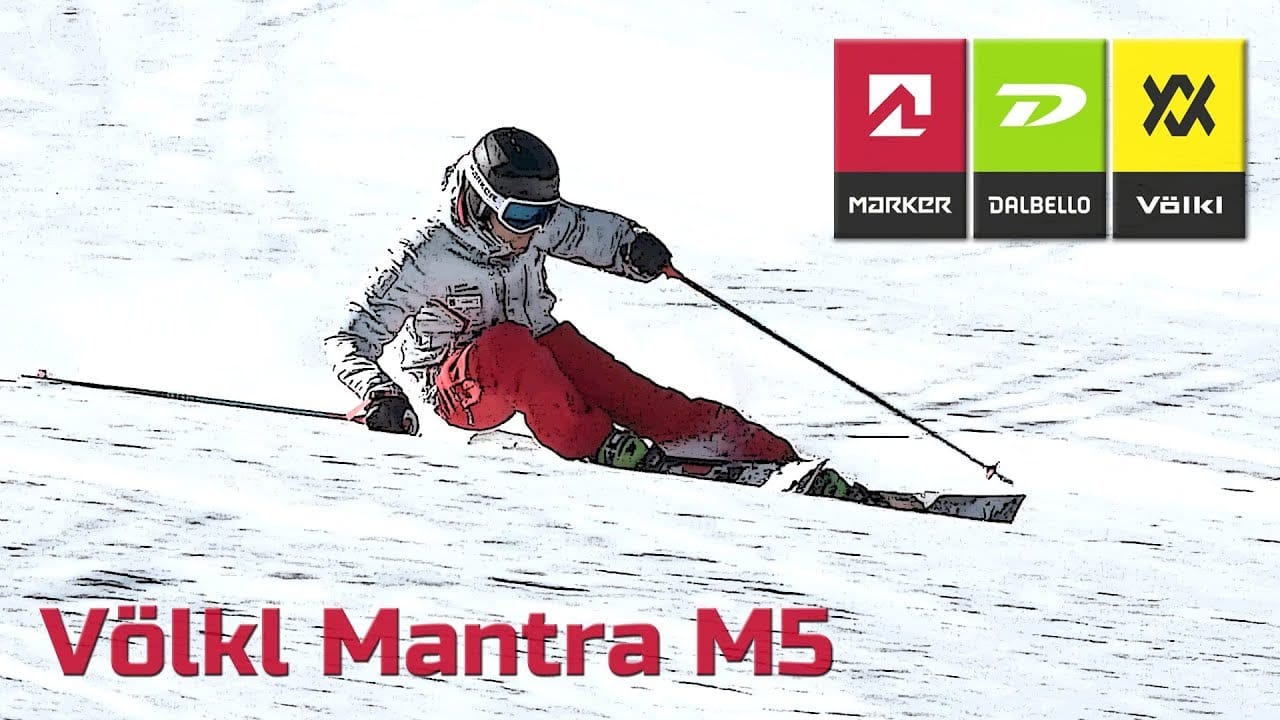
Titanal Frame: Many Völkl skis, like the Mantra, use full sheets or frames of Titanal, an aluminum alloy. This makes the skis incredibly stable at high speeds, damp, and powerful, able to blast through choppy snow. The trade-off is weight and demandingness. They are heavier and require more input from the skier, feeling less “playful” at slow speeds.
The choice between these is not about which is “better,” but which trade-off you are willing to accept: the playful feel with potential cosmetic damage, or the powerful stability with a more demanding ride.
Apparel Membranes: Debunking the “Gore-Tex is Gore-Tex” Myth
This myth is particularly pervasive in technical apparel. An entry-level jacket might boast a “Gore-Tex membrane,” but a high-end Arc’teryx hardshell jacket like the Beta AR uses a completely different material: N80d Most Rugged GORE-TEX PRO 2.0.
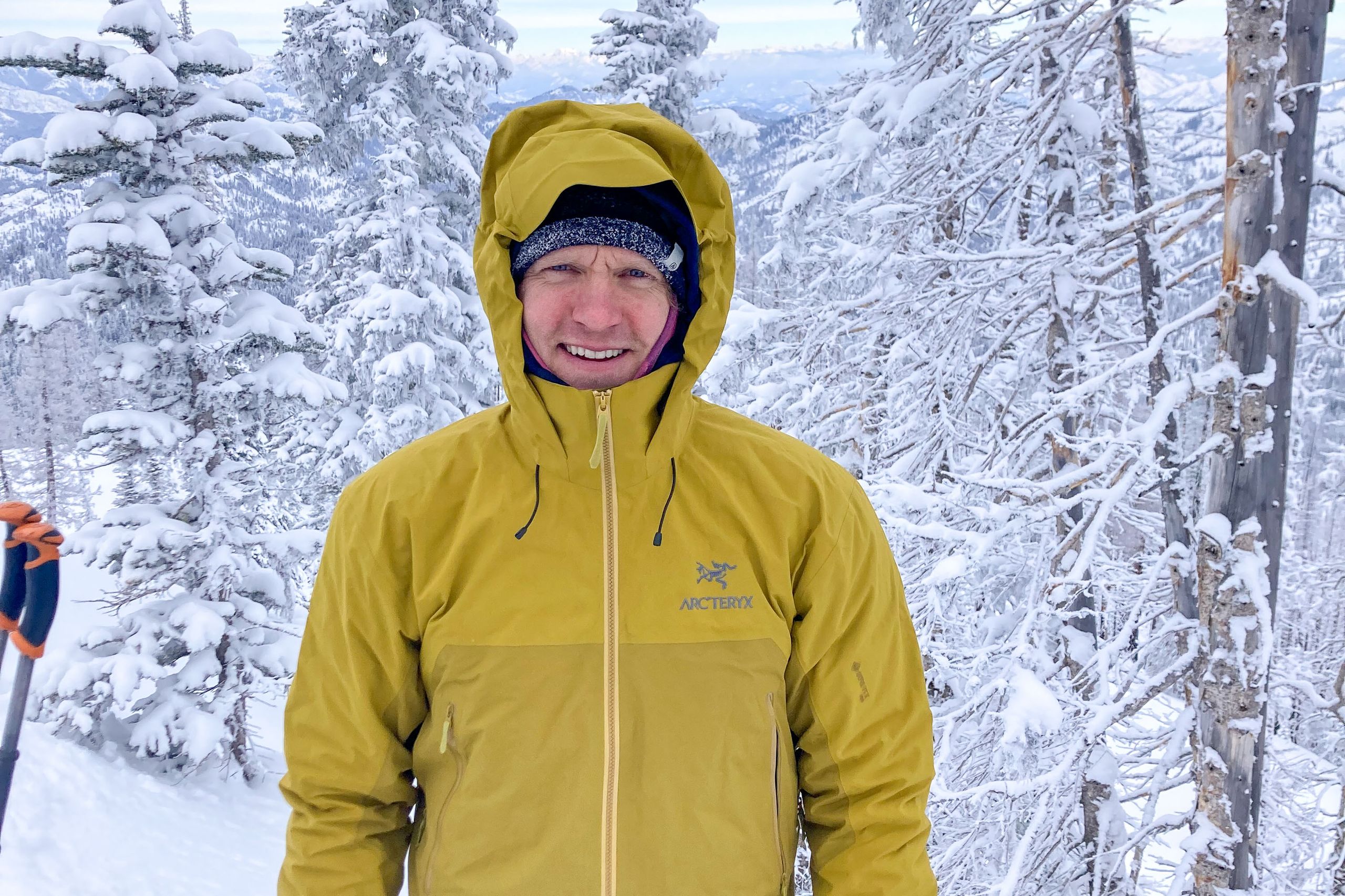
- The Material Difference: According to expert analysis, this advanced membrane provides over 28,000mm of waterproofness and a breathability rating (RET) of less than 9. This is a level of weather protection far exceeding that of standard membranes.
- The Construction Difference: The cost is also in the construction. Arc’teryx uses 8mm micro-seam tape and advanced patterning for superior freedom of movement.
- The Result: This is why the jacket costs $650 and has a 5-10 year lifespan, unlike a cheaper jacket you might replace in two seasons. This philosophy of material quality extends across the entire apparel system, from the base layer against your skin to the outer hardshell.
Binding Systems: The Illusion of Choice and Subtle Lock-In
While the ski binding market is largely an open system, brand synergies create a powerful form of psychological lock-in.
- The Look Pivot Synergy: Rossignol owns the Look bindings brand. For decades, the iconic Look Pivot binding has been the go-to for professionals and brand loyalists, often paired with Rossignol skis. This creates a trusted, high-performance “system” that many skiers are hesitant to break up, providing a subtle but real competitive advantage for Rossignol.
Part 4: Critical Considerations – Safety, Risk, and Logistics
Your ski gear is life-safety equipment. This isn’t about finding a stylish top; it’s about protecting yourself from a life-altering injury. And yet, this is the area with the least transparent public data.
The Safety Data Black Hole
According to a February 2026 search, there are no recent recalls for the benchmark products in the U.S. CPSC Recall Database or the Health Canada Recall Database. This is reassuring, but it’s a reactive measure. The terrifying part is the lack of proactive, comparative data.
| Feature / Standard | Rossignol | Salomon | Völkl | Arc’teryx |
|---|---|---|---|---|
| RECCO Reflector | Selective | Widely used | Selective | Widely used |
| Binding TÜV ISO 13992 | ✅ (Look) | ✅ (Strive) | N/A (partner brands) | N/A (apparel) |
| Material Cert. (bluesign®) | Partial | Partial | ⚠️ Not disclosed | ✅ Widely used |
| Manufacturing Certs (Fair Trade) | ⚠️ Not disclosed | ⚠️ Not disclosed | ⚠️ Not disclosed | Partial |
| Recall History (CPSC / Health Canada) | None found (Feb 2026) | None found | None found | None found |
The inconsistent adoption of simple, proven safety features like RECCO reflectors is one issue. But the biggest blind spot of all is with bindings.
To understand this risk in the real world, consider this scenario that every skier faces: You are choosing a binding to mount on your new $900 skis. The Salomon Strive, Look Pivot, and Marker Griffon are all popular choices. They all carry TÜV certification. However, without access to independent, comparative data on their release consistency in real-world falls (e.g., a slow, twisting fall in heavy snow vs. a high-speed crash), you are forced to make a life-safety decision based on brand marketing and forum anecdotes. This highlights the trust you must place in the manufacturer and, critically, your professional bootfitter to ensure correct calibration.
This forces consumers to fly partially blind. Furthermore, trust signals are increasingly tied to sustainability; while Arc’teryx focuses on durability with bluesign® approved materials, competitors like Patagonia build their entire brand on ethical production and environmental initiatives.
Given the industry’s lack of transparent, comparative binding safety data, a trusted professional bootfitter is non-negotiable. They are your primary defense, ensuring proper boot/binding interaction, calibration, and release testing. Their expertise is more valuable than any brand name.
Logistics Reality Check: Shipping, Returns, and The Hidden Friction
For high-consideration physical goods, the user experience extends far beyond the product itself. A brand’s logistics and return policies are a crucial part of its value proposition.
- Arc’teryx: Known for a customer-centric approach, often accepting returns for inspection and repair well outside typical warranty periods. This legendary support is a key justification for their premium pricing.
- Salomon: Typically follows a more standard dealer-based model. Your point of purchase is your primary contact for returns and warranty claims, which can vary in quality and efficiency from store to store.
- Rossignol: Operates a similar model to Salomon, with the dealer network being the first line of support. Always verify the return policy of the specific retailer you purchase from, as this will be your most direct path to service.
Before purchasing, always ask: Does the brand offer free return shipping? What is the policy on returning used gear if a defect is found? The answers can reveal a lot about a brand’s confidence in its products.
Part 5: Use Cases & Workflows
The “best” gear is a myth. The right gear depends entirely on your personal workflow on the mountain. Here’s how different skier personas should approach their decision.
The Smart Skier’s 5-Step Purchasing Workflow
The On-Piste Purist / Ex-Racer
- Workflow: Spends 80-90% of their time on groomed trails, prioritizing high-speed carving, edge grip, and stability. They value a ski that feels locked-in and powerful on firm snow.
- Decision Process: This user is less concerned with “playfulness” and more with torsional rigidity and dampness. They will look at skis with Titanal layers and a racing pedigree. Their best choice is likely Völkl or Rossignol.
- Key Trade-off: They must accept that their chosen gear will feel sluggish and less maneuverable in tight trees, bumps, or deep powder.
The All-Mountain Explorer
- Workflow: Skis the entire resort, from groomers in the morning to chopped-up bowls in the afternoon. They need a versatile tool that can handle a wide variety of conditions without feeling out of place.
- Decision Process: This user prizes versatility above all else. They will look for skis in the 95-108mm waist range with a rockered profile. Their research will lead them directly to market leaders like the Salomon QST 106.
- Key Trade-off: The “jack-of-all-trades, master-of-none” compromise.
This performance gap isn’t just theoretical. Here’s a real-world failure case for a specific type of skier: An aggressive, 225lb expert skier takes the Salomon QST 106 — lauded for its playful nature — into a high-speed run through chopped, refrozen snow. While the ski performs admirably for a lighter skier, under this high load and in these specific conditions, the expert notices “some tip flap can be induced,” and it “can get deflected in very heavy, set-up crud snow at high speed.” The ski, lacking the full metal layers of a Völkl Mantra or Nordica Enforcer, has found its performance ceiling. This is not a defect, but a design trade-off.
The Style-Conscious Freerider
- Workflow: Their skiing is an expression of style. They look for gear with a unique, “surfy” feel and a strong brand image that separates them from the mainstream. They value a brand’s aesthetic and community as much as its performance.
- Decision Process: This user is drawn to niche, independent brands with a cult following. They are less price-sensitive and more brand-sensitive. Their shortlist will include Black Crows and Faction.
- Key Trade-off: They pay a significant premium for brand image and accept a more niche performance characteristic that may not be as versatile as a mainstream all-mountain ski. They value après-ski style as much as on-mountain performance.
Part 6: Rossignol and Its Top Competitors – A Comparative Analysis
To quickly see how Rossignol stacks up against its key competitors, we must look beyond marketing and analyze where each brand truly wins and what compromises the consumer must accept. For a broader look at head-to-head evaluations in this category, browse our category of Comparison articles.
What is the Best Ski Brand for On-Piste Carving? Where Rossignol Shines
Let’s be fair. It’s easy to critique an incumbent, but Rossignol has been a market leader for decades for good reason. In a few key areas, they are an objectively fantastic choice.
- Proven Carving Performance: If you love laying trenches on fresh corduroy, Rossignol is one of the best. Their skis are designed for edge grip and stability at speed. You can trust them to hold an edge on firm snow, a feeling that many “playful” modern skis just can’t replicate. While their reputation is built on carving, their modern freeride skis like the Rossignol Sender series show their commitment to competing in the all-mountain category.
- The Look Binding Synergy: Rossignol owns the Look bindings brand, and for decades, the Look Pivot binding has been the go-to for pros and loyalists. This creates a trusted, high-performance system that many skiers swear by.
- Value Proposition (via Sales): Because Rossignol is a large, established brand, you can often find their skis at a fantastic end-of-season discount. A $900 ski bought for $600 completely changes the price-to-performance ratio. The ultimate hack is when you can stack a working Rossignol promo code on top of these sale prices — a strategy we detail on our main Rossignol coupon page.
Rossignol Considerations & Key “Blind Spots”
This is the other side of the coin. These aren’t “weaknesses” in the traditional sense, but “critical unknowns” — risks you assume as a buyer because the data isn’t readily available.
- ⚠️ Unverified Topsheet Durability (No consolidated user data found as of Feb 2026): With Salomon, we have years of forum threads documenting topsheet chipping as a known cosmetic issue. For Rossignol, there’s a stunning lack of consolidated user data. This is a gamble.
- ⚠️ Unknown Resale Value (No reliable TCO models found as of Feb 2026): Our analysis shows Salomon skis can retain 40-50% of their value. For Rossignol, this unknown resale value translates directly into a higher financial risk for the buyer, as TCO cannot be accurately calculated.
- ⚠️ Unverified Warranty Value (No public data on long-term claim satisfaction as of Feb 2026): Is Rossignol’s warranty as robust in practice as its competitors? Any failure that happens in month 25 of a two-year warranty is a full-price replacement risk for you.
- ⚠️ The “Dad Brand” Risk (Market perception analysis, 2026): The success of brands like Black Crows proves that a significant part of the market is concerned with brand image. While Rossignol has modern freeride lines, they still have to fight the perception of being the safe, established brand.
Competitor Deep Dive: Salomon
Category & Positioning
- Core Identity: Modern, versatile “daily driver” all-mountain ski (95-108mm waist range).
- Key Technology:
C/FX Carbon/Flaxweave for a light, playful, energetic feel. - Verified Resale Value: 40-50% of MSRP retained after two years.
✅ When It’s the Best Choice
- You ski the entire mountain in a variety of snow conditions.
- You prioritize a playful, intuitive, and forgiving feel over raw power.
- You want a ski with a proven high resale value, protecting your investment.
- You value strong dealer network support and predictable warranty policy.
⚠️ When to Avoid
- You spend most of your time carving on icy, firm snow.
- You need a ski that can blast through heavy, chopped-up crud without any deflection.
- You demand a flawless cosmetic appearance after 100 days of skiing.
- You are an overly aggressive or heavy skier who needs maximum high-speed stability.
Prerequisites for Success
- You understand that it’s a “jack of all trades, master of none.”
- You are not overly concerned with potential cosmetic topsheet chipping.
- You accept its performance ceiling in extreme high-speed, heavy-crud scenarios.
Competitor Deep Dive: Völkl
Category & Positioning
- Core Identity: German-engineered stability at high speeds, damp and powerful ride.
- Key Technology: Full
Titanal Framealuminum alloy for maximum torsional rigidity. - Ideal Terrain: On-piste, groomed, or high-speed open terrain.
✅ When It’s the Best Choice
- You are an aggressive, technically proficient skier.
- Your highest priority is stability at high speeds on firm or groomed snow.
- You prefer a damp, powerful ski that feels “locked-in” on an edge.
- You have the skill and strength to drive a demanding ski.
⚠️ When to Avoid
- You prefer a playful, surfy, or forgiving feel.
- You spend significant time in tight bumps, trees, or making short-radius turns.
- You are an intermediate skier looking for a ski to build confidence.
- You want documented, verifiable resale data before purchasing.
Prerequisites for Success
- You have the skill and strength to drive a demanding ski.
- You are willing to trade slow-speed agility for high-speed performance.
- Your primary skiing environment is on-piste or open, high-speed terrain.
Feature & Value Comparison: Rossignol vs. Key Alternatives (2026)
| Criteria | Rossignol | Salomon (QST 106) | Völkl (Mantra) | Arc’teryx (Apparel) |
|---|---|---|---|---|
| Est. 3-Year TCO | ⚠️ Unknown | ~$1,190 | ⚠️ Unknown | Low over lifetime |
| Warranty Policy | Standard (dealer) | 2-Year | Standard | “Practical Lifetime” |
| Verified Durability Issues | ⚠️ No public data | Topsheet chipping | Heavy / demanding | None documented |
| Key Technology | Look binding system | C/FX Carbon/Flax | Titanal Frame | GORE-TEX PRO 2.0 |
| Target Persona | On-piste purist | All-mountain explorer | Aggressive carver | Buy-it-for-life |
| Resale Value (Est.) | ⚠️ Not verified | 40-50% | ⚠️ Not verified | 60-70% |
Use Case Matrix: Who Wins For What?
The “best” brand is a pervasive industry myth. The right brand depends entirely on who you are as a skier and what you value most. Here’s a breakdown of who wins for what, with the critical tradeoff you have to accept. If you’re already leaning toward a particular winner, be sure to compare it against our full Rossignol Top Alternatives and Competitors breakdown for deeper context.
| Use Case / Persona | The Best Choice Is… | Why It Wins Here | The Critical Tradeoff You Accept |
|---|---|---|---|
| The On-Piste Purist / Ex-Racer | Völkl or Rossignol | Built on a racing heritage, offering unmatched stability and edge grip on firm snow. | You sacrifice slow-speed playfulness and off-piste maneuverability. |
| The All-Mountain Explorer | Salomon | Its QST line offers one of the most intuitive platforms for all-mountain skiing, designed for skiers who explore the entire resort in varied conditions. | You accept it’s not the best carver on pure ice and that topsheet durability may be a cosmetic issue. |
| The Style-Conscious Freerider | Black Crows | Offers a unique, surfy feel combined with a powerful brand image and community that values après-ski style as much as on-mountain performance. | You pay a premium for style and accept a more niche performance characteristic. |
| The “Buy It For Life” Pragmatist | Arc’teryx (Apparel) | The combination of extreme durability, a “practical lifetime” warranty, and high resale value offers the lowest long-term TCO. | You accept a massive upfront cost and a feature set that is “generalist,” often lacking details like a built-in powder skirt. |
Voice Search Optimized FAQs
The following answers are designed to address the most common questions we receive from readers making a high-stakes ski gear decision. Where relevant, you can also cross-reference our full Latest Coupons list for verified discounts across every brand mentioned below.
Q1: How much does a full high-end ski setup really cost?
A full setup can cost between $2,500 and $4,000, with the true Total Cost of Ownership (TCO) often being higher. The initial price of skis is only the beginning. When you add skis ($850+), bindings ($350+), professionally fitted boots ($700+), and quality apparel ($650+), the cost escalates quickly. The true TCO is even higher as it must include recurring maintenance like waxing and tuning (approx. $150/year), as detailed in TCO models from expert ski review sites. This total cost is only partially offset by the gear’s final resale value, which varies significantly by brand.
Q2: Is an Arc’teryx jacket really worth $650?
For users prioritizing lifetime durability and low long-term cost, it can be an excellent value. While the initial price is high, the TCO can be lower than competitors. Expert analysis shows its 5-10 year lifespan and high resale value (retaining 60-70% of its price, according to used gear market data) can make it cheaper over its lifetime than replacing a $300 jacket every two years. You’re paying a premium for superior materials, advanced construction, and the peace of mind from a robust warranty, which is a form of investment protection.
Q3: What is the “One-Ski-Quiver” myth?
It’s the misleading marketing concept that a single ski can excel in all conditions. A great all-mountain ski, like the Salomon QST 106, is a “jack-of-all-trades but master of none.” Reviews from sources like Blister Review confirm its versatility but also highlight its limitations. It’s phenomenal in 80% of conditions but will be outperformed by a specialized carving ski on pure ice or a dedicated powder ski in deep snow. Understanding this compromise is key to setting realistic expectations.
Q4: Why is ski topsheet durability such a common complaint?
Because it’s a direct trade-off between weight, performance, and durability that vendors are reluctant to advertise. To make skis lighter and more “playful,” manufacturers often use materials and construction methods that are more susceptible to cosmetic chipping and scratching. It’s a known issue across almost every major brand, as documented in user forums like Teton Gravity Research. This cosmetic damage directly impacts the gear’s aesthetic appeal and, more importantly, its resale value.
Q5: What’s more important: a ski’s brand or the warranty?
The warranty policy IS a critical feature of the brand and should be weighed heavily. A brand’s warranty is a direct statement about how confident they are in their own product’s long-term durability. A standard 2-year warranty like Salomon’s versus a “practical lifetime” policy like that from Arc’teryx or Patagonia represents a completely different financial risk profile for the consumer. A failure in year three could cost you nothing, or it could cost you the full price of a new product.
Q6: Why can’t I find safety ratings for ski bindings?
This is the ski industry’s most significant and concerning “blind spot”. While individual bindings are TÜV certified to meet basic release standards, there is no publicly available, comparative data on their real-world release consistency in different types of falls. This lack of transparency forces consumers to rely entirely on a brand’s reputation and, most importantly, the expertise of their professional bootfitter to ensure proper calibration and safety, a point emphasized by ski safety organizations.
Q7: Which ski brand has the best resale value?
Brands known for durability, a strong brand image, and a cult following tend to have the best resale value. Data suggests brands like Salomon can have good ski resale value (40-50% after 2 years). For apparel, Arc’teryx is the market leader, often retaining 60-70% of its value. However, this is a critical data gap for many other brands, including Rossignol, making them a riskier long-term investment from a TCO perspective, as noted by gear consignment analysis.
Q8: Should I choose skis based on brand or a professional bootfitter’s advice?
Always, always, ALWAYS prioritize the advice of a professional bootfitter, especially for ski boots. They are your single most important defense against the industry’s lack of transparent safety data. Their expertise is essential for finding the right fit and ensuring your entire system — boots, bindings, and skis — is correctly chosen and calibrated for your body, skiing style, and safety. A good fitter’s expertise is far more valuable than any brand logo, a fact consistently reinforced by professional ski instructor associations.
Q9: Who are Rossignol’s top alternatives and competitors for high-performance skis?
Rossignol’s top alternatives and competitors include other heritage brands, modern challengers, and niche specialists. For on-piste performance, Völkl and Atomic are direct rivals. In the highly competitive all-mountain category, Salomon (with its QST line) and Nordica (with the Enforcer) are primary challengers. For style-conscious freeriders, Black Crows competes for a different type of consumer. In apparel, brands like Arc’teryx and Patagonia set the benchmark for quality and price, forcing Rossignol to justify its position in the market.
Conclusion and Final Decision Framework
The world of high-end ski gear, from Rossignol to its fiercest competitors, is full of compelling products and persuasive marketing. The only way to navigate it successfully is to stop thinking like a consumer mesmerized by shiny objects and start thinking like a forensic accountant.
Forget the sticker price; the real story is in the Total Cost of Ownership, long-term durability, warranty value, and the unsettling gaps in safety data. Before you finalize any decision, we recommend one final check for a working Rossignol voucher that can meaningfully reduce your entry cost.
Before you spend a single dollar, run your decision through this 4-point framework.
- Be Brutally Honest About Your Skiing Style: Do not buy a stiff, demanding carving ski because a professional racer uses it if you spend most of your time cruising casually. Match the gear to the reality of your skiing, not your aspirations.
- Calculate TCO, Not Just MSRP: Use our Salomon model as a guide. A ski’s initial price is only one part of the equation. You must consider the realities of a brand’s resale value and warranty policy to understand the true long-term price.
- Treat the Warranty as a Tangible Feature: Read the actual warranty policy before you buy. A two-year policy versus a lifetime one represents a difference of hundreds, if not thousands, of dollars in potential financial risk.
- Prioritize the Professional Fitter Above All Else: Your bootfitter is the most important part of the entire safety equation. They are your trusted advisor in an industry that often lacks transparency. Listen to them.
My mission here isn’t to tell you what to buy. It’s to arm you with the right questions so you can see past the marketing narratives and protect your investment. A $4,000 decision deserves nothing less.
APPENDIX: Our Full Verification Protocol
The Coupons Scout Verification Protocol (CSVP™)
Document Type: Standard Operating Procedure (SOP) / Public Trust Page
Status: Version 2.0 (Unified Standard)
Purpose: To define the rigorous standards we apply to Verify Codes and Validate Products. Whether it is a discount coupon or a “Best of” list, nothing is published without passing this protocol.
1. Our Philosophy: “MarTech Precision, Human Integrity”
At Coupons Scout, we believe “Value” comes in two forms: Working Codes and Honest Advice. Founded by MarTech strategist Mohamed Zaki, our platform uses Growth Automation to discover data but relies 100% on Human Experts to interpret it. We do not just aggregate; we curate.
2. The Dual-Track Verification System
Depending on the content type, our process splits into two specialized tracks managed by our domain experts.
Track A: Coupon Code Verification
For Store Pages, Deals, and Promo Codes.
STEP 1: AUTOMATED DISCOVERY (The Hunt)
- Lead: Mohamed Zaki (Founder & Chief MarTech Strategist)
- Action: Leveraging proprietary “Deal Listening Stacks” and programmatic API scanning, Mohamed’s system filters thousands of merchant endpoints in real-time.
STEP 2: THE “ADD-TO-CART” TEST (The Verification)
- Lead: Kanokchai Likitapiwat (Head of Operations)
- Action: Kanokchai’s team performs the manual “Cart Simulation” to verify codes are active.
Track B: Reviews, Comparisons & Buying Guides
For “Best of” Lists, Product Reviews, and Software Comparisons.
STEP 1: DATA-DRIVEN SELECTION (The Shortlist)
- Lead: Mohamed Zaki (Founder)
- Action: Mohamed uses Social Listening Tools and Search Intent Analysis to identify products that are trending or solving real market problems.
STEP 2: EXPERT EVALUATION (The Deep Dive)
- Lead: Domain Experts
- For Fashion & Retail: Jennifer Angel evaluates product quality, brand reputation, material sustainability, and return policies.
- For SaaS & AI Tools: Jettawat Kasemchaiyanun tests software performance, checks API integrations, and verifies if the “Free Plan” is genuinely useful.
STEP 3: FACT-CHECKING AUDIT (The Accuracy Check)
- Lead: Kanokchai Likitapiwat (Head of Operations)
- Action: Just as he verifies codes, Kanokchai audits the review data to ensure all facts, figures, and claims are up to date.
3. Editorial Standard (The Publish)
Applies to BOTH Track A and Track B.
- Lead: Joanne Lovell (Editor-in-Chief)
- The Governance: Before hitting “Publish,” our Editor-in-Chief, Joanne Lovell, serves as the final gatekeeper, ensuring clarity, objectivity, and proper disclosure.
4. Quality Assurance Cycles (Maintenance)
- Daily: Kanokchai’s team re-tests High-Velocity Coupons.
- Monthly: The Editorial Team updates pricing and specs in our guides.
- The Promise: If a code dies or a product changes, we update it or remove it. We prioritize Accuracy over Archive Size.
“`html
“`