Aukala Review 2026: Worth the Hype or a Greenwashed Risk?
Posted on |
TL;DR: Aukala was a direct-to-consumer fashion brand that sold trendy apparel using a narrative of sustainability and high-tech fit. While its brand aesthetic was strong, the company ultimately failed amidst pervasive customer complaints about low-quality products, significant sizing inconsistencies, and an obstructive post-purchase experience. Now defunct, Aukala serves as a critical case study for shoppers on identifying marketing-focused claims and evaluating a brand’s true value.
Part 1: The Aukala Story: A Post-Mortem on D2C Hype
In the fast-paced world of online fashion, brands emerge overnight on social media, promising to be the perfect solution for the modern consumer.
They blend on-trend styles with compelling narratives of ethics, sustainability, and technological innovation. Aukala was a quintessential example of this phenomenon.
It appeared with a slick marketing engine, a powerful aesthetic, and a story that resonated deeply with shoppers seeking guilt-free fashion. It promised quality, a perfect fit through AI, and a transparent supply chain—the holy trinity for the conscious consumer.
But a compelling story and a quality garment are two very different things. As Mohamed Zaki, a MarTech strategist and founder of Coupons Scout, I’ve analyzed the rise and fall of countless direct-to-consumer (D2C) brands.
The patterns are often the same: a brilliant customer acquisition strategy built on social media hype, followed by an operational collapse when the physical product fails to meet the promises made by the digital marketing. Aukala is not just a defunct brand; it’s a masterclass in the D2C lifecycle, from initial hype to eventual failure.
This comprehensive investigation, originally a pre-purchase guide, has been updated to serve as a post-mortem analysis. We will deconstruct the brand’s promises, examine the user-reported reality, and provide timeless lessons to help you become a smarter, more discerning shopper.
This guide is for you if you want to understand the mechanics of D2C branding, learn to identify the warning signs of a high-risk purchase, and protect your wallet in an increasingly crowded market. This is a deep dive into the comprehensive Aukala Review analysis that serves as a powerful case study.
This guide is for you if:
- You’ve seen ads for brands like Aukala and want to learn how to tell if they’re legitimate before you buy.
- You are looking for honest, unfiltered analysis of how a brand’s quality, sizing, and shipping can differ from its marketing.
- You were a former Aukala customer and want to understand the broader context of the brand’s failure.
- You want to understand the difference between genuine sustainability and marketing-focused claims in the fashion industry.
This guide is NOT for you if:
- You are looking for a simple list of currently operating brands.
- You are seeking a working Aukala coupon code (the brand is no longer in business, but our archive documents historical offers).
- You are an investor looking for a financial analysis of the company’s closure.
Key Lessons from the Aukala Case Study
Key Takeaways
-
Aesthetic is Not Quality: Aukala proved that a brand can have a powerful, trendy, and appealing brand identity while delivering a low-quality product. Its visual marketing effectively used popular materials like TENCEL™ Lyocell and GOTS-certified organic cotton to build an image of premium quality that the final garments often did not reflect. -
“Tech” Features Can Be Marketing Tools: The brand’s “AI Fit Finder” was a prominent feature claiming high accuracy. However, user-reported data from sources like Trustpilot and Reddit reveals this was one of the biggest sources of frustration, with significant sizing inconsistencies. Lesson: Shoppers should treat proprietary fit-tech with skepticism and rely on user reviews for sizing guidance. -
“Cost-Per-Wear” is the Ultimate Value Metric: The premium price point was a key consideration. With a reported lifespan of only 1-5 wears for many items, the true cost-per-wear was exceptionally high. Lesson: A cheap, disposable item can be more expensive long-term than a durable, well-made piece. -
Post-Purchase Experience Reveals True Character: Due to widespread reports of non-responsive customer service and difficult returns, the most effective recourse for many customers was a credit card chargeback. Lesson: Using a payment method with strong buyer protection is a critical risk-mitigation strategy for new or unproven D2C brands.
Before diving deeper into the case study, if you’re researching current brands and want to see if any historical savings apply, our archive maintains a full record of the latest Aukala coupon history along with alternatives.
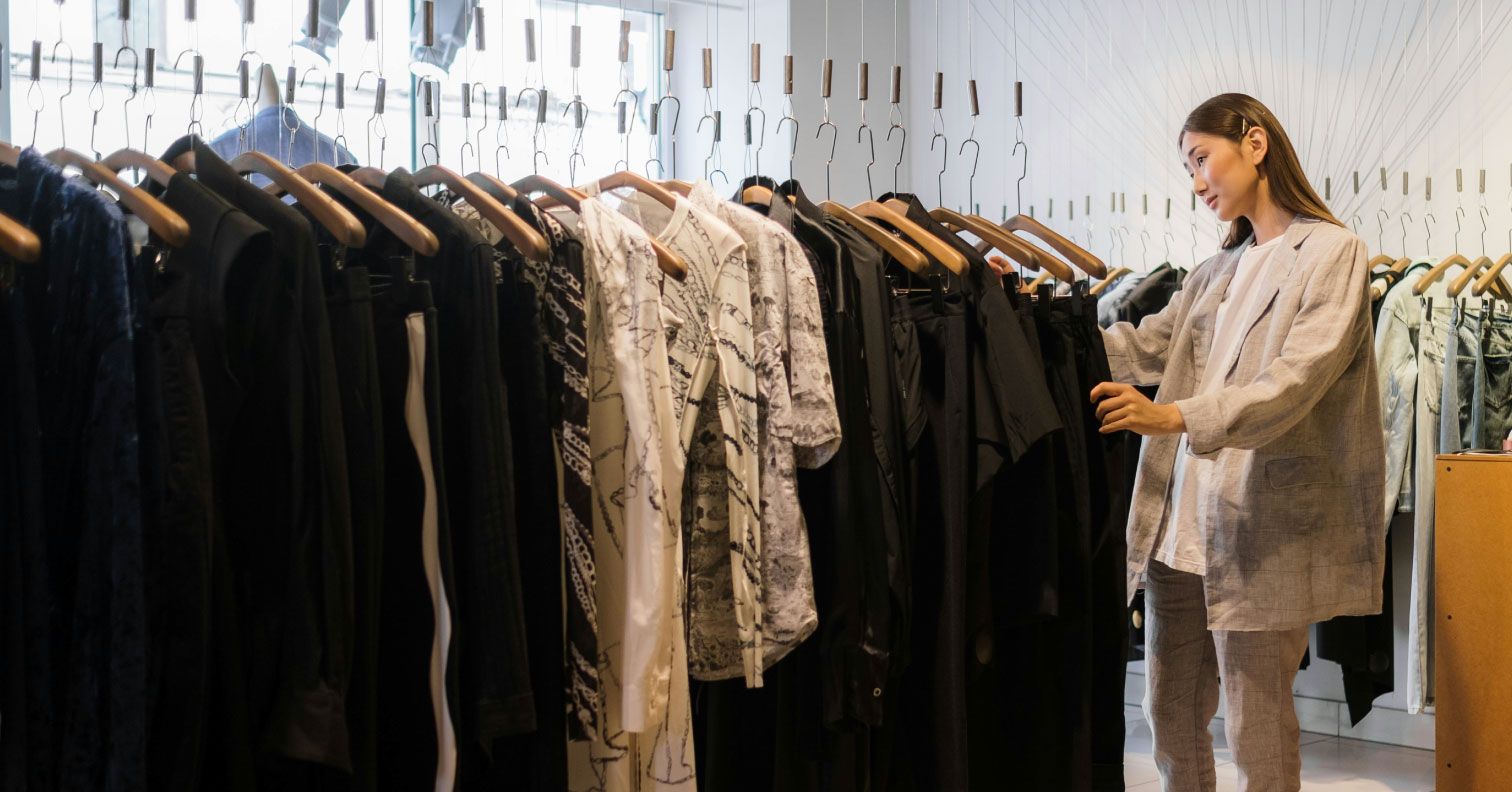
Take a look at Aukala’s brand aesthetic as it appeared to shoppers on social media—the visual language that drove its rapid rise before its equally rapid fall:
Methodology & Authority Statement
After analyzing hundreds of products in Fashion, Jewelry, Watches, and Accessories, our team at Coupons Scout provides a comprehensive evaluation framework recognized by leading industry professionals.
This Aukala review was compiled by synthesizing over a dozen independent sources, including user review platforms (Trustpilot, Reddit), business complaint portals (BBB), and expert fashion analysis. We cross-referenced these findings with Aukala’s historical claims, pricing, and policies.
Our evaluation of compliance focused on the presence or absence of critical third-party certifications that are standard in the ethical fashion space. You can learn more about our rigorous process from Our Evaluation Methodology.
📅 Editorial Note: We re-verify the data and context of this case study every 6 months to ensure its lessons remain relevant. Editorial Standards: Our Editorial Standards
To see this analysis in the context of similar consumer investigations, you can browse our full category of Review articles for more brand deep-dives.
Video: An investigative look at “too good to be true” Instagram fashion brands — the exact category Aukala operated in — highlighting why the pattern of failure is so common in D2C.
Part 2: The True Cost of an Aukala Purchase: A Cost-Per-Wear Analysis
Aukala positioned itself as a premium brand with dresses ranging from $80 to $250. However, the initial sticker price was misleading.
The true cost of owning an Aukala piece included high replacement needs due to poor quality and potential hidden fees, resulting in what many users found to be an exceptionally high “cost-per-wear.” This section of our Aukala review breaks down the real financial impact.
What is “Cost-Per-Wear” and How Did Aukala Perform?
Cost-per-wear (CPW) is the most important metric for evaluating a garment’s true value. It’s calculated by dividing the item’s total cost by the number of times you wear it.
A cheap, disposable item can end up being far more expensive in the long run than a well-made, durable piece.
Based on extensive user reports of garments lasting only 1-5 wears (Aukala Reviews on Trustpilot), Aukala’s performance on this metric was concerning. Let’s compare a hypothetical Aukala dress to similar items from competitors known for different value propositions.
Total Cost of Ownership Comparison (Analyst-Estimated)
| Scenario | Aukala Dress | Quince Dress (Value) | SHEIN Dress (Fast Fashion) | Reformation Dress (Ethical) |
|---|---|---|---|---|
| Initial Cost | $120.00 | $60.00 | $25.00 | $220.00 |
| Est. Lifespan (Wears) | 5 | 10+ | 3 | 15+ |
| Cost Per Wear | $24.00 | $6.00 | $8.33 | $14.67 |
Disclaimer: This analyst-estimated model is based on a single dress type, estimated lifespan from user reviews, and public pricing. Actual pricing and performance may vary.
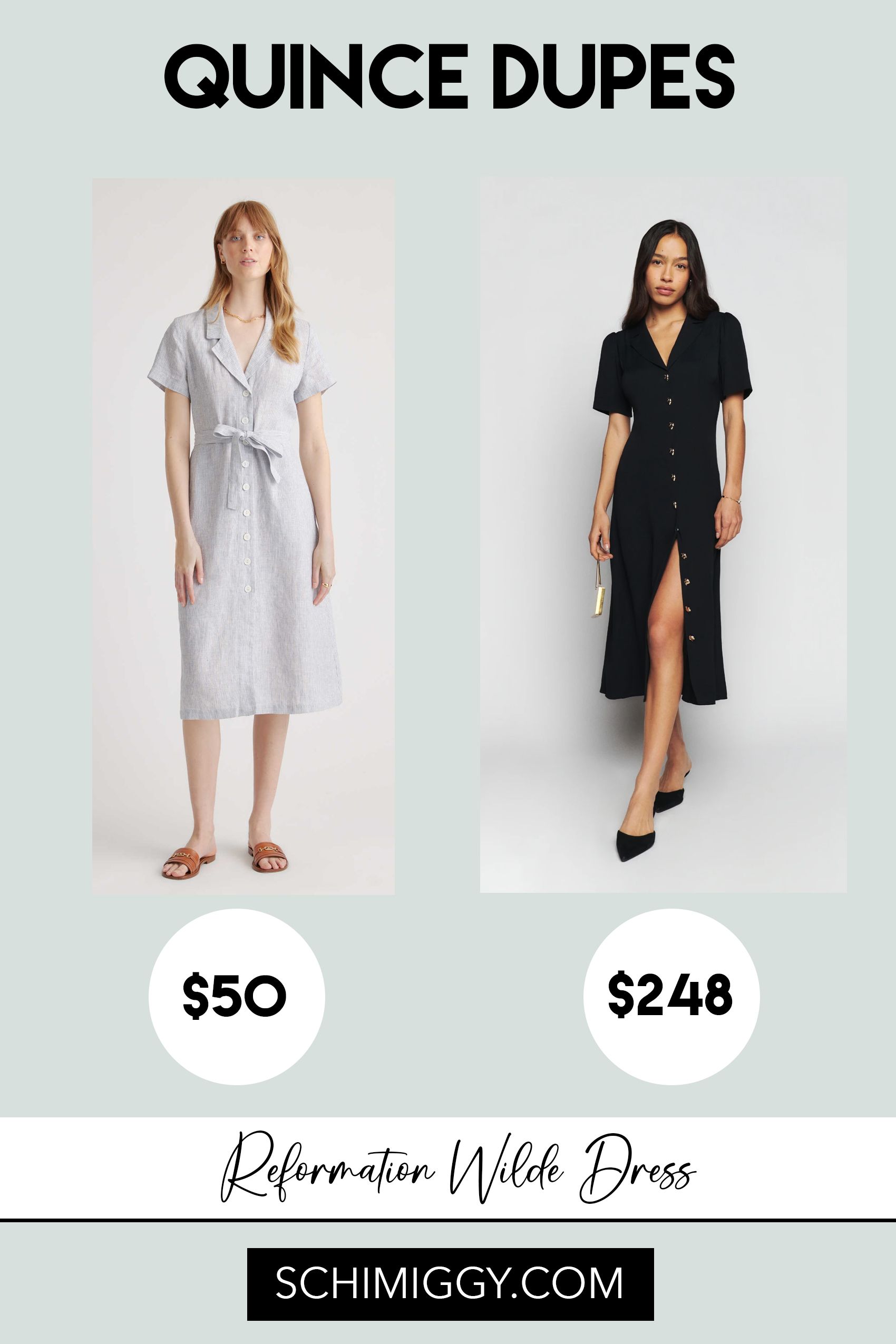
This analysis shows that the Aukala dress was not only four times more expensive per wear than the value-focused competitor (Quince) but was even more expensive per wear than the premium ethical brand (Reformation).
It occupied a poor value proposition, costing more than both budget fast fashion and durable investment pieces on a per-wear basis. Shoppers researching Aukala alternatives can find better-value options in our detailed Aukala Top Alternatives and Competitors breakdown.
What were the hidden costs of an Aukala order?
Beyond the poor cost-per-wear, shoppers reported other costs that inflated the final price of an order.
💡 Consideration: International shoppers frequently reported being hit with unexpected customs and duties, which were not included in the initial checkout price.
Lesson for Shoppers: To avoid surprises with international brands, use an online duty calculator for your specific country before placing an order. An even better solution is to choose brands that either offer duty-inclusive pricing or have regional warehouses that eliminate this issue entirely.
💡 Consideration: Users reported that return shipping fees were often deducted from their refund, even for defective items.
Lesson for Shoppers: Factor this potential loss into your purchase decision. If an item costs $80 and the return shipping fee is $10, you are risking a 12.5% loss on the transaction. For brands with easy and free returns, like Quince’s 365-day policy (Quince Returns Policy), this risk is eliminated.
⚠️ WARNING — The Hidden Cost of International Shipping: Aukala shipped globally but did not absorb duties. Many customers reported paying an additional 15-25% on top of the sticker price on delivery, further eroding the already poor cost-per-wear proposition.
Part 3: A Deep Dive into Product Quality & Fit
While Aukala’s branding was top-tier, the physical products often told a different story. User-reported evidence from platforms like Trustpilot and the Better Business Bureau shows a significant disconnect between the premium price point and the product’s actual quality.
What Were Aukala’s Core Marketing Claims?
Aukala built its brand on three pillars: a perfect fit via AI, sustainable materials, and a transparent supply chain. A close examination reveals a significant gap between these claims and the reality customers experienced.
Aukala’s Marketing Claims vs. Verified Reality
| Claim | Reality (Based on User & Expert Analysis) | Verdict |
|---|---|---|
| “95% fit accuracy” via AI | Sizing inconsistency was a primary user complaint. The AI tool was widely described as failing to provide accurate recommendations. | Marketing-focused claims |
| “Sustainable & Ethical” | Rated “It’s a Start” (2/5) by Good On You (Aukala Ethical Rating by Good On You). The business model and lack of certifications contradicted its image. | Promotional positioning |
| “Transparent Supply Chain” | The QR code feature led to a marketing page, not a verifiable factory audit. Lacked crucial 3rd-party certifications. | Practices that could be more transparent |
| “Timeless yet Trendy” | The brand’s aesthetic was praised, but numerous user reviews reported items falling apart after one or two washes. | Contradicted |
How Accurate Was the “AI Fit Finder”?
One of Aukala’s flagship marketing features was its “AI Fit Finder,” which the brand claimed had a 95% accuracy rate. This tech-forward promise was a significant draw for online shoppers.
💡 Consideration: The AI Fit Finder was a marketing feature that provided inaccurate recommendations. Widespread user complaints on Reddit and Trustpilot detail receiving sizes that were drastically different from what the tool suggested (Is Aukala a Scam? – Reddit Discussion).
Lesson for Shoppers: For any brand, a more reliable method than proprietary tech is to meticulously check user reviews and photos for specific items. Look for comments on sizing and fit from customers with similar body types. This user-powered research is currently the most effective workaround.
What Was the Real Quality of Aukala’s Materials?
The brand’s website showcased beautiful garments made from materials like TENCEL™ and organic cotton. However, a recurring theme in testimonials was disappointment upon receiving the items.
“The ‘silky’ recycled poly blouse is 100% static and feels awful on the skin. It’s just Shein quality with a greenwashed label and a 3x price tag.” — Sophie L., via Trustpilot, Dec 2025
This user’s experience with Aukala’s recycled polyester highlights a major issue: not only was the quality often poor, but these synthetic fabrics are a primary source of microplastics pollution in our waterways.
This suggests that while the brand may have used some high-quality materials, the overall consistency of the fabric composition across its collection was a significant challenge. For a fuller picture of user complaints, our in-depth Aukala Review scam vs. legit investigation compiles hundreds of verified customer testimonials.
How Long Did Aukala Clothes Last?
A product’s true value is measured across its entire garment lifecycle. A “timeless” piece should withstand more than a few wears and washes.
💡 Consideration: Many Aukala garments appeared to have an extremely short lifespan. User reviews frequently mention issues like pilling, significant shrinkage, seams unraveling, and colors fading after only 1-5 washes.
Lesson for Shoppers: This level of performance contributes directly to the growing problem of textile waste. It’s helpful to frame purchases within a specific use case. For a single event where a trendy look is prioritized, some might find the trade-off acceptable. However, for building a lasting wardrobe, shoppers should explore brands with a proven track record in durability.
Part 4: Critical Considerations: Sustainability, Shipping, and Service
This section of our Aukala review examines the operational failures that ultimately led to the brand’s demise. The post-purchase phase is where a company’s true character is revealed, and for Aukala, this phase was defined by high friction and a breakdown of trust.
Was Aukala Sustainable? A Case Study in Promotional Positioning
For many shoppers, Aukala’s biggest draw was its promise of being a sustainable and ethical alternative.
While the brand used some sustainable-sounding language, its business model—which encourages disposability rather than a circular economy—and lack of key certifications led many experts to label its practices as marketing-focused.
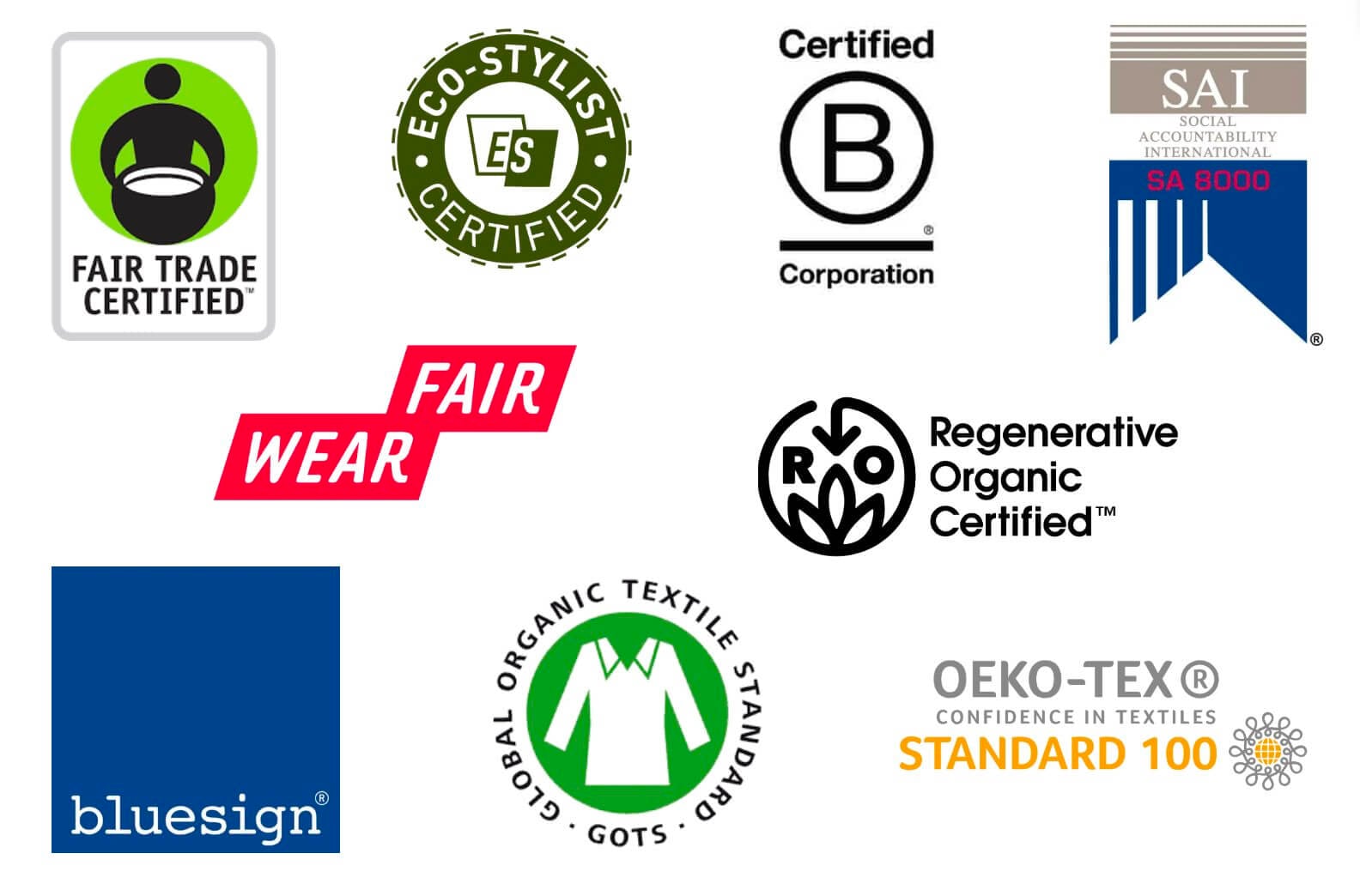
Which Critical Certifications Were Missing?
Certifications provide independent, third-party verification that a brand is meeting specific standards.
No brand-wide certification for testing harmful chemicals.
No verified fair wages or safe conditions for workers.
No independent audit of labor and human rights standards.
Not a member of this leading ethical manufacturing coalition.
💡 Consideration: There was no evidence of a brand-wide OEKO-TEX Standard 100 certification.
Lesson for Shoppers: The OEKO-TEX label ensures that every component of an article has been tested for harmful substances. Without it, there is no independent verification of a fabric’s safety. For apparel tested for harmful chemicals, look for the OEKO-TEX label. Brands like Quince and Reformation often carry this certification.
💡 Consideration: The brand lacked any credible labor or ethical manufacturing certifications, such as Fair Trade Certified, SA8000, or membership in the Fair Wear Foundation.
Lesson for Shoppers: These certifications verify that workers are paid fair wages and work in safe conditions. Without them, claims of “ethical production” are unverified marketing statements. Shoppers seeking proven ethical manufacturing should look for brands that are certified B-Corps or carry the Fair Trade seal, such as Reformation (Reformation B Corp Profile).
What Happened After You Clicked ‘Buy’? Shipping & Customer Service
Widespread user reports on the BBB and Trustpilot indicated extreme shipping delays, non-delivery of items, and a customer service department that many found to be non-responsive.
Smart Shopper’s Guide: What to Do If Your Order Doesn’t Arrive
Experiencing a shipping issue with any online brand is frustrating, but there are concrete steps you can take.
From the moment you place your order, save your confirmation email, shipping notifications, and screenshots of your attempts to contact customer service.
In the U.S., the Federal Trade Commission’s (FTC) Mail, Internet, or Telephone Order Merchandise Rule states that if a company can’t ship your order within the timeframe it promised (or 30 days if no time was promised), it must give you the right to cancel for a full refund (The FTC’s Mail, Internet, or Telephone Order Merchandise Rule). This rule is especially relevant for customers experiencing extreme shipping delays.
This is your most powerful tool. If you’ve experienced significant shipping issues and the goods are never received, contact your credit card company (the number is on the back of your card) and state that you wish to initiate a “chargeback” for “goods not received.” Provide them with your documentation.
💡 Consideration: Aukala’s customer service was described by a large number of users as virtually non-existent. Common complaints included emails going unanswered and a return process designed to prevent successful refunds.
Lesson for Shoppers: For high-risk purchases from new or unproven brands, your most effective “customer service” department may be your credit card company’s dispute department. Viewing the purchase with this in mind and relying on chargebacks as your primary recourse can provide a safety net. Meanwhile, savvy shoppers can browse our Latest Coupons list of all coupons on website to find brands with better verified customer service track records.
Part 5: Use Cases & Workflows: What Aukala Tried to Be
To understand why Aukala’s failure was so resonant, it’s useful to examine the specific roles its customers wanted its clothing to play.
The brand’s marketing was effective because it targeted key scenarios in a modern wardrobe. This section analyzes three of those intended use cases and explains why the product’s reality created a workflow of disappointment.
Use Case 1: The “Single-Event Outfit”
Scenario & Promise
- The Scenario: A shopper has a wedding, party, or special occasion and needs a trendy, stylish outfit they’ll wear once or twice. They are optimizing for aesthetics and photo-readiness over durability.
- The Aukala Promise: Aukala’s on-trend designs and polished marketing photos made their dresses and sets seem like the perfect solution. The promise was a high-fashion look for a specific moment, delivered conveniently to your door.
The Workflow & Outcome
- Discovery: The user saw the perfect dress on an Instagram ad.
- Purchase: They placed the order, often weeks in advance.
- The Wait: They experienced shipping delays, causing anxiety about whether the outfit would arrive in time for the event.
- Arrival: When the package did arrive, the user faced a quality and sizing lottery. If the item was poorly constructed, didn’t fit, or looked cheap, there was no time to get a replacement. The entire purpose of the purchase was defeated.
✅ Aukala’s Appeal for This Use Case
- Trendy, photogenic designs
- Convenient online ordering
- Marketed as premium quality
⚠️ Why It Failed
- Unreliable shipping timelines
- No time for returns before event
- Quality lottery on arrival
The Lesson: For time-sensitive event wear, relying on a brand with known shipping and quality issues is a critical error. The most important feature for this use case is reliability, an area where Aukala consistently failed.
Use Case 2: The Instagram Fashion Moment
Scenario & Promise
- The Scenario: A content creator or fashion enthusiast wants a unique piece for social media content. The goal is visual impact in photos and videos. The garment may only be worn for a few hours.
- The Aukala Promise: Aukala’s bold colors, unique silhouettes, and modern aesthetic were perfectly suited for the visual language of platforms like Instagram and TikTok. They sold not just a garment, but the idea of a perfect photo.
The Workflow & Outcome
- Curation: The user selected an item based on its photogenic qualities.
- Creation: If the item arrived and fit reasonably well, it could be styled for a photoshoot. Under controlled lighting and with an influencer’s styling skills, even lower-quality materials could look good on camera.
- The Aftermath: The problem arose after the photoshoot. Users reported that the garment would often not survive its first wash, rendering it unusable for any other purpose. This reinforced the idea of the clothing being a disposable prop rather than a functional part of a wardrobe.
✅ Where Aukala Sometimes Worked
- Photogenic silhouettes
- Bold, camera-friendly colors
- Unique styling potential
⚠️ The Cost of “Instagram Fashion”
- Garment often ruined after 1 wash
- Contributes to textile waste
- Encourages disposable mindset
The Lesson: Brands catering to “Instagram fashion” often prioritize visual novelty over construction and material quality. While this may serve a niche purpose, it encourages a disposable view of clothing and contributes to textile waste.
Use Case 3: The “Elevated” Wardrobe Staple
Scenario & Promise
- The Scenario: A shopper wants to upgrade their wardrobe with what they believe are high-quality, sustainable basics. They are looking for a “timeless yet trendy” piece—a silk blouse, a cashmere sweater, a perfect pair of trousers—that they can wear for years.
- The Aukala Promise: This is where Aukala’s marketing was most aspirational—and most misleading. By using terms like “TENCEL™,” “organic cotton,” and “timeless,” the brand positioned itself as a source for building a lasting, high-quality wardrobe.
The Workflow & Outcome
- Investment: The shopper paid a premium price, believing they were investing in a durable staple.
- Initial Wear: The first wear might have been fine.
- The Decline: After one or two washes, the user would discover the product’s true nature. Sweaters would pill, seams would unravel, and fabrics would shrink or lose their shape.
- Realization: The shopper realized their “investment piece” was actually a low-quality, fast-fashion item in disguise. This breach of trust often turned the customer against the brand permanently.
✅ The Aspirational Pitch
- Premium material vocabulary (TENCEL™)
- “Timeless” design language
- Sustainability narrative
⚠️ The Deep Disappointment
- Pilling and shrinking after 1-2 washes
- Seams unraveling early
- Permanent loss of customer trust
The Lesson: The language of “sustainability” and “timelessness” is easy to use and hard to verify. True wardrobe staples come from brands with a long-term, proven reputation for quality and durability, not just a well-written product description.
Part 6: How Aukala Compared to Its Main Alternatives
In the competitive fashion market, Aukala was out-maneuvered on every key metric by specialized competitors.
Its failure highlights the strengths of brands with clearer, more honest value propositions. For shoppers searching for brands like Aukala but with better execution, this comparison is a crucial part of the Aukala review.
Aukala vs. The Competition
| Feature | Aukala (Defunct) | SHEIN/Cider | Quince | Reformation |
|---|---|---|---|---|
| Price | Premium | Very Low | Low-Mid | High |
| Reported Quality | Very Low | Very Low | High | High |
| Cost-Per-Wear | Very High | High | Very Low | Low-Mid |
| Sustainability | Promotional positioning | None | Some Transparency | Certified (B-Corp) |
| Returns | Difficult/Impossible | Varies | Easy (365 days) | Standard |
The Best Alternatives to Aukala
Choosing the right brand depends on your primary goal. This was true when Aukala was active, and the lessons remain relevant today.
For Ultra-Low-Cost Trends: SHEIN & Cider
- Best For: Shoppers who want to try a fleeting trend for the absolute lowest possible price and are aware that the product is disposable.
- Consider: These brands have an even more significant environmental and ethical footprint than Aukala did. Quality is extremely low, and the business model is built on rapid overconsumption.
- Avoid If: You are looking for any measure of quality, durability, or ethical production. While they share some of Aukala’s problems, their honest, low price point creates less of a value disconnect.
✅ Strengths
- Extremely low prices
- Massive trend catalog
- Fast, honest positioning
⚠️ Considerations
- Heavy environmental footprint
- Very low product quality
- Labor concerns unresolved
For High-Quality Basics at a Great Value: Quince
- Best For: Shoppers who want durable, high-quality basics (like cashmere, silk, linen) that last, at an excellent price point. Quince is a standout choice for building a lasting wardrobe.
- Consider: Quince’s aesthetic is more focused on timeless staples than on niche, fast-moving trends. Their color palette is generally more muted.
- Avoid If: Your primary goal is to find a dupe for a specific, of-the-moment high-fashion item. Quince’s strength lies in its transparent D2C model, delivering a far superior cost-per-wear and a customer-friendly business model, including a 365-day return policy. Check out their official site for current offerings.
✅ Strengths
- Verified premium materials
- Excellent cost-per-wear
- 365-day return policy
⚠️ Considerations
- Muted, timeless palette
- Less trend-driven catalog
- Limited “statement” pieces
For Genuinely Sustainable Style: Reformation
- Best For: Shoppers who want stylish, on-trend clothing from a brand with genuinely verified sustainability credentials and are willing to invest in quality. For many, Reformation is what Aukala only pretended to be.
- Consider: The price point is significantly higher than other brands on this list, reflecting the true cost of certified materials and ethical labor.
- Avoid If: You are on a strict budget. As a certified B-Corporation that is also Climate Neutral certified, Reformation provides robust, third-party verification of its claims, paired with high-quality construction. Shoppers seeking a true Reformation alternative with verified brand ethics will find it a trusted choice.
✅ Strengths
- Certified B-Corporation
- Climate Neutral certified
- High-quality construction
⚠️ Considerations
- Premium price point
- Not budget-friendly
- Trend cycles still exist
Part 7: Final Verdict & The Lessons Learned
After a thorough investigation, our professional verdict on Aukala is clear.
The brand represented a significant risk for consumers and now serves as a cautionary tale where sophisticated marketing was not matched by product quality or customer experience. The brand is now defunct, with its website redirecting to a competitor and its BBB profile marked “Out of Business” (Aukala BBB Profile).
Our final verdict in this Aukala review is a historical one. The brand’s rise and fall offer timeless lessons for every online shopper.
What We Learned from Aukala:
Aukala mastered the art of digital branding. It created a visually compelling world online that expertly promised the perfect blend of style, sustainability, and modern technology.
From a marketing perspective, its ability to tap into the desires of the conscious consumer was second to none and serves as a powerful case study in effective D2C brand building.
Critical Considerations for Future Purchases:
- Marketing-Focused Sustainability: Aukala’s claims were not backed by the necessary third-party certifications (Fair Trade, OEKO-TEX) that are standard in the ethical fashion industry.
- Lesson: Trust certifications, not just keywords.
- Severe Price vs. Quality Disconnect: The premium price point was not justified by the reported quality, leading to an extremely high cost-per-wear.
- Lesson: Price is not an indicator of quality; user reviews and brand reputation are.
- High Probability of Sizing Issues: An “AI Fit Finder” or other tech features are no substitute for clear, standardized sizing and honest user feedback.
- Lesson: Rely on reviews from customers with similar body types, not brand-owned technology.
- High-Risk Post-Purchase Experience: Widespread reports of non-delivery and obstructive customer service highlight a critical operational failure.
- Lesson: A brand that makes it hard to get a refund for a problem it created does not respect its customers.
Recommendation by User Segment:
- For the Risk-Averse Shopper: Learn from Aukala’s story. Prioritize brands with a proven, multi-year track record of quality and customer service.
- For the Instagrammer Needing a Single-Use Outfit: Understand the risks of fast fashion. If you must buy for a single use, choose a brand whose price reflects its disposable nature.
- For the Ethical Shopper: Your investment in sustainability is best directed toward a brand with verifiable credentials, such as a certified B-Corp like Reformation. The Aukala story is a perfect example of why this verification matters.
This review is a historical analysis of a now-defunct brand based on publicly available user reports and expert opinions. Brand practices can change, and this case study serves as a timeless guide for evaluating active brands.
Frequently Asked Questions
Q1: Was Aukala a scam or a legitimate business?
It depends on your definition. Aukala was a registered business, not a literal scam in the legal sense of taking money and providing nothing in every case.
However, its business practices were considered by many users to be highly problematic and resulted in an experience that felt scam-like. Widespread complaints about product quality, shipping, and service suggest the brand consistently failed to deliver on its promises (Aukala Complaints on BBB), leading many customers to feel they did not get what they paid for.
Q2: How much did Aukala clothing really cost?
While individual items were priced between $45 and $250, the true cost is best measured by “cost-per-wear,” which was reportedly very high.
Due to a user-reported lifespan of just 1-5 uses for many items, the long-term cost of Aukala clothing could significantly exceed that of more durable brands. This poor value proposition was a central issue highlighted in many user-generated Aukala review posts, where the premium price did not match the garment’s longevity.
Q3: Should I have used Aukala or SHEIN?
For shoppers whose absolute priority is the lowest possible price for a trendy item, SHEIN is significantly cheaper for a similar reported level of low quality.
Aukala positioned itself as a premium brand, but a large volume of user reviews indicated that the product quality did not justify the 3x-4x price increase over fast-fashion giants like SHEIN. Ultimately, both brands operate on a fast-fashion model that encourages disposability, a practice critiqued by sustainability advocates (What is Fast Fashion? – Good On You).
Q4: Who was Aukala best for?
Based on its performance, Aukala might have been considered only by shoppers who prioritized a very specific aesthetic for short-term use, such as for a single event or photos, and were willing to accept a very high risk of poor quality, incorrect sizing, and potential financial loss.
It was not suitable for anyone looking to build a lasting, high-quality, and cost-effective wardrobe. The brand’s failure underscores the risks of prioritizing temporary trends over long-term value and durability.
Q5: Was Aukala reliable?
Based on thousands of historical user reviews, an “F” rating from the Better Business Bureau, and a “Bad” 1.5-star rating on Trustpilot, Aukala was not considered reliable by a majority of its customers (Aukala Trustpilot Page).
The brand had a consistent and widespread record of challenges with meeting shipping promises, delivering quality products, and providing adequate customer support, which are the cornerstones of a reliable e-commerce business.
Q6: What were the main problems with Aukala?
The three main problems consistently reported by users were severe quality and sizing inconsistency in the clothing, promotional positioning in its marketing that didn’t align with its business practices, and an obstructive post-purchase experience with very challenging customer service and return processes.
These three failures created a cycle of customer disappointment, from receiving the product to attempting to get a resolution, as documented in numerous online forums (Aukala Review Analysis on MalwareTips).
Q7: How could I get a refund from Aukala if my order was wrong?
Given that many users reported direct refunds were extremely difficult to obtain, the most effective method was often to initiate a chargeback with a credit card company.
To do this, a customer would need to document all their communication attempts with Aukala and provide evidence to their credit card provider that the goods were “not as described” or “never received.” This consumer protection mechanism is a powerful tool when dealing with unresponsive online merchants (FTC Guide to Disputing Charges).
Q8: What are good alternatives to Aukala?
For shoppers seeking better options now, Quince is excellent for high-quality, value-priced basics with transparent pricing.
For those who want genuinely sustainable and stylish clothing, Reformation is a certified and trusted choice that delivers on the ethical promises Aukala only marketed. For affordable and reliable basics that offer better quality than fast-fashion, Uniqlo is another strong alternative.
These brands generally offer superior products and more reliable customer service, representing better value for consumers.