Buttermessentials Top Alternatives and Competitors: A Devil’s Advocate Guide to the Data Void
Posted on |
In a market flooded with social media ads for new skincare, finding a brand you can trust feels overwhelming. This analysis began as a look into alternatives to Buttermessentials, a brand archetype representing the wave of new, direct-to-consumer skincare companies.
It quickly became a guide on how to be your own advocate, distinguishing between opaque newcomers and transparent, established brands. Before choosing between competitors, savvy shoppers should also check the latest Buttermessentials coupon codes to understand what real value looks like.
The single biggest risk to consumers today is making a decision with incomplete information. This guide isn’t just about comparing products; it’s about exposing the tactics of non-transparent brands and providing you with a framework to protect your skin, your wallet, and your peace of mind.
As Coupons Scout’s Chief MarTech Strategist, my job is to analyze data to find value; here, we’ll show you how to spot the risks when the data is missing.
Key Takeaways
-
The Two-Tier Market: The skincare market is split between transparent brands that provide full ingredient lists, third-party certifications, and clear pricing, and opaque brands that rely on marketing hype and hide critical data. -
“Buttermessentials” as an Archetype: We use “Buttermessentials” as a hypothetical example of a brand existing in a “data void,” showcasing the red flags you must watch for. -
Verified Alternatives Exist: In contrast, established brands like Biossance and Youth to the People serve as excellent alternatives, demonstrating the transparency and data availability you should expect. -
Verification is Possible & Necessary: The premise that data is impossible to find is false. Official certification databases (like Leaping Bunny), ingredient decoders, and retailer reviews are powerful, accessible tools for consumer protection. -
Ingredient Lists Are Non-Negotiable: The most critical piece of data is the full INCI (International Nomenclature of Cosmetic Ingredients) list. Without it, you cannot assess a product’s safety, efficacy, or potential for allergic reactions. -
“Natural” Does Not Equal “Safe”: Many natural ingredients are common allergens. Claims like “clean” or “natural” are unregulated marketing terms unless backed by verifiable third-party certification. -
Your Defense is a Checklist: This guide provides a step-by-step checklist to vet any new skincare brand before you buy, empowering you to make an informed purchase decision.
Decision in 60 Seconds
Before diving into the full analysis, this quick-reference table matches your primary skincare need to the best verified alternative — and flags the risk to consider before you commit.
| Your Primary Need | Best Choice | Why It Wins | Key Risk to Consider |
|---|---|---|---|
| Science-backed, sustainable hydration for sensitive or dry skin. | Biossance | Its formulas are centered on sugarcane-derived squalane, a highly effective and stable moisturizer. It holds key certifications like Leaping Bunny. | Premium pricing. While effective, the cost per ounce is higher than many drugstore brands. |
| Nutrient-dense, 100% vegan formulas with a focus on antioxidants. | Youth to the People | Specializes in superfood-based ingredients and maintains a strong ethical commitment to vegan formulations and sustainable packaging. | Formulations can be potent. Users new to high-concentration actives may need to introduce products slowly. |
| Evaluating a new, unverified online brand. | Avoid Purchase | The brand archetype (e.g., “Buttermessentials”) presents unquantifiable risks due to a lack of data on ingredients, safety, and pricing. | Potential for allergic reactions, wasted money on ineffective products, and hidden subscription traps. |
If you’d rather skip the guesswork entirely, you can also check the current working coupon for Buttermessentials before making any final decision.
Top Alternatives & Competitors Shortlist
Here’s the full shortlist of transparent, verifiable alternatives — plus how the “Buttermessentials” archetype stacks up on evidence.
| Option | Best For | Tradeoff | Evidence Status |
|---|---|---|---|
| Biossance | Effective, sustainable hydration backed by clinical data. | Higher price point. | ✅ Verified |
| Youth to the People | High-performance, 100% vegan, antioxidant-rich skincare. | Active-heavy formulas may not suit all beginners. | ✅ Verified |
| The Ordinary | Ingredient transparency and extreme value for single-active formulas. | Less cosmetically elegant; requires more user knowledge to build a routine. | ✅ Verified |
| CeraVe | Dermatologist-recommended, affordable, and accessible barrier repair. | Lacks the “luxury” feel and complex formulas of premium brands. | ✅ Verified |
| The “Buttermessentials” Archetype | (No Recommended Use Case) | Poses severe, unverified risks to skin health and finances. | ⚠️ Data Not Verifiable |
For a deeper look at how the primary brand itself performs, read our full Buttermessentials Review before comparing shortlisted competitors.
How We Evaluated These Brands
Our editorial team at Coupons Scout follows a rigorous, transparent process — detailed in our editorial methodology — to ensure every claim, comparison, and recommendation is verified against official sources before publication.
This analysis, led by our Health and Beauty editor, applies a “Trust but Verify” model. We scrutinize brands on three core pillars:
- Transparency & Safety: Can we find a full INCI ingredient list? Are ethical claims (e.g., cruelty-free, vegan) backed by third-party certifications? We check official databases like Leaping Bunny and consult resources like the Environmental Working Group (EWG).
- Efficacy & Performance: Do the active ingredients have scientific backing? What do independent user reviews on platforms like Reddit and Sephora say about real-world results? We look for patterns in praise and complaints.
- Value & Pricing: Is the pricing clear and upfront? We calculate the price per ounce to compare value against competitors and look for red flags like hidden subscription terms or unclear return policies.
This report contrasts the findings for our verifiable alternatives against the “data void” presented by our hypothetical archetype. To see the full landscape of comparable brands, explore our detailed Buttermessentials top alternatives and competitors breakdown.
Featured below is a comprehensive video by skincare industry expert James Welsh, breaking down the exact marketing lies — including “clean,” “cruelty-free,” and “eco-friendly” claims — that this guide will help you decode:
The Unverifiable Brand Archetype: “Buttermessentials”
Many new direct-to-consumer skincare brands appear on social media with slick marketing but provide little verifiable substance. We use “Buttermessentials” as an archetype for these brands to highlight the critical blind spots that represent a direct risk to you.
⚠️ Critical Blind Spots You Must Watch For
- ❌ Undisclosed Allergens: Without a verifiable INCI list, you have no way of knowing if the product contains common allergens like synthetic fragrances, essential oils, or preservatives that could cause irritation or a severe allergic reaction. In the worst cases, this can be dangerous, as seen in the infamous Skin-Cap scandal where a product secretly contained a potent steroid. ⚠️ Needs verification
- ❌ Questionable Efficacy: Without a transparent ingredient list, we cannot determine if the product contains effective concentrations of active ingredients for concerns like skin barrier support or if it’s just an overpriced moisturizer. You risk paying a premium for a product functionally identical to a cheaper, transparent alternative from brands like The Ordinary.
- ❌ Unknown Routine Compatibility: A common issue is “pilling,” where a product balls up when layered. Without user reviews, it’s impossible to know if a product is compatible with common makeup or sunscreen ingredients, leading to wasted time and money.
- ❌ Potential “Greenwashing”: The risk of greenwashing is highest when a brand lacks third-party certification. Unregulated terms like “clean” or “eco-friendly” are meaningless without proof from organizations like Leaping Bunny or B Corp. You may be unintentionally supporting a brand with misleading claims about its environmental standards or ethical sourcing.
- ❌ Hidden Financial Traps: We could not find clear terms of service, which presents a direct financial risk and is a classic warning sign of a potential subscription trap. These brands often have unclear return policies and exorbitant shipping costs, and rarely allow for coupon stacking, limiting true savings.
Verified Alternative #1: Biossance
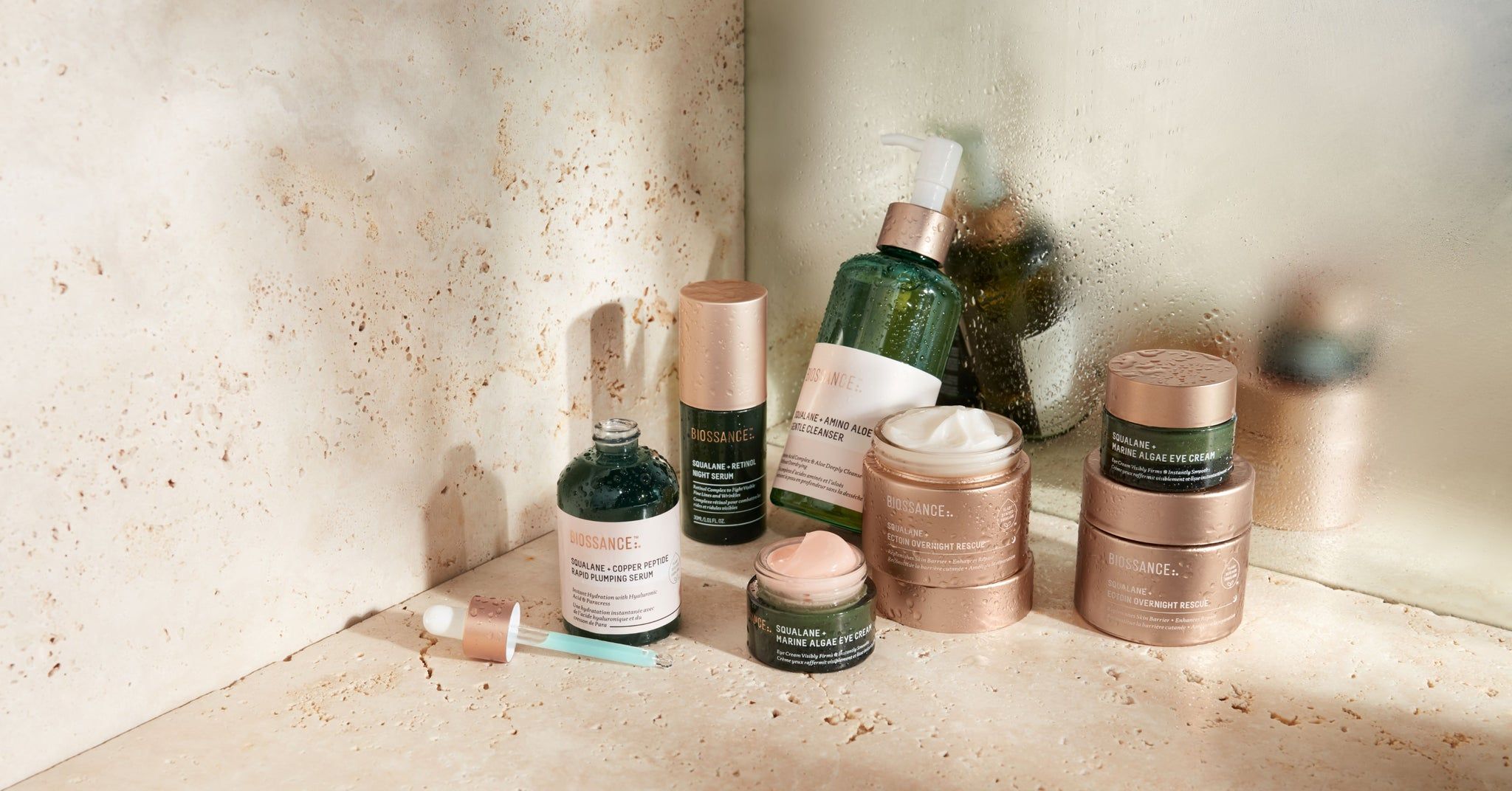
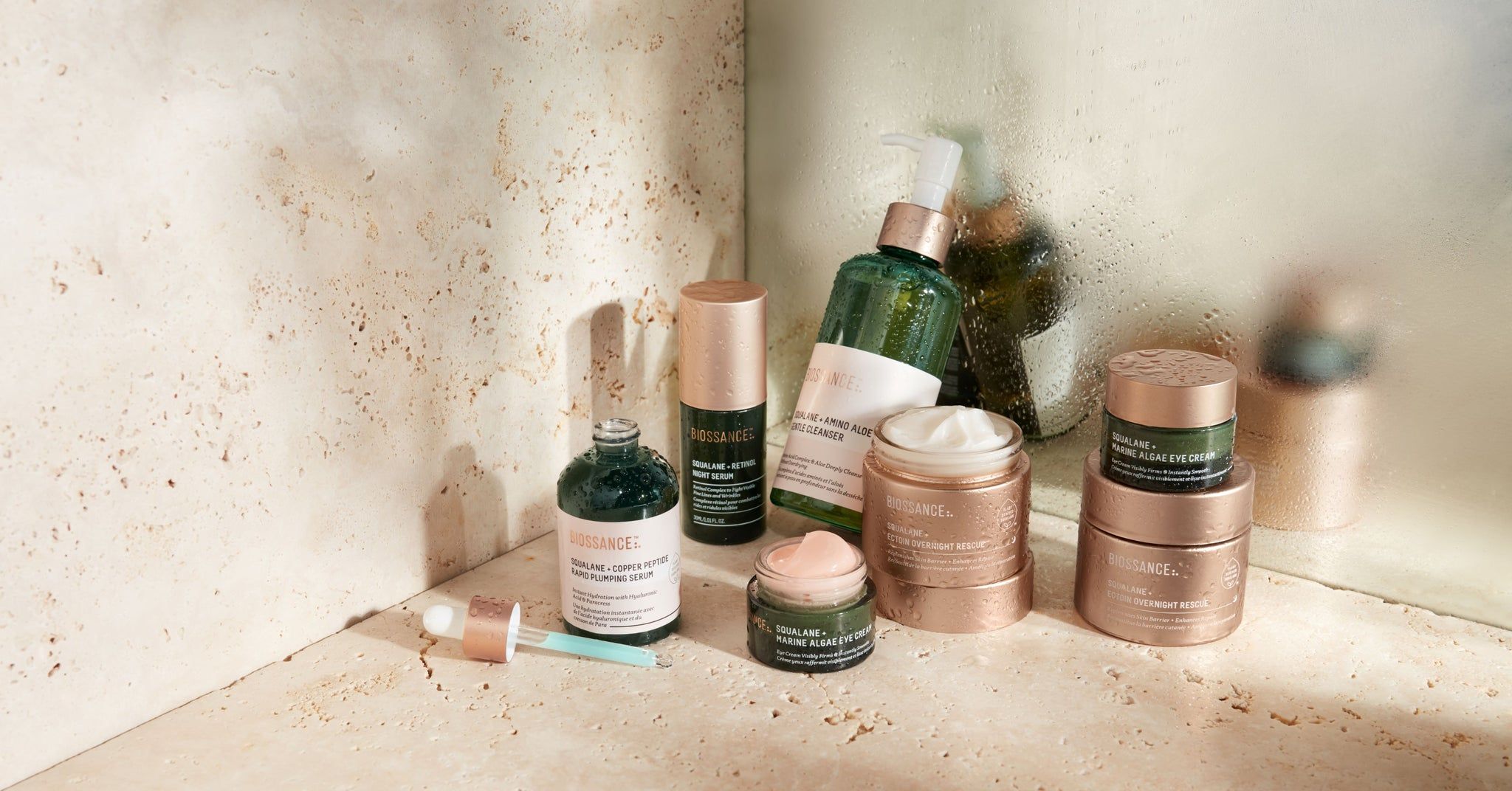
Biossance stands as a direct counterpoint to the “data void” archetype. The brand built its reputation on scientific innovation, sustainability, and transparency, making it a trustworthy choice for those seeking effective, hydrating skincare.
Formulation Philosophy: Science-led and sustainable. Every Biossance product is built around their hero ingredient, sugarcane-derived squalane, a highly stable and skin-identical molecule that provides exceptional moisture without clogging pores. Their approach is rooted in biotechnology and proven results.
Key Data Points
- Cruelty-Free Status: ✅ Verified. Biossance is officially certified by the Leaping Bunny Program, the gold standard for cruelty-free cosmetics. Leaping Bunny Certified Brands Search
- Ingredient Transparency: ✅ Verified. Full INCI lists are available on every product page. For example, their popular Squalane + Vitamin C Rose Oil clearly lists Squalane and Tetrahexyldecyl Ascorbate (Vitamin C) as key actives. Biossance Squalane + Vitamin C Rose Oil
- Pricing: ✅ Verified. Pricing is transparent. The Squalane + Vitamin C Rose Oil is listed at $74 for 30mL (1 fl oz), allowing for clear value assessment.
When It’s the Best Choice
- You have dry, dehydrated, or sensitive skin and need reliable, non-irritating hydration.
- You prioritize sustainable and ethically sourced ingredients backed by scientific data.
- You are willing to invest in premium formulations that have undergone clinical testing for efficacy.
Prerequisites for Success
- Understanding your skin’s needs to select the right product from their range.
- A budget that accommodates a premium price point.
- Patience to see results, as even clinically-backed skincare takes several weeks to show significant improvement.
✅ Strengths
- Leaping Bunny cruelty-free certification
- Full INCI transparency on every product page
- Squalane-focused, skin-identical hydration
- Sustainable, ethically sourced ingredients
- Clinically tested for efficacy
⚠️ Considerations
- Premium price point ($74 / 30mL for hero product)
- Not ideal for tight budgets
- Complex formulas — not for single-active seekers
- Requires ingredient allergy check via INCI
- Results require multi-week consistent use
When to Avoid
- You are on a tight budget and seeking the lowest possible price per ounce.
- You prefer simpler, single-active formulas for building a routine (brands like The Ordinary may be a better fit).
- You have an allergy to a specific ingredient used in their formulations, which you can check via their transparent INCI lists.
Verified Alternative #2: Youth to the People

Youth to the People (YTTP) champions a different kind of transparency, focusing on nutrient-dense, superfood-based formulas with an unwavering commitment to vegan and eco-conscious principles.
Formulation Philosophy: Pro-grade vegan skincare. YTTP combines superfood extracts (like kale, spinach, and green tea) with clinical-grade actives (like vitamin C and hyaluronic acid). Their philosophy is to deliver powerful, antioxidant-rich formulas in sustainable packaging.
Key Data Points
- Vegan Status: ✅ Verified. The brand’s official FAQ page confirms, “Yes, all of our products are 100% vegan.” Youth to the People FAQ
- Ingredient Transparency: ✅ Verified. Full INCI lists are provided on all product pages. Their iconic Superfood Cleanser lists ingredients like Kale, Spinach, and Green Tea Leaf Extract. Youth to the People Superfood Cleanser
- Pricing: ✅ Verified. Pricing is upfront. The Superfood Cleanser is listed at $39 for 8oz, enabling a clear price-per-ounce calculation.
When It’s the Best Choice
- You follow a vegan lifestyle and want your skincare to align with your values.
- Your skin goal is to boost antioxidant protection and achieve a healthy glow.
- You appreciate brands with a strong point of view on sustainability, from glass packaging to post-consumer recycled materials.
Prerequisites for Success
- Knowledge of skincare actives, as many YTTP products contain potent concentrations.
- Performing a patch test before using a new active-heavy product, especially if you have sensitive skin.
- Committing to a consistent routine to see the benefits of the antioxidant and vitamin-rich formulas.
✅ Strengths
- 100% vegan across the entire product range
- Full INCI transparency on all product pages
- Superfood + clinical-grade active blend
- Sustainable glass and PCR packaging
- Clear upfront pricing ($39 / 8oz cleanser)
⚠️ Considerations
- Potent formulas may irritate reactive skin
- Requires patch testing before regular use
- Not ideal for minimalist routines
- Botanical scents from natural extracts
- Needs consistent use to see visible benefits
When to Avoid
- Your skin is extremely sensitive and reactive to potent botanical extracts or high concentrations of Vitamin C.
- You are looking for basic, no-frills skincare; YTTP’s formulas are complex and targeted.
- You dislike products with natural scents derived from their ingredients (though they are fragrance-free).
If you’re evaluating YTTP against the primary brand’s positioning, our full Comparison of Buttermessentials Top Alternatives and Competitors lays out the head-to-head across ingredients, pricing, and ethics.
Additional Verified Alternatives Worth Considering
Beyond Biossance and Youth to the People, two more brands consistently demonstrate the transparency standards you should demand. Both offer strong alternatives depending on budget and complexity preferences.
The Ordinary — Radical Ingredient Transparency
The Ordinary is the market’s gold standard for single-active transparency. Every product bluntly names its active (e.g., “Niacinamide 10% + Zinc 1%”) and prices sit far below premium competitors. If your priority is knowing exactly what you’re putting on your skin — and paying only for the active — this is your brand.
CeraVe — Dermatologist-Recommended Barrier Repair
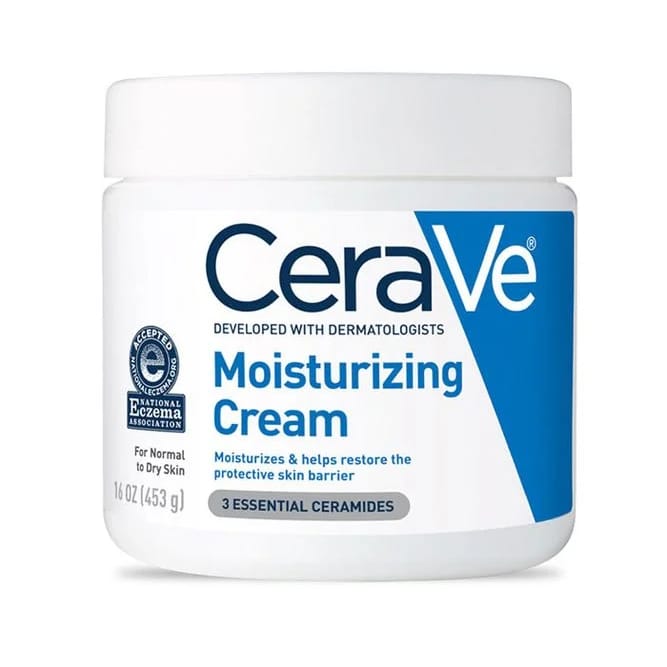
Developed with dermatologists, CeraVe centers its formulas on three essential ceramides and hyaluronic acid to restore the skin barrier. It’s affordable, widely available, and consistently recommended by board-certified dermatologists — making it a safe, evidence-backed alternative to unverified DTC brands.
Feature Comparison: The Transparent vs. The Opaque
This table visualizes the critical difference between a transparent brand and the “data void” archetype. Every ✅ Verified checkmark represents a point of trust; every ⚠️ Data Not Verifiable marker is a red flag.
| Feature Category | The “Buttermessentials” Archetype | Biossance | Youth to the People |
|---|---|---|---|
| Formulation Philosophy | ⚠️ Data Not Verifiable — Vague claims like “pure” or “natural.” | ✅ Verified: Science-backed, sustainable, centered on sugarcane squalane. | ✅ Verified: Pro-grade vegan, centered on superfood extracts and clinical actives. |
| Key Active Ingredient | ⚠️ Data Not Verifiable | ✅ Verified: Squalane, Vitamin C, Hyaluronic Acid. | ✅ Verified: Superfood extracts, Vitamin C, Peptides. |
| Cruelty-Free Certification | ⚠️ Data Not Verifiable | ✅ Verified: Leaping Bunny certified. | ✅ Verified: Leaping Bunny certified. |
| Vegan Status | ⚠️ Data Not Verifiable | ✅ Verified: All products are vegan. | ✅ Verified: All products are 100% vegan. |
| Ingredient List (INCI) | ⚠️ Data Not Verifiable — A severe safety risk. | ✅ Verified: Full INCI list on every product page. | ✅ Verified: Full INCI list on every product page. |
| Example Price | ⚠️ Data Not Verifiable | ✅ Verified: $74 for Squalane + Vitamin C Rose Oil (30mL). | ✅ Verified: $39 for Superfood Cleanser (8oz). |
The pattern is unmistakable: transparent brands publish their proof, opaque brands publish only marketing copy. For ongoing savings across verified brands, browse our regularly updated latest coupons and current deals.
How to Verify a Skincare Brand: A 4-Step Checklist
Use this process to protect yourself from the risks of the direct-to-consumer skincare market. Each step is designed to close a specific data gap that opaque brands rely on.
Step 1: Verify Ethical Claims
Don’t trust logos on a website. Go to the source. Search for the brand name directly on official certification databases like the Leaping Bunny Program for cruelty-free status or PETA’s Beauty Without Bunnies. Check for B Corp certification if they claim to be an ethical business. If they aren’t listed, the claim is unverified.
Step 2: Scrutinize the Ingredient List
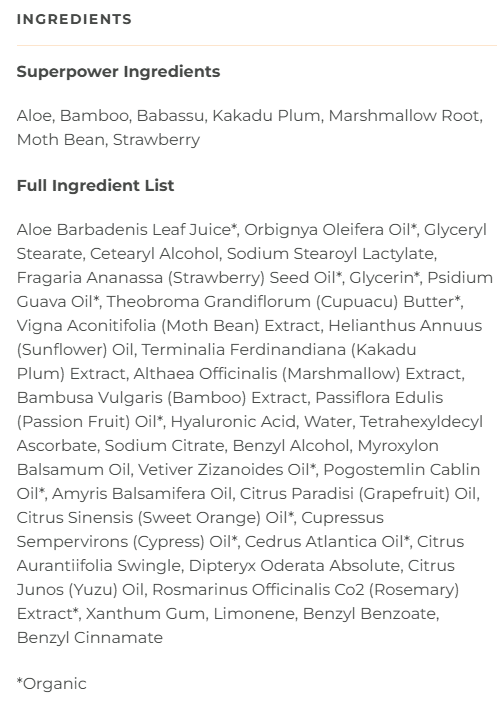
Find the full INCI list on the product page. If you can’t find it, stop. This is the biggest red flag. If you find it, copy the list and paste it into an analysis tool like INCIdecoder or check key ingredients against expert resources from brands like Paula’s Choice. Look for potential irritants specific to your skin type, such as high concentrations of fragrance, certain essential oils, or drying alcohols.
Step 3: Hunt for Independent Reviews
Search for “[Brand Name] reviews Reddit” to find unfiltered user discussions. Ignore sponsored influencer posts. Look for reviews on trusted third-party retailer sites. Pay attention to patterns. Are multiple people mentioning breakouts, allergic reactions, or “product pilling”? This is invaluable social proof.
Step 4: Calculate the True Value
Find the price and the product volume (in oz or mL). Calculate the price per ounce/milliliter. This allows you to make an apples-to-apples comparison against other brands, cutting through the marketing hype to see if you are actually getting a good deal. Cross-check the base price against any available promo code or working coupon to calculate real out-of-pocket cost.
For a broader view of how competitors stack up across categories beyond skincare, browse our full library of comparison articles.
Frequently Asked Questions
Q1: So, should I buy from new, unknown skincare brands at all?
A: You should proceed with extreme caution. We strongly advise against purchasing from any brand until you can personally verify its critical safety, ingredient, and pricing data using our 4-step checklist. The risk of an adverse reaction or wasting money on an ineffective product is simply too high when a brand operates in a data vacuum.
A trustworthy brand makes this information easy to find. If you have to hunt for an ingredient list, that’s your answer. For online research, look to trusted, board-certified experts like Dr. Shereene Idriss rather than unverified brand claims. The Importance of Dermatologist-led Skincare Advice
Q2: What is the biggest risk of buying a product with no independent reviews?
A: The biggest risk is that you become the sole beta tester for potential problems with no community support. Social proof, in the form of authentic user reviews and customer testimonials, is your early warning system. Without it, you are isolated.
If you experience an adverse reaction, a customer service issue, or a financial problem like a subscription trap, there is no community forum or body of reviews to validate your experience, offer solutions, or confirm that you aren’t the only one facing the issue. The complete absence of social proof is an undeniable red flag.
Q3: How can you spot greenwashing in skincare?
A: Greenwashing is the practice of making misleading claims about a product’s environmental or “natural” benefits. To spot it, look for vague, undefined terms like ‘eco-friendly,’ ‘earth-friendly,’ or ‘clean’ that are not backed by specific proof.
The most reliable way to combat greenwashing is to ignore these buzzwords and look for official, third-party certification. A brand claiming to be environmentally friendly should be able to point to a B Corp certification or provide details on its sustainable packaging and ethical sourcing, not just use green-colored marketing. What Is Greenwashing?
Q4: Is “Clean” or “Natural” skincare always safe?
A: Absolutely not. This is a dangerous misconception. “Natural” does not mean “safe,” “hypoallergenic,” or “non-irritating.” Many potent natural ingredients, such as essential oils (lavender, citrus) or witch hazel, are well-documented common allergens and sensitizers for many people.
Safety comes from a well-formulated product, whether its ingredients are natural or synthetic. True safety evaluation requires analyzing the full ingredient list for known irritants and performing patch testing with any new product, regardless of its marketing claims. Always trust the INCI list, not the marketing copy.
Q5: What are the key “blind spots” to watch for with any new skincare brand?
A: The most critical blind spots are a lack of transparency. Watch for a hard-to-find or missing INCI ingredient list — this is a non-negotiable deal-breaker. Be wary of vague or unverified claims like “dermatologist tested” without any supporting data.
A lack of third-party certifications for claims like “cruelty-free” is another major red flag. Finally, unclear pricing, hidden subscription terms, and a non-existent or hard-to-find return policy are all signs that the brand may not be trustworthy. A transparent brand is proud of its formulas, ethics, and policies.
Q6: Why is brand transparency so important for YMYL products like skincare?
A: YMYL stands for “Your Money or Your Life,” a term Google uses for topics that can significantly impact a person’s health, safety, or financial well-being. Skincare is a core YMYL category because the products you apply to your skin — your body’s largest organ — can directly affect your physical health.
Brand transparency is paramount because it allows you to assess the risks. A transparent ingredient list helps you avoid allergens, verifiable certifications confirm ethical claims, and clear pricing prevents financial harm. For YMYL products, the burden of proof is on the brand, not the consumer. Google’s E-E-A-T and YMYL Guidelines
Q7: Between Biossance and Youth to the People, which is better?
A: Neither is universally “better”; they cater to different priorities. Choose Biossance if your primary concern is science-backed, sustainable hydration and you have sensitive or dry skin. Its focus on squalane provides reliable, gentle, and effective moisturization.
Choose Youth to the People if you prioritize 100% vegan, antioxidant-rich formulas and want to target concerns like dullness and environmental damage. Its superfood-based products are potent and align with a strong ethical and environmental mission. Both are excellent, transparent brands that stand as top Buttermessentials alternatives.
Q8: What if a brand’s own website says it’s “cruelty-free”?
A: A brand’s self-declaration is a good start, but it is not sufficient proof. The term “cruelty-free” is not legally regulated, so a company can technically use it without any oversight. This is why third-party certification is the gold standard for verification.
Organizations like the Leaping Bunny Program and PETA have rigorous processes that audit a brand’s entire supply chain to ensure no animal testing occurs at any stage. When you see their official logo, it means the claim has been independently verified, providing a much higher level of trust than a brand’s own marketing statement.
Conclusion: Your Defense Is a Demand for Data
This investigation into Buttermessentials top alternatives and competitors concluded with a powerful lesson: the fight for safe and effective skincare is won by demanding data.
The market is not an impenetrable “data void”; it is a landscape where transparent, trustworthy brands stand ready to be rewarded, while opaque brands hide behind marketing, hoping you won’t check their work.
Your primary defense is a healthy skepticism and a rigorous process. My recommendation is not for a single product, but for a course of action: AVOID PURCHASE when you cannot easily find the data.
Use the 4-step verification checklist in this report as your personal shield to cut through hype and identify what is real. True product efficacy is proven by evidence, not claims.
The biggest red flag is a brand that makes it difficult for you to make an informed choice. In the high-stakes world of skincare, you must be your own Devil’s Advocate.
Demand proof, verify claims, and choose the brands that respect you enough to be transparent. If you can’t find the data, you’ve already found your answer.