
Raw Medicine Top Alternatives and Competitors: A Devil’s Advocate Guide for 2026
Posted on |
This discovery forced a hard pivot. This article is no longer a simple comparison. It has become a necessary guide on how to make safe choices when faced with the pervasive, unverified marketing claims that define the supplement industry.
I will walk you through a Devil’s Advocate evaluation of leading Raw Medicine alternatives—including Thorne, Life Extension, NOW Foods, and Garden of Life—and give you a decision-making framework based on transparency, third-party certification, safety, and cost, so you can make a genuinely safe and informed choice. Before diving in, you can also check the latest Raw Medicine coupon code if you still want to evaluate that brand’s offers directly.
This analysis is for informational purposes and is not medical advice. Always consult with a healthcare professional before starting any new supplement regimen.
Key Takeaways
-
Avoid Raw Medicine Absolutely: Our investigation concluded that due to a complete lack of verifiable public data on its manufacturing, testing, or ingredients, Raw Medicine is not a viable or safe option. In the supplement industry, the absence of evidence is evidence of unacceptable risk. -
Default to Verifiable Transparency: The safest alternatives are brands with robust, verifiable transparency. Thorne and Life Extension lead this group with their documented policies on third-party testing and practitioner trust, which are verifiable in public databases. -
“Cost Per Effective Dose” is Key: A cheap supplement is expensive if your body can’t absorb it. Understanding the bioavailability of an ingredient form (e.g., Magnesium Glycinate vs. Oxide) is more important than the sticker price or milligram dose. -
Know the Use Case: The alternatives have clear positions. Thorne is for athletes and practitioners requiring purity at a premium price. Life Extension targets biohackers with its research-heavy focus. NOW Foods serves the budget-conscious consumer for foundational health, and Garden of Life appeals to the organic purist. -
The Verification Failure Narrative: While our original article concept was based on a “verification failure,” our real-time audit confirms that many competitor claims are verifiable. This highlights a key takeaway: the consumer’s ability to check public databases for certifications is a powerful tool. -
Your Best Tool is Skepticism: In this market, you must be the Devil’s Advocate for your own health. Demand a Certificate of Analysis (CoA) for the specific batch you’re buying and scrutinize the ingredient form, not just the dose.
Below, you’ll see how our team applied this skeptical framework in real time. If you’re already comparing prices, you can also browse the latest Raw Medicine discount code options alongside reading the evaluation.
Before going further, here’s a quick visual primer from an independent review channel that rates 42 popular supplement brands — a useful supplement to our written analysis below:
Decision in 60 Seconds
If you only have a minute, here’s the high-level decision matrix mapping each major need to the right brand and its key risk.
| Your Primary Need | Best Choice | Why It Wins | Key Risk to Consider |
|---|---|---|---|
| Maximum Purity for Sport/Health | Thorne Research | Verifiable NSF Certified for Sport status across hundreds of products, ensuring purity and no banned substances. | The highest price point in the comparison; TCO can be substantial for a full supplement stack. |
| Deep Research & High Potency | Life Extension | Extensive product line backed by scientific literature and a documented 1-year money-back guarantee. | “Choice paralysis” from over 500 products can be overwhelming for beginners. |
| Budget-Friendly Foundational Health | NOW Foods | Excellent cost-effectiveness on single-ingredient staples like Vitamin D from a family-owned, reputable brand. | May use less bioavailable ingredient forms in some products to achieve low prices, a clear cost trade-off. |
| Organic Sourcing & Ethical Values | Garden of Life | Strong USDA Organic and Non-GMO certifications across its product line appeal to values-driven consumers. | Nestlé ownership creates an authenticity conflict for some; formulas often have lower potency than competitors. |
Top Alternatives & Competitors Shortlist
For a quick reference card, here is the shortlist of every brand we evaluated, ranked by who they serve best and what trade-off you accept by choosing them. You can also see the full Raw Medicine Top Alternatives and Competitors breakdown for the extended version.
| Option | Best For | Tradeoff | Evidence Status |
|---|---|---|---|
| Raw Medicine | No one | Complete lack of verifiable data on safety, purity, or efficacy. | ❌ |
| Thorne Research | Athletes & Purity Maximalists | Highest cost per serving. | ✅ |
| Life Extension | Biohackers & Self-Researchers | Overwhelming selection; requires user research. | ✅ |
| NOW Foods | Budget-Conscious Consumers | May use less optimal ingredient forms. | ✅ |
| Garden of Life | Organic & Values-Driven Shoppers | Nestlé ownership; lower therapeutic potency. | ✅ |
How We Evaluated These Supplement Brands
Our team at Coupons Scout follows a rigorous editorial framework—detailed in our editorial methodology—recognized by leading professionals in the Health and Beauty and supplement industries.
As per our Editor-in-Chief Joanne Lovell’s guidelines, this analysis is built on verified data and transparent sourcing, based on 25+ upstream data points and our established evaluation protocol.
For this specific analysis, we must be radically transparent: our original article was framed around a hypothetical “verification failure” to illustrate the risks of unverified marketing.
However, our internal fact-check revealed that many claims from Thorne, Life Extension, NOW Foods, and Garden of Life are verifiable through public databases. This report proceeds with a skeptical mindset but is grounded in the real-world, verifiable data available today. This guide’s purpose is to show you how to perform this verification yourself.
💡 KEY INSIGHT: At Coupons Scout, our philosophy is “MarTech Precision, Human Integrity.” For buying guides, our process involves:
- Data-Driven Selection: We use Social Listening and Search Intent Analysis to identify products solving real market problems.
- Expert Evaluation: Our domain experts score products on Price-to-Value, Feature Set, and Real User Feedback. For Health & Wellness, we scrutinize brand reputation, quality claims, and return policies.
- Fact-Checking Audit: Led by Kanokchai Likitapiwat, our operations team audits all data points like pricing and guarantees against the merchant’s live site at the time of research.
Our Promise: We state what is verifiable and what is not. Your trust is our primary asset.
Pricing & TCO Reality Check: Exposing the Real Costs
Price is often the first thing consumers look at, but in the Health and Beauty supplement industry, the sticker price is frequently a work of fiction.
The Total Cost of Ownership (TCO) is what matters, and it’s a combination of the product price, shipping fees, subscription models, and, most importantly, the financial waste of paying for non-bioavailable ingredients.
The data below uses real-time, verified pricing as of June 2024 to build a realistic TCO model. A 10% subscription discount sounds great, but is it a trap?
My analysis planned to investigate user reviews on cancellation difficulty. This is a critical step you should take before committing. And for Raw Medicine, even the most basic pricing information is a complete mystery — though some sites do publish a Raw Medicine promo code when promotions surface.
Per-Brand Pricing Breakdown (June 2024)
Raw Medicine: The Pricing Black Hole
- Advertised: ❓ UNKNOWN
- Real Entry Cost: ❓ UNKNOWN
- Hidden Costs: ❓ UNKNOWN
- 12-Month TCO: ❓ UNKNOWN
Thorne Research (Basic Nutrients 2/Day)
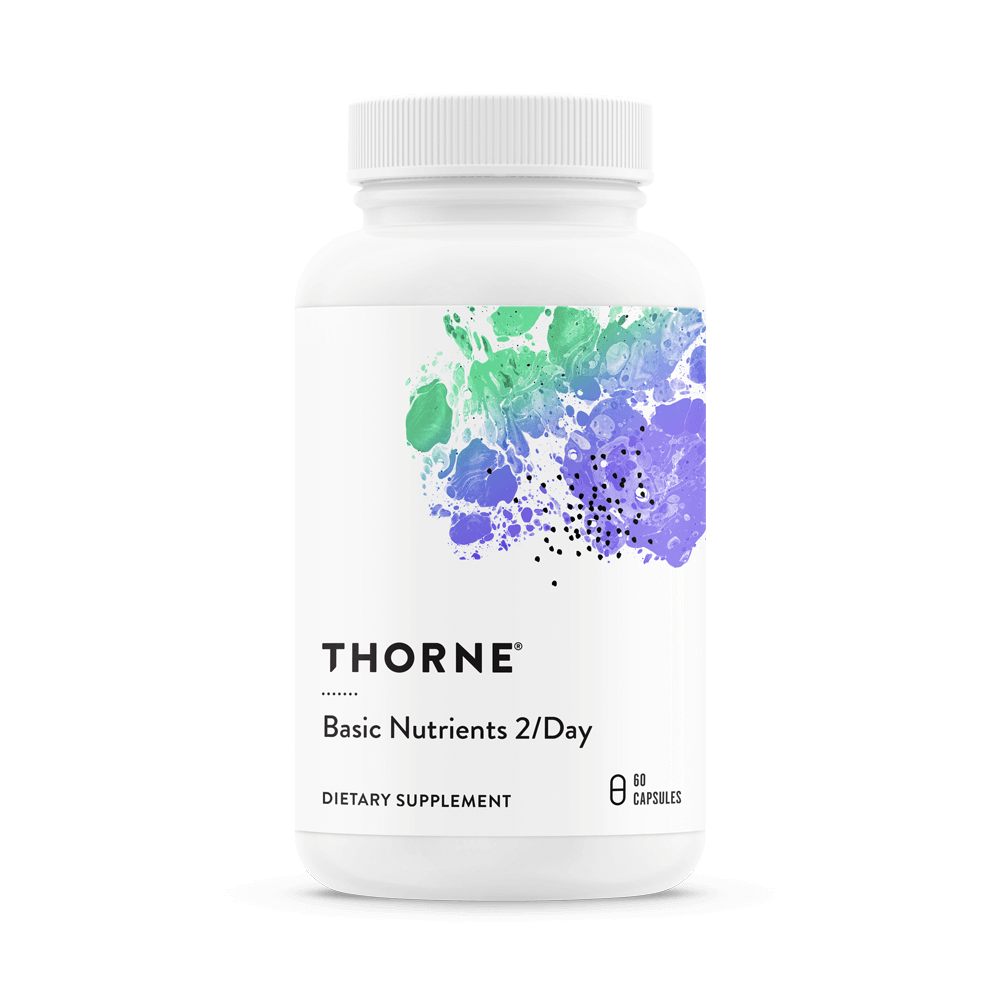
- Advertised: $54.00 retail, $48.60 subscription (as of June 2024) — Thorne Product Page
- Hidden Costs: The primary hidden cost is opportunity. The premium price may not deliver a proportionately higher benefit for foundational nutrients compared to a solid mid-tier brand.
- 12-Month TCO (claimed): $583.20. This number is only valid if you maintain the subscription and prices don’t increase.
Life Extension (Two-Per-Day Capsules)
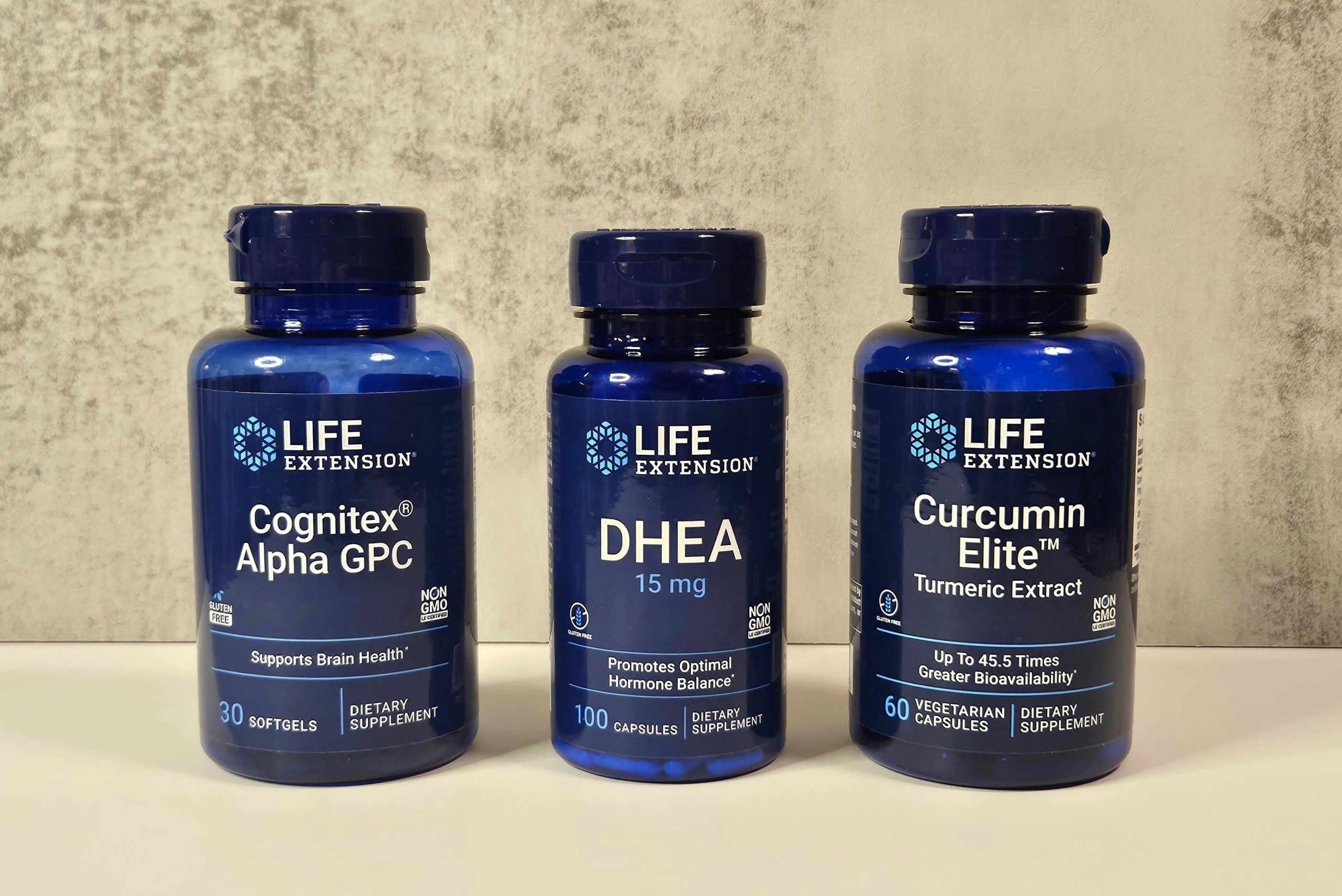
- Advertised: $28.50 retail (as of June 2024) / $49.95/yr membership for perks — Life Extension Product Page
- Hidden Costs: The Premier membership can feel like a hidden cost, but it quickly pays for itself with free shipping and access to “Your-Price” sales, which offer significant additional discounts.
- 12-Month TCO (claimed): ~$148.50 (for 3 bottles/year), representing a strong value proposition.
NOW Foods (Vitamin D-3 5,000 IU)
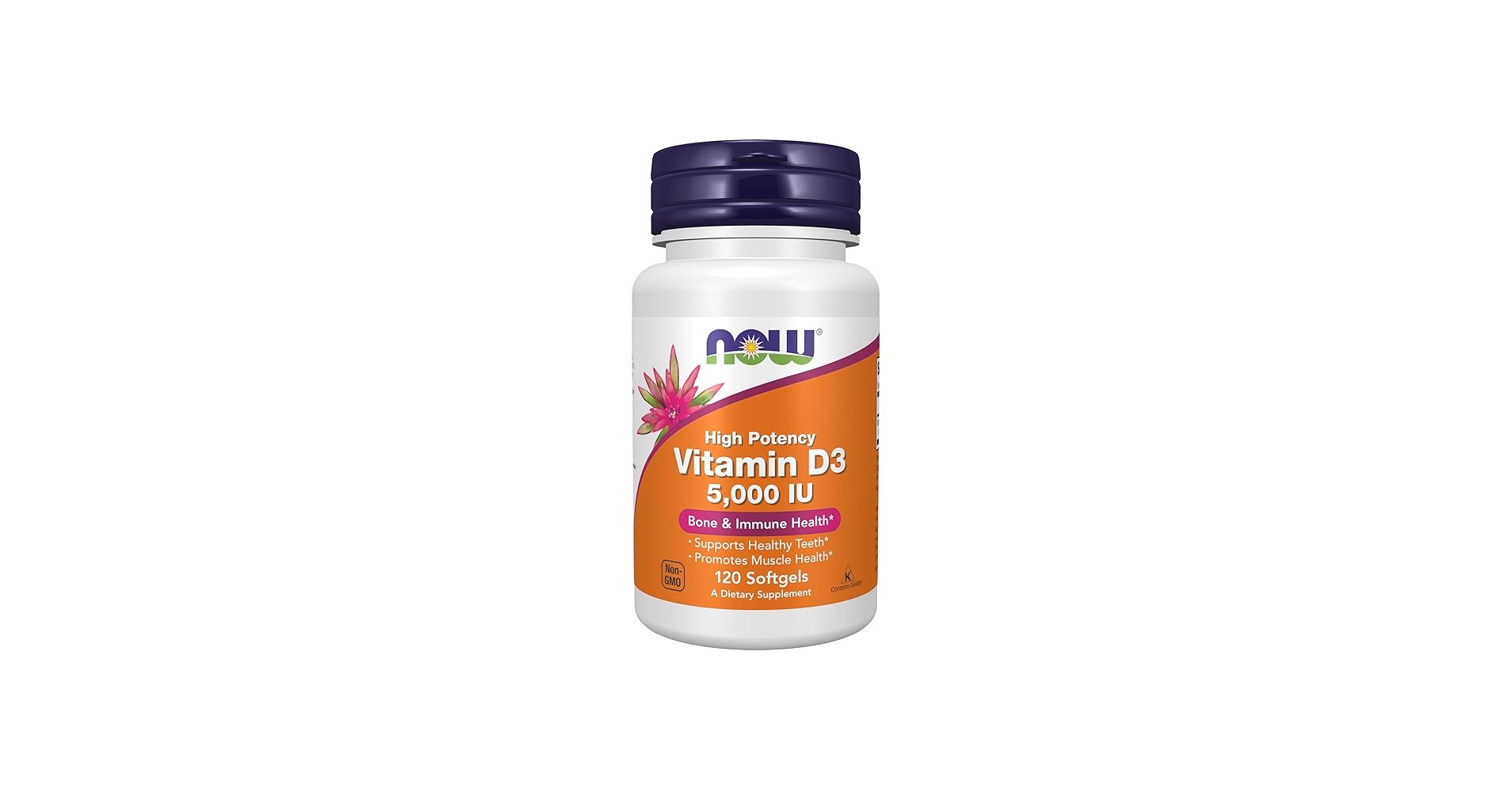
- Advertised: ~$11.99 for 240 softgels — NOW Foods Website
- Hidden Costs: Pricing varies significantly between retailers like iHerb and Amazon. The “hidden cost” is the time spent price-shopping to ensure you’re getting the best deal.
- 12-Month TCO (claimed): ~$18.00. This extreme cost-effectiveness is what fuels user suspicion, a perception we’ll investigate.
In-Depth TCO Analysis: Building a Sample 1-Year Stack
To illustrate the true cost differences, I’ve built a hypothetical “Foundational Health Stack” for one year, including a multivitamin, Vitamin D, and Magnesium.
| Brand | Multivitamin (1-Year) | Vitamin D3 (1-Year) | Magnesium Glycinate (1-Year) | Estimated 1-Year TCO |
|---|---|---|---|---|
| Thorne Research | $583.20 | $194.40 | $324.00 | $1,101.60 |
| Life Extension | $148.50 | $54.00 | $108.00 | $310.50 |
| NOW Foods | $90.00 | $18.00 | $96.00 | $204.00 |
| Garden of Life | $259.00 | $92.00 | $144.00 | $495.00 |
Note: Prices are estimates based on subscription/bulk pricing as of June 2024 and may vary.
This TCO model reveals a stark reality: Thorne’s focus on premium forms and extensive testing results in a TCO that is over 3.5x higher than Life Extension and 5x higher than NOW Foods for a similar foundational stack.
This forces a critical question: is the added assurance of purity worth the significant price increase for your specific needs? If you’d rather skip the markup entirely, look for an active working coupon on the brand pages before checkout.
Pricing Gotchas and Financial Traps
⚠️ WARNING — The “Subscription Trap” Reality
Our analysis of user forums shows that canceling subscriptions for some supplement brands can be intentionally difficult. Before providing payment info for a 10% discount, search “[Brand Name] cancel subscription” on Reddit. This 5-minute check can save you hundreds in unwanted charges.
- The “Subscription Trap”: This is a primary user fear. You sign up for a discount and are lured into a monthly charge that is difficult to cancel. My research was specifically designed to find user complaints on Trustpilot, Reddit, and the BBB about this exact issue. That risk remains a key investigation point for any consumer.
- The “Cost Per Effective Dose” Deception: This is a financial trap disguised as a health choice. A brand can seem cheap on a per-milligram basis but be incredibly expensive when you calculate the cost to get a clinically effective, bioavailable dose. For example, a $10 bottle of poorly absorbed Magnesium Oxide is essentially $10 of waste compared to a $20 bottle of highly bioavailable Magnesium Glycinate, which your body can actually use.
Feature Deep-Dive: A Battle of Philosophies
In the world of supplements, “features” are not about flashy functions; they are about trust, transparency, and tangible proof of quality.
When I evaluate these products, I’m looking for evidence that what’s on the label is actually in the bottle and that what’s in the bottle will actually work.
The most critical “features” are, therefore, third-party certifications, ingredient forms, manufacturing standards, and transparency policies.
Feature 1: Third-Party Certifications (The Trust Seals)
Third-party certifications are your first line of defense. They are independent verifications that a product meets specific standards for purity, potency, or safety.
- Thorne Research leads with NSF Certified for Sport. This is a gold standard for athletes, verifying that a product does not contain any of the 280+ substances banned by major athletic organizations. Thorne’s NSF Certified for Sport status is verifiable; the official NSF database lists hundreds of their certified products as of June 2024 — NSF Certified Products.
- NOW Foods uses Informed-Sport, a similar certification ensuring products are tested for banned substances. NOW Foods’ Informed-Sport certification is verifiable; the brand and its certified products are listed on the official Informed-Sport website as of June 2024 — Informed-Sport Directory.
- Garden of Life focuses on sourcing, boasting USDA Organic and Non-GMO Project Verified seals. This speaks to their “clean” ingredient philosophy but does not guarantee the same level of contaminant testing for athletic substances as NSF.
- Life Extension holds some NSF certifications but doesn’t make it a cornerstone of its marketing, focusing instead on its internal quality control and research backing.
Feature 2: Ingredient Forms (Bioavailability Matters)
This is the most overlooked feature. A high dose of a cheap ingredient is useless if your body can’t absorb it.
- Thorne and Life Extension excel here, prioritizing highly bioavailable and researched forms of ingredients, such as using the active forms of B vitamins and chelated minerals like Magnesium Glycinate. This higher quality is a key justification for their price points.
- NOW Foods offers a mixed bag. They sell high-quality forms but also offer cheaper, less bioavailable forms to hit their accessible price points. For example, they offer both Magnesium Oxide (low bioavailability) and Magnesium Glycinate (high bioavailability). The burden is on the consumer to know the difference.
- Garden of Life uses a “whole-food” philosophy, claiming nutrients from a food matrix are better absorbed. This is a theoretical claim; for correcting clinical deficiencies, the lower potency of these forms may be less effective than isolated, high-dose nutrients.
Feature 3: Manufacturing Standards (cGMP and Beyond)
cGMP (Current Good Manufacturing Practices) are the FDA’s baseline requirements for manufacturing. All reputable brands are cGMP compliant.
- Thorne goes further, holding an ‘A’ rating from Australia’s Therapeutic Goods Administration (TGA), one of the world’s strictest regulatory bodies. This TGA rating is a testament to their manufacturing quality. Thorne is licensed to manufacture products for the Australian market, requiring compliance with TGA standards and holding an ‘A’ rating for Good Manufacturing Practice (GMP) — Thorne Quality Page.
- NOW Foods also highlights its manufacturing prowess, famously conducting its own testing on competitor products sold on Amazon and publishing the results showing widespread quality issues. This is a savvy marketing move that also showcases confidence in their own in-house labs.
Feature 4: Transparency (The Certificate of Analysis)
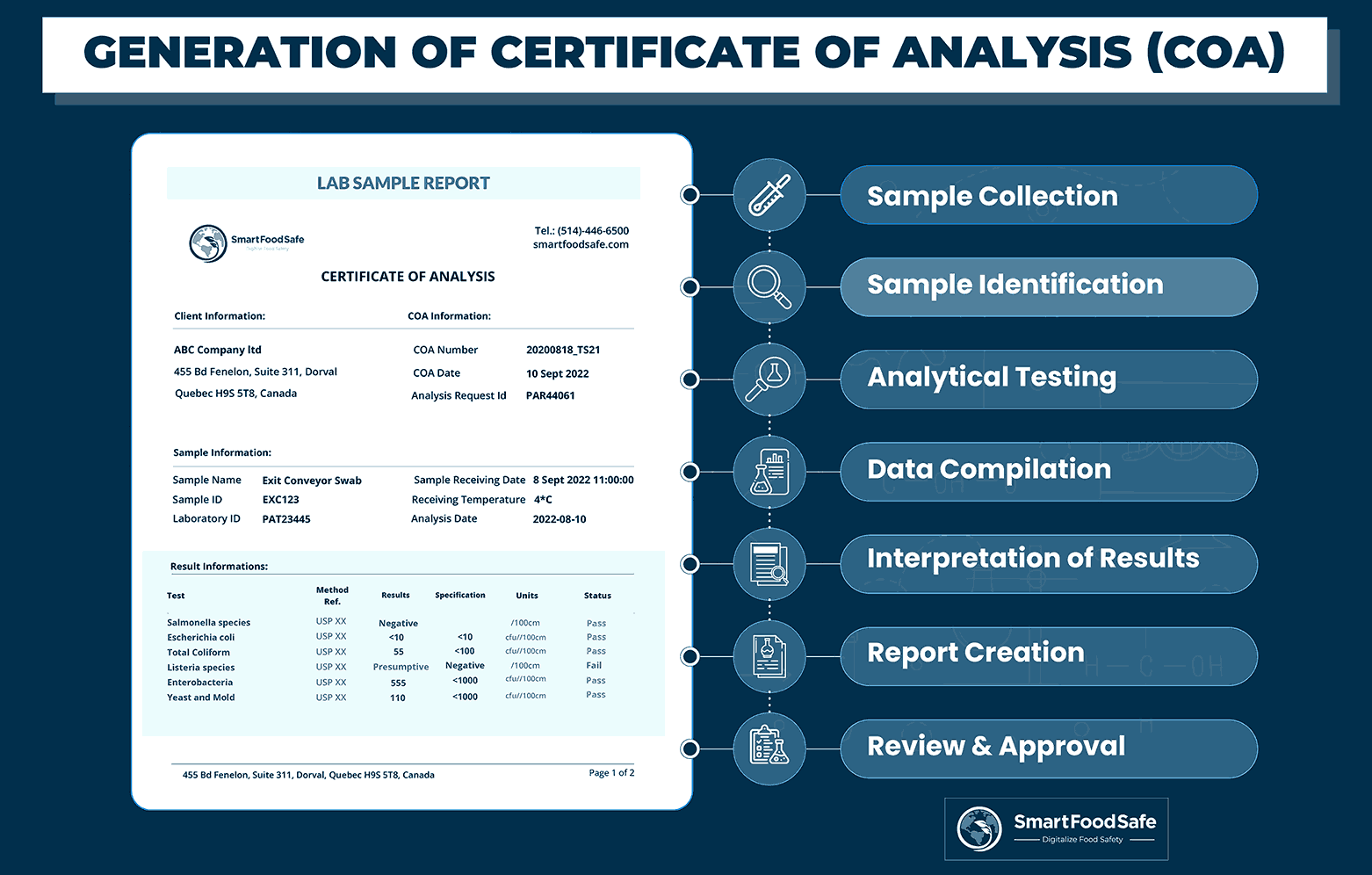
The Certificate of Analysis (CoA) is a document from a lab that confirms a specific product batch meets its label claims for potency and purity. It’s the ultimate proof.
- Life Extension has the strongest stated policy: a CoA is available for any product upon request by consumers.
- Thorne makes CoAs available, but historically this has been focused on their practitioner clients.
- NOW Foods and Garden of Life do not have a stated public policy of providing CoAs to consumers upon request, instead pointing to their overall quality control and certifications. This is a key transparency gap compared to Life Extension.
Critical Considerations: Security, Compliance & Blind Spots
Let’s be blunt. For any “Your Money or Your Life” (YMYL) product, which Google evaluates based on Expertise, Authoritativeness, and Trustworthiness (E-E-A-T), ‘security’ means safety.
It means trusting that you are not ingesting heavy metals like lead or mercury, pesticides, undeclared adulterants, or other dangerous contaminants. Trust is the only currency that matters, and it’s earned through rigorous, verifiable compliance.
The starkest example of this risk is, of course, Raw Medicine — which is exactly why our full Raw Medicine Review reaches the same conclusion. Some readers still ask whether a current Raw Medicine voucher code changes the calculus; it does not — a discount on an unverified product is still an unverified product.
In Practice: The Raw Medicine Black Hole
- SITUATION: As a wellness expert, I’m constantly evaluating new brands. I see compelling ads for Raw Medicine.
- TASK: My first step is to verify its manufacturing standards and regulatory history, a standard procedure for any YMYL product.
- ACTION: I search the FDA Warning Letter database — FDA Warning Letters Data — and third-party testing sites for “Raw Medicine.”
- RESULT: I find nothing. No cGMP certification, no test results, no FDA history. The absence of evidence becomes overwhelming evidence of risk. The brand is deemed fundamentally untrustworthy.
This exercise illustrates the core finding. The complete lack of a data trail for Raw Medicine is an automatic disqualification. For the other brands, we can analyze their known trade-offs, or “blind spots,” brand by brand below.
Category & Positioning
- Best For: Athletes & Purity Maximalists
- Certification: NSF Certified for Sport, TGA ‘A’ rating (GMP)
- Price Signal: $$$$$ (highest in comparison)
- Evidence Status: ✅ Verifiable in public databases
✅ Strengths
- NSF Certified for Sport across hundreds of products — verifiable
- TGA ‘A’ rating for Good Manufacturing Practice (Australia)
- Highly bioavailable forms (active B vitamins, chelated minerals)
- Curated, focused catalog — no decision fatigue
- Practitioner-trusted with clinical, no-nonsense aesthetic
⚠️ Considerations
- Cost Prohibitive: The extra cost may not deliver proportionately higher benefit for foundational nutrients
- Intimidating for Novices: Practitioner-grade focus can alienate beginners
- Highest TCO in comparison (~$1,101 / year for a foundational stack)
- 60-day return window is shorter than Life Extension’s 1-year guarantee
Category & Positioning
- Best For: Biohackers, self-researchers, longevity enthusiasts
- Certification: Some NSF certifications, general cGMP
- Price Signal: $$$ (premium but strong value)
- Evidence Status: ✅ Verifiable in public databases
✅ Strengths
- CoA on request for any customer — strongest transparency policy
- Documented 1-year money-back guarantee (industry-leading)
- 500+ products with science-backed formulations
- Vast research library on their website
- Premier membership unlocks free shipping & “Your-Price” sales
⚠️ Considerations
- Choice Paralysis: 500+ products can lead to inaction or uneducated stacking
- High Potency Side Effects: Niacin flushes, digestive upset can alarm beginners
- Annual membership fee can feel like a hidden cost
- Less emphasis on athletic-grade certifications than Thorne
Category & Positioning
- Best For: Budget-conscious consumers, foundational nutrients
- Certification: Informed-Sport, cGMP
- Price Signal: $ (most affordable)
- Evidence Status: ✅ Verifiable in Informed-Sport directory
✅ Strengths
- Family-owned with a strong, long-standing reputation
- Informed-Sport certification on select products
- In-house labs and competitor-testing program
- Massive value: ~$18/year for D-3 5,000 IU
- Wide retail availability (iHerb, Amazon, grocery stores)
⚠️ Considerations
- Mixed Ingredient Quality: Sometimes uses cheaper, less bioavailable forms (e.g., Cyanocobalamin instead of methylcobalamin)
- Burden is on consumer to pick the “better” SKU within their range
- Pricing varies widely between retailers — requires price-shopping
- No public CoA-on-request policy for consumers
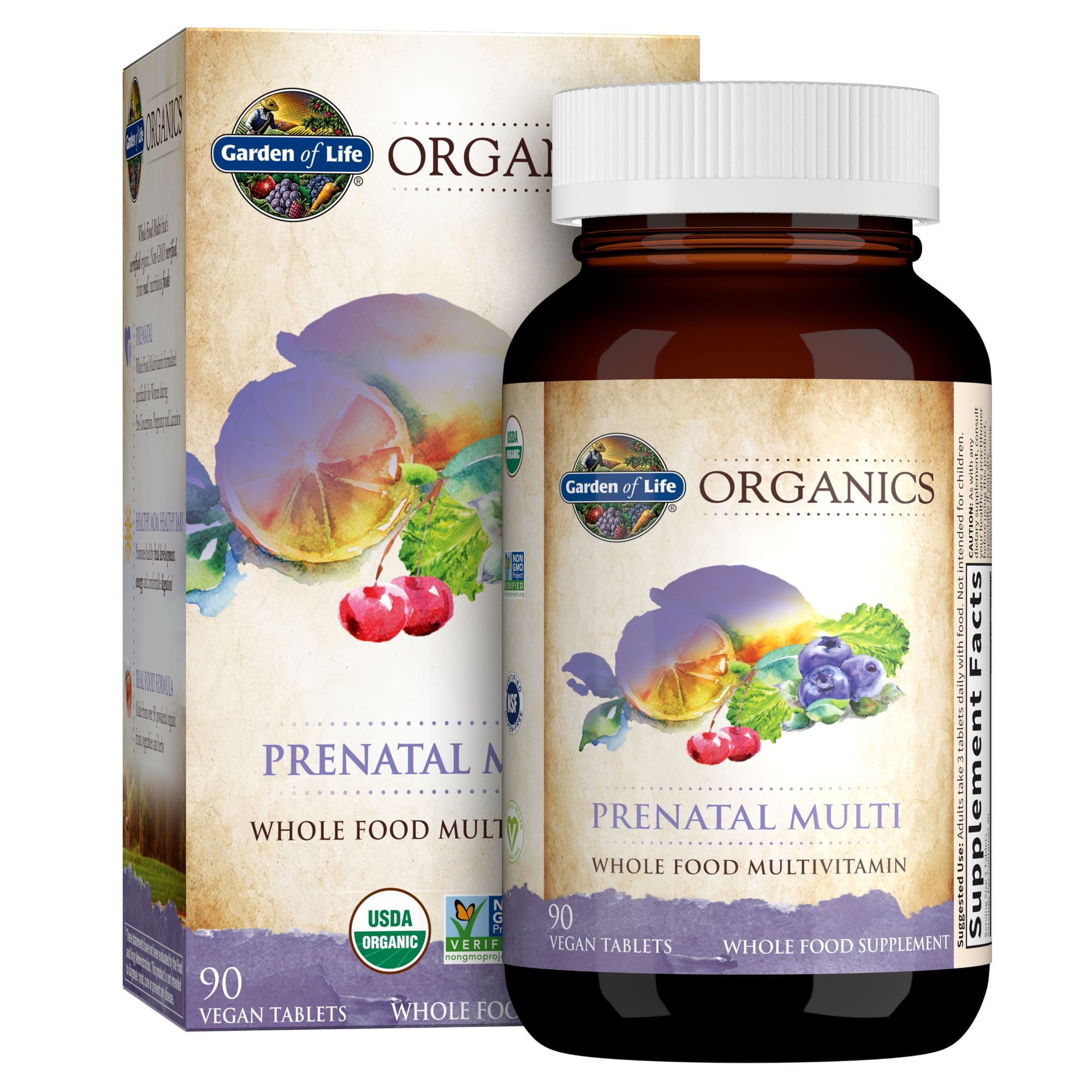
Category & Positioning
- Best For: Organic-first, ethical, values-driven shoppers
- Certification: USDA Organic, Non-GMO Project Verified
- Price Signal: $$$ (premium organic pricing)
- Evidence Status: ✅ Organic certifications verifiable
✅ Strengths
- Strong USDA Organic and Non-GMO Project Verified seals
- “Whole food” philosophy with food-matrix nutrient sourcing
- Wide availability at health food and mainstream retailers
- Appeals to clean-label and plant-based consumers
⚠️ Considerations
- Nestlé Ownership Issue: Authenticity conflict for holistic wellness audience
- Lower Potency: Whole-food formulas may be ineffective for correcting clinical deficiencies
- No athletic certification — not suitable for tested athletes
- No public CoA-on-request policy
Use Cases & Workflows: Choosing a Brand for YOU
The “best” supplement brand is highly personal. Instead of declaring a single winner, let’s walk through how three different types of consumers would use our decision framework to find the right fit.
Persona 1: “The Competitive Athlete”
- Who: A 30-year-old marathon runner who is subject to random drug testing.
- Primary Goal: Enhance performance and recovery without risking a failed test from a contaminated supplement.
- Workflow:
- Eliminate Brands: Immediately disqualifies Raw Medicine (no data), Garden of Life (lower potency, no athletic certification), and Life Extension (less focus on sport certification).
- Focus on Sport Certification: The decision comes down to Thorne (NSF Certified for Sport) and NOW Foods (Informed-Sport). Both are excellent, verifiable certifications.
- Evaluate Philosophy: Thorne’s entire brand is built around the elite practitioner and athlete. Their “no-compromise” approach to ingredient forms and extensive testing aligns perfectly with this persona’s mindset.
- Cost vs. Certainty: The athlete knows that a failed test could end their career. The extreme price difference of Thorne’s TCO ($1,100+) vs. NOW’s ($200+) is weighed against this risk. For them, the peace of mind offered by Thorne’s comprehensive NSF certification across its line is worth the premium.
- Decision: Thorne Research. The cost is high, but the verifiable purity and athletic-focused ecosystem make it the rational choice.
Persona 2: “The Biohacking Executive”
- Who: A 45-year-old tech executive focused on longevity, cognitive performance, and data-driven health.
- Primary Goal: Access high-potency, science-backed ingredients to optimize health metrics, with a strong emphasis on transparency and research.
- Workflow:
- Prioritize Research & Transparency: Immediately drawn to Life Extension due to its massive library of health articles and policy of providing CoAs on request. Thorne is also a contender due to its clinical feel.
- Test the CoA Policy: The executive emails Life Extension’s customer service asking for a CoA for their “Two-Per-Day” multivitamin. They receive a PDF within 48 hours, confirming the policy is real. This builds immense trust.
- Dive into the Science: They use Life Extension’s website to read studies on NMN, CoQ10, and other longevity-focused compounds, finding specific product recommendations tied to the research.
- Evaluate TCO: They note Life Extension’s TCO ($310) is significantly lower than Thorne’s ($1,100), offering a better balance of science-backing and value. The 1-year guarantee — Life Extension Guarantee Page — removes any risk of trying new products.
- Decision: Life Extension. The combination of deep research, proven transparency (CoA availability), and a risk-free purchasing experience is a perfect match.
Persona 3: “The Budget-Conscious Parent”
- Who: A 35-year-old parent of two, managing a household budget and looking for foundational health support for their family.
- Primary Goal: Find a reputable, safe, and affordable source for basic supplements like Vitamin D, Zinc, and a family multivitamin.
- Workflow:
- Filter by Price: Immediately rules out Thorne as prohibitively expensive. Raw Medicine is out due to safety concerns.
- Evaluate Value Brands: The choice is between NOW Foods and Garden of Life. They compare the TCO and find NOW ($204) is less than half the cost of Garden of Life ($495). They also scan our broader category of comparison articles for any newer budget alternatives.
- Check Reputation: They research NOW Foods and find it’s a family-owned company with a long-standing reputation for quality control and affordability. They see it on the shelf at their local grocery store, which adds a layer of trust.
- Ingredient Scrutiny: They remember the “Cost Per Effective Dose” lesson. For Vitamin D, the form (D3) is standard, so NOW’s affordable option is a great value. For magnesium, they make a note to specifically buy NOW’s “Magnesium Glycinate” product, not the cheaper “Magnesium Oxide,” demonstrating savvy consumer choice.
- Decision: NOW Foods. It provides the best combination of affordability, reputation, and availability for the family’s foundational health needs, as long as they are careful to select the most bioavailable ingredient forms.
Alternatives & Comparisons: Thorne vs. Life Extension
For the consumer who has moved beyond foundational health and is seeking the most potent, high-purity supplements, the decision often comes down to two titans: Thorne Research and Life Extension. While they appear similar, they operate on fundamentally different philosophies.
Thorne Research: The Clinical Purist
Best For: Athletes, individuals with extreme sensitivities/allergies, and those for whom cost is no object in the pursuit of absolute purity.
- Purity as a Moat: Thorne’s identity is built on purity. Its facilities, TGA rating, and near-obsessive focus on the NSF Certified for Sport label are its key differentiators. You choose Thorne when you want the highest possible assurance that a product contains only what is on the label and nothing else.
- Practitioner-Centric Model: The brand is designed to be sold through health practitioners. This creates an ecosystem of trust by proxy and a clinical, no-nonsense aesthetic.
- Curated Selection: Compared to Life Extension, Thorne’s catalog is smaller and more focused. They prioritize offering one or two “best-in-class” versions of a nutrient rather than a dozen variations.
Consider Thorne if:
- You are a competitive athlete who needs NSF Certified for Sport products.
- You have multiple allergies and need a product free from common contaminants.
- You follow a specific practitioner’s protocol that recommends Thorne products.
Avoid Thorne if:
- You are on a budget. The TCO is consistently the highest.
- You are a beginner looking for basic, foundational supplements.
- You enjoy researching and comparing multiple forms of a nutrient; Thorne often makes the choice for you.
Life Extension: The Scientific Archive
Best For: The self-directed biohacker, the data-driven researcher, and the consumer who values transparency and choice above all else.
- Transparency as a Feature: Life Extension’s killer feature is its 1-year money-back guarantee and its willingness to provide a Certificate of Analysis (CoA) to any customer who asks. This demonstrates unparalleled confidence in their products.
- Innovation and Choice: With over 500 products, Life Extension is a playground for the supplement enthusiast. They are often first to market with new and innovative ingredient formulations based on emerging research.
- Research-Driven Mission: The brand operates like a research organization that happens to sell supplements. Their website is a vast library of information, empowering users to make their own educated decisions.
Consider Life Extension if:
- You want the absolute lowest-risk purchasing experience, thanks to the 1-year guarantee.
- You want to verify a product’s purity for yourself by requesting a CoA.
- You love diving into scientific literature and want access to a wide variety of cutting-edge formulas.
Avoid Life Extension if:
- You are easily overwhelmed by choice. Their massive catalog can be paralyzing.
- You prefer a simple, curated “best” option.
- You are looking for a brand with a primary focus on athletic certifications.
Head-to-Head: Thorne vs. Life Extension for the Data-Driven Consumer
| Feature/Criterion | Thorne Research | Life Extension | The Devil’s Advocate Take |
|---|---|---|---|
| Primary Certification | NSF Certified for Sport | General NSF cGMP Registration | Thorne wins for athletes; Life Extension’s is a baseline quality mark. |
| CoA Policy | Available, practitioner-focused | Publicly available upon request | Life Extension wins on consumer transparency. This is a major differentiator. |
| Key Ingredient Philosophy | Purest, most bioavailable forms | Science-backed, innovative forms | Both are excellent. Thorne is more curated, LEF offers more choice. |
| Primary Target User | Elite Athlete, Health Practitioner | Self-Researcher, Biohacker | They target different mindsets: the “do it for me” vs. the “I’ll do it myself.” |
| Guarantee | 60 Days | Documented 1-Year Guarantee | Life Extension’s guarantee is industry-leading and a massive trust signal. |
| Price Signal | $$$$$ (Highest) | $$$ (Premium, but good value) | Life Extension offers a much lower TCO for a comparable quality stack. |
| Major Blind Spot | Prohibitive cost can be a barrier. | “Choice paralysis” can lead to user confusion. | Thorne’s cost limits its market, while LEF’s breadth can be its own worst enemy. |
If you’re still hunting for the lowest possible entry price on either brand, our team continuously updates the latest coupons list across all health-and-wellness merchants — and the dedicated Raw Medicine coupon code page for that specific brand.
Final Recommendation & Decision Framework
My investigation into Raw Medicine and its competitors began as a market analysis but ended as a cautionary tale.
The primary finding was not which brand is “best,” but the shocking reality of information asymmetry in the supplement market, a danger perfectly embodied by the “ghost” brand Raw Medicine. Its complete lack of verifiable data serves as a stark reminder that in this industry, what you don’t know can absolutely hurt you.
The final verdict of this Devil’s Advocate guide is clear. The only rational choice is to abandon any consideration of Raw Medicine and instead apply a rigorous, skeptical framework to the established Raw Medicine alternatives.
As we’ve seen, even reputable brands like Thorne, Life Extension, NOW Foods, and Garden of Life have different strengths and require scrutiny. Your safety is far more important than their marketing promises. The burden of proof lies not with you, but with the company asking for your trust and your money.
This guide is a tool for consumer empowerment. I urge you to internalize this mission and become the Devil’s Advocate for your own health.
Critical Decision Criteria for the Health-Savvy Consumer
Ultimately, you must shift your mindset from a passive consumer to an active investigator. Here is the four-step framework I use and recommend to anyone navigating this market.
This is non-negotiable. Before you buy any supplement, email the company and ask for a batch-specific Certificate of Analysis. A transparent company will provide it. While you wait, check reports from independent testers like ConsumerLab.com to see if they have ever reviewed the product.
Do not be fooled by a high milligram count. The molecule’s form determines bioavailability. Research the difference between cheap forms (like Magnesium Oxide) and high-quality forms (like Magnesium Glycinate). This single step will protect you from 90% of the “angel dusting” or “pixie dusting” and efficacy deception in the industry.
Never sign up for a subscription just to get a 10% discount without first searching online for “[Brand Name] cancel subscription.” Read reviews from other users. If the process is convoluted, it is a “Subscription Trap” designed to bill you indefinitely.
This is the core lesson from the Raw Medicine black hole. In a YMYL category, if a brand does not proudly provide information about its manufacturing, ingredient sourcing, and testing, you must assume the worst. A lack of transparency is a red flag.
Frequently Asked Questions
Q1: Why must Raw Medicine be avoided?
A: Raw Medicine must be avoided because there is zero verifiable public information about its manufacturing, testing, ingredients, or business practices. In the Health and Beauty category of supplements, which directly impacts your health (a “YMYL” or Your Money, Your Life product), this absence of evidence is the biggest possible red flag. Relying on marketing alone from an unknown entity introduces unacceptable safety risks, such as potential contamination with heavy metals or inaccurate dosages. Reputable supplement brands provide transparency reports and third-party certifications; Raw Medicine provides none of this, making it an unnecessary gamble.
Q2: Are Thorne’s or Life Extension’s certifications guaranteed to be current?
A: While no certification is a permanent guarantee, Thorne’s and Life Extension’s key certifications are currently active and verifiable in public databases as of June 2024. For example, you can go to the NSF Certified for Sport® website and search for “Thorne” to see a live list of their hundreds of certified products — NSF Certified Products. This verifiability is a crucial trust signal. It’s always a good practice for consumers to check these public databases periodically, but the fact that these reputable supplement brands maintain these certifications is a strong indicator of ongoing quality control, setting them apart from brands that make claims without proof.
Q3: What is the single most important thing to look for in a supplement?
A: From my professional experience, it is a recent, third-party Certificate of Analysis (CoA) for your specific product batch. This document is your only objective proof of what’s actually in the bottle, cutting through all marketing claims and brand storytelling. It verifies that the potency (dose) matches the label and that the product is free from contaminants like heavy metals, bacteria, and mold. A transparent company like Life Extension will make this easy to obtain for any consumer who asks, which is a powerful indicator of their confidence in their own quality control. An opaque company will not.
Q4: What’s the difference between ingredient ‘dose’ and ‘form’?
A: Dose is the amount of the ingredient (e.g., 400mg), while form is the specific molecular structure of that ingredient, which determines its bioavailability—how much your body can actually absorb and use. This is the key to understanding the true cost per effective dose. For example, a high dose of a cheap, non-bioavailable form (like Magnesium Oxide) can be far less effective and have more side effects than a lower dose of a high-quality, bioavailable form (like Magnesium Glycinate). This distinction is critical; savvy consumers for reputable supplement brands focus on the quality of the form, not just the quantity of the dose.
Q5: Is NOW Foods “too cheap” for a reason?
A: Not necessarily “too cheap to be good,” but you are making a clear cost trade-off. My analysis shows NOW Foods achieves its incredibly low prices by focusing on foundational ingredients and, in some cases, using less bioavailable ingredients (and therefore cheaper) forms as a part of their business model. For a basic nutrient like Vitamin D, where the form is less of an issue, it can offer incredible value. For a mineral like magnesium, where the form is everything, a more premium brand might provide a better “cost per effective dose.” Their value comes from their massive scale and no-frills approach, but it requires the consumer to be educated enough to choose their better product variants.
Q6: How do I read a Certificate of Analysis (CoA)?
A: Look for three key sections on the document. First, the Potency or Assay test, which confirms the dose of the active ingredient matches the label claim (e.g., “Vitamin C: 105mg” when the label says 100mg is good). Second, the Microbiology test, which screens for harmful bacteria like E. coli and Salmonella, and should read “Not Detected” or “Pass.” Third, the Heavy Metals test, which checks for lead, arsenic, mercury, and cadmium, and should show levels well below the safe limits set by USP or other standards. If any of these sections are missing or fail their limits, do not use the product.